Home Blog Page 844

Port restrictions on imports from Bangladesh to have impact in Bengal, but national interest supreme

KOLKATA : Though the Centre’s move to restrict imports of certain goods from Bangladesh via land ports will have an impact on employment and transport revenue in West Bengal, the national interest is more important than the potential economic fallout, officials said on Sunday.

The central government on Saturday imposed port restrictions on the import of a few Bangladeshi goods, such as readymade garments and processed food items, in response to similar curbs placed by Dhaka on certain Indian products last month.

“Around 20-30 trucks, carrying finished premium garments, used to come daily even after India banned third-country transhipment. The latest order will completely stop such movement via land ports. When transhipment was allowed, 60-80 truckloads of garments were entering India,” Petrapole Clearing Agents Staff Welfare Association (PCASWA) member Kartik Chakraborty said.

Truckers and workers at border logistics hubs will be affected by the port restriction order, he said.

A trade expert, declining to be named, said the finished garments from Bangladesh often make their way into modern Indian retail chains at low prices, and these products are effectively being “dumped into the market by Bangladeshi exporters”.

“The move by the Centre may be strategic, possibly linked to national interest and recent geopolitical developments, including Dhaka’s ties with Islamabad. The national interest is more important than the potential economic fallout,” the expert said.

The notification imposes “port restrictions on the import of certain goods such as readymade garments, processed food items etc., from Bangladesh to India,” the Centre said.

The order said that readymade garments imports from Bangladesh will not be allowed from any land port. However, it is allowed only through the Nhava Sheva and Kolkata seaports.

For fruits, fruit flavoured and carbonated drinks, processed food items (baked goods, snacks, chips and confectionary), cotton and cotton yarn waste, plastic and PVC finished goods, dyes, plasticisers and granules, and wooden furniture, the notification said the inbound shipments from the neighbouring country shall not be allowed through any LCSs (Land Customs Stations) and ICPs (Integrated Check Posts) in Assam, Meghalaya, Tripura and Mizoram, and LCS Changrabandha and Fulbari, in West Bengal.

Chakraborty pointed out that seaport imports are not a preferred option due to the longer transit time of around two weeks, as compared to just 3-4 days via road.

Import restrictions on Bangladesh goods affect Tripura’s Economy

NEW DELHI : India’s decision to restrict imports from Bangladesh via land ports will impact bilateral trade activities in Tripura and other parts of Northeast India. The Directorate General of Foreign Trade (DGFT) on Saturday (May 17, 2025) imposed port restrictions, except on Nhava Sheva and Kolkata seaports, on the import of some goods, including readymade garments, plastic items, furniture and processed food items from the neighbouring countries.

Sujit Roy, General Secretary of the All-Tripura Merchant Association, said Indian traders had been importing mainly six items worth crores of rupees through land ports in Tripura. “But with the restrictions enforced, they will not be in a position to import the same”, he told on Sunday.

Mr. Roy, however, said the restrictions would have a brief impact as the items imported from Bangladesh were also available in India.

The export and import trade activity through ICPs and LCSs in Tripura, which shares an 856 km boundary with Bangladesh, has been taking place for the past three decades. Imported plastic-made commodities of various natures and furniture are widely sold in the region.

Fish, cooking oil and crushed stones were imported through Agartala and other land ports on Sunday as they were not barred by the DGFT.

Meanwhile, Bangladesh online news portal bdnews24.com quoted the country’s Commerce Adviser Sheikh Bashir Uddin as saying that they will work with India to resolve trade issues. The Adviser to the Interim Government reportedly commented that “We are two geographically connected countries.”

India looks beyond Chabahar to boost global port presence

NEW DELHI : India is eyeing a strategic expansion of its port infrastructure and management capacities on a global scale. Post its fruitful engagement at Chabahar Port in Iran, and other ports in its immediate neighbourhood, the country is scouting for opportunities in African nations for port and/or berth operations.

According to officials of the Ministry of Ports, Shipping and Waterways, these expansion efforts will be undertaken through Indian Ports Global Ltd (IPGL), a joint venture company formed by Jawaharlal Nehru Port Trust and Kandla Port Trust for the development of port projects overseas.

The shipping ministry has assigned IPGL the task of equipping and operating container/ multi-purpose terminals at Chabahar port and the company is reportedly looking for a project manager to be “stationed in Tehran”.

Starting with Tanzania, a few African nations have been shortlisted for exploring berth management opportunities.

Tapping Tanzania
Sources said that India and Tanzania have signed multiple memorandums of understanding (MoUs) related to maritime and port infrastructure development, including industrial parks, port operations, and maritime cooperation.

A key agreement is between Jawaharlal Nehru Port Authority (JNPA) and the Tanzania Investment Centre, for establishing an industrial park in Tanzania. Cochin Shipyard Ltd and Marine Services Co Ltd — a Tanzanian company operating ferries, cargo ships and tankers — have signed an MoU for cooperation in the maritime industry.

“Tanzania is definitely on the radar, and with JNPA constructing an industrial park or SEZ in that country, we will look at expanding our scope of operations there,” the ministry official, who declined to be named, told.

Tanzania’s main ports are in Dar es Salaam, Mtwara, and Tanga, all located on the Indian Ocean. Minor ports include Lindi, Kilwa Masoko, Mafia Island, Bagamoyo, Pangani, and Kwale. Additionally, there are ports on the Zanzibar and Pemba islands, including Chake Chake and Mkoani.

India’s largest integrated transport utility, Adani Ports and Special Economic Zone Ltd (APSEZ), currently has a significant presence in Tanzania, especially at Dar es Salaam port, where it manages container terminal No. 2 under a 30-year concession. Adani Ports also has a joint venture — named East Africa Gateway Limited — with AD Ports Group and East Harbour Terminals Limited, which acquired a 95 per cent stake in Tanzania International Container Terminal Services.

The Chabahar push
India, through IPGL, operates the Shahid Beheshti terminal at Chabahar Port, a strategic gateway for trade with Afghanistan and Central Asia, and vital to India’s participation in the International North-South Transport Corridor.

Container handling at Chabahar is expected to reach 100,000 TEUs (full capacity) by FY26 and plans are afoot for Indian shipping liners to launch operations there.

In FY25, the port’s container traffic is expected to reach 75,000 TEUs. By end-January, it had touched 64,245 TEUs, compared with just 9,126 TEUs in FY23, India’s shipping ministry data shows.

Chabahar port remains in an “investment mode”, a source said, with an added focus on marketing activities to ensure operational viability.

“Operations are commercially viable, but it will take some more time to be profitable, as geopolitical turmoil continues,” the source added.

A second berth is being planned too.

India is reportedly exploring ₹4,000-crore capex-led expansion of operations at Chabahar port. With orders for nearly five mobile harbour cranes, India eyes a five-fold capacity expansion to 500,000 TEUs over a 10-year period, shipping ministry officials said, adding that talks were underway.

Neighbourhood plans
Vying with China for a presence at ports in its immediate neighbourhood, India seeks to promote its strategic and commercial interests along trade routes between the Asia-Pacific region, Europe and Africa.

In Myanmar, IPGL has assumed control of operations at Sittwe port, which is an integral component of the Kaladan multimodal transit project linking Bangladesh, Thailand, and Kolkata.

The enhanced connectivity through Myanmar is expected to help India establish a seamless trade corridor to Southeast Asia and strengthen regional economic partnerships.

In Sri Lanka, the development and operation of Kankesanthurai port by IPGL not only boosts bilateral trade but also revives maritime passenger connectivity, with a regular ferry service planned between Nagapattinam (India) and Kankesanthurai (Sri Lanka).

APSEZ has announced the commencement of operations at the Colombo West International Terminal in Colombo port.

The $800-million, fully automated deepwater terminal can handle 3.2 million TEUs annually, elevating the port’s status as a key transshipment hub in South Asia.

Repositioning IPGL
Interestingly, India’s shipping ministry plans to propel IPGL into the commercial spotlight.

The State-run firm — currently limited to strategic outposts like Chabahar and Sittwe — is likely to be positioned as a domestic terminal operator, too, with high-value oil handling facilities.

At the centre of these plans is Bharat Global Ports, a newly formed State-owned consortium that is being pitched as an “end-to-end port infrastructure solutions provider”, including terminal operations, financing, logistics, and connectivity. IPGL will be the operations arm of this entity.

“If IPGL gets into domestic berth operations, it will improve the international image of the entity,” an official explained, as queries arise as to why a State-backed entity does not have presence in its own country.


GeM Celebrates 8th Incorporation Day

NEW DELHI : Government e Marketplace (GeM), India’s national public procurement portal, marked its 8th Incorporation Day with a reaffirmation of its transformative impact on inclusive economic growth and digital governance.

Addressing the media on the occasion, CEO, GeM, Shri Mihir Kumar, said, “At GeM, we are innovating to simplify and empowering to transform—because when innovation meets inclusion, it unlocks opportunities for every Indian entrepreneur. From MSEs and start-ups to weavers and women-led enterprises, our journey goes beyond procurement—it’s about building a more accessible, efficient and equitable marketplace for all.”

GeM’s user base has seen a threefold increase in recent years, with over 1.64 lakh primary buyers and 4.2 lakh active sellers now onboard. The platform offers more than 10,000 product categories and over 330 services. Independent assessments, including from the World Bank and Economic Survey, validate GeM’s impact, noting an average cost saving of nearly 10% in government procurement.

Highlighting its commitment to empowering small sellers and traditionally underrepresented groups, Shri Kumar informed that over 10 lakh Micro and Small Enterprises (MSEs), 1.3 lakh artisans and weavers, 1.84 lakh women entrepreneurs, and 31,000 startups are now part of the GeM ecosystem. “By ensuring complete information dissemination on bids and actively integrating diverse stakeholders—MSEs, start-ups, women entrepreneurs, self-help groups, and FPOs—GeM has redefined public procurement,” he added.

Nearly 97% of all transactions on GeM are now free from transaction charges. Additionally, fees have been reduced by 33% to 96% and capped at ₹3 lakh for orders exceeding ₹10 crore, significantly down from the earlier ₹72.5 lakh. For sellers with annual turnover below ₹1 crore, the caution money deposit has been cut by 60%, with full exemptions granted to select groups.

GeM’s role in advancing national priorities was underscored by key transactions, including ₹5,000 crore worth of equipment for the Akash Missile System and ₹5,085 crore in vaccine procurement. The platform is also enabling complex services such as drone-as-a-service for AIIMS, GIS and insurance for over 1.3 crore lives, and wet leasing of chartered flights and CT scanners.

GeM has now been adopted across all 36 States and Union Territories, with Uttar Pradesh leading the way. Eight states—including Maharashtra, Manipur, Gujarat, Himachal Pradesh, Assam, Uttarakhand, and Chhattisgarh—have mandated GeM usage. Successful IFMS integrations in Assam, Kerala, Odisha, West Bengal, and Delhi have paved the way for upcoming rollouts in Gujarat, Karnataka, and Uttar Pradesh.

Reinforcing its commitment to transparency and accountability, GeM has deployed advanced analytics for real-time fraud detection, risk mitigation, and continuous monitoring. In a pioneering digital governance move, GeM launched GeMAI, India’s first generative AI-powered chatbot in the public sector. Supporting both voice and text interactions in 10 Indian languages, GeMAI enhances user support and embodies GeM’s mission of inclusive, intelligent service delivery.

Congratulating stakeholders on the platform’s journey, Shri Mihir Kumar concluded, “With the continued support of our ecosystem, I am confident that GeM will scale even greater heights and contribute meaningfully to making India truly Aatmanirbhar.”

MSC makes strategic move in Ukrainian logistics

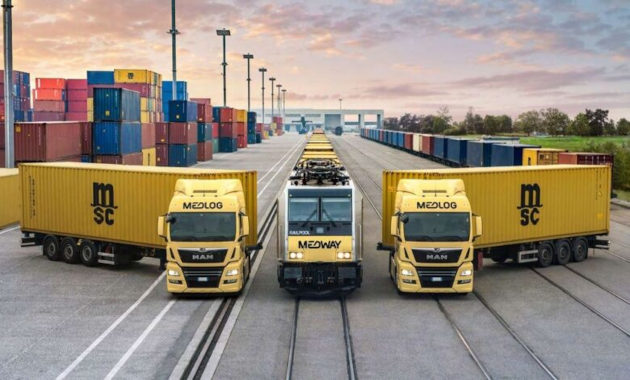
GENEVA : Despite the war, MSC’s Medlog has entered Ukraine’s intermodal sector, acquiring stakes in terminals in Kharkiv, Dnipro, Kyiv, and Mostyska. Medlog has bought 50% of the Ukrainian intermodal logistics operator N’UNIT (New Ukrainian Network of Intermodal Terminals) and a 25% stake in the cross-border terminal Mostyska.

Yegor Grebennikova-a local businessman,, co-owner of the TIS Group and founder of N’UNIT, who will, following the transaction, hold 50% of N’UNIT and 25% in the Mostyska terminal, while the remaining 50% will continue to be owned by Lemtrans, a company linked to another Ukrainian businessman, Rinat Akhmetov.

N’UNIT operates four intermodal terminals located in Vyshneve near Kyiv, Kharkiv, Dnipro, and the Lviv region, while the terminal at Mostyska plays a substantial role in rail freight operations at the Ukrainian-Polish border.

Forbes Ukraine, which broke the news, has estimated the purchase price to be between $15m and $30m. The deal marks the first announced acquisition by a large international logistics company involving Ukrainian rail freight assets since the outbreak of the full-scale war in Ukraine.

DP World extends Groundbreaking Carbon Inset Scheme after hitting 150,000 Containers

LONDON : DP World has issued the first certificates from its groundbreaking Carbon Inset Programme, after more than 150,000 import containers were registered since its launch in January.

The trial, which began on 1 January 2025, is the first of its kind anywhere in the world. It rewards cargo owners with 50kg CO2e of carbon credits for every loaded import container moved through DP World’s UK terminals. These credits help companies tackle Scope 3 emissions in their supply chains.

Originally set to run for six months, the programme has now been extended to the end of the year due to strong demand, giving cargo owners more opportunities to register and claim carbon credits.  

Unlike offsets, which involve external projects like mangrove planting, carbon insets address emissions at the source by targeting reductions in a company’s own supply chain, for example by using cleaner fuels or more efficient transport.

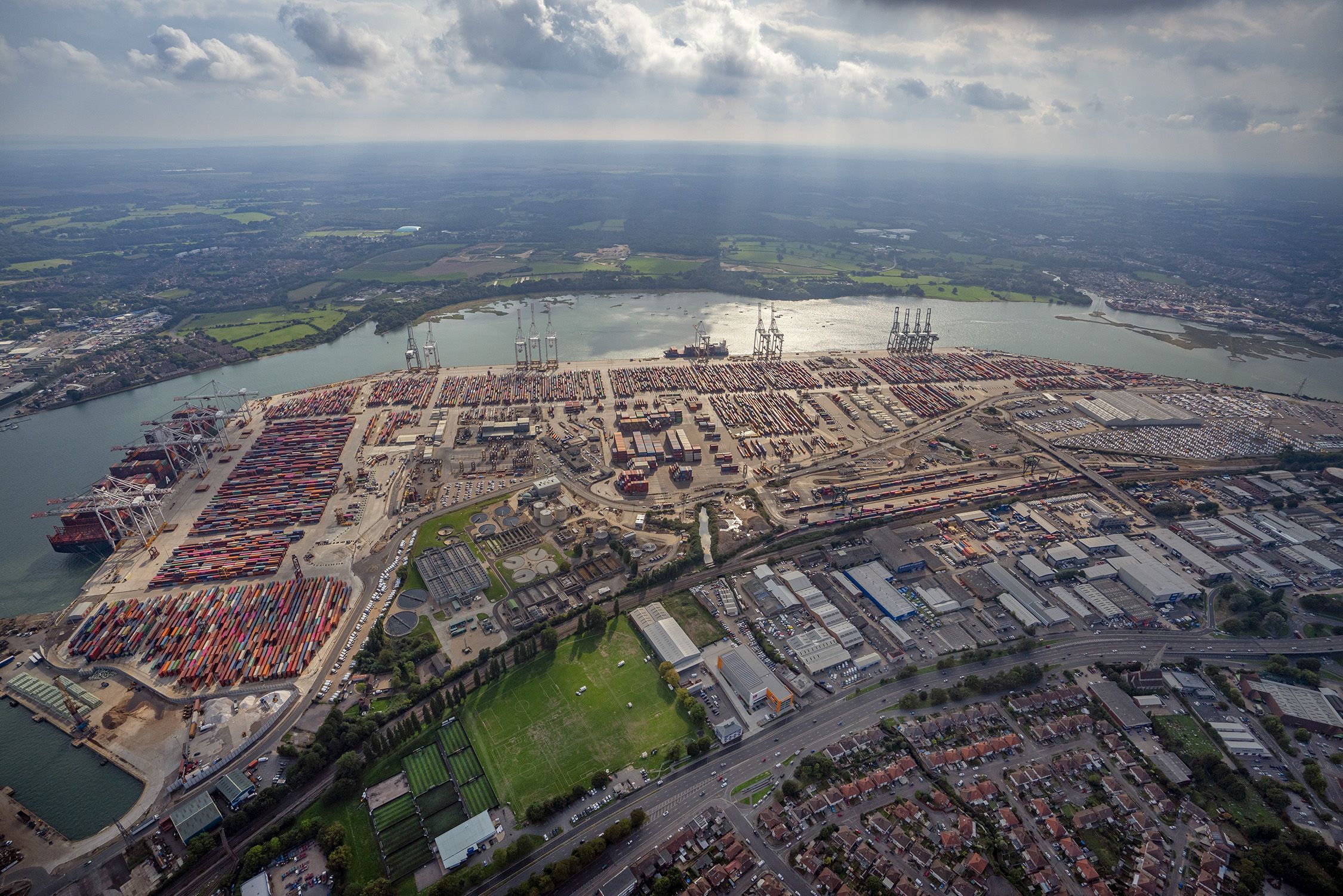
DP World issued its first carbon inset certificates to cargo owners in April, covering import containers handled at DP World London Gateway and Southampton in the first three months of 2025.

John Trenchard, Vice President – Commercial & Supply Chain, DP World in the UK, said: “DP World is committed to providing our customers pragmatic solutions to help them meet their sustainability goals and our innovative Carbon Inset Programme is doing just that. With 150,000 TEUs worth of registrations since January, the trial has been an undeniable success so far and its extension to the end of the year is a testament to the confidence we have that more cargo owners stand to benefit from the programme’s incentives.

“At our Southampton and London Gateway logistics hubs, we are making consistent progress towards our sustainability goals, coupling investment in all-electric container handling equipment with innovative trials like the Carbon Inset and Modal Shift programmes. At DP World, sustainability is at the forefront of our decision-making, offering customers solutions that support their own sustainability goals which in turns plays a key role in meeting our own global ambition to reduce absolute emissions by 42% by 2030 and achieve net-zero by 2050.”

John Hopkins, CEO of Fyffes UK, said: “Fyffes engages with supply chain partners to deliver fresh, healthy and sustainably grown produce in a collective effort to share value and enrich the lives of people around the world. We have signed up to the innovative Carbon Inset Programme offered by DP World UK as this is an immediate and pragmatic way to reduce greenhouse gas emissions in the supply chain.”

DP World’s carbon inset credits are generated through its subsidiary, Unifeeder, which deploys incrementally lower-carbon fuels across its Northern European shipping network. The credits are independently verified and pooled every quarter, allowing participating companies to address their Scope 3 supply chain carbon emissions to make tangible steps towards their sustainability requirements.

The programme is part of DP World’s broader push to decarbonise its operations, including investment in all-electric equipment and modal shift initiatives in the UK. Globally, the company has committed to cutting absolute emissions by 42% by 2030.

In addition to its hubs at Southampton and London Gateway, DP World’s end-to-end solutions include logistics, forwarding and European transport capabilities, all seamlessly integrated into the company’s global network. Operating in 78 countries, DP World handles 10 per cent of global containerised trade, driving supply chain efficiency worldwide.

ZIM reports strong earning in First Quarter, Net Income of $296 Million

HAIFA : ZIM Integrated Shipping Services Ltd. announced its consolidated results for the three months ended March 31, 2025.

First Quarter 2025 Highlights

  • Net income for the first quarter was $296 million (compared to $92 million in the first quarter of 2024), or diluted earnings per share of $2.454 (compared to $0.75 in the first quarter of 2024).
  • Adjusted EBITDA for the first quarter was $779 million, a year-over-year increase of 82%.
  • Operating income (EBIT) for the first quarter was $464 million, compared to $167 million in the first quarter of 2024.
  • Adjusted EBIT for the first quarter was $463 million, compared to $167 million in the first quarter of 2024.
  • Revenues for the first quarter were $2.01 billion, a year-over-year increase of 28%.
  • Carried volume in the first quarter was 944 thousand TEUs, a year-over-year increase of 12%.
  • Average freight rate per TEU in the first quarter was $1,776, a year-over-year increase of 22%.
  • Net leverage ratio1 of 0.6x at March 31, 2025, compared to 0.8x as of December 31, 2024; net debt1 of $2.49 billion as of March 31, 2025, compared to net debt of $2.88 billion as of December 31, 2024.

Eli Glickman, ZIM President & CEO, stated, “ZIM began the year with positive momentum, delivering 12% carried volume growth and strong earnings in the first quarter. Drawing on our transformed fleet and enhanced cost structure, we generated Q1 revenues of $2.01 billion and net income of $296 million. Building on our proven track record of returning capital to shareholders, we declared a dividend of $0.74 per share, or $89 million, representing approximately 30% of our quarterly net income.”

Mr. Glickman added, “As we look toward the remainder of the year, the operating environment is highly uncertain, driven by a range of factors impacting global trade and economic expectations. For ZIM, our focus is on controlling what we can and responding to market shifts quickly with decisive actions. We continuously assess how to best allocate capacity and have taken steps to modify our network to match the changes in cargo flow from China and other Southeast Asian markets into the United States, including within the last week, which underscores the agile nature of our commercial strategy.”

Mr. Glickman concluded, “Despite the heightened level of uncertainty, we have reaffirmed our 2025 outlook of Adjusted EBITDA between $1.6 billion and $2.2 billion and Adjusted EBIT between $350 million and $950 million. We are confident that we have built a resilient business and will continue to benefit from the strategic investment in our fleet with larger, more modern, cost-effective capacity, approximately 40% of which is LNG-fueled. Supported by our lower cost base, we believe ZIM is well positioned to drive profitable growth over the long term.”

Financial and Operating Results for the First Quarter Ended March 31, 2025

Total revenues were $2.01 billion for the first quarter of 2025, compared to $1.56 billion for the first quarter of 2024, mainly driven by the increase in freight rates and carried volume.

ZIM carried 944 thousand TEUs in the first quarter of 2025, compared to 846 thousand TEUs in the first quarter of 2024. The average freight rate per TEU was $1,776 for the first quarter of 2025, compared to $1,452 for the first quarter of 2024.

Operating income (EBIT) for the first quarter of 2025 was $464 million, compared to $167 million for the first quarter of 2024. The increase was driven primarily by the above-mentioned increase in revenues.

Net income for the first quarter of 2025 was $296 million, compared to $92 million for the first quarter of 2024, also mainly driven by the above-mentioned increase in revenues.

Adjusted EBITDA for the first quarter of 2025 was $779 million, compared to $427 million for the first quarter of 2024. Adjusted EBIT was $463 million for the first quarter of 2025, compared to $167 million for the first quarter of 2024. Adjusted EBITDA and Adjusted EBIT margins for the first quarter of 2025 were 39% and 23%, respectively. This compares to 27% and 11% for the first quarter of 2024, respectively.

Net cash generated from operating activities was $855 million for the first quarter of 2025, compared to $326 million for the first quarter of 2024.

Liquidity, Cash Flows and Capital Allocation

ZIM’s total cash position (which includes cash and cash equivalents and investments in bank deposits and other investment instruments) increased by $230 million from $3.14 billion as of December 31, 2024 to $3.37 billion as of March 31, 2025. Capital expenditures totaled $78 million for the first quarter of 2025, compared to $24 million for the first quarter of 2024. Net debt position as of March 31, 2025, was $2.49 billion compared to a net debt position of $2.88 billion as of December 31, 2024, a decrease of $382 million. ZIM’s net leverage ratio as of March 31, 2025, was 0.6x, compared to 0.8x as of December 31, 2024.

First Quarter 2025 Dividend

In accordance with the Company’s dividend policy, the Company’s Board of Directors declared a regular cash dividend of approximately $89 million, or $0.74 per ordinary share, reflecting approximately 30% of first quarter 2025 net income. The dividend will be paid on June 9, 2025, to holders of record of ZIM ordinary shares as of June 2, 2025.

All future dividends are subject to the discretion of Company’s Board of Directors and to the restrictions provided by Israeli law.

Use of Non-IFRS Measures in the Company’s 2025 Guidance

A reconciliation of the Company’s non-IFRS financial measures included in its full-year 2025 guidance to corresponding IFRS measures is not available on a forward-looking basis. In particular, the Company has not reconciled Adjusted EBITDA and Adjusted EBIT because the various reconciling items between such non-IFRS financial measures and the corresponding IFRS measures cannot be determined without unreasonable effort due to the uncertainty regarding, and the potential variability of, the future costs and expenses for which the Company adjusts, the effect of which may be significant, and all of which are difficult to predict and are subject to frequent change.

Full-Year 2025 Guidance

In 2025, the Company continues to expect to generate Adjusted EBITDA between $1.6 billion and $2.2 billion and Adjusted EBIT between $350 million and $950 million.

House of Shipping appoints Alessandra Ronco as Global Chief Executive Officer

DUBAI : House of Shipping, a leading provider of business consultancy and advisory services to the maritime and logistics industries, on Monday announced the appointment of Ms. Alessandra Ronco as its new Global Chief Executive Officer. Alessandra will also continue to serve in her current role as Global Chief Legal Officer.

Alessandra brings over two decades of international experience to the role. She joined House of Shipping from Arkas Container and Shipping Transport S.A., where she served as Legal Director and was a member of the Management Directors Team for the Liner Service. Earlier in her career, she spent ten years at Maersk Line, holding various roles across legal, customer service, network design, and partnership management.

Since joining House of Shipping in 2022, Alessandra has played an integral role in shaping strategic decision-making while ensuring legal and regulatory compliance. Her expertise spans legal strategy, cooperation agreements, P&I claims, FD&D matters, and competition and regulatory law.

Under Alessandra’s guidance, the legal department has evolved into a trusted advisory function for clients across the shipping, maritime, and logistics industries, offering legal management consulting that supports sustainable, long-term business success.

“I am honoured to step into this role and continue supporting House of Shipping’s dynamic growth journey. Together, we will maintain our focus in driving meaningful progress through collaboration, forward-thinking solutions for our customers, and a deep commitment to sustainable growth.” Alessandra Ronco, Global Chief Executive Officer and Global Chief Legal Officer at House of Shipping.

This management appointment marks a new chapter for House of Shipping. With Alessandra’s extensive expertise and deep industry insights, the organisation is well-positioned for a dynamic and forward-looking future under her guidance.

About House of Shipping

Established in 2020, House of Shipping provides a broad spectrum of consultancy and advisory services, encompassing Legal Services, Human Resources, Finance and Tax, Information Technology, Commercial, Process and Transformation, and Marketing.

House of Shipping also owns and operates companies providing ship chandling services through Shipstar and container conversion services with Green Box Containers. Headquartered in Dubai with a significant back-office operation in Chennai, India, House of Shipping stands as a trusted partner for clients from various sectors

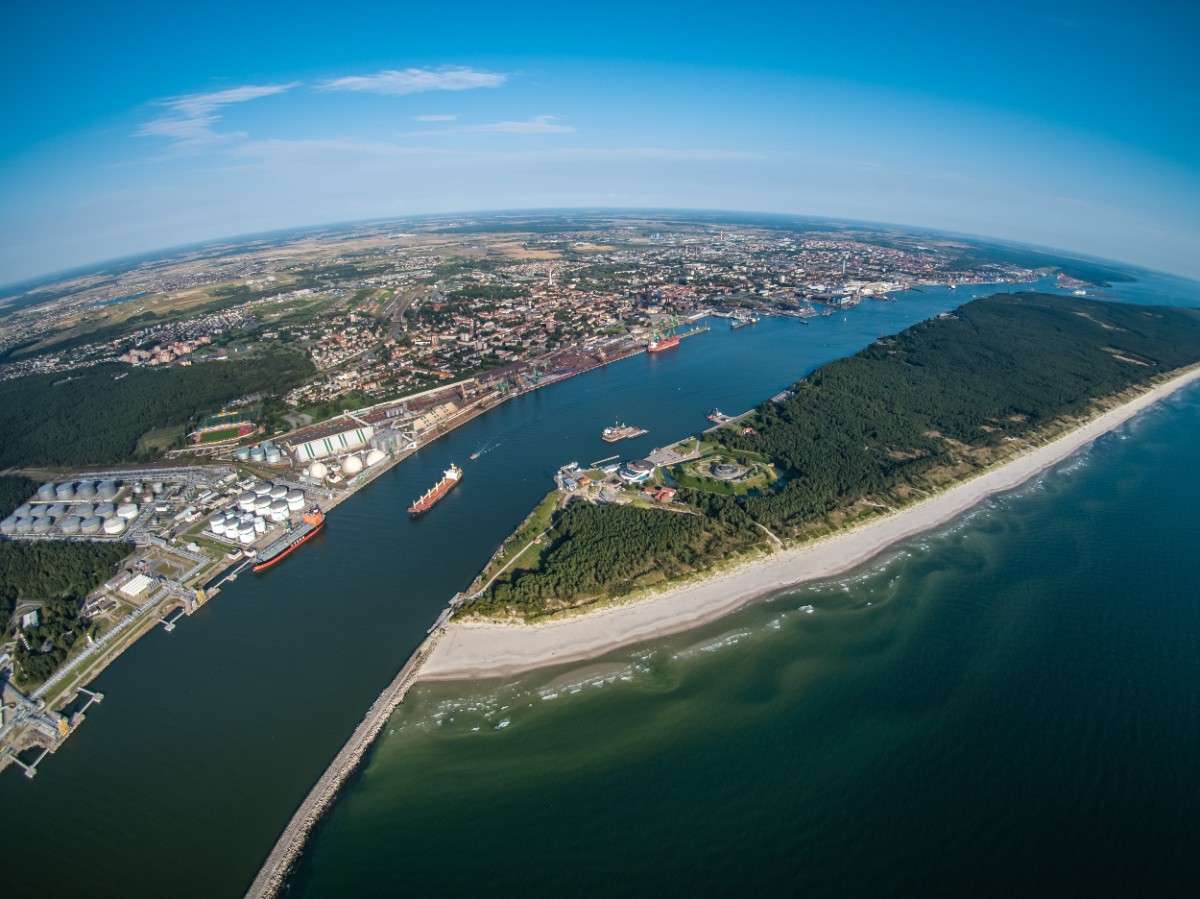
Klaipėda Port to pioneer Lithuania’s first private 5G standalone network

KLAIPEDA : At the Klaipėda Port, Telia is set to trial Lithuania’s first 5G standalone (SA) network. The tests will enable the Klaipėda State Seaport Authority and companies operating in the port to experience the advantages of a private 5G network, while paving the way for rollouts at critical infrastructure sites across the country.

“Klaipėda Port is already among the most digitally advanced ports in the Baltic Sea region – we operate freight and goods information system (KIPIS) and information system of shipping management in the seaport (LUVIS), and we are actively developing a digital port twin. Testing a private 5G network is another strategic step forward. It maximizes data security and makes advanced automation possible, while laying the foundation for future smart port infrastructure solutions,” says Algis Latakas, Director General of Klaipėda State Seaport Authority.

Giedrė Kaminskaitė-Salters, Head of Telia Lithuania: “The architecture makes the port’s network more resilient to hybrid threats, while ensuring even faster data transmission. This pilot will allow us to prepare for wider deployment across industries where uninterrupted connectivity is essential. We’re opening a new technological chapter in Lithuania.”

As modern ports increasingly move towards automation, the 5G SA network becomes critically important to this transformation. Terminals will be able to connect container cranes, autonomous vehicles, and other equipment to their private 5G network – all of which require not only uninterrupted but also extremely secure connectivity.

In addition, port employees can look forward to retiring their outdated “walkie-talkie” devices in favor of a 5G-based Push-to-Talk (PTT) system, which supports seamless communication via a smartphone app. PTT will offer improved audio quality, wider coverage and separate channels for each port division. Crucially, the system will function even during external network outages.

According to Ookla, a global leader in internet performance testing, only 10% of mobile operators worldwide have currently deployed commercial 5G SA networks.

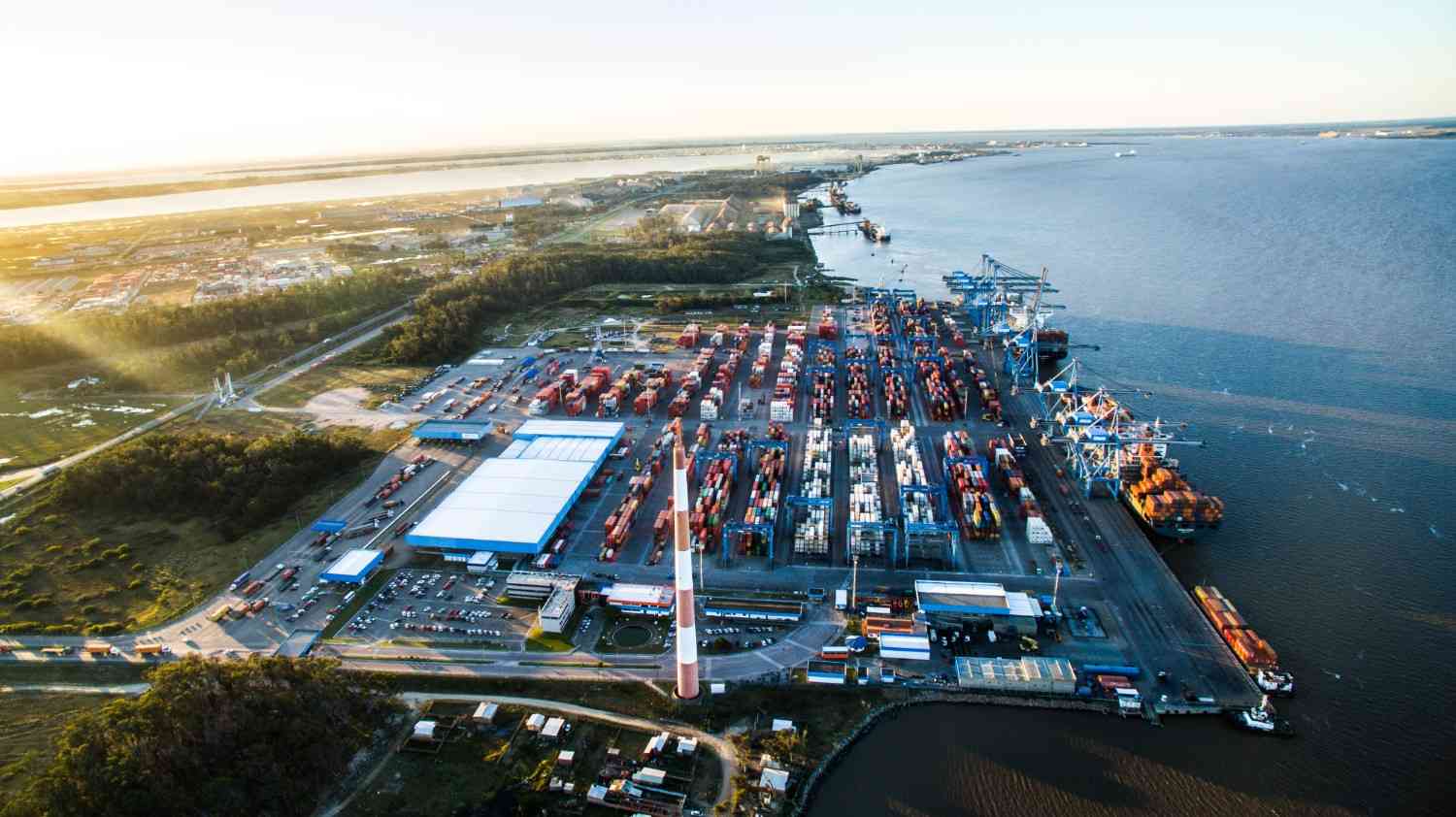
Wilson Sons eliminates emissions from 100% renewable energy at Rio Grande Container Terminal

RIO DE JANEIRO : Wilson Sons, recognized for its extensive experience of more than 187 years, obtained, through Rio Grande Container Terminal (RS), a certification that proves the exclusive use of electrical energy from renewable sources in operations conducted in 2024. The International Renewable Energy Certificate (I-REC) guarantees that the terminal’s Scope 2 emissions — those related to the generation of electrical energy consumed — have been zeroed, following the parameters established by the GHG Protocol, a global methodology for accounting for and managing greenhouse gas (GHG) emissions.  The seal was awarded in April by EDP Brasil, a leader in energy generation in Brazil.

The International Renewable Energy Certificate proves that the energy consumed at the terminal, powered by the National Interconnected System (SIN), comes from clean sources. I-REC is a reliable operational system for tracking energy’s environmental attributes and standardized carbon accounting. Recognized worldwide, the certificate ensures that the energy consumed comes from clean sources and that the company is committed to reducing greenhouse gas emissions and its environmental impacts. Scope 2 refers to indirect emissions from the consumption of electricity, steam, heating, or cooling purchased by an organization.

“The I-REC Certificate reinforces Rio Grande Container Terminal’s commitment to sustainability and environmental responsibility, in keeping with the best market practices,” says the Terminal CEO, Paulo Bertinetti. “With this initiative, it is estimated that Scope 2 greenhouse gas emissions at the terminal have been reduced by about 80%, which reaffirms our progress towards increasingly cleaner and more efficient operations.”

Rio Grande Container Terminal is the main access route connecting Rio Grande do Sul to Brazil and the world, and, over nearly 28 years of operation, it has become a key piece in the economic development of the state. It currently serves over 3,000 importers and exporters, and receives the main shipping lines calling in Brazil, offering weekly services to all trades through 13 shipowners. Strategically located, Rio Grande Container Terminal is capable of operating 1.4 million TEUs (twenty-foot equivalent units) and receiving New Panamax vessels along its 900-metre pier, with high productivity, technology, and automation, making it the best transshipment choice from the Southern Cone.