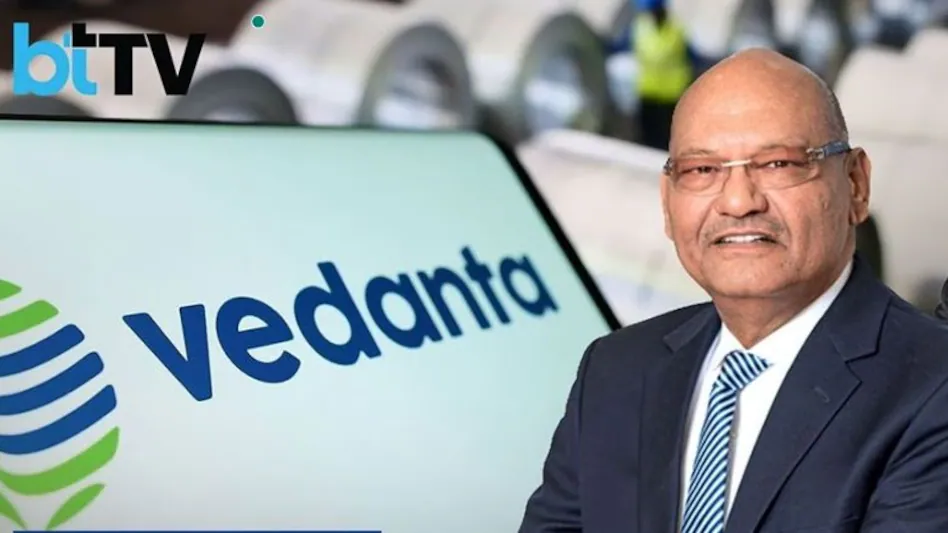
NEW DELHI : Vedanta Chairperson Anil Agarwal said that, ‘Steel and aluminium aren’t just metals—they’re the hidden frontline of the global trade war‘. As India imposes a 12% safeguard duty on steel imports, Agarwal is now pushing for similar protection for aluminium.
“We all know there are two countries central to the trade war, US and China. But did you know there are two commodities also centrestage—steel and aluminium,” Agarwal wrote on X, framing the metals as the true economic weapons in play.
India’s new safeguard duty, announced in April, aims to shield local steel producers from a surge of cheap imports that threaten to destabilize the domestic market. The duty, set at 12% for 200 days, targets products priced below global thresholds.
Agarwal applauded the move, but issued a clear warning: aluminium is next. “Big players who are losing conventional markets will look to sell cheap in emerging economies like India,” he cautioned. Given aluminium’s lightweight, recyclable qualities, its strategic value is only set to rise.
Pointing to the US’s 25% tariff on both steel and aluminium imports—affecting even allies like Canada and Mexico—Agarwal argued that India must act before its market is flooded. “With our huge bauxite reserves, India will be the aluminium hub for the world. A huge downstream industry will also come up,” he said.
The message is clear: safeguard duties aren’t just tariffs, they’re shields for India’s economic future.
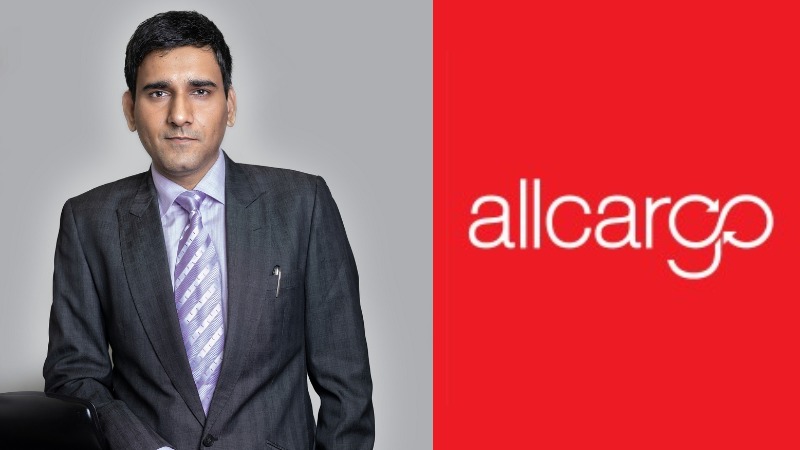
MUMBAI : Logistics operator Allcargo Group on Thursday said it has appointed Ravi Jakhar as Director for strategy and group CFO. Jakhar had earlier been serving as the Group Chief Strategy Officer.
In his new role, he will lead Allcargo Group’s overall strategy and finance function and functionally oversee CFOs across all group companies, according to a statement.
Deepal Shah has resigned from the position of CFO with effect from closing business hours of 16th May 2025, to pursue opportunities outside the organisation. Ravi Jhakar currently serving as chief strategy officer, has been appointed as CFO and will be re-designated as director strategy & group CFO.
Ravi Jhakar has pursued B.Tech from IIT BHU and attended a course on entrepreneurship at Harvard Business School. He currently leads the overall strategy for the Allcargo Group and also oversees the finance and business functions on behalf of the board in Allcargos flagship international business ECU Worldwide. He oversees the Latin America region alongside various Joint Ventures the group in Scandinavia, Thailand, Turkey, Peru.
He manages the equity fund raising activities for the group, Investor Relationship management and led some of the M&A for the group, like Nordicon, FairTrade, few others.
He is on the board of Allcargo Gati, Allcargo Supply Chain and various subsidiaries across the world. Allcargo Logistics, an Allcargo Group company, it is the global market leader in less than container load (LCL) consolidation business, operating under ECU Worldwide network.
The companys consolidated net profit declined 11.5% to Rs 9.69 crore despite of a 27.8% jump in net sales to Rs 4105.74 crore in Q3 FY25 over Q3 FY24. The counter rallied 3.43% to end at Rs 31.02 on the BSE.
NEW DELHI : Kaushalya Logistics Limited, a diversified conglomerate specializing in logistic support to the cement industry, has announced a significant milestone with the onboarding of a prestigious new client, Shree Cement Limited, one of India’s top cement manufacturers. Under this partnership, the company has commenced operations at the Rohtak Depot under the CFA model, marking a major expansion in the company’s client portfolio.
This collaboration is a significant milestone for the company, further strengthening its position as one of the trusted and efficient supply chain partners. With this partnership, the company now serves 4 of the top 5 cement manufacturers in India, highlighting a strong presence in the sector.
The Rohtak Depot is the first CFA-model depot/rake point launched by the company in FY 2025-26 and the second new facility started during the current financial year. With this, the company’s total network of depots and rake points has grown to 104. The company has also secured approval for the Bhiwani Depot from Shree Cement, which is expected to commence operations shortly.
The tie-up with Shree Cement not only strengthens the company’s market presence but also opens up avenues for long-term volume growth and operational scalability. The CFA model enables closer integration with the client’s supply chain, offering faster delivery and enhanced service levels. Looking ahead, the company has set an ambitious target to manage more than 200 depots. The company continues to demonstrate its commitment to delivering reliable, efficient, and scalable supply chain solutions to the cement industry.
Commenting on this Uddhav Poddar, Managing Director, Kaushalya Logistics Limited said, “We are delighted to partner with Shree Cement Limited, one of India’s leading cement manufacturers. This partnership marks a significant achievement for Kaushalya Logistics and clearly reflects the industry’s growing confidence in our capabilities. With this addition, we are proud to be serving 4 of the top 5 cement companies in the country, further strengthening our position as a trusted supply chain partner. The launch of the Rohtak Depot under the CFA model is another step toward our mission of delivering seamless, efficient, and scalable supply chain solutions. As we progress toward our goal of expanding to 225 depots by FY26, we remain committed to building strong, long-term partnerships and driving meaningful growth across the cement industry.“
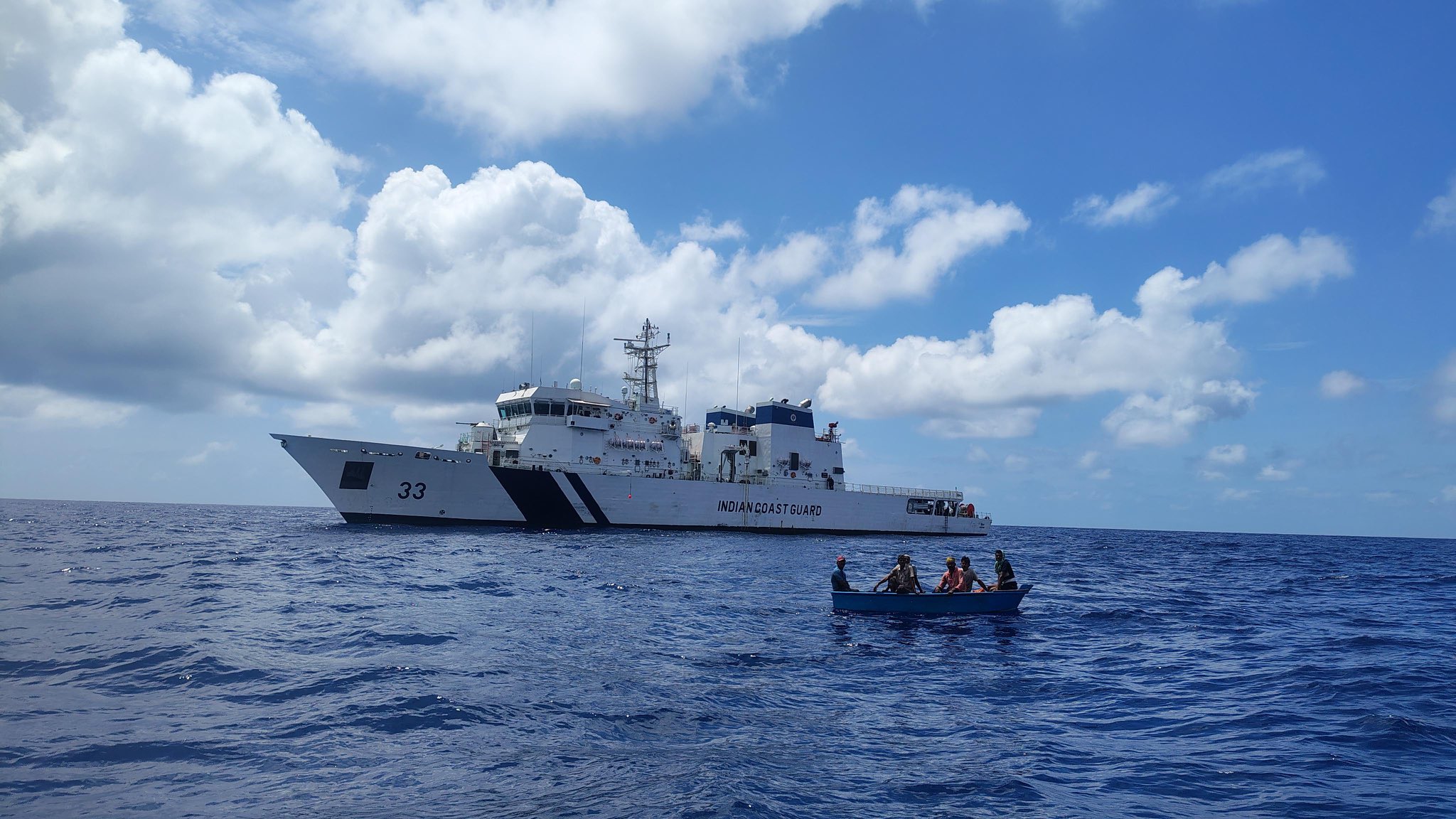
MANGALURU : The Indian Coast Guard has rescued six crew members of a cargo vessel that sank about 60 nautical miles off Mangaluru on its way to Lakshadweep, officials said on Friday.
The Indian Coast Guard also shared on X photographs of its ship ‘Vikram‘, which was on patrol and diverted for the search and rescue operation.
“At 1215 hours on May 14, the ICG received a distress alert from MT Epic Susui, a transiting vessel, reporting the sighting of a small boat adrift with six survivors onboard, approximately 52 nautical miles off the coast of Surathkal, Karnataka,” a senior official said.
ICG ship ‘Vikram’ was on routine patrol in the area and immediately diverted to the location.
The Coast Guard team swiftly located and safely recovered all six survivors from the dinghy, it said.
The ICG had earlier said in a post on X that it swiftly responded to a distress alert and rescued six crew members of MSV Salamath, which sank 60 nautical miles off Mangaluru while on passage from New Mangalore, Karnataka, to Kadmatt Island, Lakshadweep.
After evacuation, all survivors were given medical aid and brought to New Mangalore Port, the Coast Guard said. Preliminary reports indicate that the vessel, which left port on May 12, began flooding at 5:30 am on May 14, leading to its eventual sinking, it said.
The vessel was carrying a mixed cargo of cement and construction materials. The exact cause of flooding remains unknown, the ICG said.
NEW DELHI : The Central Board of Indirect Taxes and Customs (CBIC) has announced revised customs tariff values for various imported goods, including edible oils, precious metals, and areca nuts. The new rates take effect from May 16.
The notification, issued under the authority of the Customs Act, 1962, updates tariff values previously set in Notification No. 36/2001-Customs (N.T.). The revised values reflect current international market trends and aim to streamline import taxation.
Edible Oils: Crude Palm Oil: $987 per metric tonne RBD Palm Oil: $1011 per metric tonne Crude Soya Bean Oil: $1070 per metric tonne Crude Palmolein: $1019 per metric tonne Precious Metals: Gold: $1028 per 10 grams (when availing certain exemptions) Silver: $1065 per kilogram (with and without exemptions) Gold Coins and Findings: Also set at $1028 per 10 grams under specified conditions Other Commodities: Brass Scrap: $5473 per metric tonne Areca Nuts: Unchanged at $6970 per metric tonne
NEW DELHI : As India continues its ascent on the global economic stage, the government is enhancing enforcement under the Foreign Exchange Management Act, 1999 (FEMA).
Originally introduced to replace the more rigid Foreign Exchange Regulation Act (FERA) of 1973, FEMA was built on principles of liberalisation and global economic integration. Unlike FERA’s control-driven approach, FEMA empowers self-regulation, with the Reserve Bank of India (RBI) and Authorised Dealer Banks (ADBs) acting as facilitators and retrospective reviewers.
2025: A Strategic Shift in FEMA Compliance This year signifies a transition — from treating FEMA compliance as a formality to embedding it as a core strategic imperative. The Enforcement Directorate (ED) is ramping up its scrutiny of foreign exchange violations, underscoring the need for businesses and individuals to adopt an informed compliance culture.
The ED has heightened vigilance in the following areas:
Export-import irregularities Liberalised Remittance Scheme (LRS) violations Non-compliance with Foreign Direct Investment (FDI) norms Misuse of External Commercial Borrowings (ECBs) Unauthorised overseas fund transfers Illegal overseas property ownership by Indian residents This regulatory shift is part of a broader effort to curb tax evasion and prevent capital flight.
Top FEMA Risk Zones in 2025
Abuse of Offshore Family Trusts
While individuals can remit up to USD 250,000 annually under the LRS, regulators are now closely investigating offshore trusts that may be used to route funds or investments beyond permissible limits.
Improper Gifting of Foreign Investment Proceeds
Profits from overseas investments must be repatriated to India within 180 days. Gifting such proceeds to foreign relatives may breach FEMA’s capital account transaction restrictions and is under close scrutiny.
Round-Tripping via Overseas Entities
Structures that send funds abroad only to reinvest them back in India — especially without a valid business rationale — are being flagged. Despite new rules allowing up to two layers of overseas investments, substance and purpose remain key.
Big Changes in the Companies Act! Are You Updated? – Click Here
Adopting a Proactive FEMA Compliance Mindset Regulatory experts stress the importance of treating FEMA compliance as a strategic business pillar, not merely a regulatory checkbox.
The new enforcement paradigm demands:
Substance over structure: Ensure cross-border transactions serve real commercial purposes.
Robust documentation: Maintain comprehensive records and secure professional opinions when needed.
Internal governance: Align finance, legal, tax, and operational teams under a common compliance framework.
Awareness and training: Build capacity through ongoing education of all relevant stakeholders.
Regular audits: Review and reassess all overseas structures and transactions periodically.
Dealing With Past FEMA Violations: Compounding Option Entities and individuals who may have breached FEMA provisions can apply for compounding — a mechanism that allows for the voluntary regularisation of past non-compliance. This process offers an opportunity to resolve regulatory issues and reset on a clean, compliant path forward.
FEMA Compliance Checklist for 2025
Area
Checklist Item
Documentation
Maintain fund flow records, contracts, board approvals, and beneficiary disclosures.
Substance Test
Validate business purpose behind each cross-border transaction.
LRS Tracking
Monitor and document LRS remittances. Ensure annual cap of USD 250,000 is not breached.
Repatriation Compliance
Bring back investment proceeds within allowed time limits (typically 180 days).
ODI Structures
Confirm compliance with two-layer ODI norms effective August 2022.
Beneficiary Disclosures
Transparently declare final beneficiaries in offshore trusts/entities.
Professional Advice
Obtain tax and legal opinions for complex transactions.
Internal Controls
Set up compliance audits, training programs, and cross-functional review processes.
Regulatory Reporting
File all required forms (e.g., A2, ODI, FLA returns) accurately and on time.
Compounding Readiness
Track historical violations and be ready to apply for compounding where needed.
Compliance as a Competitive Advantage India’s focus on FEMA enforcement in 2025 signals a deeper commitment to creating a transparent, secure, and accountable financial environment. Businesses, investors, and individuals engaged in cross-border activities must embrace this evolving regulatory landscape — not only to avoid penalties but to build credibility, reduce risks, and enable sustainable global growth.
By aligning operations with FEMA’s legal framework and staying ahead of compliance requirements, stakeholders position themselves for long-term success in India’s fast-globalising economy.
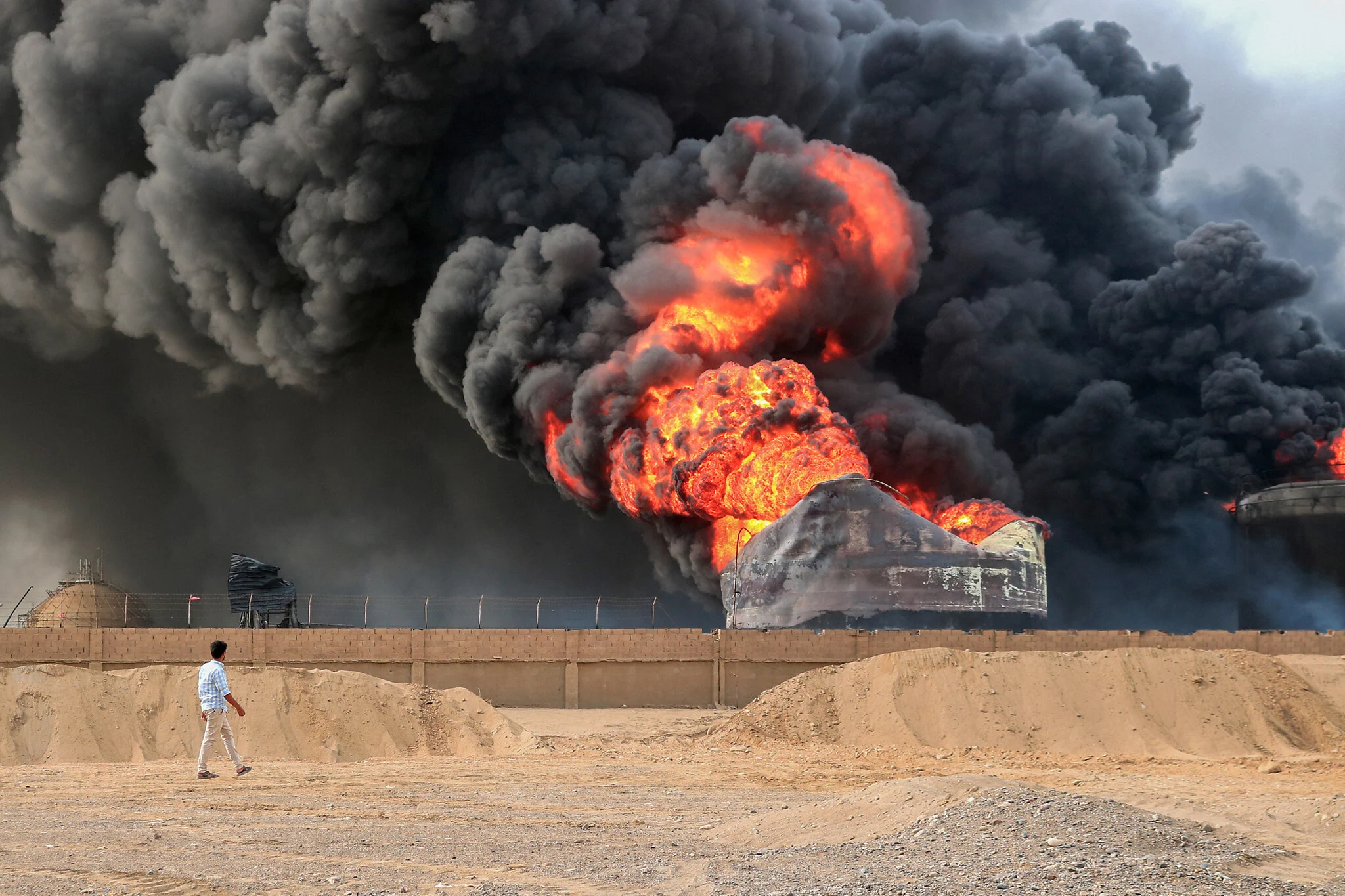
HODEIDAH : Israel struck Yemen’s Red Sea ports of Hodeidah and Salif on Friday, continuing its campaign to degrade Houthi military capabilities and warning that the group’s top leader, could be targeted if attacks on Israel persist.
The Houthis have continued to fire missiles at Israel in what they say is solidarity with Palestinians in Gaza, although they have agreed to halt attacks on US ships.
Israel has carried out retaliatory strikes in response, including one on May 6 that damaged Yemen’s main airport in Sanaa and killed several people.
On Friday, the Israeli military said the ports of Hodeidah and Salif were being used to transfer weapons, reiterating its warnings to residents of those areas to evacuate.
Residents in Hodeidah said they heard four loud booms and saw smoke rising from the port following the Israeli strikes.
Israeli Prime Minister Benjamin Netanyahu and Defence Minister Israel Katz said in a joint statement they would hunt down the Houthis’ top leader, Abdul Malik al-Houthi.
“If the Houthis continue to fire missiles at the State of Israel, they will be severely harmed, and we will also hurt the leaders,” they said, adding that al-Houthi could join the list of militant figures killed by Israel, such as Hamas’ Yahya Sinwar and Hezbollah’s Hassan Nasrallah.
The Houthis are part of Iran’s so-called “Axis of Resistance” against Israeli and US interests in the Middle East, alongside Hamas in Gaza and Hezbollah in Lebanon. About 60% of the Yemeni population lives under their control.
Since the start of the Israel-Hamas war in October 2023, the Houthis have launched dozens of missile and drone attacks toward Israel, most of which have been intercepted or landed short.
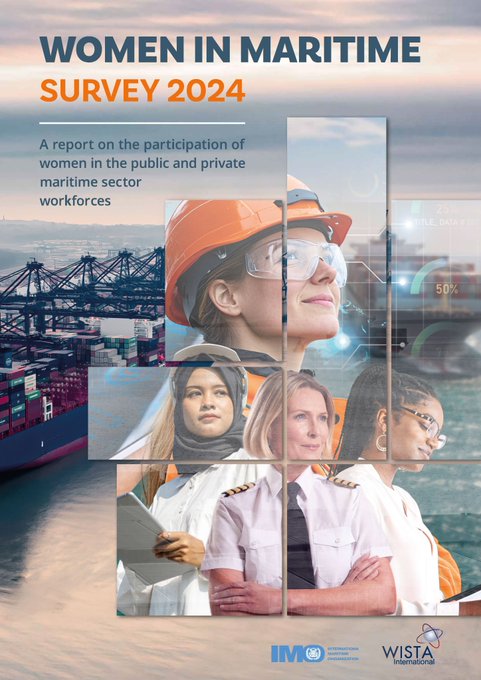
LONDON : 2024 IMO-WISTA Women in Maritime Survey indicates ongoing gender disparity in the maritime sector, sparking renewed calls for action.
The second Women in Maritime survey, jointly published by the International Maritime Organization (IMO) and the Women’s International Shipping & Trading Association (WISTA), provides new insights into gender diversity within the industry.
The report presents data on the proportion and distribution of women working in the maritime sector from IMO Member States and the private sector.
The results are based on an analysis of a larger number of women working in maritime across the public and private sectors: 176,820 women in 2024 compared to 151,979 in 2021. In particular, there was a substantial increase in the number of Member States participating. However, the latest dataset shows that women account for just under 19% of the total workforce sampled, compared to a share of 26% in the catchment group reported in 2021.
Of the sample group, women account for 19% of the workforce of national maritime authorities in Member States, and only 16% of the surveyed private sector workforce (excluding seafarers). At sea, women remain vastly underrepresented, accounting for just 1% of the total number of seafarers employed by surveyed organisations.
Arsenio Dominguez, Secretary-General, IMO, said: “The second IMO-WISTA Women in Maritime Survey provides valuable insights into the sector’s progress since the baseline dataset gathered in the 2021 survey. Greater participation in the survey from Member States and industry is a welcome indication of growing engagement with gender matters.
“However, there is some way to go. Female representation is still disproportionately low, and women represent a small fraction of the seagoing workforce, highlighting the urgent need for continued commitment and action. We must redouble our efforts to foster a truly diverse and inclusive maritime industry.”
Providing insights into leadership, workforce participation, policies and education in both the public and private sectors, the report highlights significant variances between activities. Greater female representation was found in emerging sectors such as Environmental, Social and Governance (ESG) and decarbonisation services, while others, such as bunkering and legal services, recorded a decline.
Elpi Petraki, President, WISTA International, said: “The Women in Maritime Survey was designed to deliver real data on the state of gender diversity in maritime and offer guidance on the areas that require more attention. The intention is to inspire change and act as a collective call to action.
“Attracting, retaining and promoting women – both on land and at sea – remains a priority moving forward. However, the new data also shows how opportunities across the industry continue to be limited for women due to barriers such as gender stereotyping, workplace safety concerns, a lack of family friendly policies and the ongoing gender pay gap.”
The report provides detailed recommendations on how Member States and industry can contribute to improving gender diversity in maritime, by enhancing recruitment and retention initiatives, expanding mentorship and leadership development programmes, strengthening policy implementation and guaranteeing safe and supportive working environments.
As part of the commitment from the IMO and WISTA International to enhance gender diversity within the maritime sector, the survey and its findings contribute to the implementation of the fifth United Nation’s Sustainable Development Goal (UNSDG5) – to achieve gender quality and empower all women and girls – by providing comparable data to support the development of programmes and policies to encourage female participation within the maritime industry.
LONDON : International Day for Women in Maritime 2025 observed globally on 18 May each year.The day celebrates women in the industry and is intended to promote the recruitment, retention and sustained employment of women in the maritime sector, raise the profile of women in maritime, strengthen IMO’s commitment to the United Nations Sustainable Development Goal 5 (gender equality) and support work to address the current gender imbalance in maritime.
IMO organised a Symposium under the theme An Ocean of Opportunities for Women to celebrate the 2025 International Day for Women in Maritime at IMO Headquarters, London. IMO Member States, the maritime industry, and all others in the maritime endeavour are invited to promote and celebrate the International Day for Women in Maritime.
As part of the event, IMO hosted the presentation of:
Gender Equality Award Ceremony – Ms. Karin Orsel, nominated by the Kingdom of the Netherlands, will receive the IMO Gender Equality Award 2025, per the decision of the Council at its 133rd session. Find more information about previous Awards and winner here.
IMO-WISTA Women in Maritime Survey 2024 – IMO and WISTA International conducted the second global Women in Maritime Survey 2024. The Survey aimed at gathering important baseline data about women’s participation in the maritime and ocean fields. Please find all the IMO-WISTA Women in Maritime Survey 2024 details and the survey report here.
And the Gender Equality Award this year, credited to Karin Orsel, a dedicated champion of diversity and inclusion in the shipping industry.
ISLAMABAD : Pakistan has offered the United States a bilateral trade agreement with zero tariffs on select goods, Geo News reported on Thursday, quoting high-level government sources.
“Pakistan is offering to enter into a bilateral agreement with zero tariffs on selected tariff lines, with mutual interests, to expand bilateral trade across multiple sectors,” a senior official told the Pakistan-based news channel.
The development comes shortly after US President Donald Trump claimed credit for brokering a ceasefire between India and Pakistan, following four days of intense cross-border hostilities involving drones and missile strikes. Trump had praised the leadership of both countries and said he would be doing “a lot of trade” with them.
However, New Delhi has denied any third-party involvement. Indian officials maintain that the ceasefire was reached through direct communication between the Director Generals of Military Operations (DGMOs) of both nations.
Pakistan’s reported trade offer also comes amid a broader recalibration of Washington’s trade ties in the region.
Meanwhile, Trump has claimed that India had offered the US a trade deal with “literally zero tariffs.” Speaking at a business forum in Qatar, he claimed, “India has offered us a deal where basically they are willing to literally charge us no tariff,” though he did not elaborate.
However, India has not officially confirmed Trump’s statement.
India’s External Affairs Minister S Jaishankar responded with caution, saying that trade negotiations with the US are ongoing. “Nothing is decided till everything is,” he told reporters, stressing that any trade agreement must be mutually beneficial.