Home Blog Page 85

“K” Line – KME & KMSM Family Day 2026 held in Singapore

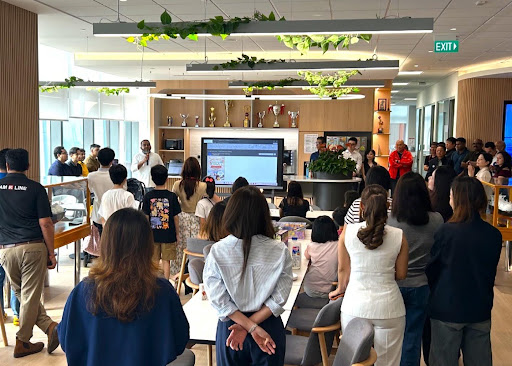
SINGAPORE: K LINE MARINE & ENERGY PTE. LTD. (KME) a commercial and maritime/safety management hub for the energy resource transportation business, and K MARINE SHIP MANAGEMENT PTE. LTD. (KMSM), a ship management company responsible for ship management and crew manning, both Singapore-based group companies of Kawasaki Kisen Kaisha, Ltd. (“K” LINE), jointly held KME & KMSM Family Day 2026 at their Singapore office on September 11, 2026, with a total of 110 employees and family members participating.

Through presentations introducing the businesses and roles of both companies, an office tour, and a ship handling simulator experience, participants gained a deeper understanding of the workplace environment of employees, as well as the “K” LINE Group’s shipping and ship management businesses.

The event was organized to express appreciation to the families who continuously support our employees and to enhance employee engagement. It also offered an opportunity for employees and their families to interact and learn more about the initiatives of both companies, which support the shipping and ship management businesses.

“K” LINE will continue to value its connection with employees and their families, enhance employee engagement, foster a strong corporate culture, and strive for sustainable growth and the enhancement of corporate value.

K Line announces Resignation of Atsumi Harasawa as Director (Independent Outside Director)

TOKYO: Kawasaki Kisen Kaisha, Ltd. (“K” LINE), one of Japan’s leading global shipping companies, has announced the resignation of Atsumi Harasawa, Independent Outside Director, effective September 24, 2026.

K Line announces Resignation of Atsumi Harasawa as Director Independent Outside Director 1 K Line announces Resignation of Atsumi Harasawa as Director (Independent Outside Director)
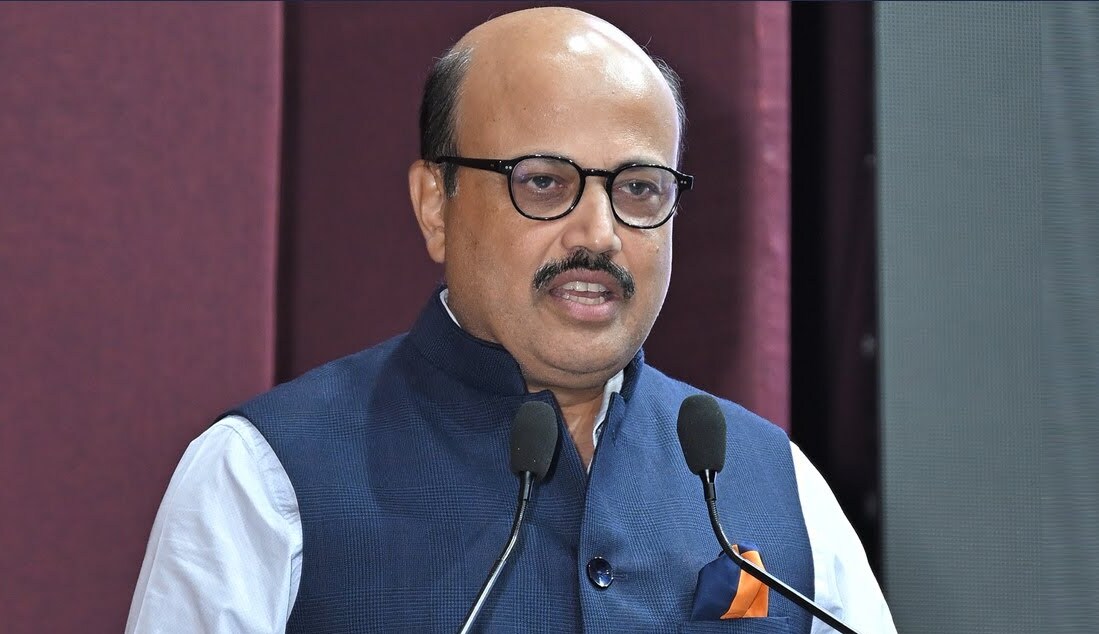
Atsumi Harasawa

According to the company, “K” LINE received Ms. Harasawa’s notice of resignation citing personal reasons.

The company said the resignation does not affect its compliance with the applicable requirements governing the composition of its Board of Directors or its Articles of Incorporation.

Following the resignation, five of the nine members of “K” LINE’s Board of Directors are Independent Outside Directors, maintaining a significant independent representation on the Board.

The number of members serving on the company’s Audit Committee has decreased from five to four following Ms. Harasawa’s departure. However, “K” LINE confirmed that the Audit Committee continues to meet the requirements regarding the number of members prescribed under applicable laws and regulations as well as the company’s Articles of Incorporation.

There will be no change to the composition of the Nominating Committee or the Compensation Committee, the company stated.

The resignation represents a change in the composition of “K” LINE’s Board and Audit Committee, while the company has confirmed that its governance structure continues to satisfy the applicable statutory and internal requirements.

“K” LINE is a major Japanese shipping group with global operations spanning marine transportation and related logistics businesses, serving international supply chains across multiple sectors.

Marea Scale Models launches in the UK, using AI-assisted design to accelerate ship model production without compromising craftsmanship

New UK-based maritime model-maker uses proprietary AI-assisted design process, Ai Refloat™, to tackle scaling challenges and reduce production time while preserving traditional detail and craftsmanship.

LONDON: Marea Scale Models has launched in the UK, bringing its proprietary AI-assisted design process, Ai Refloat™, to the European maritime market. The process has been developed to produce highly detailed & accurate, immediately recognisable maritime scale models more efficiently while preserving the hand-finished detail clients expect.

Already used on the company’s first commercial commissions, Ai Refloat™ addresses a longstanding challenge in maritime model making: reproducing the distinctive features of a full-sized vessel at scale without lengthy manual redesign or unnecessary loss of detail.

Using Ai Refloat™, Marea delivered few commercial ship models to an international maritime client within two months. The commissions included container ships, a bulk carriers and crude oil tankers, each individually assembled, detailed, painted and finished by hand to ensure it remained immediately recognisable as the vessel it represented.

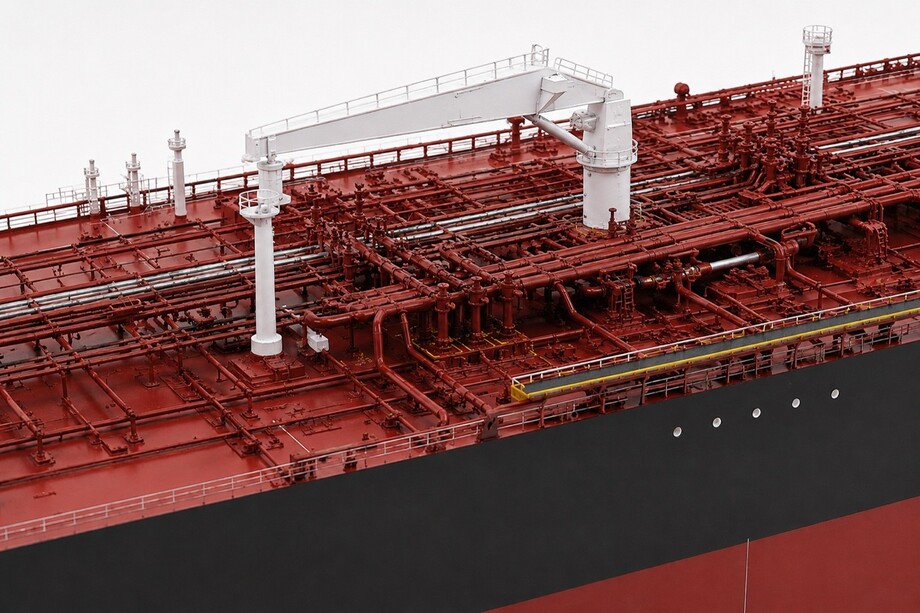
Producing an accurate model involves more than reducing a ship’s dimensions. Railings, deck equipment and structural features that are clearly visible on the vessel itself can become too fine, fragile or indistinct when reproduced in miniature.

Model makers have traditionally addressed these problems through extensive manual design work, adapting individual features before manufacture begins and sometimes compromising detail where components become too fine or fragile at scale.

Ai Refloat™ enables Marea to create more accurate 3D models at the design stage, preserving vessel-specific features while reducing the manual reworking traditionally required before production.

Marea can reproduce details as fine as 30 microns (0.03mm), allowing features that might otherwise be simplified or lost at scale to be retained in the finished model. This greater precision also reduces the need to compromise vessel-specific details as dimensions get smaller.

“Speed on its own is not the point,” said Rezz Ghanty, Creative Director of Marea Scale Models.

“The purpose of the technology is to remove delays from the parts of the process where they add no value, without taking time away from the finish. The model still has to be completed by hand and judged by eye.

“I did not set out to establish another model-making company. I became interested in a problem the industry has lived with for generations: why should making a vessel smaller automatically mean accepting less of what makes it distinctive?

“Every model presents difficult choices. A railing becomes too fragile, a fitting loses definition, or an important structural feature begins to disappear. Ai Refloat™ allows us to address those problems before production begins rather than correcting them once the model reaches the bench.”

Technology supporting craftsmanship

Ai Refloat™ is used during the design stage. It does not manufacture, assemble or finish models autonomously.

Once the digital design is approved, Marea’s team assembles, paints, details, finishes and applies weathering by hand.

Marea’s Master Model Maker has more than 30 years of bench experience and oversees the surface treatment and final finish of each commission.

“Technology should not replace skilled people,” Ghanty said. “It should allow them to concentrate on the areas where judgement and experience matter most. Our model makers should be refining a finish, correcting a detail and bringing the character of a vessel into the model rather than repeatedly solving the same technical scaling problems.

“The aim is not to make the craft less important. It is to give our model makers more time to apply it.”

Initial focus on merchant shipping

Marea’s initial work focuses on merchant shipping, including container ships, cargo vessels, bulk carriers, crude and product tankers, and VLCCs.

For technical vessels, accuracy can depend on details that are immediately recognisable to the people who operate them. On tankers and gas carriers, features such as manifold arrangements, deck equipment, pipework and containment systems can be critical to whether a model accurately represents the vessel.

Ghanty explores these challenges in greater detail in a recent article on tanker and gas carrier model making, available on the Marea Scale Models website.

Marea’s work is not limited to large display models. The company also produces smaller-format presentation models made from recycled marine waste material, in limited runs of 10 units, allowing shipping companies to mark newbuild deliveries, naming ceremonies, fleet milestones and other significant moments without committing to larger production quantities.

“For the client, the value lies in recognising the vessel immediately,” Ghanty said. “It is not enough for the model to represent the right class of ship. It has to capture the features that make that particular vessel distinct.

“That is where the details matter. They are what give the vessel its identity.”

“We believe maritime model making has reached a point where technology can support craftsmanship without diminishing it,” Ghanty added.

“Our aim is to give clients a more responsive production process while ensuring that every model remains recognisable as the vessel it was commissioned to represent.”

Lloyd’s Register launches new guidance to support consistency in yacht load line compliance

New Guidance Note aims to bring greater consistency to the application of load line requirements as yacht designs become larger and more complex. 

LONDON: Lloyd’s Register (LR) has published a new Guidance Note for Load Line to Yachts, providing practical recommendations to support the consistent application of load line requirements across the sector. 

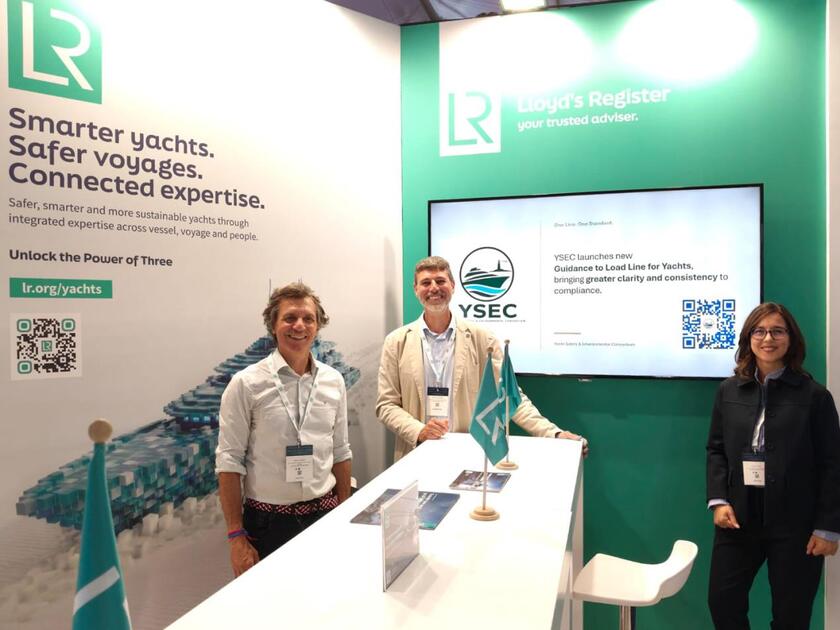
Launched at the Monaco Yacht Show 2026, the guidance has been developed to help yacht designers, builders, owners, Flag Administrations and surveyors navigate areas where interpretation of load line requirements may vary between projects. 

By providing a practical framework and clear recommendations, LR aims to reduce uncertainty and promote greater consistency during design and construction while supporting safe operation throughout a yacht’s service life. 

The Guidance Note has been developed as a ready-to-use resource, supporting technical teams throughout design appraisal, plan approval and survey activities. It reflects LR’s commitment to providing practical, responsive support to an industry facing increasing regulatory complexity and growing demand for consistency across projects. 

As yacht designs continue to evolve, with larger vessels, innovative arrangements and more ambitious layouts becoming commonplace, stakeholders are seeking greater certainty during design, approval and construction. While load line requirements remain a cornerstone of vessel safety, their application to modern yachts can often require careful technical assessment and engineering judgement. 

LR’s new guidance seeks to bring greater consistency to that process by capturing industry experience, clarifying key considerations and supporting a common approach to compliance. 

The publication recognises that acceptance of any project-specific arrangement, interpretation or equivalent solution remains subject to review and approval by the relevant Flag Administration. Any criteria, recommendations or solutions are intended to help stakeholders and Administrations take a consistent approach, while recognising the statutory authority of the Flag Administration in each case. 

Engel-Jan de Boer, Global Yacht Segment Director, Lloyd’s Register, said: “As yachts become larger and more complex, we are seeing increasing demand from designers, builders, owners and Administrations for greater clarity and consistency in the application of load line requirements. While the regulations themselves are well established, there are areas where interpretation can vary depending on vessel arrangement and design. 

“Our new Guidance Note has been developed to support more consistent decision-making across projects, helping stakeholders address regulatory challenges earlier in the design process and reducing uncertainty during construction. Ultimately, it is about supporting safety while enabling innovation within the yacht sector.” 

The publication follows the release of the industry-wide Load Line Guidance for Yachts developed by the Yacht Safety & Environmental Consortium (YSEC), a collaboration between leading classification societies including LR, RINA, ABS, Bureau Veritas and DNV, at Monaco Yacht Show 2026. As Chair of YSEC for the 2024-2026 term, LR has played a leading role in driving industry collaboration on yacht safety and regulatory consistency.

Adani Group to invest over ₹1 lakh crore in West Bengal by 2035: Gautam Adani

KOLKATA : Adani Group Chairman Gautam Adani on Thursday announced that the conglomerate would invest more than Rs 1 lakh crore in West Bengal by 2035.

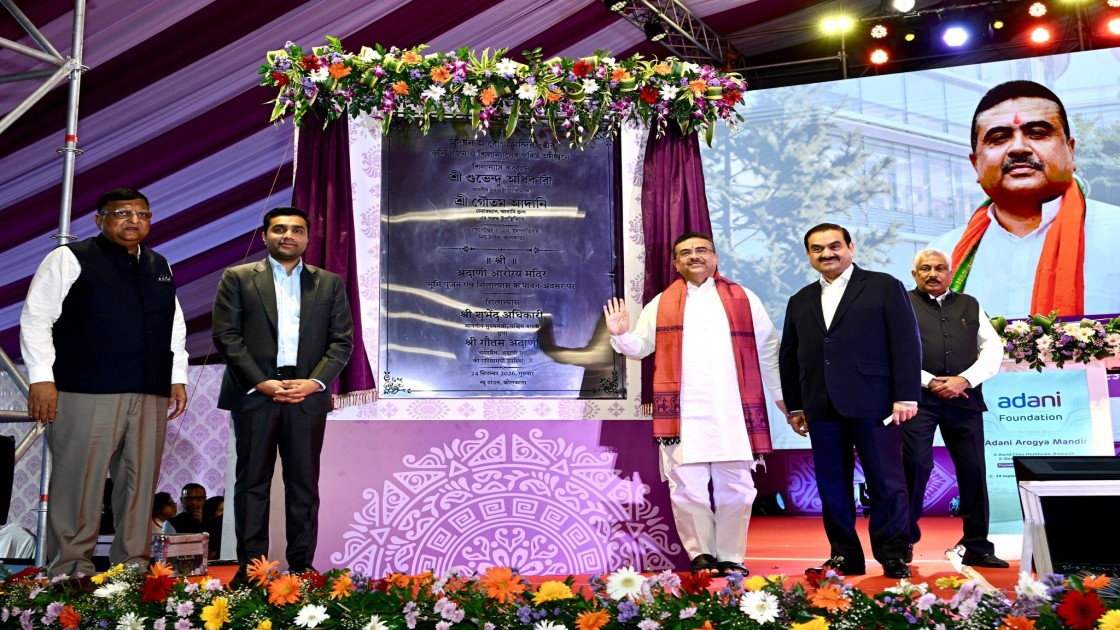
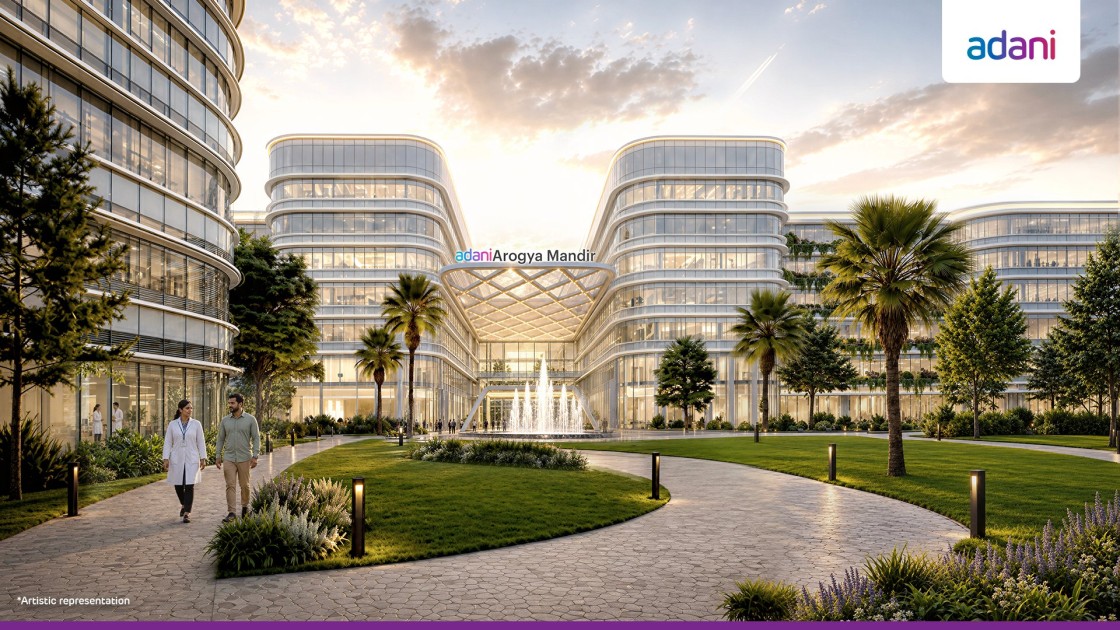
Addressing a gathering after laying the foundation for a 2,000-bed hospital in the New Town area near Kolkata along with Chief Minister Shri Suvendu Adhikari, Adani said the group would spend Rs 4,000 crore on the multi-speciality ‘Adani Arogya Mandir’, and the project would create 10,000 jobs.

Adani said half of the beds at the not-for-profit hospital would be reserved for economically weaker sections eligible under state and central health insurance schemes, and the facility would also house a medical college along with research and care infrastructure.

adani arogya mandir kolkata Adani Group to invest over ₹1 lakh crore in West Bengal by 2035: Gautam Adani

“We expect to invest over Rs 1 lakh crore in West Bengal by 2035,” Adani said, adding that the investment would span ports, logistics, power generation, transmission and distribution, roads, bridges and ropeways, green cement and hyperscale data centres.

This is the first formal mention of the Adani Group’s proposal to invest in power distribution, which has so far remained the monopoly of R P Sanjiv Goenka Group, through its flagship company CESC Ltd, in Kolkata and Howrah.

CESC Ltd supplies power to the twin cities, while the rest of West Bengal, along with Salt Lake and New Town, remains under the state-owned WBSEDCL.

Explaining the rationale for the infrastructure push, Adani said ports strengthen logistics, logistics attracts industry, industry drives manufacturing, manufacturing needs energy, and energy enables digital infrastructure, adding that “jobs multiply” as the chain builds up.

Calling West Bengal the country’s natural maritime and logistics bridge to Northeast India and Southeast Asia, Adani said the state has the potential to become “one of Asia’s greatest integrated industrial and economic platforms”.

He also announced the group’s support for the restoration of the Writers’ Building, revitalisation of Kumartuli Ghat, and initiatives to showcase Kolkata’s Durga Puja to the world.

Adani described Mundra Port in Gujarat as the group’s first ‘karmabhoomi’ (land where one works), and he hoped West Bengal would become its second ‘karmabhoomi’.

Adani said he had visited the Kalighat Temple earlier in the day and prayed for strength to lead, have the will to dream and energy to execute.

West Bengal’s awakening and progress would translate into “India’s momentum”, he added.

Adani Arogya Mandir, a world-class academic medical centre and a comprehensive healthcare ecosystem facility, will be spread over 51.75 acres, and will cater to over 2,00,000 in-patients and over 20 lakh out-patients annually, a statement said.

It will develop a research ecosystem encompassing genomics, precision medicine, biomedical informatics, artificial intelligence, clinical trials, molecular and other applied biomedical sciences. The hospital will emphasise translating scientific discoveries into improved diagnosis, treatment and prevention, it said.

The Adani Foundation has engaged Mayo Clinic Global Consulting in the United States and Singapore’s SingHealth to bring global expertise in clinical care, academic medicine, digital health, quality, workforce development and innovation, it added.

Piyush Goyal highlights India’s expanding Global Economic Engagement and growing integration with global value chain

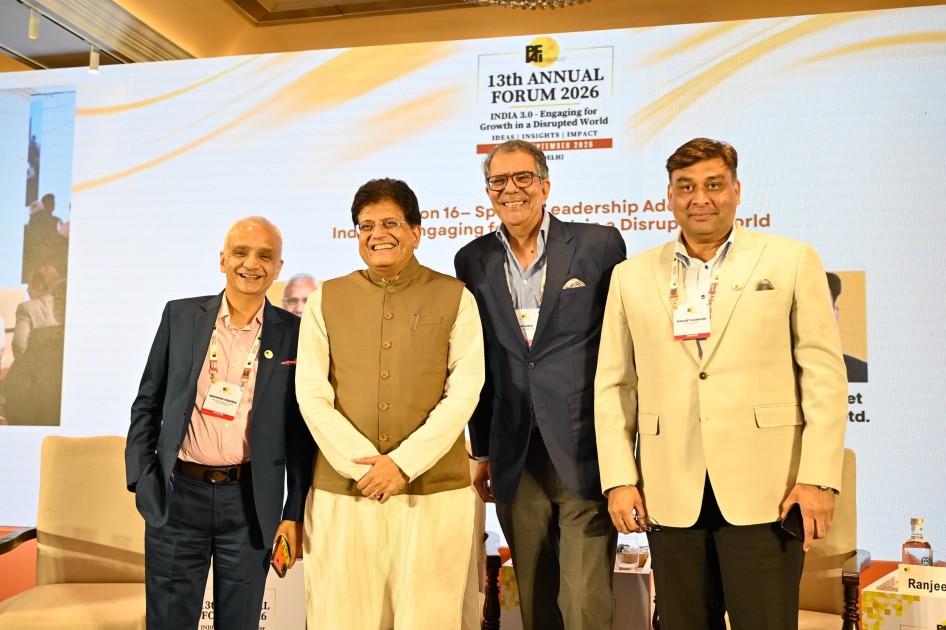
NEW DELHI : Union Minister of Commerce and Industry Shri Piyush Goyal highlighted India’s expanding engagement with the global economy and its efforts to strengthen participation in global value chains and supply chains. Addressing the Leadership Dialogue at the 13th PAFI Annual Forum 2026 in New Delhi, Shri Goyal said India is negotiating trade and economic partnerships from the position of an economy that is expected to grow into a $30 trillion economy.

Shri Goyal said India today negotiates with the world as a $4 trillion economy, while its economy on a purchasing power parity basis is around $20 trillion, making it the third largest in the world. He said the gap between these measures would narrow as India progresses towards the vision of becoming a $30 trillion economy.

The Minister said India’s approach to trade negotiations reflects the country’s changing economic position and its objective of strengthening integration with global markets. He highlighted the potential for broader economic partnerships to facilitate seamless flows of goods, services, tourists, educational institutions and sports.

Shri Goyal said ongoing negotiations include engagements with Canada, Chile, Peru, the Southern African Customs Union (SACU), Mexico, Maldives, Eurasia, Central Asia, Russia, the Gulf Cooperation Council (GCC) and Israel. He said these engagements are aimed at expanding opportunities for India to participate in global value chains and supply chains and facilitating the movement of goods and services.

The Minister said India’s semiconductor consumption demand is expected to grow to over $150 billion annually in the next five years. He also highlighted the need to develop capabilities across the AI ecosystem, including large language models and agentic models.

The Minister also highlighted the growth of India’s startup ecosystem. He said that when Startup India was launched, the country had around 400–500 startups, while India has since become the world’s third-largest startup ecosystem, with more than 120 unicorns.

Shri Goyal said the focus is now on innovation and promoting Indian startups in the deep-tech ecosystem. He also highlighted India’s emergence as the third country to have a rocket launched into space by the private sector.

The Minister said India’s young population is increasingly informed about global developments and opportunities and expressed confidence in the ability of the youth to make informed choices about their future.

Supply-chain resilience, diversification reshaping global trade beyond comparative advantage: Commerce Secy

NEW DELHI: Supply-chain resilience, multiple sourcing and diversification are increasingly becoming important drivers of global trade alongside traditional comparative advantage, Commerce Secretary Shri Rajesh Agrawal said, as geopolitical changes and past disruptions reshape how countries approach international trade.

Speaking at the 13th Annual Forum 2026: India 3.0 – Engaging for Growth in a Disrupted World, Agrawal said India continues to support the World Trade Organization and a rules-based trading order, but countries are increasingly looking beyond sourcing from the most efficient producers.

“The world is looking at not only sourcing from the most efficient quarters, they are also looking at trying to build resilience by multiple sourcing, diversifying, creating the right domestic environment or domestic manufacturing ecosystem,” Agrawal said.

He said the COVID-19 pandemic showed that efficiency alone cannot protect supply chains from future shocks.

“It is not only the most efficient producer that is important. It is also resilience that is important,” he said, adding that disruptions may not necessarily be geopolitical.

Agrawal said this was changing the traditional understanding of comparative advantage as the sole driver of international trade.

“So this definitely impacts the complete theory of comparative advantage, that was the only key driver. There are multiple other factors which are driving trade,” he said.

However, he stressed that comparative advantage and the unique strengths of economies would remain at the core of global trade. India, he said, has therefore pursued free trade agreements based on the individual strengths and requirements of partner countries.

Agrawal also said the government is working to make export data more granular at the state level, as current data is largely based on where goods are shipped rather than where they are produced. State-wise export metrics are expected to be added to the Intelligence and Analytics portal shortly.

Meanwhile, Department of Expenditure Secretary V Vualnam said central government capital expenditure has grown around five-fold over the last 10-12 years, with spending on railways, metro projects, highways and other infrastructure forming an important foundation for economic growth.

Statistics and Programme Implementation Secretary Saurabh Garg said technology has made government data collection and processing faster, with surveys increasingly conducted through tablets. He said this could enable real-time data availability at the national scale.

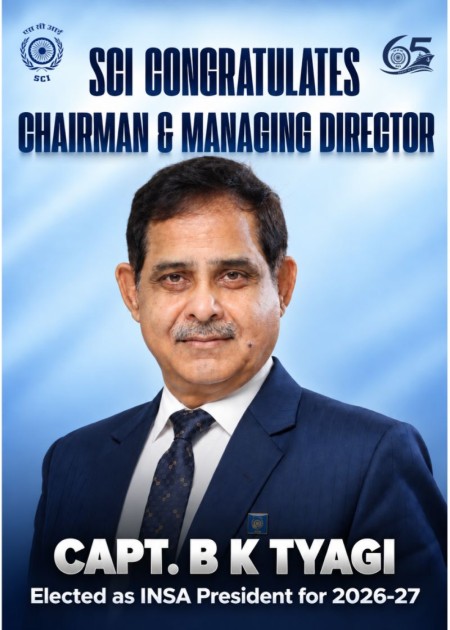
Capt. B. K. Tyagi elected as INSA President for 2026–27

MUMBAI: Capt. Binesh Kumar Tyagi, Chairman and Managing Director, Shipping Corporation of India (SCI), has been elected as the President of the Indian National Shipowners’ Association (INSA) for the term 2026–27. The election took place at the 46th Annual General Meeting (AGM) of INSA held on September 24, 2026. Capt. Tyagi to lead Indian National Shipowners’ Association during a significant phase for India’s maritime and shipping sector

Capt. Tyagi’s election brings an experienced shipping professional to the leadership of INSA, the representative body of Indian shipping companies. Established in 1929, INSA serves as an industry platform for policy advocacy, regulatory engagement, maritime development, seafarer welfare and strengthening India’s shipping ecosystem.

In his new role, Capt. Tyagi will lead the association in representing the interests and concerns of Indian shipowners and the wider shipping industry. His tenure comes at a time when India is seeking to strengthen its domestic shipping capabilities, expand its maritime capacity, encourage fleet development and enhance the competitiveness of Indian shipping in international trade.

Capt. B. K. Tyagi has been serving as Chairman and Managing Director of Shipping Corporation of India Ltd. since September 2022. He also holds the charge of CMD of SCI Land & Assets Ltd., Inland & Coastal Shipping Ltd. and SCI Bharat IFSC Ltd.

With a shipping career spanning more than three decades, Capt. Tyagi began his professional journey with SCI in 1990 as a Trainee Nautical Officer. He subsequently served onboard ships in various ranks, including as Master, before moving ashore in 2004. His shore-based experience has covered a wide range of functions, including technical management, vetting, chartering, training, marine HR, liner and passenger services, inland waterways, offshore operations and sale and purchase of vessels.

His professional engagement extends beyond SCI. Capt. Tyagi has served on the boards of maritime and shipping-related organisations and has been associated with several industry and policy committees. His current professional responsibilities include involvement with Indian Register of Shipping (IRS) and INSA, along with participation in committees connected with green shipping, shipbuilding, maritime policy and the development of India’s shipping ecosystem.

As President of INSA, Capt. Tyagi is expected to work closely with Indian shipowners, government authorities and other maritime stakeholders on issues affecting the growth and competitiveness of the Indian shipping industry. INSA’s stated areas of engagement include shipping legislation and policy, sustainable maritime development, infrastructure, global cooperation, regulatory support, seafarer welfare, education and research.

The new leadership comes as the Indian maritime sector continues to focus on increasing the country’s shipping capacity, promoting domestic shipbuilding, supporting coastal and inland waterways, accelerating the transition towards greener shipping and strengthening India’s participation in global maritime trade.

The 46th AGM also provided an opportunity for INSA members to deliberate on the association’s priorities and the road ahead for the Indian shipping industry.

With his extensive experience both at sea and ashore, Capt. Tyagi’s elevation to the INSA presidency marks another important responsibility in his long-standing maritime career and places him at the forefront of industry-level engagement on matters concerning Indian shipowners and the broader maritime sector.

INSA represents Indian shipping since 1929 and continues to serve as a collective voice for the country’s shipowners and maritime industry.

Tuticorin Container Terminal welcomes longest-ever vessel call

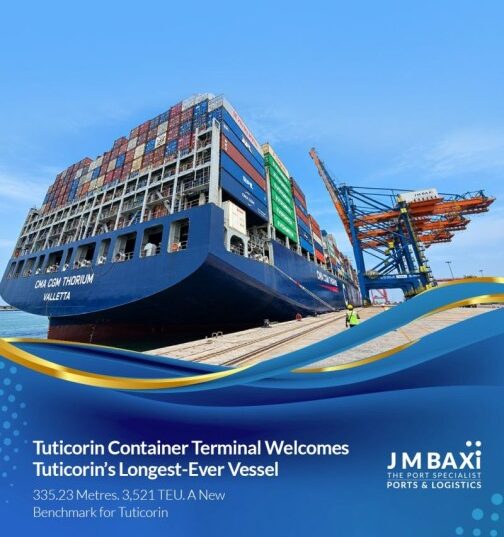
TUTICORIN: Tuticorin Container Terminal, operated by J.M. Baxi Ports & Logistics, achieved a significant operational milestone with the successful berthing of M.V. CMA CGM THORIUM, the longest vessel ever to call at Tuticorin Port.

Measuring 335.23 metres in length overall (LOA) and belonging to the 13,000-TEU class, the vessel’s call marks an important milestone for the terminal and highlights its capability and readiness to accommodate larger container vessels.

During the vessel’s call, the terminal successfully handled 3,521 TEU, demonstrating its operational efficiency, infrastructure capabilities and preparedness to manage vessels of increasing size.

The milestone further strengthens Tuticorin’s position as a regional gateway for EXIM trade, offering enhanced connectivity, supporting efficient cargo movement and providing exporters and importers with greater access to international markets.

The successful vessel call also reflects the continued collaboration between J.M. Baxi Ports & Logistics, CMA CGM and the V.O. Chidambaranar Port Authority in strengthening container-handling capabilities and supporting the growth of maritime trade through Tuticorin.

J.M. Baxi Ports & Logistics expressed its appreciation to the CMA CGM Abu Dhabi and India offices for their continued trust and partnership, as well as to the V.O. Chidambaranar Port Authority for its invaluable support in facilitating the landmark vessel call.

The achievement underscores the growing capabilities of Tuticorin Container Terminal and its role in supporting the evolving requirements of global shipping and India’s EXIM trade.

As vessel sizes continue to increase, J.M. Baxi Ports & Logistics remains focused on strengthening terminal capabilities, improving operational efficiency and providing reliable connectivity to global markets.

Bigger vessels. Stronger connectivity. Greater opportunities.

Tuticorin Container Terminal — Ready for bigger ships. Ready for your growth.

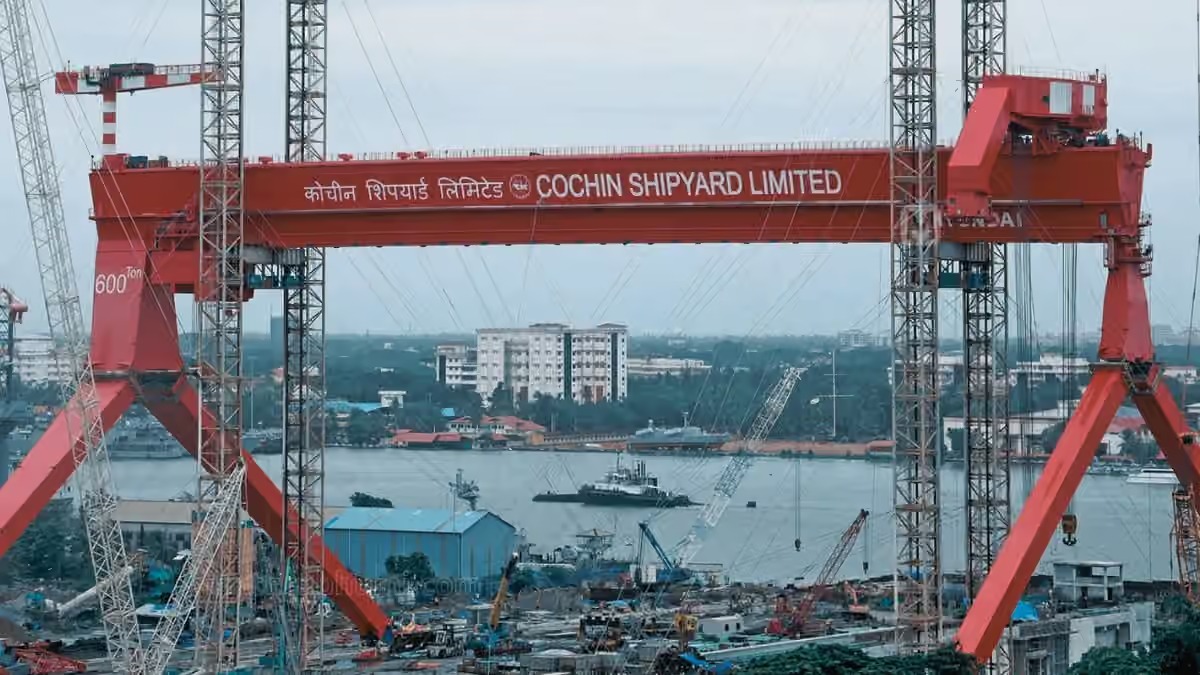
Cochin Shipyard signs agreements to acquire 23% stake in Dutch ship design firm Conoship

KOCHI: Cochin Shipyard Limited (CSL) has signed a Share Purchase Agreement and a Shareholders’ and Cooperation Agreement with the shareholders of Conoship International Holding B.V. (Conoship) for the proposed acquisition of a 23 percent equity stake in the Netherlands-based ship design and engineering company.

The agreements have been executed on Thursday, following the approval accorded by CSL’s board in January 2026.

CSL will acquire the 23 percent stake for a cash consideration of 2.30 million euros. Clearance for the transaction has been obtained from the Department of Investment and Public Asset Management (DIPAM), with completion expected within two months.

Conoship, incorporated on February 13, 2014, is a Netherlands-based ship design and engineering company with a portfolio covering general cargo vessels, tankers, dredgers, ferries and offshore vessels. The company provides ship design and engineering services to shipyards worldwide.

The acquisition is aimed at helping CSL expand into European coastal and short-sea shipping through advanced ship design solutions. CSL and Conoship will also jointly explore opportunities in emerging technologies, including alternative fuels for short-sea vessels, coastal shipping and inland waterways, as well as related marine, shipping and offshore services.

Conoship reported group turnover of 4 million euros in 2024, excluding intercompany adjustments, compared with 3.51 million euros in 2023 and 2.4 million euros in 2022. Including intercompany adjustments, group turnover stood at 4.95 million euros in 2024, 4.54 million euros in 2023 and 3.13 million euros in 2022. The company reported a group net profit of 0.22 million euros in 2024.