Home Blog Page 84

India enters the Mega port era with four major ports notified under Indian Ports Act, 2025

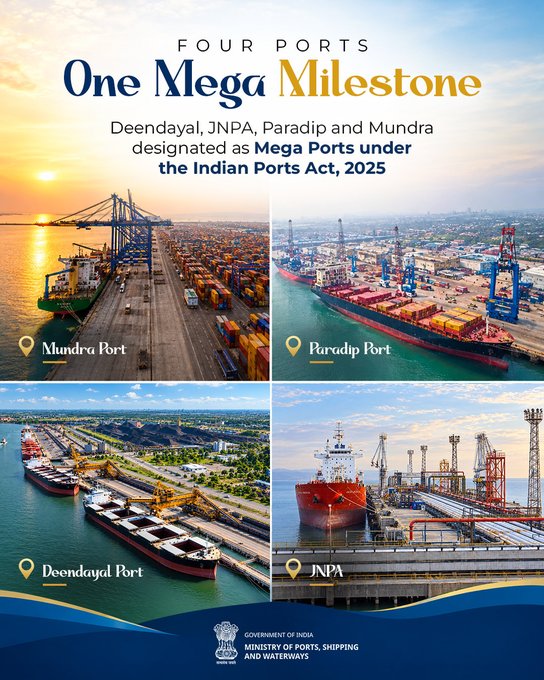
NEW DELHI: India has entered a new phase in its maritime development with Deendayal Port (Kandla), Jawaharlal Nehru Port (Nhava Sheva), Paradip Port and Mundra Port being notified as Mega Ports under the Indian Ports Act, 2025, according to a MoPSW communique.

The recognition marks a significant development for India’s port and logistics sector, highlighting the scale, capacity and strategic importance of these major maritime gateways in supporting the country’s growing trade and economic activity.

The four ports represent important nodes in India’s maritime network, serving major cargo-generating regions and providing connectivity to domestic as well as international trade routes. Their growing handling capacity and expanding logistics infrastructure are expected to play an important role in strengthening the efficiency and resilience of India’s supply chains.

The notification also reflects the Government’s broader focus on developing high-capacity, efficient and globally competitive ports capable of meeting the requirements of India’s expanding economy and international trade.

Deendayal Port on the western coast serves as a key gateway for cargo movement in Gujarat and northern and western India, while Jawaharlal Nehru Port remains a major container gateway serving the Mumbai region and hinterland markets.

On the eastern coast, Paradip Port plays a significant role in handling bulk and industrial cargo and supporting the eastern and central Indian hinterland. Mundra Port, meanwhile, has emerged as a major commercial port with extensive cargo-handling and multimodal logistics capabilities.

The recognition of these ports as Mega Ports under the Indian Ports Act, 2025 underlines their strategic role in facilitating international trade, improving logistics efficiency and contributing to the country’s economic growth.

The development comes as India continues to strengthen its maritime infrastructure, modernise port operations and improve connectivity between ports, industrial centres and consumption markets.

With greater emphasis on capacity expansion, technology, multimodal connectivity and efficient cargo movement, the Mega Port framework is expected to further reinforce the role of major ports in India’s logistics ecosystem.

The notification marks a new chapter in India’s maritime journey — the beginning of the Mega Port era, with these four gateways positioned to support the country’s ambitions of becoming a stronger global trade and maritime hub.

Iran threatens to expand war to Indian Ocean if U.S. attacks again

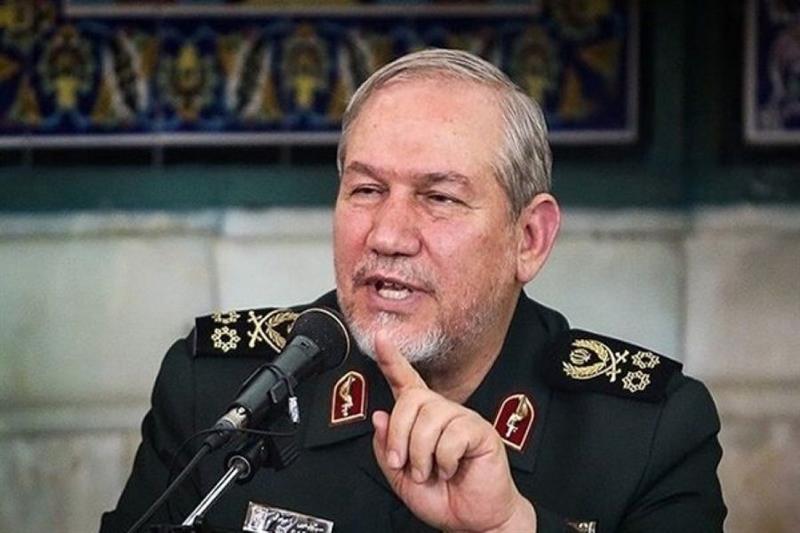
TEHRAN: An adviser to Iran‘s supreme leader Mojtaba Khamenei warned on Thursday (September 24, 2026) that Tehran may expand the West Asia war to the Indian Ocean if the U.S. attacks again.“Since the conflict has spread from the Persian Gulf and Strait of Hormuz to the Red Sea, it is possible that, in response to more war, the front will expand even further, reaching the Indian Ocean and perhaps beyond,” said Yahya Rahim Safavi in a video released by Iran’s Fars news agency.

Yemen’s Houthis, fighting Saudi-backed government forces, recently took control of the Red Sea coastline, tightening their grip on the strategic Bab al-Mandab Strait, which links Asia to Europe via the Suez Canal. Iran has long provided military support to the Houthis but denies any involvement in the Yemen conflict.

The Islamic republic has also locked down the Strait of Hormuz off the Iranian coast, in retaliation for U.S.-Israeli strikes that triggered the West Asia war at the end of February. Iran and the United States are now vying for control of Hormuz, through which much of the world’s oil and gas passed before the war.

Iranian officials had already threatened to expand the geographic scope of the conflict if U.S. strikes resume. But Thursday’s (September 24, 2026) warning is the first time an adviser to Iran’s supreme leader explicitly mentioned the Indian Ocean, home to a strategic U.S.-British military base at Diego Garcia, nearly 4,000 kilometres from Iran.

Officials from both countries held talks in New York this week on the sidelines of the UN General Assembly in a further attempt to end the conflict.

Iran has put forward its conditions for ending the war, including the lifting of sanctions targeting its economy and the unconditional release of its frozen assets abroad.

In an exclusive interview with AFP on Tuesday (September 22, 2026), a spokesman for Iran’s Revolutionary Guards, Hossein Mohebi, also mentioned ending the war in Yemen.

Trump rejects Iran’s 7 day ceasefire proposal, prepares for military escalation after US Midterms: Report

WASHINGTON D.C.: In a development that will put the world and West Asia on tenterhooks, Wall Street Journal has reported that President Trump has rejected Iran’s proposal for a seven-day ceasefire.

According to the report, which quoted US officials, the US President has told aides he expects to resume bombing Iran after the November midterms. This follows his open threat of annihilating Iran made during his speech to the UN General Assembly earlier this week.

“I have a big decision to make. Will a deal be made with Iran that lets them rebuild and create a far greater country than it ever was before? Maybe one of the greatest in the Middle East or even the world. Or do I annihilate the Islamic Republic, and do it quickly, never giving them a chance to kill and destroy people and countries again? But I believe we’ll make a deal right after the election, because it doesn’t make sense for them not to,” he told the Assembly on September 22.

On Thursday, Iran’s foreign Minister Syed Abbas Aragchi had said that Iran has offered a seven-day plan to end the conflict in West Asia. The plan would also seek to reopen the Strait of Hormuz and then begin comprehensive talks on Iran’s nuclear program.

Araghchi, told reporters at the United Nations General Assembly that the proposal was similar to the MoU reached between US and Iran in June this year.

“We have introduced a plan to the United States through the intermediators that if certain conditions are met, the Strait of Hormuz would be open on the end of the seventh day and talks would restart…it would be better, if a deal was reached before the U.S. midterm elections,” he said.

In his meeting with German Foreign Minister Johann Wadephul, Araghchi stressed that the Islamic Republic of Iran has conveyed to the American side its reasonable conditions and requirements for advancing diplomacy, emphasizing that restoring security to the region requires an end to US interventionist and aggressive actions against Iran.

The Iranian foreign minister underscored Iran’s commitment to pursuing diplomacy regarding its peaceful nuclear program, stressing that no party can ignore Iran’s good faith in the negotiations, as well as the US and Israeli military aggression against Iran in the midst of the talks, while portraying Iran as responsible for insecurity in the Strait of Hormuz.

Now, with Trump rejecting a peace overture from the Iranians, the heat in West Asia is likely to get more intense once the US mid-term elections get done and dusted.

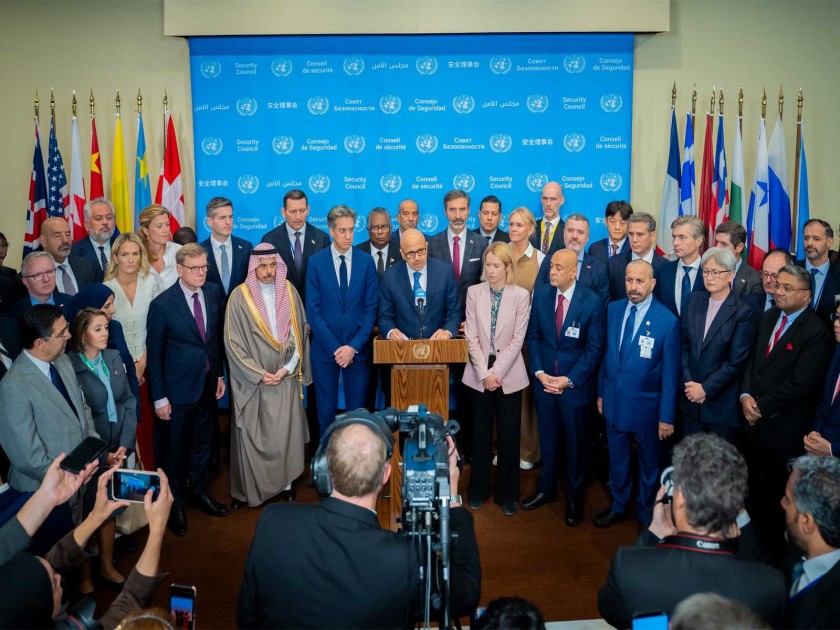
At UN, 80 countries demand reopening of Hormuz, condemn Iran, Houthi attacks

NEW YORK: Some 80 countries demanded the urgent reopening of ​the Strait of Hormuz on Thursday ‌and condemned Iran and its Houthi allies for attacks in the region and ​disruption to international trade and ​energy security.

“Iran’s actions in the Strait ⁠of Hormuz continue to threaten ​international security and navigational rights and freedoms,” ​said a joint statement read out by Bahrain’s Foreign Minister Abdullatif bin Rashid Al ​Zayani at the United Nations.

“We ​also strongly condemn the Houthis’ decision to resume ‌conflict ⁠in Yemen, their continuous strikes on Saudi Arabia, and their reckless attacks in the Red Sea,” the statement ​said. The ​statement’s backers ⁠included Gulf Arab states and major Western powers.

It added ​that the Houthis’ advance towards ​Bab ⁠el-Mandeb Strait would also only heighten risks to international shipping, maritime security ⁠and ​global trade. Both Iran and ​the Houthis frame their actions as defensive.

Source: Reuters

Prozo expands its Eastern India fulfilment network with a new 30,000 sq. ft. facility in Kolkata

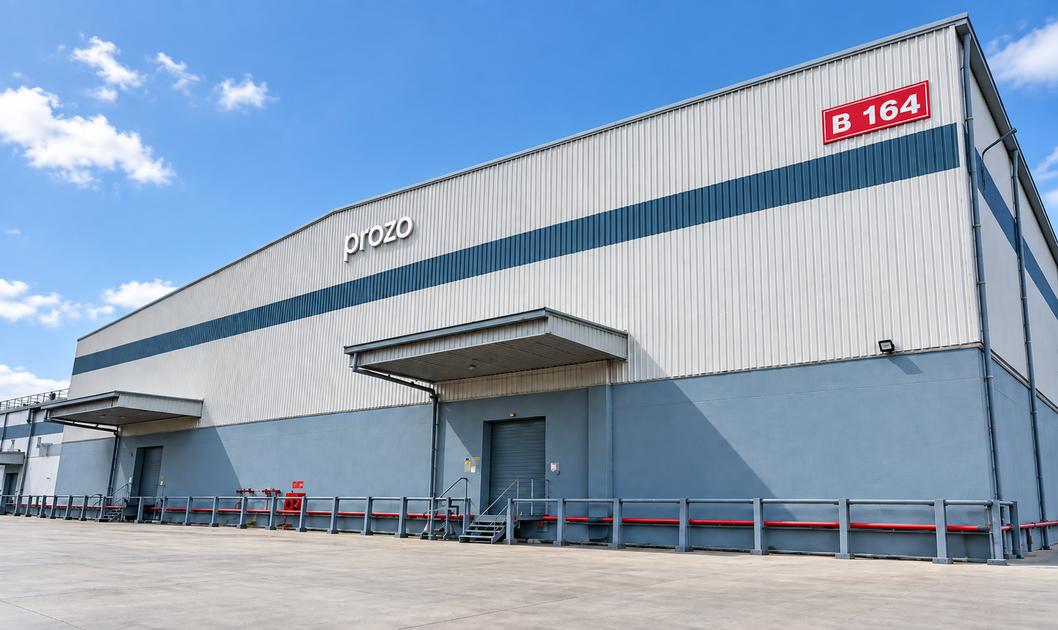
KOLKATA: Prozo, India’s fastest-growing full-stack supply chain company, has strengthened its eastern India network with the launch of a new 30,000 sq. ft. fulfilment centre in Kolkata. The addition brings Prozo’s network in the city to three fulfilment centres and supports its ongoing capacity expansion across one of the country’s fastest-growing consumption markets.

Located at Prospace Logistics Park, Serampore, West Bengal, the facility benefits from strong connectivity to key freight and distribution corridors. With access to Kolkata Port, NH-16, NH-19 and the Dankuni logistics hub, the site is strategically positioned to support efficient movement of goods across eastern India. The location also enables brands to access major wholesale and retail markets while providing outbound reach to the north-eastern states.

Eastern India is witnessing sustained growth in organised retail, e-commerce and manufacturing, increasing the need for modern, technology-enabled warehousing infrastructure. As the region’s principal logistics hub, Kolkata enables efficient distribution across West Bengal, Bihar, Jharkhand, Odisha and the north-eastern states, making it a preferred location for brands looking to strengthen regional supply chains. This expansion reflects Prozo’s commitment to increasing capacity in high-growth markets and supporting businesses with faster, more resilient fulfilment capabilities closer to demand centres.

Speaking on the expansion, Dr. Ashvini Jakhar, Founder and CEO, Prozo, said, “As brands expand beyond the largest metropolitan markets, their supply chains need to evolve alongside them. Our investment in Kolkata is part of our long-term strategy to build fulfilment capacity in locations that are becoming increasingly important for commerce and consumption. This new facility strengthens our ability to help customers reduce delivery timelines, improve inventory availability and scale efficiently across eastern India through a technology-led, flexible supply chain network. We will continue to strengthen our infrastructure to help clients grow with confidence.”

The new Kolkata facility will operate on the enterprise-grade standards that govern Prozo’s national network, supported by its proprietary Control Tower technology stack, which enables real-time inventory visibility, multi-channel order orchestration and end-to-end operational monitoring. The site is designed to support a wide range of categories, including fast-moving consumer goods, fashion and lifestyle, beauty and personal care, healthcare and consumer electronics. The facility is integrated with these capabilities and advances Prozo’s mission to deliver precision-led, full-stack logistics to brands scaling across eastern India and beyond.

Prozo works with leading brands such as Reliance, TMRW (Aditya Birla Group), Tira, Traya, Minimalist, Beardo, Neeman’s, Comet Shoes, Bata, Relaxo and VIP (Caprese), among several other enterprise, retail and digital-first brands across FMCG, consumer electronics, healthcare, beauty, fashion and lifestyle categories. The new Kolkata facility will support both existing clients expanding their eastern India operations and new brands onboarding to Prozo’s multi-client network.

11th Meeting of National Traders’ welfare board convened in New Delhi

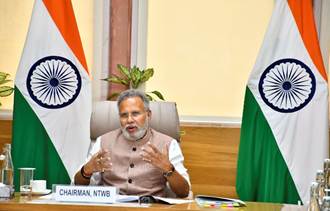
NEW DELHI: The 11th Meeting of the National Traders’ Welfare Board (NTWB) was convened at Vanijya Bhawan, New Delhi, in hybrid mode. The Board reviewed a range of measures concerning trader welfare, Ease of Doing Business, digital empowerment, access to finance, Centre–State coordination and export promotion. The deliberations also covered issues relating to GST, MSMEs, trader grievance redressal, digital platforms and strengthening institutional support for traders, retailers, manufacturers, exporters and service providers.

During the deliberations, the members discussed GST-related matters, including rationalisation, refund delays, lengthy audits, amnesty schemes, ITC anomalies and resolution of pending appeals. Discussions on MSME and finance included inclusion of traders in MSME facilitation committees, a proposal for a centralised loan portal with 30-day timelines, reforms in the CIBIL score mechanism and establishment of traders’ grievance helplines.

Members also discussed trader welfare issues, including timely payments to government contractors, safeguards against technical penalties, relaxation in loan repayment during lean periods and enhanced Centre–State coordination. On digital empowerment, the Board deliberated on expansion of ONDC and DigiDukaan to the district level, Women Entrepreneurship Facilitation Desks under NITI Aayog, POSH cells for grievance redressal and strengthening of cyber fraud redressal mechanisms.

Special emphasis was laid on enhancing export participation by traders and MSMEs, increasing awareness regarding export opportunities, strengthening institutional support mechanisms and promoting India’s emergence as a globally competitive trading nation. The Board also discussed the need for thematic committees and focused working groups to examine sector-specific issues and provide structured recommendations for policy intervention.

The meeting was chaired by Chairman, NTWB, Shri Sunil J. Singhi. He apprised the Board of major initiatives undertaken towards achieving its objectives. Shri Singhi highlighted the Government’s commitment to trader welfare through reforms such as the Jan Vishwas Act, which rationalises 40,000 compliances, Ease of Doing Business measures and the establishment of State Traders’ Welfare Boards in Madhya Pradesh, Punjab, Uttar Pradesh and Tamil Nadu. Written confirmations from Goa and Telangana were also noted, along with progress on District Facilitation Centres.

Shri Singhi further highlighted the successful conduct of 100 consecutive virtual conferences, which have strengthened Centre–State engagement. He also referred to initiatives and campaigns including the celebration of Bhamashah Jayanti as Rashtriya Vyaapari Diwas on 29 June by Swadeshi Jagran Manch, Vyapari Samvaad in Dehradun and Indore, and Tiranga Yatra activities in Chandigarh and Indore.

The Chairman also apprised Members of developments relating to Next Generation GST 2.0 reforms, ONDC integration and expansion of DigiDukaan. DigiDukaan, a B2B procurement and Kirana digitisation initiative by ONDC, is enabling kirana stores to digitise procurement through a single ordering interface, with over 19,000 retailers currently live across Hyderabad and Jaipur.

At the outset of the meeting, Director, DPIIT, Shri Yuvraj Ravindra Patil, welcomed the Board Members and Ex-Officio Members from line Ministries and Departments and outlined the mandate of the NTWB. He emphasised the importance of promoting the Board’s initiatives and ensuring wider dissemination of DPIIT’s interactive video conference sessions.

Members were also apprised of forthcoming reforms, including the Consumer Protection (Amendment) Bill 2026, proposed to be effective from 1 January 2027, aimed at enhancing Ease of Living. The Board also deliberated on the India–UK CETA negotiations, with emphasis on export promotion.

The meeting was attended by non-official Members representing trade associations and States/UTs, along with ex officio Members from various Ministries and Departments of the Government of India.

The meeting concluded with a reaffirmation of the Board’s commitment to creating an enabling environment for traders through policy advocacy, digital empowerment, Ease of Doing Business reforms, social security initiatives and stronger Centre–State coordination. The Board reiterated its resolve to work towards the welfare and empowerment of traders and their employees and contribute actively to the vision of Viksit Bharat 2047.

APEDA facilitates export of GI-Tagged Gulbarga Tur Dal from Karnataka to Maldives

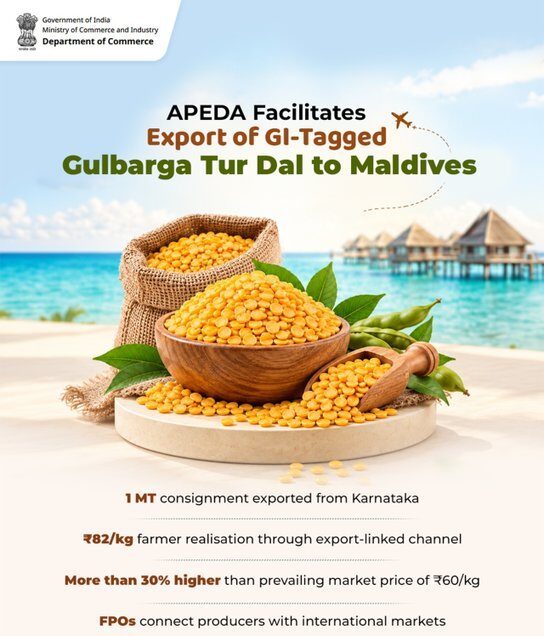
NEW DELHI : The Agricultural and Processed Food Products Export Development Authority (APEDA) facilitated the flag-off of a 1 MT consignment of GI-tagged Gulbarga Tur Dal from Karnataka to the Maldives on 24 September 2026. The initiative is aimed at expanding international markets for India’s GI-tagged agricultural products and strengthening the participation of Farmer Producer Organisation (FPO)-led brands in agri exports.

A key feature of the export-linked value chain is improved price realisation for farmers. While the prevailing market price is ₹60 per kg, farmer realisation through the export-linked channel is ₹82 per kg, representing more than 30 per cent higher realisation. The initiative also provides FPOs an opportunity to participate more closely in export-oriented value chains and connect producers with international markets.

The consignment, exported by M/s Silken Global Exports and Imports, Mysuru, through its FPO-led brand, will be transported to the Maldives by sea.

Gulbarga Tur Dal, associated with the Kalaburagi region of Karnataka, received Geographical Indication (GI) registration in 2019. The product is recognised for its distinctive taste and quality and forms an important part of the agricultural economy of the region. APEDA lists Gulbarga Tur Dal among Karnataka’s registered GI products.

Karnataka is one of India’s major agricultural states, with pulses playing an important role in its dryland agriculture and rural economy. Kalaburagi is one of the major centres of tur cultivation and production in the state, and Gulbarga Tur Dal represents the region’s distinctive agricultural identity.

Chairman, APEDA, Shri Abhishek Dev, highlighted the importance of taking India’s GI-tagged agricultural products to global markets and creating stronger market linkages for farmers. He said the export of Gulbarga Tur Dal to the Maldives provides an opportunity to build the product’s global identity while opening avenues for further market expansion.

The export is expected to pave the way for regular shipments of Gulbarga Tur Dal to the Maldives, creating sustained market opportunities for producers and exporters from Karnataka. It will also support greater value realisation for farmers and enable FPOs and farmers to integrate more closely with export-oriented value chains.

The consignment was flagged off in the presence of Chairman, APEDA, Shri Abhishek Dev. Senior APEDA officers and industry representatives, including Senior Consultant, APEDA Dr. Tarun Bajaj; General Manager, APEDA Smt. Vinita Sudhanshu, Managing Director KSPAML, Gulbarga Shri V. Sadashiva; and Shri Imran Pasha of M/s Silken Global Exports and Imports, Mysuru, attended the event.

The initiative is aligned with APEDA’s efforts to facilitate exports of GI-tagged and other value-added agricultural products to international markets and reflects the scope for promoting region-specific agricultural products through international trade.

TMS TACCC 2026 concludes with industry leaders advancing practical pathways for climate action

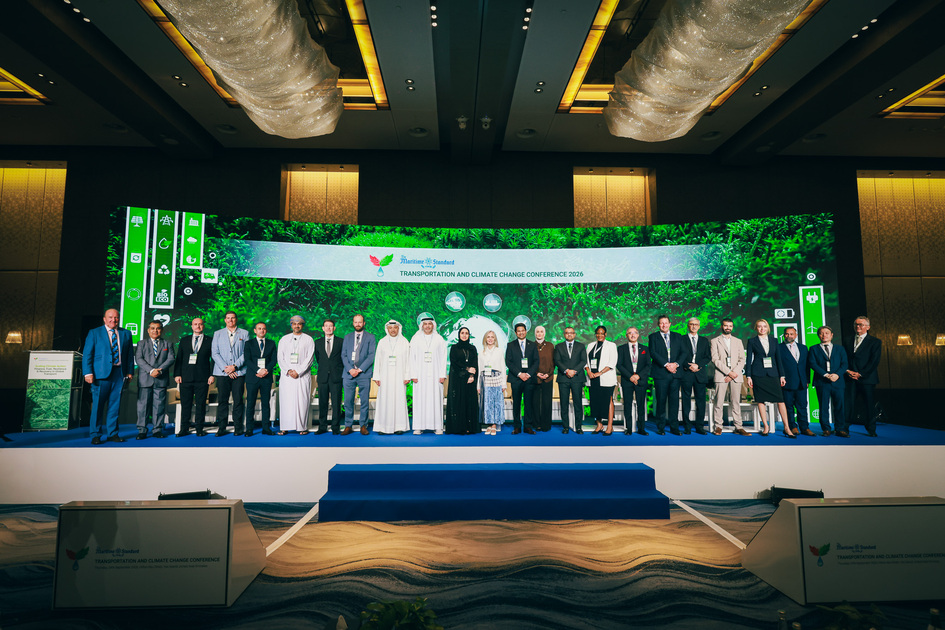
ABU DHABI: The fourth edition of The Maritime Standard Transportation & Climate Change Conference (TMS TACCC) 2026 concluded in Abu Dhabi on 24 September, bringing together senior maritime and transport leaders, policymakers, sustainability specialists, technology experts and industry stakeholders to examine practical pathways for advancing decarbonisation and building more resilient transport systems.

Held at Hilton Yas Island, Abu Dhabi, under the theme “Scaling Climate Action: Finance, Fuel, Resilience & Recovery in Global Transport,” the conference focused on the commercial, regulatory, technological and operational factors shaping the next phase of the industry’s transition. Discussions addressed alternative fuels, sustainable finance, regulatory developments, investment readiness, artificial intelligence, digitalisation, infrastructure, air quality, operational efficiency and maritime resilience.

The conference opened with a welcome address by David Eades, Former Chief Presenter, BBC News, who set the context for the day’s discussions and highlighted the importance of bringing together diverse perspectives from across the transport and maritime ecosystem. David subsequently expertly moderated both sessions, guiding discussions on the challenges and opportunities facing the industry as it moves from climate ambition towards practical implementation.

H.E. Eng. Hessa Al Malek, Advisor to the Minister for Maritime Transport Affairs, UAE Ministry of Energy & Infrastructure, delivered the keynote address, highlighting the UAE’s leadership and contribution to sustainable maritime and transport development. Her address emphasised the UAE Government’s commitment to forward-looking policies, strategic initiatives and investment in sustainable infrastructure, while underscoring the importance of collaboration between government and industry in supporting innovation, investment, cleaner technologies and resilient transport systems.

The first session, titled “Delivering Net-Zero Maritime: Regulation, Markets & Investment Readiness,” brought together senior representatives from shipping, ports, maritime services, finance, sustainability and consultancy to examine the investment and regulatory conditions required to advance maritime decarbonisation. Justin Murphy, Senior Vice President, Corporate Strategy & Business Development, ADNOC Logistics & Services; Dr. Abdullah Sulaiman Al-Abri, Vice President – Sustainability, SOHAR Port and Freezone; Dr Haya Daghlas, Director, Strategic Interface, Abu Dhabi Maritime, AD Ports Group; Franck J. Kayser, Chief Operating Officer, Asyad Shipping; Shrirang Kolaskar, Chief Financial Officer, Drydocks World; James Frew, Business Consultancy Director, Lloyd’s Register; Tony Dagher, Managing Director, TMC Shipping; Pawan Sahni, Vice President, Business Development Director Middle East and Africa, DNV Maritime; and Daniel Gribbin, Director – Sustainability, Deloitte shared their perspectives during the session.

Discussions highlighted the importance of regulatory certainty, demand visibility, infrastructure readiness, financing and collaboration across the maritime value chain. Justin Murphy highlighted the need to align commercial strategy with changing trade flows, fuel availability and fleet readiness, noting that emerging fuel investments such as ammonia require credible offtake, infrastructure, financing and viable trade routes. Dr. Abdullah Sulaiman Al-Abri emphasised that the industry’s challenge is increasingly one of scaling available fuel technologies, requiring infrastructure, demand certainty, investment and partnerships. He also outlined SOHAR Port and Freezone’s work in terminal electrification, biofuels, LNG bunkering, shore power and low-carbon fuel development. Dr Haya Daghlas and other speakers addressed the wider regulatory, investment and operational considerations shaping the transition towards net zero.

The second session, titled “Technology & Infrastructure: Scaling Decarbonized Transport Ecosystems,” examined the role of technology, data, artificial intelligence, environmental intelligence, maritime safety, security and digital infrastructure in supporting more efficient and resilient transport operations. The session featured Poul Hestbæk, Chief Executive Officer, Folk Maritime; Daejin Lee, Global Head of Research, Fertmax FZCO; Xanthos Kyriacou, CEO, Noatum CSM; Oriol Teixidó, Middle East Associate Director, Air Quality, WSP in the Middle East; Vimbai Gwaze, Sustainability Specialist, Monjasa; Ali Shehab, Global Director of Special Projects and Services, DNV Maritime; Katherine Yakunchenkova, General Manager, Al Safina Security Services; Capt. Amarjit Kauchhur, Vice President, Middle East/Regional Director, International Registries, Inc. (U.K.) Limited, Dubai Branch; Dr. Ivano Iannelli, Chief Executive Officer, TRST01 Climate Intelligence; and Captain Zarir Iràni, Managing Director, Constellation Marine Services LLC and Vice President Global, The Nautical Institute.

The session explored how digital technologies, AI, data integrity, fuel traceability, air quality management, maritime security and operational innovation can support future-ready transport ecosystems. Speakers highlighted the importance of reliable data, appropriate infrastructure, regulatory frameworks, skilled people and clear accountability. Daejin Lee focused on the role of human judgement in using shipping data and AI, emphasising the need to assess data sources, understand potential biases and verify information before relying on AI-generated outputs. Poul Hestbækcontributed perspectives on the operational and infrastructure requirements for building more resilient and sustainable maritime transport systems, while the wider discussion addressed air quality, alternative fuels, technology adoption, maritime safety and digitalisation.

Reflecting on the discussions, David Eades noted that the conference provided an important opportunity for the maritime industry to focus on the issues that matter, including net zero, carbon emissions, technology, artificial intelligence, stakeholder engagement, partnerships and collaboration. He highlighted the passion within the industry to make the transition work and stressed the importance of being prepared for evolving regulations, even when regulatory frameworks do not develop as quickly as expected. He said the breadth of presentations and panel discussions demonstrated the industry’s determination to stay ahead of the challenges and prepare for the regulatory and operational changes ahead.

The discussions throughout the conference reinforced the importance of collaboration in addressing the practical challenges of the energy transition, with speakers highlighting the need for investment, infrastructure, regulatory alignment, commercial certainty and stronger coordination across the transport ecosystem. TMS TACCC 2026 also provided a platform for delegates and industry stakeholders to exchange views, explore emerging solutions and strengthen professional relationships, while The Maritime Standard reaffirmed its commitment to supporting constructive industry dialogue and practical knowledge exchange on the future of global transport.

RCL Commemorates Naming Ceremony for Three New 4,488-TEU Vessels in Guangzhou, China

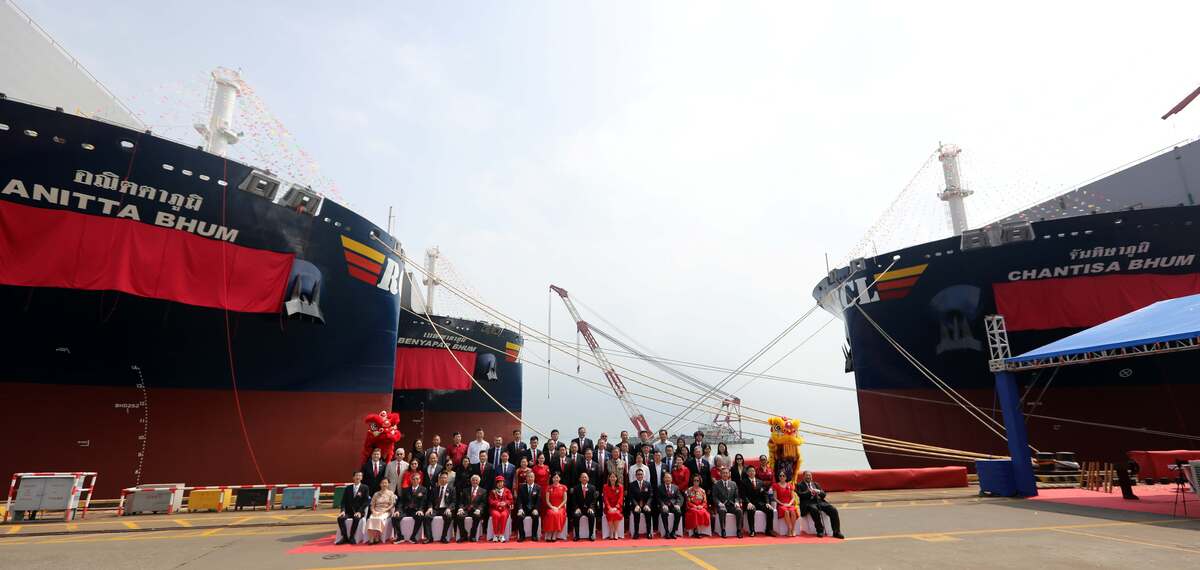
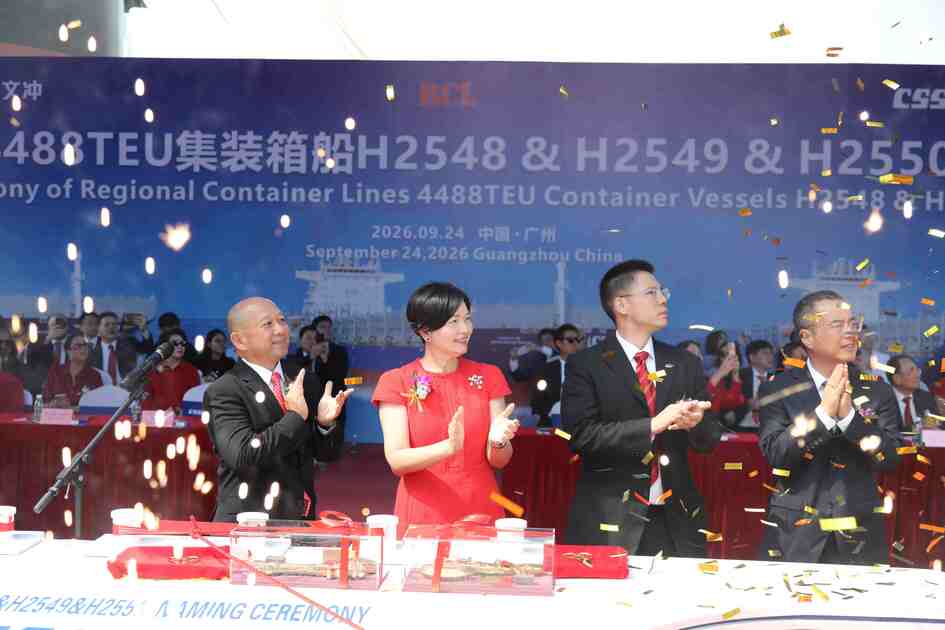
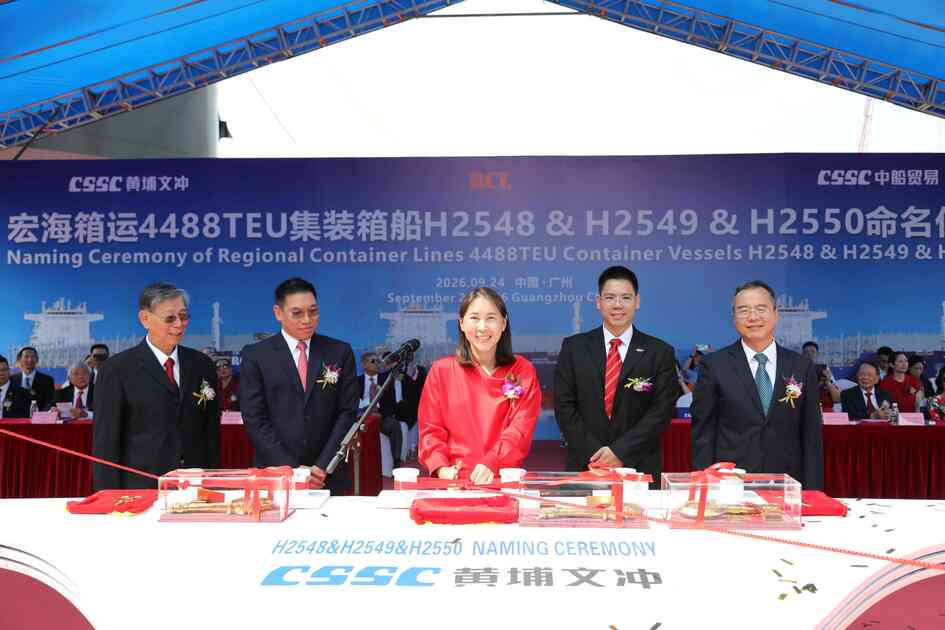
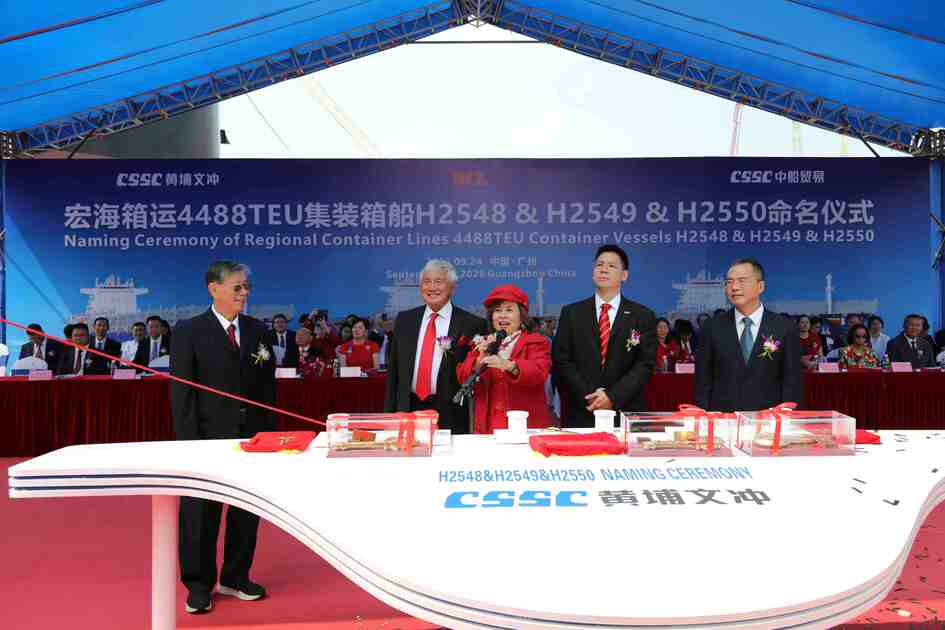
SINGAPORE: Regional Container Lines Public Company Limited (RCL) is proud to announce the successful naming ceremony of its three latest vessels, ANITTA BHUM, BENYAPAR BHUM, and CHANTISA BHUM on 24 September 2026. The prestigious ceremony took place CSSC Huangpu Wenchong Shipbuilding Co., Ltd. (Longxue Plant) in Guangzhou, China.

The ceremony was distinguished by RCL’s senior leadership, Dr. Jamlong Atikul, Chairman of the Board of Directors, including Mr. Sumate Tanthuwanit, Chairman of the Executive Committee of RCL, and Dr. Twinchok Tanthuwanit, President of RCL, alongside prominent industry leaders and stakeholders.

คุณนฤมล หวั่งหลี สุภาพสตรีผู้ประกอบพิธีตั้งชื่อเรือ อณิตตาภูมิ ANITTA BHUM RCL Commemorates Naming Ceremony for Three New 4,488-TEU Vessels in Guangzhou, China

The ANITTA BHUM, which translates to “Kindliness Land”, a land of kindness and compassion, was christened by sponsor lady Mrs Naruemol Wanglee with Mr Petch Wanglee, Managing Director of Thanakorn Vegetable Oil Products Company Limited.

คุณบุศทรี หวั่งหลี สุภาพสตรีผู้ประกอบพิธีตั้งชื่อเรือเบญญาภาภูมิ BENYAPAR BHUM RCL Commemorates Naming Ceremony for Three New 4,488-TEU Vessels in Guangzhou, China

BENYAPAR BHUM, which translates to “Wisdom Land”, was christened by sponsor lady Mrs Busatree Wanglee with Mr Khem Wanglee, Director & Managing Director (Commercial) of SMS Corporation Company Limited.

พิธีตั้งชื่อเรือจันทิษาภูมิCHANTISA BHUM RCL Commemorates Naming Ceremony for Three New 4,488-TEU Vessels in Guangzhou, China

CHANTISA BHUM, which translates to “Greatness Land”, was christened by sponsor lady Mrs Ang Siew Lan with Mr Paul Chuah Seong Phaik Chairman of the PCCO Group, Malaysia.

These ships mark the first three deliveries in a major fleet expansion order of eight high-specification vessels under the 4,488-TEU Project with CSSC Huangpu Wenchong Shipbuilding. The vessels are equipped with a range of technologies, such as Energy Saving Devices (ESD) and other systems, designed to improve operational efficiency and reduce sulphur oxide (SOx) and nitrogen oxide (NOx) emissions, as well as Alternative Maritime Power (AMP) capabilities, allowing them to connect to shore-side electricity while at port. In addition, the vessels are LNG/methanol/ammonia dual-fuel ready, providing the flexibility to adopt alternative marine fuels. Together, these features reflect RCL’s continued investment in more efficient, environmentally conscious and future-ready vessels.

Following the successful ceremony, the three vessels are scheduled to reinforce RCL’s regional network connectivity soon. Delivered on the day of this naming ceremony, ANITTA BHUM will shortly set sail from Shanghai, entering the RCL FAR EAST LATIN AMERICA SERVICE (AFL) route and linking ports from East Asia to Latin America. Meanwhile, BENYAPAR BHUM, to be delivered on 19 October 2026, is slated to

cover the RCL FAR EAST – MADRAS SERVICE 2 (RFM2), with coverage for through Asia and the India Subcontinent. CHANTISA BHUM, to be delivered on 20 November 2026, will next be covering the RCL SOUTH CHINA INDONESIA SERVICE (RCI02), linking South China to ports in Southeast Asia.

The delivery of the 4,488-TEU vessels underscores RCL’s commitment to investing in future-ready vessels as part of its long-term fleet enhancement strategy. Through this continued investment, RCL remains committed to strengthening its service capabilities, enhancing RCL’s operations and supporting more sustainable maritime transportation across the Asia region and beyond.

If not now, when? Jennifer Jordan-Saifi on the drive to decarbonise shipping

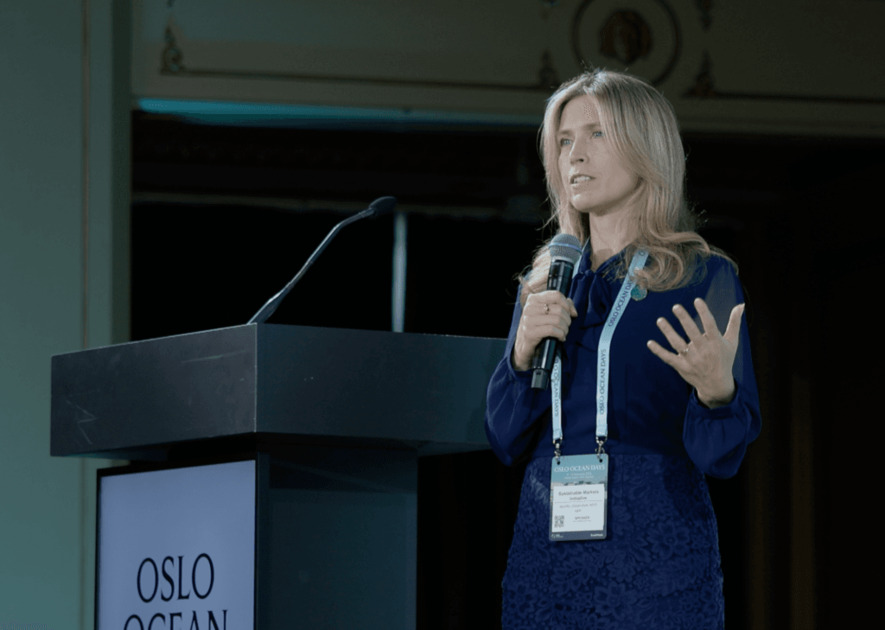
OSLO: As head of King Charles III’s Sustainable Markets Initiative, Jennifer Jordan-Saifi is at the very tip of the spear when it comes to fighting for climate progress, while battling scepticism, short-termism and political inertia. In an increasingly fractured world, how does she envision change for shipping, this most global of global industries? And what role can events like Nor-Shipping play in enabling that shift?

“We have to speak about this…”

Jennifer Jordan-Saifi, the CEO of Sustainable Markets Initiative (SMI), has no time for tip-toeing around elephants in the room. And neither, she states, do we.

“Everyone got behind the UN’s 2030 Agenda for Sustainable Development and associated targets, but now it’s 2026,” she says, adding with understandable urgency, and more than a little frustration: “And what’s happening?” 

The question doesn’t just hang in the room, it confronts the elephant, pushing it up against the wall of Gamle Logen, the location for the first ever Oslo Ocean Days conference, squeezing it with all its might for a silent second.

“Well,” she continues, “it seems like the world is regressing, politics is regressing. Put simply, we are running out of time! 

“So, the private sector, you, have to take the lead. The only way forward is forward, so let’s move.”

To say Jordan-Saifi participates in events like Nor-Shipping, where she spoke at the Ocean Leadership Conference in 2025, and Oslo Ocean Days with an agenda is somewhat of an understatement. 

Jordan-Saifi is on a mission.

A mission with royal backing.

The big issue

SMI was launched by King Charles, then Prince of Wales, an impassioned environmentalist, in 2020 at the World Economic Forum in Davos. At the time he explained that our global economies “depend on the natural economy” and that both people and planet should profit from trade. He issued a clarion call for leaders – business and political ones – to rise to the challenge of mobilising influence, investment and networks to create a more sustainable future for our planet. SMI was handed a 10 year mandate to help supercharge that change.

That was January 2020. And, as we all know, the world was a very different place back then.

But, as Jordan-Saifi implies with politically seasoned caution, no matter what major challenges we face – and that includes the most pressing geopolitical, societal and economic ructions – there’s a constant underlying challenge with the potential to change everything.

“Geopolitics is stealing headlines at the moment and, naturally, that’s understandable,” she notes, adding that short-term security issues obviously garner more attention than long-term environmental ones. 

“But I’ve had conversations with some shipowners recently and they’re almost like ‘thank you for putting sustainability back on the agenda,’ because that needs to be front of mind. There is real desire and commitment there with many private shipping businesses, and that’s fantastic to see. What we need now is momentum.”

Leaders should lead

Jordan-Saifi had – or rather, has – high hopes for shipping in terms of decarbonisation. 

Had because, as a globally regulated industry under the auspices of the IMO, it’s theoretically possible to move as one under clear frameworks, towards clear targets. (Nothing needs to be added in terms of how that’s going at present.) 

Has because, even without the global accord, she sees the seeds of real progress – both on an individual and regional basis.

“It would be wonderful if we could have a whole-of-world solution governed by the IMO, I mean that’s what we were all hoping for,” she says, “but we can see the politicisation and fracturing there. You have some nation states adopting a ‘net zero… is that still a thing’ approach, while others are eager to progress.

“So, I know it’s counter to the original intention, but I think the regions, countries and individual owners that are ready should go. If China and Europe are ready, if we can build and strengthen green shipping corridors, then allow leaders to lead and the rest to follow. The pioneers can pave the way, share their learnings and, when they’re ready – when they see it actually working – others can step up and join in.”

Flexibility pays

But, of course, shipping is a business, so it’s not just regulations and ambitions that dictate the pace of change, it’s money.

Jordan-Saifi says that for an international industry there has to be international collaboration in terms of investment in future fuel choices, bunkering and technology, but, again, highlights the regional potential for progress rather than the global hurdles stymying it. She sees real possibilities to “hyper-scale” clean solutions such as Small Modular Reactors (SMRs), but is realistic over the development of the regulatory landscape.

In the now that is so crucial to her cause, she applauds individual owners already investing in fuels such as ammonia, while stating that dual fuel vessels in general, and those capable of wider flexibility in their energy mix, are a wise choice when “there’s probably no one silver bullet.”

Investment is there, Jordan-Saifi points out – nodding to the strength of some shipping stocks – but investors do not like uncertainty, and there’s no shortage of that at present.

Increasing awareness

Yet despite the flow of conversation to this point, Jordan-Saifi is unequivocally optimistic. With, she says, good cause.

Although some politicians and global events may be working to push sustainability off the agenda, others are striving to elevate it – and not just the SMI.

Shipowners, and there’s plenty of those attending Nor-Shipping and Oslo Ocean Days, are moving independently to enable greener fuels (Höegh Autoliners spoke of its investment in ammonia at today’s event) while consumers have a greater understanding of, and demands for, their product supply chains than ever before.

“Do not underestimate the power of the consumer,” she cautions. “Shipping has been brought into sharper focus in recent years and they’ve been paying attention. They understand emissions, they want to play their part in reducing them, and players right through the value chain need to bring them into the conversation in terms of supporting change.”

Communication, she notes, is key.

“Everyone has a part to play.”

Value creation

On the note of communication and playing a part, the SMI leader also points out that there’s plenty of progress that is, somewhat unfortunately, happening under the radar within the industry.

“I’ve spoken to many owners that have created huge efficiencies across their fleets,” Jordan-Saifi notes, adding that these have not necessarily been with headline-grabbing transformations, but rather with strategically smart step-by-step approaches. 

“So, they’re reducing emissions, saving on fuel and realising both environmental and commercial gains. That’s the value creation of sustainability that sits at the heart of SMI’s mission. What’s more, that’s leadership too, right? So, we’d like to amplify their efforts – push that approach into the spotlight, to show what can be done now.”

Gathering commitment

Events such as the upcoming Nor-Shipping in 2027, are vital for progress, Jordan-Saifi stresses, due to both the interconnected and geographically scattered nature of this most globally important of industries.

“Shipping has a real opportunity to be at the forefront of change,” she says. “Yes, you could argue that having no one solution is a challenge, but the very fact there’s so many solutions is a huge advantage too – it means there’s many possibilities for progress. What we want to see is more and more companies leaning into that, demonstrating that ‘being the change’ is what really matters. In that way they become exemplars for others to follow.

“But of course, they have to talk about it, share learnings, discuss new innovations and inspire others, connecting individual progress into more collective momentum… and that’s exactly what happens at events like Nor-Shipping and Oslo Ocean Days. The international industry comes together to amplify and enable change. That is absolutely crucial.”

It’s the kind of collaborative approach that chimes perfectly with SMI’s mission – the kind of approach we’d all probably like to see from our politicians too.

Jordan-Saifi gives a nod rather than a quote, finishing with a final note of optimism.

“You know, it can feel like we’re sliding backwards, but we’re not,” she states. “Change is happening, progress is being made, we just have to do more… quickly. Now is our time!”