Home Blog Page 859

32 airports closed, security heightened as India-Pak tension escalates

NEW DELHI : The Airports Authority of India (AAI) and relevant aviation authorities have issued a series of notices to Airmen (NOTAMs) announcing the temporary closure of 32 airports across Northern and Western India for all civil flight operations.

The NOTAM is effective from May 9, 2025, to May 14, 2025(which corresponds to 0529 IST on 15th May 2025), due to operational reasons.

The list of 32 airports include Adhampur, Ambala, Amritsar, Awantipur, Bathinda, Bhuj, Bikaner, Chandigarh, Halwara, Hindon, Jaisalmer, Jammu, Jamnagar, Jodhpur, Kandla, Kangra (Gaggal), Keshod, Kishangarh, Kullu Manali (Bhuntar), Leh, Ludhiana, Mundra, Naliya, Pathankot, Patiala, Porbandar, Rajkot (Hirasar), Sarsawa, Shimla, Srinagar, Thoise and Uttarlai.

A senior Ministry of Civil Aviation official informed that all civil flight activities at these airports will remain suspended during this period.

The Airports Authority of India (AAI) has also extended the temporary closure of 25 segments of Air Traffic Service (ATS) routes within the Delhi and Mumbai Flight Information Regions (FIRs) due to operational reasons.

As per NOTAM G0555/25 (which replaces G0525/25), the 25 route segments will remain unavailable from ground level to unlimited altitude until 2359 UTC on 14th May 2025 (which corresponds to 0529 IST on 15th May 2025).

Airlines and flight operators are advised to plan alternate routings as per current air traffic advisories. The temporary closure is being managed in coordination with relevant ATC units to ensure safety and minimise disruption, said MoCA in a statement.

Meanwhile, amid escalating tensions with Pakistan, drones were spotted at 26 locations ranging from Baramulla in the north to Bhuj in the south, along both the International Border and the Line of Control (LoC), defence sources said on Friday.

The drones are suspected to be armed and pose potential threats to both civilian and military targets.
The locations where drones were spotted include Baramulla, Srinagar, Avantipora, Nagrota, Jammu, Ferozpur, Pathankot, Fazilka, Lalgarh Jatta, Jaisalmer, Barmer, Bhuj, Kuarbet, and Lakhi Nala.

Ind–Pak crisis disrupts freight traffic in South Asia

KOLKATA : India bans the import of goods from Pakistan and the handling of Pakistani cargo in its harbours. Pakistan stops border trade and closes airspace. Shipping companies react with route changes and transit ports such as Colombo and Salalah gain in importance.

On 3 May 2025, the Indian government issued a ban on the import of goods from Pakistan. The handling of Pakistani cargo in Indian ports is also prohibited with immediate effect. Ships bound for Pakistan are no longer allowed to enter Indian ports.

These measures are in response to a deadly attack in the disputed region of Kashmir, in which at least 26 tourists were killed. India holds Pakistan responsible for the attack. Islamabad denies any involvement and warns against Indian military action.

As a countermeasure, Pakistan stopped border trade on 4 May. Since then, the airspace has been closed to Indian aircraft. Following Indian attacks on Pakistani territory, Pakistan temporarily closed its airspace completely.

The trade restrictions do not apply to shipments whose Bill of Lading (B/L) or Letter of Credit (L/C) was issued before the regulation came into force.

Impact on The Sea Freight Market

These developments affect numerous exports as well as hundreds of import containers that are travelling from China and other countries to Pakistan via India and are already at sea. Several ships are currently waiting outside the harbours with cargo for both countries.

The shipping companies have asked the authorities for information quickly and have taken individual measures in the meantime:

MSC

MSC is using Colombo in Sri Lanka as a new transhipment centre. All cargo is being rerouted there. The shipping company has received official clearance from India: Stranded cargo from Pakistan may be picked up in Mundra and Nhava Sheva. However, new cargo from Pakistan will no longer be accepted there.

CMA CGM

CMA CGM is sending some ships back to Pakistan. The cargo is unloaded there and shipped again later.

According to CMA CGM, a feeder service to a nearby transhipment centre is possible.

Maersk and Hapag-Lloyd
Maersk is actively reviewing its routes. They want to ensure that all regulations are adhered to. Possible consequences are diversions or schedule changes. If the restrictions last longer, the shipping company may make structural changes to its maritime network. This could mean adjusting routes, hubs or even the entire East-West network.

Maersk and Hapag-Lloyd continue to accept bookings via Salalah with no disruptions or changes.

The situation is intensified by an earlier strike in Pakistan. It was triggered by government plans to build new canals along the Indus River. This blocked important transport routes between the north and south of the country. Various shipments arrived late at the port of Karachi and were not loaded onto the booked ships. Instead, they were rebooked onto other ships. As these ships have not called at the port of Karachi since the trade restrictions were imposed, many containers are still in the harbour. The current lack of ship capacity is leading to rebookings, delays and rollovers.

Source : IFB

First round of India–New Zealand FTA  negotiations concludes

NEW DELHI : In a major step towards expanding bilateral trade and investment engagement, the first round of negotiations for the India–New Zealand Free Trade Agreement (FTA) concluded successfully here. The negotiations were held from 5-9 May, 2025.

This development builds on the shared commitment to deepen economic ties and guidance given by Hon’ble Prime Minister of India, Shri Narendra Modi during the visit of the Right Hon’ble Christopher Luxon, Prime Minister of New Zealand in March 2025. The FTA was launched during the meeting between Hon’ble Shri Piyush Goyal, Minister of Commerce and Industry, Government of India, and Hon’ble Mr. Todd McClay, Minister for Trade and Investment, Government of New Zealand on March 16, 2025.

The First Round followed a series of virtual discussions held between both partners which laid the groundwork for the in-person meeting. Constructive negotiations were held across all areas of FTA including Trade in Goods and Services, Trade Facilitation and mutually beneficial sectors of economic co-operation. This engagement highlights the strategic importance both partners attach to building a mutually beneficial, balanced and a fair trade agreement.

The bilateral trade relationship has seen a sharp upward trajectory in recent years. Total merchandise trade between the two countries has reached USD 1.3 billion in financial year 2024–25, registering a strong growth of 48.6% over the previous financial year. This underscores the growing potential of India-New Zealand Economic Partnership. The FTA is expected to further elevate trade and investment potential, improve supply chain integration, and foster a predictable and transformative trading environment for businesses on both sides.

Both countries reaffirmed their common vision and mutual understanding to work towards a future ready framework and conclude the FTA this year. The next round will be held in July 2025. As India steadily advances its footprint through multiple trade agreements, this round reflects a steadfast commitment to enhance economic partnerships aligned with national priorities and global aspirations.

India and Chile sign Terms of Reference for CEPA Negotiations

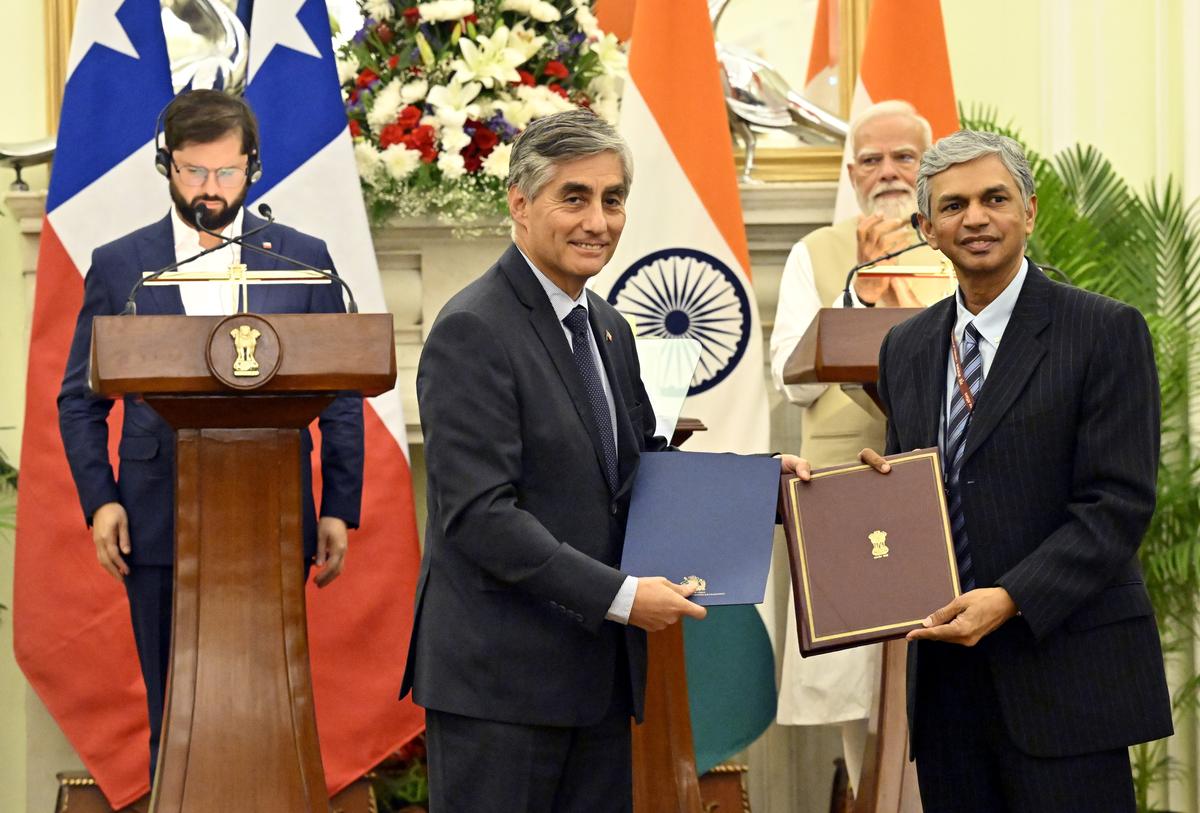
NEW DELHI : India and Chile signed the Terms of Reference (ToR) for a Comprehensive Economic Partnership Agreement (CEPA) on 08 May 2025, marking a significant advancement in their bilateral trade relations.

The mutually agreed ToR were duly signed by H.E. Mr. Juan Angulo, Ambassador of Chile in India and Shri Vimal Anand, Joint Secretary, Department of Commerce, Ministry of Commerce & Industry, Government of India, also the Chief Negotiator for India-Chile CEPA from the Indian side.

Both sides reiterated their shared vision for strengthening bilateral relations and look forward to fruitful discussion during the first round scheduled for 26-30th May, 2025 in New Delhi.

The CEPA aims to build upon the existing PTA between the two nations and seeks to encompass a broader range of sectors, including digital services, investment promotion and cooperation, MSME, critical minerals etc. thereby enhancing economic integration and cooperation.

India and Chile are strategic partners and close allies, sharing warm and cordial relations. Bilateral ties have steadily strengthened over the years with the exchange of high-level visits. A Framework Agreement on Economic Cooperation was signed between the two countries in January, 2005, followed by Preferential Trade Agreement (PTA) in March, 2006. Since then economic and commercial relations between India and Chile have remained robust and continue to grow.

An expanded PTA was subsequently signed in September, 2016 and became effective from 16th May, 2017. In April, 2019 both countries agreed to pursue a further expansion of the PTA with three rounds of negotiations between the years during 2019-2021. To deepen their economic engagement, both sides expressed their intention to negotiate a CEPA to unlock the full potential of their trade and commercial relationship, boosting employment, facilitating investment promotion, and cooperation and exports, as suggested by the Joint Study Group established under the Framework Agreement. The JSG report was finalized and signed on 30th April, 2024.

This shared vision was reaffirmed during the recent State visit of the President of Chile, H.E. Mr. Gabriel Boric Font to India from 1-5 April, 2025 on an invitation from Prime Minister of India, Shri Narendra Modi. Leaders from both sides acknowledged that trade and commerce have served as a strong pillar of the bilateral relationship. They emphasized the importance of enhancing the existing trade framework to unlock new opportunities for growth. In this spirit, the two leaders acknowledged the signing of the mutually agreed Terms of Reference (ToR) and welcomed the launch of negotiations for a CEPA, aiming to establish a balanced, ambitious, comprehensive, and mutually beneficial agreement for a deeper economic integration.

EICI Releases White Paper to Guide Seamless Integration of ECCS into India’s New Customs Integrated System

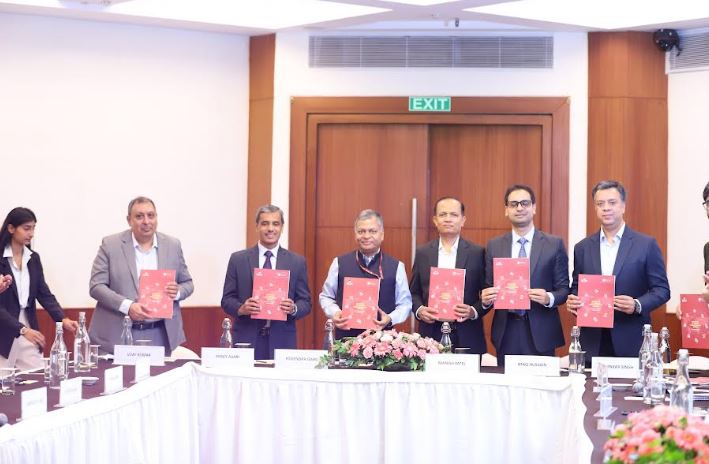
DELHI / MUMBAI : The Express Industry Council of India (EICI), the apex industry association representing leading international and domestic express companies in India, has released an insightful White Paper in association with the Bureau of Research on Industry and Economic Fundamentals (BRIEF), a research-based policy think tank. The White Paper, titled ‘The Future of Express Cargo Clearance in India – ECCS in the New Customs Integrated System’, underscores the need to ensure the smooth integration of processes and preserve the strengths of the existing Express Cargo Clearance System (ECCS) as it is proposed to be integrated into the forthcoming Customs Integrated System (CIS).

The White Paper aims to apprise the regulatory authorities, especially the Central Board of Indirect Taxes and Customs (CBIC), about the critical features of the currently operational ECCS and the express industry’s expectations from the new CIS. It was formally submitted to the CBIC at a consultation held in New Delhi, which was also attended by Shri Yogendra Garg, Member (IT & Taxpayer Services), CBIC, officials from DG Systems, and senior representatives from the express and logistics industry.

Based on the on-ground realities of the express industry, the paper recommends measures to streamline operations, reduce redundancies, and strengthen India’s trade facilitation architecture. The express cargo industry is recognized as a vital part of the logistics ecosystem, powering e-commerce and supporting India’s ease-of-doing-business and global trade integration goals. It is critical to MSMEs, providing solutions for their integration into global value chains. The Express Delivery Services (EDS) industry is estimated to be over INR 700 billion in 2024 and has witnessed a 15%-18% CAGR growth over the past 7 years, employing over 30 lakh people. India’s Courier, Express, and Parcel (CEP) market is projected to grow from $8.62 billion in 2025 to approximately $15 billion by 2030, highlighting the urgent need for efficient logistics systems.

The White Paper outlines key recommendations for system-related reforms necessary to enhance ECCS as part of its integration into CIS. Given the time-sensitive nature of express shipments, it is critical that the new system retains the distinctive features and operational agility of ECCS.

Commenting on the release of the White Paper, Mr. Vijay Kumar, Chief Executive Officer, EICI said, “Express cargo industry is a vital part to the logistics ecosystem, powering e-commerce and supporting India’s ease-of-doing-business and global trade integration goals. With the upcoming CIS poised to elevate India’s standing in global logistics and trade facilitation, this White Paper marks an important step in our continued engagement with policymakers. It outlines the express industry’s unique clearance requirements and calls for a seamless integration of ECCS into the CIS. We had a successful collaboration with CBIC in developing the ECCS, and this White Paper sets the course for the next vital phase of partnership—aligned with the government’s forward-looking approach to policy-making involving stakeholders. As India charts its course toward becoming a $30 trillion economy by 2047 under the Viksit Bharat mission, the express cargo industry will play a pivotal role in driving trade and fuelling MSME growth.”

Key recommendations include:

  • The express clearance module should be a separate, independently designed module within the CIS, following the Immediate Release Guidelines of the World Customs Organization (WCO).
  • CIS should adopt a modular architecture to separate express from other cargo modes (maritime, air, land, postal) to ensure that system failures in one domain do not disrupt others.
  • Continuous engagement with the express industry is essential across all stages of CIS development and implementation.
  • Core ECCS functionalities such as real-time status updates, bulk filing, and bulk and auto Out of Charge (OOC)/Let Export Order (LEO) must be preserved and incorporated into CIS.
  • All functionalities currently offered through ICEGATE should be integrated into the express module to eliminate operational inefficiencies and reduce dwell times.
  • The express module must be API-enabled to allow seamless interconnectivity, scalability, and adaptability.
  • A refined risk management system should be embedded, balancing stringent controls with facilitative measures tailored for express cargo.
  • Examination processes must be system-driven to minimize manual interventions which cause delays for time-sensitive shipments.
  • A dedicated help desk should be established exclusively for express industry users to ensure swift resolution of system issues.
  • Scheduled system downtimes must be limited and occur at times that minimize disruption.
  • Information already available across government platforms (like GST and banking systems) should be auto-linked to the CIS to avoid redundant data entry.

These recommendations are described as foundational requirements to ensure the continued agility, scalability, and global competitiveness of India’s express cargo operations.

The successful development and implementation of the ECCS in India in 2017 was a joint effort between the EICI and the CBIC, standing as a strong testament to the power of consultative governance and stakeholder-driven reform. As India advances towards the CIS, the success of ECCS reinforces the need for continued dialogue, cooperation, and co-creation, embedding the voice of industry into the policy process. Preserving the distinct features of express cargo clearance—particularly its rapid processing capabilities—must remain a top priority.

Mr. Afaq Hussain, Director BRIEF added, “The White Paper demonstrates a shared vision between the express cargo industry and regulatory authorities to align operational priorities with the government’s vision of promoting economic growth and streamlining trade. We appreciate and acknowledge the government’s commitment to stakeholder consultations and upholding the spirit of collaboration. With the recommendations of this paper, we are hopeful that Customs develops a system that not only meets the specific needs of the express logistics industry but also contributes to the broader development of India’s logistics ecosystem.”

As India is poised to become a USD 30 trillion economy under the Viksit Bharat vision, strengthening both traditional and express cargo systems in tandem is crucial. The proposed enhancements safeguard the efficiency of the express sector while reinforcing the overall resilience and scalability of the cargo ecosystem. In doing so, India will not only ensure uninterrupted trade flows but also cement its leadership in global logistics, e-commerce, and cross-border trade.

About EICI

Express Industry Council of India (EICI) is the apex industry association representing leading international and domestic express companies in India. EICI is a key driver of policies impacting the express industry and aims to create a favourable business environment for the users of the express industry. EICI jointly with Indian Customs had successfully developed a state-of-the-art electronic Express Cargo Clearance System (ECCS) for Customs clearance of express shipments in India. This has increased India’s global competitiveness and led to Ease of Doing Business in a paperless environment. EICI, as a trade facilitation initiative, operates the common user international express terminals at Delhi airport for the benefit of India’s exporters and importers. EICI is also part of the CII Logistics Skill Council which aims to upskill for the manpower requirements of the industry.


VOC Port enhances bulk cargo handling capacity

MADURAI : VO Chidambaranar Port Authority, Thoothukudi, achieved another major milestone in bulk cargo handling. The North Cargo Berth (NCB)–III, operated by JSW Tuticorin Multipurpose Terminal, is ready for interim commercial operations.

The terminal can discharge dry-bulk cargo such as coal, limestone, gypsum, rock phosphate, and copper concentrate with two 120-tonne capacity harbour mobile cranes.

The 306-metre long and 14.20-metre draft, NCB–III facilitates berthing of 95,000 ‘Dead Weight Tonnage’ vessels of maximum LoA of 260 meters and beam of 48 metres.

The concession agreement has already been signed between the Port and the JSW Tuticorin Multipurpose Terminal for mechanisation of NCB–III.

On mechanisation by March 2027, the multipurpose terminal will be capable of handling seven million tonnes per annum.

The dredging in front of NCB-III was carried out from April 5 and completed in a span of just 26 days enabling berthing fully loaded Panamax vessels with a draft of 14.20 metres, a statement said.

At present, dredging is being carried out in the turning circle of the inner harbour to widen its diameter from 488 metres to 550 metres and will be completed by May 2025.

Further, the channel will be widened from 153 metres to 230 metres, facilitating berthing of larger-sized bulk carriers and container vessels. The Link Conveyor system, connecting Tuticorin Thermal Power Station’s conveyor to the Port’s coal yard, can discharge over 1,500 tonnes of bulk cargo per hour.

This initiative optimises the capacity of the fully mechanised Tangedco s coal berth, with a draft of 14.20 meters, a deadweight tonnage (DWT) of 80,000 tonnes, and accommodating vessels up to 230 metres in length.

Susanta Kumar Purohit, Chairperson, VOC Port Authority, stated that the readiness of NCB-III berth for handling dry bulk cargo marks a significant step in our drive toward modernisation and dry bulk cargo capacity enhancement. Therefore, “I urge all stakeholders and trade partners to fully utilise this state-of-the-art facility to boost bulk cargo operations and support the growth of maritime trade through VOC Port.”

FIEO appoints new Regional Chairman (Eastern Region)

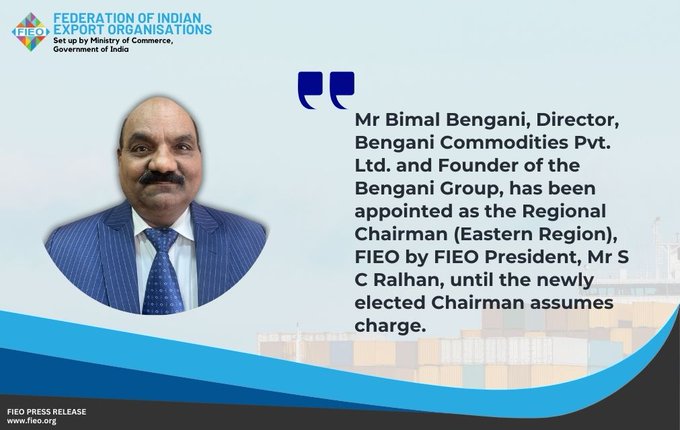
NEW DELHI : Mr Bimal Bengani, Director, Bengani Commodities Pvt. Ltd. and Founder of the Bengani Group, has been appointed as the Regional Chairman (Eastern Region), FIEO – Federation of Indian Export Organisations by FIEO President, Mr S C Ralhan, until the newly elected Chairman assumes charge.

From reviving a flour mill in Howrah to leading a diversified Bengani group in Agro, Infrastructure, Exports, Trading & more — his journey is truly inspiring. With over 25 years of maize trading expertise, Mr Bengani has been instrumental in promoting maize cultivation in Bihar.

A Commerce graduate from the University of Calcutta, he is a seasoned exporter and a global business traveler, bringing immense value to India’s export ecosystem.

DPIIT notifies the expansion of the CGSS to increase capital mobilization for startups

NEW DELHI : The Department for Promotion of Industry and Internal Trade (DPIIT), Ministry of Commerce and Industry has notified the expansion of the CGSS which increases the ceiling on guarantee cover per borrower under the Scheme from Rs. 10 crore to Rs. 20 crore. The extent of guarantee cover provided has also been increased to 85% of the amount in default for loan amount up to Rs. 10 crore and 75% of the amount in default for loan amount exceeding Rs. 10 crore.

Further, the Annual Guarantee Fee (AGF) for startups in 27 Champion Sectors has been reduced to 1% p.a. from 2% p.a. The Champion Sectors have been identified by the Government under ‘Make in India’ to provide a thrust to India’s manufacturing and service capabilities. The reduction in AGF for Champion Sectors will make funding more attractive for the identified sectors and boost innovation in domestic manufacturing and self-reliance.

In line with the vision of the Prime Minister Shri Narendra Modi of transforming India into an innovation-driven self-reliant economy, the notified expansions aim to address the financing needs of innovation-driven startups. As a result of the increased guarantee support and coverage, the number of financial institutions coming forward to provide credit support to startups shall increase, thereby increasing overall fund flow for startups.

The expanded Scheme will further reduce the perceived risks associated with lending to startups in established financial institutions, enabling greater financial flow and runway for startups to undertake research and development (R&D), experimentation, and create cutting-edge innovation and technologies.

Several operational reforms and other enabling measures identified through consultations with the startup ecosystem have also been included in the expanded CGSS to make the Scheme attractive for lenders and startups seeking funding support. The expansions and modifications are expected to give thrust to the Scheme and enable a wider range of startups to benefit to propel the country towards becoming a Viksit Bharat.

The Hon’ble Prime Minister launched the Startup India initiative along with an Action Plan for Startups on 16th January 2016 to create a vibrant startup ecosystem in the country. In line with the Action Plan for startups, the Government had approved and notified the ‘Credit Guarantee Scheme for Startups (CGSS)’ on 6th October 2022 to provide guarantee up to a specified limit against credit instruments extended to startups by Scheduled Commercial Banks, All India Financial Institutions (AIFI), Non-Banking Financial Companies and Securities and Exchange Board of India (SEBI) registered Alternative Investment Funds (AIFs).

The broad objective of CGSS is to finance eligible startups, by enabling collateral free debt funding to startups through avenues such as working capital, term loans, and venture debt. To further catalyse entrepreneurship by providing enhanced credit support to innovators and encourage financial institutions in the ecosystem to provide early-stage debt funds to startups, the Union Budget 2025-26 had proposed the enhancement of credit availability with guarantee cover for startups.

The notification for the Scheme along with other details can be accessed at: https://www.ncgtc.in/en/product-details/CGSS/Credit-Guarantee-Scheme-for-Start-ups-(CGSS)

AD Ports Group Begins 2025 on a Strong Note with Q1 Revenue Increasing 18% and Total Net Profit 16%

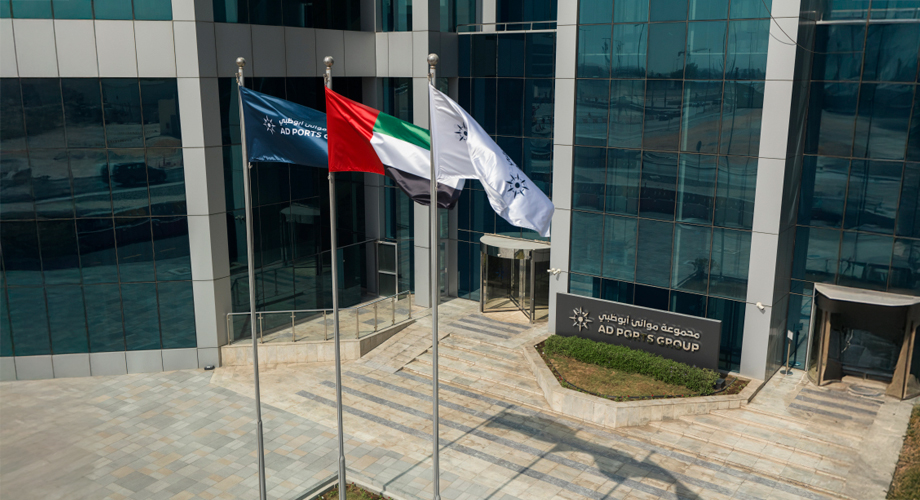
ABU DHABI : AD Ports Group (ADX: ADPORTS), an enabler of integrated trade, transport, industry, and logistics solutions, today announced its financial results for the first quarter ending 31st March 2025.

Building on the momentum of 2024’s record financial performance, AD Ports Group started 2025 with impressive double-digit growth from top-line to bottom-line, driven by the Ports, Economic Cities & Free Zones (EC&FZ), and Maritime & Shipping clusters.

Key Financial Results in Q1 2025

  • AD Ports Group revenue reached AED 4.60 billion in Q1 2025, growing by an impressive 18% YoY (Year-on-Year), with the Ports, Economic Cities & Free Zones, and Maritime & Shipping clusters being key drivers behind the strong performance.
  • Group EBITDA amounted to AED 1.14 billion in Q1 2025, translating into a 9% YoY growth, driven by a 17% YoY increase in Ports, 10% YoY in Maritime & Shipping, and 7% YoY in Economic Cities & Free Zones (Group EBITDA Margin stood at 24.7% in Q1 2025). 
  • Total Net Profit soared 16% YoY to AED 464 million, mainly driven by the operating performance.
  • EPS for the quarter stood at AED 0.07, implying a 14% YoY increase.
  • With marginal increase in Total Debt and continued strong liquidity position, Net Debt/EBITDA was relatively stable at 3.4x as of Q1 2025, vs. 3.3x at end of 2024.
  • CapEx for the first quarter of the year reached AED 954 million, with majority of cash outlays going into Economic Cities & Free Zones, Ports (including AED 182 million going into new and renewal of ports concessions), and Maritime & Shipping assets. Capex intensity continued to decline, reaching 21% of Group revenue in Q1 2025, vs. 33% in Q1 2024.
  • Operating Cash Flow, which amounted to AED 725 million in Q1 2025 compared with AED 781 million in the same period in 2024, was primarily impacted by the timing of collections, and thus unfavourable working capital changes. As a result, Free Cash Flow to the Firm (FCFF) was slightly negative for the quarter at AED -173 million.

Visibility on the global macroeconomic front continues to be challenging given current geopolitical volatility in regions such as the Red Sea, and the disruptive effects of US tariff policies. However, AD Ports Group is well positioned geographically and through its holistic five-cluster integrated business ecosystem, and its asset base and service offering, to deal with the ongoing uncertain and unpredictable environment. The Group’s resilient business model and agility enables it to adapt to shifting cargo flows and to seize arising opportunities in regions of focus: Middle East, Red Sea, Europe, Africa, Indian Subcontinent, Central Asia, Southeast Asia, and Latin America.

The Group continues to focus on long-term, resilient infrastructure assets (Ports and EC&FZ clusters) in terms of capital allocation and profits contribution, with the support of strong Maritime & Shipping, Logistics, and Digital capabilities and operations.

The Red Sea disruptions continue to impact positively the Group’s container shipping business while the evolving US tariff policies have had (and are expected to have) an immaterial effect based on the announcements that have been made so far.

Captain Mohamed Juma Al Shamisi, Managing Director and Group CEO, said:

“The positive momentum from our record 2024 financial results continued into the first quarter of 2025, as our resilient and value-adding business ecosystem of interrelated trade, transport, and logistics businesses weathered prevailing macroeconomic and geopolitical uncertainties to drive strong, double-digit growth in revenue and net profit. The Q1 solid growth was driven by our Ports, Economic Cities & Free Zones, and Maritime & Shipping clusters, which continue to benefit from our agile response to ongoing geopolitical crises and our ongoing investments in core infrastructure amidst our international expansion. In line with the vision of our wise leadership in the UAE, we will continue to follow this prudent, profit-enhancing ‘intelligent internationalisation’ strategy this year as we carefully navigate the turbulence around us to maintain course and position of AD Ports Group, and Abu Dhabi, as world leaders in sustainable trade, transport, logistics, and economic development, drawing on the latest AI and technology innovations.”

Key Business Developments in Q1 2025

  • Entered a 51%-owned JV to develop a greenfield grain terminal at Kuryk Port in Kazakhstan.
  • Started port and logistics operations at Luanda Port in Angola.
  • Signed a 50-year land lease agreement with Al Ain Mills for a 50,000 sqm grain storage and processing facility at Khalifa Port South Quay, which will boast a storage capacity of approximately 300,000 metric tonnes.
  • Brought in CMA CGM Group with 49% ownership in the JV that will develop and operate New East Mole Multipurpose Terminal at the Port of Pointe Noire in the Republic of Congo-Brazzaville, the 30-year extendable concession that AD Ports Group secured in June 2023.
  • Secured a contract to manage and operate the 1.3 million sqm Al Madouneh Customs Centre in Amman, Jordan. The cutting-edge facility was recently launched to support the country’s trade competitiveness through AI-driven customs solutions, blockchain-enabled transparency, and Internet of Things (IoT)-powered logistics optimisation.
  • Formed a 70%-owned JV with Arab Shipbuilding & Repair Yard Company (ASRY) for the provision of marine services in Bahrain.
  • Signed a 50-year land lease agreement with ETG Bio Green Polymer for a 22,000 sqm compostable polymer resin factory in KEZAD. The 100% sustainable polymers will help businesses transition to plastic-free packaging solutions.
  • Launched a JV, “United Global Ro-Ro” – Noatum Maritime (60%) and Erkport (40%), to facilitate global Ro-Ro and vehicle transport. Noatum Maritime and Erkport will jointly deploy Container Ro-Ro (ConRo), Pure Car and Truck Carrier (PCTC), and Ro-Ro vessels. The JV will start with 11 vessels on five services.
  • Started operations of Al Faya Dry Port facility, a custom-bound inland container depot strategically located between Abu Dhabi and Dubai to serve all Northern emirates, which aims to drive Khalifa Port’s O&D container volumes. Al Faya Dry Port will serve CMA CGM as its first key client but will be scaled up to also serve AD Ports Group’s other strategic shipping partners at Khalifa Port, such as COSCO and MSC.
  • Signed a 50-year land lease agreement with Bisconni Middle East, part of Ismail Industries – Pakistan’s largest confectionery, biscuits, and snack food manufacturer, for a 37,000 sqm facility in KEZAD.
  • Launched the first phase of Metal Park Storage Hub in KEZAD, which offers storage solutions and support services for the metal industry.
  • Formed a 50%-owned JV with Columbia Group, which boasts an integrated maritime, logistics, leisure, energy and offshore services platform, to optimise third party vessel operations through advanced fleet management systems and AI-driven performance analytics. The digital platform will provide fleet performance enhancement, predictive maintenance, and regulatory compliance to optimise voyages, speed, bunker usage, emissions, etc.
  • Signed two long-term lease agreements at Khalifa Port: 1) 50-year lease with Olyz Terminals for developing a petroleum storage terminal; and 2) 10-year lease agreement with TW Steel for container fabrication and maintenance services.

AD Ports Group has been stepping-up its value-accretive ESG and decarbonisation efforts since the beginning of the year, including the above-mentioned land lease with ETG Bio Green Polymer, but also with investments in two all-electric pilot and a tug boat, and two LNG-powered Pure Car and Truck Carrier (PCTC) vessels under UGR, the Ro-Ro shipping JV with Erkport. Additionally, AD Ports Group has started extending LNG bunkering services at Khalifa Port, with the first ship-to-ship service completed in April.

Key Financial KPIs Q1 2025

ADPG Key Financial KPIs Q1 2025 EN AD Ports Group Begins 2025 on a Strong Note with Q1 Revenue Increasing 18% and Total Net Profit 16%

CMA CGM expresses keenness to fully return to the Suez Canal

ISMALIA : The Suez Canal Authority (SCA) engaged with major shipping lines, ship owners, and maritime agencies following recent security developments in the Red Sea region. This move supports a statement by the Egyptian Ministry of Foreign Affairs, which welcomed a Yemen ceasefire achieved through Omani mediation and backed by the United States.

At the outset of the meeting, Admiral Ossama Rabiee expressed appreciation for the strategic partnership between the Suez Canal Authority and the French shipping line CMA CGM, which has resulted in the continued transit of some of the Group’s services through the Suez Canal despite the security challenges in the region.

Rabbie pointed out that the CMA CGM shipping line ranked first in terms of net tonnage of container vessels transiting the Canal during the first four months of 2025, representing a percentage of 19% of the total container vessel tonnage transiting the Canal during that period.

In addition he emphasized that the positive developments in the security situation in the Red Sea region are a positive sign and a building block for changing navigation policies and resuming transit through the Red Sea and Suez Canal.

On her part, Christine Cabeau, Executive Vice President of Assets and Operations at the CMA CGM Group, expressed her happiness with the positive developments in the security situation in the Red Sea region, which will be taken into consideration when the Group assesses the situation in the region and prepares navigation schedules, taking into account maritime safety considerations for vessels and crews, as well as developments.

The Executive Vice President of Assets and Operations at the CMA CGM Group affirmed the Group’s keenness to return to transiting through the Suez Canal, considering it the shortest and fastest route compared to the Cape of Good Hope.