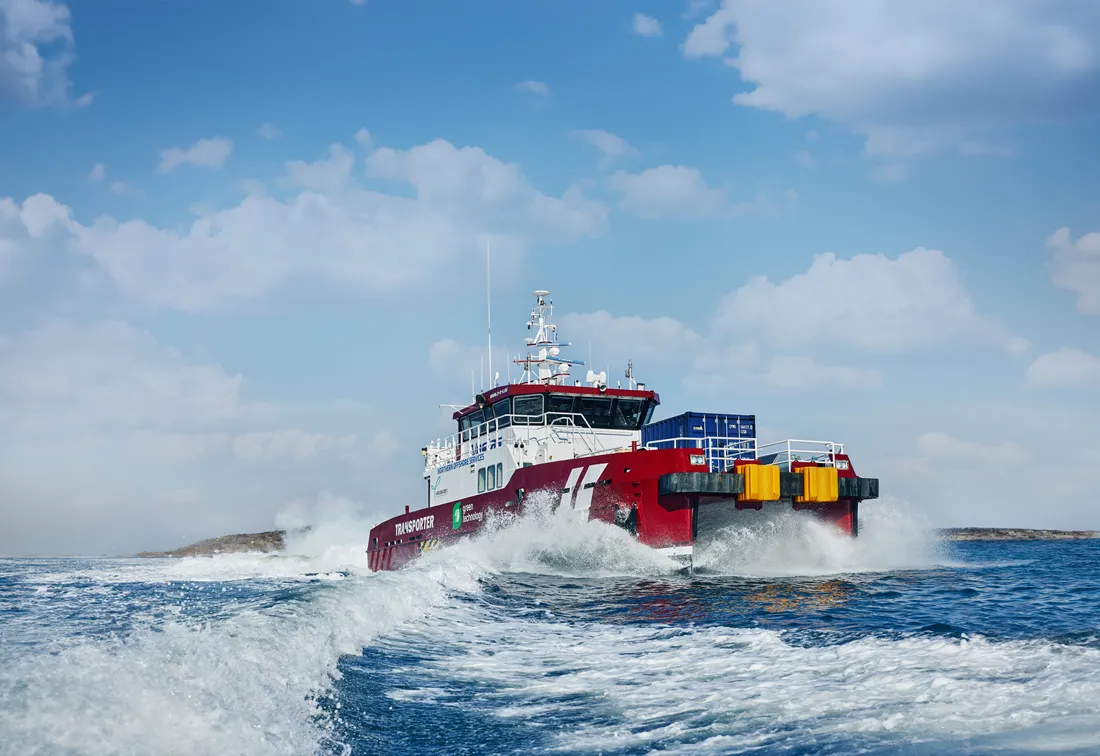
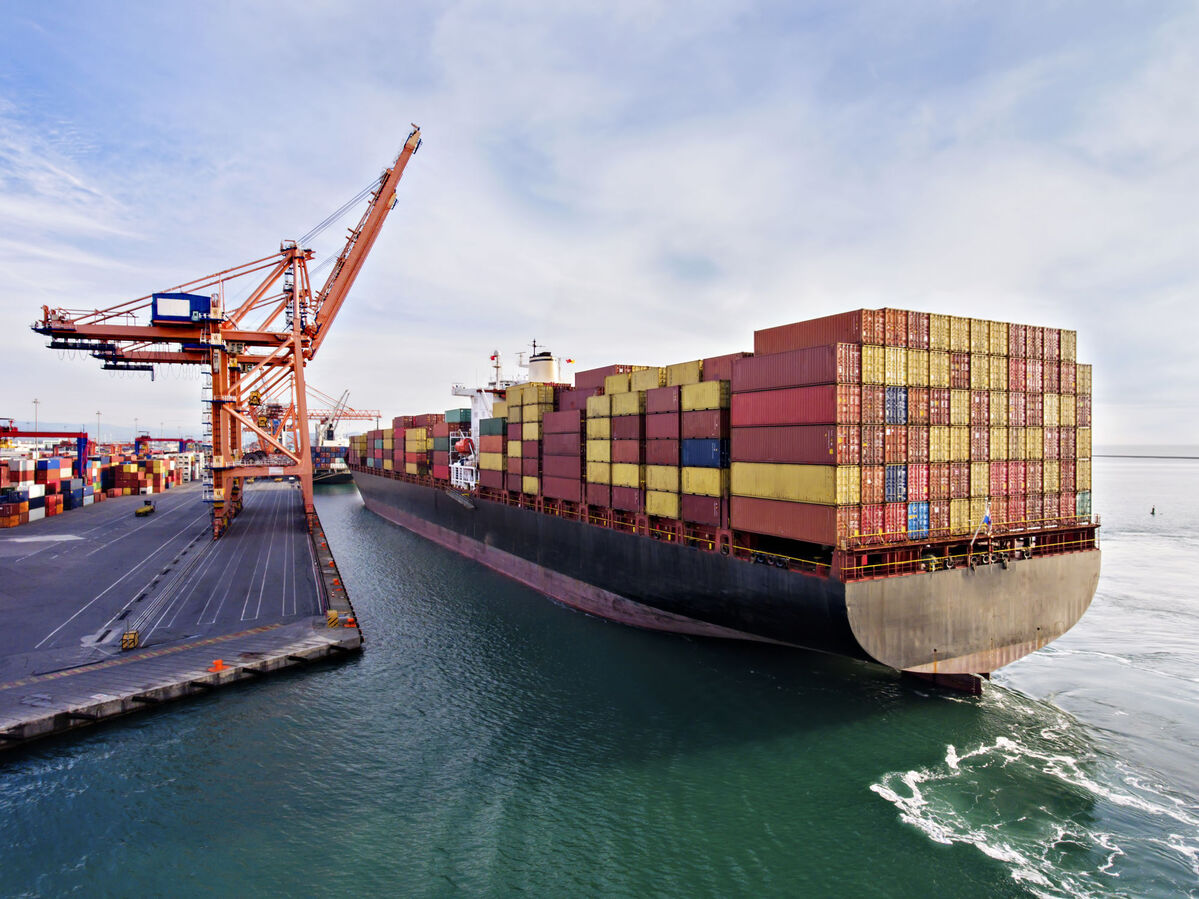
TOKYO : Northern Offshore Services (N-O-S), a subsidiary of Northern Offshore Group (NOG), an NYK Group company that operates crew transfer vessels in the global offshore wind industry, has completed the world’s first biomethanol-powered crew transfer vessel (CTV). Designed and developed by N-O-S, the vessel has been named “Transporter.” It is a conversion of a smaller A-class CTV.
The new CTV is equipped with a methanol engine. For fuel, N-O-S plans to use only biomethanol, a clean, renewable fuel derived from sustainable biomass. This pioneering innovation underscores N-O-S’s commitment to driving the transition to emission-reducing technologies and advancing the industry’s decarbonisation efforts.
Comment, David Kristensson, CEO, NOG “We now operate the world’s first single-fuel biomethanol crew transfer vessel. We are improving our fleet’s sustainability and setting a new standard for the maritime industry. Biomethanol represents a powerful alternative to conventional fuels, and we are proud to lead the way“.
DUBAI : MYCRANE, the first global platform for online crane rental, has been named Startup of the Year at the Construction Technology Awards, held on May 1 in Dubai.
The annual awards celebrate the most impactful digital transformation in the built environment across the Middle East and Africa, with entries evaluated for innovation, traction, scalability and benefit realisation.
MYCRANE received the award in recognition of its success in modernising the crane rental industry, delivering a platform that streamlines the procurement of lifting equipment and improves outcomes for both customers and equipment providers. It acknowledges the strength of the testimonials supplied by MYCRANE’s global users and equipment suppliers.
“This award affirms our commitment to introducing digital innovation in a sector that is now embracing new, more efficient ways of working,” said Andrei Geikalo, founder and CEO of MYCRANE.“By providing a smart, efficient and transparent way to source cranes online, we are helping companies complete their projects faster, more cost-effectively and with less environmental impact.”
Founded in 2021, MYCRANE is headquartered in Dubai with regional operations in India, Saudi Arabia and the USA. Since launch, the platform has attracted more than 1,700 registered crane rental companies offering in excess of 14,000 cranes—giving customers access to what is effectively the largest crane fleet in the world.
MYCRANE clients can easily submit details of their lifting requirements via the platform to receive personalised quotes from verified suppliers, avoiding the need for multiple manual enquiries. The company also operates an online Marketplace for buying and selling new and used lifting equipment.
MYCRANE’s success at the 2025 CTF Awards places the company firmly among the construction industry’s most forward-thinking innovators. The event recognised a host of high-profile names across its shortlist and winners’ list, including NEOM, Nesma & Partners, Saudi Binladin Group, El Seif Engineering Contracting Company, Dubai Municipality, Trojan Construction, and AtkinsRéalis—highlighting the calibre of companies MYCRANE is now proudly ranked alongside.
The CTF Startup of the Year Award adds to a growing list of honours for MYCRANE, which was also recognised earlier this year with the Global Platform for Innovative Online Crane Rental prize at India’s EPC World Awards.
About MYCRANE
The MYCRANE platform – accessed at www.my-crane.com – simplifies the process of crane rental procurement, allowing customers to submit details of their lifting requirements in order to receive personalised quotes from a range of registered asset owners.
Customers of the platform can simply and quickly request a crawler, mobile or tower crane without having to rely on manual processes, such as calling crane rental companies or making multiple offline requests.
The digital platform, managed by MYCRANE’s head office team in Dubai, provides access to cranes for hire with a capacity of up to 4,000 tonnes.
Drawing on the management team’s experience in the industry, MYCRANE has been carefully designed to ensure ease of use, and that the quotes generated are directly comparable. Registration is free for both users and crane rental companies.
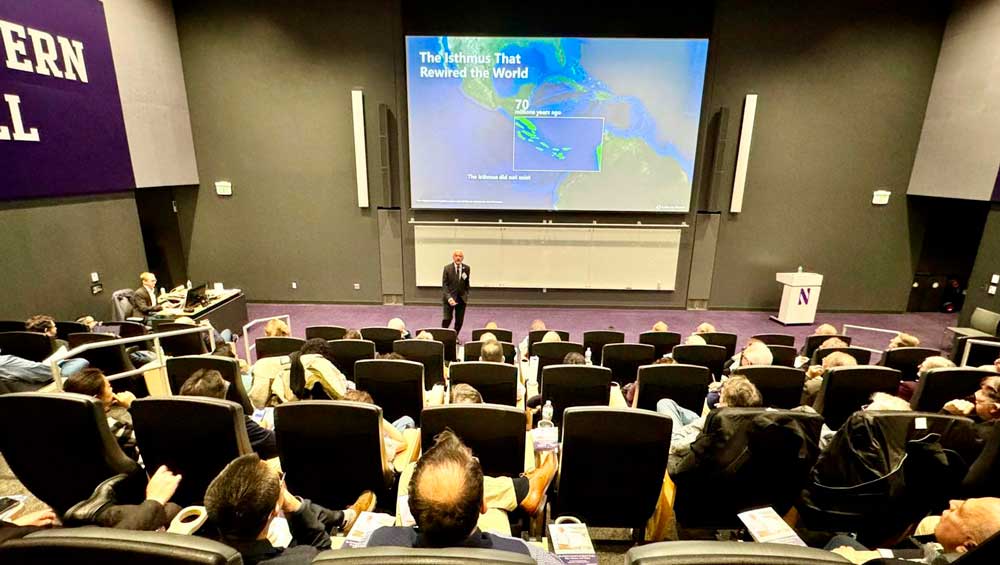
PANAMA CITY : The Panama Canal Administrator, Dr. Ricaurte Vásquez Morales, delivered the 43rd Annual William A. Patterson Distinguished Transportation Lecture, this week, in which he laid out the crucial role the Panama Canal has played in the development of global trade and the impact it has had on the greater evolution of humanity in Panama, and throughout the world.
Tracing the evolution of the waterway’s conception as a 16th century crossroads, to its 1914 debut as a formal channel for global shipping, Vásquez expertly described the innovation and evolution among the canals earliest customers and supporters that allowed the canal to develop into the crucial position it holds today within the transportation industry, “We created a track record of reliability on the Panama Canal. Today we support about 6% of international maritime trade”.
“Location, geography, and other elements [have] allowed Panama to become the natural trading place of the Americas”, the Administrator added.
Today, the powerhouse hub known around the world as the Panama Canal links the Atlantic and Pacific Oceans and connects more than 1,920 ports throughout 170 countries. Its mere presence shortens shipping routes by as much as 8,000 nautical miles and provides global consumers a faster, more reliable supply chain than on land.
Vásquez also emphasized that the United States remains the canal’s top customer, which accounts for 40% of the waterway’s international trade and supports more than $270 billion USD in annual U.S. cargo. “70 to 75% of all the trade deals that come through the Panama Canal either have an origin or destination at [the] U.S. border.”
American agricultural producers rely on the waterway to route their crops such as soybeans and corn to Asian and European markets.
The Administrator shared the ACP’s unwavering commitment to providing sustainable and reliable transportation through the canal.
“Water is a scare resource. We address sustainability in the watershed by entering agreements with the communities to protect the land, protect the water resources”. To stay competitive in the face of global climate change, the ACP continues to push forward strategic initiatives. These include the Río Indio Project, expected to double the canal’s water storage capacity, and the launch of the NetZero Slot, an incentive for shippers to adopt cleaner maritime technologies.
The Panama Canal also plays a vital role in the energy sector. U.S. flag ships lead among global shipments of LNG and LPG. “55% of trade goes through the Panama Canal go through the Third Set of Locks, especially LNG and energy products, so we have decided to enhance capacity to make sure that the Panama Canal remains relevant and reliable”.
To help satisfy rising energy demands in Asia, the Panama Canal Authority Board of Directors recently approved a new bidding process for a new gas pipeline designed to transport up to 1 million barrels per day, to better enable exporters of gas like the U.S. According to Dr. Vásquez, this pipeline also helps to secure the canal’s position as an essential player in the constantly evolving energy landscape.
The Northwestern University Patterson Transportation Lecture is an award that recognizes Vásquez and influential leaders from all facets of the transportation industry.
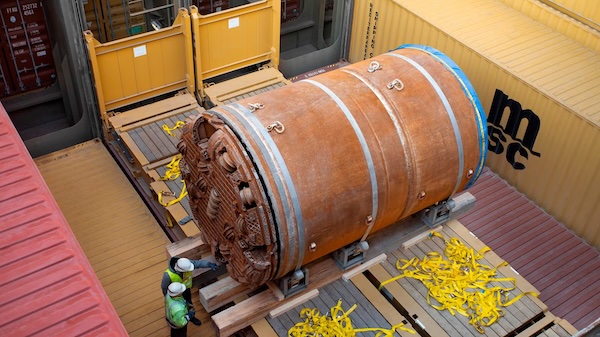
GOTHENBURG : Even though container ships are primarily designed to transport standard containers, they can also accommodate breakbulk cargo, items that exceed the limitations of container dimensions. This capability is especially evident on the largest container ships offering direct weekly services between the Port of Gothenburg and ports in Asia.
“We’re seeing growing interest in this option. It’s encouraging to witness our customer base expanding and recognizing the potential of our liner network. With weekly schedules and very competitive transit times, our service shows that loading and unloading a wide range of cargo on container vessels is not only feasible, it’s already happening,” says Marco Cicola, responsible for the breakbulk segment at shipping company MSC Sweden.
Container ships provide a range of possibilities for oversized and heavy freight. Depending on the vessel, breakbulk cargo can be up to 40 meters long and 12 meters wide. The largest ships operating the Gothenburg – Asia route are nearly 60 meters wide and regularly carry oversized cargo. The land-based cranes at the container terminal, which is operated by APM Terminals Gothenburg, can handle cargo weighing up to 100 tons.
This makes the transport of large and heavy cargo, such as transformers, construction equipment and key components for the steel industry, not just theoretical but a reality. These goods are regularly shipped to and from Gothenburg onboard container vessels.
Broader possibilities
The port area offers flexible loading and unloading solutions for breakbulk cargo. While the most common method is roll-on/roll-off via the port’s dedicated RoRo terminals, the container ship alternative is increasingly being utilized. Richard Mellgren, Senior Business Development Manager at the Port of Gothenburg, notes: “Shipping breakbulk cargo on container vessels is becoming more frequent. For project cargo customers, this expands the opportunities – particularly with MSC’s direct connections to Asia. Each project cargo shipment is unique. Every case is assessed individually and transport solutions are tailored based on the port’s global network to deliver the cargo efficiently and securely”.
“As environmental considerations become ever more crucial, MSC Sweden is proud to support the decarbonization of our customers’ supply chains with inland solutions, connecting imports and exports seamlessly by multimodal transport,” says Marco Cicola.
Fact file: Shipping breakbulk cargo with MSC through the Port of Gothenburg Departures: Weekly direct service to and from Asia, with two additonal weekly feeder vessel sailings to Antwerp and Bremerhaven. Direct Destinations to/from Asia: Port Klang, Singapore, Shekou, Busan, Ningbo, Shanghai, Xiamen, Yantian. Cargo Dimensions: Up to 30 x 12 meters.
Cargo Weight: Up to 100 tons.
Both MSC and the Port of Gothenburg will attend Breakbulk Europe 2025, taking place at the Rotterdam Ahoy 13-15 May. Stop by booths 2A20-B21 and 2A21 in Hall 2 to discuss MSC’s tailored project cargo solutions. Source: Port of Gothenburg
Cadets are increasingly struggling to complete their cadetships due to a shortage of available placements onboard.
In some instances, this scarcity has reportedly led to situations where individuals in positions of influence have taken advantage of cadets seeking essential sea time.
According to the Institute for Human Rights and Business (IHRB), almost one third (31%) of seafarers are asked to pay a recruitment fee for jobs on merchant vessels. While some shipowners do offer structured cadet programmes, many prioritise hiring experienced crew, limiting opportunities for cadets to fulfil the 12 months of sea service required for certification.
This lack of opportunity can leave cadets exposed to exploitation by certain recruitment agents or port officials, who may place inappropriate demands or conditions in exchange for placement opportunities.
To help tackle these challenges, The Hood, a social media platform built specifically for the maritime sector, is working to digitalise the recruitment and placement process. The platform keeps a record of all recruitment activity for internal review, supporting transparency and enabling oversight. Its system is designed to promote transparency and ensure all transactions are properly documented. It also provides a framework for greater involvement from management and senior teams, helping to strengthen accountability across the board.
“The seafaring industry is becoming a narrower tunnel and one that rarely gains attention unless it is catastrophic,” says Josephine Le, founder and Managing Director of The Hood.“As an industry, we have a duty of care to our people, especially those on the front line at sea and those just starting their journey.”
The Hood is committed to work with local maritime and labour authorities to ensure the reported cases are handled appropriately and highlighting good practices from reputable employers. The platform will only accept recruitment companies and employers who are licensed and with valid MLC certificates. Only recruiters assigned by these companies may have access to the job portals and professional files of candidates.
Supporting and safeguarding cadets is vital for the future of the maritime workforce. Without accessible placements and protective measures, the industry risks losing young talent at a time when it should be encouraging and investing in them.
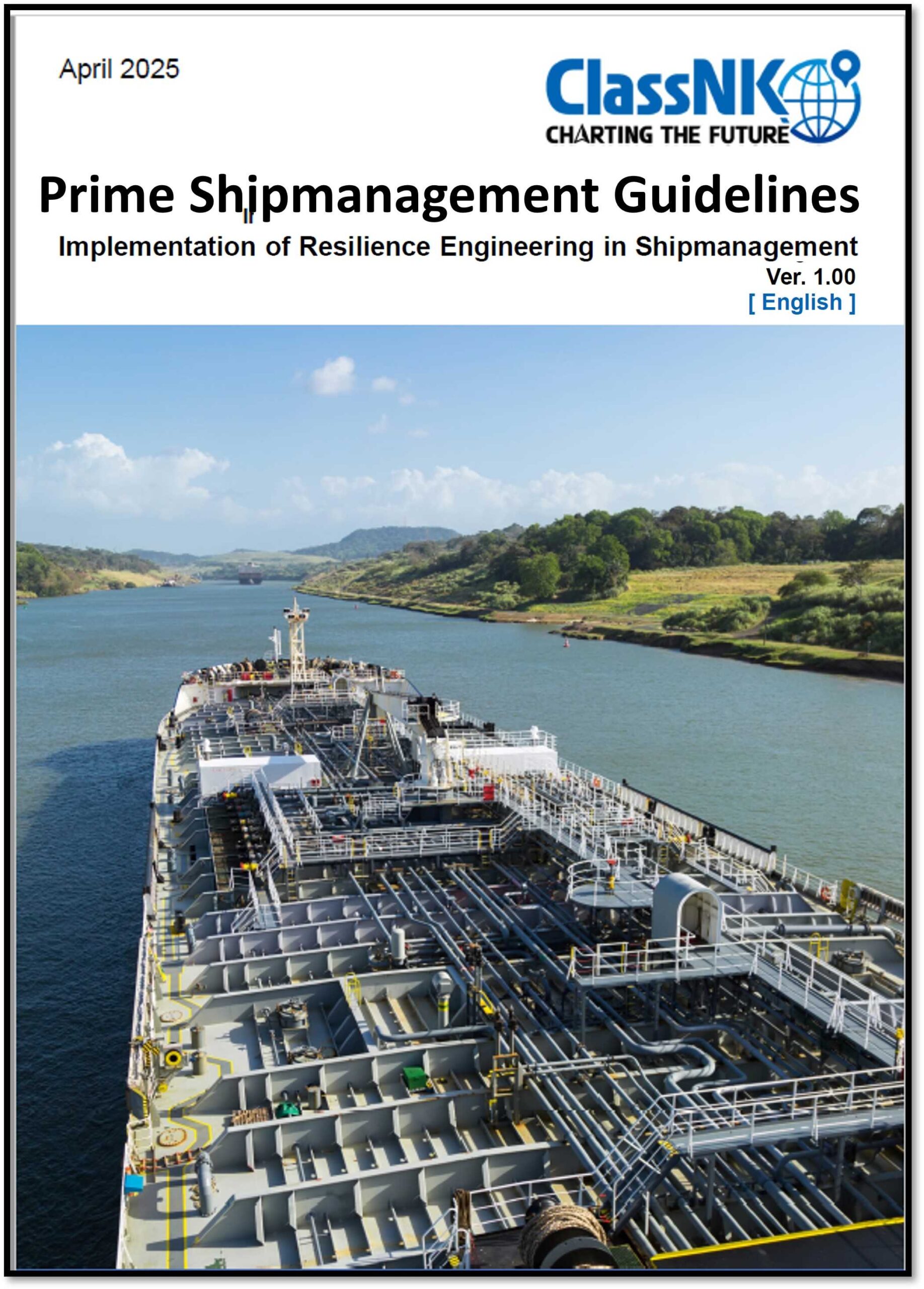
TOKYO : ClassNK, one of the world’s largest classification societies, has released Prime Shipmanagement Guidelines.
This 59-page document offers practical steps to improve ship management. It focuses on resilience, clear roles, and simpler procedures.
For the first time, a classification society provides specific advice on making Safety Management Systems (SMSs) less complicated.
The guidelines explain how to write SMSs that crews can understand and use.
Many SMSs are hard to follow, even when the work itself is already complex.
This new advice helps companies write clearer procedures without reducing safety.
The guidelines target ship managers and major shippers such as mining and oil companies.
These clients hire shipping companies to move raw materials and fuel.
They expect high safety standards and systems that work under pressure.
Clear SMSs make daily operations safer and more reliable.
ClassNK and Lovoy Training Inc. signed a cooperation agreement in 2024.
That agreement focused on reducing confusion in SMS texts while meeting legal requirements.
The new guidelines include specific details of how to simplify effectively without losing facts.
Lovoy Training Inc. has published a summary, an extract, and instructions for downloading the full PDF: https://lovoy.info/article/new-classnk-prime-shipmanagement-guidelines
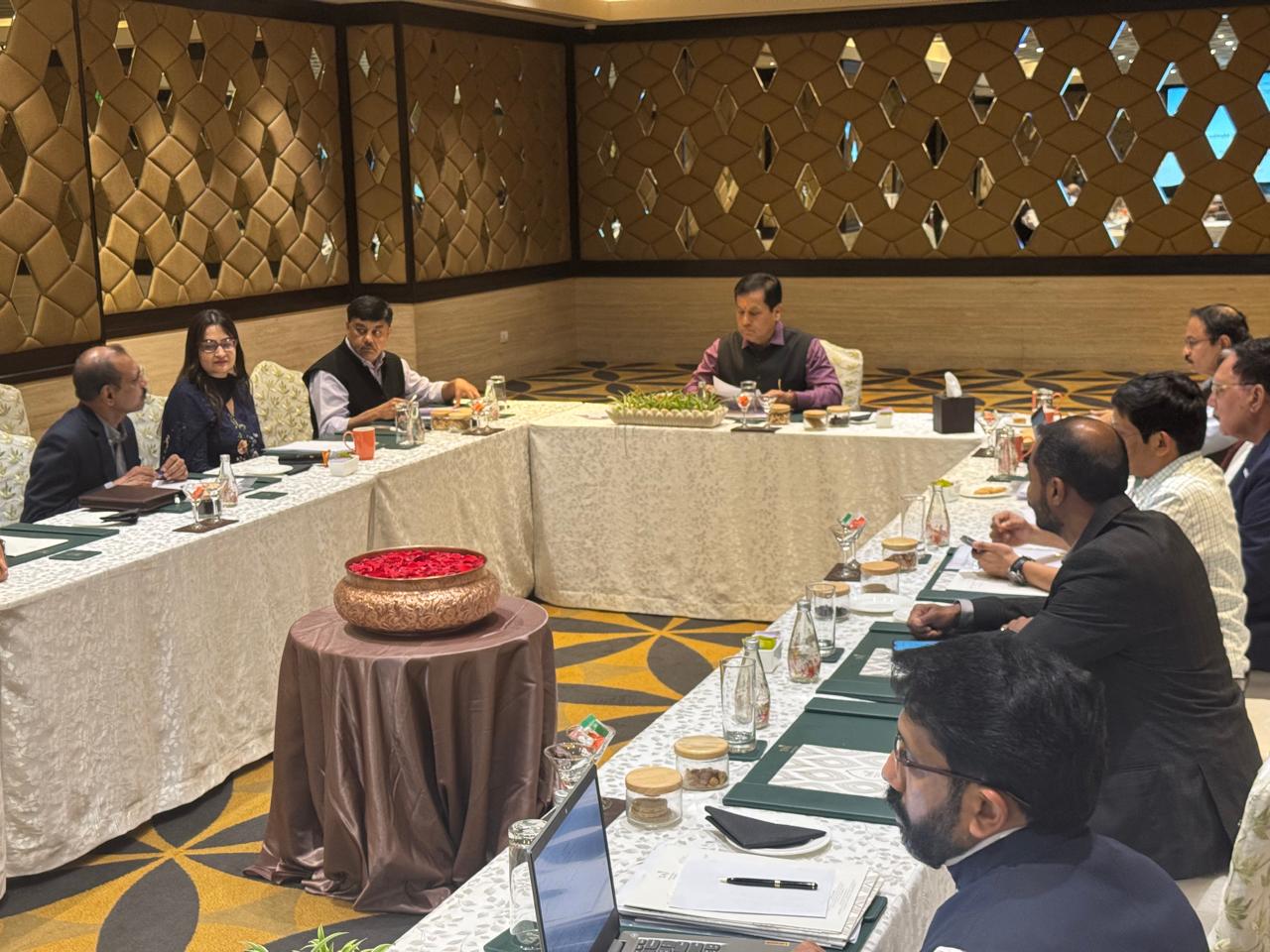
MUMBAI : The Union Minister of Ports, Shipping and Waterways, Shri Sarbananda Sonowal conducted extensive review meetings with officials in Mumbai. Considering the prevailing situation, the Union Minister took stock of key maritime projects and directed the officials to ensure that the business remains normal. Shri Sonowal also reviewed measures to be taken to ensure smooth and regular movement of cargo operations.
Major organisations under the Ministry, including the Shipping Corporation of India (SCI), Jawaharlal Nehru Port Authority (JNPA), Indian Port Rail and Ropeway Corporation Ltd. (IPRCL), Indian Port Global Ltd. (IPGL), Directorate General of Shipping, and Mumbai Port Authority participated in the day-long meeting.
The Union Minister also reviewed the progress of the National Maritime Heritage Complex (NMHC) at Lothal, Gujarat, one of the Ministry’s flagship initiatives.
In a detailed interaction with the CMD and directors of SCI, the Union Minister reviewed current operations, fleet augmentation, and long-term expansion strategies aligned with the government’s Vision 2047. SCI, as India’s strategic national shipping line, plays a pivotal role in advancing maritime self-reliance and capacity enhancement.
An in-depth review of the Greenfield Mega Port project at Vadhavan was held with JNPA Chairman Unmesh Wagh and senior officials. The Minister stressed the need to fast-track development of the port, citing the Prime Minister’s vision of making India a global maritime leader.
The Union Minister also met, IPGL Chairman Sunil Mukundan to assess the company’s global performance. The discussions included the progress and future plans for Chabahar Port in Iran and Sittwe Port in Myanmar, key projects that aim to expand India’s maritime footprint internationally.
A separate meeting was held with IPRCL Chairman M.K. Semwal and senior management to assess progress on critical rail connectivity projects, particularly those supporting IWAI operations in Assam and infrastructure across major ports. The Minister urged IPRCL, to prioritise development of port-linked rail tracks in view of rising cargo volumes.
In addition, the Union Minister interacted with the newly constituted National Shipping Board (NSB), welcoming its Chairperson and members, Shri Sonowal emphasised the board’s strategic role in policy guidance and expressed confidence in its contribution to shaping India’s maritime future.
“Under the visionary leadership of Prime Minister Shri Narendra Modi ji, we are working towards unearthing opportunities of the blue economy and enable our maritime sector to step up to become a major force in the world. All our agencies, organisations and teams are working towards realisation of this vision of PM Modi to transform our country as Viksit Bharat. We met to review our key projects and take measures towards swift realisation of these maritime goals,” the Shri Sonowal said.
Secretary (Ports, Shipping and Waterways), Shri T.K. Ramachandran; Joint Secretary (Ports), Shri R. Lakshmanan were also present and participated in high-level deliberations.
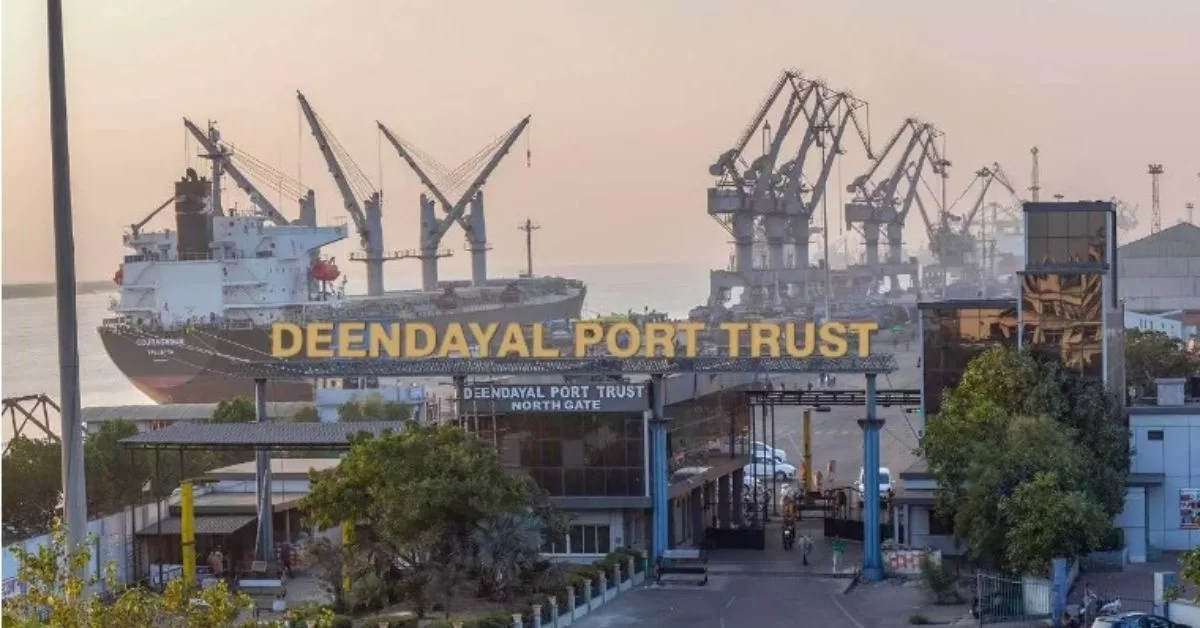
NEW DELHI : India’s Kandla and Mundra ports in Gujarat resumed operations Friday after being shut overnight amid rising tensions with neighbour Pakistan.
Due to “heightened security concerns”, the port — located in the Gulf of Kutch and in close proximity to Pakistan — ceased operations from 1:30 am onwards, senior officials from Deendayal Port Authority (DPA) told.
Kandla, which handles both liquid and bulk cargo, and is one of the 12 major ports of India, also observed a blackout last night. “At present, the port is functioning with Level 2 security. But if we have to cease operations again, then vessel turn around times will shoot up,” the official added.
“Gujarat Charts Ambitious Course for Cruise Tourism Growth with Landmark Stakeholder Consultation“
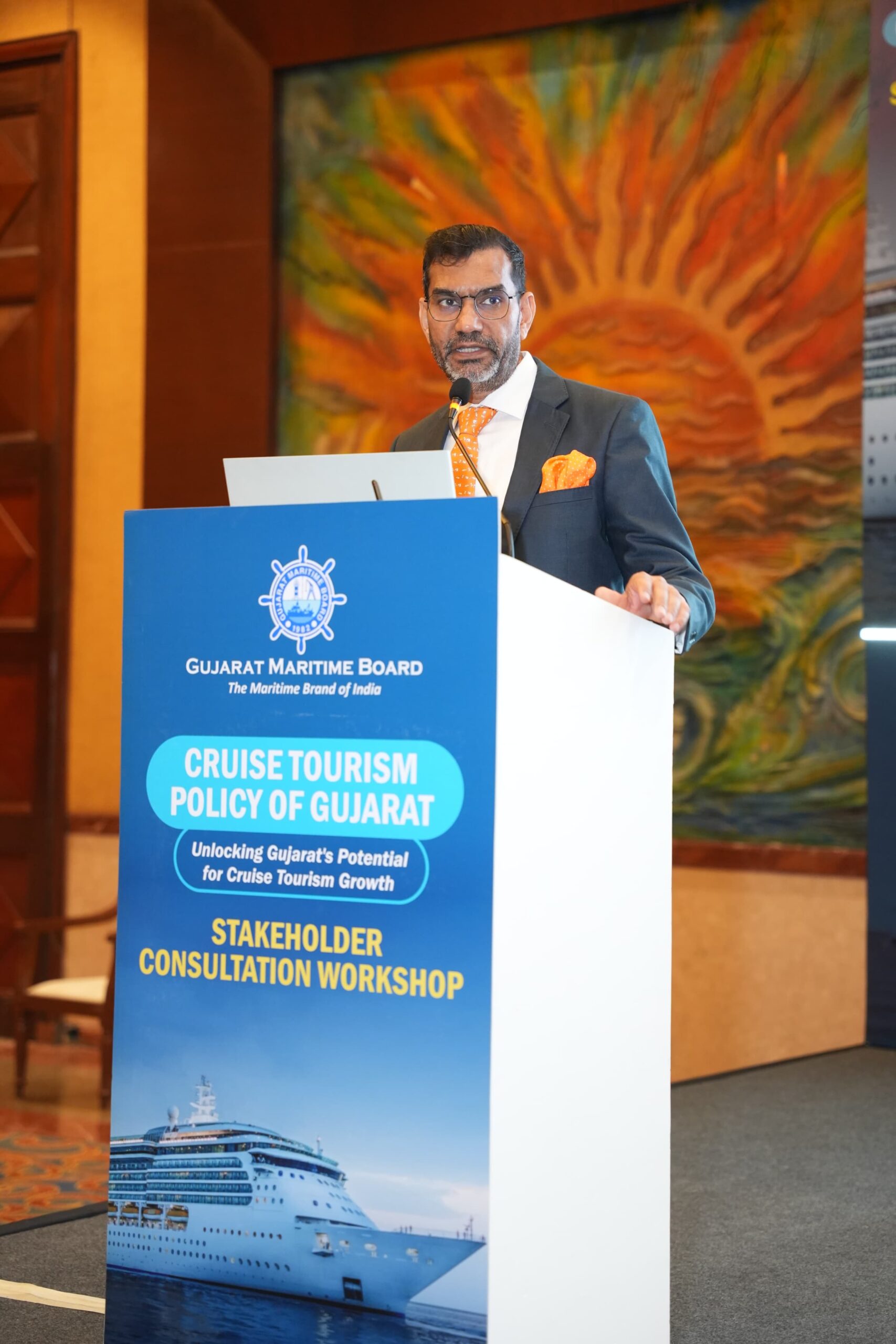
MUMBAI : In a significant move to unlock its vast coastal potential and establish itself as a premier cruise tourism destination, Gujarat Maritime Board (GMB) spearheaded a pivotal “Cruise Shipping Policy Stakeholder Consultation” workshop on Friday at The Lalit, Mumbai. The event, themed “Cruise Shipping Policy of Gujarat: Unlocking Gujarat’s Coastal Potential for Cruise Tourism Growth,” brought together a confluence of policymakers, industry leaders, port authorities, and domain experts to deliberate on a comprehensive roadmap for developing a vibrant cruise ecosystem in Gujarat.
The day-long workshop aimed to gather crucial insights and foster collaborative dialogue to shape a robust and forward-looking Cruise Shipping Policy for the state. The proceedings commenced with an Inaugural Session, where Capt. Banshiva Ladva, Chief Nautical Officer (HQ) of the Gujarat Maritime Board, delivered the welcome address, setting a collaborative tone for the discussions. This was followed by an insightful inaugural address and context-setting by Shri Rajkumar Beniwal, IAS, Vice Chairman & CEO of the Gujarat Maritime Board. VC & CEO, GMB highlighted Gujarat’s maritime strengths, its strategic vision for port-led development, and the immense opportunities cruise tourism presents for economic growth and employment generation in the state. The session was formally inaugurated with the traditional lighting of the ceremonial lamp.
Session I, themed “Policy & Infrastructure- Laying the Foundation for India’s Cruise Growth,” featured a series of expert presentations. Shri Rajiv Jalota, IAS (Rtd.), Advisor to the Indian Ports Association, shed light on the “Cruise Bharat Mission: Translating Targets into Tangible Actions.” Shri Sushil Kumar Singh, IRSME, Chairperson of the Mumbai Port Authority, discussed critical aspects of “Port Readiness & Berthing Policies.” Insights into “Simplifying On-Shore Processes” were provided by Shri Krishnaraj R IPS, FRRO Cochin, Ministry of Home Affairs. Shri Gautam Dey, CEO of Goa International Cruise Terminal, shared his expertise on “Terminal Infrastructure and Skill Development.”
A cornerstone of this session was the detailed presentation by Shri Rajkumar Beniwal, IAS, on “Gujarat’s Cruise Roadmap: Infrastructure & Investment Facilitation,”where he outlined GMB’s comprehensive plans for developing world-class cruise terminals, ancillary infrastructure, and attractive investment frameworks. Complementing this, Ms. Saidingpuii Chhakchhuak, IAS, Managing Director & Commissioner of Tourism, Government of Gujarat, elaborated on “Developing Cruise-Ready Destinations & Shore Excursion Support,” emphasizing the importance of creating compelling tourism circuits and destinations for cruise passengers. Shri Krishnaraj R, IPS, Foreigners Regional Registration Office (FRRO), Cochin highlighted the importance of swift and efficient immigration procedures and an evolving new technology to aid it better.
The session was further enriched by a Special Address from Shri Ashwani Kumar, IAS, Principal Secretary, Ports and Transport Department, Government of Gujarat, who provided a high-level perspective on the state’s commitment to fostering the cruise sector. An interactive Q&A session followed, allowing for deeper engagement on the presented topics.
Following a networking break, Session II transitioned into a dynamic Panel Discussion titled “Cruise Industry Dialogue: Tackling Operational Realities & Growth Opportunities.” The panel was moderated by Shri Mihir Shah, Partner, Strategy and Transactions, EY India and consisted of 5 different themes. The esteemed panel comprised leading industry figures including Capt. Sanjay Kushwaha, General Manager, BSM Cruises; Shri Vikas Narwal, IAS, Managing Director, IPA & CEO, Cruise Bharat Mission; Shri Saket Sahai, Assistant General Manager, JM Baxi & Co.; Shri Suhag Modi, Director, Akshar River Cruise- Akshar Group; Capt. Santosh Kumar Darokar, Principal Officer (I/C), Mercantile Marine Department; and Mr. Jasem Zaiton, Director – ZAITON Destinations Pvt Ltd. & SME, Cruise Bharat Mission. The panelists shared their invaluable operational insights, addressed existing challenges, and explored future growth avenues, fostering a rich exchange of ideas. This session also concluded with a Q&A, providing attendees the opportunity to interact directly with the industry stalwarts. The workshop was followed by dedicated B2G (Business to Government) and G2G (Government to Government) meetings in the afternoon, facilitating further focused discussions and potential collaborations.
The workshop was a result of a proactive approach to Government of India’s Cruise Bharat Mission, launched by the Hon’ble Minister of Ports, Shipping and Waterways, Shri Sarbananda Sonowal on 30th September 2024. This Mission shall pave the way for India to be become a global cruise hub by the start of the next decade. It aims to boost India’s cruise tourism industry, specifically targeting a tenfold increase in sea cruise tourists by 2029.
MUMBAI : In the wake of escalating tensions between India and Pakistan, the Mumbai-headquartered Directorate General of Civil Aviation (DGCA) has enhanced security arrangements at all ports, terminals, shipyards and ships.
The Director General, DGCA has asked all the Chief Information Security Officer (CISO) of all port facilities to review security of IT and communications systems and to take appropriate measures to prevent or mitigate threats of cyberattacks.
Security system has been enhanced from MARSEC Level-1 to MARSEC Level-2 with immediate effect. “This directive is issued in the interest of national maritime security and must be treated with utmost urgency and priority. Strict compliance is expected, and any breach will be viewed very seriously,” Captain Nitin Mukesh, Deputy Nautical Advisor-cum Senior DDG (Tech) said in an advisory.
“In light of recent developments and growing concerns regarding potential threats to the Indian coast, ports, terminals, and vessels to emphasize the necessity of implementing additional protective measures during periods of heightened security risk,” the order said.
All ports, terminals, and shipyards have been asked to implement heightened maritime security measures, including elevation to International Ship and Port Facility Security Code – ISPS Security Level 2, with immediate effect.
All Indian flagged vessels operating in and near to the India sub-continent and neighboring countries are required to elevate the security Level to 2 and implement the applicable security measures as per Ship Security Plan (SSP).