Home Blog Page 864

Wärtsilä launches carbon capture solution to shipping market after world-first full-scale installation success

HELSINKI : Technology group Wärtsilä has announced that its breakthrough carbon capture solution (CCS) is now commercially available to the global maritime industry, delivering a step-change in shipping’s decarbonisation journey. According to Wärtsilä’s tests, the new ‘Wärtsilä Carbon capture solution’ is proven to reduce vessel CO2 emissions by up to 70 percent, providing ship owners with an immediate solution to meet increasingly stringent environmental regulations. The ability to capture CO2 from ship exhaust systems will have a major impact on the industry’s efforts to reduce GHG emissions, taking into account the International Maritime Organization’s (IMO) 2050 reduction target.

Håkan Agnevall, President and CEO of Wärtsilä comments: “CCS is a game-changer for the maritime industry, and we are already seeing huge interest in the market for this solution. Ahead of shipping’s net-zero targets, this new technology complements the industry’s ongoing efforts to dramatically reduce emissions from vessels and prevent stranded assets.”

The launch follows the successful installation of the world’s first comprehensive, full-scale solution onboard Solvang ASA’s Clipper Eris, where the technology captures emissions from all exhaust gas sources. Earlier this year, Wärtsilä installed its CCS technology onboard the 21,000 m3 ethylene carrier for full scale testing and optimisation. The solution, which has been in operation since the Clipper Eris set sail from Singapore in February 2025, will support Solvang ASA’s commitment to reducing carbon emissions and promoting sustainable maritime operations.

Solvang’s Clipper Eris ship was already equipped with a broad range of Wärtsilä products, including exhaust scrubbers, making it an ideal candidate for the project. Separately, for newbuild vessels currently under construction, Solvang has worked closely with Wärtsilä, and other partners, to ensure these ships are CCS-ready. This includes CCS-ready scrubber systems, as the engines will operate on HFO, as well as necessary space reservation and utility requirements.

“While the shipping sector continues to explore options for lessening its environmental impact, CCS provides a significant shortcut for achieving meaningful sustainability,” says Edvin Endresen, CEO of Solvang ASA. “Solvang has been at the forefront of advocating for, and adapting to, new technologies such as CCS for our deep-sea fleet. As one of the more promising solutions for marine decarbonisation, it was important for us to team up with an experienced and trusted partner such as Wärtsilä and we are excited at the potential its CCS offering will bring to our business.”

Wärtsilä has been actively developing this technology since 2019 and currently operates a research centre and test facility in Moss, Norway capturing 10 tonnes of CO2 per day from a Wärtsilä marine engine. These tests, which are now supported by the full scale-installation onboard Clipper Eris, have proven that the new CCS has the capability to reduce a vessel’s CO2 emissions by up to 70 percent. Wärtsilä also estimates its CCS would have a carbon capture cost of Eur50-Eur70/mtCO2 ($54-$76/mtCO2), inclusive of capital and operating costs.

Agnevall continues, “Collaboration has been key here. To achieve this significant advance in maritime emissions control it is important to be able to cooperate with like-minded partners such as Solvang ASA. We congratulate them for their vision and support in bringing CCS to their fleet.”

Wärtsilä offers different scalable CCS sizes and configurations to suit various vessel types and operator needs, both on newbuildings and retrofits. Wärtsilä’s CCS can be applied to the exhaust from any carbon-based fuel – such as HFO, methanol, LNG and MGO – and is designed to work alongside other emission reduction technologies, including SOx scrubbers, NOx reduction systems, and particulate matter filters. As part of Wärtsilä’s broader portfolio, CCS can be integrated with other decarbonisation technologies and services. 

Wärtsilä’s years of experience in SOx scrubbing and installing technologies that tackle pollutants at the point of exhaust, makes the company uniquely positioned to pioneer maritime applications for CCS, and further unlock decarbonisation benefits for owners and operators.
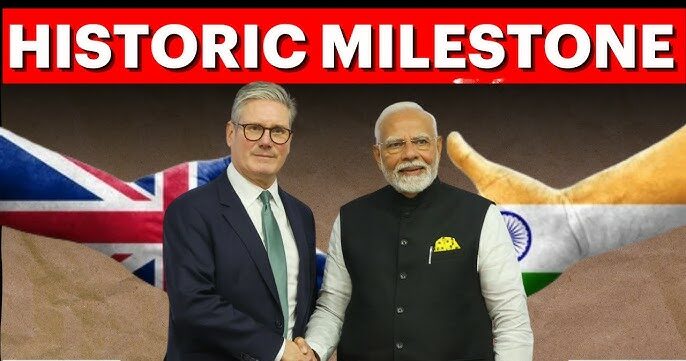
Prime Minister Modi and Prime Minister Starmer welcome the conclusion of a mutually beneficial India -UK Free Trade Agreement and the Double Contribution Convention

NEW DELHI : Prime Minister Shri Narendra Modi and Prime Minister of the United Kingdom H.E. Sir Keir Starmer had a telephone conversation on Tuesday. The two leaders welcomed the successful conclusion of an ambitious and mutually beneficial India–UK Free Trade Agreement along with the Double Contribution Convention.

The Leaders described it a historic milestone in the bilateral Comprehensive Strategic Partnership that would foster trade, investment, innovation and job creation in both the economies. Both agreed that the landmark agreements between the two big and open market economies of the world will open new opportunities for businesses, strengthen economic linkages, and deepen people-to-people ties.

PM Starmer said that strengthening alliances and reducing trade barriers with economies around the world is part of their Plan for Change to deliver a stronger and more secure economy.

The two leaders agreed that expanding economic and commercial ties between India and the UK remain a cornerstone of the increasingly robust and multifaceted partnership. The conclusion of a balanced, equitable and ambitious FTA, covering trade in goods and services, is expected to significantly enhance bilateral trade, generate new avenues for employment, raise living standards, and improve the overall well-being of citizens in both countries. It will also unlock new potential for the two nations to jointly develop products and services for global markets. This agreement cements the strong foundations of the India-UK Comprehensive Strategic Partnership, and paves the way for a new era of collaboration and prosperity.

Prime Minister Modi invited Prime Minister Starmer to visit India. The leaders agreed to remain in touch.

India-UK FTA : A historic and ambitious deal to boost jobs, exports and national growth, 99% Indian exports to benefit from zero duty

NEW DELHI : Hon’ble Prime Minister of India Shri Narendra Modi and Hon’ble Prime Minister of the United Kingdom Sir Keir Starmer have announced the successful conclusion of a mutually beneficial India – UK Free Trade Agreement (FTA). This forward-looking Agreement is aligned with India’s vision of Viksit Bharat 2047 and complements the growth aspirations of both the countries.

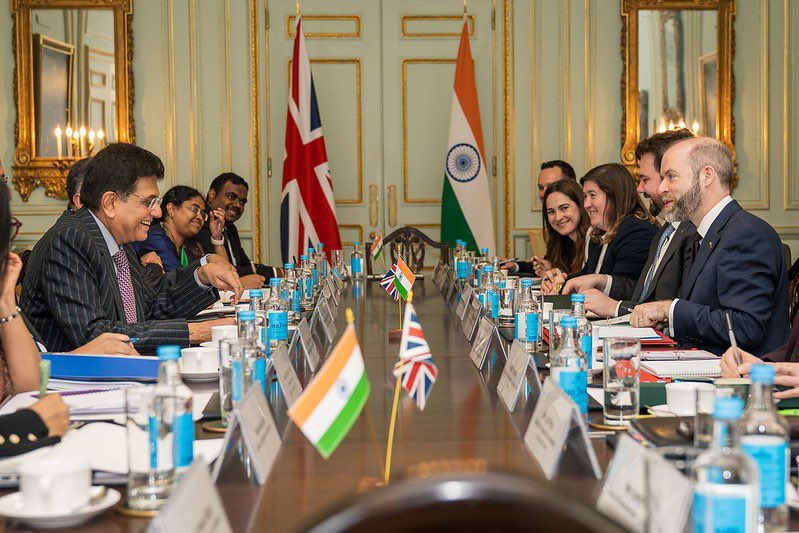
The engagement builds upon the discussions held between the two Prime Ministers on the sidelines of the G-20 Summit in Rio de Janeiro, Brazil, in November 2024. Following the meeting between the two Prime Ministers, intense FTA negotiations resumed in February 2025 marked by several engagements between the Commerce and Industry Minister Shri Piyush Goyal and the U.K. Secretary of State Mr. Jonathan Reynolds and their teams.

Prime Minister Shri Narendra Modi stated in his social media post on X (formerly twitter) “In a historic milestone, India and the UK have successfully concluded an ambitious and mutually beneficial Free Trade Agreement, along with a Double Contribution Convention. These landmark agreements will further deepen our Comprehensive Strategic Partnership, and catalyse trade, investment, growth, job creation, and innovation in both our economies.”

The Union Minister for Commerce and Industry Shri Piyush Goyal thanked the Prime Minister for his guidance and encouragement which made the trade deal possible, and under whose visionary leadership India is looked upon as “Vishwa Mitra – Trusted Partner” of the world.

Mr. Goyal stated “This Agreement sets a new benchmark for equitable and ambitious trade between two large economies. It will benefit Indian farmers, fishermen, workers, MSMEs, startups and innovators. It brings us closer to our goal of becoming a global economic powerhouse. This FTA is not only about goods and services, but also about people, possibilities and prosperity. It protects our core interests while opening doors to India’s greater participation in global value chains”.

The Commerce Secretary Shri Sunil Barthwal emphasised that this FTA is a game changer and will set India further on the path of rapid economic growth and benefit India’s global integration. This is the most comprehensive free trade deal ever entered into by India and will be the gold standard for our future engagements.

The FTA takes place in the backdrop of growing economic relations between India and the UK as exemplified in the bilateral trade of about USD 60 billion which is projected to double by 2030.

This comprehensive and forward-looking agreement is the culmination of intense negotiations aimed at deepening trade and investment ties across a range of sectors, including goods, services and technology. It is designed to promote sustainable and inclusive economic growth, ensure resilient supply chains and generate high-quality employment in India.

In an unprecedented achievement, India has secured an exemption for Indian workers who are temporarily in the UK and their employers from paying social security contributions in the UK for a period of three years under the Double Contribution Convention. This will make Indian service providers significantly more competitive in the UK.

Key Highlights of the India-UK FTA:

The FTA with the UK is a modern, comprehensive and landmark agreement which seeks to achieve deep economic integration along with trade liberalisation and tariff concessions.

The FTA ensures comprehensive market access for goods, across all sectors, covering all of India’s export interests. India will gain from tariff elimination on about 99% of the tariff lines covering almost 100% of the trade value offering huge opportunities for increase in the bilateral trade between India and the UK.
The FTA provides positive impact on manufacturing across labour and technology intensive sectors and opens up export opportunities for sectors such as textiles, marine products, leather, footwear, sports goods and toys, gems and jewellery and other important sectors such as engineering goods, auto parts and engines and organic chemicals. This will substantially improve Indian goods competitiveness in the UK vis-a-vis other countries.

The FTA will have significant positive gains for employment in India.

India will benefit from one of the most ambitious FTA commitment from the UK in Services such as IT/ITeS, financial services, professional services, other business services and educational services, opening up new opportunities and jobs.

The FTA eases mobility for professionals including Contractual Service Suppliers; Business Visitors; Investors; Intra-Corporate Transferees; partners and dependent children of Intra-Corporate Transferees with right to work; and Independent Professionals like yoga instructors, musicians and chefs.

Immense opportunities for talented and skilled Indian youth will open up in the UK which is a major global centre for digitally delivered services due to its strong financial and professional services sectors and advanced digital infrastructure.

India has secured significant commitments on digitally delivered services for Indian service suppliers, specially in professional services such as architecture and engineering, computer related services and telecommunication services.

The exemption for Indian workers who are temporarily in the UK and their employers from paying social security contributions in the UK for a period of three years under the Double Contribution Convention will lead to significant financial gains for the Indian service providers and enhance their competitiveness in the UK market that would create new job opportunities as well as benefit large number of Indians working in the UK.

India has ensured that non-tariff barriers are suitably addressed to ensure free flow of goods and services and that they do not create unjustified restrictions to India’s exports.

The FTA seeks to promote good regulatory practices and enhance transparency that are in sync with India’s own focus on domestic reforms to enhance the ease of doing business.

As two leading democracies and global innovation hubs, India and the UK reaffirm their commitment to strengthening economic cooperation and working together to address global challenges. The India – UK FTA sets a new benchmark for fair, ambitious, and modern trade agreements worldwide.

IWAI signs MoU with global giant Rhenus Logistics India to push cargo growth on national waterways

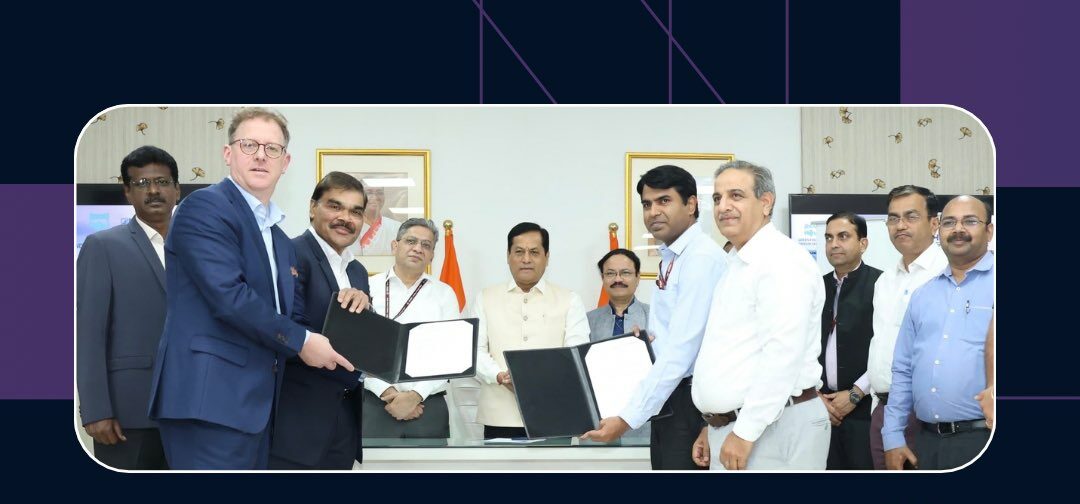
NEW DELHI : In a major development, Inland Waterways Authority of India (IWAI) under the Ministry of Ports, Shipping and Waterways (MoPSW) signed a Memorandum of Understanding (MoU) with Rhenus Logistics India Private Limited, on Tuesday, to operate their barge services in various national waterways in India. Rhenus Logistics is a Germany-based international logistics service provider operating globally in more than 70 countries with an annual turnover of EUR 8.2 billion.

The agreement was signed in the presence of Minister of Ports, Shipping and Waterways Shri Sarbananda Sonowal in New Delhi. Shri T.K. Ramachandran, Secretary, MoPSW; Shri Vijay Kumar, Chairman, IWAI, along with other senior officials of the Authority and representatives of Rhenus Logistics India were present at the occasion.

Under the MoU, Rhenus Logistics will deploy 100 cargo vessels along with pusher tugs in a phased manner along NW-1, NW-2, NW-16 and the Indo-Bangladesh Protocol (IBP) routes. During the first phase — starting from the third quarter of 2025, about 20 barges and six pusher tugs are expected to be deployed in these waterways. A combination of pushers and barges, to suit low-draft navigation in waterways, will be used to transport both bulk and break-bulk cargo across North and East India, North-East India, and subsequently to neighbouring countries. The operations will gradually be scaled up to include other national waterways in the country.

Union Minister Shri Sonowal called the MoU between IWAI and Rhenus Logistics India a bold step towards building a resilient multi-modal logistics ecosystem in the country. He termed it a significant moment for private participation in the IWT sector and expressed hope that it will open new opportunities of innovation and capital investments in the sector. This move will ensure effective utilisation and expansion of waterways infrastructure thereby lowering the operational costs, making IWT sector more competitive and responsive to market demands. 

The partnership between IWAI and Rhenus Logistics India is a testament to the success of Jal Marg Vikas Project being implemented with the financial assistance of the World Bank – for the capacity augmentation of National Waterway -1 (River Ganga). Under this project, IWAI is undertaking end-to-end maintenance dredging, building IWT terminals and navigational locks, setting up community jetties and providing navigational aids all along the waterway for smooth and efficient passenger and cargo movement.

With the visionary leadership of Hon’ble Prime Minister Shri Narendra Modi and the able guidance of Hon’ble Minister, MoPSW, Shri Sarbananda Sonowal, IWAI has made several infrastructural interventions to develop waterways as a robust engine of growth. The total number of operational waterways in the country has gone up from 24 to 29.  As on date, river cruises are being operated on 13 national waterways. Cargo traffic on national waterways has touched an all-time high of 145.84 million tonnes. The newly-introduced ‘Jalvahak’ Cargo Promotion Scheme is expected to further push this growth.  Launched in December last year, it incentivises cargo owners and movers to the extent of up to 35% of the total actual operating expenditure incurred on waterways journey thus making it more lucrative than before. A fixed scheduled service for cargo movement has also been initiated on NW-1, NW-2 and NW-16 via IBP route under the scheme.

Bilateral trade talks between India US “moving progressively”, says Piyush Goyal

NEW DELHI : Shri Piyush Goyal, the Union Commerce and Industry Minister, on Tuesday said that the Bilateral Trade Agreement (BTA) with the United States is moving progressively in the right direction.
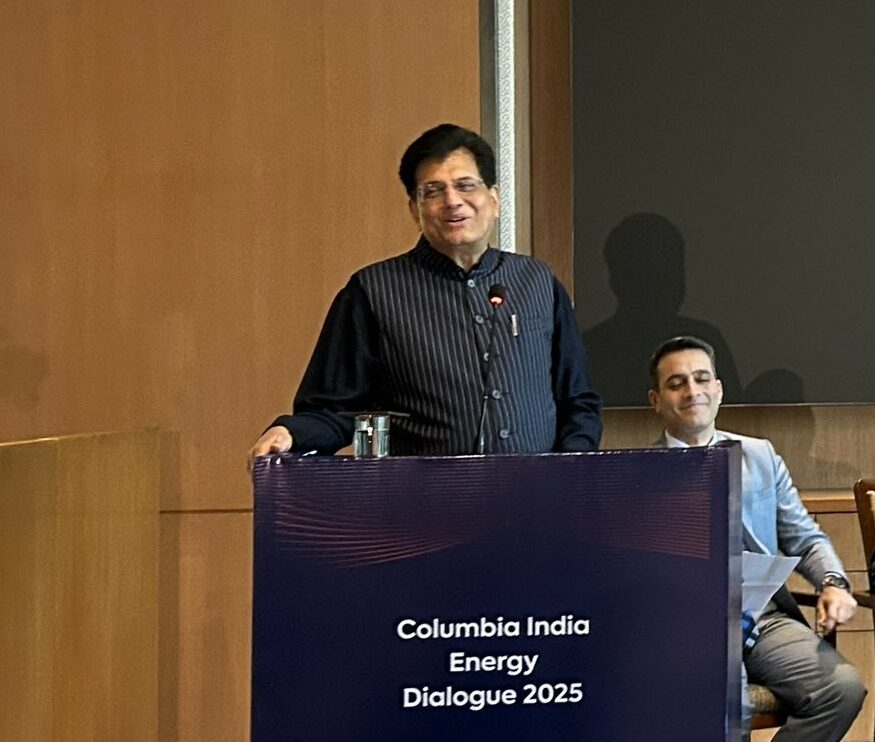
“Conversation with the US is going very well. We were the first country to start the conversation. Conversion is going extremely well. We are moving progressively in the right direction,” said Union Minister Shri Piyush Goyal, speaking at the Columbia India Energy Dialogue in New Delhi.

“I think the US and India are totally complementary to each other. We are a perfect fit, where there is hardly anything, except one or two products, where we compete; otherwise, we are totally too complementary. At USD 83,000 per capita income, what the US can produce can never compete with Indian goods made in India. And there are so many technologies and so many innovations and products which are not available in India, which I would buy from the United States rather than buying from many other non-market economies,” the Union Minister said.

“Frankly, this is a partnership that’s truly contemporary, a win-win for both and will be the defining partnership in the coming months and years, given the very sheer scale of the American economy today and the delta of opportunity that India offers as it grows from a 4 trillion-dollar economy to a USD 35 trillion economy by 2047,” Goyal added.

India and the US aim to ink the deal by the fall of 2025.

India’s exports reportedly rose 11.6 per cent to USD 86.5 billion, while imports rose 7.4 per cent to USD 45.3 billion in 2024-25, resulting in a higher trade surplus of USD 41 billion. The US administration imposes reciprocal tariffs on countries with a sizable trade deficit.

During their meeting in mid-February 2025, President Trump and Prime Minister Shri Narendra Modi resolved to expand trade and investment to make their citizens more prosperous, nations stronger, economies more innovative, and supply chains more resilient.

They resolved to deepen the US-India trade relationship to promote growth that ensures fairness, national security, and job creation. To this end, the leaders set a bold new goal for bilateral trade – “Mission 500” – to more than double total bilateral trade to USD 500 billion by 2030.

The Union Minister further spoke about the possibility of the imposition of a carbon tax by the European Union (EU), stating that India will retaliate against the action.

“So, if they do put it in, we will retaliate. There’s no problem, and they will put it in on products which really will hurt their own economy. The retaliation will be on products which will further hurt their economy. So I think it will be very silly, particularly, to put tax on friendly countries like India. So I am in continuous dialogue with them, and I hope wiser sense will prevail with the European countries,” Shri Goyal added.

India has dropped tariffs on US imports to ‘nothing’, says Trump amid trade deal talks with New Delhi

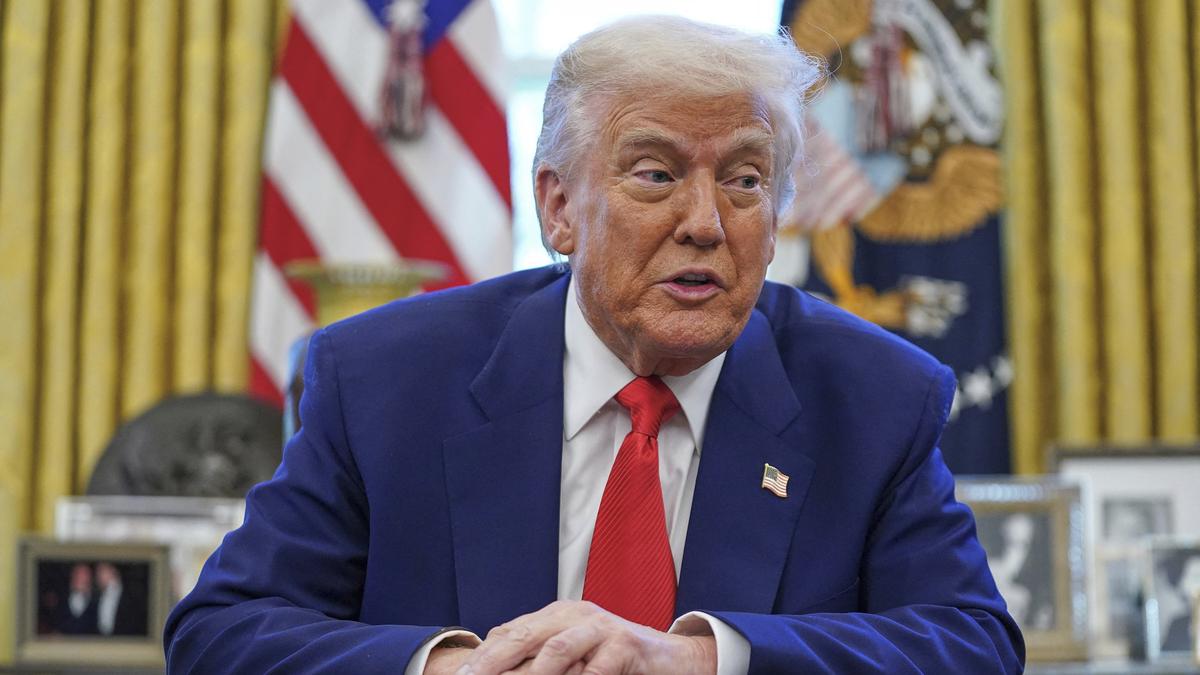
NEW DELHI : Amid the ongoing negotiations with New Delhi for a bilateral trade deal, US President Donald Trump on Tuesday said India has dropped its tariffs on imports from the United States to “nothing”.

“India has one of the highest tariffs in the world. We are not going to put up with that, they have agreed already to drop it, drop it to nothing. They have already agreed. They wouldn’t have done for anybody else, but me,” he said in a White House media interaction alongside Canada’s Mark Carney.

The US and India have been negotiating a trade deal that Trump administration officials have said could be one of the first to be announced, among the slew of deals under discussion between the US and its other trade partners.

The bilateral trade agreement (BTA), proposed during Prime Minister Shri Narendra Modi’s meeting with Trump in Washington in February, seeks to more than double trade to $500 billion by 2030 from over $190 billion at present.

Both sides are attempting to cover as much ground as possible to reach some kind of an interim trade agreement or understanding with the US before the 90-day pause on the 26 per cent reciprocal tariffs expires in early July.

The remarks by Trump came on a day when India and the UK sealed a landmark free trade agreement that will lower tariffs on 99 per cent Indian exports and will make it easier for British firms to export whisky, cars and other products to India besides boosting overall trade basket. Along with the FTA — the biggest the UK has done since leaving the European Union — the two sides also sealed a double contribution convention.

Source : Moneycontrol

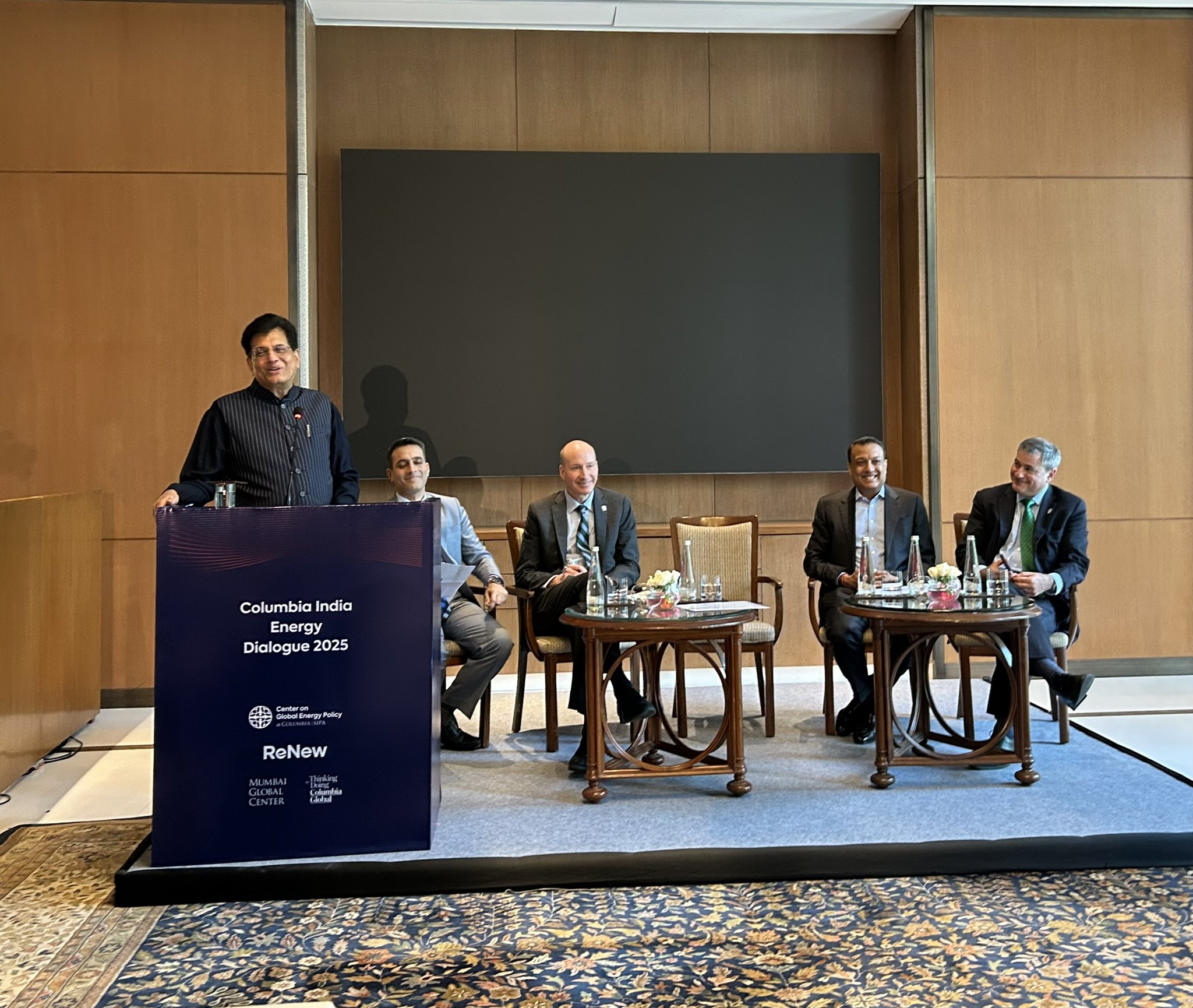
Union Minister Piyush Goyal addresses Columbia India Energy Dialogue

NEW DELHI : Union Minister of Commerce & Industry, Shri Piyush Goyal addressed the Columbia India Energy Dialogue in New Delhi on Tuesday, where he highlighted India’s leadership role in the global energy transition and reiterated the country’s commitment to inclusive and equitable climate action.

In his address, Shri Goyal underscored the collective responsibility of all nations in tackling climate change. “At the end of the day, the energy transition is something we all must contribute to. While the level and speed of transition will differ based on the developmental stage of each country, the commitment must be universal,” he said.

The Minister stressed that climate change is a real and urgent challenge and that each nation must craft its own unique solutions. “Pathways may be different, but the recognition of the problem is universal. India has consistently taken a leadership position. I suspect COP21 would not have had any concrete outcome without Prime Minister Shri Narendra Modi rallying the Global South and making them part of the solution rather than being adversaries to it,” he stated.

Shri Goyal lamented that the promises made by developed nations at the Paris Agreement have largely remained unfulfilled. “Since 2015, the larger issue has not just been climate change, but the failure of the developed world to deliver on technology transfers, long-term concessional climate financing, and support under the principle of Common But Differentiated Responsibilities (CBDR),” he said.

Highlighting India’s achievements, Shri Goyal said, “India accounts for only 3% of global carbon emissions despite supporting 17% of the world’s population. We achieved our 2030 renewable energy target of 200 GW in 2022 itself—eight years ahead of schedule. Solar power alone has grown over 30 times in the last decade. India continues to submit its reports to the UNFCCC on time, setting an example for global compliance.”

The Minister emphasized the critical need to address the root causes of carbon emissions, particularly overconsumption and waste. “Excess consumption, especially in high-prosperity nations, leads to systemic carbon emissions—from farm to plate. Every step—production, packaging, transport, storage, and disposal—adds to emissions. This behavioural pattern must be addressed,” he added.

Reiterating India’s commitment to the clean energy transition, Shri Goyal highlighted the achievement of a 500-gigawatt interconnected national grid. This was made possible by Prime Minister Modi’s 2014 initiative to connect all regional grids and invest billions of dollars in creating a unified national power infrastructure.

He emphasized that this grid not only ensures 24/7 access to affordable energy across the country, but also strengthens the system to accommodate significantly more clean energy. In addition, India has prepared a robust framework for data centres, ensuring high levels of redundancy, reliability, and resilience. This, Shri Goyal noted, will boost economic growth, create opportunities for clean energy integration, and attract global investments.

Speaking on innovation and technology, Shri Goyal said that India has made rapid advances in sectors such as LED lighting, which witnessed one of the fastest revolutions globally, and is promoting electric mobility, green hydrogen, biofuels, ethanol blending and green ammonia. “India is rapidly emerging as a global destination for clean energy-powered data centres, with strong redundancies, reliability, and resilience built into our grid infrastructure,” he added.

Calling for global cooperation, the Minister urged Columbia University to collaborate with Indian Institutes of Eminence and consider setting up a campus in India. “This will benefit your students, open up vast opportunities, and further strengthen our knowledge partnership,” he said.

Shri Goyal concluded by asserting that India is engaging with the world from a position of strength, not shying away from change or competition. “India will be a friend and a partner in the shared prosperity of the world. We will not just participate in the global clean energy movement—we will lead it,” he affirmed.

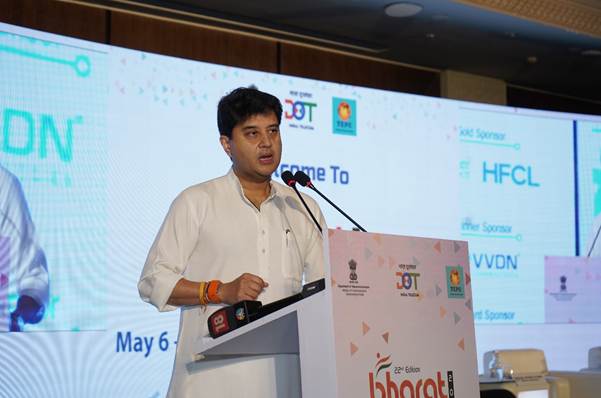
Jyotiraditya Scindia inaugurates Bharat Telecom 2025; Highlights India’s export potential

NEW DELHI : Bharat Telecom is not just a conference — it is a declaration of India’s intent to shape the future of global connectivity through innovation, collaboration, and inclusive growth.” said Shri Jyotiraditya M. Scindia, Minister of Communications and Development of North Eastern Region, while inaugurating Bharat Telecom 2025 here recently. He said, “When ideas, innovation, and intent come together in harmony, they create not a cacophony, but a symphony — and Bharat Telecom is that symphony of global collaboration and opportunity.

Organized by the Telecom Equipment and Services Export Promotion Council (TEPC), in collaboration with Department of Telecommunications (DoT), Bharat Telecom 2025 plays a significant role in India’s vision to become a global hub for telecom manufacturing, services, and exports. The event was inaugurated in the presence of Dr.Pemmasani Chandra Sekhar, Minister of State for Communications, alongside industry leaders, foreign delegates, and innovators from across the telecom value chain. The two-day event Bharat Telecom 2025, besides providing an interactive platform for stakeholders, also showcases an Exclusive International Business Expo.

image002OHW1 Jyotiraditya Scindia inaugurates Bharat Telecom 2025; Highlights India’s export potential

In his inaugural remarks, Minister Scindia further highlighted India’s growing role as a telecom exporter and a hub of innovation, backed by progressive reforms and production-linked incentives. “We’re not just connecting villages; we’re connecting futures. Every tower we raise, every byte we transmit, brings 1.4 billion people closer to opportunity”, Minister Scindia asserted. He highlighted, “It is Prime Minister Narendra Modi’s bold vision and unwavering resolve that have transformed India from a digital follower into a global digital leader — turning aspirations into infrastructure, and policy into progress.”

Shri Jyotiraditya M. Scindia highlighted “In just 22 months, we connected 99% of our villages with 5G and brought 82% of our population onto the network, deploying 470,000 towers—this is not evolution; it is a telecom revolution.” He pointed out, “This digital highway we have built across India is not merely about communication—it is the infrastructure of infrastructure, empowering 1.4 billion citizens with access to healthcare, education, governance, and economic opportunity.”

The minister emphasized India’s extraordinary rise as a global digital powerhouse, attributing it to the visionary leadership of Prime Minister Shri Narendra Modi. He pointed out that India has not only caught up with the world in areas like 4G and 5G, but is now leading the charge, with sweeping reforms and technological innovation shaping the country’s trajectory. Shri Scindia underlined the role of India’s telecom sector as a transformative force and described the nation’s evolution from expensive, limited mobile access in the 1990s to now being the world’s second-largest telecom market and the cheapest data provider.

Speaking at the session, Dr. Pemmasani Chandra Sekhar, Minister of State for Communications, said, “There are moments in a nation’s journey when it not only participates in global conversations but defines their course. Today, India stands ready not merely as a market or consumer but as a creator, partner and trusted provider of world-class telecom solutions. The narrative has changed from a historical made-for-India to made-by-India.”

Dr. Pemmasani Chandra Sekhar emphasized that India is undergoing a pivotal transformation in the global telecom arena, evolving from a consumer to a creator of technology. He highlighted that this progress was driven by the Digital India initiative launched a decade ago and supported by forward-thinking government policies under Prime Minister Narendra Modi’s leadership. Citing initiatives like the production-linked incentive scheme, progressive spectrum management, and the Telecom Technology Development Fund, he pointed to India’s dramatic rise in domestic manufacturing, exports, and innovation. He further mentioned that India now plays a significant role in global supply chains, including producing 15% of the world’s iPhones. He concluded by outlining the country’s future focus on 6G leadership, satellite broadband expansion, and quantum communication networks to strengthen digital sovereignty.

Mr. Arnob Roy, Chairman, TEPC, in his welcome address said, “Bharat Telecom showcases the transformative power of India’s indigenous telecom ecosystem, highlighting our unparalleled growth and innovation in the global telecom industry.” He acknowledged the Indian government’s strategic policies that have fostered innovation and manufacturing in the Telecom sector, and invited delegates to explore the innovations at the Bharat Telecom exhibition 2025.

Bharat Telecom 2025 has been conceptualised to reinforce India’s position as a reliable and trusted telecom products manufacturing and export destination, by highlighting the country’s growing capabilities in telecom equipment, ICT services and next-generation digital technologies. Over 80 leading Indian Telecom and ICT companies showcased innovative products and solutions across multiple domains.

The event saw enthusiastic international participation, with more than 130 foreign delegates from over 35 countries, representing government bodies, private enterprises etc. It also featured thematic exhibitions, conference sessions, high-impact B2B meetings, strategic networking sessions and knowledge-sharing forums focusing on cutting-edge communication technologies such as 5G, Optical Fibre, Broadband Infrastructure, Satellite Communication, IoT, AI-driven Networks and more.

About TEPC:

Established in 2009 under the Foreign Trade Policy of the Government of India, the Telecom Equipment and Services Export Promotion Council (TEPC) plays a vital role in promoting and facilitating the export of telecom equipment and services. Its mandate spans the entire telecom ecosystem, including ICT hardware and software, infrastructure products, system integration, consultancy, and service provision. TEPC serves as a key platform for diverse stakeholders such as equipment manufacturers, system integrators, service providers, and other entities operating within the telecom sector.

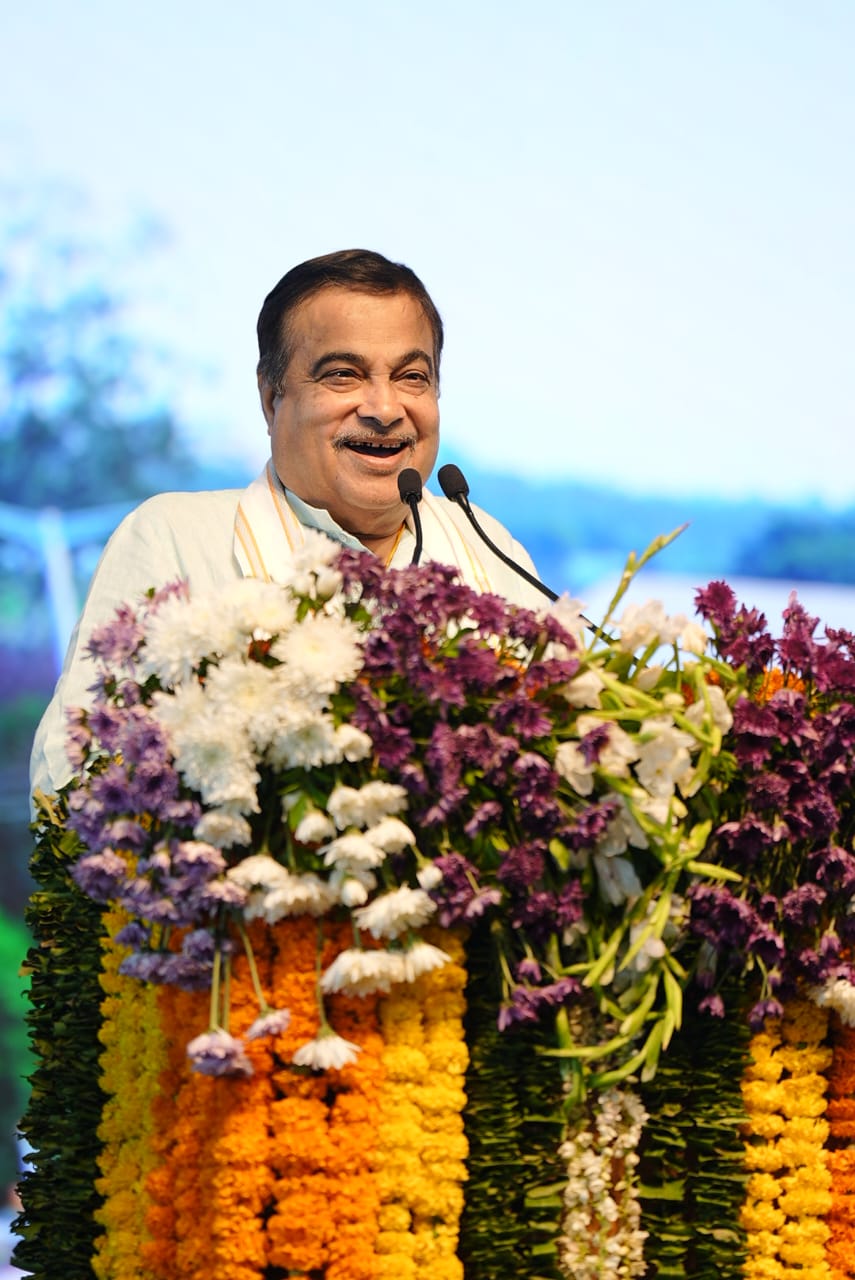
Nitin Gadkari inaugurates and lays the foundation for various NH projects worth ₹2,200 crore in Telangana

TELENGANA : Union Minister for Road Transport and Highways Shri Nitin Gadkari on Monday said the central government is prioritising infrastructure development across the country, recognising it as a cornerstone of national progress.

Speaking at a meeting after laying the foundation stones for various national highway projects worth about ₹3,900 crore in Komaram Bheem district of Telangana, Gadkari said infrastructure development is a hallmark feature of developed countries. “Agriculture, employment, transport, and infrastructure are the pillars of national progress,” he said.

The Union minister said the central government was undertaking key infrastructure projects to enhance inter-state connectivity. This includes the construction of bridges and underground tunnels in challenging terrains.

GqMRsndXgAAtaDG Nitin Gadkari inaugurates and lays the foundation for various NH projects worth ₹2,200 crore in Telangana

Gadkar said under the Pradhan Mantri Gram Sadak Yojana (PMGSY), the central government was accelerating road-building efforts to support economic growth, reduce travel time, and enhance rural connectivity.

He announced several upcoming projects to improve road connectivity between Telangana and Maharashtra and to link important spiritual destinations like Bhadradri, Basara, and Medaram via highways. He added that the Centre is fully committed to the development of Telangana.

Gadkari also revealed plans for a new greenfield road from Suryapet to Devarapalli and the construction of the Vijayawada-Nagpur corridor. Additionally, he assured that the expansion of the Jagityala-Karimnagar highway will be expedited.

Union coal minister and Telangana BJP president G Kishan Reddy said that under Prime Minister Narendra Modi’s leadership, national highway development has significantly advanced across the country, including in Telangana, where 32 districts are now connected by national highways.

He highlighted that over 5,000 km of highways have been constructed in the state under the leadership of Gadkari. The latest addition includes projects worth ₹3,900 crore in Adilabad and Nizamabad districts.

Kishan Reddy also noted progress in railway connectivity, industrial development, and energy projects. These include the Kazipet railway coach factory, Ramagundam power and fertiliser projects, and one of the seven national textile parks allotted to Telangana.

Union minister of state for home affairs Bandi Sanjay said infrastructure development under the Modi government has transformed backward regions like Adilabad. He appreciated the Centre’s commitment to connectivity, industry, and social welfare schemes, including Ayushman Bharat and free food grain distribution.

Telangana panchayat raj minister Danasari Anasuya Seethakka, along with members of Parliament and the legislative Assembly participated in the program along with other attendees.

Later in the evening, Gadkari inaugurated a flyovers on the Hyderabad-Mumbai national highway and on the Hyderabad-Bhupalpatnam national highway.

Indian Institute of Foreign Trade receives approval to establish off-campus centre at GIFT City, Gujarat

GANDHINAGAR : The Ministry of Education, Government of India, has approved the establishment of an off-campus centre of the Indian Institute of Foreign Trade (IIFT), New Delhi, at GIFT City, Gandhinagar, Gujarat. The centre will be set up in accordance with the UGC (Institutions Deemed to be Universities) Regulations, 2023.

The approval under Section 3 of the UGC Act, 1956, comes after IIFT’s successful compliance with the conditions laid out in the Letter of Intent (LoI) issued in January 2025. These included submission of a development roadmap to establish a multidisciplinary institution with over 1,000 students, availability of qualified faculty, detailed academic programmes, plans for a permanent campus, and creation of a state-of-the-art library.

Union Minister of Commerce & Industry, Shri Piyush Goyal, congratulated IIFT on receiving the approval, stating: “Heartiest congratulations to @IIFT_Official on getting approval to open its new off-campus centre in @GIFTCity_, India’s global financial hub. This paves the way for training talent in the institute’s flagship programme, MBA (International Business), besides short-term training programmes and research in the area of International Trade.”

The upcoming GIFT City campus will be located on the 16th and 17th floors of GIFT Tower 2. It will offer IIFT’s flagship MBA (International Business) programme, along with specialised short-term training courses and research in international trade and related fields.

The initiative aligns with the goals of the National Education Policy (NEP) 2020, which aims to promote multidisciplinary learning and expand access to high-quality education.

Established in 1963 under the Ministry of Commerce & Industry, IIFT is a premier institution dedicated to capacity building in international trade. It was declared a Deemed to be University in 2002, holds an A+ grade from NAAC, and is accredited by AACSB, making it part of a select group of globally recognised business schools.

The GIFT City campus is expected to significantly contribute to India’s trade education ecosystem and support the nation’s aspiration of becoming a global export powerhouse.