Home Blog Page 865

Indian Register of Shipping expands Middle East Operations with New Office in Saudi Arabia

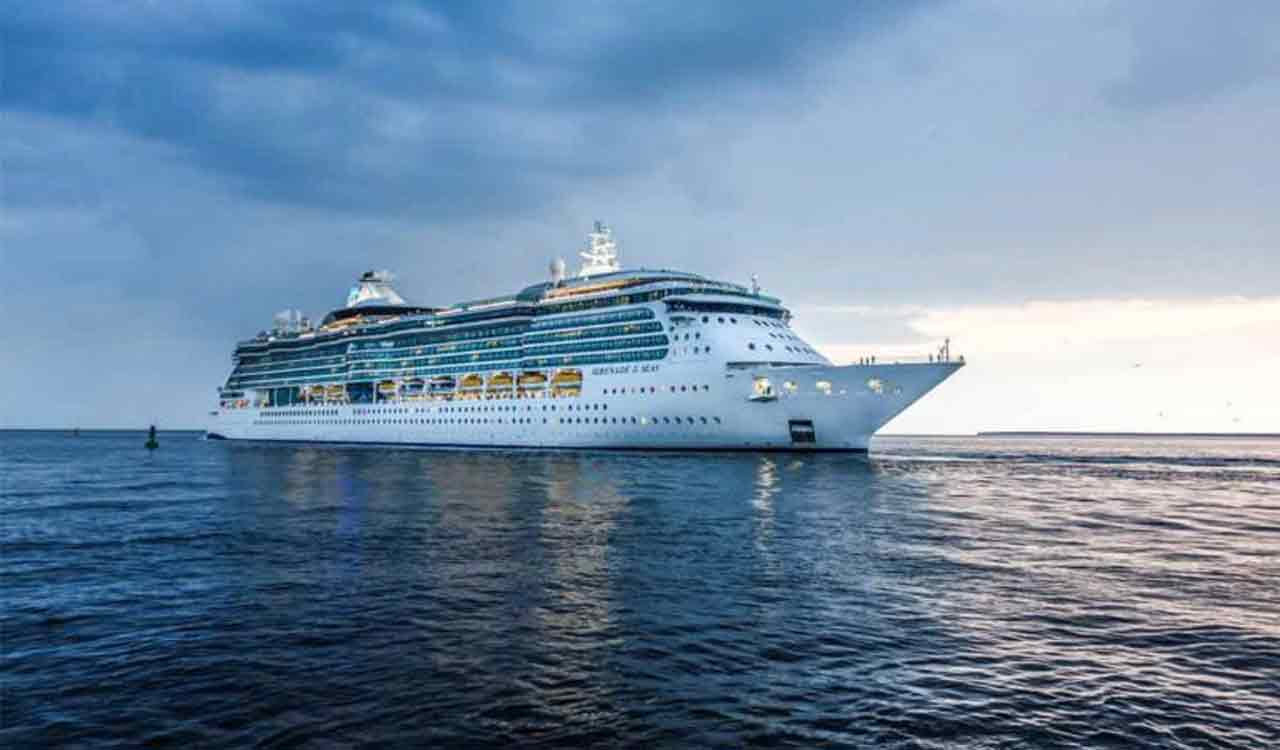
MUMBAI : Indian Register of Shipping (IRS), a leading international ship classification society and member of the International Association of Classification Societies (IACS), is proud to announce the opening of its new office in the Kingdom of Saudi Arabia. This strategic expansion highlights IRS’s commitment to supporting the Kingdom’s rapidly growing maritime and oil & gas sectors.

With the establishment of the Dammam office, IRS will offer its full suite of services across all major ports in Saudi Arabia. This move will enable closer engagement with local clients, faster service delivery, and dedicated support to ship owners and operators in the region.

The new office strengthens IRS’s regional footprint, ensuring timely, competitive, and high-quality services to clients operating in and around the Persian Gulf and the Red Sea. Services offered will include ship classification, statutory surveys and certification, technical inspections, ISM/ISPS/MLC audits in compliance with IMO and flag state requirements.

p k mishra IRS Indian Register of Shipping expands Middle East Operations with New Office in Saudi Arabia

“Our new office in Saudi Arabia marks a significant milestone in IRS’s global growth journey. It reflects our long-term commitment to serving the maritime industry in the Kingdom and supporting its transformation into a world-class logistics and shipping hub,” said Mr. P K Mishra Managing Director, IRS.

WDFC may start operations from October, three months ahead of schedule

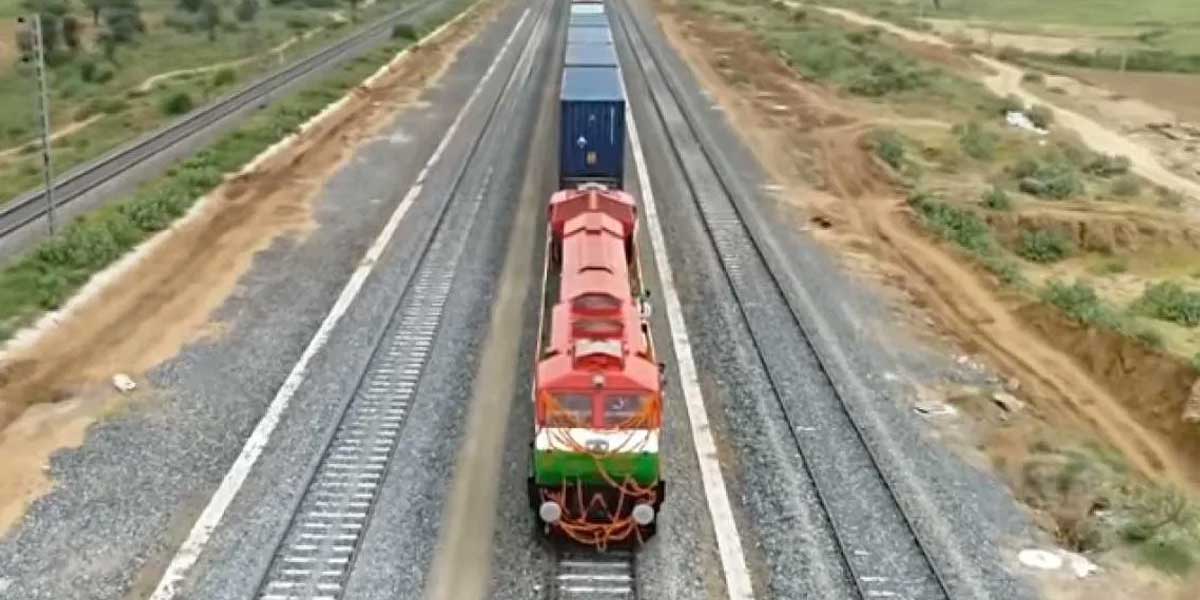
NEW DELHI : The Dedicated Freight Corridor Corporation of India (DFCCIL) is expected to complete the last leg of Western Dedicated Freight Corridor (WDFC) by October 2025, which is three months ahead of the scheduled commissioning in December 2025, a DFCCIL official told FE. With the completion of the Vaitarna to JNPT stretch, the entire 2843-km long DFC project will be completed.

On April 27, DFCCIL conducted speed trial run on the 75-km New Umbergaon Road-New Saphale double line section that marked the beginning of DFC operations in Maharashtra. “This line is fully ready with track, overhead equipment (OHE) and signalling and telecommunication systems. This line will be operational after the approval from the railway board. On the remaining 32 km stretch, the land has been acquired, and the track linking work is currently under progress,” said the official.

Earlier, the DFCCIL had set a target to fully commission WDFC by March 2025 but due to executional challenges, the commissioning was pushed to December this year.

Experts said that the upcoming rainy season could pose a challenge in the completion of work for the final phase.

While the Eastern dedicated freight corridor (EDFC) was fully commissioned in 2024, the two corridors will help ease freight traffic, reduce the overall logistics costs, and improve productivity. For instance, the DFC network is just about 4% of the Indian railways overall network but it is already carrying about 14% of the total freight that’s being carried on the rail network. Also, trains of DFCs are running at an average speed of 55-60 kmph, which is more than double of the average speed of 18-20 kmph for Indian railways.

The DFCs are turning out to be profitable revenue streams for the railways which is incurring huge losses on the passenger segment. In a February interview with FE, DFCCIL MD Praveen Kumar said that the cost of these two corridors is Rs 1.24 lakh crore, and the financial rate of return is 9%.

While the traffic on WDFC primarily comprises containers with some movement of imported coal, imported fertilisers and foodgrains, EDFC connects power plants in the northern states of UP, Delhi, Haryana, Punjab, and Rajasthan with coal fields in the Eastern India.

India’s Supply Chain Reimagined: ET Edge SCM Fest 2025 to Showcase Vision, Velocity, and Value

NEW DELHI : In an era defined by global turbulence and transformative opportunity, India’s supply chain sector is undergoing significant shifts. Leading this evolution is the 12th edition of the ET Edge Supply Chain Management Fest, scheduled to take place on June 26 and 27 in New Delhi. More than just a conference, SCM Fest 2025 is a platform for dialogue, strategy, and action across the logistics and supply chain ecosystem.

Themed ‘Resilient Networks, Limitless Growth,’ this year’s edition captures the urgency and promise of a sector that is at the cusp of radical reinvention. Over two action-packed days, the event will bring together more than 3,000 delegates from India and abroad, including 150+ speakers and over 50 leading exhibitors showcasing cutting-edge solutions. Policymakers, Fortune 500 executives, logistics pioneers, and tech innovators will gather under one roof to dissect the future of trade movement, inventory intelligence, and supply chain visibility.

SCM Fest 2025 will feature a diverse array of knowledge platforms. These include the mainstage Supply Chain Management Summit, the Air and Sea Cargo Summit, the Warehousing Summit, and an exclusive Expo that will offer insights into the innovations shaping tomorrow’s supply chains — from robotics and automation to cold chain advancements and smart mobility. Each session is carefully designed to dive deep into sectoral nuances while spotlighting India’s ambitions to become a central player in global logistics.

Sessions will explore topics such as India’s Logistics Vision 2040, next-generation port infrastructure, Silk Route versus IMEEC trade narratives, digital transformation in warehousing, and the convergence of AI, IoT, and blockchain in freight mobility. What makes this year’s fest truly unique is its layered approach — combining top-level strategic discourse with sector-specific deep dives into areas like healthcare logistics, food and beverage supply chains, and automotive freight.

The SCM Fest will also feature two prestigious award ceremonies celebrating excellence in supply chain management. The Enterprise Supply Chain Excellence Awards and the Impactful Supply Chain Leaders Awards will recognize the organizations and individuals setting new benchmarks in operational agility, sustainability, and digital integration.

SCM Fest 2025 is where changemakers, thought leaders, and disruptors converge. It’s where India’s journey from policy to performance takes centre stage. And it’s where the foundations of a $5 trillion economy are being quietly but powerfully built. For industry leaders, innovators, and ecosystem enablers, this is not just another event – it’s a call to action.

Link:
https://et-edge.com/conferences/supplychain/register-now/?utm_source=Article+1&utm_medium=India+Shipping+News+&utm_campaign=SCM+
Short URL: https://tinyurl.com/mr45tawu

Union Govt de-notifies 529 hectares land from Dahej SEZ in Gujarat

NEW DELHI : The Ministry of Commerce and Industry has de-notified 529.4586 hectares of land from the Dahej Special Economic Zone (SEZ) in Gujarat, following a proposal by M/s. Dahej SEZ Limited — a joint venture between the Gujarat Industrial Development Corporation (GIDC) and Oil and Natural Gas Corporation Limited (ONGC).

The multi-product SEZ, originally spread across villages in Taluka Vagra, Bharuch district, was established under the Special Economic Zones Act, 2005, with several phases of land notifications issued over the years. In the latest development, the Gujarat government approved the de-notification request on June 22, 2022, citing public purpose as the reason for reclaiming the land.

The proposal, recommended by the Development Commissioner of the Dahej SEZ, has been accepted by the Central Government, reducing the total notified area of the SEZ to 1152.9445 hectares. Detailed survey numbers and land information are available in the official Gazette notification.

Source : DeshGujarat

China’s presence in Kerala’s Vizhinjam Seaport

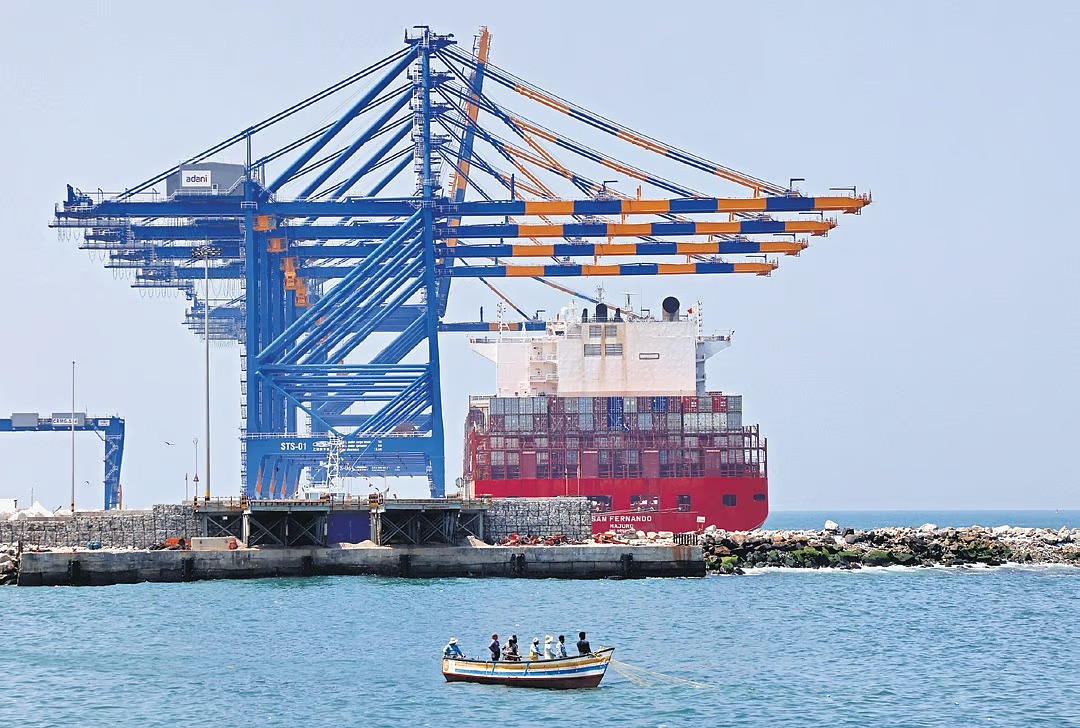
THIRUVANANTHAPURAM : On May 2, Prime Minister Shri Narendra Modi commissioned the Vizhinjam International Seaport Limited (VISL), India’s first fully automated deep water transshipment port built at a cost Rs 8,867 crore. Fully owned by the Kerala government with support from Union government, the multi-purpose project has been executed by the Adani Ports and Special Economic Zone Limited.

While the state government envisages VISL as a gateway to Kerala’s economic transformation, what stands out is the marked ‘presence of China’.

ZPMC’s monopoly

All 32 fully automated cranes — eight rail mounted quay/ship-to-shore cranes that are used to load/unload containers from ships to docks, and 24 rail-mounted gantry/yard cranes — for the port operations have been provided by Shanghai Zhenhua Heavy Engineering
Company Limited (ZPMC). Founded in 1992, it is a wholly-owned subsidiary of the State-owned enterprise China Communications Construction Company. Apart from the cranes, ZPMC has also supplied a comprehensive portfolio of terminal-related operating subsystems to Vizhinjam that includes software for container management, and refrigeration, along with guaranteed spare parts and servicing.

With a presence in about 106 countries, ZPMC holds 70% market share in quay/ship-to-shore cranes. This even as competitors raised accusations of the company ripping off their designs that were later admitted by the company’s founder, Guan Tongxian.

The onset of the Belt and Road Initiative (BRI) significantly raised ZPMC’s profile. As infrastructure development became the kernel of the BRI, ZPMC’s stocks rose as the company claimed the presence of its equipment in 270 global ports.

Issues of surveillance
Last year, in a US Congressional probe, communication equipment on more than 200 ZPMC cranes in US ports were found to be not documented in contracts between the company and the ports, raising concerns of surveillance and/or sabotage. While the company
denied these accusations, such vulnerability in the machinery poses questions for critical infrastructure and national security.

Interestingly, India had placed restrictions on ZPMC and its equipment at the Jawaharlal Nehru Port in Mumbai, in 2013. This was in line with the Union government’s 1997 policy to bar Chinese companies, or groups with connections to China, from participating in Indian
port projects. It is worth remembering that a three-company consortium led by two Chinese companies had won a bid to develop Vizhinjam back in 2006, only to be denied security clearance by the Union government.

This move — which also extended to ports built by India outside its territorial jurisdiction — raised apprehensions from port concessionaires and developers on delays in meeting their targets, leading to the Ministry of Shipping urging security agencies to reconsider their stance. In fact, in February 2024, questions were raised in the Rajya Sabha on the use of more than 250 ZPMC cranes across different Indian ports by the end of 2020, which was admitted by the government, citing adherence to extant rules and guidelines by all operators.

In July 2020, the Union government put in place restrictions on public procurement from countries sharing a land border with India on the grounds of national security, and the rules applied to different entities, including public-private partnership projects receiving
financial support from the government. Given that this applied in the case of Vizhinjam too, the argument put forth was that the orders by the Adani Ports to ZPMC dated to 2018, and, therefore, the restrictions did not carry a retrospective effect.

Further, the positive spin imparted to the narrative is the claim that Rs 334 crore were added to the exchequer as Goods and Services Tax through this procurement. Clearly, contradictions galore.

The Vizhinjam port once again illustrates the dominance of China in global port infrastructure, as competing non-Chinese companies lack the deep pockets to pose a challenge, and become dependable, attractive alternatives for developers-clients globally.

Benchmarking China
While ZPMC’s involvement may mark China’s ‘real-time presence’, the Chinese developmental model leaves it imprint ideationally too. In its budget for Financial Year 2024-2025, the Kerala government earmarked Vizhinjam on the lines of China’s Special Development Zones (SDZ) in the 1970s, primarily Shenzhen.

Proposed to be created in partnership with the private sector, attracting investment from non-resident Keralites is a path that China traversed in its early years of economic reform.

Yet, in spite of Beijing’s (large) imprint — real-time or ideationally — and a section of the political elite seeking to emulate the development model, India’s domestic political discourse continues its underwhelming engagement vis-à-vis China.

The Vizhinjam inauguration provides an opening for not only greater attention to China’s global presence but also serves as a reminder to improve India’s weight — in terms of resources, policies, and initiatives — to proportionately increase its punching power.

Kerala: Gulf Ship Service continues to be in troubled waters

KOZHIKODE : Gulf Ship Service, a long pending proposal of Kerala, continues to remain in troubled waters. While one of the two private companies, that had shown interest, already backed out, the other firm is said to be waiting for a suitable ship.

Industry sources said that concerns over viability could be the reason for the bleak response towards the project.

The Kerala Maritime Board had invited expression of interest for operating passenger, cruise and vessel ship services between Gulf countries and Kerala last year. The board held discussions with Chennai-based White shipping lines and Kozhikode-based Jabal ventures in August last year.

The board Chairman N S Pillai told DH that the Chennai-based firm had shown interest but had sought time to find a suitable ship to operate the service, whereas the other firm did not show interest later.

“It would take at least three and a half days to travel by sea from Gulf countries to Kerala. Hence adequate amenities should be also ensured in the ship. That could be the reason why the Chennai based firm sought time to acquire a ship suitable for the service,” Pillai said and added that some sort of viability gap funding would have to be offered to attract investors.

He said that the proposed ship service would be an affordable option during the peak seasons when the air fare in Kerala – Gulf sector shoots up to Rs. 65,000 – Rs. 75,000 range. The fares in the proposed shipping service could be roughly in the Rs. 10,000 to Rs. 30,000 range, he said.

Meanwhile, industry sources said that the three and a half days travel time would be a key disadvantage as NRIs often come down for a limited period of leave. Otherwise the rates should be that low and more sops like permitting large quantities of free cargo and making the service tourist attraction are the options to make it more attractive.

Earlier also some private investors had mooted Kerala – Gulf ship service to cater to the lakhs of Malayalis involved in blue collar jobs in Gulf countries. But the introduction of budget airlines offered cheaper travel options and hence those proposals were shelved.

Source : DH

JAFZA marks 40 Years as a Gateway for Indian Businesses to the World

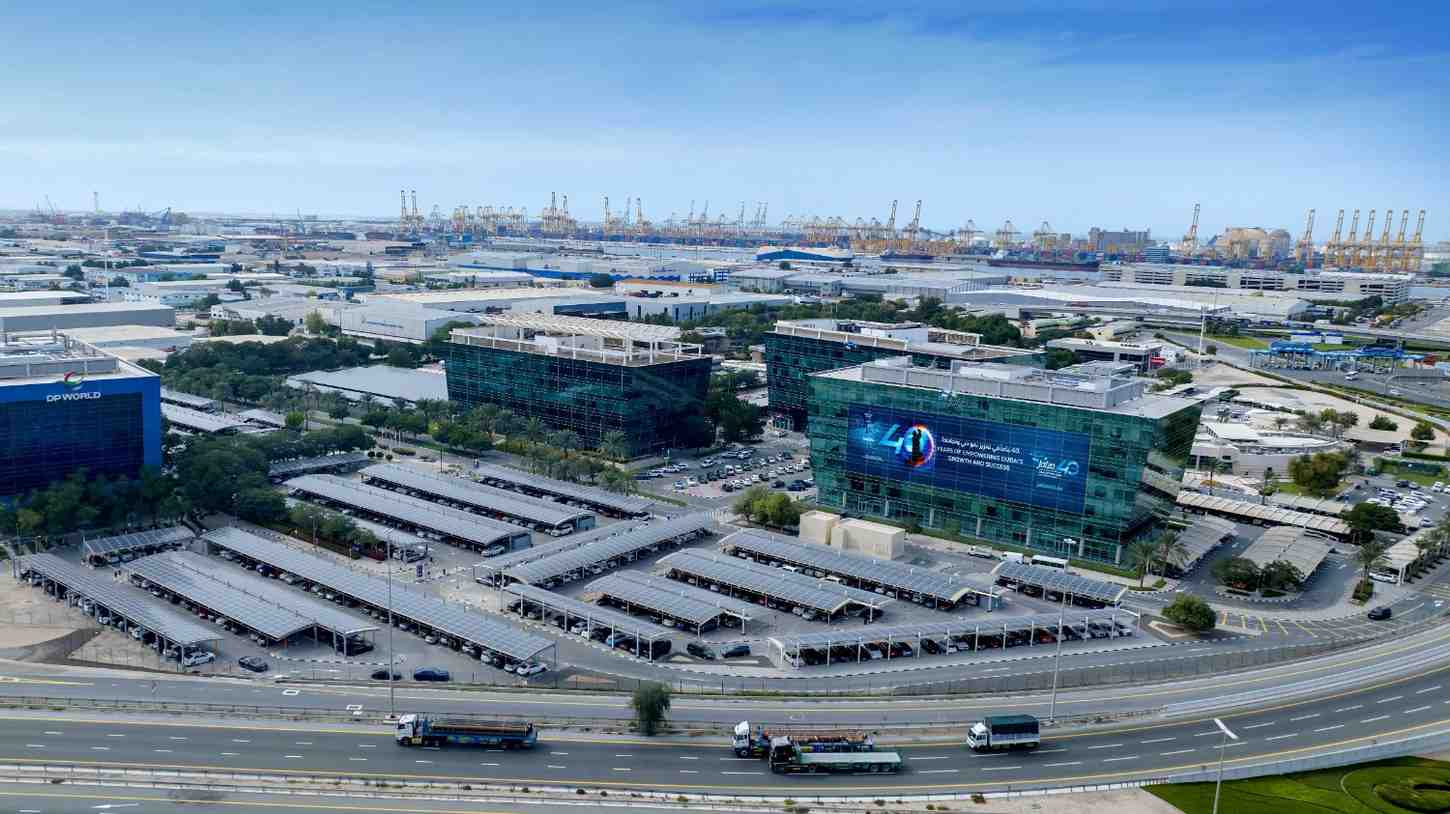
DUBAI : The Jebel Ali Free Zone (Jafza) is marking its 40th anniversary with record trade growth between India and the UAE, supported by strategic initiatives and infrastructure that connect Indian businesses to global markets.

In 2024 alone, DP World’s flagship free zone, saw a 40% rise in trade volume and a 17% rise in trade value from India compared to the year before. Today, more than 2,300 Indian companies operate from Jafza, employing over 15,000 people across core sectors including electronics, construction, food, chemicals, and logistics. Indian businesses represent the largest community in the free zone by trade volume.

Last year, Jafza welcomed 283 new Indian companies, marking a 15% year-on-year increase in new registrations and highlighting the strength of the India-UAE trade corridor and the growing demand for Dubai’s multimodal trade infrastructure and strategic connectivity.

His Excellency Sultan Ahmed bin Sulayem, Group Chairman & CEO, DP World, said: “India has been instrumental to Jafza’s story over the past four decades. Our collaboration has gone beyond trade to create a lasting partnership based on trust, opportunity, and mutual progress. India and the UAE aim to reach $100 billion in non-oil trade by 2030, and Jebel Ali’s ecosystem will be a key driver in achieving this milestone. As we look ahead, we remain committed to supporting India’s global ambitions through our network of smart logistics solutions.”

JebelAliPort ModernDay JAFZA marks 40 Years as a Gateway for Indian Businesses to the World

A major development on the horizon is Bharat Mart, set to open in 2026. Located within the Jebel Ali ecosystem, the facility will span 2.7 million square feet, starting with an initial phase of 1.3 million square feet. Bharat Mart will provide Indian exporters, especially SMEs, a hub for retail, warehousing, and logistics. This will make it easier to access global markets, particularly businesses in Africa and the GCC that source Indian goods from Dubai.

DP World and the Government of India have also announced the launch of the Bharat Africa Setu – a trade corridor designed to double India-Africa trade. The initiative will connect India and Africa through sea and air connectivity between ports, economic zones and logistics parks operated by DP World in both geographies, giving Indian exporters access to 53 African countries.

India Jafza factsheet JAFZA marks 40 Years as a Gateway for Indian Businesses to the World

India’s trade relationship with the UAE has been further strengthened by the Comprehensive Economic Partnership Agreement (CEPA), signed in 2022. In its first year alone, bilateral non-oil trade between the two countries reached $50.5 billion, a 5.8% annual increase, with 87% of India-UAE bilateral trade channelled through Dubai.

Supporting this relationship is DP World’s India-UAE Trade Bridge, launched in 2019 to streamline shipping cut costs, and reduce delivery times. It has unlocked new opportunities in sectors like manufacturing, food and beverage, pharmaceuticals, and healthcare.

Established in 1985, Jafza has attracted over $30 billion in foreign investment in the past 20 years and today hosts nearly 11,000 companies from 157 countries. Its success has been replicated globally by DP World – including in India, where it operates terminals, inland logistics hubs, and industrial parks.

As Jafza celebrates its 40th anniversary, its role in shaping a strong, stable, and scalable trade relationship with India remains more relevant than ever.

HD Hyundai and Maersk sign MOU for Cooperation on Decarbonisation Technology and Integrated Logistics Services

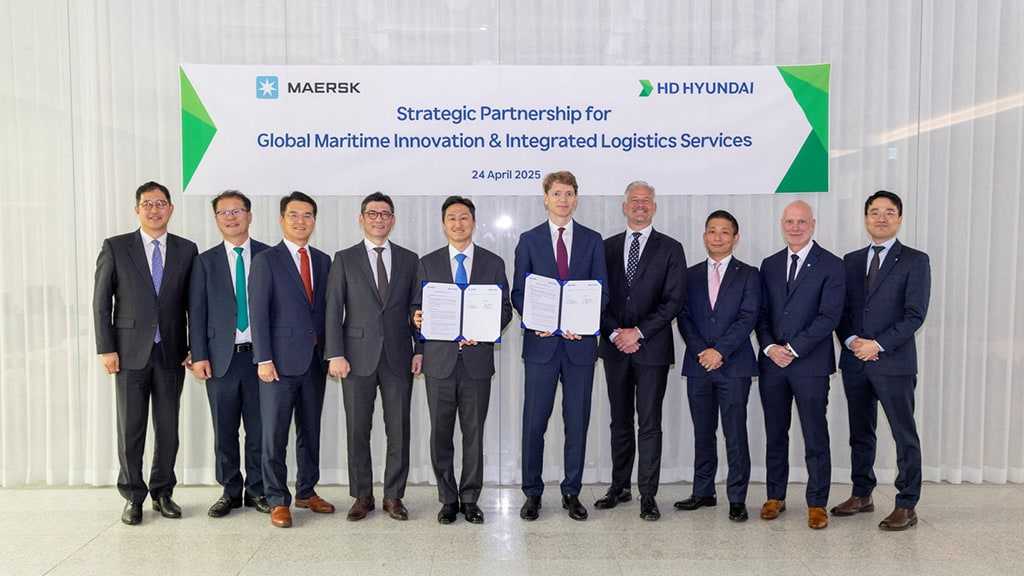
SEONGNAM : On Tuesday, 6th of May 2025, HD Hyundai and A.P. Moller – Maersk announced the signing of a Memorandum of Understanding (MoU) to establish a collaboration on decarbonisation solutions for vessels, while HD Hyundai plans to expand the use of Maersk’s integrated logistics services across its affiliates.

The signing ceremony, held at the HD Hyundai Global R&D Center (GRC) in Seongnam, Gyeonggi Province, was attended by key figures including HD Hyundai Executive Vice Chairman Chung Kisun and Maersk Chairman Robert Maersk Uggla, along with other relevant officials.

Since 2021, HD Hyundai has received orders for a total of 19 methanol-powered container ships from Maersk. Last year, the company successfully delivered the world’s first methanol-powered ultra-large container ship, continuing its collaboration with Maersk in the field of decarbonisation of shipbuilding and shipping industry.

Initially, the two companies will conduct a six-month trial applying Avikus’ HiNAS, an advanced navigation solution for energy-efficient vessel operations, and HD Hyundai Marine Solution’s OCEANWISE route optimisation on a Maersk container vessel built and delivered by HD Hyundai Heavy Industries. The purpose of this trial is to validate the fuel-saving and greenhouse gas emission-reduction impacts of optimised navigation systems. They further plan to explore cooperation in the field of ship retrofitting for decarbonisation, including optimising engine efficiency, increasing container ship cargo capacity, and retrofitting dual-fuel propulsion systems and will also collaborate on joint research to examine the feasibility of the Solid Oxide Fuel Cell (SOFC) system.

Moreover, HD Hyundai will strengthen its global supply chain by leveraging Maersk’s integrated logistics services. This includes expanding ocean freight volumes supported by Maersk’s East-West network and utilising Maersk’s capabilities across airfreight services and land transportation, as well as warehousing infrastructure.

The initial phase of the partnership will focus on providing tailored logistics solutions for HD Hyundai’s affiliates including HD Hyundai XiteSolution, and HD Hyundai Marine Solution and will be gradually rolled out across other affiliates further enhancing the stability and agility of the company’s global supply chain.

Our collaboration with Maersk will serve as a leading example of innovation in the global logistics market by combining decarbonisation shipping technologies with integrated logistics networks.” He added, “We will rapidly advance the world’s best shipbuilding technologies with the goal of building a sustainable maritime logistics network that ensures safety, low-emissions, and optimal efficiency.

Chung Kisun
HD Hyundai
Our partnership with HD Hyundai has been built over decades, founded on mutual trust and respect. This Memorandum of Understanding marks an important milestone, reinforcing the strong relationship we have developed and paving the way for even greater collaboration in the future.

Robert Maersk Uggla
A.P. Moller – Maersk
Highlights of the Memorandum of Understanding:

To collaborate on advanced navigation and decarbonisation retrofit solutions, and conduct joint research on Solid Oxide Fuel Cell (SOFC) systems
Expansion of Maersk’s Integrated Logistics Offerings to HD Hyundai’s affiliated companies
Chung Kisun, “We will work on technological advancements to build a sustainable maritime logistics network.”
Robert Maersk Uggla, “This MOU marks an important milestone, reinforcing the strong relationship we have developed.”
About Maersk
A.P. Moller – Maersk is an integrated logistics company working to connect and simplify its customers’ supply chains. As a global leader in logistics services, the company operates in more than 130 countries and employs around 100,000 people. Maersk is aiming to reach net zero greenhouse gas (GHG) emissions by 2040 across the entire business with new technologies, new vessels, and reduced GHG emissions fuels.

CMA CGM signs 30-year deal to develop & manage Syria’s Latakia Port

SYRIA : French shipping and logistics group CMA CGM has signed a 30-year agreement with Syria to operate, expand, and invest in the country’s main seaport in Latakia.

The deal includes an investment of €230 million (around $260 million) and plans to build a new berth to increase capacity and support larger vessels.

The agreement was signed by representatives from CMA CGM and Syria’s General Ports Authority during a ceremony held at the presidential palace in Damascus. Syrian President Ahmed al-Sharaa was present at the event.

IMO midterm measures to add 80% premium to bunker costs by 2035 says MSI

LONDON/SINGAPORE : Maritime Strategies International, a leading provider of maritime and energy research, consultancy and forecasting, has released MSI SEASCAPE, an integrated platform for market analysis, vessel performance and asset valuation.

Analysis performed by MSI using data from the new platform has given an early indication of the impact that the IMO’s recently agreed Net Zero Framework will have on the bunker market.

MSI SEASCAPE is designed to support two key functions: first, benchmarking the activity of existing fleets and vessels, and second, due diligence for acquisition, lending or chartering activities.

By extending the annual fuel consumption estimates calculated in SEASCAPE for 2024 through to 2035, and applying MSI’s forecasts for bunker prices, it is possible to project the future fuel costs for all conventionally-fuelled ships included in our SEASCAPE platform (just over 30,000 ships), alongside the projected IMO penalties.

IMO Bunker Seascape IMO midterm measures to add 80% premium to bunker costs by 2035 says MSI

This provides some indication of the scale: by this approach, the IMO’s penalties would be equivalent to an 82% premium on top of the fleet bunker costs by 2035 – almost $100 Bn for the ships included.

From another perspective, this also highlights the opportunity for the shipping bunker market – an annual pot directed towards drop-in biofuels and low carbon alternatives that could rise to $100 Bn per year within the next decade.

MSI SEASCAPE is designed to complement MSI products which offer a forward view of the market by providing a complete retrospective, 12-month view on the global fleet. Hourly data on vessel activity provides vessel speed, direction, emissions, fuel consumption, port time and anchorage durations.

In an innovative alternative to providing raw AIS data, MSI uses machine learning to identify changes in voyage patterns and ship clusters, developing an algorithm to measure vessel tracks, speed and port stays to generate emissions data where AIS satellite tracks were not available. Each month, MSI’s algorithm generates data for over two million ‘dark periods’ where AIS signals are absent.

The platform is designed to meet the needs of an increasingly diverse customer base which is seeking insights into global shipping activity, values and environmental performance.

Seascape segments into four principal data modules:

  • Activity displays the historical operational profile by ship, its voyages, port calls, diversions, time at anchor, sanctions compliance etc.
  • Green displays estimated emissions on both a Tank-to-Wake and Well-to-Wake basis and also provides AER and CII ratings for the vessel including the change over time and alignment with the Poseidon Principles.
  • Value displays the current value of the asset using historical data from MSI’s Forecast Marine eValuator FMV tool.
  • DCF uses a Discounted Cash Flow Model to determine whether the ship is over or underpriced vs the current market value, based on MSI’s expert-led forecasts for earnings and values extracted through its HORIZON forecasting model.

Users can extract data by ship, by fleet or sections of the global fleet, filtering by vessel type, characteristics or IMO number. The product is being made available at flexible subscription levels allowing users to start with the data they require most and add additional sectors as their needs evolve.

“MSI has invested two years in SEASCAPE’s development, driven by demand from customers for improved modelling of fleet behaviour at a time when fleet inefficiencies and diversions are impacting earnings and values far in excess of historical norms,” said Will Fray, Director, MSI. “The platform can also be used for due diligence prior to vessel acquisition/lending or charter, to track fleet or vessel behaviour and compare against cohorts and competitors.”

About Maritime Strategies International (MSI)
Since its inception in 1986, Maritime Strategies International (MSI) has established itself as one of the shipping industry’s foremost independent research and consultancy firms. Our success is built on a strong focus on maritime economics and econometric modelling.

We provide a comprehensive range of advisory services, including forward valuations, market forecasts, reports and commercial consultancy services for all shipping sectors. MSI asset price forecasts are used by ship finance providers holding 40% of all shipping bank debt and we provide analytical and methodological support to give the context and credence to our results.