Home Blog Page 887

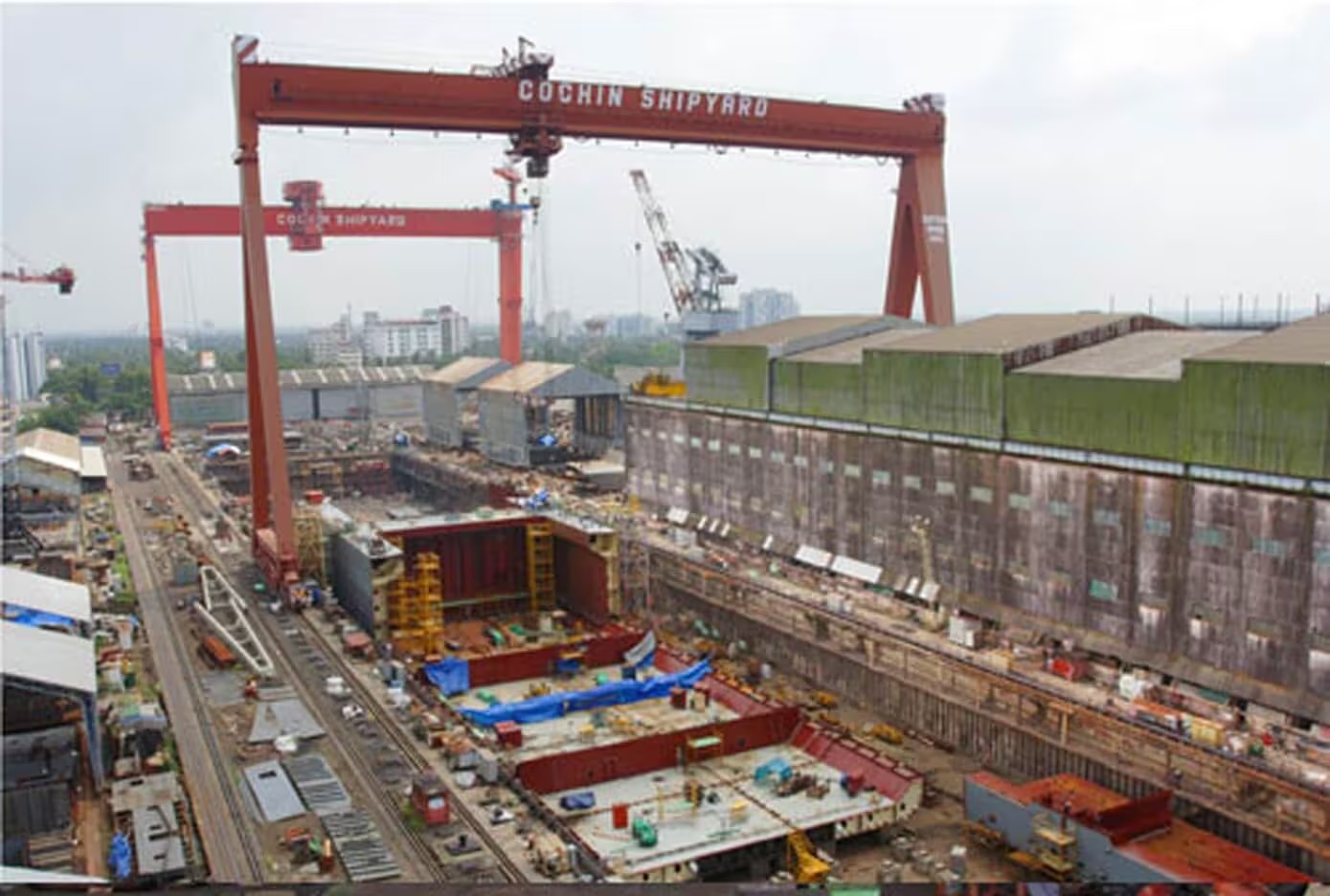
Cochin Shipyard readies to build big

KOCHI : Government-owned Cochin Shipyard Ltd (CSL), one of the largest ship manufacturers in the country, has many projects on hand and eyes a major boost from measures announced in the Union Budget for 2025-26.

CSL’s Chairman and Managing Director Madhu S Nair is pinning hopes on the budgetary allocation of ₹25,000 crore to the Maritime Development Fund (MDF) and the revamped Shipbuilding Financial Assistance Policy (SBFAP 2.0) to facilitate India’s emergence as a top-five global maritime hub in the long run.

He says that the financial support, together with technical collaboration with overseas shipbuilding majors, will enable CLS to make rapid progress in the construction of large merchant ships.

Refit completion of MNDF Huravee strengthens India-Maldives Defence Cooperation

MUMBAI : As part of India’s commitment to regional maritime security under the vision of ‘Mutual and Holistic Advancement for Security and Growth for all in the Region (MAHASAGAR)‘ and its ‘Neighbourhood First’ policy, the Indian Navy successfully completed a major refit of the Maldivian Coast Guard Ship MNDF Huravee at the Naval Dockyard, Mumbai.

The ship set sail for Maldives on 21 Apr upon completing her maiden Normal Refit at Naval Dockyard, Mumbai. Over the last four months since her arrival at Mumbai on 13 Nov 24, major works concerning maintenance of all machinery, weapons, and sensors, along with a habitability upgrade, were undertaken. The ship was thereafter put through rigorous harbour & sea trials, operational checks of equipment, safety audits and Operational Sea Training before her departure.

The efforts put in by various Indian Navy agencies and dockyard teams across multiple departments were instrumental in achieving this extensive refit within the stipulated timeframe. The successful refit of MNDF Huravee underscores the strong diplomatic and military cooperation between the two countries and reaffirms India’s unwavering commitment to being a reliable partner in the region.

The Make in India ship handed over to MNDF in May 2023 as a replacement for an older platform, has played a crucial role in Humanitarian Assistance and Disaster Relief (HADR) and Medical Evacuation operations across the Maldivian archipelago

Partnership with the US will deepen, India has great opportunity to be reliable partner in supply chains: Former envoy Taranjit Sandhu

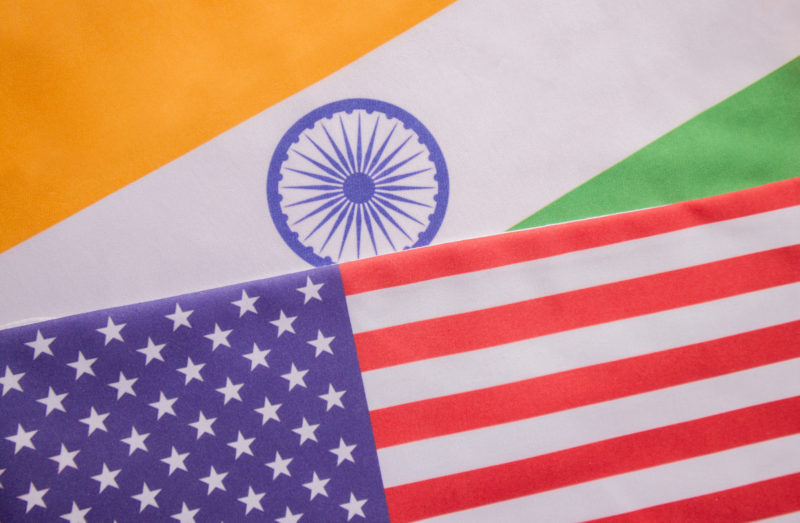
NEW DELHI : India’s ties with the United States are multi-dimensional and will only deepen, former Indian Ambassador to the US Taranjit Singh Sandhu has said, noting that India has a great opportunity to be a reliable partner in the supply chains.

“There is certainly an interest for investing in India, but it’s a competitive world. It’s a difficult phase for world economy and that’s where I feel that India gets a great opportunity this time to actually be a reliable partner, a reliable partner in the supply chain and the future of trade…If you look at the figures right now, here is an overall bend as far as economic aspects are concerned, but relatively India still has growth figures which are pretty high. So that’s where the confidence comes. I think the United States-India relationship will be fine, it will only deepen,” Taranjit Singh Sandhu told ANI in an interview.

The former envoy, who is a BJP leader, said that US Vice President JD Vance visiting India in almost the beginning of the second term of President Donald Trump holds its own significance.

The high-level visit comes amid trade negotiations between the two countries following US decision to impose reciprocal tariffs on several countries including India.

The US has reduced new tariff rates on most of its trade partners to 10 per cent for 90 days to allow trade negotiations.

Taranjit Singh Sandhu said challenges should be converted to opportunities. He said tariffs by Trump administration is a worldwide phenomenon and it does not mean that the strategic relationship between the two countries will be pushed under the carpet.

“Any relationship in the world, including our own domestic relations at home, is complicated. The complications were there earlier, too. My take is that these challenges must be converted into opportunities, and this issue is also similar in kind. Though it has become huge, it is a worldwide phenomenon, it is a new technique, but this doesn’t mean that India-US relations will be pushed under the carpet. All this will flow together,” he said, answering a query on tariffs.

Taranjit Singh Sandhu served as India’s Ambassador to the United States from 2020 to 2024, with his tenure spanning both the Trump and Biden presidencies.

He said India-US ties have many dimensions, and trade is a part of it.

“I worked with President Trump in his first administration -India relations have many dimensions and trade is one part of it. Trade will also get sorted out. Be a bit patient, see this relationship, in the coming days you will see its contours emerging,” he said, when asked about expectations about the future.

Sandhu also touched on the cultural aspects of JD Vance’s visit

“His presence here right in the beginning of second Trump administration, I think, holds its own significance. Also it is cultural visit to the country where he is closely invested with his family,” he said.

Vance, who arrived in the national capital on Monday morning, met Prime Minister Shri Narendra Modi in the evening.

Vance is on a four-day official visit to India. He is accompanied by Second Lady Usha Vance, their children, and senior members of the US Administration.

This is Vice President Vance’s first visit to India. He will also visit Jaipur and Agra before departing for Washington DC.

Source : ANI

India Inc pushes for zero-to-zero tariffs on steel, aluminum, auto via BTA with US

NEW DELHI : Indian industry seems confident to take on imports from the US across several sectors, including chemicals, steel products, aluminium, automobiles and auto components, engineering goods, electronics, food processing and pharmaceuticals.

While, the domestic industry is pushing for a zero-to-zero tariff regime on products that attract sectoral duties from the United States such as steel, aluminium, automobile and auto parts through the proposed trade deal, for agriculture and food processing, they are batting for reduction in duties on a reciprocal basis, sources in the know of matter told Moneycontrol.

India Inc is also ready for tariff reductions on chemicals, engineering goods, electronics, pharmaceuticals and food processing through the proposed trade deal in return for similar cuts from the US, one of the sources said.

“In a recent meeting with the commerce ministry, Industry leaders expressed confidence while pitching for a zero-to-zero tariff policy. The Indian side also wants value addition norms to be strictly enforced to prevent re-routing of goods from the US.Industry has asked the government to include steel and steel products, aluminium, auto and auto components in the talks for the trade deal. We are ready to lower tariffs to zero, so US can eliminate duties on these items too. Both sides will will have to agree for this,” a second source said.

India is expected to lower tariffs in these areas ‘substantially’, the first source said, if not go for zero-to-zero. Aerospace will also be a major point of discussion.

US President Donald Trump’s administration has levied a 25-percent sectoral tariff on steel, aluminium, automobiles and auto parts coming into America from all nations.

While Trump on April 9 paused the country-specific tariffs on all nations, barring China, including an additional 16 percent reciprocal levy on India, the baseline tariff of 10 percent and certain sectoral duties have started to spell trouble for Indian exporters.

“Exporters are facing pushback on price negotiations and shipments are getting held up, so these sectoral tariffs are having an impact especially on Indian steel and aluminium exports,” the second source added.

To be sure, some experts see minimal impact on Indian exports of steel and aluminium as well as automobiles due to these higher levies.

Back in March, the steel secretary Sandeep Poundrik said that no major impact is expected from US tariffs as India exports less than 100,000 metric tonnes to America.

And, India exported a modest $8.9 million worth of vehicles to the US in 2024, compared to $6.98 billion in global exports — meaning just 0.13 percent of the country’s car exports are US-bound.

India and the US are looking to conclude negotiations for the first tranche of the proposed bilateral trade agreement (BTA) well before the agreed timeline of the autumn of 2025, after both nations signed the terms of reference for the pact, the commerce ministry said on April 15.

The BTA is part of a new goal – Mission 500 – aiming to more than double bilateral trade between the two countries to $500 billion by 2030.

In 2024-25, India’s main exports to the US included drug formulations and biologicals ($8.1 billion), telecom instruments ($6.5 billion), precious and semi-precious stones ($5.3 billion), petroleum products ($4.1 billion), gold and other precious metal jewellery ($3.2 billion), ready-made garments of cotton, including accessories ($2.8 billion), and products of iron and steel ($2.7 billion).

In FY25, the US again emerged as India’s top export destination, with an 11.6 percent growth in shipments at $86.51 billion. America was India’s fourth-largest import source nation at $45.33 billion, up 7.4 percent from the previous year.

Source : Moneycontrol

India should engage with both US and China; remain committed to WTO-led multilateral trade norms: GTRI

NEW DELHI : India must engage with both the US and China and it should not draw itself into any binary amid the trade wars between economic giants, Ajay Srivastava, founder of Global Trade Research Initiative (GTRI) said in a note.

Chinese state media reported on Monday that China has warned countries that it firmly opposes any trade deals with the US that compromise Beijing’s interests. The report added that it will slap countermeasures in a “resolute and reciprocal manner” against countries that strive to “appease” the US.
“India should not be drawn into binary geopolitical rivalries. Instead, it must engage with both China and the US on equal terms–guided by strategic autonomy, economic interest, and global trade principles–not by external pressure,” Ajay Srivastava said in the note.

The Trump administration is reportedly pressuring countries to curb trade with China in exchange for tariff negotiations with the US.

India and the US are negotiating a bilateral trade agreement, which is expected to be finalised by the fall of 2025.

GTRI said India must chart an independent course, strengthening its domestic manufacturing base and reducing critical import dependencies through targeted investment in deep manufacturing.
At the same time, India should remain firmly committed to WTO-led multilateral trade norms and avoid actions that risk violating global rules.

Trump paused the reciprocal tariffs on dozens of countries, including India, that have engaged in negotiations with the US administration. However, the tariffs levied on China will remain in place.
For the time being, a baseline tariff of 10 per cent would be applicable on US imports from other countries, including India, but excluding China.

According to GTRI, China’s warning of retaliation against countries aligning with the US must be viewed through the lens of global supply chain realities.

Today, most leading economies, including the US, EU, Japan, South Korea, and India, are deeply dependent on China for the supply of industrial and consumer goods.

China is embedded at every level of the global production hierarchy, spanning Tier 1 (finished goods), Tier 2 (intermediate goods), and Tier 3 (parts and components).

“While the China+1 strategy has enabled some countries to reduce dependence on Chinese finished goods, the global economy still relies heavily on China for critical inputs at the Tier 2 and Tier 3 levels. Replacing China entirely requires building manufacturing capabilities from the raw material stage upward–an effort that no country has yet achieved at scale,” GTRI said.

The Trump administration’s reported strategy to pressure its partners through tariff negotiations to limit trade with China ignores economic ground realities, GTRI added.

“Even the US cannot stop imports from China. Last trade war resulted in an increase in the US trade deficit,” GTRI said, adding that this presents both a caution and an opportunity for India.

Source : ANI

India eyes Chinese market as global rapeseed meal prices surge

NEW DELHI : India may become a key supplier of rapeseed meal to China if Beijing eases its stringent trade restrictions on the commodity, according to industry body Solvent Extractors Association of India (SEA).

A shortage of rapeseed meal in the European Union has driven global prices significantly higher. China, a major consumer, currently imports the protein-rich animal feed primarily from Canada and the EU.

“Given the current supply constraints and rising prices, India has a renewed opportunity to explore and recapture its lost share in the Chinese market,” Mumbai-based SEA said in a statement.

Indian rapeseed meal is currently priced at $209 per tonne free alongside ship (FAS) at Kandla Port, substantially lower than the $335 per tonne being quoted ex-Hamburg in the international market.

“Leveraging this opportunity could not only boost India’s exports but also help stabilise prices in the international market,” SEA added.

India, the world’s third-largest rapeseed producer, exported over 2 million tonnes of rapeseed meal annually.

However, China has accounted for less than 1 per cent of that volume due to higher prices and previous trade restrictions.

Daifuku Intralogistics India unveils Advanced Manufacturing and Innovation Facility in Hyderabad

TELENGANA : Daifuku Intralogistics India Pvt. Ltd., a subsidiary of Japan-based Daifuku Co., Ltd.—a global leader in intralogistics and material handling automation—has announced the opening of its new landmark ₹2.27 billion state-of-the-art manufacturing facility in Hyderabad, Telangana.

Commenting on this milestone, Hiroshi Geshiro, CEO, Daifuku Co. Ltd, said, “India stands as one of our most strategic global markets, and this facility underscores our deep confidence in its vibrant growth story and potential. It aligns seamlessly with the Make in India initiative, reflecting our commitment to fostering automation, innovation, and resilience within India’s logistics ecosystem. Beyond supporting India’s infrastructure, this facility represents our dedication to empowering local talent, driving collaboration, and shaping the future of intralogistics in India. We are honoured to contribute to this journey of excellence and lasting impact for customers and communities alike.”

daifuku Daifuku Intralogistics India unveils Advanced Manufacturing and Innovation Facility in Hyderabad

This transformative initiative highlights Daifuku’s steadfast commitment to Make in India, a vision of Hon’ble Prime Minister Shri Narendra Modi to strengthen India’s manufacturing capabilities, create employment, and foster economic growth. As a vital step in Daifuku’s India growth strategy, the facility is designed to meet the growing demand for automation across industries, including e-commerce, retail, automotive, pharmaceutical, and FMCG.

Srinivas Garimella, Chairman, Daifuku Intralogistics India Pvt. Ltd, added, “Our ₹2.27 billion investment goes beyond infrastructure—it is a commitment to the people of India, blending cutting-edge technology, local expertise, and sustainability to redefine the future of intralogistics. This facility embodies the strong partnership between India and Japan, built on mutual respect and shared aspirations. By fostering collaboration and empowering local talent, we aim to drive innovation, create meaningful impact, and deliver excellence for our customers and communities.”

This groundbreaking financial milestone highlights Daifuku’s belief in India’s dynamic market and its potential to become a global manufacturing hub. This project further strengthens the Indo-Japanese bilateral relationship, with a focus on knowledge transfer, skill development, and co-creation.

Strategically located in Hyderabad, a hub for innovation and logistics, the facility is set to play a vital role in empowering India’s workforce.

Asim Behera, CEO, Daifuku Intralogistics India Pvt Ltd, emphasised, “The exceptional investment in innovation significantly enhances our ability to deliver smarter, scalable, and future-ready intralogistics solutions tailored to India’s needs. This facility will generate over 100 skilled jobs initially in engineering, automation, and production. Beyond technology, we are investing in people—building capabilities, nurturing talent, and contributing to India’s economic progress. Hyderabad, with its vibrant talent pool and strategic connectivity, is the perfect base for advancing automation and innovation. Aligned with the Prime Minister’s vision of Atmanirbhar Bharat, this facility reflects our dedication to growing with India and for India.”

As India’s logistics and warehousing sector is projected to exceed USD 650 billion by 2030, automation will be a key enabler for efficiency, sustainability, and competitiveness. Daifuku’s new Hyderabad facility is designed to drive this transformation through advanced automation technologies, digital tools, and environmentally friendly practices.

The company also plans to collaborate with leading Indian technical institutes, launch local R&D initiatives, and promote sustainable automation practices to reduce environmental impact across customer operations.

DP World Jebel Ali arrives at Jebel Ali Port, advancing DP World’s fleet modernization

DUBAI : DP World announced the arrival of the DP World Jebel Ali, a new container vessel, at Jebel Ali Port, marking a significant addition to its marine services fleet. The vessel’s inaugural call is part of DP World’s ongoing fleet modernization initiative aimed at enhancing operational efficiency and environmental sustainability within the maritime industry.


The DP World Jebel Ali, a Sapphire 5300 compact gearless container ship, incorporates cutting-edge maritime technologies that optimize cargo handling operations, reduce operational costs, and minimize environmental impact. Its arrival was celebrated with a special reception at the port, attended by senior management from DP World and Unifeeder, underscoring Jebel Ali Port’s vital role in international supply chains.

Ganesh Raj, Global Chief Operating Officer of Marine Services at DP World, remarked, “The integration of the DP World Jebel Ali into our fleet underscores our dedication to enhancing service agility and efficiency. This vessel not only supports our environmental goals by significantly reducing emissions but also strengthens our capacity to serve regional and global markets effectively.”

Designed for enhanced maneuverability, the DP World Jebel Ali facilitates access to smaller or inland ports, expanding potential supply chain networks. The vessel is expected to save approximately 1,700 metric tonnes of bunker fuel annually, contributing to a 15 to 20 percent decrease in carbon emissions on its operational routes.

This deployment aligns with DP World’s performance highlights from the previous year, where Jebel Ali Port achieved record container and breakbulk cargo volumes. In 2024, the port handled 15.5 million twenty-foot equivalent units (TEUs), a 6.9 percent increase from the previous year, and saw a 23 percent rise in breakbulk cargo, reaching 5.4 million metric tonnes—the second-highest performance in nearly a decade. These achievements emphasize DP World’s commitment to fostering sustainable growth and operational excellence in the maritime sector.

Strategic Marine announces another successful delivery to Truth Maritime Services in Thailand

SINGAPORE : Strategic Marine has achieved another successful delivery to Truth Maritime Services (TMS), strengthening a partnership that has been evolving since 2022. This latest milestone further cements the ongoing collaboration between Strategic Marine, Prima Marine Group, and TMS, as they work together to provide innovative and efficient vessels tailored to the demands of the offshore sector in Thailand and beyond.

Following the successful handover of the first two Gen 4 FCBs, TMS RANOD and TMS RAMAN, in 2024, these vessels have been operating efficiently and meeting the needs of TMS’s clients. The addition of two more state-of-the-art 42m vessels underscores the company’s commitment to fleet expansion and enhanced service capabilities in the Southeast Asian and in Middle east offshore energy sector.

TMS, a key player in crew boat operations, has been expanding rapidly to support offshore petroleum exploration, production, and platform maintenance. With a growing fleet of 17 crew boats and 2 of 300 pax accommodation barges stationed near offshore rigs, TMS is continuously enhancing offshore personnel transfers while ensuring efficiency and safety.

“As we continue to strengthen our partnership with Truth Maritime Services and Prima Marine Group, we are proud to see our vessels contributing to their operational success. The delivery of these new crew boats is a testament to our shared commitment to innovation, quality, and meeting the evolving demands of the offshore industry,” said Mr. Chan Eng Yew, CEO of Strategic Marine.

The latest delivery further reinforces Strategic Marine’s reputation as a trusted global shipbuilder, continuously supporting its partners’ growth with high-performance vessels. As TMS and Prima Marine continue their journey of expansion, Strategic Marine remains committed to providing cutting-edge solutions to meet their future fleet requirements.

Mumbai International Cruise Terminal Commencement Ceremony to take place today

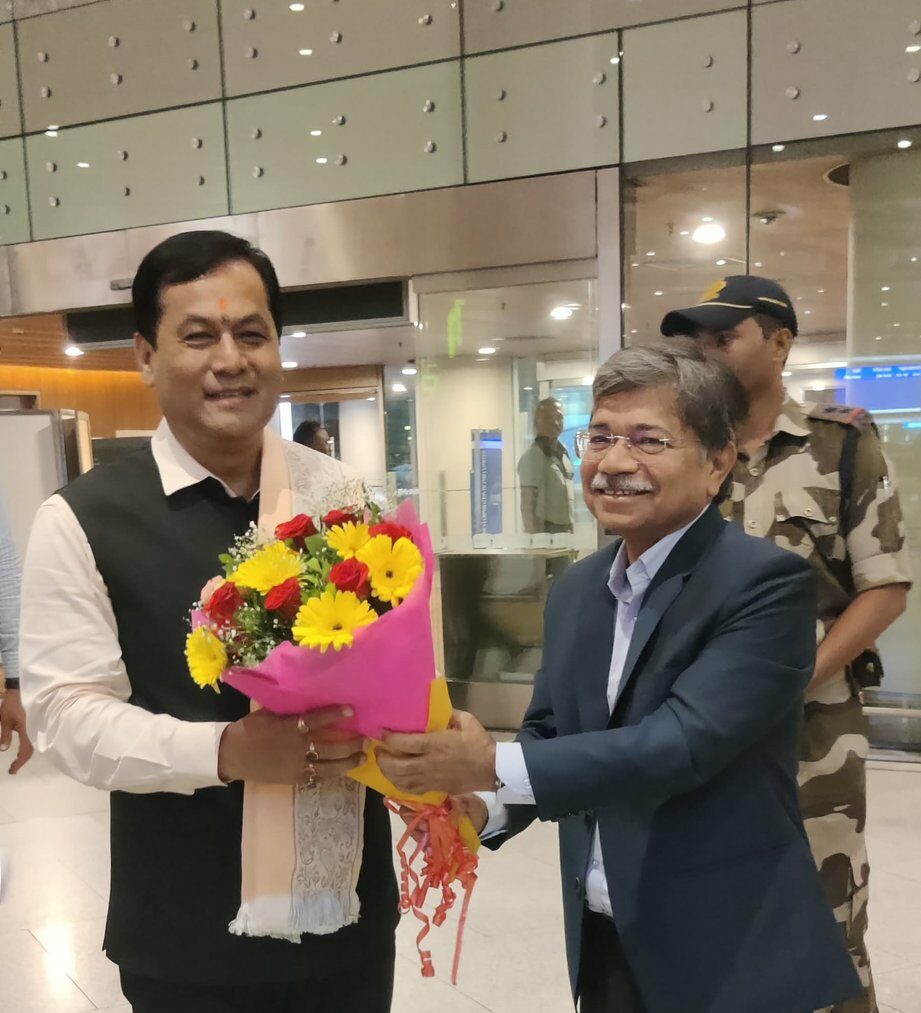
MUMBAI : Hon’ble Cabinet Minister of Ports, Shipping and Waterways, Shri Sarbananda Sonowal reached Mumbai airport for the Commencement Ceremony of Mumbai International Cruise Terminal. The Chairperson of MbPA, Shri Shushilkumar Singh, IRSME, welcomed the Hon’ble Minister at the airport.

The Mumbai Port Authority (MbPA) led by Central Minister of Ports, Shipping & Warerways has completed the construction of first international cruise terminal on the eastern waterfront in Mumbai. The official inauguration of the terminal, located in South Mumbai’s Mazgoan, is scheduled on Monday April 21st.

Go DiPaIAEmeZK Mumbai International Cruise Terminal Commencement Ceremony to take place today

The cruise terminal has been built over an area of 400,000 square feet. The terminal will be capable of handling 500 cruise ships and up to 1 million passengers annually. The government has developed this terminal with a plan to attract both domestic and international tourists.

In recent years, the number of international cruises arriving in Mumbai has increased. Currently, around 50 international cruise ships dock in Mumbai each year, along with hundreds of domestic cruises. With the new International terminal operational, a significant rise in cruise arrivals in Mumbai is expected.

Three-Storey International Cruise Terminal:

To promote water transport, a ground-plus-three-storied terminal has been constructed. The ground and first floors will be used to handle passengers, while the second and third floors will be leased out. Out of the 400,000 square feet, about 200,000 square feet will be used for commercial purposes, with a plan to recover the investment over 15 to 20 years. The terminal will be operated by a private operator appointed by MbPT. Passenger counters, customs, immigration, and other offices have been set up inside the terminal.

Revenue Model:

MbPA has signed a 30-year agreement with the operator managing the terminal. The operator has deposited Rs 30 crore as a security deposit, and will pay an annual rent of Rs 5 crore, with a 5% increase each year. The construction cost of the terminal is around Rs 300 crore.

As per data, around 300,000 Indians travel by cruise each year. Until now, Indian tourists had to go abroad to enjoy cruise travel, but with this terminal in Mumbai, people will now be able to explore international destinations via sea from Mumbai.

According to the MbPA the goal is to increase the number of foreign tourists in MMR (Mumbai Metropolitan Region) by four times. The cruise terminal will play a crucial role in attracting both domestic and international tourists to Mumbai.