Home Blog Page 9

PM to inaugurate FICCI AGM and Annual Convention on 19 November

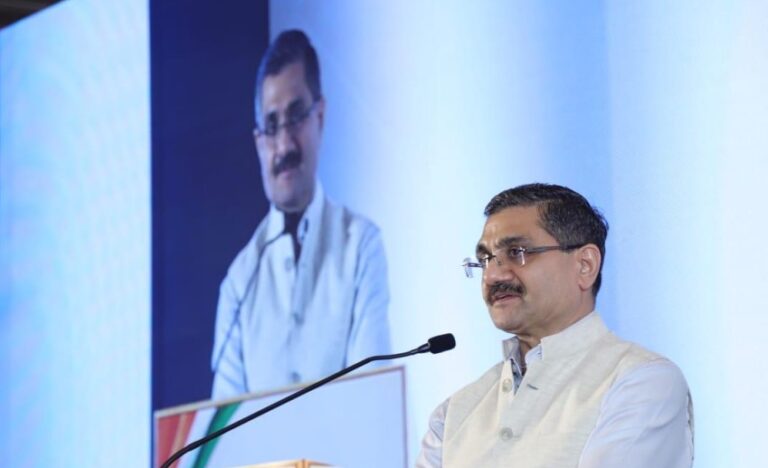
NEW DELHI : Prime Minister Shri Narendra Modi will inaugurate the Annual General Meeting and Annual Convention of the Federation of Indian Chambers of Commerce and Industry (FICCI) on 19 November 2026 at around 11 AM at Bharat Mandapam, New Delhi. He will also address the gathering on the occasion.

The convention, themed “Bharat 2047”, will bring together over 2,500 delegates, including industry leaders, CEOs, ambassadors, diplomats and policymakers. The year 2026-27 marks FICCI’s centenary year, as the organisation completes 100 years of its establishment on 7 April 2027.

Established in 1927, FICCI was founded at a time when Indian enterprises had limited representation in economic policymaking. Since Independence, FICCI has been associated with India’s economic transformation and its growing integration with the global economy.

Today, FICCI represents over 2.5 lakh companies across the public, private and multinational sectors, directly and through more than 300 affiliated regional and state-level industry associations. It has partnership agreements with 250 national business associations in over 100 countries.

Sarbananda Sonowal reviews Indian Maritime University’s roadmap, emphasises research, innovation and skill development

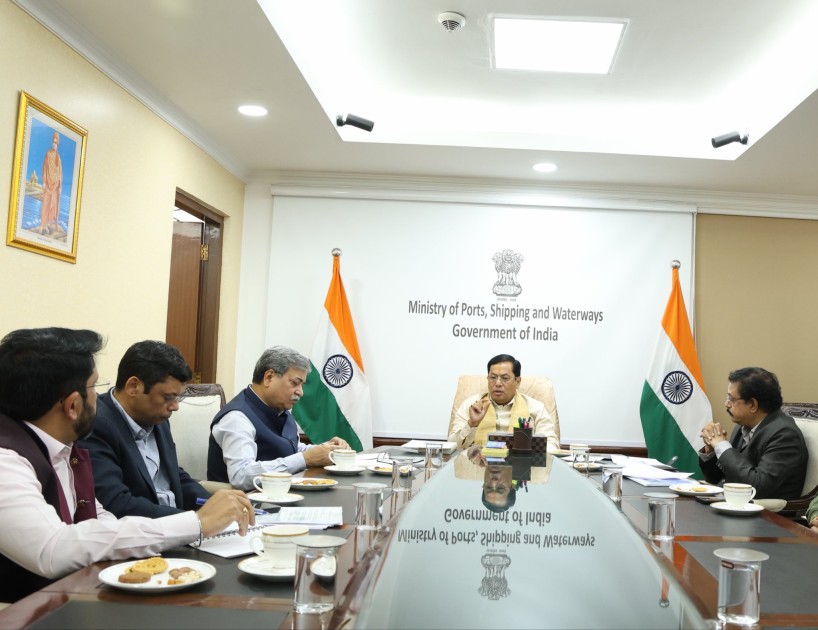
NEW DELHI : Union Minister of Ports, Shipping and Waterways Shri Sarbananda Sonowal chaired a comprehensive review meeting of the Indian Maritime University (IMU), assessing its institutional performance, future development priorities and strategic role in strengthening India’s maritime education and skill-development ecosystem.

During the meeting, the Minister emphasised the importance of positioning IMU as a leading centre of excellence in maritime education, research, innovation and professional training, in line with the ambitious objectives of the Maritime Amrit Kaal Vision 2047. Discussions focused on enhancing the university’s public outreach, strengthening its institutional roadmap and expanding its contribution to India’s rapidly evolving maritime sector.

The review highlighted the need to align maritime education and training programmes with emerging industry requirements, technological advancements and the changing dynamics of global shipping. Strengthening industry-academia partnerships, encouraging applied research, promoting innovation and developing a future-ready maritime workforce were among the key areas of focus.

The Minister also underlined IMU’s potential to play a pivotal role in developing highly skilled human resources for various segments of the maritime industry, including shipping, port operations, maritime logistics, shipbuilding, marine engineering and emerging areas such as green shipping, digitalisation and advanced maritime technologies.

Particular emphasis was placed on expanding research capabilities and encouraging innovation-driven initiatives that can support India’s transition towards sustainable, efficient and technology-enabled maritime operations.

The meeting also deliberated on empowering coastal communities through education, specialised training and greater access to maritime career opportunities. Strengthening institutional outreach and creating awareness about opportunities in the maritime sector will be important in ensuring inclusive growth and wider participation in India’s maritime development.

As India’s maritime ambitions continue to expand under the Maritime India Vision 2030 and Maritime Amrit Kaal Vision 2047, IMU is expected to play an increasingly significant role in building the intellectual, technical and professional capabilities required to support the country’s long-term maritime growth.

The review reaffirmed the government’s commitment to strengthening maritime education and institutional excellence, with a focus on developing a globally competitive maritime workforce and positioning India as a leadi

TN seeks centre’s help to execute five maritime projects

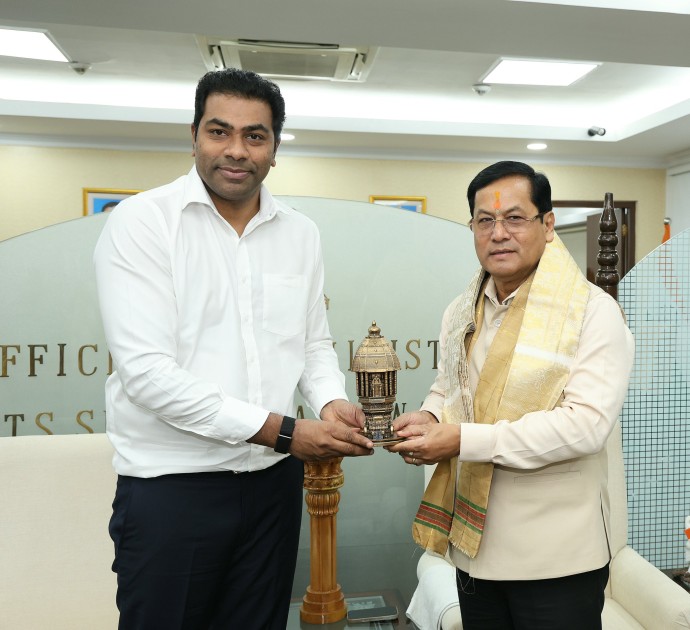
NEW DELHI : Minister for Public Works Shri Aadhav Arjuna met Union Minister for Ports, Shipping and Waterways Shri Sarbananda Sonowal in New Delhi on Tuesday and sought immediate financial assistance for execution of five major maritime infrastructure projects in Tamil Nadu carrying a total outlay of Rs 9,618 crore.

The proposals submitted to Sonowal include the development of Rameswaram Port to facilitate an international passenger ferry service between Rameswaram and Talaimannar in Sri Lanka at an estimate of Rs 118 crore.

The other projects comprise development of a greenfield deep-sea port at Cuddalore at Rs 4,700 crore and establishing maritime promenades and boat jetties at the Marina in Chennai, Mahabalipuram and Puducherry, besides launching a passenger ferry service between Chennai and Puducherry, at a cost of Rs 900 crore.

Other proposals are the restoration and deepening of the Buckingham Canal, which forms part of National Waterway-4, at an estimate of Rs 2,700 crore, and deepening the Pamban Canal to 10 metres to connect the western and eastern coastal regions at an estimate of Rs 1,200 crore.

Meanwhile, Minister for School Education A Rajmohan, who called on Union Education Minister Pralhad Joshi, discussed key educational priorities and submitted a memorandum regarding pending central funds for Tamil Nadu.

On the meeting with Rajmohan, Joshi in a subsequent social media post said, “Deliberated on key educational priorities of the state (Tamil Nadu), including matters related to the Samagra Shiksha Scheme and Jawahar Navodaya Vidyalayas. Reaffirmed our shared commitment to strengthening school education and ensuring inclusive growth for students across Tamil Nadu.”

Source : PTI

Piyush Goyal holds meetings with CEOs of leading Italian companies in Rome

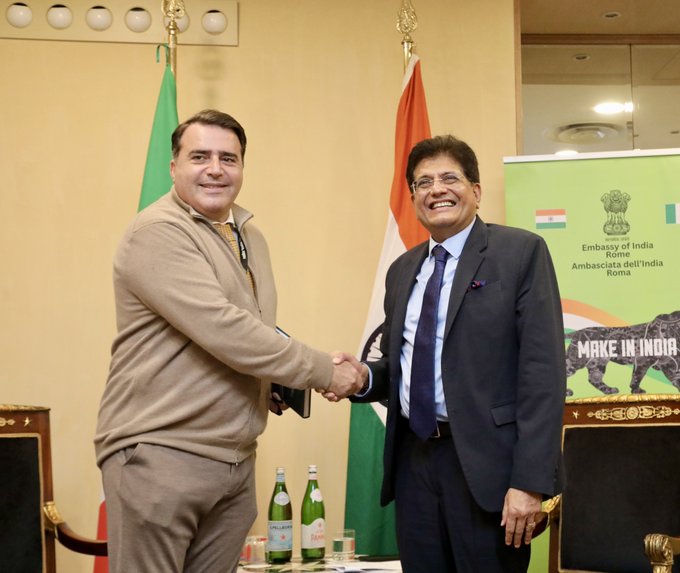
ROME : Union Minister of Commerce and Industry Shri Piyush Goyal, during his official visit to Rome, Italy, held meetings with Chief Executive Officers and senior leaders of leading Italian companies on 17 November 2026.

The Minister met Mr. Luca Tosto, Managing Director, Walter Tosto S.p.A.; Mr. Gian Piero Gagliardi, Chief Executive Officer, Nordimpianti System S.r.l.; Mr. Gianni Lettieri, Chairman, Atitech; Ms. Letizia Magaldi, Managing Director, Magaldi Green Energy; and Mr. Fulvio Renoldi Bracco, Chief Executive Officer, Bracco Imaging S.p.A.

The discussions focused on expanding Italian investments in India, technology transfer and joint ventures with Indian partners. The companies expressed interest in bringing their technologies to India and collaborating with Indian industry in areas such as manufacturing, aircraft maintenance, thermal energy storage and pharmaceutical ingredients.

Shri Piyush Goyal welcomed the interest shown by the companies and encouraged them to partner with Indian industry, including in India’s infrastructure, aviation and healthcare sectors.

As a way forward, the discussions identified the need to explore suitable Indian joint-venture partners, pilot projects, cost-comparison studies and joint studies with Indian institutions.

The meetings come as India and Italy take forward their Special Strategic Partnership and work towards the target of €20 billion in annual bilateral trade by 2029.

India hopes to sign EU trade pact in December, says Commerce Secretary

NEW DELHI: India hopes to sign its free trade agreement with the European Union in December 2026, Commerce Secretary Rajesh Agrawal told ANI on Wednesday, nearly ten months after the two sides concluded negotiations.

“India-EU FTA progress is very nice and we hope to sign it in December 2026,” Agrawal said on the sidelines of the ISA Steel Conclave in New Delhi.

Agrawal separately told a FICCI panel on Wednesday that India was aiming for the pact to take effect in the first quarter of 2027. “We are trying for the first quarter itself. So it depends on a lot of things moving in time, but we will be there,” he said.

India and the EU concluded negotiations on January 27. The European Commission submitted proposals to the Council of the EU in September to authorise the signing and formal conclusion of the agreement. After signing, the pact requires the European Parliament’s consent and a final decision by the Council. India must also complete its ratification before the agreement can take effect, according to the Commission.

India-EU goods trade stood at EUR 118 billion in 2025, according to the European Commission. A Commerce Ministry factsheet said the pact would give Indian exporters preferential access across 97 per cent of EU tariff lines, covering 99.5 per cent of Indian exports to the bloc by value. Products including textiles, leather goods and footwear would gain duty-free access once the agreement takes effect, while certain steel products would receive preferential rates within specified quotas.

On the proposed India-US interim trade deal, Agrawal said, “It is nearing conclusion and we will be there soon.”

Asked about the steel sector’s role in Viksit Bharat 2047, Agrawal said, “India is one of the fastest-growing major economies in the world and this growth creates a lot of opportunities for the entire industry, including the steel industry, and we need to work ahead.”

Source: ANI

CBIC to release Draft Framework for centralised, faceless CGST Assessment soon: Chairman

NEW DELHI : The Central Board of Indirect Taxes and Customs (CBIC) will soon release a draft framework for the centralised and faceless administration of around 70 lakh taxpayers registered under the Central Goods and Services Tax (CGST) system. The proposed framework is likely to be implemented from April 1, 2027, the beginning of the next financial year.

Official sources shared the information on Wednesday. A senior official familiar with the matter said the new framework was expected to come into effect in the financial year beginning April 1, 2027.

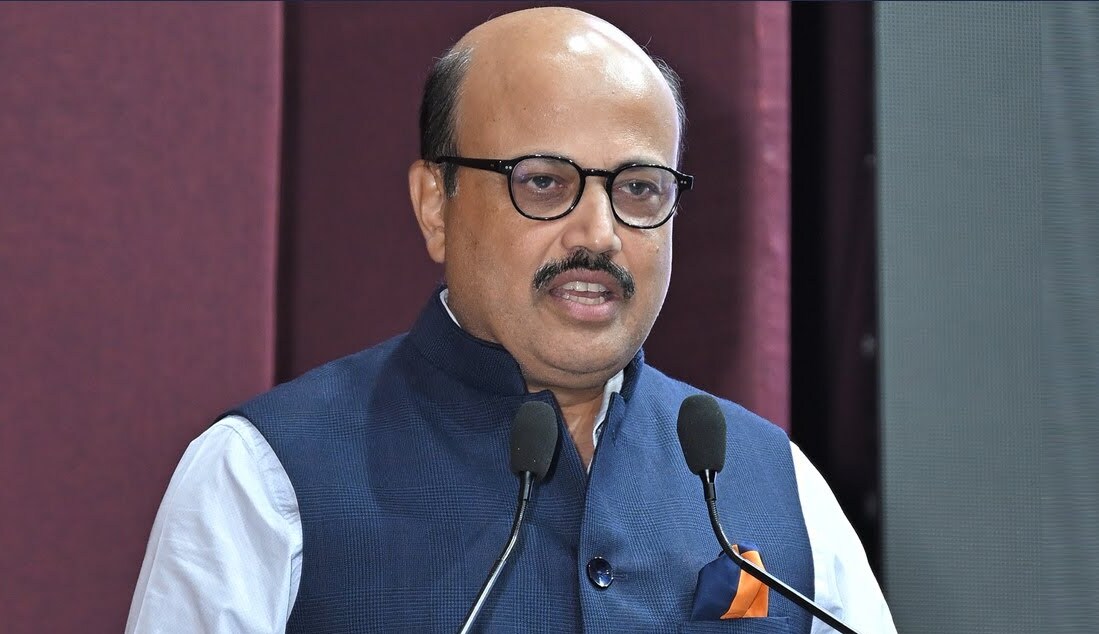
CBIC Chairman Vivek Chaturvedi, speaking at an event organised by the PHD Chamber of Commerce and Industry (PHDCCI), said the Board was exploring two concepts for CGST taxpayers: faceless administration and centralised administration.

“We at the CBIC are working on the two concepts of faceless and centralised administration for CGST taxpayers. We have prepared a framework, which should be released very shortly for public and stakeholder consultation,” he said.

Chaturvedi said the Central government intended to introduce a new administrative model for CGST taxpayers. Under the proposed arrangement, large taxpayers would have access to a centralised administrative system, enabling them to visit a single physical office to address all their requirements, including registration, scrutiny of returns, adjudication, reviews and appeals.

For other taxpayers, the government intends to introduce a faceless support and assessment mechanism, eliminating the need for routine face-to-face interaction with tax officials.

The CBIC Chairman urged industry associations and other stakeholders to submit their suggestions once the draft framework was released for public consultation.

Of the approximately 70 lakh taxpayers registered under the CGST system, nearly two lakh have registrations across multiple CGST jurisdictions, either within the same state or in different states.

Following the 57th meeting of the GST Council held on October 8, Finance Minister Nirmala Sitharaman had announced that the proposed framework for faceless assessment of CGST taxpayers would be released for consultation and implemented from the financial year 2027-28.

According to official sources, under the proposed framework, tax notices, hearings and orders would be handled through a national platform rather than separate jurisdictional offices. This would enable CGST-registered businesses operating in multiple states to interact with a unified administrative system instead of dealing with different offices across jurisdictions.

It may be noted that under the GST regime, an e-way bill is mandatory for the movement of goods valued at Rs. 50,000 or more, whether across state borders or within a state.

At its October meeting, the GST Council also approved a proposal under which only the state from which the movement of goods originates (the source state) and the state where the goods are destined would be authorised to inspect the consignment being transported in a vehicle. States through which the vehicle merely passes would not be permitted to stop it for such inspections.

Source : PTI

Allcargo Group signs MoU with FUEL SkillTech & Entrepreneurship University to establish Allcargo School of Logistics

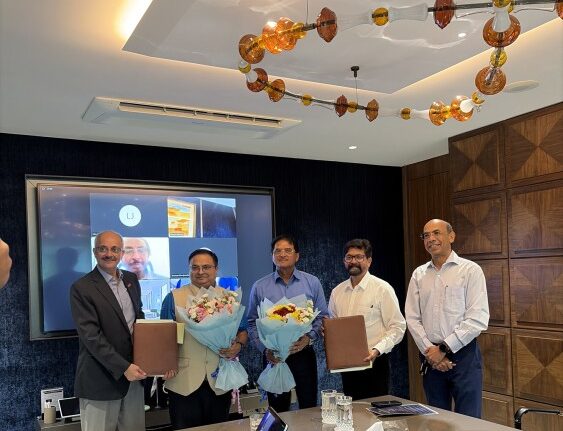
MUMBAI: Allcargo Group, through its philanthropic arm, Avashya Foundation, has signed a Memorandum of Understanding (MoU) with FUEL SkillTech & Entrepreneurship University (FSU), Pune, to establish the ALLCARGO SCHOOL OF LOGISTICS at the University’s Pune campus. In line with the Group’s continued mission to empower the youth through skilling and employment, ALLCARGO SCHOOL OF LOGISTICS aims to impart industry-relevant education and skills to young people from underprivileged and first-generation backgrounds while creating pathways to careers in India’s growing logistics and supply chain sector. Additionally, logistics being a global business, the students can benefit from the opportunities around the world.

Under the partnership, Allcargo Group will fund the establishment of ALLCARGO SCHOOL OF LOGISTICS, including its infrastructure. The institution will offer scholarships to support 100 deserving students through a fully funded, two-year MBA programme in Logistics & Supply Chain Management. The school will give preference to students eligible for merit-cum-means scholarships as well as students from drought-affected rural regions of Maharashtra, so that they can access specialised higher education and prepare for careers in the logistics industry. This initiative aims to create hundreds of industry-ready professionals to boost the logistics sector in India.

The initiative demonstrates Allcargo Group’s commitment to building a broad ecosystem that creates career opportunities through education and skill development. Logistics sector, being a key enabler of India’s economic growth, offers significant employment opportunities. The ALLCARGO SCHOOL OF LOGISTICS seeks to bridge the gap between education and industry requirements by providing students with structured learning and exposure to the sector.

The school reflects the vision of Mr. Shashi Kiran Shetty, Founder and Chairman, Allcargo Group and Chairman of Board of Governors, IIM Mumbai. He believes in nurturing leaders of tomorrow who will drive meaningful transformation across the sector. His journey of building one of India’s largest homegrown logistics multinationals is an inspiring story of India-to-global entrepreneurship led by purpose and foresight. The school aims to inculcate that indomitable spirit among young people from underserved communities and help them build rewarding professional careers, with a contribution of INR 15 Crores to support the honorable PM’s skill development initiative.

Mr. Shashi Kiran Shetty, Founder and Chairman, Allcargo Group and Chairman of Board of Governors, IIM Mumbai, said, “The logistics sector plays a vital role in India’s economic growth. However, for many young people, particularly those from underserved and rural communities, access to quality education and industry-relevant skills remains a hurdle to enter the sector. Through the ALLCARGO SCHOOL OF LOGISTICS, we aim to bridge this gap by providing deserving students, who do not have the privilege of high-quality education such as undergraduate and postgraduate programs, with knowledge and exposure to build careers in this sector. My own journey has reinforced my belief that opportunity can change the course of a person’s life. We expect that this initiative will enable the next generation of talent to realise its potential and contribute to India’s and Global logistics and supply chain ecosystem.”

Dr. Ketan Deshpande, Chairman, FUEL & Founding Vice-Chancellor, FUEL SkillTech& Entrepreneurship University, said, “We are deeply grateful to Mr. Shashi Kiran Shetty, Mr. Adarsh Hedge and Allcargo Group for naming and anchoring our School of Logistics. This is more than a grant — it is a mentor’s belief in our students. Together, we will build an industry-grade, project-led School that places first-generation learners into meaningful careers in supply chain and logistics, partnering with industry bodies and companies through apprenticeship programs.”

The ALLCARGO SCHOOL OF LOGISTICS will be formally launched alongside FUEL’s second issue on the NSE Social Stock Exchange, for the purpose of further fundraising towards sustainable development of the institution, on the 30th of November.


About Avashya Foundation

Avashya Foundation is the CSR and philanthropic arm of Allcargo Group, an India-born global logistics conglomerate. Under its philanthropic initiative, the Foundation works across education, healthcare and environmental sustainability in Maharashtra, Karnataka and Tamil Nadu, with a focus on uplifting underprivileged communities. Its flagship initiatives include Nipun, Disha, Jeevan – Coping with Cancer and Maitree. Through Maitree, the Foundation has supported over 400,000 lives and facilitated the planting of 1.6 million trees. Its Nipun Skill Development programme, aligned with the Government of India’s Skill India mission, focuses on equipping young people with industry-relevant skills and supporting their employment.

The Group’s commitment to education and youth development also extends to supporting institutions that provide access to quality education and opportunities for young Indians to build their careers in India and contribute to nation-building. This commitment is reflected in Mr Shashi Kiran Shetty’s second term as Chairman of IIM Mumbai and his association with the establishment of several institutions of significance, with the broader vision of nurturing talent and contributing to India’s journey towards Viksit Bharat 2047. These include Ashoka University, Plaksha University, Arathi Shetty and Leelavati Hegde School (affiliated with IB and CBSE), Arathi ShashiKiran Shetty College of Information Technology, Kurla, and Sri Sathya Sai Loka Seva PU College, Alike.

About FUEL SkillTech & Entrepreneurship University

FUEL (Friends Union for Energising Lives), founded in 2007, is a Pune-based not-for-profit working youth skilling, scholarships, career guidance and employability across 18+ states. Since inception, FUEL has counselled over 9,02,882 youth, trained 2,93,768, and awarded 2,907 scholarships, in partnership with 90+ corporate CSR partners and philanthropists. FUEL SkillTech& Entrepreneurship University, gazetted under Maharashtra Act No. 23 of 2026, is India’s skilling-focused university offering industry-anchored UG and PG programmes, and is listed on the NSE Social Stock Exchange.

Chennai Port strengthens maritime ties with Taiwan Shipping Lines; explores US$1.88 billion outer harbour project

CHENNAI : Chennai Port Authority is stepping up efforts to strengthen its international maritime partnerships and enhance its position as a strategic shipping and logistics hub, with a renewed focus on expanding cooperation with leading Taiwanese shipping lines.

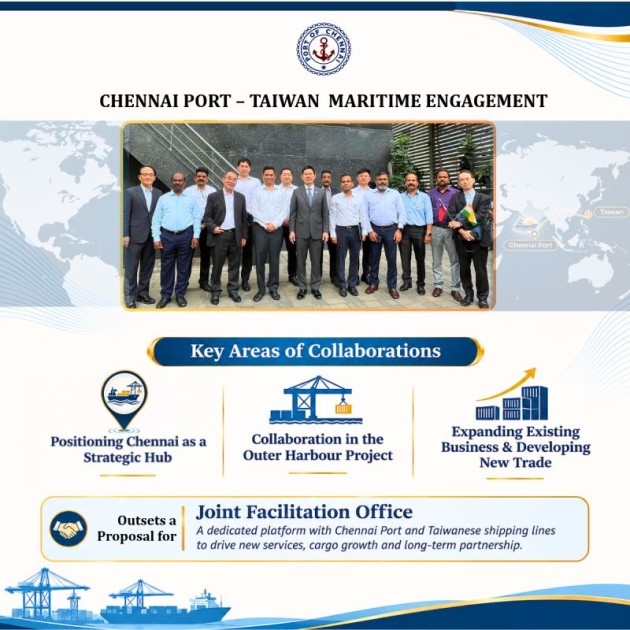
A delegation from Chennai Port Authority, led by Shri Sachin S. Kurve, IAS, Chairperson, Chennai Port Authority, participated in a high-level interaction hosted by Mr. Stephen Hsu, Director-General, Taipei Economic and Cultural Center (TECC), Chennai. The meeting brought together senior representatives of prominent Taiwanese shipping companies, including longstanding partners Wan Hai Lines, Interasia Lines, Yang Ming Marine Transport Corporation and Evergreen Marine Corporation.

The discussions focused on strengthening maritime cooperation, increasing vessel calls, attracting additional cargo volumes and exploring new business development opportunities between Chennai Port and Taiwanese shipping operators.

The engagement comes against the backdrop of a 15.4% growth in Eastern vessel calls during the first half of FY 2026–27, reflecting the port’s growing connectivity and its efforts to expand international shipping services. Building on this momentum, the participants discussed closer coordination with shipping-line partners and proposed the nomination of a Joint Facilitation Office to support business development, streamline operational coordination and facilitate greater trade volumes.

An important highlight of the meeting was the discussion on potential long-term industry participation in Chennai Port’s proposed US$1.88 billion Outer Harbour Project. The project presents opportunities for industry stakeholders to explore future investments and partnerships while supporting the port’s long-term infrastructure development and capacity expansion plans.

The proposed collaboration is expected to strengthen engagement between Chennai Port Authority and Taiwanese shipping companies, while creating opportunities to improve maritime connectivity, enhance operational efficiency and facilitate growing trade between India, Taiwan and the wider South Asian region.

The interaction marks another step in Chennai Port’s international outreach strategy, reinforcing its ambition to emerge as a preferred maritime gateway for Taiwanese shipping lines and a key strategic hub in the evolving regional shipping and logistics network.

Dept of Commerce amends guidelines of four interventions under EPM to enhance support for exporters

NEW DELHI : The Department of Commerce has amended the guidelines of four interventions under the Niryat Disha sub-scheme of Export Promotion Mission (EPM) on 17 November 2026 to enhance support for exporters and broaden participation. These interventions are Market Access Support (MAS), Trade Regulations, Accreditation & Compliance Enablement (TRACE), and Logistics Interventions for Freight and Transport (LIFT).

The MAS intervention aims to strengthen India’s export market access through structured support for activities such as Buyer-Seller Meets (BSMs), Reverse Buyer-Seller Meets (RBSMs), trade fairs, exhibitions and other related market access initiatives.

The amended guidelines provide for the following changes:

● The maximum eligible export turnover for availing airfare reimbursement for participation in Buyer-Seller Meets, trade fairs and trade delegations has been increased from ₹75 lakh in the preceding year to ₹50 crore.

● Airfare reimbursement has been enhanced to up to 95% for Micro and Small Exporters and up to 80% for other eligible exporters.

● The mandatory membership period with Export Promotion Councils has been reduced from six months to three months.

The TRACE intervention provides support to MSMEs in meeting internationally recognised quality, safety and technical requirements applicable in overseas markets. The support covers compliance- and quality-related certifications, as well as other mandatory and voluntary conformity-assessment requirements.

Under the amended guidelines, the list of certificates eligible for reimbursement has been expanded from 462 to 600, enabling wider coverage and greater support for MSMEs in meeting international quality, safety and technical requirements.

The LIFT intervention seeks to address geographical disadvantages and logistics gaps faced by MSMEs in low export-intensity areas by providing support to reduce freight and transportation costs arising from locational challenges.

The amended guidelines provide for the following changes:

● The coverage of low export-intensity districts has been expanded from 13 States/UTs to 34 States/UTs.

● The categories of eligible ports have been expanded to include Land Customs Stations (LCSs) and Integrated Check Posts (ICPs).

● Waterways have been added to the existing modes of transport, namely road, rail and air.

● Air freight support for export shipments has been extended to Jammu & Kashmir and Ladakh, in addition to the existing coverage of the North Eastern Region.

● The minimum distance eligibility criterion between the origin and destination ports has been reduced from 200 km to 100 km.

● Support has been extended to all exportable merchandise items, except those specified in the negative list of export products/categories of exports.

The Union Cabinet approved the EPM on 12 November 2025, with an outlay of ₹25,060 crore for the period FY 2025-26 to FY 2030-31. The Mission aims to strengthen India’s export competitiveness through targeted financial and non-financial support, with a particular focus on MSMEs, first-time exporters and under-represented regions.

The Mission operates through two integrated sub-schemes, Niryat Protsahan, which facilitates access to trade finance, and Niryat Disha, which supports market access and addresses non-financial barriers to exports. A total of 11 interventions under the two sub-schemes have been operationalised so far.

The amendments to these interventions under the Export Promotion Mission reflect the Government’s continued commitment to strengthening India’s export competitiveness by expanding support for exporters’ participation in international trade events, facilitating greater access to certification and compliance assistance, and addressing freight and logistics challenges faced by MSMEs, particularly those located in low export-intensity areas.

KSH Integrated Logistics names Manish Sinha Head of HR to strengthen people strategy

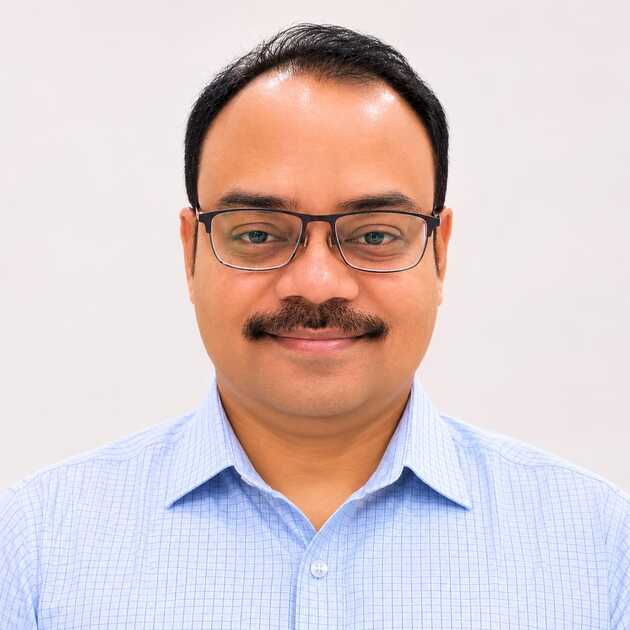
PUNE: KSH Integrated Logistics (KSH) has appointed Mr. Manish Sinha as its Head of Human Resources. He will lead the company’s HR strategy across corporate functions, warehouses and frontline operations, aligning people priorities with business objectives and supporting its growth plans.

Mr. Manish Sinha brings 19 years of experience across the logistics and education sectors. Before joining KSH Integrated Logistics, he served as AGM – HR and a member of the Learning and Development (L&D) Council at DTDC Express Ltd. His expertise spans talent management, organisational development, talent acquisition, employee engagement and employee relations.

In his new role, Manish will focus on workforce planning, talent development, performance management, compensation and benefits, HR governance and leadership development. He will also strengthen the use of people analytics to support informed decision-making and improve workforce effectiveness across the organisation.

Strengthening people practices across operations

Over his first six to twelve months, Manish will prioritise standardising HR policies and processes, strengthening the talent and leadership pipeline, and improving the employee experience. Particular emphasis will be placed on frontline and operational roles, collaboration on workplace safety, Diversity & Inclusion and HR dashboards that support greater visibility into workforce performance.

Commenting on the appointment, Vinay Patil, CEO, KSH Integrated Logistics, said, “As KSH continues to grow, building the right teams and creating an environment where people can perform and progress will be increasingly important. Manish brings valuable experience in logistics HR, along with a strong understanding of talent development and organisational needs. We are pleased to welcome him and look forward to his contribution in strengthening our people practices across the business.”

Speaking on his appointment, Manish Sinha said, “Logistics is a people-intensive business, and the strength of its operations depends on how well its workforce is equipped, supported and developed. As KSH enters its next phase of growth, HR has an important role to play in building the capabilities, leadership and organisational readiness needed to sustain it.”

Manish holds an MBA in HR and Marketing, a B.Sc. in Mathematics and a B.Ed. in Science. He has also qualified the UGC NET examination in Management and completed an Executive Programme at SPJIMR, Mumbai.

The appointment comes as KSH Integrated Logistics continues to strengthen its capabilities across the supply chain and logistics value chain. As the company expands its operations, building a skilled workforce and robust people practices will remain central to supporting its long-term business objectives.

About KSH Integrated Logistics

KSH Integrated Logistics provides integrated supply chain and logistics solutions, including warehousing, transportation, distribution and value-added services across India. The company serves businesses across automotive, industrial, chemical, FMCG, FMCD and fintech sectors, combining operational expertise with technology-driven solutions to meet the evolving needs of modern supply chains.