Home Blog Page 91

EU ship recycling fight escalates over Indian beaching yards

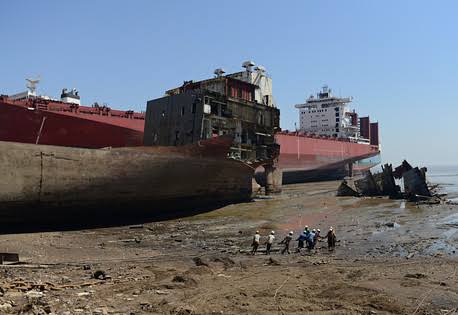
LONDON: A fight over whether Indian shipbreaking yards using the controversial beaching method should qualify under European environmental rules is widening, with steelmakers, recyclers, trade unions and environmental groups now urging the European Commission to withdraw its proposal.

The NGO Shipbreaking Platform, EUROFER, IndustriAll Europe, the European Environmental Bureau, Recycling Europe and Transport & Environment sent a joint letter to European Commissioners Jessika Roswall and Stéphane Séjourné opposing the proposed addition of two facilities in Alang-Sosiya, Gujarat, to the European List of Ship Recycling Facilities.

The facilities — Shree Ram Vessel Scrap Pvt. Ltd./Shree Ram Shipping Industries Pvt. Ltd. and YSI Recyclers LLP — would become the first Indian yards approved under the EU system.

Both use the beaching method, in which ships are driven onto intertidal areas before being dismantled. That practice has become the central issue in an increasingly sharp dispute over whether upgraded South Asian recycling yards can meet European standards.

The coalition argues they cannot.

“This method is not allowed in any EU Member State,” the groups said, arguing that dismantling ships on tidal mudflats makes it difficult to prevent oil and other hazardous materials from reaching surrounding soil, water and marine ecosystems.

The groups also pointed to a heavy fuel oil spill at another Alang yard earlier this year as evidence of the difficulty of containing pollution when ships are dismantled in an intertidal zone.

But the opposition goes beyond environmental groups. EUROFER represents Europe’s steel industry, while Recycling Europe represents companies operating across the European recycling sector.

Their letter argues that approving Indian beaching yards would put European facilities that have invested in stricter environmental, worker safety and waste-management systems at a competitive disadvantage.

The groups also tied the issue to Europe’s wider industrial policy, arguing that end-of-life ships represent an important source of scrap steel and other secondary raw materials and that more recycling capacity should be retained in Europe.

They are calling on the Commission to reject the two Indian facilities, further develop technical guidance excluding beaching under the EU Ship Recycling Regulation, close loopholes allowing European-owned ships to reflag before recycling and push for a global beaching ban through the International Maritime Organization.

The pushback comes just weeks after major shipping associations moved firmly in the opposite direction. BIMCO, European Shipowners | ECSA, the International Chamber of Shipping, INTERCARGO, INTERTANKO and the World Shipping Council welcomed the Commission proposal, arguing that approval should be based on the performance of individual facilities rather than geography or recycling method.

The industry groups say the two yards have invested heavily in infrastructure, safety systems and environmental management since the adoption of the IMO’s Hong Kong Convention for the Safe and Environmentally Sound Recycling of Ships.

The lobbying has only intensified

On September 17, eight shipping organizations — including BIMCO, CLIA, European Shipowners | ECSA, ICS, INTERCARGO, INTERFERRY, INTERTANKO and the World Shipping Council — sent their own letter to EU environment and transport ministers urging member states to approve the yards.

“Inclusion on the European List should be determined solely on whether a facility meets the EU Ship Recycling Regulation safety and environmental requirements, based on objective assessment and inspection,” the shipping groups said.

They argue that the European Commission’s inspection process found that the two facilities meet EU requirements and warn that rejecting them despite those findings would undermine the credibility of the approval system.

They also say Europe faces a shortage of approved recycling capacity as a growing number of ships approach the end of their operating lives.

The disagreement exposes a fundamental question at the center of the EU’s ship recycling regime: whether beaching itself should be disqualifying, or whether individual yards can use the method while still meeting European environmental and safety requirements.

The issue has taken on added significance since the IMO’s Hong Kong Convention entered into force on June 26, 2025, establishing global requirements for safe and environmentally sound ship recycling. India, Bangladesh, Pakistan and Türkiye, which together account for most global ship recycling capacity, are parties to the convention.
PIL expands Intra-Asia network with two new services linking China, Indonesia and Malaysia

SINGAPORE: Pacific International Lines (PIL) is strengthening its Intra-Asia network with the launch of two services, enhancing connectivity between key ports in China and Indonesia as well as China, Singapore and Malaysia to support growing trade flows across the region.

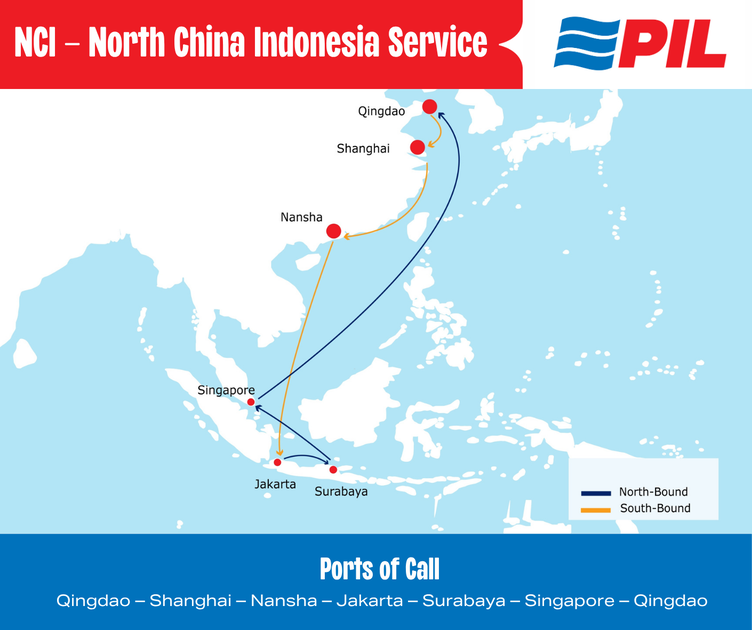
The enhanced North China Indonesia (NCI) Service and new China Singapore Malaysia (CSM) Service will provide customers with broader market access, competitive transit times and greater flexibility for both dry and reefer cargo, while meeting rising intra-regional trade and growing demand for reliable shipping solutions connecting major manufacturing, consumption and transhipment hubs across Asia.

NCI North China Indonesia Service 170926 1 PIL expands Intra-Asia network with two new services linking China, Indonesia and Malaysia

North China Indonesia (NCI) Service

The NCI Service will commence on 8 November 2026 from Qingdao and will be served by a consortium of vessels, providing a direct weekly connection between China, Indonesia and Singapore. The service is strategically designed to support growing trade, and reefer cargo flows between key ports in China and Indonesia.

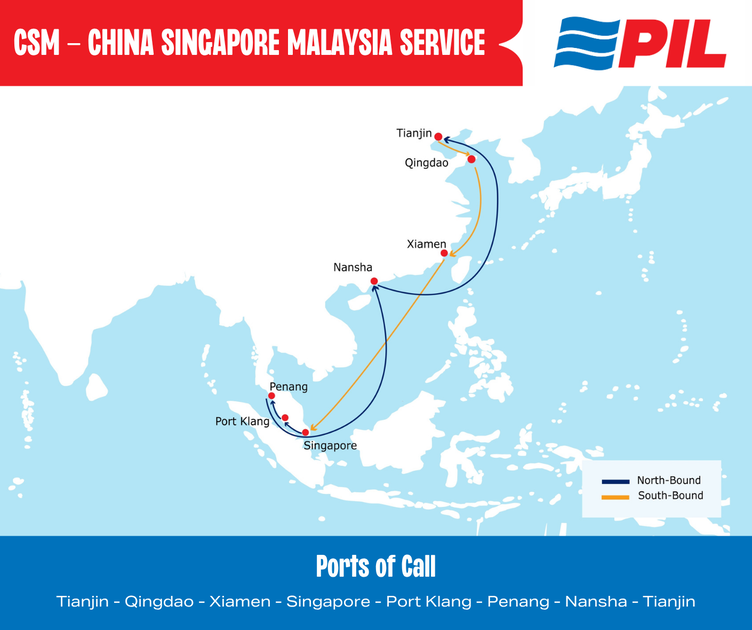
CSM China Singapore Malaysia Service 170926 1 PIL expands Intra-Asia network with two new services linking China, Indonesia and Malaysia

China Singapore Malaysia (CSM) Service

Commencing on 27 October 2026 from Tianjin, the CSM Service will offer a dedicated weekly link connecting North and South China with Singapore and key gateways in West Malaysia. It will provide customers with greater access to major industrial and consumer markets in China, Singapore and Malaysia while offering seamless transhipment links through Singapore to PIL’s extensive global network.

Ms Rita Wong, General Manager, Intra-Asia Services, PIL, said, “Asia continues to be a key engine of global trade growth, and we are seeing increasing demand for efficient and reliable connectivity within the region. The enhancement of the NCI and the introduction of CSM services reflect our commitment to providing customers with wider port coverage, faster connections and greater access to growth markets across China, Indonesia and Malaysia. These new services strengthen PIL’s regional network, enhance connectivity to our broader global services, and support customers in capitalising on expanding trade opportunities across Asia.”

Together, these services further expand PIL’s Intra-Asia coverage and competitive solutions, providing customers with more direct connections, increased service reliability and stronger links to one of the world’s fastest-growing trading regions.

MSC explores potential acquisition of Meyer Werft

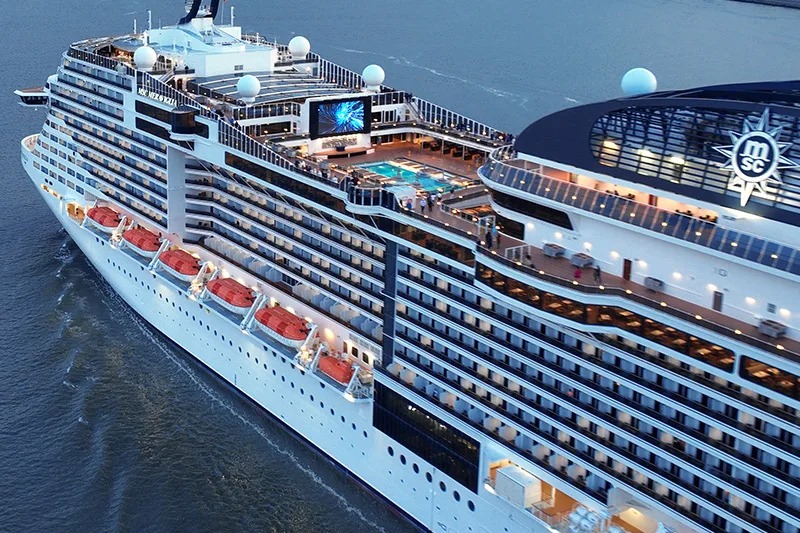
GENEVA: MSC is in discussions to take over the roughly 80 percent of Meyer Werft held by the German federal government, Bloomberg News reported, citing people familiar with the matter.

The talks remain open-ended, according to Bloomberg, and other bidders could still come forward. Of note, MSC and Meyer Werft had signed a deal for new ships in 2025, but that has yet to be finalized according to a statement sent out in June that said a deal was coming in a couple of weeks. The German shipbuilder did not reply to a request for an update from Cruise Industry News.

The Bloomberg report said no final decision had been reached and the discussions could collapse.

Officials on the government side are not willing to take a loss on the €400 million ($459 million) the two parties put into the company, two of Bloomberg’s sources said.

A sale would hand the more than 230-year-old shipyard back to private ownership. Berlin and Hanover stepped in during 2024 with the €400 million equity injection plus €2.6 billion in credit guarantees, after pandemic losses left banks questioning the yard’s creditworthiness.

MSC has grown its cruise business organically, investing in new ships and building at new ships at Fincantieri and Chantiers over the years. An acquisition of a major shipbuilder would give them newbuild slots going forward, and potentially keep others out at the same time.

ONE supports next generation of maritime talent through MaritimeONE Scholarship 2026

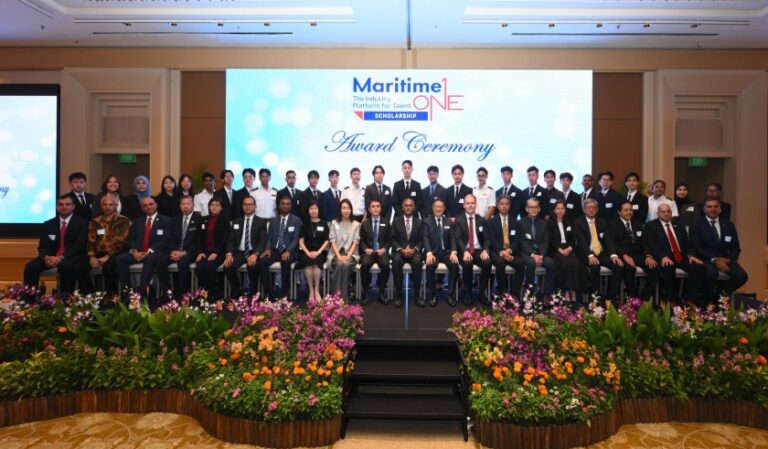
SINGAPORE: Ocean Network Express (ONE) has reaffirmed its commitment to developing the next generation of maritime professionals by supporting the MaritimeONE Scholarship Programme 2026, with this year’s scholarship award ceremony in Singapore recognising 61 tertiary students pursuing diverse academic disciplines linked to the future of the maritime industry.

The ceremony brought together scholars, their families, maritime industry leaders and representatives from across Singapore’s maritime community. The event was graced by Mr Murali Pillai, Senior Minister of State, Ministry of Law and Ministry of Transport, highlighting the importance of developing a strong and future-ready talent pipeline for Singapore’s maritime sector.

The 2026 cohort represents a broad range of disciplines, including engineering, law, computer science, data analytics and business. The diversity of academic backgrounds reflects the evolving requirements of the maritime industry, where traditional maritime expertise is increasingly complemented by digital technologies, data-driven decision-making and sustainability-focused solutions.

ONE Welcomes Four Scholarship Recipients

As part of its continued support for maritime education and talent development, Ocean Network Express (ONE) welcomed four scholars under the 2026 MaritimeONE Scholarship Programme:

Felix Hong
Shale Lee
Tay Sai Kok
Xavier Sim

Through its participation in the scholarship programme, ONE is supporting students as they build the knowledge and skills required to contribute to a rapidly transforming maritime landscape.

The shipping industry is undergoing significant changes driven by digitalisation, data analytics, decarbonisation and the adoption of new technologies. Developing professionals with expertise across multiple disciplines will therefore be increasingly important to strengthening the industry’s capabilities and resilience.

For ONE, investment in people forms an important part of its long-term approach to building capabilities for the future. By supporting aspiring maritime professionals through education and scholarship opportunities, the company is contributing to the development of talent that can help shape the next generation of global shipping and logistics.

The MaritimeONE Scholarship Programme also provides students with an opportunity to connect their academic pursuits with the wider maritime ecosystem, offering exposure to an industry that plays a critical role in facilitating international trade and global supply chains.

Congratulating all 61 MaritimeONE Scholars of 2026, ONE expressed its support for their future development and looked forward to seeing the scholars grow and contribute to the maritime industry and to the future of Ocean Network Express.

The initiative reinforces ONE’s commitment to people development, innovation and a sustainable maritime future, while highlighting the importance of investing in young talent to strengthen the industry’s capabilities for years to come.

GCMD and Equinor partner to advance alternative fuel- and carbon value chains

SINGAPORE: The Global Centre for Maritime Decarbonisation (GCMD) and Equinor Tuesday announced a five-year Impact partnership.

The partnership brings together GCMD’s capabilities in conducting real-world maritime pilots with Equinor’s experience as a charterer, energy provider and developer of low-carbon solutions.

Together, the organisations will leverage their complementary expertise to help address technical and operational gaps in scaling alternative marine fuels and supporting the development and uptake of other maritime decarbonisation solutions.

Advancing the safe deployment and assurance of alternative marine fuels

GCMD’s work on alternative fuels, including biofuels, ammonia and methanol, focuses on two critical aspects of deployment: operational safety and robust monitoring, reporting and verification (MRV). Its pilots and studies are generating operational data to support safe bunkering and handling of these fuels. At the same time, its assurance work seeks to strengthen confidence in quantity, quality and GHG emissions abatement.

Equinor brings extensive experience as a vessel charterer and marine fuel supplier. This includes chartering dual-fuel LNG, LPG and methanol tankers, testing and using biofuels and supplying methanol to the maritime sector. Equinor is also piloting the use and supply of ammonia as a marine fuel, contributing to the development of associated safety, regulatory and bunkering arrangements.

Combining these perspectives can help address practical barriers to alternative fuels deployment while strengthening assurance across emerging marine fuel value chains.

Supporting the uptake of maritime decarbonisation solutions

Beyond alternative fuels, GCMD is working to accelerate the adoption of solutions that can reduce emissions from the existing fleet, including energy efficiency technologies (EETs) and onboard carbon capture and storage (OCCS).

GCMD’s work on EETs includes quantifying real-world fuel savings from technologies such as wind-assisted propulsion systems and developing financing mechanisms to scale their adoption. In OCCS, Project CAPTURED demonstrated an end-to-end value chain for onboard captured and liquefied CO₂, generating evidence that contributed to the recognition of captured CO2 under the EU ETS and in-principle support at the IMO for recognising carbon mineralisation as permanent storage.

Equinor brings decades of experience in offshore CO₂ storage, including its role in the development and operation of Northern Lights, the world’s first cross-border CO2 transport and storage facility, where liquefied CO₂ is transported by ship to an onshore receiving terminal before it is sent by pipeline for permanent geological storage beneath the North Sea.

Through the partnership, GCMD and Equinor will explore opportunities to combine their respective capabilities and experience to support the deployment and scaling of maritime decarbonisation solutions.

We are excited about what this partnership with Equinor can unlock. Shipping’s transition will require a portfolio of decarbonisation solutions, and moving them from promising concepts and demonstrations to adoption at scale requires us to address the practical barriers that remain. GCMD is proud to join forces with Equinor to generate the operational evidence needed to close these gaps and build confidence in solutions that can deliver meaningful emissions reductions.

Professor Lynn Loo, CEO, GCMD

The maritime energy transition requires collaboration across industries and value chains, and we’re excited to join GCMD as an Impact Partner. Equinor brings expertise and practical experience from across the energy and maritime sectors, and we look forward to working with and learning from other industry partners. Together, we can help address barriers, improve understanding of emerging solutions and support progress towards lower-emission shipping.

Anne Mai Hatlem, Senior Vice President, Marketing, Midstream & Processing (MMP), Equinor

Exploring the use of ammonia as marine fuel in shipping : IMO

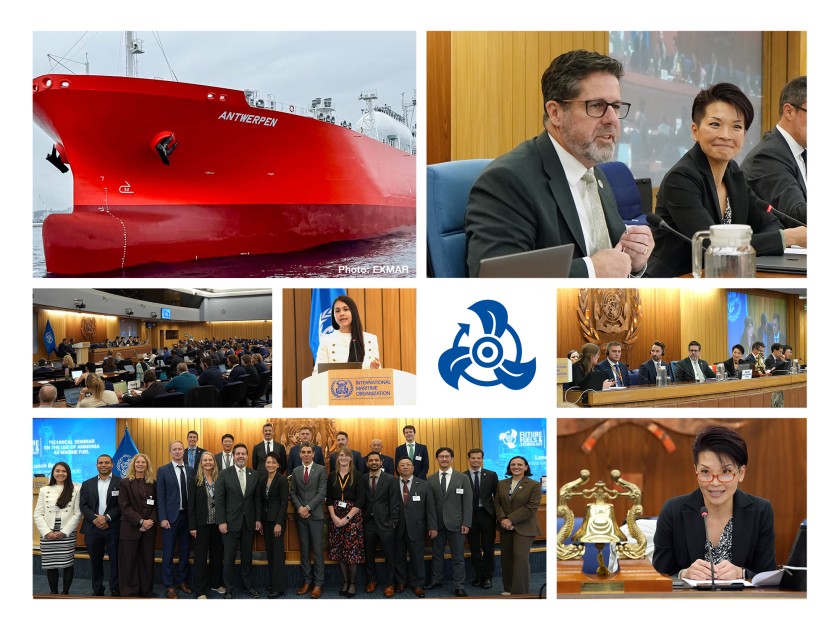
LONDON: International experts have shared their insight on the use of ammonia as marine fuel during an IMO technical seminar at IMO Headquarters in London on 17 September.

The seminar was organized by IMO’s Future Fuels and Technology Project (FFT Project) and brought together around 800 participants from IMO Member States, NGOs, IGOs, industry and academia, both in person and online. Professor Lynn Loo, Chief Executive Officer of the Global Centre for Maritime Decarbonization, moderated the event.

Participants exchanged technical information and experiences on the potential use of ammonia as a marine fuel, including developments in production, bunkering and infrastructure, technology developments, notably on ammonia-fuelled engines and control of emissions, as well as safety and environmental considerations.

Opening the seminar, David Osborn, Director of the IMO Marine Environment Division, highlighted the importance of technical knowledge in supporting discussions on alternative fuels:

“Sound policy must nevertheless rest on sound evidence. The decisions this Organization takes on alternative fuels depend on a clear and shared understanding of what the technology can do today, where the difficulties lie, and what remains unresolved.”

IMO’s Future Fuels and Technology Project (FFT Project) is a partnership between the Government of the Republic of Korea and IMO, aiming to support GHG emissions reduction from international shipping by promoting the uptake of future fuels and technology.

The seminar was the fifth technical seminar organized under the project, following previous editions covering onboard carbon capture and storage (OCCS), energy transition of shipping (Hong Kong Maritime week), biofuels and methane-based fuels.

Wah Kwong NatPower Partners with Aberdeen Restaurant Enterprises to Support Hong Kong’s Marine Electrification Journey

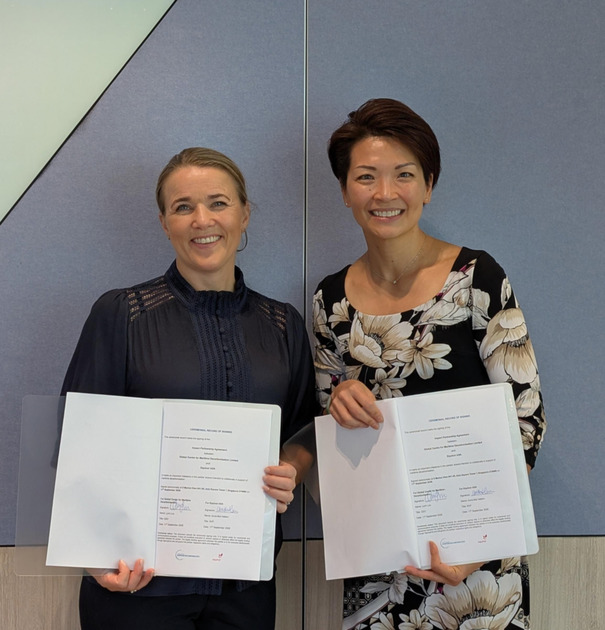
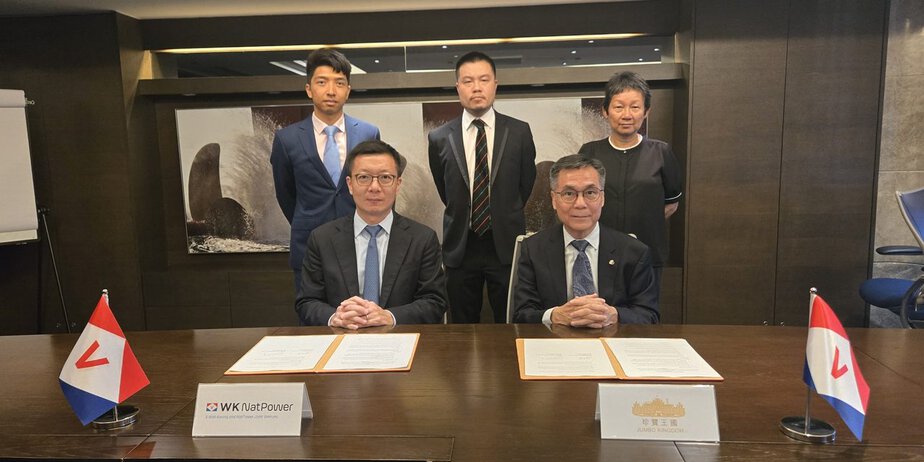
HONG KONG:  Wah Kwong NatPower Limited (“WK NatPower”) has signed a Memorandum of Understanding (MoU) with Aberdeen Restaurant Enterprises Limited (“AREL”) to explore the electrification of piers, vessels and supporting energy infrastructure in the Aberdeen area of Hong Kong.

Against the backdrop of the HKSAR Government’s latest policy direction to advance green shipping, smart port development and shore power infrastructure, WK NatPower and AREL will explore the development of an integrated marine electrification ecosystem in the Aberdeen and Shum Wan areas. The collaboration will examine opportunities to deploy shore power facilities, vessel charging infrastructure and battery energy storage solutions, alongside the development of electric vessels for future transport and tourism services.

The initiative supports Hong Kong to become a leading hub for sustainable maritime innovation while contributing to the revitalisation of one of the city’s most iconic waterfront communities. As an initial phase of the collaboration, the two parties will explore the opportunity for the construction of a series of electric vessels and transport vessels. The initiative will also examine the potential deployment of the ApliAber® electric vessel fleet as a new benchmark for sustainable waterfront mobility and hospitality experiences in Hong Kong.

Vincent Ni, General Manager of WK NatPower, said:

“This MoU marks an important step in supporting Hong Kong’s marine energy transition. Aberdeen has long been an iconic part of Hong Kong’s maritime heritage, and we are delighted to explore opportunities to develop integrated shore power and vessel electrification solutions that can support a cleaner and more sustainable future for the harbour.”

Wong Tai Yu, Director of AREL, said:

“Through this collaboration, we look forward to exploring practical ways to introduce cleaner energy, electric vessels and sustainable waterfront experiences, while supporting the revitalization of Jumbo Kingdom® for future generations.”

The partnership reflects a shared commitment to accelerating marine electrification in Hong Kong and supporting the long-term development of a cleaner, smarter and more sustainable maritime ecosystem.

MoPSW strengthens preventive vigilance framework for transparent and accountable maritime governance

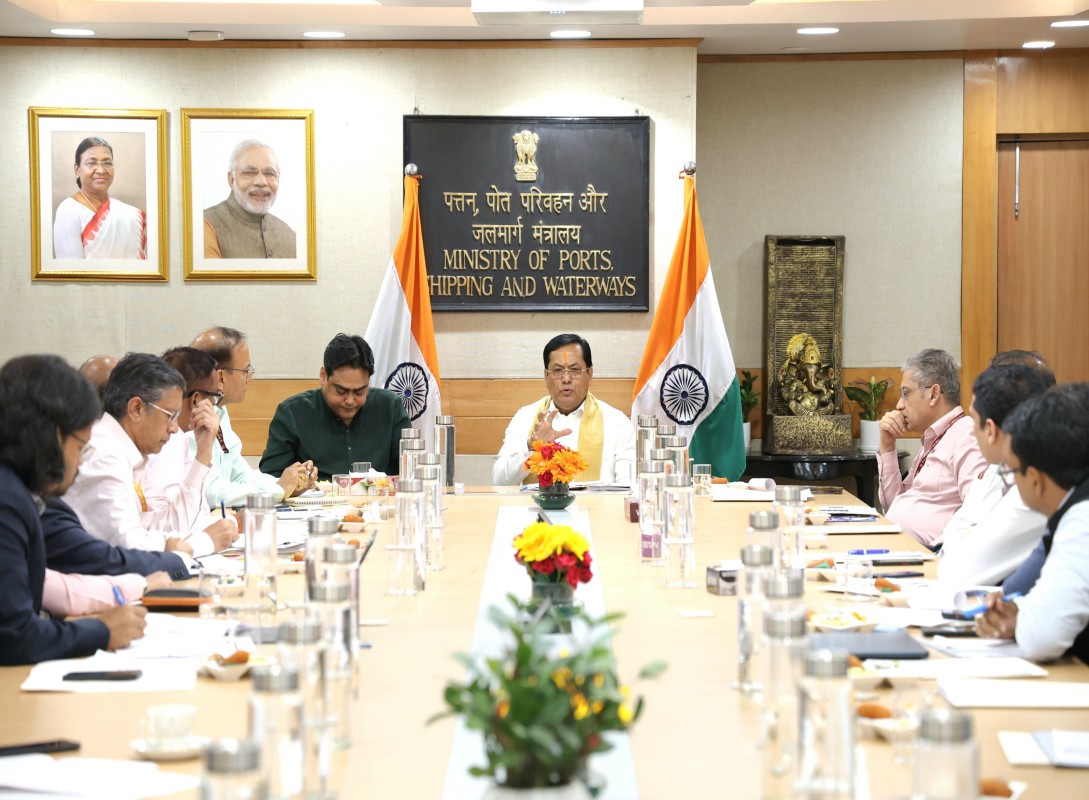
NEW DELHI: Union Minister for Ports, Shipping & Waterways, Shri Sarbananda Sonowal, along with Minister of State Shri Shantanu Thakur, held an interaction with the Chief Vigilance Officers (CVOs) of ports, public sector undertakings and maritime organisations in New Delhi, emphasising the need to strengthen preventive vigilance and build greater transparency across the maritime sector.

Highlighting the importance of a constructive vigilance framework, Shri Sonowal said that true vigilance should not merely focus on finding faults, but should empower honest officers, prevent irregularities and safeguard public resources.

The Minister stressed that preventive vigilance must become an integral part of institutional functioning, enabling organisations to identify potential risks at an early stage and strengthen systems before irregularities occur. The approach seeks to promote a culture of integrity, accountability and responsible decision-making across ports and maritime institutions.

The interaction also focused on leveraging technology and digital systems to improve transparency, strengthen monitoring mechanisms and reduce the scope for procedural lapses. Technology-driven governance can facilitate better tracking of processes, enhance accountability and support timely decision-making across the maritime ecosystem.

Under the broader vision of modernising maritime governance, the Ministry is placing increasing emphasis on transparent processes, digital transformation, efficient service delivery and stronger institutional accountability. Recent digital initiatives in the maritime sector, including the E-Samudra platform, reflect the Ministry’s focus on using technology to make maritime administration more transparent, integrated and stakeholder-centric.

The meeting with the CVOs provided an opportunity to review vigilance practices and underline the importance of proactive measures, effective internal controls and greater awareness among officials. Strong coordination between vigilance units, administrative authorities and operating organisations can further strengthen the mechanisms for protecting public assets and ensuring compliance.

The Ministry also continues to pursue reforms aimed at improving the efficiency and resilience of India’s maritime institutions while maintaining high standards of governance. Preventive vigilance is expected to complement these efforts by promoting ethical conduct, transparency and responsible utilisation of public resources.

The interaction reaffirmed the Ministry’s commitment to developing a maritime sector where integrity, transparency, technology and accountability work together to support efficient governance and sustainable growth.

The emphasis on preventive vigilance marks a shift from a purely reactive approach towards a more proactive institutional culture—one that seeks to prevent irregularities, encourage honest decision-making and strengthen public confidence in India’s maritime institutions.

IIT Madras hosts Global Hyperloop Summit to advance high-speed, sustainable transport

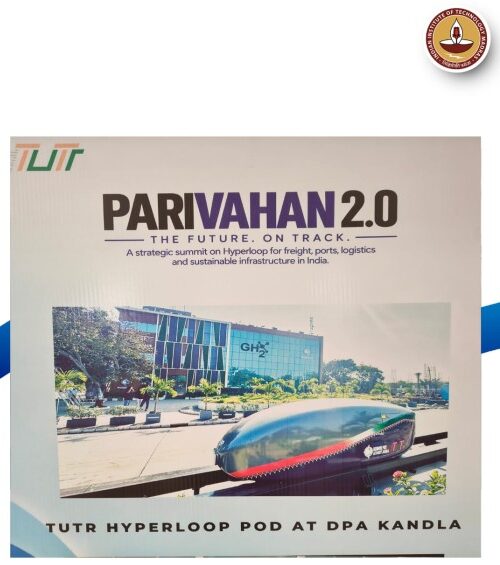
CHENNAI : Indian Institute of Technology Madras (IIT Madras) partnered with Deendayal Port Authority, Kandla, to host Parivahan 2.0 – Global Hyperloop Summit to advance high-speed, sustainable transport.

The Summit brought together stakeholders from government, ports, railways, logistics, industry, academia and research to discuss the development of Hyperloop technology and its potential applications in transportation and logistics.

Parivahan 2.0 – Global Hyperloop Summit 1 edited IIT Madras hosts Global Hyperloop Summit to advance high-speed, sustainable transport

Held at its ‘Discovery’ satellite Campus in Thaiyur near Chennai on Saturday (19th Sept 2026), a key highlight of the Summit was the signing of an agreement between TuTr Hyperloop and Larsen and Toubro (L&T), marking an important step towards strengthening industry participation in developing Hyperloop-related technologies.

Through Parivahan 2.0, IIT Madras and its partners provided a platform for researchers, students, policymakers and industry stakeholders to exchange perspectives, explore collaborations and discuss pathways for advancing Hyperloop technologies and their potential applications in India’s future transportation and logistics systems.

Graced virtually by Shri Sarbananda Sonowal ji, Union Minister of Ports, Shipping and Waterways, the Summit explored applications of Hyperloop in freight, logistics, port connectivity and future mobility, alongside the technological, infrastructure, regulatory and commercial pathways needed for its development.

Addressing the event virtually, Shri Sonowal said, “Under the vision of Hon’ble Prime Minister Shri Narendra Modi ji, India is building towards a modern, clean, green and high-speed logistics network as we work towards Viksit Bharat 2047. Emerging technologies such as Hyperloop can play an important role in connecting ports with logistics parks, warehouses, industrial clusters and inland freight terminals, enabling faster and more efficient movement of cargo. I am particularly pleased to see the progress at Deendayal Port Authority, Kandla, with TuTr Hyperloop’s LIM technology demonstrator, followed by the Maglev technology. It represents a historic step in taking this technology from the laboratory to the port, and from technology demonstration towards commercialisation.”

Shri Sarbananda Sonowal added, “This collaboration demonstrates how Indian deep tech can be developed, tested and taken towards real-world deployment. This is the collaborative model India needs: academia, industry and user organisation working together. It is the true spirit of Make in India: innovate in India, build in India, and take Indian technology to the world. As we move towards Viksit Bharat 2047, our ambition should be to move beyond technology demonstration and work towards a full-scale cargo Hyperloop system as part of India’s future logistics network. I hope student teams from India and across the world will develop concepts that can find real-world applications in ports, freight and logistics.”

‘FIFTH MODE OF TRANSPORT’

Often described as the ‘fifth mode of transport’, Hyperloop is an emerging high-speed transportation system in which electromagnetically levitating pods travel through low-pressure or vacuum tubes. By reducing friction and air resistance, the technology has the potential to enable high-speed movement of passengers and freight, with applications in logistics, port connectivity and sustainable mobility.

Addressing the Summit, Prof. V. Kamakoti, Director, IIT Madras, said, “Hyperloop has been very close to the heart of IIT Madras. It was the first big interdisciplinary project we saw, with 72 members spread across six or seven departments, and the first barrier we have broken is that we have made several departments talk to each other. If we have our own technology, we are surely going to succeed. No standard is going to be acceptable on paper; we must demonstrate it on real platforms, and we have a platform here. I want to see the day when there are bookings for the tube and teams are competing to use it. I would also like TuTr Hyperloop to bring Hyperloop clubs to IITs across India and to develop skill-development courses on structures, levitation, propulsion and related areas, which we can offer on SWAYAM and SWAYAM Plus.”

The Summit examined how Hyperloop could be integrated into future transportation networks, particularly for freight movement, port-to-hinterland connectivity and logistics. Discussions also addressed the technological, infrastructure, regulatory and commercial requirements for developing a Hyperloop ecosystem in India.

Highlighting the research and technology development aspects, Prof. Satya Chakravarthy, Faculty Advisor, IIT Madras, said, “As we prepare for the third edition of the Global Hyperloop Competition in 2027, a significant milestone is its integration with Shaastra, IIT Madras’ annual technical festival. While the competition was successfully conducted in 2024 and 2025 through student-led efforts, its inclusion within Shaastra provides a strong institutional framework and ensures continuity for years to come. This enables the competition to grow sustainably while expanding its global reach. Technology is inherently global, and by bringing the Global Hyperloop Competition under the Shaastra umbrella, we are creating a platform that can connect students, researchers, innovators and industry from around the world to advance the future of transportation technologies.”

Shri Sushil Kumar Singh, Chairman, Deendayal Port Authority, added, “There are numerous use cases across different sectors of the economy where Hyperloop technology can create value. The Global Hyperloop Competition serves as an important platform that brings together innovators, technology developers, students, researchers, user departments and industry to explore the possibilities and viability of Hyperloop-based transportation solutions. GHC 2027 will provide a global platform for students, universities, researchers and startups from around the world to develop new ideas and demonstrate the potential of next-generation transportation.”

BRINGING GOVERNMENT, INDUSTRY AND ACADEMIA TOGETHER

The programme featured addresses by senior representatives from IIT Madras, TuTr Hyperloop, Deendayal Port Authority, Central Warehousing Corporation, Southern Railways and BEML. Representatives and experts from CONCOR, NTPCWC, IITM Pravartak Foundation, GalaxEye, The ePlane Company, L&T, SYSTRA, AVL India and other organisations also participated.

The discussions covered Hyperloop technology and infrastructure; freight and logistics; ports and transportation connectivity; digital and smart transportation systems; sustainability and green mobility; policy, regulation and industry collaboration; AI, automation and future mobility; deeptech innovation and commercialisation; and student innovation.

The technical sessions focused on key components of Hyperloop systems.

Prof. R. K. Shrivastava, IIT (BHU), delivered a technical address on Linear Induction Motor Applications, including work undertaken at IIT (BHU). Dr. Shinde, Outstanding Scientist, Department of Atomic Energy, Government of India, spoke on Magnetic Levitation, a core technology for enabling contactless movement of Hyperloop pods. These sessions provided participants with insights into the engineering principles, research challenges and technological opportunities associated with Hyperloop development.

Four panel discussions on the opportunities and challenges of a Hyperloop ecosystem were also discussed

The Summit concluded with a discussion on “Way Forward – Industry, Government & Academia Collaboration”, focusing on potential areas for continued cooperation among stakeholders.

India-New Zealand FTA to enter into force on 20th October 2026: Piyush Goyal

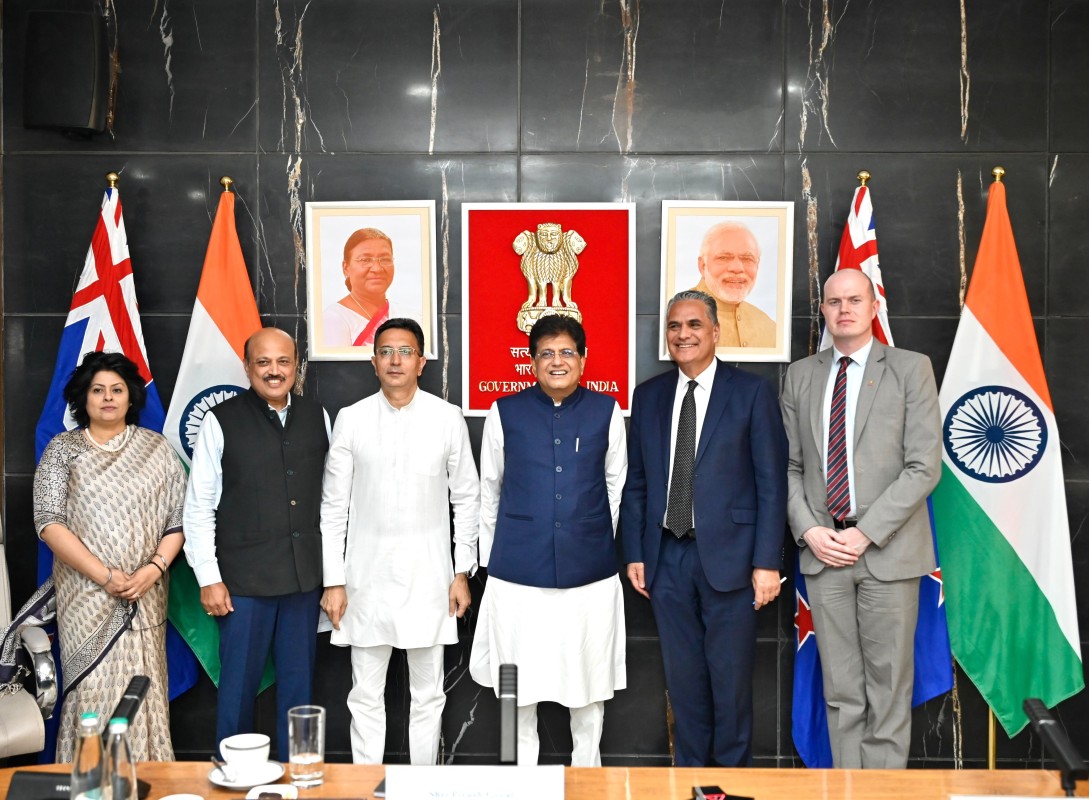
NEW DELHI: In a defining step forward for trade and economic partnership, the India–New Zealand Free Trade Agreement, is going to enter into force on 20th October 2026. The FTA was signed on 27th April 2026 at Bharat Mandapam, New Delhi, by Union Minister of Commerce and Industry Shri Piyush Goyal and New Zealand’s Minister for Trade and Investment Hon. Todd McClay.

Today, the Union Minister of Commerce and Industry Shri Piyush Goyal and New Zealand’s Minister for Trade and Investment Hon. Todd McClay spoke via virtual conference and announced the date for entering into force of the agreement following the completion of internal processes in both countries. The legislation was passed by the New Zealand Parliament on 16th September, 2026.

Under the visionary leadership of Hon’ble Prime Minister Shri Narendra Modi, India and New Zealand have continued to deepen and expand their engagement. The visit of Hon’ble Prime Minister Shri Narendra Modi Ji to New Zealand in July 2026, the first visit by an Indian Prime Minister to New Zealand in four decades, provided further momentum to the bilateral relationship and emphasised the importance of the early implementation of the India-New Zealand FTA. The visit also marked an important elevation in the relationship, with India and New Zealand announcing a Strategic Partnership and endorsing the India-New Zealand Strategic Partnership: Roadmap to 2030 as a shared framework to guide cooperation over the next four years including an aspirational goal of doubling bilateral two-way trade in goods and services to NZ$7 billion (approximately ₹35,000 crore) by 2030. Operationalisation of the FTA will serve as a key enabler for translating the ambitions of the Strategic Partnership: Roadmap to 2030 into tangible economic outcomes.

Highlighting the significance of the milestone, the Hon’ble Commerce & Industry Minister Shri Piyush Goyal said “ The India-New Zealand FTA would provide fresh momentum to the bilateral partnership, create greater synergies between the two economies, enable economies of scale and contribute to enhancing overall competitiveness”. Emphasising the symbolism of the chosen date, he said, “We have chosen the auspicious day Dussshera- Vijay Dashmi for the entry into force of the India-New Zealand FTA. I am confident that the entry into force will overcome all hurdles that stood between our trade, technology and investment relationship, and will ensure prosperity for people of both sides”.

Hon. Todd McClay, Minister for Trade and Investment, noted that at a time of uncertainty in trade and rising tariffs, India New Zealand FTA gives confidence. With hard work, we have delivered one of the highest quality agreements concluded in nine months, which will provide tangible benefits to businesses and stakeholders on both sides. He highlighted that the Agreement is a great foundation for both Governments to cooperate in greater areas, be it people-to-people cooperation, culture, sports, business or investment and we will work together to address challenges faced by businesses to create greater employment opportunities on both sides.

From the entry into force, every single tariff line covering 100% of India’s exports to New Zealand becomes duty-free, offering Indian industry a level playing field that puts it on par with New Zealand’s other trading partners. Sectors that power livelihoods across the country – textiles and apparel, leather and footwear, gems and jewellery, engineering goods and processed foods – stand to gain immediately as New Zealand’s peak tariffs of up to 10% are eliminated. Indian manufacturers will also benefit from tariff-free access to critical inputs such as wooden logs, coking coal and metal scrap, sharpening their competitive edge in global markets.

At the same time, the Government has safeguarded the interests of Indian farmers by keeping sensitive products such as dairy, animal meat (except sheep), key agricultural commodities, sugar and edible oils excluded from tariff concessions. A calibrated market access has been structured for New Zealand’s apples, kiwifruit and Manuka honey through Tariff Rate Quotas with Minimum Import Price and seasonal import windows, alongside safeguards to protect domestic farmers. The Agreement establishes an Agriculture Productivity Partnership to strengthen cooperation in agriculture, with dedicated Action Plans for kiwifruit, apples and honey aimed at improving productivity, quality and farmer incomes in India. Centres of Excellence will be established for orchard management, post-harvest practices, supply chains, food safety and sustainable beekeeping, facilitating the exchange of knowledge, technology and capacity. A Joint Agriculture Productivity Council will monitor that the market access is complemented by cooperation activities by New Zealand under Agriculture Productivity Partnership.

The FTA also sets the stage for deeper investment gains for India, with New Zealand’s commitment to facilitate USD 20 billion in investment into India. This investment by New Zealand will benefit Indian agriculture, manufacturing, infrastructure and start-ups.

For India’s rapidly growing services sector, the Agreement creates a stronger platform for Indian companies and professionals to access the New Zealand market and expand their international footprint spanning roughly 118 sectors including IT, professional services, audio-visual, construction and tourism, with Most-Favoured Nation treatment locked in across about 139 sub-sectors, mobility opportunity through a dedicated quota of 5,000 Temporary Employment Entry visas for skilled Indians and 1,000 Working Holiday visas each year for young Indians. The agreement also provides uncapped student mobility with post-study work rights of up to three years for STEM graduates and four years for doctoral scholars.

India’s pharmaceutical and medical device exporters gain a long-awaited edge as New Zealand begins accepting inspection approvals from globally trusted regulators such as the US FDA, EMA, UK MHRA and Health Canada, cutting long waiting time and speeding up market entry.

With bilateral merchandise trade already at around USD 1.1 billion in 2025-26, the entry into force of the India-New Zealand FTA is set to give a decisive push to two-way trade, investment and job creation in the years ahead. Anchored in the vision of Viksit Bharat @2047, the Agreement stands as another testament to India’s growing network of partnerships with developed economies – one that places farmers, women, youth, artisans and MSMEs at the very heart of its gains.