Home Blog Page 96

Greenbase plans to expand in Chennai industrial parks with ₹2,000 crore investments

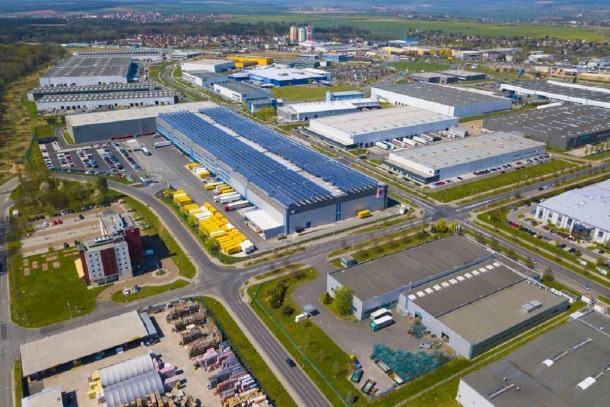
CHENNAI: Greenbase, the industrial and logistics parks platform of the Hiranandani Group, plans to invest around ₹2,000 crore in 2-3 years to develop five million sq ft of industrial and warehousing space in Chennai as part of its second phase of expansion.

It is developing a 55-acre park at Arani, near Red Hills, with about 1.2 million sq ft of space, with an anchor client identified in the renewable energy space. Land acquisition and approvals have been completed and construction is expected to begin shortly, and Greenbase expects to complete the park in about two years, N Shridhar, CEO, Greenbase Industrial & Logistics Park, said.

Greenbase 2.0
Across India, its Greenbase 2.0 programme envisages developing around 9-10 million sq ft at a total investment of ₹3,400 crore, of which about five million sq ft is already blocked and under development, while the balance is under acquisition, said Shiridhar, adding 50-60 per cent of the development is in Chennai. The company plans to develop and deliver about 9.5 million sq ft over the next five to six years, he told newspersons on Thursday.

Its overall plan covers around 430 acres, of which about 215 acres has already been acquired and is under approvals. Another 140 acres is being acquired across three locations near Chennai, while around 100 acres is being pursued in Maharashtra, he said.

Greenbase is also evaluating Coimbatore, Thoothukudi and Hosur for development in Tamil Nadu, he said. Greenbase 1.0 was developed in joint venture with private equity firm Blackstone Inc. However, Greenbase 2.0 is being developed by the Hiranandani Group.

The expansion is being driven by rising demand for industrial and warehousing space from manufacturing companies, renewable energy businesses, automotive and auto-component makers, electronics manufacturers, electric vehicle and battery companies, and industrial and infrastructure technology firms.

Expanding opportunities
The Arani project, which is nearly 30 km from the Katuppali port in North Chennai, is expected to cater to industrial and manufacturing clients, with the company already in discussions with customers in the renewable energy and recycling sectors.

Another 160-acre park at Palur is also under development, with the first phase targeted for completion within two years. These projects form part of Greenbase’s wider Tamil Nadu expansion, alongside locations under evaluation or acquisition.

Greenbase also sees opportunities emerging from semiconductor ancillary industries, industrial automation, defence electronics, EV technologies, and other emerging segments.

The company said the shift towards Grade-A industrial and warehousing facilities is also strengthening demand. International and large domestic occupiers are increasingly seeking facilities that meet fire-safety, compliance and other operational standards.

TCI marks Driver Dignity Day 2026 with health, vision and road-safety initiatives

GURUGRAM: Transport Corporation of India Limited (TCI) observed Driver Dignity Day 2026 by recognising the contribution of drivers and reaffirming its commitment to their health, safety and wellbeing.

As part of the observance, TCI conducted regular health check-ups, vision tests, doctor consultations and health counselling for 1280 drivers across locations in seven states. The initiatives were aimed at promoting preventive healthcare and highlighting the importance of good health and vision for safer driving.

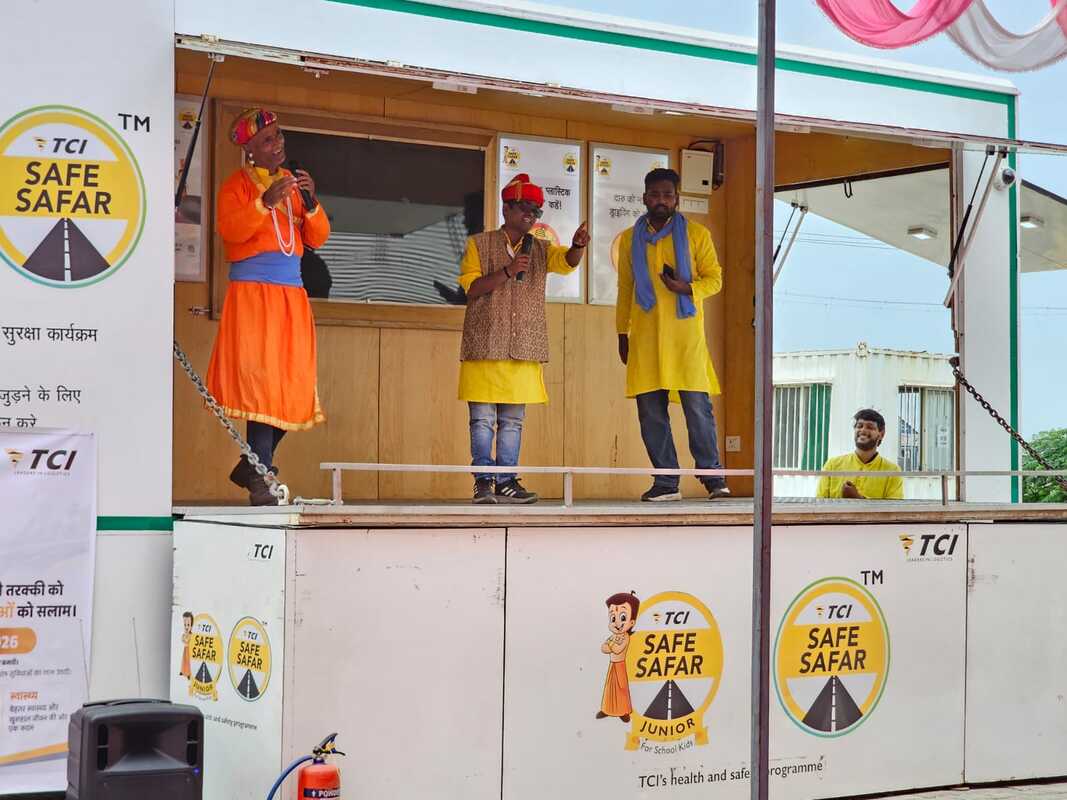
Under TCI Safe Safar, drivers participated in road-safety awareness sessions covering key practices such as not drinking and driving, avoiding mobile phone use while driving and adhering to speed limits. Drivers were also presented with Appreciation Letters in recognition of their contribution, while refreshments were provided during the programmes. Location In-charges welcomed and engaged with drivers as part of the observance.

The activities were conducted across multiple locations in seven states, including Taj Nagar and Pataudi in Haryana; Rajpura in Punjab; Ghaziabad in Uttar Pradesh; Bhiwandi in Maharashtra; Sanand in Gujarat; Bidadi in Karnataka; and Haridwar and Rudrapur in Uttarakhand, among others.

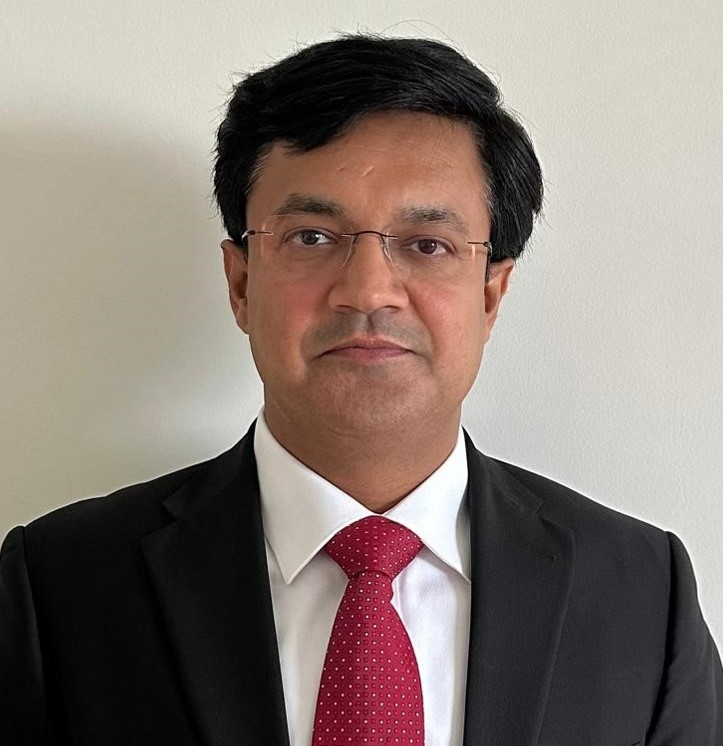
Mr. Manoj Tripathi 1 1 TCI marks Driver Dignity Day 2026 with health, vision and road-safety initiatives

Speaking on the occasion, Mr. Manoj Tripathi, Chief Executive Officer, TCI, said, “Drivers play a vital role in keeping India’s supply chains moving. Driver Dignity Day is an opportunity to recognise their contribution and reinforce our commitment to their health, safety and wellbeing. Through health and vision initiatives, driver appreciation and TCI Safe Safar, we aim to support our drivers and promote a safer logistics ecosystem.”

TCI continues to undertake regular initiatives focused on driver health, safety and wellbeing, fostering a culture that recognises and supports the people who keep India moving.

India’s Cruise Industry scales up as festive-season demand gathers momentum

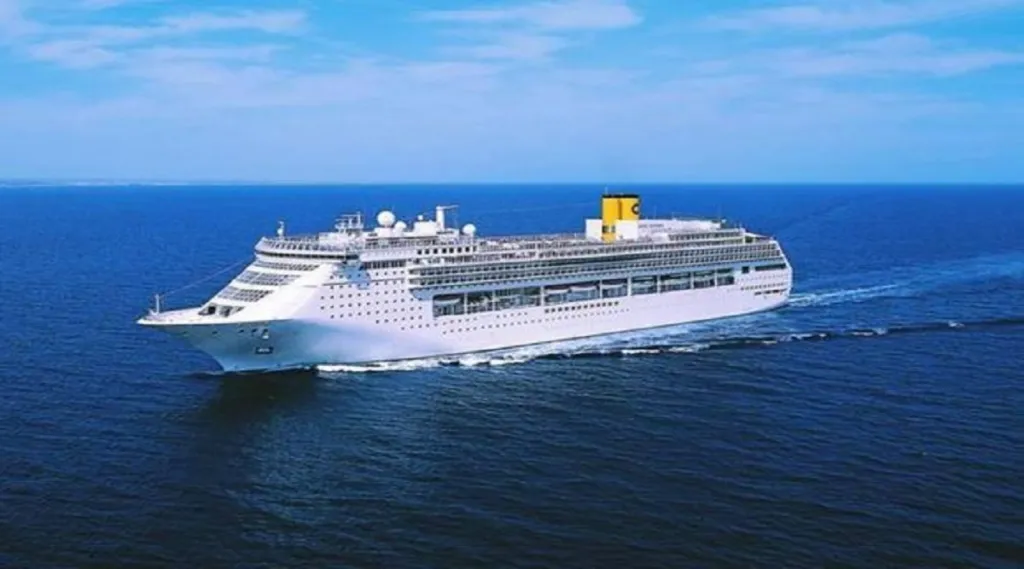
NEW DELHI: India’s Cruise Tourism sector is entering a new phase of expansion, with domestic and international cruise players increasing capacity, introducing new itineraries and strengthening their offerings ahead of the upcoming festive and year-end travel season.

The expansion comes amid growing interest among Indian travellers in experience-led holidays, with cruise travel gaining wider acceptance beyond traditional metropolitan markets. Industry players are responding by deploying additional vessels, introducing new routes and offering a wider range of short and long-duration cruise experiences.

According to Crisil Intelligence, India’s domestic ocean and coastal cruise market expanded at an annual rate of around 8 per cent between FY20 and FY25, reaching approximately ₹830 crore. The market is projected to reach ₹1,820–2,250 crore by FY31, representing an estimated annual growth rate of 20–25 per cent during FY26–FY31.

The growth potential is also reflected in passenger volumes. India recorded 477,676 cruise passengers in 2025, with domestic travellers accounting for about 89 per cent of the total. Passenger numbers increased by more than 10 per cent between 2023 and 2025, while the number of operating vessels increased from 227 in FY23 to 253 in FY24, indicating a gradual strengthening of the cruise ecosystem.

Operators Expand Fleet and Routes

Cordelia Cruises, operated by Waterways Leisure Tourism Ltd, is undertaking a significant capacity expansion. After operating with its existing vessel, MV Empress, the company has entered into time-charter arrangements for two additional vessels, Norwegian Sky and Norwegian Sun, targeted for deployment in FY27 and FY28 respectively.

The additional capacity is expected to support a wider range of itineraries for Indian travellers. Cordelia is also expanding beyond its established domestic network covering destinations such as Mumbai, Goa, Kochi, Lakshadweep, Chennai and Puducherry, with new services planned from Kochi to Colombo and Malé from October 2026.

The company is also looking at potential additions such as Diu, Porbandar and Port Blair, alongside international expansion covering destinations in the Maldives, Indonesia, Australia, the UAE, Oman, Kuwait and Mauritius.

Shorter Itineraries Attract First-Time Cruisers

Travel companies are also reporting increased interest in shorter cruise holidays. Thomas Cook (India) has highlighted demand for 3–7-night itineraries across Southeast Asia and West Asia, particularly among first-time cruise travellers.

The customer base is also broadening, with increasing interest emerging from Tier-II and Tier-III cities, while repeat travellers are exploring longer and more experience-oriented journeys. Luxury Mediterranean cruises and expedition experiences, including Arctic and Antarctic itineraries, are also finding a growing audience among Indian travellers.

Tirun Travel Marketing, which represents international cruise brands in India, has similarly reported interest in shorter sailings from Singapore and other Asian destinations, particularly among families and multigenerational groups. The Mediterranean remains another important destination for Indian cruise travellers during the festive season.

Infrastructure and Policy to Shape the Next Phase

While the outlook for the sector remains positive, industry growth will also depend on the availability of adequate cruise-port infrastructure, connectivity, operational efficiency, fuel costs and wider adoption of cruise holidays among domestic travellers.

Government initiatives are expected to support this expansion. The Cruise Bharat Mission aims to increase cruise passenger traffic through infrastructure development, improved connectivity and policy support. Longer-term maritime development frameworks, including Maritime India Vision 2030 and Maritime Amrit Kaal Vision 2047, also envisage investments in port modernisation, connectivity and digital facilitation.

With additional vessels, new destinations and a broader customer base, India’s cruise sector is gradually developing from a niche travel segment into an emerging component of the country’s wider maritime and tourism economy.

Oman oil escape route: How ship-to-ship transfers work — despite big risks

MUSCAT: Saudi Arabia’s oil exports have been disrupted after Iran-aligned Houthis damaged its key East-West pipeline, which helped circumvent the blockade of the Strait of Hormuz – a global oil chokepoint.

With the strait in effect closed and Bab al-Mandeb falling under Houthi control, Riyadh has been forced to find ways to export its oil. It is now increasingly offering crude to buyers through ship-to-ship transfers off Oman.

As commercial ships are increasingly refusing to pass through the strait due to the conflict, Saudi Arabia is transporting the crude to Oman’s Sohar port, located just outside the strait, where the oil is transferred from Saudi tankers to others.

Iran closed the strait, through which nearly a fifth of pre-war global energy passed, in response to the United States-Israeli war, and has used the waterway as leverage in the talks.

Media reports suggest that the Hormuz closure and rising oil prices have pushed the US and its allies in the region to adopt shadow tactics, much like what Iran has been doing for years to export its own crude.

So, what are ship-to-ship transfers, and are they safe? Where are these ports?
Two ports that have become central to bypassing the Strait of Hormuz are Sohar and another off the coast of Fujairah in the United Arab Emirates.

Sohar is a major deepwater industrial hub that handles substantial bulk cargo, petrochemicals and container traffic. Its strategic position has allowed international shipping lines to bypass the narrow Gulf bottleneck while maintaining direct overland connectivity to Arabian Peninsula markets.

The UAE’s Port of Fujairah is situated on the country’s eastern coast and serves as one of the world’s largest bunkering and crude oil storage hubs. Its open-ocean anchorage provides a crucial offshore staging area for ship-to-ship transfers and energy exports outside the Strait of Hormuz.

These ports are close to the boundaries drawn by the Persian Gulf Strait Authority, the new Iranian body established to manage the Strait of Hormuz.

The Iranian authorities have attacked ships that they say use unauthorised routes – the southern route of the strait, closer to Omani waters – to transit the waterway.

The US military has reportedly been assisting scores of these secretive ship-to-ship oil transfers to keep Gulf energy exports flowing, starting from early May this year.

What are ship-to-ship transfers and how do they happen?
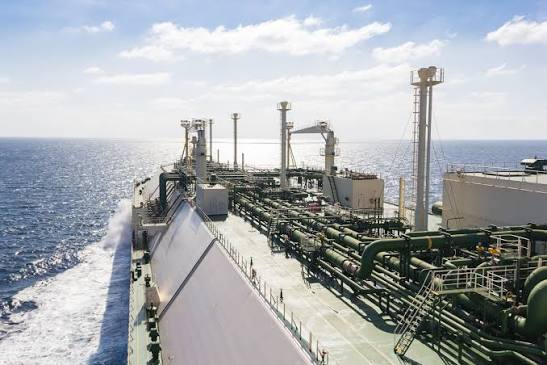
Ship-to-ship (STS) transfers are maritime exchanges where cargo — read crude oil or liquefied natural gas (LNG) here — is transferred directly between two vessels at sea.

STS transfers serve as a critical logistical bridge when direct port access is blocked or restricted.

The companies need to undertake meticulous coordination amid favourable sea conditions to prevent spills and collisions.

One vessel, often the larger ship, maintains a steady course or anchors. The manoeuvring ship approaches slowly, followed by hulls brought parallel, protected by pneumatic rubber fenders deployed along the ship sides to absorb impacts.

Their trackers are turned off to maintain secrecy and avoid detection. After some mandatory safety checks, the discharging ship’s pumps move the oil through the connected hoses while monitoring pressure and weather.

Who is engaging in ship-to-ship transfers and why?
Riyadh relied on the East-West 1,200km (746-mile) pipeline, which connects the kingdom’s main oil-producing fields in the east of the country with Yanbu port on the Red Sea coast in the west, to export oil.

With its closure after recent drone attacks, Riyadh’s first option becomes “shipping more crude from its Gulf terminals through the Strait of Hormuz, including ship-to-ship transfers outside the strait, such as Sohar in Oman,” said Rishi Rajanala, research specialist in Oil Americas at LSEG Data & Analytics.

“Gulf producers have already been moving part of their exports this way, but volumes depend on tanker availability, insurance and freight costs, and remain well below pre-war levels,” he added.

Starting this month, Hormuz-route exports have “edged higher, over 2 mb/d [million barrels per day] in the first two weeks, roughly 1 mb/d above August,” said Rahul Choudhary, VP Upstream Research, Rystad Energy.

He added that the uptick is expected to rise further this month as “already evident in Aramco offering additional loadings to Asian refiners out of Sohar”.

“Saudi Arabia can lean further on dark tanker activity in the coming days to offset Yanbu losses,” he added, referring to Saudi Arabia losing access to the Red Sea for shipping.

But it isn’t only Saudi Arabia. Reports from independent trackers and the media have also identified Kuwait and Qatar as relying on similar tactics at times to transit cargoes past the Strait of Hormuz.

Are ship-to-ship transfers safe?
Ship-to-ship transfers are relatively dangerous, especially when being taken up in shadows — and also inefficient compared with standard shipping by vessels.

Experts note that unregulated STS transfers often rely on ageing vessels with poor hull maintenance, uninspected hoses, and turned-off AIS tracking without insurance coverage.

TankerTrackers, a platform that monitors global oil shipments, said last week that ship-to-ship transfers are rising. “Over the past 14 days, there were 7.15 million barrels per day being exchanged,” the monitor said, quoting AIS numbers and satellite imagery.

The monitor added that it represents an increase of 56 percent compared with the previous month. What’s the advantage of ship-to-ship transfers?
Despite the risks, ship-to-ship transfers also carry an upside in a volatile landscape like the Middle East today.

Ships and tankers belonging to major transport companies are unwilling to enter the Strait of Hormuz because of the threat of attacks from either Iran or the US. At the same time, countries in the Gulf need to get as much oil and gas out through the Strait of Hormuz as possible.

So these countries, in effect, bear the risk, sending their tankers and ships, often with trackers switched off, just across the Strait of Hormuz, where traditional oil and gas carriers wait in safer waters. These carriers then ferry the oil and gas to markets in China, India, South Korea, Japan and elsewhere.

Who provides insurance for such ship-to-ship transfers?
For traditional insurers, ship-to-ship transfers can be “particularly complicated”, said Oscar Seikaly, CEO of the NSI Insurance Group.

Any loss could involve the physical vessels and their cargo, but also “pollution and collision liabilities, cargo insurance, war-risk cover,” and other factors, he said. “Underwriters may also impose navigational warranties, security conditions, additional war premiums or restrictions,” he told Al Jazeera.

However, he pointed out, “most of the oil that is being moved belongs to the national oil companies of the respective country”. Therefore, Seikaly said, many rely on sovereign-backed self-insurance arrangements and private insurance markets.

“During wartime or other high-risk disruptions, insurers are unlikely to provide broad cover to include ship-to-ship transfers,” he said. “As a result, a significant share of the risk may ultimately remain with the producing country rather than being transferred fully to commercial insurers.”

Ocean container shipping rates could test record highs as Iran war fuel spike drives rise, analysts say

LONDON : The off-contract ocean container shipping rate from China ‌to the U.S. East Coast has returned to levels seen after COVID-19 upended global trade, and could set new record highs as the U.S. and Israeli war on Iran drives fuel costs higher. The spot rates on that route hit $10,948 per 40-foot container, ​more than quadrupling since the start of the Iran war on February 28, according to data ​from freight pricing platform Xeneta.

Those events pushed up the global 20-port average price for ​the very low sulphur fuel oil, known as bunker, used by many container ships. It hit $901.50 per metric ton on ‌Thursday, up ⁠from $543.50 per metric ton on February 27 but still below the March 20 peak of $1,053 per metric ton, according to marine fuel price publisher Ship & Bunker. Container ship owners recoup those higher costs via surcharges and other pricing tools.

“With bunker prices pushing fuel surcharges higher, surpassing the pandemic peak cannot be ruled out,” Sand said of ​the China to East Coast ​container spot rate. A ⁠new record would most likely come this month, with the traditional Golden Week volume spike driven by shippers, including Walmart (WMT.O), Amazon.com (AMZN.O), rushing goods out of China before ​factories close in early October for a mandatory holiday break, he said.

Week-over-week spot rates ​from Shanghai ⁠to New York jumped nearly 7% to $10,394 per 40-foot container, according to the Drewry World Container Index (WCI) data on Thursday. Drewry also expects Golden Week shipments to send the rate higher.

Drewry and Xeneta use different methodologies for their data on ⁠spot ​rates, which, depending on market dynamics, can apply to around half ​of cargo on the water. Drewry’s WCI Shanghai to New York spot rate peaked at $16,000 early in the pandemic when homebound consumers were using federal ​incentive money to splurge on furniture, big-screen televisions and home exercise equipment.

Source: Reuters

Stop attacking merchant ships and seafarers: IMO Secretary-General to Member States

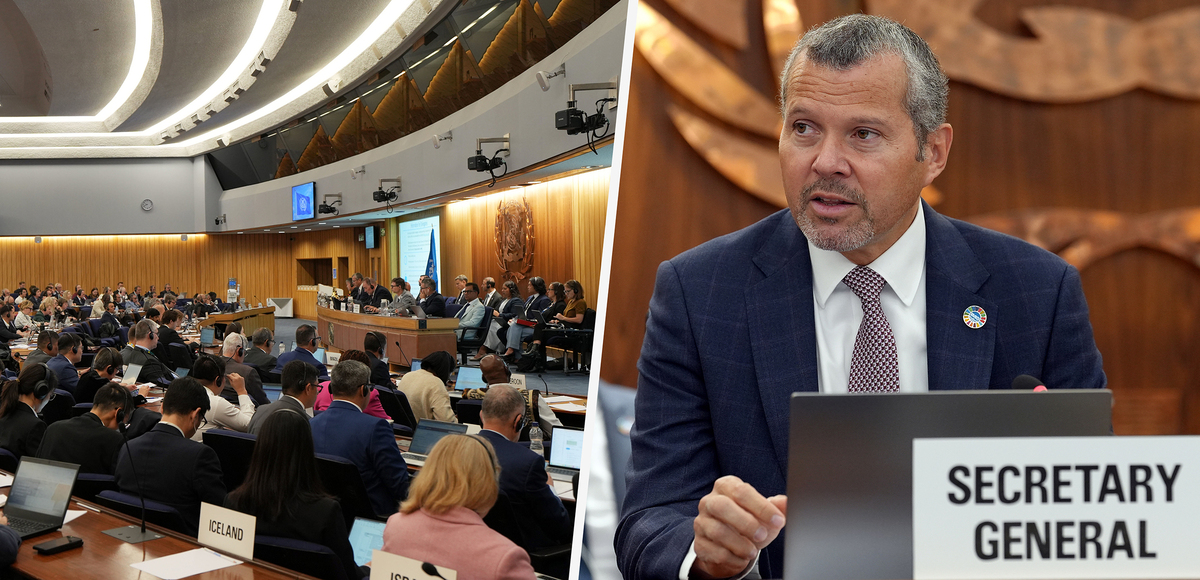
LONDON: The Secretary-General of the International Maritime Organization, Mr. Arsenio Dominguez, has called on Member States to refrain from actions that endanger merchant ships and put seafarers’ lives at risk.   

Addressing the IMO’s Sub-Committee on Carriage of Cargoes and Containers, the Secretary-General warned of the severe impacts of geopolitical tensions on the shipping industry.  

Secretary-General Dominguez said: “We are reaching a point where these conflicts are being used as a pretext to attack merchant vessels and innocent seafarers. Do not use these conflicts to attack innocent seafarers.”  

Since the current conflict in the Middle East began on 28 February, IMO has verified 80 attacks on international shipping in and around the Strait of Hormuz, resulting in the deaths of at least 22 seafarers and injuries to many others.  

In the Black Sea and Sea of Azov, dozens of fatalities have reportedly resulted from attacks on international shipping in recent months, although precise numbers are difficult to verify.  

Attacks in the Red Sea have also resumed, with four fatalities confirmed in the latest attack by the Houthis on a merchant vessel on 11 August.  

Secretary-General Dominguez emphasized that the attacks across these conflicts are not attributable to one single actor: “In the Strait of Hormuz, it is not only one country attacking merchant vessels. In the Black Sea and Sea of Azov, it is not only one country attacking merchant vessels.”  

He underlined that addressing the root causes of these geopolitical conflicts is beyond IMO’s remit, but that their impact is increasingly evident across global maritime trade and shipping operations. He urged delegates to raise these impacts on international shipping with their governments and in the appropriate international fora.  When shipping operations are disrupted, the consequences extend far beyond the maritime sector, affecting economies, supply chains and everyday lives. 

“I call on you to share these impacts with the relevant bodies in your countries so that this can be dealt with within the United Nations, as appropriate.… It falls to you and your capitals, and relevant bodies of the United Nations, to address the root causes and find solutions,” he emphasized.  

IMO Secretariat stands ready to contribute to workable solutions for the shipping industry that Member States can bring forward at the technical and operational level.  

The Sub-Committee on Carriage of Cargoes and Containers meets in London from 14 to 18 September to discuss safety issues related to the transport of dangerous goods, bulk cargoes and containers by sea.  

Shipping Technology launches ST Sailing Pro, adding automatic propulsion control to conventionally powered inland vessels

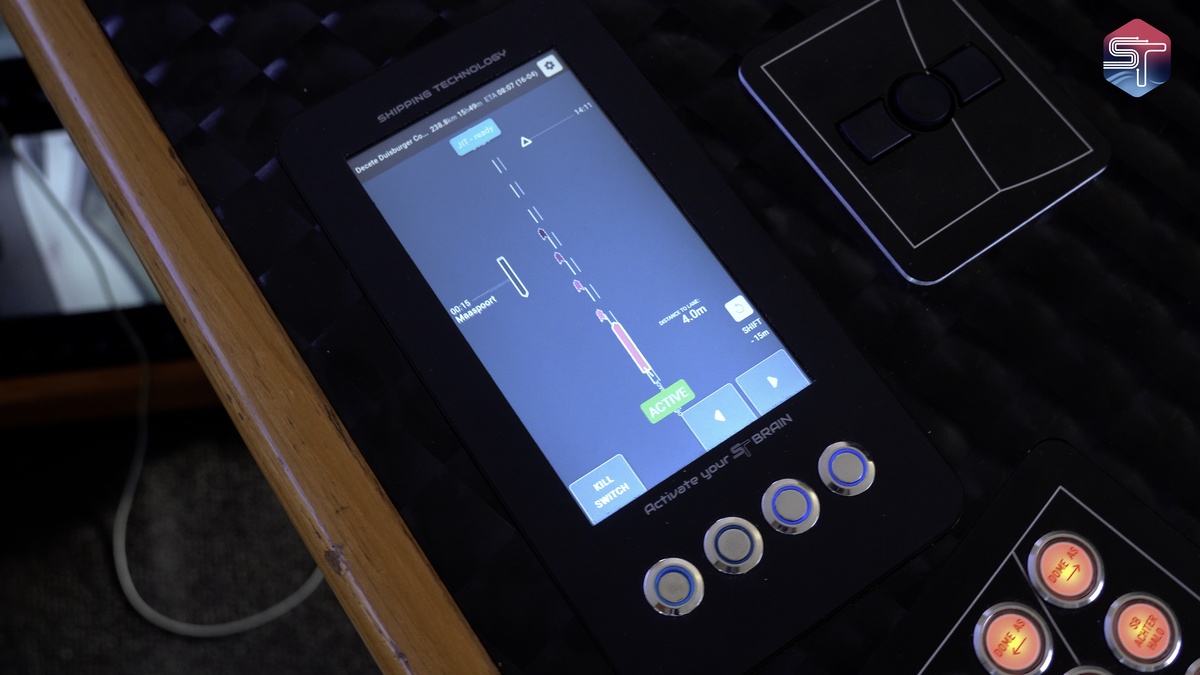
ROTTERDAM: Shipping Technology has launched ST Sailing Pro, an extension of its ST Sailing track pilot that now not only controls a vessel’s steering, but also its propulsion. This is the next, planned step in the company’s roadmap towards autonomous sailing. In short: the captain enters a destination and a desired arrival time, after which the system continuously calculates the course and engine power needed to meet it – taking changes in locks, currents, water levels etc. into account. On a normal sailing pattern, ST Sailing Pro reduces fuel consumption by a further 10 per cent on top of the 5 per cent already validated for ST Sailing. The system operates at level 2 of the CCR automation scale, with the captain supervising at all times.

Shipping Technology started collecting vessel data in 2018,  with the ST Brain PRO onboard unit and added automatic rudder control five years ago, and now running on 400+ vessels. ST Sailing runs on some 200 vessels and has logged more than 315,000 sailing hours and 4.4 million kilometres. That data set has significantly speeded up developing the next step: active propulsion control.

6 months of testing and continuing

Trials last year used a thruster-driven river cruise vessel and covered automated manoeuvring. Testing then moved to conventionally equipped commercial vessels – main engines, reverse-reduction gearboxes, a propeller shaft and a rudder – which make up the largest part of the inland fleet. After six months on a single vessel under a Smart Shipping permit, trials now run across several vessels in the dry cargo, tanker and passenger shipping markets.

How it works

Remco Pikaart 1 Shipping Technology launches ST Sailing Pro, adding automatic propulsion control to conventionally powered inland vessels

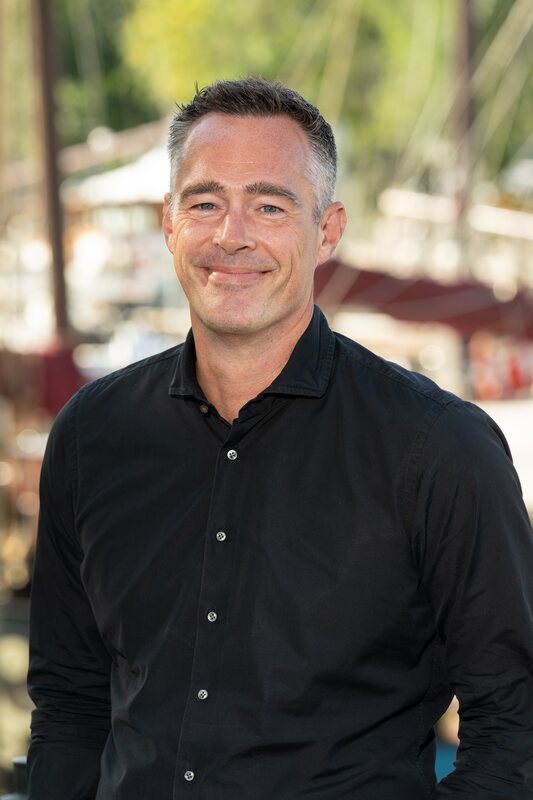
Remco Pikaart, Founding Partner, Shipping Technology, explains: “The captain casts off and manoeuvres out manually. Note that we have already automated this for thruster-propelled vessels Then, he or she engages ST Sailing Pro and enters a destination and arrival time. The system indicates whether that time is achievable and then adjusts course and engine power to meet it, sailing – and this is unique – in the way a skipper would. We’ve built that into the system. Water levels, squat and lock scheduling are part of the calculation, and the feasible arrival window can vary by up to three hours depending on conditions. The captain validates what the system proposes, e.g. whether to overtake, hold back, or arrive earlier or later. Also, the captain can take over at any moment. At CCR level 2 (ed.: Central Commission for the Navigation of the Rhine), responsibility for all other sailing tasks remains with the captain, and the onboard technical infrastructure meets regulatory requirements taking effect on 1 January 2028. I’m very proud of my team!”

Validated fuel savings

Rijkswaterstaat (part of the Dutch ministry of Infrastructure and Water Management) validated the 5% fuel saving for ST Sailing in certified field testing. Interestingly, the additional 10% from propulsion control is largely determined early in a voyage, in the speed chosen shortly after departure.

Remco:“Besides creating added value on ship data for shipowners and fleetmanagers via the ST Brain Pro, we spent eight years building the data foundation for the autonomous sailing roadmap, five of them with ST Sailing steering vessels, and every hour it sails tells us more about how a ship behaves. That is why this step went faster than the ones before it. For existing customers, implementation is a small step; and we already see that for new clients this development is the moment they decide to automate. What matters just as much is that the captain stays in the loop: the system proposes, the captain decides, and control returns to the wheelhouse the moment anything changes.”

Bosman Shipping Group

Bosman Shipping Group is one of the companies that has decided to actively participate in testing of the new automatic propulsion control system. Robert-Jan Brummelkamp, COO, says: “The system accounted for the tide by itself and brought us in exactly on schedule, at the fuel consumption we were aiming for. Our captains keep the final say, which is the only way this works on a commercial vessel.”

Hyundai Heavy Industries (HHI) develops 35,000 m³ LPG/Ammonia carrier and ClassNK issues Approval in Principle (AiP)

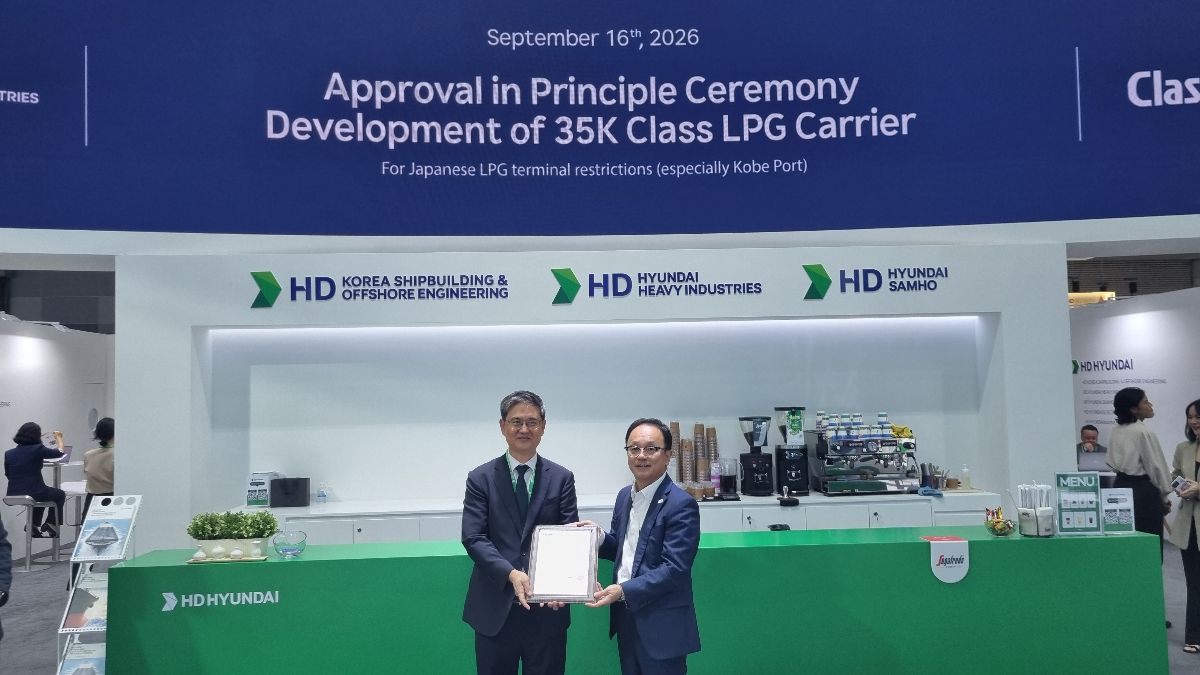
BANGKOK: HD Hyundai Heavy Industries Co., Ltd. (HHI) has developed a 35,000 m³ LPG/Ammonia carrier. ClassNK reviewed the design concept of the vessel and, having confirmed that it meets the prescribed requirements, issued an Approval in Principle (AiP). A certificate handover ceremony was held at Gastech 2026 in Bangkok, Thailand.

The vessel was developed by HHI in consideration of compliance with various regulations at major terminals including those in Japan. ClassNK conducted an examination based on ClassNK ‘Rule Part N, Rules and Guidance for the Survey and Construction of Steel Ships’, which incorporates the IGC Code, an international code for the construction and equipment of ships carrying liquefied gases in bulk. As a result of confirming compliance with the prescribed requirements for the design concept, an AiP has now been issued.

HHI and ClassNK will continually strive to advance safe and efficient gas transportation technology, and to contribute to the decarbonization of the maritime industry and the realization of a sustainable society.

Approval in Principle (AiP):
At the initial stage of designing or before the specific target ship to be implemented is decided, the design is examined based on the existing regulations such as international conventions and ship classification rules, and an Approval in Principle (AiP) is issued as proof of conformity with requirements. It also prevents rework of regulatory aspects in the post-process, shortens the examination time at the time of class registration, and can be used as a technical basis for demonstrating the design status

KR, Hanwha Ocean Sign MOU for Joint Development of 18K LNG Bunkering Vessel

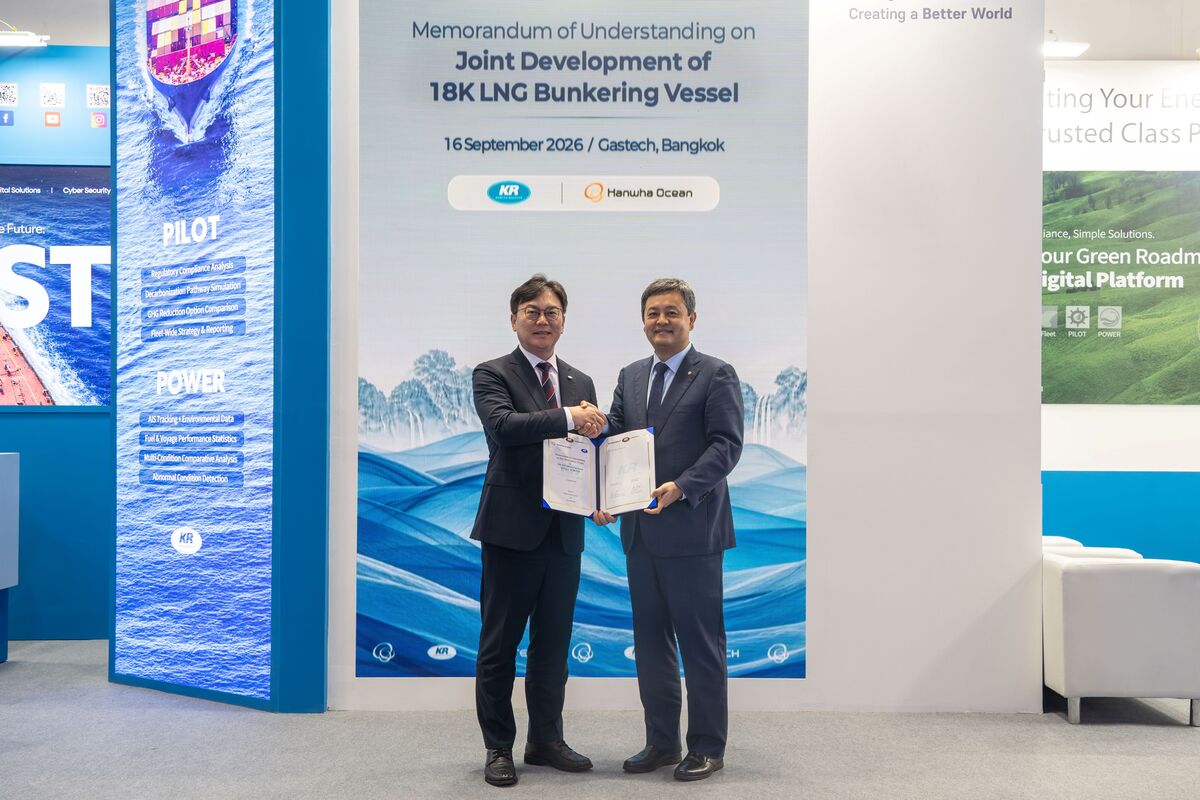
BANGKOK: Korean Register (KR) signed a Memorandum of Understanding (MOU) with Hanwha Ocean to jointly develop two design concepts for an 18,000-cbm LNG bunkering vessel (LBV) on September 16 at Gastech 2026 in Bangkok.

As international regulations on greenhouse gas emissions continue to tighten and the number of LNG-fueled vessels grows, the need for a stable LNG fuel supply infrastructure is also increasing. This is driving demand for LNG bunkering vessels capable of ship-to-ship LNG fuel transfer at sea.

Under the agreement, KR and Hanwha Ocean will develop two design concepts for an 18,000-cbm LNG bunkering vessel, each featuring a different cargo containment solution to meet varying bunkering and operational requirements.

The two concepts will incorporate MCTIB (High Manganese Steel Cargo Tank Independent Type-B), Hanwha Ocean’s LNG cargo tank solution, and independent Type-C tanks, respectively. The project aims to develop LNG bunkering vessel designs that combine reliable cargo operations with economic efficiency.

Hanwha Ocean will lead the basic design and vessel performance assessment, overseeing the development of the cargo tank arrangement, LNG bunkering system and operational concept.

KR will conduct a comprehensive review from the early design stage, assessing safety, regulatory compliance and operational efficiency in accordance with applicable international conventions and classification rules. Based on the results of this technical review, KR will also conduct an AIP assessment, supporting the technical reliability and future commercialization of the LNG bunkering vessel concepts.

Sangdon Kang, Executive Vice President of Hanwha Ocean, said:

“With the tightening of global environmental regulations and the growing number of LNG-fueled vessels, the LNG bunkering market’s growth potential continues to expand. Through this joint development with KR, we aim to develop LNG bunkering vessel design capabilities that combine safety and economic efficiency, strengthening our competitiveness in the marine fuel supply market.”

Kyujin Yeon, Executive Vice President of KR, added:

“As the adoption of alternative-fueled vessels expands, the marine fuel supply infrastructure needed to support them will become increasingly important. KR will continue to work closely with shipyards and the wider maritime industry to support the commercialization of next-generation marine fuel supply technologies.”

HD Hyundai Samho, Avikus and ClassNK Sign MOUfor Design Verification toward Autonomous Navigation System

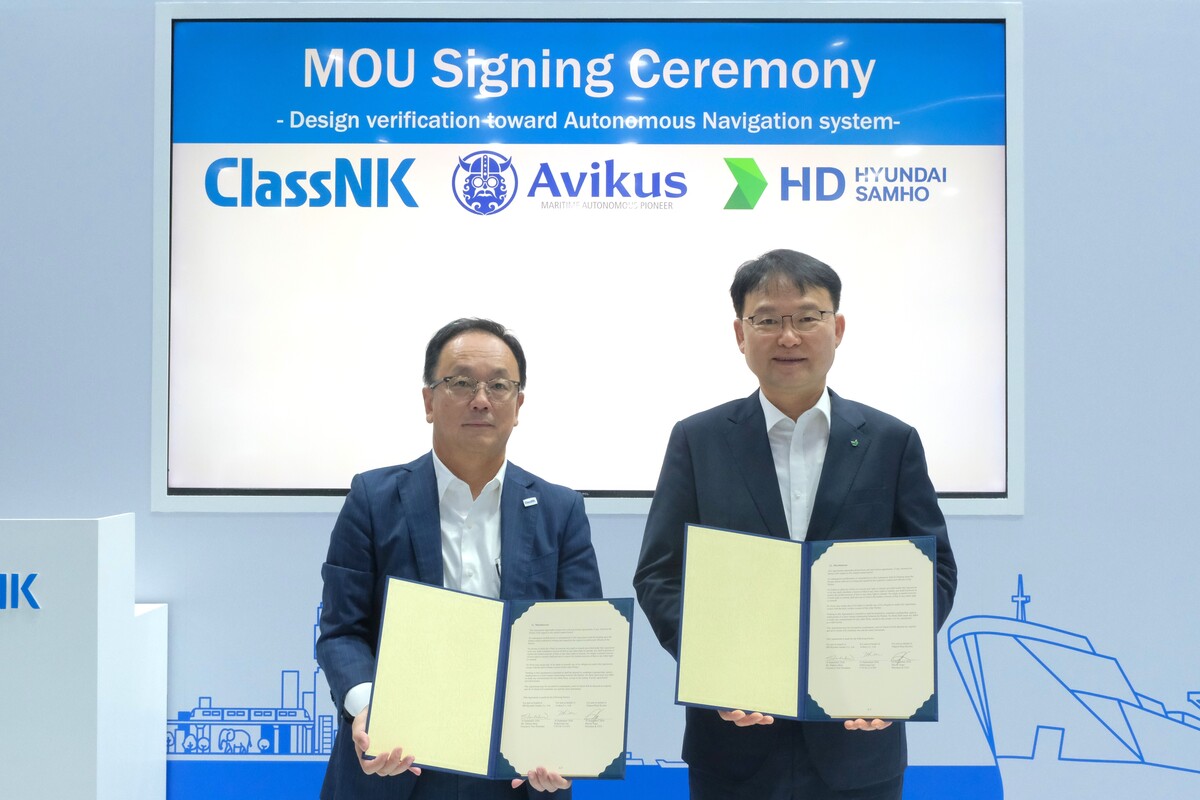
BANGKOK: HD Hyundai Samho Co., Ltd., Avikus Co, Ltd. and NIPPON KAIJI KYOKAI (ClassNK), have signed a Memorandum of Understanding (MOU) for a Joint Development Project (JDP) aimed at developing a ship design incorporating Avikus’ autonomous navigation solution, “HINAS Control,” and assessing its suitability for obtaining a ClassNK notation related to autonomous navigation. The signing ceremony was held at the ClassNK booth at Gastech 2026 in Bangkok, Thailand.

The non-mandatory International Code of Safety for Maritime Autonomous Surface Ships (MASS Code) was adopted at the 111th session of the IMO Maritime Safety Committee (MSC 111) and entered into force on July 1, 2026, marking further progress in the development of an international regulatory framework for maritime autonomous surface ships. Against this background, the three parties have agreed to jointly conduct technical studies and verification based on ClassNK’s “Guidelines for Automated/Autonomous Operation of Ships”, drawing on HD Hyundai Samho’s ship design and construction technologies, Avikus’s autonomous navigation technologies, and ClassNK’s expertise in rules and certification.

Under the project, the three parties will assess the technical feasibility of applying the system to an actual vessel under construction, an 180K LNG carrier, with a view to expanding its application to actual vessels in the future.

The roles of each party are as follows:

  • HD Hyundai Samho: Development of the basic vessel design incorporating the requirements for the target notation specified in the Guidelines
  • Avikus: Provision of the autonomous navigation solution, HINAS Control, and technical support for autonomous navigation algorithms and system functions
  • ClassNK: Design review and assessment based on the notation requirements specified in the Guidelines

Mr. Hak-Mu Shim, Executive Vice President and Head of Design Division at HD Hyundai Samho, commented:
“This MOU marks an important first step toward securing advanced autonomous navigation technology by proactively obtaining Approval in Principle for compliance with classification notation requirements. By combining ClassNK’s regulatory expertise, Avikus’s cutting-edge autonomous technology, and HD Hyundai Samho’s shipbuilding capabilities, we look forward to providing safer and more innovative autonomous vessel solutions to our customers.”

Mr. Hayato Suga, President & CEO of ClassNK, commented:
“At a time when international technical standards for autonomous ships are rapidly evolving, trilateral collaboration among a shipbuilder, an autonomous navigation solution provider, and a classification society is highly significant. Through this project, we will contribute to the safe implementation of autonomous ships in society.

Mr. Do-Hyeong Lim, CEO of Avikus, commented:
“We are pleased to pursue the verification of our HINAS Control technology in collaboration with a world-leading shipyard and classification society. HINAS Control has already been adopted as a standard solution for vessels within the HD Hyundai Group, building a solid track record of operational experience. This JDP will serve as an important opportunity to objectively verify the safety and reliability of the technology against classification standards. Through this collaboration, we aim to further enhance the reliability of autonomous navigation and accelerate our expansion into the global market.

Building on the collaboration established through this MOU, the three parties will continue to contribute to accelerating the realization of autonomous ships and creating a safer and more efficient maritime transportation environment.