Home Blog Page 95

New front in West Asia; Trump mulls option on strike against Houthis after attack on Saudi capital

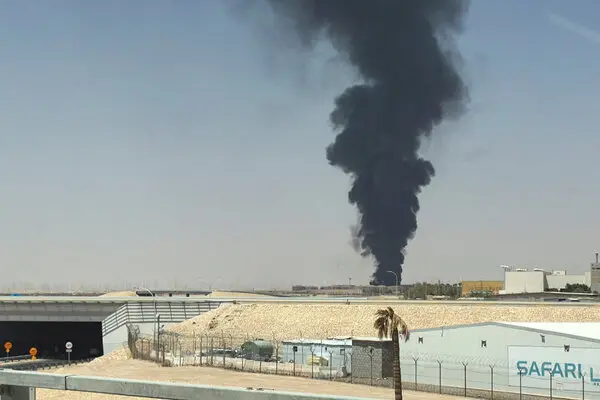
WASHINGTON D.C.: There are indications that a new front is likely to open in the restive Middle East with the American adminstration studying its options against the Houthis in Yemen after an attack on the Saudi capital Riyadh.

US President Donald Trump returned to the White House early from Camp David after an overnight stay, amid reports that his meeting at the presidential retreat was focused on deliberating and reviewing options for possible strikes in Yemen, CNN reported.

CNN National Security Analyst Alex Plitsas said in a post on X that he had been told Trump’s meeting at Camp David was intended to “deliberate and review Yemen strike options”, adding that US embassies across Middle Eastern countries were likely to face retaliatory strikes and had subsequently issued warnings.

“As I said last night, was told that the POTUS meeting at Camp David was to deliberate and review Yemen strike options. Today, U.S. embassies in Middle Eastern countries that are likely to be targets of retaliatory strikes issued warnings. Now POTUS head to the White House early,” Plitsas said in the post.

Trump’s early return to Washington comes against the backdrop of heightened tensions across West Asia, with concerns over possible retaliatory attacks and further military escalation involving Iran, Yemen and US interests in the region.

Tensions involving Yemen have further complicated the regional security picture. Saudi Arabia has said that Iran-backed Houthi forces attempted an attack on Riyadh using ballistic missiles, which Saudi forces intercepted. The Houthis, according to the account provided, said they had targeted “sensitive sites” but did not specify the locations.

Saudi Crown Prince Mohammed bin Salman has also previously warned about the threat posed by the Houthis, saying, “If it weren’t for our fear for the innocent people of Yemen, we would have conquered it in one week and eliminated the Houthis.”

CNN has previously reported on US military preparations and discussions over possible further strikes, while noting that the scope and timing of any potential action could change.

The reported Camp David discussions come as US diplomatic missions in the region have issued security warnings to Americans. The State Department’s current regional guidance tells US citizens in the Middle East to monitor embassy and consular alerts and warns that the security environment can change rapidly.

The warnings are particularly significant in countries such as Saudi Arabia, where the US State Department says there remains a threat of Iranian drone and missile attacks as well as threats from Iran-backed Houthi forces in Yemen.

The latest developments follow an escalation in rhetoric from Tehran. Iran’s security chief Mohsen Rezaei, speaking to Al Jazeera, said that Iran remained in contact with Qatar as a mediator and had conveyed conditions to Washington for ending the war.

“We remain in contact with the mediator Qatar, which has conveyed our conditions to Washington with the aim of ending the war. We are awaiting President Trump’s response. Our conditions are an end to the war on all fronts, the release of our frozen funds and an end to the naval blockade. It is in Washington’s interest to accept these conditions. Trump’s threats will not achieve any results. We are prepared for a decisive war,” Rezaei said.

Iran has also said that it is prepared for a prolonged confrontation if its demands are not accepted, while the Trump administration has continued to weigh military options alongside diplomatic efforts.

The situation has also been accompanied by reports of increased military activity in the region. Russia Today reported that a US bomber had departed an air base in the UK bound for West Asia, while Iran’s Press TV reported air-defence activity near the Kharab al-Jir base in Al-Hasakah in northeastern Syria. Those reports could not be independently verified from the information available.

The developments also come as world leaders prepare to gather in New York for the United Nations General Assembly, where the wider conflict in West Asia is expected to remain a major international focus.

With diplomatic channels still open and military options reportedly under consideration, attention remains on Washington’s next move and whether the latest escalation can be contained through negotiations or develops into a wider regional confrontation.

Source: ANI
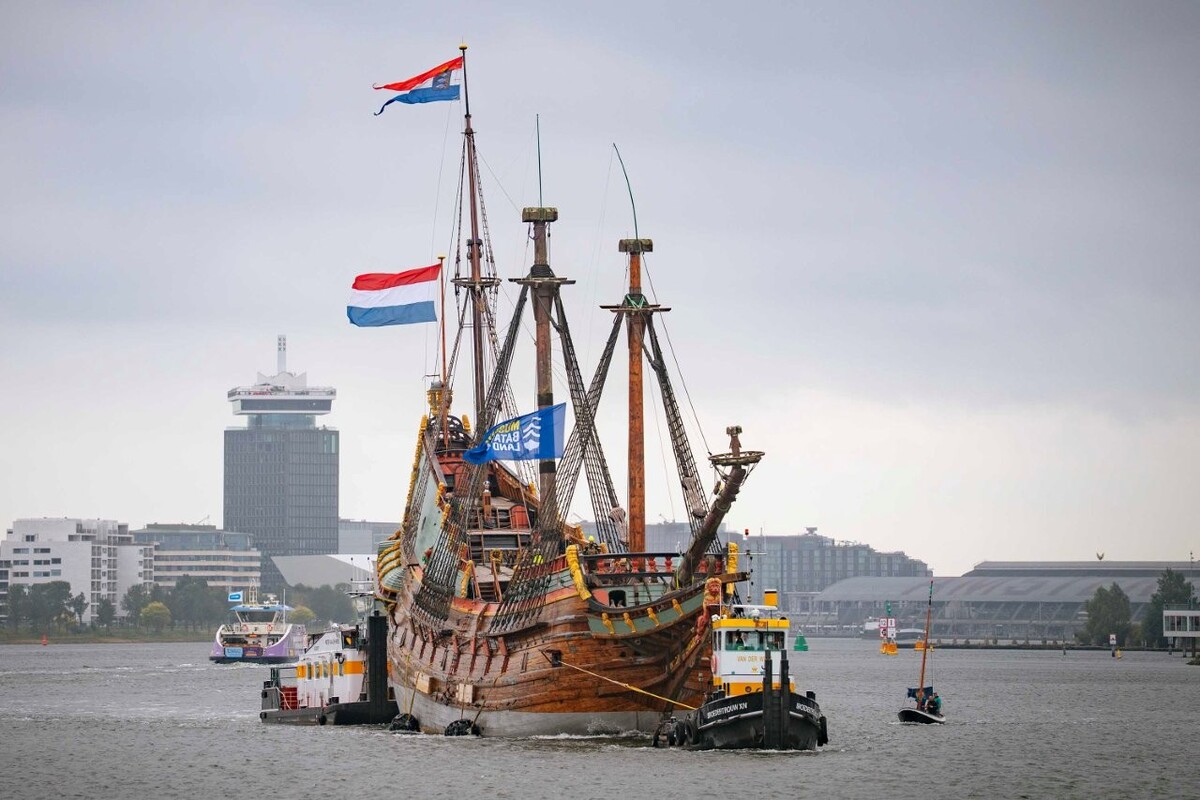
Sailing vessel ‘Batavia’ arrives at Damen Shiprepair Amsterdam to prepare for her final voyage, taking her onshore

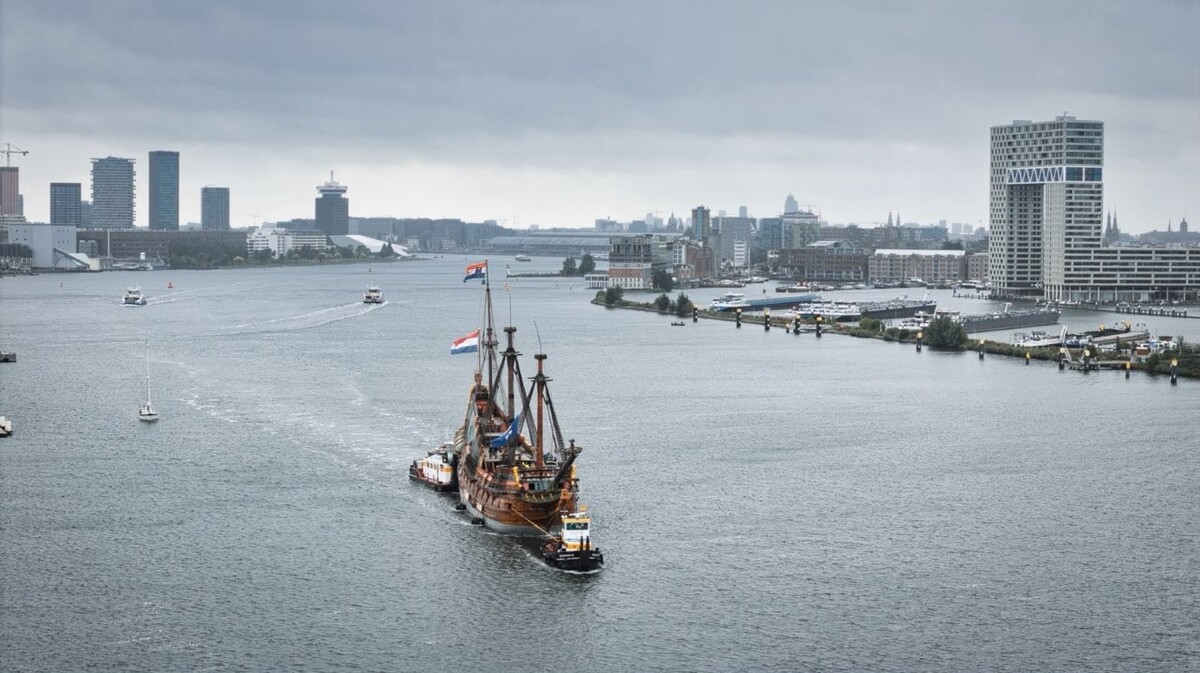
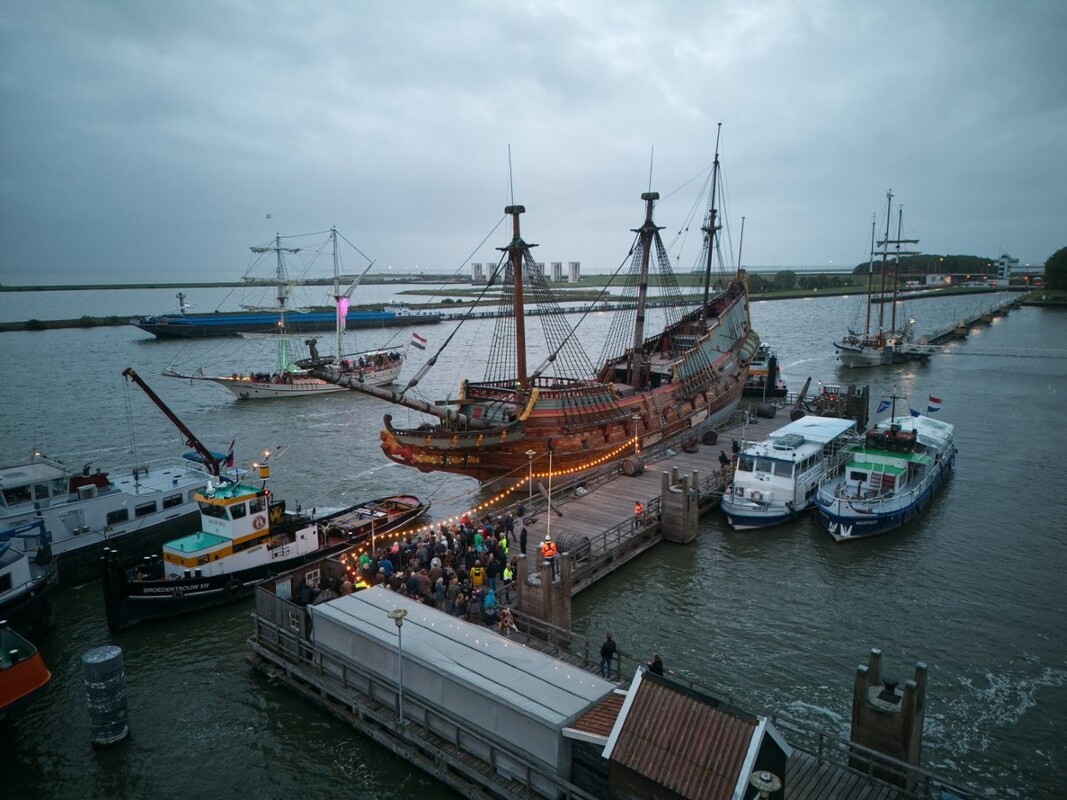
AMSTERDAM: The Batavia, the full-scale reconstruction of the 1628 Dutch East India Company ‘retourschip’, arrived at Damen Shiprepair Amsterdam on Saturday 19 September after a six-hour tow. The 56.6-metre wooden ship made the passage afloat on her own hull, masts standing, under tow by two tugs of Koninklijke Van der Wees. At the Damen yard she will be lowered onto a 100+ tonne steel and wood cradle in dry dock 4, the first step in moving her permanently ashore at Museum Batavialand in nearby Lelystad.

A hull that cannot be replaced

The Batavia was towed rather than carried. Placing her on a pontoon for the passage would have introduced loads the hull is not built to carry, so she stayed in the water, with her full rig in place and a 30.5-metre air draught. The timber has been afloat for 31 years. In the 17th century these vessels could last between 15 to max. 25 years. Hence, the vessel must be handled with the utmost care. The hull is in fragile condition, which set strict weather limits on the operation: the ship could not be allowed to work or move excessively in a seaway. The guns and a large part of the ballast were removed in advance, and temporary steel shoring was fitted in the hold and on the decks to absorb the loads that arise once the supporting buoyancy of the water falls away.

Centimetre work in dry dock 4

The dry-docking follows a sequence engineered over the past 14 months. Crane mats are laid on a Van der Wees pontoon to distribute load, support pots are set on the mats, and the steel cradle – 39.7 metres long, 15.5 metres wide, 87.2 tonnes of steel and 14 tonnes of wood – is craned onto the pots from the quay. The pontoon is then ballasted down and submerged in dry dock 4, for which Damen Shiprepair designed a dedicated dock bed. Two small tugs manoeuvre the Batavia over the cradle, after which the dock is pumped down and the ship settles into her supports under controlled conditions.

Once dry, the remaining voids between hull and cradle are packed with timber, a task expected to take two days while the structure beds in. The pontoon is then deballasted, and the dockreflooded until it lifts the pontoon with the ship clear, and the Batavia is towed to the quay, where the remaining ballast is removed. She will leave Amsterdam at a hull weight of almost 650 tonnes.

Paul van de Craats, Commercial Manager at Damen Shiprepair Amsterdam: “I followed the construction of this ship during my own training years, under Mr Vos, and what struck me was that they built her authentically and taught young people the carpentry trade while doing it. We work the same way; we train our own people on the job to master ship repair. That is why this project means something here. Dutch maritime history came into dock 4 in 1995 and it is back now. In addition, the cradle carrying her, designed by Q3 Heavy Lift, was built by our sister company Niron Staal. We are incredibly proud to be part of this project coming full-circle.”

Where a wooden ship is strong

The load model behind the cradle took ten months to develop. FaraFlash established the ship’s dimensions and weight and produced the basic cradle design; Q3 Heavy Lift carried out the detailed engineering, including the support and jacking arrangement. Kuperus & Gardenier verified dimensions and weight and advised on the hull’s vulnerable areas – Jan Kuperus and Rienk Gardenier trained on the Batavia as apprentices under shipwright Willem Vos during her construction. Niron Staal fabricated the cradle. Trans Global Projects is responsible for project management, risk analysis, permitting and public safety.

Ard Suvaal, Project Manager at Trans Global Projects, says: “When we were contracted to arrange this project for Museum Batavialand, we wasted no time in bringing in the specialised subcontractors needed for this job. That is where our strength sits: making sure every link in the chain is present and delivered on time, including permits, the risk analysis, the interfaces between parties and more. We normally move transformers and offshore structures for a living. Nobody ever sees that work, except for the people who are inconvenienced by road closures and such. This project is different: it’s highly public and has enormous historical value. Both from a professional engineering point of view and from a personal perspective, it’s very special to suddenly manage the logistics of a reconstruction of a 17th-century East India vessel. And I am especially proud of the smooth collaboration between all partners; that is what brings success.”

The Batavia is scheduled to return to Lelystad on the pontoon on 1 October and to be moved ashore at Museum Batavialand on 2 October. The entire operation is part of Museum Batavialand’s large-scale redevelopment.

Note for the editor:

All dates and times subject to weather and operational conditions

Batavia dimensions: LOA 56.6 m, LBP 45.3 m, beam 10.5 m, air draught 30.5 m, draught 3.8 m

Cradle: 39.7 × 15.5 m, 87.2 t + 14t of wood

Project partners: Museum Batavialand (owner); Trans Global Projects (project management, risk analysis); Damen Shiprepair (dry dock operations, setting the ship in the cradle); Koninklijke Van der Wees (towage, pontoon); FaraFlash (weighing, dimensional survey, basic cradle design); Kuperus & Gardenier (verification, advice on design and vulnerable areas); Q3 Heavy Lift (detailed cradle engineering, SPMT transport, roll-off, jacking, final placement); Anton Bouw- en Betontechniek (concrete foundation); Niron Staal (cradle fabrication); Halyard Risk (risk assessment on behalf of the insurer)

Commissioned by: Museum Batavialand, the Municipality of Lelystad, the Province of Flevoland and the Cultural Heritage Agency of the Netherlands

The Batavia was launched and christened by Queen Beatrix on 7 April 1995 from this same dock

A separate press release (and photo/video material) is in the making about the heavy lift transport operation to the ship’s final destination, involving specialized engineering, tugs, pontoons, SPMT’s, equipment, and more.

India and Canada accelerate CEPA talks to deepen bilateral trade and investment

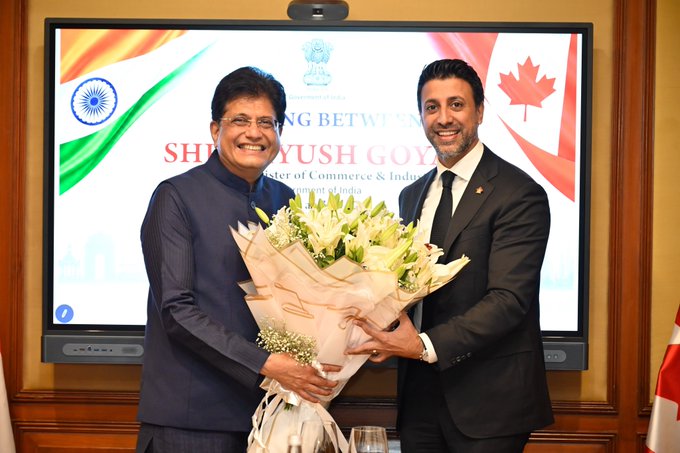
NEW DELHI: Union Minister of Commerce and Industry Shri Piyush Goyal held a productive meeting with Mr. Maninder Sidhu, Minister of International Trade, Canada, to review progress and advance negotiations on the proposed India–Canada Comprehensive Economic Partnership Agreement (CEPA).

The meeting focused on accelerating the ongoing negotiations and working towards an early conclusion of the trade agreement. Both sides reaffirmed the commitment of their respective leaderships to expedite the process and develop a comprehensive framework that can further strengthen bilateral economic engagement.

The proposed CEPA is expected to create greater opportunities across trade in goods, services and investment, while providing a broader framework for enhancing commercial cooperation between businesses and investors in both countries.

India and Canada have maintained regular ministerial engagement on trade and investment. The two countries had also reaffirmed their commitment to strengthening bilateral economic ties during the 7th India–Canada Ministerial Dialogue on Trade and Investment held in November 2025, with discussions covering areas including supply-chain resilience, investment facilitation and sectoral cooperation.

According to the Ministry of Commerce and Industry’s latest available annual trade data, India–Canada bilateral merchandise trade stood at US$8.67 billion in FY 2024–25, underlining the existing scale of the economic relationship and the scope for further expansion.

The CEPA negotiations are aimed at providing greater market access and creating a predictable and supportive environment for businesses engaged in bilateral trade and investment. An agreement covering goods, services and investment could also facilitate deeper integration between the two economies and open additional avenues for exporters, service providers and investors.

Shri Piyush Goyal expressed confidence that an early conclusion of the India–Canada CEPA would contribute to the shared objective of significantly increasing bilateral trade and deepening the economic partnership between the two countries.

The renewed focus on expediting negotiations comes as both sides seek to build on their existing commercial relationship and establish a stronger, more comprehensive framework for long-term economic cooperation.

Ashwini Vaishnaw flags off Bulk Tiles Train at Western Carriers’ GSCT in Morbi, Gujarat

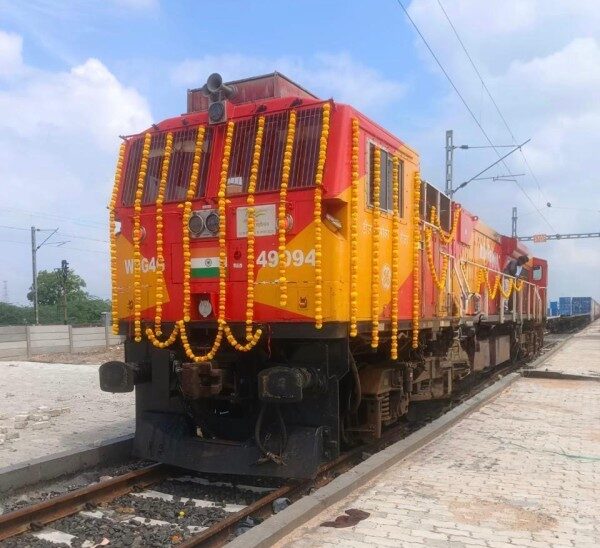
MORBI: Hon’ble Railway Minister Shri Ashwini Vaishnaw formally flagged off Bulk Tiles Train at Western Carriers (India) Limited’s Gati Sakti Cargo Terminal(GSCT) at Devaliya in Morbi, Gujarat.

The ceremony, held at the terminal premises, was attended by senior officials of WCIL, representatives of the Ministry of Railways, and members of the local business and industrial community.

Spanning over 42 acres, the Gati Shakti Cargo Terminal (WCGD) is designed as a state-of-the-art multimodal logistics platform capable of handling cargo movement via both road and rail, using Container Rake and Wagon Rake systems. With today’s flag off, the terminal moves from operational readiness to full commercial activation.

The terminal is strategically positioned to serve some of Gujarat’s most vital industrial clusters. It is expected to significantly benefit the salt industry of the Maliya belt, one of the country’s leading salt-producing regions, as well as the ceramics industry of Morbi, which produces around 5 million tonnes of ceramic products annually and caters to more than 80% of India’s domestic demand. The facility is also set to support the logistics needs of the chemicals, agriculture, fertilizer, and MSME sectors operating in the region.

The Gujarat flag off comes only days after WCIL inaugurated its General Cargo Terminal (GCT) at the GCD Yard of the Kolkata Dock System under the Syama Prasad Mookerjee Port Authority (SMPA), marking the Company’s first operational base on India’s east coast. Developed and operated by WCIL. Under a 15-year agreement with SMPA, the Kolkata facility is designed to handle dry bulk, break-bulk and all container categories, with Phase I fully operational from launch. Together, the Kolkata and Morbi terminals strengthen WCIL’s rail-linked presence across the country’s critical East-West freight corridor.

WCIL remains committed to offering seamless, safe, fast, and cost-effective logistics solutions with value-added services to its customers, and the Morbi facility is poised to significantly enhance the logistics capabilities of several industrial clusters in the region including tiles, ceramics, chemicals, salt etc.

The flag off is aligned with the Government of India’s PM Gati Shakti National Master Plan, which aims to strengthen multimodal connectivity and reduce logistics costs across the country, in line with the broader vision of Viksit Bharat.

Speaking on the occasion, Mr. Rajendra Sethia, Chairman & Managing Director, Western Carriers (India) Limited, said, “The flagging off of our tiles train from Gati Shakti Cargo Terminal in Morbi by Shri Ashwini Vaishnow, Hon’ble Railway Minister, comes close on the heels of our new terminal in Kolkata and is a significant milestone in WCIL’s journey of strengthening India’s logistics infrastructure across the East-West corridor. We are deeply grateful to Shri Ashwini Vaishnow ji and the Ministry of Railways for their continued support and guidance. This Morbi facility will serve as a vital logistics backbone for the salt industry, the ceramics industry, and other key sectors such as chemicals, agriculture, fertilizer and MSMEs in the Saurashtra region of Gujarat. It reflects our commitment to building integrated, scalable and future ready logistics solutions in support of the nation’s Viksit Bharat vision.”

With the terminal now fully operational, WCIL plans to further expand in future the facility’s capabilities, including the development of an inland container depot and warehousing infrastructure, reinforcing its role as a critical logistics hub connecting Gujarat’s industrial heartland to markets across India.

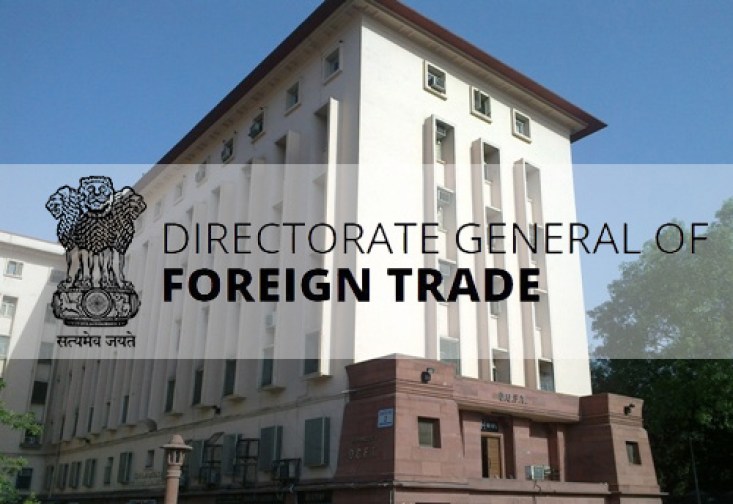
DGFT Digital System raises Questions over Exporter Access and Error Correction

  • Will Exporters Have to Rush to New Delhi to Correct Minor Errors?
  • Exporters Await Clarity on DGFT Software, Regional Offices and Grievance Redressal
  • Exporters Seek Clarity on Online Corrections and Centralised Processing

NEW DELHI: India’s exporters could face additional administrative challenges if minor documentation errors under the Directorate General of Foreign Trade’s (DGFT) evolving digital systems require physical intervention at its headquarters in New Delhi. The concern assumes particular significance for exporters operating from distant commercial centres, including Gujarat, Maharashtra, West Bengal, Tamil Nadu and other major exporting states.

With exporters increasingly relying on digital platforms for licences, authorisations and trade-related documentation, the ease of correcting errors has become an important part of the country’s broader trade-facilitation agenda.

The central issue is whether the new system will allow exporters to resolve routine mistakes online or whether certain applications will require centralised processing and personal visits to New Delhi.

Important clarification: The precise software rollout, the categories of errors requiring physical visits, and whether such visits will be mandatory have not been independently established in the material reviewed for this article. The headline therefore reflects a concern requiring official clarification, rather than a confirmed blanket DGFT requirement.

Centralised Processing Raises Questions About Accessibility

A recent report said the government is setting up a Central Processing Department (CPD) within DGFT to handle trade-related applications centrally. The department is expected to be located in New Delhi’s central licensing area.

The development raises questions about how the centralised processing arrangement will operate alongside DGFT’s regional offices and online services.

For exporters based outside the national capital, the practical implications will depend on the department’s jurisdiction, the types of applications assigned to it, and the procedures available for correcting errors.

If minor discrepancies in applications can be rectified through online submissions, digital communication or authorised regional offices, the burden on exporters could remain limited.

However, if physical attendance becomes necessary for routine corrections, businesses may face additional travel costs, administrative delays and disruptions to their export operations.

Why Even a Small Documentation Error Matters

Export documentation involves several interconnected processes, including regulatory authorisations, customs procedures, banking requirements and the submission of supporting records.

A discrepancy in an application may require clarification or correction before the relevant process can proceed. The actual consequences depend on the document involved, the nature of the error and the applicable rules.

For small and medium-sized exporters, repeated administrative follow-ups can be particularly challenging because they may have limited compliance teams and fewer resources to manage regulatory procedures.

A requirement to travel from Ahmedabad, Kolkata, Mumbai, Chennai or another exporting centre to New Delhi could add expenses beyond the cost of correcting the original mistake.

The extent of these costs would depend on the circumstances of each case and whether remote resolution is available.

DGFT’s Digitalisation Drive and the Need for Effective Error Correction

DGFT has been expanding digital facilities to make foreign trade procedures more accessible and efficient.

One recent example is the introduction of an Open API facility for Certificates of Origin through the Trade Connect e-Platform, reported in September 2026. The facility is intended to enable exporters to connect their enterprise resource planning and other business software directly with DGFT’s Certificate of Origin system.

Such initiatives illustrate how digital integration can help reduce manual work and improve the accessibility of trade-related services.

However, digitisation alone does not eliminate administrative difficulties. The ability to correct incorrect entries, amend applications, obtain timely clarification and communicate with the responsible authority is equally important.

A digital system that makes filing easier but leaves exporters without a convenient mechanism for resolving errors could create a different kind of compliance burden.

Small Exporters and MSMEs Could Be Particularly Affected

The issue is especially relevant to micro, small and medium enterprises (MSMEs), first-time exporters and businesses operating without dedicated regulatory teams.

On September 16, 2026, the government announced a relaxation exempting export consignments valued up to ₹3 lakh from the requirement to obtain a Registration-cum-Membership Certificate (RCMC), with the stated objective of easing compliance for small and new exporters.

The measure reflects an ongoing policy emphasis on lowering barriers to international trade participation.

Against this backdrop, exporters will be looking for digital systems that are not only technologically advanced but also accessible to businesses with limited administrative resources.

For smaller companies, the ability to correct a minor error remotely could make a meaningful difference to the time and cost involved in meeting regulatory requirements.

A Need for Clarity Before Full Operationalisation

The transition to a new digital system can involve changes in application workflows, verification processes and the allocation of responsibilities between offices.

For exporters, advance communication about these changes is essential. Clear instructions on the software’s operational date, correction procedures, transitional arrangements and available support channels could help businesses prepare and minimise avoidable disruption.

Industry associations and export promotion organisations could also play a role in communicating procedural changes to their members and bringing recurring implementation difficulties to the attention of the authorities.

Conclusion: Digital Trade Facilitation Must Include Hassle-Free Corrections

India’s exporters need digital systems that make regulatory compliance simpler, more transparent and more accessible, irrespective of where a business is located.

The proposed centralisation of trade-related applications at DGFT’s New Delhi headquarters makes it particularly important to clarify whether routine mistakes can be resolved without physical visits.

The key question for exporters is straightforward: Will a minor documentation error be corrected with a few online steps, or could it require a costly journey to New Delhi?

A clear DGFT clarification on the new software’s correction procedures, regional-office responsibilities and grievance-redressal arrangements would help remove uncertainty and ensure that digitalisation delivers practical benefits to exporters across the country.

‘India Green Fuel Conclave 2026’ highlights Green Hydrogen and sustainable maritime fuel Ecosystem

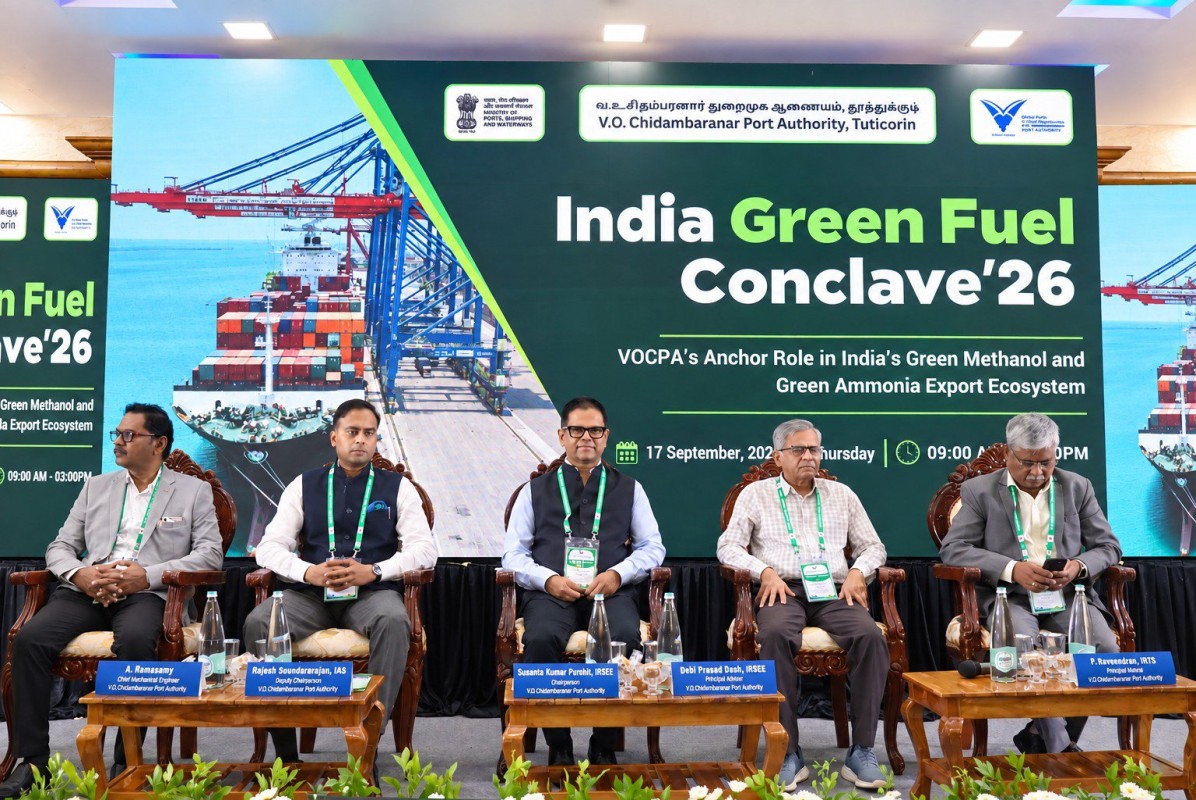
TUTICORIN: The India Green Fuel Conclave’26 concluded at V.O. Chidambaranar Port with a focus on strengthening India’s green fuel ecosystem, advancing green hydrogen technologies and exploring opportunities for sustainable maritime fuel infrastructure.

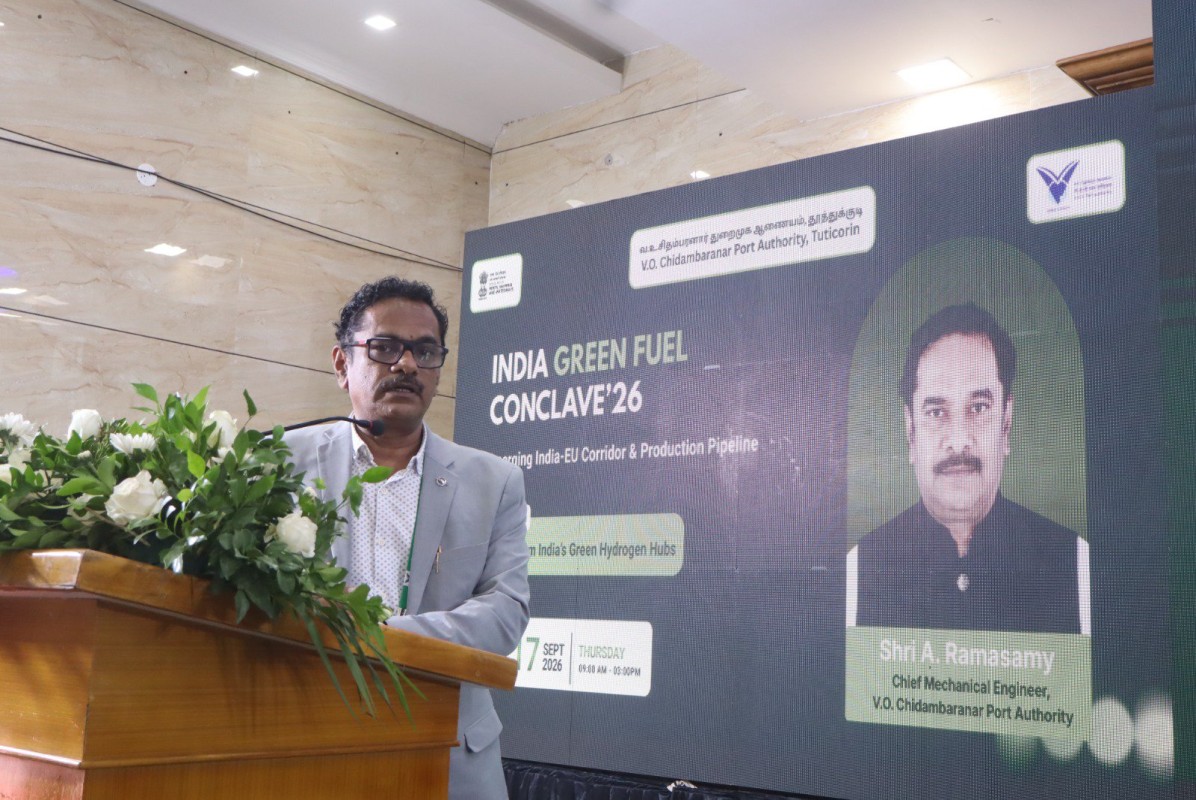
The conclave featured insightful sessions on the development of green hydrogen hubs in India and the technological enablers shaping the country’s emerging green hydrogen ecosystem. Discussions brought together maritime and industry experts, highlighting the importance of innovation, technology and collaboration in accelerating the transition towards sustainable energy and greener shipping.

Among the speakers were Shri A. Ramasamy, Chief Mechanical Engineer, V.O. Chidambaranar Port Authority; Shri Susil Chandra Nahak, Chief Mechanical Engineer, Paradip Port Authority; Shri Snehal Kumar Suryawanshi, Head – Cleantech, Alfa Laval; and Dr. Santanu Choudhuri, Chief Technology Officer, Thermax Ltd.

Shri Vijay Kumar, IAS, Secretary, Ministry of Ports, Shipping and Waterways, addressed the conclave through a special video message. He underscored the importance of developing robust green fuel ecosystems, strengthening port infrastructure and advancing green hydrogen, green methanol and green ammonia to support sustainable shipping and international trade.

He also emphasised the need for stronger industry partnerships and coordinated efforts to accelerate India’s transition towards a greener maritime sector.

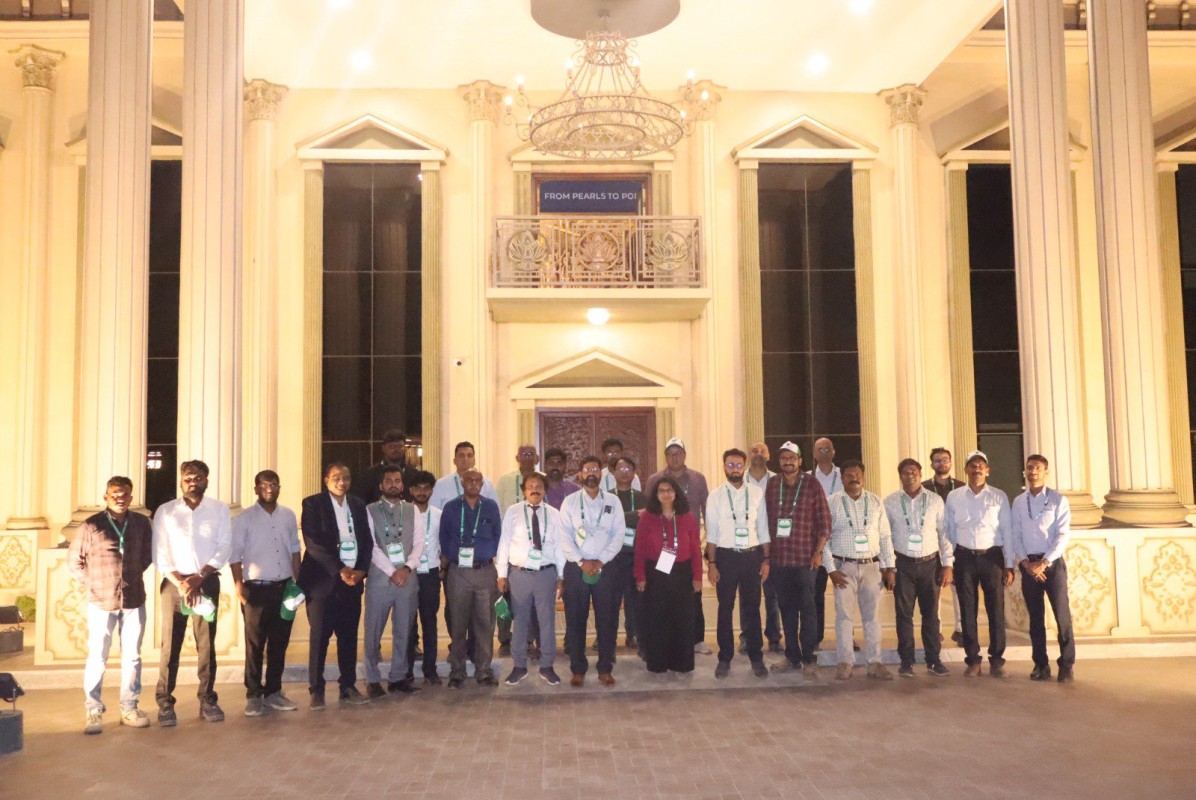
The conclave concluded with a guided site excursion to key facilities of V.O. Chidambaranar Port Authority, including the Green Methanol Bunkering Site, VOCPA Heritage Museum and Green Hydrogen (GH2) Site.

The visit provided delegates with first-hand insights into the port’s existing infrastructure, ongoing green energy initiatives and potential opportunities for future green fuel terminals and bunkering operations.

The concluding site visit brought the India Green Fuel Conclave’26 to a meaningful close, combining knowledge exchange with direct exposure to emerging green maritime infrastructure and opportunities for industry collaboration.

Dugarajapatnam Greenfield Shipyard Project marks major step towards AP’s Maritime ambition

VISAKHAPATNAM: A significant step has been taken towards establishing Andhra Pradesh as a global hub for shipbuilding and marine manufacturing with the proposed development of a greenfield shipyard and integrated shipbuilding cluster at Dugarajapatnam.

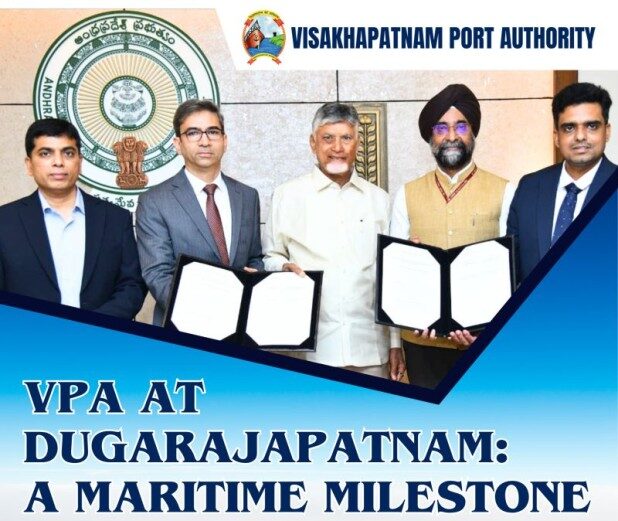
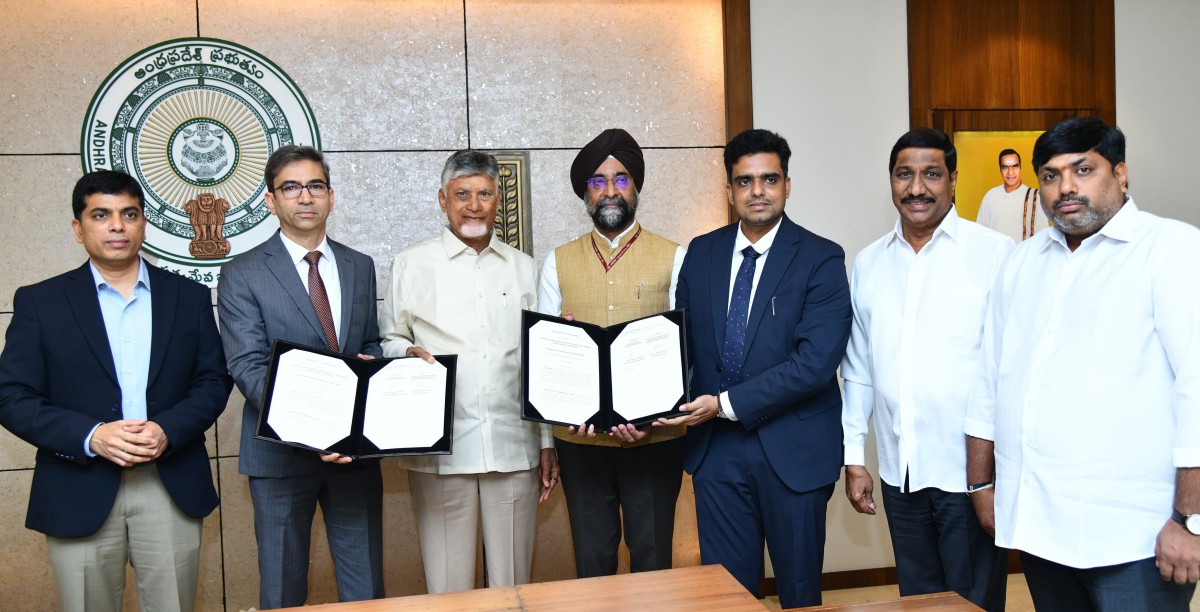
In the presence of Hon’ble Chief Minister of Andhra Pradesh, Shri N. Chandrababu Naidu, an MoU was signed between NSHIP-AP, the Special Purpose Vehicle (SPV) of the Visakhapatnam Port Authority (VPA) and Andhra Pradesh Maritime Board, and Mazagon Dock Shipbuilders Limited (MDL). The agreement represents a convergence of the maritime development vision of the Government of India and the Government of Andhra Pradesh.

The proposed project envisages an investment of ₹29,253 crore for developing an integrated shipbuilding cluster at Dugarajapatnam. The initiative has the potential to generate approximately 45,000 direct and indirect employment opportunities, while creating a broad-based maritime industrial ecosystem encompassing shipbuilding, marine engineering, ancillary manufacturing, logistics and allied services.

The Dugarajapatnam initiative is aligned with the Government of India’s broader efforts to strengthen domestic shipbuilding capacity and enhance India’s position in the global maritime industry. It supports the objectives of the Shipbuilding Development Scheme, National Shipbuilding Mission and Maritime Amrit Kaal Vision 2047, which seek to develop a competitive and globally integrated Indian shipbuilding ecosystem.

The proposed cluster is expected to provide a platform for greater industrial participation across the maritime value chain, supporting the development of specialised manufacturing capabilities, maritime engineering expertise and logistics infrastructure.

With the cooperation of the Andhra Pradesh Government and under the leadership of Shri Jasmeet Singh Bindra, IRTS, Chairman, Visakhapatnam Port Authority, the Dugarajapatnam initiative marks an important milestone in the State’s maritime development journey.

The proposed greenfield shipyard and integrated cluster could strengthen Andhra Pradesh’s role in India’s emerging shipbuilding ecosystem while contributing to employment generation, industrial development and the country’s long-term maritime ambitions.

Mazagon Dock Shipbuilders to invest ₹15,000 crore in Greenfield shipyard at Dugarajapatnam

VISAKHAPATNAM: Mazagon Dock Shipbuilders Ltd (MDL) will invest around ₹15,000 crore to develop a Greenfield shipyard at Dugarajapatnam in Andhra Pradesh, with the project expected to generate around 45,000 direct and indirect jobs.

The Navratna defence public sector undertaking has signed a memorandum of understanding (MoU) with National Shipbuilding and Heavy Industries Park-AP (NSHIP-AP) to develop the shipyard, which will have a design capacity of 1.2 million Gross Tonnage (GT) a year. The investment will be subject to the requisite approvals and statutory clearances.

The proposed facility is expected to build a range of commercial vessels, including tankers, bulk carriers, container ships, LNG carriers and other large specialised vessels. The capacity could subsequently be expanded depending on market requirements.

The MoU was signed in the presence of Chief Minister N. Chandrababu Naidu by Capt. Jagmohan (Retd.), Chairman and Managing Director, MDL, and Praveen Adhithya, Managing Director, NSHIP-AP in Amaravati on Friday.

The Andhra Pradesh government is planning a broader Shipbuilding-cum-Port Cluster at Dugarajapatnam. According to the Techno-Economic Feasibility Report, the shipbuilding and ship-repair yard is estimated to cost about ₹29,254 crore, while the proposed port is estimated at ₹9,513 crore. The port is proposed to be developed by the Government of India.

MDL has been identified as the Anchor Shipyard for the cluster, which is being developed under the Centre’s Shipbuilding Development Scheme (SbDS). NSHIP-AP is a special purpose vehicle jointly formed by the Andhra Pradesh Maritime Board and Visakhapatnam Port Authority.

The project is expected to catalyse the development of an ancillary ecosystem around shipbuilding, with opportunities across marine engineering, manufacturing, logistics and allied industries.

MARITIME PUSH
Speaking on the occasion, Chief Minister Chandrababu Naidu said the Dugarajapatnam cluster, with MDL as the Anchor Shipyard, would help position Andhra Pradesh as a major shipbuilding hub while attracting investments and ancillary industries to the State, he added.

According to Jagmohan, Dugarajapatnam had the scale and maritime potential to support a globally competitive shipyard. MDL was aiming at establishing a modern facility capable of serving both domestic and international markets, he said.

Jasmeet Singh Bindra, Chairperson, Visakhapatnam Port Authority, said VPA, which holds a 50 percent shareholding in NSHIP-AP, would support the development of the cluster and coordination with the Centre and other Central government agencies.

The Andhra Pradesh Maritime Board will facilitate land, infrastructure and statutory clearances required for the timely implementation of the project, according to a release.

25th Meeting of SCO Ministers responsible for economic and foreign trade activities held in Tajikistan

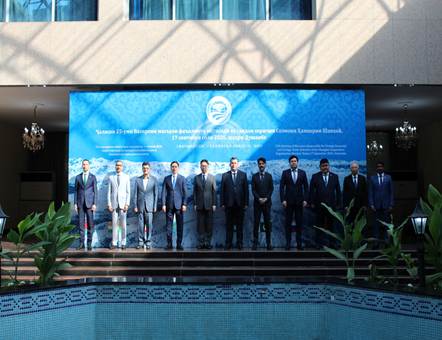
DUSHANBE: The 25th Meeting of Ministers of the Shanghai Cooperation Organization (SCO) Member States Responsible for Foreign Economic and Trade Activities was held in Dushanbe, Tajikistan, on 17 September 2026.

The Meeting reviewed ongoing cooperation among SCO Member States in the areas of economic and trade activities and exchanged views on measures to further deepen trade and economic cooperation within the SCO framework.

In his intervention on behalf of India, Shri Yashvir Singh, highlighted the significant economic potential of the SCO and the importance of translating this potential into tangible outcomes through increased intra-SCO trade, lower trade costs, resilient supply chains and enhanced connectivity.

Referring to the vision articulated by Prime Minister Shri Narendra Modi at the SCO Summit in Bishkek, India highlighted the three pillars of Security, Connectivity and Opportunity. India underscored their economic significance, particularly in strengthening supply-chain resilience, developing efficient and trusted connectivity, and expanding opportunities for businesses through greater market access.

India emphasised the important role of trade facilitation and digitalisation in reducing the cost and time associated with trade. In this context, India highlighted the need for simplified customs procedures, paperless trade and electronic exchange of documents, alongside stronger multimodal connectivity and reduced transit times.

India also called for greater cooperation among SCO Member States to diversify and strengthen supply chains in strategic and emerging sectors, including agriculture, critical minerals, pharmaceuticals, manufacturing and electronics. The potential for enhanced cooperation in energy security, renewable energy and green hydrogen was also highlighted.

Recognising the importance of enabling smaller businesses to participate more effectively in regional and global trade, India underscored the role of digital payments, cross-border payments and accessible trade finance, particularly for MSMEs and start-ups. India further called for greater participation of SCO economies in global value chains and reiterated its commitment to an open, inclusive and rules-based multilateral trading system, with the WTO at its core.

The Ministers adopted the ‘Statement of the Ministers of the Shanghai Cooperation Organization Member States Responsible for Foreign Economic and Foreign Trade Activity’.

The Ministers agreed on the ‘Action Plan for 2026–2030 for the Implementation of the Programme of Multilateral Trade and Economic Cooperation of the Shanghai Cooperation Organization Member States’ for its further approval by the Council of Heads of Government (Prime Ministers) of the SCO Member States.

The Ministers also approved the ‘Regulations on the Special Working Group of the Shanghai Cooperation Organization Member States on the Development of the Creative Economy’.

The Ministers took note of the information provided by the representative of the SCO Business Council regarding the activities of the Council. They also took note of the information provided by the Tajik side on the work of the SCO Consortium of Economic Analytical Centres.

The Ministers noted that the next Ministerial Meeting will be held in 2027 in the Republic of Uzbekistan.

India–Nepal inter-governmental sub-committee on trade, transit and cooperation to control Unauthorised Trade held in New Delhi

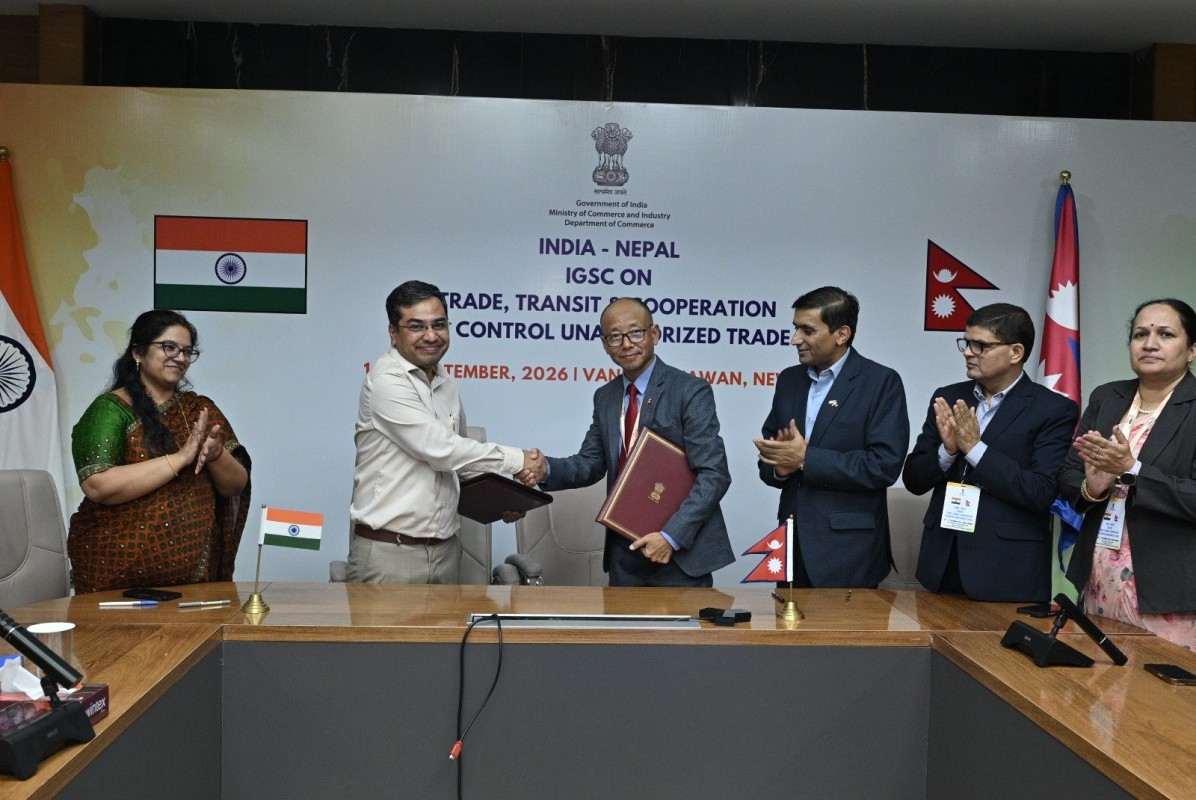
NEW DELHI: The India–Nepal Inter-Governmental Sub-Committee (IGSC) on Trade, Transit and Cooperation to Control Unauthorised Trade was held at Vanijya Bhawan, New Delhi, on 16–17 September 2026.

The Indian delegation was led by Joint Secretary, Department of Commerce, Government of India, Shri Ujjwal Kumar Ghosh, while the Nepali delegation was led by Joint Secretary, Ministry of Industry, Commerce and Supplies, Government of Nepal, Shri Buddha Bahadur Gurung. Senior officials from the concerned Ministries and Departments of both countries participated in the meeting.

The IGSC is an important bilateral institutional mechanism for detailed examination of trade and trade-related issues and for facilitating bilateral trade and transit.

During the meeting, both sides reviewed a wide range of issues relating to market access, Customs and trade facilitation, standards, food safety, phytosanitary measures, pharmaceuticals, medical devices, AYUSH products, border infrastructure, rail and road connectivity and other trade-related matters.

Both sides discussed measures to facilitate greater market access for products of India and Nepal. Issues relating to agricultural products, dairy, food products, pharmaceuticals, medical devices and AYUSH products, along with standards and phytosanitary requirements, were considered.

The two sides also discussed strengthening Customs cooperation and trade facilitation, including pre-arrival exchange of information, electronic verification of Certificates of Origin, Customs automation and digitalisation. The discussions focused on facilitating legitimate trade while strengthening mechanisms to ensure compliance with applicable rules and prevent misuse of preferential trade arrangements.

Transit and connectivity constituted an important part of the discussions. Both sides reviewed rail and road connectivity, movement of freight, Integrated Check Posts and land-port infrastructure. The discussions also focused on improving the utilisation of existing infrastructure and addressing operational bottlenecks affecting bilateral and transit trade.

The two sides welcomed continued cooperation in standards, food safety, plant quarantine and conformity assessment, including institutional cooperation and capacity-building initiatives.

Both sides emphasised the importance of continued cooperation between the relevant agencies to facilitate legitimate cross-border trade and address issues relating to unauthorised trade and commercial fraud.

The meeting was held in a cordial and constructive atmosphere. Both sides agreed to maintain close engagement through established institutional mechanisms and pursue time-bound follow-up on issues requiring further technical examination.

India and Nepal share close historical, cultural and economic ties. India remains Nepal’s largest trading partner and an important source of investment. The discussions at the IGSC are expected to further strengthen bilateral trade, transit connectivity and economic cooperation between the two countries.