Home Blog Page 98

India-New Zealand FTA provides duty-free access for 100 per cent of Indian exports

NEW DELHI: India welcomes the passage of legislation by the Parliament of New Zealand on September 16, 2026, to give effect to the India-New Zealand Free Trade Agreement (FTA), signed in New Delhi on April 27, 2026. The passage of the legislation marks an important step towards bringing the Agreement into force and reflects the shared commitment of India and New Zealand to deepen and broaden their economic partnership.

The visit of Prime Minister Shri Narendra Modi to New Zealand in July 2026, the first visit by an Indian Prime Minister to New Zealand in four decades, provided momentum to the bilateral relationship. During the visit, the two Prime Ministers reaffirmed their commitment to deepen economic engagement and emphasised the importance of early implementation of the India-New Zealand FTA.

India and New Zealand share longstanding and close relations, anchored in strong people-to-people ties and expanding cooperation across trade and investment, agriculture, education, sports, technology and other areas. The FTA represents a significant step in further strengthening these ties and creating new opportunities for businesses and communities in both countries.

The Agreement provides duty-free access for 100 per cent of Indian exports to New Zealand from the date of entry into force, opening new opportunities for Indian exports including textiles and apparel, leather and footwear, engineering goods, pharmaceuticals, agriculture and processed food products. At the same time, it provides enhanced and preferential access to the Indian market for New Zealand exports including wood, wool, sheep meat and leather raw hides.

The Agreement also creates new opportunities in services, investment and professional, student and youth mobility, including enhanced pathways for Indian professionals and students. It provides for facilitating USD 20 billion of investment into India and strengthens bilateral cooperation in areas including agricultural productivity, pharmaceuticals and medical devices, traditional medicine and AYUSH, technology and trade facilitation.

India and New Zealand are working closely to complete their respective domestic processes and to facilitate the early entry into force of the Agreement.

TMS TACCC 2026 to bring together industry leaders and experts to address the next phase of global transport decarbonisation

ABU DHABI: The fourth edition of The Maritime Standard Transportation & Climate Change Conference (TMS TACCC) will take place on Thursday, 24th September 2026, at the Hilton Yas Island, Abu Dhabi, bringing together senior maritime and transport leaders, sustainability specialists, policymakers, technology experts and industry stakeholders to examine the challenges and opportunities shaping the next phase of global transport decarbonisation.

Held under the theme “Scaling Climate Action: Finance, Fuel, Resilience & Recovery in Global Transport,” TMS TACCC 2026 will focus on the practical realities of delivering climate action at a time when the transport industry is navigating evolving regulations, significant investment requirements, changing energy markets, geopolitical uncertainty and the need to strengthen operational resilience.

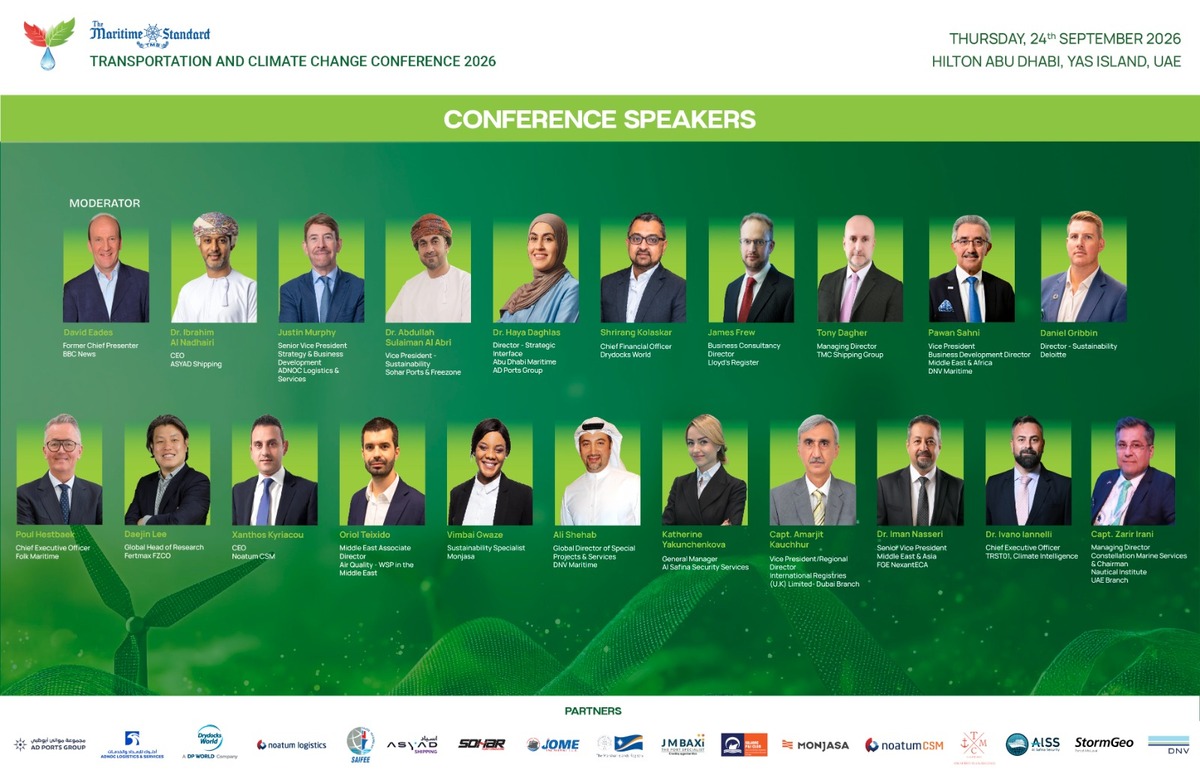
The conference will feature two key sessions, moderated by David Eades, Former Chief Presenter, BBC News. Bringing together senior industry practitioners and specialists from across the maritime, energy, logistics, finance, technology and sustainability sectors, the programme will examine how the industry can turn climate ambitions into commercially viable and operationally practical solutions.

The first session, “Delivering Net-Zero Maritime: Regulation, Markets & Investment Readiness,” will focus on the financial, regulatory and strategic dimensions of maritime decarbonisation. With new environmental requirements reshaping investment decisions and fleet strategies, the session will explore how companies can prepare for the transition while balancing commercial priorities, operational requirements and long-term sustainability objectives.

Confirmed speakers for the session include Dr. Ibrahim Al Nadhairi, CEO, Asyad Shipping; Justin Murphy, Senior Vice President, Strategy and Business Development, ADNOC Logistics & Services; Dr. Abdullah Sulaiman Al-Abri, Vice President – Sustainability, Sohar Ports & Freezone; Dr Haya Daghlas, Director Strategy & Regulations, Abu Dhabi Maritime; Shrirang Kolaskar, Senior Vice President – Finance, Drydocks World; James Frew, Business Consultancy Director, Lloyd’s Register; Tony Dagher, Managing Director, TMC Shipping; Pawan Sahni, Vice President, Business Development Director Middle East and Africa, DNV Maritime; and Daniel Gribbin, Director – Sustainability, Deloitte.

The discussion will address the growing cost and complexity of the transition, including investment in fleet renewal and retrofits, alternative fuel adoption, carbon markets, sustainable finance and regulatory compliance. It will also consider how shipowners, operators, ports and other stakeholders can assess investment readiness and build strategies that remain resilient amid changing market and geopolitical conditions.

The second session, “Technology & Infrastructure: Scaling Decarbonized Transport Ecosystems,” will examine the technologies, infrastructure and operational capabilities required to support a more efficient and resilient transport sector. As digital tools and data become increasingly important to decision-making, the session will explore how technology can help companies improve efficiency, transparency, safety and environmental performance.

Confirmed speakers include Poul Hestbæk, Chief Executive Officer, Folk Maritime; Daejin Lee, Global Head of Research, Fertmax FZCO; Xanthos Kyriacou, CEO, Noatum CSM; Oriol Teixidó, Middle East Associate Director – Air Quality, WSP in the Middle East; Vimbai Gwaze, Sustainability Specialist, Monjasa; Ali Shehab, Global Director of Special Projects and Services, DNV Maritime; Katherine Yakunchenkova, General Manager, Al Safina Security Services Ltd; Capt. Amarjit Kauchhur, Vice President, Middle East/Regional Director, International Registries (U.K.) Limited – Dubai Branch; Dr. Ivano Iannelli, Chief Executive Officer, TRST01; and Shailesh Bhala, Chief Operating Officer, Best Oasis, DMCC.

Topics will include digitalisation, freight analytics, predictive intelligence, environmental data, connectivity, fuel traceability, carbon accounting and ESG transparency. The session will also explore the role of technology in strengthening maritime security, regulatory compliance and operational resilience, while supporting the development of more sustainable transport ecosystems.

Together, the two sessions will address the closely connected challenges of finance, regulation, fuel, technology and resilience that will determine the pace and effectiveness of the global transport transition. The discussions will place particular emphasis on practical implementation, recognising that achieving long-term climate objectives will require investment, innovation and collaboration across the entire transport value chain.

TMS TACCC 2026 comes at an important juncture for the maritime and wider transport industries. As companies face growing pressure to reduce emissions while maintaining competitiveness, reliability and energy security, the conference will provide a platform for informed discussion on how ambitious sustainability goals can be translated into realistic business and operational strategies.

The conference will bring together decision-makers and experts from shipping, ports, logistics, energy, finance, technology and sustainability to exchange knowledge, explore emerging solutions and identify opportunities for collaboration. Through its discussions, TMS TACCC 2026 aims to contribute to a more practical understanding of how the transport industry can scale climate action while building greater resilience for the future.

Container shipping resumes Suez Route amid renewed Red Sea risks

CAIRO: Container shipping’s return to the Suez Canal is gathering pace, even as fighting around the southern entrance to the Red Sea is moving in the opposite direction.

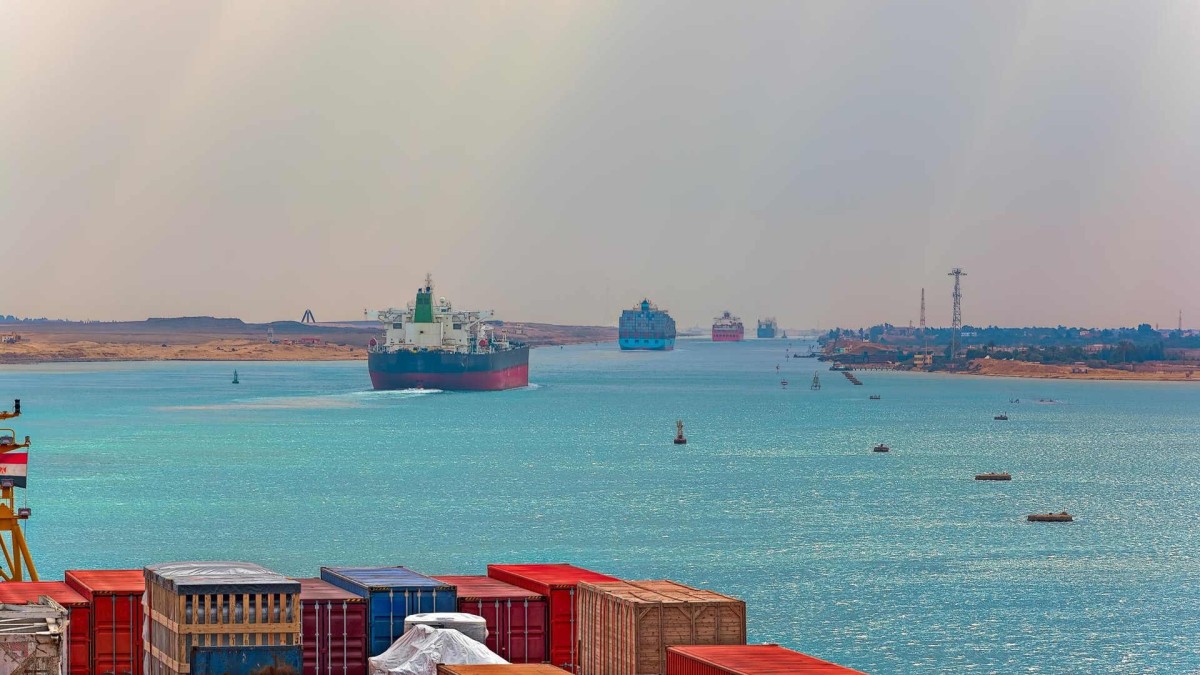
The 24,188-TEU OOCL Portugal transited the Suez Canal on Wednesday on a voyage from Belgium to China, marking what the Suez Canal Authority described as COSCO SHIPPING Lines’ first southbound passage through the canal since the Red Sea security crisis began.

The nearly 400-meter vessel operates on Ocean Alliance’s NEU2 service connecting the Far East and Northwest Europe.

For Egypt, the passage is another sign that the container sector is beginning to rebuild its presence on the Suez route after years of diversions around the Cape of Good Hope.

The Suez Canal Authority said container ship net tonnage through the canal reached 72.1 million tons during the first eight months of 2026, up 54.2% from 46.7 million tons during the same period last year. The authority said services operated by CMA CGM, Maersk, MSC, Hapag-Lloyd and COSCO have all returned to the canal to varying degrees.

That recovery further accelerated this week. Maersk and Hapag-Lloyd announced Monday that four additional Gemini Cooperation services — AE5, AE11, AE12 and ME2 — will shift from the Cape of Good Hope back to the Suez Canal. They join the AE15 and AE19 services already operating through Suez, substantially expanding Gemini’s exposure to the Red Sea corridor.

Sailing through Suez removes thousands of miles from Asia-Europe voyages compared with routing around southern Africa, cutting transit times, fuel consumption and vessel requirements. But the return is happening against an increasingly complicated security backdrop.

Bab el-Mandeb Risk Is Moving the Other Way

Iran-aligned Houthi forces have made rapid gains along Yemen’s Red Sea coast this month, capturing Mocha and moving onto islands around the Bab el-Mandeb Strait, the narrow southern gateway that every ship using the Red Sea-Suez route must pass.

The Houthis have so far limited their declared naval blockade to Saudi vessels, while reports indicate the group intends to continue honoring its earlier ceasefire agreement with the United States. Houthi representatives told U.S. officials during recent talks in Oman that they would not target American or Israeli vessels, while reserving the right to attack Saudi shipping.

That distinction matters for container carriers weighing a Suez return, but it does not remove the broader risk of operating through the region.

Maersk and Hapag-Lloyd have already left themselves room to reverse course. In announcing their latest Suez changes, the carriers said future routing remains dependent on stability in the Red Sea and the absence of further escalation.

“The safety of the crew, the vessels, and customers’ cargo remains the highest priority,” Maersk said.

For the Suez Canal, however, the trend is finally moving in the right direction. Wednesday’s OOCL Portugal passage came as 39 ships carrying a combined 2.3 million net tons transited the canal, according to the Suez Canal Authority.

Dubai Maritime City Docks its largest-ever vessel MT Cabri

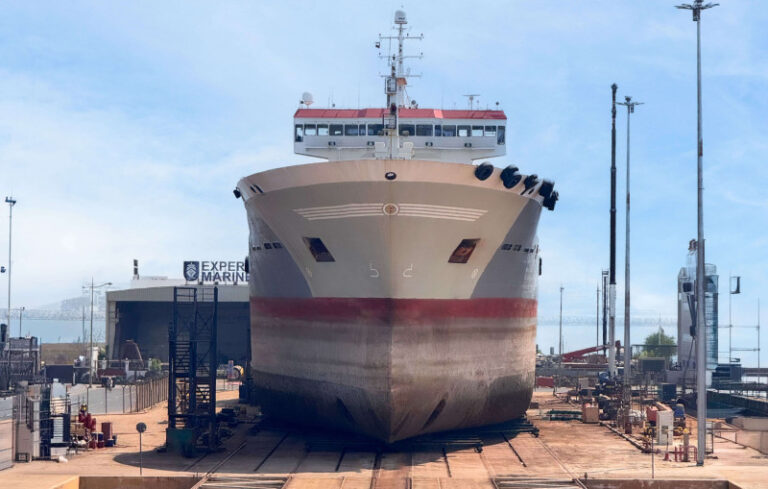
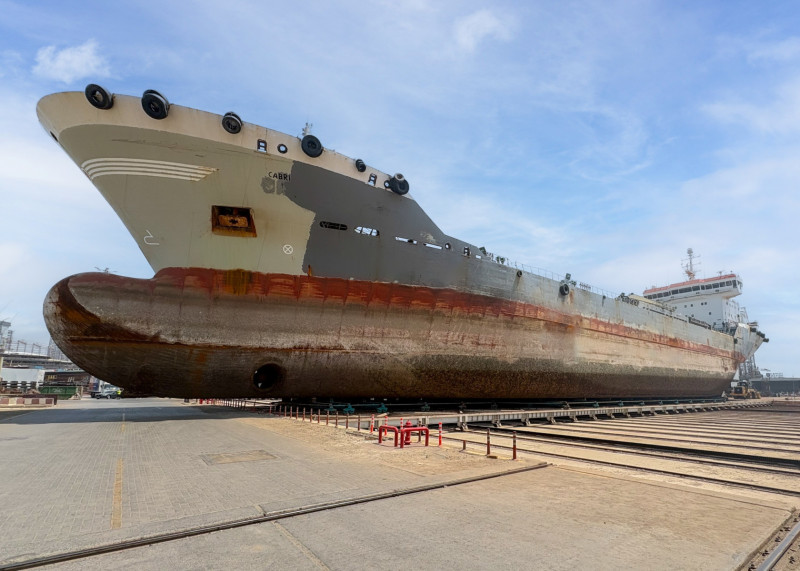
DUBAI : Dubai Maritime City (DMC) has successfully completed the docking of MT Cabri, a 145-metre tanker, marking the largest vessel ever docked at the DMC Shipyard.

mt cabri Dubai Maritime City Docks its largest-ever vessel MT Cabri

The docking operation was completed in three and a half hours by a team of 38 employees, surpassing the facility’s previous vessel-length record of 135 metres set in 2020.

The milestone reflects the range and complexity of vessels that can be serviced in Dubai, supporting growing demand for advanced maritime repair and maintenance. MT Cabri is currently undergoing the installation of a ballast water treatment system which cleans and treats water carried on board the vessel, along with hull treatment and other repairs at the facility.

During the operation, MT Cabri was precisely maneuvered onto the shipyard’s lifting system before being transferred to the repair area. The complex movement was completed safely and efficiently, demonstrating the facility’s capacity to accommodate large vessels.

The record docking strengthens Dubai Maritime City’s role in the emirate’s maritime ecosystem and reflects continued investment in the infrastructure, expertise and operational capacity needed to support larger and more complex vessel projects.

CII Bestows 2026 Connie Award on Alan McCorkle and Lifetime Achievement Award on Sue Coffey

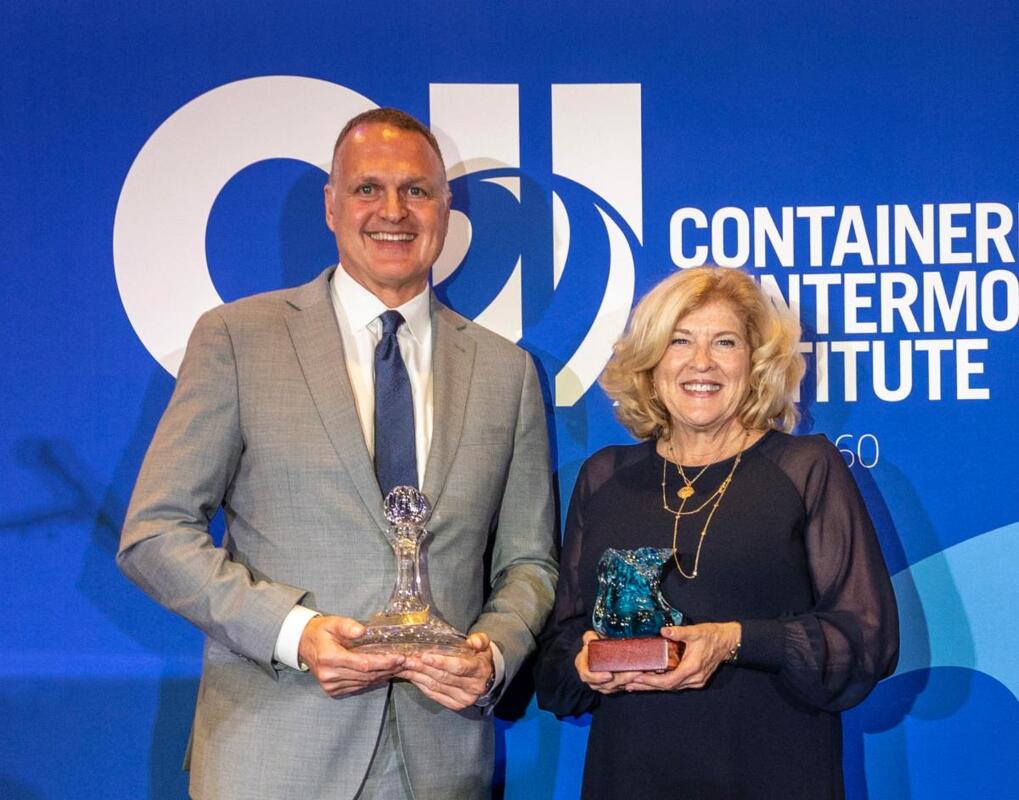
LONG BEACH: The Containerization & Intermodal Institute (CII) celebrated industry leadership, career achievement and the future of the containerization and intermodal industry at its 2026 Connie Awards dinner on Wednesday night at the Marriott Long Beach Downtown Hotel.

A longstanding industry tradition, the Connie Awards bring together leaders from across the maritime and intermodal community to recognize individuals whose careers and contributions have made a lasting impact on the industry. This year, CII bestowed its prestigious Connie Award on Alan McCorkle, President and CEO of Yusen Terminals, and honored Sue Coffey, Vice President of Marketing and Key Accounts at The Pacific Companies, with its Lifetime Achievement Award.

McCorkle was recognized for his leadership, operational expertise and lasting contributions to containerization and intermodal transportation. Over more than three decades in the maritime and terminal industry, he has helped shape port and terminal operations, overseen major infrastructure development projects and driven operational excellence across global logistics networks.

Established in 1972, the Connie Award recognizes visionary leaders who have demonstrated courage, innovation and a lasting commitment to advancing the containerization and intermodal industry. McCorkle’s award was presented by past Connie Award recipient Joseph S. Gregorio, Sr., CEO and Chairman of The Pacific Companies.

“Alan represents exactly what this award was created to celebrate,” said Rob Cannizzaro, who served as emcee for the evening and is a CII Board Member and Executive Director of the Ocean Carrier Equipment Management Association. “He has led through some of the most demanding stretches our industry has faced, not just building something significant at Yusen Terminals, but building it with integrity and genuine care for the people around him.”

Coffey received CII’s Lifetime Achievement Award in recognition of a career spanning more than 40 years in transportation and maritime logistics, marked by contributions to global trade, business development and industry collaboration. Her career has included leadership roles with Sea-Land, CSX, Eagle Global Logistics, the Port of Tacoma/The Northwest Seaport Alliance and The Pacific Companies, providing her with a broad perspective across the maritime and intermodal supply chain.

Coffey has also dedicated more than 20 years to CII, contributing her experience and industry perspective to the organization and continuing to serve today as a valued advisor to its Board of Directors. Her Lifetime Achievement Award was presented by her cousin, Commander John “JC” Coffey, U.S. Navy (Retired).

“Sue’s more than 40-year career reflects an extraordinary commitment to this industry and the people who make it stronger,” Cannizzaro said. “Her influence can be seen throughout the industry, as well as here at CII, where her many years of service have helped shape the organization we are today. We are incredibly grateful for all she has contributed to both.”

In keeping with CII tradition, the organization also made a donation in McCorkle’s name to a charity of his choosing, the Boys & Girls Club of Los Angeles Harbor.

McCorkle joins a distinguished group of more than 70 Connie Award recipients whose careers and contributions have helped shape the containerization and intermodal industry. Past honorees include containerization pioneer Malcom McLean, The Honorable Helen Delich Bentley, Allen Clifford, The Honorable Mario Cordero, Ed DeNike, Joseph Gregorio, Jon Hemingway, Vincent Marino, Robert Sappio, Gene Seroka and Peter Tirschwell.

The evening also celebrated the next generation of industry professionals, reflecting an important part of CII’s mission: supporting education and helping the containerization and intermodal industry attract, develop and retain the best and brightest talent. Earlier in the day, CII awarded 18 scholarships to students and institutions across the country, including California State University, Long Beach; the University of Southern California; EXP; and the California Maritime Academy.

Since 1992, CII has awarded more than $1 million in scholarships, investing in the people who will help shape and strengthen the future of the industry. Companies and individuals can support CII’s ongoing commitment to industry education by funding scholarships beginning at $1,000. Information about funding a named scholarship is available from CII Executive Director Lisa Aurichio at  info@containerization.org.

About CII

The Containerization & Intermodal Institute (CII) is a nonprofit organization that promotes industry awareness, preserves the history of intermodalism and fosters education and career development within the containerization and intermodal industry. CII advances these goals through educational conferences and seminars, industry resources, networking opportunities, career guidance, internships and scholarships.

The Houthis have further tightened their grip on the Red Sea. Here’s what it could mean for the world

LONDON: In recent days, the Houthi rebels in Yemen have moved with lightning speed along the Red Sea coast, taking control of the vital port of Mocha and strategic islands in the Red Sea near the Bab el-Mandeb Strait.

This strait is an important chokepoint along the sea route that connects the Mediterranean Sea with the Indian Ocean. With the on-and-off closure of the Strait of Hormuz this year, it has offered a critical alternate route for oil, liquefied natural gas, and other goods leaving or transiting the region.

Saudi Arabia, in particular, has diverted up to 64% of its oil exports via an overland east-west pipeline, transporting oil to its Yanbu Port on the Red Sea and shipping it out through Bab el-Mandeb.

Just days ago, this Saudi pipeline was hit by drones, spiking oil prices and causing damage that is estimated will take weeks to repair. The attacks reportedly came from Iraq, seemingly from an Iranian-backed militant group.

For now, Red Sea shipping appears to be continuing largely unaffected. This latest escalation suggests Iran and its allies are settling in for a long war. Here’s what that could mean for the world.

Another blow to oil markets

The Houthis’ strategic territorial gains come as a second blow to Saudi oil exports. Houthi advances are part of an ongoing civil war in Yemen between the Houthis, backed by Iran, and a Saudi-backed government, the Presidential Leadership Council.

From 2015 until a truce in 2022, Saudi Arabia was actively involved in a combined air and limited ground campaign in Yemen, fighting against the Houthis. The fragile truce has held until this year.

The Houthis have said their direct targets are Saudi Arabian vessels and Saudi oil. But countries across Europe, Asia and Africa rely on goods moving out of the Bab el-Mandeb Strait.

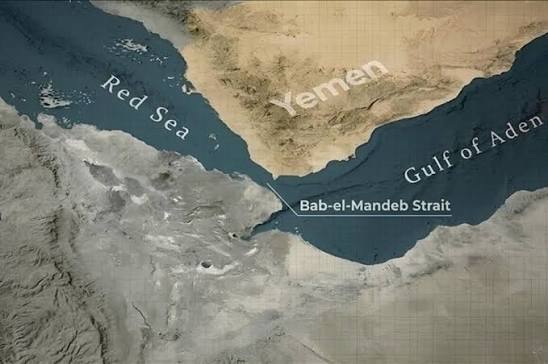
From the strategic position of Mocha, just 75 kilometres north of the Bab el-Mandeb Strait, Houthi rebels can disrupt and effectively control global shipping in and out of the strait.

Maritime traffic can be quickly ground to a halt, using light, asymmetric means such as drones, anti-ship missiles and fast attack boats.

Houthi control of the Bab al-Mandeb Strait has tightened

Recent Houthi gains along the Red Sea, including the port city of Mocha and the Hanish Islands, have increased their control of the vital Bab al-Mandeb Strait.

Settling in for a long war

The Houthis doubling down on controlling a vital shipping route in the Red Sea marks a turning point in the ongoing war between the United States and Iran. It shows the Houthis, and by extension Iran, are not backing down from a long war with the US.

Although Iranian involvement was not directly stated, it is highly unlikely the Houthis would have acted without Iran’s approval. Iran and the Houthis now have a stranglehold over two vital waterways for global shipping.

The timing and strategic importance of Houthi gains does not seem a coincidence. It shows the Iranian regime is using leverage where it can, to maintain and increase pressure on the global economy, on the US and on neighbouring countries.

For global shipping, disruption is a new normal

Global supply chains have gone from being a complex operation to a high-risk, highly-vulnerable sector. Even before war broke out between the US and Iran earlier this year, a 2025 UN trade and development report had expected disruptions to continue until at least 2030 with rerouting of ships becoming commonplace.

The latest Houthi move shows an “erosion of US influence” over global shipping. On Saturday, US President Donald Trump said the Houthis had asked the US not to intervene. Trump also refused a request from the Saudi Crown Prince to join Saudi strikes on Houthi targets in Yemen.

With Bab el-Mandeb looking increasingly dangerous, countries in the region are likely to redouble efforts on constructing road and rail routes to transport goods out of the region.

This will take time to be fully functional, and will not support the same volume as maritime routes. Meanwhile, the global economy will still need to reorganise, with increased fuel prices and rising inflation.

Europe may be drawn into the fight

A full closure of the Bab el-Mandeb Strait may draw European allies into the war between the US and Iran, something they have so far avoided. European leaders have refused to join the US in a military blockade of the Strait of Hormuz, or attempts to reopen the Strait of Hormuz by force.

Trump has criticised European leaders for reticence to join the US war with Iran.

However, when it comes to the Bab el-Mandeb Strait, the European Union is involved in protecting freedom of navigation in the Red Sea, with a defensive maritime operation.

An ongoing crisis in the Red Sea may draw them more directly into conflict with the Iranian-backed Houthis and, by extension, Iran.

Will the crisis escalate further?

Whether or not the crisis escalates will depend largely on Saudi and Houthi actions in coming weeks. According to Houthi media, Saudi Arabia has conducted air strikes this week on Mocha airport and other targets in Yemen.

If Saudi Arabia returns to an all-out bombing campaign, it will decisively break the 2022 truce with the Houthis.

Another important question is to what extent the Houthis will actually use their new strategic advantage over the Bab el-Mandeb Strait to target vessels. In August this year, the Houthis targeted a cargo ship in the Red Sea, killing six people.

Will the Houthis attack vessels causing further loss of life? If yes, we are likely to see a response from Saudi Arabia, the EU and possibly the US.

Source: The Conversation

Strait of Hormuz ship crossings remain in single digits, data shows

SINGAPORE: Vessel transits through the Strait of Hormuz ​remained in the single digits at four on ‌Tuesday, down from seven a day earlier, preliminary shipping data showed on Wednesday, falling well short of the 10-day average ​of 18.

The drop in traffic through the ​waterway that handled one-fifth of the world’s oil ⁠and liquefied natural gas supply before the Iran war ​comes after attacks in the region intensified.

Of the total ​on Tuesday, two ships were exiting and two were entering, according to the data. No very large crude carriers or liquefied ​natural gas tankers were involved. Some ships may be sailing ​through the waterway with their transponders turned off and they are ‌therefore ⁠not counted.

One very large gas carrier, Salute, carrying around 470,000 barrels of liquefied petroleum gas exited via the Iranian route, while Panamax-sized tanker Nautilus, carrying around ​510,000 barrels of ​naphtha, exited ⁠via an unknown dark route.

The two ships that entered were both laden, with ​one being a short-range dirty products tanker ​and ⁠the other a dry bulk carrier. Both entered via the Iranian route. Meanwhile, the number of ships sailing through the ⁠Bab ​el-Mandeb Strait was at 22, ​little changed on Tuesday compared with a day ago at 24.

Source: Reuters

Transito launches Total Freight as low-water challenges on the Rhine persist

WERKENDAM (THE NETHERLAND): Dutch chartering company Transito has launched Total Freight, a new service combining sea freight and inland shipping under one contract, as low water and other disruptions continue to complicate cargo movements between European seaports and the hinterland.

The service covers the sea voyage, port handling, transhipment and onward transport by inland vessel. Shippers receive one price per tonne, one contract and one invoice for the entire movement. Within an agreed range, Transito also takes waiting time between the seagoing vessel and the inland vessel on its own account.

The service addresses a problem familiar to shippers moving dry cargo from Scandinavia, the United Kingdom, Poland and northern Spain into the German and Dutch hinterland. Such shipments can involve four separate contracts. When low water, port congestion, vessel delays or missing documentation disrupt the connection between the sea and inland legs, the resulting waiting time can fall on the cargo owner.

Bas Weinberg 1 Transito launches Total Freight as low-water challenges on the Rhine persist

“A seagoing vessel waits for an inland vessel, an inland vessel waits at the quay, and the terminal waits for paperwork. Those days end up with the cargo owner,” said Bas Weinberg, Management and Business Development at Transito. “We arrange both vessels ourselves, so if one runs late, we move the other with it.”

Sea and inland shipping under one contract

Total Freight is aimed at industrial buyers and mid-sized traders without an in-house freight department, particularly companies shipping agribulk, building materials, fertilisers, minerals, recycling cargo and project cargo. Transito handles the movement from the overseas load port to the quay in the European hinterland.

“The difficult part is often not finding a vessel. It is making sure the seagoing vessel, terminal and inland vessel connect,” Weinberg said. “If something changes at sea, in port or on the river, we can manage that connection rather than leaving the cargo owner to coordinate between different parties.”

Low water can affect vessel loading and schedules, while congestion or delays at sea can also disrupt connections in port. By arranging both shipping legs, Transito can adjust schedules when circumstances change. Total Freight is available in both directions, including cargo moving from the European hinterland to overseas destinations.

Engine choices today will shape shipping’s fuel pathways through 2050, while fuel economics determine what vessels will actually consume

SINGAPORE: With vessels operating for 25–30 years and only around 4% of the fleet renewed annually, newbuild decisions made over the coming decade will establish much of the engine capacity available in 2050.

Yet having the capacity to consume a new fuel does not guarantee its uptake. Dual-fuel engines allow shipowners to switch between conventional fuels and the selected new fuel as economics and regulations evolve; continued fuel competitiveness is therefore critical to what vessels ultimately consume.

These are among the findings of Navigating the maritime fuel transition: How fuel economics, regulations, and fleet decisions shape the future bunkering landscape, based on a model jointly developed by the Global Centre for Maritime Decarbonisation (GCMD) and Boston Consulting Group (BCG).

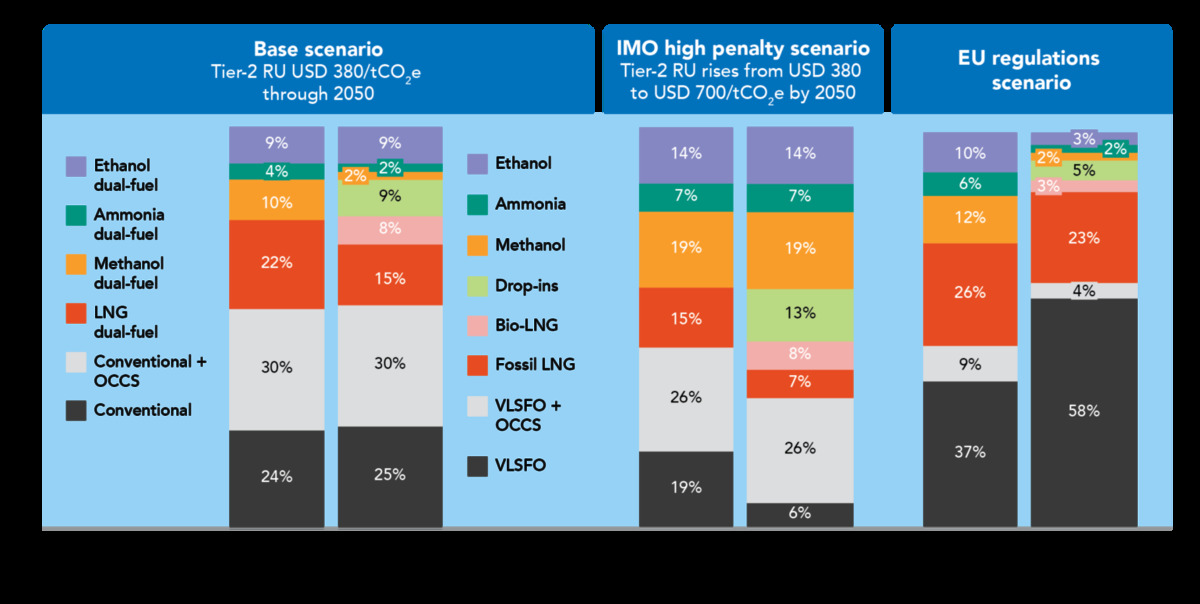
The model illustrates this dynamic in its base scenario. With the Tier-2 penalty under the IMO Net-Zero Framework held at USD 380/tCO2e through 2050, methanol dual-fuel engines account for around 10% of fleet engine capacity in 2050, but methanol represents just 2% of fleet energy consumption. With conventional fuels remaining more economical under this regulatory regime, methanol dual-fuel vessels continue to operate on fuels cheaper than methanol (Figure 1).

A global carbon price of USD 700/tCO2e materially changes the transition

The base scenario demonstrates how fuel economics can limit uptake even when vessels have the capacity to use new fuels. This picture changes if the IMO Tier-2 penalty rises to USD 700/tCO2e by 2050, at which point new fuels, including drop-ins, reach approximately 61% of fleet energy consumption (Figure 1).

By contrast, EU regulations alone will not drive a marked global shift, as they cover only around 20% of international shipping’s energy demand.

Fig 1 Engine capacity does not necessarily translate into fuel consumption while stronger carbon pricing shifts both towards new fuels 1536x773 1 Engine choices today will shape shipping’s fuel pathways through 2050, while fuel economics determine what vessels will actually consume
Figure 1: Engine capacity does not necessarily translate into fuel consumption, while stronger carbon pricing shifts both towards new fuels (Source: GCMD and BCG analysis)

Overall cost of using e-methanol and e-ammonia is near parity

While a stronger global carbon price can accelerate the shift towards new fuels, the model does not point to a clear cost winner between e-methanol and e-ammonia.

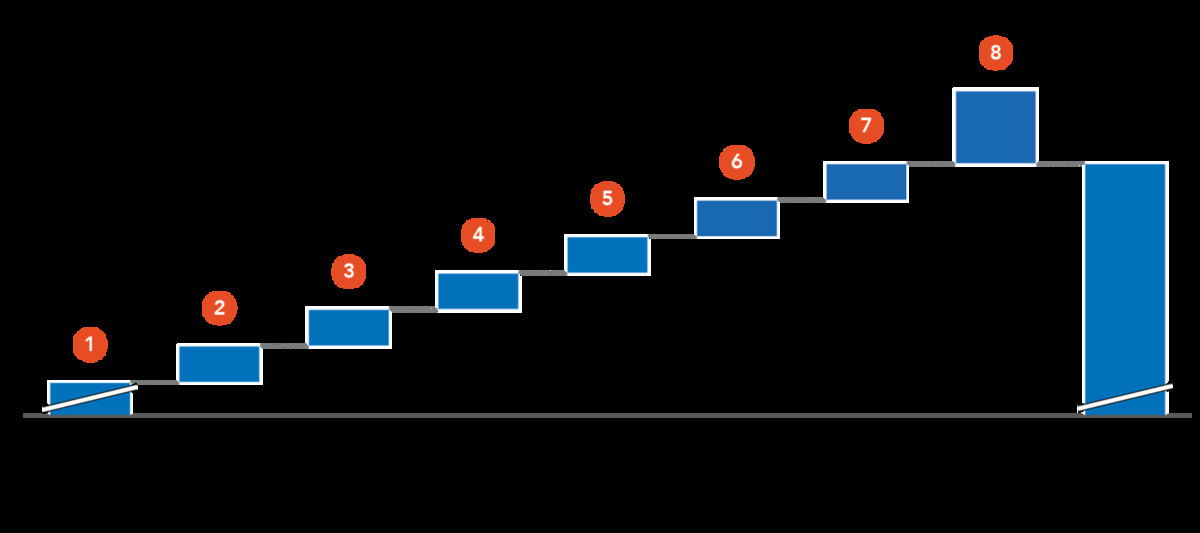
E-ammonia’s production cost advantage is largely offset by higher logistics costs arising from its toxicity, including specialised crew training, larger exclusion zones, and more complex bunkering. As a result, the overall cost (Figure 2) of using e-ammonia and e-methanol is near parity through to 2050.

Fig 2 Constituents of levelised cost of fuel use 1 1536x682 1 Engine choices today will shape shipping’s fuel pathways through 2050, while fuel economics determine what vessels will actually consume
Figure 2: Constituents of levelised cost of fuel use (Source: GCMD and BCG analysis)

Key uncertainties could reshape the competitiveness of other fuel pathways

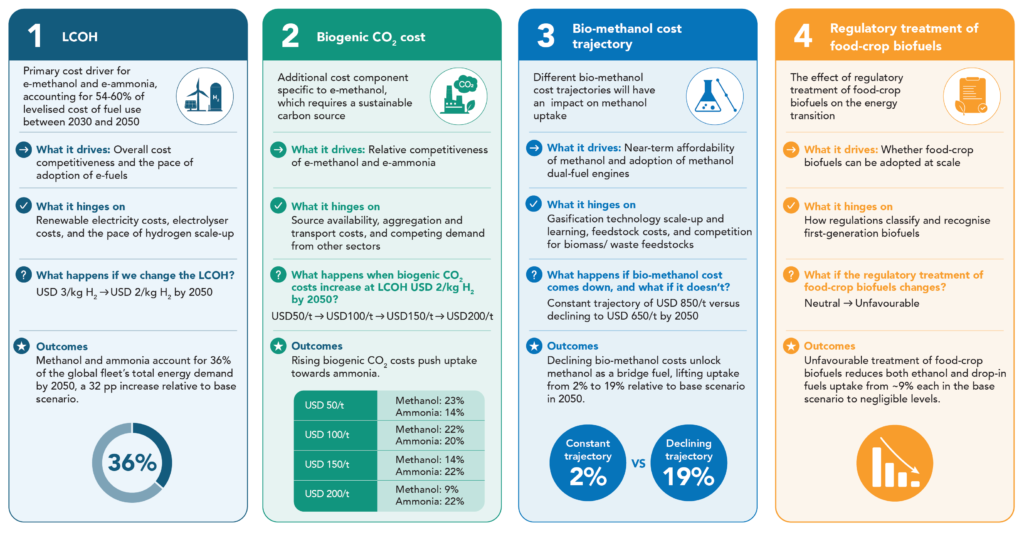
The model also identifies four key uncertainties that could impact the competitiveness of new fuel pathways. Ethanol, methanol, and ammonia each exhibit different sensitivities that provide signposts for how their competitiveness could evolve (Figure 3).

For e-methanol and e-ammonia, the levelised cost of hydrogen (LCOH) is a key sensitivity, while e-methanol is additionally sensitive to the cost of biogenic CO2. Both are closely linked to feedstock costs and availability and therefore affect fuel production costs. Bio-methanol cost trajectories, meanwhile, could influence the near-term uptake of methanol dual-fuel engines, with implications for longer-term engine technology lock-in. Ethanol adoption is sensitive to the regulatory treatment of food-crop biofuels (Figure 3).

The impact of these uncertainties can be significant. At an LCOH of USD 2/kg H2 by 2050, the model finds that methanol and ammonia together could account for 36% of global fleet energy demand, 32 percentage points (pp) higher than if LCOH were USD 3/kg H2.

At an LCOH of USD 2/kg H2, the cost of biogenic CO2 becomes an important determinant of the relative uptake of methanol and ammonia. As biogenic CO2 costs rise from USD 50/t to USD 150/t, methanol’s share falls from 23% to 14%, while ammonia’s rises from 14% to 22%.

Fig 3 Four key uncertainties that materially shape fuel pathway competitiveness 1 1024x535 1 Engine choices today will shape shipping’s fuel pathways through 2050, while fuel economics determine what vessels will actually consume
Figure 3: Four key uncertainties that materially shape fuel pathway competitiveness (Source: GCMD and BCG analysis)

Future bunkering hubs will evolve into distinct archetypes

These shifts in fuel competitiveness have implications beyond which fuels vessels consume. They will also influence where new fuels are bunkered and how the global bunkering landscape develops through 2050.

Liquid fuels, such as methanol and ethanol, are relatively straightforward to transport and bunker, and are therefore likely to reinforce established bunkering hubs.

Ammonia uptake, by contrast, could reshape the landscape significantly. Its handling requirements and higher transport costs could give rise to two hub archetypes: production-linked hubs that compete on access to low-cost fuel, and import-aggregation hubs that compete on scale by combining maritime demand with demand from adjacent industrial and power sectors.

For ports, competitiveness will therefore depend not only on fuel availability, but also on fuel costs, vessel traffic, and the ability to aggregate demand.

Many vessels ordered over the coming decade will still be operating in 2050. Shipowners are therefore making long-lived engine choices before the relative economics of future fuels are clear. Our modelling puts into perspective just how difficult closing the cost gap between new and conventional fuels will be. The carbon price required to close this gap is substantial. And achieving it will be particularly challenging in today’s geopolitical environment. Understanding the signposts that could change these economics will be critical to the decisions the industry makes today.

Professor Lynn Loo, CEO, GCMD

The maritime fuel transition is being shaped as much by policy and cost uncertainty as by technology readiness. Rather than offer a single prediction, our approach with GCMD maps how sensitive each fuel pathway’s competitive position is to a handful of critical variables — policy scenarios, key cost drivers, and potential restrictions. Our hope is that this gives shipowners, fuel suppliers, port operators, and infrastructure investors a practical tool to stress-test their own fuel strategies as conditions change.

Anand Veeraraghavan, Managing Director & Senior Partner, BCG

To access the report, please click here.


Explore the interactive dashboard to compare how different policy and cost assumptions affect engine adoption and fuel consumption through 2050 here.

PM Narendra Modi Highlights Vibrant Gujarat Summit’s Two-Decade Journey as a Global Benchmark

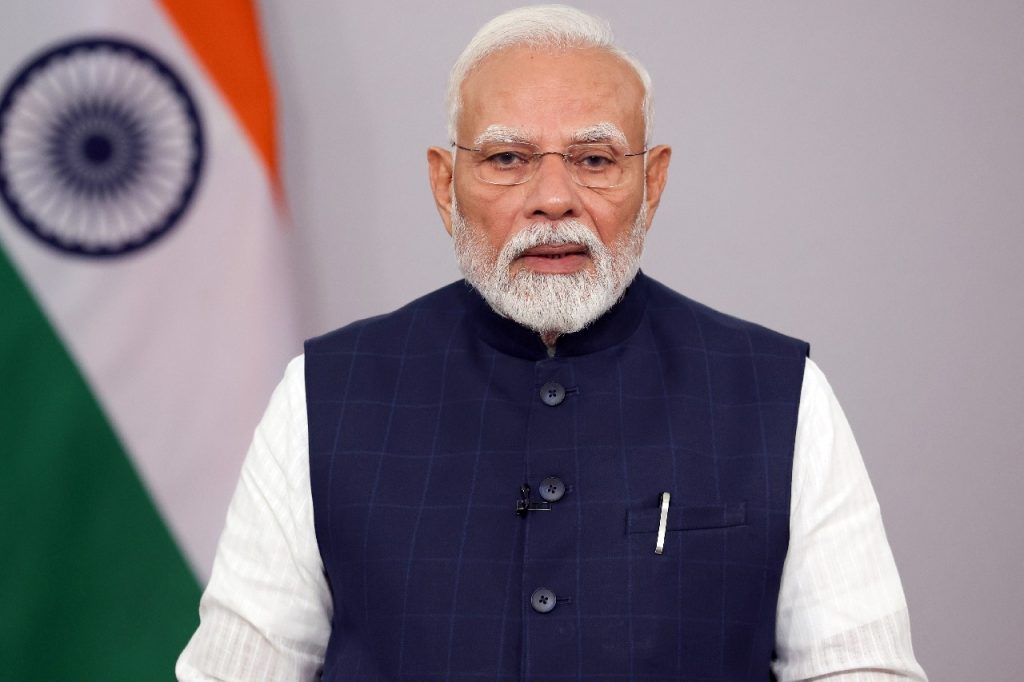
NEW DELHI: Prime Minister Shri Narendra Modi has highlighted the remarkable two-decade journey of the Vibrant Gujarat Summit, describing it as a global benchmark that reflects the evolution of modern India, growing international partnerships and Gujarat’s development journey.

In a message shared by Vibrant Gujarat on X, the Prime Minister reflected on the Summit’s transformation from an initiative aimed at showcasing Gujarat’s investment potential into a prominent platform for global growth, international cooperation and partnerships.

Emphasising the significance of the Summit’s journey, PM Modi noted that the initiative has evolved considerably over the years, with each edition strengthening its identity and role in bringing together stakeholders from across the world.

Vibrant Gujarat 2027 edited PM Narendra Modi Highlights Vibrant Gujarat Summit’s Two-Decade Journey as a Global Benchmark

From Investment Promotion to Global Partnerships

Recalling the origins of the Vibrant Gujarat Summit, the Prime Minister said that the initial vision was to showcase Gujarat’s potential to the world, attract investment and create opportunities that would benefit both Gujarat and India.

Over the years, the Summit has expanded its scope beyond investment promotion, emerging as a platform for global engagement, cooperation and partnerships involving a diverse range of stakeholders.

Highlighting the growing participation of international partners, PM Modi noted that the Summit has brought together corporate groups, cooperatives, MSMEs, start-ups, multilateral and bilateral organisations, and international financial institutions to engage in dialogue and contribute to Gujarat’s development.

PM Narendra Modi’s Original Message

The following is the Prime Minister’s original message, as featured in the image shared by Vibrant Gujarat on X:

MESSAGE FROM THE PRIME MINISTER

“Whenever the stage of the Vibrant Gujarat Summit is set, I do not see it merely as a summit. I see the journey of modern India in the 21st century – a journey that began with a dream and has now reached an unshakable trust. In two decades, this journey of Vibrant Gujarat has become a global benchmark. Ten editions have already been held, and with each edition, the identity and role of this summit have grown stronger.

I have been associated with the vision of the Vibrant Gujarat Summit since its very inception. In the early days, our aim was to make the world aware of Gujarat’s potential, to invite people here, to encourage investment – so that India would benefit, and global investors too would benefit. But today, this summit has gone beyond investment; it has become a strong platform for global growth, international cooperation, and partnerships. Over the years, the number of global partners has steadily increased, and with time, this summit has also become a great example of inclusion. Here, corporate groups, cooperatives, MSMEs, start-ups, multilateral and bilateral organisations, international financial institutions – all come together, engage in dialogue, deliberate, and walk shoulder to shoulder with Gujarat’s development. Over the past two decades, the Vibrant Gujarat Summit has consistently introduced something new, something special.”

Shri Narendra Modi

Hon’ble Prime Minister of India

A Platform for Inclusive Development

The Prime Minister’s message also underlines the importance of inclusion in the Vibrant Gujarat Summit’s evolution. He highlighted the participation of businesses, start-ups, financial institutions and international organisations, reflecting the Summit’s expanding role in fostering dialogue and collaboration.

The emphasis on collective participation underscores the vision of bringing together diverse stakeholders to work alongside Gujarat in its development journey.

Two Decades of Evolution

Reflecting on the Summit’s progress, PM Modi observed that each edition has strengthened its identity and expanded its role. He also highlighted the introduction of new initiatives and distinctive features over the past two decades.

His message presents the Vibrant Gujarat Summit as more than an investment-focused event, recognising its wider role in facilitating international engagement and creating opportunities for cooperation.

Looking Ahead to Vibrant Gujarat Summit 2027

The message comes in the context of the upcoming Vibrant Gujarat Summit 2027, with the Prime Minister’s reflections drawing attention to the initiative’s origins, evolution and expanding international engagement.

As Gujarat continues to position itself as a destination for investment and business partnerships, the Summit remains a platform for connecting global stakeholders with opportunities in the state and across India.

PM Modi’s message reinforces the central theme of the Vibrant Gujarat journey: a vision that began with investment promotion and has expanded into a broader platform for global growth, cooperation and inclusive development.