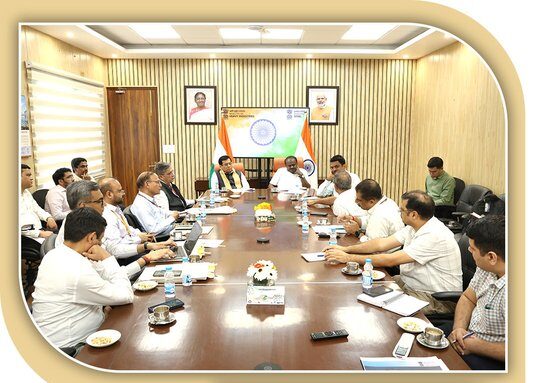
NEW DELHI: A joint meeting was held under the chairmanship of Shri H D Kumaraswamy, Minister of Steel & Heavy Industries and Shri Sarbananda Sonowal, Minister of Ports, Shipping and Waterways to discuss and review the usage of steel obtained from recycling of ships, to explore opportunities for strengthening India’s ship-recycling ecosystem and enhancing the utilisation of recycled steel in civil construction.
The meeting was attended by key stakeholders, including the Department of Science and Technology (DST), Bureau of Indian Standards (BIS), Gujarat Maritime Board (GMB), and the Ship Recycling Industries Association (SRIA), to examine the existing regulatory framework and explore avenues for usage of secondary steel obtained from ship recycling.
Guided by the vision of Hon’ble Prime Minister Shri Narendra Modi, India has emerged as the world’s leading ship-recycling nation, advancing a circular economy that transforms end-of-life vessels into valuable resources for nation-building. The initiative supports sustainable growth, generates employment opportunities, and promotes the availability of affordable green steel.
The discussions were held focusing on expanding the application of recycled ship steel to additional sectors, with a view to enhancing value generation from ship recycling and reinforcing India’s position as the world’s leading ship recycling hub.
The meeting underscored Government’s commitment to promote circular economy practices, supporting domestic steel manufacturing, and ensuring that India’s ship recycling industry continues to set global benchmarks in sustainability and efficiency.
Landmark decade-long investment to expand premium river cruises on the Ganga and Brahmaputra and position India on the global river-cruise map
NEW DELHI: India’s rapidly expanding inland waterways and river tourism sector is set to receive a major boost with Scenic Group, a global luxury cruise and travel company, joining hands with Assam Bengal Navigation (ABN) for a planned investment of approximately ₹750–800 crore over the next decade.
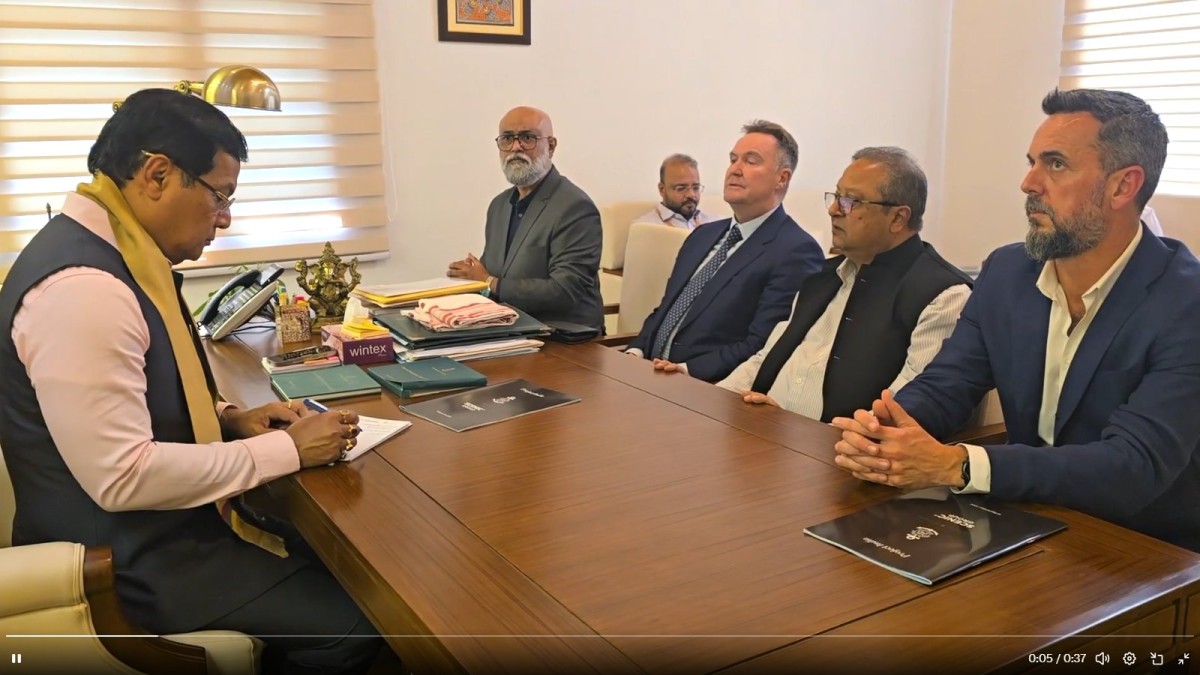
The landmark partnership was highlighted by Union Minister for Ports, Shipping and Waterways Shri Sarbananda Sonowal following a meeting in New Delhi with a delegation from Scenic Group led by its Founder and Chairman Mr Glen Moroney, along with Shri Ashish Phookan, Managing Director of Assam Bengal Navigation.
The partnership is expected to bring together Scenic Group’s international luxury-cruise expertise, global brand and distribution network with ABN’s deep experience in India’s rivers and established presence in the Ganga and Brahmaputra cruise markets.
As part of the planned expansion, the 44-guest Scenic Aura is scheduled to begin operations on the Ganga from October 2027. The partners also plan to introduce two luxury river vessels on the Brahmaputra by 2029–30, marking a significant expansion of premium river-cruise capacity in India.
The collaboration could subsequently open opportunities for coastal and regional cruising, with the partners exploring potential itineraries connecting destinations such as Kolkata, Chennai, the Andaman Islands and Phuket, according to current reporting on the partnership.
Strengthening India’s River Cruise Economy
The partnership comes at a time when India’s inland waterways are witnessing growing investment in infrastructure, passenger movement and tourism. According to the Ministry of Ports, Shipping and Waterways, river-cruise voyages on National Waterways increased from 371 in 2023–24 to 443 in 2024–25, representing a 19.4% increase. The sector has also attracted other international operators, including Viking Cruises, which has announced plans for an 80-guest vessel for the Brahmaputra.
The Government has simultaneously been strengthening infrastructure along the Brahmaputra (National Waterway-2) through development of terminals, tourist jetties, fairways, ship-repair facilities and other supporting infrastructure. In May 2026, the Ministry stated that projects worth around ₹751 crore had already been completed in Assam, while more than ₹1,100 crore of works were under implementation, including fairway development, tourist jetties and a regional centre of excellence.
The development of the Brahmaputra is also being pursued as part of a wider strategy to integrate transport, tourism, trade and regional economic development across the Northeast.
Assam Enterprise Meets Global Luxury Cruise Expertise
Assam Bengal Navigation brings more than two decades of experience in Indian river cruising. The company was established in 2002 and pioneered long-distance river cruising on the Brahmaputra in 2003, subsequently expanding its operations to the Ganges.
Its experience includes immersive itineraries combining river journeys with wildlife, heritage, culture, tea estates and local communities, particularly across Assam and eastern India.
Scenic Group, meanwhile, brings extensive international experience in luxury river, ocean and expedition cruising. The partnership therefore represents a combination of local knowledge and international luxury-tourism capabilities, aimed at creating premium river-cruise experiences for both Indian and international travellers.
Government Push for Inland Waterways and Cruise Tourism
The new partnership complements the Government of India’s broader efforts to unlock the tourism and economic potential of inland waterways. Investments in terminals, navigational infrastructure, passenger facilities and cruise-related infrastructure are intended to create a more robust ecosystem for river tourism.
The Government’s Cruise Bharat Mission has also identified river cruising as an important growth area, with an objective of developing river-cruise terminals and expanding passenger movement on India’s waterways.
The planned Scenic Group–ABN investment is consequently expected to strengthen India’s premium river-cruise offering while creating opportunities for tourism, hospitality, local employment, allied services and regional economic activity, particularly along the Ganga and Brahmaputra corridors.
The partnership marks another significant step in the emergence of India’s inland waterways as a platform not only for cargo and passenger transportation, but also for high-value tourism and international cruise experiences, further enhancing the country’s position on the global river-cruise map.
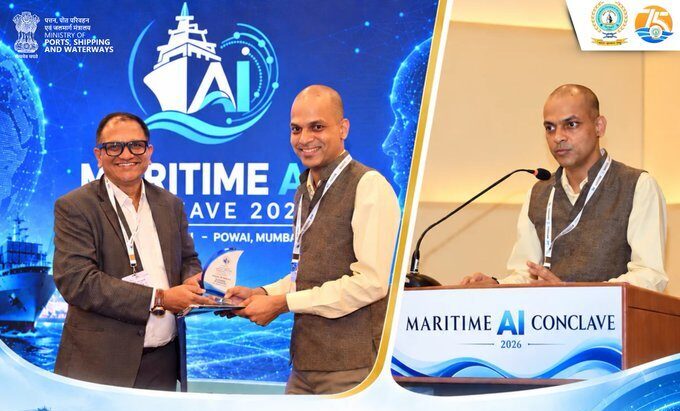
NEW DELHI : The Maritime AI Conclave, organised by the Indian Register of Shipping (IRS), brought together key stakeholders from across India’s maritime ecosystem to deliberate on the opportunities, challenges and emerging applications of Artificial Intelligence (AI) in the maritime sector.
Shri Praneet Choudhary, Deputy Director General, Directorate General of Maritime Administration (DGMA), represented DGMA at the conclave and shared valuable perspectives on the evolving role of technology and AI in strengthening maritime administration, safety and operational efficiency.
The discussions highlighted the growing potential of AI and digital technologies to transform various aspects of the maritime industry, including regulatory processes, safety management, operational decision-making and data-driven governance.
The event also marked a moment of recognition for Shri Shyam Jagannathan, IAS, Director General of Maritime Administration (DGMA), who was honoured as the Guest of Honour at the conclave.
With maritime technology undergoing rapid transformation, the conclave underscored the importance of effectively integrating AI, data analytics and digital governance into the maritime ecosystem. Such technological advancements are expected to play an increasingly important role in enhancing maritime safety, efficiency and regulatory capabilities.
The conclave reaffirmed the need for continued collaboration among government authorities, classification societies, technology providers and other maritime stakeholders to harness emerging technologies and support the development of a safer, smarter and future-ready maritime ecosystem for India.
AEO Programme is pivotal in transforming India’s customs administration into a modern, trusted and facilitative system aligned with the World Customs Organisation’s SAFE Framework of Standards: CBIC Chairman
CBIC Member (Customs) noted transformation of Customs from a transaction-centric approach to a risk-based and trust-oriented model of administration since the introduction of the current AEO framework
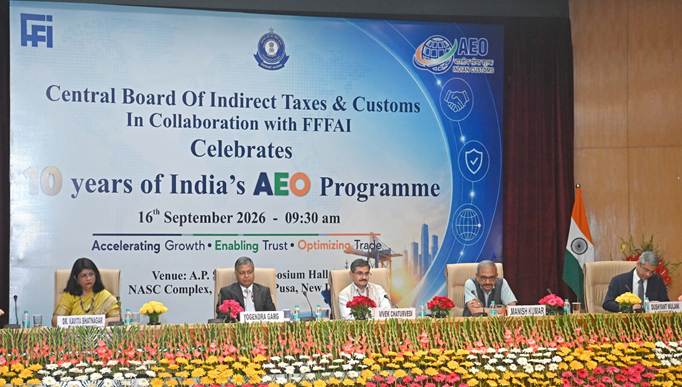
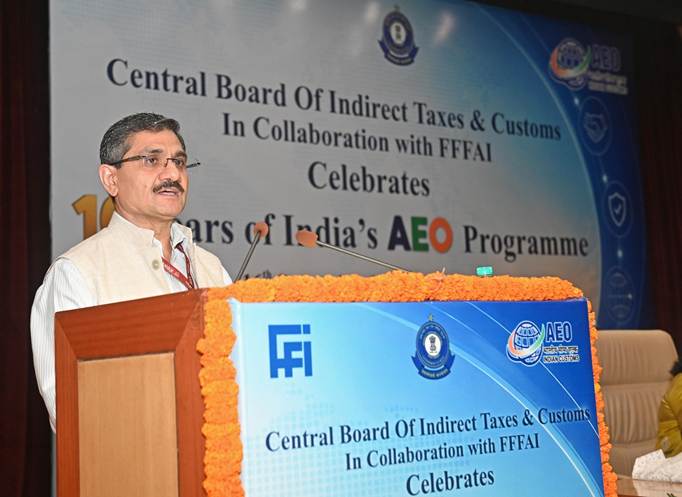
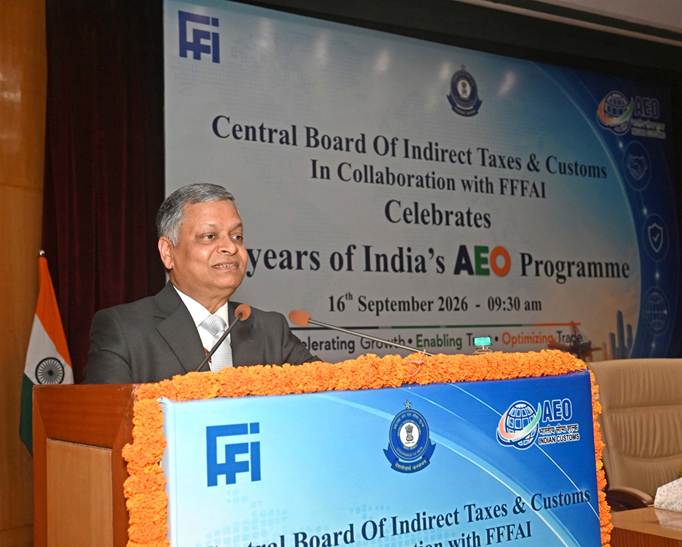
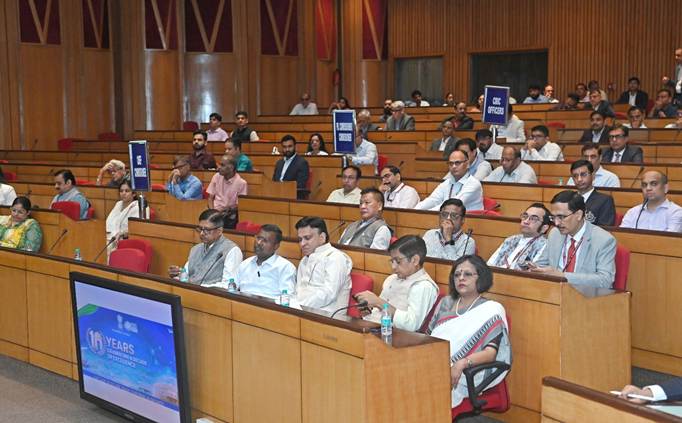
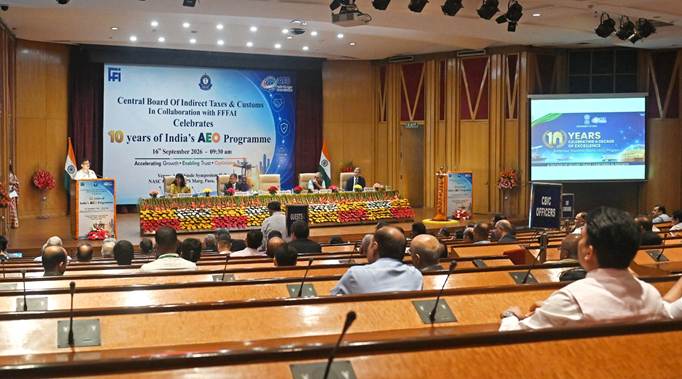
NEW DELHI: The Central Board of Indirect Taxes and Customs (CBIC) Wednesday celebrated a decade of India’s Authorised Economic Operator (AEO) Programme with a commemorative event titled “AEO@10: Accelerating Growth, Enhancing Trust, Optimizing Trade” in New Delhi.
The event brought together policymakers, industry leaders, logistics stakeholders, WCO experts and Authorised Economic Operators to reflect on the programme’s achievements and chart the roadmap for its future.
Addressing the gathering as Chief Guest, Shri Vivek Chaturvedi, Chairman, CBIC, underscored the pivotal role played by the AEO Programme in transforming India’s customs administration into a modern, trusted and facilitative system aligned with the World Customs Organisation’s SAFE Framework of Standards.
He noted that the programme has emerged as a cornerstone of India’s trade facilitation architecture by promoting voluntary compliance, strengthening supply chain security and enabling faster, more predictable cross-border movement of goods. The CBIC Chairman outlined five big ideas for the next decade:
technology-driven facilitation
radical inclusivity for MSMEs
seamless inter-agency coordination
global leadership through expanded Mutual Recognition Arrangements, and
synergy across indirect tax verticals
Highlighting CBIC’s commitment to stakeholder-centric reforms, the Chairman announced the launch of a structured feedback response form on the AEO portal to enable continuous and systematic inputs from AEO entities and other stakeholders.
Drawing on Pillar 2 of the WCO SAFE Framework and the CBIC Citizens’ Charter, he emphasised that trade is an equal partner in building a trusted ecosystem and that feedback must be continuous. He also referred to the Eligible Manufacturer Importer (EMI) Scheme, highlighted by the Union Finance Minister’s in the Union Budget speech, as an important stepping stone that rewards early compliance and creates a natural pathway to higher AEO tiers.
In his address, Member (Customs), CBIC, recalled the transformation of Customs from a transaction-centric approach to a risk-based and trust-oriented model of administration since the introduction of the current AEO framework through Circular No. 33/2016-Customs. He underlined that voluntary compliance promotes good governance, reduces supply-chain risk and transaction costs, and that supply-chain security remains central to the resilience of India’s trade ecosystem. He noted that important discussions at the annual Customs Consultative Group meeting held in Kolkata, together with representations from trade, have informed several trade-friendly process improvements now under consideration. These include a unified Standard Operating Procedure for uniform processing across zones; a clear checklist for applicants and Zonal AEO Programme Managers; a single-deficiency approach; time-bound processing; copying of deficiency communications to the applicant; a clarified position on financial solvency; and strengthening of dedicated Client Relationship Managers and trained validators, in line with the National Trade Facilitation Action Plan.
The Member (Customs) also stated that, in the same spirit of reducing compliance burden, documentation requirements under the EMI Scheme have already been rationalised through Circular No. 39/2026-Customs dated 3rd September 2026, bringing down the documents to be uploaded from ten to three, with effect from 15th September 2026.
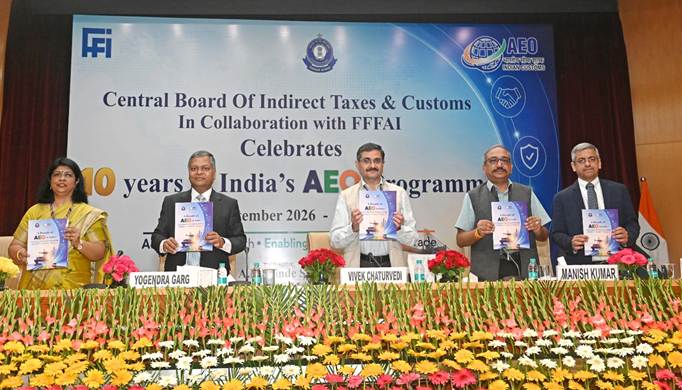
The event marked the launch of the commemorative publication “A Decade of AEO in India: Celebrating Trusted Trade Partnerships”, documenting the evolution, milestones and impact of India’s AEO Programme over the past ten years, and incorporating contributions from CBIC officers, international partners, trade and industry. A stakeholder feedback survey on the AEO Programme was also announced to obtain structured inputs from industry for guiding future reforms. In addition, new AEO certificates were presented to select businesses, recognising their commitment to secure and compliant international trade.
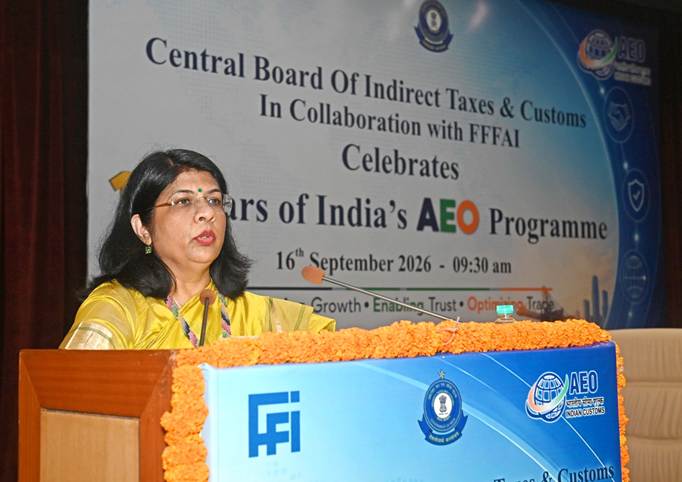
In her welcome address earlier, Dr. Kavita Bhatnagar, Principal Commissioner and National AEO Programme Manager, highlighted the remarkable growth of the programme since its inception and emphasised the importance of continued collaboration between Customs and the trade community in building a trusted and resilient trading environment.
Representatives from leading industry bodies, including the Federation of Freight Forwarders’ Associations in India (FFFAI), appreciated the significant contribution of the AEO Programme towards improving ease of doing business, reducing transaction costs and enhancing supply chain predictability. Leading AEO entities also shared their experiences, highlighting tangible benefits such as expedited customs clearance, improved operational efficiency and strengthened global business confidence.
India’s AEO Programme has, over the past decade, become an important pillar of CBIC’s trade facilitation initiatives by rewarding compliant businesses with simplified customs procedures and risk-based facilitation while maintaining robust supply chain security. As of date, 5,967 entities — comprising importers, exporters, manufacturers, customs brokers, logistics operators and warehouse operators — have been certified under the AEO Programme across T1, T2, T3 and LO categories.
The programme has steadily expanded its coverage of the logistics chain, digitised application processes, established dedicated AEO Cells, and introduced special facilitative provisions for MSMEs. As India continues to expand its engagement with trusted trading partners across the world, CBIC remains committed to further strengthening the AEO Programme through stakeholder-centric reforms, technology adoption, international cooperation and continuous feedback from trade, thereby contributing to the objectives of Viksit Bharat @2047 and making India an increasingly preferred destination for global trade and investment.
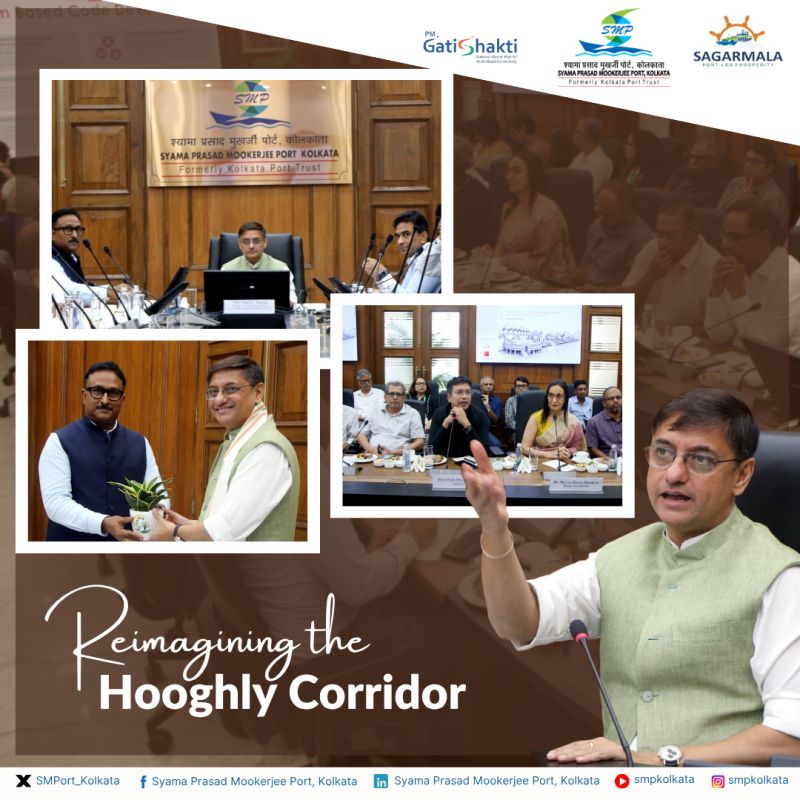
KOLKATA : Syama Prasad Mookerjee Port, Kolkata (SMPK) hosted a high-level symposium focused on the urban regeneration, cultural revival and future development of Kolkata’s riverfront, with the presentation of the concept note “Reimagining the Hooghly Corridor” by Shri Sanjeev Sanyal, Member, Economic Advisory Council to the Prime Minister of India.
The symposium was held in the presence of Shri Rathendra Raman, Chairman, Syama Prasad Mookerjee Port, Kolkata, along with senior officials, Board Members, Heads of Departments and other key stakeholders. The deliberations centred on the possibilities of transforming the Hooghly riverfront into a more vibrant, accessible and integrated urban space while preserving Kolkata’s distinctive historical and cultural character.
The “Reimagining the Hooghly Corridor” vision seeks to bring together Kolkata’s rich architectural and cultural heritage with improved connectivity, enhanced public access and a revitalised riverfront. The concept envisages the Hooghly not merely as a waterway, but as an important element of the city’s urban identity and a potential catalyst for wider economic, cultural and tourism-led development.
The proposed approach places emphasis on reconnecting the city with its river, creating better interfaces between waterfront areas and surrounding neighbourhoods, and making the riverfront more welcoming and accessible to citizens and visitors. It also seeks to explore opportunities for integrating heritage structures, public spaces, mobility infrastructure and waterfront activities within a coherent long-term framework.
Kolkata’s relationship with the Hooghly has historically been central to the city’s evolution. The river has played a defining role in the development of the port, trade, commerce, industry and cultural life of the metropolis. The proposed corridor vision seeks to build upon this legacy while responding to contemporary requirements of urban development, mobility, tourism and public spaces.
The initiative also highlights the potential for heritage conservation and adaptive reuse, improved pedestrian and public connectivity, river-oriented recreational spaces and enhanced visual and cultural links between the city and its waterfront. Such interventions could contribute to creating a more cohesive riverfront experience while retaining the character and historical significance of Kolkata.
For Syama Prasad Mookerjee Port, the vision also aligns with the broader evolution of the port-city relationship, where modern maritime operations can coexist with initiatives aimed at strengthening the cultural, tourism and public-facing dimensions of the waterfront.
The symposium provided an important platform for senior officials and stakeholders to exchange ideas on the long-term possibilities of the Hooghly Corridor and examine how heritage, urban infrastructure, river-based activities and public spaces can be brought together within an integrated development vision.
The proposed Hooghly Corridor represents a forward-looking opportunity to reinforce Kolkata’s historic connection with its river while creating a waterfront that is accessible, culturally vibrant, economically meaningful and responsive to the needs of a modern city.
Through such collaborative efforts, the Hooghly can emerge as an even stronger defining feature of Kolkata—connecting the city’s past with its future and placing its riverfront at the centre of a renewed vision for urban and cultural development.
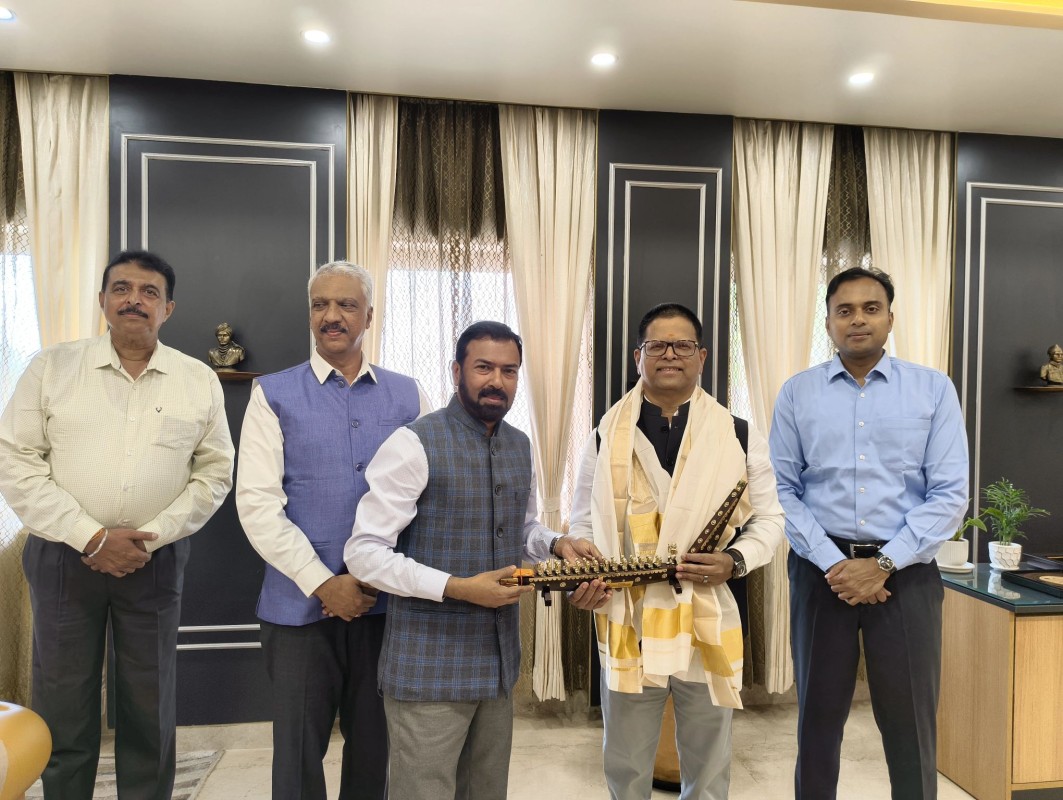
THOOTHUKUDI : Shri Jose V. J., Chairman & Managing Director, Cochin Shipyard Limited (CSL), visited V.O. Chidambaranar Port Authority (VOCPA) and held discussions with Chairperson Shri Susanta Kumar Purohit, IRSEE, and Deputy Chairperson Shri Rajesh Soundararajan, IAS.
The meeting provided a platform for discussions on key developments in the maritime and shipbuilding sectors, with the participants exploring potential areas of collaboration and opportunities to strengthen institutional engagement between the organisations.
The interaction focused on the importance of greater cooperation among key stakeholders of India’s maritime ecosystem to support the sector’s continued growth, innovation and technological development.
The discussions also underlined the significance of closer institutional coordination in advancing India’s maritime capabilities and creating opportunities for collaborative initiatives in shipbuilding and related maritime activities.
The visit reflects the growing emphasis on strengthening partnerships among India’s leading maritime institutions and organisations to contribute to the development of a stronger, more innovative and future-ready maritime industry.
Record rail loading underscores CONCOR’s operational efficiency and strengthens green, high-capacity freight movement
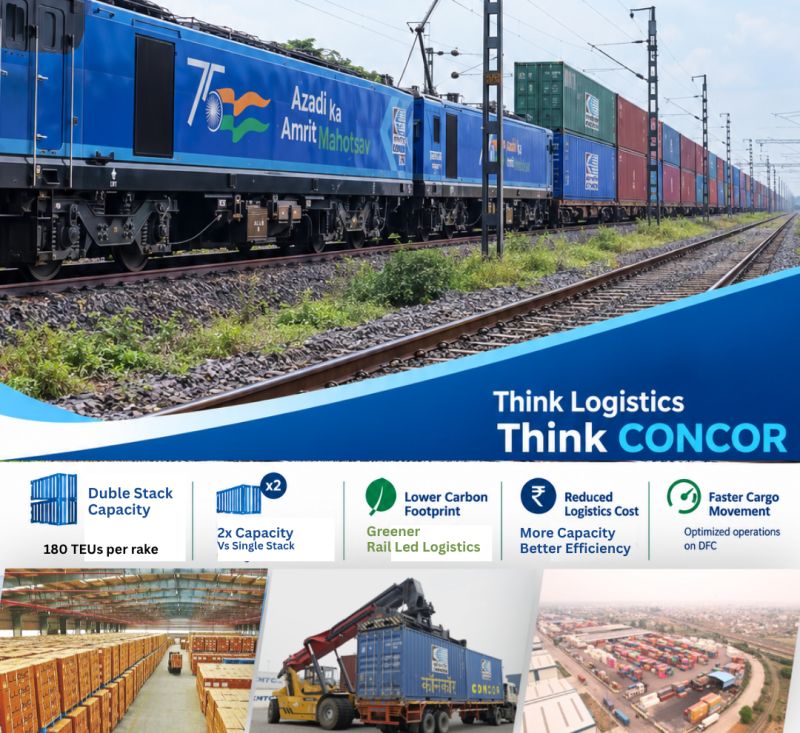
NEW DELHI: Container Corporation of India Limited (CONCOR) achieved a new operational milestone at its Multimodal Logistics Park (MMLP), Dadri, with the loading of seven double-stack container trains in a single day on September 15, 2026—the highest-ever number of double-stack trains loaded at the terminal in one day.
The achievement highlights CONCOR’s growing operational capabilities and its focus on enabling faster, more efficient and environmentally sustainable cargo movement through rail-led logistics.
The record loading at MMLP Dadri demonstrates the terminal’s ability to handle high volumes of containerised cargo through efficient terminal operations, optimised rail planning and coordinated movement of double-stack trains. By enabling two tiers of containers on a single train, double-stack operations enhance the cargo-carrying capacity of rail services and support more efficient utilisation of the freight network.
The movement also benefits from the expanding capabilities of the Dedicated Freight Corridor (DFC), which has been developed to facilitate faster and higher-capacity freight transportation across key industrial and consumption centres. The integration of MMLP Dadri with DFC-based rail movement strengthens the role of rail in supporting time-sensitive and large-scale container logistics.
The increased use of rail for container transportation can also contribute to a lower carbon footprint, by shifting cargo movement from road to more energy-efficient rail-based transportation. This supports the broader objective of developing greener and more sustainable logistics infrastructure in India.
MMLP Dadri is an important component of CONCOR’s multimodal logistics network, providing facilities for the consolidation, handling and movement of containerised cargo. Its strategic location in the National Capital Region enables connectivity with major production and consumption centres as well as inland container depots and ports.
The record performance reflects the coordinated efforts of CONCOR teams in terminal management, train planning, cargo handling and rail operations, while demonstrating the potential of high-capacity rail freight systems to improve logistics efficiency.
The milestone further reinforces CONCOR’s commitment to its vision of efficient, reliable and sustainable multimodal transportation, leveraging India’s expanding rail freight infrastructure and Dedicated Freight Corridor network.
The loading of seven double-stack trains in a single day at MMLP Dadri marks a significant operational achievement for CONCOR and underscores the growing importance of rail-led, high-capacity and green logistics in strengthening India’s supply-chain ecosystem.
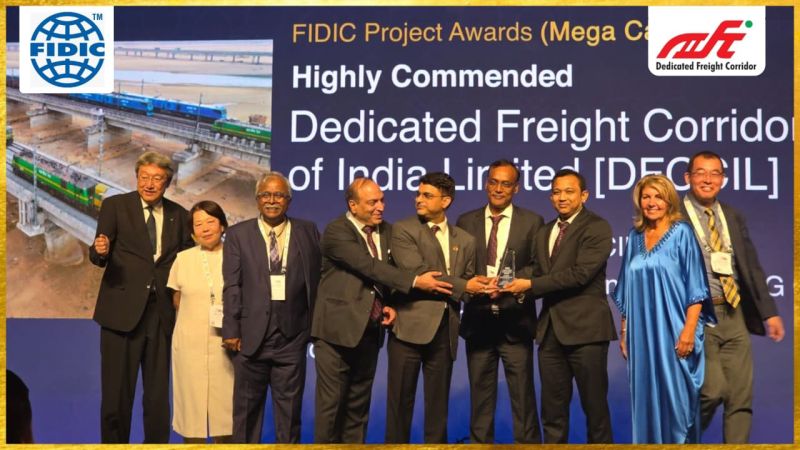
NEW DELHI: The Dedicated Freight Corridor Corporation of India Limited (DFCCIL) has achieved a significant international recognition by winning the Highly Commended Award in the Mega Project Category at the 2026 FIDIC Global Infrastructure Awards.
The prestigious recognition acknowledges DFCCIL’s contribution to engineering excellence, innovation and world-class infrastructure development, while highlighting the transformative role of the Dedicated Freight Corridor programme in strengthening India’s freight transportation and logistics network.
The FIDIC Global Infrastructure Awards recognise outstanding infrastructure projects and organisations demonstrating excellence in areas including project delivery, innovation, sustainability and contribution to society. DFCCIL’s recognition places India’s Dedicated Freight Corridor programme among major infrastructure initiatives receiving global industry attention.
The Dedicated Freight Corridor project represents one of India’s most ambitious railway infrastructure programmes, designed to provide faster, higher-capacity and more efficient freight transportation. The corridors are aimed at enhancing connectivity between major industrial, commercial and logistics centres while supporting the movement of freight away from congested passenger rail routes.
The achievement comes as India’s Dedicated Freight Corridor network continues to strengthen its role in the country’s logistics ecosystem. Modern freight infrastructure, higher axle-load capabilities, improved operational efficiency and electrified rail movement are helping create greater capacity for containerised and bulk cargo transportation.
The international award also underscores the scale of engineering and project-management capabilities deployed by DFCCIL in developing complex railway infrastructure across diverse geographical and operational environments.
The award was received on behalf of DFCCIL by Shri Pawan Kumar, ED/P&CM; Shri Ajay Kumar Srivastava, JGM/Procurement/Civil; Shri Naveen Chaddha, JGM/CM; Shri Madhup Kumar Upadhyay, JGM/P&CM/Civil; and Shri Piyush Kamal, DGM/CM/S&T.
The recognition is a proud milestone for DFCCIL and India, reflecting the efforts of engineers, project teams, contractors, technology partners and other stakeholders involved in delivering the Dedicated Freight Corridor programme.
With the continued development of dedicated freight infrastructure, DFCCIL is contributing to India’s broader objective of creating a modern, efficient, technology-driven and sustainable logistics network, supporting industry, trade and economic growth.
The 2026 FIDIC Global Infrastructure Awards recognition further reinforces the growing international profile of India’s infrastructure capabilities and marks another important step in the country’s journey towards building world-class freight transportation infrastructure.
MUMBAI: Mr. Shashi Kiran Shetty, Founder and Chairman of Allcargo Group, has highlighted the importance of trust, international cooperation and stronger economic partnerships in shaping the future of global trade, following his participation in the India–Belgium High-Level Dialogue on the India–European Union Free Trade Agreement (FTA) held recently in Mumbai.
Sharing his reflections in a LinkedIn post, Mr. Shetty said that trust would be central to the next phase of global trade, particularly as businesses navigate geopolitical shifts, changing trade patterns and increasing supply chain complexities.
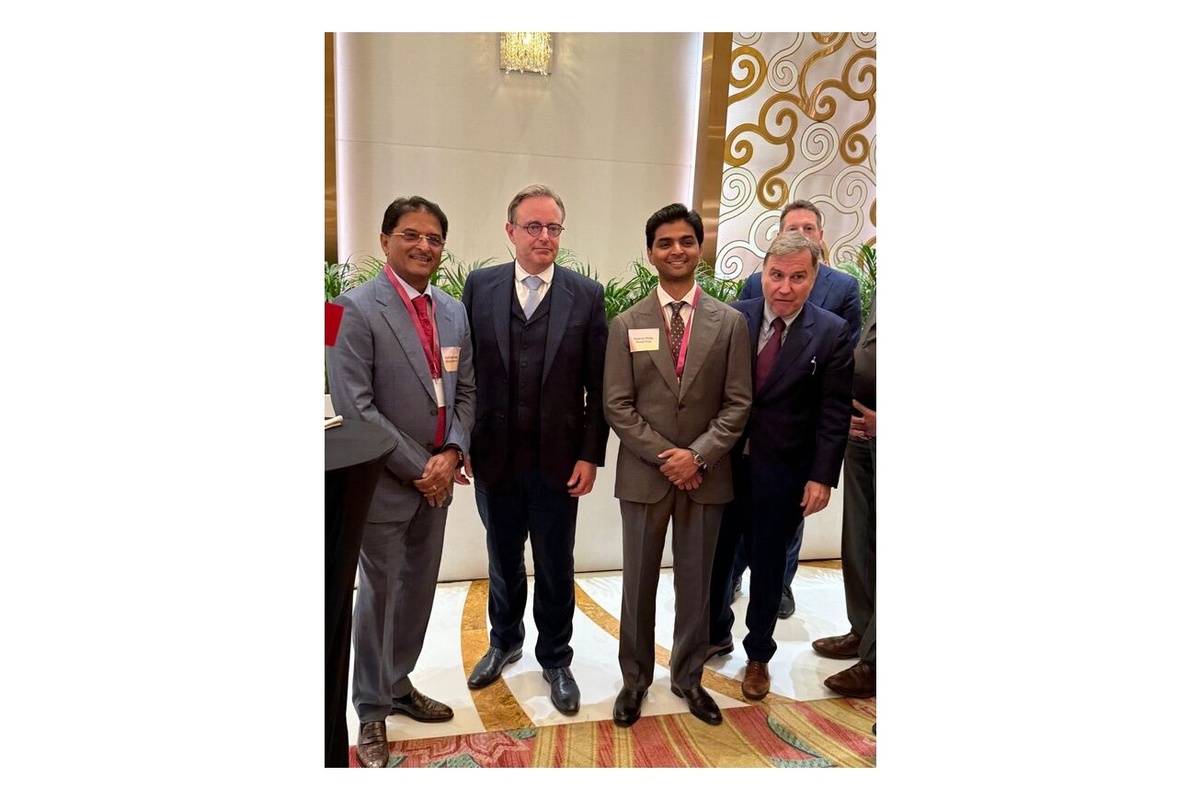
The high-level dialogue was attended by the Prime Minister of Belgium H.E. Mr. Bart De Wever, Commerce & Industry Minister Hon’ble Shri Piyush Goyal and Maharashtra Chief Minister Hon’ble Shri Devendra Fadnavis, bringing together policymakers and industry representatives to discuss the India–Belgium and broader India–EU economic partnership.
India–EU Trade Partnership: A Growing Economic Opportunity
Emphasising the growing significance of India–EU economic relations, Mr. Shetty noted that bilateral trade between India and the European Union had doubled over the past decade to nearly USD 140 billion.
He highlighted the considerable opportunities that deeper economic integration could unlock across a combined market of approximately 2 billion people, representing around one-quarter of global GDP and one-third of world trade.
According to Mr. Shetty, these figures underscore not only the scale of the potential economic opportunity but also the strategic importance of strengthening trade relations between the two regions.
He observed that closer cooperation between trusted economic partners could help create greater alignment between policymakers and businesses, laying the foundation for enhanced investment, economic growth and more resilient international trade networks.
Complementary Strengths to Drive Growth
Mr. Shetty emphasised that the India–EU partnership is supported by the complementary strengths of both economies.
India’s growth trajectory, manufacturing capabilities and entrepreneurial energy, combined with Europe’s technological expertise, investment capacity and market access, offer significant opportunities for businesses and economies on both sides.
He noted that an ambitious trade agreement could facilitate greater collaboration, encourage investment and innovation, and create new avenues for sustainable economic growth.
Belgium: A Strategic Gateway for Allcargo Group
Highlighting Belgium’s importance to Allcargo Group, Mr. Shetty said the country had played a significant role in the Group’s international journey since its acquisition of ECU Worldwide.
Belgium serves as an important strategic gateway connecting European and international trade flows, providing Allcargo Group with firsthand experience of the opportunities arising from stronger India–Europe connectivity.
He observed that enhanced trade linkages between India and Europe could create new business opportunities, strengthen supply chains and contribute to sustainable economic development.
Building Resilient and Connected Trade Corridors
Expressing optimism about the future of India–EU relations, Mr. Shetty emphasised that sustained dialogue, cooperation and mutual trust would be essential to translating the partnership’s potential into tangible outcomes.
He noted that a comprehensive and ambitious trade agreement could create favourable conditions for deeper economic collaboration, investment, innovation and shared prosperity.
As global businesses continue to adapt to evolving trade dynamics, stronger India–EU relations could play an important role in developing resilient trade corridors and contributing to a more connected and competitive global economy.
Mr. Shetty’s message reinforces the importance of trust and collaboration in building stronger international trade partnerships, with India and Europe well positioned to explore new avenues of economic cooperation.
NEW DELHI : The Government has introduced a de minimis exemption from the requirement of Registration-cum-Membership Certificate (RCMC) or Certificate of Registration for small-value export consignments up to ₹3 lakh. The measure is aimed at reducing the compliance burden for new and small exporters and facilitating exports through Postal, Courier and other emerging channels.
The Directorate General of Foreign Trade (DGFT) has amended Para 2.57 of the Foreign Trade Policy, 2023 to provide that RCMC or Certificate of Registration will not be required for export consignments having a Free-on-Board (FOB) value of up to ₹3 lakh, wherever such certificate is otherwise required under the Foreign Trade Policy. Export consignments exceeding ₹3 lakh will continue to require a valid RCMC or Certificate of Registration, wherever applicable.
Historical data for the last five years (2021-22 to 2025-26) indicates that low-value exports account for a significant share of shipping bills but a very small proportion of the overall export value. Consignments up to USD 3,000, for instance, account for 43 per cent of shipping bills but only 0.86 per cent of India’s total merchandise export value. The exemption is therefore expected to cover a substantial number of small-value export transactions while having only a marginal impact on the overall value of exports.
At present, exporters are generally required to obtain an RCMC or Certificate of Registration from the relevant Export Promotion Council or Commodity Board, wherever applicable under the Foreign Trade Policy. For new or occasional exporters undertaking small-value consignments, this involves an additional compliance step, including identifying the appropriate registering body, submitting the prescribed documents and completing the registration process before undertaking exports.
The measure provides MSMEs, artisans, small businesses and first-time exporters with a simpler entry point into international markets by removing the requirement to obtain an RCMC upfront for eligible small-value consignments. This will enable emerging exporters to test overseas markets and establish an export track record with lower initial compliance requirements.
As exporters expand their operations and their consignments move beyond the ₹3 lakh threshold, they can obtain membership of the relevant Export Promotion Councils or Commodity Boards and access export promotion, market access and other institutional support services.
The measure offers lower entry barriers for new exporters, enabling first-time and occasional exporters to undertake eligible small-value exports without obtaining an RCMC upfront. It is particularly beneficial for MSMEs and small businesses, as small manufacturers, artisans, entrepreneurs and emerging exporters will be able to explore overseas markets and build an export track record with lower initial compliance requirements.
The exemption will also facilitate e-commerce and other emerging export channels. It is expected to support low-value exports through Postal, Courier and other emerging channels that are increasingly enabling businesses to reach international customers.
The measure will support the gradual integration of emerging exporters into global markets. As exporters scale up and undertake higher-value consignments, they can obtain RCMC membership and access the wider range of export promotion and institutional support provided through Export Promotion Councils and other prescribed bodies.
At the same time, the existing framework for larger exports remains unchanged. The exemption is limited to small-value consignments, while the requirement of RCMC or Certificate of Registration will continue for consignments exceeding ₹3 lakh, wherever otherwise applicable.
The measure will also help broaden the base of Export Promotion Councils and Commodity Boards by encouraging greater participation of MSMEs in exports. By lowering the initial compliance barrier, more MSMEs will be able to enter international markets and, as their export operations scale beyond the ₹3 lakh threshold, obtain RCMC and become members of the relevant EPCs or Commodity Boards to access export promotion activities, market access initiatives and other institutional support.
The measure reinforces the Government’s commitment to reducing the compliance burden, broadening participation in exports and making international trade more accessible to MSMEs, first-time exporters and emerging businesses.