Home Blog Page 127

Port of Klaipėda develops green methanol bunkering vessel concept

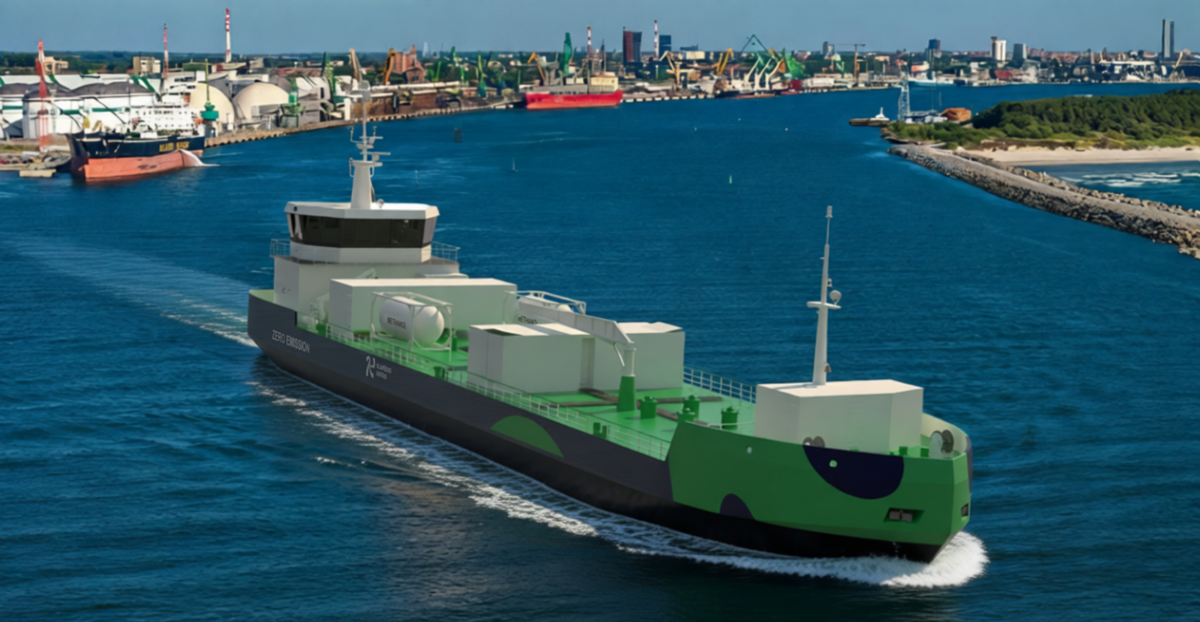
KLAIPEDA: As the shipping industry moves towards cleaner solutions, the Port of Klaipėda is preparing for changing market needs. Stricter environmental requirements and the growing market for alternative fuels mean that ports need to start planning now for the infrastructure and services that will be needed in the future. Together with its partners, the Klaipėda Port Authority has assessed the potential for green methanol bunkering and developed a concept for a vessel that could provide this service.

“The energy transition is changing the maritime sector and creating demand for cleaner solutions. As the alternative fuels market develops, ports will also need to adapt their infrastructure and services. We are preparing now so that, as green shipping corridors develop across the Baltic Sea, the Port of Klaipėda will be ready to meet market needs and remain competitive. Green methanol bunkering has real potential both in Klaipėda and across the Baltic Sea region,” says Algis Latakas, CEO of the Klaipėda Port Authority.

The Port Authority explored new solutions for cleaner shipping together with 14 partners from different countries through the H2Deri@BSP project. The project aims to accelerate the use of hydrogen-based fuels and support the transition towards zero-emission shipping.

As part of the project, the Klaipėda Port Authority assessed the Port’s potential to offer green methanol bunkering services in the future. The study looked at expected demand for green methanol, regulations supporting the use of alternative fuels, potential customers and fuel supply chains, as well as the environmental benefits of green methanol.

An analysis by Moffatt & Nichol Baltics found that although the green methanol market in the Baltic region is still at an early stage, ports that can offer alternative fuel bunkering are likely to become increasingly attractive to shipping lines. For Klaipėda, green methanol bunkering could also become a new business area, bringing additional revenue and expanding the range of services available at the Port.

The study also identified potential for green methanol to be produced from green hydrogen in the future. The Port of Klaipėda already has a green hydrogen production facility in operation. As the shipping industry works towards its decarbonisation goals, green methanol could see particularly strong demand from regional vessels, passenger ships and ferries, as well as vessels serving offshore wind farms.

The Port of Klaipėda continues to strengthen its role as an energy port. Since 2024, the green methanol-powered container ship Eco Umande, operated by Singapore’s X-Press Feeders, has been calling at the Port of Klaipėda. The Port has also signed a cooperation agreement with several other ports to support the development of green methanol infrastructure. Offering green methanol bunkering services could therefore further strengthen Klaipėda’s competitiveness and create new opportunities for the Port.

The project has already moved beyond analysis to a practical solution. The project developed a technical specification and concept design for a green methanol bunkering vessel for the Port of Klaipėda.The concept was developed by Western Baltic Engineering, part of the Western Shipyard Group (VLG) operating at the Port of Klaipėda.

Designed for flexible operations in shallow waters and on local bunkering routes, the vessel would have a green methanol capacity of 800 metric tonnes. It could supply up to 250,000 metric tonnes of green methanol per year.
Royal Wagenborg selects De Boer Marine for fleetwide rollout of onboard connectivity, IT and cybersecurity

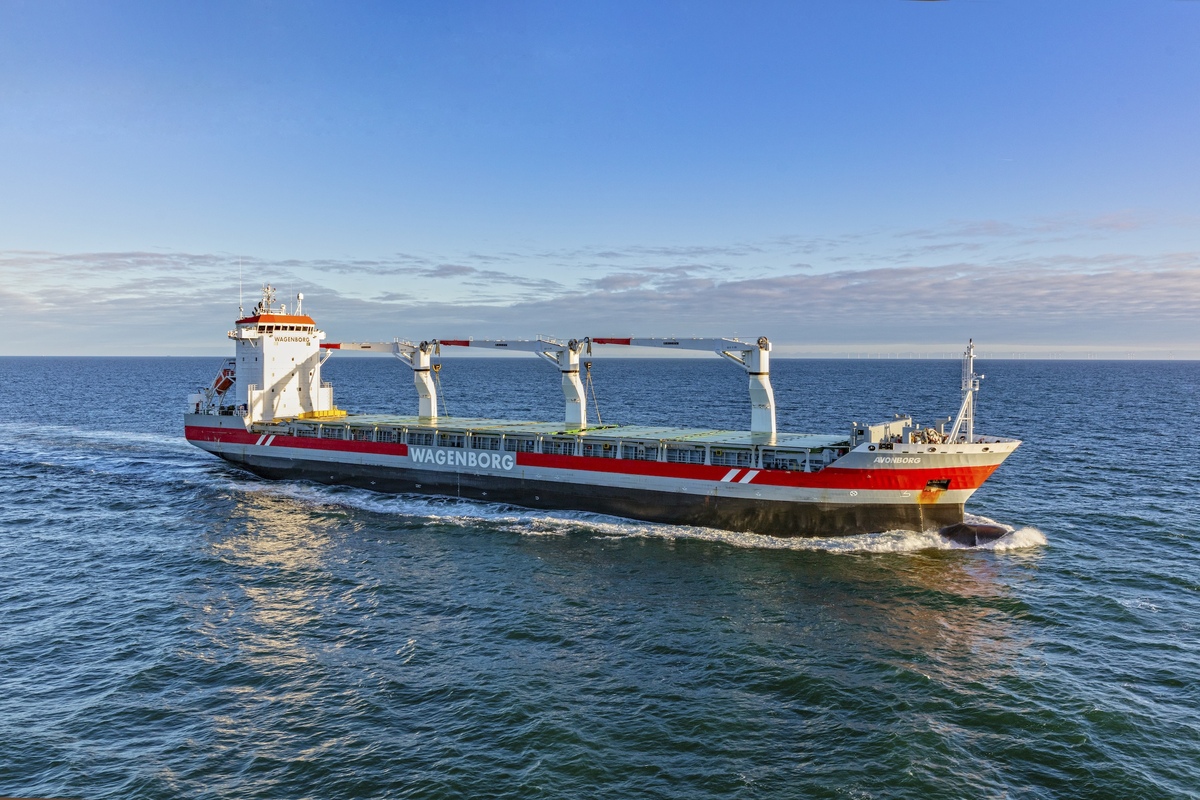
URK: Royal Wagenborg is strengthening digital resilience across its fleet of general cargo vessels after selecting De Boer Marine for a multiyear, phased rollout of onboard connectivity, IT and cybersecurity. The programme will support secure ship-to-shore communications, stronger onboard digital infrastructure and reliable internet access for crews.

The programme will cover around 160 owned and managed general cargo vessels. Under the agreement, De Boer Marine will provide an integrated onboard package covering onboard IT and network infrastructure, navigation and communication equipment, connectivity, system upgrades, installations, cybersecurity and LinQontrol to monitor and visualise onboard communication data.

The connectivity set-up will combine Starlink, OneWeb, Ku-band VSAT, Iridium Certus and 5G to support Wagenborg’s vessels operating worldwide, alongside upgrades to onboard network hardware and remote support systems. The scope also includes firewalling, intrusion prevention, web filtering, endpoint management and secure remote access. De Boer Marine is ISO 27001-certified, supporting the information security requirements of the rollout.

Theo Klimp, Fleet Director, Royal Wagenborg Shipping, said: “Digitalisation is an important enabler of our strategy to provide reliable, safe and sustainable maritime services. As our operations continue to evolve, we need technology partners who understand both the opportunities and the complexities of our business. De Boer Marine offers an integrated approach, covering everything from connectivity and IT infrastructure to cybersecurity and user support. Their ability to develop scalable solutions tailored to our operational requirements, combined with a proactive and collaborative partnership model, helps us strengthen our fleet and create long-term value for our customers, employees and stakeholders.”

Meindert-Jan de Boer, CEO, De Boer Marine, said: “We are proud that Royal Wagenborg Shipping has chosen De Boer Marine to support its global fleet. This is a substantial programme that brings connectivity, IT and cybersecurity together in one integrated approach. We look forward to working closely with the Wagenborg team throughout the rollout and supporting its fleet as its digital requirements continue to evolve.”

As ships become more connected, onboard IT, communications and cybersecurity are moving closer to the centre of day-to-day vessel operations. For shipowners, digital resilience is increasingly becoming part of core fleet infrastructure. The multiyear programme will give Wagenborg a more integrated and scalable digital foundation across its fleet.


About De Boer Marine

De Boer Marine delivers marine equipment, maritime connectivity and IT solutions to the international maritime sector. The company supports shipowners and operators with navigation and communication equipment, onboard IT and connectivity solutions, cybersecurity, system upgrades and installation services. De Boer Marine is ISO 27001-certified.

About Wagenborg

Founded in 1898, Royal Wagenborg is an international maritime logistics conglomerate. The family-owned and managed company offers a variety of sustainable maritime logistics services with regard to shipping, ports & terminals and offshore services. Managed out of the Delfzijl (NL) headquarters, Wagenborg has built a global commercial network. With about 3,000 employees Wagenborg serves clients predominantly in the Baltic, northwest Europe, the Mediterranean, the Americas and the Far East.

PM Modi arrives in Kyrgyzstan to attend 26th SCO Summit in Bishkek

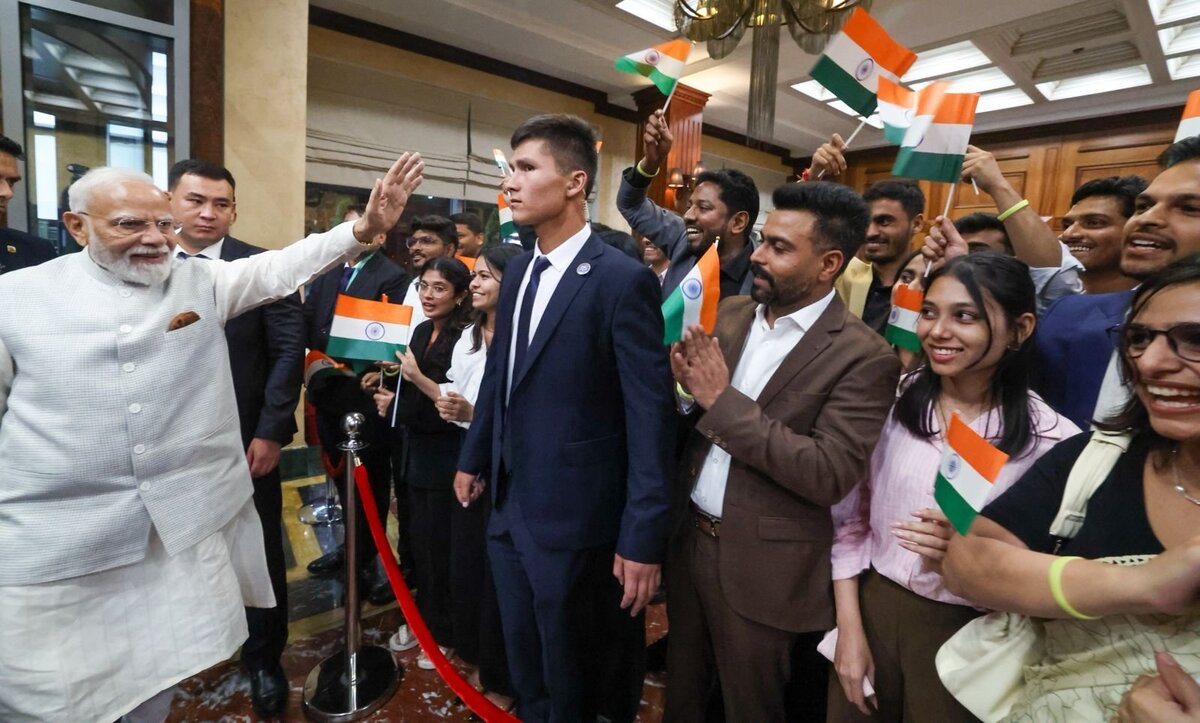
BISHKEK: Prime Minister Shri Narendra Modi arrived in Bishkek on Sunday, where he will participate in the 26th Shanghai Cooperation Organisation (SCO) Summit, marking the next leg of his two-country visit after concluding his state visit to Uzbekistan.
PM Modi arrived in the Kyrgyz capital at the invitation of Kyrgyz President Sadyr Zhaparov.

The 26th SCO Summit will bring together leaders of member states to deliberate on regional and international issues and ways to further strengthen cooperation within the grouping.

The Prime Minister’s arrival was met with enthusiasm among members of the Indian diaspora and residents.

Speaking about PM Modi’s visit, Deepak Joshi, an Indian national residing in Bishkek, said the Prime Minister’s arrival was a matter of “honour and great privilege” for Indians living abroad.

“It is kind of an honour and great privilege that the Prime Minister is coming here. So much transformation has taken place in the last 12 years that it’s unbelievable, and PM Modi deserves huge credit for this,” Joshi said.

Recalling developments in his native Uttarakhand, he said, “I come from Uttarakhand. My father’s village got electricity in 2017.”

“I am learning Hindi at the Indian Embassy. I am very excited that PM Modi is coming, and we are all standing here, ready to greet and see him. We love India; we love the Indian people. We like India,” Gasanova said.

Before arriving in Bishkek, PM Modi concluded his two-day state visit to Uzbekistan, where he held bilateral and delegation-level talks with President Shavkat Mirziyoyev.

During the visit, India and Uzbekistan elevated their bilateral ties to a Comprehensive Strategic Partnership and agreed on an ambitious roadmap covering trade and investment, infrastructure, digital public infrastructure, Artificial Intelligence, critical minerals, energy, space, agriculture, healthcare, pharmaceuticals, education and culture.

The two sides also set a target of increasing bilateral trade to USD 5 billion by 2030, from the current level of more than USD 1 billion, with a focus on market access, connectivity and banking and payment systems.

As he departed Tashkent, PM Modi thanked President Mirziyoyev for his hospitality and personal commitment to strengthening India-Uzbekistan ties.

“Thank you Uzbekistan! Gratitude to President Mirziyoyev for his warmth, attention to detail and personal commitment to the India-Uzbekistan friendship,” PM Modi said in a post on X.

Following the SCO Summit in Bishkek, PM Modi’s participation is expected to further strengthen India’s engagement with the SCO and its Central Asian partners as the organisation marks 25 years of its existence.

Source: ANI

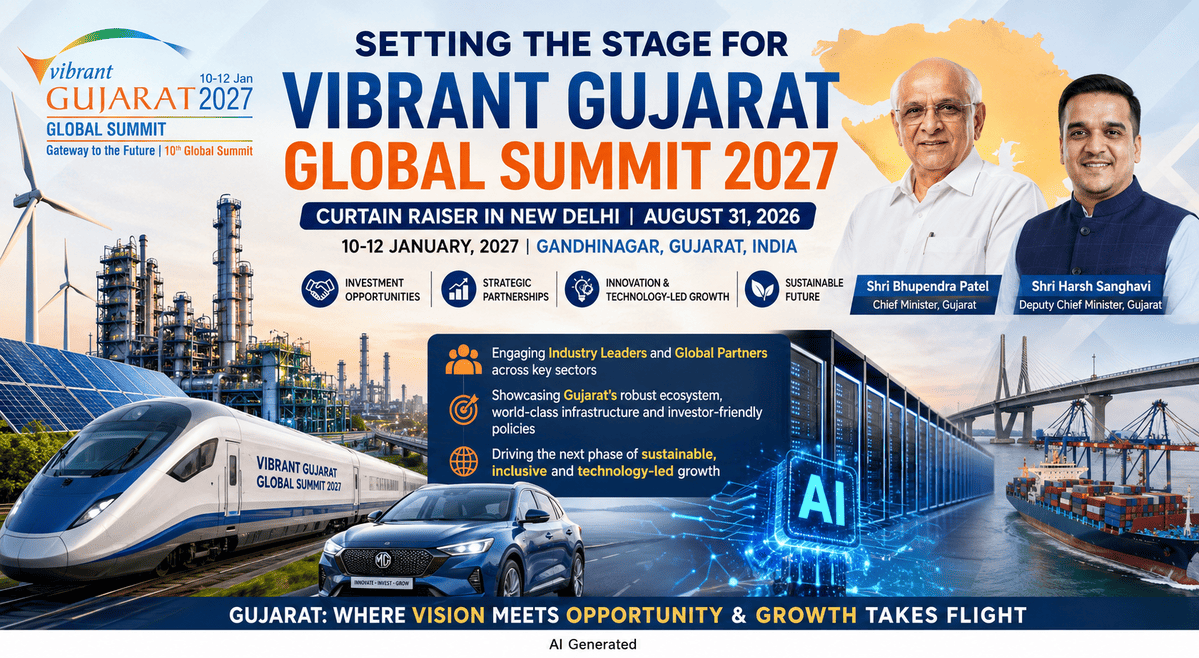
Curtain raiser for Vibrant Gujarat Global Summit 2027 to be held in New Delhi today

GANDHINAGAR: Following the successful completion of a high-level international delegation visit to the USA and Canada, led by Gujarat Chief Minister Shri Bhupendra Patel, the State Government is organising the Curtain Raiser for Vibrant Gujarat Global Summit 2027 in New Delhi on August 31, as per the release.

The Curtain Raiser will set the stage for the upcoming Summit scheduled for January 10 to 12, 2027.

The Chief Minister and Deputy Chief Minister, Shri Harsh Sanghavi, will address the interaction session with Industry Leaders to be held at Bharat Mandapam in the morning, as well as during the interaction session with the Heads of Missions and senior officials from the Government of India to be held at Hotel Taj Palace in the evening.

At Bharat Mandapam, Chief Minister Patel will hold various one-on-one meetings with industrialists from leading companies across diverse sectors including TPREL; JSW MG Motor India; Schneider Electric India; DCM Shriram Ltd; Seoul Semiconductors; Shree Cement Ltd.; Purvah Green Power; LG Energy Solutions; JBM Group; Dineshchandra R. Agrawal Infracon; Max Healthcare, Uno Minda & ACMA; ACME Solar; Schwihag AG; Airtrunk; HIF Global; GHCL; Sber Bank; PB Fintech Ltd. (parent company of PolicyBazaar & Paisabazaar); Mankind Pharma.

The one-on-one meetings will cover key sectors including renewable energy, automobiles, semiconductors & electronics, cement, infrastructure, healthcare & pharma, railways, AI & data centres, IT and BPM, chemicals, banking, financial services & insurance (BFSI), the release said.

The discussions will focus on investment opportunities, expansion plans and strategic partnerships, while showcasing Gujarat’s robust industrial ecosystem, infrastructure, investor-friendly policies and readiness to support the next phase of sustainable and technology-led growth.

JNPA leadership explores new DFC infrastructure to speed up container evacuation

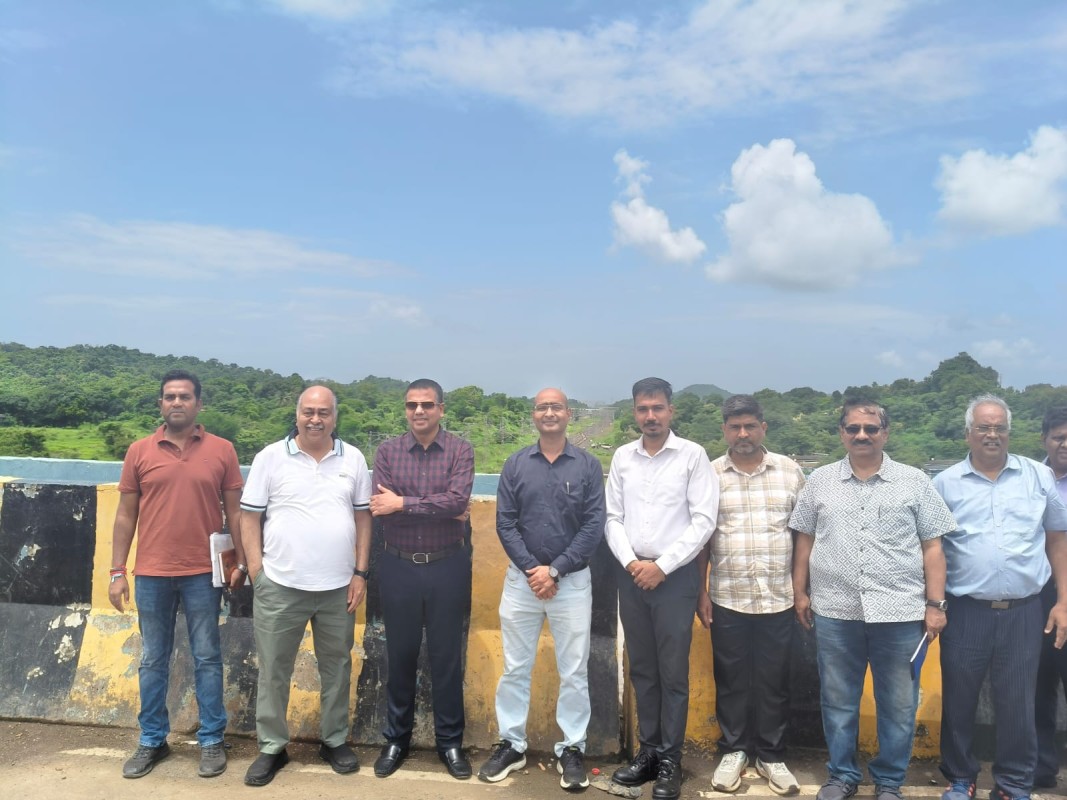
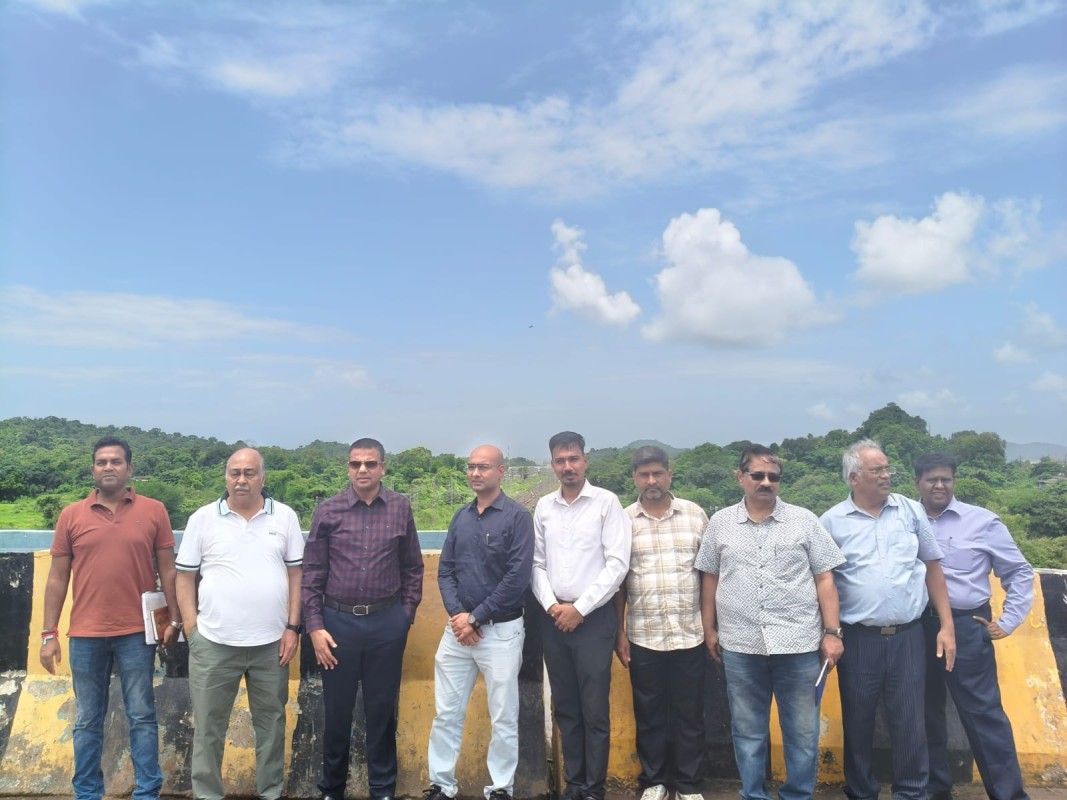
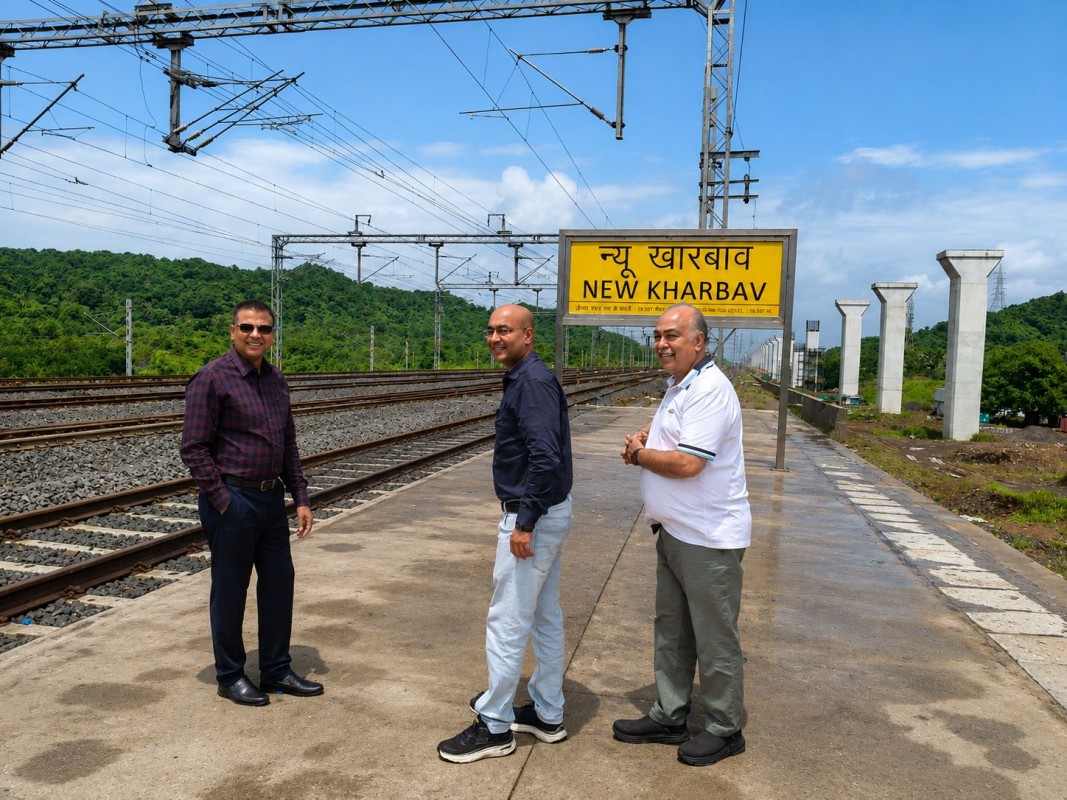
MUMBAI: In a major push toward optimizing cargo logistics and accelerating container evacuation from the port, Jawaharlal Nehru Port Authority (JNPA) Chairman Mr. Gaurav Dayal, IAS, along with Deputy Chairman Mr. Ravish Singh, IRTS, and senior port officials, conducted a comprehensive field inspection of key railway infrastructure along the Dedicated Freight Corridor (DFC) route.

The delegation visited the newly developed Kharbhav Railway Station to evaluate operational synergies for utilizing the DFC line. The strategic integration of Kharbhav is expected to streamline and expedite the movement of containerized cargo directly from JNPA to the major consumption and distribution hubs in Bhiwandi, significantly cutting down transit times and easing road congestion.

Following the inspection at Kharbhav, the senior leadership team toured the prominent Bhiwandi Warehousing Hub to gauge supply chain capacity, last-mile logistics efficiency, and storage readiness. The site visit concluded with an inspection of the New Nilanje Railway Station, assessing its potential to serve as an additional vital freight node within the expanding rail-freight ecosystem.

Speaking on the operational visit, Mr. Gaurav Dayal, Chairman, JNPA, stated: “Efficient multimodal connectivity is the backbone of modern port operations. By maximizing the potential of the Dedicated Freight Corridor through strategic rail nodes like Kharbhav and Nilanje, JNPA aims to offer seamless, faster, and environmentally sustainable container evacuation routes directly to key commercial clusters like Bhiwandi.”

Mr. Ravish Singh, Deputy Chairman, JNPA, added: “Transitioning a higher share of container traffic from road to rail is crucial for reducing logistics costs and turnaround times. Our joint assessments today reinforce our commitment to building resilient hinterland connectivity that supports the growth of trade and industry.”

This initiative aligns with JNPA’s broader mandate under the PM Gati Shakti National Master Plan to drive integrated infrastructure development, boost operational efficiency, and cement its position as India’s premier container port.

About Jawaharlal Nehru Port Authority (JNPA):

The Jawaharlal Nehru Port Authority (JNPA) is one of India’s premier container-handling ports and a key gateway for the country’s EXIM trade. JNPA currently operates five container terminals — NSFT, NSICT, NSIGT, BMCT and APMT. The port also has a shallow water berth for general cargo, operated by NSDT. Its liquid cargo facilities include a terminal managed by the BPCL-IOCL consortium and an additional liquid cargo terminal developed by JNPA and operated by M/s JSW-JNPT Liquid Terminal Pvt. Ltd. The port’s coastal berth further strengthens maritime connectivity with other Indian ports and supports the growth of coastal cargo and container movement.

Spread across 277 hectares, JNPA also operates a strategically located multi-product Special Economic Zone (SEZ) equipped with modern infrastructure and facilities to support export-oriented industries and promote trade and investment. Looking ahead, JNPA is developing the Vadhvan Port, an all-weather, deep-draft, greenfield port in Maharashtra and the 13th Major Port of India.

Chennai Port Authority strengthens supply chain resilience by facilitating alternative port calls

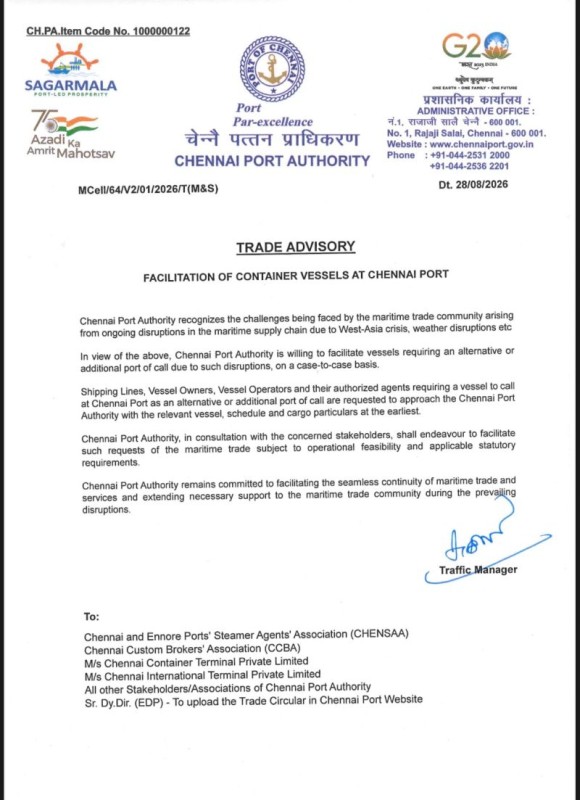
CHENNAI: In a significant step towards strengthening maritime supply-chain resilience and ensuring continuity of trade, the Chennai Port Authority has announced facilitation for container vessels seeking an alternative or additional port of call amid ongoing disruptions affecting global maritime supply chains.

The initiative reflects Chennai Port Authority’s proactive approach to supporting the maritime trade community and providing shipping lines with greater operational flexibility during periods of uncertainty and disruption.

CHENNAI PORT AUTHORITY SUPPLY CHAIN 1 Chennai Port Authority strengthens supply chain resilience by facilitating alternative port calls

With global shipping routes facing challenges arising from congestion, vessel diversions, geopolitical developments and other disruptions, the availability of reliable alternative port options has become increasingly important for maintaining the uninterrupted movement of cargo. Chennai Port is positioned to play an important role in providing such additional capacity and connectivity to the EXIM trade.

By facilitating container vessels that require an alternative or additional port call, Chennai Port Authority is working to help minimise disruptions, maintain cargo flows and support the continuity of import and export operations. The move also provides shipping lines and logistics stakeholders with an additional gateway to manage their services and maintain more resilient supply-chain networks.

The initiative demonstrates the Port Authority’s commitment to working closely with shipping lines, terminal operators, cargo owners, freight forwarders, logistics providers and other stakeholders to respond effectively to changing requirements in the maritime sector.

Chennai Port’s strategic location on India’s east coast, established connectivity with major industrial and commercial centres, and its role as a key gateway for containerised and other cargo make it well placed to support the evolving needs of global and Indian trade.

The Port Authority will continue to facilitate maritime operations and engage with stakeholders to ensure that vessels and cargo can be handled efficiently, while supporting the smooth movement of goods through the region.

The latest initiative reinforces Chennai Port Authority’s broader commitment to operational flexibility, customer-centric services, supply-chain resilience and the seamless flow of global trade.

Strengthening resilience. Facilitating continuity. Enabling trade.

Chennai Port Authority remains committed to being a dependable maritime gateway and a strong partner for the shipping and logistics community during both normal operations and periods of disruption.

CONCOR Fast-Tracks North India’s Exports with New Ludhiana–JN Port Express Service

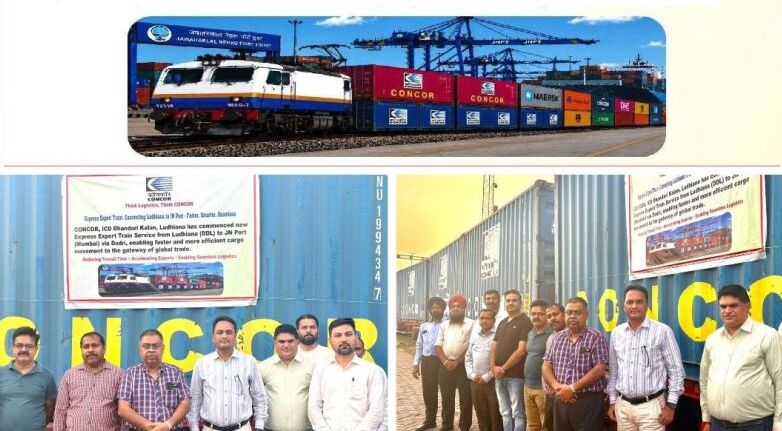
LUDHIANA: In a significant move to enhance rail-based export logistics from North India, the Container Corporation of India Ltd. (CONCOR) has commenced a new Express Export Train Service connecting ICD Dhandari Kalan (DDL), Ludhiana, with Jawaharlal Nehru Port (JN Port), Mumbai, via Dadri.

The new scheduled service, which began operations on August 29, 2026, is aimed at providing exporters in Punjab and neighbouring northern industrial clusters with a faster, more predictable and efficient rail connection to one of India’s leading container gateways.

The initiative comes at a time when speed, reliability and logistics cost efficiency are becoming increasingly critical to India’s export competitiveness. By introducing an express rail corridor linking Ludhiana’s extensive manufacturing and trading ecosystem with JN Port, CONCOR is seeking to streamline cargo flows and reduce avoidable delays across the export supply chain.

Faster Route, Quicker Turnaround

A key advantage of the new service is its streamlined routing through Dadri, designed to minimise conventional transit delays and significantly improve overall turnaround time to JN Port.

For exporters handling time-sensitive consignments, the scheduled express service is expected to provide greater certainty in cargo movement and enable more efficient planning of factory dispatches, inland transportation and port deliveries.

The improved connectivity is particularly significant for Ludhiana, one of North India’s major industrial and manufacturing centres, with a diverse export base spanning engineering goods, textiles, garments, bicycles and bicycle components, machinery and other manufactured products.

Strengthening the Rail-to-Port Supply Chain

The direct rail connectivity between ICD Dhandari Kalan and JN Port is expected to create a more seamless link between northern production centres and India’s maritime gateway network.

With predictable scheduling and faster cargo movement, exporters can potentially benefit from improved inventory planning, reduced logistics uncertainty and more dependable access to international shipping services at the port.

The move also reinforces the growing role of rail freight in developing more sustainable and efficient multimodal logistics networks, offering exporters an alternative to conventional road-heavy cargo movements over long distances.

Driving Export Competitiveness Through Logistics Efficiency

CONCOR’s latest initiative forms part of its broader effort to strengthen intermodal infrastructure and introduce scheduled, time-definite rail services for India’s EXIM trade.

By focusing on faster transit, dependable schedules and improved port connectivity, the new express service is positioned to help reduce logistics costs while enhancing supply-chain resilience for exporters across North India.

The Ludhiana–JN Port service via Dadri therefore represents more than a new rail connection. It is a strategic step towards creating faster, smarter and more integrated export corridors, supporting India’s ambition to build globally competitive logistics networks and strengthen the country’s position in international trade.

As India continues to expand its export footprint, initiatives that improve the speed and predictability of cargo movement from inland manufacturing hubs to gateway ports will remain crucial. CONCOR’s new express export service is a step in that direction, bringing North India’s exporters closer to global markets through a more efficient rail-based logistics solution.

JNPA’s Nhava Sheva distribution terminal sets new break-bulk cargo handling record

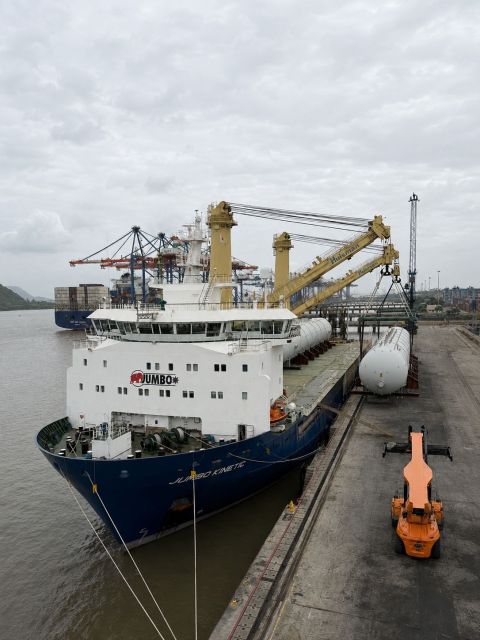
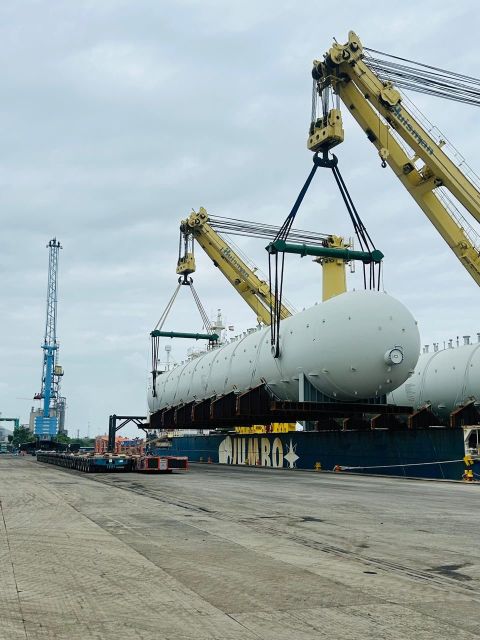
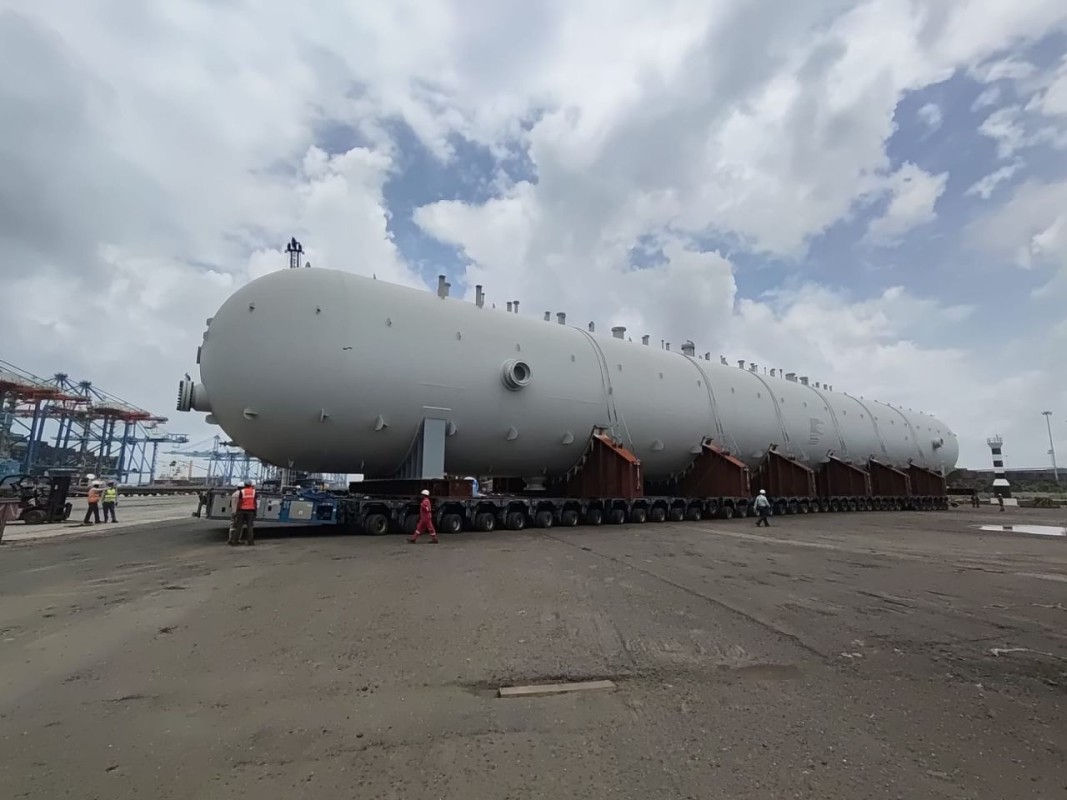
MUMBAI: The Jawaharlal Nehru Port Authority (JNPA) has achieved another significant operational milestone, with its Nhava Sheva Distribution Terminal (NSDT) recording its highest-ever break-bulk cargo handling performance by weight.

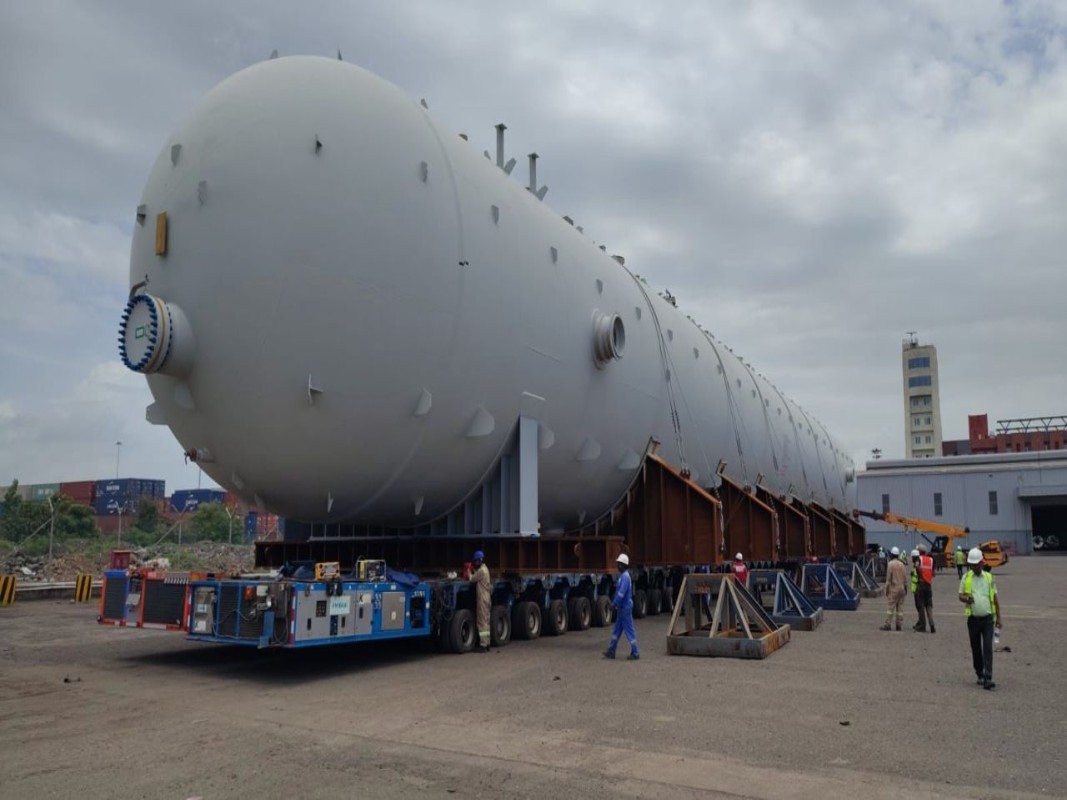
NSDT successfully handled two separate break-bulk cargo shipments, each weighing 1,667 metric tonnes (MT), marking a new record for the terminal and highlighting its growing capability to handle large and diverse cargo volumes efficiently.

JNPA NSDT JNPA’s Nhava Sheva distribution terminal sets new break-bulk cargo handling record

The achievement underscores JNPA’s continued focus on enhancing cargo-handling capacity, improving operational efficiency and providing seamless logistics solutions to port users and the wider EXIM trade.

The successful handling of these high-weight break-bulk consignments demonstrates NSDT’s ability to manage specialised and project-oriented cargo while maintaining efficient terminal operations. Such capabilities are increasingly important as India’s trade volumes diversify and demand grows for reliable handling of non-containerised cargo.

The milestone also reflects the coordinated efforts of JNPA officials, terminal operators, cargo owners, shipping lines, logistics partners and other stakeholders, whose collaboration contributes to maintaining high standards of productivity and service delivery at the port.

With its strategic location and expanding infrastructure, JNPA continues to strengthen its position as one of India’s leading gateways for international trade. The Authority has been consistently adopting modern operational practices and enhancing terminal capabilities to support the country’s growing logistics and EXIM requirements.

The latest NSDT achievement adds another milestone to JNPA’s record of operational excellence and reinforces its commitment to efficient, reliable and customer-focused maritime logistics.

Another record. Another step forward.

JNPA continues to move India’s trade forward with greater efficiency, capacity and operational excellence.

FM Sitharaman engages with Indian diaspora in Chicago; holds high-level talks with top US business executives

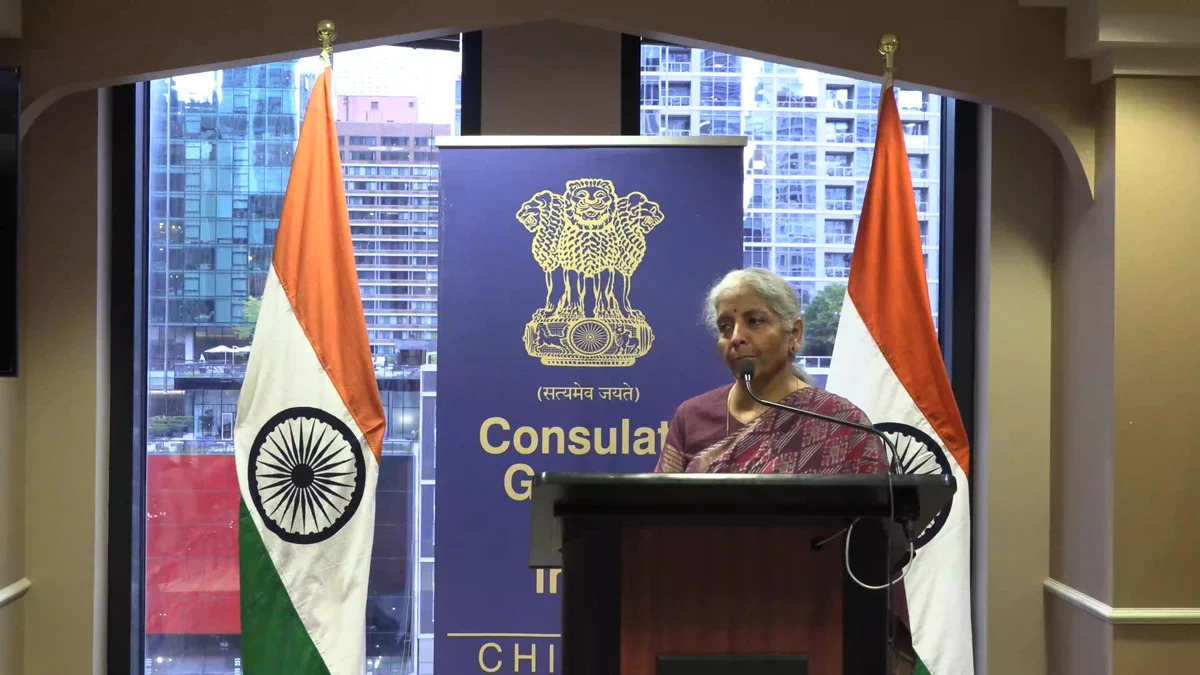
CHICAGO: Union Minister for Finance and Corporate Affairs Smt. Nirmala Sitharaman addressed the Chicago-based Indian diaspora at the Consulate General of India’s office.

“Union Minister for Finance & Corporate Affairs Smt. @nsitharaman interacted and addressed the vibrant Indian diaspora community based in Chicago at the Consulate General of India’s office @IndiainChicago, today,” the Ministry of Finance said on X.

The engagement formed part of the Finance Minister’s ongoing bilateral outreach in the city, where she also held a series of high-level meetings with prominent American business leaders across the agriculture, defence technology, and hospitality sectors.

Earlier in her meeting with ADM Executive Vice President and Chief Financial Officer Monish Patolawala, discussions focused on the company’s long-standing footprint in India and avenues to deepen collaboration across agriculture, food processing, nutrition, and sustainable supply chains.

“The Union Finance Minister highlighted opportunities to further strengthen linkages with Indian farmers and expand regenerative and sustainable agriculture, while leveraging India’s capabilities in food processing, innovation and emerging technologies. The discussions also covered opportunities for India to serve as a global hub for ADM’s operations, including exports, technology and treasury functions, with GIFT IFSC offering potential opportunities for international financial and treasury operations,” the Ministry said in a separate post on X.

During a separate bilateral interaction with Shield AI Co-founder and President Brandon Tseng, deliberations centred on AI-enabled autonomy, unmanned systems, and next-generation defence solutions.

“The Finance Minister emphasised India’s potential to serve not only as a major market but also as a global hub for developing, testing and manufacturing autonomous defence systems, leveraging its technology capabilities, skilled workforce and growing innovation ecosystem. The discussions also explored opportunities for deeper India-US collaboration in AI-powered autonomous platforms and unmanned aerial systems, including co-development and co-production, further strengthening strategic technology partnerships between the two countries,” the Ministry noted.

The Finance Minister also held talks with Hyatt President and Chief Executive Officer Mark S. Hoplamazian to review the group’s ongoing expansion across the country’s hospitality landscape.

The Ministry said, “FM Smt. @nsitharaman highlighted India’s improving connectivity and infrastructure, which is opening up new tourism and commercial destinations, with Tier-II and Tier-III cities emerging as important centres of economic activity and travel. The Union Finance Minister also highlighted the growing opportunities in destination-led tourism, including spiritual, cultural, wellness, medical, nature and experiential tourism, and encouraged Hyatt to leverage its global expertise and asset-light model to deepen partnerships with Indian developers and investors. FM Smt. @nsitharaman also suggested exploring opportunities for talent development through the National Institute of Hospitality and GIFT City as a potential financing and treasury hub for Hyatt’s growing India operations.” (ANI)

Rajesh Agrawal leads 4th India–Argentina JTC Meeting; Both sides reaffirm commitment to deepen strategic and economic partnership

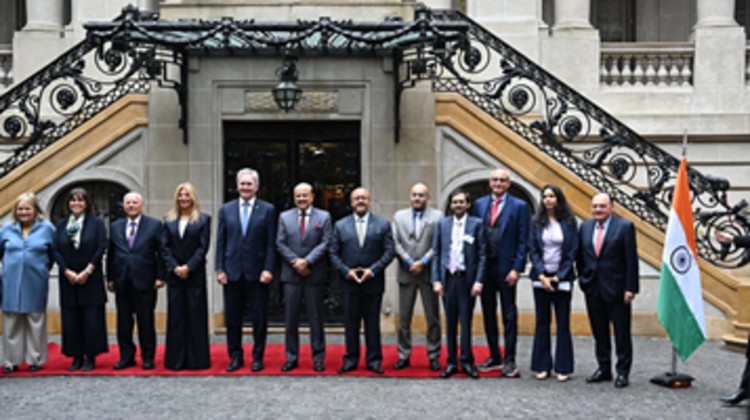
BUENOS AIRES: The Fourth Meeting of the India–Argentina Joint Trade Committee (JTC) was held on 24 August 2026 at Palacio San Martín, Buenos Aires. The Indian delegation was led by Commerce Secretary Shri Rajesh Agrawal, while the Argentine delegation was led by Ambassador Fernando Brun, Secretary for International Economic Relations. Both sides reviewed progress on the roadmap agreed during Honourable Prime Minister Shri Narendra Modi’s visit to Argentina in 2025 and reaffirmed their commitment to further deepening the strategic and economic partnership between the two countries.

Bilateral trade between India and Argentina crossed USD 6.5 billion in 2025, registering consistent annual growth of over 17 per cent. India has emerged as Argentina’s fifth-largest trading partner, highlighting the significant potential for further expansion and diversification of the bilateral trade basket. Argentina’s ongoing efforts to facilitate foreign trade, reduce non-tariff barriers and promote investment are expected to support greater participation by Indian companies in the Argentine market. Both sides emphasised the importance of ensuring greater reciprocity and a more balanced framework of opportunities for businesses as the economic partnership expands.

Investment opportunities across mining, energy and infrastructure were also discussed, including the continued engagement of India’s KABIL in Argentina’s lithium sector. KABIL’s mining activities in Catamarca, the first lithium mining initiative by an Indian company in Argentina, have progressed significantly with the completion of Phase II drilling. Opportunities for further engagement in the provinces of Salta and Jujuy are also being explored to deepen the strategic partnership between the two countries.

The discussions also noted encouraging progress in facilitating the entry of Indian agricultural products into the Argentine market. Technical-level discussions on sanitary and phytosanitary (SPS) measures are advancing for Indian onions, milk and milk products, grapes, potatoes, bananas and pulses, marking an important step towards their market access. These developments are expected to create greater opportunities for Indian farmers and exporters, strengthen bilateral agricultural trade and contribute to India’s broader objective of achieving Viksit Bharat 2047.

Significant progress was also made in facilitating market access for Indian pharmaceutical products. Argentina has committed to work towards upgrading India from Annex II to Annex I under its pharmaceutical regulatory framework and reducing barriers to entry. This is expected to provide greater opportunities for Indian pharmaceutical companies and contribute to improving access to quality and affordable healthcare in Argentina. Building on the 2019 Memorandum of Understanding between Argentina’s ANMAT and India’s CDSCO, both sides also committed to strengthening cooperation through joint initiatives in Ayurveda and Yoga.

Emerging areas of cooperation, including aviation, space technology, telecommunications and digital services, were identified as areas offering further opportunities for both countries, particularly in 5G, artificial intelligence and digital infrastructure.

The India–MERCOSUR Preferential Trade Agreement also remains an important avenue for expanding market access and strengthening economic integration. Progress on the Terms of Reference, along with the adoption of digital certificates of origin, is expected to facilitate trade and make cross-border commerce more efficient for businesses.

The JTC was followed by a meeting with Argentina’s Minister of Foreign Affairs, International Trade and Worship, H.E. Mr. Pablo Quirno, along with representatives of the G6 industry chambers. The interaction provided valuable insights from the Argentine business community on opportunities within the India–Argentina economic relationship and reinforced the importance of aligning government initiatives with the needs and aspirations of industry.

Commerce Secretary Shri Rajesh Agrawal also held meetings with Mr. Sergio Iraeta, National Secretary of Agriculture, Livestock and Fisheries, to review the roadmap on onions, citrus, dairy, walnuts, grapes and bananas; Mr. Alejandro Cacace, Secretary of Deregulation, to discuss non-tariff barriers and regulatory recognition for Indian pharmaceuticals; and Secretary of Innovación, Ciencia y Tecnología Mrs. Adriana Baravalle, along with Ms. Josefina Pérez of CONAE and Ms. Jimena Schiaffino, Director for the Nuclear and Space Sector, to discuss space and nuclear cooperation, including a proposed ISRO–CONAE meeting.

The engagement was further strengthened through the India–Argentina Business Forum, held on 25 August 2026 at Palacio San Martín. The Forum brought together government representatives and leading businesses from both countries. Commerce Secretary Shri Rajesh Agrawal led the first and largest-ever Indian business delegation to Argentina, comprising more than 25 business leaders, including representatives from UPL, Kirloskar and Aditya Birla Group. The delegation engaged with the Argentine business community to translate the shared vision of the two countries into tangible commercial outcomes.

The Forum provided an important platform for Indian companies to engage directly with their Argentine counterparts, identify new avenues for trade and investment, and explore partnerships across key sectors, including agriculture, minerals, energy, pharmaceuticals, healthcare, tourism, banking and telecommunications. Discussions focused on translating government-to-government engagement into tangible commercial outcomes by improving market access, addressing regulatory and trade barriers and facilitating greater business-to-business engagement.

The India–Argentina economic partnership presents significant opportunities to expand trade, deepen investment and create new avenues for value creation. Strengthening cooperation across traditional and emerging sectors can further contribute to the growth and prosperity of both economies.