Home Blog Page 135

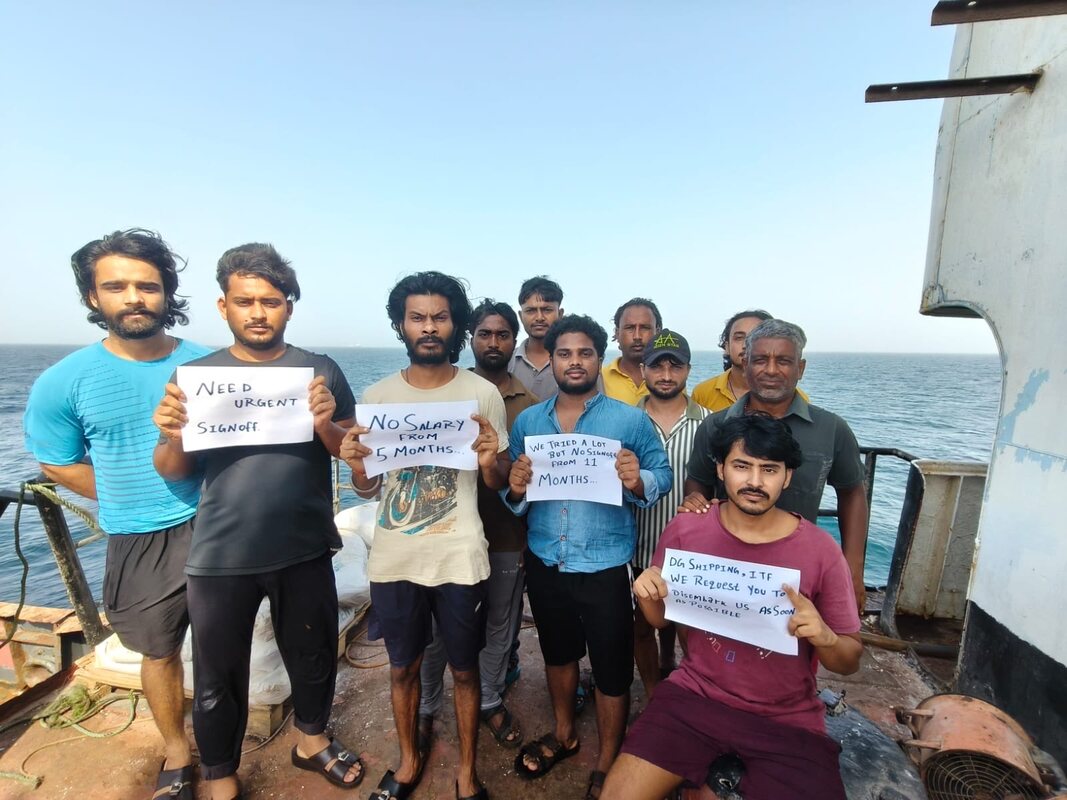
Seven stranded Indian seafarers repatriated from MV Sea Star 2 in Abu Dhabi, says Indian Embassy in UAE

NEW DELHI: Seven Indian seafarers stranded aboard the oil products tanker MV Sea Star 2 stranded at Mina Zayed Port in Abu Dhabi have already been successfully repatriated, and efforts are underway for the safe and early repatriation of the remaining seafarers, the Indian Embassy in the United Arab Emirates announced.

In an update shared on X, the Embassy stated that active efforts are underway to secure the safe and early return of the remaining crew members. “The Embassy is closely following up with local authorities on the welfare and early repatriation of Indian seafarers stranded aboard SEA STAR 2. Seven seafarers have already been repatriated, and efforts are underway for the safe and early repatriation of the remaining seafarers,” the post read.

The diplomatic intervention follows an urgent appeal on X by the Federation of Seafarers’ Unions of India (FSUI), which highlighted that the crew members have been stranded for 11 months without relief.

According to the FSUI, the remaining sailors have gone five months without wages, while the vessel’s owner allegedly deducted visa and travel expenses from earlier payments. The union also reported that crucial travel documents remain under the control of port authorities, exposing the crew to severe exploitation.

In its appeal, FSUI had tagged the Ministry of External Affairs, the Directorate General of Shipping (dgshipping), the Ministry of Ports, Shipping and Waterways, and the International Transport Workers’ Federation, demanding full payment of back wages and immediate repatriation.

“Abandoned at Mina Zayed Port, Abu Dhabi Indian seafarers of MV SEA STAR 2 stranded for 11 months. No wages for the last 5 months. Owner deducted even their own visa & travel costs from earlier payments. Documents under Port Authority control. Extreme exploitation. urgent sign-off, 5 months unpaid, 11 months no relief. They seek full wages + immediate repatriation. @MEAIndia @dgshipping @Shipmin_India @ITFglobalunion — intervene now. Pay them. Bring them home,” FSUI wrote.

Earlier on Friday, MEA spokesperson Randhir Jaiswal addressed growing safety concerns regarding Indian mariners operating in volatile waters, reiterating New Delhi’s commitment to prioritising the welfare of its seafaring community.

Responding to questions regarding a video released by the Forward Seamen’s Union of India (FSUI) from an incident dated April 22 on Thursday, which claims Indian sailors were being harassed by forces identified as the Islamic Revolutionary Guard Corps (IRGC) Navy, Jaiswal affirmed that safety issues are routinely raised with relevant international authorities.

“As we have said time and again, the welfare and safety of our seafaring community is a matter which we take very seriously and we attach very high priority to this subject,” Jaiswal said. “Whenever there’s an issue with our seafarer community, with our seamen, we take it up with the relevant authorities. In this particular case, let me come back to you as to what has been the progress.”

The MEA’s response comes after the Forward Seamen’s Union of India (FSUI) released footage documenting an attack by Iranian naval forces on a commercial vessel in the Strait of Hormuz, using the incident to demand direct naval escort and physical protection for mariners navigating high-risk conflict zones.

The footage, captured on April 22, 2026, depicts a Panama-flagged vessel carrying 22 crew members, 21 of whom are Indian nationals, being surrounded by small armed craft. Through the video, FSUI claimed that the small boats encircling the merchant vessel belonged to the IRGC, that a Rocket-Propelled Grenade (RPG) was used, and that crew members took shelter in interior corridors to survive the assault.

Source: ANI
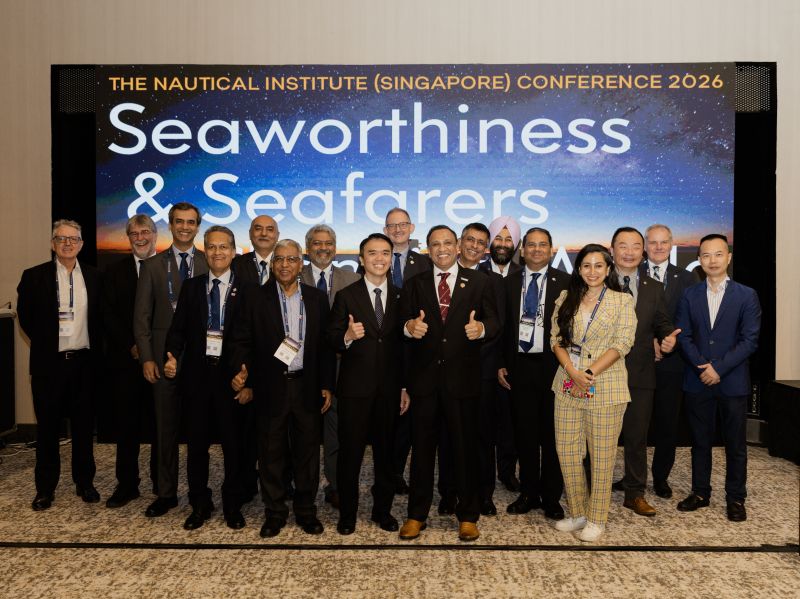
Nautical Institute (Singapore) Conference 2026 brought Seaworthiness and the Future of Seafarers to Centre Stage

SINGAPORE: The need to look at seaworthiness beyond the physical condition of a vessel, strengthen long-term career pathways for seafarers, and keep seafarer welfare at the centre of maritime decision-making emerged as key areas of discussion at the Nautical Institute (Singapore) Conference 2026, held on 20 August at Furama City Centre.

Held in conjunction with MPA Safety@Sea Week, the conference brought together over 250 maritime professionals across shipping, ship management, law, insurance, crewing, training, welfare and maritime operations under the theme “Seaworthiness and Seafarers in a Changing World”.

The conference was graced by Mr Ang Wee Keong, Chief Executive of the Maritime and Port Authority of Singapore (MPA), who delivered the Opening Address.

Keynote Perspectives from Across Maritime Leadership

The conference featured two keynote addresses from senior maritime leaders whose careers span both the operational and strategic sides of the sector.

Mr Nick Potter, President & CEO of AET and Vice President, Petroleum & Products of MISC Group

Ms Sakura Kuma, Executive Officer of Mitsui O.S.K. Lines, Ltd., Managing Director of MOL (Asia Oceania) Pte. Ltd.

One of the day’s most poignant moments came from Ms Kuma, who shared the story of the seafarers aboard MOL’s LNG Saturn and their involvement in rescuing fellow seafarers from another vessel.

The crew remained engaged in the rescue effort for approximately six hours, working to complete the operation before sundown. Beyond the operational response itself, the account offered delegates a powerful reminder of what the maritime profession can demand of those at sea: sound judgement, seamanship, teamwork and the willingness to act when another life depends on it.

Keeping Seafarers at the Centre of the Conversation

Ms Kuma’s anecdote was just one of many throughout the day, highlighting the strides the industry is making to keep seafarers top of mind, especially during challenging times.

Discussions moved naturally from the responsibilities that underpin seaworthiness and safe operations to the realities of building a career at sea, “where attracting new talent is only part of the challenge. Equally important is giving seafarers the support and opportunities to stay and progress. Against a backdrop of geopolitical uncertainty, security threats and changing expectations of life at sea, the conversations also reinforced the need to safeguard seafarer wellbeing and create working environments where people feel supported. While the challenges may differ, the thread connecting them is the same: the future of shipping depends not only on seaworthy vessels, but on the people who operate them.

Quotes Throughout the Day

“But the responsibility our seafarers carry remains enormous, and in many ways, the world they operate in is more complex, more dynamic, and the risks have changed significantly. Our response is not simply to make ships capable of surviving that world, but it’s to make sure our people aboard them can thrive in it.” — Mr Nick Potter

“Each year, we have had the conference growing from strength to strength and I am happy to declare that this year’s conference too had exceeded expectations with close to 300 registrations.” — Captain Hari Subramaniam

“Shipping isn’t a straight line. It’s a complex industry and to really learn from it, one must be curious.” — Captain Kunal Nakra

“The goal is not simply to prevent poor mental health, but the goal should be to create the right conditions on board in which seafarers can genuinely thrive.” — Captain Yves Vandenborn

“The engaging and informative discussions you’ve had today don’t end here. They make a real impact when you bring them back to your workplace and continue the conversations around important issues that affect seafarers globally.” — Captain Ken Ellam

7 Things to Consider Before Getting a Tattoo

A tattoo is permanent enough that it deserves more thought than picking a design off Pinterest at midnight. Roughly 30% of Americans have at least one tattoo, and a growing number of them also report regret about at least one piece, according to surveys from Pew Research and other polling groups. That regret usually traces back to a decision that got skipped early on, not bad luck. Here are seven things worth working through before you sit in the chair.

Know Why You Want It

Motivation matters more than most people admit. A tattoo chosen to commemorate a specific person, place, or milestone tends to age better emotionally than one picked because a friend got something similar or because you were bored on a Saturday. Sit with the idea for at least a few weeks before booking an appointment.

If the desire is still there after a month, that’s a good sign. If it fades once the initial excitement wears off, that’s useful information too.

Research the Artist, Not Just the Shop

A clean, popular studio doesn’t guarantee the right artist for your specific style. Tattoo artists specialize the way doctors do — some excel at fine-line botanical work, others at bold traditional pieces or photorealistic portraits. Look at an artist’s portfolio for consistency, not just one or two standout photos.

Ask about healed work specifically, since fresh tattoo photos always look sharper than they will in six months. Reputable artists are usually happy to show both.

Understand the Pain and Placement Trade-Off

Pain varies wildly by location. Areas with thin skin and more nerve endings, like ribs, the inner arm, feet, and behind the ear, tend to hurt more than fleshier spots like the outer thigh or upper arm. If it’s a first tattoo, choosing a less sensitive area can make the experience far more manageable.

Placement also affects longevity and visibility over time. Hands, fingers, and feet fade faster due to friction and frequent washing, while areas covered by clothing tend to hold ink longer.

Think About Long-Term Visibility

A tattoo that looks great at 25 might create complications at 45, depending on career path or lifestyle changes. Some industries still have dress codes or client-facing expectations that limit visible ink, even as attitudes have loosened overall. It’s worth considering not just current circumstances but where life might be in ten or twenty years.

This doesn’t mean avoiding visible placements altogether. It just means factoring in flexibility, since a forearm piece is far easier to cover with a long sleeve than a neck or hand tattoo.

Budget for Quality, Not Just the Cheapest Option

Tattoo pricing varies by region, artist experience, and piece complexity, but a common mistake is chasing the lowest quote. Skilled artists charge more because their linework holds up better over decades and their studios follow stricter sanitation practices. A botched cheap tattoo often costs more in the end, once a cover-up or correction becomes necessary.

Expect to pay anywhere from $100 for small, simple designs to several hundred or more for larger, detailed work. Ask for a clear price estimate before starting, and treat unusually low prices as a red flag rather than a bargain.

Check the Studio’s Health and Safety Standards

A legitimate studio should use single-use needles, display current licensing, and be transparent about sterilization procedures without hesitation when asked. Autoclaves, disposable ink caps, and proper glove protocol aren’t optional extras — they’re baseline requirements. If a shop seems evasive about any of this, that’s reason enough to walk out.

Aftercare instructions should also be clear and specific, not just a generic handout. A good artist will explain how to care for the exact placement and skin type involved, since aftercare directly affects how the tattoo heals and looks a year later.

Have a Plan If You Change Your Mind

Even with careful planning, tastes and circumstances shift. Laser removal technology has improved significantly over the past decade, making it a realistic option rather than a last resort. Many people considering a cover-up or fade first consult with Matthews tattoo removal specialists, who can explain realistic timelines and results based on ink color, depth, and skin tone before any decision is made.

Knowing removal is a viable option, even if it’s never needed, can take some pressure off the decision-making process. It’s not an excuse to be careless, but it’s a reasonable safety net for an otherwise permanent choice.

Making the Final Call

None of these seven considerations are meant to talk anyone out of getting a tattoo. They’re meant to slow the process down just enough to catch the mistakes that show up later: wrong artist, wrong placement, wrong price, wrong reason. A tattoo done thoughtfully, by a skilled artist, in a clean studio, for a reason that still feels true weeks later, is one that’s far more likely to be worn with satisfaction instead of regret. Take the extra week to think it over. The tattoo will still be there when you’re ready.

Disclaimer: This is a Paid Promotional Article. The views and information expressed are solely those of the advertiser/author and do not necessarily reflect the views of India Shipping News. Readers are advised to exercise their own discretion regarding the information provided.

MacGregor sees a significant increase in demand for electric cranes in 2026

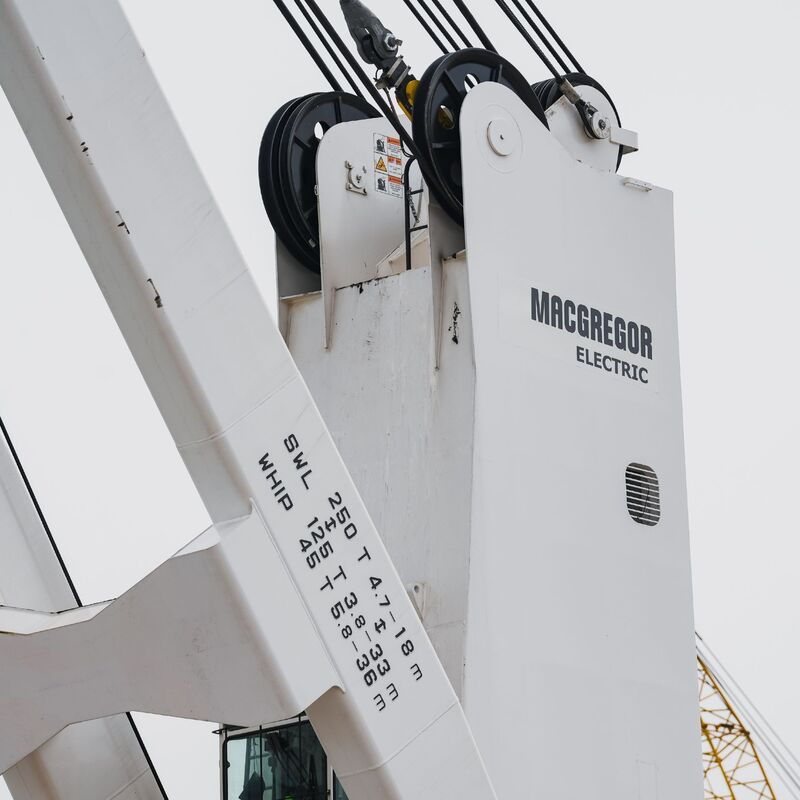
HELSINKI: MacGregor has experienced a highly positive trend in the demand for its electric cranes in the first half of 2026, reinforcing its position as an innovating provider of sustainable maritime solutions.
 
Demand for MacGregor cranes has been strong in the first half of 2026, and the electric cranes represent more than 80% of the overall cranes order intake. The majority of orders for electric cranes come from heavy-lift and multipurpose vessels. Another significant share involves container ships, which are experiencing a renaissance compared to previous years.
 
The current portfolio, including high-performance HCE-series heavy lift cranes and MCE-series container cranes, utilises advanced Generation 2 variable frequency drive (VFD) technology. These systems offer significant operational advantages over traditional hydraulic drives, including up to 60% lower energy consumption, increased precision, and the total elimination of hydraulic oil leakage risks.
 
“I’m very happy to see that electric drive technology became a new industry standard as our customers see the significant benefits. By leveraging our long-standing expertise, we continue to deliver solutions that combine precise load control with substantial operational savings and a reduced environmental footprint for our customers,”
says Magnus Sjöberg, Executive Vice President, Merchant Solutions Division, MacGregor.
 
MacGregor started developing electric cranes more than 20 years ago and currently, over 800 electric-driven MacGregor cranes are in operation. In addition to the wide portfolio of electric cranes, the company also offers a wide range of other electric-driven products such as hatchcovers, deck machinery and walk-to-work gangways as well a full range of service and maintenance support, prolonging the lifecycles of equipment.

ClassNK launches ‘Survey Compass,’ an AI assistant supporting survey-related operations

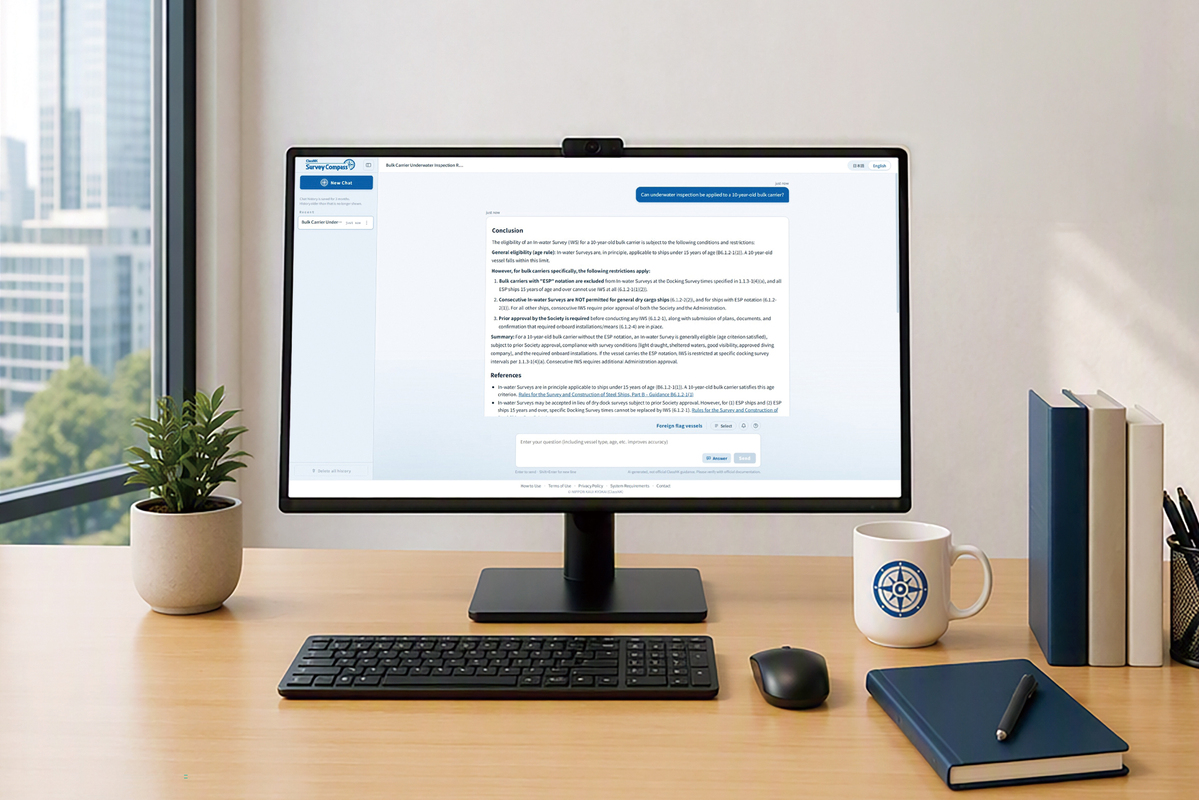
TOKYO: ClassNK has launched ‘Survey Compass,’ an AI assistant that supports shipowners and ship management companies in their survey-related operations.

Survey Compass is an AI assistant that responds in natural language to questions on classification survey matters faced by shipowners and ship management companies. Users can quickly confirm the information they need together with its supporting sources, thereby improving the efficiency of survey preparation and response work and reducing their workload. This initial release marks the first step toward ClassNK’s vision of a digital service platform for ships in service. ClassNK will continue to expand and enhance Survey Compass together with our customers, incorporating feedback and requests gathered through its practical use.

Survey Compass is available on ‘ClassNK Customer Hub – Ship in Service -’ (hereinafter ‘CCH SiS’)*1, a web portal service for shipowners and ship management companies.

Background

In the maritime industry, regulations, particularly those related to environmental compliance, are becoming increasingly complex, requiring shipowners and ship management companies to manage a growing number of requirements and an ever-expanding volume of information. Against this backdrop, personnel responsible for survey-related matters are often required to identify the applicable requirements within a limited timeframe. To provide prompt and accurate responses to the classification survey-related inquiries received daily from shipowners and ship management companies, ClassNK has developed Survey Compass, an AI assistant specialized in classification survey support.

Features of Survey Compass

Survey Compass accepts questions in natural language, directly searches classification survey-related documents, and presents a concise summary together with links to the underlying information sources. Because information related to classification surveys and ship management is closely tied to the safe operation of vessels, a high level of accuracy and reliability is required.

For this reason, Survey Compass adopts a retrieval-based approach that generates answers based on relevant source documents, reducing the risk of AI-generated inaccuracies. Through this approach, it aims to serve as a trustworthy AI assistant that users can rely on with confidence.

By providing links to the source documents used to generate each answer, Survey Compass enables users to review the original references directly and make informed professional judgments. In the first version, the service will start by covering Part B of the Rules for the Survey and Construction of Steel Ships, the Guidance for Undergoing Surveys, and Technical Information.

Future Developments

Based on feedback and usage during the beta phase, ClassNK will continue to enhance Survey Compass by expanding the range of covered documents, including international conventions and flag State requirements, and by linking with vessel-specific data to provide more context-aware support. Through these enhancements, Survey Compass will evolve to better support users in their day-to-day operations. Going forward, ClassNK will continue to expand services through ClassNK Customer Hub to support the digitalization and operational efficiency of shipowners and ship management companies.

How to Use

Customers using NK-SHIPS*2 can log in to the web service portal on the ClassNK website with their existing account and access Survey Compass via the link to ‘ClassNK web service portal.’

*1 About ClassNK Customer Hub – Ship in Service –

A web portal service for the daily use of shipowners and ship management companies. In addition to the existing NK-SHIPS functions, it is progressively expanding hub functions that enable integration with other systems, such as seamless electronic application. For details, please see the following site.

https://www.classnk.or.jp/hp/en/activities/portal/customer-hub.html?utm_source=pressrelease&utm_medium=email&utm_campaign=surveycompass

*2 About NK-SHIPS

An internet information service that provides shipowners and ship management companies with online information such as the survey status of individual ships, periodical survey/audit items, and designated survey/audit dates.

Hoppe Marine and AVL announce Strategic Cooperation

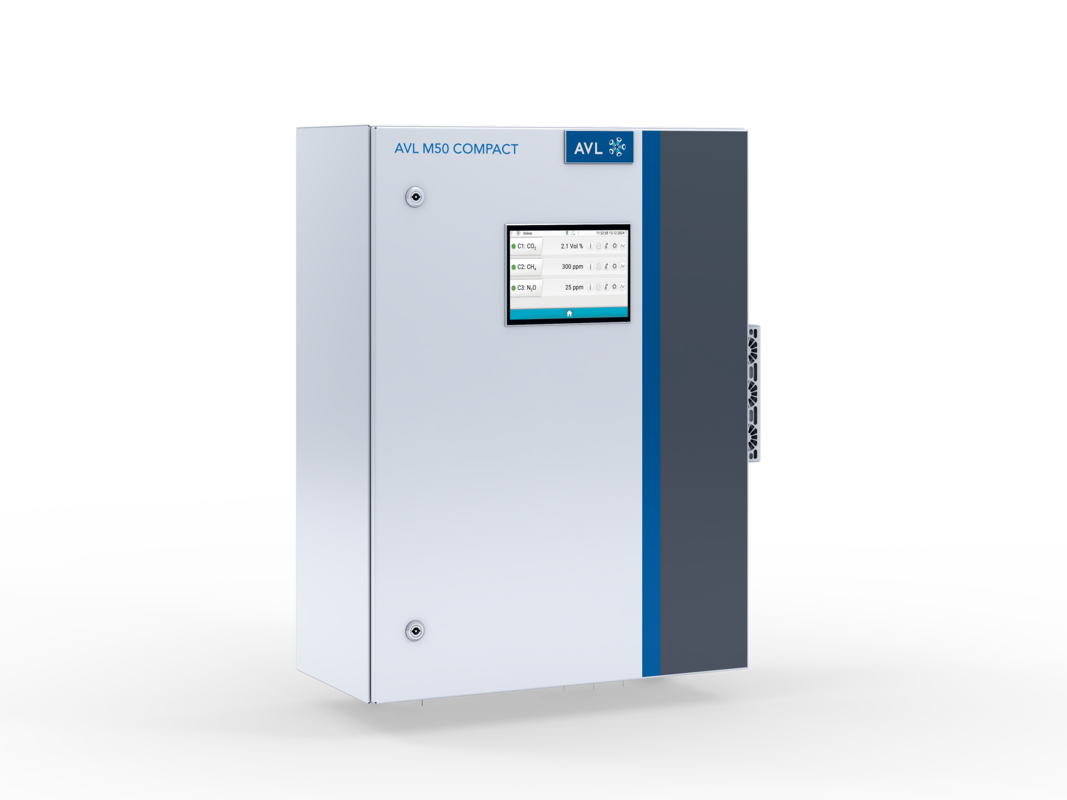
HAMBURG: Hoppe Marine and AVL Analytical Technologies GmbH announce a strategic cooperation to introduce a new generation of Continuous Emissions Monitoring Systems (CEMS) for the maritime industry.

The cooperation combines Hoppe Marine’s expertise in maritime instrumentation and digital vessel solutions with AVL Analytical Technologies’ capabilities in emissions measurement technology and gas analysis expertise.

The new CEMS portfolio includes two dedicated product lines: HOCEM GHG, supporting continuous greenhouse gas emissions measurement and reporting, and HOCEM SC,focusing on continuous monitoring and verification of exhaust gas cleaning systems (scrubbers).

Together, the solutions provide shipowners with highly accurate, continuous emissions data to support regulatory compliance, sustainability reporting and vessel performance improvement.

The new portfolio reflects the shared commitment of both companies to help the maritime industry address environmental challenges, meet regulatory requirements and advance decarbonization efforts.

In-depth Suezmax study makes CAPEX case for T-BOSS® sterntubeless shaftline system

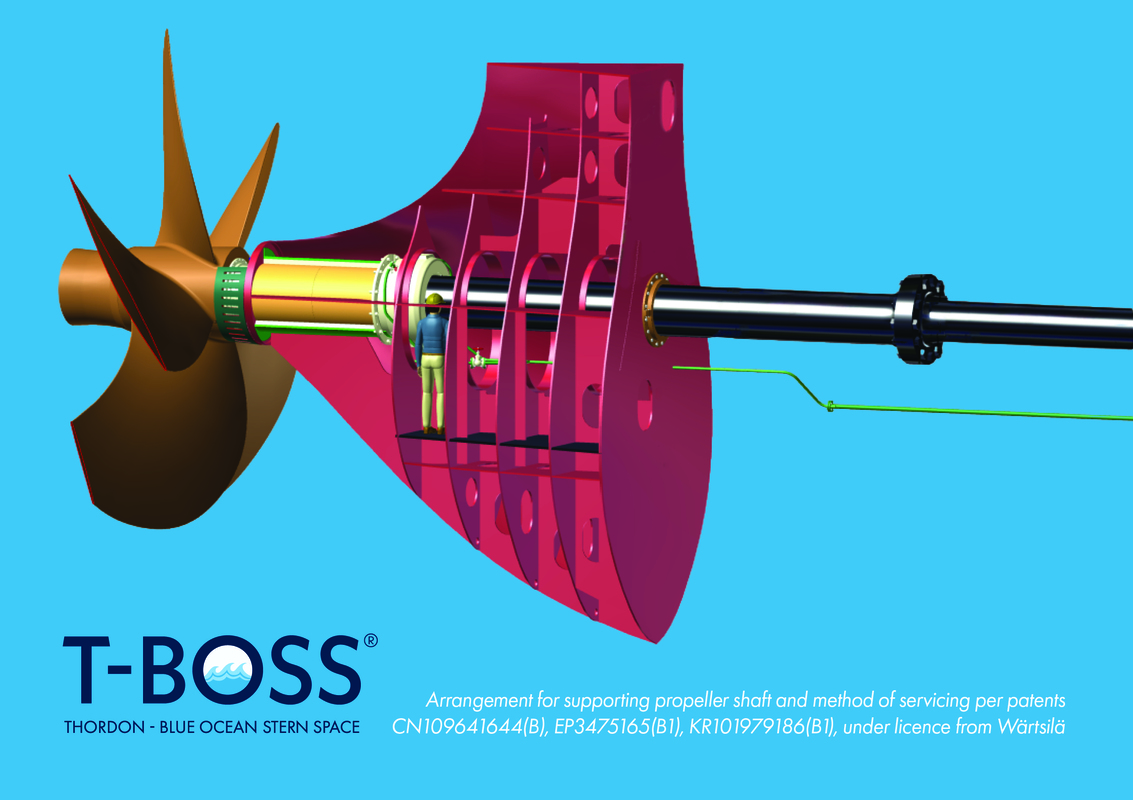
BURLINGTON: An in-depth evaluation study based on reference data from a Suezmax crude oil tanker has demonstrated the benefits of using Thordon Bearings’ innovative T-BOSS® shaftline solution instead of a conventional oil lubricated sterntube system.

The comprehensive study assessed the CAPEX for a sterntubeless T-BOSS® (Thordon – Blue Ocean Stern Space) system installed on a 274m (899ft.)-long tanker, assuming a shaft diameter of 670mm (26”) as the baseline. The study established that the T-BOSS® provides substantial benefits for ship designers and shipbuilders, including improving shipyard design flexibility with a shorter shaft length, the ability to lower labour and installation costs, and facilitating a more attractive stern arrangement to sell to shipowners through “distinct design wise, operational and lifetime economic benefits”.

The study compares all shipbuilding disciplines including sealing systems, piping, structural works, shafting, outfitting, painting, electrical systems, testing, and regulatory aspects. The comparisons demonstrate that labour and installation costs are lower with a T-BOSS® system across the board.

The T-BOSS® also delivers significant design flexibility by shortening the propeller shaft, creating up to 660m³ (23,308ft³) of additional cargo space in the Suezmax tanker study. This enables naval architects and shipbuilders to “enhance layout flexibility at the early newbuild design stage”, the study notes. As a result, shipowners can allocate more onboard space for cargo or reposition the ship’s main engine, enabling the installation of a shaft generator – which would help to cut greenhouse gas emissions and increase the ship’s opportunities to secure carbon credits. This design flexibility also helps naval architects to deliver more attractive and comfortable vessel designs for customers, both inside and out.

Beyond design flexibility, shipbuilders and naval architects can offer buyers a more desirable ship due to additional OPEX savings.  The whitepaper states: “A notable cost element is the expense of the sterntube lubricating oil purchase, which is eliminated with the adoption of the T-BOSS® seawater-lubricated solution.” In addition to avoiding initial purchase oil costs of around US$33,000, the owner would save an estimated US$11,500 per year in operating costs. Additionally, polymer bearings have lower friction than traditional oil-lubricated metal bearings, thereby reducing shaftline drag. This would produce annual fuel savings of approximately US$5,100 for the vessel in this case study. Furthermore, by removing the risk of oil pollution, the T-BOSS® system also minimises regulatory compliance costs by removing the need to purchase expensive Environmentally Acceptable Lubricants (EALs), making compliance with strict IMO environmental regulations easier.

The T-BOSS® system also simplifies maintenance procedures thanks to its unique sterntubeless design and dry inspection chamber. Engineers can inspect and replace the COMPAC bearings without withdrawing the propeller shaft or removing the propeller, keeping the vessel afloat and making costly drydocking unnecessary. This reduces downtime and maintenance expenses over the vessel’s life cycle.

These combined benefits – lower CAPEX costs, reduced complexity, greater design flexibility, and a more sought-after ship design for buyers – make the T-BOSS® design a compelling option for shipbuilders and naval architects worldwide and a “valuable contributor to the transition toward innovative greener and safer ship design”.

The T-BOSS® system was jointly developed by Thordon Bearings, Wärtsilä Shaft Line Solutions, CSSC – Shanghai Merchant Ship Design and Research Institute (SDARI), classification society ABS, and the National Technical University of Athens (NTUA).

The full study was based on research conducted by Hydrus Engineering of Greece, supplemented by data from JBL Tech Service, ABS and Thordon Bearings.

To access the free whitepaper in English, Chinese or Korean, visit: T-BOSS Whitepaper

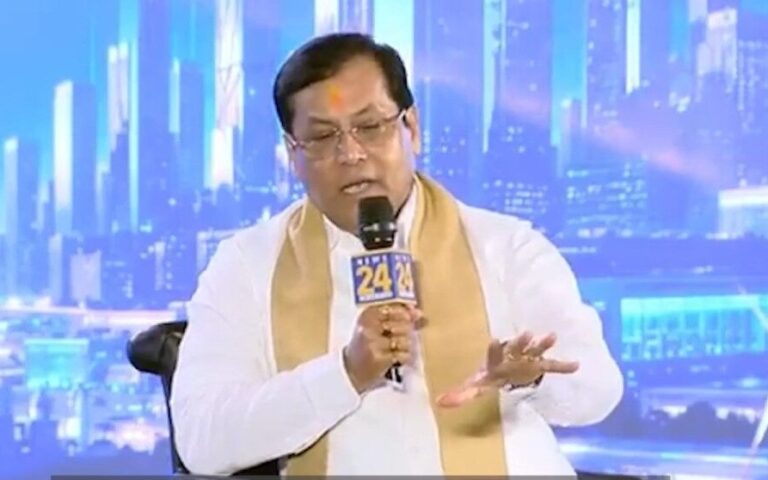
Sonowal highlights India’s maritime transformation at ‘Bharat Nirman Summit’, reaffirms Mission 2047 Vision

NEW DELHI: Union Minister for Ports, Shipping and Waterways Shri Sarbananda Sonowal highlighted India’s growing maritime strength, expanding employment opportunities and ambitious long-term goals for the sector while addressing the Bharat Nirman Summit, where the focus was on India’s Mission 2047 and the journey towards a Viksit Bharat.

Shri Sonowal said that India is today the world’s second-largest supplier of seafarers, underlining the country’s growing contribution to the global maritime workforce. He stated that by 2030, more than six lakh highly skilled Indian professionals are expected to drive global shipping, creating significant opportunities for the country’s youth.

The Minister emphasised that India’s maritime ambitions extend across the entire ecosystem — from seafarers and shipping to ports, shipbuilding, ship repair, logistics, inland waterways, technology and green maritime development.

Vadhvan Port to Create 20 Lakh Jobs

Highlighting the transformative potential of new-generation port infrastructure, Shri Sonowal said the upcoming Vadhvan Port in Maharashtra alone has the potential to create around 20 lakh jobs and emerge among the world’s top 10 container ports.

The development of Vadhvan Port is expected to significantly strengthen India’s maritime connectivity, enhance EXIM trade capacity and support the country’s emergence as a global logistics and transshipment hub.

India Targeting Top Five Shipbuilding Nation by 2047

Shri Sonowal reiterated the Government’s ambition to make India one of the world’s top five shipbuilding nations by 2047.

The target is part of India’s wider Maritime Amrit Kaal Vision 2047, which seeks to build a globally competitive, self-reliant and technologically advanced maritime ecosystem.

Strengthening domestic shipbuilding and ship-repair capabilities will not only reduce India’s dependence on foreign shipyards but also generate large-scale employment, develop specialised skills and create opportunities across the wider maritime manufacturing ecosystem.

Port Efficiency Reaches New Heights

The Minister also highlighted the remarkable improvement in operational efficiency at Indian ports, noting that port turnaround time has now come down to just 26 hours.

The dramatic reduction in turnaround time reflects the Government’s continued focus on modernisation, mechanisation, digitalisation, improved terminal operations and stronger road and rail connectivity.

Faster vessel turnaround is expected to further improve the competitiveness of Indian ports, reduce logistics costs and strengthen India’s position in global trade.

Maritime Sector to Create Millions of Opportunities

Shri Sonowal stressed that India’s maritime sector is poised to become a major engine of employment and economic growth.

With investments in ports, shipbuilding, shipping, coastal shipping, inland waterways, logistics and maritime technology, the sector is expected to generate millions of direct and indirect opportunities for India’s young population.

He emphasised that developing a highly skilled maritime workforce will remain central to India’s ambition of becoming a leading global maritime power.

Building a Stronger Maritime India by 2047

The Minister said India’s maritime transformation is being driven by a long-term vision that integrates infrastructure development with technology, sustainability, skills and global competitiveness.

Initiatives under Sagarmala, Maritime India Vision 2030 and Maritime Amrit Kaal Vision 2047 are helping create modern ports, improve connectivity, promote coastal and inland waterway transportation and strengthen India’s Blue Economy.

Shri Sonowal credited the dynamic leadership of Hon’ble Prime Minister Shri Narendra Modi for accelerating India’s maritime transformation and creating an enabling ecosystem for large-scale investments and infrastructure development.

He said the Government’s focus is not merely on expanding physical infrastructure, but on creating a future-ready maritime ecosystem that can support trade, employment, manufacturing and economic growth for decades to come.

With a rapidly expanding pool of skilled seafarers, world-class port infrastructure, ambitious shipbuilding targets and transformational projects such as Vadhvan Port, India is steadily strengthening its position on the global maritime map.

The Bharat Nirman Summit reinforced the message that Mission 2047 is not only about building infrastructure — it is about building capabilities, creating opportunities for India’s youth and positioning Bharat as a leading global maritime power.

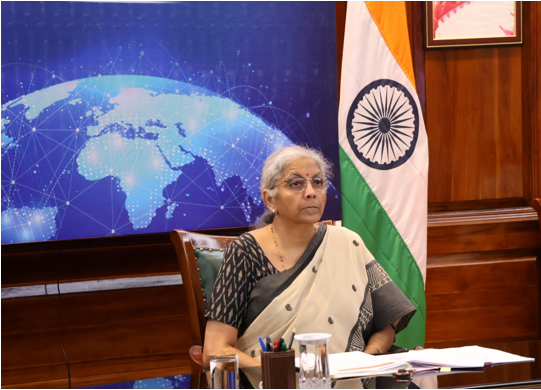
Finance Minister Sitharaman to embark on 9-day visit to Canada, US to boost trade ties and deepen investment linkages

NEW DELHI: Union Minister for Finance & Corporate Affairs Smt. Nirmala Sitharaman will begin an official nine-day visit to Canada and the United States from August 25 to September 2, 2026, aimed at deepening bilateral economic partnerships and advancing cooperation on global financial priorities.

During the first leg of her tour in Toronto, Sitharaman will co-chair the inaugural Economic and Financial Dialogue alongside Canadian Minister of Finance Francois-Philippe Champagne. Talks will focus on macroeconomic trends, financial sector ties, and mutual investment in key sectors including energy, artificial intelligence, critical minerals, and resilient supply chains, alongside progress toward a Comprehensive Economic Partnership Agreement (CEPA).

In 2025, trade between India and Canada shot up to USD 8.66 billion, a jump from USD 8.4 billion last year. India exported USD 4.22 billion to Canada and imported USD 4.45 billion, about CAD 13.3 billion in total.

The Minister’s Canada itinerary also includes an investment roundtable, discussions with Indian Public Sector Bank executives on opportunities in GIFT City-IFSC, a fireside session hosted by the Canadian Club of Toronto and the Canada-India Business Council, and an interaction with the Indian diaspora.

India and Canada are actively negotiating a Comprehensive Economic Partnership Agreement (CEPA), targeting a formal bilateral trade deal by the end of 2026.

Sitharaman will then travel to the United States, spanning Chicago, Asheville, and New York.

In Chicago, the Minister will hold investor roundtables and visit the Polsky Center for Entrepreneurship and Innovation at the University of Chicago. From August 31 to September 1, she will lead the Indian delegation at the G20 Finance Ministers and Central Bank Governors (FMCBG) Meeting in Asheville, North Carolina, held under the US G20 Presidency.

The tour will conclude in New York with high-level investor engagements and a ceremonial bell-ringing at NASDAQ.

US goods and services (exports plus imports) trade with India totalled an estimated USD 239.6 billion in 2025, up 12.1 per cent (USD 25.8 billion) from 2024.

US goods trade (exports plus imports) with India totalled an estimated USD 149.1 billion in 2025. US goods exports to India in 2025 were USD 45.4 billion, up 9.1 per cent (USD 3.8 billion) from 2024.

US goods imports from India totalled USD 103.8 billion in 2025, up 18.9 per cent (USD 16.5 billion) from 2024. The US goods trade deficit with India was USD 58.4 billion in 2025, a 27.8 per cent increase (USD 12.7 billion) over 2024.

The United States and India have completed almost all substantive aspects of their proposed trade agreement, with only legal and technical language being worked out, US Ambassador to India Sergio Gor said on Saturday.

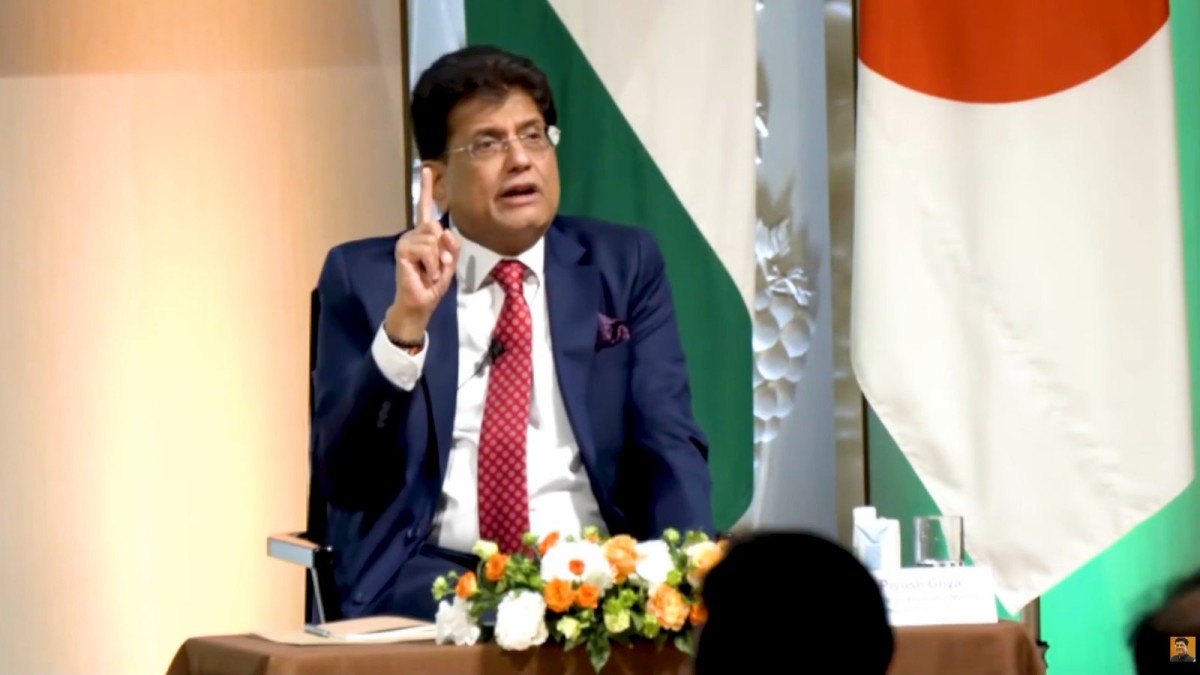
Piyush Goyal seeks higher Japanese investment, pitches India as manufacturing hub for the world

TOKYO : Union Minister for Commerce and Industry Shri Piyush Goyal on Monday made a strong pitch to Japanese industry leaders to deepen investment in India, chairing a roundtable on capital goods, machinery and the automotive sector in Tokyo.

Addressing industry representatives, Goyal outlined three key asks for companies looking to expand their India footprint.

“I have only three suggestions or asks as I invite you to leverage the cost competitiveness, our FTAs, and our engineering talent,” he said, urging firms to deepen localisation to boost cost-competitiveness and strengthen component supply chains to the rest of the world.

Goyal called upon companies to establish more research and development centres, global capability centres, and engineering partnerships with Indian academia, while assuring government support through innovation funding.

The minister’s third point referenced the broader strategic partnership between India and Japan, highlighting a commitment of 10 trillion yen in Japanese investment into India over the coming years. He noted this figure was reaffirmed during a recent visit by a top Japanese dignitary, following the target set at the India-Japan Summit 2025. “I think it’s time for new factories, new capacities to come up in India and make an India for the world,” Goyal said, adding that the government’s “Invest India” agency would support investors throughout their journey.

Goyal also highlighted India’s expanding network of free trade agreements, noting the country now has preferential market access to economies worth a combined USD 70 trillion in GDP, up sharply from around USD 10 trillion before 2014. He said India has added 38 developed and prosperous countries to its trade network through nine FTAs signed over the past four years, covering a combined USD 60 trillion.

Citing Suzuki’s operations in India as an example, Goyal noted the company now exports to more than 100 countries from its Indian manufacturing base, underscoring the potential for other manufacturers to use India as an export hub.

Looking further ahead, Goyal pointed to India’s economic trajectory, describing it as the fastest-growing large economy in the world today, currently valued at USD 4 trillion and targeted to reach USD 30 trillion by 2047 the centenary of India’s independence. He noted that on a purchasing power parity basis, the Indian economy already stands at roughly USD 20 trillion.

He described this ambition as part of the “Viksit Bharat 2047“ vision, which he said reflects a collective commitment from India’s 1.4 billion citizens including industry, farmers, fishermen and workers alongside the government, to building a developed India.

Source: ANI