Home Blog Page 145

Evergreen expands Southeast Asia–India network through SI8/AIS5 Service

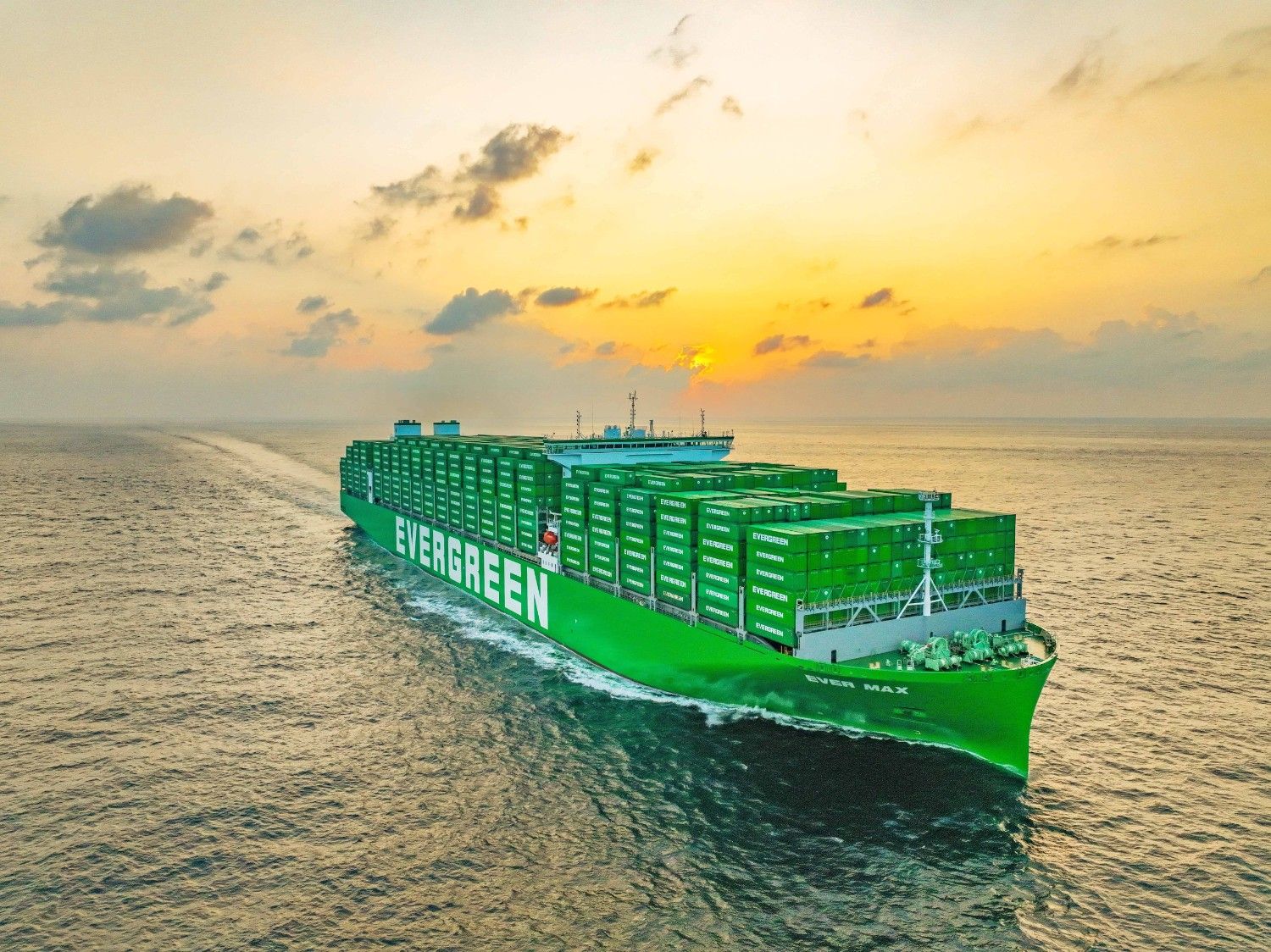
TAIWAN : Evergreen Line is set to strengthen its connectivity between Southeast Asia and India by joining the SI8/AIS5 Service, operated by Interasia, KMTC and Wan Hai, according to sources.

Under the arrangement, Evergreen will take vessel slots on the existing service, gaining access to an established trade route linking key markets across Indonesia, Singapore and Malaysia with southern and western India.

The service provides a direct connection between major Southeast Asian gateways and Indian ports, supporting the movement of containerised cargo between the two regions.

The SI8/AIS5 service rotation scheduled like below:

Jakarta – Surabaya – Singapore – Port Kelang – Tuticorin – Nhava Sheva – Port Kelang – Jakarta

Evergreen’s participation adds another Southeast Asia–India connection to its network, enabling the carrier to leverage the existing service infrastructure and enhance its coverage of the growing regional trade corridor.

The move reflects continued efforts by carriers to expand connectivity between Southeast Asia and the Indian subcontinent amid increasing regional trade and containerised cargo flows.

Jassper Shipping to invest $50 million to expand project logistics, bulk cargo operations

HYDERABAD : Jassper Shipping, a provider of project logistics, breakbulk, bulk cargo and industrial supply chain solutions, is planning to invest $50 million over the next three years.

The proposed investment is intended to strengthen its capabilities across project logistics, heavy-lift transportation, vessel chartering and multimodal cargo solutions, supporting India’s accelerating infrastructure and industrial expansion.

The growth capital, to be infused by the company’s promoters in a phased manner, will be deployed towards expanding project logistics infrastructure, strengthening bulk and breakbulk cargo handling capabilities, enhancing technology-led logistics planning, and scaling operations across key industrial and port-led logistics corridors.

The first phase of the investment programme will see $10 million deployed to expand the company’s B2B project logistics business, with a focus on serving sectors including power, steel, petrochemicals, heavy engineering, manufacturing and large infrastructure projects.

The investment will also support specialised transportation capabilities, port-to-plant logistics, vessel chartering and integrated multimodal freight solutions for oversized and critical cargo

“Our planned $50 million investment reflects our long-term commitment to building stronger capabilities across project cargo, breakbulk logistics, vessel chartering and integrated industrial supply chains,” Pushpank Kaushik, CEO & Head of Business Development (Subcontinent, Middle East & Southeast Asia), Jassper Shipping said in a release on Wednesday.

“We are investing not only in infrastructure and capacity but also in technology and execution capabilities that enable customers to move complex cargo efficiently, safely and reliably,’’ he added.

The investment programme would further enhance Hyderabad-based Jassper Shipping’s presence across India and the Gulf, enabling the company to scale cross-border project logistics, industrial cargo movement and specialised freight solutions,

DP World and World Food Programme deliver 5,000 tonnes of rice to communities in Africa

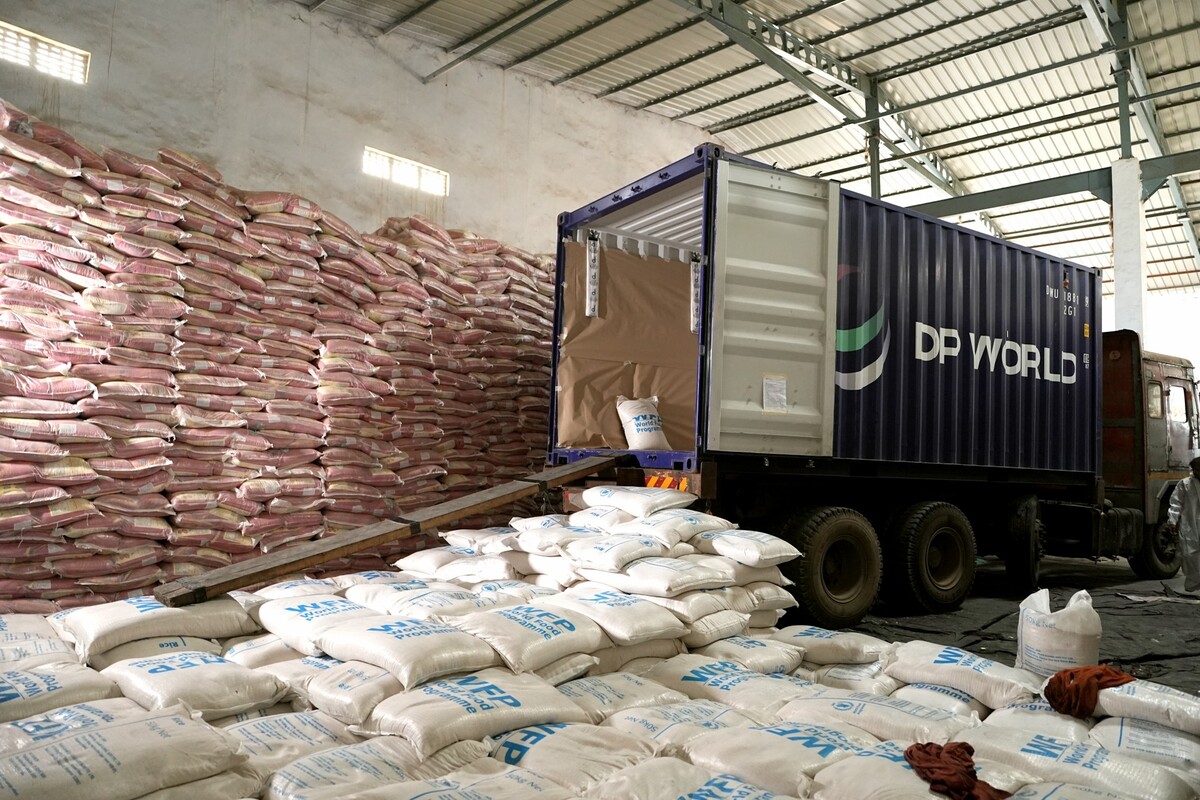
MUMBAI: DP World and the United Nations World Food Programme (WFP) have delivered 5,000 metric tonnes of rice to support humanitarian response operations in Burundi, the Democratic Republic of Congo, and Rwanda, helping vulnerable communities facing acute food insecurity.

The shipments demonstrate how the two organisations are working together to strengthen humanitarian supply chains and improve access to essential food supplies in high-need communities.

DP World 2 1 DP World and World Food Programme deliver 5,000 tonnes of rice to communities in Africa

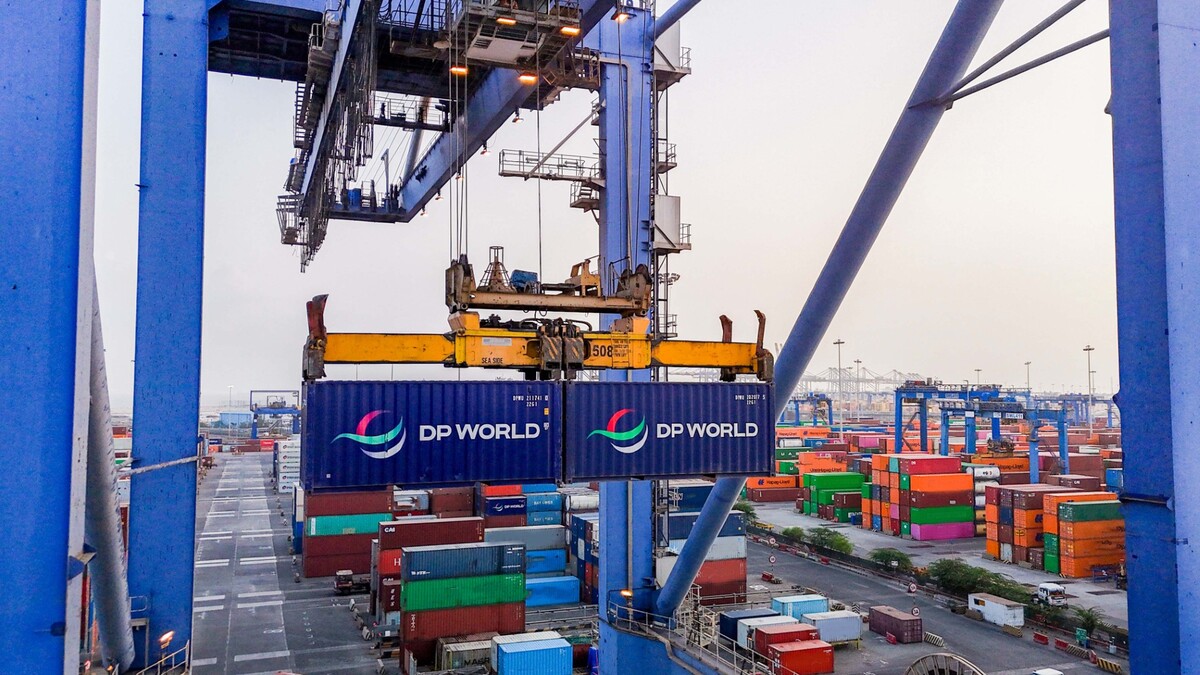
The consignments were delivered through DP World’s Shipping Solutions business (formerly Unifeeder), transporting essential food supplies from DP World’s Mundra Terminal, India, to its Port of Dar es Salaam, Tanzania. The cargo will support WFP’s ongoing emergency food assistance programmes for vulnerable communities facing acute food insecurity.

From Dar es Salaam, WFP transported the cargo overland through its regional logistics network to humanitarian operations in Burundi, the Democratic Republic of the Congo (DRC) and Rwanda.

The DRC is currently experiencing one of the world’s largest hunger crises, driven by conflict and displacement and compounded by the ongoing effects of the Ebola outbreak. More than 27 million people are facing acute food insecurity across the country. Burundi is also under growing humanitarian pressures following the arrival of families fleeing insecurity in eastern DRC, placing additional strain on vulnerable communities and local food systems. Rwanda continues to support refugees and asylum seekers from neighboring countries.

The shipments will help sustain WFP’s life-saving operations and enable food assistance for more than 14,200 additional people for one month.

By contributing in-kind logistics support, DP World is helping WFP extend the reach and efficiency of its humanitarian operations at a time when humanitarian needs continue to rise globally while funding constraints intensify. The shipments form part of a broader collaboration between DP World and WFP signed in 2025, to improve the efficiency, reach, and sustainability of humanitarian logistics networks. As part of the partnership, DP World’s Shipping Solutions is leveraging its growing network and agile fleet to support WFP with enhanced access to critical supplies for high-need communities. DP World’s Shipping Solutions operates a fleet of 100+ container vessels, connecting over 200 ports through its coastal, short-sea and feedering solutions, with more than 16,000 port calls a year.

Beyond emergency response, DP World works to build more resilient supply chains that improve disaster preparedness, strengthen regional logistics capabilities and support long-term recovery efforts. By combining commercial logistics expertise with purpose-driven partnerships, DP World helps ensure that vital aid reaches communities faster, more reliably and at greater scale.

Ganesh Raj, Global Chief Operating Officer, Marine Services, DP World, said: “At DP World, we play a vital role in keeping critical supplies moving when they are needed most. We are proud to support WFP’s life-saving work through our Shipping Solutions network to move 5,000 metric tonnes of rice to East Africa. This partnership shows what can be achieved when humanitarian expertise and global supply chain capability come together with a shared purpose.”

Ayla Bajwa, Group Senior Vice President – Sustainability, DP World, said: “Trade has the power to improve lives, particularly when global logistics networks are mobilised to support communities facing significant challenges. By working alongside WFP, we are applying our expertise and infrastructure to help ensure vital food supplies reach those who need them most. This collaboration reflects our commitment to creating positive social impact through trade while supporting more resilient and inclusive supply chains.”

Alex Marianelli, Director of Supply Chain, WFP, said: “As humanitarian needs continue to outpace available resources, partnerships like this are essential to ensuring that life-saving food assistance reaches communities facing hunger. We are grateful for DP World’s support, which has helped us move vital food supplies more efficiently and extend life-saving assistance to thousands more families in need. This collaboration demonstrates how humanitarian organizations and the private sector can work together to strengthen supply chains and reach vulnerable communities with greater speed and reliability.”

By combining DP World’s global logistics capabilities with WFP’s humanitarian reach and operational expertise, the two organisations are working together to ensure critical food supplies reach communities in need — reliably, efficiently, and at scale.

From trade deals to exports, how India is putting FTAs to work

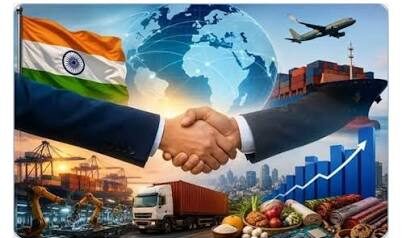
NEW DELHI : India’s Free Trade Agreement (FTA) strategy is entering a new phase. After expanding its network of trade agreements over the past decade, the focus is now shifting towards ensuring that Indian businesses make fuller use of the market access created by these pacts.

Recent export data, increased use of preferential Certificates of Origin and a wider range of products being shipped to partner countries indicate that exporters are increasingly tapping opportunities created by India’s FTAs.

What are FTAs and why do they matter?

A Free Trade Agreement is a pact between countries or trading blocs that provides preferential access to each other’s markets by reducing or eliminating tariffs and easing certain trade barriers.

For Indian exporters, this can make their products more competitive in overseas markets by reducing customs duties. For the wider economy, greater market access can support exports, investment, employment and participation of smaller businesses in global trade.

India’s recent trade strategy has therefore focused not only on signing agreements but also on their effective utilisation while protecting sensitive domestic sectors.

How are India’s exports performing?

India’s overall exports have been gaining momentum. In FY 2025-26, combined merchandise and services exports reached a record USD 863.1 billion, including merchandise exports of USD 441.8 billion.

The momentum continued into FY 2026-27, with combined exports during April-June 2026 estimated at USD 232.73 billion, an increase of 11.37 per cent compared with the corresponding period a year earlier.

FTA partner countries account for a significant share of India’s merchandise exports. In FY 2025-26, the UAE was India’s largest individual FTA export market, with merchandise exports of USD 37.36 billion. Other major destinations included the UK, Singapore, Nepal, Australia, Malaysia, Japan and South Korea.

India-UAE: An early success story

The India-UAE Comprehensive Economic Partnership Agreement (CEPA) came into force on May 1, 2022. Negotiations were completed in a record 88 days, making it India’s first full FTA in a decade.

India’s merchandise exports to the UAE reached USD 37.36 billion in FY 2025-26. Bilateral trade crossed USD 100 billion in FY 2024-25, reaching USD 100.06 billion, a 19.6 per cent increase.

Building on this growth, India and the UAE have set a target of doubling bilateral trade to USD 200 billion by 2032.

India-Australia: Expanding access

The India-Australia Economic Cooperation and Trade Agreement (ECTA) came into force on December 29, 2022.

India’s exports to Australia increased from USD 4 billion in FY 2020-21 to USD 7.28 billion in FY 2025-26, representing growth of more than 80 per cent. Total bilateral trade stood at USD 24.1 billion in FY 2024-25.

Australia provided immediate zero-duty access across 98.3 per cent of its tariff lines, with all Indian exports becoming eligible for zero-duty access from 2026. The ECTA is also serving as the foundation for negotiations on a more comprehensive economic cooperation agreement.

How does an exporter actually use an FTA?

Signing an FTA does not automatically mean that every Indian product receives preferential treatment. Exporters generally have to establish that their goods meet the agreement’s rules of origin.

A preferential Certificate of Origin (CoO) serves as proof that the goods qualify for the preferential tariff treatment available under an agreement.

The use of such certificates has increased under India’s newer FTAs. The India-EFTA TEPA, for example, recorded 7,885 CoOs after becoming operational in October 2025, while 783 CoOs had been issued under the India-Oman CEPA following its implementation in June 2026.

The government has also introduced measures such as e-CoO 2.0, which enables digital issuance and verification of Certificates of Origin, while platforms such as Trade Connect help exporters access tariff information and guidance on using FTA benefits.

Are more Indian products reaching these markets?

Yes. The impact is also visible in the number of tariff lines under which Indian products are being exported.

Between the initial period and FY 2025-26, the number of tariff lines exported to the UAE increased from 7,546 to 8,053, while those to Australia increased from 5,396 to 5,668.

The increase was even more pronounced for Mauritius, where exported tariff lines rose from 3,593 to 4,345, and Oman, where the number increased from 2,879 in May 2026 to 3,371 in June 2026.

What sectors stand to benefit?

India’s recent FTAs open opportunities across labour-intensive sectors such as textiles, agriculture and processed food, leather and footwear, marine products, gems and jewellery, carpets and handicrafts.

These sectors are particularly important because wider international market access can allow smaller producers and local enterprises to participate more actively in global trade. At the same time, calibrated tariff liberalisation and transition arrangements are intended to protect sensitive domestic sectors, including agriculture.

What about services and Indian professionals?

The benefits of FTAs are not limited to physical goods. Recent agreements also provide opportunities for Indian service providers and professionals.

India’s services exports stood at USD 421.3 billion in FY 2025-26, making services an important component of the country’s trade strategy.

The India-New Zealand FTA, for instance, provides a dedicated pathway for up to 5,000 skilled Indians to stay for up to three years in areas including IT, engineering, healthcare, education, construction, AYUSH, yoga, culinary arts and music.

The India-EU FTA covers 144 services sub-sectors, while the India-UK CETA includes mobility provisions for professionals in areas such as IT, healthcare, finance and education.

What lies ahead?

India’s FTA journey is moving from negotiating market access to using market access.

Around ten trade agreements are currently under discussion, including negotiations with the Eurasian Economic Union, Peru, Chile, Israel, Canada and Maldives. India is also working to upgrade existing agreements such as the India-Korea CEPA and India-Sri Lanka ETCA.

The broader objective is to make India’s trade agreements translate into greater export participation, diversified markets, more investment and employment, while creating opportunities for Indian businesses, professionals and smaller enterprises to connect with global markets.

India to host ‘5th Coast Guard Global Summit’ in New Delhi in February 2027

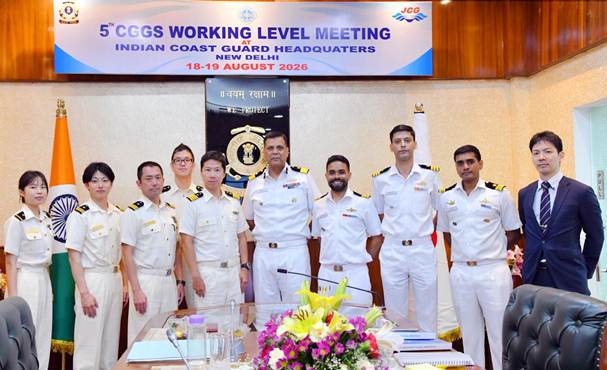
NEW DELHI : Coinciding with the Swarnim Jayanti of the Bharatiya Tatrakshak, India will host the fifth Coast Guard Global Summit (CGGS) in New Delhi in February 2027. As part of the preparatory engagements, the Bharatiya Tatrakshak hosted the Working Level Meeting (WLM) of the 5th CGGS in hybrid mode.

The deliberations focused on key institutional and organisational aspects of the forthcoming Summit, including the refinement of the CGGS Meeting Guidelines, strengthening of the Information Sharing Mechanism, and further development and management of the CGGS website. Discussions also explored avenues for enhancing collective capability building through greater exchange of professional expertise, operational experiences and best practices.

The Working Level Meeting provided an important platform to advance institutional preparations for the 5th CGGS and facilitate dialogue and coordination among participating maritime agencies. The meeting also reviewed the proposed Activity Calendar for future collaborative engagements, aimed at promoting sustained cooperation and strengthening maritime partnerships among participating agencies.

The 5th CGGS will be a significant manifestation of Bharat’s MAHASAGAR vision and its commitment to fostering a collaborative, inclusive and forward-looking maritime order. Through its sustained engagement and collective endeavour, Indian Coast Guard remains committed to contributing to international efforts for the safety, security and well-being of the global maritime commons.

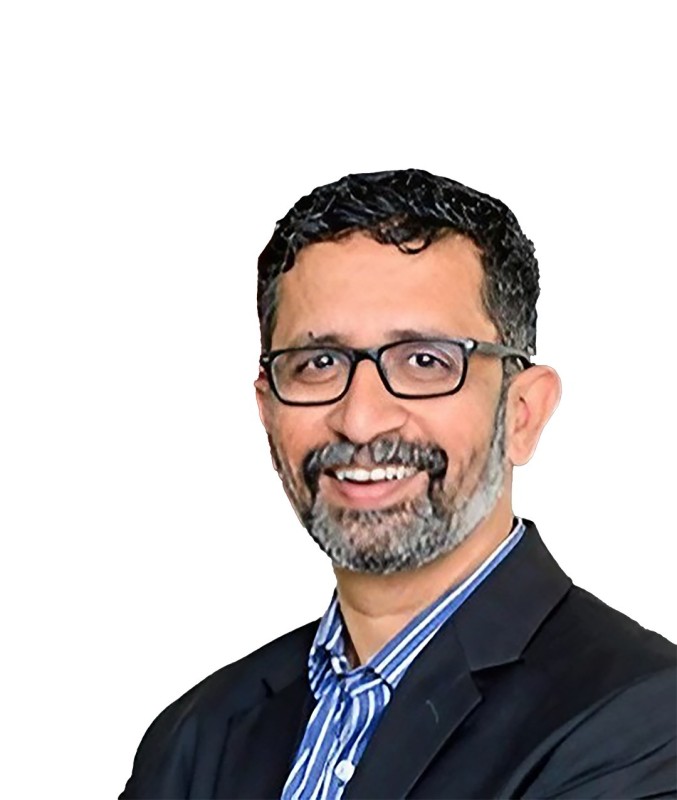
Supply Chain Cybersecurity: Protecting the Digital Backbone of Modern Manufacturing

By Mr. S R Srinivasan, Chief Executive Officer, QodeNext India Pvt. Ltd.

India’s manufacturing sector has evolved rapidly over the last few years. The conversation is no longer limited to expanding production capacity or setting up new factories. Manufacturers today operate in an environment where suppliers, warehouses, logistics partners and production facilities are digitally connected. Information moves across this network in real time, helping businesses make faster decisions and respond quickly to changing market demands.

This connected way of working has improved efficiency, but it has also introduced a new challenge. According to recent industry findings, the manufacturing sector accounted for 27.7% of all cyber incidents investigated in 2025, making it the most targeted industry for the fifth consecutive year. Every new digital connection also creates another point that can become vulnerable if left unsecured. A cyber incident involving just one supplier or technology partner can quickly affect operations across the wider supply chain.

This is why supply chain cybersecurity is becoming a business priority rather than just an IT responsibility. As manufacturing becomes more digital, protecting the systems that keep the supply chain running is just as important as protecting the factory itself.

A Connected Supply Chain Brings New Challenges

Manufacturing today depends on a large network of partners working together. Raw material suppliers, contract manufacturers, logistics providers and technology platforms constantly exchange operational information. This has made planning more efficient and improved visibility across the supply chain.

At the same time, it has also increased dependence on digital systems. Businesses are no longer working within isolated environments where risks remain confined to a single location. A disruption at one point in the network can affect production schedules, inventory planning and customer deliveries across multiple locations. Protecting internal systems alone is no longer enough. Organisations also need confidence that the partners they work with are following strong security practices.

Cybersecurity Is Now a Business Continuity Issue

For a long time, cybersecurity discussions focused mainly on protecting information and preventing data breaches. Manufacturing presents a much broader picture. When production systems, warehouses and suppliers are digitally connected, cyber risks can directly affect business operations. A compromised vendor account, unauthorized system access or disruption to a critical application may delay production, interrupt shipments or slow down decision-making across the supply chain.

These are operational challenges, not just technology issues. This is one of the reasons cybersecurity has become a leadership discussion. Business leaders are recognising that digital risks can influence customer commitments, operational efficiency and long-term business performance in the same way as any other supply chain disruption.

Visibility Matters More Than Ever

One of the biggest strengths of digital manufacturing is visibility. Businesses can monitor inventory, track shipments and coordinate production much more effectively than before. The same level of visibility is equally important for cybersecurity. Manufacturers need visibility into how information moves across their supply chain, which systems are connected and who has access to critical business data. Without that visibility, identifying risks before they affect operations becomes much more difficult.

The National Institute of Standards and Technology (NIST) has also highlighted that cybersecurity risk management should extend across the technology supply chain instead of focusing only on an organisation’s internal systems. As manufacturing networks continue to grow, this broader approach is becoming increasingly relevant. The goal is not to eliminate every possible risk. It is to build systems that can identify issues early, respond quickly and minimise operational disruption.

Building Trust Across the Supply Chain

As manufacturers continue investing in automation, Industrial IoT and cloud-based operations, cybersecurity will become an important factor in building trust across the value chain. This shift is particularly important for Indian manufacturers looking to strengthen their position in global supply chains. International customers increasingly expect suppliers to demonstrate reliable cybersecurity practices alongside manufacturing excellence. Cybersecurity therefore becomes more than a compliance requirement. It supports stronger business relationships and creates greater confidence across connected operations.

Looking Beyond Technology

India’s manufacturing growth will continue to depend on investment, innovation and digital adoption. As manufacturing ecosystems become more connected, resilience will be shaped not only by physical infrastructure but also by the security of the digital systems that enable everyday operations.

The next phase of manufacturing will belong to organisations that treat cybersecurity as a strategic business capability rather than a technology function. Businesses that invest in secure, resilient and trusted supply chains today will be better positioned to manage disruption, strengthen global partnerships and support long-term growth. In an increasingly connected manufacturing landscape, supply chain cybersecurity is no longer just about protection; it is becoming a competitive advantage.

Author:

Mr. S R Srinivasan, Chief Executive Officer, QodeNext India Pvt. Ltd.

APM Terminals and Hapag-Lloyd partner to drive future growth at Maasvlakte II

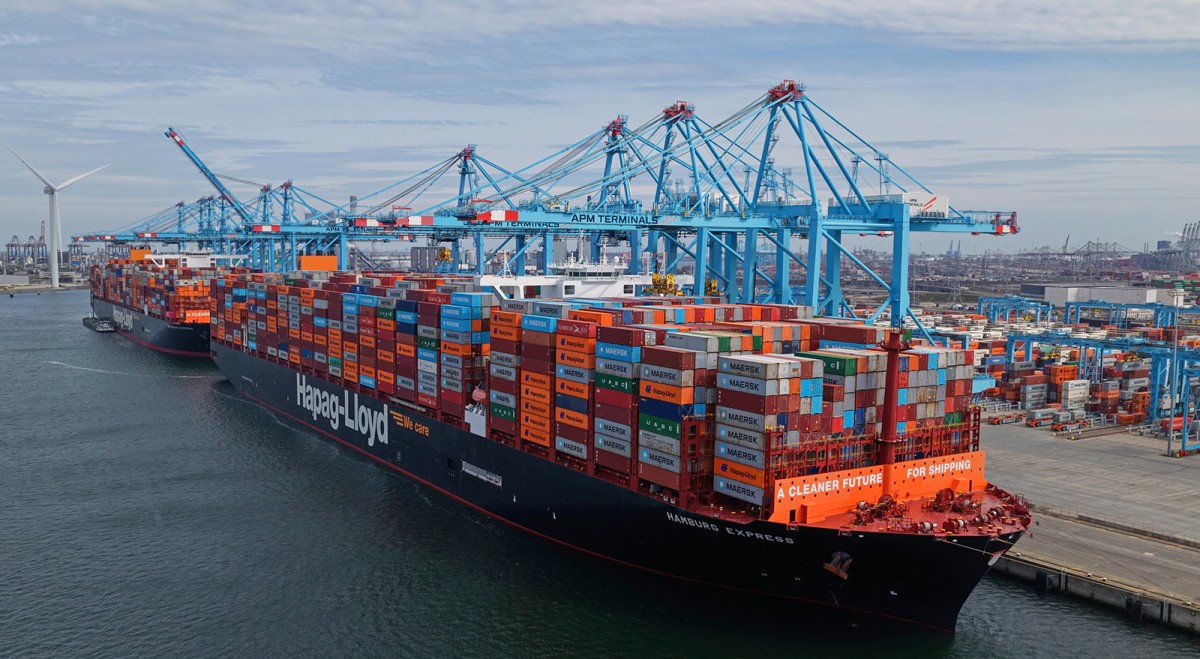
ROTTERDAM : Hapag-Lloyd has signed an agreement with APM Terminals to acquire a 25% stake in APM Terminals Maasvlakte II B.V. As partners, both companies will support the terminal’s continued development, capacity expansion and operational performance. The investment also underlines the importance of Maasvlakte II as a key European hub for the Gemini Cooperation between Hapag-Lloyd and A.P. Moller – Maersk.

With the transaction, Hapag-Lloyd will secure long-term automated terminal handling capacity and strengthen its worldwide terminal presence, under its Terminals and Infrastructure division Hanseatic Global Terminals. APM Terminals will retain operational control of Maasvlakte II.

“With the planned investment in Rotterdam, we will further enhance the efficiency and reliability of our network. The terminal is a key element for Gemini Cooperation and fits well with our strategy to build a stronger terminal portfolio in core markets,” said Dheeraj Bhatia, CTIO of Hapag-Lloyd AG and CEO of Hanseatic Global Terminals.

“Hapag-Lloyd’s investment is a strong vote of confidence in a terminal that is critical to the Gemini network and to Rotterdam. This transaction reflects the close partnership between APM Terminals and Hapag-Lloyd and our shared commitment to the terminal’s long-term development and performance. The ongoing expansion is being delivered through close collaboration between the MVII team, the works council and the Port of Rotterdam Authority. APM Terminals remains the operator, and our ambition is to make Maasvlakte II the best terminal in Northern Europe for every customer calling it. That means improving safety, quality, delivery and cost, in that order, while expanding deep-sea berth and TEU capacity to support customer growth over the decades this asset will operate,” states Keith Svendsen, CEO of APM Terminals.

APM Terminals Maasvlakte II, which has been operational since 2015, is currently undergoing a major expansion to further strengthen its role as a key European gateway. The expansion includes additional 1,000 meters of deep-sea berth, bringing the total deep-sea berth length to 2,000 meters, as well as additional yard capacity, four extra rail tracks and the deployment of Automated Terminal Tractors (ATTs) and additional automated equipment. In the new configuration, the terminal is expected to grow towards an annual handling capacity of 5.4 million TEU, further enhancing Maasvlakte II’s operational resilience and ability to support future cargo flows through Rotterdam.

The parties have agreed not to disclose any financial details of the transaction. Completion of the transaction is subject to approval by the relevant authorities and regulators.

Baltic Shipping Company welcomes two new vessels equipped with wind-assisted propulsion

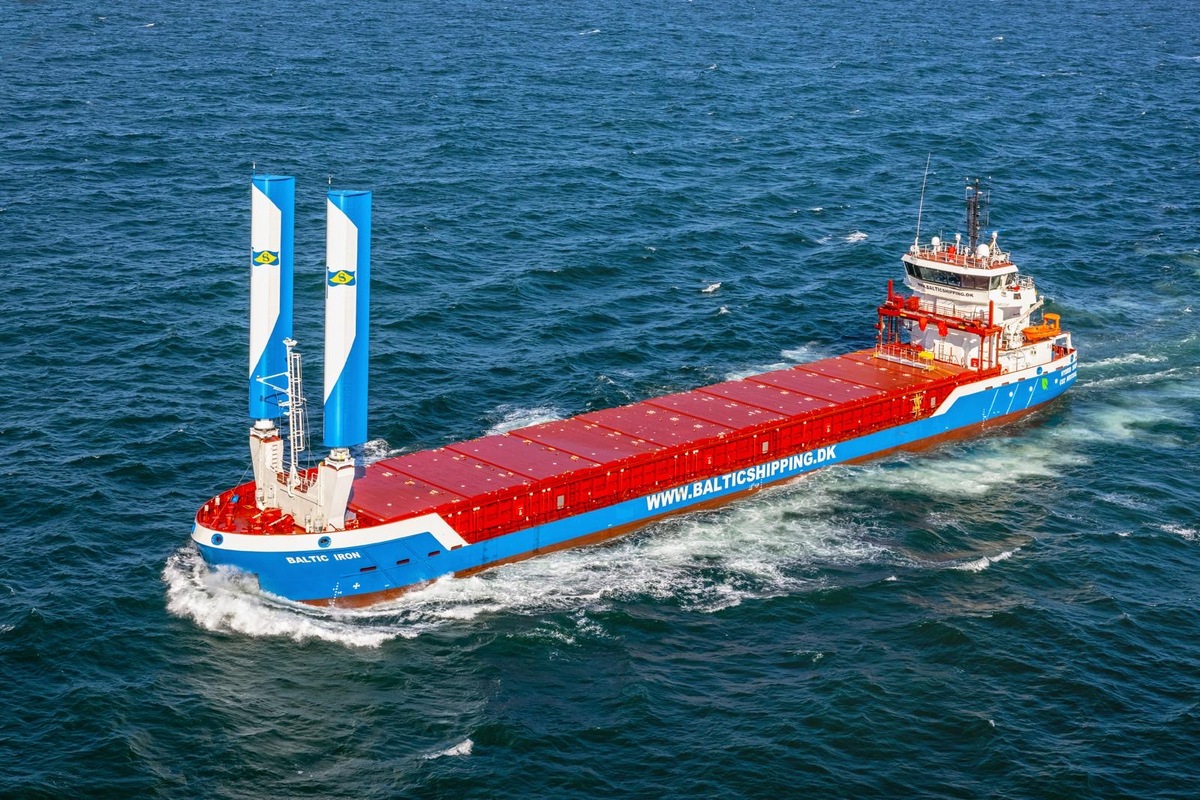
HILLEROD (DENMARK): Baltic Shipping Company A/S has welcomed two new vessels, M/V Baltic Iron and M/V Baltic Timber, strengthening its fleet with two next-generation coasters featuring wind-assisted propulsion and battery technology. Both 3,550 DWT vessels are equipped with two Econowind VentoFoils, expected to reduce fuel consumption by up to 12%.

Both vessels are also fitted with large battery packs, making them genuine hybrid vessels. M/V Baltic Timber was the first of the two vessels to enter service and has now been joined by sister vessel M/V Baltic Iron. Both vessels are now in commercial operation under the company’s management.

The arrival of the two vessels enables Baltic Shipping Company to respond to customers with a strong focus on reducing their transport-related CO₂ emissions. The company can now offer them access to a new generation of more energy-efficient coaster vessels.

“We are very proud to welcome Baltic Iron and Baltic Timber to our fleet,” said Ronnie Hulstrøm, CEO of Baltic Shipping Company A/S. “Having recently visited Baltic Iron, I am deeply impressed by both the vessel and the technology installed on board. The combination of VentoFoils and a large battery pack represents an important step towards more energy-efficient shipping. It demonstrates what can already be achieved with technologies available today.”

The VentoFoils use wind to generate additional thrust, reducing the power required from the main engine and thereby lowering fuel consumption and associated CO₂ emissions. Combined with the vessels’ battery technology, the system provides Baltic Shipping Company with a practical way to improve energy efficiency and reduce emissions in daily operations.

“Our customers are increasingly focused on reducing the CO₂ emissions associated with their transport,” Hulstrøm added. “With Baltic Iron and Baltic Timber, we can offer them modern coaster capacity that supports these ambitions. It is a practical step that supports both our customers and our long-term commitment to more sustainable shipping operations.”

With the Damen-built Baltic Iron and Baltic Timber now in service, Baltic Shipping Company has strengthened its fleet with two modern, energy-efficient vessels for the European shortsea market.

“K” LINE announces Commencement of Operations at Port of Kobe Container Terminals PC14-17

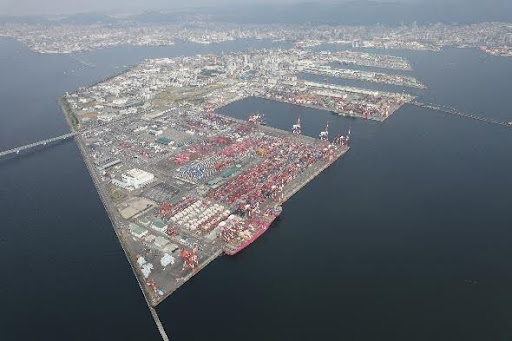
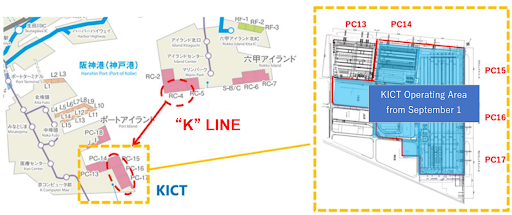
KOBE: Kawasaki Kisen Kaisha, Ltd. (“K” LINE) announces it will commence operations at container terminals PC14-17 on the southern pier of the Port Island (Stage 2) area of the Port of Kobe, known as the Kobe International Container Terminal (KICT),*1 on September 1, 2026.

In June 2023, “K” LINE signed a basic agreement with Kobe-Osaka International Port Corporation and Mitsui O.S.K. Lines, Ltd. regarding its relocation to KICT and the integrated use of terminal facilities in association with the expansion and functional reinforcement of the terminal in the Port Island (Stage 2) area of the Port of Kobe. Since then, we have been working closely with all related parties to prepare for the relocation and the commencement of operations.

K Line “K” LINE announces Commencement of Operations at Port of Kobe Container Terminals PC14-17

When “K” LINE begins operating within KICT, it will become one of the largest container terminals in Japan, handling nearly 40% of the foreign trade containers at the Port of Kobe. The commencement of our operations is expected to enhance the capability to accommodate large containerships, provide greater flexibility in berth operations, and improve convenience for transshipment cargo. Together with Nitto Total Logistics Ltd., the “K” LINE Group company responsible for facility operation, the “K” LINE Group will continue to provide shipping companies and customers with highly convenient and reliable services

Through this project, “K” LINE will continue to actively and flexibly respond to the diverse needs of customers, including needs related to digital transformation (DX) and environmental initiatives. Based on “K” LINE Environmental Vision 2050, “K” LINE is working to protect the environment through its business activities and contribute to the realization of a sustainable society to enhance its corporate value.

International governance body established to support the use of GHG emissions data in the Ro-Ro shipping industry

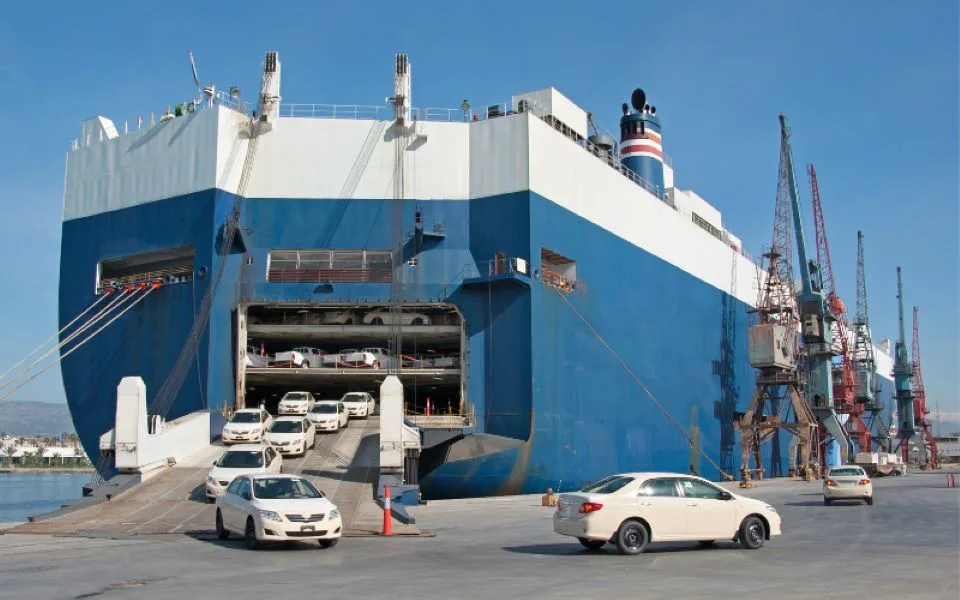
TOKYO: The Global Ro-Ro Community (GRC)*1, whose participants include Ro-Ro carriers and other stakeholders, and which covers approximately 80% of the transport capacity of the global car carrier fleet*2, has established the GRC Council (GRCC), a body responsible for the operation of the GRC. Since the establishment of the GRC, ClassNK has participated as an independent verifier. In connection with the establishment of the GRCC, ClassNK has also contributed to the development of its operational foundation through the formulation of the Governance Framework and data handling rules.

With the establishment of the GRCC, a formal governance framework has been put in place for the continuous review and improvement of emissions accounting methodologies and data handling rules. This will strengthen the environment in which not only Ro-Ro carriers, but also cargo owners and vehicle manufacturers, can utilize reliable and transparent GHG emissions data. As a result, emissions management and decarbonization efforts throughout the supply chain can be advanced more effectively. In addition, the continuous improvement of internationally aligned emissions accounting methodologies is expected to enhance the transparency of environmental information and promote decarbonization across the industry.

ClassNK will continue to support decarbonization efforts of shipping companies, cargo owners, vehicle manufacturers, and other stakeholders through the promotion of emissions accounting based on reliable primary data, drawing on its expertise and experience as an independent verifier.

Background to the Establishment of the GRCC

Growing demand for reliable primary emissions data is being driven by developments such as FuelEU Maritime, the IMO’s greenhouse gas reduction measures, and the advancement of corporate Scope 3 emissions disclosure requirements. Against this background, the GRC was established in 2024 to promote cross-industry collaboration between Ro-Ro carriers and cargo owners. The GRC brings together Ro-Ro carriers, independent verifiers, cargo owners and other stakeholders to improve the accuracy, transparency and comparability of greenhouse gas emissions accounting. Participating companies account for approximately 80% of the transport capacity of the global car carrier fleet and are working to establish an industry-wide emissions data platform.

As these activities have expanded, the maintenance and improvement of the methodology, the management of data handling rules, and the transparency of decision-making processes have become increasingly important challenges. As a self-governing organization of carriers and verifiers, the GRCC is responsible for the ongoing review and enhancement of the GRC Methodology*3, data handling rules and related governance documents. Through these efforts, the GRCC is expected to contribute to carriers’ communication of environmental performance and to support more effective Scope 3 emissions management and enhanced decarbonization strategies such as by cargo owners and vehicle manufacturers, while also improving the transparency of environmental information throughout the supply chain.

ClassNK’s Role

Since the establishment of the GRC, ClassNK has served as an independent verifier and provides verification services for GHG emissions data in accordance with the GRC Methodology. By supporting transparent and consistent emissions accounting based on verified primary data, ClassNK contributes to the development of a trusted emissions data foundation for the Ro-Ro sector.

In preparation for the establishment of the GRCC, ClassNK participated in the development of the GRC Governance Framework and data handling rules and supported the preparation of related maritime legal documentation.

Furthermore, Mr. Hiroshi Ochi, General Manager, Green Certification Department, ClassNK has been elected Vice-Chair of the GRCC, among other contributions made by ClassNK toward the establishment and operation of the new governance framework.

*1 A programme established by Smart Freight Centre (SFC), an international non-profit organization dedicated to reducing greenhouse gas (GHG) emissions in the logistics sector. The GRC brings together Ro-Ro carriers, independent verifiers, cargo owners and other stakeholders to improve the accuracy, transparency and comparability of greenhouse gas emissions accounting.

*2 Based on Car Equivalent Units (CEU)

*3 A GHG emissions accounting methodology for Ro-Ro shipping published by the GRC in 2025. The methodology is aligned with ISO 14083 and the GLEC Framework and enables the calculation of vessel-level GHG emission intensity factors based on independently verified primary data.