Home Blog Page 160

US container imports hit fourth-highest on record in July 2026

LOS ANGELES : U.S. imports of containerized goods in July hit the fourth-highest level for the month, as ​shippers rushed in goods ahead of unknown U.S. tariff changes, ‌supply chain technology provider Descartes Systems Group said on Monday.

U.S. seaports handled 2.5 million 20-foot equivalent units (TEUs) in July, down 4.3% from the ​near-record result in July 2025. Through the first seven ​months of 2026, imports were down 0.9% year over ⁠year while remaining well above pre-COVID pandemic levels, Descartes said

In ​late July, 10% global Section 122 tariffs expired and were replaced by ​new tariffs of up to 12.5% on imports from 60 countries tied to allegations of forced labor.
Chinese-origin imports rose to 873,129 TEUs in July, the highest ​monthly volume in a year. China sends more goods via container ​to the U.S. than any other country, even after President Donald Trump has targeted ‌such ⁠products with tariffs.

Retailers like Walmart (WMT.O),Amazon.com (AMZN.O),and Home Depot (HD.N),account for roughly half of all U.S. container imports.

The traditional peak shipping season tied to their imports of goods for autumn and ​winter holiday promotions ​has been arriving ⁠earlier and over a longer period of time as shippers have responded to a string ​of supply-chain upheavals ranging from the COVID-19 pandemic and ​the ongoing ⁠U.S. and Israeli war on Iran to rapidly changing U.S. tariff policies.

“The broader trade environment remains unsettled. Elevated Strait of Hormuz risk, ⁠changing U.S. ​tariff measures, tighter Panama Canal draft ​restrictions, and continued Red Sea disruption are influencing freight costs, routing decisions, and ​sourcing strategies,” Descartes said.

Source : Reuters

Traditional Ship coatings struggle to prevent corrosion after Hydrojet preparation

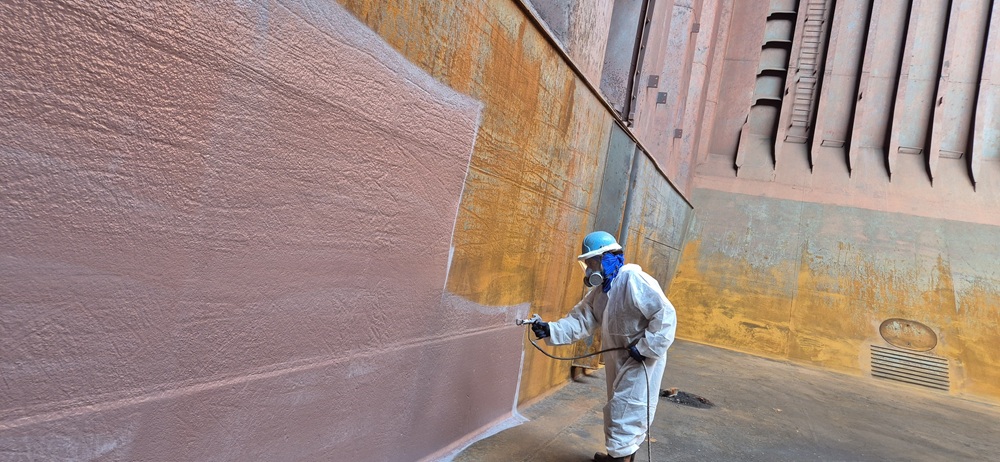
HAMBURG: German steel protection specialist Steelpaint says the growing use of hydrojetting across the global ship repair sector is increasing demand for coating systems that can perform on prepared surfaces that are difficult for conventional two-component paints.

Hydrojetting, also known as water jetting or water blasting, uses ultra-high-pressure water at 700–1,000 bar to clean, descale and strip coatings from hulls, decks, cargo holds and tanks.

It is the main alternative to dry grit blasting during drydock maintenance, which is under increasing scrutiny due to its impact on local marine environments.

Unlike abrasive blasting, hydrojetting eliminates dust and spent abrasive while reducing contaminated waste into the surrounding environment.

However, Steelpaint says it also creates challenges for conventional coating systems. Because hydrojetting does not create a new anchor profile on steel, residual moisture and flash rust can affect adhesion and curing, according to Steelpaint Technical Director Andreas Engert.

He says traditional coatings can struggle to perform reliably under these conditions, especially in hot and humid climates where relative humidity often exceeds recommended limits.

“If conditions are not ideal, such coatings can fail to adhere properly, blister, crack or break down,” he says. “Single-component moisture-cure polyurethane coatings like our Stelpant and Stelcatec systems can overcome these limitations.”

Engert says this advanced type of coating system can be applied at relative humidity levels of up to 98%, without dew point restrictions, and are suitable for damp surfaces and areas with light to medium flash rust. They are also designed to maintain strong adhesion on partially corroded or relatively smooth steel surfaces.

“These single-component coatings are well suited to onboard maintenance, where conventional surface-preparation standards are often impractical”, he says. “These coatings require no mixing and can be applied by brush, roller or spray to damp or manually prepared steel.”

Designed for temperatures between -5°C and 50°C and relative humidity up to 98%, they adhere to all kinds of steel including stainless, galvanised and aluminium, allowing corrosion protection work during drydocking or while vessels remain in service.

“Single-component moisture-cure polyurethane coatings can be applied to hydrojetted steel prepared to SSPC-SP WJ/NACE WJ (WJ-3 – WJ-2) standards, as well as vapour-blasted and manually or power-tool prepared surfaces”, Engert says, adding that steel coated with a moisture-cured system and prepared only by high-pressure hydrojetting can deliver “better long-term performance than conventional materials applied to more extensively prepared substrates”.

Hydrojetting has gained particular acceptance where waste disposal, environmental controls or operational constraints make abrasive blasting less practical.

Steelpaint points to government-owned shipyards in China, in particular, that have widely adopted hydrojetting as their preferred means of steel surface preparation.

Steelpaint Director Frank Müller said: “By combining hydrojetting with moisture-cure coating technology shipowners and offshore operators benefit from an alternative corrosion-protection method that can simplify maintenance, reduce maintenance costs and extend service life in demanding conditions.

“Sustainability goals are optimally supported, as waste is reduced and resources are saved during surface preparation, additionally the single-component properties of the coating material also reduce waste due to less packaging.”

Advantages are also evident in terms of working hours, as the mixing process of the usual two-component products is eliminated, and since the products have no pot life, waste generated by mixed but unused two-component products is further reduced.

Steelpaint’s moisture-cure coating technology has been in commercial use since 1982.

CMT to unveil new Iron Test solution at SMM

HAMBURG: CM Technologies (CMT) is set to introduce a new compact oil analyser that brings a laboratory-established analytical technique to enable ship crews to assess lubricant condition within minutes rather than waiting for shore-based test results.

The new WBS Analyser will be presented at next month’s SMM trade fair in Hamburg, where condition monitoring and machinery efficiency tools are expected to feature heavily on the agenda as shipowners look to reduce operating costs and improve maintenance planning.

Using infrared spectroscopy, the WBS Analyser examines the composition of system oils to assess water (W), base number (BN) and soot (S) content from a single sample.

Based on the results, it is possible for crews to better understand and present the causes of lubricant degradation, such as oxidation of the oil, depletion of performance additives, and contamination by substances including glycol and fuel.

David Fuhlbrügger, Managing Director of CMT, said the next generation test kit will provide engineers with a “faster, reliable and accurate” means of accessing the information needed for maintenance decisions while vessels remain in service.

“Laboratory analysis remains the benchmark for comprehensive oil investigations and long-term trend analysis,” he said. “The objective isn’t to replace laboratory testing, but to give engineers reliable information while the vessel is still operating, allowing developing problems to be identified without waiting for laboratory reports.”

He said growing pressure to improve machinery efficiency and control maintenance costs was increasing demand for onboard diagnostic tools capable of delivering consistent results across fleets, especially amid ongoing fuel price hikes.

While IR technology is now well established, advances in instrument design now allow the technology to be deployed onboard in a compact format suitable for routine engine-room use.

The analyser’s optical system contains no moving parts, reducing mechanical wear and improving suitability for operation in the vibration, temperature variation and confined conditions typically found onboard ships.

The commercial case for earlier diagnosis was recently underscored in Allianz Commercial’s Safety and Shipping Review 2026. The insurer identified machinery damage or failure as the leading cause of reported shipping incidents worldwide during 2025, accounting for more than half of all reported casualties. The report also noted that machinery repair costs continue to rise, increasing the importance of detecting developing faults before they result in major failures.

“The industry isn’t looking for more data,” Fuhlbrügge said. “It is looking for information that engineers can act upon. The sooner developing changes in lubricant condition can be identified, the sooner corrective action can be taken.”

Visitors to SMM booth 200 in Hall A3 will be able to learn more about the WBS Analyser along with CMT’s range of test kits and diesel performance analysers. SMM takes place at the Hamburg Messe und Congress centre in Hamburg, Germany, between 1 and 4th September.

E-Samudra launched as India Accelerates Digital Transformation of Maritime Governance

India reinforces commitment to seafarer security, safety and welfare: Sarbananda Sonowal

Single-window digital services, 24×7 grievance redressal and stronger welfare measures to improve ease of living for seafarers

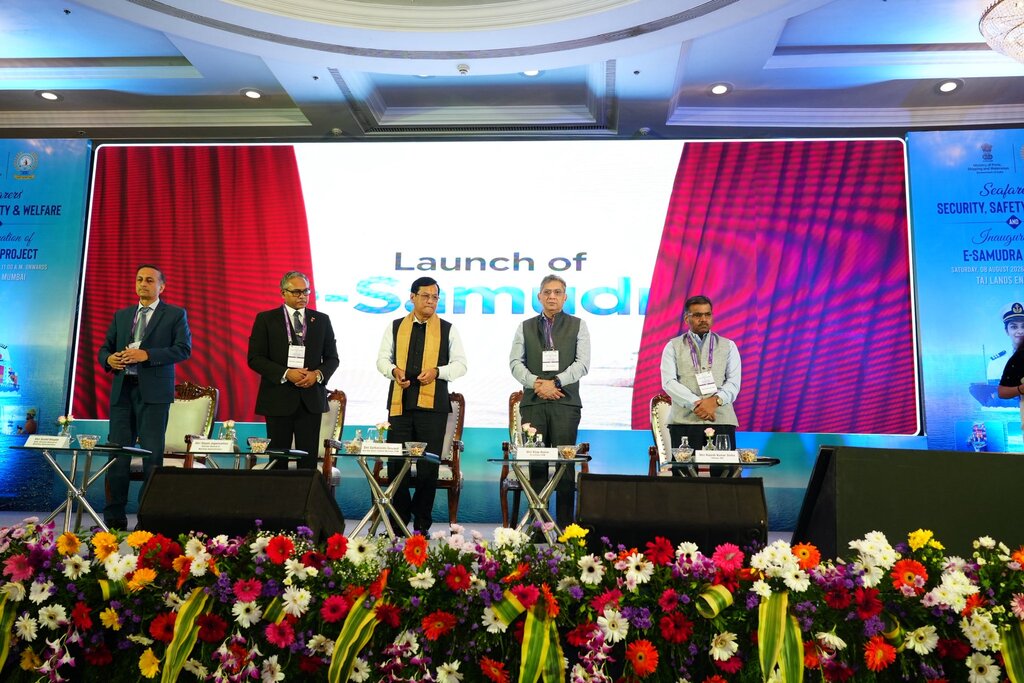
NEW DELHI: India took a major step towards digitising maritime governance with the launch of E-Samudra, a comprehensive digital platform that integrates services for seafarers, shipping companies, ports and other maritime stakeholders, while announcing a series of reforms to strengthen seafarer welfare, security and service delivery.

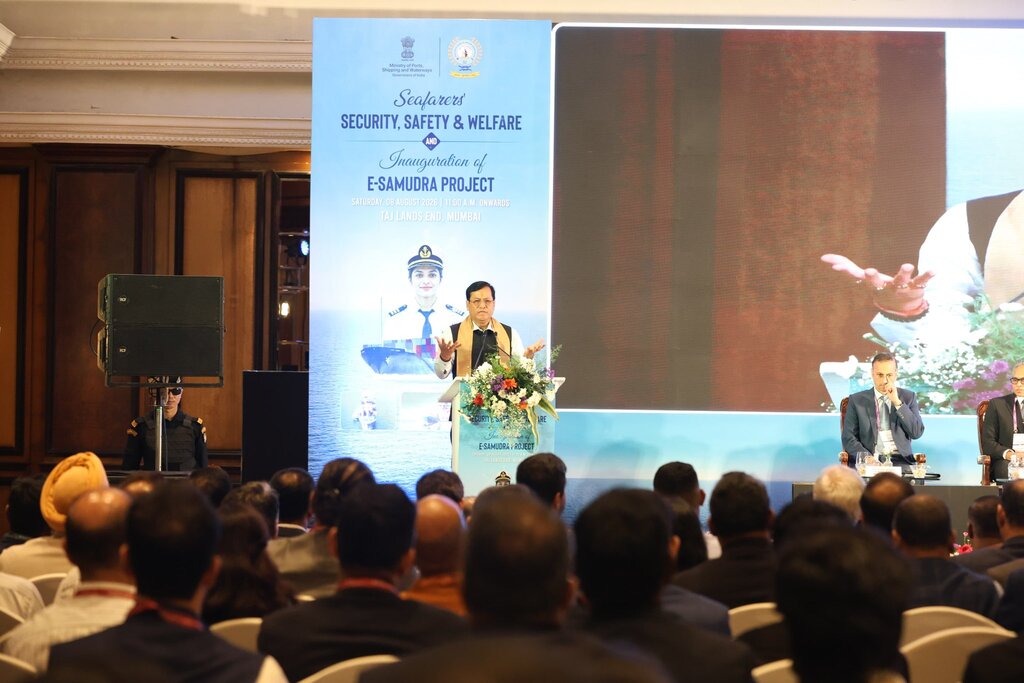
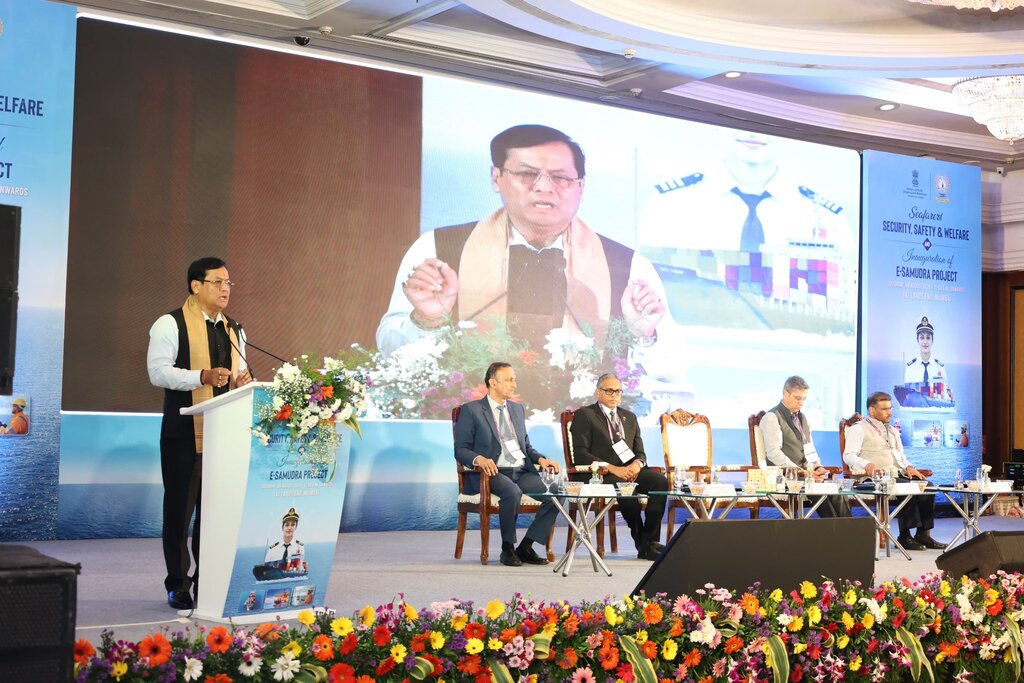
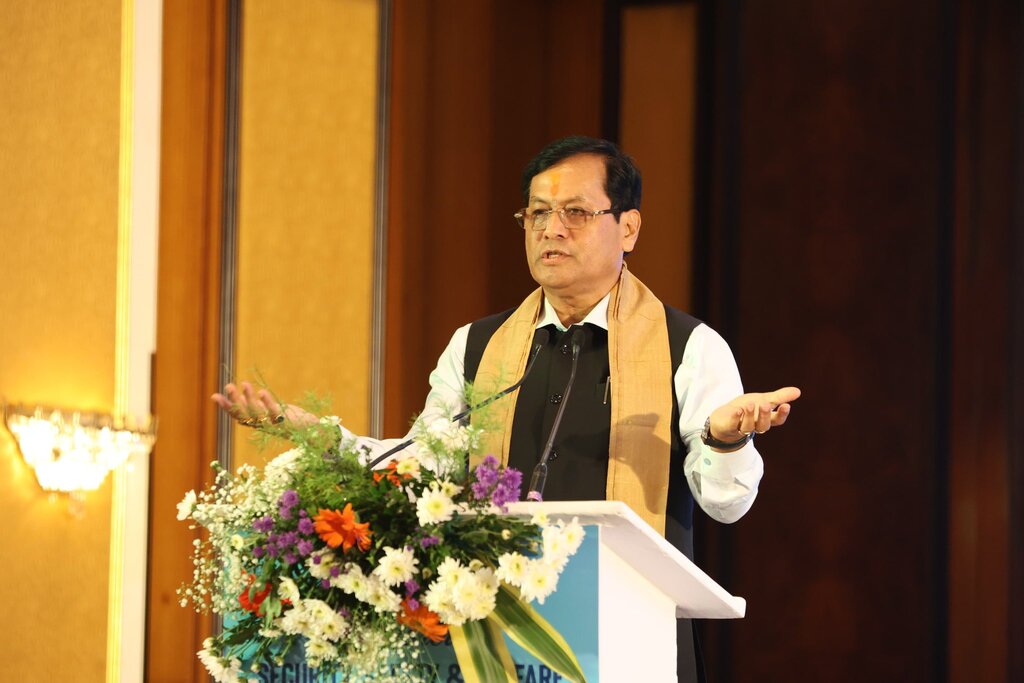
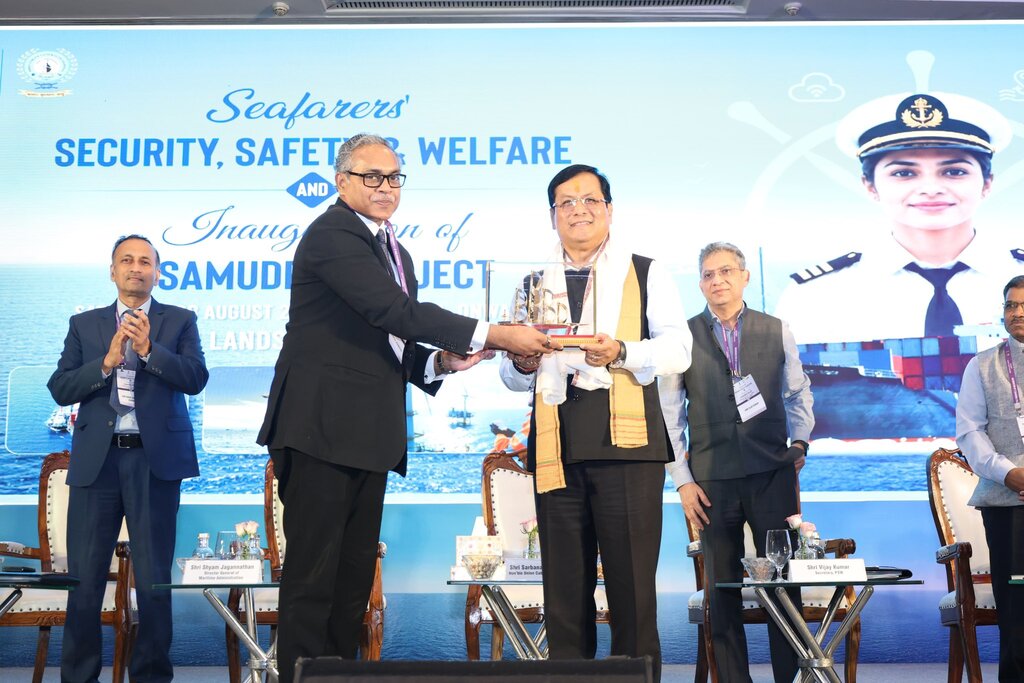
Union Minister for Ports, Shipping and Waterways (MoPSW), Sarbananda Sonowal inaugurated the platform during a national stakeholder interaction on “Seafarer Security, Safety and Welfare and Inauguration of E-Samudra”, held in  Mumbai  and  organised by the Directorate General of Maritime Administration (DGMA) under the Ministry.

Alongside E-Samudra, DGMA showcased a series of initiatives aimed at modernising maritime administration and improving seafarer welfare. These included the recently launched e-NAVIK 24×7 grievance redressal system, the upcoming Seafarer Tracking Dashboard, the Digital Seafarers Employment Agreement (d-SEA) and enhanced welfare measures under the Seafarers Welfare Fund Society (SWFS).

Addressing the gathering, Sonowal said the transformation of India’s maritime sector under the leadership of Prime Minister Narendra Modi places seafarers at the centre of the country’s long-term growth strategy.

Launch of E Samudra 7 E-Samudra launched as India Accelerates Digital Transformation of Maritime Governance

“Under the visionary leadership of Prime Minister Narendra Modi, India is pursuing an ambitious transformation of the maritime sector through Maritime India Vision 2030 and Maritime Amrit Kaal Vision 2047. Seafarers remain at the heart of this journey. Our commitment is clear: every Indian seafarer must be safe, respected and supported. As India strengthens its position as a global maritime power, we must ensure that those who power this growth work fearlessly, safely and with dignity,” Sarbananda Sonowal said.

Highlighting India’s growing maritime capabilities, the minister said the country has emerged as the second-largest supplier of seafarers globally and expressed confidence that India would soon become the world’s largest supplier. He also noted that India has become the world’s leading ship recycling destination and is working towards positioning itself among the world’s top five shipbuilding nations.

On the launch of the digital platform, Sarbananda Sonowal said, ”E-Samudra is not merely a technology platform; it is a significant step towards making maritime governance simpler, more transparent and more stakeholder-centric. Technology is meaningful only when it improves the lives of people. Through E-Samudra, we are ensuring Ease of Living for our seafarers and Ease of Doing Business for the maritime sector.”

Secretary, MoPSW, Vijay Kumar said India’s maritime policy is now anchored in three pillars, the Merchant Shipping Act, 2025, which recognises seafarers as Key Workers, the Maritime Amrit Kaal Vision 2047, and the principle of Minimum Government, Maximum Governance.

The event brought together representatives of the maritime industry, seafarer organisations, recruitment and placement agencies, maritime training institutes, shipowners, government agencies and maritime professionals from across the country.

“E-Samudra will bring maritime services into a single digital window with end-to-end workflows, online payments, real-time tracking and digitally issued certificates. Our objective is not merely to put processes online, but to make them predictable, transparent and time-bound,” Kumar said.

India’s active seafarer workforce has grown from about 1.03 lakh in 2013 to more than 3.23 lakh in 2025, underscoring the need to strengthen digital service delivery, regulation and welfare for the country’s rapidly expanding maritime workforce.

Launch of E Samudra 2 E-Samudra launched as India Accelerates Digital Transformation of Maritime Governance

Director General of Maritime Administration Shri Shyam Jagannathan described E-Samudra as a transformational platform that shifts maritime administration from a physical office-based model to Digital First and Faceless Governance.

“E-Samudra transforms maritime administration from a physical office-based model into an integrated digital ecosystem. It represents a transition towards Digital First and Faceless Governance, ensuring that a seafarer onboard a vessel can access government services as easily as someone sitting ashore,” he said.

The event also highlighted DGMA’s response to recent geopolitical disruptions affecting global shipping. According to the ministry, DGMA monitored more than 16,000 calls, handled over 40,000 communications, and coordinated the safe repatriation of more than 4,000 stranded Indian seafarers through joint efforts with the Ministry of External Affairs, Indian missions, the Indian Navy, shipowners and other maritime stakeholders.

Officials also highlighted initiatives such as Sagar Mein Yog, promoting the physical and mental wellbeing of seafarers, and Sagar Mein Samman, aimed at strengthening opportunities and support for women seafarers. The ministry said the number of women seafarers has increased significantly in recent years, reflecting greater inclusivity in the maritime workforce.

During the programme, Sonowal also interacted with representatives of recruitment and placement services, maritime stakeholders, cadets and young maritime professionals, discussing issues related to recruitment, employment, welfare, regulatory compliance and career development. He urged the next generation of Indian seafarers to uphold the values of safety, professionalism, dignity and continuous learning while assuring them of the government’s continued support.

The launch of E-Samudra marks a significant milestone in India’s transition towards technology-enabled, transparent and citizen-centric maritime governance. By integrating multiple services on a common digital platform, the government expects to improve service delivery, reduce compliance burdens, strengthen transparency and reinforce India’s position as a leading global maritime nation.

Kandla Marches Ahead: Deendayal Port Records 21% Cargo Growth, Handles 62.86 MMT in Just 131 Days

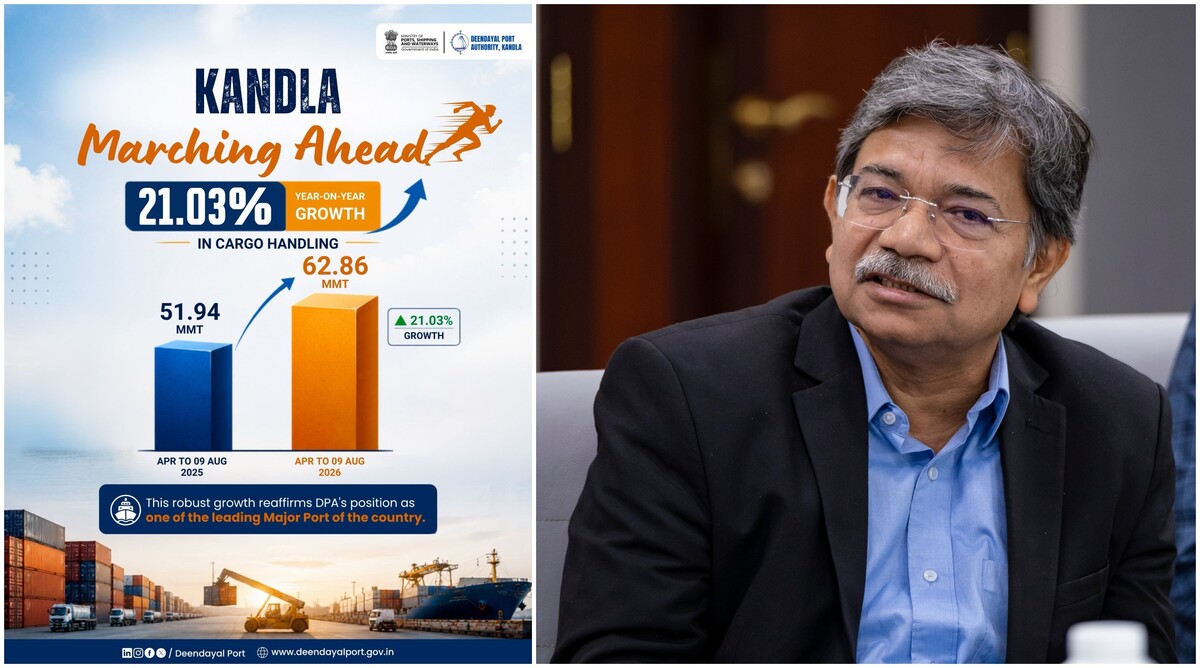
GANDHIDHAM: Deendayal Port Authority (DPA), Kandla, continues to demonstrate remarkable resilience and operational momentum, registering an impressive 21.03% year-on-year growth in cargo handling during the current financial year.

The port handled 62.86 million metric tonnes (MMT) of cargo up to August 9, 2026, compared with 51.94 MMT during the corresponding period last year. The performance represents an increase of approximately 10.92 MMT, underscoring DPA Kandla’s sustained growth trajectory and its growing significance in India’s maritime trade network.

Celebrating the achievement, the DPA Chairman Shri Sushil Kumar Singh described the port in an emphatic message: “Kandla, the unstoppable!!! When the going gets tough, the tough get going. Kandla marching ahead!!”

The latest figures reinforce that sentiment, with DPA maintaining a strong pace of cargo handling despite the increasingly competitive and dynamic environment facing the global maritime and logistics industry.

Strong performance, greater momentum

The 21.03% YoY growth reflects the port’s ability to sustain high-volume cargo operations while responding efficiently to evolving trade requirements. The 62.86 MMT handled in just over four months positions DPA strongly as it advances through FY 2026–27.

The performance is particularly significant considering DPA Kandla’s established role as one of India’s leading multipurpose ports, serving a vast hinterland across northern and western India. Its strategic location on the Gulf of Kutch provides connectivity to major industrial and consumption centres, making it a critical gateway for bulk, liquid and other cargo streams.

The latest milestone also builds on DPA’s strong performance in the previous financial year. The port had crossed the 160 MMT cargo milestone in FY 2025–26, further demonstrating its capacity to handle large and diverse cargo volumes.

Kandla’s growth story gathers pace

The latest achievement signals that Kandla’s growth story is not merely continuing—it is gathering momentum. With cargo handling already touching nearly 63 MMT by August 9, the port has established a strong foundation for another high-performance year.

The sustained increase in cargo volumes reflects a combination of operational efficiency, infrastructure capabilities, stakeholder coordination and the port’s strategic importance to India’s trade ecosystem.

As DPA continues to enhance its facilities and strengthen cargo-handling capabilities, the latest numbers offer a clear message: Kandla is marching ahead with confidence, capacity and momentum.

Stronger performance. Greater momentum. Kandla, indeed, remains unstoppable.

MoPSW Secretary Vijay Kumar Reviews JN Port’s Operations, Infrastructure and Strategic Development Plans

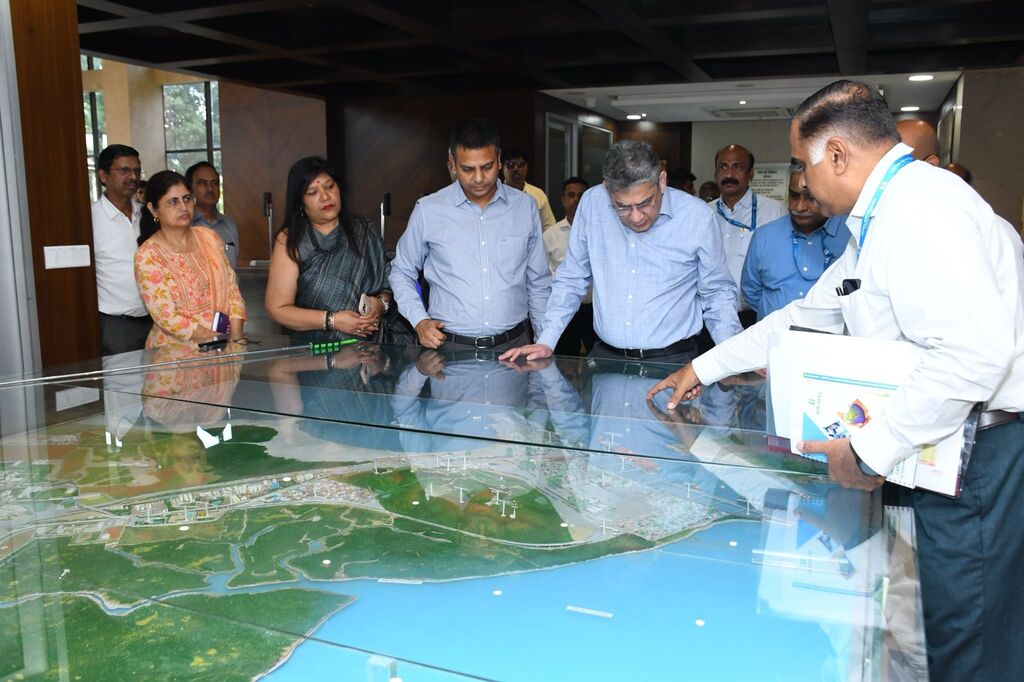
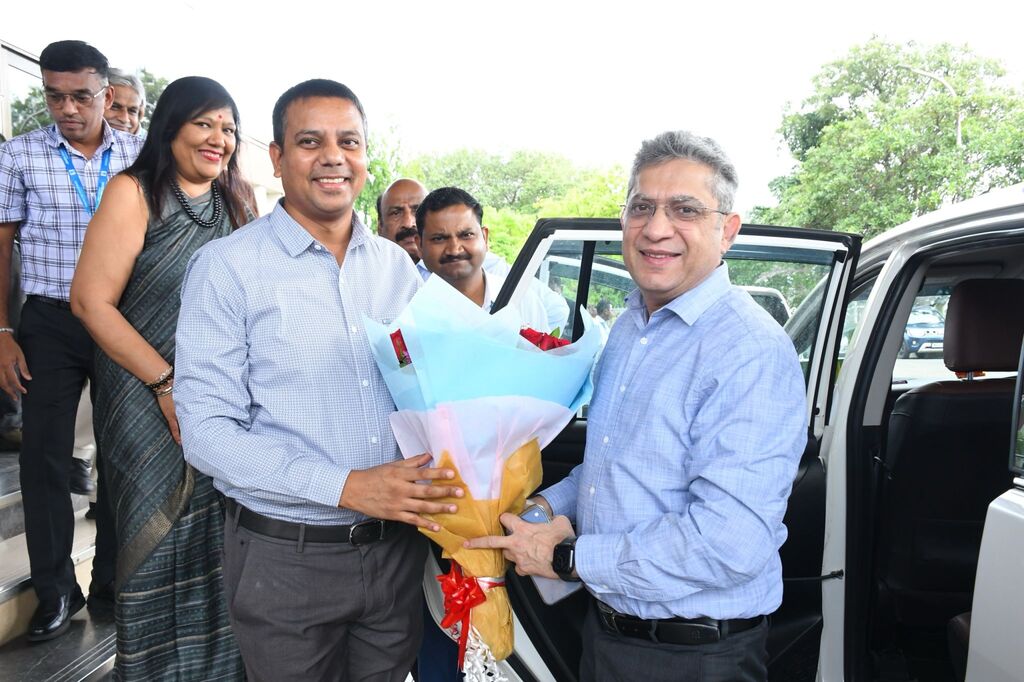
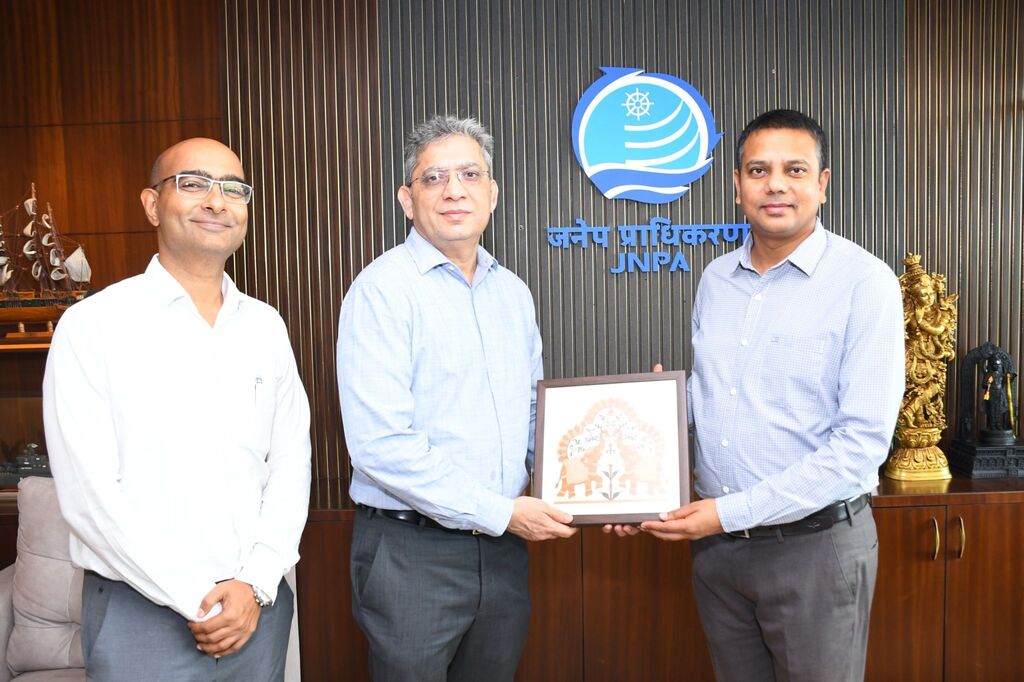
NAVI MUMBAI: Jawaharlal Nehru Port Authority (JNPA) welcomed Shri Vijay Kumar, IAS, Secretary, Ministry of Ports, Shipping & Waterways (MoPSW), during his visit to JN Port, marking an important review of the port’s operational performance, infrastructure development and future expansion plans.

Shri Vijay Kumar was warmly received by Shri Gaurav Dayal, IAS, Chairperson, JNPA, along with Shri Ravish Kumar Singh, IRTS, Deputy Chairperson, and senior Heads of Departments. The visit brought together the senior leadership of JNPA to review the port’s operational performance and deliberate on initiatives aimed at strengthening its position as one of India’s leading container gateways.

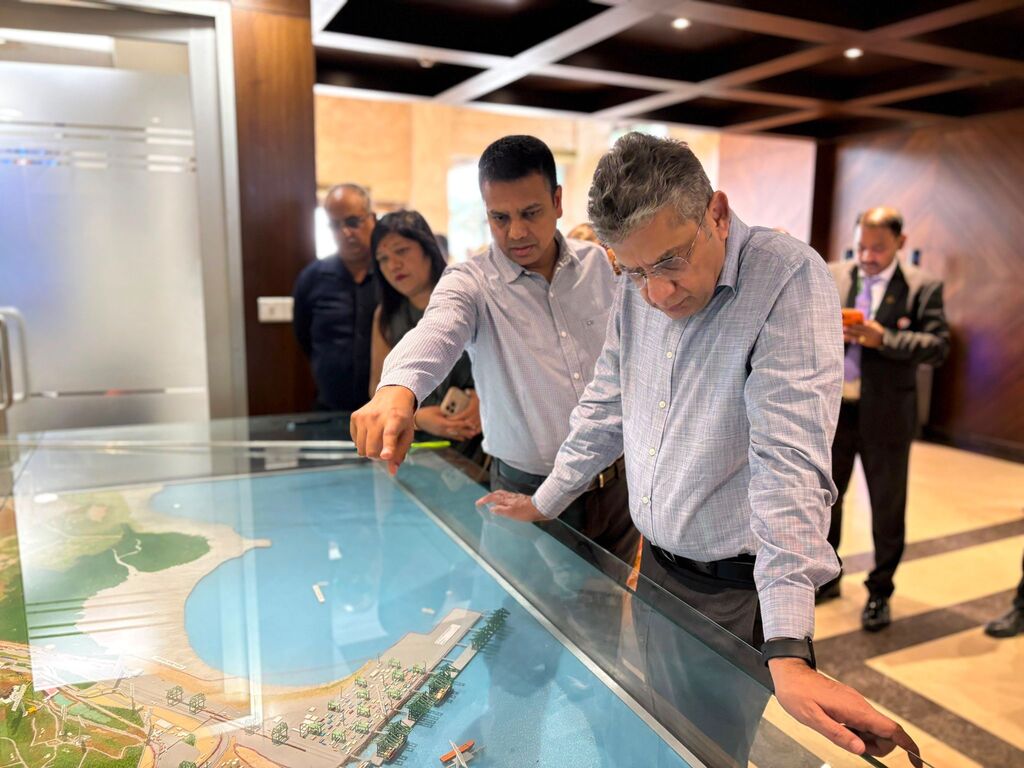
During the visit, the Secretary was briefed on JN Port’s operational performance, ongoing initiatives and major infrastructure projects. Discussions also covered the progress of key development programmes, capacity enhancement measures and initiatives being undertaken to improve operational efficiency and strengthen the port’s overall ecosystem.

MoPSW Sec JNPA Visit 4 MoPSW Secretary Vijay Kumar Reviews JN Port’s Operations, Infrastructure and Strategic Development Plans

A major focus of the review was on ongoing and upcoming infrastructure development, with senior officials providing updates on projects designed to augment capacity, enhance connectivity and improve cargo-handling efficiency. The discussions also examined JNPA’s future projects and its broader roadmap for sustainable and technology-driven port development.

The visit assumes significance as JN Port continues to play a pivotal role in India’s maritime trade and remains a critical gateway for the country’s EXIM cargo. With increasing emphasis on multimodal connectivity, modern infrastructure, digitalisation, operational efficiency and capacity augmentation, JNPA is positioning itself to meet the evolving requirements of India’s growing trade.

The interaction also provided an opportunity for the Ministry and JNPA leadership to assess the progress of strategic initiatives and align future development plans with the Government’s broader vision for strengthening India’s maritime and logistics infrastructure.

With continued investment in infrastructure and a strong focus on operational excellence, JN Port is poised to further consolidate its position as a key engine of India’s trade growth and maritime development, supporting the nation’s ambitions of becoming a globally competitive maritime and logistics hub.

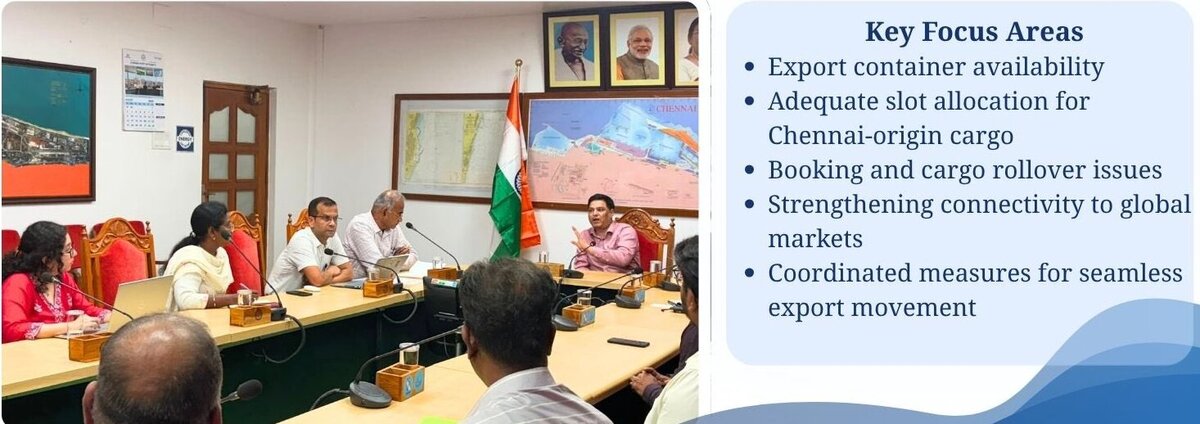
Chennai Port Authority engages Shipping Lines to facilitate seamless Export Cargo Movement

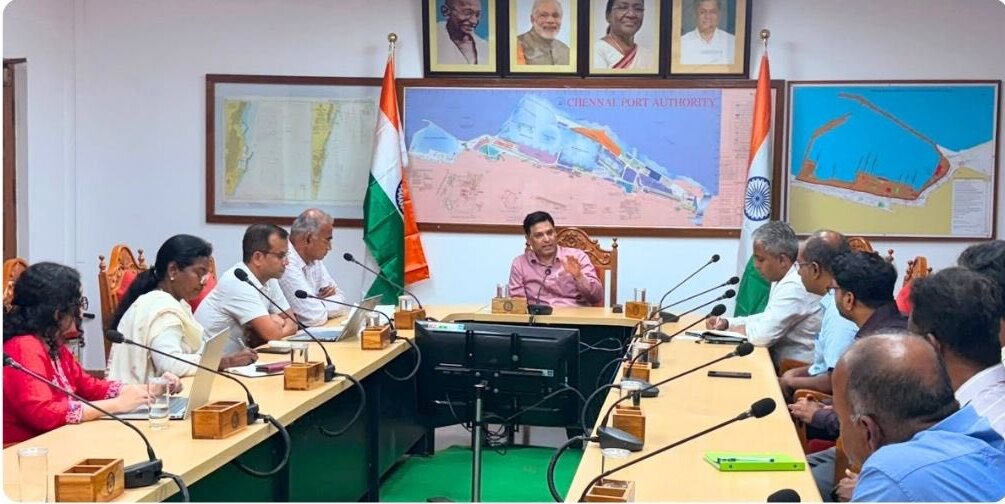
CHENNAI: Chennai Port Authority convened a stakeholder interaction with key shipping lines on August 6, 2026, to discuss prevailing trade requirements and explore measures to further facilitate the smooth and efficient movement of export cargo through the port.

Chennai Port Authority 2 1 Chennai Port Authority engages Shipping Lines to facilitate seamless Export Cargo Movement

The interaction was held under the chairmanship of Shri Sachin S. Kurve, Chairperson, Chennai Port Authority, and brought together key stakeholders from the shipping industry to deliberate on operational requirements, emerging trade trends and opportunities to strengthen export cargo movement.

The meeting provided an important platform for shipping lines and port stakeholders to exchange perspectives on the evolving needs of the trade and identify collaborative measures that can contribute to greater efficiency, reliability and resilience across the export logistics chain.

Discussions focused on strengthening coordination between the port and shipping lines, addressing operational requirements and supporting the seamless flow of export cargo. Such stakeholder engagements are aimed at ensuring that port operations remain responsive to the needs of exporters, shipping lines and the wider maritime and logistics ecosystem.

The Chennai Port Authority’s continued engagement with industry stakeholders underscores its commitment to customer-centric port operations, operational efficiency and resilient trade facilitation.

With Chennai serving as a vital maritime gateway for South India, closer collaboration among the port, shipping lines and other stakeholders is expected to further enhance the region’s connectivity with global markets and support the growth of India’s international trade.

The stakeholder interaction reaffirmed a shared commitment to working together to strengthen Chennai’s position as a key gateway for trade and facilitate seamless export movement.

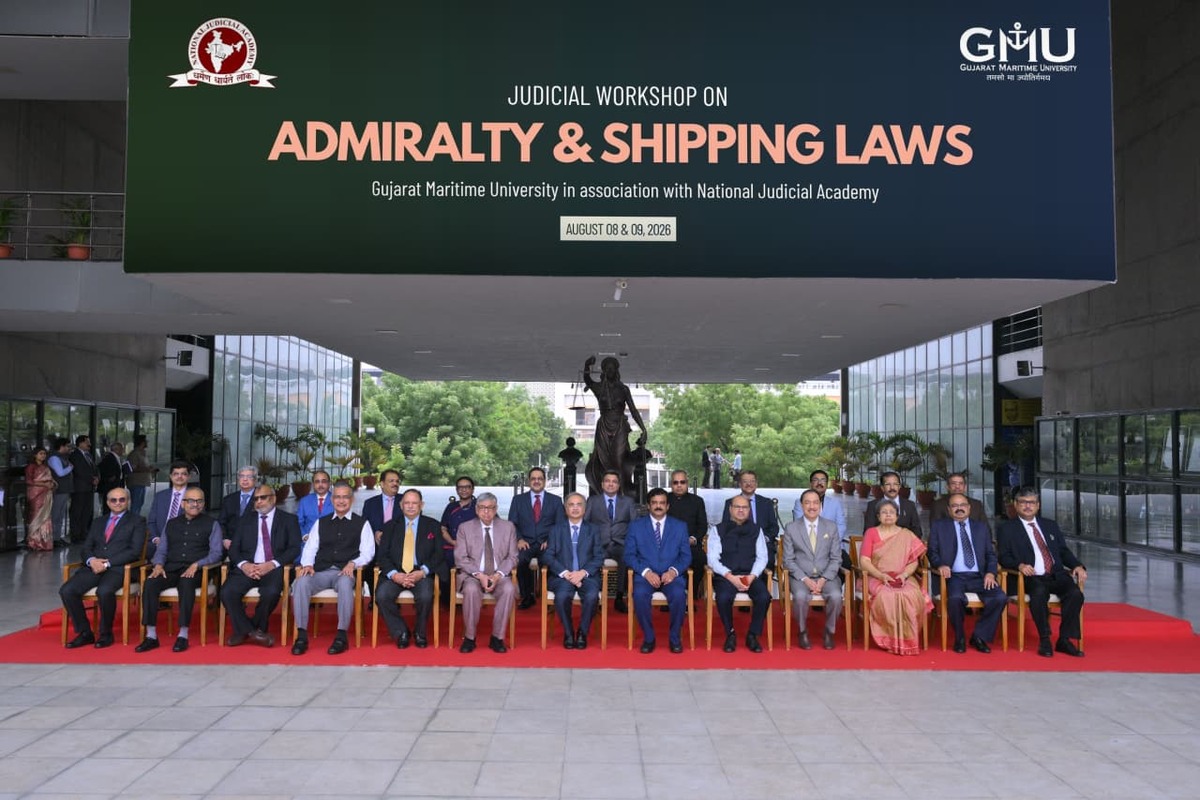
Gujarat Maritime University and National Judicial Academy inaugurate Judicial Workshop on Admiralty & Shipping Laws

Fifteen Judges from Seven High Courts participate in the two-day Judicial Workshop

GANDHINAGAR: Gujarat Maritime University (GMU), in association with the National Judicial Academy (NJA), on Saturday inaugurated a two-day Judicial Workshop on “Admiralty & Shipping Laws” at Gujarat Maritime University. The workshop brings together Hon’ble Judges from several High Courts across India and distinguished judicial resource persons to deliberate on contemporary developments and emerging challenges in admiralty and Shipping laws.

The workshop was inaugurated by Hon’ble Mr. Justice N. V. Anjaria, Judge, Supreme Court of India, as Chief Guest. Hon’ble Mr. Justice Aniruddha Bose, Former Judge, Supreme Court of India, and Director, National Judicial Academy, delivered the keynote address.

Fifteen judges from seven High Courts — Andhra Pradesh, Bombay, Calcutta, Gujarat, Kerala, Madras and Orissa — exercising admiralty jurisdiction are participating in the two-day workshop, with the following four distinguished judges serving as resource persons:

• Hon’ble Mr. Justice K. R. Shriram, Former Chief Justice, High Court of Madras, and Former Chief Justice, High Court of Rajasthan

• Hon’ble Mr. Justice D. V. S. S. Somayajulu, Former Judge, High Court of Andhra Pradesh

• Hon’ble Mr. Justice Abdul Quddhose, Judge, High Court of Madras

• Hon’ble Mr. Justice Syam Kumar V. M., Judge, High Court of Kerala

Inaugural Address by Justice N. V. Anjaria

Delivering the inaugural address, Justice Anjaria described admiralty and shipping law as a significant yet relatively distinctive subject within contemporary legal discourse. He observed that maritime law deserves greater attention given India’s extensive coastline, its strategic position in the Indian Ocean, and the central role of maritime activity in commerce and human enterprise.

Justice Anjaria traced the historical evolution of admiralty jurisdiction in India, particularly its development through the High Courts of Bombay, Calcutta and Madras, and the subsequent judicial developments that followed. He reflected on the landmark M.V. Elisabeth judgment of the Supreme Court of India, which played an important role in moving Indian admiralty law beyond the limitations of its colonial statutory inheritance.

He also referred to subsequent legislative developments culminating in the Admiralty (Jurisdiction and Settlement of Maritime Claims) Act, 2017, observing that this legislation opened a new chapter in Indian admiralty law, and expressed the hope that the workshop’s deliberations would further the development and understanding of this important area of law.

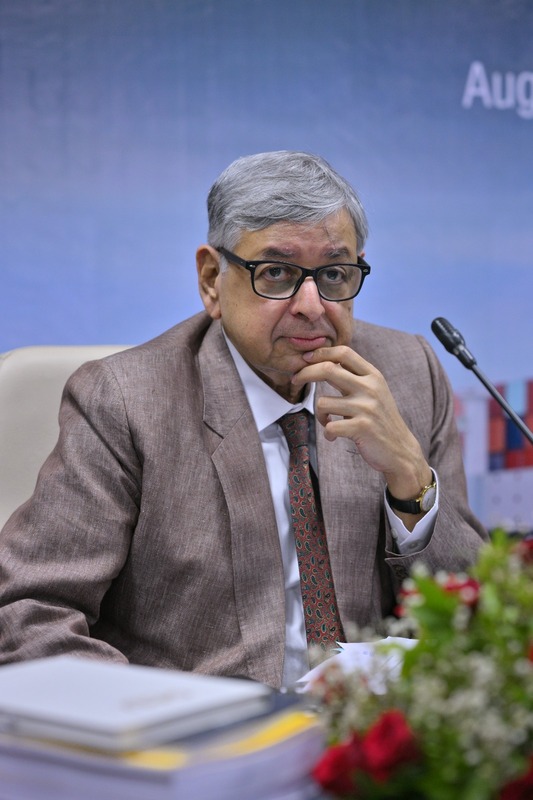
Keynote Address by Justice Aniruddha Bose

Honourable Justicce Anirudh Bose 1 Gujarat Maritime University and National Judicial Academy inaugurate Judicial Workshop on Admiralty & Shipping Laws

In his keynote address, Justice Bose emphasised the importance of bringing judicial institutions and universities together to strengthen the understanding and development of specialised areas of law. He observed that collaborative programmes between judicial institutions and universities help bridge the gap between academic scholarship and judicial practice, creating a meaningful space for dialogue and reflection.

Justice Bose highlighted the appropriateness of Gujarat as the venue for a workshop on maritime law, given the State’s historic relationship with maritime trade and its contemporary significance in India’s maritime economy. He reflected on the evolution of admiralty jurisdiction in India and the continuing importance of judicial developments in shaping the country’s maritime legal framework.

He further noted that the scope of maritime law is expanding beyond traditional shipping disputes to encompass emerging concerns such as marine environmental degradation, exploitation of marine resources, and maritime security, stressing the need to continuously update legal understanding in response to these evolving challenges. He commended Gujarat Maritime University for its specialised focus on maritime law.

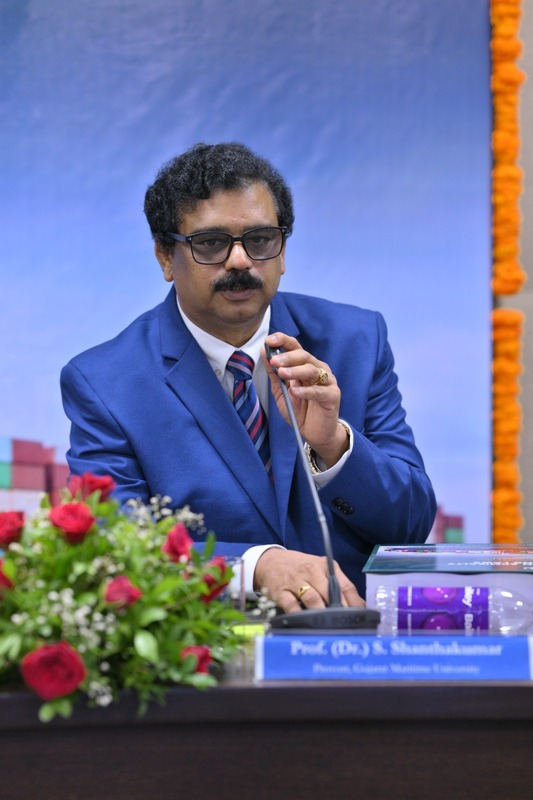
Welcome Address by GMU Provost

Prof. Dr. S Santhakumar 1 Gujarat Maritime University and National Judicial Academy inaugurate Judicial Workshop on Admiralty & Shipping Laws

In his welcome address, GMU Provost Prof. (Dr.) S. Shanthakumar highlighted the University’s growing engagement with the maritime industry, leading shipping companies, maritime law firms and international institutions. He emphasised GMU’s commitment to advancing maritime legal education, research, capacity building and policy engagement through specialised academic centres, professional programmes and international collaborations.

He underlined the significance of the workshop in the context of India’s evolving maritime legal landscape, noting that the expansion of admiralty jurisdiction beyond the traditional three High Courts to the coastal High Courts under the Admiralty (Jurisdiction and Settlement of Maritime Claims) Act, 2017 has resulted in an increasingly complex body of maritime litigation. The workshop, he observed, provides an important forum for judicial reflection on issues relating to maritime claims, ship arrest, limitation of liability, marine insurance, cargo disputes, and the harmonisation of domestic admiralty law with international maritime standards.

Prof. Shanthakumar also highlighted the preparation of a comprehensive compilation of significant and landmark judgments relating to admiralty law, prepared under the guidance of Justice K. R. Shriram. Running to nearly 3,000 pages, the compilation has been circulated electronically among the participating judges to facilitate academic and judicial engagement while reducing the use of printed material.

About the Workshop

The two-day workshop provides a structured platform for judicial deliberation on contemporary issues in admiralty and shipping law, including maritime claims, ship arrest, carriage of goods, marine insurance, limitation of liability, and the interplay between domestic admiralty law and international maritime standards. It is expected to contribute to greater consistency, clarity and effectiveness in the adjudication of maritime disputes in India.

The workshop marks an important step in strengthening the collaboration between Gujarat Maritime University and the National Judicial Academy, and reinforces GMU’s commitment to serving as a leading institutional platform for maritime legal education, judicial capacity building and research.

List of Hon’ble Judges Participating in the Workshop

Hon’ble Mr. Justice Subba Reddy Satti, Judge, High Court of Andhra Pradesh

Hon’ble Mr. Justice Arindam Mukherjee, Judge, High Court of Calcutta

Hon’ble Mr. Justice Raja Basu Chowdhury, Judge, High Court of Calcutta

Hon’ble Mr. Justice Kamal R. Khata, Judge, High Court of Bombay

Hon’ble Mr. Justice Sandeep V. Marne, Judge, High Court of Bombay

Hon’ble Mr. Justice Firdosh Phiroze Pooniwalla, Judge, High Court of Bombay

Hon’ble Mr. Justice P. B. Balaji, Judge, High Court of Madras

Hon’ble Mr. Justice V. Lakshminarayanan, Judge, High Court of Madras

Hon’ble Mr. Justice Aniruddha P. Mayee, Judge, High Court of Gujarat

Hon’ble Ms. Justice Nisha M. Thakore, Judge, High Court of Gujarat

Hon’ble Mr. Justice V. Narasingh, Judge, High Court of Orissa

Hon’ble Mr. Justice Murahari Sri Raman, Judge, High Court of Orissa

Hon’ble Mr. Justice Sathish Ninan, Judge, High Court of Kerala

Hon’ble Mr. Justice M. A. Abdul Hakhim, Judge, High Court of Kerala

Hon’ble Mr. Justice S. Manu, Judge, High Court of Kerala

DPA Kandla commences ‘Har Ghar Tiranga’ Celebrations with a Vibrant Tiranga Yatra at Port Township, Gopalpuri (Gandhidham)

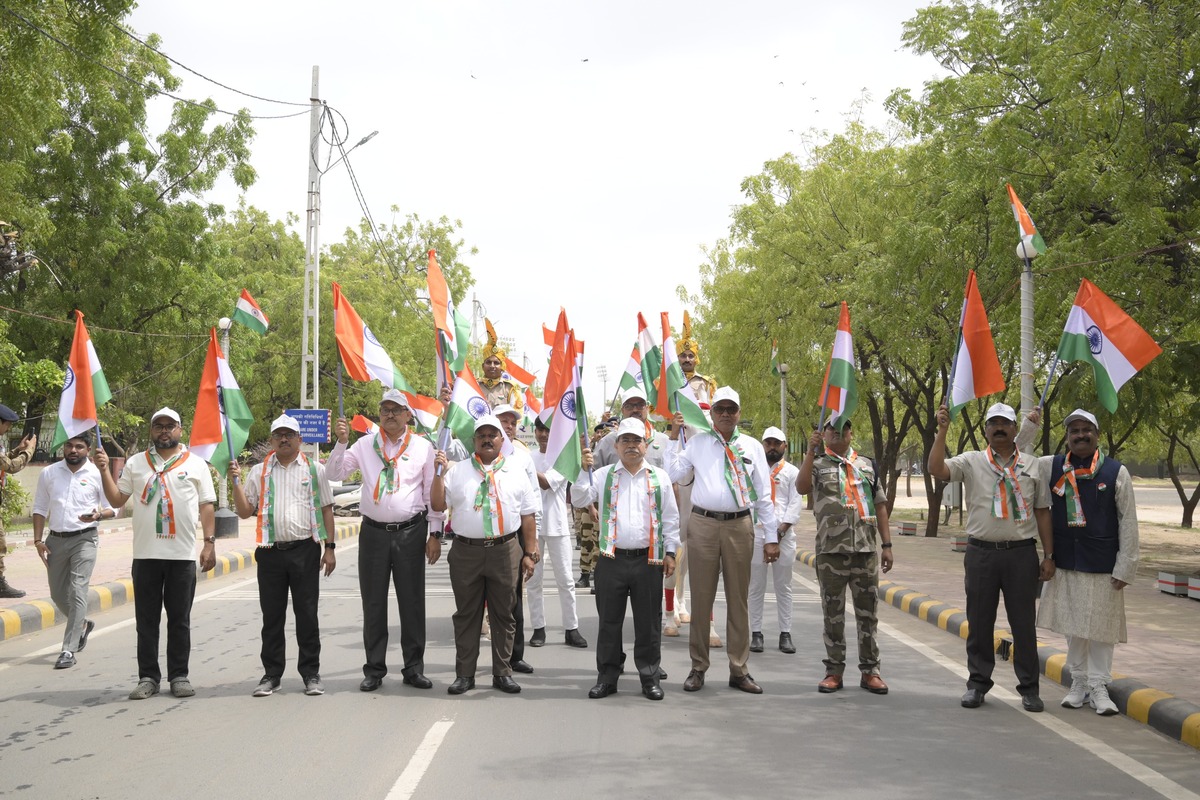
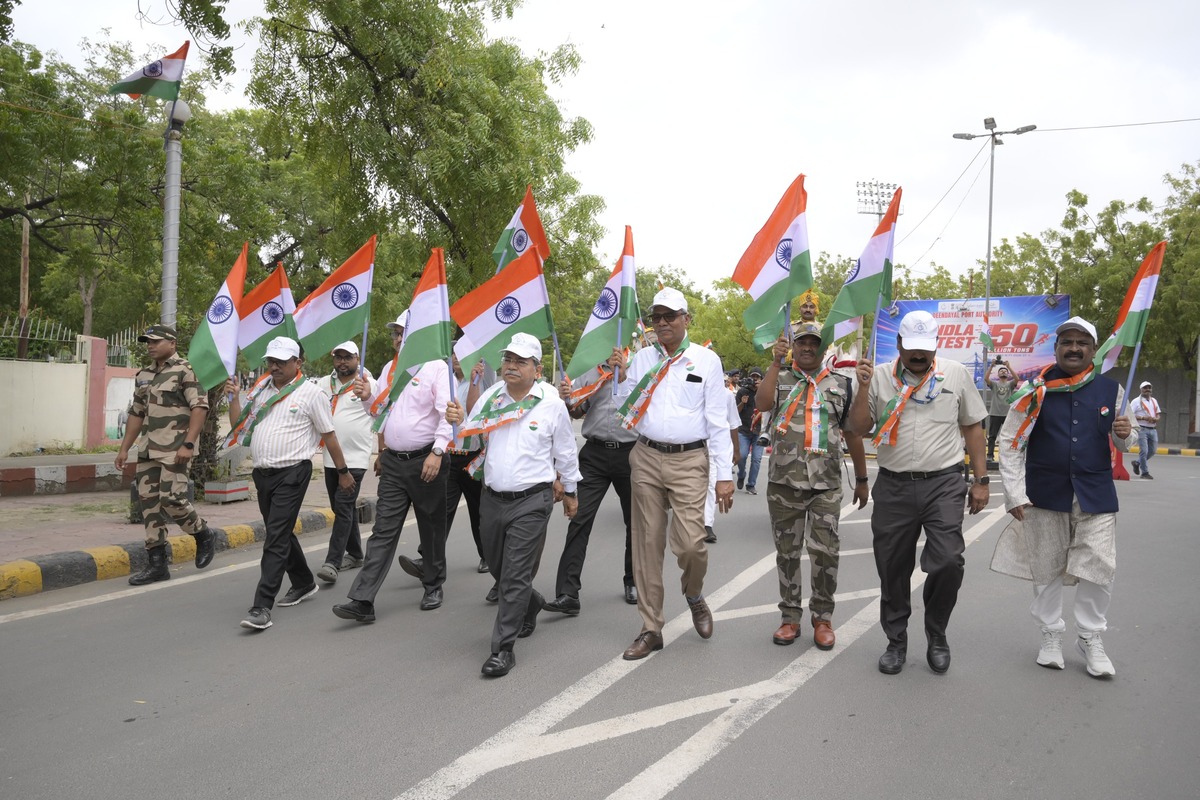
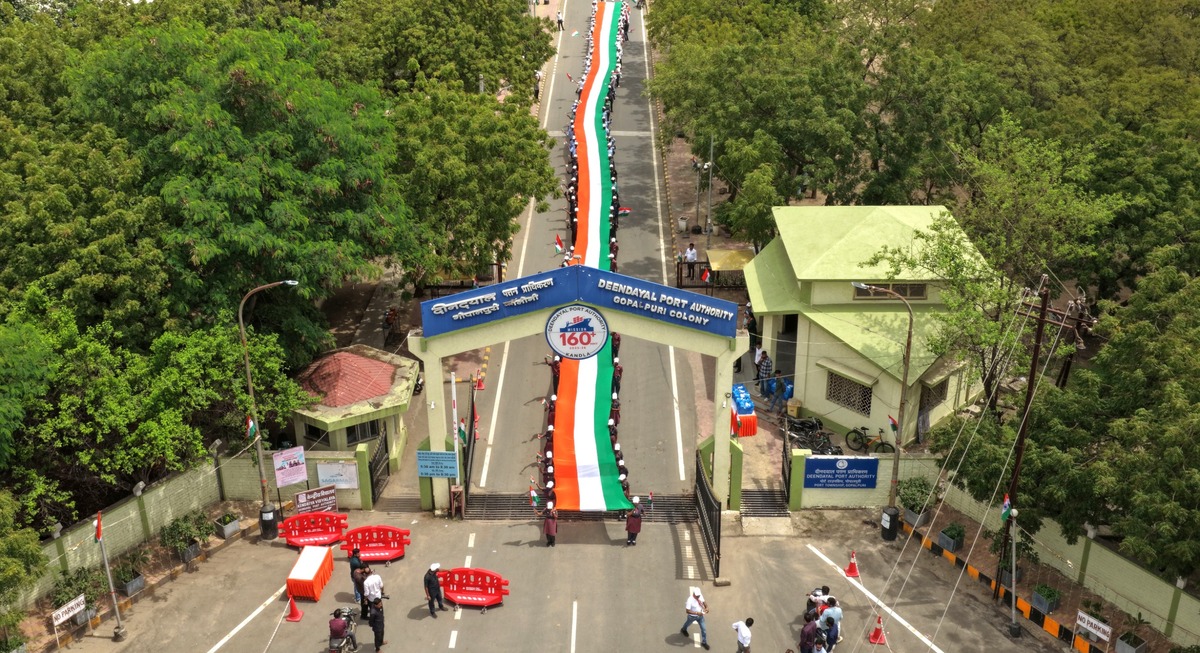
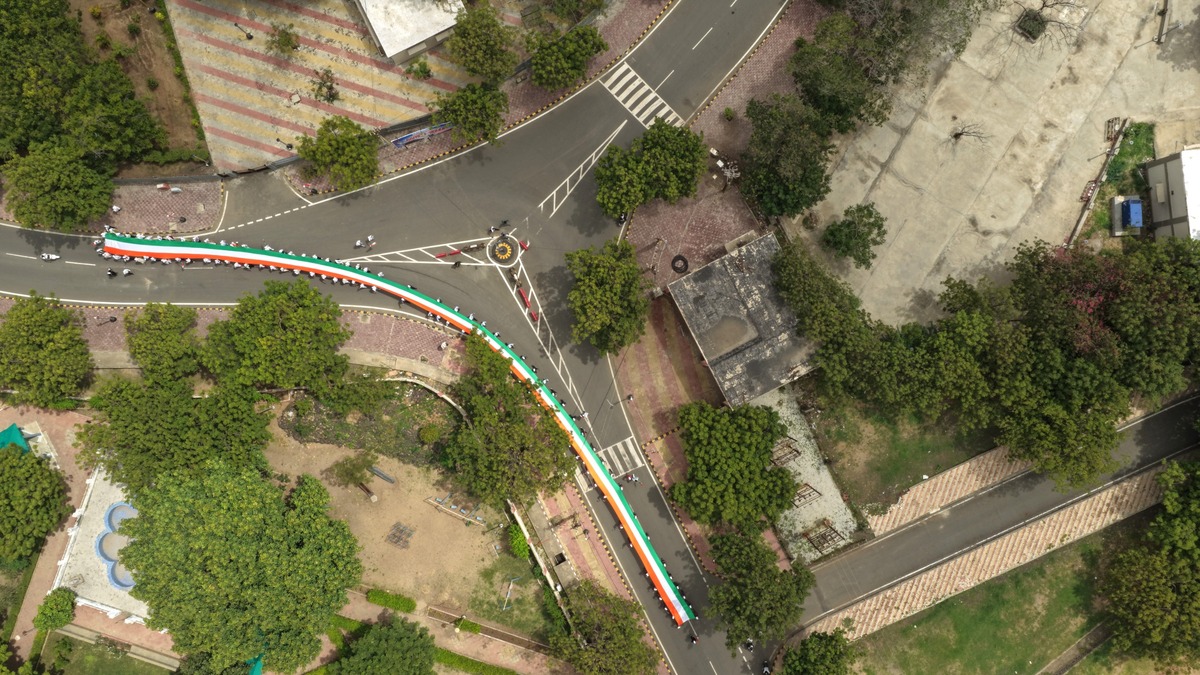
GANDHIDHAM: Deendayal Port Authority, Kandla commenced the celebrations of the ‘Har Ghar Tiranga’ campaign, dedicated to the spirit of ‘Vande Mataram’, with a vibrant Tiranga Yatra organised today at DPA’s Port Township, Gopalpuri, Gandhidham.

DPA Tiranga Yatra 1 DPA Kandla commences ‘Har Ghar Tiranga’ Celebrations with a Vibrant Tiranga Yatra at Port Township, Gopalpuri (Gandhidham)

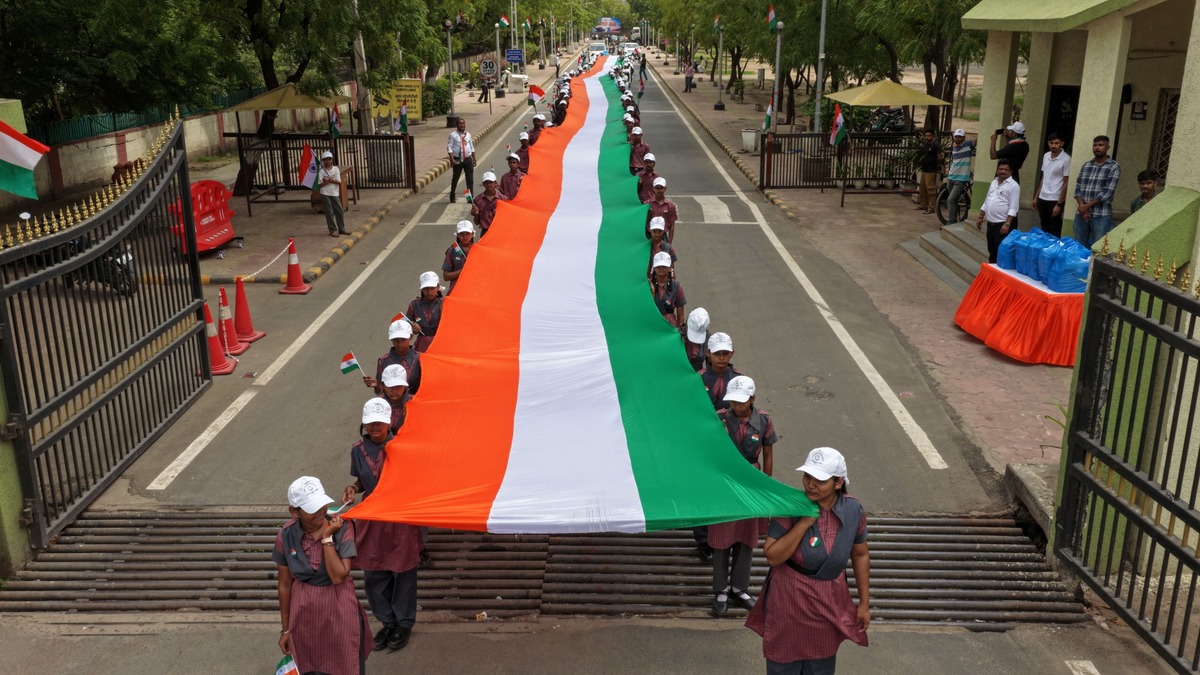
The Tiranga Yatra was led by Shri Sushil Kumar Singh, IRSME, Chairman-DPA, in the presence of senior officials of the Port. The procession witnessed enthusiastic participation from DPA officers and employees, CISF personnel, school students, Deendayal Mahila Shakti Kendra (DMSK), security personnel and general public at large, bringing together Port fraternity and community in a collective expression of patriotism.

Draped in the hues of the Tricolour and resonating with patriotic fervour, the Port Township presented a vibrant spectacle as participants proudly carried the National Flag throughout the Yatra. The atmosphere reverberated with patriotic slogans and the spirit of Vande Mataram, reflecting a deep sense of pride, unity and devotion towards the nation.

The initiative also sought to strengthen the spirit of ‘Har Ghar Tiranga’ by encouraging citizens to celebrate the Tricolour not merely as a national symbol, but as an embodiment of India’s unity, sovereignty and shared national identity.

With enthusiastic participation from the Port fraternity, students, women and the local community, DPA Kandla marked the beginning of its Har Ghar Tiranga celebrations with a strong message of national pride, unity and collective participation – dedicated to the timeless spirit of ‘Vande Mataram’.

DPA Vande Matram Tiranga Yatra 2 DPA Kandla commences ‘Har Ghar Tiranga’ Celebrations with a Vibrant Tiranga Yatra at Port Township, Gopalpuri (Gandhidham)

Fumigation Rules tighten across Gujarat: Exporters face New Verification Regime, Longer cargo holds

Kandla Fumigators Association warns of mandatory five-document scrutiny, photographic evidence and higher compliance costs as stricter PSC checks expand from RPQS Kandla across Gujarat

GANDHIDHAM: Exporters shipping fumigated cargo through Gujarat are facing a significant change in pre-shipment compliance, with stricter verification of fumigation records now becoming a mandatory condition for the issuance of Phytosanitary Certificates (PSCs).

The Kandla Fumigators Association (KFA) has alerted exporters, shippers, freight forwarders, Customs House Agents (CHAs) and fumigation service providers that the enhanced verification regime, already implemented at Regional Plant Quarantine Station (RPQS), Kandla, is being extended to PSC-issuing authorities across Gujarat.

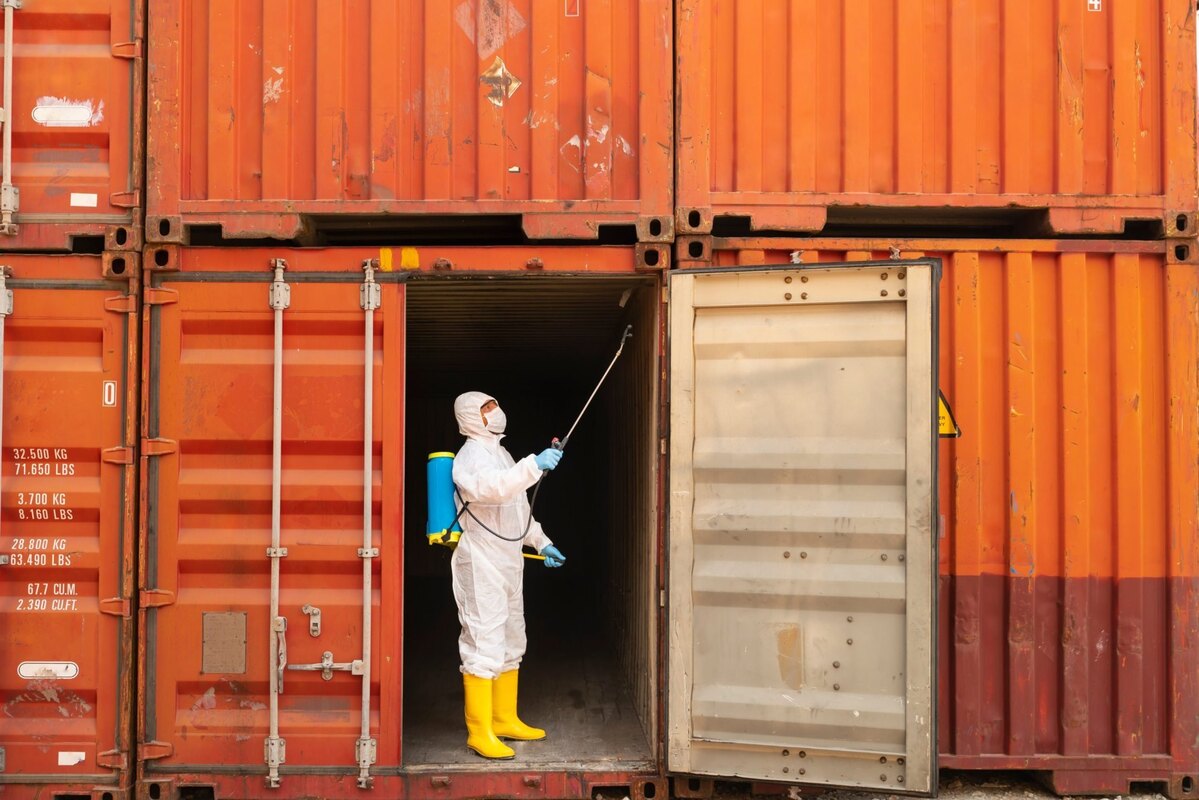
The move is particularly significant for cargo treated with Methyl Bromide (MBr) under NSPM-12 and AFAS protocols, where exporters will now have to demonstrate not only that fumigation was performed, but that every critical stage of the treatment was properly documented and verifiable.

THE BIG FIVE: DOCUMENTS THAT CAN NO LONGER BE MISSED

Under the new regime, five pieces of evidence must be available for verification before a PSC is issued:

1. Fumigation record on the fumigation firm’s official letterhead
2. Dosage/calculation sheet showing container or chamber volume and MBr dosage
3. Fumigation check sheet covering pre-fumigation leak and gas-tightness checks
4. Photographic evidence of each fumigation stage, including calibrated monitor readings
5. Original fumigation certificate

Any missing document, discrepancy or lapse may be treated as non-compliance and reported to RPQS Kandla. The KFA advisory makes clear that the checklist is now a precondition for certificate issuance, rather than a discretionary requirement.


6 KEY TAKEAWAYS FOR THE EXPORT TRADE

1. PSC issuance now hinges on verified fumigation records

Exporters must ensure that the complete five-document package is prepared and available for every applicable fumigated consignment. Retrospective or reconstructed documentation could result in delays or non-compliance.

2. Photographic proof becomes a critical compliance layer

Fumigation agencies will have to photograph the treatment process, including calibrated MBr concentration readings at prescribed monitoring intervals. Timestamped and properly maintained records will become an important part of the compliance trail.

3. Exporters must plan for the FULL fumigation cycle

The treatment cannot be planned around the exposure period alone. Grounding, preparation, gassing, monitoring, exposure, degassing and aeration all have to be factored into shipment schedules.

4. Container holding time could rise substantially

For example, the advisory cites Australia’s requirement of 80 g/m³ MBr for 48 hours. Including preparation and ventilation, a container may need to be held for approximately 60–65 hours or longer, depending on conditions.

5. Compliant fumigation infrastructure is essential

Fumigation sites must provide suitable shelter, clean and level hard-standing, sufficient space for monitoring equipment, ventilation arrangements and safe operating conditions. Exporters are advised to coordinate with terminals, CFSs, ICDs and private yards well ahead of stuffing.

6. Compliance costs are expected to rise

Additional documentation, equipment, calibration, infrastructure, container holding, possible delays, re-fumigation and certification-related expenses could translate into a structural increase in fumigation costs rather than a temporary surcharge.


THE CLOCK STARTS BEFORE FUMIGATION

One of the most important messages emerging from the advisory is that fumigation should no longer be viewed as a single treatment event.

The KFA has detailed the indicative additional time required for various stages:

Fumigation ActivityIndicative Time
Container grounding1–2 hours
Stack arrangement3–4 hours
Preparation of enclosure30 min–1 hour
Gassing30 min–1 hour
Start-point monitoringUp to 30 min
Mid-point monitoringUp to 30 min
End-point monitoringUp to 30 min
Degassing & TLV monitoring2–3 hours

These periods are in addition to the actual exposure period. The advisory notes that MBr fumigation can require 24–72 hours of exposure, while ALP fumigation can require 120–336 hours, depending on the applicable treatment requirement.

For exporters working against tight vessel cut-offs, the implications are significant: a shipment that is booked without accounting for the complete fumigation cycle could miss its planned port or vessel window.


SEQUENCING OF FUMIGATION UNDER THE SPOTLIGHT

The advisory also draws attention to the sequence in which cargo is packed, sealed and fumigated.

Certificates may be refused where fumigation appears to have taken place after cargo has already been sealed into gas-impervious packaging. Exporters are therefore advised to coordinate loading and treatment schedules closely with fumigation agencies and retain evidence establishing that the correct sequence was followed.

This puts greater emphasis on coordination between the exporter, fumigator, freight forwarder, CHA, terminal/CFS/ICD and shipping line.


FROM KANDLA TO A WIDER GUJARAT COMPLIANCE REGIME

The enhanced verification has already been implemented at RPQS Kandla and is being extended to PSC-issuing authorities throughout Gujarat.

Importantly, the advisory cautions the trade not to regard the present implementation as a final or fixed scope. The documentation and photographic-evidence requirements are expected to progressively extend to shipments destined for countries covered under NSPM-12 and AFAS protocols.

The message from the Association is therefore one of advance preparation rather than reactive compliance.

Exporters have been advised to standardise documentation and photographic evidence across their fumigation operations now, instead of adapting shipment-by-shipment as the verification scope expands.


INDUSTRY MAY SEE CAPACITY PRESSURE

The compliance shift could also have consequences for the fumigation services market.

According to the KFA advisory, fumigation agencies may need to invest in additional field equipment, calibrated monitoring equipment and record-management systems. Smaller or under-capitalised agencies could face difficulties in meeting the enhanced requirements, potentially affecting available service capacity.

For exporters, this could mean the need to book fumigation capacity earlier and select service providers carefully, particularly during periods of high export demand.


KFA: PREPARE NOW, NOT AFTER THE SHIPMENT IS HELD

The Association has urged the trade to use only currently accredited fumigation agencies, incorporate the five-document checklist into standard operating procedures, verify monitoring equipment, confirm destination-specific treatment requirements and secure compliant fumigation locations in advance.

It has also called for additional lead time in shipment schedules to accommodate the verification process and advised businesses to budget for potentially higher fumigation and certification-related costs.

KFA LEADERSHIP

The revised Association membership records identify:

Dipak Maheshwari — President
Jangjeet Singh — Vice President
Atul Salunkhe — Secretary
Shashank Chaturvedi — Treasurer
Bhupendra Kumar — Trustee
Sanjay Upadhyay — Trustee
Jeet Singh — Trustee
Kiran Ahir — Trustee
Rahul Nair — Trustee

THE BOTTOM LINE

For Gujarat’s export community, the new regime represents more than an additional paperwork requirement. It introduces a more intensive, evidence-based verification model in which fumigation records, treatment sequencing, monitoring data, site conditions and timing will all have a direct bearing on the issuance of the Phytosanitary Certificate.

The new reality for exporters is clear: fumigation must be planned as a complete compliance operation—from site preparation and treatment to monitoring, documentation, verification and final certification.

With vessel schedules, container availability and port cut-offs already operating within tight timelines, early coordination and accurate documentation could become as important as the fumigation treatment itself.