Home Blog Page 172

“Strait of Hormuz could reopen by tomorrow, denuclearisation to be next phase of Iran talks”: says President Trump on talks with Iran

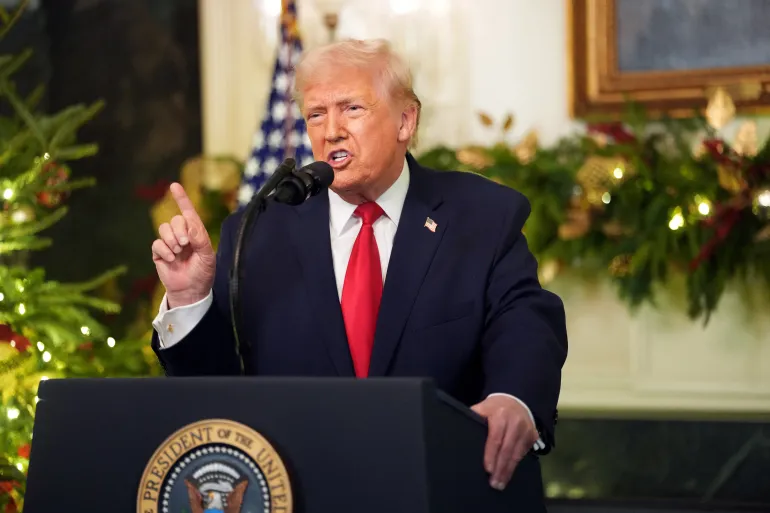
WASHINGTON DC : US President Donald Trump on Monday (local time) said that there are discussions over “completely” reopening the Strait of Hormuz “by tomorrow” as part of the first phase of ongoing discussions with Iran. President Trump added the next stage of negotiations would focus on “denuclearisation” of Iran, while reiterating that Tehran would never be allowed to possess a nuclear weapon.

Speaking to reporters at the Oval Office after signing an Executive Order establishing the first-ever Presidential Military Spouse Commission, Trump expressed optimism that developments on the strategic waterway could happen within a day.

“Well, we’ll find out today or tomorrow. I mean, they’re going to go quickly one way or the other. It’s not very complex. We’re talking about the Strait, the opening of the Strait, having it open, literally by tomorrow. Completely open. And that’s Phase 1,” Trump said.

He said discussions would then move to Iran’s nuclear programme, stressing that dismantling Tehran’s nuclear capabilities remained Washington’s central objective.

“Phase 2 is we then will talk about the nuclear capacity… I think most accurately, the denuclearisation of Iran has to happen. Has to happen. That’ll be the second phase. But the first phase is the opening of the Strait, the second phase will be the denuclearisation, and that’ll take a little while. But we’re very strong on it. They cannot have a nuclear weapon. Iran cannot have a nuclear weapon, and I have never changed that position,” Trump said.

Earlier during the interaction, Trump said Iran had been given what he described as a “last chance” to reach an agreement, claiming the United States had paused a planned military strike after requests from Saudi Arabia, the United Arab Emirates (UAE), Qatar and Iran to allow diplomacy to proceed.

“This is a last chance. This is not something that if it doesn’t happen, this is a last chance for them to sign a good document,” Trump said.

Claiming that negotiations were taking place at Tehran’s request, he said, “We are talking right now, we’re talking, and we’re talking at the request of Iran, backed by Saudi Arabia, backed by UAE, and backed by Qatar in particular, but others also. Many countries called… they all wanted to give this a last chance.”

Trump also accused Iran of publicly denying negotiations despite engaging in discussions with US officials.

“It’s an amazing thing… we have many talks… they’ll sometimes deny it, even though they’ve spent hours and hours together talking. But the talks are going along,” he said.

The US President further claimed Washington had been prepared to launch a major military operation against Iran before diplomatic interventions from regional countries.

“We were going to hit them very hard yesterday, very, very hard, harder than any attack… since World War II. We were set to go, and they called and, in addition, Saudi Arabia called, UAE called, Qatar called. I got calls from numerous people,” Trump said.

“Now, I don’t want to use the word begging, but some were in particular. Iran did not want to be hit. And they said we want to talk… more importantly, from my standpoint, we want to talk about the de-nuclearisation of Iran because that’s what it’s all about,” he added.

Earlier, Trump intensified his criticism of Iran in a post on Truth Social, describing the Iranian leadership as “unbelievably duplicitous” for allegedly seeking talks with Washington while publicly denying that negotiations were underway. He also reiterated that “Iran will never have a nuclear weapon” and claimed the United States maintained control over access through the Strait of Hormuz until a deal or “total surrender” was achieved.

Trump’s remarks came after Iranian Foreign Ministry spokesperson Esmail Baghaei rejected reports of direct or indirect negotiations with the United States, maintaining that Tehran was not engaged in bilateral talks with Washington. Baghaei also said that an understanding between Iran and Oman on a new maritime traffic route through the Strait of Hormuz was merely a technical arrangement for safe vessel movement and did not signal the reopening of the strategically important waterway.

Separately, Trump signed an Executive Order establishing the first-ever Presidential Military Spouse Commission, saying the initiative would strengthen support for military families.

“Thank you for all being here as we take a major new step to support our incredible military families… Today, I’m signing an Executive Order to establish the first-ever Presidential Military Spouse Commission,” he said.
Iran says talks with Oman on Strait of Hormuz in ‘final stages’

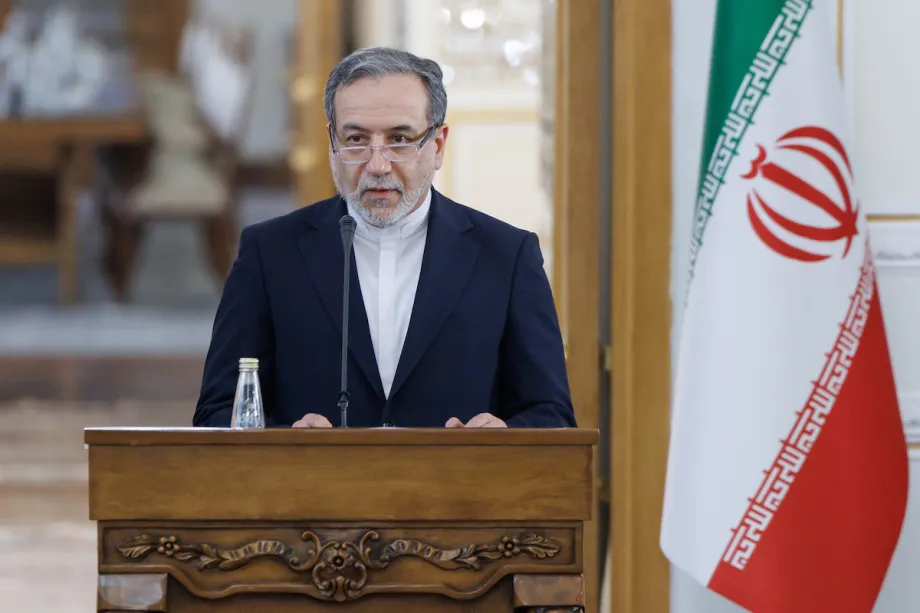
TEHRAN: Iranian Foreign Minister Abbas Araghchi stated on Sunday that negotiations between Tehran and Muscat regarding the management of the Strait of Hormuz are “nearing completion.”

Updating the Cabinet on the status of discussions with Oman, Araghchi highlighted significant headway in the dialogue, according to Iran’s state-run IRNA news agency.

He remarked that the parleys are “nearing completion and in their final stages”, while withholding further specifics.

The development coincides with US President Donald Trump announcing on Saturday that Washington and Israel have concurred on deferring planned military strikes on Iran, maintaining that the “parameters” of a potential agreement have been established.

Military hostilities between the adversary nations erupted on February 28 following surprise joint strikes by the US and Israel on Iranian targets. Subsequent rounds of intermittent diplomacy have since produced periods of fragile calm.

Fears of a fresh regional escalation had surged last month following a resurgence in strikes. Trump had previously threatened to target Iran “very hard”, with reports indicating potential strikes on key energy infrastructure, putting American diplomatic missions across the Middle East on high alert.

However, the US President signalled a shift in strategy following intense diplomatic engagements, including a conversation with Saudi Arabia’s Crown Prince Mohammed bin Salman.

Taking to his Truth Social platform, Trump stated, “We have just been asked by Iran, and other Middle Eastern Countries, to hold off any attack in that the parameters of a deal have been agreed to.”

He added, “Based on this request, I have agreed, for the future benefit of the WORLD and, likewise, the survival of a successful and prosperous Iran, to cancel the attack, subject to being able to rapidly make a DEAL.”

While the exact parameters of the diplomatic negotiations referenced by the US leader remain unclear, Iranian media outlets refuted assertions that Tehran had solicited a pause in American military action.

The Strait of Hormuz, a critical maritime corridor for global oil and gas transport, continues to sit at the core of the stalled diplomatic efforts.

Prior to the outbreak of hostilities, the waterway permitted unhindered commercial transit. Following the conflict’s onset, Iran shut the maritime passage, demanding continued oversight and transit tolls, an arrangement firmly rejected by Washington.

Outlining the conditions for any prospective resolution, Trump emphasised that a final agreement must incorporate the “Immediate, Complete and Total OPENING OF THE HORMUZ STRAIT, and an end to Iran’s nuclear threat”.

At the conflict’s commencement, the US administration maintained that military action was imperative to neutralise Iran’s nuclear ambitions. Western powers contend Tehran is pursuing nuclear weapons capabilities, whereas Iranian authorities maintain the programme remains strictly designated for civilian purposes.

The dispute over transit rights through the vital waterway triggered the latest round of military strikes last month after Tehran restricted shipping to a channel hugging the Iranian coastline.

Elaborating on the diplomatic track on Sunday, Iranian Foreign Ministry spokesperson Esmaeil Baqaei told state television that an understanding with Oman, which shares the strategic passage, over a revised shipping lane was imminent.

“We are now going to reach an understanding on a route acceptable to both sides, neither the northern route nor the southern route, but one that respects the sovereign rights of both sides and safeguards our national interests and security,” Baqaei said.

However, the spokesperson clarified that any prospective agreement with Muscat would not automatically translate into the full reopening of the strategic waterway.

Meanwhile, maritime intelligence firm Kpler reported on Friday that vessel movement through the Strait of Hormuz has registered a sharp decline.

Source: ANI

Port of Rotterdam launches major North Sea Oyster Restoration initiative

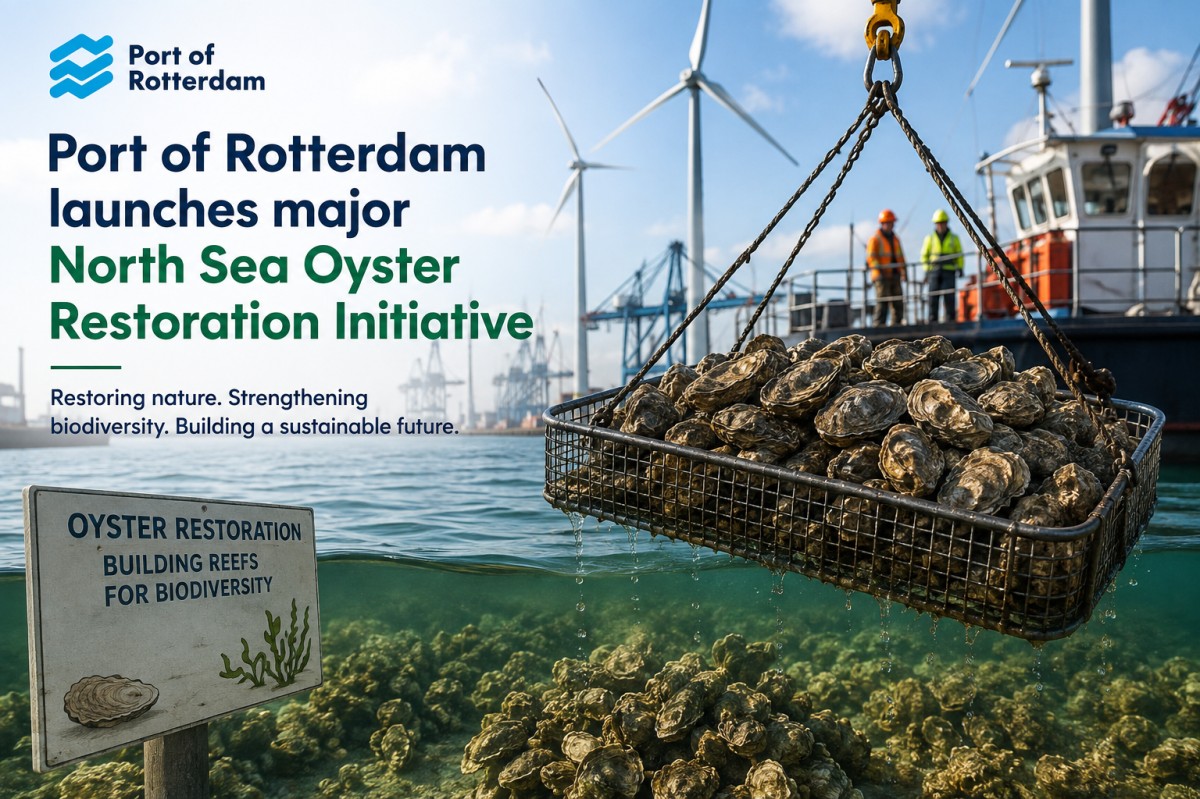
ROTTERDAM : The Port of Rotterdam Authority has announced the launch of an ambitious pilot project to restore European flat oyster reefs in the North Sea, combining large-scale marine ecosystem restoration with the development of offshore infrastructure.

As part of the initiative, the Port Authority will release at least 500,000 European flat oysters into the port on 2 September, marking the first trial of an innovative remote-setting method designed to integrate biodiversity enhancement into maritime infrastructure such as offshore wind turbines, breakwaters, subsea cables and marine platforms.

The pioneering approach involves cultivating millions of oyster larvae in a specialised hatchery before transferring them to a port-based facility, where they are placed in seawater-filled containers containing natural stones. Within a few days, the larvae attach themselves to the stones and develop into juvenile oysters. After several weeks, the oyster-covered stones are transported offshore and deployed as part of marine infrastructure, allowing new oyster reefs to establish naturally on the seabed.

If successful, the modular and scalable method could enable cost-effective restoration of oyster reefs by incorporating oyster-bearing stones directly into the design, construction and maintenance of offshore infrastructure projects, supporting both marine conservation and sustainable blue economy development.

In addition to testing the remote-setting technique, researchers are also investigating whether reef soundscapes influence where European flat oyster larvae settle. The findings could help improve settlement rates and further enhance large-scale reef restoration efforts.

The project aims to address the dramatic decline of oyster reefs in the North Sea, where overfishing, pollution and disease have caused this once-abundant keystone species to disappear almost entirely. Oyster reefs play a vital ecological role by filtering seawater, improving water quality, creating complex reef habitats and providing food and shelter for numerous marine species, thereby enhancing biodiversity and strengthening ecosystem resilience.

Scientists will closely monitor the survival, growth and development of the newly released oysters over the coming months. In 2027, project partners plan to expand the trials by testing the remote-setting method at an offshore TenneT cable crossing, further evaluating its potential for integration with critical marine infrastructure.

The three-year collaborative project brings together nine leading organisations, including Wageningen Marine Research, Wageningen University & Research, ARK Rewilding Netherlands, Stichting Zeeschelp, Waardenburg Ecology, Van Oord’s Ocean Health initiative, TenneT, the Port of Rotterdam Authority, and De Rijke Noordzee, a partnership between Stichting De Noordzee and Natuur & Milieu.

Commenting on the initiative, Pauline Kamermans, Project Lead at Wageningen University & Research, said the remote-setting technique eliminates the need to harvest adult oysters from the wild, enabling millions of oyster larvae to be settled on stones and deployed efficiently, making large-scale reef restoration both practical and sustainable.

Eric van der Schans, Director of Environmental Management at the Port of Rotterdam Authority, highlighted the port’s commitment to balancing industrial development with environmental stewardship, stating that the oyster restoration trial reflects the Authority’s long-term vision of preserving and enhancing biodiversity while supporting sustainable port operations.

The initiative represents an important step toward demonstrating how ecological restoration can be seamlessly integrated into offshore infrastructure development, offering a scalable solution to rebuild one of the North Sea’s most valuable marine ecosystems while advancing nature-inclusive maritime engineering.

KR Certifies 3D Printing Technology, Expanding Applications from New Part Production to Maintenance and Repair in Defense and Shipbuilding

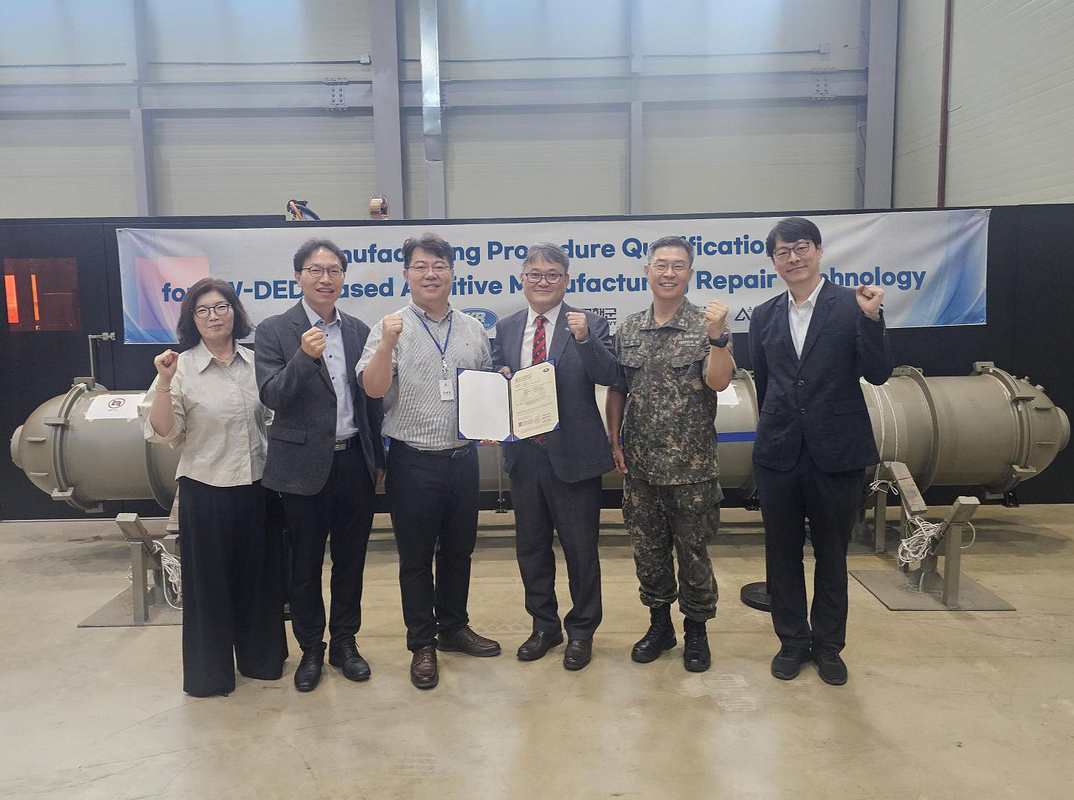
BUSAN: Korean Register (KR) has awarded a manufacturing process certificate to AM Solutions, a South Korean 3D printing solutions company, for its laser wire directed energy deposition (LW-DED)-based additive manufacturing repair technology.

It marks the first time in Korea that KR has verified the safety and reliability of a process that uses additive manufacturing, commonly known as 3D printing, to repair damaged sections of metal structures. It also represents an important step in expanding the application of additive manufacturing beyond the production of new components to maintenance and repair.

Additive manufacturing has gained attention as a next-generation production technology for the aerospace, shipbuilding, offshore and defense sectors owing to its ability to produce complex parts quickly. However, its application in industrial settings has been held back by a lack of certification frameworks, high implementation costs and limited industrial demand.

The International Association of Classification Societies (IACS) took a major step toward addressing this gap last year, establishing Recommendation No. 186 ‘Additively Manufactured Metallic Parts for Marine and Offshore Applications’, which enables the safe application of additive manufacturing in the marine and offshore sector.

KR has since revised its own additive manufacturing guidelines and developed a certification framework spanning materials, processes, products and manufacturing methods. Crucially, the scheme covers not only newly manufactured parts but also the repair of existing metal structures, providing a foundation for the broader application of additive manufacturing in maintenance activities across the maritime and defense industries.

The certified manufacturing process employs LW-DED, in which a metal wire is melted by a laser and deposited layer by layer onto the damaged area. This allows only the damaged section to be restored rather than replacing or remanufacturing the entire part, cutting both repair time and costs. It could also prove useful for extending the service life of discontinued or hard-to-source components.

The certificate presentation ceremony was held on July 28 at AM Solutions’ additive manufacturing center in Daejeon, South Korea, and was attended by representatives from the Republic of Korea Navy, KR, the Korea Institute of Industrial Technology (KITECH), Daejeon Metropolitan City, Daejeon Technopark, and AM Solutions.

Sangsoo Kim, Senior Vice President of KR’s Naval Business Center, who led the certification project, said:

“This certification marks an important step in expanding additive manufacturing repair technology beyond newly manufactured parts to existing metallic structures. We expect it to provide a new solution for maintaining and repairing high-value equipment and structures in the defense and shipbuilding sectors.”

PM Modi lays foundation for A.P.’s first semiconductor manufacturing facility

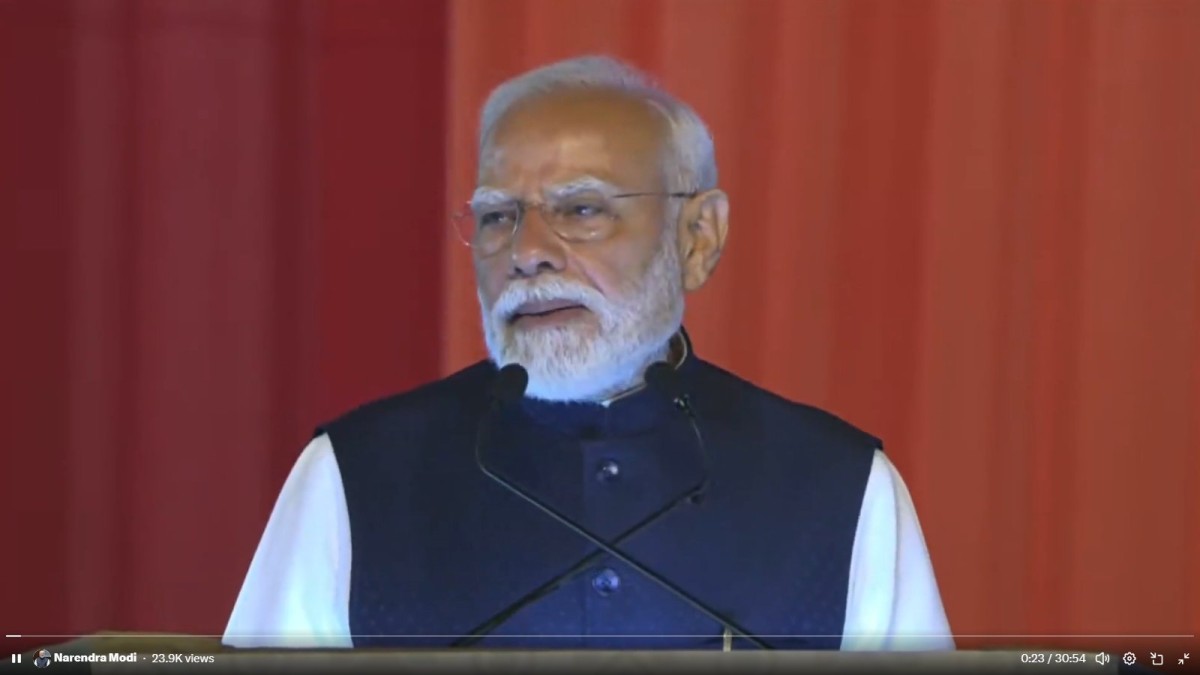
VISAKHAPATNAM : Prime Minister Shri Narendra Modi on Saturday virtually laid the foundation stone and unveiled the plaque for ASIP Technologies’ semiconductor manufacturing facility at Tarluvada in Visakhapatnam. The ₹2,500 crore Outsourced Semiconductor Assembly and Test (OSAT) project is Andhra Pradesh’s and South India’s first semiconductor manufacturing facility approved under the India Semiconductor Mission (ISM 1.0). Mr. Modi was accompanied by Chief Minister N. Chandrababu Naidu and other dignitaries.

Chief Executive Officer of the India Semiconductor Mission Amitesh Kumar Sinha, Andhra Pradesh IT, Electronics and Communications Secretary Bhaskar Katamneni, Special Secretary of the ITE&C Department Mallavarapu Surya Teja, senior government officials, industry leaders and global partners were present at the ceremony.

The 30-acre facility, being established with an initial investment of over ₹460 crore in partnership with South Korea-based APACT Co. as the technology partner, will have an annual production capacity of 96 million chips. It will cater to high-growth sectors such as artificial intelligence, high-performance computing, data centres and high-speed communications.

ASIP plans to expand the facility with an additional investment of over ₹2,000 crore to scale up its advanced semiconductor packaging operations. The project is expected to generate more than 1,000 direct high-skilled jobs and 1,600 indirect jobs.

The facility will initially commence production using wire-bond and Flip-Chip Ball Grid Array packaging technologies, with advanced 2.5D and 3D packaging capabilities to be introduced within two to three years.

ASIP Managing Director and Chief Executive Officer Venkata Simhadri said the collaboration with APACT would help establish advanced semiconductor assembly, packaging and testing capabilities in India while promoting skill development, supply chain localisation and the growth of Andhra Pradesh’s semiconductor ecosystem.

APACT President and Chief Executive Officer Seong Dong Lee said the global semiconductor industry was increasingly seeking resilient and diversified supply chains. The partnership with ASIP, he said, combined Korean technology expertise with India’s engineering talent and manufacturing capabilities, and would strengthen India’s Semiconductor Mission by providing advanced packaging and testing solutions to global customers.

India currently imports almost all the semiconductor chips used by its electronics industry. The OSAT facility addresses a key gap in the country’s semiconductor value chain, where packaging and testing account for about 30% to 40% of a chip’s manufacturing cost.

The company expects to localise a significant part of its supply chain over the next three to five years and establish partnerships with institutions such as IIT Tirupati and IIT Hyderabad. The facility will also house an in-house semiconductor training centre to develop a skilled workforce for the sector. Sustainability measures, including solar power generation and water recycling systems, will be integrated into the project with the aim of creating an environmentally responsible manufacturing facility.

Ajit Kumar Panda assumes charge as Chairman & MD of CONCOR

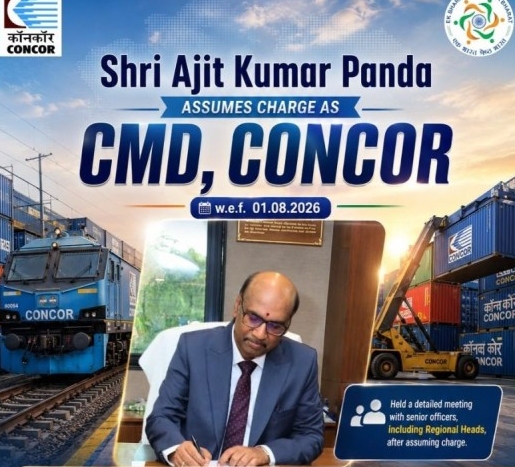
NEW DELHI : Shri Ajit Kumar Panda, IRSME, has assumed charge as the Chairman & Managing Director (CMD) of Container Corporation of India Ltd. (CONCOR) with effect from August 1, 2026.

Prior to his appointment as CMD, Shri Panda was serving as Director (Projects & Services) at CONCOR, where he played a pivotal role in driving key infrastructure and logistics initiatives that contributed significantly to the organization’s growth and operational capabilities.

Soon after assuming charge, Shri Panda held a comprehensive review meeting with senior officials of the company, including Regional Heads, to discuss strategic priorities, ongoing initiatives, and the roadmap for further strengthening CONCOR’s position in the logistics sector.

A distinguished officer of the Indian Railway Service of Mechanical Engineers (IRSME), Shri Panda brings with him rich experience in logistics, multimodal transportation, infrastructure development, project execution, and railway operations. His extensive professional expertise is expected to provide renewed impetus to CONCOR’s growth strategy and reinforce its leadership in India’s multimodal logistics ecosystem.

Under his leadership, CONCOR aims to build upon its strong foundation by focusing on operational excellence, digital transformation, expansion of multimodal logistics infrastructure, customer-centric service delivery, and sustainable logistics solutions. The organization will continue to leverage innovation and technology to enhance supply chain efficiency and support the evolving needs of domestic and international trade.

As India’s premier multimodal logistics service provider, CONCOR remains committed to strengthening the nation’s logistics infrastructure, improving ease of doing business, promoting integrated freight movement, and contributing meaningfully to India’s vision of becoming a global manufacturing and trade hub under the PM GatiShakti and Viksit Bharat initiatives.

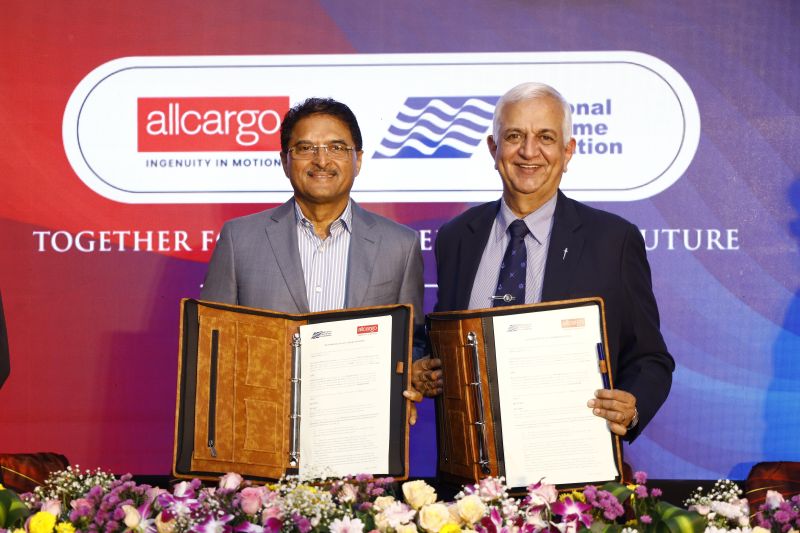
National Maritime Foundation and Allcargo Group sign MoU to advance maritime and logistics research

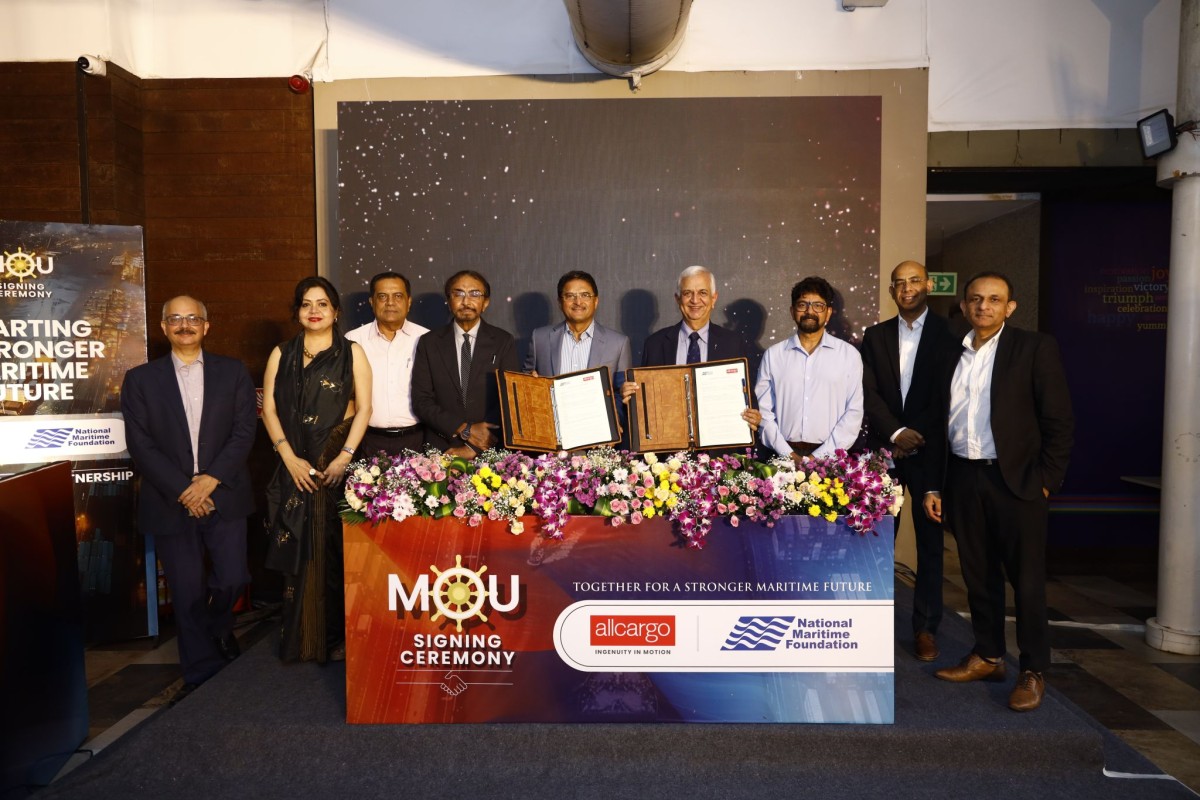
NEW DELHI : In a significant step towards strengthening India’s maritime knowledge ecosystem, the National Maritime Foundation (NMF) has signed a Memorandum of Understanding (MoU) with the Allcargo Group to collaborate on research, policy studies, and knowledge creation in the maritime, logistics, and supply chain sectors.

The partnership aims to bridge the gap between academia, industry, and policymakers by promoting evidence-based research and fostering innovative solutions to address emerging opportunities and challenges across the maritime and logistics landscape.

ALLCARG0 NMF MOU SIGN National Maritime Foundation and Allcargo Group sign MoU to advance maritime and logistics research

Under the MoU, NMF and Allcargo Group will jointly undertake research projects on key issues impacting the maritime, shipping, port, multimodal logistics, and supply chain sectors. The collaboration will also facilitate industry outreach programmes, policy dialogues, conferences, seminars, workshops, and knowledge-sharing initiatives designed to encourage greater engagement between experts from government, industry, academia, and research institutions.

As part of the collaboration, the two organizations will explore opportunities to involve research scholars from IIM Mumbai and other leading universities in logistics and supply chain-related studies. The initiative is expected to provide students and researchers with valuable industry exposure while contributing fresh perspectives and data-driven insights to support policy formulation and sectoral development.

The partnership seeks to generate high-quality research that can contribute to improving logistics efficiency, promoting multimodal connectivity, strengthening supply chain resilience, advancing digital transformation, enhancing sustainability, and supporting India’s evolving maritime and trade ambitions.

As India accelerates investments in ports, shipping, inland waterways, multimodal logistics parks, and integrated transport infrastructure under flagship initiatives such as PM GatiShakti, Sagarmala, and the Maritime Amrit Kaal Vision 2047, the need for robust policy research and industry-academia collaboration has become increasingly important. The NMF–Allcargo partnership is expected to complement these national efforts by fostering knowledge-driven solutions that can support informed decision-making and long-term sectoral growth.

Speaking on the significance of the collaboration, both organizations reaffirmed their shared commitment to promoting research excellence, encouraging innovation, and developing future-ready strategies for India’s maritime and logistics sectors.

With India’s aspiration to emerge as a leading global maritime and logistics hub, the collaboration underscores the growing recognition that world-class infrastructure must be complemented by world-class ideas, research, innovation, and human capital. By combining policy expertise with industry experience, the partnership is expected to contribute meaningfully to shaping a resilient, competitive, and sustainable maritime ecosystem for the future.

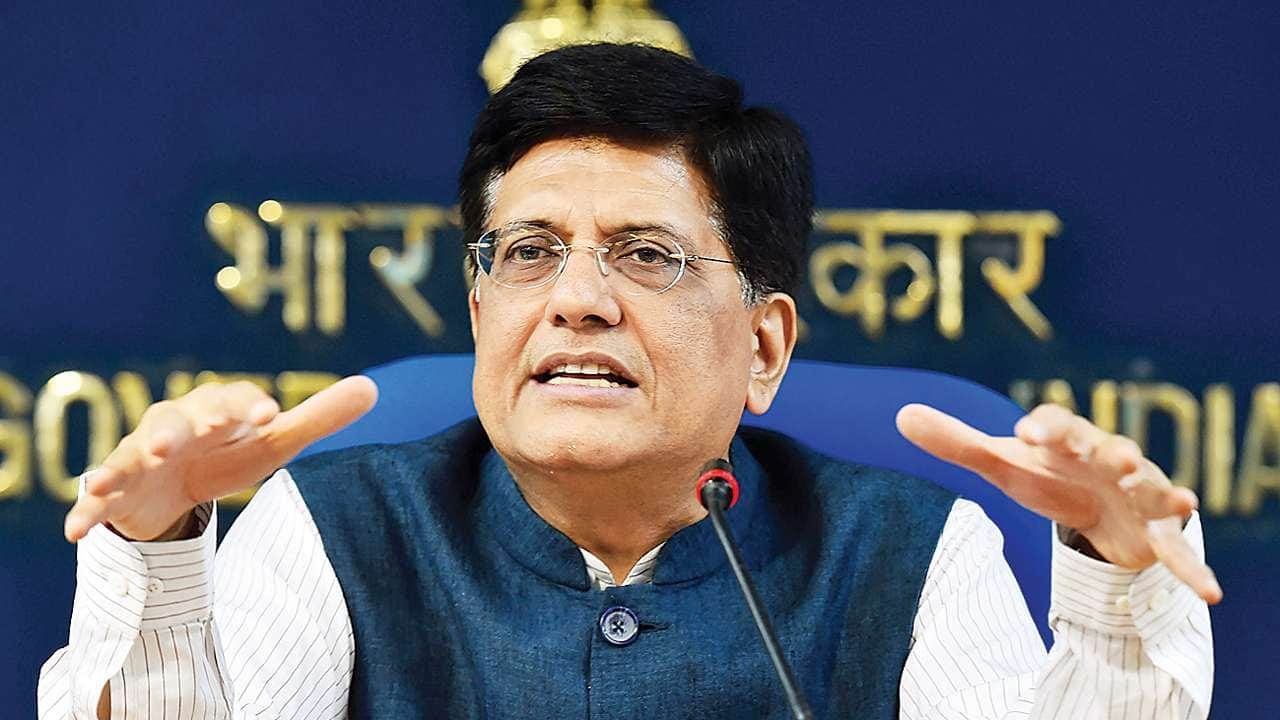
Nine FTAs to boost exports, livelihoods in West Bengal: Piyush Goyal

NEW DELHI: Union Commerce and Industry Minister Shri Piyush Goyal on Sunday said West Bengal stands to benefit significantly from the nine Free Trade Agreements (FTAs), saying the trade pacts would expand opportunities for key sectors in the state and support livelihoods.

In a post on X, Goyal said, “West Bengal stands to gain significantly from the 9 landmark Free Trade Agreements concluded under PM Narendra Modi ji.”

He said the agreements would provide “enhanced market access” for tea growers, fisherfolk, artisans engaged in traditional handicrafts, as well as the state’s youth and women.

According to the minister, the FTAs will “drive higher production, boost exports, and generate sustainable livelihoods, furthering the vision of Viksit Bharat.”

According to the Ministry of Commerce and Industry, India has concluded nine Free Trade Agreements over the past three to three-and-a-half years, covering 38 developed economies as part of its strategy to expand export opportunities and deepen global trade engagement.

The government has said these agreements are aimed at expanding market access, facilitating trade, enabling the movement of talent and attracting investments into the country.

The Commerce Ministry has also said the recently concluded agreements complement India’s growth strategy by improving access to overseas markets while strengthening the country’s position in global value chains.

The Centre has consistently maintained that its FTA strategy is intended to boost exports, attract investment, support manufacturing and create employment opportunities across sectors while strengthening India’s integration with the global economy.

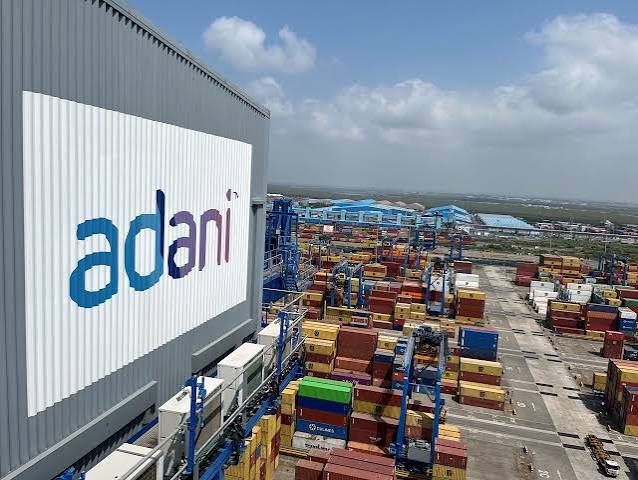
Adani Mundra Port sets new benchmark for Customs cargo clearance efficiency

MUNDRA : Adani Mundra Port has once again cemented its status as India’s most efficient commercial gateway, emerging as the top-performing leading seaport in the Central Board of Indirect Taxes and Customs’ (CBIC) National Time Release Study (NTRS) 2026. The survey, which evaluates cargo clearance performance at the country’s leading seaports, air cargo complexes, inland container depots, and integrated checkpoints, recognises Mundra Port as having the fastest cargo release time among all leading seaports in India.

According to the NTRS 2026, Mundra Port’s Average Release Time (ART) for import goods decreased from 55 hours 34 minutes in 2025 to 32 hours 27 minutes in 2026, representing a 41.6 percent improvement over the previous year. This outstanding performance allowed Mundra to easily meet the National Trade Facilitation Action Plan (NTFAP) target of completing customs clearance within 48 hours, making it the best performer among all Indian seaports.

The survey also found that 78.39 percent of Bills of Entry processed at Mundra fulfilled the statutory NTFAP clearance target, the greatest compliance rate among all major seaports in the country. This success highlights the seamless collaboration of Customs officials, terminal operators, logistics partners, and trade stakeholders, resulting in faster cargo flow and increased supply chain efficiency.

Mundra Port has also established itself as a national leader in trade facilitation through technology-driven and customer-centric initiatives. The research states that consignments transiting through the Direct Port Delivery (DPD) mechanism at Mundra were cleared in an average of 24 hours 30 minutes, which was much faster than goods routed through Container Freight Stations (CFS), where the average release time was 34 hours 52 minutes. The DPD concept has significantly decreased stay time, cut logistical costs, and expedited cargo evacuation directly from port terminals.

On this occasion, Adani Ports Mundra Executive Director Rakshitbhai Shah said that “Being recognised as India’s fastest leading seaport for customs cargo clearance is a proud achievement for Mundra Port. This milestone reflects the strong collaboration between Mundra Customs, logistics partners, and the entire trade ecosystem. We sincerely thank the Central Board of Indirect Taxes and Customs (CBIC), the Mundra Customs team led by Custom Commissioner Shri Nitin Saini, and all our stakeholders for their continued partnership.”

A closer look at the comparative data underscores Mundra’s leadership. Among leading seaports, Mundra’s average cargo clearance time of 32 hours and 27 minutes stands in sharp contrast to Mumbai’s Nava Sheva Port at 65 hours and 52 minutes, Chennai Port at 85 hours and 59 minutes, and Kolkata Port at 155 hours and 9 minutes. In the inland container depot segment, which handles railway cargo, Ludhiana recorded an average of 58 hours, while Tughlakabad and Whitefield took 85 hours and 45 minutes and 85 hours and 28 minutes respectively. Even when measured against air cargo complexes—traditionally associated with faster turnaround—Mundra’s performance is impressive. Ahmedabad Airport averaged 35 hours and 41 minutes, Bengaluru 42 hours and 59 minutes, Chennai 36 hours, Delhi 36 hours and 1 minute, Hyderabad 45 hours and 8 minutes, and Mumbai 43 hours and 24 minutes. In several instances, Mundra’s seaport operations have outpaced these air cargo facilities.

An even more significant accomplishment was made for trusted traders through the Authorised Economic Operator (AEO) system. Import consignments handled by the combined AEO-DPD route at Mundra had a remarkable average release time of only 15 hours and 18 minutes, the fastest among all major Indian seaports. This highlights the efficiency of risk-based customs facilitation, as well as the expanding use of trusted trader programmes that allow for speedier, more predictable, and efficient cargo clearance.

The Authorised Economic Operator (AEO) scheme enabled trusted traders to attain even greater success. Import consignments handled using the combined AEO-DPD route at Mundra had an exceptional average release time of only 15 hours and 18 minutes, the quickest of all major Indian ports. This highlights the success of risk-based customs facilitation, as well as the increasing use of trusted trader programmes, which allow for speedier, more predictable, and more efficient cargo clearance. Processing, risk management systems, and trusted trader programmes all help to reduce cargo clearance times. Mundra Port’s consistent investments in world-class infrastructure, digitisation, automation, and close engagement with Customs and other regulatory agencies have enabled it to establish new standards for operational excellence and trade facilitation.

Mundra, India’s largest commercial port, continues to play an important role in enhancing the country’s logistics ecosystem by facilitating faster cargo turnover, lower transaction costs, and increased ease of doing business. The most recent NTRS findings underline Mundra Port’s leadership in providing globally competitive port operations while also supporting India’s objective of being a preferred destination for international trade and manufacturing.

This achievement at Mundra Port is due to a mix of operational capabilities, including the fastest delivery from the port terminal, the quickest customs clearance processes, and the most effective cargo evacuation from the port. Equally crucial is the presence of experienced, well-trained, and young personnel in the Mundra Customs administration. Under the leadership of Shri Nitin Saini, Customs Commissioner, Mundra Customs, and the dedicated efforts of his team, these variables have combined to create a new standard for cargo clearance efficiency in the country. Their combined efforts demonstrate how focused leadership and coordinated stakeholder involvement can convert port operations into a model for trade facilitation.

Haldia Dock Complex creates history with highest-ever single vessel container interchange

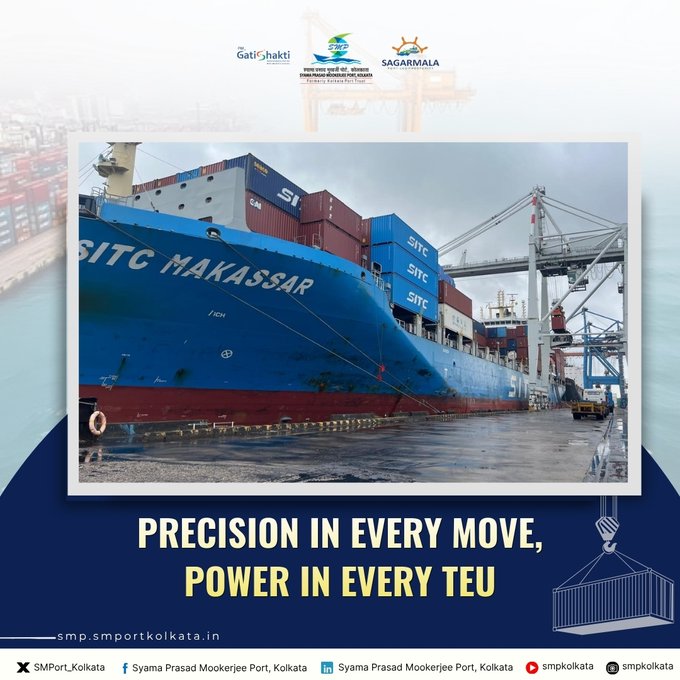
HALDIA: Haldia Dock Complex (HDC), a unit of Syama Prasad Mookerjee Port, Kolkata, has achieved a remarkable operational milestone by recording its highest-ever container interchange on a single vessel, reaffirming its growing capabilities as a key gateway for containerized trade in eastern India.

During her port call from 28 to 30 July 2026, SITC Makassar (Voy. 2612S) registered an impressive 2,583 TEUs of container interchange, surpassing the previous record of 2,385 TEUs achieved by SITC Ruid in September 2025.

The new benchmark reflects HDC’s continued focus on operational efficiency, seamless vessel handling, and enhanced terminal productivity. The achievement is the result of close coordination among the HDC operational team, terminal operator, shipping line, and all stakeholders involved in ensuring smooth and efficient cargo movement.

This milestone underscores Haldia Dock Complex’s commitment to delivering world-class port services while strengthening its position as a preferred container handling hub on India’s eastern coast. Continuous investments in infrastructure, process optimization, and collaborative operations have enabled the port to consistently improve service standards and accommodate growing container traffic.

Speaking on the achievement, port officials acknowledged the dedication and coordinated efforts of all teams and partners whose commitment made this record-breaking performance possible. The accomplishment highlights HDC’s ability to efficiently handle increasing trade volumes while supporting India’s expanding maritime and logistics ecosystem.

With each new milestone, Haldia Dock Complex continues to reinforce its reputation for operational excellence, reliability, and customer-centric service, contributing significantly to the growth of containerized trade and enhancing the competitiveness of India’s maritime sector.