Home Blog Page 18

Adani Logistics achieves new milestone with first Polymer rake at ICD Virochannagar

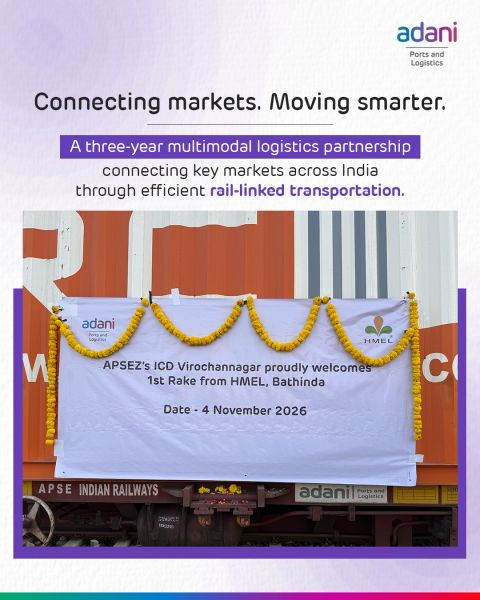
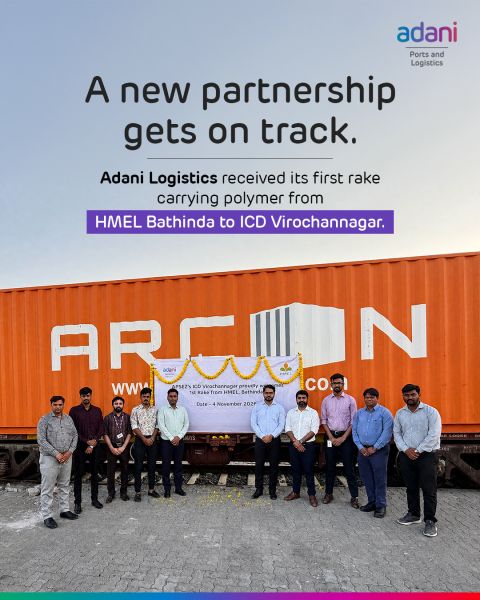
AHMEDABAD: Adani Logistics, a subsidiary of Adani Ports and Special Economic Zone Limited (APSEZ), has achieved another significant operational milestone with the successful receipt of its first polymer rake at the Inland Container Depot (ICD) Virochannagar from Hindustan Mittal Energy Limited’s (HMEL) facility at Bathinda, Punjab.

adani logistics Adani Logistics achieves new milestone with first Polymer rake at ICD Virochannagar

The inaugural movement marks an important step in expanding Adani Logistics’ capabilities in handling specialised industrial cargo and strengthening rail-based connectivity between major production centres and markets across India.

The successful movement of polymer cargo from Bathinda to Virochannagar demonstrates the company’s ability to provide integrated multimodal logistics solutions, connecting industrial manufacturing hubs with strategically located inland logistics facilities. It also reflects the growing role of rail transportation in supporting efficient, reliable and organised movement of industrial raw materials across the country.

Polymers are important raw materials for several industries, including packaging, automotive, construction, textiles and consumer goods. Efficient transportation of such cargo is therefore essential for maintaining supply chain continuity and supporting the requirements of industrial customers.

The latest achievement further strengthens the operational capabilities of ICD Virochannagar, positioning the facility as an important component of Adani Logistics’ expanding inland logistics network. Strategically located in Gujarat, the facility is part of the company’s broader initiative to develop integrated logistics infrastructure that connects production centres, consumption markets and gateway ports.

Adani Logistics operates a nationwide network of multimodal logistics parks, supported by dedicated rail services, road transportation, warehousing and cargo-handling capabilities. Its integrated logistics platform is designed to provide customers with end-to-end supply chain solutions across diverse cargo segments, including containers, bulk, industrial products, automobiles and agricultural commodities.

The successful receipt of the first polymer rake from HMEL Bathinda underscores APSEZ’s continued focus on expanding its logistics portfolio beyond traditional port operations and developing efficient inland transportation networks.

This milestone also reinforces the importance of multimodal transportation in improving supply chain efficiency, facilitating industrial growth and strengthening India’s domestic freight movement ecosystem.

Through continued investments in integrated logistics infrastructure and enhanced rail connectivity, APSEZ is advancing its vision of building a comprehensive transport and logistics platform that supports India’s growing industrial and trade requirements.

DP World and Rotary Club of Trivandrum Central organise Artificial Limb Camp in Keralam, Enabling Mobility for 400 People

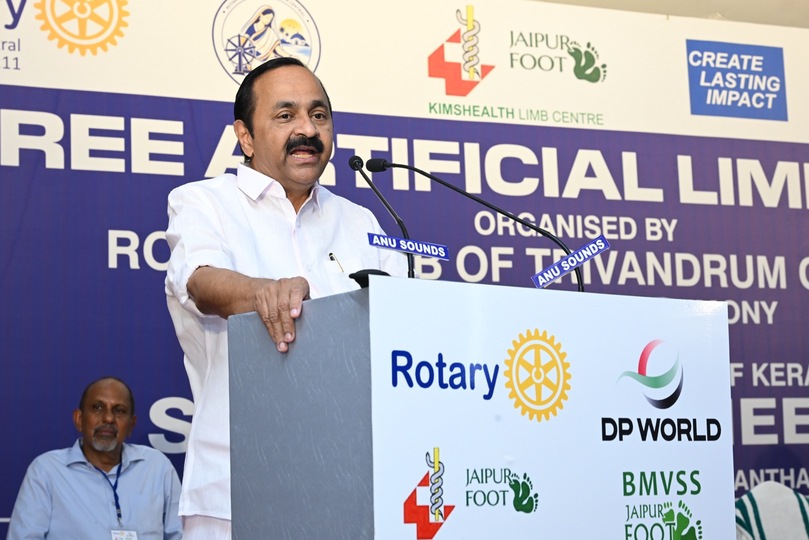
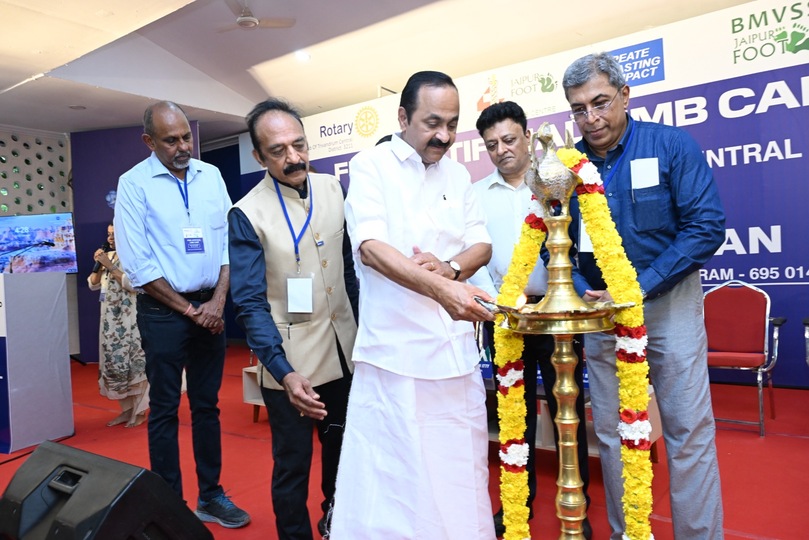
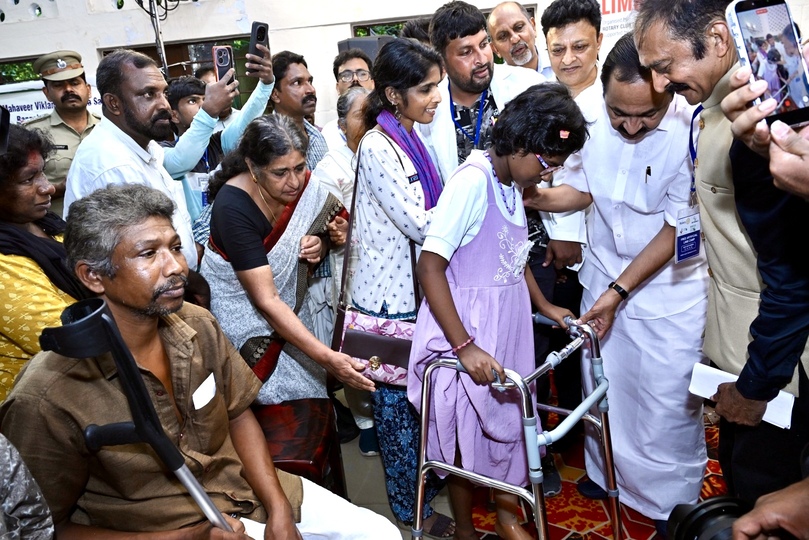
THIRUVANANTHPURAM: DP World, in association with The Rotary Club of Trivandrum Central and Bhagwan Mahaveer Viklang Sahayata Samiti (BMVSS)–Jaipur Foot, is organising a four-day Artificial Limb Camp from November 12 to 15, 2026, at Thiruvananthapuram. Inaugurated by Shri V. D. Satheesan, Hon’ble Chief Minister of Keralam, the initiative aims to support 400 individuals with mobility challenges from across Keralam and Kanyakumari with free artificial limbs, calipers and other assistive devices, enabling greater mobility and independence.

Beneficiaries are being assessed individually to ensure they receive assistance suited to their needs. BMVSS–Jaipur Foot is providing technical expertise for the measurement, fabrication and fitting of assistive devices, complementing DP World’s CSR support and Rotary Club of Trivandrum Central’s local outreach and implementation efforts.

Inaugurating the camp, Shri V. D. Satheesan, Hon’ble Chief Minister of Keralam, remarked, “Initiatives like this go beyond providing mobility aids; they are about restoring dignity, building confidence and enabling persons with diverse abilities to lead more independent lives. I appreciate DP World, Rotary Club of Trivandrum Central and BMVSS–Jaipur Foot for coming together for this meaningful cause. Such collaborations between corporates, community organizations and specialized institutions play an important role in helping people with limited mobility access livelihood opportunities, participate more fully in everyday life with dignity and independence.”

Hemant Kumar Ruia, Country Manager, Subcontinent, (India), DP World, said, “At DP World, we believe our responsibility goes beyond business operations to creating a meaningful and lasting impact on the communities we serve. We recognise that sustainable progress is built through long-term engagement and partnerships that respond to real community needs. Our collaboration with the Rotary Club of Trivandrum Central and BMVSS–Jaipur Foot brings together local insights, community outreach and specialised expertise to provide essential mobility solutions to those who need them most. Through initiatives like these, we are committed to empowering individuals with greater independence and dignity, enhancing their quality of life, and fostering a more inclusive and equitable society in the regions where we operate.”

Prem Kumar Thampi, President, Rotary Club of Trivandrum Central, said: “Through this collaboration, we have been able to bring essential assistive solutions closer to people across Keralam who need them. DP World’s CSR support and BMVSS–Jaipur Foot’s technical expertise has been instrumental in reaching beneficiaries and helping restore their mobility and confidence.”

DP World operates the International Container Transshipment Terminal (ICTT) at Vallarpadam, Kochi, a key gateway connecting Southern India to global markets, alongside Keralam’s first co-located Free Trade Warehousing Zone (FTWZ), offering integrated port and warehousing solutions.

Working with local partners to address community needs, DP World has organised limb-fitment camps across Kochi, Chennai, Panvel, Mundra, Agra and Hyderabad, providing 1,220 artificial limbs and calipers, 247 crutches, 195 tricycles and 238 wheelchairs to support mobility, independence and inclusion.

India demands unimpeded Hormuz shipping, pledges full support for detained Captain Ajay Pant

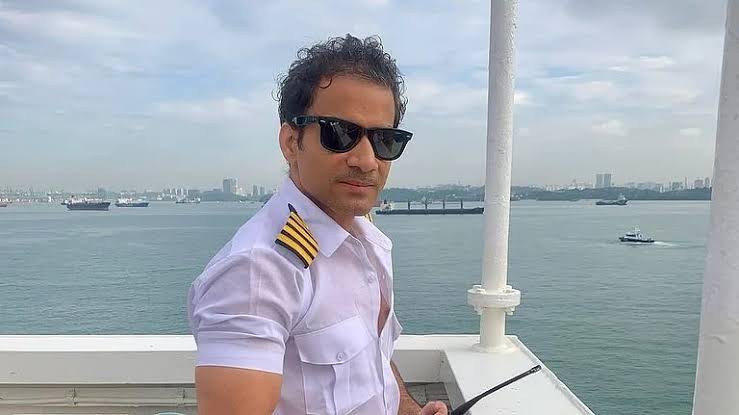
NEW DELHI: India reiterated its call for safe, free, and unimpeded navigation through the Strait of Hormuz amid ongoing regional tensions and risks to civilian shipping, as well as pledged full support for detained Indian Merchant Navy Captain Ajay Pant, who is in judicial custody in the United Kingdom.

Addressing a biweekly media briefing here, the Ministry of External Affairs spokesperson Shri Randhir Jaiswal reaffirmed India’s firm stance on maintaining open global sea lanes in the Strait of Hormuz, while outlining ongoing diplomatic interventions for the legal release and well-being of Ajay Pant.

India’s High Commission in London and the MEA in New Delhi have maintained continuous diplomatic engagement with British authorities, legal counsel, and the family of the shipmaster to ensure his safety and fair legal representation.

Detailing the consular assistance extended to Captain Pant, Randhir Jaiswal said, “We have been in touch with the lawyers of Captain Pant as well as his family. The High Commission has paid several visits to Captain Pant to check on his well-being. We have also facilitated the visit of his family members, his wife in particular. The last such visit by his wife took place on 9th of November. We have been in touch with the UK High Commission here as well as the UK Foreign Office in this particular matter. We are trying to do our best for his safety and well-being…”

Capt. Ajay Pant has been held in the United Kingdom following the June 14 interception of the oil tanker MT Smyrtos by British forces over alleged breaches of Russian oil sanctions.

The MEA and the Indian High Commission in London are in regular contact with Captain Pant, his legal counsel, his family, the UK Foreign Office, and the UK High Commission.

Consular visits have been facilitated, including a visit by his wife on November 9, as authorities work to ensure his safety and legal representation ahead of his scheduled trial.

MEA spokesperson Randhir Jaiswal, in August, said that the matter was legal in nature but confirmed that the Indian High Commission in London was providing consular assistance to Pant and had also raised the issue with British authorities.

“I would say that this is a legal matter, but we are closely following this particular issue. We continue to be in touch with the lawyers of Captain Ajay Pant, as well as his family. Our High Commission paid a consular visit to him on 24th June to enquire about his well-being. We are also in touch with the UK High Commission here on this particular matter as well as with the UK Foreign Office so as to ensure the well-being of Captain Pant. I shall keep you updated on this particular issue,” Jaiswal said.

According to information shared earlier by the Uttarakhand Chief Minister’s Office on June 25, Pant, a resident of Uttarakhand, is currently lodged in judicial custody at HMP Winchester.

The High Commission has also taken up the matter with the UK’s Foreign, Commonwealth and Development Office (FCDO), seeking to ensure that Pant receives timely consular assistance and that his safety, health and legal rights are protected.

Meanwhile, amid rising regional instability threatening vital energy and trade chokepoints in West Asia, India has called for restraint and strict adherence to international maritime law to protect merchant vessels and Indian crew members traversing critical transit corridors.

Addressing concerns over threats to commercial vessels operating in the Strait of Hormuz, MEA Spokesperson Randhir Jaiswal said, “We continue to call for safe, free and unimpeded navigation through the Strait of Hormuz. We are in touch with all concerned parties to avoid attacks on civilian shipping and seafarers, including Indian vessels which are under the Indian flag as well as Indian seafarers. So that is where we are on the issue of the Strait of Hormuz.”

The Strait of Hormuz is a global energy chokepoint through which approximately 20% of global petroleum passes. India depends heavily on this corridor for crude imports, and Indian seafarers constitute nearly 10–12% of the global maritime workforce.

Govt. is actively communicating with all concerned parties to protect civilian shipping, seafarers, and Indian-flagged vessels.

Iran targets ship navigation systems on Omani island, damage unclear

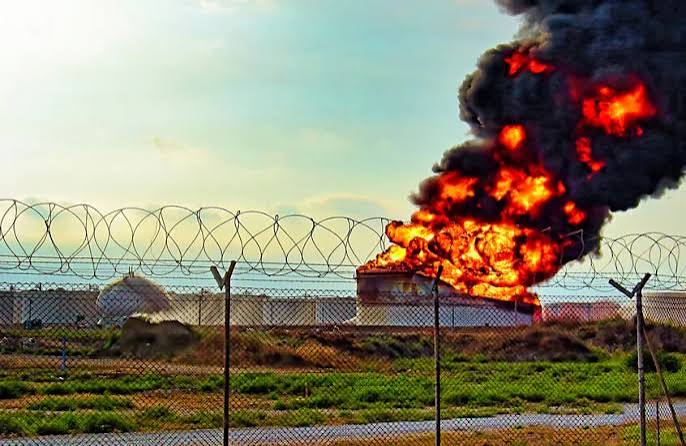
OMAN: Iran has attacked ship navigation systems on the Omani island of Didamar in the Strait of Hormuz, three sources with knowledge of the matter confirmed, showing Tehran’s ability to target infrastructure used to restore Persian Gulf oil flows.

The three sources did not provide a damage assessment and Reuters could not determine independently if any navigation systems were destroyed in the attacks that Tehran had claimed on Tuesday.

Gulf exporters have been increasingly using workarounds to increase oil flows via Hormuz, such as ship-to-ship transfers (STS) off the coast of Oman and the United Arab Emirates.

Two shipping industry sources and an additional maritime security source said the attacks on Didmar Island are likely to have a limited effect on commercial shipping traffic in the strait, because backup systems are available at other locations.

The US military has been aiding commercial vessels transiting the Strait after Iranian attacks disrupted traffic since the US-Israeli war on Iran began in late February.

The attacks on Didamar island would likely have limited impact on commercial shipping in the strait, two other shipping sources and an additional maritime security source said. One said that was because other systems were in place elsewhere.

Source: Reuters

Maersk reports Cybersecurity incident involving legacy IT System; investigation underway

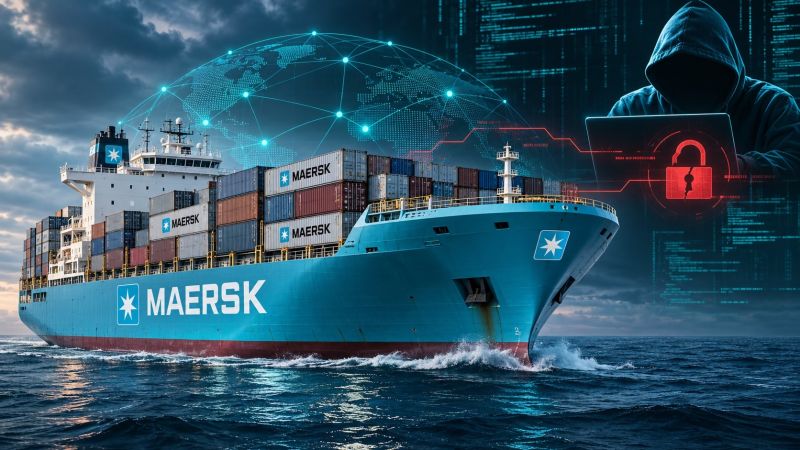
COPENHAGEN: A.P. Moller–Maersk, one of the world’s leading integrated shipping and logistics companies, has confirmed a cybersecurity incident involving unauthorised access to and extraction of data from a local legacy IT system inherited through a previous acquisition.

The incident was confirmed by the company on 11 November 2026. Following the discovery, Maersk initiated an investigation and implemented security measures to protect the affected system and prevent further unauthorised access.

According to the company’s preliminary findings, there is strong indication that no sensitive information has been disclosed. Maersk has also reported that it has found no evidence of any impact on its other IT systems or on customer and partner systems connected through Application Programming Interfaces (APIs) and Electronic Data Interchange (EDI) platforms.

The company has further indicated that it does not anticipate any disruption to its customer-facing operations arising from the incident. Customers can continue using Maersk’s digital platforms and services to book shipments, manage cargo movements and access regular shipping and logistics services as usual while the investigation remains underway.

Renewed Focus on Maritime Cybersecurity

The latest incident has once again brought cybersecurity risks in the global shipping and logistics industry into focus, particularly concerning legacy IT infrastructure inherited through mergers and acquisitions. Such systems can present additional security challenges when integrated into the technology environments of large multinational shipping companies.

Maersk experienced one of the most significant cyberattacks in the maritime industry’s history in June 2017, when the NotPetya malware attack severely disrupted its global IT infrastructure, affecting operations across multiple locations and business units. The incident caused widespread operational challenges and highlighted the vulnerability of interconnected global supply chains to cyber threats.

While the latest incident appears to be limited to a local legacy system, it underscores the importance of continuous cybersecurity monitoring, infrastructure modernisation and robust data protection measures across the maritime and logistics ecosystem.

As shipping companies increasingly depend on digital platforms, automated processes and interconnected supply chain networks, safeguarding IT infrastructure has become a critical component of operational resilience and business continuity.

Maersk’s ongoing investigation will provide further clarity on the nature and extent of the incident.

ESL expands its African network with launch of FAX3 Service

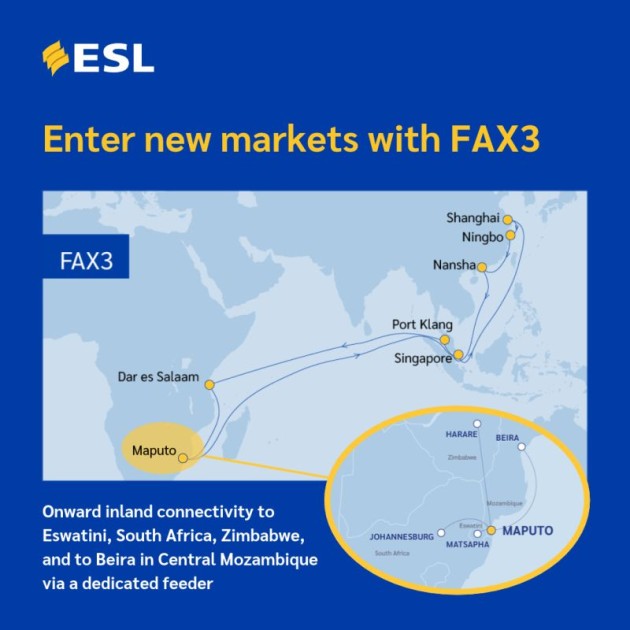
MOZAMBIQUE: East Africa Shipping Line (ESL) has announced the launch of its Far East Africa Express 3 (FAX3) service, marking another significant step in expanding its shipping network across the African continent and strengthening maritime connectivity between the Far East and Southern Africa.

Through the introduction of FAX3, ESL is extending its regional reach via the port of Maputo in Mozambique, providing onward connectivity to neighbouring markets, including Eswatini, Zimbabwe and South Africa. The expansion is aimed at enhancing access to emerging trade destinations and offering customers broader regional shipping and logistics solutions.

The new service will further strengthen ESL’s presence in Africa by connecting major Asian trading and manufacturing centres with key East and Southern African markets. By leveraging Maputo as a strategic gateway, the company aims to extend its network beyond traditional port destinations and facilitate cargo movement into important inland markets across the region.

The FAX3 service will operate on the following port rotation:

Shanghai – Ningbo – Nansha – Port Klang – Dar es Salaam – Maputo – Singapore – Shanghai.

The inclusion of Maputo in the service rotation is particularly significant, as it provides an important maritime gateway for trade with Southern African countries. The enhanced connectivity is expected to create additional opportunities for exporters, importers and regional businesses by improving access to international shipping networks.

The launch of FAX3 reflects ESL’s continued commitment to expanding its global shipping footprint, strengthening trade corridors and delivering wider connectivity options to customers. It also reinforces the growing importance of African markets in global supply chains and international maritime trade.

With this latest network expansion, ESL is further consolidating its position in the African shipping market while strengthening trade links between Asia and the rapidly developing economies of Southern Africa.

Shipping sector backs an International Maritime Organization (IMO) climate deal, but not all of the details

LONDON: New analysis from the global think tank InfluenceMap confirms, with detailed evidence, broad public support across the shipping and fuels sectors for a climate deal at the International Maritime Organization (IMO). However, differing advocacy positions on key components of the framework, including the carbon price, fuel standard, and rules for counting fuel emissions, threaten to weaken the proposed framework as negotiations resume this month, ahead of MEPC 85 (from 30 November) and the resumed adoption session on 4 December.

InfluenceMap identified high-level support for the IMO Net Zero Framework (NZF) from 13 companies and industry associations. Companies and industry associations alike have emphasized the need for a global framework to provide regulatory certainty for the industry’s energy transition, and reaffirmed their support for the IMO as global regulator. The International Chamber of Shipping (ICS), which represents over 80% of the world’s merchant fleet, and the World Shipping Council (WSC), which represents 90% of global liner shipping capacity, in 2025 urged governments to adopt the NZF as a “carefully balanced regulatory package”. European Shipowners (ECSA) has called global regulation essential “to deliver the energy transition of international shipping.” Other companies and associations that have shown support include CMA CGM, COSCO Shipping, Hapag-Lloyd, Moller-Maersk, Mediterranean Shipping Company, FuelsEurope, Ipieca, Renewable Fuels Association, Shell, and SEA-LNG.

However, in the past year, industry’s support for the Net-Zero Framework has become more cautious. Since adoption was postponed in October 2025, the main shipping associations, including the ICS and WSC, have avoided naming the framework, instead asking governments to “consider all options.” They have not proposed specific changes, but this softer messaging leaves room for a weaker deal. A significant risk remains that the IMO will deliver an agreement that undermines the global shipping industry’s ability to decarbonize, with less ambitious proposals creating a landing zone that moves the IMO away from the net-zero trajectory it agreed to in its 2023 GHG Strategy: net-zero emissions by or around 2050, with cuts of at least 20% by 2030 and 70% by 2040.

The NZF has two linked parts, a fuel standard that tightens over time and a carbon price on ships that miss it, both resting on life-cycle rules for counting each fuel’s emissions. InfluenceMap found engagement on these key elements from 4 industry associations: ICS, WSC, Ipieca and SEA-LNG. WSC supported all three elements. ICS broadly supported a carbon price but pushed for a weaker fuel standard ahead of the NZF’s approval in April 2025. Since then, Ipieca and SEA-LNG, representing oil and gas and LNG fuel interests, have advocated against strict GHG life-cycle rules.

Carbon Pricing: ICS and WSC both backed a carbon price, but ICS argued for a low and narrow one. Ahead of the NZF’s approval in April 2025, ICS proposed a carbon price of USD 10–20 per tonne of CO2e, charged only on emissions from burning fuel, not from producing it. WSC backed a carbon price set high enough to make clean fuels competitive, illustrated at USD 74 per tonne in 2030. Both organizations have had limited public positioning on the policy since April 2025.

Fuel Standard: WSC backed an ambitious standard; ICS argued for a weaker one. In 2024-25, ICS backed a fuel standard but proposed a 30% cut in fuel GHG intensity by 2040, less than half the 65% in the approved NZF. WSC supported the IMO’s fuel standard and its GHG intensity targets. Both organizations have had limited public positioning on the policy since April 2025. SEA-LNG opposed proposals that fuels should meet a minimum GHG threshold to count towards the standard.

Accounting Rules: Ipieca and SEA-LNG pushed to lower fossil fuels’ counted emissions; WSC backed stricter accounting. Since April 2025, Ipieca has advocated for replacing the IMO’s cautious default values for fossil fuels with averages and letting certificates stand in for clean power. SEA-LNG argued that LNG’s production emissions are lower than regulators assume. Both would make it easier for LNG-powered ships to comply.

The sharpest divide is between sectors. Shipping associations have broadly backed the framework’s core elements. Meanwhile, oil and gas sector groups have publicly supported the NZF while pushing at the IMO for accounting rules that would make fossil fuels, particularly LNG, count as cleaner. These rules decide how strict the framework is in practice, so loosening them could weaken it without changing the headline targets. The accounting rules are on the agenda when the IMO’s working group meets on 23–27 November.

Notably, InfluenceMap’s research found that support for the NZF often comes at the expense of regional regulations currently in force. ICS, WSC, SEA-LNG, and European Shipowners (ECSA) have leveraged support for a global framework to advocate against the FuelEU Maritime regulation and the EU Emissions Trading System (ETS), calling for the review, harmonization, or withdrawal of these EU-level regulations following the passage of the IMO NZF, despite these rules already being in force and central to meeting EU climate targets.

Emily Zhang, Analyst at InfluenceMap, said: “As member states reconvene for MEPC 85, certain governments will invoke corporate interests to justify opposing an ambitious IMO climate deal. This is directly at odds with the industry’s own advocacy. While industry’s top-line support is clear, its ambition for how far GHG regulations should go leaves much to be desired. It is critical that the framework remains grounded in science-based policy and targets already agreed upon at the IMO, rather than being directed by industry preference. The next round of negotiations risks hollowing out a hard-fought multilateral achievement and losing the best opportunity we have to drive the shipping sector’s energy transition.”

deugro Delivers HVDC Cable Sections for TenneT Germany’s ElbX Project

HAMBURG: On behalf of its client, NKT, a leading provider of high-voltage power cable systems for renewable energy and power transmission projects, deugro Germany in close cooperation with the teams of TenneT Germany and deugro Sweden transported three cable baskets carrying a total of more than 600 metric tons of HVDC cables from Sweden to Germany for TenneT Germany’s ElbX Project.

The ElbX Project forms the Elbe River crossing of the SuedLink and is being implemented by TenneT Germany. As part of the SuedLink HVDC transmission system, it will help transport large volumes of renewable electricity from northern Germany to major consumption centers in the south, thereby strengthening Germany’s electricity grid and supporting the country’s energy transition.

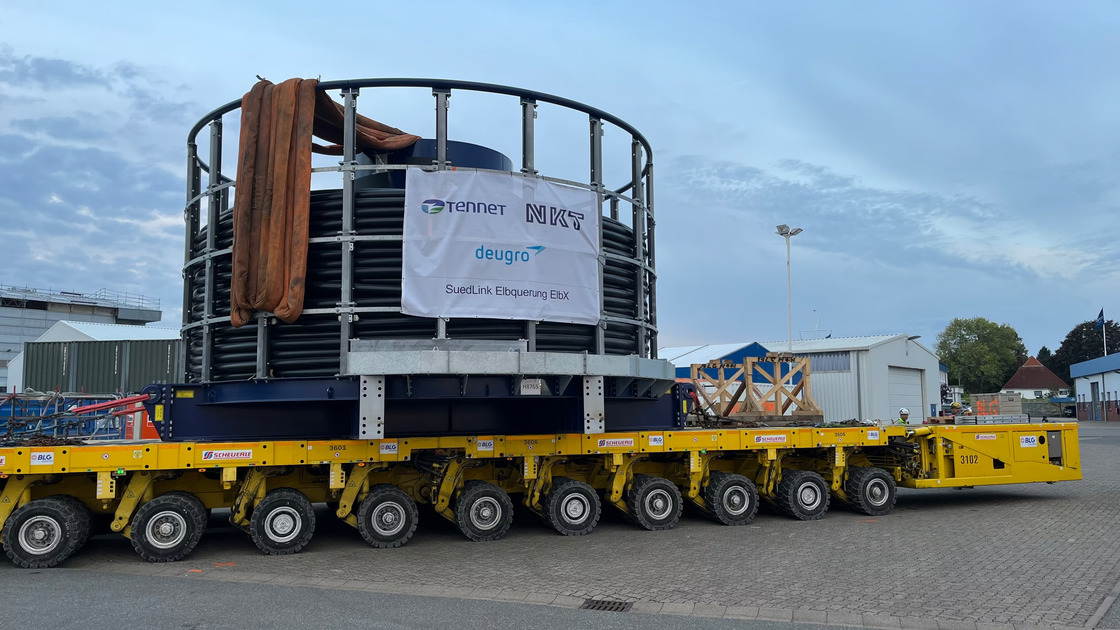
To ensure the safe and efficient transportation of the HVDC cables, the cables were spooled into three cable baskets at NKT’s production facility in Karlskrona, Sweden. The loaded cable baskets, each measuring approximately 8.52 x 8.52 x 4.80 meters and weighing up to 226 metric tons, were collected under personal supervision and coordination of deugro Sweden’s local teams, who ensured smooth cargo handling and loading operations.

The cable sections were manufactured and transported as continuous lengths of more than 5 kilometres each. As the ElbX river crossing was designed as a jointless cable system, preserving the integrity of these single cable lengths throughout the entire logistics chain was a key project requirement. The size, weight, and continuous nature of the cables placed particularly demanding requirements on cargo handling, transport engineering, and operational execution.

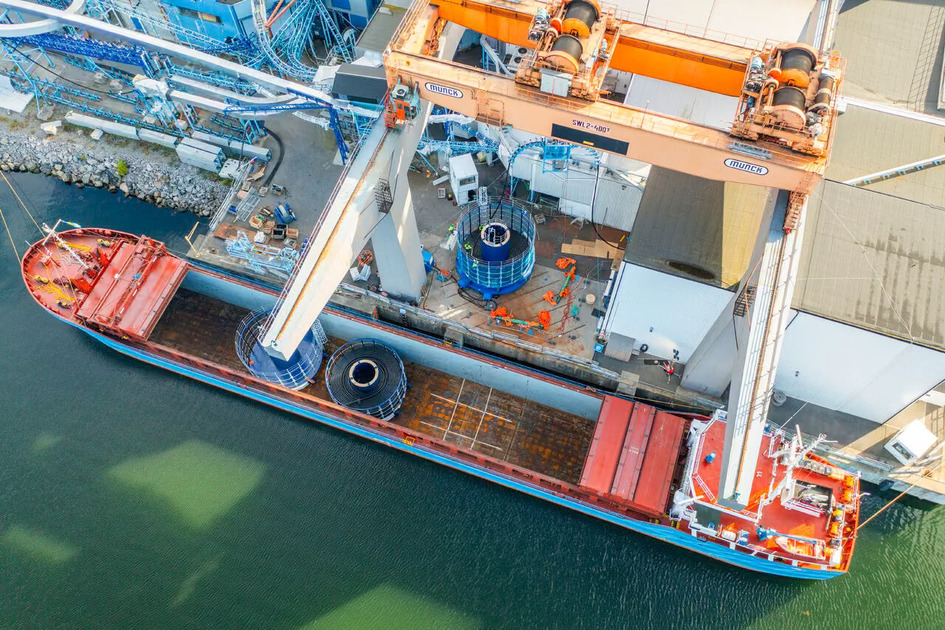
Due to the continuous cable manufacturing and spooling process, deugro developed a tailored marine logistics concept in Karlskrona. A dedicated coaster vessel remained on site for approximately two and a half weeks and served as both a floating storage facility and shuttle vessel. As individual cable baskets were completed at the production facility, they were transferred onto the coaster by the factory’s own gantry crane and staged for onward loading. Once all cable baskets had been prepared, double-banking operations were performed to transfer the cargo directly from the coaster onto a chartered heavy-lift vessel equipped with its own 2 x 150 MT onboard cranes. After the cable baskets had been loaded and secured, the vessel departed for Brunsbüttel, Germany, arriving approximately 24 hours later.

For the final transport leg to the construction site, different transport concepts and route options had to be evaluated.

PhotoClaudia Reinhold

Claudia Reinhold, Deputy Branch Manager, deugro Hamburg

The project required us to identify an alternative to a purely road-based transport concept, as ground conditions, infrastructure restrictions and the load-bearing capacity of certain road sections presented significant challenges. Following detailed route and feasibility assessments, we developed a multimodal solution combining water transport with heavy-haul road transportation. This approach significantly reduced the distance that had to be covered by road while avoiding the constraints identified along the previously evaluated land routes.

“In addition, the marine transport and unloading operations at Peters Werft were dependent on a range of factors, including weather conditions, wind, water levels, tidal windows and the load-bearing capacity of the quay. These parameters required careful planning, close coordination and a flexible execution strategy throughout the operation,” added Juliette Klein, Project Manager Renewable Energy at deugro.

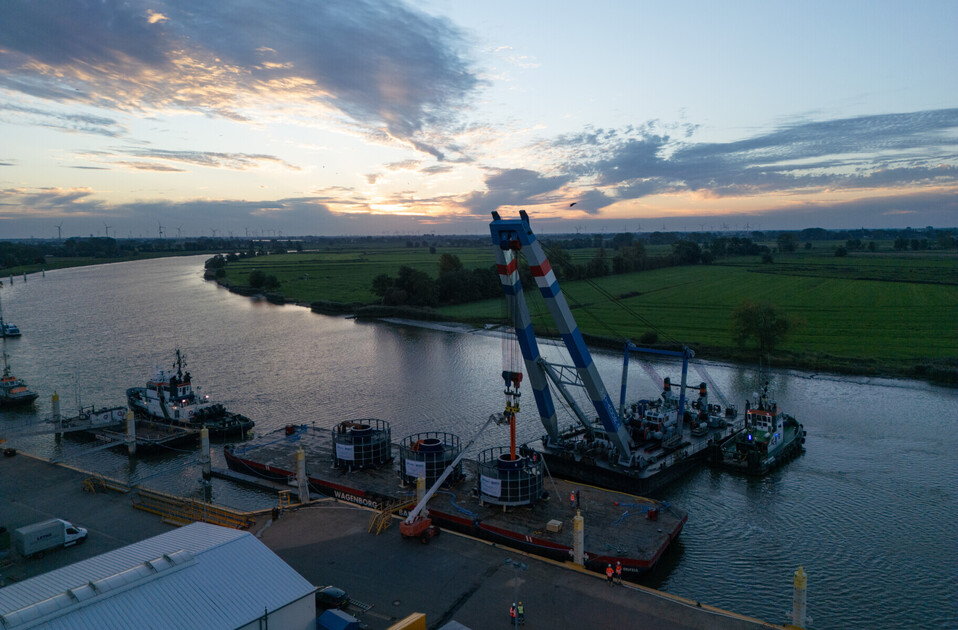
In accordance with the developed transport concept, the cable baskets were loaded onto a pontoon and moved by tugboats to Peters Werft in Wewelsfleth, located close to the designated ElbX staging area near the river-crossing construction site. The pontoon was accompanied by a floating sheerleg crane organized by deugro for the unloading operation at the destination. Upon arrival at Peters Werft, the cable baskets were directly discharged by the floating crane from the pontoon onto SPMTs and transported to the final staging area. The operation was closely monitored by representatives of NKT, TenneT Germany as project owner, deugro and dteq.

PhotoNils Sauerborn

Nils Sauerborn, Director, Offshore Solutions

For me, this project represents exactly where deugro can create value for our clients. The growing demand for grid infrastructure across Europe requires logistics partners that can look beyond conventional transport solutions and manage complex interfaces across multiple modes of transport. The successful delivery of these HVDC cables for the ElbX Project is a testament to the expertise, commitment and collaboration of our teams, and further strengthens our position as a trusted logistics partner for the cable and renewable energy industries. Together with our continued involvement in other sections of the SuedLink development, this project demonstrates deugro’s ability to support complex grid infrastructure programs throughout their lifecycle.

GEODIS, in collaboration with Rail Logistics Europe — both part of the SNCF Group — launches a new dedicated railway line between Italy and France

NOVARA: France and Italy maintain strong economic ties, with bilateral trade in goods and services reaching €136 billion in 2025. Italy is France’s fourth-largest trading partner, while France is Italy’s second. This close relationship is underpinned by strong industrial links, with 4,000 companies operating across both countries.

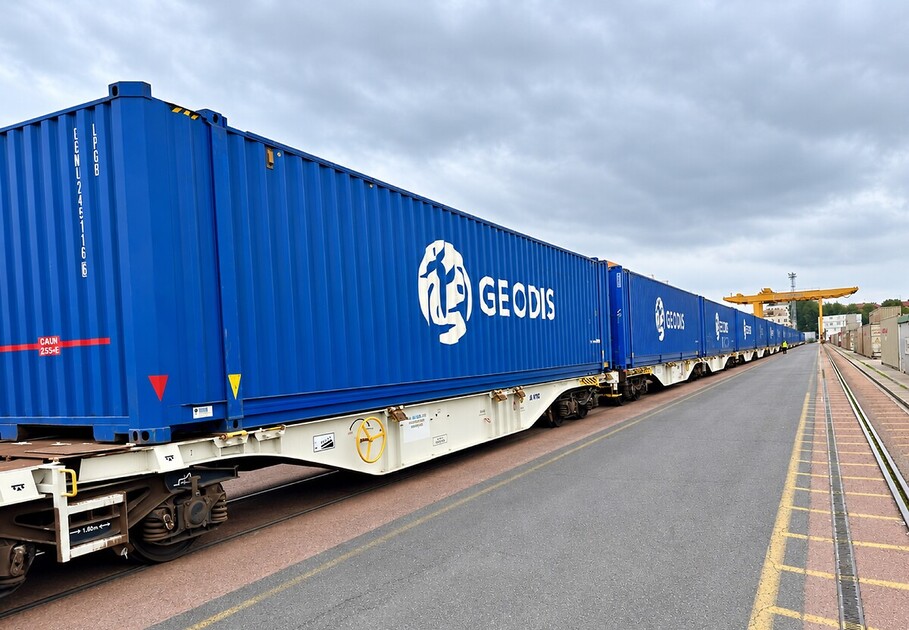
The new section extends to clients in the Northeast of Italy the railway solutions already available to companies in Lombardy, Piedmont and Emilia-Romagna, served through the connection departing from Novara. The initiative allows GEODIS to expand its territorial coverage and offer an alternative to transport entirely by road along an axis not previously served directly. 

The service initially provides for one weekly departure in each direction, with an increase to two per week starting from January 2027. The line is designed to transport different types of goods, including packed liquid and powdery goods. 

The use of this intermodal solution enables freight volumes to be shifted from road to rail, reducing CO2 emissions by 80% per shipment on average, including road pre- and post-carriage, compared with an all- road diesel solution (actual savings vary depending on operating conditions). Source: EcoTransIT World The service also allows up to 28 tonnes of goods to be handled per transport, compared to the 25 tonnes typically carried by traditional road transport, and offers greater cost stability than a model based solely on road transport, particularly in a phase characterised by volatile fuel prices. 

Marc VOLLET, EVP European Road Network, GEODIS commented: “With the Vicenza-Paris connection, we are expanding our intermodal offer and introducing a new railway axis to serve companies in the North East of Italy. The goal is to provide customers with a competitive solution for freight transport, capable of combining operational efficiency, management of large volumes and a reduction in CO2 emissions compared to transport entirely by road. 

The new line is part of the strategy to develop GEODIS’ intermodal offer and joins the Group’s other rail connections, strengthening transport opportunities with lower CO2 emissions for companies operating in European markets.” 

For this new service, GEODIS has chosen to draw on Rail Logistics Europe, the group specialising in rail freight transport and logistics, two of whose companies – Captrain and Hexafret – will be involved in transporting GEODIS’s freight, thanks to their presence on this route and their European expertise in rail logistics. 

Jean-François ANCORA, Managing Director, Captrain Italia commented: “Rail is an efficient mode of transport, especially over long distances, with much lower CO2 emissions than road transport. Drawing on our operational expertise and strong European network, we are delighted to offer GEODIS high- performance, cost-effective, and lower-emission logistics solutions for international transport. We would like to thank GEODIS for the trust they have placed in us. Captrain Italia is proud to have contributed to the launch of this new rail service, which I hope will pave the way for many more services designed to meet our customers’ needs.” 

An expansion of the service is planned from January 2027, with the aim of reaching 6,500 swap bodies by 2027 per year.

Korean partnership’s carbon capture proposal selected as basis for IMO’s future safety guidelines

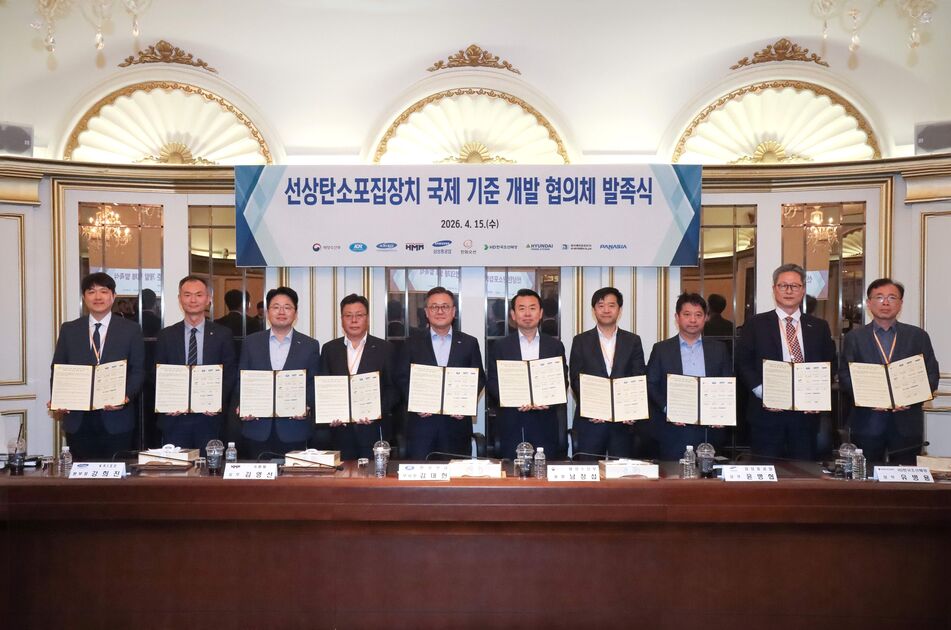
BUSAN: A leading Korean public-private partnership comprising 10 maritime organizations has reached a major milestone in the development of international safety guidelines for onboard carbon capture and storage system (OCCS) after the proposal jointly developed by its members was selected as the base document for further development at the International Maritime Organization (IMO).

At the IMO’s 12th session of the Sub-Committee on Carriage of Cargoes and Containers (CCC 12), the working group agreed to use the proposal from the Korean partnership as the basis for developing interim OCCS safety guidelines, incorporating elements of a separate proposal from the International Association of Classification Societies (IACS).

Established in April 2026, the partnership is led by Korea’s Ministry of Oceans and Fisheries, with Korean Register (KR) overseeing regulatory development. Its members include HMM, Samsung Heavy Industries, Hanwha Ocean, HD Korea Shipbuilding & Offshore Engineering, Hyundai Heavy Industries Power Systems, HI Air Korea, PANASIA and the Korea Research Institute of Ships & Ocean Engineering (KRISO).

Drawing on the partners’ operational, shipbuilding, manufacturing and research expertise, KR consolidated their technical contributions into a single regulatory proposal, which was submitted to the IMO through the Ministry.

CCC 12 also agreed to establish the Correspondence Group on GHG Safety under Korea’s coordination to advance the guidelines. Joonghun Kim from KR’s Convention & Legislation Service Team has been named coordinator of the group and will bring together contributions from IMO Member States and international organizations to develop common safety requirements, with technology-specific annexes to be considered if time permits. The group will report its progress to CCC 13 in 2027.

Kyung-bok Kim, Executive Vice President of KR, said: “The practical experience, knowledge and expertise of the entire 10-member partnership have led to an important milestone in the development of OCCS safety standards at an IMO level. Our next step is to bring contributions from Member States and international organizations together to develop workable safety requirements.

“By leading the development of OCCS standards, Korea is leading the charge in the global decarbonization of the maritime industry, helping to ensure that safe, workable OCCS solutions become a practical reality for vessels worldwide,” he added.

The proposal builds on Korea’s multi-year OCCS development work, including raising safety concerns about the location of onboard CO₂ storage tanks in 2023 and proposing initial safety guidelines in 2024.

It also draws on technical assessments and operational experience associated with HMM Mongla, which was fitted with an OCCS solution in 2024 as part of a joint project involving HMM, Samsung Heavy Industries, PANASIA and KR. Ongoing risk assessments based on the vessel’s OCCS design identified 64 hazard scenarios, helping to inform the development of practical shipboard safety requirements.

The proposed guidelines address how OCCS equipment can be safely integrated with a vessel’s structure, layout and machinery systems. They cover practical safety considerations including CO₂ handling and storage, leakage prevention, emergency response and the safe transfer of captured carbon ashore. These requirements are intended to address not only the capture equipment itself, but also its interaction with other onboard systems and day-to-day vessel operations.

The framework retains a technology-neutral main body covering common safety requirements, alongside separate annexes addressing hazards specific to different OCCS technologies. This approach allows different capture methods, including chemical absorption, membrane separation and mineralization, to be considered without favoring a particular technology, while enabling requirements to evolve as further evidence becomes available.

Speaking about the importance of reflecting real-world operational experience in the proposed guidelines, members of the Korean partnership highlighted the need for practical standards that reflect the realities of running OCCS systems at sea.

Youngsun Kim, Senior Vice President, Director of Technology & Innovation Institute, HMM Co., Ltd., said: “Shipowners need standards covering safe operation, maintenance and offloading, not capture performance alone. It was important to be able to reflect actual operating conditions from an early stage of international guideline development.”

Ho-ki Lee, Vice President at Samsung Heavy Industries, said: “At CCC 12, we saw growing consensus around onboard carbon capture as a practical option for decarbonizing shipping. Drawing on our experience in shipbuilding and OCCS demonstration, we will contribute to international safety guidelines that enable carbon capture systems to operate safely and efficiently on board ships.”

Yoon-Sik Hwang, Vice President at Hanwha Ocean, said: “This joint proposal is particularly meaningful because it brings together expertise from shipbuilding, shipping, marine equipment and classification. Hanwha Ocean will continue contributing to the development of international safety guidelines, drawing on its demonstration experience and technical capabilities to accelerate the commercialization of onboard carbon capture technology.”

Sangmin Park, Senior Vice President at HD Korea Shipbuilding & Offshore Engineering, said: “The acceptance of the Korean-led proposal on interim OCCS safety guidelines is a meaningful achievement towards the commercialization of onboard carbon capture technology. Drawing on the experience accumulated through OCCS technology development, HDKSOE will contribute to international safety guidelines to support the safe application of OCCS on ships.”

Jeongsu Seo, Executive Director at HI AIR KOREA, said: “Safety functions must be capable of being tested and verified in the field. Drawing on our experience in developing and demonstrating mineralization-based capture technology, we will contribute to practical safety standards for both newbuildings and retrofits by linking that experience to leak detection and emergency shutdown requirements.”

The Correspondence Group on GHG Safety will continue developing the draft guidelines ahead of CCC 13 in 2027, drawing on contributions from Member States and international organizations. The Korean partnership will support this work by contributing its members’ design, manufacturing and operating experience to the development of practical shipboard safety requirements. Finalization and approval of the interim guidelines will be subject to further consideration by the IMO.