Home Blog Page 20

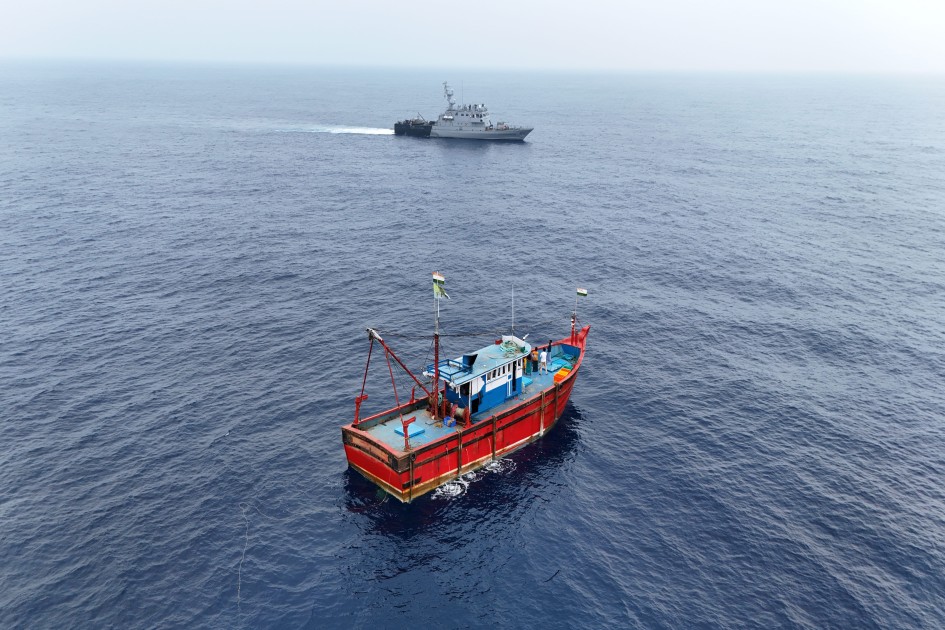
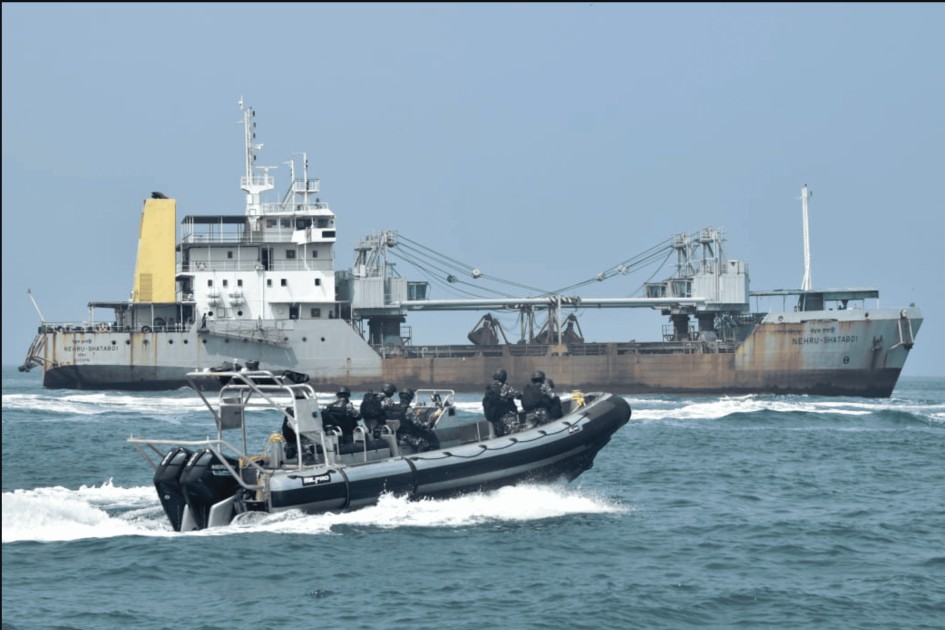
Indian Navy to co-ordinate fifth edition of Pan-India Coastal Defence Exercise ‘Sea Vigil-26’

NEW DELHI : The fifth edition of the Pan-India Coastal Defence Exercise ‘Sea Vigil-26‘ is being held from 11 to 19 Nov 2026, coordinated by the Indian Navy as the lead agency. The exercise will be conducted in two phases: The Coastal Defence and Security Readiness Evaluation (CDSRE) phase from 11 to 17 Nov 2026, followed by the Sea Phase on 18 and 19 Nov 2026.

Exercise Sea Vigil was conceptualised in 2018 to validate the measures instituted to strengthen maritime security in the aftermath of the 26/11 Mumbai terror attacks. Sea Vigil-26 will span the entire coastline and Exclusive Economic Zone of India, and will involve all Coastal States and Union Territories, along with other maritime stakeholders, including the fishing and coastal communities.

Pan India Coastal Defence Exercise Sea Vigil 26 Indian Navy to co-ordinate fifth edition of Pan-India Coastal Defence Exercise 'Sea Vigil-26'

The exercise is significant in terms of its geographical spread, the number of participating agencies and units, and the range of its objectives. Assets of the Indian Navy, Indian Coast Guard, Coastal Security Police, Customs and other maritime agencies will participate. The conduct of the exercise is also being facilitated by the Ministries of Defence; Home Affairs; Ports, Shipping and Waterways; Petroleum and Natural Gas; and Fisheries, Animal Husbandry and Dairying, together with other agencies of the Centre and Coastal states and Union Territories.

Sea Vigil is also a build-up to the Indian Navy’s biennial Theatre Level Readiness Operational Exercise (TROPEX). Together, Sea Vigil and TROPEX address the entire spectrum of maritime security challenges, from coastal defence to operations on the high seas.

The conduct of Sea Vigil at the national level provides an opportunity, at the apex level, to assess the nation’s preparedness towards Maritime Security and Coastal Defence. Sea Vigil-26 will provide a realistic assessment, and further strengthening of India’s Maritime and National Security.

OOCL announces New Far East–Chennai Service to strengthen Malaysia–East India Connectivity

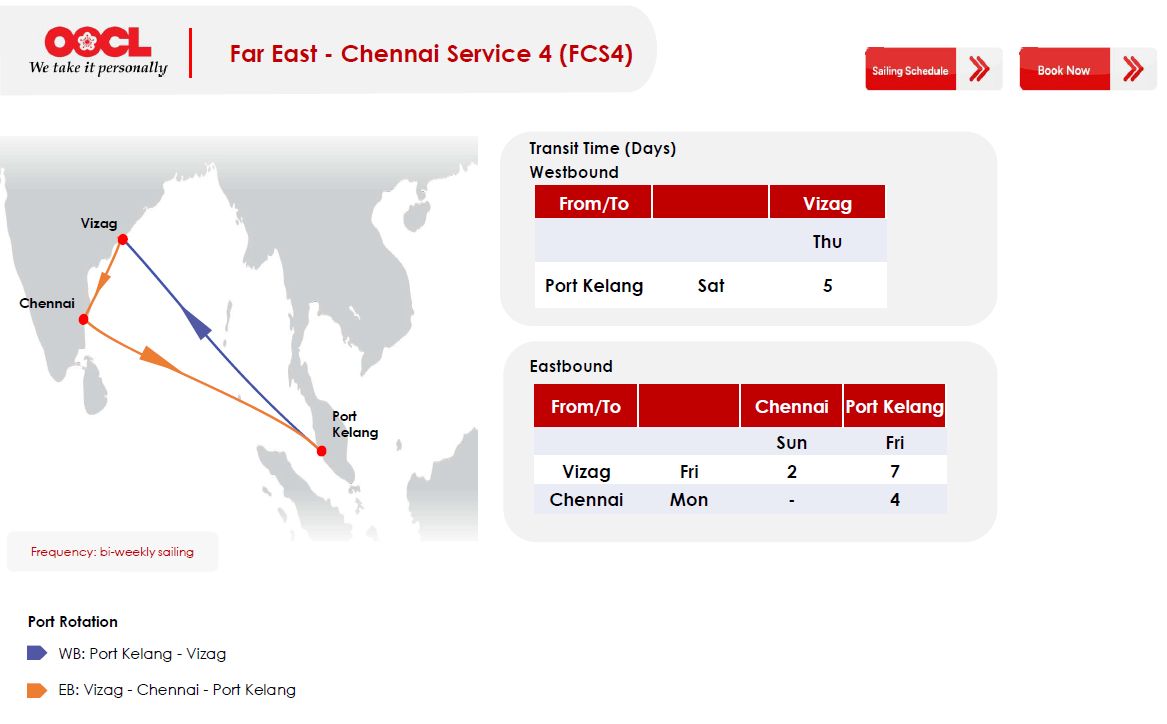
HONG KONG: Orient Overseas Container Line (OOCL) has announced the launch of its new Far East–Chennai Service (FCS4), aimed at strengthening maritime connectivity between Malaysia and India’s eastern coast while providing enhanced shipping options for exporters and importers.

Scheduled to commence operations on November 22, 2026, the new FCS4 service will establish direct connections between Port Klang in Malaysia, Visakhapatnam (Vizag) and Chennai, offering improved access to key trade gateways in East India.

The introduction of this service is expected to provide greater flexibility and connectivity for cargo movements between Malaysia and East India. By linking these important maritime locations through a dedicated service, OOCL aims to offer customers additional shipping options and support more efficient movement of containerised cargo.

The new service is also expected to strengthen trade links between Malaysia and the eastern Indian market, catering to the evolving logistics requirements of exporters, importers and other stakeholders involved in regional and international trade.

With the addition of FCS4 to its service network, OOCL continues to focus on expanding its shipping connectivity and enhancing service reliability across key trade routes.

The launch reflects the growing importance of efficient maritime links between Southeast Asia and India’s eastern maritime gateways, which play an important role in facilitating international trade and strengthening regional supply chains.

RCL Commemorates Naming Ceremony for Two New 7,000-TEU Vessels in Shanghai, China

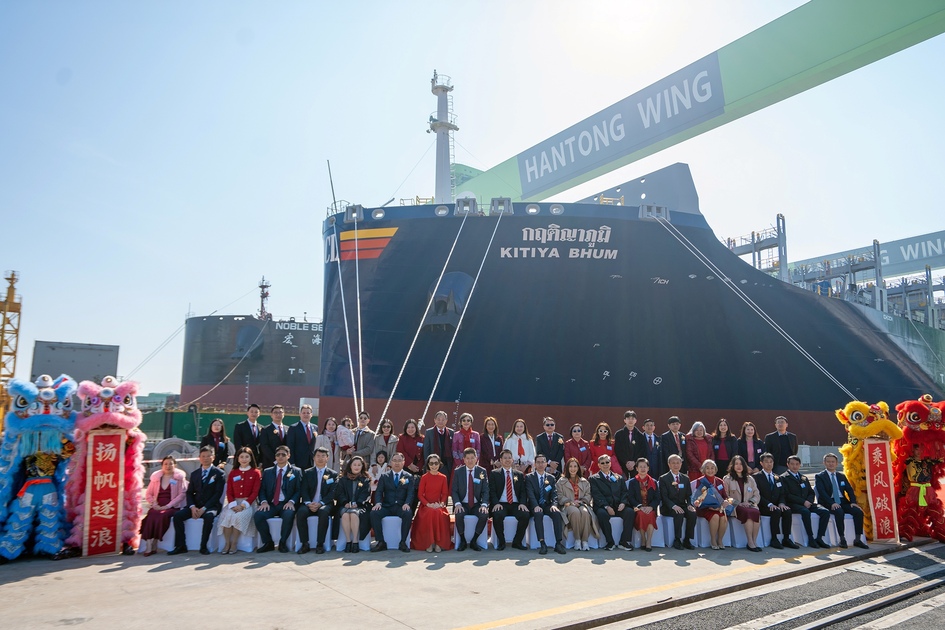
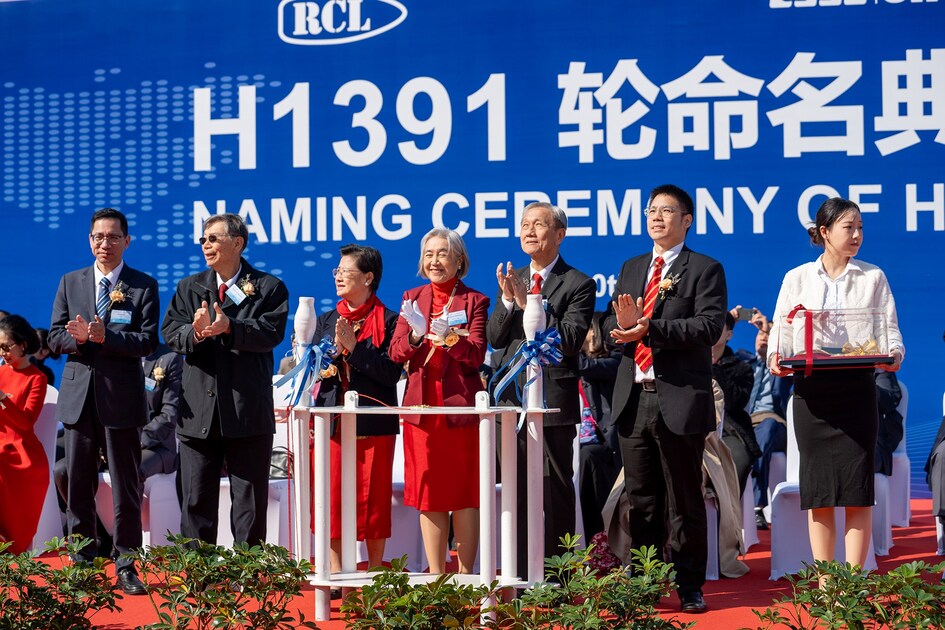
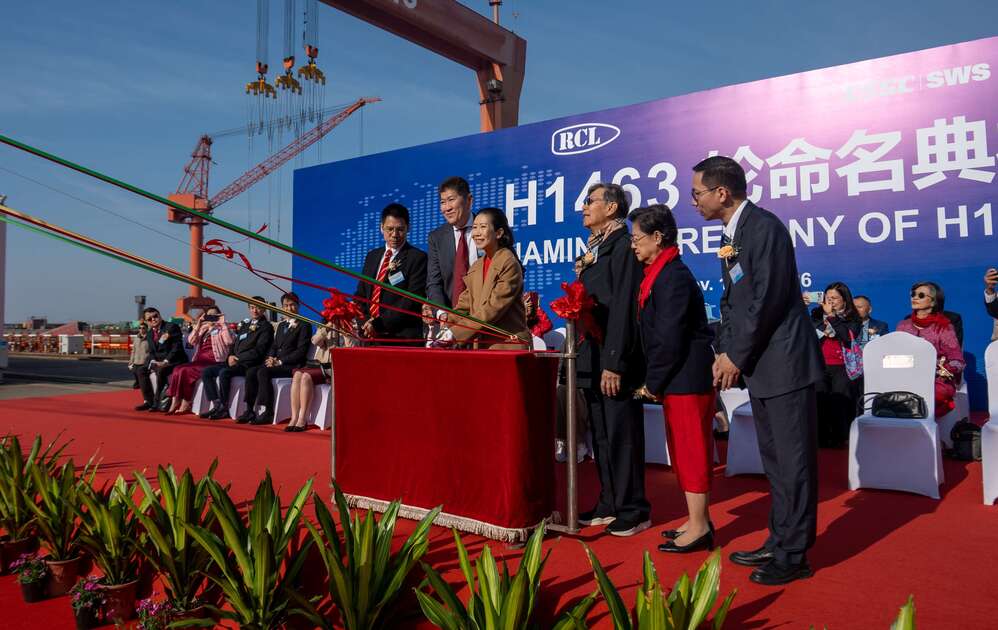
SHANGHAI: Regional Container Lines Public Company Limited (RCL) held a naming ceremony for two of its latest vessels, KITIYA BHUM and LAKANA BHUM, on November 10, 2026, in Shanghai, China. The ceremonies mark another milestone in the Company’s ongoing fleet expansion and investment in modern, high-capacity vessels to strengthen its shipping network.

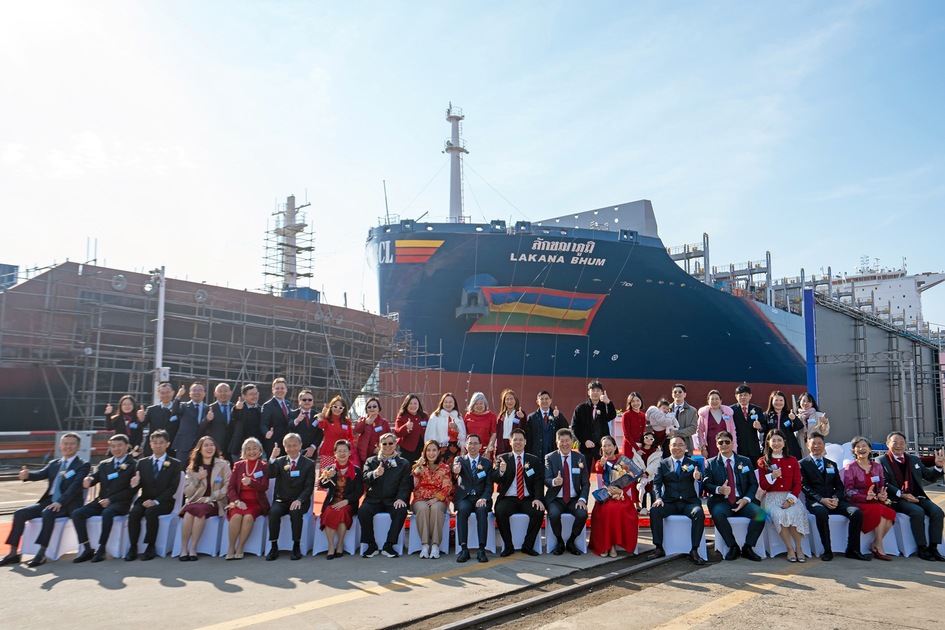
Photo Group คณะผู้บริหารและ VIP ด้านหน้าเรือ LAKANA BHUM RCL Commemorates Naming Ceremony for Two New 7,000-TEU Vessels in Shanghai, China

The ceremonies were attended by RCL’s senior leadership, including Mr. Sumate Tanthuwanit, Chairman of the Executive Committee; Dr. Twinchok Tanthuwanit, President of RCL, alongside Ms. Tachaphorn Suntrajarn, Consul-General of Thailand in Shanghai, prominent industry leaders, and other distinguished guests.

KITIYA BHUM DR WATAPANA RCL Commemorates Naming Ceremony for Two New 7,000-TEU Vessels in Shanghai, China

KITIYA BHUM, meaning “Charming Land,” was christened by sponsor lady Assoc. Prof. Dr. Wattana  Watanapa, M.D., Ph.D., Faculty of Medicine, Siriraj Hospital, Mahidol University, accompanied by Emeritus Prof. Dr. Prasit Watanapa, M.D., Ph.D., Vice President of the Medical Council of Thailand and Chairman of the Technology and Innovation for Life Sciences, the National Agency. The naming ceremony took place at HantongWING Shipyard.

LAKANA BHUM MRS EAMSUREYA RCL Commemorates Naming Ceremony for Two New 7,000-TEU Vessels in Shanghai, China

LAKANA BHUM, meaning “Gorgeous Land,” was christened by sponsor lady Mrs. Orachorn Eamsureya, accompanied by, Mr. Arun Eamsureya, Chairman of the Executive Committee of the Thai-Chinese Leadership Institute. The ceremony was held at Rongsheng Shipyard.

Both vessels are built by Shanghai Waigaoqiao Shipbuilding Co., Ltd. (SWS). Each has a capacity of 7,000 TEU, and is designed to support efficient, high-capacity container transportation. Their specifications and technologies include Energy Saving Devices (ESD), an Exhaust Gas Cleaning System (EGCS), Selective Catalytic Reduction (SCR), and Alternative Maritime Power (AMP), reflecting RCL’s continued focus on operational efficiency and environmental performance.

Both vessels are scheduled for delivery in January 2027 and are planned for deployment on the RCL Korea Straits-India Service 2 (RKI2). The service connects key ports across Korea, China, Malaysia, India, and Pakistan, strengthening regional connectivity and supporting trade flows between Northeast Asia and the Indian Subcontinent.

The addition of KITIYA BHUM and LAKANA BHUM underscores RCL’s long-term fleet rejuvenation strategy and continued investment in vessels designed to meet evolving sustainable requirements. Through these investments, the Company aims to strengthen its service capabilities, enhance operational efficiency, and support more sustainable maritime transportation across Asia and beyond.

Maersk strengthens integrated logistics network in Central Java with new Semarang Centre

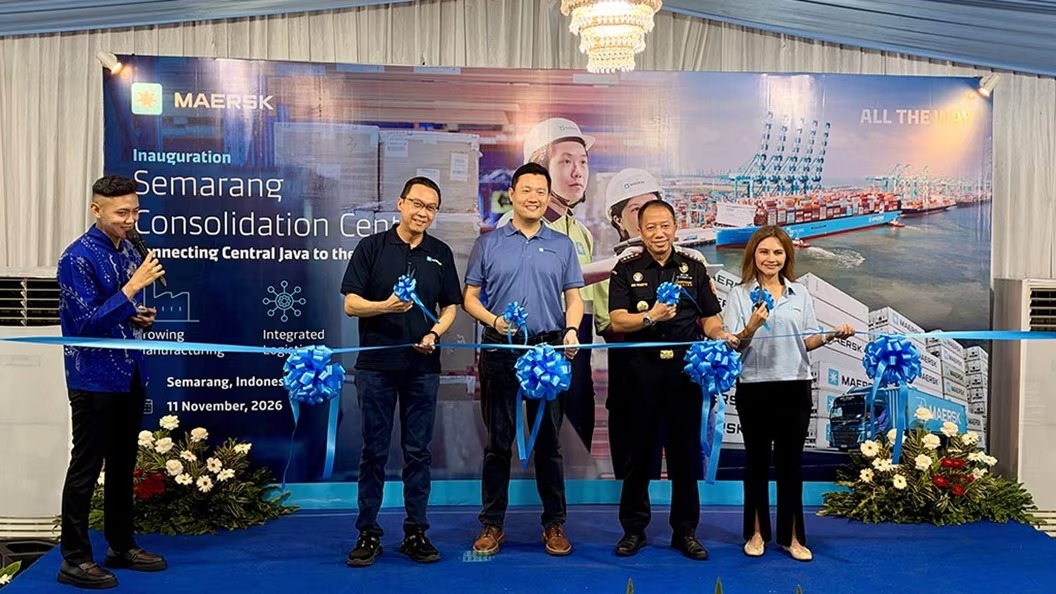
SEMARANG: A.P. Moller – Maersk recently inaugurated its new consolidation facility in Semarang, Indonesia, strengthening its logistics network in Central Java and expanding the integrated supply chain solutions available to customers in one of Indonesia’s growing manufacturing regions.

Indonesia represents an important market for global supply chains. As Southeast Asia’s largest economy, with GDP of approximately USD 1.45 trillion in 2025 and a population of around 286 million, the country combines significant domestic scale with an expanding role in regional and global trade. Indonesia’s exports of goods and services grew 7.03% in 2025, underlining the growing importance of logistics infrastructure and connectivity to supporting the country’s trade and manufacturing economy.

Indonesia is an important market for Maersk, and we see significant long-term opportunities as the country continues to develop its manufacturing and export capabilities. Our investment in Semarang reflects a simple principle: we want to invest where our customers are growing. Bringing warehousing, depot, inland and ocean capabilities closer to their manufacturing base gives customers greater flexibility and a simpler, more connected way to manage their supply chains.

Elaine Low, Managing Director, Maersk South East Asia
A facility designed around the needs of exporters
The new Semarang facility spans over 16,000 square metres and provides 15,800 CBM of capacity, with 11,300 pallet positions across a 6-level racking system. Strategically located approximately 4 km from the Port of Tanjung Emas, 10 km from the airport and 0.3 km from Maersk’s container depot, the facility is positioned to connect warehouse operations with road, rail, depot and ocean transportation solutions.

For Maersk, the new Semarang Consolidation Centre reflects its continued focus on strengthening its logistics capabilities in Indonesia and investing closer to where customers manufacture and source their goods. Maersk already operates more than 128,000 square metres of warehousing facilities across 15 sites in Indonesia, alongside ocean and inland transportation, customs clearance, consolidation and depot capabilities.

Supporting Central Java’s growing manufacturing base
Central Java is increasingly developing as a manufacturing and sourcing hub, supported by growing industrial clusters and export-oriented sectors including footwear, garments and furniture. As production and export activity develop in the region, manufacturers require logistics infrastructure closer to their production locations that can support compliant and scalable export operations while giving them greater flexibility over how they manage inventory and consolidate cargo. The Semarang Consolidation Centre has been developed around these requirements.

Operating with a Pusat Logistik Berikat (PLB), or Bonded Logistics Centre, licence, the facility provides customers with a customs-controlled environment for managing cargo while supporting consolidation and other logistics activities.

The PLB capability gives customers greater flexibility in managing inventory and consolidating export cargo, helping them align cargo flows more closely with production schedules and export requirements.

Connecting Central Java with global markets
The Semarang Consolidation Centre forms part of Maersk’s wider logistics ecosystem in the region. Its proximity to Maersk’s container depot provides access to empty equipment and associated depot services, while inland transportation solutions can connect cargo from Central Java to other gateways when required.

Combined with Maersk’s ocean network, the warehouse, depot and landside transportation capabilities create an integrated logistics ecosystem connecting manufacturing origins in Central Java with international markets.

About Maersk
A.P. Moller – Maersk (Maersk) is an integrated logistics company connecting and simplifying its customers’ supply chains. As a global leader in logistics services, the company has 100,000+ customers, operates in almost 130 countries, and employs 100,000+ people. Maersk delivers innovative, reliable ocean network solutions, offers truly integrated logistics products and operates advanced container terminals, both gateways and hubs, with 60+ locations globally.

The largest project in the history of the Port of Klaipėda: tender launched to select tenants for the new southern port area

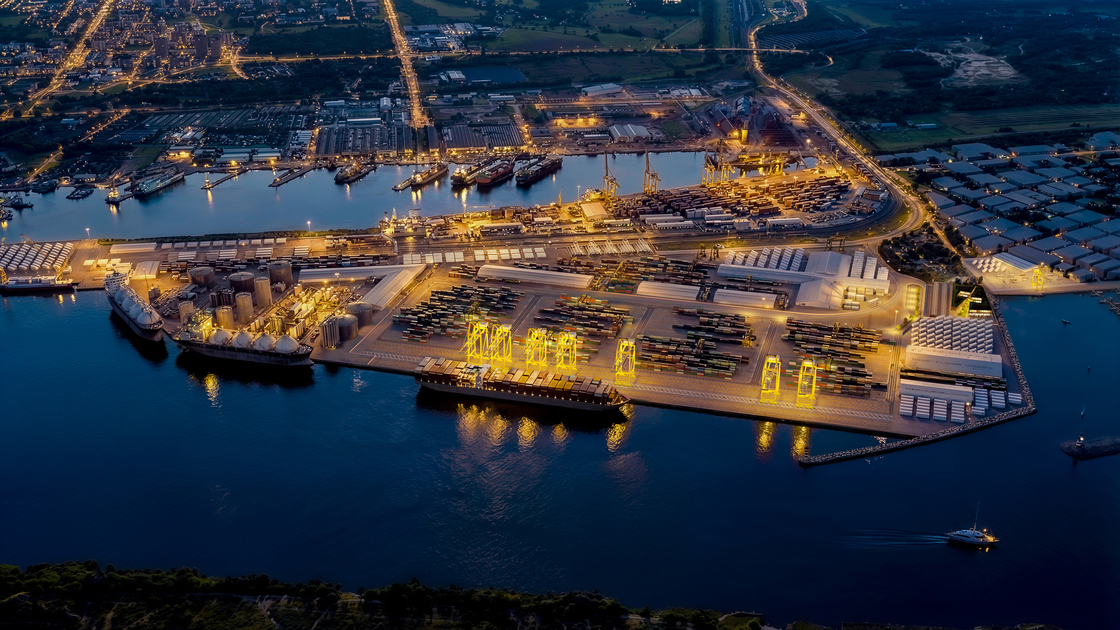
KLAIPEDA: The Klaipėda Port Authority is taking an important step in the development of the southern part of the port by launching a tender to select future tenants for the new port area. The aim is to attract strategic investors who will join forces with the Port Authority to develop and deliver this major investment project, with a total value exceeding EUR 1 billion. The new 100-hectare area is intended for cargo handling and maritime industry activities, creating opportunities to expand port infrastructure, attract new cargo flows and strengthen the Port of Klaipėda’s long-term growth and competitiveness.

“This is the largest expansion of the Port of Klaipėda in the history of independent Lithuania. It is an investment that will strengthen the port’s competitiveness, generate billions of euros in value for our economy and improve security across the region. The southern port development project is moving closer to the start of construction. The tender we are launching today is an important step towards attracting companies that will operate in the new area,” says Minister of Transport and Communications Juras Taminskas.

With total planned investments exceeding EUR 1 billion, the southern port development will be one of the largest investment projects not only in the port but also in Lithuania. Due to its scale, the Port Authority is applying a different approach, based on international experience in selecting operators for major infrastructure projects.

“A project of this scale calls for a different approach. We are not simply looking for tenants, but for partners who will join us from the very beginning, invest in the new infrastructure and prepare for the time when they can build production facilities, docks and warehouses or install cranes in the new area. We are working actively to attract major international cargo handling and maritime industry companies that can ensure stable cargo flows. The Port of Klaipėda is ready to grow, create new jobs and contribute even more to Lithuania’s development,” says Algis Latakas, Director General of the Klaipėda State Seaport Authority.

Experts from Ernst & Young Baltic and the law firm Ellex Valiūnas supported the Port Authority in preparing the tender documents, carrying out economic assessments and defining the legal, commercial and financial conditions.

100 hectares for cargo handling and maritime industries

As part of the project, the Klaipėda Port Authority will create 100 hectares of new land and build approximately 1.3 km of new quays. The project also includes deepening part of the shipping channel in the southern port area, creating a 600-metre-wide turning basin for vessels, and providing road and rail connections.

These works are currently estimated to cost around EUR 600 million. Future tenants will contribute at least EUR 300 million towards this amount if the entire territory is leased, with proportionate minimum contributions for bids covering only part of the territory.

The tender aims to attract companies from Lithuania and abroad to lease and operate in the new southern port area. Lease agreements will be signed for a period of 50 years.

Participants may apply to lease the entire area or a smaller part that meets their business needs. Each participant will offer an initial financial contribution based on the length of the quay and the size of the land they wish to lease.

Future tenants will be required to pay at least half of their initial contribution before the new land is handed over to them. The remaining amount must be paid within 15 years after the tenant takes possession of the land.

Tenants will also be required to invest in their own facilities and equipment, such as buildings, cranes and other operational infrastructure. Companies involved in cargo handling will be required to commit to minimum annual cargo volumes that may not decrease over the lease term.

Applications and initial proposals will be submitted through the electronic platform Užsakovas – KLAIPĖDA STATE SEAPORT SOUTHERN PART DEVELOPMENT PROJECT

The tender will take place in several stages. In the first stage, participants will submit applications and initial proposals, which will be assessed against qualification requirements.

These requirements will cover technical capacity, professional experience and financial strength to ensure that the selected investors are capable of delivering the project.

Participants who meet the qualification requirements will then be invited to enter into a dialogue to agree on the technical, financial and legal terms of the project. Following these discussions, they will be asked to submit their final proposals.

If any part of the new area remains available after the first round, the Port Authority may organise additional tender rounds.

Before a lease agreement is signed, each selected participant will be required to pass a national security assessment. This will help ensure that the strategically important project is developed by reliable partners and serves Lithuania’s long-term national interests.

New opportunities for the port and Lithuania

The southern port development project will create new opportunities for the Port of Klaipėda and Lithuania.

The port currently has limited space for expansion, which restricts its ability to grow. The lack of space for expansion will make it harder for the Port of Klaipėda to remain a leading port and meet the growing needs of the cargo market.

The indicative layout envisages approximately 50 hectares for a container terminal with a handling capacity of approximately 1.5 million TEU (twenty-foot equivalent units) at full build-out. The remaining approximately 50 hectares are envisaged for a wider range of port activities. The final allocation will depend on the outcome of the tender.

The southern port development project is included in the Lithuanian Government’s portfolio of strategic projects, coordinated by Prime Minister Mindaugas Sinkevičius.

Its national importance is also reflected in a special legal framework. This summer, the Lithuanian Parliament passed the Law on the Development of the Southern Part of the Klaipėda State Seaport, prepared by the Ministry of Transport and Communications.

In September, during a Government meeting held at the Port Authority, the procedure for selecting tenants for the new southern port area was approved.

These decisions made it possible to launch the tender and move the project into a new stage.

The Klaipėda Port Authority is now preparing to begin major construction works. Tilsta, the company responsible for building the southern port gates, has already set up its construction site. The contract between the Port Authority and Tilsta is worth EUR 24.5 million excluding VAT. The new structures will also play an important environmental role by preventing saltwater from entering the Curonian Lagoon.

Fund for Energy Efficiency Technologies (FEET) is the first fund to adopt the Singapore-Asia Taxonomy for Sustainable Finance

SINGAPORE: The Fund for Energy Efficiency Technologies (FEET) has adopted the second edition of the Singapore-Asia Taxonomy for Sustainable Finance (SAT) to guide investment decisions, making FEET the first fund to adopt the SAT. The revised SAT criteria recognise qualifying vessel retrofits and energy efficiency technologies (EET) installations that deliver measurable greenhouse gas emissions reductions.

The Singapore Sustainable Finance Association (SSFA), supported by the Monetary Authority of Singapore (MAS), announced the second edition of the SAT at COP31 in Türkiye. At the launch event, FEET’s adoption of the revised taxonomy was highlighted as an example of how transition taxonomies can inform capital allocation in hard-to-abate sectors, where emissions reductions often require incremental investments in existing assets.

The Global Centre for Maritime Decarbonisation (GCMD) also announced that Lloyd’s Register (LR) has completed its independent review of the Centre’s methodology for quantifying fuel savings from WAPS, which underpins FEET’s financing of these projects.

Together, these developments reinforce the role of measurement, reporting and verification (MRV) to inform investment decisions in maritime decarbonisation, with the updated taxonomy providing a credible framework, and GCMD’s independently reviewed methodology specifying what evidence is needed and how to measure performance.

FEET is the world’s first fund to link verified fuel and regulatory savings from EETs installed on vessels to a pay-as-you-save mechanism. It offers up to 100% upfront financing through a blended finance structure. FEET is managed by AIM Horizon Investments, with GCMD as the fund’s decarbonisation advisor, and is supported by the Development Bank of Japan, DBS Bank and ING.

Experience from real-world pilots helped shape taxonomy update

SSFA engaged with the Maritime and Port Authority of Singapore (MPA) and GCMD to review how the SAT can be applied to EET retrofits and installations. Others involved include ING and DNV. GCMD drew on operational experience from its EET pilots to show how fuel savings can be quantified credibly under real-world conditions.

Fuel savings methodology independently reviewed

GCMD’s methodology to quantify fuel savings builds on its pilot with Eastern Pacific Shipping (EPS) on board the MV Pacific Sentinel. During the pilot, GCMD collected 276 million data points over four months of spot-market trading in the Americas. From these, GCMD screened more than 3,000 on-off transitions and identified 203 in which operating conditions remained constant between the on and off states. This allowed fuel savings to be isolated and uniquely attributed to the wind sails, rather than changes in operating conditions.

LR’s independent review concluded that the methodology aligns with relevant industry standards and incorporates current best practices to assess WAPS performance.

Going forward, the methodology specifies how fuel savings will be determined for the WAPS projects FEET finances, with its assumptions, data collection and analyses contractually agreed among all parties. For each project, the data will be further audited, and the calculated fuel savings will be independently verified. These verified savings will then determine shipowners’ payments under the pay-as-you-save mechanism.

Even small gains in fuel efficiency can deliver meaningful fuel cost savings over a vessel’s operating life, but financing them depends on confidence in the numbers. Trust in data is what accelerates adoption. By placing robust MRV at the heart of FEET, and now aligning it with the revised taxonomy and an independently reviewed methodology, we hope to give shipowners and financiers confidence to deploy these solutions.

Professor Lynn Loo, CEO, GCMD

Measurement and independent verification of fuel and regulatory savings are crucial to reaching agreement on a pay-as-you-save financing mechanism with shipowners to which FEET provides financing of energy efficiency technologies. FEET’s own current providers of equity and debt capital welcome the adoption of the SAT by FEET and other such capital providers will show an interest in this approach to supporting maritime decarbonisation.

Marcel de Bruijckere, CEO, AIM Horizon Investments

The adoption of the SAT by GCMD’s Fund for Energy Efficiency Technologies (FEET) is an important step in advancing sustainable finance within the maritime sector. As the maritime industry accelerates its transition towards a lower-carbon future, having a clear and credible framework that defines green standards is essential. We welcome GCMD’s adoption of the Taxonomy to mobilise capital towards impactful maritime decarbonisation. MPA will continue to work with partners to strengthen Singapore’s position as a leading hub for sustainable maritime finance.

Ang Wee Keong, Chief Executive, MPA

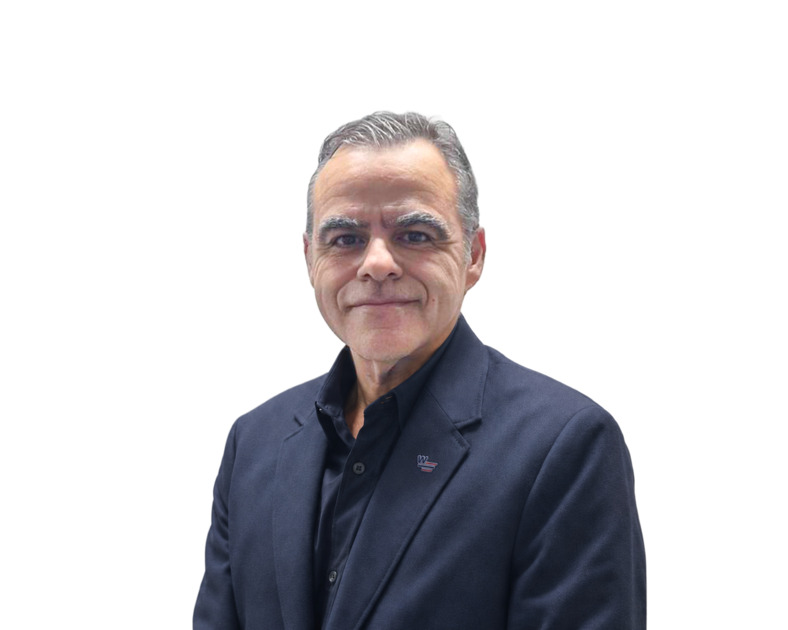
Wallem Group appoints Apostolos Poulovassilis to lead Greek expansion

HONG KONG: Wallem Group, a leading global maritime partner, is pleased to announce the appointment of Apostolos Poulovassilis as General Manager, Ship Management, Greece, effective November 2026. Apostolos will report directly to Ioannis Stefanou, Managing Director, Ship Management.

In this newly created role, Apostolos will lead the establishment and development of Wallem’s Greece office, driving the growth of its ship management presence in the market. His priorities will include developing new business, strengthening relationships with Greek ship owners and expanding Wallem’s service offering to clients.

Apostolos brings more than 35 years of international maritime industry experience. He began his career as a Marine Engineer before joining Lloyd’s Register, where he spent 25 years progressing from Marine Surveyor to senior international leadership positions, including leading the business in Greece and Europe.

He subsequently held senior executive positions, including Chief Operating Officer and Chief Executive Officer, respectively with established Greek shipping companies Eletson Corporation and Aegean Shipping Management, gaining extensive experience in ship management, fleet operations and corporate strategy.

More recently, Apostolos held a senior leadership role with Ocean Technologies Group/OneOcean, focusing on maritime digital solutions, commercial development and strategic customer relationships.

On Apostolos’ appointment, John Rowley, CEO, Wallem Group, said, “I’m delighted to welcome Apostolos to Wallem Group in this important role as we strengthen our presence and grow our business in Greece, in line with our stated strategy to focus on this growth market. He brings over 35 years of international maritime industry experience across ship classification, ship management, and maritime technology, together with a strong commercial and strategic background. His extensive network among Greek ship owners, ship managers and senior decision makers will be invaluable as we build our presence in this important maritime market.”

Apostolos said, “I am delighted to join the Wallem Group at an exciting time for the company. With its long-standing reputation, global capabilities and commitment to quality ship management, I see significant opportunities to strengthen existing relationships and develop new partnerships with shipowners and industry stakeholders, both in Greece and internationally. I look forward to contributing to Wallem’s continued growth and success.”

Shipping puts AI readiness to the test with new maturity benchmark

LONDON: Lloyd’s Register (LR) has expanded its Digital Maturity Index (DMI) benchmarking tool with a new AI maturity assessment, helping shipowners and operators evaluate their readiness for artificial intelligence as adoption accelerates across the maritime industry.

Unveiled at Smart Maritime Network Singapore 2026, the enhanced DMI process introduces AI readiness benchmarking and sector-specific digital use cases while marking a milestone of more than 100 participating organisations.

Developed to help maritime organisations benchmark their digital capabilities against industry peers, the DMI enables organisations to assess current capabilities, prioritise investment and accelerate progress towards their digital ambitions.

The new AI maturity assessment examines the foundations required for successful AI adoption, including governance, workforce training, organisational culture, data readiness and performance measurement. It also assesses how AI is being applied across operational areas such as crew management, trade execution, vessel technical management and commercial functions.

By looking beyond technology adoption alone, the assessment helps organisations identify whether they have the people, processes and data infrastructure needed to support AI-driven decision making and operational improvement. It also explores industry expectations, perceived opportunities and barriers to implementation.

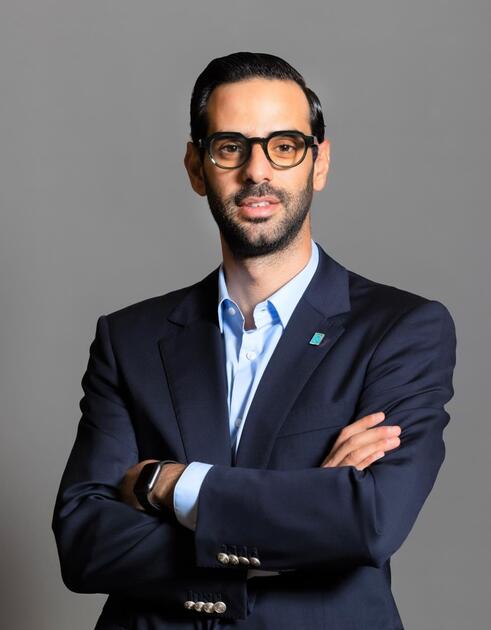
Eleanna Apostolidi Head of DMI Product Innovation LR Shipping puts AI readiness to the test with new maturity benchmark

Eleanna Apostolidi, Head of DMI Product Innovation, LR, said: “Across the industry, we’re seeing organisations move beyond AI curiosity and into practical implementation. The challenge is that many companies are investing in AI before fully understanding whether their governance, data and internal capabilities are ready to support it.

“The DMI helps organisations establish that baseline. By introducing AI maturity benchmarking, we’re giving shipowners and operators a clearer view of where they are today and what they need to address before they can scale AI with confidence.”

Alongside the AI assessment, LR has introduced a range of gas-sector-specific use cases, allowing LNG operators to benchmark the application of digital technologies against operational challenges including boil-off gas management, sloshing risk management, LNG cargo ageing prediction, rollover prevention, pump tripping mitigation, tank maintenance optimisation and brittle fracture monitoring.

The additions reflect growing interest in how technologies such as analytics, automation, IoT and digital twins can support safer, more efficient and data-driven LNG operations.

Constantinos Chaelis Gas Segment Director LR Shipping puts AI readiness to the test with new maturity benchmark

Constantinos Chaelis, Gas Segment Director, LR, said: “For LNG operators, digital transformation needs to be grounded in the operational realities of gas shipping. By embedding targeted LNG use cases into the Digital Maturity Index, LR is helping operators benchmark their digital readiness against the specific challenges they face, from cargo management and asset integrity to maintenance planning and operational performance.

“The value of the DMI is that it gives the gas sector a structured way to understand where digital capability is already mature, where gaps remain and where investment can be focused to improve safety, efficiency and decision-making across LNG operations.”

The DMI helps maritime organisations understand where they are on their digital transformation journey and identify where a clearer roadmap may be needed to turn insight into practical progress.

The latest enhancements build on LR’s Digital Transformation Research Programme and support the industry’s transition towards increasingly connected and intelligent operations.

Sarbananda Sonowal inaugurates Yamuna River Cruise project in presence of Delhi CM Rekha Gupta

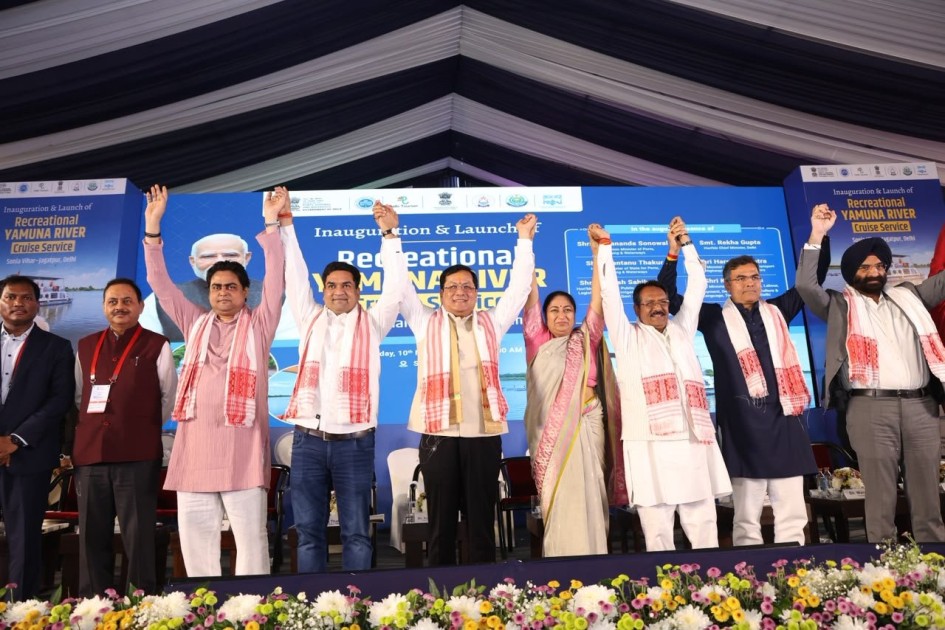
NEW DELHI: Delhi took a significant step towards expanding its river-based tourism offerings with the inauguration of its first recreational Yamuna River Cruise service on the Yamuna by Union Minister of Ports, Shipping and Waterways Shri Sarbananda Sonowal in presence of Delhi Chief Minister Rekha Gupta at Sonia Vihar here on Tuesday.

Developed along the Sonia Vihar-Jagatpur stretch, the initiative aims to unlock the tourism and recreational potential of the Yamuna while offering residents and visitors a new way to experience the national capital. The launch also marks another milestone in the Centre’s efforts to develop India’s rivers as vibrant avenues for tourism, passenger movement and economic activity.

The inauguration was attended by Minister of State for Ports, Shipping and Waterways Shantanu Thakur; Minister of State for Road Transport and Highways Harsh Malhotra; Public Works Department and Irrigation and Flood Control Minister Parvesh Sahib Singh; Tourism Minister Kapil Mishra; Forest & Environment and Industries Minister Manjinder Singh Sirsa and MP Manoj Tiwari, along with senior officials including Vijay Kumar, Secretary, Ministry of Ports, Shipping & Waterways; Rajeev Verma, Chief Secretary, Delhi Govt and Sushil Kumar Lohani, Chairman, Inland Waterways Authority of India (IWAI) among others from the Central and Delhi governments.

Speaking at the inauguration, Sarbananda Sonowal said the project reflected the government’s commitment to harnessing India’s vast inland waterways potential under the leadership of Prime Minister Shri Narendra Modi.

“Under the leadership of Prime Minister Narendra Modi, India’s rivers and inland waterways are emerging as important drivers of economic growth, tourism and sustainable connectivity. The launch of Delhi’s first recreational cruise service on the Yamuna is another step towards reconnecting people with our rivers and unlocking their immense potential. This launch signals a new wave of river tourism in the city. We are transforming waterways into avenues for tourism, trade and livelihoods while advancing our commitment to cleaner and more efficient mobility. This is an important part of our vision of building a Viksit Bharat,” Sarbananda Sonowal said.

The project features a 30-seater electric cruise vessel offering visitors a scenic experience along an approximately 6-kilometer round-trip stretch of the river. The use of electric-powered vessels highlights the potential of inland waterways for clean and sustainable mobility.

Chief Minister Rekha Gupta said the initiative would add a new dimension to Delhi’s tourism landscape and strengthen public engagement with the Yamuna.

“The Yamuna is an integral part of Delhi’s history, culture and identity. This recreational cruise service will offer residents and visitors a new way to experience the river while creating fresh opportunities for tourism and local economic activity. Under the dynamic leadership of Prime Minister Narendra Modi, we remain committed to develop Delhi’s riverfront as an attractive public destination, with better amenities, sustainable infrastructure and experiences that celebrate the city’s heritage,” Rekha Gupta said.

Envisioned as a wider eco-tourism destination, the Yamuna project includes a range of recreational attractions and visitor amenities. A key attraction is a musical fountain featuring a coordinated light and sound show depicting the history and spiritual significance of the Yamuna, including its association with Surya Dev, Yama and the divine leela of Shri Krishna, particularly the legendary Kaliya Daman.

The destination also includes a food court, shopping area, children’s play zone and adventure sports facilities, including skating and rock climbing. Modern floating jetties, dedicated ticket counters and online booking facilities, restrooms, waiting areas and illuminated approach pathways have been incorporated to provide visitors with a convenient experience.

The Yamuna has been designated as National Waterway-110 under the National Waterways Act, 2016. The launch of the cruise service marks an important step towards developing the waterway for recreational navigation and river-based tourism in the national capital.

The initiative is part of a wider national transformation of India’s inland waterways. Cargo movement on national waterways has increased from 18 million metric tonnes in 2013-14 to 218 million metric tonnes in 2025-26, reflecting the growing role of waterways in the country’s logistics network. With freight movement costing an estimated ₹1.06 per tonne-kilometer on waterways, compared with ₹1.41 by rail and ₹2.28 by road, inland navigation offers a cost-effective alternative for transporting cargo.

River cruise tourism is another emerging dimension of this expansion. The number of river cruise vessels offering overnight journeys has increased from five in 2013-14 to 26 in 2025-26. The landmark journey of MV Ganga Vilas, recognised in the Limca Book of Records as the world’s longest river cruise. Covering more than 3,200 kms across India and Bangladesh, the journey connected 50 tourist destinations, traversed two countries, five states and 27 river systems.

The Recreational Yamuna River Cruise Service has been developed by the Inland Waterways Authority of India under the Ministry of Ports, Shipping and Waterways in collaboration with the Delhi Development Authority, Delhi Tourism and Transportation Development Corporation, Delhi Jal Board and the Irrigation and Flood Control Department of the Delhi government.

India on track to achieve USD 1 Trillion export target in FY 2026–27; Piyush Goyal calls on mobility industry to accelerate global expansion

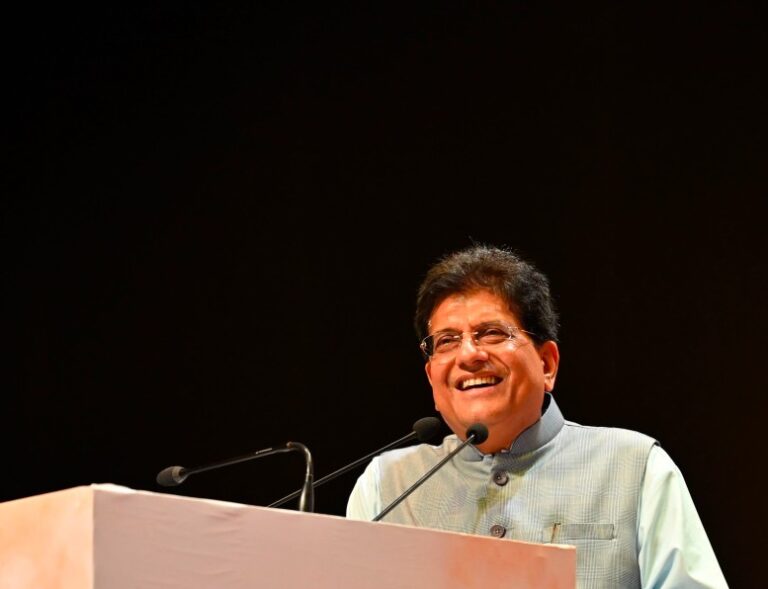
NEW DELHI: India is firmly on course to achieve its ambitious USD 1 trillion exports target for the current financial year, with combined merchandise and services exports reaching approximately USD 480 billion during April–September 2026–27. Commerce and Industry Minister Shri Piyush Goyal has expressed confidence in the country’s export momentum, describing the annual target as a key national priority and urging Indian manufacturers to strengthen their global presence.

Addressing the curtain-raiser event for the Bharat Mobility Global Expo 2027, Goyal said India had already achieved around 48 per cent of its annual export target in the first six months of the fiscal year. He also indicated that the forthcoming October trade figures were encouraging and reaffirmed the government’s confidence in achieving the USD 1 trillion milestone.

The October trade data are scheduled to be officially released by Commerce Secretary Rajesh Agarwal on November 13.

Free Trade Agreements to Open New Global Market Opportunities

Highlighting the growing importance of international trade partnerships, Goyal said India’s recently concluded and ongoing Free Trade Agreements (FTAs) would provide preferential market access for Indian products across economies representing nearly 75 per cent of global GDP.

He particularly emphasised the opportunities emerging from the India–European Union trade agreement, noting that it could significantly transform India’s automotive and wider mobility ecosystem.

According to the Minister, European automotive manufacturers are increasingly looking at India not merely as a destination for vehicle sales but also as a strategic manufacturing base. India’s competitive manufacturing costs, expanding industrial capabilities and large domestic market could encourage European companies to establish production facilities in the country and use India as an export hub for global markets.

Goyal encouraged Indian automotive manufacturers, component suppliers, startups, steel producers and rubber manufacturers to explore partnerships and collaborations with international companies to capture emerging opportunities.

India’s Automotive Sector Poised for Global Competitiveness

Emphasising the need to move beyond domestic market demand, the Minister urged automobile manufacturers to pursue an export-oriented growth strategy. He said combining India’s strong domestic consumption with international market opportunities would enable manufacturers to achieve economies of scale, improve cost competitiveness and strengthen India’s position in global supply chains.

Citing Maruti Suzuki’s expanding international footprint, Goyal highlighted how the company has emerged as an exporter to Japan and more than 50 other countries, including through its growing focus on electric mobility.

He called upon industry stakeholders to seize emerging opportunities in all mobility segments before competing manufacturing destinations gain an advantage.

The Minister also underlined the employment potential of the automotive and mobility ecosystem, expressing confidence that the sector could expand its workforce from approximately 3 crore at present to 10 crore in the coming years.

Industry Must Accelerate Innovation and MSME Participation

Speaking at the event, Commerce Secretary Rajesh Agarwal urged the domestic automobile industry to prioritise innovation, research and development, and the introduction of new products to remain competitive in a rapidly transforming global mobility landscape.

He emphasised that Indian manufacturers must stay ahead of the global innovation curve and strengthen their technological capabilities. He also called for greater participation of micro, small and medium enterprises (MSMEs) in the industry’s growth journey to ensure sustainable and inclusive development across the mobility value chain.

Bharat Mobility Global Expo 2027 to Expand Its Global Footprint

The third edition of Bharat Mobility Global Expo, scheduled for 2027, is set to emerge on a significantly larger scale, reinforcing India’s ambition to become a major global hub for automotive manufacturing, mobility innovation and next-generation transportation technologies.

The exhibition will be organised across Bharat Mandapam and Yashobhoomi, covering more than 2.5 lakh square metres of exhibition space. It will feature 11 concurrent shows, over 1,750 exhibitors and an expected footfall exceeding 10 lakh visitors.

Moving beyond conventional automotive exhibitions, the 2027 edition will showcase the entire mobility ecosystem, including advanced automotive technologies, electric mobility, air mobility, urban mass transit, agri-mobility, batteries and energy solutions, and next-generation transportation systems.

The expanded platform is expected to bring together global manufacturers, technology providers, policymakers, investors, startups and industry stakeholders, creating opportunities for business partnerships, investment, innovation and international collaboration.

With rising exports, expanding trade partnerships and a rapidly evolving mobility ecosystem, India is positioning itself to play a stronger role in global manufacturing and international trade. Bharat Mobility Global Expo 2027 is expected to provide an important platform for translating this ambition into new investments, export opportunities, technological advancement and large-scale employment generation.