Home Blog Page 289

JNPA updates on container movement status; Number of CFS bound containers reduced

MUMBAI : Jawaharlal Nehru Port Authority (JNPA) – India’s Largest Container Port, on Thursday stated that the number of CFS-bound containers stranded for more than 15 days has reduced from around 2,500 to 450 due to the measures undertaken. The figure is expected to come down to a negligible level within the next week. The situation was caused due to the acute shortage of drivers within the port logistics ecosystem.

As of today, the average import discharge per day stands at 12,237 TEUs, while the Import – CFS Pendency in TEUs currently stands at 40,809 TEUs. Gate movement recorded a total of 17,425 TEUs, comprising 7,950 TEUs inbound movement and 9,475 TEUs outbound movement. Also, the green channel movement has been initiated for Ameya CFS from NSICT and NSIGT. NASCOWA deployed 70–80 TTs to facilitate the movement.

Kerry Indev CFS has successfully evacuated more than 400 TEUs through GTI, one of the container terminals at JNPA, within a six-hour window from midnight to the early morning hours. 7,541 TEUs were evacuated in the last 9 days for Polaris Logistics Park CFS. Their pendency from NSIGT Port is completed and today they will focus on the evacuation from NSICT and NSFT port.

In April 2026, JN Port recorded an average gate movement of 18,000 TEUs. The daily gate movement over the last 24 hours stood at 18,196 TEUs. The overall daily average gate movement for the current year stands at 17,684 TEUs.

The port in consultation with the stakeholders has taken various measures to mitigate the problem. The following are a few such measures which have been implemented on the ground, and which resulted in a reduction in the number of stranded containers.

• To ease out the situation, JN Port takes regular meetings with concerned stakeholders on a daily basis, and a monitoring cell is working throughout the day to assess the situation and take action then and there.

• JNPA facilitated additional movement of trains from Port to nearby CFS for shifting containers to CFS. Approx 3 to 4 trains in a day are operated in this manner.
• JN Port arranged a special train for bringing drivers from West Bengal, Uttar Pradesh, Madhya Pradesh etc. The train was run on the route Malda (West Bengal) – Uttar Pradesh (Eastern) – Madhya Pradesh – Panvel (Maharashtra).
• Advertisement was published on daily newspaper (Maharashtra State) and TV News channel (all India basis) inviting more drivers.
• A green channel gate facility was made for entry of CFS TTs at nearly 100 numbers, and faster evacuation of containers was ensured.
• This has facilitated more trips for the trailer operation. Earlier the trailers were able to do only 2 trips, now they are able to do 3 to 4 trips in a day. This has facilitated to stop the increase in yard pendency which was otherwise increasing too much.
• The trailers coming with export containers from far of places are facilitated to take import containers back in their return journey. Necessary co-ordination with concerned organisations is done by JNPA.
• Customs also have come up with several measures to help trade in this situation. The scanning process has been made easy to carry two containers together in one trailer. Quick permission was granted by Customs for changing the mode of transport from Road to rail to facilitate the CFS evacuation.
• Port also engaged with the Container Terminal operators to waived certain charges like, Change of Movement Mode charges, shifting charges confined to only one shifting even when there is multiple shifting necessitated and rationalisation of rail charges between road movement charges.
• As of today, there is considerable improvement in the daily container movement, about 18000 TEUs daily gate operation, and the situations may be normalized by the first week of June 2026.

The shortage is seasonal in nature, as drivers traditionally return to their native places during this period for agricultural activities, vacations, and social commitments. However, this year the situation has been further impacted due to elections in West Bengal and Eastern Uttar Pradesh — regions from where a significant percentage of drivers are engaged — along with disruptions in food and highway support services.

JNPA, in coordination with the Ministry and all stakeholders, remains fully committed to ensuring efficient port operations, minimizing logistics disruptions, and safeguarding the interests of exporters, importers, transporters, and the wider trade community.

About Jawaharlal Nehru Port Authority (JNPA):

The Jawaharlal Nehru Port Authority (JNPA) is one of the premier container-handling ports in India. Since its inception on May 26, 1989, JNPA has transformed from a bulk cargo terminal into the premier container port in the country. Currently, JNPA operates five container terminals – NSFT, NSICT, NSIGT, BMCT and APMT. The Port also has a shallow water berth for general cargo operated by Nhava Sheva Distribution Terminal Pvt. Ltd. (NSDT). A Liquid Cargo Terminal present at the JNPA Port is managed by the BPCL-IOCL consortium and the additional liquid cargo terminal developed by JNPA is operated by M/s JSW – JNPT Liquid Terminal Pvt. Ltd. Additionally, the newly constructed coastal berth links other Indian ports and facilitates enhancing the traffic of coastal containers.

Nestled across 277 hectares of land, JNPA also operates a meticulously designed multi-product SEZ, with state-of-the-art infrastructure, to boost export-oriented industries in India.

JNPA is also developing an all-weather, deep-draft, greenfield port at Vadhvan, the 13th Major Port of India in Maharashtra. It is poised to be among the top 10 ports globally and will be a 100% green port since its inception
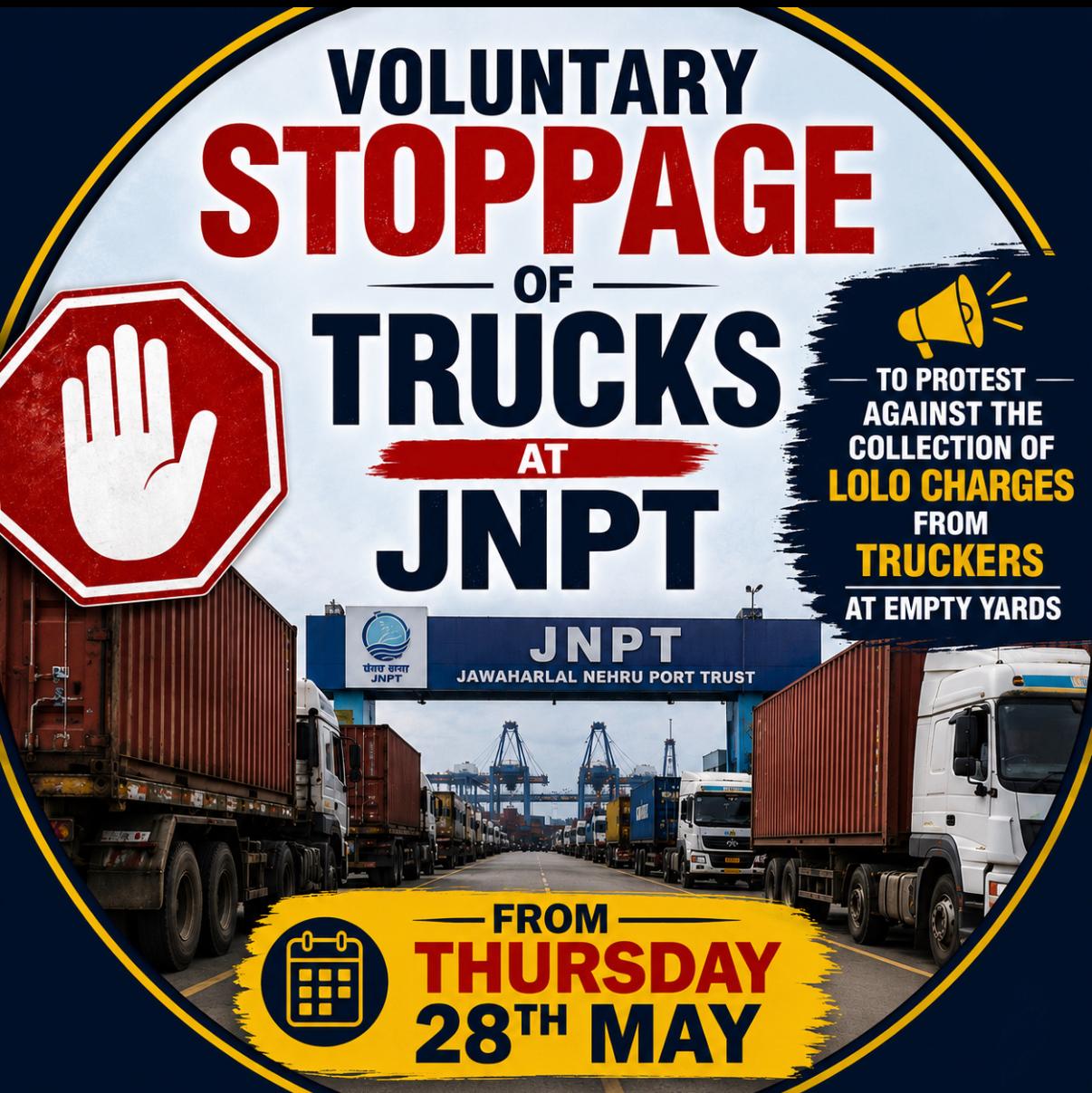
Transporters announce Voluntary Suspension of Services at JNPA from May 28

MUMBAI: In a development that could significantly impact container movement and logistics operations at Jawaharlal Nehru Port Authority (JNPA), multiple transport associations operating at Nhava Sheva have jointly announced a voluntary stoppage of transport services from 28 May 2026 over escalating charges levied at Empty Container Yards (ECYs).

According to a “Notice to Trade” issued by several transport and container operator associations, transporters have expressed serious concern over the heavy charges being imposed for the pickup and drop-off of empty containers at container yards. The associations stated that despite repeated meetings and discussions with various authorities, no satisfactory resolution has been achieved and the issue has continued to worsen.

WhatsApp Image 2026 05 24 at 11.52.45 PM Transporters announce Voluntary Suspension of Services at JNPA from May 28

The notice emphasized that all transport associations operating at JNPA have collectively decided that transporters will no longer pay any LOLO (Lift-On Lift-Off) charges or other related fees imposed at Empty Container Yards for handling empty containers.

As a result, transport vehicles will voluntarily cease operations at locations where such charges are demanded, effective from 28 May 2026. The move is expected to affect container evacuation, repositioning of empty containers, and overall supply chain operations linked to India’s largest container gateway.

The associations further clarified that any consequences arising from the disruption would be attributable to the prevailing circumstances, maintaining that transport associations should not be held responsible for the operational impact.

The notice has been jointly issued by several key industry bodies, including the Nhava-Sheva Container Operators Welfare Association, Reefer Container Transporters Welfare Association, All India Transporters Welfare Association, Navi Mumbai Transport Association, Maharashtra Rajya Motor Malak Sangh, Maharashtra Vahtuk Sena, and other regional transport groups.

Industry stakeholders are now closely watching for intervention by port authorities, shipping lines, container yard operators, and government agencies to prevent disruptions to trade and logistics activities at JNPA.

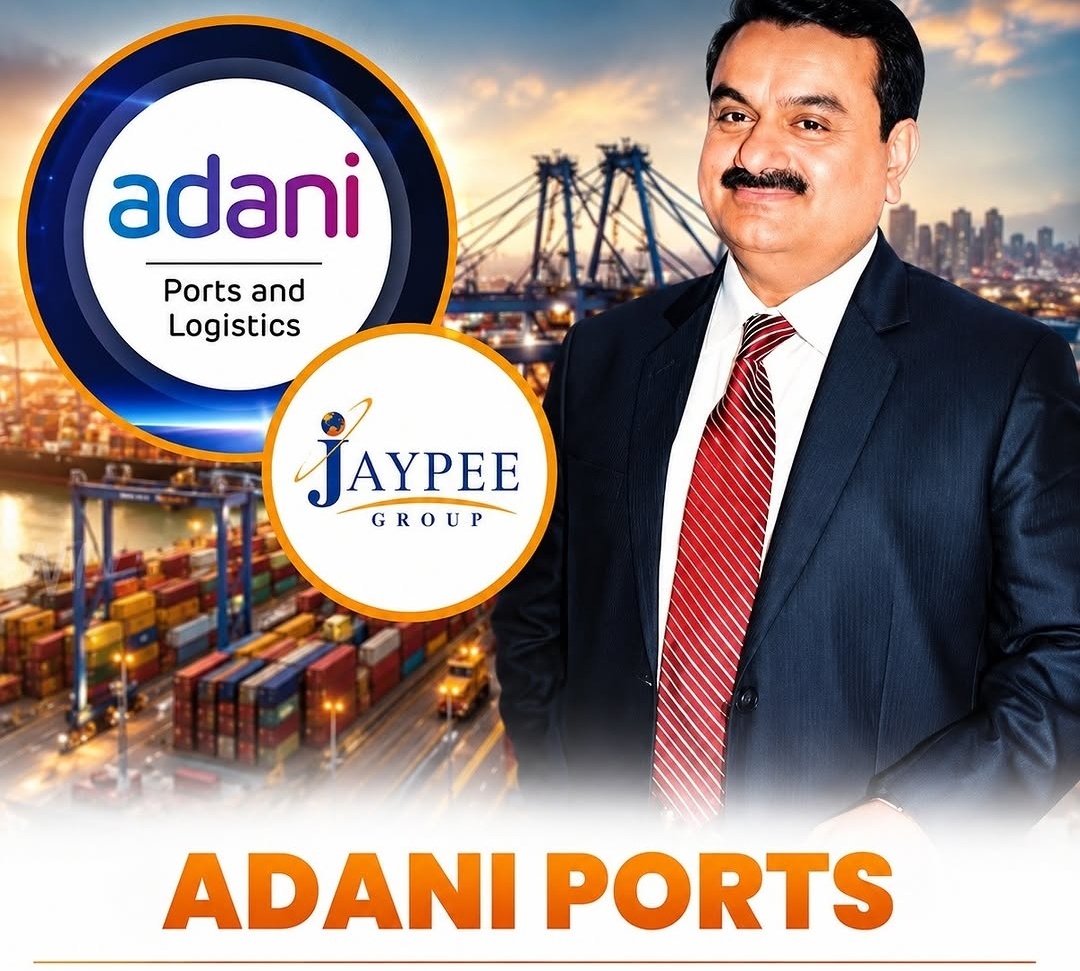
Adani Ports to acquire Jaypee Fertilizers for ₹1,500 crore under JAL resolution plan

AHMEDABAD : Adani Ports is paying ₹1,500 crore for a fertilizer company it doesn’t want for its fertilizers — it wants the 243 acres of prime Kanpur industrial land underneath. The deal, part of the court-approved JAL insolvency resolution, hands Adani a ready-made anchor for its north India logistics ambitions and brings its MMLP count closer to a target of 16 parks by 2031.

Adani Ports and Special Economic Zone Ltd (APSEZ) on Thursday, 21 May signed a definitive agreement to acquire Jaypee Fertilizers & Industries Ltd (JFIL) for ₹1,500 crore as part of the National Company Law Tribunal (NCLT)-approved resolution plan for debt-ridden Jaiprakash Associates Ltd (JAL). The deal, disclosed through a regulatory filing, marks a significant step in the Adani Group‘s push to deepen its inland logistics footprint across north India.

What the Acquisition Covers
Under the share purchase agreement with JAL, APSEZ will acquire 100 per cent shareholding in JFIL, which serves as the holding company of Kanpur Fertilizers and Chemicals Ltd (KFCL). This gives APSEZ indirect control over KFCL, which owns approximately 243 acres of industrial and commercial land in Kanpur, considered strategically suitable for developing a logistics park and warehousing facilities.

Strategic Rationale for APSEZ
According to the regulatory filing, the transaction aligns with APSEZ’s strategy to strengthen inland logistics operations and expand service capabilities in north India. The acquisition also supports the company’s broader target of scaling its multi-modal logistics park (MMLP) network from 12 to 16 parks and expanding warehousing capacity nearly fourfold by 2031. The Kanpur land bank is seen as a ready-made anchor for this expansion without the delays of greenfield land acquisition.

Role in the JAL Resolution Plan
The acquisition is being executed under the resolution plan submitted by Adani Enterprises Ltd for the debt-laden JAL, with APSEZ acting as one of the implementing entities. The transaction is expected to close on the effective date of the resolution plan, which is anticipated within 90 days of the NCLT approval granted on 17 March 2026. Notably, the Competition Commission of India (CCI) had cleared the transaction as far back as August 2025, while the National Company Law Appellate Tribunal (NCLAT) upheld the resolution plan in May 2026, removing the last major legal hurdle.

Adani Power’s Parallel Deal
In a related development, Adani Power separately entered into definitive agreements with JAL to acquire a 24 per cent stake in Jaiprakash Power Ventures Ltd (JPVL) and the 180 MW Churk thermal power plant in Uttar Pradesh. Together, the two transactions signal a coordinated Adani Group strategy to absorb key operational and land assets from the JAL insolvency estate.

JSW Infra set to invest ₹832 crore in Kolkata Dock System

KOLKATA : JSW Infrastructure Ltd. is set to win the rights for the integrated development of two new outer container terminals and five existing berths at Netaji Subhas Dock (NSD) of Kolkata Dock System in Syama Prasad Mookerjee Port, costing ₹832.25 crore, by placing the highest royalty of ₹3,701 per twenty-foot equivalent unit (TEU).

The project involves building two outer container handling berths and taking over the existing five berths at NSD with a capacity to handle a combined 930,230 TEUs as well as multipurpose cargo.

This will be the second project win for JSW Infrastructure at Syama Prasad Mookerjee Port after it won a bid last year for the reconstruction of Berth No. 8 and mechanisation of Berths 7 and 8 at NSD by installing Rail Mounted Quay Cranes to facilitate faster handling of container cargo with an investment of ₹832 crore for handling containers with a royalty quote of ₹4,678 per TEU.

Source : The West Bengal Index

JNPA–CONCOR Trade Meet in Ludhiana highlights new rail connectivity via WDFC

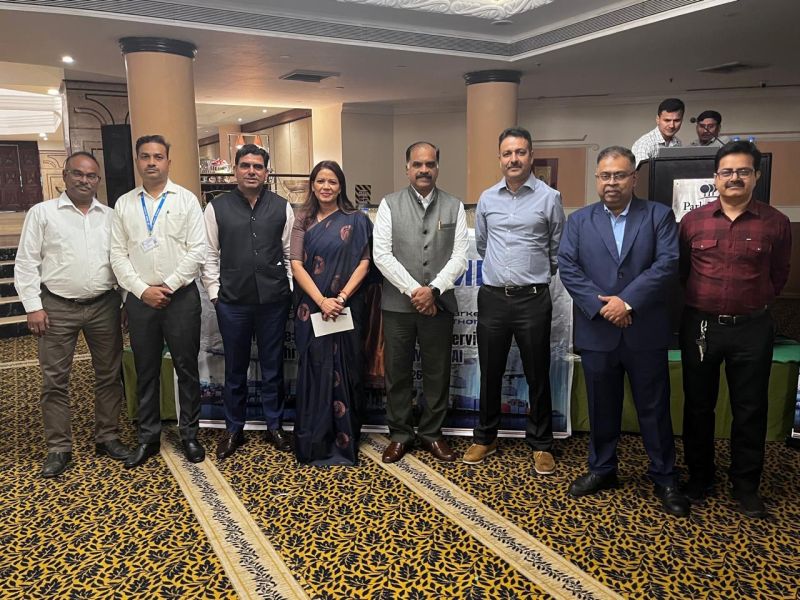
LUDHIANA : In a significant step towards strengthening India’s multimodal logistics framework and enhancing trade efficiency, Jawaharlal Nehru Port Authority (JNPA), India’s largest container port, in association with Container Corporation of India Ltd. (CONCOR), organised a high-level trade meet in Ludhiana to discuss the commencement of full-corridor rail operations from Dadri (NCR) to JNPA through the Western Dedicated Freight Corridor (WDFC).

JNPA CONCOR 2 JNPA–CONCOR Trade Meet in Ludhiana highlights new rail connectivity via WDFC

The trade interaction brought together senior officials from JNPA and CONCOR alongside a wide spectrum of stakeholders from the trade and logistics fraternity, including exporters, importers, shipping lines, container train operators (CTOs), logistics service providers, and representatives from key industry and trade organisations.

The event served as an important platform to showcase the transformative potential of the Dedicated Freight Corridor in reshaping cargo movement between northern India and the country’s leading maritime gateway.

During the deliberations, participants were briefed on the operational, commercial, and sustainability advantages of the new full-corridor rail connectivity.

One of the major highlights discussed was cost efficiency, as the transition from road to rail transport is expected to substantially offset rising operational expenses caused by fuel price volatility. The rail-based logistics model is poised to provide businesses with a more economical and resilient supply chain solution.

The new rail operations are also set to deliver significant gains in speed and reliability, with freight movement through the WDFC expected to reduce transit times to JNPA by nearly 50 per cent. Faster, more predictable cargo movement will help exporters and importers achieve improved supply chain planning and enhanced delivery commitments.

Sustainability emerged as another major focus area, with rail transportation offering a considerably lower carbon footprint compared to conventional road transport, supporting India’s broader objectives of green logistics and environmentally responsible trade infrastructure.

Addressing the trade community, JNPA and CONCOR reaffirmed their commitment to ensuring dedicated rake availability, streamlined cargo handling processes, and faster customs clearances, enabling smooth management of increasing cargo volumes and operational efficiency across the logistics chain.

The trade meet also highlighted JNPA’s robust infrastructure and operational capabilities, underscoring its continued leadership as India’s premier container port and a critical gateway facilitating the nation’s international trade ambitions.

The initiative reflects a shared commitment by JNPA and CONCOR to promote integrated, efficient, and sustainable freight transportation solutions, while unlocking new growth opportunities for the export-import community through enhanced rail connectivity and dedicated freight infrastructure.

Kandla Customs Brokers Association extends warm welcome to Dinesh Singh (IRS) on joining as Commissioner of Customs, Kandla

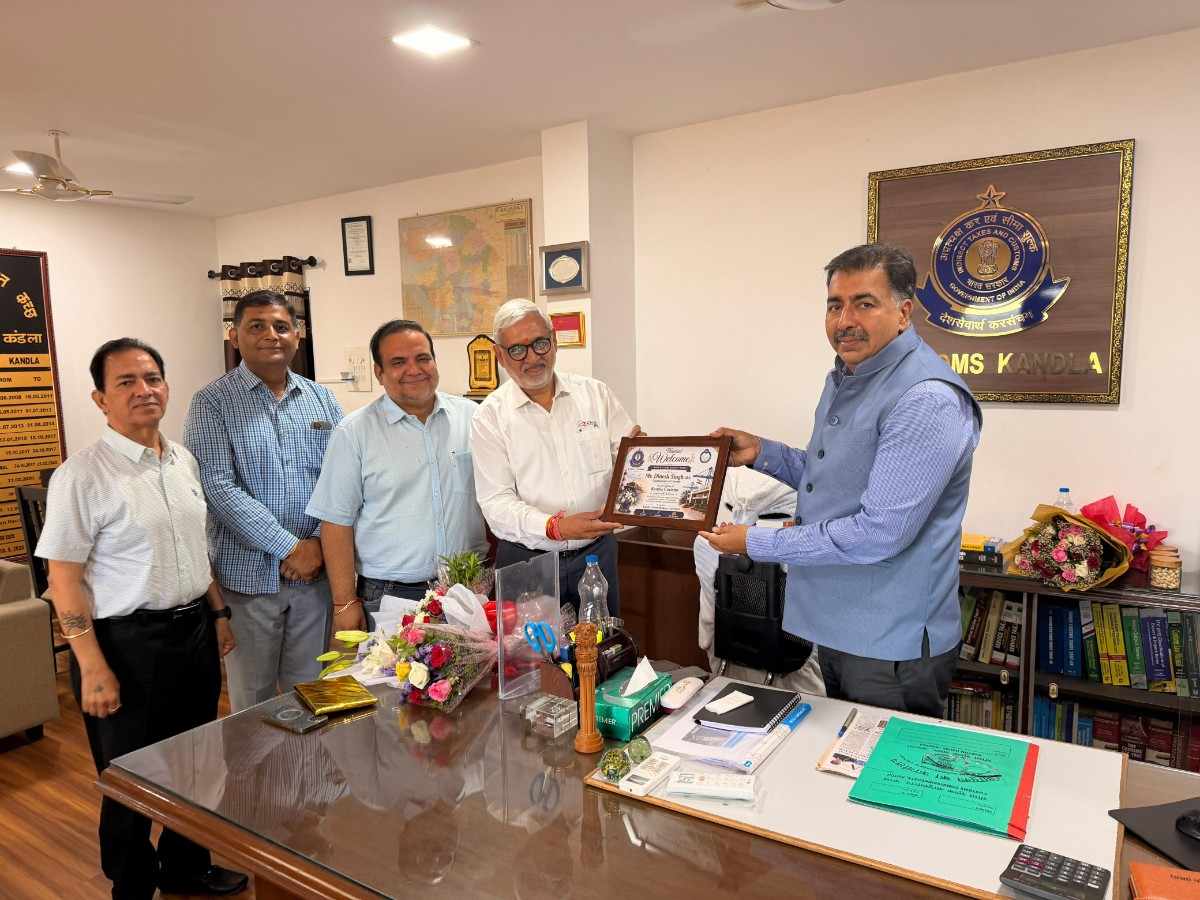
GANDHIDHAM : The Kandla Customs Brokers Association (KCBA), under the leadership of its President Shri Dinesh Gupta, extended a heartfelt welcome to Shri Dinesh Singh (IRS) on his joining as the Commissioner of Customs, Kandla.

On this occasion, KCBA conveyed its best wishes and expressed confidence that under his dynamic leadership and guidance, Kandla Customs will continue to strengthen trade facilitation, transparency, and ease of doing business for the EXIM community.

A specially designed welcome frame was presented on behalf of the Association by President Shri Dinesh Gupta, the Secretary, and Managing Committee Members of KCBA as a mark of respect and goodwill.

The Association acknowledged the vital role played by Customs authorities in facilitating smooth port operations and fostering coordinated growth of trade and logistics activities at Kandla Port.

KCBA further assured its continued cooperation and support towards achieving greater efficiency and seamless customs processes for the benefit of the trade fraternity.

“Don’t look at it as Zero-Sum game”: Jaishankar on West Asia conflict, reiterates call for stability, unimpeded maritime commerce

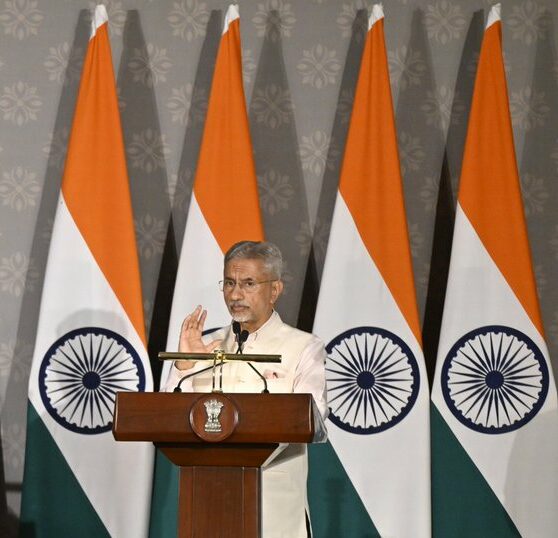
NEW DELHI: External Affairs Minister Shri S Jaishankar on Sunday highlighted that India is among the few countries in the world with strong relations and real interests in the Gulf and that it wants peace and stability in the region.

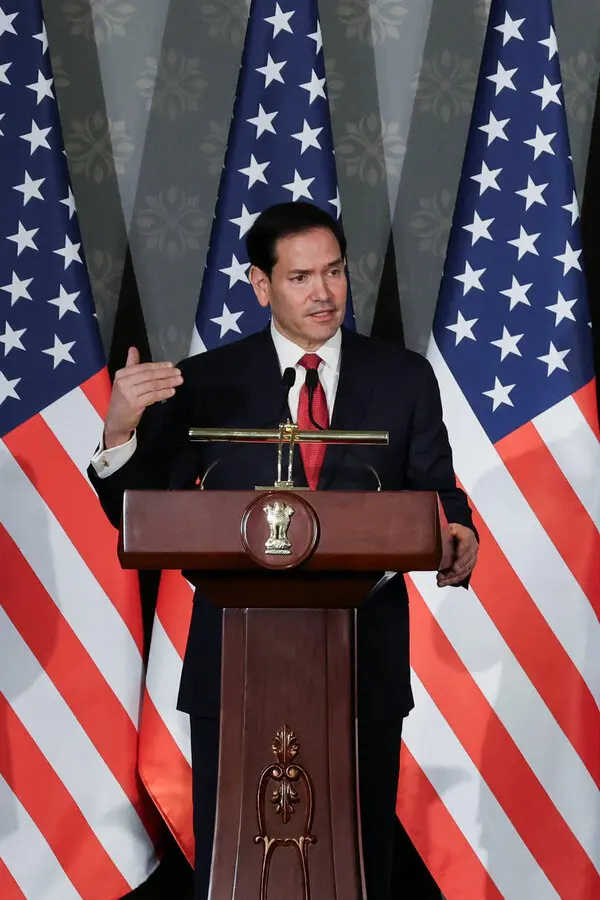
Addressing a joint press conference with US Secretary of State Marco Rubio, who is currently in India, Shri Jaishankar said, “India today is one of the very few countries that has very strong relations with the United States, with Israel, with Iran, and with the Gulf countries. We have real interests there. For us, the challenge is how to maintain all these relationships, protect our equities, and advance our interests. We don’t look at it as a zero-sum game. Having said that, there are general principles: we want peace and stability in the region, the welfare of our diaspora is crucial, and as a big importer of energy, keeping prices down for global growth is vital.”

He reiterated India’s strong interest in safe and unimpeded maritime commerce through the region and added, “We want energy markets not to be distorted or constrained because it has a cost implication for our people.”

He added that India’s priorities in the region included peace, stability, protection of the Indian diaspora and secure maritime trade routes.

“I would say there are some general principles by which we would approach this region. Obviously, we want peace and stability in the region. For us, the welfare, the well-being of the diaspora is crucial. We want to see energy prices go down because we are a very big importer of energy, and much of it comes from that region. As I stated in my remarks, we are very much in favour of safe and unimpeded maritime commerce through the region.”

The External Affairs Minister reaffirmed India’s position regarding the regional and global conflicts through five key points- dialogue and diplomacy as the way forward; support for safe and unimpeded maritime commerce; demand respect for international law; against weaponisation of market shares and resources and a belief in the value of trusted partnerships, resilient supply chains to derisk the global economy.

Meanwhile, US Secretary Rubio indicated that “significant progress” has been made in ongoing diplomatic efforts concerning Iran, stating that an announcement could be possible later today regarding a deal with Iran.

Any potential breakthrough over the Strait of Hormuz would depend on Iran accepting and complying with a proposed framework under discussion, Rubio said, stressing that Tehran must never be allowed to possess a nuclear weapon.

Rubio suggested that further announcements on the issue could come later in the day from US President Donald Trump.

Source: ANI

India has committed to purchasing USD 500 billion in US goods over the next five years: Marco Rubio

NEW DELHI: With India and the US negotiating a trade deal, US Secretary of State Marco Rubio has said that India has committed to purchasing $500 billion in US goods over the next five years and lauded the efforts of US Ambassador to India Sergio Gor and American diplomats.

Rubio, who is on a four-day visit to India, said in a post on X that India’s imports would focus on energy, technology, and agriculture.

“Huge thanks to US Ambassador to India Sergio Gor and our American diplomats for their efforts. Because of their great work, India has committed to purchasing $500 billion in US goods over the next five years, focusing on energy, technology, and agriculture. They’re doing terrific work on behalf of President Trump and the American people!” Rubio said in a post on X.

The United States and India announced in February this year that they have reached a framework for an Interim Agreement regarding reciprocal and mutually beneficial trade.

The framework reaffirmed the countries’ commitment to the broader US-India Bilateral Trade Agreement (BTA) negotiations, launched by US President Trump and Prime Minister Narendra Modi on February 13, 2025, which, the two countries said, will include additional market access commitments and support more resilient supply chains.

According to the Joint Statement, “India intends to purchase USD 500 billion of US energy products, aircraft and aircraft parts, precious metals, technology products, and coking coal over the next five years.”

“India and the United States will significantly increase trade in technology products, including Graphics Processing Units (GPUs) and other goods used in data centres, and expand joint technology cooperation,” the statement added.

Rubio, who addressed a joint press conference with External Affairs S Jaishankar here on Sunday, said the US and India are “on the verge” of reaching a trade agreement, adding that both sides have made “tremendous progress” in talks aimed at rebalancing trade ties between the two countries.

Rubio dismissed suggestions that the India-US relationship had lost momentum and said trade discussions were part of a broader global effort by the US administration to address trade imbalances.

He said the trade push by the Trump administration was not specifically targeted at India but part of a wider review of America’s trade arrangements globally.

“The President did not say ‘Let’s figure out a way to create friction with India over trade.’ The President came in and said, ‘We have a trade situation involving the US economy that doesn’t work moving forward. There’s a huge imbalance that’s built up, and it needs to be addressed’,” Rubio said

“There is virtually no country in the world that I could travel to that isn’t going to raise the issue of trade because we did this from a global perspective,” he added.

Rubio said the US will arrive at trade arrangements around the world that are good not only for his country but also for trade partners.

The US, he said, is hopeful of concluding a trade pact with India that would benefit both countries and remain sustainable in the long run.

Piyush Goyal to visit Canada for high-level business interactions and India–Canada CEPA talks

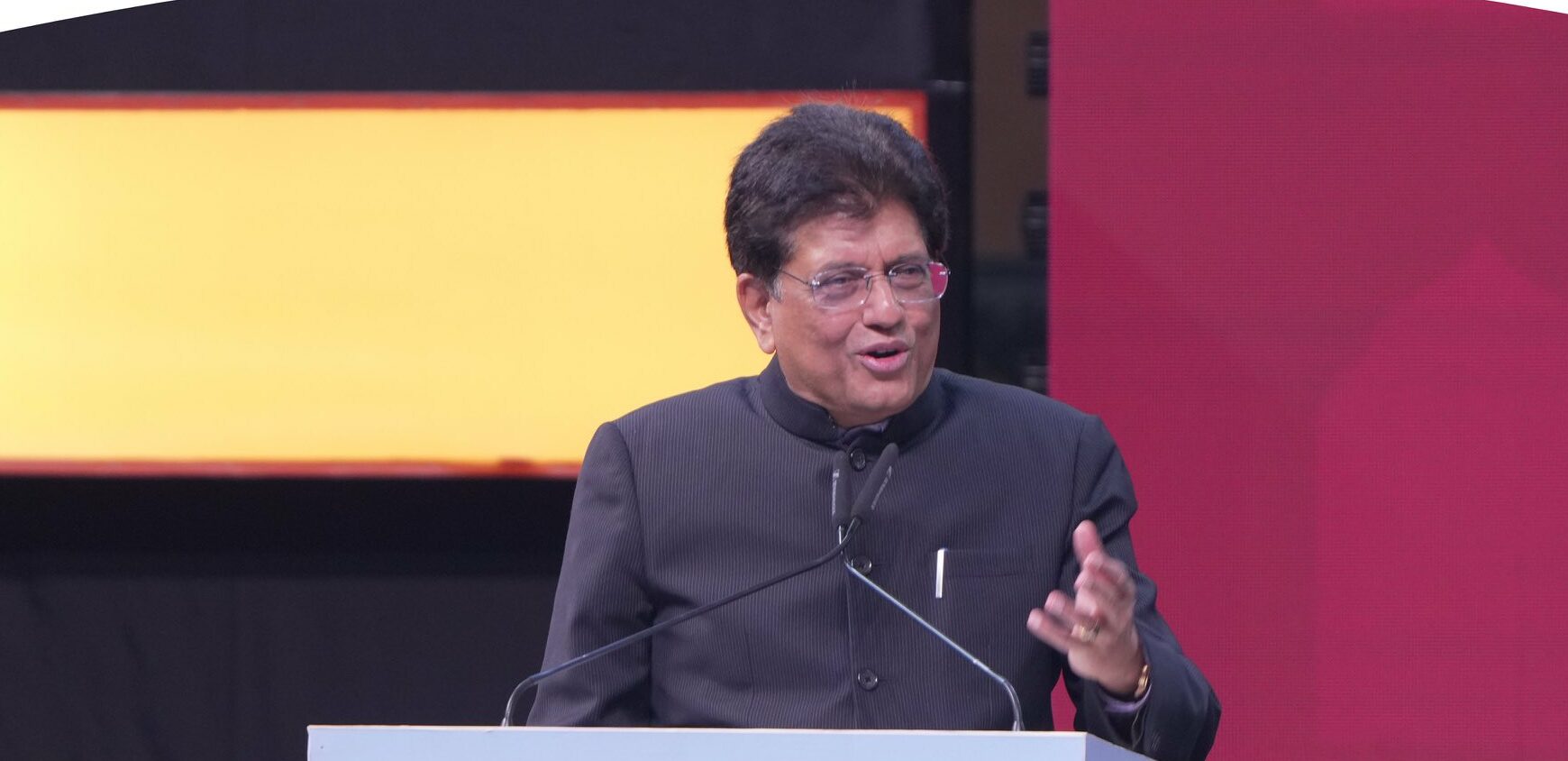
NEW DELHI : Union Minister of Commerce and Industry Shri Piyush Goyal will visit Canada from May 25-27 to advance the ongoing negotiations of the Comprehensive Economic & Partnership Agreement (CEPA) between India and Canada and hold official, business & industry interactions. Senior representatives from over 100 Indian businesses are accompanying Shri Goyal from sectors like metals & mining, energy, automotive & capital goods, aerospace, tourism, leather & textiles, agriculture, telecom & pharmaceuticals among others.

During his visit, Shri Goyal will meet H.E. Mr. Maninder Sidhu, Minister of International Trade, and review the progress of India-Canada CEPA, and explore new opportunities for trade & investments. In FY2025-26, the bilateral trade between both countries was around USD 8 billion, out of which India’s exports were USD 4.67 billion and India’s imports were USD 3.28 billion.

The Minister will call on the Prime Minister of Canada, H.E. Mr. Mark Carney, and hold a series of bilateral meetings including with H.E. Ms. Anita Anand, Minister of Foreign Affairs, to strengthen strategic cooperation across priority sectors. HCIM will also interact with CEOs of leading Canadian companies, startups, and pension funds.

Energy security and energy transition are defining priorities for both our nations. Canada’s vast energy and natural resource base, and India’s expanding energy requirements, create strong complementarities. Further, the civil nuclear cooperation between India and Canada remains a cornerstone of the energy partnership.

Science and technology cooperation have a strong foundation, supported by regular institutional engagement. There is substantial scope for deeper India–Canada collaboration in AI research, standards, and innovation ecosystems.

The sustained high-level engagement between India and Canada since mid-2025, including the recent visit of Prime Minister Carney to India on March 2, 2026, has contributed significantly towards restoring momentum in the bilateral relationship & people-to-people ties. The negotiations of the India-Canada CEPA were also launched during this visit.

An official delegation from Canada visited New Delhi from 4-7 May 2026 to conduct the second round of negotiations of the India-Canada CEPA. HCIM would be accompanied by officials for continuing the second round of negotiations for the India-Canada CEPA. Both countries are committed to fast-tracking the negotiations. Both sides have envisioned increasing the bilateral trade between India and Canada to USD 50 billion by 2030.

Canada has a large 2.8 million Indian Diaspora (1.8 million Indo-Canadians and about 1 million NRIs including students) who are a living bridge between the two nations. India takes great pride in its diaspora and their achievements in Canada.

India and Canada have resumed structured engagement through strategic and security channels alongside the broader political and economic renewal in bilateral relations. The visit is expected to explore cooperation across key sectors of mutual importance, strengthen the mutual trust, and impart greater momentum to a partnership that has the potential to expand exponentially.

68th Session of the Governing Body Meeting of the Asian Productivity Organisation Concludes in New Delhi

NEW DELHI : The 68th Session of the Governing Body Meeting (GBM) of the Asian Productivity Organization (APO) concluded successfully in New Delhi after three days of deliberations, strategic discussions and high-level engagements held from 20–22 May 2026 at Bharat Mandapam.

The meeting was hosted by the National Productivity Council (NPC) under the aegis of the Department for Promotion of Industry and Internal Trade (DPIIT), Ministry of Commerce & Industry, Government of India. The event witnessed participation from Heads of National Productivity Organizations (NPOs), senior government officials, policymakers, productivity experts and delegates from APO member economies.

The three-day programme commenced on 20 May 2026 with preparatory and closed-door meetings, followed by networking and cultural engagements aimed at strengthening regional cooperation and collaboration among member economies.

The plenary sessions held on 21 and 22 May 2026 deliberated on several important agenda items concerning the future direction, governance and strategic priorities of the APO. Discussions included adoption of the Annual Report of the Secretary-General, Financial Report for the Year 2025, appointment of auditors for 2026, recommendations of the APO Vision 2030 Steering Committee, APO preliminary budget for the 2027–28 biennium, governance reforms, progress reports on regional productivity initiatives and measures for strengthening institutional performance and compliance.

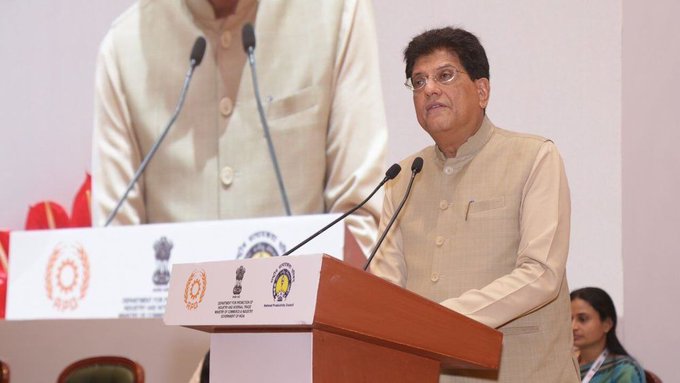
The inaugural session held on 21 May 2026 was graced by Union Minister of Commerce & Industry, Shri Piyush Goyal, who delivered the inaugural address as the Guest of Honour. Shri Goyal highlighted India’s productivity-led growth, digital public infrastructure, manufacturing and logistics reforms, MSME empowerment, sustainability initiatives and regional cooperation.

The Governing Body Meeting also marked key leadership transitions, with APO Director for Indonesia, Prof. Anwar Sanusi, assuming charge as APO Chair for 2026–27, succeeding APO Director for India and Secretary, Department for Promotion of Industry and Internal Trade (DPIIT), Ministry of Commerce & Industry, Government of India, Shri Amardeep Singh Bhatia. The Acting APO Directors for Iran and Japan assumed the roles of First and Second Vice Chairs, respectively.

A major highlight of the event was the presentation of the APO Awards for Productivity Advocates, Technical Experts and NPC Special Recognition Awards in recognition of outstanding contributions to productivity enhancement and organisational excellence.

The Asian Productivity Organization established the APO Accreditation Body (APO-AB) to assess and accredit Certification Bodies for Productivity Specialists among APO member economies. So far, 13 APO member economies, including India, have received certification. During the event, the APO-AB Accreditation Certificate was presented to the National Productivity Organization Certification Body of Cambodia.

During the Governing Body Meeting, member economies reaffirmed their collective commitment towards advancing the objectives of APO Vision 2030 and strengthening cooperation in areas such as digital transformation, sustainable development, innovation, capacity building and productivity-led growth.

The closing session held on 22 May 2026 commenced with remarks by the APO Chair, followed by observations from India’s Alternate Director, Smt. Neerja Sekhar. This was followed by the announcement that the 69th GBM will be hosted in Lao PDR in 2027 and the 67th Workshop Summit Meeting (SM) of Heads of APO Economies will be held in Sri Lanka in 2027.

Under “Any Other Business,” APO informed member economies about the initiative under GAIA (Genuine AI Action), under Vision 2030, emphasising AI-driven productivity enhancement and modernisation of training systems. Thereafter, the Summary Record of Proceedings (Days 1 and 2) was adopted as presented by the Second Vice Chair, Japan, and the session concluded with the closing statement by the APO Chair.

Later, delegates participated in cultural visits to prominent heritage sites in Delhi, including the National Museum, Humayun’s Tomb, the India Gate–Central Vista ceremonial avenue and The Light and the Lotus: Relics of the Awakened One. The exposition showcased sacred relics of Lord Buddha along with sculptures, manuscripts and artefacts reflecting India’s Buddhist heritage. Hosted at the Rai Pithora Cultural Complex, New Delhi, the exposition highlighted India’s spiritual and civilisational legacy. Delegates appreciated the opportunity to experience India’s rich cultural heritage.

The successful hosting of the 68th Governing Body Meeting of the Asian Productivity Organization reaffirmed India’s commitment to advancing productivity, strengthening regional cooperation and fostering sustainable socio-economic development across the Asia-Pacific region.