Home Blog Page 290

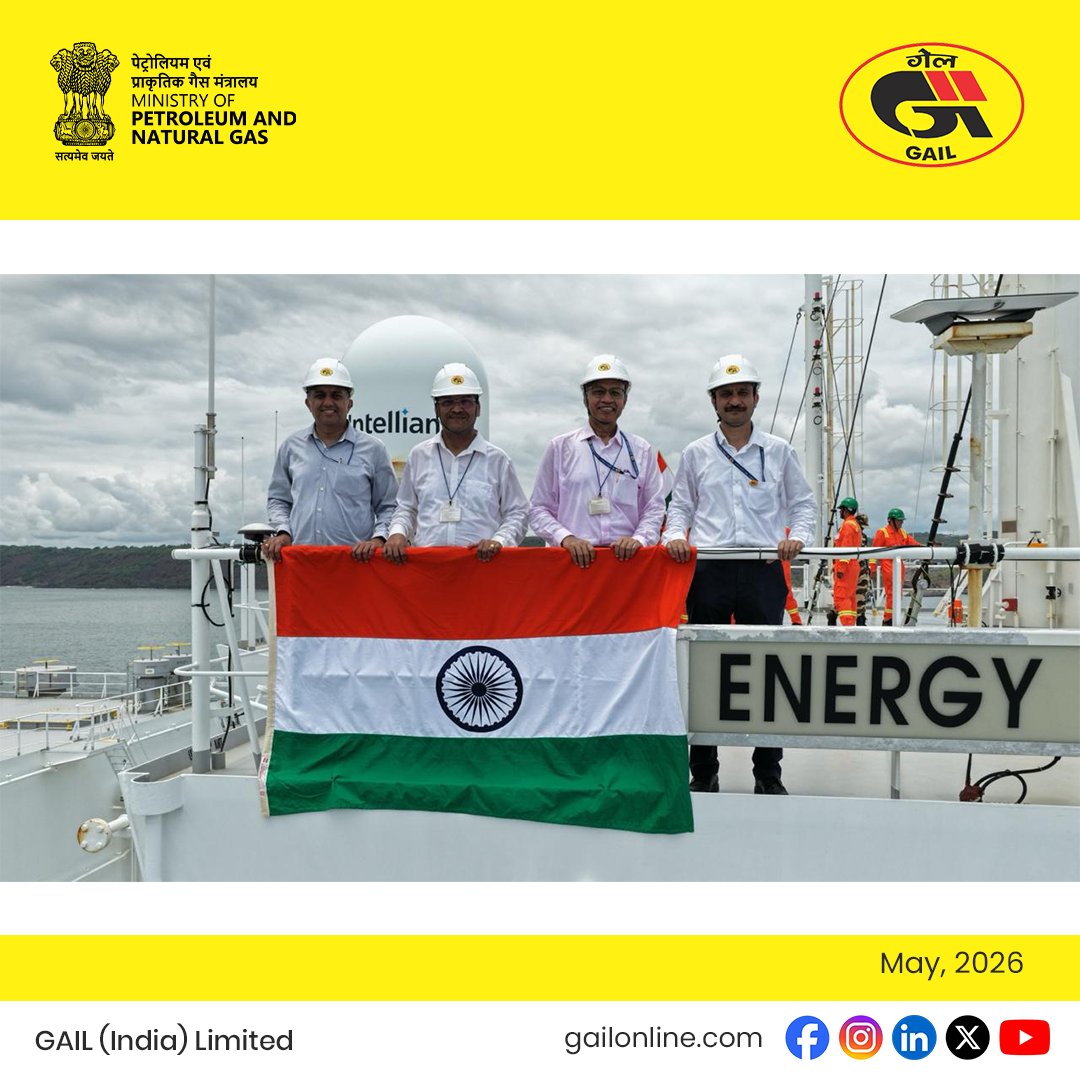
GAIL welcomes LNG Carrier “Energy Fidelity” on maiden voyage to Dabhol, strengthening India’s energy security

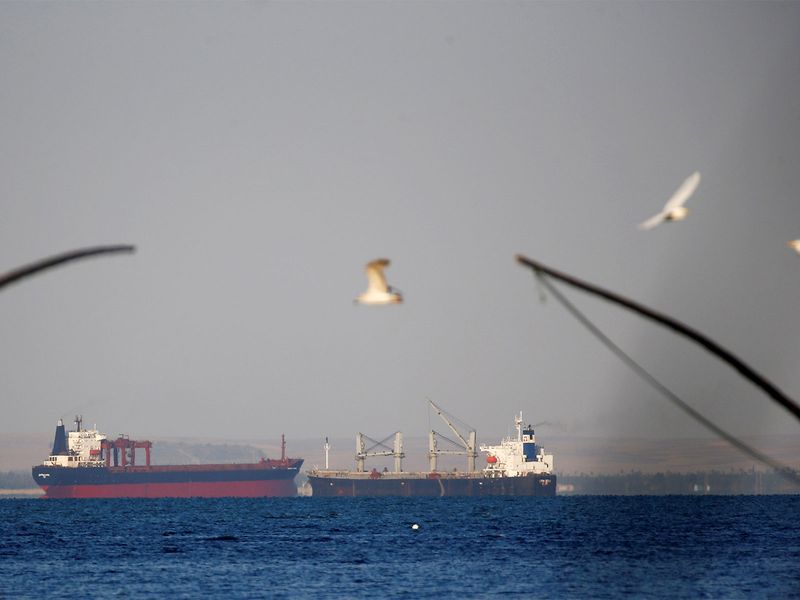
DABHOL : In a significant milestone for India’s energy sector, GAIL (India) Limited proudly welcomed the LNG carrier “Energy Fidelity” on her maiden voyage to the Dabhol LNG Terminal, reinforcing the nation’s commitment to energy security, supply diversification, and sustainable growth.

The arrival of Energy Fidelity marks an important development in strengthening India’s long-term Liquefied Natural Gas (LNG) supply chain under GAIL’s strategic global sourcing arrangements. Dedicated to transporting LNG from the United States to India under a long-term agreement, the vessel represents a major step toward ensuring reliable and uninterrupted energy supplies to support India’s expanding natural gas demand.

GAIL welcomes LNG Carrier “Energy Fidelity” on maiden voyage to Dabhol, strengthening India’s energy security

Built with advanced maritime engineering and cutting-edge environmental technologies, Energy Fidelity embodies the future of cleaner and more efficient global LNG transportation. The vessel is equipped with a state-of-the-art two-stroke propulsion system, air lubrication technology, and shaft generator systems, significantly improving fuel efficiency and operational performance while reducing greenhouse gas emissions and environmental footprint.

The deployment of technologically advanced LNG carriers such as Energy Fidelity aligns with global efforts to decarbonize maritime logistics and supports India’s broader clean energy transition agenda.

The maiden call at Dabhol also underscores the growing strategic importance of LNG infrastructure in meeting the country’s industrial, power, transport, and city gas distribution requirements. As India accelerates its vision of increasing the share of natural gas in its energy mix, dependable LNG imports and robust maritime logistics remain critical pillars of the nation’s energy roadmap.

GAIL reiterated its continued commitment to advancing India’s clean energy ambitions by building resilient, diversified, and sustainable energy pathways. Through long-term LNG sourcing, infrastructure development, and technological innovation, the company remains focused on delivering reliable and efficient energy solutions that support economic growth and environmental responsibility.

GAIL also expressed its appreciation to all partners, stakeholders, shipping collaborators, and operational teams whose collective efforts made this important achievement possible.

The arrival of Energy Fidelity further strengthens India’s position in the global LNG ecosystem while reinforcing GAIL’s role as a key driver of the country’s evolving energy landscape and long-term supply resilience.

LNG Tanker exits Hormuz for India for first time since war began

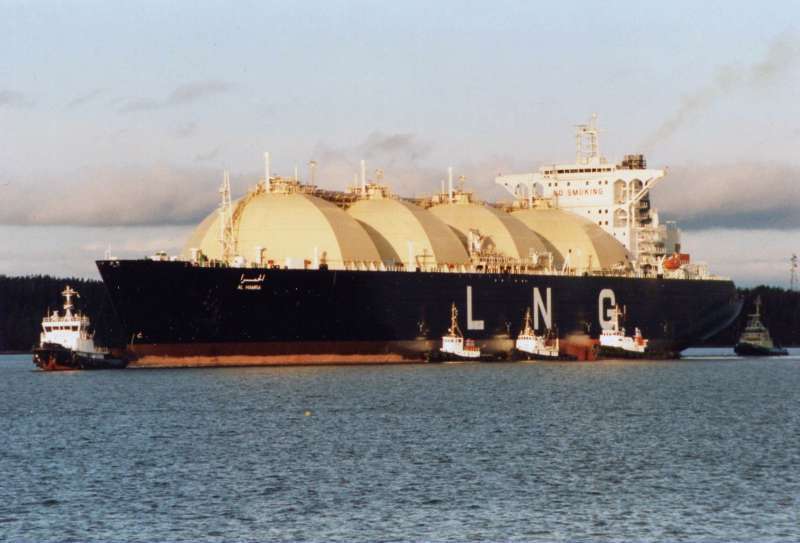
ABU DHABI : A liquefied natural gas tanker carrying a shipment for India has exited the Strait of Hormuz, the first for the country from the Persian Gulf since the Iran war began months ago as the region’s exporters discreetly supply key buyers.

Adnoc Logistics & Services’s Al Hamra tanker was spotted in the last day, loaded with a cargo and heading to western India, according to ship-tracking data compiled by Bloomberg. The vessel stopped sending a signal around April 19 — but at that time it was empty and idling near the eastern entrance of Hormuz.

The tanker loaded a cargo at Abu Dhabi National Oil Co.’s Das Island export plant, which is in the Persian Gulf behind Hormuz, during the period it wasn’t sending a signal, according to Kpler. Satellite images show that LNG tankers have been docking at Das Island, even though no tankers are broadcasting their positions near the plant.

Adnoc has exported two other shipments from the Persian Gulf on tankers that went dark when traversing the waterway — one to Japan and the other to China.

Hormuz has remained virtually shut as the US and Iran struggle to reach a peace agreement, with both sides enforcing a de facto blockade on a waterway that normally handles about a fifth of global LNG supply. Vessels continue to face security threats, and most of the transits through Hormuz take place with transponders turned off to avoid detection.

Last year, India received more than half of its LNG from Qatar and the UAE, but those flows have essentially halted over the last few months, ship data shows. The decline in deliveries has forced India to procure more shipments from the expensive spot market, as well as curb supplies to some industries.

LNG tankers linked to Adnoc have stopped transmitting signals around Hormuz and within the Persian Gulf, ship data shows, as a safety measure to protect the vessels and their crew. Adnoc didn’t immediately respond to a request for comment outside of regular business hours.

While the move suggests Persian Gulf LNG exporters are finding ways to deliver fuel to customers, it still represents only a fraction of pre-war volumes, when roughly three tankers carrying the super-chilled fuel exited Hormuz on a daily basis.

Source : Bloomberg

CMA CGM announce First-Quarter 2026 Financial Results

  • CMA CGM delivered resilient results and demonstrated its ability to adapt in the context of heightened geopolitical tensions and a volatile market environment.
  • The CMA CGM Group continued to implement its growth strategy and investment plan. 

MARSEILLE: On the occasion of the publication of the Group’s first-quarter 2026 results, Rodolphe Saadé, Chairman and Chief Executive Officer of the CMA CGM Group, stated: 

“In an uncertain geopolitical context, the Group delivered resilient performance in the first quarter of 2026, supported by the strength of our shipping activities and the diversification of our business model. While tensions in the Middle East and disruptions across global supply chains continued to weigh on the industry, we adjusted our network, implemented alternative logistics corridors and maintained reliable service for our customers. Looking ahead, our priority remains clear: protecting our people, managing risks with discipline and preserving the Group’s agility as we continue to grow and develop.” 

Group Highlights in the First Quarter: Proven Operational Resilience in an Uncertain Geopolitical Environment

The first quarter of 2026 took place in a still-volatile market environment for shipping and logistics, marked by persistent geopolitical tensions and ongoing macroeconomic and trade uncertainties. 

In this context, the CMA CGM Group continued to demonstrate agility and operational discipline to optimize fleet deployment, adapt its services and control costs, while pursuing strategic investments across the entire value chain. 

In shipping, CMA CGM recorded volume growth and continued to adapt its network and services: 

  • The Group announced the launch of the “DAY 10” product within the OCEAN Alliance, featuring 41 services operated on the main East-West trade routes and a total capacity of 5.3 million TEUs.
  • Several services were launched, including the Ocean Rise Express connecting Japan, South China and Northern Europe, while others were strengthened, such as the Eagle Express 1 between Japan and the U.S. West Coast.
  • In March, CMA CGM launched the PCRF XL service, an enhanced weekly connection between Northern Europe, the French West Indies and Central America, operated with seven 6,000-TEU vessels, targeting 300,000 transshipped containers annually by 2027 as part of the “Caribbean Hub” strategy.
  • Lastly, in response to the disruption in the Strait of Hormuz, the Group implemented alternative multimodal corridors to maintain supply chain continuity to and from Gulf countries despite navigation constraints. 

The Group also continued to modernize its fleet with the entry into service of the CMA CGM MONTE CRISTO, the Group’s 400th owned vessel and the first in a new series of methanol-powered container ships. 

In logistics, CEVA continued its development by strengthening its capabilities and completing its service offering, while recording revenue growth of 6.6%. 

  • In air freight logistics, CEVA signed a global contract with HAECO for the management of aeronautical component flows, as well as an agreement with Airbus Helicopters to operate a regional distribution center in Singapore.
  • CEVA also continued to expand its automotive logistics activities with a €9 million investment at the Port of Tarragona (Spain), adding 94,000 sqm of space and newcapacity to handle 4,500 vehicles.
  • The Group also launched a “Mobility & Fleet Management” offer, dedicated to fleet management and opened its first European Proximity Center in Gennevilliers, France.
  • CEVA further strengthened its low-carbon offering with the launch of a transatlantic wind-powered maritime transport service as part of its FORPLANET offering. 

In air freight, CMA CGM AIR CARGO continued to develop its activities over the quarter, relying on a fleet of eight aircrafts operated under the CMA CGM AIR CARGO and Air Belgium brands. The air cargo operations are structured around strategic hubs in France, Belgium, and the United States, to provide the Group’s customers with transport solutions that complement its maritime and logistics activities. 

The CMA CGM Group continued to implement its investment strategy

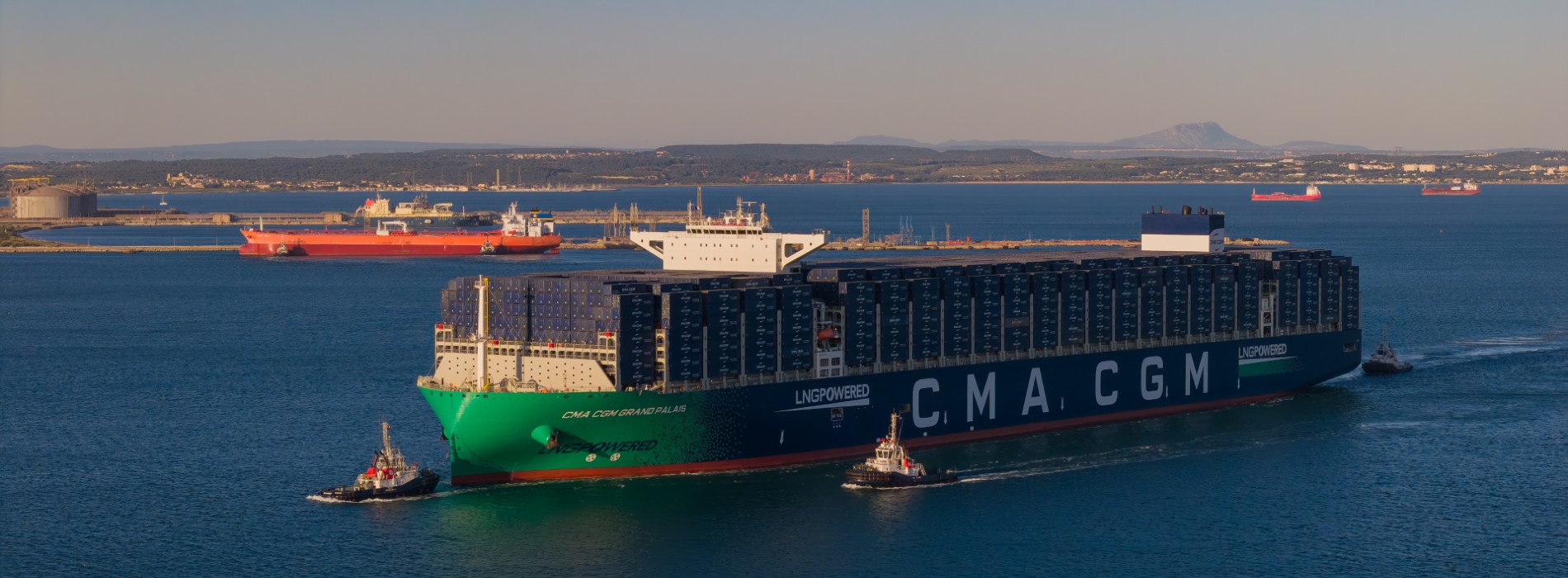
  • In India, CMA CGM ordered six LNG-powered container ships from Cochin Shipyard and established an R&D center with Capgemini to develop digital and AI solutions for its operations. The Group also plans to recruit up to 1,500 Indian seafarers by the end of 2026.
  • On January 28, CMA CGM signed a strategic partnership with Stonepeak to set-up a global port joint venture, United Ports LLC. This new entity will gather ten strategic terminals located across North America, Europe, Latin America and Asia. Stonepeak will invest $2.4 billion to acquire a 25% stake in the joint venture.
  • CMA CGM also finalized the acquisition of Freightliner UK, a leading rail freight operator in the United Kingdom.
  • Lastly, CEVA Logistics acquired the Italian group Fagioli, specialized in project logistics and heavy-lift transportation, further strengthening the Group’s capabilities to manage complex operations. 

Regarding CMA Media division: 

  • The Group announced a strategic partnership with YouTube, becoming the first private French audiovisual group to enter into an agreement of such scale with the platform, covering the distribution of more than 1,000 hours of content per year.
  • For the 2026 Africa Cup of Nations, RMC and Brut deployed an unprecedented and complementary editorial setup, combining RMC’s sports expertise with Brut’s immersive formats, achieving strong audience success across all platforms.
  • Finally, against a backdrop of the conflict in the Middle East and the municipal elections in France, BFMTV reinforced its position as a leading news brand, maintaining its status as the number one news channel in France. 

Business Activity and Financial Performance for First-Quarter 2026

CMA CGM Group

In the first quarter of 2026, revenue amounted to USD 13.2 billion, stable compared to the first quarter of 2025 (-0.2%), in a volatile environment marked by persistent geopolitical tensions, in particular in the Middle East.

EBITDA reached USD 2.1 billion, down 31.6%, representing an EBITDA margin of 16.0%, a decrease of 7.3 points compared to the first quarter of 2025. This decline is mainly attributable to the maritime activity, due to a high comparison base in the first quarter of 2025 and a less favorable market environment in the first quarter of 2026.

Maritime Activity

In the first quarter of 2026, transported volumes amounted to 5.9 million TEUs, slightly up by 1.5% compared to the first quarter of 2025, driven by growing demand in a volatile market environment. Maritime revenue reached USD 8.0 billion, down 8.5% compared to the first quarter of 2025, mainly due to an average revenue per TEU of USD 1,351, decreasing by 9.8% year-on-year.

EBITDA stood at USD 1.5 billion, compared to USD 2.5 billion in the first quarter of 2025. The EBITDA margin declined by 10.3 percentage points to 18.6%, reflecting lower freight rates compared to the previous year, despite a rebound in spot rates at the end of the quarter.

Logistics Activity

Logistics revenue amounted to USD 4.6 billion in the first quarter of 2026, up 6.6% compared to the first quarter of 2025, mainly due to perimeter effects and foreign exchange impacts.

EBITDA reached USD 330 million, down 17.2% compared to the first quarter of 2025. The EBITDA margin stood at 7.2%, a decrease of 2.1 points, reflecting pressure on freight management activities in a deteriorated market environment, as well as ongoing challenges affecting the automotive sector.

Other Activities

Revenue from other activities increased by 59.1% in the first quarter of 2026, reaching USD 1.3 billion, driven by perimeter effects and strong momentum in the Terminal activities.

EBITDA reached USD 294 million, up 90.0% compared to the first quarter of 2025, corresponding to a margin of 22.9%, an increase of 3.7 points, mainly reflecting improved profitability in the Terminal business, Air Cargo activities, and the contribution of recently consolidated operations.

Outlook

The escalation of tensions in the Middle East continues to impact shipping patterns and remains a key factor in the evolution of market balance and operating costs, particularly amid rising oil prices and changes in freight rates. Countries’ decisions related to trade policies and tariffs also continue to affect the organization of global trade flows.

In this uncertain environment, the CMA CGM Group remains vigilant and will rely on the diversification of its activities, the flexibility of its network, and its strong financial position.

Iran’s control of Strait of Hormuz raises legal issues; reopening unlikely

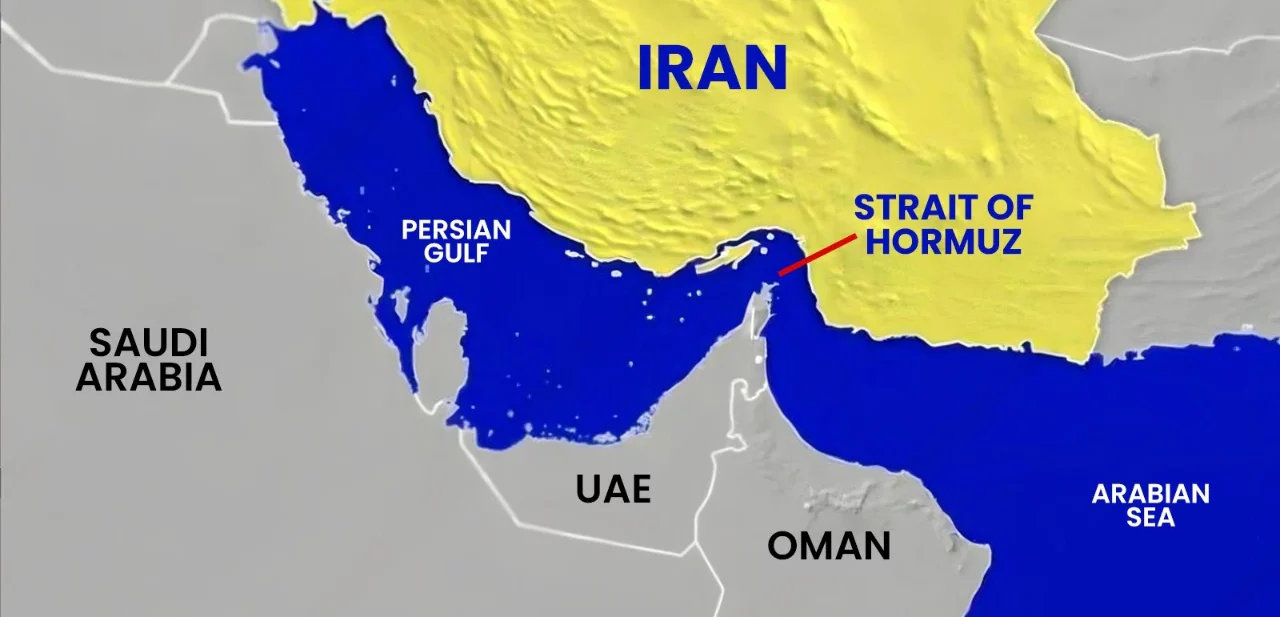
LONDON: Iran’s tightening grip on the Strait of Hormuz has left global energy markets and shipping in turmoil, with The Financial Times reporting that a full reopening of the waterway in 2026 is unlikely. 

Instead, countries such as India, China, Japan, and South Korea may be forced into bilateral deals with Tehran to secure passage, while legal and political disputes over Iran’s maritime claims deepen.

Energy and shipping disruption

According to The Financial Times, maritime traffic through the Strait of Hormuz has collapsed by more than 90% from pre-conflict levels, as insurers withdraw coverage and war-risk premiums soar. 

The chokepoint, which normally carries about 20% of global oil and LNG flows, has become nearly inaccessible to Western-flagged vessels. 

Moody’s has warned that Asian importers will likely negotiate bilateral transit corridors with Iran, possibly through routes near Larak Island or via Omani waters, but a return to pre-war traffic volumes this year is improbable.

The BBC has highlighted the human cost of the blockade, noting that thousands of crew members remain stranded as shipping companies reroute vessels around Africa’s Cape of Good Hope.

These detours add up to two weeks of extra travel time and nearly 40% more fuel consumption, sharply raising costs for global trade.

https://4ff543e0d8650790548364f6d42ccb9a.safeframe.googlesyndication.com/safeframe/1-0-45/html/container.html

The Week examined Iran’s justification for controlling Hormuz, pointing out contradictions in its selective use of international law. 

While Iran signed the United Nations Convention on the Law of the Sea (UNCLOS), it never ratified it, allowing Tehran to deny obligations on transit passage while still claiming economic benefits such as exclusive rights over natural resources. 

Legal experts argue that Iran’s unilateral interception of ships violates customary international law, which guarantees non-suspendable transit through international straits.

The article also noted that Iran’s actions overlap with Oman’s territorial entitlements, making unilateral control legally untenable. 

Attempts to levy transit fees or suspend passage are inconsistent with UNCLOS provisions, which prohibit charging tolls for natural straits. Analysts describe Iran’s stance as “cherry-picking” international law to justify coercive behavior.

Political and military dimensions

Iran’s push to consolidate control has been accompanied by aggressive tactics.

Reports from maritime outlets describe mine-laying, drone attacks, and fast-boat harassment by the Islamic Revolutionary Guard Corps (IRGC). 

The Financial Times noted that Iran’s leaders are betting that political pressure in the US and nervous regional allies will push President Donald Trump toward a deal, even if unfavorable.

Meanwhile, US naval forces have enforced a blockade since April, disabling Iranian tankers and clashing with IRGC units. 

The International Maritime Organization estimates that 1,500 ships and 20,000 crew members have been stranded due to hostilities.

Gulf nations and the UN have warned that instability in Hormuz threatens global trade and energy security.

India’s dilemma

For India, the crisis is particularly acute. As one of the world’s largest oil importers, New Delhi faces rising energy costs and inflationary pressures. 

Analysts cited by The Financial Times expect India to negotiate directly with Iran for safe passage, but such deals could expose it to geopolitical risks and complicate relations with the US and Gulf allies.

India has already suffered casualties, with The Week reporting that an Indian sailor was killed in March when an IRGC drone boat attacked the MKD VYOM.

Two other Indian-linked vessels were targeted in April, underscoring the vulnerability of non-combatant shipping.

Outlook

The Financial Times concludes that a full reopening of Hormuz in 2026 is unlikely, with only incremental improvements possible through bilateral arrangements. 

Analysts warn that even if limited corridors emerge, they will remain fragile, opaque, and vulnerable to disruption.

Legal experts stress that Iran’s selective adherence to international law sets a dangerous precedent, undermining global norms of free navigation. 

Politically, Tehran’s brinkmanship may strengthen its negotiating hand but risks alienating regional neighbors and escalating tensions with Washington.

For India and other Asian economies, the challenge will be balancing immediate energy needs with long-term strategic interests. As the crisis drags on, the Strait of Hormuz remains both a symbol of Iran’s defiance and a flashpoint for global instability.

Source: Invezz

Saudi Arabia launches new Red Sea shipping service linking Jeddah, Salalah and Djibouti

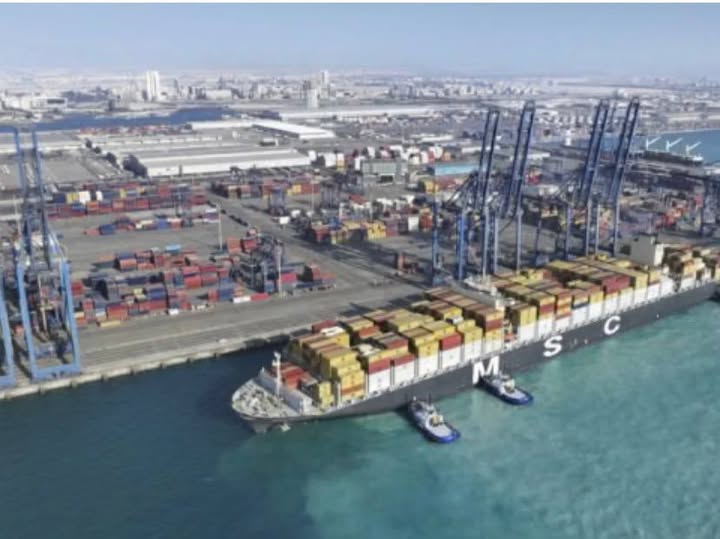
RIYADH : The Saudi Ports Authority (Mawani) has launched a new cargo shipping service linking Jeddah Islamic Port with Salalah in Oman and the Port of Djibouti, as the Kingdom accelerates efforts to strengthen maritime connectivity and position itself as a regional logistics hub.

According to Saudi state television, the service has a carrying capacity of up to 1,730 twenty-foot equivalent units (TEUs) and is aimed at supporting the kingdom’s import and export activity while expanding links with regional and international ports.

The move forms part of Saudi Arabia’s broader logistics strategy under Vision 2030, which seeks to diversify economy and strengthen the kingdom’s role in global trade routes connecting Asia, Africa and Europe. Mawani recently launched the “Red Sea Express” cargo shipping service through King Fahd Industrial Port in Yanbu, linking Saudi Arabia with Ain Sokhna in Egypt and Aqaba in Jordan to improve regional trade and supply-chain efficiency.

The Kingdom has invested heavily in ports, shipping infrastructure and logistics corridors in recent years as GCC countries compete to become major transport and trade hubs.

Source : Gulf News

UK maritime agency issues fresh security alert over “suspicious activity” by armed skiffs in Gulf of Aden

LONDON: The United Kingdom Maritime Trade Operations (UKMTO) agency has issued a fresh security alert following a flurry of “suspicious activity” detected within the volatile waters of the Gulf of Aden.

A series of worrying encounters has triggered heightened anxiety along the busy shipping lanes.

“There have been multiple reports of vessels being approached by skiffs. A large skiff with two outboard engines has been observed carrying both ladders and weapons,” the statement read.

As regional security forces move quickly to probe the precise nature of these hostile manoeuvres, international commercial shipping has been put on high alert.

The agency noted that vessels transiting the area “are advised to transit with caution”, adding that authorities are actively investigating the incident.

The sudden spike in suspected piracy or militant activity highlights the lingering vulnerabilities plaguing global supply lines.

While the Strait of Hormuz and the Gulf of Aden are geographically separate maritime corridors, the narrow Bab al-Mandeb Strait effectively links the Red Sea directly to the Gulf of Aden, serving as an indispensable chokepoint for international oil trade and commercial shipping.

Exemplifying these very dangers, the UKMTO has raised alarm over a fresh maritime security scare after a commercial vessel was intercepted by a suspicious small craft in the northwestern Indian Ocean, near that critical Bab al-Mandeb bottleneck.

During this high-seas standoff, the fast-moving craft, carrying five individuals, closed the distance to just 100 metres before peeling away when onboard private security guards readied their weapons. The tense encounter unfolded roughly 200 nautical miles west of Socotra.

Detailing the incident, the UKMTO Centre released a security advisory stating: “The Master of a product tanker has reported that the vessel was approached by a small craft with 5 persons onboard, closest point of approach 100m. The vessel’s Armed Security Team was deployed, and the small craft altered course away from the reporting vessel.”

This nerve-wracking confrontation marks the second targeted interception in the region within a 24-hour window.

On Friday, another commercial tanker navigating 98 nautical miles north of Socotra found itself in the crosshairs of an identical small craft carrying five individuals.

During that previous encounter, the ship’s onboard private security detail resorted to firing a warning shot, which successfully forced the potential attackers to abandon their pursuit and change direction.

Fortunately, no casualties or structural damage have been reported from either encounter, and specific details regarding the identity of the vessels remain under wraps.

In the wake of these persistent threats, international shipping lines have been urged to maintain extreme vigilance.

The UKMTO has instructed all vessels that they “are advised to transit with caution and report any suspicious activity to UKMTO whilst authorities investigate.”

These chilling twin incidents come at a time when the ongoing US-Iran war has turned critical global shipping corridors into a highly volatile zone for international maritime trade.


British naval authorities have immediately launched a comprehensive investigation to uncover the origins of both coordinated approaches.

The strategic waters flanking war-torn Yemen, including the highly trafficked sea lanes stretching across the Gulf of Aden and the Arabian Sea, have re-emerged as a hotspot for piracy and hostile boardings.

Reflecting this dangerous breakdown in maritime law, the Yemeni Coast Guard confirmed earlier this month that an oil tanker had been successfully hijacked by heavily armed men and forced towards the Somali coast.

Source: ANI

UAE rejects Iran’s Hormuz authority claims as “pipe dreams” amid stalled nuclear talks

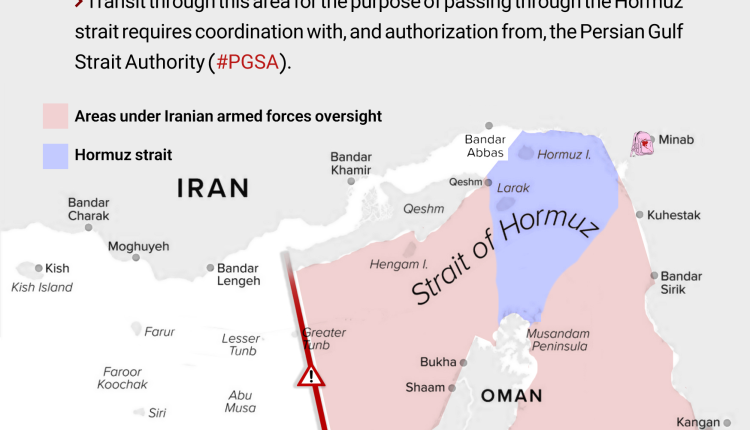
ABU DHABI : The standoff over the Strait of Hormuz deepened on Thursday as Iran’s newly established Persian Gulf Strait Authority published a map asserting regulatory control over a vast stretch of waterway stretching from Iranian shores all the way to the Emirati ports of Fujairah and Umm Al Quwain. The Iranian body declared that all vessels transiting the area must seek prior authorisation from the authority – a claim that drew sharp condemnation from the United Arab Emirates.

UAE presidential adviser Anwar Gargash fired back on social media, saying the Gulf had grown all too familiar with what he described as Iranian conduct over many decades. “We’ve grown accustomed to Iranian bullying over long decades until it became part of the political landscape in the Arabian Gulf, and credibility has been lost between aggressive rhetoric and hollow declarations of friendship,” he wrote.

Gargash was unequivocal in rejecting Tehran’s maritime ambitions, saying the regime was trying to impose a new reality out of what he called a clear military defeat. “Attempts to control the Strait of Hormuz or encroach on the UAE’s maritime sovereignty are nothing but fragments of dreams,” he said, adding that trust cannot be restored through slogans alone but only through responsible language and genuine good neighbourliness. The Iranian authority’s map claims jurisdiction over an area that includes waters directly adjacent to UAE territory – a move Emirati officials say violates their sovereign rights.

Meanwhile, diplomatic efforts to end the wider US-Iran conflict remained mired in contradiction. While a final draft agreement had been reached covering a ceasefire and gradual sanctions relief, a senior Iranian source told Reuters that no deal has been concluded, though gaps between the two sides have narrowed. Iran’s Foreign Ministry dismissed nuclear-related media reports as speculation unrelated to ongoing talks. With oil markets on edge and the Strait of Hormuz still effectively closed to normal traffic, pressure is mounting on all sides to find a workable settlement.

Pakistan seeks US investment under new policy to open rail network to foreign operators

ISLAMABAD : Pakistan is opening parts of its railway network to foreign participation under a new “Track Access Policy,” the railways ministry said on Friday, as Islamabad seeks US investment to modernize aging rail infrastructure and expand regional trade connectivity.

The policy is part of broader efforts by Pakistan to revive its heavily indebted railways sector, improve freight capacity and attract foreign capital into transport infrastructure at a time when the government is pursuing economic reforms and regional connectivity projects. Pakistan has long relied on a state-run rail network that suffers from aging infrastructure, financial losses and declining freight market share.

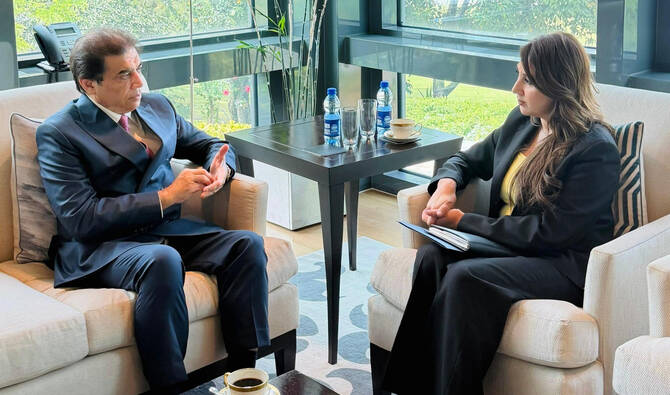
The announcement regarding the new track access policy came during a meeting between Pakistan’s Railways Minister Hanif Abbasi and US Ambassador Natalie Baker, where both sides discussed bilateral cooperation and potential American investment in railway infrastructure, locomotives, freight systems and transport technology.

“Pakistan Railways is introducing a Track Access Policy for global partners and invited American investors to participate in the sector,” the railways minister said in a statement posted on X.

Source : ARAB News

Asia-US container rates mostly higher on Iran war stalemate; tanker rates edge lower

HOUSTON: Rates for shipping containers from east Asia and China to the US rose again this week and are now up by about $1,000/FEU (40-foot equivalent unit) since the start of the Iran war, and liquid tanker rates were steady to softer with decreases across most trade lanes.

CONTAINER RATES

Rates from online shipping marketplace and platform provider Freightos fell by 1% to both US coasts, and rates to the West Coast are up by 56% from the start of the war and rates to the East Coast are up by 41%.

Judah Levine, Head of research at Freightos, said the continued closure of the Strait of Hormuz amid the US-Iran war as peak season approaches will lead to demand-driven movements in rates from higher fuel costs, with blank sailings for capacity management also playing a role.

Levine said transpacific rates are expected to rise further once peak-season demand kicks in. The National Retail Federation (NRF) expects peak season to arrive in July.

Rates from supply chain advisors Drewry rose by 1% from Shanghai to Los Angeles and were up by 2% from Shanghai to New York.

Drewry expects rates to rise in the coming weeks on tighter capacity from the blank sailings and from the implementation of general rate increases (GRIs).

Rates on the New York Shipping Exchange Freight Index (NYFI) rose by 6.8% to the West Coast and rose by 3.3% to the East Coast while rates on the Shanghai Containerized Freight Index (SCFI), which tracks rates for containers leaving Shanghai, rose by 3.6% to its highest level since June 2025.

Container ships and costs for shipping containers are relevant to the chemical industry because while most chemicals are liquids and are shipped in tankers, container ships transport polymers, such as polyethylene (PE) and polypropylene (PP), which are shipped in pellets. Titanium dioxide (TiO2) is also shipped in containers.

They also transport liquid chemicals in isotanks.

TANKER RATES

US liquid chemical tanker freight rates as assessed by ICIS were steady to softer this week with downward pressure for several trade lanes.

Charterers continue to maximize use of their contract of affreightment (COA) volumes along the US Gulf-Asia trade lane as there is very little available tonnage and as spot rates remain high.

Meanwhile, many owners continue to avoid sending vessels in that direction to stay away from long transit times via the Panama Canal and few back haul cargos available. There were only a handful of inquiries seen in the market, most notably a cargo of BTX (benzene, toluene, xylenes) and ethylene dichloride (EDC).

Similarly, rates from the USG to Rotterdam were steady to softer this week, even as space among the regular carriers remains limited. Contract tonnage continues to prevail and given the limited available space, spot demand remains relatively good. Several larger sized cargos of styrene, methanol, methyl tertiary butyl ether (MTBE) and ethanol were seen in the market.

However, as CPP rates have dropped significantly, several outsiders have become available for both May and June, which could add to the available tonnage for completion cargos. Easing demand for clean tankers seems to have attracted those vessels to enter the chemical sector and push rates lower.

For the USG to South America trade lane, rates edged lower with a few inquiries for methanol and ethanol widely viewed in the market. Overall, the market was relatively quiet with steady COA nominations, however more CPP vessels have entered the market putting downward pressure on rates as more space has become available.

On the bunker side, fuel prices in the USG region have risen as well, on the back of higher energy prices, as a result week over week were firmer.

Source: ICIS

Piyush Goyal and Sarbananda Sonowal review Global Supply Chain Challenges with EXIM Industry Stakeholders

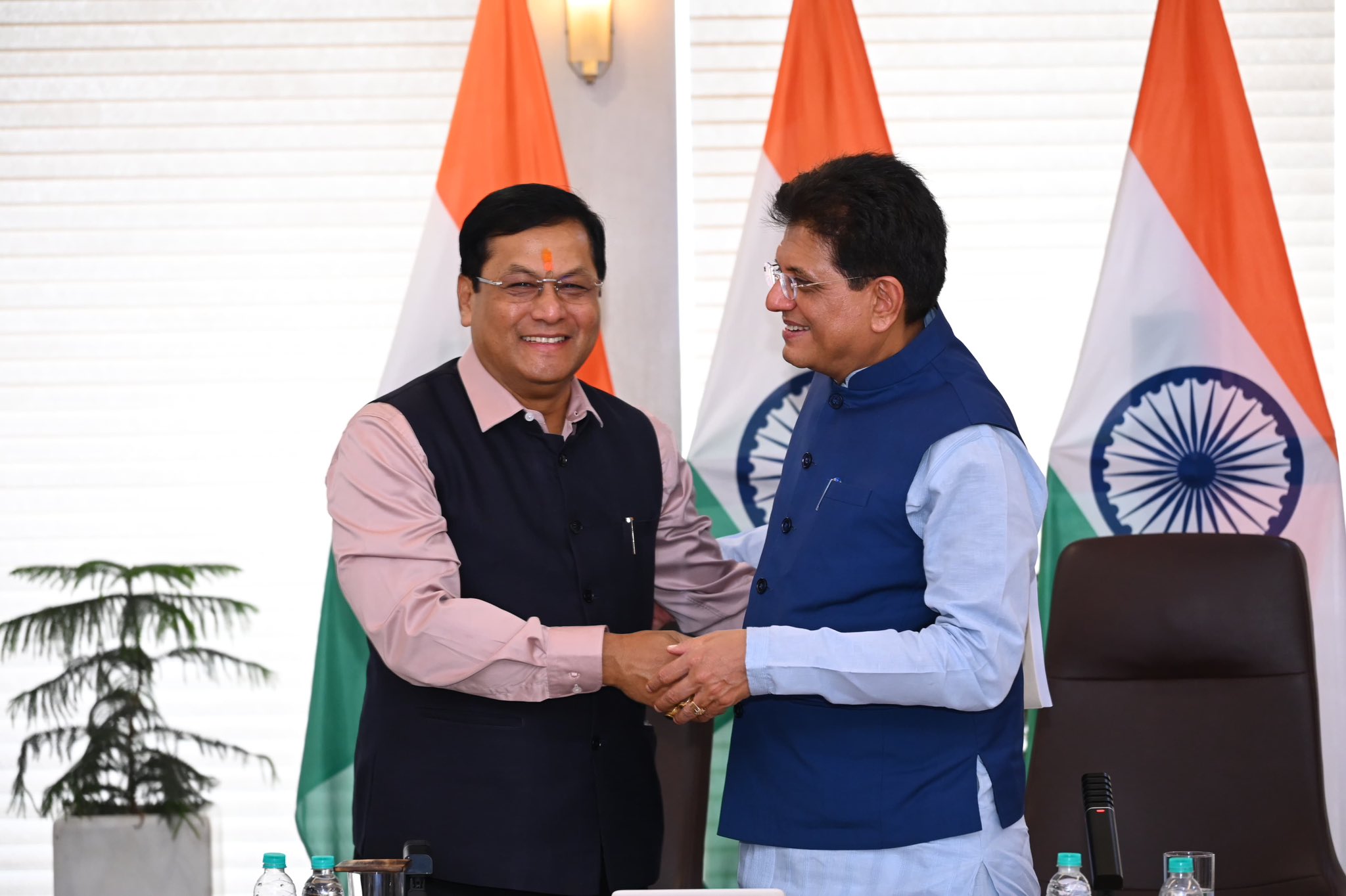
NEW DELHI : In a decisive move to sustain Ease of Doing Business (EoDB) and ensure uninterrupted trade operations amid emerging global supply chain challenges, the Government of India has initiated a coordinated “Whole of Government” response to address concerns raised by the EXIM community. Union Minister of Commerce & Industry Shri Piyush Goyal and Union Minister of Ports, Shipping & Waterways Shri Sarbananda Sonowal held a high-level meeting with representatives of the All India Liquid Bulk Importers and Exporters Association to review the evolving situation and discuss immediate and long-term measures to ease operational bottlenecks for smooth and swift cargo movement.

The meeting focused on better container movement as the Gulf-bound containers have also been rerouted to Jawaharlal Nehru Port Authority (JNPA), placing additional pressure on port and logistics infrastructure.

Responding swiftly to the situation, JNPA implemented a series of operational interventions to relieve terminals and expedite cargo evacuation. Containers were evacuated through rail movement even to nearby Container Freight Stations (CFSs) equipped with railway sidings, while simultaneous scanning of double containers was introduced to reduce processing time.

“Held a highly productive meeting with my senior colleague Union Minister Shri Piyush Goyal ji to address the challenges emerging from the global situation and to ensure seamless trade facilitation for the trading community. Guided by a ‘Whole of Government’ approach, we are taking coordinated and proactive measures across ports and logistics systems to sustain Ease of Doing Business (EODB), strengthen supply chain resilience and build a globally competitive maritime ecosystem in line with the vision of Aatmanirbhar Bharat and Viksit Bharat,” said Sarbananda Sonowal, Union Minister of Ports, Shipping & Waterways (MoPSW).

To provide relief to trade stakeholders, Intern-Terminal Railway Handling Operation (ITRHO) charges and Change of Mode of Transport charges were waived. Port terminals also extended waivers and discounts on ground rent charges on a case-to-case basis. Dedicated green channels for empty trailers were established across terminals to facilitate faster turnaround. In another major initiative, leading CFS operators pooled nearly 100 trailers to lift entire container stacks, enabling the evacuation of long-pending and buried containers from congested yards. These coordinated efforts have significantly improved yard management, reducing the number of relatively old containers lying at terminals.

“In line with the visionary leadership of Hon’ble Prime Minister Shri Narendra Modi ji, the Government is committed to building a resilient, efficient and future-ready trade and logistics ecosystem. We are resolved to take swift, coordinated measures to protect the interests of the EXIM community. Guided by the ‘Whole of Government’ approach envisioned by PM Modi ji, we are working to strengthen supply chains, keep our trade interests globally competitive and sustain EODB of our economy,” added Sarbananda Sonowal.

As part of a long-term resilience strategy, JNPA has also outlined a comprehensive roadmap to strengthen logistics preparedness and future cargo handling capabilities. The measures include intensified efforts by CFS operators and transporters to increase driver availability, enhanced cargo evacuation through railways, and engagement with motor driving training schools to build a larger pool of trained trailer drivers. The port authority is also planning a gradual transition to electric vehicles to improve operational sustainability and driver comfort. In addition, a Truck Appointment System is being introduced to improve movement at terminal gates, while terminals are being encouraged to deploy additional handling equipment to support rising cargo volumes.