Home Blog Page 327

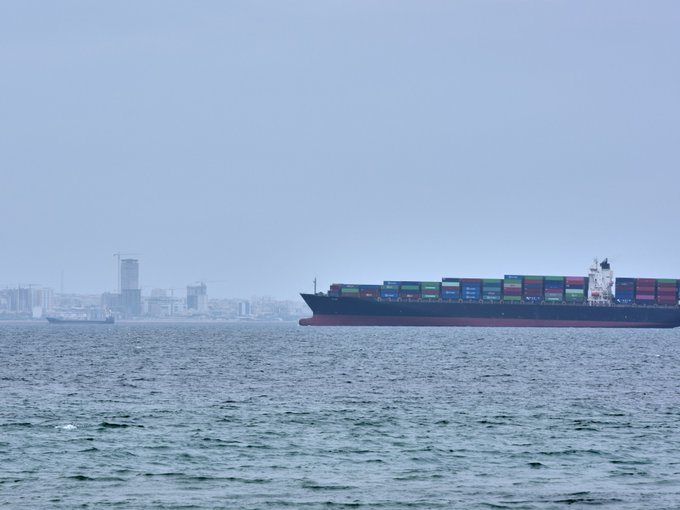
Trump says US to ‘guide’ stranded ships through Strait of Hormuz

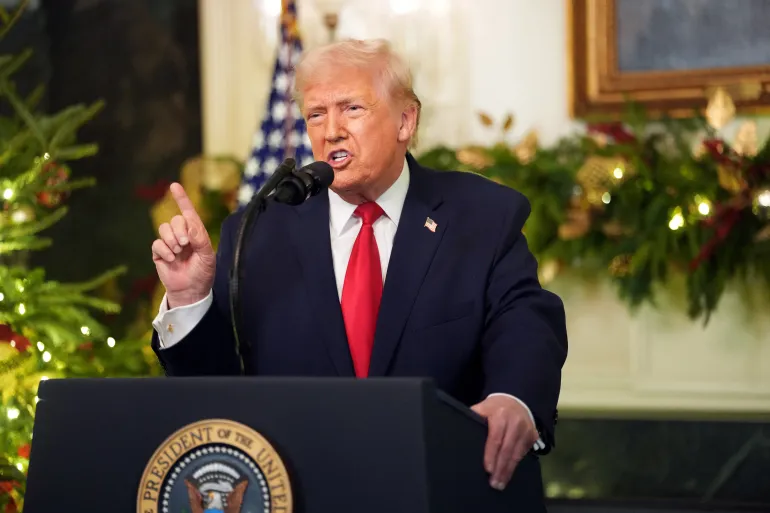
WASHINGTON D.C. : President Donald Trump has said that the US will help guide stranded vessels out of the Strait of Hormuz from Monday.

“For the good of Iran, the Middle East, and the United States, we have told these Countries that we will guide their Ships safely out of these restricted Waterways, so that they can freely and ably get on with their business,” he said in a post on social media without specifying which countries.

Trump said any interference in the process, which he called “Project Freedom”, will “have to be dealt with forcefully”.

Iran has severely limited traffic through the vital shipping waterway since the war began in February. The US has also enforced a naval blockade on Iranian ports.

In the post, Trump also said that US representatives were having “very positive” discussions with Iran, and that those talks “could lead to something very positive for all”.

Trump added the operation would be a “humanitarian gesture” made on behalf of the US, Iran and other Middle Eastern nations, without listing which countries. He did not provide further details on how co-operation with Tehran would be managed.

“In all cases, they said they will not be returning until the area becomes safe for navigation, and everything else… The Ship movement is merely meant to free up people, companies, and Countries that have done absolutely nothing wrong,” Trump continued.

US Central Command said that 15,000 personnel, guided-missile destroyers and more than 100 aircraft would be involved in “Project Freedom”.

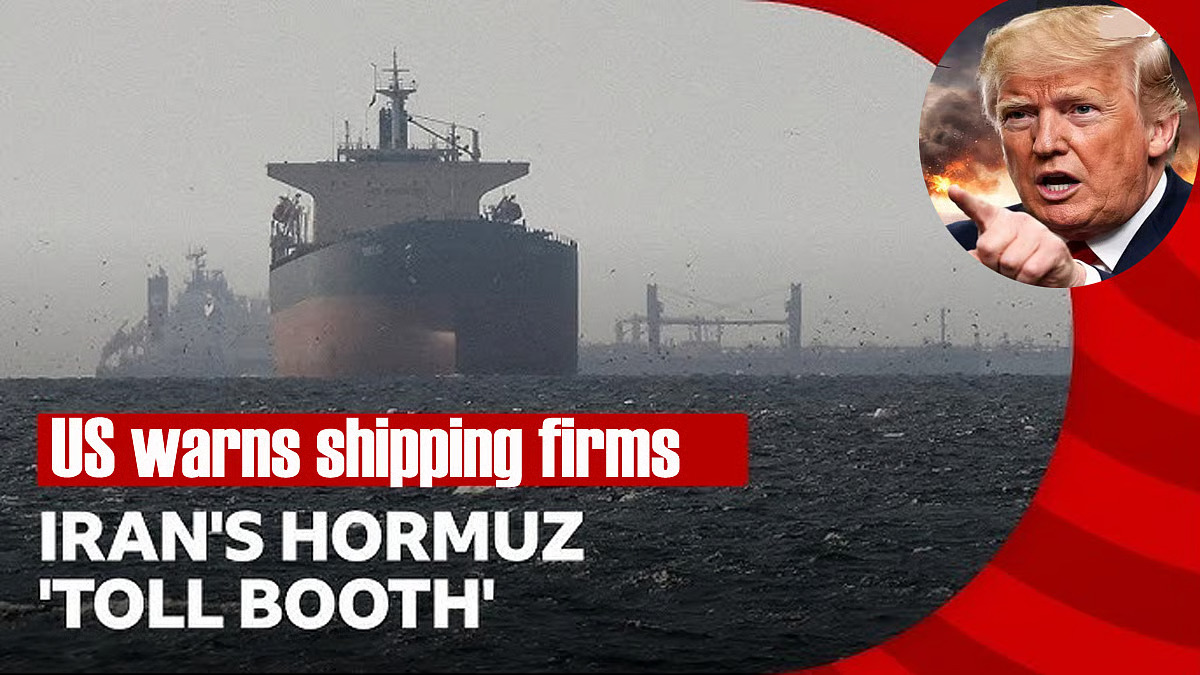
US warns shipping firms they could face sanctions over paying Iranian tolls in the Strait of Hormuz

WASHINGTON D.C.: The United States is warning shipping companies that they could face sanctions for making payments to Iran to safely pass through the Strait of Hormuz.

The alert posted Friday (May 1) by the US Office of Foreign Assets Control (OFAC) adds another layer of pressure in the standoff between the US and Iran over control of the Strait of Hormuz.

About a fifth of the world’s trade in oil and natural gas typically passes through the strait at the mouth of the Persian Gulf in peacetime.

Iran effectively closed the strait to normal traffic by attacking and threatening to attack ships after the US and Israel launched a war on Feb 28. It later began offering some ships safe passage by detouring them through alternate routes closer to its shoreline, charging fees at times for the service.

That “tollbooth” effort is the focus of the US sanctions warning.

The payment demands could include transfers not only in cash but also “digital assets, offsets, informal swaps, or other in-kind payments”, including charitable donations and payments at Iranian embassies, OFAC said.

“OFAC is issuing this alert to warn US and non-US persons about the sanctions risks of making these payments to, or soliciting guarantees from, the Iranian regime for safe passage. These risks exist regardless of payment method,” it said.

The US responded to Iran’s closure of the strait with a naval blockade of its own on Apr 13, preventing any Iranian tankers from leaving and depriving Iran of oil revenue it needs to shore up its ailing economy.

The US Central Command said 45 commercial ships have been told to turn around since the blockade began.

TRUMP REJECTS IRANIAN PROPOSAL

The warning came as US President Donald Trump swiftly rejected Iran’s latest proposal to end the war between the countries.

“They want to make a deal, I’m not satisfied with it, so we’ll see what happens,” Trump said Friday at the White House. He didn’t elaborate on what he saw as its shortcomings but expressed frustration with the Iranian leadership.

“It’s a very disjointed leadership,” Trump said. “They all want to make a deal, but they’re all messed up.”

Iran’s state-run IRNA news agency reported Iran handed over its plan to mediators in Pakistan on Thursday night.

The shaky three-week ceasefire between the US and Iran appears to be holding, though both countries have traded accusations of violations.

The standoff is increasingly putting pressure on the global economy, driving up prices and leading to shortages of fuel and other products tied to the oil industry.

Negotiations continued by phone after Trump called off his envoys’ trip to Pakistan last week, the president said. Trump this week floated a new plan to reopen the critical passageway used by America’s Gulf allies to export their oil and gas.

Iranian Foreign Minister Abbas Araghchi has briefed many of his regional counterparts on the country’s initiatives to end the war, according to his social media. He also held talks Friday with European Union foreign policy chief Kaja Kallas, who is in contact with the EU’s Gulf partners.

CHINA’S UN ENVOY URGES IRAN TO LIFT RESTRICTIONS

Fu Cong, the Chinese ambassdor to the United Nations, said Friday that maintaining the ceasefire is “the most urgent issue” as well as bringing together the sides to resume good faith negotiations “to make sure that the ground is laid for reopening of Hormuz”.

Foreign Minister Wang Yi “has been on the phone almost constantly” with representatives from all sides, Fu said, adding that China supports Pakistan’s efforts to mediate between the parties.

Fu stressed the root cause of the tremendous suffering in Iran and neighbouring countries and the growing turmoil in the global economy, especially in developing countries, “is the illegitimate war by the US and Israel”.

Source: AP

IRGC announces new maritime rules to tighten control over Arabian Gulf and Strait of Hormuz waters

TEHRAN : Iran’s Islamic Revolutionary Guard Corps (IRGC) has announced to impose new rules over waters along its southern coastline, aiming to strengthen control of key routes in the Arabian Gulf and the Strait of Hormuz. IRGC Navy command also said the force would exert control over nearly 2,000 km of Iran’s coastline.

According to Iranian media the move follows the statement which came a day after by Supreme Leader Mojtaba Khamenei, who warned foreigners with ominous plots targeting the Persian Gulf had no place in the region except at the bottom of its waters.

Iranian Supreme Leader also referred to US military bases in the West Asia region as a paper tiger, questioning their ability to ensure even their own security amid the escalation of tensions between Washington and Tehran.

US redirects 48 vessels in Hormuz to enforce Iran port blockade

WASHINGTON : US President Donald Trump has said he was “not satisfied” with a new Iranian negotiating proposal, as peace talks remain frozen despite a weeks-long ceasefire.

Iran delivered the draft to mediator Pakistan on Thursday evening, the IRNA news agency reported, without detailing its contents.

“At this moment I’m not satisfied with what they’re offering,” Trump told reporters, blaming stalled talks on “tremendous discord” within Iran’s leadership.

“Do we want to go and just blast the hell out of them and finish them forever — or do we want to try and make a deal?” he added, saying he would “prefer not” to take the first option “on a human basis.”

According to the statement, the amphibious transport dock USS New Orleans (LPD-18) is currently deployed in the Arabian Sea. “USS New Orleans (LPD 18) sails in the Arabian Sea during the US blockade of Iranian ports, April 28. Over the past 20 days, 48 vessels have been redirected to ensure compliance with the blockade,” the post said, underscoring the scale of maritime enforcement underway.

The naval movements come amid fragile geopolitical conditions following a pause in hostilities between Iran and the United States and Israel. The conflict, which began in late February, has been on hold since April 8 after a ceasefire, though only one unsuccessful round of negotiations has taken place in Pakistan.

Tensions remain high as both sides express skepticism over diplomatic progress. A senior Iranian military official warned Saturday that “a renewed conflict between Iran and the United States is likely,” in remarks carried by Fars news agency. The same official added, “Evidence has shown that the United States is not committed to any promises or agreements,” reflecting deep mistrust.

Meanwhile, US President Donald Trump signaled dissatisfaction with Iran’s latest proposal, which was reportedly delivered to mediator Pakistan on Thursday evening. Without detailing its contents, Iranian state media confirmed the submission. Trump told reporters, “At this moment I’m not satisfied with what they’re offering,” attributing delays in negotiations to “tremendous discord” within Iran’s leadership.

He also framed the broader strategic choice facing Washington, saying, “Do we want to go and just blast the hell out of them and finish them forever — or do we want to try and make a deal?” while adding he would “prefer not” to take the military option “on a human basis.”

Iran’s judiciary chief Gholamhossein Mohseni Ejei reiterated that Tehran remains open to dialogue but rejects externally imposed terms. He stated the country had “never shied away from negotiations,” yet would not accept the “imposition” of peace conditions.

Details of the Iranian proposal remain undisclosed by the White House, though Axios reported that US envoy Steve Witkoff introduced revisions to a prior framework, placing Iran’s nuclear programme back at the center of discussions. These changes reportedly call for Iran not to transfer enriched uranium from damaged sites or restart operations at those locations during negotiations.

Iran’s mission to the United Nations responded by pointing to Washington’s own nuclear capabilities, accusing the United States of “hypocritical behaviour.” It maintained that there is no legal “restriction on the level of uranium enrichment, so long as it is conducted under the IAEA’s supervision, as was the case with Iran.”

Economic repercussions of the standoff have been immediate and far-reaching. News of the latest Iranian proposal briefly pushed oil prices down by nearly five percent, although prices remain roughly 50 percent higher than levels seen before the conflict. The continued disruption of the Strait of Hormuz has significantly affected global flows of oil, gas, and fertiliser, with Iran maintaining tight control over the chokepoint while the United States enforces a counter-blockade targeting Iranian ports.

Trump, speaking at a rally on Friday, used stark language to describe earlier enforcement actions, stating “we’re like pirates” in reference to a helicopter raid on an oil tanker during the blockade operations.

Despite the ceasefire in the Gulf, violence persists elsewhere. In Lebanon, Israeli forces have continued conducting strikes, with state media reporting new attacks in the south on Saturday, even as a separate truce with Hezbollah remains nominally in place.

On the military front, Washington announced fresh arms deals with regional allies, including a $4 billion agreement to supply Patriot missile systems to Qatar and nearly $1 billion worth of precision weapons to Israel.

Back in Washington, a political dispute has emerged over whether the administration complied with legal requirements related to the conflict. Lawmakers are debating whether Trump missed a deadline to seek congressional authorization. Administration officials argue the ceasefire effectively pauses the 60-day limit, a position contested by opposition Democrats.

Trump asserted in communications to congressional leaders, “There has been no exchange of fire between United States Forces and Iran since April 7, 2026,” adding that hostilities “have terminated.”

In Iran, however, the economic strain is intensifying. With oil exports curtailed and inflation exceeding 50 percent, the domestic situation is worsening. A Tehran resident identified as Amir described the growing hardship, saying, “Everyone is trying to endure it, but… they are falling apart.” He added, “We still have not seen much of the economic effects because everyone had a bit of savings… When they run out, things will change.”

Bulk carrier reports being attacked by multiple small craft off Iran : UKMTO

LONDON : A bulk carrier reported being attacked by multiple ​small craft while ​transiting north about 11 ⁠nautical miles west ​of Iran’s Sirik on ​Sunday, the United Kingdom Maritime Trade Operations agency ​said, adding that ​all crew were safe and ‌no ⁠environmental impact was reported. Later on Sunday, Iran’s semi-official Fars news ​agency said ​the ⁠ship was not seized and ​that it was ​stopped ⁠by the Iranian navy to check documents ⁠as ​part of ​supervisory procedures.

A bulk carrier transiting northward through the Strait of Hormuz reported coming under attack from multiple small craft while approximately 11 nautical miles west of Sirik on Iran’s southern coast, the United Kingdom Maritime Trade Operations agency confirmed. All crew were reported safe and no environmental damage was recorded. The vessel left the area following the incident.

UKMTO logged the report as incident 050-26 and advised vessels to transit the area with caution and report any suspicious activity while authorities investigated.

Iran offered a sharply different account. The country’s semi-official Fars news agency said the ship was not seized and that the Iranian navy had stopped the vessel as part of routine supervisory procedures to check its documentation, a framing that directly contradicts the attack report submitted to UKMTO.

The incident occurred against a backdrop of sustained pressure on commercial shipping in the Hormuz corridor. The UKMTO’s latest 72-hour operational summary noted that traffic through the strait remains significantly reduced. Mine reports in and near the traffic separation scheme continue to persist, and sporadic GNSS interference, while lower than levels recorded in March, has not been fully resolved. Merchant vessels in the wider Gulf of Oman and Arabian Sea have been advised to maintain prudent standoff distances from naval units, with blockade enforcement activity reported in the area.

On the same day, vessel masters anchored near Ras Al Khaimah in the UAE reported receiving VHF broadcasts directing them to move from their anchorages, an incident UKMTO logged separately and said was under investigation.

Further south, the piracy threat off the Somali coast remains at severe level, with an oil products tanker and a general cargo ship still held, and extended-range pirate action group operations continuing via mothership-enabled skiffs.

The divergence between UKMTO’s account of the Sirik incident and Iran’s official explanation illustrates the difficulty of verifying events in a waterway where military activity, conflicting narratives, and degraded navigational conditions have become routine features of the operating environment.

Another incident in the Strait of Hormuz corridor reinforces how precarious the waterway remains for commercial shipping, even as a broader ceasefire nominally holds. Iran’s framing of the episode as a routine document inspection will do little to reassure shipowners and insurers already navigating elevated war-risk premiums. With Hormuz traffic already significantly reduced and GNSS interference persisting in the area, each new incident adds to the pressure on freight rates and regional energy flows.

IMO progresses work on ship emissions, pollution and ocean protection

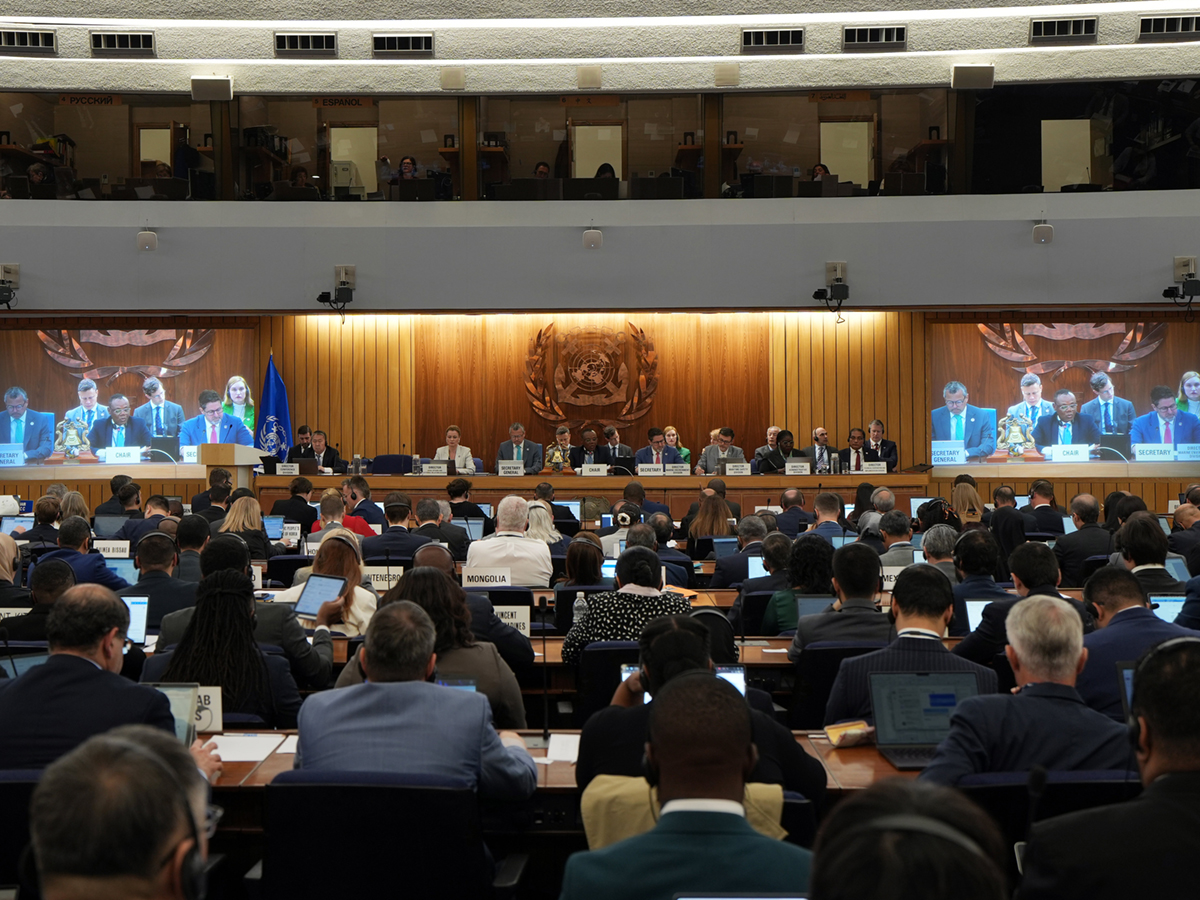
LONDON: The Marine Environment Protection Committee of the International Maritime Organization (IMO) concluded its 84th session with a commitment to rebuild consensus on global shipping emissions, while sounding the alarm over environmental risks in the Strait of Hormuz and adopting new measures to curb air pollution in the Northeast Atlantic.

Closing the meeting, held from 27 April to 1 May 2026 in London, IMO Secretary-General Arsenio Dominguez said: “We are back on track, but we have to rebuild trust. I encourage you to maintain this momentum through your intersessional work and to prepare submissions that can bring the membership together.”

The Committee will resume its Second Extraordinary Session on Friday 4 December 2026, subject to confirmation by the 85th session (MEPC 85) scheduled to convene 30 November to 3 December. 

IMO Net Zero Framework 

Nearly 100 delegations took the floor this week to voice their views on the adoption of “mid-term measures” to address greenhouse gas (GHG) emissions from ships – known as the IMO Net-Zero Framework – with multiple proposals tabled on how to take forward negotiations.

The Committee agreed to establish an intersessional Working Group to resolve various concerns and drive broader convergence on a global measure ahead of MEPC 85 in six months. Member States will be able to submit new amendments and adjustments to the draft amendments previously approved.

Two inter-sessional meetings will be scheduled (1 to 4 September and 23 to 27 November) ahead of MEPC 85 (30 November to 3 December), as well as a one-day expert workshop on “chain of custody” models, which track fuel origin and movement of fuels across the supply chain, ensuring emissions are properly traced and verified. 

The second extraordinary session of MEPC (adjourned last October) is scheduled to resume on 4 December, subject to discussions at MEPC 85.

Strait of Hormuz and the marine environment

The Committee adopted a resolution condemning the attacks on commercial shipping in the Strait of Hormuz region and the related risks of marine pollution.

The Committee recognised the vulnerability of the Persian Gulf and adjacent waters, warning that these attacks could cause large-scale marine pollution such as oil, hazardous and noxious substances and hazardous residues arising from missiles, drones, fires and explosions. 

The Committee requested Secretary-General to monitor environmental impacts and report to the next IMO Council session.

New Emissions Control Area for the North-East Atlantic

The Committee adopted a new Emission Control Area (ECA) in the North-East Atlantic, introducing stricter emission limits on nitrogen oxides (NOx), sulphur oxides (SOx) and particulate matter (PM). The entry into force date is set for 1 September 2027, with the ECA taking effect 12 months later in 2028.

The ECA covers the exclusive economic zones and territorial seas, extending up to 200 nautical miles from their baselines of Greenland, Iceland, the Faroes, Ireland, the mainlands of the United Kingdom, France, Spain and Portugal.

Within ECAs, ships must use fuel with a sulphur content of no more than 0.10%. Cutting SOx and NOx emissions reduces risks of lung cancer, cardiovascular disease, strokes and childhood asthma. It also improves visibility at sea and reduces acidification, helping protect crops and forests.

2026 Strategy and Action Plan on marine plastic litter

The Committee adopted the 2026 Strategy and the Action Plan to Address Marine Plastic Litter from Ships, reaffirming IMO’s goal of zero plastic waste discharges to sea from ships by 2030.

The Strategy and Action Plan work to improve port reception facilities and waste processing, strengthen regulatory compliance, and expand public awareness, seafarer training and international cooperation, including targeted technical assistance and capacity-building. It updates and supersedes the 2021 Strategy and 2025 Action Plan for addressing marine litter.   

Developing a Code for transporting plastic pellets

The Committee agreed to develop a mandatory code governing the maritime transport of plastic pellets in freight containers, under MARPOL Annex III and/or the SOLAS Convention. The Sub-Committee on Pollution Prevention and Response (PPR 14) was tasked with drafting the code and reporting back to MEPC.

Actions on fishing gear marking 

The Committee approved a circular promoting the implementation of fishing gear marking systems, in line with the FAO Voluntary Guidelines on the Marking of Fishing Gear (VGMFG).

Combatting harmful aquatic organisms in ballast water

The Committee approved a package of amendments to the Ballast Water Management (BWM) Convention, following a review of the treaty and its associated instruments under an experience-building phase (EBP). 

The review was conducted to refine implementation, close regulatory gaps and ensure the Contention remains an effective and practical tool for protecting marine ecosystems. The amendments cover various mandatory provisions of the Convention (regulations and appendices in the Annex to the Convention). 

The Committee adopted revised Guidelines for ballast water management and development of Ballast Water Management Plans (G4).

Reduction of underwater radiated noise from shipping

The Committee advanced its work on underwater radiated noise (URN), agreeing in principle to extend the experience-building phase (EBP) by two years, to the end of 2028. The EBP aims to address barriers Member States face in applying IMO’s Revised URN Guidelines (Revised guidelines for the reduction of underwater radiated noise from shipping to address adverse impacts on marine life – MEPC.1/Circ.906/Rev.1)

The Committee agreed in principle to commission an IMO study on URN emissions, as an evidence base for possible future measures. Member States were also invited to submit proposals for a URN policy roadmap to MEPC 85.

New outputs

The Committee agreed on new outputs to work on over the next two years:

  • Amendments to regulation 12 of MARPOL Annex VI to prohibit the reintroduction of ozone-depleting substances on ships; and
  • Measures to address maritime autonomous surface ships (MASS) in the instruments under the purview of the Marine Environment Protection Committee.

A new output on “Supporting the implementation of the BBNJ Agreement within IMO’s regulatory framework for protecting the seas and oceans and marine biodiversity” was agreed in principle, subject to further consideration by MEPC 85.

Other key decisions 

The Committee also took action on the following:

  • Approved the Terms of Reference for the Fifth IMO GHG Study and requested the IMO Secretariat to initiate the procurement process for the study;
  • Adopted 2026 Guidelines for test bed and onboard measurements of CH4 and/or N2O emissions from marine diesel engines;
  • Approved draft amendments to the 2008 NOx Technical Code in relation to non-carbon containing fuels, with a view to subsequent adoption.  
  • Agreed that a standalone legally binding instrument should be developed for the control and management of ships’ biofouling to minimize the transfer of invasive aquatic species. 

A full meeting summary will be available in due course.

MSC launches truck and feeder service to bypass Strait of Hormuz

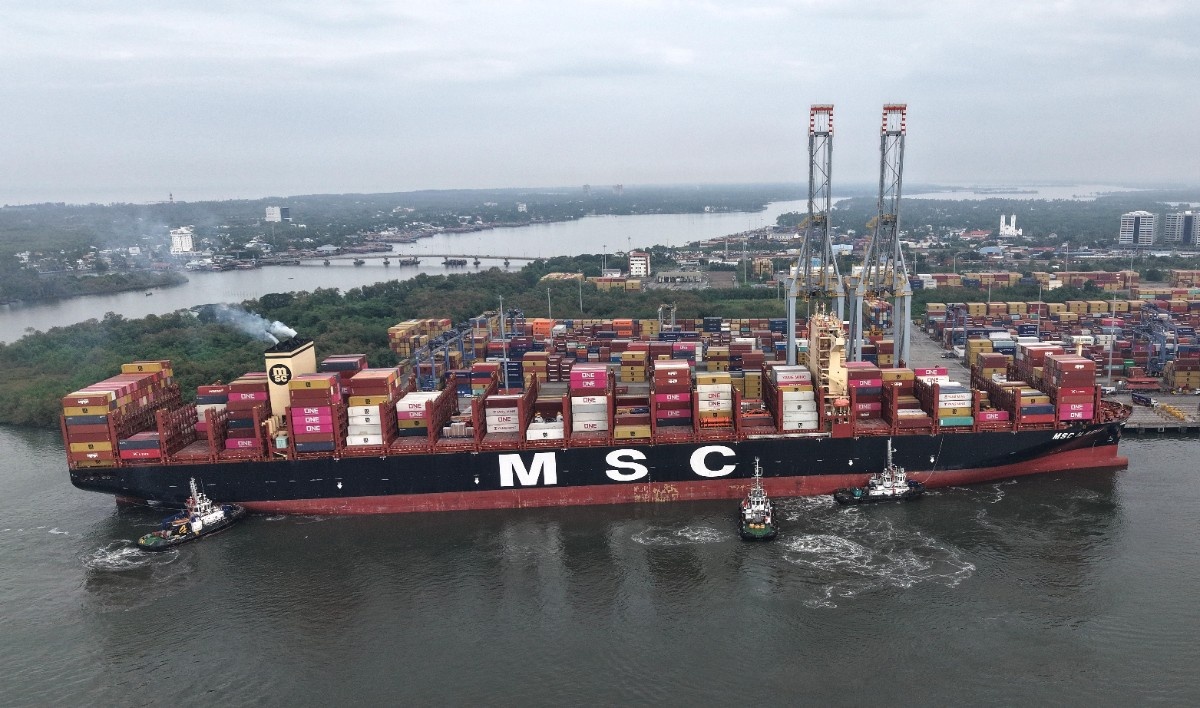
GENEVA : MSC, the world’s largest container carrier, is launching a new service to minimize disruptions caused by the effective closure of the Strait of Hormuz.

Starting May 10, the company will introduce the Europe-Red Sea-Middle East Express, a route designed to avoid transit through the strategic waterway by utilizing overland truck transport across Saudi Arabia, News.Az reports, citing AGBI.

The service will originate in Antwerp, call at strategic European ports, and transit the Suez Canal to reach King Abdullah Port in Jeddah and the port of Aqaba in Jordan. From there, MSC will use trucks to transport cargo to Dammam on Saudi Arabia’s east coast, while feeder vessels will connect to other regional destinations including Abu Dhabi, Dubai, Bahrain, Iraq, and Kuwait.

This move follows similar logistical adjustments in the region, such as Saudi Arabia Railways’ expansion of container train services and new logistics routes aimed at enhancing supply-chain efficiency. These measures come as a blockade of the Strait of Hormuz by the US and Iran continues to impede 20 percent of global oil and gas flows and disrupt international supply chains.

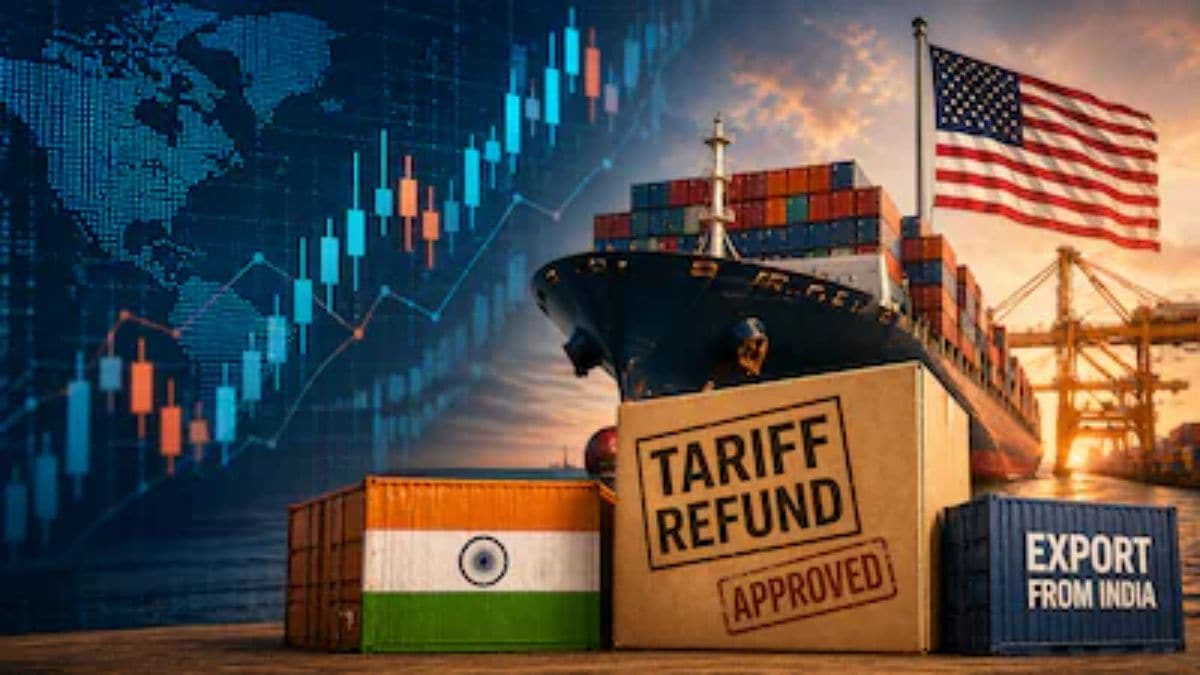
Indian exporters can now claim US tariff refunds worth over $150M with Skydo

BENGALURU: Indian exporters impacted by U.S. tariffs imposed under the International Emergency Economic Powers Act (IEEPA) will now have an opportunity to recover duties paid, following recent legal developments in the U.S. Skydo, in partnership with Intoglo, is helping exporters navigate this time-sensitive refund process by identifying eligible shipments, managing filings, and enabling access to US-local accounts to receive refunds directly.

The opportunity follows the U.S. Supreme Court’s February 20, 2026 ruling, in which the Court struck down the tariffs, overturning duties introduced under the Trump administration. As a result, duties paid between August 27, 2025 and February 6, 2026 are now eligible for refund claims, subject to filing requirements.

To operationalise these refunds, U.S. Customs and Border Protection is launching Phase 1 of its Consolidated Administration and Processing of Entries (CAPE) portal on April 20, 2026, which will serve as the official route for claims. U.S. Customs estimates that nearly $166 billion was collected under these tariffs globally, making this a significant refund opportunity for affected businesses.

According to Intoglo, the refund opportunity for Indian exporters alone is estimated at over $150 million, based on duties paid on US-bound shipments during this period. This represents meaningful capital that businesses can recover to improve cash flow, ease margin pressures, and reinvest into operations and growth. For many exporters, especially SMEs, timely access to these funds could provide critical financial relief.

“A significant amount of tariffs paid by Indian exporters is now eligible for refunds, but is hard to claim simply because the CAPE system is cumbersome and requires exporters to have a US bank account,” said Srivatsan Sridhar, Co-Founder and CEO of Skydo. “In partnership with Intoglo, and through our RBI-regulated cross-border payments infrastructure, we’re removing that friction and giving exporters a clear way to access these funds through US-local accounts.”

Claiming these refunds requires navigating a new compliance process. Shipments must have been made under Delivered Duty Paid (DDP) terms, where the exporter bore the tariff cost. Refunds are issued only to the entity listed as the Importer of Record (IOR), which may require coordination if a third party was used. Funds are typically credited to a U.S. bank account via ACH, making access to US-local banking infrastructure critical. Processing timelines are typically around 60–90 days after a valid claim is accepted, subject to further review if required.

“We’ve seen a sharp increase in exporters reaching out for guidance on the IEEPA refund process. With guidelines still evolving and multiple versions circulating, it’s been difficult for exporters to navigate with confidence. Importantly, not having a US bank account is not a blocker now. Through our partnership with Skydo, we aim to provide Indian exporters with up-to-date, verified, and actionable guidance on navigating the IEEPA refund process. For many mid to large exporters, this could mean recovering crores of rupees that can be reinvested directly into their business,” said Sufal Roongta, Co-Founder and CBO of Intoglo.

Many exporters may be navigating a process like this for the first time, where recovering funds depends on filing correctly, coordinating with the Importer of Record, and receiving money into a U.S. account. For example, a mid-sized textile exporter shipping DDP goods to the U.S. may have paid $50,000 in tariffs during the affected period, but can only recover it by successfully filing through CAPE and ensuring the funds are routed correctly. Through Skydo and Intoglo, exporters can now navigate this process with greater clarity and confidence.

“Imposed tariffs were never built into the original cost structure; they effectively eroded margins. Recovering them would restore profitability and serve as a key lever for reinvestment in growth and capacity,” said Mayur Khara, MD, Automark Industries.

“The U.S. is a key market for us, but tariffs have slowed us down. Getting that money back would help us invest more and grow faster there,” said Suneet Yogesh Bhutta, MD, Vcare Medicines

With Phase 1 of the CAPE system now live within the U.S. Customs ACE portal, eligible exporters can search for “Skydo IEEPA Refunds” to check eligibility and begin their refund claim process. About Skydo Skydo is a cross-border payments platform that helps Indian exporters receive international payments. With US-local account infrastructure and automated compliance workflows, Skydo makes it easier to collect global payments. Backed by Elevation Capital and Susquehanna Asia Venture Capital, Skydo serves over 40,000 exporters and enables them to receive payments from 150+ countries.

About Intoglo Intoglo is an AI-first digital logistics provider focused on door-to-door full container load (FCL) shipping from India to the USA. Built to simplify one of the world’s most complex trade corridors, Intoglo works directly with leading shipping lines, customs brokers, and truckers to ensure seamless delivery across 41,000+ U.S. zip codes. 

Bahri Reports First Quarter 2026 Results with Net Profit of SAR 2.15 Billion

RIYADH: The National Shipping Company of Saudi Arabia, the Kingdom’s leading shipping and logistics provider, announced its financial results for the first quarter of 2026, reporting revenue and net profit of SAR 4.96 billion and SAR 2.15 billion, respectively.

Eng. Ahmed Ali Al Subaey, Chief Executive Officer of Bahri, commented:

“Bahri delivered an exceptionally strong first quarter, supported by higher freight rates, the benefit of our larger fleet, and increased charter-in activity to meet higher cargo requirements. Just as importantly, we remained focused on delivering safe, dependable service to our customers while navigating through a more complex and volatile environment.

Despite disruption to maritime traffic through the Strait of Hormuz and heightened regional uncertainty, Bahri remained resilient throughout the quarter, with all of our vessels commercially deployed. Our people and vessels remained safe, and our fleet continued to operate and serve our customers reliably, supported by the dedication of our crews and onshore teams. Our long-standing global partnerships also remained a source of strength, providing demand visibility and commercial stability while helping us respond proactively to evolving trade flows, shipping routes, and customer requirements.

We continue to monitor developments in the region closely and assess their broader implications for the operating environment. Our priority remains the safety of our people and assets, and the continuity of our operations. Amid heightened uncertainty, we remain committed to leveraging our scale and integrated capabilities to support the flow of essential trade and enable economic activity in the Kingdom and across global markets, fulfilling Bahri’s role as a responsible participant in the global supply chain.”

FIRST QUARTER 2026 OVERVIEW

Bahri delivered revenue of SAR 4.96 billion in Q1 2026, representing a 129% year-on-year increase, driven primarily by a sharp uplift in Bahri Oil and supported by higher contributions across all other business units. The revenue increase in Bahri Oil was mainly attributable to a substantial rise in freight rates, supported by improving supply-demand dynamics in the crude oil transportation market, the escalation of regional disruption, the benefit of its expanded fleet, and increased voyage charter-in activity to meet higher customer requirements.

Group EBITDA rose 137% year-on-year to SAR 2.84 billion, lifting EBITDA margin to 57% from 55% in Q1 2025. EBITDA growth was led by Bahri Oil, reflecting higher revenue and the stronger earnings environment during the quarter. This was further supported by EBITDA growth in Bahri Chemicals & Products and Bahri Dry Bulk, which benefited from firmer freight rates in the clean petroleum products and dry bulk markets, respectively. Bahri Marine Services also contributed to EBITDA growth, reflecting a larger operating base compared with Q1 2025. These gains were partly offset by lower income from associated company Petredec Group and a decline in Bahri Integrated Logistics’ EBITDA attributable to a one-off reversal of prior-year cost accruals in Q1 2025.

Net profit attributable to Bahri shareholders reached SAR 2.15 billion, more than four times the SAR 533 million recorded in Q1 2025, reflecting the strong rise in operating profitability during the quarter. Compared with Q4 2025, Bahri’s revenue increased by 52%, while EBITDA and net profit rose by 69% and 120%, respectively, driven mainly by Bahri Oil, alongside stronger results from Chemicals & Products and Marine Services.

Bahri generated net operating cash flow of SAR 1.34 billion in Q1 2026, up 174% year-on-year, supported by the strength in earnings during the quarter. Capital expenditures amounted to SAR 68 million, mainly for capitalized vessel maintenance costs, compared with SAR 1.69 billion in Q1 2025, when the Company made full payments on four VLCCs acquired as part of its fleet expansion program. As a result, free cash flow turned positive at SAR 1.28 billion, compared with an outflow of SAR 1.20 billion in the prior-year quarter.

KEY OPERATIONAL HIGHLIGHTS (Q1 2026)

Maintained zero fatalities and zero oil spills, reflecting Bahri’s continued commitment to safety, disciplined operations, and responsible maritime practices.

Improved the 12-month rolling Lost Time Injury Frequency Rate to 0.17 injuries per million work hours, compared with 0.18 for full-year 2025 and 0.31 for the 12-month period ended March 2025.

Kept all owned and chartered vessels safe and commercially deployed throughout the quarter, despite disruption to traffic through the Strait of Hormuz and heightened regional uncertainty.

Leveraged Bahri’s expanded owned fleet and flexible charter-in activity to meet higher customer requirements and respond to evolving trade flows.

Maintained Bahri’s owned fleet at 104 vessels, with no additions or divestments during the quarter, which is an increase of 7 vessels compared to the end of Q1 2025.

Released 6 long-term leased vessels within Bahri Chemicals & Products. As a result, total fleet operated by Bahri now stands at 107 vessels, including the three remaining long-term leased vessels within Bahri Chemicals & Products.

KEY BUSINESS UNIT HIGHLIGHTS (Q1 2026)

Bahri Oil delivered a strong first quarter, with revenue increasing 241% year-on-year to SAR 3.74 billion and EBITDA rising 253% to SAR 2.12 billion, supported by materially higher freight rates, the expansion of the VLCC fleet to 50 vessels compared to 44 vessels as at end-Q1 2025, and increased charter-in activity to meet increased customer demand.

Bahri Chemicals & Products reported revenue of SAR 796 million, up 14% year-on-year, while EBITDA rose 42% to SAR 506 million, with EBITDA margin improving to 64%. The business benefited from a continued focus on higher-margin clean petroleum products cargoes, proactive vessel deployment, and disciplined commercial execution.

During the quarter, Bahri Chemicals & Products renewed its COA with Luberef and Saudi Basic Industries (SABIC), and secured a new chemicals COA with Mitsui & Co., marking the first COA concluded through Bahri’s Singapore office, which became operational in 2025.

Bahri Integrated Logistics recorded revenue of SAR 285 million, up 7% year-on-year, supported by higher Bahri Line activity following the addition of a multipurpose vessel in 2025 and continued progress across the broader logistics platform. EBITDA declined due to operational disruptions, increased operating costs, and provisions linked partly to the conflict in the region.
Continued to advance its diversification plans, including stronger contributions from Bahri Air and operations at the Dubai World Central logistics hub, progress on the Jeddah bonded zone warehouse, the planned opening of an agency office in Jazan, and preparation for the delivery of two offshore support vessels in 2026.

Bahri Dry Bulk delivered revenue of SAR 96 million, up 2% year-on-year, while EBITDA increased 40% to SAR 40 million, with EBITDA margin rising to 42%, supported by higher revenue from owned vessels, carry-through of contracts booked at favorable rates in late 2025, and disciplined positioning in higher freight rate basins.

Bahri Marine Services contributed positively to EBITDA growth during the quarter as all three barges produced reliably at target capacity, further supported by a larger operating base compared with Q1 2025.

KEY STRATEGIC HIGHLIGHTS (Q1 2026)

Bahri continued to demonstrate resilience and operational agility amid regional disruption, maintaining safe commercial deployment across its owned and chartered fleet. The Company continued to benefit from the scale of its expanded fleet and integrated capabilities, allowing it to respond effectively to customer requirements and changing trade flows.

Bahri maintained its focus on disciplined capital allocation, with Q1 capital expenditure limited primarily to capitalized vessel maintenance costs.

Bahri’s net debt-to-EBITDA improved to 1.14x given its improved cash position and higher EBITDA during the quarter, reinforcing balance sheet strength and financial flexibility.

The Company remains on track with its newbuild orderbook of 10 vessels, including two offshore support vessels expected in 2026, six geared Ultramax vessels scheduled for delivery between 2028 and 2029, and two RoCon vessels scheduled for delivery in 2029.

Bahri continued to strengthen its Asia-Pacific commercial presence through its Singapore office, supporting customer reach, spot business growth, and new contract opportunities.

Source: BAHRI

Milaha Reports Q1 2026 Net Profit of QR 297 million

DOHA: Qatar Navigation Q.P.S.C. (“Milaha”), the industry-leading provider of maritime and logistics solutions in the region, announced its financial results for the three months ended March 31, 2026.

Key financial highlights:

  • Operating revenues of QR 874 million for the three months ended March 31, 2026, compared to QR 759 million for the same period in 2025
  • Operating profit of QR 150 million for the three months ended March 31, 2026, compared to QR 212 million for the same period in 2025
  • Net profit of QR 297 million for the three months ended March 31, 2026, compared to QR 374 million for the same period in 2025
  • Earnings per share of QR 0.26 for the three months ended March 31, 2026, compared to QR 0.33 for the same period in 2025

Milaha Maritime & Logistics’ bottom line decreased by QR 15 million compared to the same period in 2025, primarily due to lower volumes across its container shipping unit and port operations joint arrangement, because of operational disruptions linked to the regional conflict.

Milaha Gas & Petrochem reported a QR 5 million decline in net profit compared to the same period in 2025, mainly due to the divestment of two very large gas carriers (VLGCs) in 2025.

Milaha Offshore’s net profit decreased by QR 36 million compared to the same period in 2025, driven by lower EPCIC income and the effects of the regional conflict, which negatively impacted vessel utilisation and resulted in higher operating costs.

Milaha Capital recorded a QR 13 million decline in net profit compared to the same period in 2025, primarily due to the non‑recurrence of a favourable bad debt adjustment recognised in 2025, as well as reduced dividend income.

Milaha Marine & Technical Services reported a QR 9 million decline in net profit compared to the same period in 2025, mainly due to higher bad debt provisions and lower income arising from operational disruptions linked to the regional conflict.

The company will conduct an investor conference call on Tuesday April 28, 2026, at 14:00 Doha time, to further discuss its results. The conference call may be accessed by telephone by dialling Qatar Toll Free Number: 00 800 101 734 and entering the Conference ID: 9987384. Further information can be found on our website www.milaha.com.