Home Blog Page 328

The IMO pendulum swings back towards the Net Zero Framework — ‘as agreed’ text gets further support but path forward remains uncertain

LONDON: Readout from UCL Shipping and Oceans Research group shows IMO’s 84th session of the Marine Environment Protection Committee (MEPC) has concluded with the NZF agreed in principle in April 2025 now seeing the pendulum swing back to support it, after the events at MEPC.ES2. The majority of member states were able to accept the NZF as originally agreed as the basis for further work, which reverses, by a similar margin, the simple majority that was the basis of the adjournment of NZF at MEPC.ES2 in the vote called by Saudi Arabia.

The majority support (59) for NZF as the basis for further work came from countries opposing adjournment at MEPC.ES2, but with additional support from 5 countries flipping back (from supporting adjournment), as well as 10 countries that didn’t take a position at MEPC.ES2, or abstained, now clearly supporting NZF. Fewer countries (2) flipped positions from opposing adjournment, to opposing NZF. A similar number of countries that at MEPC.ES2 either supported (14) or opposed adjournment (11), did not take a position at this meeting. Among other things, this indicates the fluidity of a portion of the positions and the sustained uncertainty around adoption later this year.

Dr Tristan Smith, Professor of Energy and Transport at UCL Shipping and Oceans Research Group said: “MEPC 84 was a refreshing return to IMO’s normal meeting style, the pressure to reach a conclusion was not there, but for the opponents of meaningful and effective IMO GHG regulation, this was an opportunity for them to finish what they started at MEPC.ES2. Their failure to do so is critical for shipping and trade’s future success, as well as multilateralism’s future and for the chances of an equitable energy transition”

Alternative proposals put forward by Argentina et al. (84/7/38) and Japan (84/7/38) did not gather significant support, both individually and in combination. Support for the Japan’s proposal as a way forwards saw only 7 member states voicing support and Argentina et al. proposal, a significant departure from the NZF, and also includes only the technical element and no GHG price or fund, saw support from 24 member states. On these counts, neither of these proposals individually, or even if combined into a single ‘compromise technical-only proposal’, is able to form a simple majority.

Dr Annika Frosch, Research Fellow at UCL Shipping and Oceans Research Group said: “The outcome of MEPC 84 makes clear that the Net Zero Framework is not only still alive, but remains the central pillar for ongoing negotiations. With a majority of member states reaffirming it as the basis for further work, attention now turns to how it can be refined and carried through to adoption.”

The meeting also reveals that in spite of efforts made to put forwards options that might be more acceptable to US and Saudi positions (various technical-only proposals), these do not look like viable ways forwards. This is important, because normally if there is a clear ‘two horse race’ e.g. two proposals with similar levels of support, they can often get merged (as was the case to form the NZF from the combination of the concept of a levy with those who were focused on a GHG fuel intensity metric and trading system with GHG price). However, if there is a proposal that clearly has the majority, it is much harder for the proponents of significantly lesser-supported proposals to achieve significant concessions. Their optionality then becomes either to achieve more modest modifications in exchange for support, or to remain in opposition. The risk with taking the latter strategy is to be isolated and have very little input at all in what could be finally agreed – if the agreement and adoption thresholds are reached by countries supporting the NZF.

Dr Pinar Langer, Research Fellow at UCL Shipping & Oceans Research Group said: “MEPC 84 suggests there is limited appetite for starting again or shifting to a much weaker alternative. The more credible path now appears to be targeted refinements to the agreed Net Zero Framework, while preserving the elements that make it meaningful and effective.”

Overall, MEPC 84 signals positive momentum towards the NZF from this MEPC 84 meeting in some of the regions critical to the reversal in support for NZF at MEPC.ES2 (Africa, Caribbean, EU). There is also potential for this momentum to be sustained and built further over this next period, particularly in Africa, but also because of the clarity of the low support (beyond those countries who have consistently opposed NZF) for alternative concepts put to this meeting. This does not mean that there is any certainty on the outcome to future work and the three scenarios for how things might conclude or not, at MEPC 85. This will first become clearer from the intersessional meeting expected in September (ISWG GHG 22 is expected to be held 1st to 4th September), but given the MEPC.ES2 meeting in October 2025, the final specifications will likely continue to remain contentious at least until there is an adopted amendment.

Link to readout: https://www.shippingandoceans.com/post/nzf-as-agreed-gets-further-support

About UCL Shipping and Oceans Research Group

The UCL Energy Institute hosts a world leading research group which aims to accelerate the transition to an equitable and sustainable energy and trade system within the context of the ocean. The research group’s multi-disciplinary work on the shipping and ocean system leverages advanced data analytics, cutting-edge modelling, and rigorous research methods, providing crucial insights for decision-makers in both policy and industry. The group focuses on three core areas: analysing big data to understand drivers of historical emissions and wider environmental impacts, developing models and frameworks to explore energy and trade transition to a zero emissions future, and conducting social science research to examine the policy and commercial structures that enable the decarbonisation of the shipping sector
Mecalux included for the fifth time in the 2026 Gartner® Magic Quadrant™ for Warehouse Management Systems

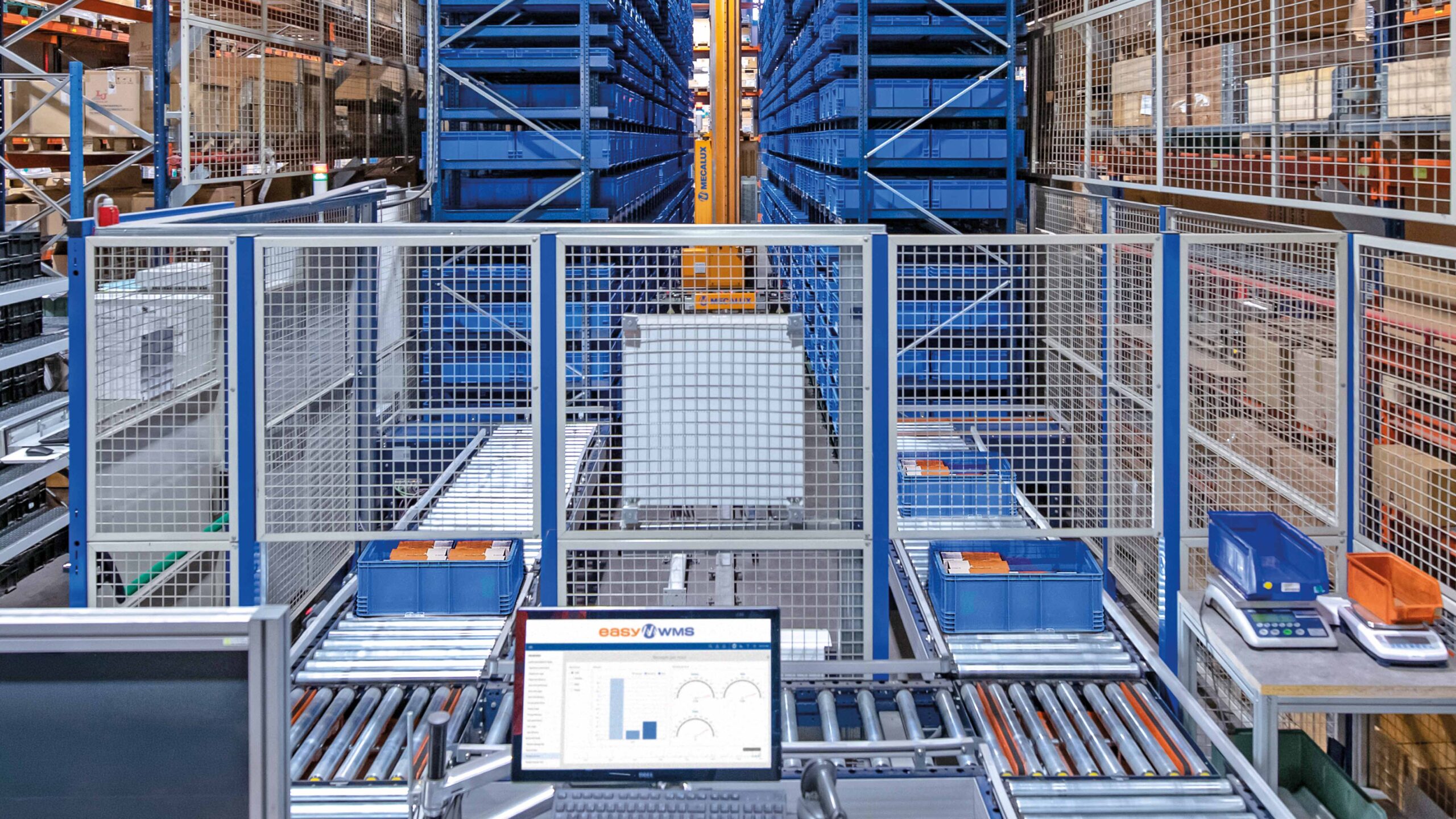
BARCELONA: Mecalux has been named in the 2026 Gartner® Magic Quadrant™ for Warehouse Management Systems (WMS). This marks the company’s fifth appearance in the report by US-based research firm Gartner, which evaluates leading WMS vendors worldwide.

Mecalux’s Easy WMS warehouse management system is designed to optimise all logistics operations, from receiving and storage through to order picking and shipping. Available as a cloud-based (SaaS) solution, the software helps companies gain real-time visibility into their processes. It also improves traceability and productivity in both manual and fully automated facilities. In automated warehouses, Easy WMS integrates with Easy WES, which executes daily operations, and Easy WCS, responsible for controlling machine movements.

Additionally, Easy WMS includes Easy AI, a generative artificial intelligence (AI) capability. It allows users to interact in natural language to query data, generate dashboards and reports and implement actions aimed at increasing warehouse efficiency.

“Easy WMS’s AI feature enables companies to simplify processes, make better use of available data and accelerate decision-making,” says Javier Carrillo, CEO of Mecalux. “We’re also expanding our AI agent-based functionality to support users in monitoring and continuously improving their logistics operations.”

Mecalux’s focus on AI capabilities comes at a time of rapid technological acceleration in logistics. A joint study by Mecalux and MIT confirms this trend: 87% of companies plan to increase their AI budgets over the next two to three years, and 92% are already implementing or planning new projects.

Gartner disclaimer

GARTNER is a registered trademark and service mark of Gartner, Inc. and/or its affiliates in the U.S. and internationally, and MAGIC QUADRANT is a registered trademark of Gartner, Inc. and/or its affiliates and are used herein with permission. All rights reserved.

Original publication: Gartner, Magic Quadrant for Warehouse Management Systems, Simon Tunstall, Rishabh Narang, Federica Stufano. April 29 2026.

Gartner does not endorse any vendor, product or service depicted in its research publications, and does not advise technology users to select only those vendors with the highest ratings or other designation. Gartner research publications consist of the opinions of Gartner’s research organisation and should not be construed as statements of fact. Gartner disclaims all warranties, express or implied, with respect to this research, including any warranties of merchantability or fitness for a particular purpose.


About Mecalux
Mecalux is a warehouse technology and intralogistics software enterprise. With 60 years of experience, the company develops automated storage solutions, warehouse management software and metal racking systems for all sectors. The Mecalux Group has an extensive worldwide distribution network, 12 manufacturing plants, seven R&D centres for technological development and a workforce of more than 5,500 employees

Gujarat CM pitches Gujarat’s growth story at Vibrant Gujarat Regional Conference, Surat

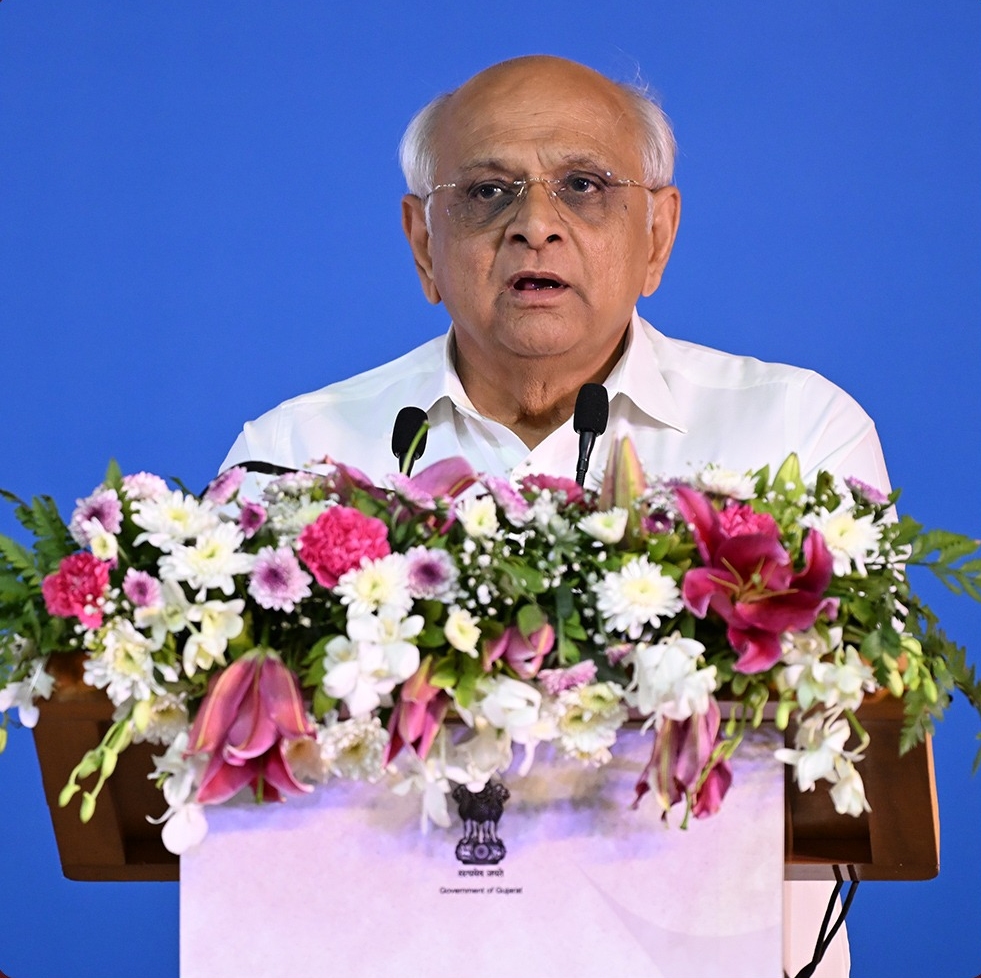
SURAT: Gujarat Chief Minister Shri Bhupendra Patel on Friday inaugurated the Vibrant Gujarat Regional Conference (VGRC) in Surat, highlighting the state’s transformation into a major investment hub.

Gujarat has undergone a significant shift over the past two decades, overcoming challenges related to electricity, water and road infrastructure, he said. Initiatives such as the Jyotigram scheme ensured round-the-clock power supply, while Narmada waters were carried to arid regions like Kutch through an extensive canal and pipeline network.

“From basic infrastructure challenges, Gujarat has emerged as a model of balanced growth, with tourism flourishing from the Rann of Kutch to eco-tourism hubs in hilly regions,” Patel said.

Highlighting Gujarat’s maritime legacy, he said the state’s ports, which historically served as global trade centres, have been modernised to drive economic growth. Gujarat now handles 40 per cent of the country’s total cargo, turning its long coastline into a gateway of prosperity.

The Vibrant Gujarat Global Investor Summit, launched in 2003 when Shri Narendra Modi was Chief Minister, has played a key role in positioning the state as a preferred investment destination, he said.

“Over the last 24 years, Gujarat has attracted USD 68.9 billion in foreign direct investment and contributes 18 per cent to the country’s industrial output,” Patel said.

The Vibrant Gujarat Regional Conferences aim to bring investment opportunities to different regions based on their strengths. Earlier editions in North Gujarat and Saurashtra-Kutch resulted in around 6,800 memorandums of understanding worth Rs 9 lakh crore, boosting local industries under the ‘Vocal for Local’ and ‘Local to Global’ initiatives.

Describing South Gujarat as a major industrial powerhouse, Patel said sectors such as textiles and gems and jewellery in Surat, chemicals and petrochemicals in Ankleshwar, Bharuch and Vapi, and pharmaceuticals and horticulture in Navsari and Valsad contribute significantly to the state’s economy. Gujarat holds a 33 per cent share in India’s chemical industry, he noted.

He added that Surat is emerging as a multi-modal transport hub with connectivity through dedicated freight corridors, highways, ports, airports, metro rail and the upcoming bullet train, which will further strengthen its position as a key economic centre.

 “To realise the Prime Minister’s vision of building a Viksit Bharat by 2047, we have prepared the roadmap for Viksit Gujarat 2047, aligned with the goal of Sabka Saath, Sabka Vikas,” he said.

Union Jal Shakti Minister and Navsari MP C R Paatil, along with Union Petroleum and Natural Gas Minister Hardeep Singh Puri, were also present at the inaugural event.

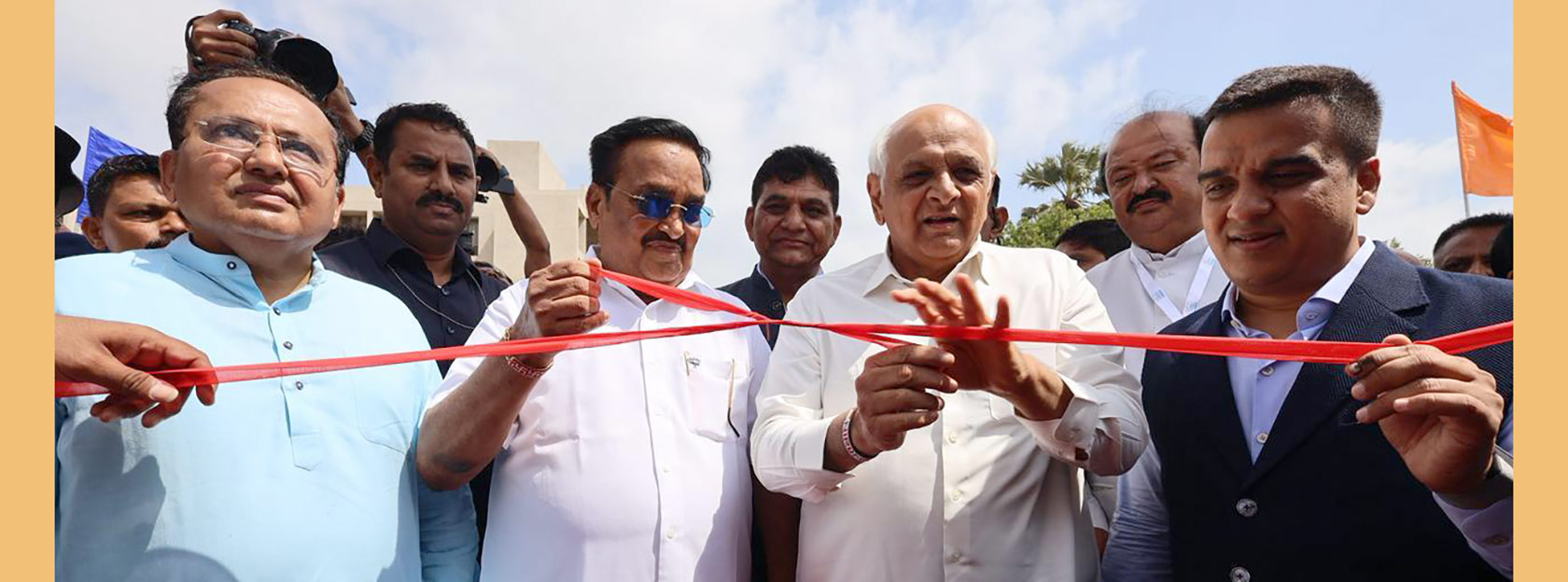
Gujarat CM Bhupendra Patel Inaugurates Vibrant Gujarat Regional Exhibition at Grand Opening of VGRC in Surat

SURAT: Chief Minister Shri Bhupendra Patel inaugurated the five-days Vibrant Gujarat Regional Exhibition held at the AURO University campus in Surat, ahead of the commencement of the Vibrant Gujarat Regional Conference.

On this occasion, a large exhibition showcasing the holistic development of the state’s industrial growth, agricultural progress, green energy, and service sector was opened.

The Chief Minister visited various pavilions and stalls of the exhibition and interacted with industrialists and startup representatives. He gathered detailed information about new technologies, green energy units, modern agricultural practices, and emerging models in the service sector. He also emphasised and encouraged the important role of private sector participation, entrepreneurs, and youth in the state’s development.

As Gujarat continues to move forward as the ‘growth engine’ of the country, the state government has adopted an innovative approach of organising such conferences at the regional level to further expand the global vision of ‘Vibrant Gujarat’. Through this initiative, efforts have been made to promote development opportunities present in every region of the state.

This two-day conference held in Surat includes six districts of South Gujarat, including Surat, with active participation from representatives associated with industry, agriculture, MSMEs, and the service sector.

The main objective of the conference is to accelerate regional industrial growth, attract investors, and create new employment opportunities. The exhibition has been divided into three main sections: industrial and manufacturing sector, green energy and sustainable development, and agriculture, food processing, and service sector. It also showcases innovative products, technologies, machinery, startup innovations, and government schemes.

Notably, projects related to solar and wind energy in the green energy sector remained a major attraction. Additionally, a ‘Mango Festival’ highlighting Gujarat’s agricultural diversity was also organised, where varieties of mangoes grown in South Gujarat were displayed. On this occasion, the Chief Minister also inaugurated the trade fair and expressed satisfaction over the business opportunities that would emerge from the exhibition. Such regional conferences will prove significant for the balanced and inclusive development of the state.

The event was attended by Union Minister for Jal Shakti Shri C. R. Patil, Chief Minister, Deputy Chief Minister, Members of the Legislative Assembly, senior officials of the state government, leaders from the industrial sector, and representatives from across the country and abroad.
 

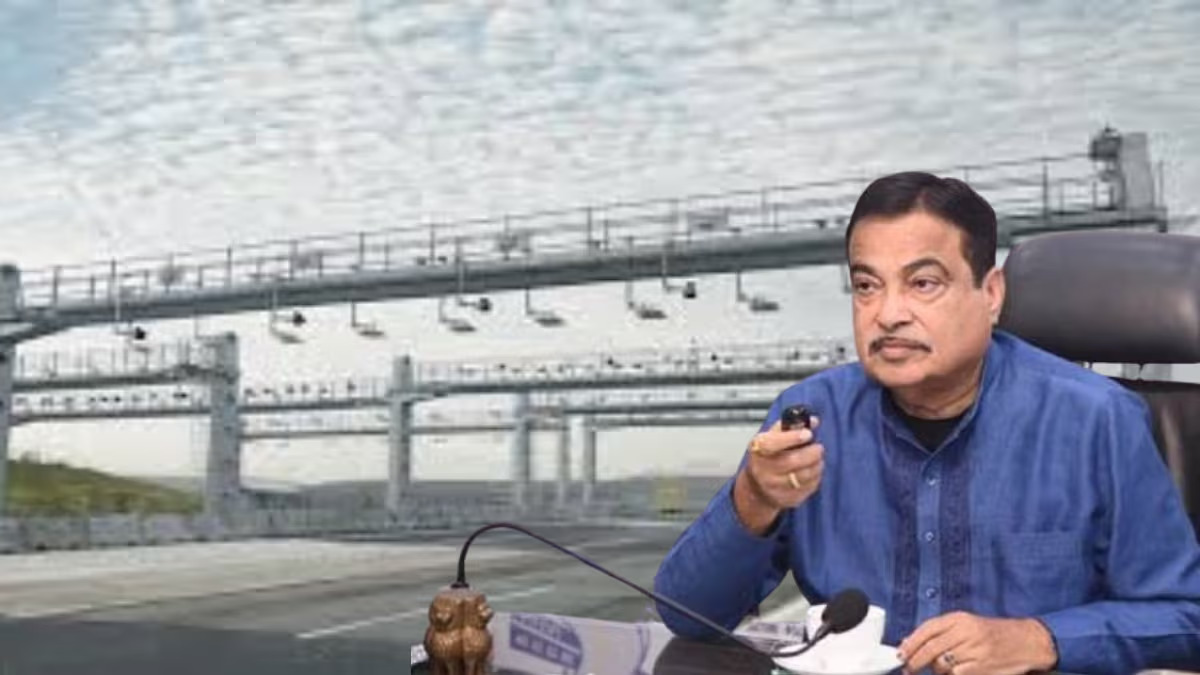
Nitin Gadkari Launches India’s First Multi-Lane Free Flow (MLFF) Barrier-less Tolling System in Gujarat

SURAT: Union Minister of Road Transport & Highways Shri Nitin Gadkari announced the launch of India’s first Multi-Lane Free Flow (MLFF) barrier-less tolling system at the Chorayasi Toll Plaza on the Surat–Bharuch section of NH-48 in Gujarat. The state-of-the-art system enables seamless toll collection without requiring vehicles to stop, using advanced technologies such as Automatic Number Plate Recognition (ANPR) and FASTag.

The introduction of MLFF marks a major milestone in the digitisation of India’s tolling ecosystem and the modernisation of National Highway infrastructure in line with global standards. The system is expected to significantly reduce travel time, decongest highways, improve fuel efficiency, lower vehicular emissions, and minimise human intervention in toll operations.

Shri Gadkari stated that barrier-less tolling will enhance ‘Ease of Living’ for citizens and promote ‘Ease of Doing Business’ by enabling faster, more efficient movement of goods and logistics across the country. He further emphasised that, under the visionary leadership of Prime Minister Shri Narendra Modi Ji, this initiative reflects the Government’s continued commitment to building world-class, technology-driven National Highway infrastructure that is efficient, transparent, and commuter-friendly.

5th India–Tanzania Joint Trade Committee Meeting held in Dar es Salaam to Strengthen Bilateral Economic Cooperation

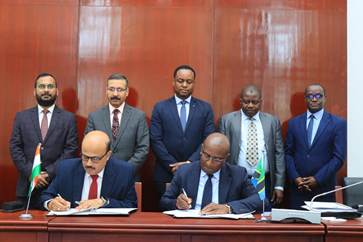
DAR ES SALAAM: The 5th Session of the India–Tanzania Joint Trade Committee (JTC) was held on 29–30 April 2026 in Dar es Salaam, Tanzania. The meeting was co-chaired by Commerce Secretary, Ministry of Commerce and Industry, Government of India, Shri Rajesh Agrawal, and Permanent Secretary, Ministry of Foreign Affairs and East African Cooperation of the United Republic of Tanzania, Amb. Dr. Samwel William Shelukindo. The session reviewed the progress achieved since the 4th Session held in New Delhi in August 2017 and reaffirmed a shared commitment to further strengthening bilateral trade, investment, and economic cooperation.

The discussions were held in a friendly and positive atmosphere, reflecting the strong and close relations between India and Tanzania. The deliberations highlighted the importance of the JTC as a key institutional mechanism for dialogue on trade and investment issues and for promoting mutually beneficial economic engagement. A comprehensive review of bilateral merchandise trade reflected steady and consistent growth since the 4th JTC held in August 2017 in New Delhi. Bilateral trade reached USD 9.02 billion in 2025–26, rising from USD 8.64 billion in 2024–25.

The discussions covered the promotion of trade settlement in local currencies, facilitation of long-term business visas for Indian businesspersons, strengthening regulatory collaboration in pharmaceuticals and capacity building in areas of health, AYUSH, education and shipbuilding.

Collaboration in mining sector including geological exploration and mining, value addition in the gemstone sector, regulatory developments related to gemstone exports, and opportunities for capacity building and skill development were discussed.

Strengthening cooperation in education and skills development remained a key focus area. The role of IIT Madras Zanzibar as a growing regional hub for higher education in science and technology was highlighted. Enhanced collaboration in MSME sector and to explore new institutional partnerships were emphasised.Areas such as vocational training, industrial research, innovation, and sustainable technologies were identified as promising avenues for cooperation.

Developments in digital cooperation in respect of existing MoU were reviewed, with a focus on digital public infrastructure, including India Stack. Opportunities for collaboration in real-time payments, Digilocker, and digital services were explored. Engagement in e-commerce, including sharing best practices and addressing regulatory challenges, also formed part of the deliberations.

India offered its expertise in shipbuilding and highlighted shipyard development and port infrastructure alongside potential partnerships with Tanzanian institutions.

India’s development cooperation through Lines of Credit exceeding USD 1.1 billion for water infrastructure projects in Tanzania was highlighted. These projects, currently under implementation, are expected to benefit over 6 million people across 24 towns. Continued collaboration in expanding water supply networks and infrastructure development remains a priority area.

The importance of fisheries and marine resources in supporting economic growth, livelihoods, and food security was underscored. Tanzania’s proposal for enhanced cooperation in aquaculture, fish processing, capacity building, and sustainable marine resource management received a positive response.

Emphasis was placed on fostering deeper involvement in healthcare and medicine, as well as enhancing capacity building in fields like oncology, and establishing exchange programs for medical specialists, nurses, and healthcare professionals from India. Collaboration aimed at expanding digital health and telemedicine to guarantee the provision of healthcare services to the most remote areas in Tanzania was promoted. Joint research concerning diseases common in Tanzania, including malaria, tuberculosis, and HIV/AIDS, was also deliberated.

Cooperation in agriculture was emphasised, covering emphasis on technology transfer, agro-processing, and research collaboration. Opportunities for Indian investment in agro-processing industries and value addition for key crops were highlighted. Collaboration in contract farming, micro-irrigation, and trade in pulses, including pigeon peas, was also explored. Engagement in the livestock sector, including dairy development, capacity building, and value chain strengthening, were also agreed as an important area for greater cooperation.

India extended support in the supply of locomotives and rolling stock, modernization of railway infrastructure, and capacity building through specialized institutions. Opportunities for collaboration in feasibility studies and maintenance systems were also explored.

Cooperation in renewable energy, natural gas, biofuels, and power infrastructure was discussed. The need for a comprehensive MoU covering all energy sub-sectors was emphasised. India offered support in consultancy, capacity building, project management, and development of energy infrastructure, including transmission systems and hybrid energy solutions.

A wide range of additional areas of cooperation were discussed, including participation in trade fairs and exhibitions, exchange of agricultural scientists, housing and urban development, and mutual recognition agreements in professional services. Market access issues, such as tariffs, phytosanitary measures, and regulatory procedures, were addressed, with continued engagement envisaged to resolve these concerns. Cooperation in standardization, competition policy, trade promotion, immigration, and fire and rescue services was also explored.

A delegation of Indian businesspersons, led by the Confederation of Indian Industries (CII), had also accompanied the Commerce Secretary. On the sidelines of the 5th session of India-Tanzania JTC, an India–Tanzania Joint Business Meet was also organized. Commerce Secretary of India, Shri Rajesh Agrawal, delivered the keynote speech, expressing high appreciation for the accelerating trade partnership between the two nations and the growing synergy between their respective markets. with participation from leading Indian and Tanzanian business representatives. The Tanzanian perspective was represented by Amb. John Ulanga, Director of International Trade and Economic Diplomacy, along with several prominent local business leaders. Their remarks focused on the strategic importance of Indian investment and the shared goal of fostering a more integrated and prosperous business environment across the East African region.

The Joint Trade Committee meeting concluded with a reaffirmation of the shared commitment to deepening bilateral trade and economic relations between India and Tanzania. The deliberations reflected a forward-looking approach, emphasizing strengthened institutional mechanisms, faster implementation of ongoing initiatives, and expanded cooperation across key sectors.

The next (6th) Session of the India–Tanzania Joint Trade Committee was agreed to be held in New Delhi, India, on mutually convenient dates.

GMU signs MoU with National Institute of Technology Calicut

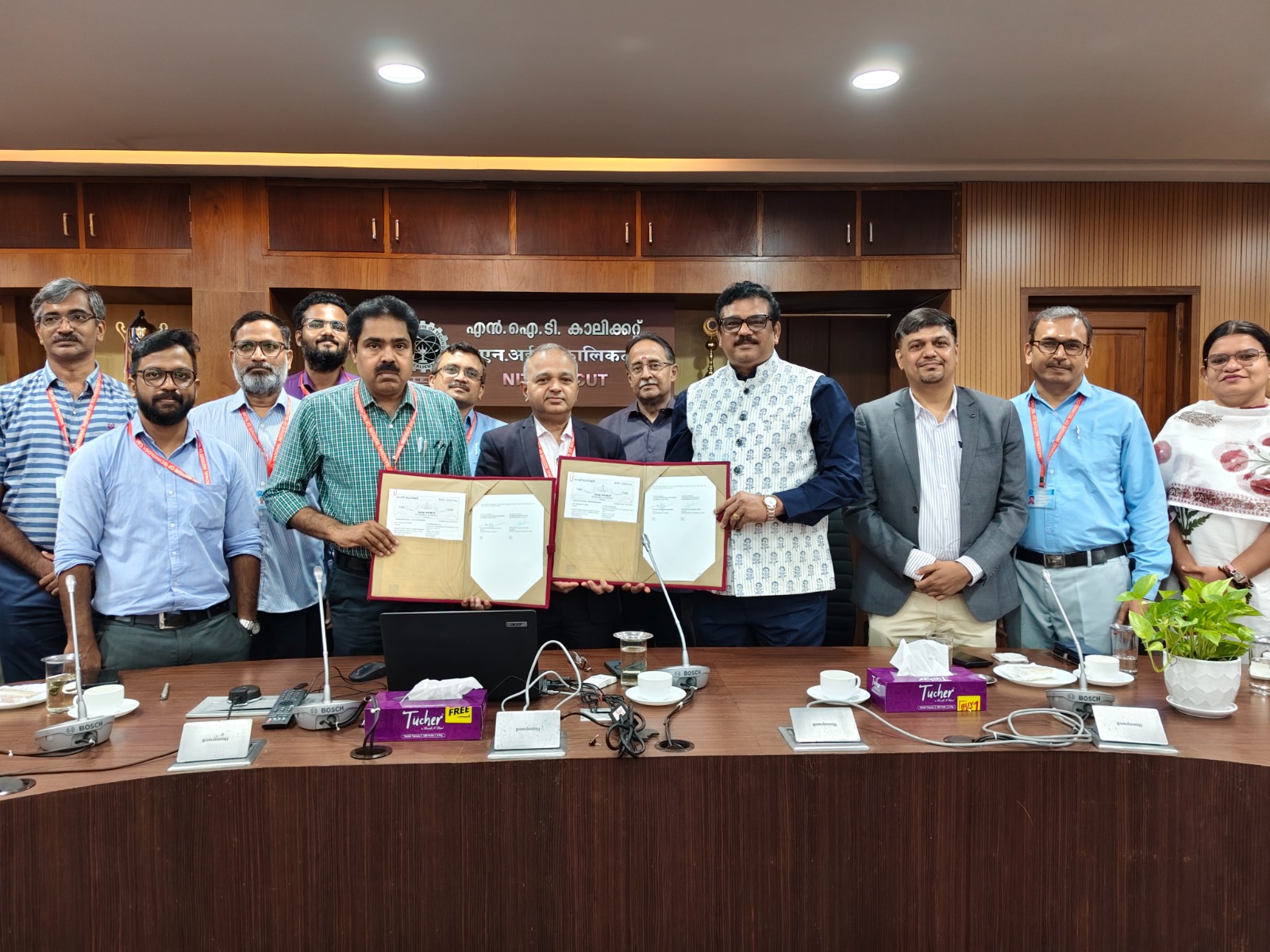
GANDHINAGAR : Gujarat Maritime University (GMU) signed a Memorandum of Understanding (MoU) with the National Institute of Technology Calicut (an Institute of National Importance under the Government of India) on 27 April 2026, marking a significant step towards strengthening academic and research collaboration in the fields of logistics, maritime studies, and supply chain management .

The MoU was formally signed by Prof. Prasad Krishna, Director of NIT Calicut and Prof. S. Shanthakumar, Provost of GMU in the presence of members from both institutions, Dr. Chandra Kant Upadhyay (GMU), Dr. Pradeepmon T G (NITC), and Dr. Sunil Jacob John (Registrar NITC).

The initiative is led by the Centre for Maritime Logistics at Gujarat Maritime University and the Centre of Excellence in Logistics and Supply Chain Management (CoELSCM) at NIT Calicut. It aims to promote joint research, academic exchange, and collaborative programs between the two institutions.

This partnership is expected to create new opportunities for conferences, training programs, and capacity-building initiatives, thereby contributing to the growth and development of the maritime and logistics sectors in India.

Speaking on the occasion, Prof. Prasad Krishna and Prof. S. Shanthakumar highlighted the importance of such collaborations in addressing emerging industry challenges. Both institutions reaffirmed their commitment to fostering academic excellence and impactful research.

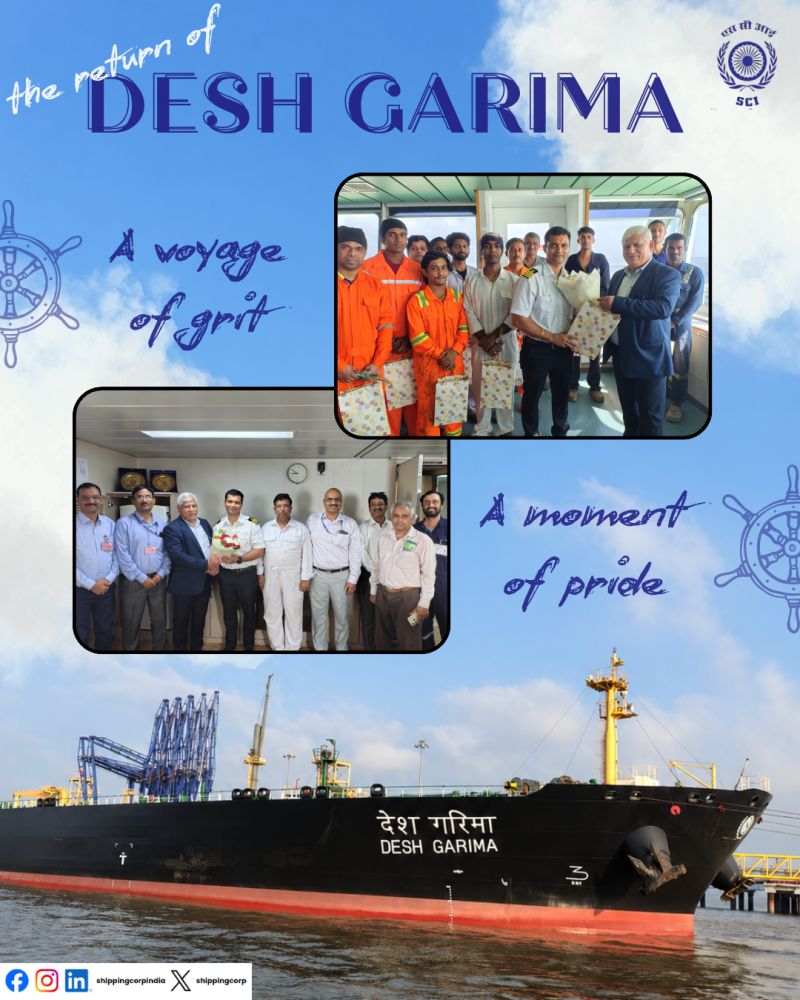
MT Desh Garima berths at Mumbai with critical crude cargo; SCI commends crew and stakeholders

MUMBAI : Marking a significant operational milestone, MT Desh Garima, a tanker of the Shipping Corporation of India (SCI), successfully berthed at Mumbai on April 30, 2026, carrying a vital consignment of crude oil for the nation.

The vessel was warmly received by Capt. Som Raj, Director (Personnel & Administration), along with senior officials and the SCI team, acknowledging the seamless execution of this strategically important voyage. MT Desh Garima had loaded the critical crude cargo at Das Island and commenced her journey through the highly sensitive Strait of Hormuz, transiting the region on April 18, 2026, before arriving off Mumbai on April 22, 2026.

The voyage comes at a time when global shipping routes continue to face operational and geopolitical challenges, underscoring the importance of resilience and precision in maritime operations. The safe and timely delivery of this essential cargo reflects SCI’s steadfast commitment to ensuring India’s energy security.

The leadership at SCI lauded the exemplary professionalism, courage, and dedication demonstrated by the vessel’s Master, Chief Engineer, and crew. Their unwavering focus on safety, efficiency, and operational excellence ensured the successful completion of the voyage under demanding conditions.

SCI also expressed its sincere gratitude to the Ministry of Ports, Shipping and Waterways, the Directorate General of Shipping, and all associated authorities and stakeholders for their continuous guidance, support, and coordination throughout the voyage.

This achievement reinforces SCI’s pivotal role in supporting the nation’s maritime logistics and energy supply chain, while highlighting the strength of collaboration between maritime institutions in safeguarding national interests.

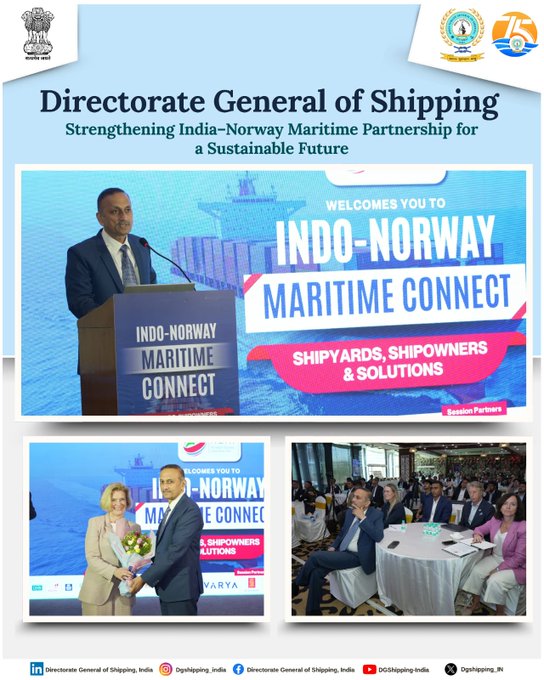
India–Norway Maritime Connect strengthens push for Green Shipping and advancements

MUMBAI : On the sidelines of the Indo–Norway Maritime Connect held in Mumbai, Shri Sushil Khopde, IPS, Additional Director General, Directorate General of Shipping, held a constructive interaction with Her Excellency Ms. May-Elin Stener, Ambassador of Norway to India, underscoring the growing maritime partnership between the two nations.

During the meeting, Shri Khopde outlined key policy and regulatory initiatives undertaken by the Directorate General of Shipping to advance India’s maritime sector, with a strong emphasis on sustainability, green shipping practices, and safety standards. He highlighted India’s proactive steps toward reducing carbon emissions, promoting alternative fuels, enhancing energy efficiency in shipping, and aligning with global frameworks such as IMO decarbonization targets.

The discussion also reflected on India’s maritime growth trajectory, including capacity building, digitalization of maritime services, and strengthening of regulatory frameworks to support a future-ready shipping ecosystem. Shri Khopde emphasized India’s commitment to fostering innovation and adopting best global practices to ensure sustainable and resilient maritime operations.

Her Excellency Ms. Stener acknowledged India’s efforts in advancing green maritime initiatives and reiterated Norway’s keen interest in deepening bilateral cooperation. She highlighted Norway’s expertise in clean maritime technologies, including zero-emission vessels, green ports, and digital solutions, and expressed willingness to collaborate with India in these domains.

Both sides explored opportunities for enhanced cooperation in areas such as decarbonization strategies, development of green corridors, adoption of alternative fuels like hydrogen and ammonia, maritime skill development, and joint research and innovation. The dialogue also touched upon facilitating industry partnerships and knowledge exchange to accelerate the transition towards sustainable shipping.

The interaction reaffirmed the shared vision of India and Norway to work closely towards a greener, more efficient, and technologically advanced maritime future, further strengthening bilateral ties in the maritime domain.

Adani Enterprises Ltd announces Q4 and FY26 results Consolidated EBITDA at Rs. 16,464 cr

AHMEDABAD : Adani Enterprises Ltd (AEL), the flagship company of the Adani Group, announced its results today for the quarter and year ended March 31, 2026.

With close of fiscal 2026, AEL has transitioned to a core infrastructure-led model, with 80% of its EBITDA coming from mature, long-term and contracted businesses, which significantly enhances earnings visibility. AEL’s incubation journey has now firmly crossed milestones of initial capex-heavy and stabilization phases, with EBITDA-mix shifting towards stability, thus positioning the company for sustained cash generation and future value unlock.

Adani Enterprises has delivered yet another year of disciplined execution, stable EBITDA and continued momentum across our core infrastructure and incubation platforms said Mr Gautam Adani, Chairman of the Adani Group. What is particularly encouraging is that majority of the EBITDA is now led by our core infrastructure incubating businesses and stable mining services, reflecting the maturity and scale of our operating portfolio. FY26 has also been a year of decisive progress in building and making ready some of the large infra-assets of the Navi Mumbai International Airport, Guwahati Airport and the Ganga Expressway. As India’s growth accelerates, we continue to focus on building and scaling globally competitive infrastructure businesses with our robust project pipeline.

Consolidated Financial Highlights

(Rs. in Crore)

ParticularsQ4 FY25Q4 FY26% change
Y-o-Y
FY25FY26% change
Y-o-Y
Total Income27,60233,18720%1,00,3651,02,9433%
EBITDA4,3464,4793%16,72216,464(2%)
Exceptional Gain3,946––3,9469,215–
Profit Before Tax5,259729(86%)10,47913,52529%
Profit After Tax13,845(221)2–7,1129,33931%

Incubating Businesses Financial Highlights

ParticularsQ4 FY25Q4 FY26% change
Y-o-Y
FY25FY26% change
Y-o-Y
ANIL Ecosystem
Total Income3,6615,16841%14,23615,5639%
EBITDA1,1101,1736%4,7764,532(5%)
PBT925924–3,9583,452(13%)
Airports
Total Income2,8313,42921%10,22413,08128%
EBITDA9531,67075%3,4805,39455%
PBT(5)448–(5)1,427–

Operational Highlights

VolumeQ4 FY25Q4 FY26% change
Y-o-Y
FY25FY26% change
Y-o-Y
ANIL Ecosystem
Module Sales (MW)990146448%4263490415%
WTG (sets)6010270%16423141%
Airports
Pax movement (Mn)24.724.7–94.495.31%
ATMs (‘000)157.8158.3623.8619.0(1%)
Cargo (Lacs MT)2.73.011%10.911.77%
Roads
Construction (L-KM)694.6110.7(84%)2410.11451.7(40%)
Mining Services
Dispatch (MMT)14.016.115%43.349.414%
IRM
Volume (MMT)15.39.3(40%)56.544.6(21%)

Business Updates

Adani New Industries (ANIL – Green Hydrogen Ecosystem)

Adani Wind under ANIL is the only Indian company to feature in Bloomberg NEF Global Top 15 wind turbine manufacturers list
Domestic solar module sales surge 95% to 1459 MW during the quarter on Y-o-Y basis
AdaniConnex Pvt Ltd (ACX – Data Center)

Received new hyperscale order for 358 MW in Hyderabad, taking cumulative tied-up capacity to 560+ MW
Hyderabad data center phase II 4.8 MW capacity is now operational, and total operational capacity is 55+ MW from four data centers
Adani Airports Holdings Ltd (AAHL – Airports)

Aero and non-aero revenue delivered robust YoY growth of 26% and 31% respectively in FY26
During the quarter 3 new routes and 20 new flights added
Adani Road Transport Ltd (ARTL – Roads)

Added three new road projects, taking total project’s tally to 20 projects
Chennai Outer Ring Road, TOT project in the state of Tamil Nadu
Palanpur-Radhanpur-Samkhayili NH-27, operational TOT project in the state of Gujarat
Ganga Path extension Digha-Koilwar, HAM project in the state of Bihar
ESG Highlights

AEL is assigned ESG rating score of 83 by CareEdge ESG Ratings which denotes a Leadership category in managing ESG risk through best-in-class disclosures, policies and performance
About Adani Enterprises Ltd

Adani Enterprises Limited (AEL) is the flagship company of Adani Group, one of India’s largest business organisations. Over the years, Adani Enterprises has focused on building emerging infrastructure businesses, contributing to nation-building and divesting them into separate listed entities. Having successfully built sizeable and scalable businesses like Adani Ports & SEZ, Adani Energy Solutions, Adani Power, Adani Green Energy, Adani Total Gas and Adani Wilmar, the company has contributed to make India self-reliant with our robust businesses. This has also led to significant returns to our shareholders for three decades.

The next generation of its strategic business investments are centered around green hydrogen ecosystem, airport management, data center, roads and primary industries like copper and petrochem – all of which have significant scope for value unlocking.