Home Blog Page 341

Strait of Hormuz blockade drives up costs at Panama Canal

PANAMA CITY : The war in the Middle East has boosted demand to move vital cargo through the Panama Canal to such an extent that one vessel carrying liquefied natural gas (LNG) paid $4 million to skip the line and avoid a wait that can take up to five days, according to an official report.

A surge in such payments has been recorded since the US-Israeli attacks on Iran began February 28, which led to the blockade of the Strait of Hormuz, a critical waterway for one-fifth of the world’s oil and natural gas exports from Gulf countries.

To meet fuel demand, Asia’s refineries are choosing to buy oil or gas from the United States and ship it through the transoceanic waterway instead of purchasing from Gulf countries who rely on the Strait of Hormuz, according to reports from the Panama Canal Authority.

The average number of ships passing through the canal on a daily basis has “remained strong,” the authority told AFP in a statement Tuesday, with 34 ships in January and 37 ships in March. Some days exceeded 40 transits.

“The increase reflects changes in global trade patterns and market conditions, including geopolitical factors affecting key routes,” the authority said.

Ships transiting the canal book their passage well in advance, and ships without bookings wait an average of five days to get through, but there is an auction where last-minute transits can be purchased.

The most recent auction included a $4 million bid for an LNG vessel, and in recent weeks two oil tankers exceeded bids of $3 million, the authority said.

Past average auction prices between October and February stood at around $130,000, and rose to $385,000 in March and April.

Five percent of global maritime trade passes through the Panama Canal, and its main users are the US and China. The route primarily connects the US East Coast with China, South Korea and Japan.

In the first half of the 2026 fiscal year, which runs October to September, the Panamanian waterway recorded passage of 6,288 ships, a year-on-year increase of 3.7 percent, according to official figures.

Demonstration Project on the Supply of Ammonia Fuel for Vessels in Singapore selected for the FY2024 Supplementary Budget Grant

SINGAPORE: Sumitomo Corporation, alongside Kawasaki Kisen Kaisha, Ltd. and Nippon Yusen Kabushiki Kaisha (NYK) have jointly applied to run a demonstration project related to the supply of ammonia fuel for vessels in Singapore (hereinafter the “Demonstration Project”), with Sumitomo Corporation serving as the coordinating company. The Demonstration Project has been selected for the FY2024 Supplementary Budget Grant for the “Global South Future-Oriented Co-creation Project (Large-scale Demonstration – ASEAN Member States: 2nd Call for Proposals)” funded by Ministry of Economy, Trade and Industry through AEM-METI Economic and Industrial Cooperation Committee (AMEICC), effective March 23, 2026.

The Demonstration Project is designed to establish the groundwork for the future commercialization of ammonia as a next-generation clean fuel. As part of this initiative, the project partners will conduct a trial supply of ammonia fuel using the “Ship-to-Ship” (STS) transfer method, employing a bunkering vessel*1 that complies with the requirements set by the Singapore Government. This demonstration project marks the first demonstration of ammonia bunkering by the collaborators. Through this demonstration, the collaborators aim to develop robust safety standards and refine operational procedures, paving the way for the eventual launch of commercial ammonia bunkering services in Singapore.

At present, around 20 million tons of ammonia are being traded globally each year, primarily for use in fertilizers and chemical production. Maritime transportation of ammonia has played a central role in this trade, with STS transfers already occurring between ammonia carriers. However, the supply and utilization of ammonia as a maritime fuel for vessels introduce new complexities. Given ammonia’s toxic properties, its use requires strict safety measures, specialized equipment and the development of internationally agreed safety standards and operational guidelines.

As a large-scale initiative, the Demonstration Project will be critical in overcoming the technical and operational challenges that must be addressed before commercial services can be fully realized. Meeting safety standards and developing operational guidelines is expected to deliver industry-wide benefits, serving as benchmarks of public interest for the safe adoption of ammonia as a bunker fuel. Given the substantial costs associated with the demonstration phase, the financial support from this grant will be pivotal in ensuring the project’s viability and successful execution.

Singapore is the world’s largest bunkering hub. With its well-developed port infrastructure and operational expertise, the country offers a practical testing environment for the commercialization of ammonia fuel. Through the Demonstration Project, feasibility studies will assess supply facilities while managing operational risks, establishing procedures, and evaluating environmental and safety factors to confirm the viability of safe, sustainable ammonia fuel supply.

*1 The process of supplying fuel to a vessel for the purpose of propulsion and power on voyages is referred to as “bunkering,” and the vessel used to supply fuel to a receiving vessel is called a “bunkering vessel.”

(Comments From Each Company)
Sumitomo Corporation
Drawing on more than 60 years’ experience in providing a stable supply of maritime fuels worldwide, Sumitomo Corporation will advance the development of supply chains for next-generation fuels, including ammonia. Working closely with maritime stakeholders and government authorities, the company aims to establish a reliable fuel supply system that meets customer needs and contributes to decarbonization in the shipping industry.

Kawasaki Kisen Kaisha, Ltd.
Kawasaki Kisen Kaisha brings extensive expertise in the handling and supply of liquefied gas fuels, gained through its past track record handling LNG bunkering operations in Singapore and Japan. In this project, the company will apply its operational expertise, particularly in the technical management of bunkering vessels, to support the safe adoption of ammonia bunker fuel, contributing to maritime sector decarbonization goals.

Nippon Yusen Kabushiki Kaisha
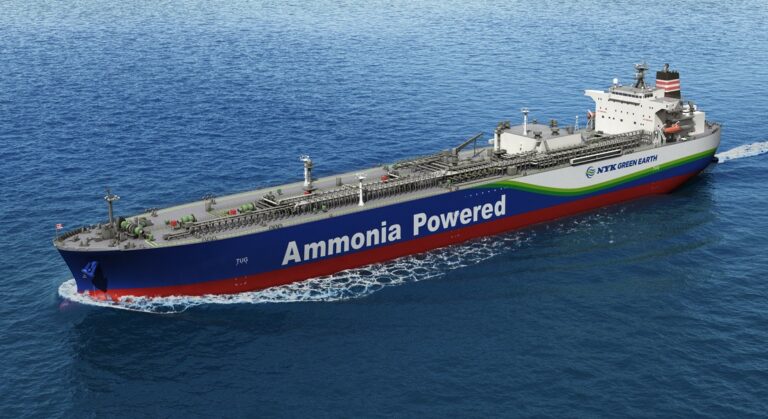
Nippon Yusen Kabushiki Kaisha is leading global initiatives in the utilization of ammonia fuel, including the development and operation of the world’s first ammonia-fueled tugboat and its involvement in the design of ammonia-fueled bunkering vessels intended for operation in Singapore. Leveraging advanced handling technologies and operational experience, the company will help establish a safe and efficient ammonia supply system, reinforcing its leadership in driving the decarbonization of global shipping.

Pelagus and Belga Marine bring Brazilian supply chain challenges to the table

RIO DE JANEIRO: New strategies to boost the production, aftermarket service and availability of parts for Brazil’s maritime and energy customers provided the focus for a gathering staged by Pelagus and Belga Marine in Rio de Janeiro on April 16.  

Reinventing The Spare Parts Supply Chain brought together OEMs/genuine makers and asset owners to discuss the challenges posed by long lead times, supply chain disruptions, and operational bottlenecks in Brazil. The event is expected to provide a template for similar market engagements in other locations. 

Pelagus, a joint venture between thyssenkrupp and Wilhelmsen, works with OEMs and third-party manufacturers to enable on-demand parts production, through conventional and additive manufacturing. Belga Marine partners with Pelagus within the Brazilian market. 

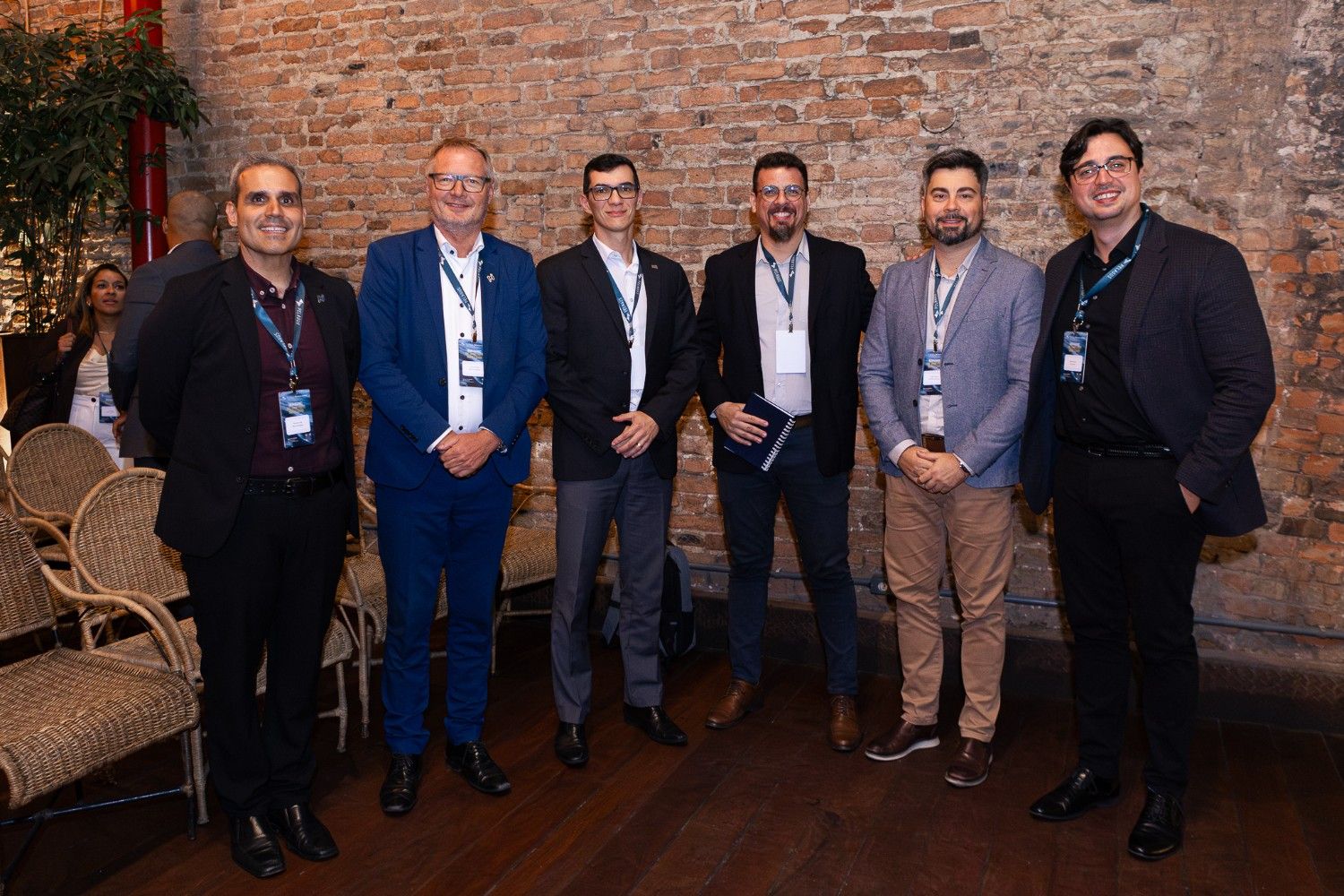
Bjorn Madsen, Pelagus chief commercial officer, Adhemar Freire, senior energy advisor for Brazil, Norwegian Energy Partners and Jan Lomholdt, honorary consul of Sweden and chief executive officer of Belga Marine, set the stage for what proved to be a thought-provoking evening.  

“In Brazil we see a lot of opportunities around aging assets. Equipment is getting older and, in many cases, there is limited appetite to invest in retrofits or the latest upgrades when a vessel may only operate for another year or two. It therefore makes sense to offer equipment life‑extension options by continuing to supply the legacy portfolio through on-demand manufacturing,” said Madsen. 

“This is where OEMs can potentially look at models like on-demand manufacturing to better serve their customers. It’s about having mechanisms in place to build a more resilient ecosystem capable of dealing with the nuances of managing aging assets.” 

In a panel session titled Building Resilient Aftermarket Models in Brazil, Thales Moran, head of FPSO operations and technical support and asset manager at Altera & Ocyan, Denis Morais, head of aftermarket sales for South America, Kongsberg Maritime, and Gabriel Siqueira, lifecycle general manager for Latin America, Wärtsilä, discussed Brazil’s aftermarket. They explored how its ecosystem could move from slow, imported, traditional spare-parts models toward faster, smarter, more local and collaborative service models enabled by digital tools and additive manufacturing. 

Panellists also examined aftermarket challenges in Brazil, and where traditional service models work well versus where they struggle.  

“The discussions addressed a new way to look at supply chains in 2026,” said Lomholdt. “We have already seen the potential of additive manufacturing and on-demand manufacturing as a way to make things faster. Faster delivery, less lead time, local production. By working together with technology providers, OEMs, suppliers and operators will unlock a better way of doing things for tomorrow. They will be able to save money, increase revenue, and have a safer environment.” 

The event attracted over 50 attendees, including OEMs, end users, and technology experts, creating a cross-industry forum to explore new, more resilient aftermarket models in Brazil. 

“We were delighted with the exceptional engagement from those attending the event on this crucial topic,”said Madsen.  “It has also provided a blueprint for collaborative discussions in other markets, as Pelagus reinforces its case for digital inventories that enable OEMs in the maritime and energy sector to store and securely share legacy part designs with approved manufacturers, to reduce lead times and protect end users against grey-market risks.” 

Waterway IT joins Eyesea, Strengthening Industry Collaboration to Tackle Ocean Pollution

HAMBURG: Waterway IT has announced that it has joined Eyesea, the global initiative dedicated to mapping and combating marine pollution through collective action and community engagement across the maritime sector.

WhatsApp Image 2026 04 14 at 1.44.06 PM Waterway IT joins Eyesea, Strengthening Industry Collaboration to Tackle Ocean Pollution

With a strong presence in the maritime industry, Waterway IT shares Eyesea’s commitment to protecting the marine environment and supporting responsible ocean stewardship. By joining the initiative, the company becomes part of a growing global network of organizations, seafarers, and volunteers working together to better understand and address pollution at sea.

Eyesea is a nonprofit initiative that combines crowd-sourced reporting, satellite data, and artificial intelligence to build the world’s largest database of ocean pollution and maritime hazards. Through a mobile platform, seafarers and coastal communities can submit geo-tagged images of pollution, transforming real-world observations into actionable intelligence for clean-up efforts and policy development.

“Being part of Eyesea reflects our commitment to supporting the maritime community beyond our core services,” said Florian zum Felde, CCO, Waterway IT. “This initiative resonates strongly with our environmental and collaborative values and fits well with our people and our everyday work across the industry. It’s contributing to something bigger, protecting the oceans we all depend on.”

Graeme Somerville-Ryan, Founder of Eyesea added: “Eyesea is built on collaboration, and bringing in partners like Waterway IT strengthens the sense of shared purpose across the maritime sector. This is not just about technology—it’s about people, culture, and a collective responsibility to safeguard our oceans.”

Through this partnership, Waterway IT will support Eyesea’s mission by encouraging participation across its network and helping to raise awareness of the importance of pollution reporting and environmental accountability within the maritime community.

The collaboration highlights the importance of cultural alignment and industry engagement in tackling global environmental challenges. Shipping companies, service providers, and seafarers all have a role to play—and initiatives like Eyesea provide a simple but powerful way for individuals and organizations to contribute.

About Waterway IT Solutions

Waterway IT is a global provider of onboard vessel IT solutions. The company delivers secure, scalable and integrated IT infrastructures to shipping companies worldwide, supporting safe, compliant and efficient vessel operations in an increasingly connected maritime environment.

About Eyesea

Eyesea is a nonprofit organization dedicated to mapping global ocean pollution and maritime hazards using technology, satellite data, and crowd-sourced reporting from seafarers and coastal communities. Its mission is to build a comprehensive pollution database that enables targeted clean-up operations and informed environmental policy worldwide.

OneOcean launches free RISQ 3.2 Knowledge Base to simplify inspection preparation

LONDON: OneOcean has launched a new RISQ 3.2 Knowledge Base and updated key Ocean Learning Platform courses to help ship operators adapt to RightShip’s revised inspection standard, which came into effect in February.

RISQ 3.2 introduces more than 150 changes to the RightShip Inspection Ship Questionnaire and places greater emphasis on demonstrated crew competence and evidence-based verification, rather than procedural compliance alone. The update affects vessels across the dry bulk, general cargo, container and RoRo sectors.

In response, OneOcean, part of the Lloyd’s Register Group, has released a free, publicly available Knowledge Base that maps Ocean Learning Platform training directly to each section of the RISQ 3.2 questionnaire. The tool allows operators and training managers to identify which courses, films and certified training support specific inspection requirements.

Alongside the launch, OneOcean has enhanced a range of Ocean Learning Platform courses to align with the updated syllabus references introduced under RISQ 3.2. The refreshed content focuses on key operational risk areas, including solid bulk cargo handling, dangerous goods and enclosed space entry, areas consistently highlighted during inspections. The courses align with the latest IMO model courses and guidance now referenced by the standard.

Together, the updates are designed to reduce the burden of inspection preparation and give operators confidence that their training provision reflects the current standard. By making the link between inspection requirements and training evidence clear, the Knowledge Base helps operators identify gaps, prioritise updates and demonstrate competence during inspection.

Alex Mangan, Chief Marketing and Communications Officer at OneOcean, said: “Inspectors are increasingly focused on how well crews understand and apply safety procedures on board. The focus is now shifting from certificates alone to evidence of competence. Our aim is to give operators clear, practical tools to show their training is current, relevant and aligned with the new standard. And because we also provide crew management capabilities, that evidence sits alongside contracts, certifications and voyage history in one connected ecosystem, ready for any inspector or auditor who needs it.”

The RISQ 3.2 Knowledge Base is live now on the OneOcean website – RightShip RISQ 3.2 Course Catalogue | Ocean Learning Platform

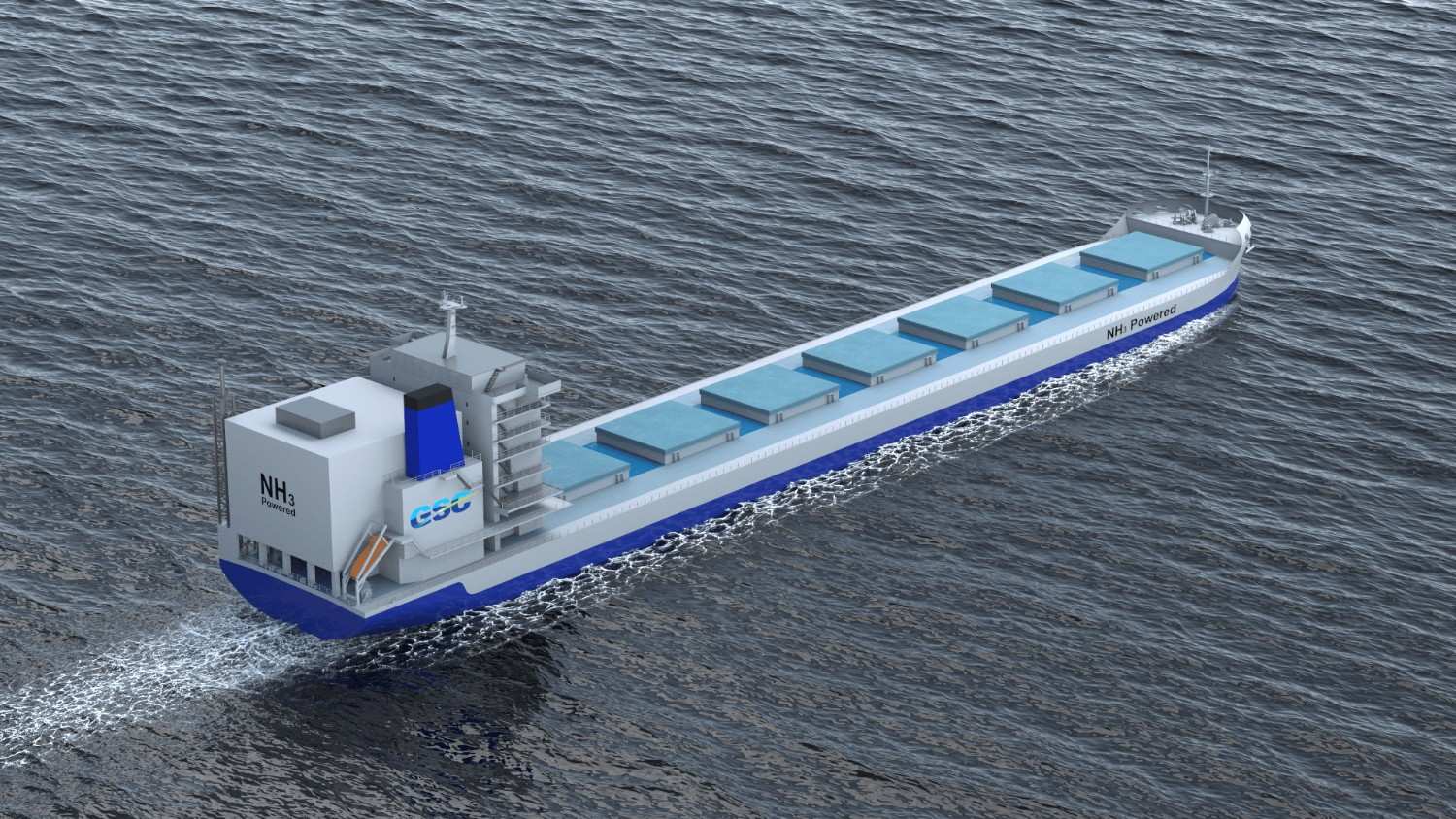
ClassNK grants Approval in Principle (AiP) for ‘Ammonia-Fueled Panamax Bulk Carrier Equipped with an IMO Type B Independent Fuel Tank’

TOKYO: ClassNK has issued an Approval in Principle (AiP) for an Ammonia–Fueled Panamax Bulk Carrier Equipped with an IMO Type B Independent Fuel Tank developed by Planning and Design Center for Greener Ships. This marks the world’s first AiP for a ship with Type B tanks installed on the exposed deck. The certification demonstrates its feasibility from regulatory and safety perspectives.

As decarbonization becomes a major challenge for the shipping industry, ammonia, which emits no CO₂ during combustion, is expected to be utilized as a zero‑carbon marine fuel. Traditionally, IMO Type C tanks* have been the mainstream choice for ammonia‑fueled ships and other alternative‑fuel ships due to their advantages in productivity and cost. Meanwhile, for the large-capacity fuel tanks required on ammonia-fueled ships, IMO Type B tanks are gaining recognition as an alternative, offering superior cargo efficiency and outfitting flexibility.

ClassNK has been involved in projects aiming for zero-emission ships using ammonia fuel in terms of safety assessment, and has issued its ‘Guidelines for Ships Using Alternative Fuels’ as a necessary standard to minimize the risks related to ammonia-fueled ships for the ships, crews, and environment by stipulating requirements for installation, controls, and safety devices. Following a review of the ship design based on the above guidelines and the relevant Rules and Guidance for the Survey and Construction of Steel Ships. Upon confirming compliance with the prescribed requirements, ClassNK issued an AiP.

ClassNK will continually strive to contribute to advanced decarbonization initiatives through safety assessments and more.

* One of the independent tank types defined under the IGC Code, the international code for the construction and equipment of ships carrying liquefied gases such as ammonia and LNG in bulk.

MacGregor to supply deck machinery for ultra-large cable-laying vessels

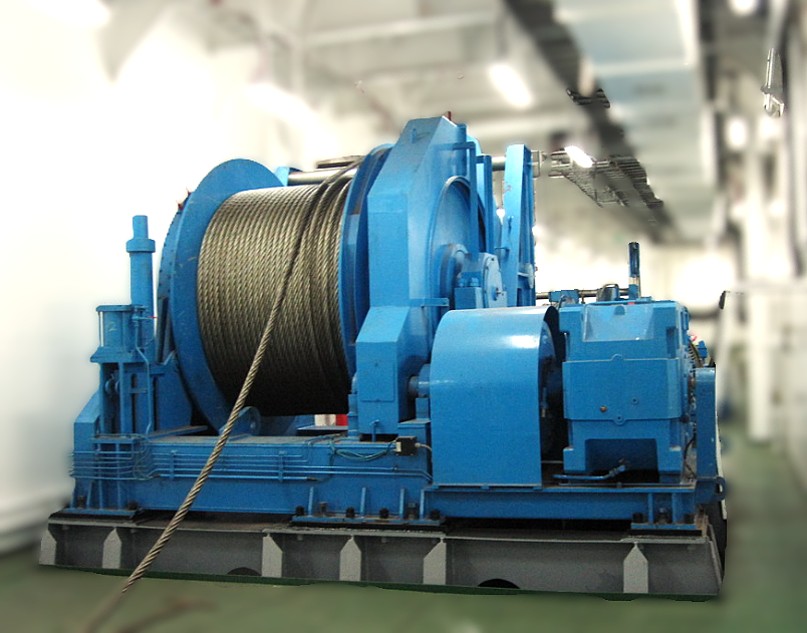
SINGAPORE: MacGregor has been selected to supply a comprehensive package of offshore and merchant deck machinery for ultra-large cable-laying vessels. The vessel will be constructed at Tersan Shipyard in Turkey.

This contract, secured in close collaboration with our local agent, Nemo Marine, booked into MacGregor’s first quarter 2026 orders received, with delivery scheduled for 2027.

Scope of Delivery    

The specialized package is designed to support the vessel’s complex operational requirements:

  • Offshore Deck Machinery: Essential equipment tailored specifically for cable-laying activities.
  • Merchant Deck Machinery: High-performance vessel-moving winches designed for critical functions, including anchoring at roadsteads and ensuring safe mooring in ports.

Industry Commitment

“This award is a testament to our technical foundation and our commitment to delivering high-quality, integrated solutions for the offshore industry,” says Magnus Sjöberg, Executive Vice President, Merchant Solutions Division, MacGregor. “By combining our expertise in both offshore and merchant deck machinery, we ensure the delivery of a robust and efficient system tailored for the most demanding maritime operations.”

Iran claims seizure of two MSC-operated boxships while transiting the Strait of Hormuz

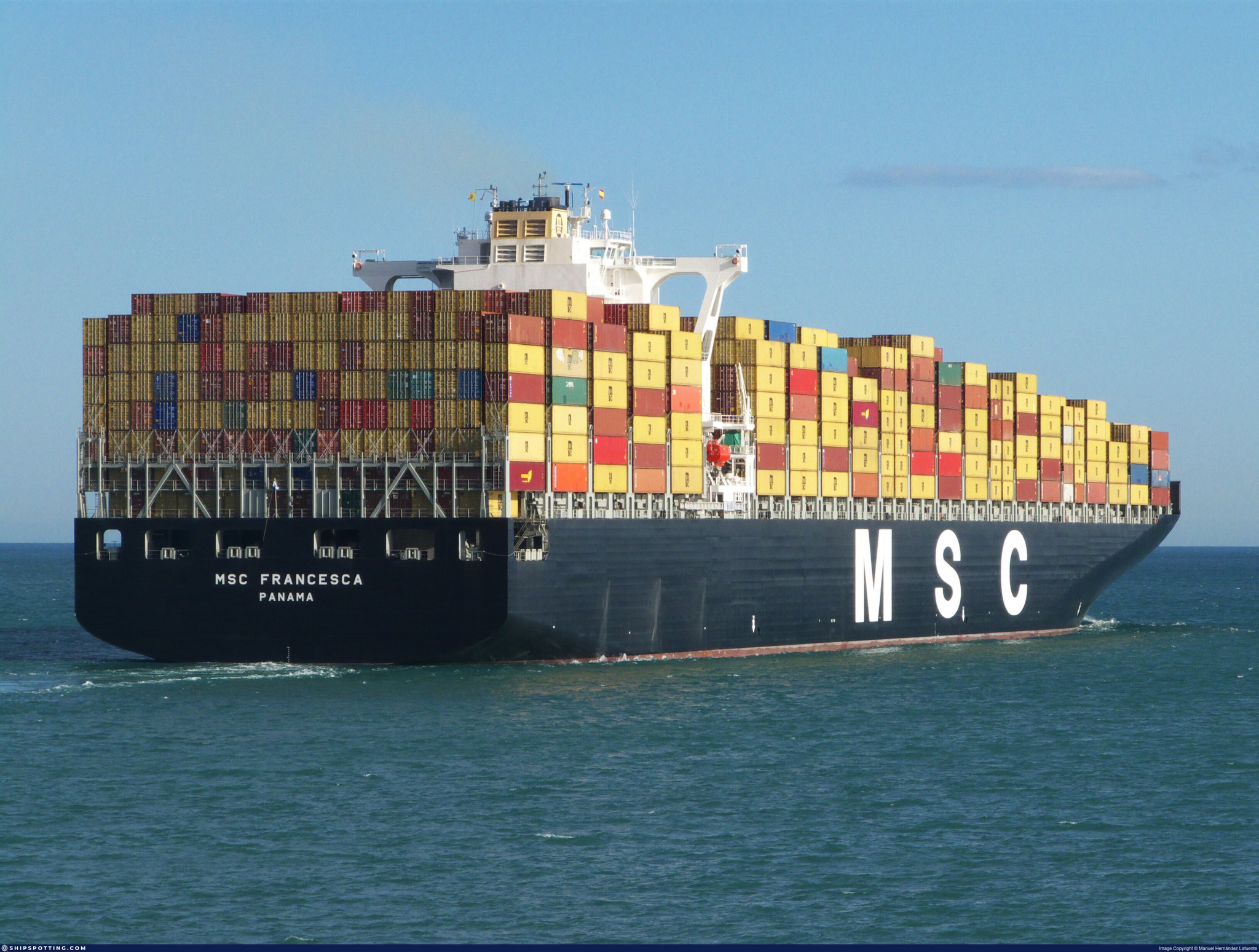
TEHRAN : Iran’s IRGC claimed it seized two containerships, MSC Francesca (red) and Epaminondas (yellow), as the vessels attempted to pass the Strait of Hormuz on Wednesday (Image taken 1100 hrs April 22). Two large MSC-operated containerships were seized or fired upon after Iran claimed they lacked transit permits, despite crew reports of no prior warnings.

Greek Ministry of Shipping however denies that Technomar Shipping-owned Epaminondas has been seized, stating the containership sustained ‘extensive damage’ after being attacked. A third vessel, the Silmar‑operated Euphoria, was also targeted hours later, though it escaped damage and continued toward the Gulf of Oman.

The incidents follow the US Navy’s seizure of the Iranian‑flagged Touska, intensifying an already volatile security environment in the Strait of Hormuz. Iran’s Islamic Revolutionary Guard Corps Navy says its has seized two MSC‑affiliated containerships and fired on a third vessel in a series of escalating confrontations in the Strait of Hormuz, amid rising tensions following the US Navy’s interception of an Iranian‑flagged boxship earlier this week.

IRAN’S Islamic Revolutionary Guard Corps Navy claims it has seized two vessels, which are operated by the world’s largest container shipping line Mediterranean Shipping Co, for transiting the Strait of Hormuz without its permission.

IRGC announced that the MSC-owned, 11,312 teu, MSC Francesca (IMO: 9401116) and a post-panamax ship under time charter to the company were seized and directed to the Iranian coast while transiting the Strait of Hormuz in the early hours of Wednesday.

The 2008-built MSC Francesca normally operates in service between the US west coast, Asia and the Middle East Gulf.

IRGC Navy claimed that both vessels “were operating without the necessary permits”.

Meanwhile, the MSC-chartered, 6,690 teu, Epaminondas (IMO: 9153862), which is owned by George Youroukos-controlled tonnage provider Technomar Shipping, was sailing through the strait eastbound at 0355 hrs about 15 nautical miles northeast of Oman when it was fired upon by an Islamic Revolutionary Guard Corps gunboat.

According to the maritime security company Vanguard, the fire resulted in heavy damage to the vessel’s navigation bridge. All crew on board the 1998-built ship are reported as safe.

The master of the vessel reported that no previous contact or warning had been made and the ship had been informed of permission to transit.

The United Kingdom Maritime Trade Operations also said that an IRGC gunboat approached the containership, then with no VHF contact fired upon the vessel. UKMTO advised vessels in the region to remain alert.

While Iranian forces have claimed that Epaminondas has too been seized, the Greek Ministry of Shipping has told multiple media outlets, including CNN, that this is not the case, however, it stated that it was attacked and sustained “extensive damage”. Lloyd’s List has sought comment from Technomar for verification.

A security source has though confirmed to Lloyd’s List that at least one of the vessels was eventually boarded.

According to the Epaminondas’ Automatic Identification System, the containership has been drifting just off the Iranian coast since 0622 hrs this morning.

The same is true of MSC Francesca, which is also drifting close to Epaminondas. Neither vessel has moved any significant distance in several hours.

The Islamic Revolutionary Guard Corps-owned Tasnim News Agency defended the action claiming that the “containership ignored repeated warnings” in a social media post, adding that “Iran Enforces Maritime Law on Container Ship Defying Warnings”.

Epaminondas normally operates on an MSC service from the US east coast to the MEG via the Panama Canal.

MSC has also been approached for comment regarding the two incidents.

In a third incident reported by Vanguard, another containership — the 2,478 teu Euphoria (IMO: 9235828) — was fired upon at 0638 hrs while it was transiting the Strait of Hormuz eastbound approximately eight nautical miles west of Iran. The incident did not cause any damage to the vessel or injuries to the crew.

The 2002-built ship is understood to be operated by Dubai-based container line Silmar Shipping and normally operates between the MEG, India and the Mediterranean.

Vanguard reported that the vessel’s master stated that the ship had stopped in the water. According to Lloyd’s List Intelligence vessel tracking, Euphoria resumed sailing towards Gulf of Oman after the incident.

IMO Secretary-General working on an evacuation plan for hundreds of ships that have been stuck in the Persian Gulf

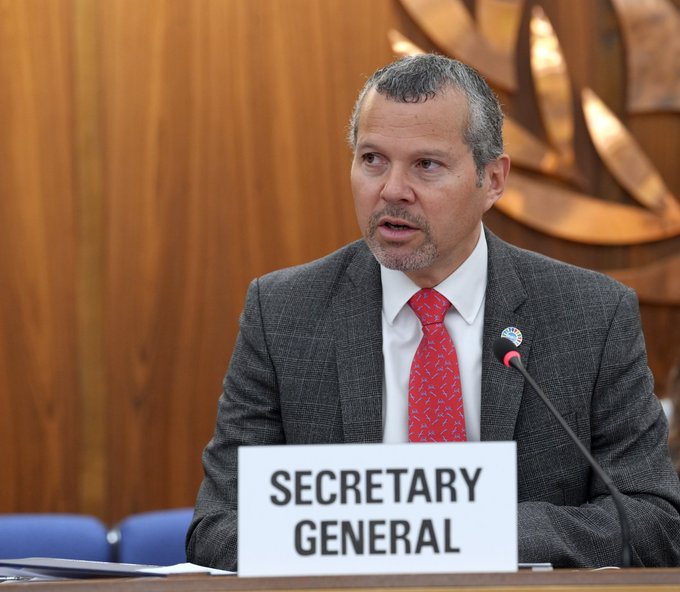
LONDON : The International Maritime Organization is working on an evacuation plan for hundreds of ships that have been stuck in the Persian Gulf since US and Israeli strikes on Iran began more than seven weeks ago, according to Secretary General Arsenio Dominguez said.

” The plan can only be put into action when there are clear signs of de-escalation, Dominguez said on the sidelines of Singapore Maritime Week. Details being discussed include an order of departure for vessels, depending on the length of time the crew has been stranded, among other factors, he added. The attacks on and seizures of commercial ships are unacceptable. I once again call for these reckless actions to cease and for any ships and innocent seafarers to be released immediately. The situation in the region remains extremely volatile. I cannot understand why companies would take risks and endanger seafarers’ lives. Today I spoke to a seafarer who was stranded in the Persian Gulf. He described the constant stress of missiles overhead, the danger of falling debris striking the ship, the need to ration supplies, and the difficulty of keeping his family informed about his situation. This seafarer was thankfully able to leave, but nearly 20,000 others remain, after more than seven weeks, still uncertain when they will be able to return home. There is much more work to be done. De-escalation, meaningful actions and restoring the freedom of navigation is the only way forward, ”IMO Secretary General added.

Any transits would follow a long-established route — the Traffic Separation Scheme that was proposed by Iran and Oman and adopted by the IMO in 1968, Dominguez said. Iran has developed a system over the past weeks that includes a specific route close to its coast and, in some cases, payment.

The discussions covered key areas including India’s continued engagement with the IMO, maritime safety and global shipping disruptions, seafarer welfare and humanitarian concerns, and decarbonisation and environmental commitments. India highlighted its re-election to the IMO Council (Category B) and reaffirmed its active contribution to IMO’s work through policy inputs and international cooperation.

Both sides also deliberated on the evolving challenges faced by the global maritime sector, particularly in light of recent geopolitical developments impacting shipping operations and seafarers. India emphasised the need for coordinated international efforts to address humanitarian concerns, ensure the safety of seafarers, and maintain the resilience of global supply chains, while continuing to support sustainable and inclusive maritime growth.

The IMO is in touch with littoral states, including Iran and Oman, and flag states to finalize the blueprint.

Indian Delegation deepens engagement with BIMCO on Sustainable Ship Recycling Framework during Singapore Maritime Week 2026

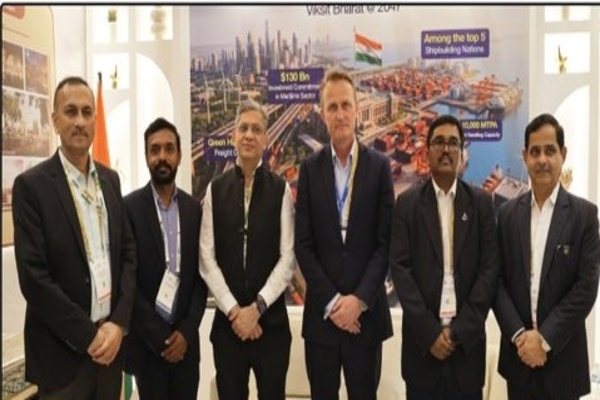
SINGAPORE: In a significant step towards strengthening global maritime cooperation, the Indian delegation engaged in high-level discussions with the Baltic and International Maritime Council (BIMCO) on 21 April 2026, focusing on advancing environmentally responsible ship recycling practices and aligning with international regulatory frameworks.

The BIMCO delegation was led by Mr. David Loosley, Secretary General and CEO, along with Capt. Ashok Srinivasan, Regional Manager and Technical Advisor. During the meeting, BIMCO provided a comprehensive overview of its global role, representing a substantial share of the world’s shipping tonnage, and shared insights into evolving ship recycling trends. The organisation highlighted expectations of increased recycling activity over the coming decade, alongside the regulatory challenges and opportunities that accompany this growth.

Pi7 Image Cropper 44 Indian Delegation deepens engagement with BIMCO on Sustainable Ship Recycling Framework during Singapore Maritime Week 2026

The discussions placed strong emphasis on sustainable and environmentally sound ship recycling practices. The Indian side, led by Shri Vijay Kumar, Secretary, Ministry of Ports, Shipping and Waterways, outlined India’s steady progress in upgrading ship recycling standards, particularly at Alang—one of the world’s largest ship recycling hubs. He underscored India’s commitment to complying with international conventions and its proactive engagement with global shipowners and domestic recycling yards to ensure best practices.

BIMCO acknowledged India’s notable strides towards compliance with the Hong Kong International Convention for the Safe and Environmentally Sound Recycling of Ships, recognising the country’s efforts to enhance safety, environmental protection, and regulatory alignment within the sector.

Both sides underscored the importance of continued collaboration, particularly in areas of awareness-building, technical exchange, and transparent communication. The meeting concluded with a shared commitment to strengthening partnerships that will support the transition towards a more sustainable and globally harmonised ship recycling ecosystem.

This engagement reflects India’s growing leadership in responsible ship recycling and its determination to align with international best practices, reinforcing its position as a key player in the global maritime landscape.