Home Blog Page 35

Protecting Society from Environmental Crime: Key Insights from WCO Webinar

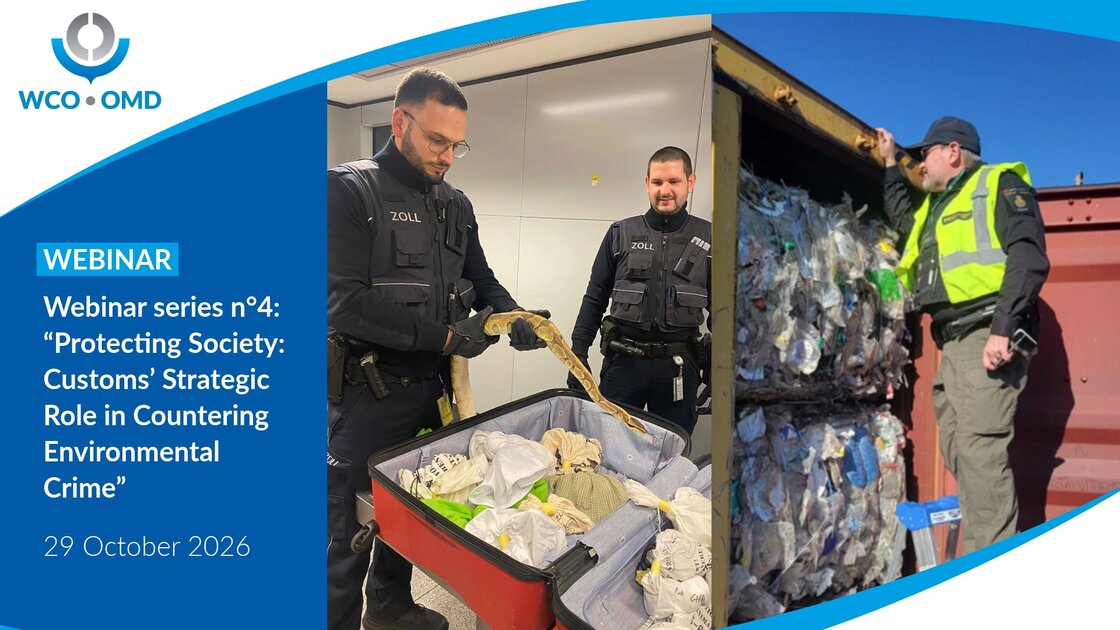
BRUSSELS: On 29 October 2026, the World Customs Organization (WCO) hosted the fourth webinar in its series under the theme “Customs Protecting Society through Vigilance and Commitment,” focusing on the critical role of Customs in combating environmental crime.

The webinar brought together representatives from Customs administrations, law enforcement agencies, relevant stakeholders and the Secretariats of Multilateral Environmental Agreements (MEAs) to exchange expertise, share operational experiences and explore ways to strengthen international cooperation.

Discussions highlighted the growing challenges posed by the illicit trade in environmentally sensitive commodities, including waste, wildlife, ozone-depleting substances (ODS) and hydrofluorocarbons (HFCs), and underscored the importance of effective border controls, intelligence-sharing and coordinated enforcement efforts.

In her opening remarks, Gael Grooby, WCO Director Policy and Standards underscored the rapidly evolving nature of environmental crime and the significant threat of illicit trade in environmentally sensitive commodities to environmental integrity, human health, and the achievement of the Sustainable Development Goals. She concluded by highlighting the complementary role of the WCO’s tools and instruments in tackling environmental crime noting: “the Harmonized System helps us identify and classify goods. MEAs provide the regulatory framework. WCO tools translate those requirements into operational procedures. WCO operations and projects provide a platform for enforcement and intelligence exchange. Our digital systems help us turn data into actionable intelligence.”

Protecting Society from Environmental Crime: The Role of Customs and International Cooperation

The keynote address was delivered by Maria Socorro Manguiat, Deputy Executive Secretary of the Ozone Secretariat. She highlighted the essential role of Customs administrations in supporting the implementation of the Montreal Protocol on Substances that Deplete the Ozone Layer through international cooperation, compliance monitoring, and assistance to Parties in phasing out ODS and phasing down HFCs. She also praised the strong partnership between the United Nations Environment Programme and the WCO, emphasizing Operation DEMETER, the development of Customs enforcement guidelines and capacity building support for Customs officers. She called for stronger coordination to strengthen Customs’ enforcement capacity, foster international cooperation, and combat environmental crime, particularly the illicit trade in substances controlled under the Montreal Protocol.

Customs efforts to combat Waste, Wildlife and Chemical Trafficking

A highly engaging panel discussion on “Customs Operations Against Waste, Wildlife and Chemical Trafficking” brought together experts from the Customs administrations of Indonesia and Nigeria, alongside a representative of the Secretariat of the Basel, Rotterdam and Stockholm Conventions.

The discussion highlighted that effective environmental enforcement at borders requires more than identifying and intercepting individual shipments. It depends on Customs’ ability to interpret and apply relevant regulatory requirements, identify risks through intelligence and data analysis, and access the technical expertise needed to determine the nature of goods and their regulatory status.

Panellists also stressed that enforcement should not be solely concerned with seizures. Analysing trafficking patterns, identifying vulnerabilities across supply chains, uncovering the networks behind illicit trade, and, where relevant, tracing associated financial flows are essential to developing more targeted, intelligence-led responses. Ultimately, effective action against environmental crime relies on an integrated approach that brings together regulatory knowledge, Customs expertise, intelligence, technology and operational cooperation at both national and international levels.

Looking Ahead

The final webinar in the Protecting Society series is scheduled for 15 December 2026 and will be dedicated to security threats. The virtual webinar will examine the evolving challenges faced by Customs administrations in protecting society from emerging and transnational threats.  

Maritime leaders push for stronger action on global shipping rules in Busan


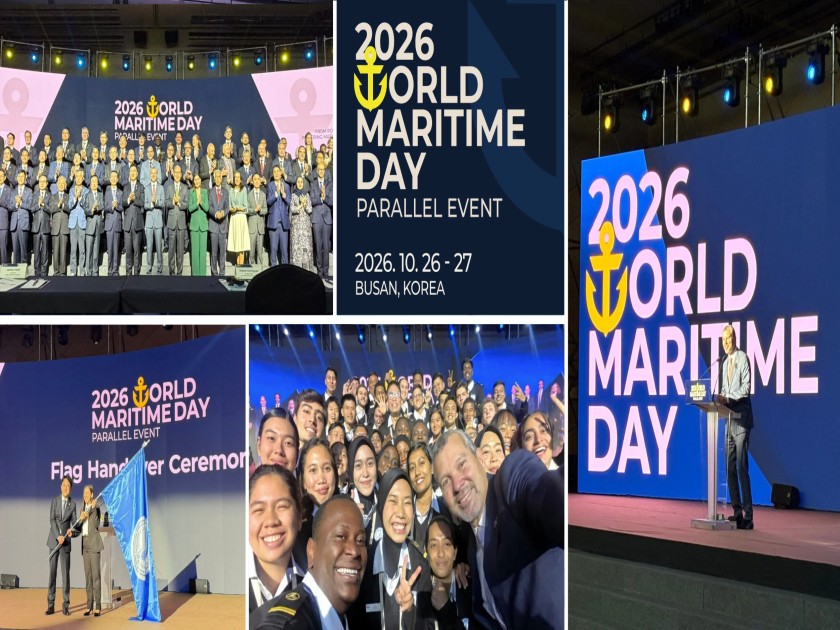
BUSAN: ​The World Maritime Day Parallel Event in the Republic of Korea promoted the 2026-2027 theme, “From Policy to Practice: Powering Maritime Excellence”, and provided a platform to showcase IMO’s work while bringing together key maritime stakeholders.

International delegates meeting in Busan, Republic of Korea (26 to 27 October) called for stronger national action and international cooperation to ensure global shipping regulations are effectively implemented.

Co-organized by the International Maritime Organization (IMO) and the Republic of Korea’s Ministry of Oceans and Fisheries, the 2026 World Maritime Day Parallel Event brought together governments, international organizations, industry and academia to explore practical ways to put global maritime regulations into action.

Discussions focused on supporting countries amid rapid shifts facing the sector, such as digitalization, automation and energy transition, as well as the far-reaching impacts of geopolitical conflicts.

Opening the event, Vice Minister of Oceans and Fisheries of the Republic of Korea, H.E. Mr. Nam Jaeheon, urged greater international solidarity.

“These challenges must be addressed together. If we stand united around the IMO and work together to find solutions, I am confident we can build a brighter future,” he said.

Seafarers first, always
IMO Secretary-General Arsenio Dominguez outlined regulatory milestones achieved in 2026, including:

the adoption of the voluntary Code for maritime autonomous surface ships (MASS Code);
the approval of the IMO Strategy on Maritime Digitalization, for consideration by the IMO Assembly; and
progress on safety guidelines for ships using alternative fuels.
During 2026, IMO completed its first global audit cycle, which assessed how 168 Member States (94% of its membership) have implemented its maritime regulations. The findings help to identify common gaps and support more targeted technical assistance.

Secretary-General Dominguez recognised the essential role of people working at sea in implementing IMO regulations: “Always put people first, particularly seafarers. Behind every ship, every shipment and every maritime operation are people. Their safety, well-being and dignity must remain at the heart of everything we do.”

Putting policy into practice at all levels
Panel discussions highlighted actions that could be taken by governments, international organizations, industry and academia.

These included:

Session 1 Government: High-Level Roundtable – The role of governments in implementing IMO instruments and strengthening delivery at national level

Session 2 International Organizations: IGO-NGO Dialogue – International cooperation, technical support and partnerships for effective implementation

Session 3 Industry: Shipping and Shipbuilding Summit – Practical pathways for industry implementation of IMO regulations

Session 4 Academia: Maritime Policy Symposium – Capacity-building, talent development and knowledge partnerships for implementation

During the high-level roundtable, ministers and senior officials from the Republic of Korea, Norway, Cyprus and India shared their national experiences and best practices in enforcement.

They stressed that adopting international regulations is only the first step. Strong national legislation, capable institutions, trained personnel, adequate infrastructure, targeted technical assistance and close cooperation with industry were also crucial.

IMO Council Chair, Mr. Víctor Jiménez Fernández, said: “We have been gathering over the last two days to celebrate the World Maritime Day Parallel Event, but we should not forget the context of the ongoing geopolitical tensions and conflicts we are involved in, as well as the impact of those conflicts on vital shipping lanes, the welfare of seafarers and the international shipping….We all have a role to play to translate into concrete actions the global regulatory framework we develop at IMO: Governments, IGOs, NGOs, industry and academia, and while doing so, let’s be focused on people, seafarers, port workers, ship operators, port State control officers and flag State administrators.”

Philippines to host 2027 event
The event concluded with the ceremonial handover of the World Maritime Day Parallel Event flag to the Philippines, which will host the 2027 edition.  

Enhancing safety of navigation and ships’ routeing in Latin America : IMO

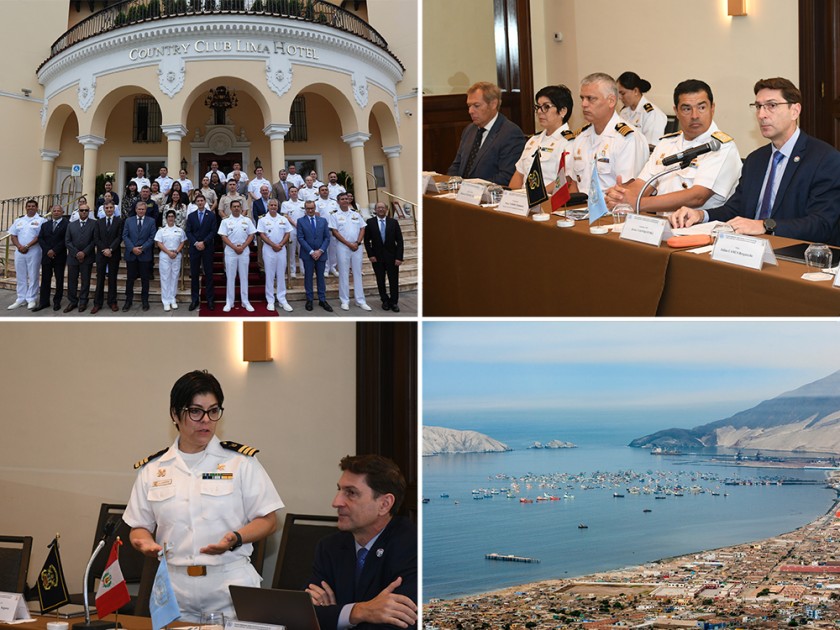
LONDON : A regional workshop on ships’ routeing and ship reporting systems took place in Lima, Peru from 26-30 October. The workshop aimed to strengthen participant’s understanding of how these measures can enhance maritime safety and protect the marine environment, and how proposals for new or revised systems can be submitted to IMO.

The programme covered the principles, design criteria and procedures for establishing ships’ routeing and ship reporting systems, drawing from the General Provisions on Ships’ Routeing and the International Convention for the Safety of Life at Sea (SOLAS) regulations V/10 and V/11.

Participants received guidance on how to prepare proposals for submission to IMO’s Sub‑Committee on Navigation, Communications and Search and Rescue (NCSR), and on how proposals are evaluated before being considered for adoption by the IMO’s Maritime Safety Committee (MSC).

Under SOLAS Chapter V (Safety of navigation) and relevant provisions of the United Nations Convention on the Law of the Sea (UNCLOS), IMO is responsible for establishing and adopting ships’ routeing systems and ship reporting systems at the international level.

These measures include traffic separation schemes, two-way routes, precautionary areas, areas to avoid, and deep-water routes. They help organize maritime traffic, reduce the risk of collisions and groundings and protect the marine environment, particularly in busy or navigationally challenging waters.

However, as maritime traffic increases and navigational hazards persist in some areas, there may be a need to introduce new measures or review existing ones. The workshop provides an opportunity to raise awareness among coastal States of the benefits of establishing or updating routeing measures and the procedures for submitting proposals to IMO.

The workshop was organized by IMO, in cooperation with the Maritime Authority of Peru (General Directorate of Captaincies and Coast Guard (DICAPI)) and Jovellanos Centre of Spain.

GEODIS expands Electric Fleet to Heavier-Duty Container Haulage in Sydney

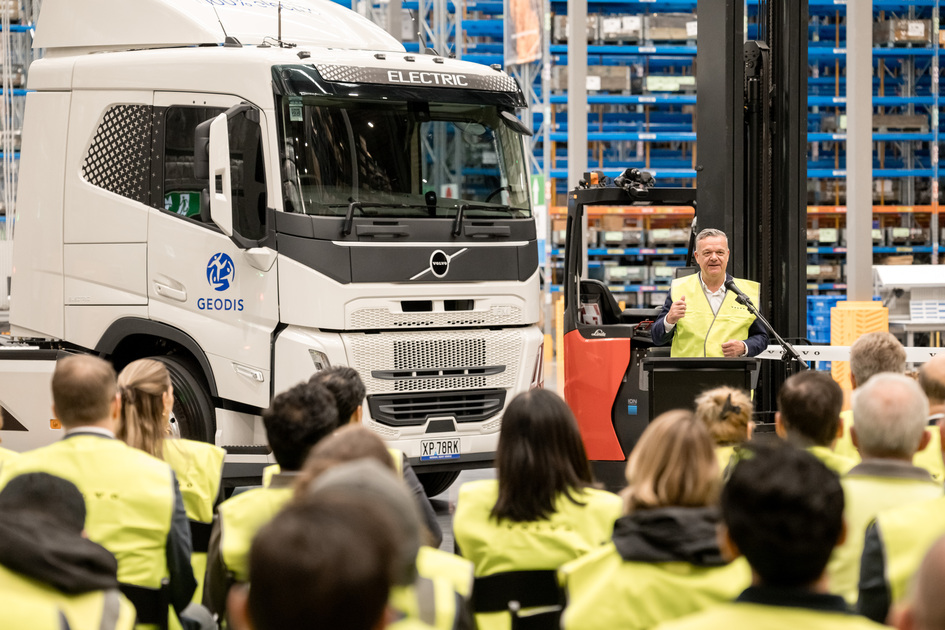
SYDNEY: GEODIS, a global leader in transport and logistics, is expanding its electric fleet operations in Australia with the addition of a third electric truck. The company is introducing electric vehicle operations into container haulage with the arrival of a Volvo FM Electric Prime Mover truck into the local fleet.

The Volvo FM Electric will primarily be deployed for full container loads, on approximately 850 trips annually, carrying Volvo cargo from Sydney’s Port Botany to Volvo’s warehouse. These 850 annual trips represent approximately 63% of the truck’s capacity. The remaining capacity will be used to serve GEODIS’ new warehouse in Minto, located next to Volvo’s facility, supporting GEODIS’ retail and e-commerce logistics operations.

The Volvo FM Electric is engineered to meet the demanding requirements of container haulage. Additionally, its zero tailpipe emissions and reduced noise profile provide significant environmental and community benefits for metropolitan routes.

Integrating electric transport into these supply chain activities enables GEODIS to advance the electrification of its operations. This investment builds on GEODIS’ experience with electric vehicles, following the introduction of its first electric truck in Sydney in 2023. With three heavy fully electric trucks now operating in Australia, GEODIS is leveraging its expertise to address large scale transport operations while continually evaluating where electrification can offer practical and measurable emission reductions across its operations.

“Our experience with electric vehicles is giving us a clearer understanding of where electrification can deliver real benefits for our customers and our operations,” said Stuart Asplet, Cluster Managing Director – Pacific, Korea, Japan at GEODIS. “With the Volvo FM Electric, we are taking that experience into the more demanding environment of container haulage. This is an important step in expanding the role of electric transport within our fleet and building practical, scalable solutions for customers that can contribute to lower-emission supply chains.”

The initiative, supported by Volvo, is part of GEODIS’ broader global decarbonisation strategy, alongside initiatives focused on sustainable fuels and multimodal transport solutions.

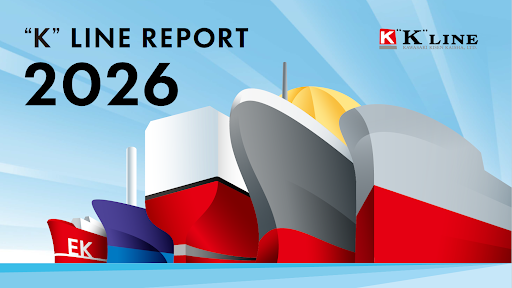
“K” LINE REPORT 2026 Published

TOKYO: Kawasaki Kisen Kaisha, Ltd. (“K” LINE) announced on Friday that it has published “K” LINE REPORT 2026.

In “K” LINE REPORT 2026, “K” LINE explains where the Group currently stands as it enters the final year of its medium-term management plan, looking back on its initiatives and achievements to date and outlining the Group’s thinking as it moves toward its next medium-term management plan from both financial and non-financial perspectives.

The report includes a message from President & CEO Takenori Igarashi, now in his second year in office. He explains the business strategies for the next stage of growth and the Company’s direction for the enhancement of corporate value. The CFO Message also provides a detailed explanation of our approach to boosting corporate value and our capital policy targeting an ROE of 15% or higher over the medium to long term.

URL:https://www.kline.co.jp/en/ir/library/report.html
HOME > Investor Relations > IR Library >“K” LINE REPORT

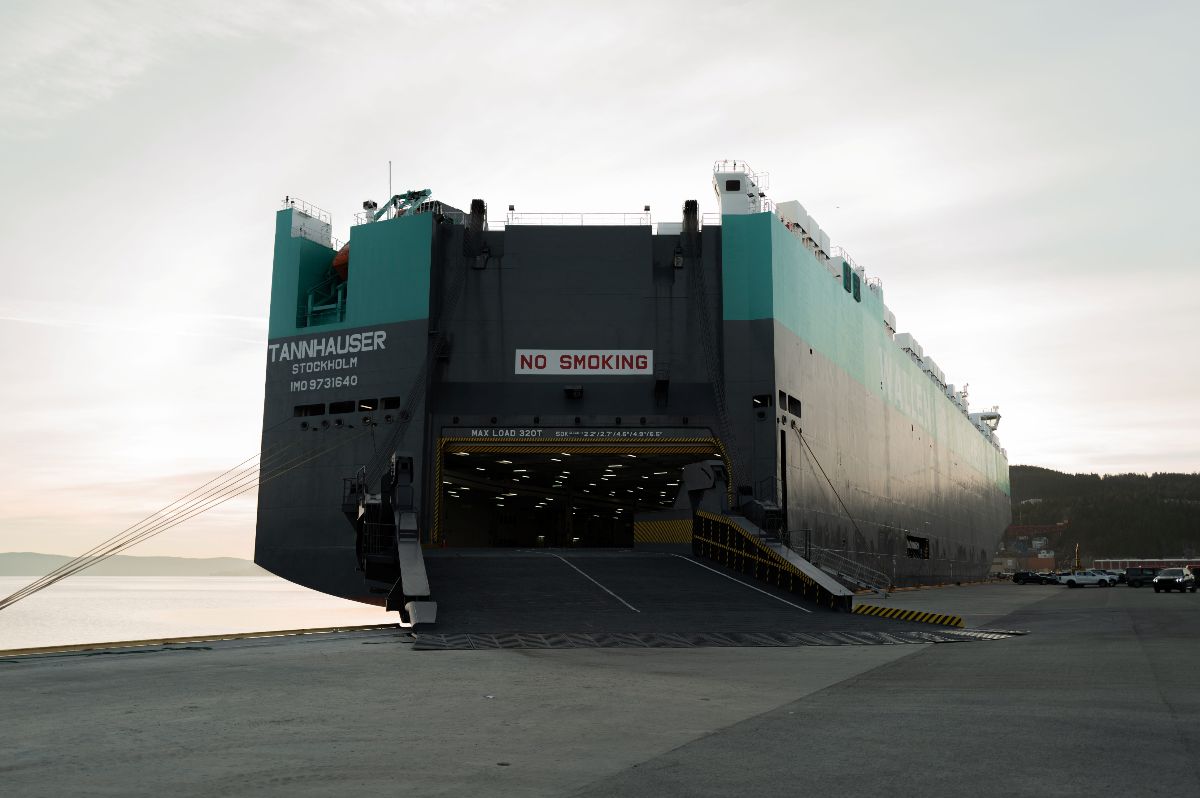
MacGregor to retrofit PLC’s on 35 vessels for Wallenius Wilhelmsen

LONDON: MacGregor has received an order of PLC (Programmable Logic Controller) retrofit projects for 35 Pure Car and Truck Carrier (PCTC) vessels for Wallenius Wilhelmsen. The order was booked into MacGregor’s third quarter 2026 order intake, and the upgrades will take place based on the vessels’ sailing schedule and availability.  

Securing this contract highlights MacGregor’s deep technical expertise and strong relationship with Wallenius Wilhelmsen. Having originally supplied equipment during the vessels’ initial design and newbuilding phases, MacGregor reinforces its standing as a reliable, long-term partner committed to supporting assets across their entire lifecycle – from delivery through operational life and end-of-service modernisations.  

The scope of supply for the 35 vessels includes PLC upgrade of the ships’ quarter ramps. In line with Wallenius Wilhelmsen’s sustainability targets, the replaced PLCs will be stored onboard as spare parts for remaining RoRo equipment onboard or other vessels with the same equipment.  

“Facing a tight market and high customer expectations, Wallenius Wilhelmsen is focused on reducing operational disruptions while delivering high-end service and uncompromised reliability to our customers. By keeping our systems up to date and taking a standardised approach to obsolescence management across the fleet, we ensure our seafarers are equipped with dependable operational tools,” says Tom Forrester-Coles, Fleet Manager, Technical Marine Operations Management at Wallenius Wilhelmsen. 

“Our involvement with these vessels stretches back to their initial design and newbuilding phase, making this retrofit program a natural continuation of our partnership. By supporting Wallenius Wilhelmsen across the entire lifecycle of their fleet – from initial design to throughout the lifecycle – we ensure equipment reliability, operational consistency and minimised downtime in today’s demanding market,” says Tomas Hakala, Executive Vice President, Global Services at MacGregor.

ClassNK releases ‘Guidelines for Cyber Security Management System for Ships (Second Edition)’

TOKYO: ClassNK has released the second edition of its ‘Guidelines for Cyber Security Management System for Ships’. Intended for shipowners and ship management companies, the guidelines set out the requirements for a Cyber Security Management System (CSMS), through which a Company addresses the cyber risks associated with ship operations as part of its day-to-day work, from governance and responsibilities ashore and onboard to the technical controls applied to shipboard systems. Just as importantly, the Guidelines make ClassNK’s certification audits transparent by showing the assessment criteria applied in them. In audits, ClassNK looks at the governance behind a company’s cyber security: policy and management commitment, defined roles and responsibilities, risk assessment, implementation and operation of controls, and preparedness for incidents.

The second edition has been restructured with reference to ISO/IEC 27001*1 and ISO/IEC 27002*2, and the assessment criteria for each CSMS requirement have been clarified. The requirements have also been mapped to the cyber security requirements of major vetting schemes. Cyber security is increasingly covered in the external assessments conducted by maritime stakeholders, and many of those requirements focus on how cyber risk is managed. A CSMS certified against these guidelines gives companies an objective means of demonstrating that governance to external stakeholders, and a single foundation for responding to multiple vetting requirements.

Background

The IMO recommends that cyber risks be managed within the Safety Management Systems under the ISM Code. In response, ClassNK published the first edition of the Guidelines in 2019, setting out CSMS requirements built on the framework of the ISM Code, and has since been providing CSMS certification based on the guidelines.

As a collective effort of the International Association of Classification Societies (IACS), the application of IACS UR E26 and E27 has defined the cyber resilience capabilities that ships and their onboard systems must have from the newbuild phase. At the same time, a vessel’s operating environment keeps changing throughout its service life, as the systems are updated and operations and organizations change. Addressing cyber risks is therefore not a matter of technical measures alone; continuous management is essential to select, implement, maintain and review those measures appropriately. In recent years, cyber risk management covering practices such as access control, software updates, education and training, and incident response have also become a part of the assessment criteria as part of the subject to the schemes established by DryBMS, OCIMF, RightShip and others, each with their own criteria.

The first edition offered the elements for establishing a CSMS as a high-level objective, leaving each Company to interpret how to achieve them within its own organization. Putting those elements into practice requires wide efforts across the whole Company, from shore-based organizations to shipboard operations, and time to achieve. Through its audits since 2019, ClassNK has built up practical knowledge of what effective implementation looks like. Drawing on that experience, the second edition makes clear what is verified in audits and has been designed with other external assessments in mind, so that a CSMS built on the guidelines also prepares a company to meet them.

Main revisions

  • Clarification of audit criteria, structured with reference to international standardsThe guidelines now consist of two parts: Part 1 sets out the CSMS requirements, and Part 2 specifies the audit criteria and the objective evidence required for each requirement.This allows companies to understand in advance what will be verified in audits and prepare accordingly, and makes it easier to identify where there is room for improvement in their own practices.
  • Mapping to external assessment criteria set by major industry bodiesThe assessment criteria in Part 2 have also been mapped against the cyber security requirements or benchmarks of major vetting bodies (covering RISQ, SIRE 2.0, DryBMS and TMSA*3). Rather than interpreting each scheme separately, Companies can use the CSMS as a common framework for meeting them and can expect the reduction of the time and burden needed for compliance.

ClassNK will continue to support cyber security efforts in the maritime industry through the provision of guidelines as well as audits and certification.

How to access guidelines

The guidelines are available to download via “Guidelines” of My Page on ClassNK’s website after registration.

ClassNK MyPage Login

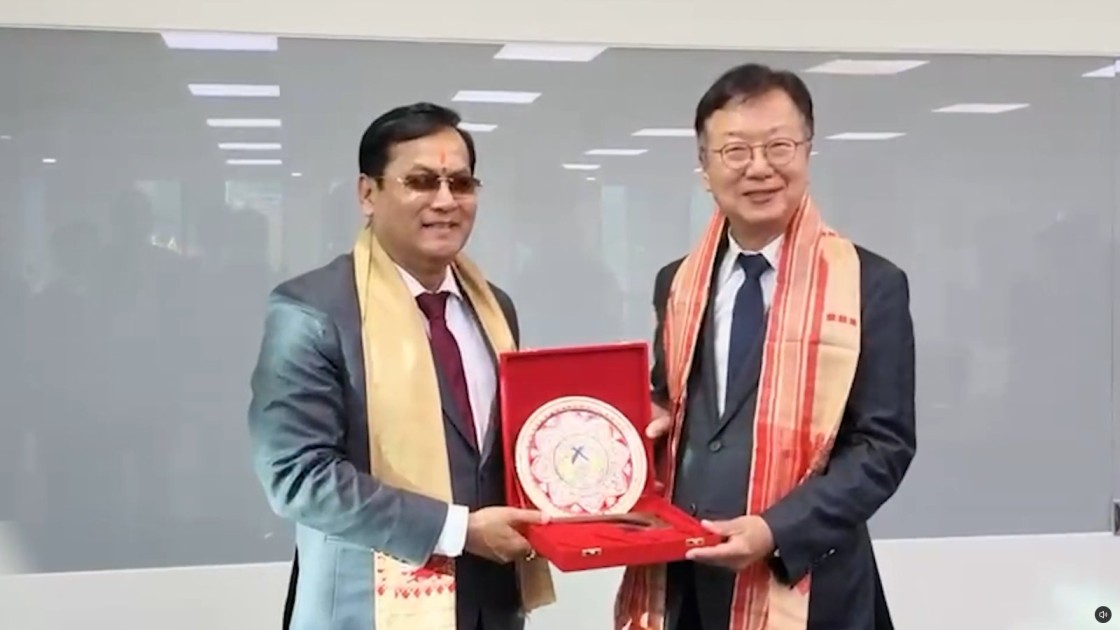
Sarbananda Sonowal invites Samsung Heavy Industries to participate in India’s mega shipbuilding clusters

SEOUL : Union Minister of Ports, Shipping and Waterways Shri Sarbananda Sonowal held a meeting with Mr. Choi Sung-an, Vice Chairman and Chief Executive Officer of Samsung Heavy Industries (SHI), in Seoul to explore opportunities for strengthening India–South Korea cooperation in shipbuilding and advancing a strategic partnership in the maritime sector.

During the meeting, the Minister invited Samsung Heavy Industries, one of the leading players in the global shipbuilding industry, to expand its footprint in India by participating in the development of the country’s upcoming greenfield mega shipbuilding clusters. The proposed collaboration aims to bring together India’s growing maritime ambitions and Samsung’s world-class engineering capabilities to support advanced shipbuilding, technological innovation and the development of a globally competitive maritime manufacturing ecosystem.

The discussions underscore India’s efforts to strengthen its domestic shipbuilding capabilities, attract international investment and position itself as a major global hub for shipbuilding and maritime manufacturing. Collaboration with established international shipbuilders could facilitate the adoption of advanced vessel-design technologies, modern construction practices, specialised technical expertise and globally competitive production standards.

The proposed greenfield shipbuilding clusters are expected to play an important role in developing integrated maritime industrial ecosystems, bringing together shipyards, component manufacturers, equipment suppliers, technology providers and supporting industries. Such clusters can also create opportunities for skill development, employment generation, technology transfer and greater participation by Indian enterprises in global maritime supply chains.

Samsung Heavy Industries’ expertise in complex vessel construction, offshore engineering and advanced marine technologies could complement India’s long-term maritime development objectives. A stronger partnership could open avenues for cooperation in next-generation vessels, energy-efficient ship designs and technologies supporting the transition towards greener and more sustainable shipping.

The engagement reflects India’s broader ambition to leverage international partnerships, strengthen industrial capabilities and enhance its competitiveness in the global maritime sector. By aligning the country’s maritime vision with South Korea’s established shipbuilding expertise, India seeks to create new opportunities for investment, innovation and sustainable industrial growth.

The meeting marks an important step in exploring deeper India–South Korea maritime cooperation, with a focus on building a modern, technologically advanced and globally connected shipbuilding ecosystem in India.

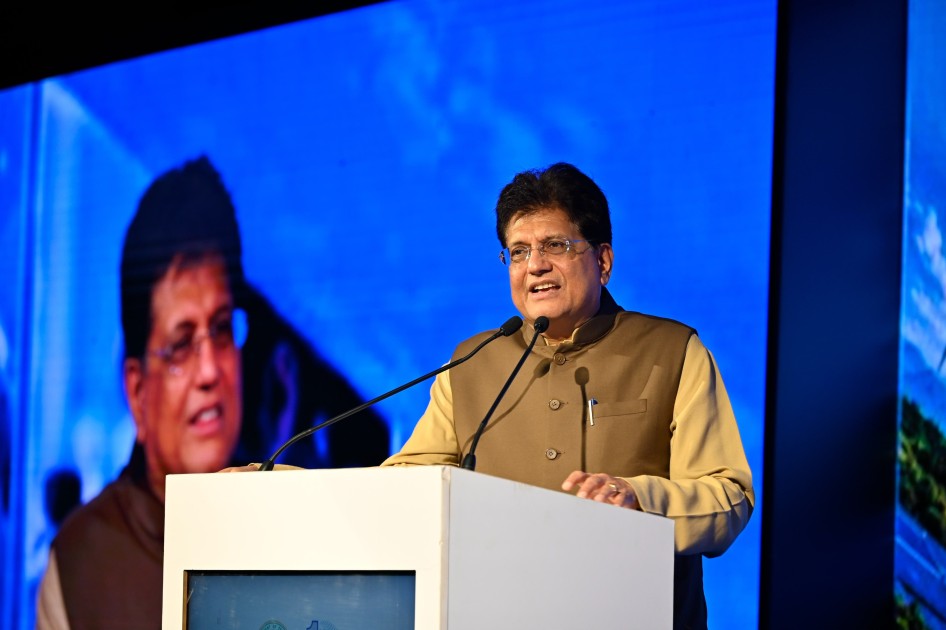
Piyush Goyal calls for Greater FTA utilisation by Telangana

NEW DELHI : Union Minister of Commerce and Industry, Shri Piyush Goyal, on Thursday highlighted India’s growing trade partnerships, policy stability and investment opportunities while addressing the curtain raiser of the Invest Telangana Global Summit in New Delhi. Congratulating the Chief Minister of Telangana, Shri A. Revanth Reddy, on convening the summit, Shri Goyal said the State’s ambition to become a $3 trillion economy by 2047 was achievable through collective efforts by the Central Government, State Government, industry, investors and citizens.

Shri Goyal said India’s existing trade agreements had provided preferential market access to a global GDP of $70 trillion, including $10 trillion through agreements finalised more than a decade ago and an additional $60 trillion through the nine recently finalised agreements. With negotiations underway for another eight bilateral or multilateral agreements, which he said would add a further $15 trillion, India would have preferential market access covering approximately 76 per cent of the global GDP of $115 trillion.

He noted that the IMF had projected global trade growth of barely 1.9 per cent amid global challenges. Against this backdrop, India set a target of $1 trillion in exports, aiming for 15 per cent growth in the current year. He said the target reflected the collective conviction of exporters, industry associations and businesses to surpass conventional forecasts.

Highlighting India’s economic performance, Shri Goyal said the country had moved from the “Fragile Five” a decade ago to the world’s fifth-largest economy and the fastest-growing large economy. He cited growth of 7.7 per cent in the previous year and 7.8 per cent in the first quarter of the current year, expressing the expectation that growth would remain above 7 per cent in the quarter ending September. He also referred to the IMF’s recent assessment of stronger-than-expected economic performance and its expectation that India would continue to be the fastest-growing large economy in the current and following year.

The Minister acknowledged global uncertainties arising from conflicts in West Asia and Ukraine and disruptions around the Strait of Hormuz. He said India continued to demonstrate resilience amid these challenges and highlighted upgrades to India’s credit rating by multiple international rating agencies, including the Japanese Credit Rating Agency (JCR), which upgraded India’s rating for the first time in over 35 years.

The Minister said India offered investors stable policies, open borders, supply chain resilience and the assurance that the rule of law would protect their interests. He highlighted that, over the preceding four and a half years, India had negotiated and finalised nine free trade agreements or bilateral trade agreements, opening opportunities for Indian businesses in 38 developed countries. He said these countries offered complementary capabilities, including advanced equipment, modern technologies, high-tech devices and graphics processing units (GPUs) required by Indian industry.

Referring to Telangana’s historical trading traditions, Shri Goyal recalled the Motupalli Abhaya Shasana, a maritime charter issued in 1244 by Kakatiya ruler, Ganapati Deva, which promoted stability and predictability in trade. He drew parallels with the present, noting that investors continue to seek certainty and continuity in policy.

Emphasising the collective responsibility towards Viksit Bharat 2047, Shri Goyal said the country’s journey towards shared prosperity required the collective drive and energy of 1.4 billion Indians. He said the commitment and capabilities of Telangana’s skilled, qualified and youthful population could help the State set new benchmarks for growth and development.

Referring to Telangana’s aspiration to grow from an economy of approximately $200 billion to $3 trillion by 2047, he welcomed the target set by the state government.

“Impossible doesn’t exist in my dictionary,” Shri Goyal said, acknowledging that achieving the target would require considerable collective effort. He said the Central Government, State Government, businesses, investors, farmers, fishermen, technical manpower, scientists, innovators, startups, women entrepreneurs and officials would all have to contribute to the State’s development.

Shri Goyal said Telangana is well positioned to contribute to the Viksit Bharat vision through its pharmaceutical industry, aerospace and defence capabilities, value-added agriculture, food processing, research and development, innovation and services sector. He also highlighted the opportunities presented by global capability centres, design and innovation, and the State’s talent in artificial intelligence and quantum computing.

Emphasising that every contribution mattered to economic development, the Minister referred to the dispatch of 2.5 metric tonnes of GI-tagged Tandur red gram from Hyderabad to Australia, leveraging the India-Australia free trade agreement. He said such exports demonstrated how trade agreements could create opportunities not only for large industries but also for farmers and smaller producers.

Shri Goyal emphasised that every contribution, big or small, was important to India’s development journey. He highlighted the role of farmers, entrepreneurs, MSMEs and other stakeholders in collectively advancing the vision of Viksit Bharat 2047.

The Minister reiterated the Central Government’s commitment to Telangana’s development and referred to projects launched or supported in the State. He mentioned the foundation stone for the Zaheerabad Industrial Smart City, which he said would provide plug-and-play industrial land for automobiles, food processing, machinery and electrical equipment. He also referred to the Kakatiya Mega Textile Park in Warangal, describing it as the first fully functional PM MITRA park, and highlighted its alignment with the 5F vision of “farm to fibre, fibre to factory, factory to fashion, and fashion to foreign”.

Calling for closer coordination between the Centre and the States, Shri Goyal said Telangana’s development vision for 2047 was aligned with the national vision of Viksit Bharat articulated by Prime Minister, Shri Narendra Modi.

Outlining six suggestions for the way forward, Shri Goyal proposed that Telangana identify its 50 leading export products across goods and services and map markets offering preferential access under existing FTAs. He also suggested setting up FTA help desks in every district to help MSMEs, farmers and startups make the most of these agreements.

He called for taking GI-tagged products such as Tandur red gram, Chatpata chilli and Nizamabad turmeric to global markets, stressing the need for traceability, packaging and branding to help farmers secure a premium for their produce.

Shri Goyal suggested moving Telangana’s pharmaceutical industry up the value chain by strengthening domestic capabilities in key starting materials and active pharmaceutical ingredients (APIs), investing in innovation, and moving beyond generics towards high-value branded and innovative pharmaceutical products, biosimilars and biotechnology.

Identifying opportunities in space, aerospace, aircraft components, maintenance, repair and overhaul (MRO), defence, electronics, artificial intelligence, quantum computing and machine learning, he called for developing precision engineering and tooling capabilities, establishing advanced testing facilities and partnering with leading global institutions in science, technology and manufacturing.

He also proposed stronger linkages between industry, academia and government to advance research and development and skilling, helping prepare the workforce for future industrial and technological requirements.

Finally, Shri Goyal suggested accelerating ease-of-doing-business reforms through the decriminalisation of minor offences, reduced compliance burdens, simplified procedures and time-bound single-window clearances. Referring to the Centre’s efforts in this direction, he encouraged Telangana to consider similar measures to simplify business operations and citizens’ lives, thereby strengthening ease of living across the State.

Concluding his address, Shri Goyal invoked the symbolism of Diwali, saying that light spreads one diya at a time. He said every investment, export, new job and startup would bring Telangana and the whole nation closer to the shared vision of a developed and prosperous nation by 2047. Inviting investors from India and across the world to explore Telangana’s opportunities, he called for enduring partnerships that generate employment and contribute to the prosperity of the people of Telangana and India.

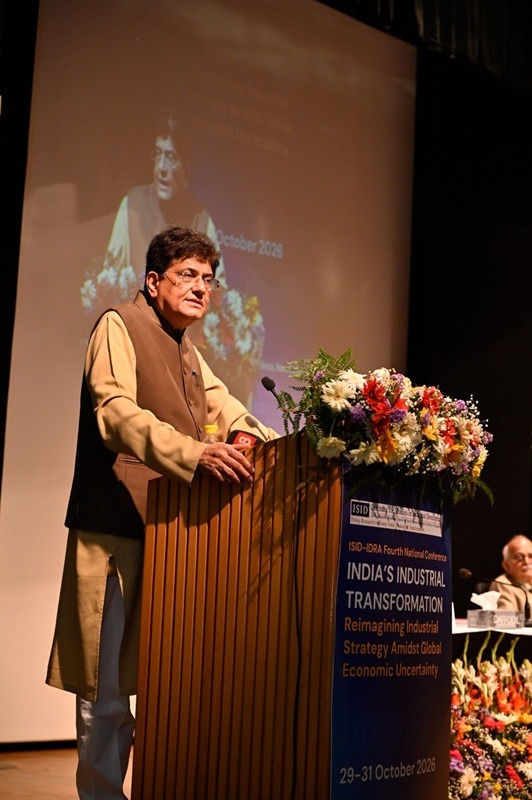
Piyush Goyal calls for quality, scale and global market access to drive India’s industrial transformation

NEW DELHI : Union Minister of Commerce and Industry Shri Piyush Goyal has said that India’s industrial transformation must be driven by quality, economies of scale, global market access and inclusivity, with innovation emerging from collaboration among the government, private sector and academia. Addressing the Fourth National Conference on India’s Industrial Transformation, organised by the ISID and IDRA, Minister said that India must aim to become a globally recognised manufacturing nation.

Shri Goyal identified quality, global market access, economies of scale and inclusivity as four key differentiators that could accelerate the transformation of India’s industrial landscape. He said that quality was the most important priority, reiterating Prime Minister Shri Narendra Modi’s emphasis on “Zero Defect, Zero Effect”. With markets opening across the world through free trade agreements, India must compete for market share, expand its global presence and leverage preferential market access. The scale of India’s domestic market of 1.4 billion people, combined with access to international markets, could enable manufacturers to achieve affordability and competitive production costs. He added that sustainable and inclusive growth to ensure wider prosperity for all Indians.

Shri Goyal said that the vision of Viksit Bharat 2047 was a collective commitment of 1.4 billion Indians and called for coordinated efforts across government, industry, academia and research institutions to achieve this objective. He said that the country must draw lessons from its economic history, assess its present position realistically and develop an agenda for the future. Emphasising the importance of intergenerational collaboration, he observed that the experience of senior professionals and the energy of young people must come together to address contemporary challenges, rather than working in silos.

On India’s trade policy, Shri Goyal said that the country’s trade agreements were not limited to reducing tariffs, framing rules of origin or securing market access. They were comprehensive partnerships that considered India’s competitive strengths, identified opportunities for exports, protected sensitive sectors and facilitated access to high-technology products, graphics processing units (GPUs), memory technology, medical technology and other goods required for India’s development.

He said that India’s trade negotiations also encompassed services, investments, education, skill development, technology partnerships and cooperation towards climate goals and countries’ intended nationally determined contributions. These comprehensive agreements were laying the foundation for India’s integration with the global economy while protecting its sensitivities and defensive interests through extensive stakeholder consultations before an agreement was concluded.

Referring to the India-US trade deal negotiations, Shri Goyal expressed confidence that when the details of the deal are released, the people of India will recognise that the sensitive interests of farmers and other stakeholders have not been compromised and that India will be placed at a strong comparative advantage.

Shri Goyal explained that trade was fundamentally about comparative advantage and competitiveness, rather than absolute numbers alone. He observed that many developed countries had structured their tariff schedules to impose high duties on labour-intensive goods, using them as negotiating instruments.

He said that India’s trade agreements covered 38 developed and relatively prosperous countries, creating complementary trade opportunities for both sides, with India exporting products they needed and importing products required for its development. He described these as win-win partnerships and emphasised that effective agreements should be fair, equitable and balanced.

Shri Goyal stated that the nine free trade and bilateral trade agreements concluded by the Government had opened up preferential market opportunities in economies with an aggregate GDP of USD 60 trillion, compared with USD 10 trillion covered by agreements concluded before 2014. He said that the earlier agreements were largely with countries competing with India, whereas the current approach sought to foster complementary economic relationships.

He also highlighted the growing international recognition of Indian talent and skills. Recalling a conversation with the German Foreign Minister regarding the migration agreement between India and Germany and the requirement for 90,000 Indians annually, Shri Goyal said that he was told Germany needed substantially more Indian talent. He cited the presence of Indian professionals in senior positions at Fortune 500 companies and among developers of cutting-edge technologies as evidence of the capabilities of India’s workforce.

The Minister expressed confidence that India would continue to be the world’s fastest-growing major economy for another 20 to 25 years, attributing this prospect to the talent, skills and energy of its people.

Shri Goyal stressed that climate action must be guided by the principles of polluter pays and common but differentiated responsibilities, with adequate financial and technological support for developing countries. He highlighted that 60 per cent of India’s installed electricity capacity came from green and renewable sources, while coal remained essential for energy security and affordable power.

Shri Goyal highlighted that India has moved from being predominantly a buyer of products manufactured elsewhere to becoming a country increasingly recognised for manufacturing. The Minister added that the Make in India initiative and phased manufacturing programmes across different sectors had helped bring factories to India and increase domestic production. He said that India would continue to manufacture a growing share of its requirements domestically.

Shri Goyal emphasised that innovation would be central to industrial transformation. Public institutions, private enterprises and academia would need to work together, with the government acting primarily as a facilitator and catalyst for private-sector-led innovation. He highlighted the scientific knowledge, discoveries and research capabilities available in IITs, engineering colleges and other institutions of higher learning and science.

Citing the Startup Fund of Funds, he said that the first fund had been fully utilised and that the second fund was now in place. He also referred to the Research, Development and Innovation Fund (RDIF) in India and said that these initiatives had contributed to the development of India’s startup ecosystem, making it the world’s third-largest.

Shri Goyal also highlighted the opening of the space sector to private participation. He said that India’s space economy, valued at USD 8.4 billion at the time of his address, had the potential to reach USD 44 billion by 2033. He observed that international partners were increasingly interested in collaboration with India in space, artificial intelligence, computing and startups.

Referring to his recent visit to Germany, Shri Goyal said that German research institutions, some employing twelve to thirty thousand people, were working closely with the private sector and have expressed interest in collaborating with India. He attributed this growing interest to the trust in partnership between India and Germany and to the confidence that India offered in terms of talent, skills, fair play and equal opportunity.

The Minister said that the new trade agreements and international relationships being developed under Prime Minister Modi’s leadership were opening opportunities for joint research, technology development and industrial collaboration. He said that these partnerships could help India transform its growth trajectory by combining domestic capabilities with international expertise and investment.

Shri Goyal concluded by commending ISID for organising three days of serious deliberations on India’s industrial future. He reiterated that the country’s industrial transformation would depend on sustained attention to quality, access to global markets, economies of scale and inclusivity, supported by collaboration across manufacturing, innovation and research. He extended his best wishes to the conference and its participants for their contributions towards achieving Viksit Bharat 2047.