Home Blog Page 387

Middle East Conflict: Straits of Hormuz Transits Remain 95% Down

LONDON: Clarksons Research, the data and analytics arm of the Clarksons Group have been closely monitoring shipping activity and markets impacted by the conflict.

Summarising their latest update issued today at 12.00 am 23rd March, Steve Gordon, Global Head of Clarksons Research commented :

  • Strait of Hormuz transits still remain 95% down on pre-conflict levels (avg. 4 transits per day past week vs ~125 pre-conflict) with 75% of transits have been exiting the Gulf in the past week  
  • ~10 oil tankers (12m bbl) estimated to have transited through the Strait over the past 7 days (versus 250 vessels of 300m bbl in a normal week)
  • ‘Trickle’ of very large LPG carrier transits continues, with 2 recorded yesterday and 2 Indian-linked vessels passing through the Strait today (~80% below normal over the past week)      
  • Crude exports from Yanbu are now running at ~4m bpd (up from 1m bpd, potentially increasing to 5m bpd, and with ~40 VLCCs waiting/enroute), while arbitrage dynamics supporting long-haul US oil and gas exports
  • 10% / 6% of global oil / gas supply offline, alongside 3% of global refining capacity
  • Excluding locally trading vessels, there are ~1,100 ships (37m GT of $30bn) currently inside the Gulf. This total includes ~300 oil tankers, including 6% of crude tanker (8% of VLCCs) and 4% of product tanker tonnage as well as 4% of VLGC and 1% of containership and bulker tonnage
  • Vessel charter rates across tanker and gas remain elevated despite loss of cargo volume, with a range of ‘mitigating’ factors currently lending support
  • Energy shipping markets for now remain at elevated levels (VLCC earnings at $227,000/day, MRs $52,000/day, LNG firmer w-o-w, rising to $150,000/day, VLGCs up to $74,000/day). Bulkcarrier earnings are steady for now ($15,000/day), while container freight rates have edged higher (knock-on logistical disruption has so far been more limited than initial expectations and rates remain well below Covid-19 levels)
  • The cost of moving a barrel of crude oil remains elevated at $10/bbl (on a US Gulf – Asia voyage), up from $5/bbl at the start of the year.
  • High bunker prices (e.g. VLSFO in Singapore stands at ~$1,000/t, >100% vs start-26) amid oil supply shortages – our data suggests that average container vessel speeds are down 2% across March so far.
  • Prior to the conflict, 20% of global oil supply passed through the Strait of Hormuz, including 37% / 19% of seaborne crude oil and products trade. 19% of global LNG trade (3% of global natural gas supply) also passed through the Strait, alongside 28% of global LPG volumes (~10% of supply), as well as 13% of seaborne chemicals, 9% of cars, 4% of dry bulk and 3% of container trade volumes  

See below graphs (underling data available on request).

Middle East Conflict Update 23rd March 2026 Middle East Conflict: Straits of Hormuz Transits Remain 95% Down

About Clarksons Research

Clarksons Research, the data and analytics arm of Clarksons, is the market leader in the provision of independent data and intelligence across shipping, trade, offshore, and the maritime energy transition. Millions of data points are processed and analysed each day to deliver trusted insights to thousands of stakeholders across the maritime sector. Better data for better decisions.
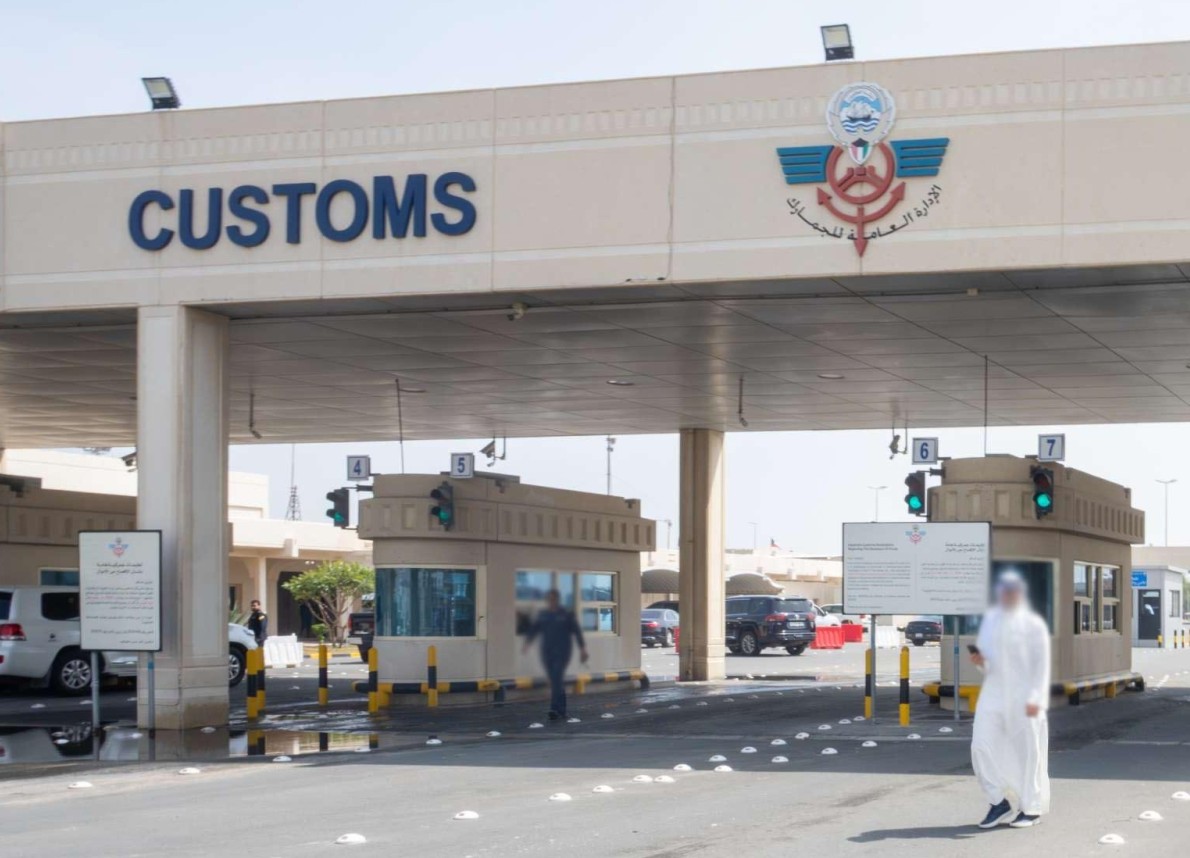
Kuwait Customs reroute cargo via land routes; vital supplies flow continues amid disruptions

KUWAIT CITY : Kuwait’s General Administration of Customs has implemented emergency measures to safeguard supply chains and ensure the uninterrupted flow of essential goods, rerouting air cargo through neighboring Gulf and Arab countries and transporting them by land.

The move comes as authorities work to maintain market stability and food security following disruptions to air traffic. Officials confirmed that since the onset of the regional escalation, customs has activated and continuously updated its emergency plan to prevent any interruption in the movement of goods across all ports.

During a media briefing on Sunday, customs spokesperson Raed Al-Mathkour said commercial shipments originally destined for air transport are now being redirected and delivered via trucks through land ports from GCC and neighboring Arab nations. He stressed that goods continue to arrive steadily, while procedures for shipments that had reached seaports prior to the crisis are being expedited to maintain local market supplies and strategic reserves.

Despite operational challenges and heightened risks—particularly at southern seaports and airports—customs operations are continuing around the clock, except during temporary evacuations ordered by security authorities in high-risk situations.

Between February 28 and March 21, Kuwait cleared substantial volumes of essential imports, including approximately 417 tons of medicines, 103,775 tons of food, and 24,400 tons of vegetables, underscoring the effectiveness of the emergency logistics plan.

Achilles analysis finds global supply chain disruption accelerates in 2025

ABINGDON, UK : Achilles, a global leader in supply chain risk and performance management, releases new analysis on global supply chain disruption during 2025. The data, based on risk intelligence spanning more than 200,000 suppliers across over 140 countries, reveals a sharp acceleration in supply chain disruption risk last year in comparison with 2024, reflecting a larger number of event-driven disruption alerts rather than static supplier risk ratings.

Business disruption risks or alerts are assessed based on the occurrence and severity of natural hazard events, such as flooding, droughts, extreme weather events, and other climate-related incidents, as well as geopolitical risks, including conflict escalation, political instability, trade restrictions, and sanctions-related constraints that impact supplier operations.

The acceleration in disruption risk was driven largely by escalating geopolitical instability and the growing frequency and severity of natural hazard events. This increase was not uniform across risk types or regions, pointing to a structural shift in the nature of supply chain risk rather than a general rise in the level of risk, suggesting disruption is less predictable, escalates faster, and propagates more widely through interconnected supplier ecosystems.

Commenting on the findings, Katie Ferrier, Regional Director for Northern Europe and MEA at Achilles, said:

“Our data shows potential business disruption alerts rose by approximately 33% year-on-year in 2025 compared with 2024, rising from approximately 44,000 to 59,000 alerts. What is changing is not only the volume of disruptions, but also the severity profile, driven by geopolitical volatility, ESG controversies, sanctions exposure, and more severe natural hazard events.

“The likelihood of disruptions occurring simultaneously across regions is also increasing, and in this environment, organisations need continuous visibility and early warning to stay ahead of rapidly evolving risks. By identifying emerging disruption risks earlier, Achilles supports organisations with supply chain visibility, providing them with the monitoring needed to strengthen resilience across complex global environments.”

Geopolitical disruption emerged as one of the fastest-growing sources of risk, with alerts rising by approximately 167% year-on-year. The most significant relative increases were observed in the Asia-Pacific region (“APAC”), where geopolitical-related alerts increased by more than sixfold compared to 2024, reflecting the growing impact of regional tensions, trade fragmentation, and political instability on supplier networks.

Natural hazard-related disruptions rose by c.27% in 2025, reflecting increased exposure to extreme weather events such as flooding, droughts, and other climate-driven occurrences. Alerts increased substantially year-on-year, along with the severity profile of these events, as defined by the external sources from which Achilles receives its alerts. Medium-severity natural hazard alerts increased by c.74%, high-severity alerts increased by c.21%, and low-severity events experienced a slight decline in frequency. Europe and Latin America experienced the strongest relative uptick in medium- and high-severity natural hazard alerts, and APAC showed a material shift in severity mix, alongside significant growth in geopolitical disruption. Overall, this data indicates that higher-severity disruptions are becoming not only more frequent but also more impactful, having direct implications for operational continuity, recovery times, and supplier resilience.

Together, this data shows that businesses are operating in a risk environment where disruption is becoming more frequent and more likely to occur simultaneously across regions, placing increasing strain on traditional risk management approaches. This reinforces the importance of moving beyond periodic assessments towards continuous, data-driven supply chain management, however, doing so requires greater visibility into supplier performance and credentials.

Achilles supports organisations in navigating this increasingly volatile landscape by providing continuous supply chain visibility, on-site supplier auditing, sustainability scoring, and actionable intelligence across ESG, compliance, and operational risk. By combining global supplier coverage with live monitoring of sanctions, ESG controversies, and performance issues, Achilles enables businesses to strengthen their resilience and make informed decisions.

As geopolitical and environmental pressures intensify, the ability to identify emerging disruption risks early and understand exposure across multi-tier supplier networks is becoming critical to long-term resilience. Organisations with earlier visibility into how risks evolve are better positioned to respond quickly and limit downstream impacts across their supply chains.

In this complex global landscape where disruption can escalate rapidly, Achilles’s ability to translate risk intelligence into actionable insights allows businesses to meet compliance requirements, engage ethical suppliers, and adapt their strategy to drive improvements across their supply chain.

About Achilles:

For more than 30 years, Achilles has protected organizations’ business interests and reputations by providing unrivalled levels of supply chain transparency, carbon reduction and management. Achilles is the supply chain risk, ESG and carbon management partner of choice for the world’s leading global brands.
Achilles specializes in supporting customers who require robust global supply chain resilience, risk management and reporting to comply with ESG regulations, meet investor requirements, and achieve ambitious sustainability goals.

It works with market-leading financial, industrial, commercial and governmental organizations that require serious, detailed analysis and expert insight to deliver exceptional supplier selection and reporting confidence. Operating from 22 locations worldwide, Achilles is at the forefront of the battle against climate change, a champion for social justice and human rights, and an expert in health, safety, and risk management.

Crucial updates to the Guidelines on the Application of the ILO Maritime Labour Convention released by ICS

LONDON: The International Chamber of Shipping (ICS) has released the fifth edition of its Guidelines on the Application of the ILO Maritime Labour Convention, urging the global shipping industry to take note of the latest amendments ahead of their entry into force and to ensure vessels are fully prepared to remain compliant, safe, and fit to trade internationally.

This new edition provides the most up‑to‑date and practical guidance on the mandatory and recommended employment standards set by the ILO Maritime Labour Convention (MLC), bringing together all sets of amendments in one place for the first time. The publication explains in clear terms what these changes mean in practice for shipping companies, masters, managers, crewing agencies and those overseeing day‑to‑day operations ashore and at sea.

With over 1.5 million merchant seafarers working worldwide, the MLC remains the only truly comprehensive global regime governing maritime employment standards. By setting minimum requirements that apply to all ratifying countries, the Convention helps ensure that seafarers – regardless of where they work, the flag their vessel sails under, or the company they are employed by – can expect consistent and fair working and living conditions. These standards continue to be rigorously enforced by governments through flag state inspections and port state control, making it essential that shipping companies have a clear understanding of their obligations. ICS, as an official ILO social partner, has been deeply involved in shaping the Convention since before its adoption and remains committed to supporting shipping companies in upholding these common standards and maintaining a genuinely fair global operating environment.

“The latest amendments to the Maritime Labour Convention reflect the lessons learned from recent global events, including reinforced rights to shore leave without visas or special permits. Strengthened provisions on bullying and harassment have also been adopted and respond to the urgent need to safeguard seafarers’ dignity, safety and mental well‑being. These changes directly address challenges exposed during the COVID‑19 pandemic and the evolving expectations around seafarer welfare,” Thomas Kazakos, Secretary General, at the International Chamber of Shipping said.

The new edition also provides updated recommendations on sanitary product provision and improved onboard facilities. With the industry placing greater emphasis on recruiting and retaining more female seafarers, the inclusion of guidance on making appropriate sanitary products available reflects an important step towards ensuring more inclusive and supportive living conditions on board. While not a mandatory requirement under the MLC, this recommended practice demonstrates a growing recognition of the diverse needs of today’s global maritime workforce.

Building on the strengths of the fourth edition, this new publication features a clearer layout, updated visual aids, and enhanced navigation tools. Six redesigned checklists, broken into manageable sections, allow the shipowner to quickly identify what they must do to ensure compliance or to create action plans where gaps exist. New summary boxes at the end of each chapter provide quick-reference guidance for masters and managers who need immediate clarity. The inclusion of template company policies (including those addressing bullying and harassment) allows organisations to move directly from guidance to implementation.

The Guidelines continue to distil complex regulatory text into practical information that can be applied on board. The content is clearly colour‑coded to distinguish mandatory requirements from guidance, helping readers understand exactly what is expected of them and what the changes will mean for their operations.

Pursuing a career at sea remains a highly rewarding choice, with strong employment conditions and opportunities for long-term progression. However, attracting and retaining the skilled workforce on which the industry relies requires continuous improvement in working and living conditions. By providing clear, accessible and comprehensive guidance, ICS aims to support shipping companies in meeting their responsibilities and strengthening the high standards that underpin a sustainable global maritime workforce.

Source: The International Chamber of Shipping (ICS)

KR publishes Guidance to Support Industry ahead of 2028 IGC Code Amendments

BUSAN: Korean Register (KR) has completed an impact assessment of the upcoming amendments to the International Code of the Construction and Equipment of Ships Carrying Liquefied Gases in Bulk (IGC Code) and published technical guidance to help the maritime industry prepare for implementation.

The International Maritime Organization (IMO) has been working on a comprehensive revision of the IGC Code since 2022 through its Sub-Committee on Carriage of Cargoes and Containers (CCC), reflecting the growing adoption of environmentally friendly technologies and increasing demands for greenhouse gas reduction. The amendments are scheduled for approval at the 111th session of the Maritime Safety Committee (MSC) in May, followed by formal adoption in December. They are expected to enter into force on July 1, 2028.

According to Clarksons Research, around 2,600 LNG and LPG carriers are in operation worldwide as of February 2026, with a further 650 vessels on order, underlining the significant impact of the upcoming amendments.

The period between adoption and entry into force is limited to 18 months, raising concerns that insufficient preparation could delay ship construction schedules, particularly due to design changes and equipment procurement.

The amendments also depart from conventional IMO practice by using the keel laying date, rather than the building contract date, as the point of applicability. This could result in different regulatory requirements being applied to a series of ships to be built under a single contract and design, depending on their construction sequence.

In response, KR has analyzed the IGC Code amendments, categorizing 97 amendment items and reviewing their applicability and design implications. KR has also published updated technical guidance and held technical seminars for major Korean shipbuilders, including Samsung Heavy Industries, HD Hyundai Heavy Industries, HD Hyundai Samho, and Hanwha Ocean, to support practical compliance.

KR has also prepared four documents for submission to the IMO addressing key issues identified in discussions with the shipbuilding industry, particularly those prone to interpretational ambiguity. Following review by Korea’s Ministry of Oceans and Fisheries and the Panama Maritime Authority, the proposals have been submitted for consideration at MSC 111 in May.

To address concerns regarding design changes and potential delays, KR also worked with the Active Shipbuilding Experts’ Federation (ASEF) and the Panama Maritime Authority to propose revising the applicability criteria from the keel laying date to the building contract date.

PM Modi chairs CCS Meeting to review the situation and mitigating measures in the context of ongoing West Asia Conflict

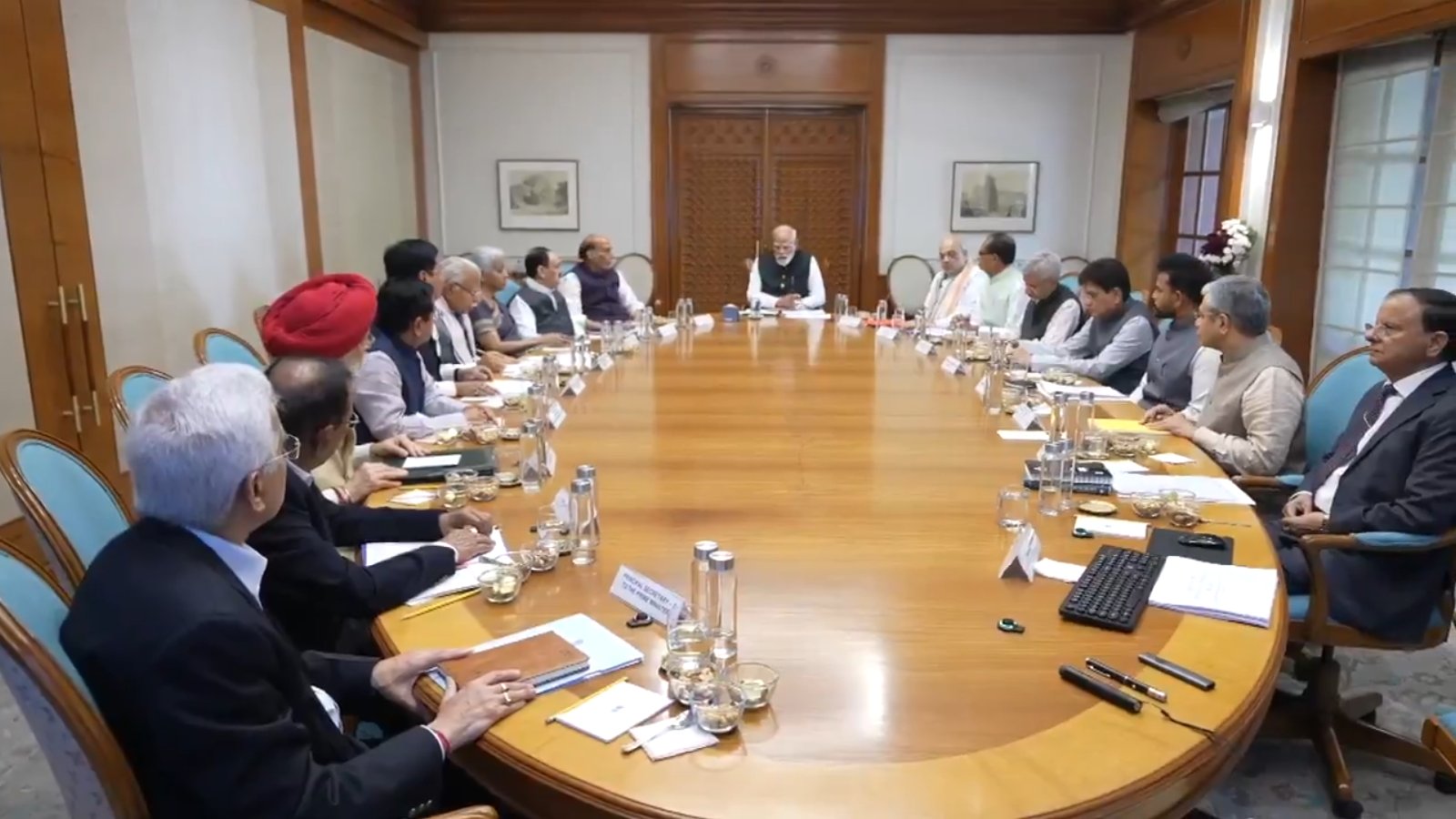
NEW DELHI : Prime Minister Shri Narendra Modi chaired a meeting of the Cabinet Committee on Security to review the situation and ongoing and proposed mitigating measures in the context of ongoing West Asia Conflict.

The Cabinet Secretary gave a detailed presentation on the global situation and mitigating measures taken so far and being planned by all concerned Ministries/Departments of Government of India. The expected impact and measures taken to address it across sectors like agriculture, fertilisers, food security, petroleum, power, MSMEs, exporters, shipping, trade, finance, supply chains and all affected sectors were discussed. The overall macro-economic scenario in the country and further measures to be taken were also discussed.

The ongoing conflict in West Asia will have significant short, medium and long term impact on the global economy and its effect on India were assessed and counter-measures, both immediate and long-term, were discussed.

Detailed assessment of availability for critical needs of the common man, including food, energy and fuel security was made. Short term, Medium term and Long term measures to ensure continued availability of essential needs were discussed in detail.

The impact on farmers and their requirement for fertiliser for the Kharif season was assessed. The measures taken in the last few years to maintain adequate stocks of fertilizers will ensure timely availability and food security. Alternate sources of fertilizers were also discussed to ensure continued availability in the future.

It was also determined that adequate supply of coal stocks at all power plants will ensure no shortage of electricity in India.

Several measures were discussed to diversify sources of imports required by chemicals, pharmaceuticals, petrochemicals and other industrial sectors. Similarly new export destinations to promote Indian goods will be developed in the near future.

Several measures proposed by different ministries will be prepared and implemented in the coming days after consultation with all stakeholders.

PM directed that a group of ministers and secretaries be created to work dedicatedly in a whole of government approach. PM also instructed for sectoral groups to work in consultation with all stakeholders.

PM said that the conflict is an evolving situation and the entire world is affected in some form. In such a situation, all efforts must be made to safeguard the citizens from the impact of this conflict. PM instructed that all arms of government should work together to ensure least inconvenience to the citizens. PM also asked for proper coordination with state governments to ensure no black-marketing and hoarding of important commodities.

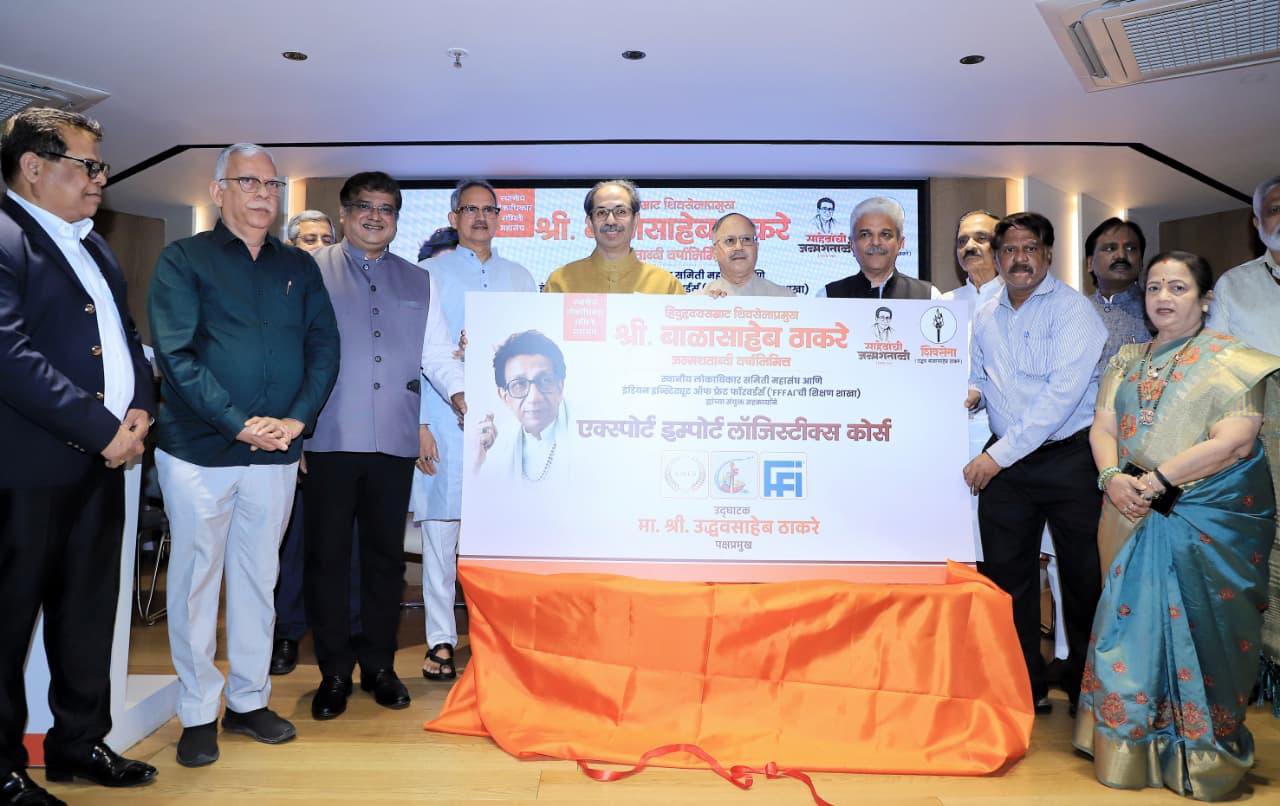
Uddhav Thackeray launches 5-Week Export-Import Logistics Training Course to boost Local Employment

MUMBAI: Sena UBT Chief Shri Uddhav Thackeray on Saturday launched a 5-week Export-Import Logistics Course to boost assured employment opportunities. The announcement for the course came during a press conference held at Sena Bhavan in Dadar. The course was launched at Sena Bhavan in Dadar during a press conference and coincided with the birth centenary celebrations of Balasaheb Thackeray.

Shiv Sena FFFAI 5 Uddhav Thackeray launches 5-Week Export-Import Logistics Training Course to boost Local Employment

According to Shri UddhavThackeray, the course aims to equip local youth with skills in customs clearance, logistics operations, warehousing, and supply chain management, creating direct employment opportunities. The five-week program will train the first batch of 30 participants starting today.

Details Of the Course

The Export-Import Logistics Course, jointly organised by the Local Self-Government Committee Federation and the Indian Institute of Freight Forwarders (FFFAI Education Wing), will be held over five Saturdays.

The program includes 30 hours of classroom training and 20 days of practical experience in companies.

A minimum government-mandated qualification of 12th pass is required, the course is designed for beginners and meets government-mandated standards. Certificates will also be issued upon completion, and the course fee ranges from Rs 2,000 to Rs 3,000.

The focus is on skill development rather than just job placement, providing foundational knowledge and preparing participants for career growth.

An intermediary course will be offered later for those seeking promotions or supervisory roles. While organisers ensure participants are fully trained, maintaining placements and advancing in their careers will be the responsibility of the students themselves

deugro Projects (India) and Mystic Shipping leads First-Ever Transshipment Operations at Deendayal Port Trust (Kandla) amid Middle East Crisis

GANDHIDHAM: With the temporary closure of the Strait of Hormuz due to ongoing geopolitical tensions, several vessels carrying Far East origin cargoes bound for Middle Eastern ports are being diverted to India, primarily Kandla Port.

The forwarders and charterers deugro Projects (India) Pvt Ltd have played a proactive and solution-driven role during this crucial period by ensuring continuity of cargo movements for their Middle East customers. Demonstrating strong logistical expertise and adaptability, deugro has successfully proposed transshipment arrangements at Kandla Port through their reliable local agents Mystic Shipping Pvt. Ltd. (MSPL). Under this strategic plan, many vessels have been scheduled for transshipment operations at Kandla, enabling smooth handling of project cargoes destined for the Middle East. This initiative reflects Deugro’s commitment to minimizing disruptions and providing efficient, alternative supply chain solutions to their valued customers.

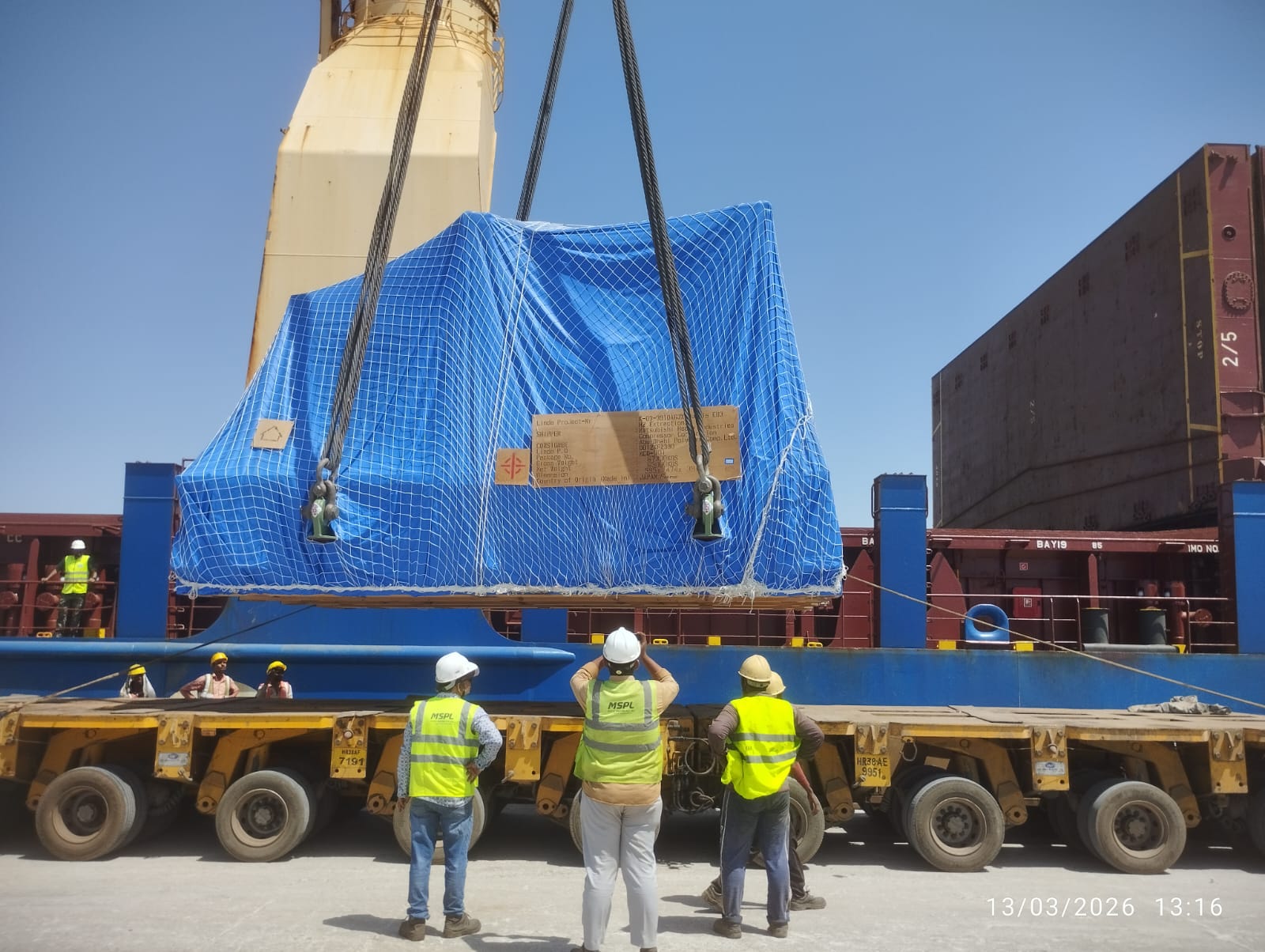
deugro Projects (India) Pvt Ltd / Mystic Shipping Private Limited (MSPL) is proud to be the first company to successfully handle such transshipment operations at Kandla Port, ensuring the smooth discharge of break-bulk and over-dimension cargo (ODC) under transshipment arrangements.

The vessel MV BBC HUDSON arrived at the port at 1530 hours on 09th March 2026 and berthed at Berth No. 15A at 2230 hours on 12th March 2026. The vessel discharged 644.62 MT of project cargo (55 packages), commencing operations at 0100 hours on 13th March 2026 and completing at 0900 hours on 14th March 2026. Notably, one single package weighing 101 MT ODC package was handled seamlessly and safely through tandem operations, underscoring MSPL’s hallmark of careful planning and precise execution and simplifying even the most complex port operations. By pioneering this initiative, Mystic Shipping not only safeguards clients from costly delays but also reinforces India’s strategic role as a trusted hub for global trade during times of uncertainty.

We remain steadfast in our mission to deliver dependable logistics solutions, strengthen supply chain continuity, and set new benchmarks for operational excellence at Kandla Port.

deugro Projects and Mystic Shipping extends its sincere appreciation to the officials of Deendayal Port Authority and Customs authorities specially Mr.Sushil Kumar Singh, IRSME, Chairman; Mr.Nilabhra Dasgupta, IRS, Deputy Chairman; and Mr.B Ratna Sekhar Rao, Traffic Manager for their invaluable support in documentation and operational coordination. Their cooperation has been instrumental in achieving this landmark success, and we remain grateful for their continued partnership in facilitating smooth cargo movement.

“We go beyond traditional logistics. From stevedoring and port handling to vessel agency, Customs clearance, Freight forwarding, and Warehousing, MSPL delivers a complete spectrum of services designed to simplify complexity and deliver results. Our door-to-door solutions and vessel operations make us a trusted partner for clients worldwide”, commented Mr. Satish Juttika, Managing Director, Mystic Shipping Private Limited.

CONCOR strengthens Rail Logistics with Electrification Milestone at Varnama on Western Dedicated Freight Corridor

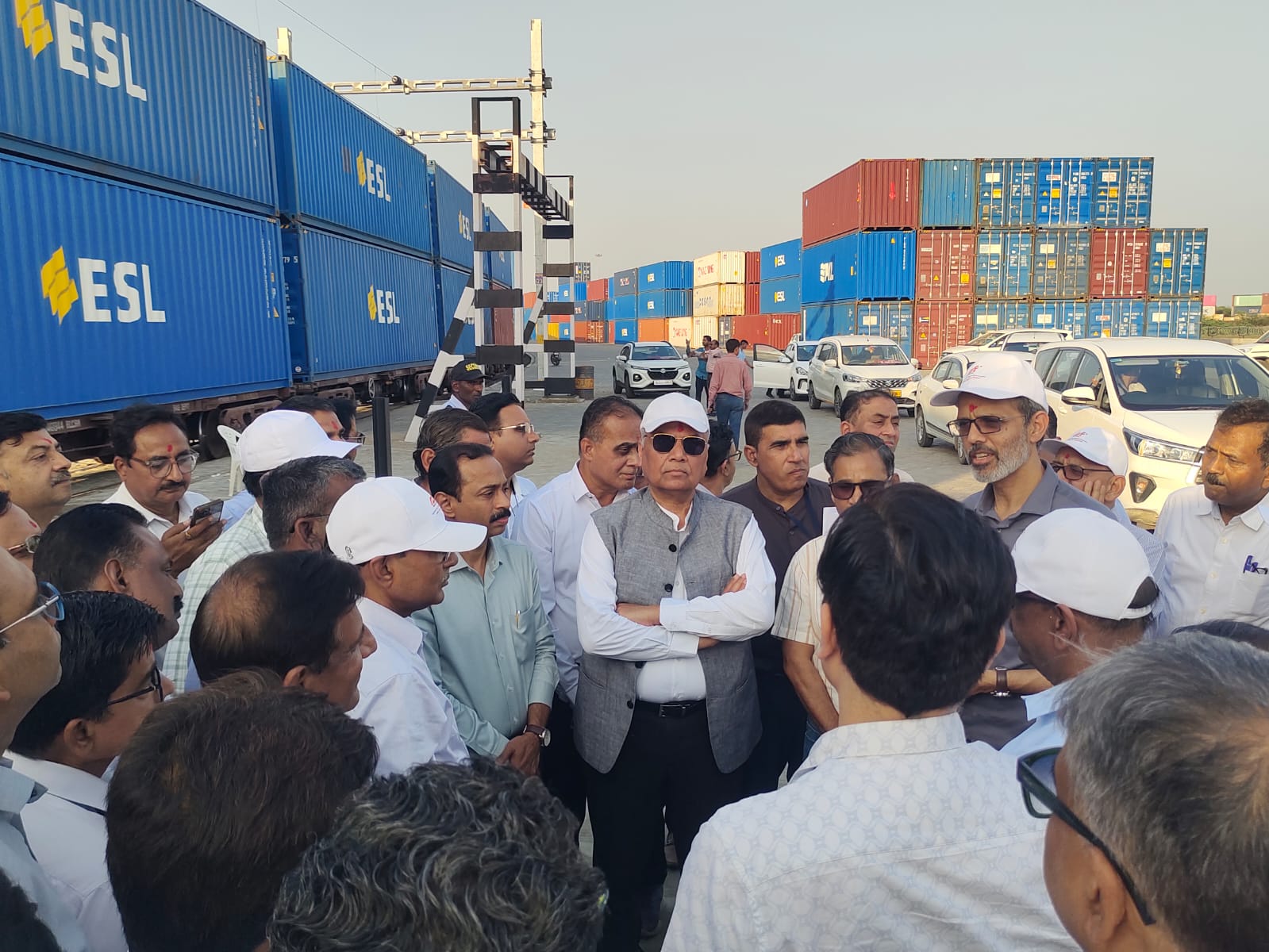
VADODARA: In a significant boost to India’s rail-based logistics network, Container Corporation of India (CONCOR) announced the successful commissioning of the Overhead Equipment (OHE) section between GCT–MMLP ICD Varnama (CGMV) and New Makarapura station on the Western Dedicated Freight Corridor on March 22, 2026.

CONCOR MMLP Varnama DFCC 3 CONCOR strengthens Rail Logistics with Electrification Milestone at Varnama on Western Dedicated Freight Corridor

The milestone was marked by the ceremonial flagging off of a double-stack container train from Varnama to Mundra Port—a key gateway for India’s EXIM trade. This development underscores the growing importance of electrified freight corridors in enhancing efficiency and sustainability in logistics operations.

CONCOR MMLP Varnama DFCC 2 1 CONCOR strengthens Rail Logistics with Electrification Milestone at Varnama on Western Dedicated Freight Corridor

The commissioning ceremony witnessed the presence of senior leadership from Dedicated Freight Corridor Corporation of India Limited (DFCCIL) and CONCOR. Among those present were Shri Praveen Kumar, Managing Director, DFCCIL Shri Shobhit Bhatnagar, Director, Ops & BD, DFCCIL Shri Anurag Sharma, Director Infra, DFCCIL Shri Abhilash V, Cluster Head, CONCOR, Ahmedabad, Shri Venkatesh Rajulu, Chief Manager, CONCOR, CGMV along with other senior officials from DFCCIL and CONCOR.

With the electrification of this critical section, seamless and uninterrupted rake movement to and from the GCT MMLP ICD Varnama is now enabled. The integration is expected to significantly enhance operational efficiency, reduce transit times, and improve service reliability along the Western Dedicated Freight Corridor.

Industry experts note that the move will further strengthen multimodal logistics infrastructure, enabling faster cargo evacuation and improved connectivity between industrial hubs and ports. The ability to run double-stack container trains under electrified lines is particularly crucial in boosting capacity while optimizing costs.

This development aligns with India’s broader vision of modernizing logistics infrastructure and promoting rail as a sustainable and efficient mode of freight transport. It is also expected to play a pivotal role in supporting the country’s expanding trade volumes and industrial growth.

Reinforcing its commitment to innovation and efficiency, CONCOR reiterated its message: “Think Logistics, Think CONCOR.”

DFCCIL strengthens Rail infrastructure and community facilities at New Makarpura

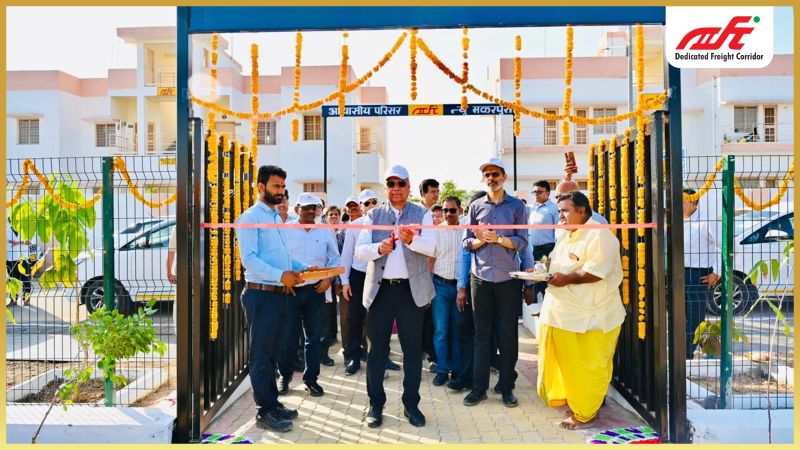
VADODARA: The Dedicated Freight Corridor Corporation of India Limited (DFCCIL) has marked a significant milestone in enhancing rail infrastructure and community development with the inauguration of key facilities at New Makarpura DFCC Station.

The Track Machine Depot and Tower Wagon Shed were formally inaugurated by Praveen Kumar, Managing Director, DFCCIL, in the presence of senior officials including Shobhit Bhatnagar, Anurag Sharma, Manish Awasthy, Govind Saini, Deepak Gupta, Jitender Srivastava, Praveen Tiwari, and Arvind Nagar.

makarpura dfcc DFCCIL strengthens Rail infrastructure and community facilities at New Makarpura

These newly inaugurated facilities are expected to significantly enhance maintenance efficiency and operational readiness of track machinery and rolling stock along the Western Dedicated Freight Corridor (WDFC). The infrastructure will support faster response times for maintenance activities, ensuring higher reliability, safety, and uptime across the corridor.

In a parallel development, electric train operations to the Varnama Container Depot were also flagged off, marking a crucial step towards greener and more efficient freight transportation. The shift to electric traction is aligned with India’s broader sustainability goals, reducing carbon emissions while improving transit speed and cost-efficiency for logistics operators.

Further reinforcing its commitment beyond core operations, DFCCIL also inaugurated a children’s park at Makarpura. The initiative reflects the organization’s focus on employee welfare and community engagement, creating improved recreational spaces for families and contributing to a better quality of life in the region.

Speaking on the occasion, officials highlighted that the combined infrastructure and community initiatives underscore DFCCIL’s integrated approach to development—balancing operational excellence with social responsibility. The developments at New Makarpura are expected to play a vital role in strengthening the efficiency and capacity of freight movement, while fostering a supportive environment for employees and local communities.

The Western Dedicated Freight Corridor continues to be a transformative project for India’s logistics sector, enhancing connectivity between key industrial hubs and ports, and driving economic growth through faster, more reliable cargo movement.