Home Blog Page 404

APM Terminals Pipavav handles Largest Parcel Size Vessel Call with MV Seaspan Ganges

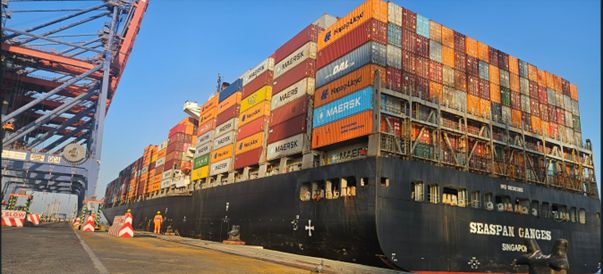
PIPAVAV: : APM Terminals Pipavav has achieved a significant operational milestone by successfully handling the largest parcel size vessel call in the port’s history, welcoming the container vessel MV Seaspan Ganges.

The vessel call marked a major benchmark for the port’s operational capability, with the terminal completing 4,512 container moves, equivalent to 8,454 TEUs, on the 115,000 DWT vessel. The operations were executed safely and efficiently, achieving an impressive berth productivity of around 120 moves per hour (MPH).

The successful handling of such a large call highlights the terminal’s robust infrastructure, operational expertise, and strong coordination among stakeholders. The call was facilitated in collaboration with global shipping line Hapag-Lloyd AG, which entrusted Pipavav with the handling of the vessel.

APM Terminals Pipavav expressed gratitude to Hapag-Lloyd for its continued confidence in the port and for providing the opportunity to manage this landmark call. The terminal emphasized that the achievement reflects the dedication of its teams and partners in ensuring seamless operations, particularly during times when reliability and supply chain continuity are crucial for global trade.

Located on India’s western coast in Gujarat, Port of Pipavav has increasingly strengthened its position as a strategic maritime gateway for Northwest India’s import-export trade. With advanced terminal infrastructure, deep draft capabilities, and strong hinterland connectivity, the port continues to play a vital role in supporting efficient container movement and international shipping services.

The successful call of MV Seaspan Ganges underscores Pipavav’s growing stature as a trusted hub for global maritime trade, reaffirming its commitment to operational excellence and its role in facilitating India’s expanding logistics and shipping ecosystem.

Jeena & Company and Scan-Shipping forge strategic alliance to strengthen India–Nordic trade corridors

MUMBAI/DELHI NCR: At a time when the trade relationship between India and the Nordic countries is showing strategic, positive traction, Jeena & Company – one of India’s leading freight forwarding and supply chain solutions providers, has announced a strategic partnership with Scan-Shipping. The partnership aims to strengthen the India-Scandinavia trade route by improved supply chain connectivity with India and major Nordic markets such as Denmark, Sweden, Norway, and Finland.

The Nordic countries are a premium market for Indian exporters in the segments of pharmaceuticals, engineering products, auto components, renewable energy products, textiles, and specialty chemicals. On the other hand, India is also witnessing an influx of advanced machinery, clean technology, and maritime technology imports from the Scandinavian.

Jeena’s established network along with operational abilities in India, when combined with Scan-Shipping’s extensive network throughout Scandinavia and Europe, will allow for quicker transit duration, and greater visibility with end-to-end logistics supply chain support.

Scan-Shipping is a global service provider offering a complete portfolio of shipping and logistics solutions to multiple sectors with a strong footprint across the Nordic region and foreign markets.

The partnership will focus on supporting diverse industries engaged in bilateral trade, with an emphasis on multimodal solutions across air and sea freight. This collaboration will help both the companies establish a strong presence in key economic markets, strengthening their relationship, building trust and business opportunities.

Mr. Prediman Koul, CEO, Jeena & Company, said on this partnership: “This collaboration aligns with our long-term vision of a sustainable growth while expanding our global footprint. The India–Scandinavia trade route is critical owing to geopolitical movements, technology cooperation, and supply chain diversification. We see a growth market for Indian traders as numerous opportunities are still unexplored. With Scan-Shipping as a partner, we are poised to deliver reliable, customized, and technology-enabled logistics solutions across this corridor, providing greater efficiency, and supply chain resilience to our customer.”

“We feel pleased to partner with Jeena and Company to widen our reach into the Indian market. This will support us with strong local expertise and global network capabilities to support our clients with customised, consistent and high-quality logistics services,” said Mr. Jesper Nielsen, CEO, Scan-Shipping.

This development is a reflection of Jeena’s continued focus on building specialized trade lane capabilities to support India’s expanding role in international trade.

About Jeena & Company

Founded in 1900, Jeena & Company is a leading global logistics and supply chain solutions provider with operations across 60 countries, six continents, and 27 offices in India.

A trusted legacy brand with a customer-first approach, Jeena specializes in pharma, life sciences, automotive, defence, and project logistics, offering air and sea freight, last-mile delivery, warehousing, customs clearance, and documentation services.

As one of India’s largest national customs brokers, Jeena has pioneered industry-first innovations, including paperless documentation. With recent expansion into Sydney, Australia, the company is strengthening its global footprint in the UK, Europe, the US, Africa, Germany, China, and New Zealand.

About Scan-Shipping

Scan-Shipping, founded in 1969, is an international logistics and freight forwarding company headquartered in Denmark. The company delivers comprehensive transport and supply chain solutions across air, ocean, road, and project logistics, serving clients throughout Scandinavia and key global markets. With a network of 27 offices worldwide and a team of more than 300 experienced professionals, Scan-Shipping is committed to providing tailored, reliable, and efficient logistics solutions that support seamless global trade.

Govt Approves Renovation of Historic Bascule Bridge at Kolkata Port

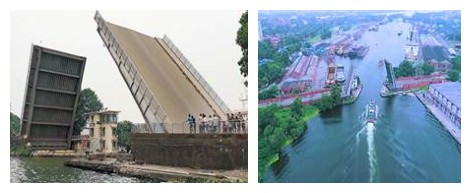
NEW DELHI: The Ministry of Ports, Shipping and Waterways has approved the renovation of the historic Bascule Bridge at Syama Prasad Mookerjee Port, Kolkata, at a cost of ₹117.54 crore to enhance safety and operational efficiency. The Union Minister for Ports, Shipping and Waterways Sarbananda Sonowal gave the assent to the project today which aims to elevate efficiency at the Kolkata Dock System.

Speaking on the occasion, Sarbananda Sonowal said, “Under the visionary leadership of Hon’ble Prime Minister Shri Narendra Modi ji, our efforts are guided by the philosophy of ‘Virasat bhi, Vikas bhi’—preserving our rich heritage while advancing modern infrastructure. The renovation of the historic Bascule Bridge at Syama Prasad Mookerjee Port, Kolkata reflects this commitment by safeguarding an important legacy asset while upgrading it with modern technology to ensure safer, faster and more efficient port operations.”

The project involves the modernisation of the nearly six-decade-old double-leaf bascule bridge located at the Kolkata Dock System (KDS). Originally built by Wagner-Biro Bridge Systems AG, the bridge will undergo comprehensive structural strengthening along with electro-mechanical upgrades to improve reliability and operational safety.

The proposal was appraised by the Delegated Investment Board (DIB), chaired by the Secretary, Ministry of Ports, Shipping and Waterways, during a meeting held on Feb. 16, 2026.

The renovation project, estimated at ₹117.54 crore, will receive financial assistance of around ₹41 crore under the Sagarmala Programme, the Government of India’s flagship initiative aimed at port-led development.

Once completed, the upgraded bridge is expected to facilitate safer, faster and more efficient movement of cargo and vehicles within the port premises, thereby strengthening logistics operations at one of India’s oldest and busiest ports.

The project will be implemented by Rail Vikas Nigam Limited (RVNL), with the work awarded to Mumbai-based M/s H & H Fressinet.

Officials said the modernisation of the historic structure will help preserve a key piece of port infrastructure while equipping it with modern engineering systems to support growing maritime trade and port operations.

India’s food and agricultural exports reach nearly ₹5 lakh crore annually; country becomes seventh largest exporter globally: Piyush Goyal

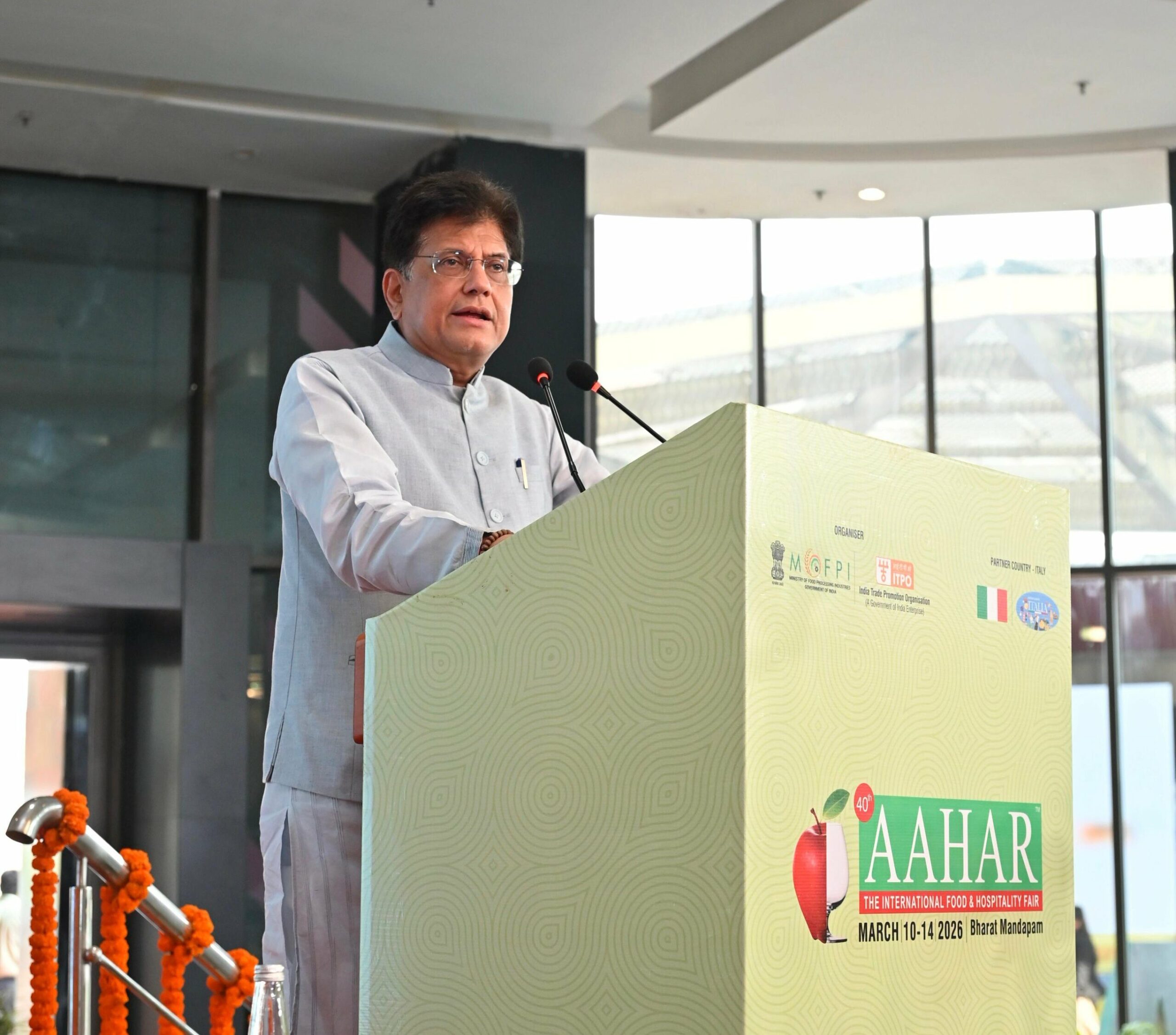
NEW DELHI: Union Minister of Commerce & Industry Shri Piyush Goyal Tuesday called upon stakeholders from the food, agriculture and hospitality sectors to work collectively towards making India the world’s largest exporter of agricultural and processed foods, highlighting the vast opportunities created by India’s expanding trade agreements and the growing global demand for Indian products.

Addressing the gathering at the inauguration of the 40th edition of AAHAR – The International Food & Hospitality Fair in New Delhi on Tuesday, Shri Goyal said that India’s exports of food and agricultural products—including farm produce and fisheries—have reached nearly ₹5 lakh crore (over USD 55 billion) annually, making the country the seventh largest exporter of agricultural produce in the world.

He noted that over the past eleven years, from 2014 to 2025, India’s agri and food exports have witnessed significant growth. Exports of processed foods have increased fourfold, fruit and pulses exports have tripled, processed vegetable exports have quadrupled, cocoa exports have tripled, and cereal exports have doubled. Rice exports alone have grown by 62 percent during this period.

Shri Goyal said these achievements should inspire India to aspire for the top position globally in agricultural and processed food exports. He emphasized that the goal is achievable and aligns with the vision of Prime Minister Shri Narendra Modi that India should become the “food basket of the world.”

The Minister highlighted that the nine Free Trade Agreements (FTAs) concluded by India over the past three and a half years have opened access to 38 developed and prosperous countries, providing vast market opportunities for Indian exporters. He added that India today has preferential market access covering nearly two-thirds of global trade, which strengthens India’s position as an attractive investment destination and enables Indian businesses to integrate into global value chains.

Shri Goyal emphasized that while negotiating FTAs, the Government has carefully safeguarded the interests of domestic stakeholders, particularly farmers, fishermen and MSMEs. He said India has protected sensitive sectors such as dairy, where no concessions have been given to foreign producers. Similarly, genetically modified (GM) products have not been granted duty concessions or market access.

He further clarified that key agricultural commodities such as rice, wheat, maize, soy meal and several varieties of pulses have been protected in trade negotiations. In the sugar sector, concessions have generally not been extended to prevent imports that could adversely affect India’s sugarcane farmers and domestic producers.

The Minister said these measures ensure that India’s domestic strengths remain protected while new global opportunities are created for Indian products. He urged stakeholders connected with industry and the business community to spread awareness at the grassroots level about how India’s FTAs safeguard national interests while expanding international trade opportunities.

Shri Goyal also encouraged farmers and entrepreneurs to take advantage of the ₹1 lakh crore Agriculture Infrastructure Fund and focus on food processing and value addition, which can enable farmers to access higher-value global markets. He noted that an increasing number of small enterprises are entering the food processing sector, creating new avenues for growth and employment.

Highlighting the importance of international partnerships, Shri Goyal welcomed Italy as the partner country for the 40th edition of AAHAR and said that India should learn from best practices in Italy’s food and hospitality sector while also building collaborations with Italian companies. Such partnerships, he said, can help promote Indian cuisine, expand the global taste for Indian products and strengthen trade linkages.

The Minister pointed out that Europe represents a major market for agricultural and processed food imports, especially with new trade arrangements that provide near-zero or very low duties on many Indian products. He also referred to opportunities arising from India’s agreements and partnerships with EFTA countries—Switzerland, Norway, Liechtenstein and Iceland—New Zealand, Australia, Japan, Korea, ASEAN nations, Oman, the UAE and Mauritius. He added that negotiations with Canada are progressing and discussions with the six-nation GCC group of countries in the Middle East have recently been launched.

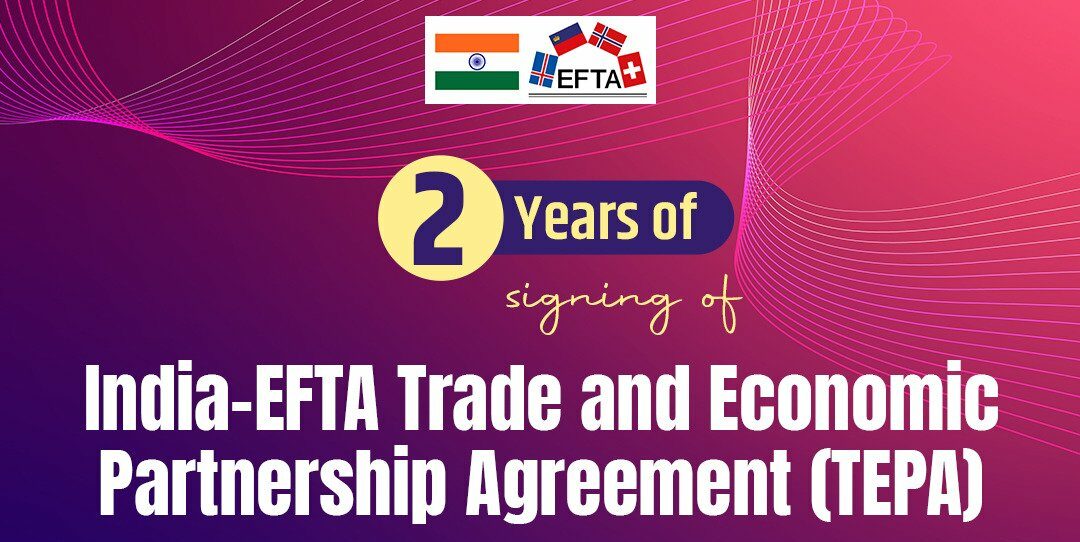
Shri Goyal noted that the EFTA agreement marks two years since its finalisation, further strengthening India’s access to global markets.

The Minister congratulated the organisers and participants on the 40th edition of AAHAR, describing it as a landmark event for the food and hospitality sector. He said that for the first time AAHAR has a partner country, Italy, and also announced that the exhibition will be opened to the general public on the evening of Friday the 13th and throughout Saturday, allowing visitors, especially young people, to experience the strengths of the food, beverage and hospitality sectors from India and across the world.

Shri Goyal encouraged exhibitors and participants to explore the entire exhibition beyond their own stalls, noting that such interactions can lead to new ideas, collaborations, packaging innovations and opportunities in manufacturing and business expansion.

He assured exporters that under the Export Promotion Mission the Government will provide comprehensive support and handholding, including through the Ministry of Commerce and Industry, the Directorate General of Foreign Trade (DGFT) and other relevant divisions that promote Indian exports globally.

Concluding his address, Shri Goyal expressed confidence that the combined efforts of farmers, fishermen, entrepreneurs and MSMEs will enable India to expand global trade, strengthen the “Made in India” brand worldwide, and significantly enhance farmers’ incomes while creating new opportunities for businesses.

India–EFTA TEPA Marks Two Years, Strengthening Trade, Investment and Technology Collaboration

NEW DELHI: Two years since the signing of the Trade and Economic Partnership Agreement (TEPA) between India and the member States of the European Free Trade Association, Iceland, Liechtenstein, Norway and Switzerland, the partnership has moved from negotiation to implementation with effect from 1 October 2025. The Agreement brings together India and a group of advanced European economies in a framework that supports trade, investment, services, technology collaboration and long-term industrial growth.

The Prime Minister Shri Narendra Modi has said: “Over the last few years, we have built a strategic and purposeful network of Free Trade Agreements. We now have FTAs with 38 partner nations, an unprecedented milestone in India’s trade history. A remarkable feature of these trade agreements is that they span continents and include countries of varying economic strength. This gives our manufacturers and producers enough diversity and depth to sell our products across many markets. These FTAs have opened up the markets of major economies to India’s manufactured products. For instance, the India-UK FTA and the India-E.U. FTA will eliminate tariffs on 99% of our exports to these countries. Merchandise trade with both Australia and the UAE has doubled since the signing of FTAs with these countries. Our service sector and its professionals are well known worldwide. They have already made India a hub of Global Capability Centres in different domains. These trade agreements have further boosted their opportunities with greater regulatory certainty, mutually beneficial frameworks and greater mobility across our partner nations. Our manufacturing sector has been taking giant strides in the past few years and these trade agreements will help integrate India and Indian products more deeply into global supply chains. They will give better returns to Indian producers and manufacturers and also contribute to increasing prosperity for our people.”

On the 2nd Anniversary, Union Minister of Commerce and Industry Minister Shri Piyush Goyal stated “India-EFTA TEPA is an agreement with a long-term economic purpose. It gives Indian exporters access to high-income markets, creates an investment pathway of USD 100 billion over 15 years, and improves access to specialised machinery, quality inputs and technology partnerships that can strengthen manufacturing in India. This is important for building scale, improving standards, deepening value addition and moving towards India’s 2030 exports ambition.”

The India-EFTA TEPA is one of India’s most significant trade arrangements with a group of high-income and innovation-driven economies. Along with India’s other trade agreements and ongoing trade negotiations, it forms part of a wider effort to expand opportunities for farmers, fishermen, MSMEs and start-ups, while supporting investment and job creation across sectors. For MSMEs and start-ups in particular, the Agreement can open pathways for technology transfer, joint ventures and collaboration with niche technology firms from EFTA countries, helping Indian enterprises move up the value chain and strengthen their global competitiveness. Within TEPA, EFTA’s commitments cover 92.2 per cent of tariff lines, accounting for 99.6 per cent of India’s exports, including full coverage of non-agricultural products and tariff concessions on processed agricultural products. India’s commitments cover 82.7 per cent of tariff lines, accounting for 95.3 per cent of EFTA exports. Sensitive sectors, including dairy, soya, coal and select agricultural products, are protected, while the effective duty on gold remains unchanged.

For India, the significance of TEPA lies in both market access and capability building. The Agreement strengthens India’s export presence in high purchasing power markets securing binding commitments across pharmaceuticals, textiles and garments, engineering goods, chemicals, processed foods and marine products. At the same time, it improves access to specialised intermediate goods, advanced machinery, precision components and selected high-standard industrial products that can support production efficiency, product quality and integration with global supply chains.

This matters for India’s industrial growth. Better access to high-quality equipment and specialised inputs can help Indian enterprises upgrade manufacturing processes, reduce avoidable cost disadvantages, support standards compliance and expand participation in export-oriented production networks. In sectors where reliability, traceability and quality determine market share, such improvements carry wider export gains for Indian industry.

TEPA also supports India’s broader trade ambition towards 2030. The Government has articulated a target of USD 1 trillion in merchandise exports and USD 1 trillion in services exports by 2030. TEPA contributes to this objective by combining predictable access to advanced markets with investment-led capacity creation and stronger industrial linkages.

The Agreement includes an investment commitment of USD 100 billion over 15 years and facilitation of one million direct jobs. This investment dimension gives TEPA a wider economic role by linking trade opening to manufacturing capacity, technology partnerships, research and development, renewable energy, life sciences, engineering and digital transformation.

TEPA also opens fresh avenues in services. It provides a framework for stronger cooperation in IT and IT-enabled services, professional services and other knowledge-intensive sectors. It enables Mutual Recognition Agreements in identified professional services such as nursing, chartered accountancy and architecture, and provides greater certainty for the entry and temporary stay of key personnel linked to services delivery.

The Agreement has an inclusive growth dimension as well. Women and youth entrepreneurs, farmers, fishers, MSMEs and start-ups stand to benefit from access to premium European markets. Opportunities are expected to expand across Indian States, including Maharashtra in grapes, Karnataka in coffee, Kerala in spices and seafood, and the North Eastern States in horticulture, linking local producers more closely with global markets.

As implementation advances, India and the EFTA States will continue to work through institutional mechanisms, business engagement and stakeholder consultations to translate the Agreement into stronger trade flows, productive investment and deeper economic cooperation. TEPA reflects India’s approach to trade policy as an instrument for expanding exports, strengthening domestic manufacturing, connecting Indian firms to advanced value chains and supporting the larger vision of Viksit Bharat by 2047

Gati Shakti Vishwavidyalaya joins hands with Capacity Building Commission for Collaborative Capacity-Building Efforts

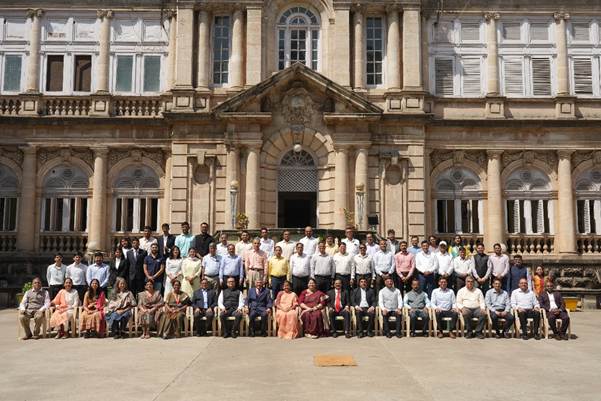
VADODARA: The Capacity Building Commission (CBC), Government of India, organised a Western Regional Consultative Workshop on Sustainable Financing, Governance and Resource Mobilisation for Training Institutes in Vadodara on Tuesday. Hosted by Gati Shakti Vishwavidyalaya, the workshop brought together 26 participants from Civil Services Training Institutions (CSTIs) across Western States to deliberate on key reforms in institutional financing and governance.

GSV CBC MoU Gati Shakti Vishwavidyalaya joins hands with Capacity Building Commission for Collaborative Capacity-Building Efforts

A Memorandum of Understanding was signed between CBC and Gati Shakti Vishwavidyalaya at the event, marking a significant formal commitment to collaborative capacity-building efforts.

The workshop sessions established a shared alignment on the draft framework structure and policy direction. Two thematic groups discussed key issues at the workshop.

The first group focused on Sustainable Financing.  It discussed financial structures and budgeting models. Revenue retention, re-appropriation, and carry-forward mechanisms were examined. The group also explored revenue generation avenues.

The second group focused on Governance and Resource Mobilisation. It deliberated on delegation of powers and governing body functionality. Academic and administrative autonomy were key areas of discussion. The group also looked at infrastructure utilisation policy. Leveraging institutional expertise and digital scaling and partnerships were also deliberated.

The workshop commenced with a Welcome Address by Ms. Chandralekha Mukherjee, Principal Advisor, CBC. This was followed by an address by Prof. (Dr.) Manoj Choudhary, Vice Chancellor, Gati Shakti Vishwavidyalaya, who shared insights on GSV’s role in the emerging capacity-building landscape. Ms. S. Radha Chauhan, Chairperson, CBC, addressed the gathering on making CSTIs future-ready through institutional strengthening, underlining CBC’s facilitative role in building a robust CSTI ecosystem towards Viksit Bharat@2047.

CBC noted that insights from the western regional consultation would feed into the consolidated national-level recommendations aimed at strengthening sustainable financing mechanisms, improving governance structures, and enhancing resource mobilisation capabilities across the civil services training ecosystem.

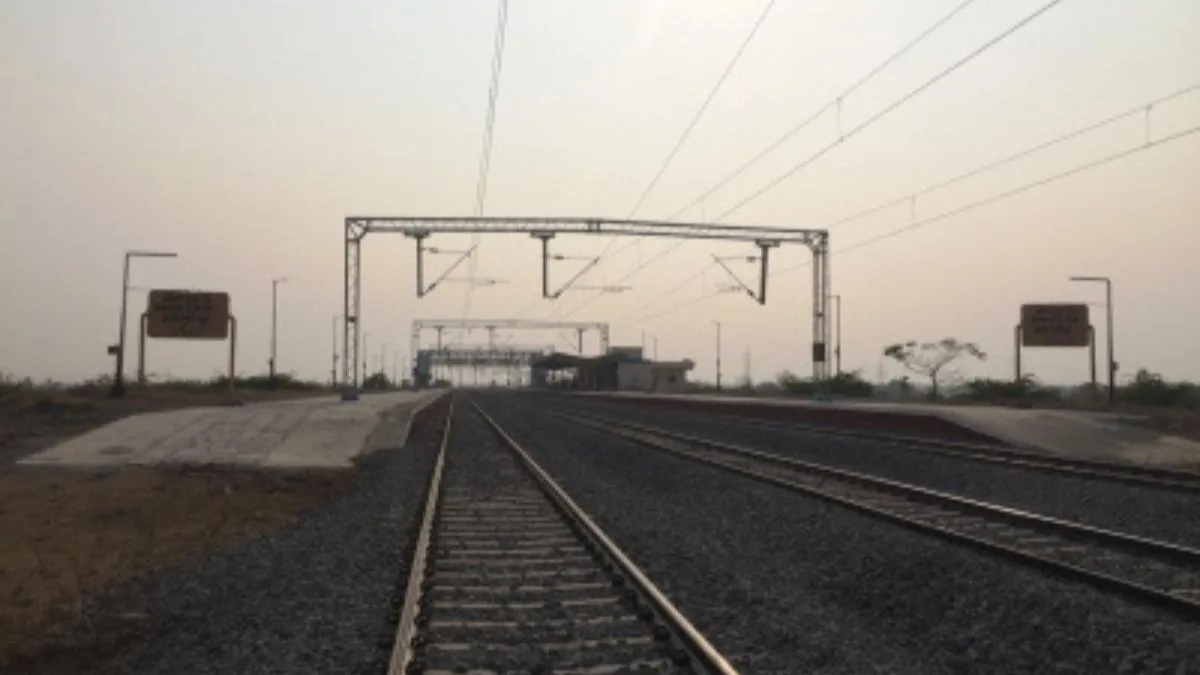
Cabinet approves two multitracking projects covering 5 districts of West Bengal and Jharkhand, increasing the existing network of Indian Railways by about 192 Kms

NEW DELHI: The Cabinet Committee on Economic Affairs, chaired by the Prime Minister Shri Narendra Modi, on Tuesday has approved 02 (Two) projects of Ministry of Railways with total cost of Rs. 4,474 crore (approx.). These projects include:

  1. Sainthia – Pakur 4th line
  2. Santragachi – Kharagpur 4th line

The increased line capacity will significantly enhance mobility, resulting in improved operational efficiency and service reliability for Indian Railways. These multi-tracking proposals are poised to streamline operations and alleviate congestion. The projects are in line with the Prime Minister Shri Narendra Modiji’s Vision of a New India which will make people of the region “Atmanirbhar” by way of comprehensive development in the area which will enhance their employment/ self-employment opportunities.

The projects are planned on PM-Gati Shakti National Master Plan with focus on enhancing multi-modal connectivity & logistic efficiency through integrated planning and stakeholder consultations. These projects will provide seamless connectivity for movement of people, goods, and services.

The 02 (Two) projects covering 05 Districts across the states of West Bengal and Jharkhand will increase the existing network of Indian Railways by about 192 Kms.

The approved multi-tracking project will enhance connectivity to approx. 5,652 villages, which are having a population of about 147 lakhs.

The proposed capacity enhancement will improve rail connectivity to several prominent tourist destinations across the country, including Bolpur-Shantiniketan, Nandikeshwari Temple (Shaktipeeth), Tarapith (Shaktipeeth), Patachitra Gram, Dhadika Forest, Bhimbandh Wildlife Sanctuary, Rameshwar Kund, etc.

The approved projects are essential routes for transportation of commodities such as coal, stone, dolomite, cement, slag, gypsum, iron and steel, foodgrains, POL, container, etc. The capacity augmentation works will result in additional freight traffic of magnitude 31 MTPA (Million Tonnes Per Annum). The Railways being environment friendly and energy efficient mode of transportation, will help both in achieving climate goals and minimizing logistics cost of the country, reduce oil import (06 Crore Litres) and lower CO2 emissions (28 Crore Kg) which is equivalent to plantation of 01 (One) Crore trees.

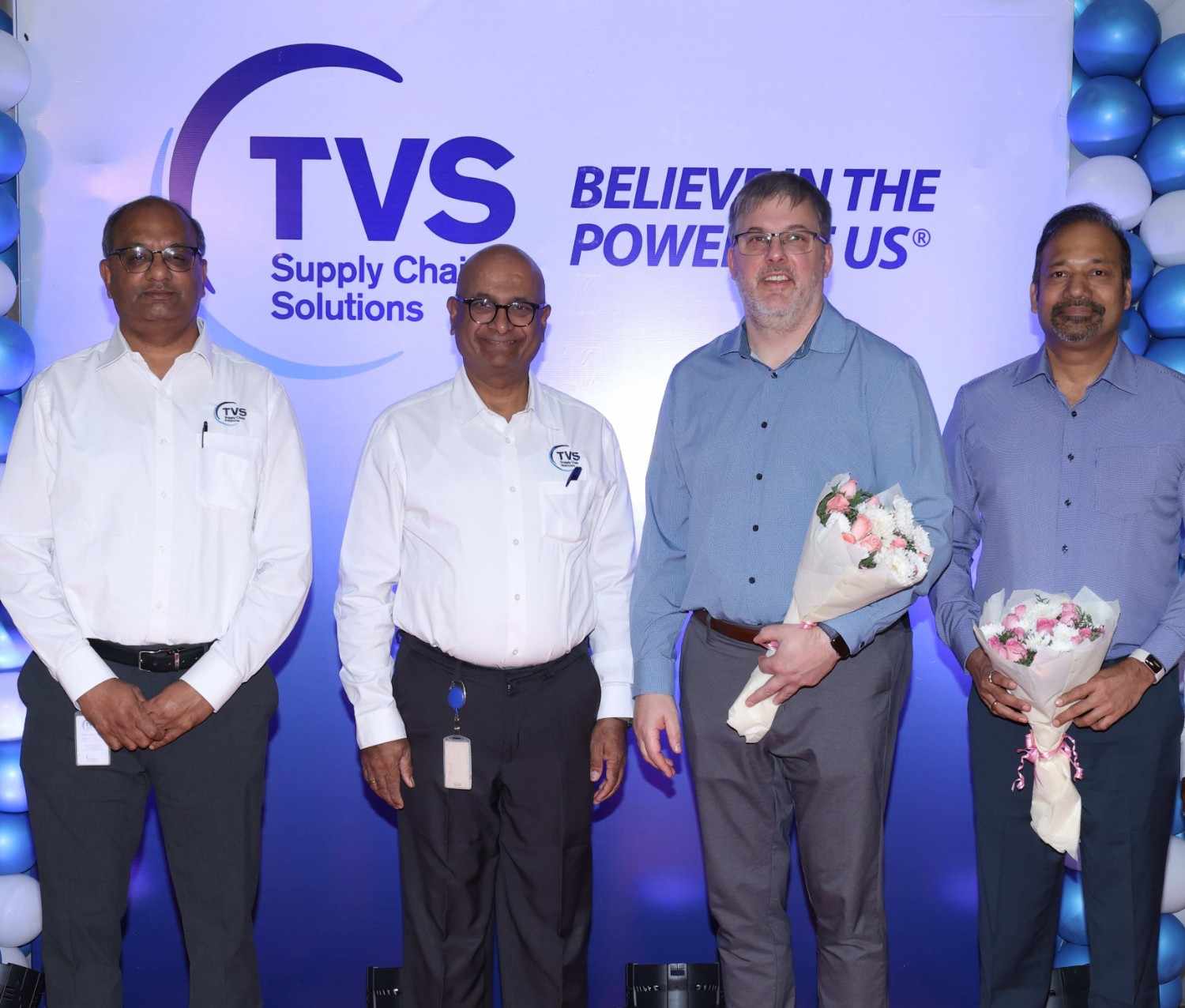
TVS Supply Chain Solutions strengthens Caterpillar’s global supply chains from India

CHENNAI: TVS Supply Chain Solutions Limited, a global supply chain solutions provider and one of India’s largest and fastest-growing integrated supply chain solutions companies, announced that it is strengthening Caterpillar’s global supply chains from India by setting up a 40,000 sq. ft. warehousing facility at the Free Trade and Warehousing Zone (FTWZ) in Mannur Village, approximately 30 km from Chennai, India. The facility will enable parts procurement from multiple countries and support Caterpillar’s manufacturing operations.

The TVS SCS Chennai FTWZ is strategically located along the Chennai–Bengaluru Industrial Corridor and offers strong connectivity to Chennai, Ennore, and Kamarajar ports, which together handle nearly 20 percent of India’s container traffic. The facility reinforces the ‘Make in India for the World’ initiative and positions Caterpillar’s India operations as a resilient and scalable base within their global supply network.

With approximately 4,000 pallet positions, the modern facility will enable Caterpillar to optimise lead times, reduce landed costs, and respond swiftly to global demand and supply needs.

Ravi Viswanathan, Managing Director, TVS Supply Chain Solutions, said: “Our tailored solution for Caterpillar strengthens supply chain resilience amid global trade volatility. By combining the FTWZ model with our end-to-end warehousing capabilities, we enable faster and more efficient global supply chain movements, helping Caterpillar withstand trade disruptions. Our long-standing partnership reflects the trust Caterpillar places in TVS SCS to deliver innovative, scalable, and future-ready solutions.” 

Ramesh Muthuraman, Director of Operations, Caterpillar India Private Limited, added: “As we continue to strengthen our global supply chain network, the FTWZ facility established by TVS Supply Chain Solutions enhances our sourcing flexibility. TVS SCS has deep expertise in managing complex, multi-country supply chains, enabling us to better navigate global trade conditions.”

TVS SCS also manages Caterpillar’s external warehouse operations in Hosur, India as well as their In-Plant Warehousing, deploying dedicated and trained personnel to support the company’s manufacturing operations. Over the past five years, TVS SCS and Caterpillar have established a collaborative relationship built on operational excellence, trust, and a shared commitment to creating resilient, future-ready global supply chains.

Gulf states activate emergency plan to ensure flow of goods amid geopolitical tensions

RIYADH: The Gulf States, through the Federation of GCC Chambers, have activated an emergency plan in coordination with the Chambers of Commerce in the GCC countries to monitor the flow of trade and goods between member states.

This is part of joint efforts to ensure the continuity of supply chains and maintain the stability of Gulf markets amid the current geopolitical tensions in the region, according to the Secretary-General of the FGCCC, Saleh bin Hamad Al-Sharqi.

Al-Sharqi told Al-Eqtisadiah that the emergency plan relies on direct coordination between the Federation, the Gulf chambers, and the Customs Union Authority to monitor the movement of goods and products through land ports and seaports, identify any challenges that may affect the smooth flow of intra-regional trade, and work on addressing them swiftly to ensure the continued flow of goods and meet the needs of Gulf markets.

He pointed out that the plan’s focus is on facilitating logistical and customs procedures, in addition to providing practical proposals and solutions to address any bottlenecks that may arise in transport or shipping, thereby contributing to reducing the transit time of goods and accelerating trade between the member states.

The plan also focuses on facilitating logistical and customs procedures, in addition to providing practical proposals and solutions to address any bottlenecks that may arise in transport or shipping, thereby contributing to reducing the transit time of goods and accelerating trade between the member states.

According to data from the Gulf Statistical Center obtained by Al-Eqtisadiah, intra-Gulf trade has witnessed significant growth in recent years, particularly in national non-oil commodity exports.

Their value rose from approximately $28.3 billion in 2020 to about $44.9 billion in 2024, achieving growth of nearly 58 percent.

This gain reflects the increasing ability of Gulf products to meet the needs of markets within the GCC countries and enhances the level of self-sufficiency of the Gulf States in such circumstances and tensions that cause disruptions in global supply chains.

Source: ARAB NEWS

DTDC Breaks the ‘Man’s World’ Stereotype in Logistics with ‘We Got This’ Brand Film

MUMBAI: DTDC, the Indian multinational logistics company, recently launched “We Got This,” a high-energy brand film that challenges long-standing perceptions of logistics as a male-dominated industry and spotlights the growing role of women across its nationwide operations.

Released to mark International Women’s Day, the campaign places women at the heart of one of the most operationally demanding sectors, highlighting professionals who are driving speed, precision and performance across DTDC’s logistics network.

Through a fast-paced narrative that moves across high-intensity sorting hubs, large-scale logistics facilities and leadership discussions in the boardroom, “We Got This” captures the scale, complexity and rhythm of modern logistics while bringing into focus the women helping power that momentum every day.

The film reflects a changing industry landscape where women are increasingly leading teams, managing hubs, overseeing operations and contributing to strategic decisions across the logistics ecosystem.

Notably, the campaign features real DTDC employees and leadership from across the organisation. Bringing together voices from operational hubs, network management and corporate leadership, the film presents an authentic view of how the organisation is evolving from within.

Sharing her perspective on the initiative, Ankita Tiwari, Chief Human Resources Officer, DTDC, said, “Industries evolve when new voices lead. Today, a new generation is redefining logistics with sharper decision-making, deeper collaboration, and above all- inclusiveness. At DTDC, we witness this transformation daily. ‘We Got This’ acknowledges this shift and encourages more talented women to see logistics as a field where they can shape outcomes and build meaningful careers.”

Storytelling of this scale and cultural sharpness is rarely seen within the logistics sector, which has traditionally focused communication on infrastructure and service delivery. With “We Got This,” DTDC positions logistics as a people-driven industry shaped by leadership, resilience and ambition.

The campaign also reflects the company’s ongoing efforts to strengthen diversity across its network. From all-women branches near Mumbai to women-led dark store operations in Indore, DTDC has been expanding opportunities for women across roles traditionally viewed as inaccessible within logistics operations. Across the organisation today, women are managing hubs, leading operational teams, overseeing network performance and contributing to key business decisions.

As DTDC marks 35 years of operations, the film reflects an organisation grounded in operational legacy yet evolving with the workforce it aims to build. More than a Women’s Day message, “We Got This” signals a broader shift in how logistics is perceived, not just as infrastructure and efficiency, but as a dynamic industry where talent, capability and ambition are shaping the future of how India moves.

DTDC’s “We Got This” film challenges the stereotype of logistics as a male-dominated industry, showing how women across its wide network are leading teams and driving operations every day. In doing so, it shows how women are increasingly shaping the future of logistics.

The film will be shared across digital platforms as part of DTDC’s Women’s Day outreach.

Instagram: https://www.instagram.com/reels/DVnD09ygAOi/

YouTube: https://www.youtube.com/watch?v=3QbxSGKbbDM

LinkedIn: https://www.linkedin.com/feed/update/urn:li:activity:7436268913979461632/