Home Blog Page 406

Allcargo Logistics’ Impact in Chakan MIDC: Empowering Maharashtra’s Industrial Growth and Connectivity

PUNE: Allcargo Logistics Limited, post approval of the organization’s restructuring plan housing its Domestic Supply Chain business, Express Distribution and Consultative Logistics, has been at the forefront of empowering businesses across in Pune’s Chakan belt for over three decades.

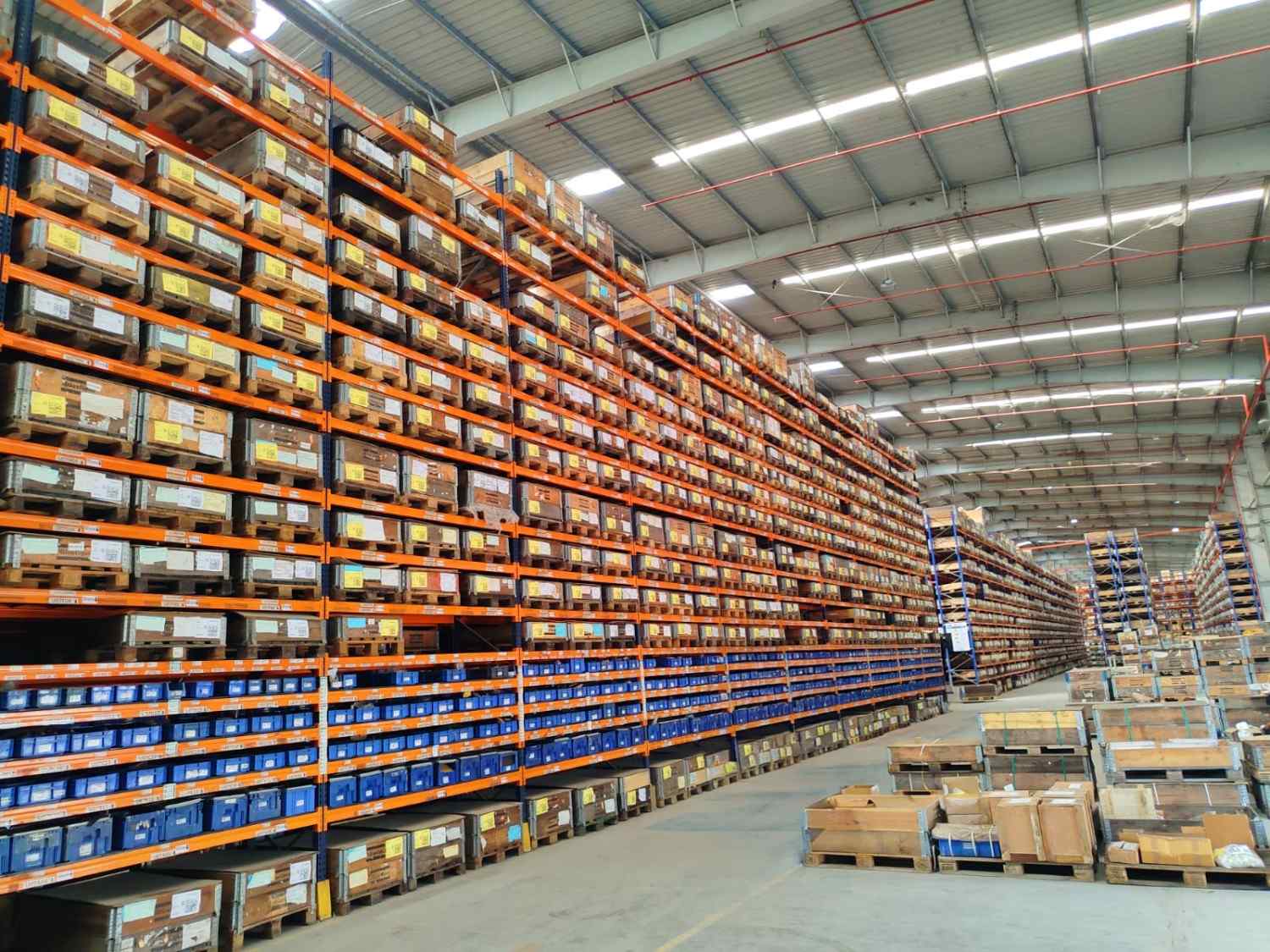
Allcargo Warehouse Pic 02 Allcargo Logistics’ Impact in Chakan MIDC: Empowering Maharashtra’s Industrial Growth and Connectivity

Developed by the Maharashtra Industrial Development Corporation, Chakan MIDC is one of Asia’s largest industrial hubs and a cornerstone of Maharashtra’s industrial ecosystem, serving automotive, pharmaceutical, and heavy engineering sectors. With a strong presence in the region, Allcargo Logistics has built strong partnerships with leading manufacturers.

“Our presence in Chakan MIDC has been a cornerstone of our commitment to Maharashtra’s industrial development,” said Mr. Ketan Kulkarni, Managing Director & Chief Executive Officer, Allcargo Logistics. “We understand the logistical complexities of large industrial clusters, and through innovative solutions, we empower businesses to expand their reach and enhance operational efficiencies. By leveraging cutting edge  technology,  we  ensure  that  our  customers  continue  to  thrive  in  this  competitive  market.”

From its Pune MIDC operations, the company connects to over 1,28,000 locations nationwide, offering a mix of road and air transportation based on urgency and cost considerations. A key advantage of Allcargo Logistics in the Chakan cluster is its ability to provide both surface and air delivery options. Daily direct road connectivity links Pune to major industrial and transhipment centres including Ahmedabad, Delhi, Jaipur, Lucknow, Kolkata, Hyderabad, Bengaluru, Chennai, Mumbai, Indore, Nagpur, and Goa, while the Northeast region is served through Guwahati hub with further distribution to remote destinations. Distribution from Chakan is strategically optimized with 40% directed to the North, 20% to the West, 25% to the South, and 15% to the East, ensuring streamlined and reliable supply chain solutions across locations like Chandigarh, Shimla, Bareilly, Ayodhya, Varanasi, Guwahati, Imphal, Shillong, Aizawl, Dibrugarh, Nagercoil and Palakkad.

MIDC industrial clusters like Chakan are critical nodes in India’s manufacturing supply chain, where logistics speed, multimodal connectivity, and reliability determine competitiveness. Every day, the company handles urgent shipments of critical vehicle parts needed to get vehicles back on the road, including deliveries to extremely remote locations across India using air transport. This enables delivery of essential components such as engine parts and electronic modules to reach their destinations in the shortest possible time. Therefore, reaching in 24 hours from Pune to seven key metro cities, while also serving key South markets via Air transshipments from Bangalore, Hyderabad and Chennai to Coimbatore, Ernakulam, Kozhikode, Rajiv Gandhi Nagar, Warangal, Sivakasi, and Vijayawada.

For time-sensitive  requirements,  direct  air  connections  from  Pune  enable  faster  deliveries  to  Tier  II  &  III  markets  such  as, Dhanbad, Varanasi, Ayodhya, Patna, Gaya, Darbhanga, Begusarai, Gorakhpur, Azamgarh, Puri, Bhubaneshwar, Rourkel, Kolkata and Kharagpur. 

A key feature of Allcargo Logistics’ offering in Chakan is its specialized Milk-run  service,  which  has  been  instrumental  in  optimizing transportation costs for clients. By integrating electric vehicles and other sustainable practices, Allcargo Logistics also supports the broader vision of a green and sustainable industrial future.

Over the years, Chakan has evolved from a hub for MSMEs to a major destination for large industrial players. Allcargo Logistics’ tailored solutions help these industries stay competitive and meet the demands of both domestic and global markets. As Chakan continues to evolve into a critical industrial player, Allcargo Logistics’ role in enhancing connectivity, streamlining operations, remains central to the ongoing success of this key cluster.

Piyush Goyal calls for making India’s IP Approval System among top five globally in speed, transparency and efficiency

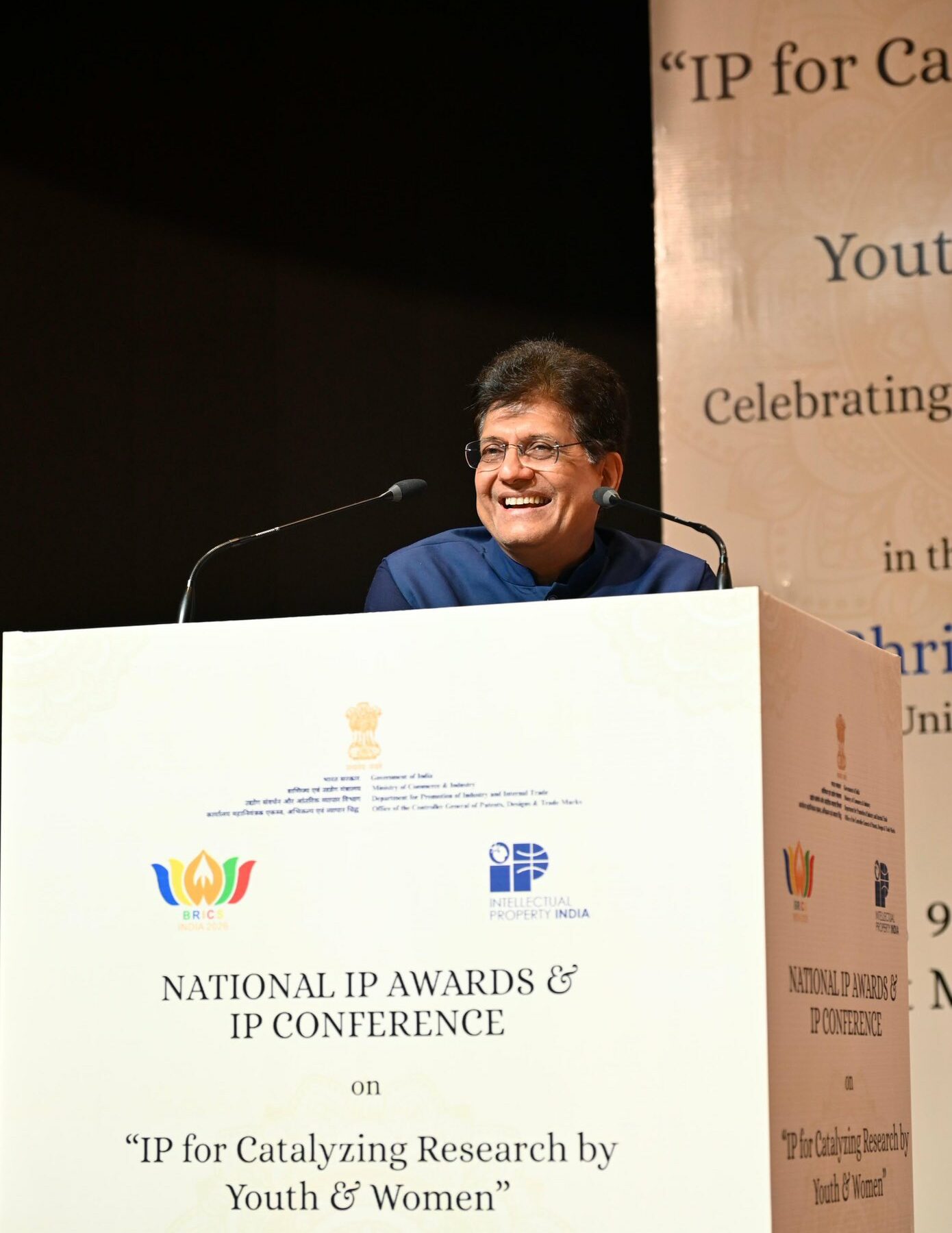
NEW DELHI : Union Minister of Commerce and Industry Shri Piyush Goyal called for making India’s Intellectual Property (IP) approval system among the top five in the world in terms of speed, transparency and efficiency, while emphasising the need to strengthen the country’s innovation ecosystem and encourage wider participation from innovators, startups, MSMEs, women and youth.

Addressing the National IP Awards & IP Conference in New Delhi , Shri Goyal said that faster and more efficient disposal of applications related to trademarks, patents, copyrights, designs and Geographical Indications (GI) would help promote a strong culture of innovation and enable innovators to bring their ideas to market more quickly.

Congratulating the award winners for their outstanding achievements, the Minister said the awards recognise the valuable contributions of scientists, innovators, technocrats, MSMEs, entrepreneurs, agricultural institutes and IITs who are playing a key role in shaping India’s innovation-driven growth. He said the awardees represent the spirit of New India—an India that embraces technology and seeks to remain at the cutting edge of global innovation.

Shri Goyal said that recognising such achievements sends a powerful message to the wider IP ecosystem to take up similar challenges and develop path-breaking ideas. He expressed confidence that the awards will encourage the winners to achieve even greater success in the future while inspiring others to aspire for similar recognition.

The Minister stressed the importance of nurturing curiosity, inquisitiveness and the spirit of inquiry among children from a young age. Encouraging young minds to explore new ideas and think beyond conventional boundaries, he said, is essential for building a culture of innovation.

Referring to the government’s initiative to establish 50,000 new innovation labs in schools, announced in the Union Budget, Shri Goyal said these initiatives are aimed at fostering creativity, experimentation and problem-solving among students.

He urged professionals, innovators and industry stakeholders to contribute to this effort by engaging with their schools and colleges as alumni, interacting with students through webinars or video conferences, and encouraging them to understand the value of innovation, entrepreneurship and problem-solving.

Referring to the recently celebrated International Women’s Day, the Minister highlighted the importance of integrating women more deeply into the innovation and IP ecosystem. He said that more women are entering the research field with science and technology as their focal areas, and emphasised that the participation of youth and women is critical in ensuring technological advancement and improving quality of life for citizens.

The Minister said India’s talent pool, strong skill base and large number of STEM graduates produced every year will significantly contribute to making the country’s innovation and intellectual property ecosystem among the best in the world.

Shri Goyal appreciated the efforts of the Controller General of Patents, Designs and Trade Marks (CGPDTM) for relentlessly working to bring global best practices to India’s IP ecosystem and aligning it with international standards, including learnings from developed economies and the World Intellectual Property Organization (WIPO). He noted that the office began its journey with several challenges including shortage of staff, outdated technology and a large backlog of applications, but significant efforts have been made to clear much of the backlog.

He said that while certain challenges still remain in some areas, the government is recruiting new talent, strengthening capacity and enhancing skills to deal with pending cases and improve efficiency.

Highlighting some of the award-winning institutions, Shri Goyal praised IIT Madras for its path-breaking work and its startup incubation hub, which he described as truly phenomenal. Recalling his visit to the facility, he said the incubation ecosystem created there could serve as a model for upgrading other incubation centres across the country, especially in Tier-2 and Tier-3 cities and remote regions including areas such as Sikkim and northern parts of India.

The Minister also noted the growing role of women in licensing of new designs and encouraged innovators to register new designs and traditional products under the Geographical Indications (GI) registry. Given India’s vast diversity and rich heritage, he said there is significant potential to increase GI registrations across the country.

Quoting Prime Minister Shri Narendra Modi, Shri Goyal said that the rise in patent applications in India reflects the growing innovative zeal of the country’s youth, which is a very positive sign for the future. He said this growing enthusiasm among innovators is sending a strong message globally that India is emerging as a major centre of innovation and technology development.

Highlighting India’s progress in innovation indicators, Shri Goyal noted that the country has improved its position in the Global Innovation Index (GII) from 81st in 2015 to 38th currently. He also pointed out that patent filings in India have grown by nearly 215 percent in the last decade, with India’s global ranking improving from 14th to 6th.

Shri Goyal emphasised that innovation opportunities exist in everyday life and that identifying and solving such challenges requires an open mind and creative thinking.

Recalling the evolution of the national slogan “Jai Jawan, Jai Kisan”, later expanded by former Prime Minister Atal Bihari Vajpayee with “Jai Vigyan”, the Minister noted that Prime Minister Narendra Modi further added “Jai Anusandhan”, highlighting the central role of innovation and research in India’s development journey.

He said India enjoys several demographic advantages including a young population with an average age of under 30 years, a balanced gender ratio and increasing participation of women in the formal workforce across sectors.

Highlighting the remarkable rise in women-led innovation, Shri Goyal said patent filings by women have increased by 345 times over the past 12 years, demonstrating a transformational change in the innovation landscape.

The Minister said India is witnessing an IP revolution with tremendous opportunities for innovators. Echoing the Prime Minister’s vision, he emphasised that the path forward lies in “Innovate, Patent, Produce and Prosper.”

Reiterating the government’s commitment to supporting startups, women entrepreneurs and micro and small enterprises, Shri Goyal said the government has already reduced IP-related fees by about 50 to 80 percent. He suggested that an 80 percent fee reduction be extended for women entrepreneurs, startup innovators and micro and small enterprises for filings in order to make the system more affordable and accessible.

He also proposed exploring fast-track mechanisms to support these applicants and encourage greater participation in the IP ecosystem.

Speaking about India’s global economic engagement, Shri Goyal said the vision of Atmanirbhar Bharat (self-reliant India) does not mean closing doors to the world but strengthening international partnerships.

He noted that India has signed nine Free Trade Agreements (FTAs) in the last three and a half years, covering 38 prosperous and largely developed countries, giving India preferential market access to nearly two-thirds of global trade.

He urged innovators and entrepreneurs to take advantage of these opportunities by developing new products, services and export markets.

Shri Goyal assured stakeholders that the government is recruiting a large number of personnel to accelerate IP approvals and reiterated his goal of making India’s IP system among the top five globally in terms of clearance speed.

He emphasised that the system must remain transparent, fair and efficient, and encouraged stakeholders to raise concerns directly with the Chief Controller or the concerned department if they face any difficulties. He also urged citizens to report any irregular practices in government processes, assuring that the government is committed to maintaining high integrity and seamless interaction between innovators and government institutions.

Shri Goyal concluded with expressing confidence that the collective efforts of innovators, institutions and the government will help transform ideas into impactful creations and accelerate India’s journey towards becoming a developed and prosperous nation.

Rupee hits all-time low of 92.52 against US dollar amid surge in crude oil prices

NEW DELHI: The Indian rupee opened at an all-time low against the US dollar on Monday amid a sharp surge in crude oil prices and rising demand for the greenback.

The rupee opened at 92.20 against the US dollar and further weakened to 92.528 per USD during early trade.

Currency experts noted that the domestic currency is facing pressure due to the sharp rise in crude oil prices, which surged around 25 per cent on Monday to USD 116 per barrel.

Market participants said the jump in crude prices has increased the demand for the US dollar, especially from oil importers, thereby putting pressure on the rupee.

K N Dey, a currency expert, told ANI that the rupee opened with a significant gap compared to its previous closing levels.

“Rupee opened with a gap of 46 paisa from Friday’s closing at 92.20. Presently 92.29/30. RBI intervention would act as a speedy breaker and to protect any high volatility. There is a huge demand of dollars also from importers and Oil companies. Uncertainty will remain till we see some actual signs of de-escalation and restoration of Supply Chain management. Brent touched 110 USD today,” Dey said.

Experts believe that intervention by the Reserve Bank of India could help curb excessive volatility in the currency markets if the pressure continues.

Ponmudi R, CEO of Enrich Money, said the USD/INR pair is currently trading at fresh all-time highs amid rising geopolitical tensions and higher crude oil prices.

“The USD/INR pair is currently trading at fresh all-time highs, hovering near the 92.30-92.32 zone. Rising geopolitical tensions in the Middle East have disrupted critical oil transit routes, pushing crude prices higher and triggering a flight to safety toward the US dollar. For India, higher oil import costs and dollar strength are exerting sustained downward pressure on the rupee,” he said.

He further noted that the chart structure currently remains bullish in favour of the US dollar.

“The chart structure remains bullish in favour of US dollar, supported by an upward trend with consistent higher highs and higher lows in recent months. A sustained move above 92.30-92.32 could extend the rally toward higher levels,” he added.

Ponmudi also pointed out that on the downside, the 91.90-92.00 zone acts as immediate support. He said that a break below this level may trigger short-term profit booking or possible intervention by the Reserve Bank of India, though the broader bias remains positive amid global uncertainties.

Iran conflict raises new credit risks for emerging markets, including India: Fitch

NEW DELHI: The Iran conflict could raise additional challenges for some emerging market sovereigns, including India, as far as energy imports, remittances, fiscal subsidies, exchange rates and access to international finance are concerned, said Fitch Ratings.

Hydrocarbon exporters could see positive effects amid the West Asia conflict.

Any effective closure of the Strait of Hormuz lasts less than a month, and major damage to the region’s oil production infrastructure is avoided, risks to emerging market ratings should be contained, but a longer closure or more sustained effects could lead to a more substantial impact, the rating agency said in a statement Monday.

Oil and gas imports are the most direct channel for contagion from the conflict, given its effect on global energy prices.
Net fossil fuel imports are large as a share of GDP for many small emerging markets.

Among the larger economies, Fitch estimated they are equivalent to 3 per cent or more of GDP for Chile, Egypt, India, Morocco, Pakistan, the Philippines, Thailand and Ukraine.

Vulnerabilities to higher import costs will be most acute in markets with already stretched financing capacity, such as Pakistan, or with significant current account deficits.

“Prolonged higher energy prices would also increase fiscal strains for governments that have subsidy regimes designed to shield consumers, or that launch similar measures in response to higher energy prices,” Fitch Ratings said.

A more sustained disruption to global energy supplies from the Gulf than envisaged could significantly damage global investor sentiment.

“We expect this would result in a stronger US dollar and weaken the market for debt issuance, particularly for highly speculative-grade issuers. Higher energy prices could put upward pressure on inflation, affecting monetary policy decisions globally,” Fitch noted.

Countries with high import concentration from the GCC could also be exposed to supply chain disruption, potentially adversely affecting output and prices.

“Effects of the conflict on other commodity markets could be significant for some emerging markets. The Gulf region is an important producer of aluminium, for example. Its role in producing inputs for the fertiliser industry could have medium-term repercussions if it affects global food production and inflation,” the rating agency said.

Iran war impacts India’s $11.8-billion food exports to West Asia

NEW DELHI: Prolonged disruption in West Asia will badly hit Indian farmers, food processors and exporters across several states including Karnataka, Telangana, Andhra Pradesh, Punjab and Maharashtra, as India’s agricultural exports are heavily dependent on the Gulf markets, experts said.

In 2025, India exported nearly $11.8 billion worth of agricultural and food products to the West Asia region, accounting for more than one-fifth of the country’s total agri exports. Cereals, fruits, vegetables and spices dominate India’s exports basket to the Gulf region.

Rice faces the largest potential impact. India exported $4.43 billion worth of rice to West Asia in 2025, accounting for 36.7 per cent of its global rice exports. Saudi Arabia, Iraq and Iran have been among the biggest buyers of Indian basmati rice. According to industry sources, nearly 4 lakh metric tonnes of basmati rice is currently stuck at ports or in transit.

Disruption in rice exports will badly hit farmers in the states of Punjab, Haryana, Uttar Pradesh, Andhra Pradesh, and Telangana.

“If instability around the Strait of Hormuz persists, the impact could ripple through India’s agricultural economy, highlighting the need for exporters to diversify markets and reduce excessive dependence on a single region,” said Global Trade Research Initiative (GTRI) founder Ajay Srivastava.

India’s agricultural exports have developed a deep dependence on West Asian markets over the past decade, particularly for products such as rice, bananas, spices, meat and dairy products.

More than 70 per cent of India’s shipments of some food products like sheep and goat meat, fresh beef, bananas, copra and certain spices go to West Asia, making them extremely vulnerable if trade flows are disrupted. Others, including dairy products, beverages, tea and several edible oils, also depend heavily on Gulf demand.

“The Gulf has been a natural destination due to its geographic proximity and large Indian diaspora. But the ongoing conflict in West Asia, along with disruptions to shipping routes and rising insurance costs, is now creating uncertainty for exporters and could directly affect farmers and food processors across several Indian states,” GTRI said in a note.

West Asia broadly includes the six Gulf Cooperation Council (GCC) countries — Saudi Arabia, the UAE, Bahrain, Kuwait, Oman and Qatar — along with Iran, Iraq, Israel, Jordan, Lebanon, Syria and Yemen. Nearly one crore Indians live and work across the West Asia region.

According to a statement released by the Ministry of External Affairs (MEA), more than 52,000 Indians have returned to the country from the Gulf region from March 1-7. The US and Israel began joint air attacks on Iran on February 28. Since then, the conflict has widened to several countries in the region and led to disruptions in the Strait of Hormuz, one of the world’s most-critical energy chokepoints.

“Though India does not buy any oil from Iran, Hormuz is crucial for India, as 40 per cent of oil imports still pass through this waterway between Iran and Oman,” SBI Research said in a note.

High oil prices and disruption in exports is likely to hit India’s economy. According to SBI Research, every $10 increase in the crude oil price may lead to 35-40 bps rise in inflation.

In the worst case scenario (if oil prices reach $130 per barrel), GDP growth may plummet to 6 per cent (on the assumption of 7 per cent growth in FY27), SBI Research said.

India’s spice exports are closely tied to Gulf demand, with 70.5 per cent of nutmeg, mace and cardamom exports going to the region. Exports of spice seeds such as cumin and coriander reached $163 million, while ginger and turmeric totaled $173 million, with about 23per cent of India’s exports of these products going to the region in 2025. These crops mainly support farmers in Kerala, Karnataka, Rajasthan and Gujarat.

India offered sanctuary to Iranian ship three days before US sank it

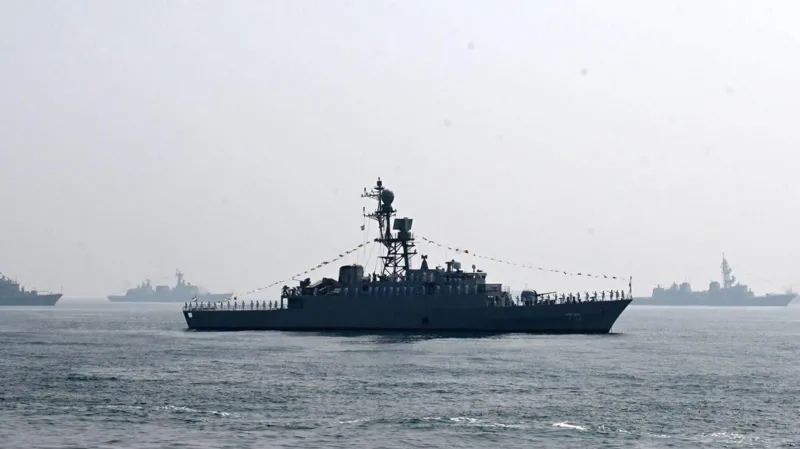
NEW DELHI : The Iranian warship Iris Dena was given permission by India to dock three days before it was torpedoed by a US submarine, India has said.

Foreign Minister S Jaishankar said Iran had sought permission for three of its ships to dock at Indian ports on 28 February – the day the US and Israel began a war on Iran – and permission was granted by India on 1 March.

The ships’ movements between 1 and 4 March are not clear and nor is why only one of them made it to India.

The sinking of the Iris Dena, with 130 sailors on board, in international waters off Sri Lanka’s southern coast on 4 March marked a dramatic widening of the war – and raised questions about India’s authority in its backyard.

It was the first military strike outside the Middle East since the US and Israel launched their war on Iran. President Donald Trump has said destroying Iran’s navy is one aim of the assault.

The three Iranian ships – Iris Dena, Iris Bushehr and Iris Lavan – had all participated in a military exercise hosted by India between 15 and 25 February in the coastal city of Visakhapatnam.

They left Indian waters on 25 February and were likely to have been in international waters on 28 February – when the US and Israel began attacking Iran.

“The Iranian side had requested permission on 28 February for three ships in the region to dock at our ports. This was accorded on 1 March,” Jaishankar told parliament on Monday. “Iris Lavan actually docked on 4 March in Kochi. The crew is currently in Indian naval facilities. We believe that this was the right thing to do.”

Source : BBC

NHAI to honour Safe Truck Drivers at “Vishisht Saarthi” Felicitation Ceremony in Hyderabad

HYDERABAD: To promote road safety on National Highways and recognise commercial vehicle drivers who demonstrate exemplary driving behaviour, a “Vishisht Saarthi Felicitation Ceremony” will be organised today, March 10, at 10:00 AM at the Muthangi Truck Parking facility on the outskirts of Hyderabad.

The event is expected to be graced by Shri Santosh Kumar Yadav, Chairman of National Highways Authority of India (NHAI); Vishal Chauhan, Managing Director of Indian Highways Management Company Limited (IHMCL); and Mudit Agarwal, CEO of IHMCL, as disclosed by Mr. Ajay Bhandari, Founder of the Hyderabad-based logistics platform Loadsor.

The National Highways Authority of India (NHAI) is a government agency responsible for the development, maintenance, and management of India’s National Highway network. Indian Highways Management Company Limited (IHMCL) is a government company responsible for implementing and managing digital toll collection and intelligent transport systems on India’s National Highways.

The programme is being organised by the National Highways Authority of India (NHAI) and the Indian Highways Management Company Limited (IHMCL) in collaboration with logistics technology platforms TruckSuvidha and Loadsor, which actively work with driver communities across the country to promote responsible and safer driving practices.

Vishisht Saarthi is a driver welfare and recognition initiative aimed at supporting and empowering truck drivers and transport workers in India. The programme focuses on improving drivers’ skills, enhancing road safety awareness, promoting better health and welfare practices, and recognising drivers who demonstrate professionalism and responsible behaviour on highways.

The initiative trains, supports and honours professional truck drivers to improve road safety and their working conditions. Launched under the leadership of Shri Nitin Gadkari, Union Minister for Road Transport and Highways, the programme seeks to encourage safe and efficient driving practices, raise awareness about health and welfare issues affecting drivers, and recognise those who consistently follow safety standards and traffic norms.

Referring to the crucial role played by truck drivers in the country’s logistics ecosystem, Union Home Minister Shri Amit Shah in the past, at the time of its launch nationally)  described drivers as “Saarthi,” meaning guide or driver, acknowledging their vital contribution in keeping India’s economy and supply chains moving.

To implement the Vishisht Saarthi programme across the country, the Ministry partnered with five digital logistics platforms, including Hyderabad-based Loadsor and New Delhi-based TruckSuvidha, along with three others. The Hyderabad event is being organised in collaboration with TruckSuvidha and Loadsor, which help conduct driver training sessions, awareness programmes, and welfare initiatives.

These platforms were selected because they operate extensive digital freight networks connecting truck drivers, fleet owners and shippers across India. Through these networks, they help conduct driver training and skill-development programmes, promote road safety awareness, support driver welfare and recognition initiatives, and reach thousands of drivers across the country.

The programme to be held tomorrow at Muthangi aims to honour truck drivers who consistently follow traffic rules, maintain lane discipline, and contribute towards making highways safer for all road users. During the event, selected drivers will be felicitated with the “Vishisht Saarthi” recognition certificate for their commitment to safe driving and adherence to highway safety norms.

The event will also feature an awareness session for drivers highlighting important road safety practices and information about emergency assistance available to drivers on National Highways.

Through this initiative, the organisers aim to highlight the vital role played by truck drivers in ensuring safe and efficient transportation across the country, while encouraging the wider driver community to adopt responsible and disciplined driving practices on National Highways. With millions of truck drivers in India facing challenges such as long working hours, health concerns and limited formal training opportunities, programmes like Vishisht Saarthi seek to professionalise the trucking industry and enhance safety on highways.

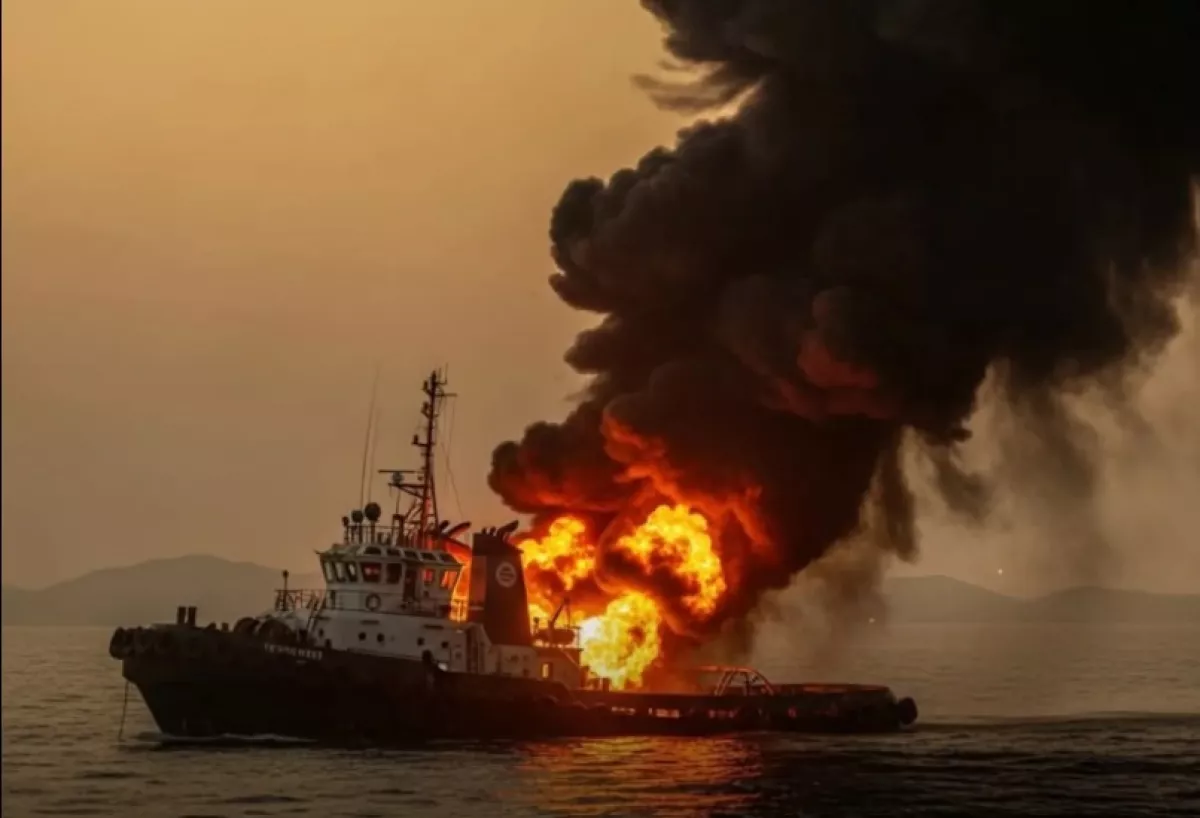
UAE tugboat sinks in Strait of Hormuz; 3 Indonesian crew members missing

JAKARTA: Jakarta’s foreign ministry on Saturday (Mar 7) said that three Indonesian crew members were missing after a United Arab Emirates-flagged tugboat sank in the Strait of Hormuz on Friday (Mar 6). The ministry added that a search was underway by the local authorities. An explosion occurred on Musaffah 2, following which the vessel caught fire and sank in the passage, which is blocked by Iran amid war with the United States and Israel. The incident is under investigation by the local authorities, the statement added.

One Indonesian survivor is currently receiving burn treatment at a hospital in the city of Khasab, Oman. The other three Indonesians are still being searched for by the local authorities,” the ministry said Saturday.

Amid the escalating tension in West Asia, several vessels have been targeted while passing through the Strait of Hormuz. Iran has shut down the Strait of Hormuz and warned that any vessel attempting to pass could be targeted and set on fire, with several oil tankers being hit in recent days. However, the Islamic Revolutionary Guard Corps (IRGC) on Thursday (Mar 5) said that the passage is closed to vessels from the United States, Israel, Europe and their Western allies. The Strait of Hormuz is the only maritime outlet for ports located in the Persian Gulf. Its blockage has significantly affected global energy supply, triggering a sharp rise in oil prices.

On February 28, the US and Israeli military launched strikes on Iran, killing Iran’s supreme leader Ali Khamenei and several other top Iranian officials. The operation was named ‘Epic Fury’ by the US and ‘Lion’s Roar’ by Israel. The attacks came amid heightened tensions between Washington and Tehran and ongoing talks over Iran’s nuclear program. In retaliation, Iran launched attacks on Israel and US military bases in the region, including in Bahrain, Kuwait, the UAE, Qatar, Saudi Arabia, and Jordan.

Source: WION

Experts warn lack of support for female seafarers puts talent pipeline at risk

LIMASSOL: Mental health experts are warning that if the industry does not remove barriers for women at sea, it risks losing the next generation of talent and leaders altogether.

Women at sea often face hidden pressures, working twice as hard to prove their competence while dealing with balancing family and work life as well as breaking down barriers and stereotypes.

Add to this the pressure of feeling responsible for representing all women onboard, many female seafarers constantly manage how they are perceived to avoid being undermined or overlooked, while managing heavy workloads and workplace bias.

These pressures can weigh heavily on wellbeing and confidence and make career progression feel more like a challenge than an aspiration.

To tackle this, Mental Health Support Solutions, a member of the OneCare Group, is continuing to support women throughout their maritime careers through its Female Ambassador Programme. Since its launch in 2024, the programme has trained over 50 mentors, equipped more than 80 office colleagues, and actively checks in with over 100 female seafarers globally.

55138328600 76486df3a6 c 1 Experts warn lack of support for female seafarers puts talent pipeline at risk

“Supporting women at sea must be an ongoing effort,” said Mariana Charalambous, Managing Director at MHSS. “We will continue to develop the Programme so that more women have access to mentorship.”

54869573490 cfd0d03499 c Experts warn lack of support for female seafarers puts talent pipeline at risk

“What’s been especially meaningful is seeing the long-term continuity. Some of those cadets are now officers and engineers, and many remain in frequent contact with their mentors,” said Güven Kale, Chief Clinical Officer at MHSS.

54170164695 d5c67d68b0 c Experts warn lack of support for female seafarers puts talent pipeline at risk

Through the organisation’s helpline, Stella Kiss, Head of Clinical Operations at MHSS, says the emotional load carried by female seafarers is often heavier than it appears.

“Many women carry the same concerns as their male colleagues – responsibility for family, financial pressure, expectations from home – but often without the same sense of belonging and support onboard. This eventually becomes a layering of burdens rather than a single challenge.”

These challenges highlight the need for support that is specific and practical, helping women maintain their wellbeing and continue their careers at sea.

55137077802 0352edb9c8 c Experts warn lack of support for female seafarers puts talent pipeline at risk

“The theme for this Women’s Day calls us to give support that’s specific, so women can continue their careers with wellbeing intact,” added Karen Ibanez, Clinical Operations Manager at MHSS.

KR, EcoPro HN and HD Korea Shipbuilding & Offshore Engineering jointly develop Ammonia Engine Exhaust Gas After-Treatment System

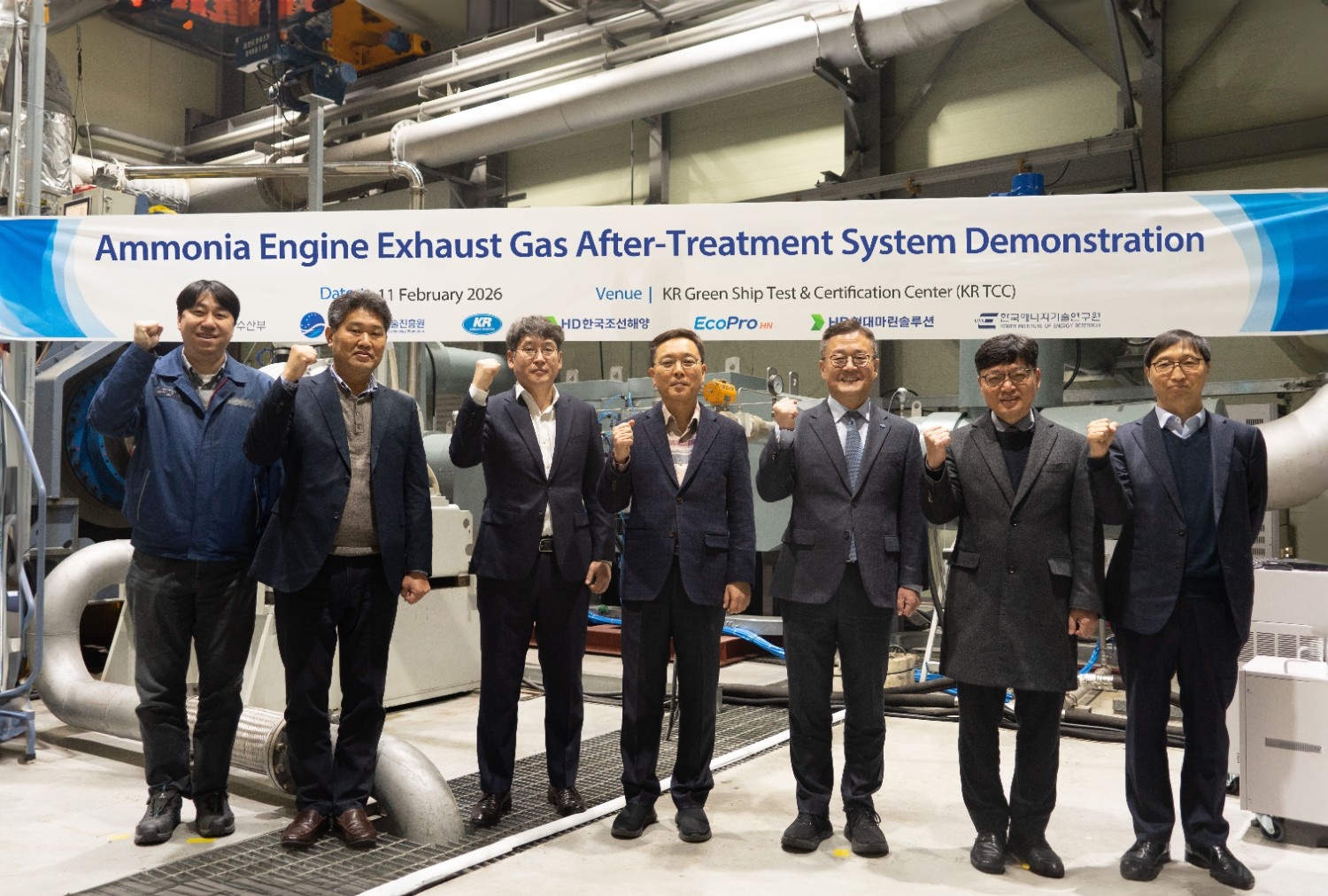
Korean Register (KR) announced the successful development of an exhaust gas after-treatment system for ammonia-fueled engines, following the completion of a land-based demonstration and showcase. The system achieved a 95% reduction in nitrogen oxides (NOx) emissions and a 99.7% reduction in ammonia (NH₃) emissions, while reducing ammonia slip from an initial level of 10,000 ppm to 30 ppm.

KR is leading the government-funded project titled “Comprehensive Management Technology Development for Ship Greenhouse Gas Emissions,” supported by the Ministry of Oceans and Fisheries and the Korea Institute of Marine Science & Technology Promotion.

The newly developed system is Korea’s first microwave catalyst-heating exhaust gas after-treatment system applied to MW-class ammonia (NH₃) engine exhaust. The technology was jointly developed by KR in collaboration with EcoPro HN and HD Korea Shipbuilding & Offshore Engineering.

The prototype underwent extended operational tests at the KR Green Ship Test & Certification Center (KR TCC), where its durability and performance were successfully verified.

In addition to KR and its partners, the project has also brought together HD Hyundai Marine Solution, the Korea Institute of Industrial Technology, and other leading industry, academic, and research institutions to carry out end-to-end technology development and demonstration.

Ammonia is gaining growing attention as a next-generation carbon-free marine fuel, as it produces no carbon dioxide (CO₂) or sulfur oxides (SOx) during combustion and is relatively easy to store and transport. The International Energy Agency (IEA) projects in its “Net Zero by 2050” roadmap that ammonia could account for approximately 44% of total marine fuel consumption by 2050.

However, exhaust gas from ammonia engines may contain air pollutants such as nitrogen oxides (NOx, N₂O) and unburned ammonia. Securing effective after-treatment technology is therefore essential and critical for commercialization. These pollutants can be converted into harmless substances using catalytic reactions, but maintaining optimal catalyst activation temperature is widely considered a key technical challenge.

The newly developed system addresses this challenge by applying a microwave-based catalyst heating method that enables rapid and efficient catalyst activation, significantly enhancing exhaust gas purification performance. This system effectively reduces emissions under a wide range of operating conditions and is designed to ensure stable operation with minimized fuel consumption, even in changing navigation environments.

KIM Daeheon, Executive Vice President of KR, stated, “For the commercialization of ammonia-fueled vessels, securing exhaust gas after-treatment technology is just as important as fuel technology itself. Through this demonstration, we have validated the effectiveness of the jointly developed system. Going forward, we plan to expand its application to various dual-fuel engines and actively support the transition toward carbon-free shipping.”