Home Blog Page 412

PM Modi addresses Post Budget Webinar on “Sustaining and Strengthening Economic Growth”

Our direction is clear, our resolve is clear,Build more, produce more, connect more, export more: PM

The world is looking for reliable and resilient manufacturing partners, and today India has the opportunity to firmly fulfill this role: PM

India has signed Free Trade Agreements with many countries, a very large door of opportunities has opened for us, and in such a situation, it is our responsibility to never compromise on quality: PM

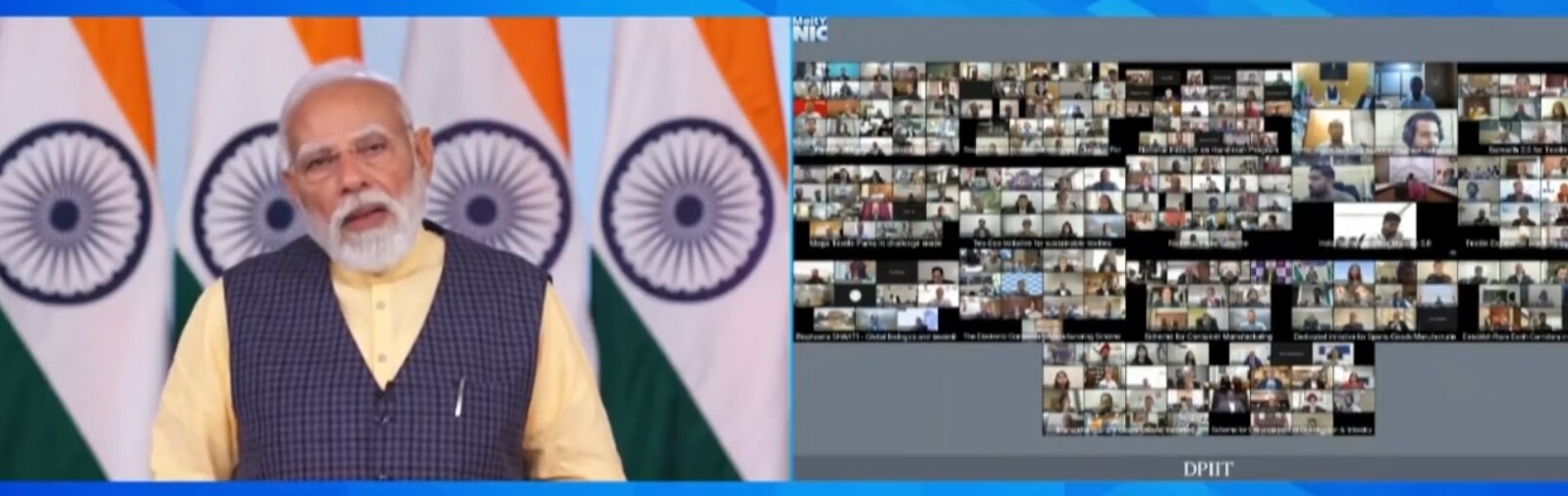
NEW DELHI: Prime Minister Shri Narendra Modi addressed the second installment of the Budget Webinar series on Tuesday, focusing on the theme of “Sustaining and Strengthening Economic Growth.” Reflecting on the momentum of the previous week, the Prime Minister noted that the first webinar was highly successful and yielded excellent suggestions regarding the implementation of budget provisions.

The Prime Minister emphasized that the current webinar is intrinsically linked to providing continuous strength to the country’s economic growth.The PM observed that as global supply chains are getting re-shaped, India’s robust economy has become a beacon of hope for the world. ” The rapid progress of the economy is a massive foundation for a ‘Viksit Bharat'”, Shri Modi remarked.

Reaffirming the government’s clear vision and clear resolution, the Prime Minister reiterated the core mantras of “Build more, produce more, connect more, and export more.” “Certainly, the deliberations that will take place among you today, and the suggestions that emerge from these deliberations, will play a major role,” the PM remarked.

Addressing the synergy between various sectors, the Prime Minister explained that manufacturing, logistics, MSMEs, and urban centers are not isolated silos but interconnected pillars of a single economic structure. He detailed how manufacturing drives exports while competitive MSMEs foster flexibility and  innovation.   “This year’s budget has provided great strength to all these pillars,” Shri Modi  affirmed.

The Prime Minister cautioned that policy direction alone does not yield results without active participation from industry, financial institutions, and state governments. He urged stakeholders to prioritize discussions on increasing manufacturing, production and making cost structures more competitive. “Your suggestions in these directions will be pivotal in making the development reach every corner of the country” Shri Modi remarked.

The PM highlighted the government’s efforts to strengthen core capabilities and remove existing bottlenecks in the manufacturing sector. “Focus on sectors  like the Dedicated Rare Earth Corridors and container manufacturing is aimed at bolstering the trade ecosystem” , Shri Modi asserted.

The Prime Minister also spotlighted the ‘Biopharma Shakti Mission’ announced in the budget, which aims to position India as a global hub for biologics and next-generation therapies. “We want to move towards leadership in advanced biopharma research and manufacturing,” Shri Modi expressed..

In the context of shifting global dynamics, the PM remarked that the world is actively seeking reliable and resilient manufacturing partners.He urged stakeholders to invest with confidence, adopt cutting-edge technology, make significant investments in research, and maintain global quality standards. “India has the opportunity to play this role strongly,” the Prime Minister emphasized.

Touching upon Free Trade Agreements (FTAs), the Prime Minister stated that these agreements have opened massive doors of opportunity, placing a renewed responsibility on Indian industry to emphasize quality. He stressed the need to research the preferences and comfort of international consumers to create user-friendly products. “ Only then will we be able to take advantage of the opportunities that are being created by Free Trade Agreements”, Shri Modi highlighted.

Regarding the MSME sector, the Prime Minister noted that recent classification reforms have removed the fear of expansion among small enterprises. While the government continues to facilitate credit access and technology upgrades, he stressed that the real impact depends on MSMEs entering the global competition. “Now is the time for MSMEs to further increase their productivity, raise their quality standards, and connect with digital processes and strong value chains,” Shri Modi emphasised..

The Prime Minister identified infrastructure and logistics as the core pillars of the national growth strategy, backed by a record capital expenditure in this year’s budget. He highlighted the expansion of high-speed rail, multi-modal connectivity, and ship repair facilities as essential steps for efficiency. “The actual benefit of this infrastructure will only be realized when industry and investors align their strategies accordingly,” he reminded the audience.

On urbanization, the PM stated that India’s future growth is tied to the effective planning and management of its cities. He called for suggestions on how Tier-II and Tier-III cities can serve as new growth anchors. Shri Modi stressed that suggestions in this regard will be important.

The Prime Minister addressed the global shift toward sustainability, noting that markets now look beyond cost to environmental impact. He cited the ‘Carbon Capture, Utilisation and Storage Mission’ as a significant step and urged businesses to integrate clean technology into their core business strategies. “The industries that invest in clean technology in a timely manner will have better access to new markets in the coming years,” the PM observed.

The Prime Minister called for “collective ownership” to achieve the goal of a ‘Viksit Bharat.’ He urged the participants to look beyond discussion and create momentum in partnership with the government’s framework. “Every suggestion and every experience of yours has the potential to bring excellent results on the ground,” the Prime Minister concluded.
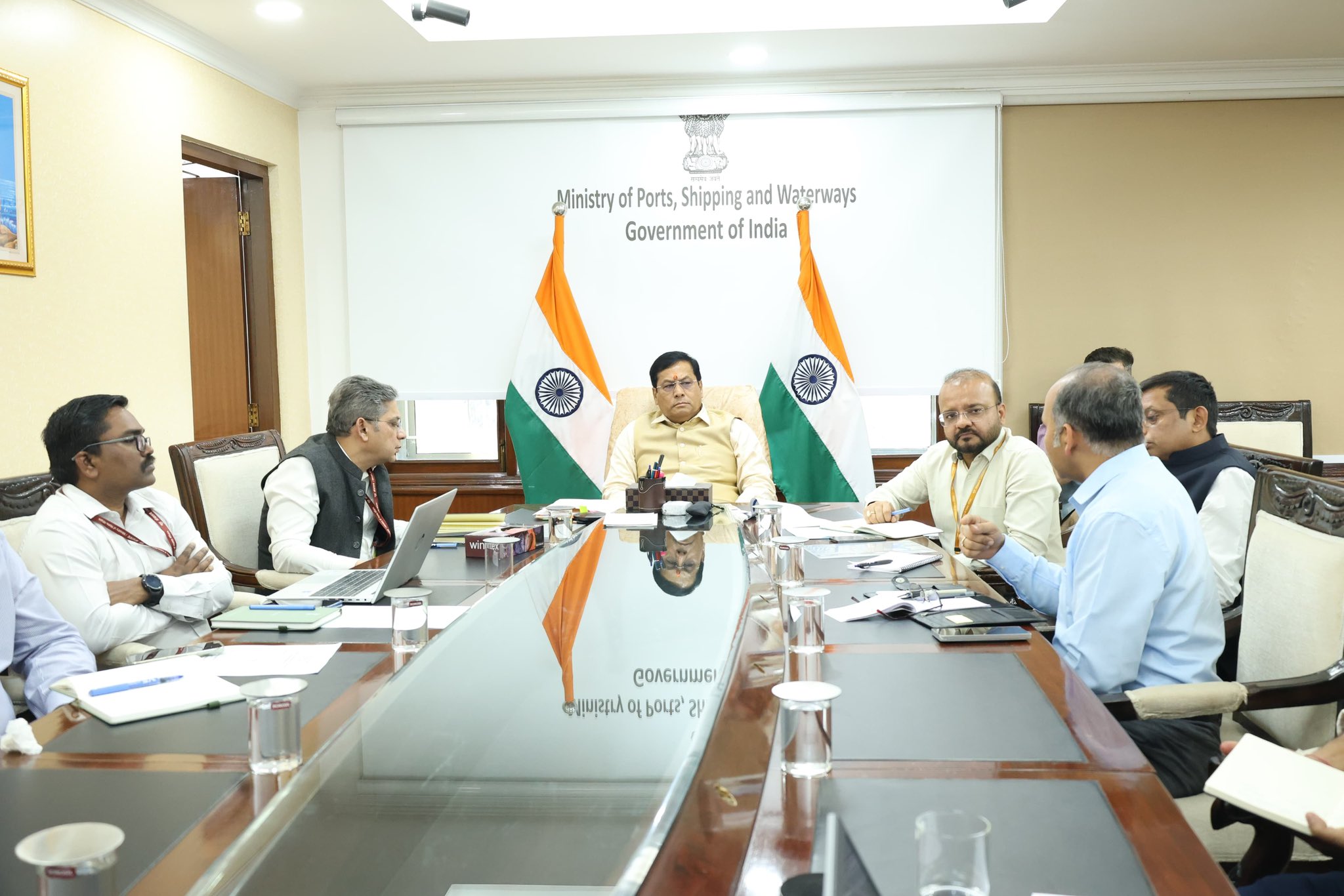
Shipping Ministry Reviews Maritime Situation in Persian Gulf; Enhanced Monitoring to Safeguard Indian Vessels & Seafarers

NEW DELHI: The Ministry of Ports, Shipping and Waterways (MoPSW) is closely monitoring the evolving maritime security situation in the Persian Gulf and has strengthened precautionary measures to safeguard Indian-flagged vessels and Indian seafarers operating in the region.

Union Minister for Ports, Shipping and Waterways (MoPSW), Sarbananda Sonowal chaired a review meeting on Tuesday to assess the prevailing security environment in the Persian Gulf and examine its implications for Indian maritime assets and personnel.

During the meeting, the Director General of Shipping briefed the minister on the prevailing situation in the region and on current status of Indian Flag Ships and Indian seafarers in the region.

Speaking after the meeting, the Union Minister Sarbananda Sonowal said, “We are closely monitoring the evolving situation and have activated all necessary precautionary, monitoring and coordination mechanisms to ensure the safety and welfare of our seafarers and the security of our maritime assets. We remain in constant touch with relevant national and international agencies and are prepared to respond swiftly to any emerging development.”


The Ministry through Directorate General of Shipping (DGS) has activated enhanced monitoring and security oversight in respect to Indian Seafarers and Indian Flag ships in response to reported threats in the Persian Gulf, Strait of Hormuz, Gulf of Oman and adjoining sea areas, including missile and drone activity, electronic interference and other maritime security concerns.

The Ministry through DGS has also initiated real-time tracking of Indian-flagged vessels with increased reporting frequency, and established 24×7 monitoring through the MMDAC DGComm Centre. Mandatory reporting protocols have also been prescribed for vessels, owners and managers.

Close coordination is being maintained with the Indian Navy, the Ministry of External Affairs, the Information Fusion Centre–Indian Ocean Region (IFC-IOR), the Maritime Rescue Coordination Centre (MRCC) and Indian missions abroad. Shipping companies and Recruitment and Placement Service Licensees have been advised to exercise caution in crew deployment and maintain regular communication with seafarers and their families.

The Directorate, IFC-IOR, and other agencies are coordinating closely to ensure their safety and well-being. All necessary support and assistance are being extended to the affected seafarers and their families.

A dedicated Quick Response Team has been set up to enable timely coordination among authorities, ensure immediate response to emerging situations and facilitate prompt assistance to Indian seafarers and their families. Helpline numbers have also been activated and shared with families of Seafarers through RPSLs.

Stakeholders have been advised to maintain heightened vigilance and undertake voyage-specific risk assessments. Vessels operating in the region have been directed to maintain an enhanced security posture and bridge watch, ensure continuous communication readiness and report suspicious activity immediately.

Reaffirming the government’s commitment, Sarbananda Sonowal said, “India stands firmly with its seafarers and maritime stakeholders. The ministry remains prepared to extend all necessary operational, diplomatic and humanitarian support to safeguard Indian vessels and personnel and will continue active coordination with domestic and international stakeholders to protect India’s maritime interests.”

DG Shipping forms Quick Reaction Team to handle Persian Gulf crisis

MUMBAI: In the wake of the US-Israel joint strikes on Iran and the subsequent retaliation leading to wider ramifications in the Persian Gulf, the Directorate General of Shipping (DG-Shipping) has formed a 24×7 Quick Reaction Team (QRT) for a timely, coordinated, and effective response to safeguard the welfare of Indian nationals in the maritime sector.

The QRT was formed by Director General of Shipping Shri Shyam Jagannathan, IAS. It is led by Captain PC Meena, Deputy Director General of Shipping (Crew Branch), who is based in DG-Shipping headquarters in Mumbai.

The QRT includes Captain Nitin Mukesh, Deputy Nautical Advisor, Sushil Mansingh Khopde, Additional Director General of Shipping and Shri Jagannathan.

“In view of the ongoing conflict situation in Iran and the wider Persian Gulf region has been deteriorating and the resultant challenges faced by Indian seafarers stranded in and around Persian Gulf region, it is imperative to ensure a timely, coordinated, and effective response to safeguard the welfare of Indian nationals in the maritime sector,” the DG-Shipping said.

The Ministry of Ports, Shipping and Waterways is actively engaged in ensuring the safety and well-being of Indian seafarers during this period, maintaining close coordination with all stakeholders to provide necessary support, assistance, and evacuation facilitation if required. India remains firmly committed to the safety, welfare, and well-being of its seafarers.

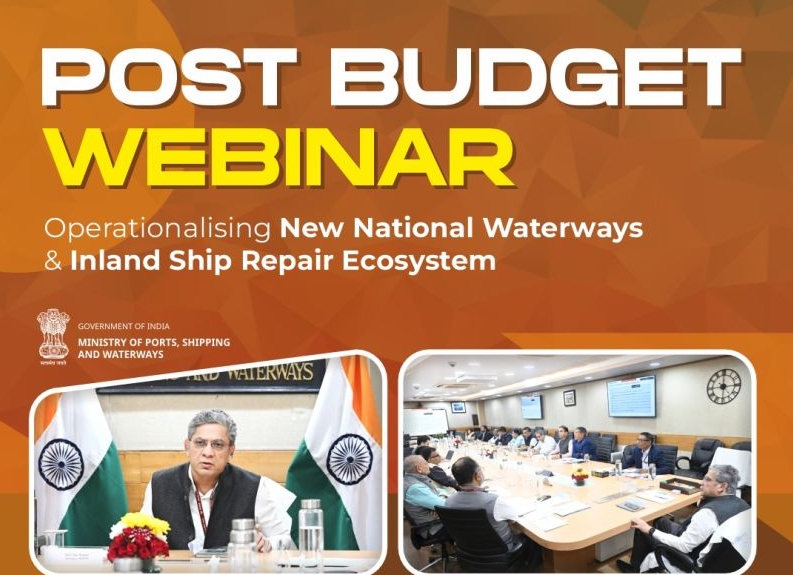
Post Budget Webinar 2026 Outlines Ambitious Plan to expand Inland Waterways and Strengthen Maritime Ecosystem

NEW DELHI: The Post Budget Webinar 2026 highlighted the Government of India’s strategic push to transform the country’s inland water transport (IWT) sector, with an ambitious plan to operationalise 20 new National Waterways over the next five years. The initiative is aimed at significantly enhancing multimodal connectivity, improving logistics efficiency, and unlocking the untapped potential of India’s vast river network.

During the discussions, policymakers and industry stakeholders emphasised the critical role of inland waterways in building a sustainable, cost-effective, and energy-efficient transport ecosystem. The expansion of the National Waterways network is expected to facilitate smoother cargo movement, reduce pressure on road and rail infrastructure, and contribute to lowering logistics costs across the country.

A major focus of the deliberations was also placed on capacity building and skill development to support the rapid growth of the inland waterways sector. Plans were highlighted to establish specialised training institutes as Regional Centres of Excellence, which will play a pivotal role in developing a skilled workforce equipped to meet the evolving operational and technological demands of the industry.

Further strengthening the supporting infrastructure, the webinar underscored the proposal to develop a dedicated ship repair ecosystem for inland waterway vessels at Varanasi and Patna. These facilities are expected to enhance vessel maintenance capabilities, reduce operational downtime, and support the long-term sustainability of inland water transport operations.

The initiatives discussed during the webinar reflect a forward-looking vision to position inland waterways as a key pillar of India’s multimodal logistics framework, driving economic growth, regional development, and environmentally responsible transportation in the years ahead.

Ministry of Civil Aviation Operational Update – West Asia Airspace Situation

NEW DELHI: The Ministry of Civil Aviation is continuously monitoring the evolving airspace situation in parts of West Asia and its impact on international flight operations. Till date, 1,221 flights by Indian carriers and 388 flights by foreign carriers have been cancelled due to the ongoing situation. (As on 03-03-2026)

Indian carriers have undertaken calibrated adjustments to their schedules, with long-haul and ultra long-haul operations being progressively resumed through alternative routings that avoid restricted airspace.

Special arrangements are being made to facilitate the movement of stranded passengers, with airlines deploying additional capacity where required and coordinating closely with foreign aviation authorities and Indian missions abroad to ensure safe and orderly passenger movement. A total of 24 flights are being operated by Indian carriers on Tuesday. In addition, Emirates and Etihad have operated 9 flights from the Gulf in the last 24 hours.(As on 03-03-2026)

Indian carriers are further planning 58 flights on 4th March, including 30 by IndiGo and 23 by Air India and Air India Express.(As on 03-03-2026)

Foreign carriers operating between India and the Gulf region are also undertaking limited operations, subject to operational and airspace considerations.

Passenger safety remains paramount. All airlines have been advised to maintain transparent communication with passengers and ensure adherence to regulatory requirements concerning refunds, rescheduling, and passenger assistance.

The Ministry is in continuous touch with airlines and is closely monitoring airfares to ensure that there is no undue surge in ticket prices during this period.

Passengers are advised to check the latest flight status directly with their respective airlines before proceeding to the airport and to rely only on official sources for updates.

The Ministry remains in continuous coordination with airlines, airport operators, regulatory authorities, and the Ministry of External Affairs to ensure safe operations, orderly restoration of services, and facilitation of affected passengers.

Further updates will be issued as necessary.

Andhra Pradesh clears Rs 29,253 Crore Dugarajapatnam Port and Mega Shipbuilding Cluster under New SPV

AMARAVATHI: The Andhra Pradesh government has approved the formation of National Shipbuilding and Heavy Industries Park Andhra Pradesh Limited (NSHIP-AP Ltd.) as a Special Purpose Vehicle to spearhead the development of a Rs 29,253 crore greenfield port and National Mega Shipbuilding Cluster at Dugarajapatnam in Tirupati district.

The proposed entity will be incorporated under the Companies Act, 2013 as a 50:50 joint venture between the Andhra Pradesh Maritime Board (APMB) and the Visakhapatnam Port Authority (VPA), representing the Government of India.

The move marks a significant step towards operationalising one of the country’s most ambitious maritime manufacturing projects.

Envisioned as India’s first National Mega Shipbuilding Cluster, the project aligns with the Centre’s Maritime India Vision 2030 and Maritime Amrit Kaal Vision 2047, which aim to dramatically expand domestic shipbuilding capacity.

National targets include scaling output from roughly 0.01 million gross tonnage (GT) per annum to 4.5 million GT annually by 2047, positioning India among the world’s top five shipbuilding nations.

Spread across nearly 2,000 acres, the Dugarajapatnam cluster is designed to achieve a capacity of around 1.2 million GT per annum under the Shipbuilding Development Scheme.

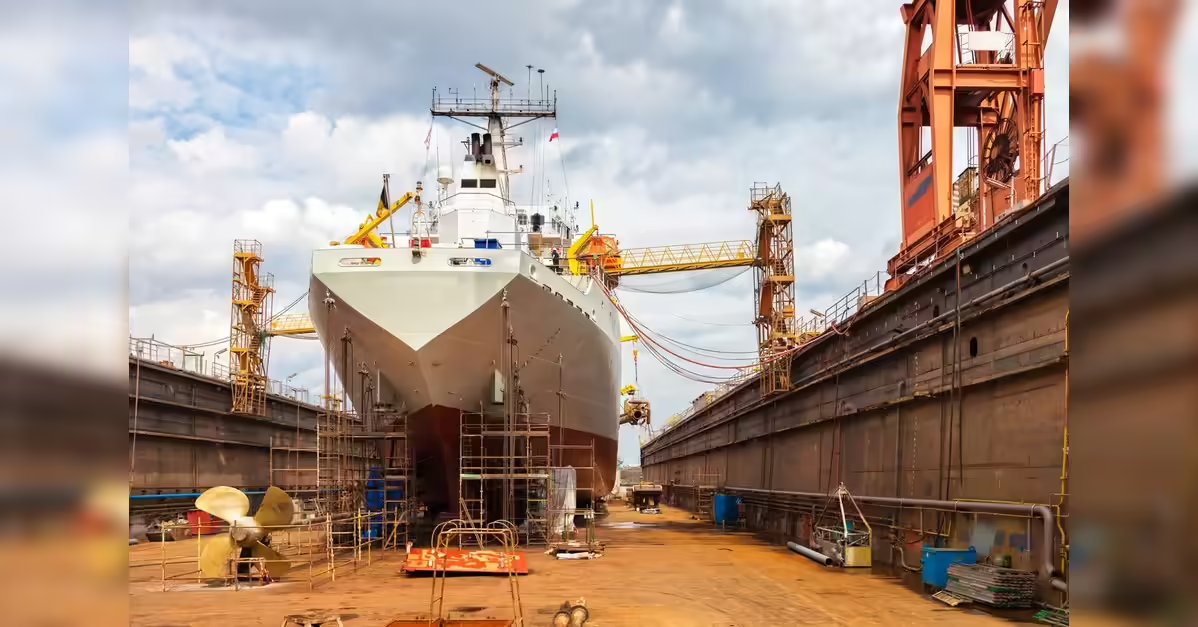
Plans include an anchor shipyard with a projected annual capacity of 0.5 million GT within a decade of commissioning, along with ship repair facilities, heavy engineering units, dry docks, ship lifts and outfitting berths.

NSHIP-AP Ltd. will oversee dredging, waterfront infrastructure, utilities and internal logistics systems, while allocating land to shipyards and ancillary industries. Projects are expected to be implemented through public-private partnerships, concession agreements and lease models.

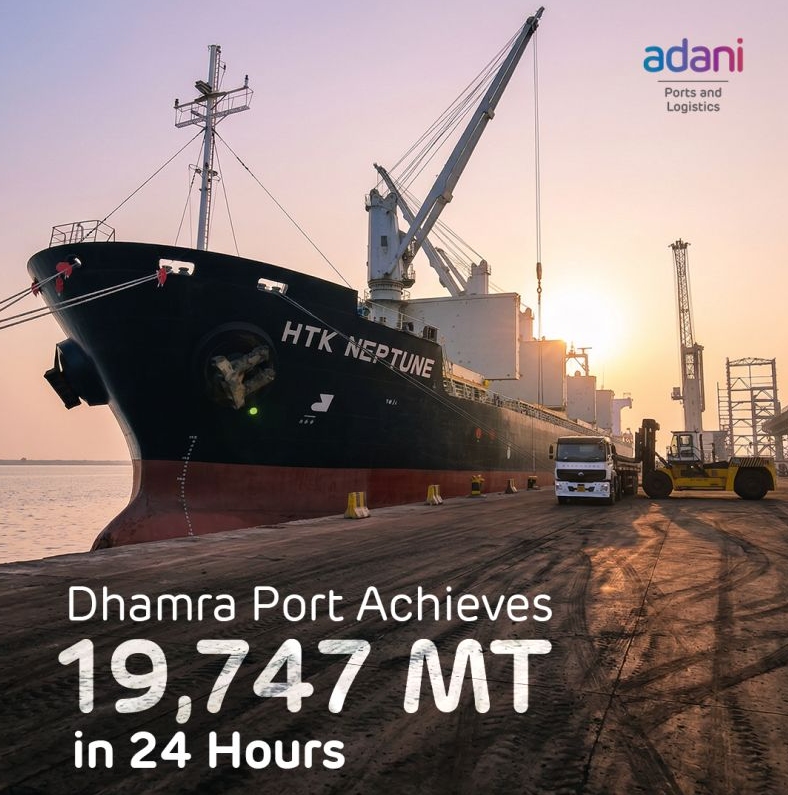
Dhamra Port sets New Benchmark with Record Steel Slab discharge in 24 Hours

BHUBANESHWAR: Dhamra Port, one of India’s fastest-growing deep-water ports operated by Adani Ports and Special Economic Zone Ltd., has once again demonstrated its operational excellence by achieving a new cargo-handling milestone.

The port successfully discharged a record 19,747 metric tonnes of steel slabs from the vessel MV HTK Neptune at Berth BB-4 within just 24 hours, surpassing the previous record of 14,700 metric tonnes handled in a similar timeframe.

This remarkable achievement underscores the port’s strong focus on operational efficiency, meticulous planning, and seamless coordination among various teams involved in the cargo handling process. The milestone also reflects Dhamra Port’s growing capability to handle large-volume bulk cargo with speed and precision.

Officials noted that the record performance reinforces the port’s commitment to delivering performance-driven results and reliable logistics solutions, further strengthening the confidence of customers and stakeholders.

With continuous improvements in infrastructure, technology adoption, and operational practices, Dhamra Port continues to enhance its role as a key maritime gateway on India’s eastern coast.

7th India–Japan CEPA Joint Committee Meeting held in Tokyo

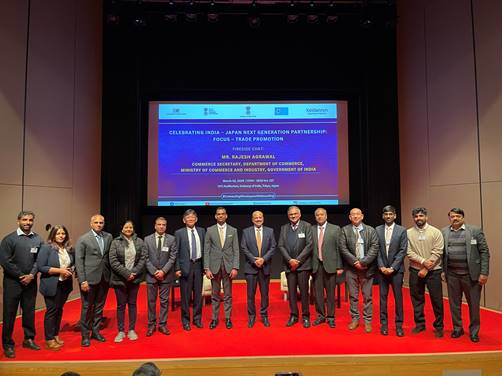
TOKYO: The 7th Joint Committee Meeting under the India–Japan Comprehensive Economic Partnership Agreement (CEPA) was held on 2 March 2026 in Tokyo, Japan. The meeting was co-chaired by Secretary, Department of Commerce, Shri Rajesh Agrawal, Government of India, and the Senior Deputy Minister, Ministry of Foreign Affairs, Government of Japan.

Both sides reviewed issues relating to the implementation of the CEPA and deliberated on ways to further strengthen bilateral economic engagement.

On the sidelines of the meeting, Secretary, Department of Commerce, Shri Agrawal, met the Vice Minister of the Ministry of Economy, Trade and Industry (METI). Discussions covered a wide range of issues, including bilateral trade and investment, improving the business environment, and the upcoming 14th Ministerial Conference of the World Trade Organization (WTO).

During the meeting with the METI Vice Minister, Shri Agrawal highlighted the shared vision articulated by the leaders of both countries during the Annual Summit in August 2025 and underscored the need to enhance and diversify bilateral trade and investment. He emphasized the strong complementarities between the two economies—Japan’s strengths in technology, capital, and advanced manufacturing, and India’s skilled workforce, large market, and rapidly growing economy. He stressed the importance of harnessing the full benefits of the CEPA, including the movement of natural persons as envisaged during the Leaders’ Summit.

Shri Agrawal noted the significant potential for growth in Indian exports to Japan in sectors such as textiles, pharmaceuticals, agriculture, and services. He also underlined the importance of achieving a more balanced bilateral trade relationship to ensure long-term sustainability.

The Commerce Secretary further engaged with leading representatives of Japanese industry during a roundtable interaction. In the evening, a Trade and Investment Roadshow was organized by the Embassy of India in Japan in collaboration with the Confederation of Indian Industry (CII) and Keidanren, focusing on promoting trade from India and facilitating greater investment flows from Japanese companies.

Shri Agrawal apprised participants of India’s conducive policy environment for trade and investment, including ongoing measures to improve ease of doing business and simplified regulatory processes. He emphasized that the CEPA provides a stable framework ensuring tariff certainty and regulatory predictability, thereby fostering a facilitative environment for deeper collaboration between India and Japan as trusted partners in global value and supply chains.

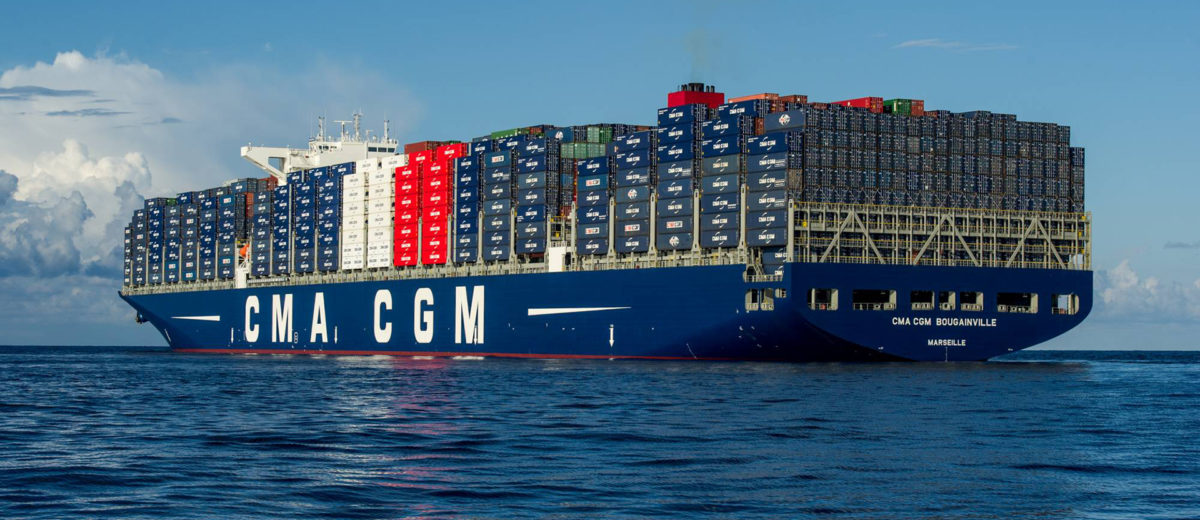
CMA CGM suspends Middle East Bookings, Implements Emergency Measures amid escalating Regional Tensions

MARSEILLE: Global shipping major CMA CGM has announced sweeping operational measures across the Middle East, including the immediate suspension of bookings to several regional ports and the implementation of emergency protocols for ongoing shipments. The move comes in response to the evolving security situation in the region.

Emergency Measures for Ongoing Shipments

Reiterating that the safety of its crew, vessels, and customers’ cargo remains its highest priority, the French carrier confirmed that contingency actions are now in place for cargo moving to and from the following countries:

  • Iraq (Port of Umm Qasr)
  • Bahrain
  • Kuwait
  • Yemen
  • Qatar
  • Oman
  • United Arab Emirates
  • Kingdom of Saudi Arabia

As part of these measures, vessels may be diverted to alternative contingency ports. The company stated in Customer Advisory that such deviations are being executed in accordance with Clause 10 of the CMA CGM Bill of Lading and are subject to applicable Force Majeure provisions.

Customers with cargo affected by diversions will be contacted and requested to provide further instructions for onward handling.

Options Available to Customers

CMA CGM has outlined three primary options for impacted shipments:

  1. Delivery at the contingency port – Bill of Lading accomplished at the diverted port; equipment must be returned there.
  2. Inland delivery – Cargo can be transported to a customer-designated location via road or rail, subject to agreement on pricing and availability.
  3. Change of Destination (COD) – Redirection to an alternative port, subject to service feasibility and commercial agreement under current conditions.

The carrier clarified that all costs arising from the application of Bill of Lading provisions—including additional freight, inland transport, detention, demurrage, storage, and handling charges—will be borne by the cargo interests.

Additionally, Emergency Contingency Surcharges (ECS), as per CMA CGM’s advisory, will be applicable and must be settled prior to cargo release, except for shipments originating from the United States.

Suspension of New Bookings

In a further escalation of its response, CMA CGM has suspended all new bookings with immediate effect and until further notice for ports of loading and discharge located in:

  • Bahrain (all ports)
  • Kuwait (all ports)
  • Qatar (all ports)
  • United Arab Emirates (all ports except Fujairah and Khor Fakkan)
  • Saudi Arabia (all ports except Jeddah, King Abdullah Port, Yanbu, and NEOM)
  • Iraq (Port of Umm Qasr)

The company described the suspension as a precautionary step aimed at safeguarding its personnel, fleet, and cargo under the prevailing circumstances.

For containers already on board vessels or positioned at origin ports awaiting loading, CMA CGM’s local offices will provide case-specific guidance directly to customers.

Commitment to Transparency and Service Continuity

Despite the disruptions, CMA CGM emphasized its continued commitment to operational transparency and service continuity. The carrier noted that its teams are closely monitoring developments in the region and will communicate any significant updates promptly.

Acknowledging the operational challenges these measures may create for customers, the Group expressed appreciation for their understanding and ongoing support during this period of uncertainty.

Middle East Impact: Over 1,000 Food Containers stuck at Mumbai’s Jawaharlal Nehru Port

MUMBAI: Mumbai’s Jawaharlal Nehru Port Trust is facing the heat of the ongoing war in the Middle East region. As tensions between the Arab countries, Israel, Iran, and the US grow, disruptions of maritime vessel movements have also gotten consequentially affected, as several containers are stranded at the port.

Currently, there are more than 1,000 export containers stranded at the JNPT. These containers include consignments of grapes, onions, papaya, etc.

Amongst the stranded containers, 150 contain onions from Nashik. Reports suggest that each container carries an average of 29-30 tonnes of onion, taking the total amount of stranded onions to 5,400 tonnes.

The consignments were primarily meant for Gulf countries, most of them routed through Dubai. However, due to the prevailing war-like situation, the Dubai market has reportedly been shut temporarily. The story is not very different for Indian containers, which had already reached the gulf, as 370 containers that had already reached Dubai are also said to be stuck there. The same route is used for exports to certain European countries, which have now also been affected.

The biggest concern is for the exporters dealing with perishable goods. These exporters are facing mounting financial pressure.

Containers, which are currently parked at the port and kept plugged in to maintain refrigeration, are costing approximately Rs 8,000 per container per day. If the disruption continues, exporters may be forced to offload the goods at the port, incurring an additional expense of Rs 5,000-6,000 per container. Industry representatives warn that if clarity does not emerge within the next two to three days, consignments may have to be recalled to prevent spoilage.

The export halt is also beginning to impact the domestic market. Prices of onions and other produce, already under pressure, are likely to decline further due to increased local supply. Farmers describe the situation as a “double blow”, rising production costs on one hand and export uncertainty on the other, now compounded by a complete halt in overseas shipments.

The logistics sector is also grappling with uncertainty. Reports indicate a rise in marine insurance premiums, higher freight rates, and payment-related challenges caused by unstable shipping routes. Exporters have also cautioned against misleading offers from middlemen claiming to provide alternative routes or quick clearance of goods.

Meanwhile, the Horticulture Produce Exporters Association has urged the Agriculture and Processed Food Products Export Development Authority (APEDA) to ensure that the government bears the additional costs of parking and plugging in containers stranded at the port. There have also been demands for the central government to explore alternative trade routes and announce a special financial relief package for affected farmers and exporters.

For now, exporters are closely monitoring the situation, hoping for clarity within the next 48 to 72 hours. However, if tensions in Middle East do not ease soon, thousands of tonnes of agricultural produce stranded at JNPT could face serious financial distress.