Home Blog Page 423

Gujarat raises textile outlay to US $ 302 million in FY ’27 Budget

AHMEDABAD : Gujarat has significantly increased financial allocation for the textile sector, raising the outlay under the Development of Textile Industry scheme to Rs. 2,755 crore (US $ 302 million) in the State Budget for fiscal year 2026–27.

The enhanced allocation, announced by State Finance Minister Shri Kanubhai Desai while presenting the Budget in the Legislative Assembly on Wednesday, marks a notable rise from Rs. 2,000 crore (US $ 219 million) in 2025–26 and Rs. 2,036.47 crore (US $ 223 million) in 2024–25. The year-on-year increase underscores the State Government’s continued focus on consolidating Gujarat’s leadership in textile manufacturing and strengthening export competitiveness, particularly among micro, small and medium enterprises (MSMEs).

The Development of Textile Industry scheme is expected to support capacity expansion, technology upgradation and fresh investment across the textile value chain. The higher subsidy-driven outlay reflects an intensified push to enhance industrial infrastructure and scale within the sector.

Beyond large-scale industry, the Budget also sustains financial provisions for cottage industries, handloom and small-scale textile ecosystems. These measures include grants, subsidies and institutional assistance covering cooperative manufacturing models, skill development, research support and export facilitation for smaller producers.

Financial assistance to the Gujarat State Handicraft Development Corporation has been increased to Rs. 48.05 crore (US $ 5.28 million) for 2026–27, up from Rs. 41.86 crore (US $ 4.60 million) in the previous year. The allocation is aimed at improving market access and strengthening institutional support mechanisms. Additionally, Rs. 23 crore (US $ 2.52 million) has been earmarked for design competitions, exhibitions and promotional initiatives to foster product innovation and enhance visibility within the handicrafts segment.

To further support export-oriented industries, including textiles and apparel, the Budget proposes the establishment of the Gujarat State Export Promotion Council with an allocation of Rs. 5.90 crore (US $ 648,000). The council is intended to facilitate export development and broaden market access, particularly for MSME producers. Provisions enabling handloom and handicraft stakeholders to leverage e-commerce platforms signal an increasing emphasis on digital market integration and diversification.

Overall, the Budget outlines a dual strategy: scaling industrial textile investment through an expanded core allocation while reinforcing traditional and MSME segments via targeted support, export facilitation and digital initiatives.

Ashish Gujarati, former President of the Southern Gujarat Chamber of Commerce and Industry (SGCCI), stated that the increase in textile allocation from Rs. 2,000 crore (US $ 219 million) to Rs. 2,755 crore (US $ 302 million) demonstrated the State’s continued commitment to implementing the Gujarat Textile Policy and supporting sectoral growth. He further observed that the proposed formation of the Gujarat Export Promotion Council represented a positive step that was expected to facilitate higher exports of MSME products by strengthening market access and institutional support.

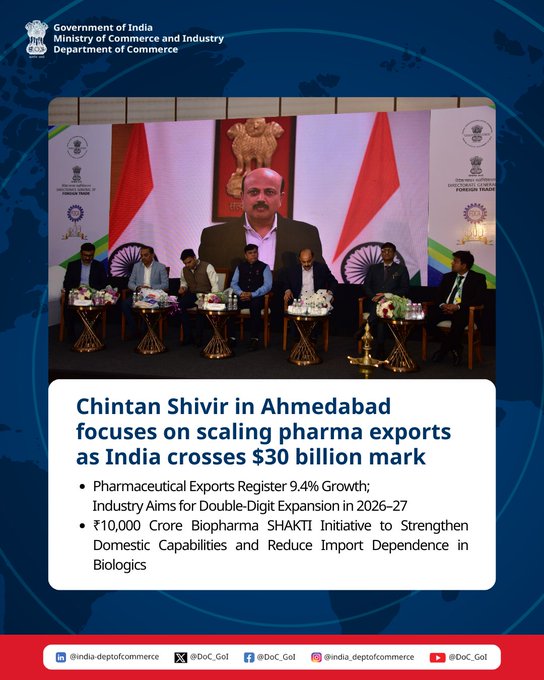
Ahmedabad Chintan Shivir focuses on scaling pharma exports as India crosses $30 billion mark

AHMEDABAD : An Industry Interaction on the theme “Scaling up Pharma Exports” was held under the Chintan Shivir series being taken forward under the guidance of Prime Minister Shri Narendra Modi. The interaction reflected the Government’s priority of expanding India’s export footprint through closer coordination with industry and regulators.

India’s pharmaceutical export performance continues to show steady growth. Pharmaceutical exports stood at USD 30.47 billion in FY 2024–25, registering a growth of 9.4 per cent over the previous year. The sector, currently valued at around USD 60 billion, is projected to reach USD 130 billion by 2030. India ranks third globally by volume, with medicines exported to over 200 markets, and more than 60 per cent of exports destined for stringent regulatory markets. The United States accounts for 34 per cent and Europe for 19 per cent of India’s pharmaceutical exports. The interaction underlined the Government’s focus on enabling conditions for sustained export acceleration, with industry indicating readiness to target double-digit growth in 2026–27.

The programme commenced with a video message from the Commerce Secretary, Department of Commerce, who emphasised the importance of sustained engagement with exporters and manufacturers and timely response to challenges in regulated markets. The message reiterated the Prime Minister’s emphasis on strengthening India’s standing as a trusted trade partner, expanding its share in global pharmaceutical markets and ensuring that affordable and high-quality medicines from India continue to reach people across the world.

The inaugural session witnessed participation from the Department of Commerce, Directorate General of Foreign Trade (DGFT), Central Drugs Standard Control Organisation (CDSCO) and the Food and Drugs Control Administration, alongside industry stakeholders. Discussions focused on regulatory processes, export facilitation and alignment between policy measures and the next phase of sectoral growth, particularly for Micro, Small and Medium Enterprises (MSMEs), which often face significant compliance, documentation and inspection-related requirements.

The interaction also took note of the direction set in the Union Budget 2026–27, which places biopharma and biologics at the centre of India’s future healthcare and manufacturing priorities. The proposed Biopharma SHAKTI initiative, with an outlay of ₹10,000 crore over five years, aims to strengthen India’s end-to-end ecosystem for biologics and biosimilars, reduce import dependence and enhance competitiveness in global supply chains, aligned with the objective of capturing 5 per cent of the global biopharmaceutical market share.

In this context, the proposal to establish three new National Institutes of Pharmaceutical Education and Research (NIPERs), upgrade seven existing NIPERs, develop over 1,000 accredited clinical trial sites and strengthen CDSCO capacity through induction of specialised scientific and technical personnel was discussed in terms of enabling faster evaluation of complex products and enhancing confidence in India’s regulatory framework.

Panel discussions and thematic sessions examined the export journey from manufacturing discipline to market acceptance. Sessions such as “Scaling Excellence through Entrepreneurial Journey,” “From Commodity Supplier to Trusted Global Partner,” “Vriddhi Ka Mantra – Growth Ka Yantra,” and “Scale Up Mantra for Emerging Companies” focused on strategies for the next decade of pharmaceutical exports. Participants shared practical experiences on strengthening quality systems, ensuring compliance readiness and moving up the value chain, while maintaining reliability in cost and supply.

Exporters were also apprised of opportunities arising from recent trade engagements with key partners, including the European Union and the United States. It was noted that closer economic arrangements can provide clearer pathways for market access and steadier demand, particularly in large, regulated markets. Engagement with the European Union was discussed in the context of a USD 572.3 billion pharmaceuticals and medical devices market, while a bilateral trade arrangement with the United States can further improve market access and price competitiveness for Indian pharmaceutical companies.

A presentation on the activities of the Pharmaceuticals Export Promotion Council of India (PHARMEXCIL) and the 12th International Exhibition on Pharma and Healthcare Industry (iPHEX) was made, followed by an open interaction with exporters and stakeholders. Around 200 exporters, largely from the western region of India, participated in the programme.

The discussions in Ahmedabad maintained focus on key priorities for exporters and the wider public, including faster and more predictable approvals, strengthened regulatory cooperation and a steady shift from volume-driven exports to higher-value segments such as biologics, biosimilars and innovation-driven products. The Department of Commerce will continue engagement with exporters, regulators and Indian Missions abroad to ensure timely identification and resolution of issues, thereby supporting sustained growth in India’s pharmaceutical exports in global markets.

IFSCA–IICA unveil strategic roadmap to institutionalize a standardized corporate Governance Ecosystem at GIFT-IFSC

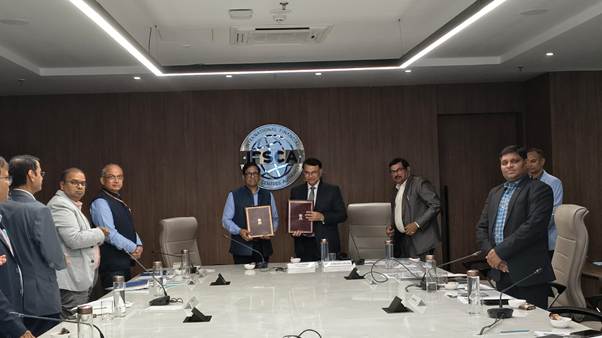
GANDHINAGAR : In a significant step towards strengthening India’s International Financial Services ecosystem, the International Financial Services Centres Authority (IFSCA) and the Indian Institute of Corporate Affairs (IICA) signed a landmark Memorandum of Understanding (MoU) at the IFSCA Campus, GIFT City in Gujarat. The MoU was formally signed on 20 February 2026 by Shri Gyaneshwar Kumar Singh, Director General & Chief Executive Officer, IICA, and Shri K. Rajaraman, Chairperson, IFSCA, in the presence of senior officials from both organisations and distinguished dignitaries.

image002E7A0 1 IFSCA–IICA unveil strategic roadmap to institutionalize a standardized corporate Governance Ecosystem at GIFT-IFSC

As the unified regulator of India’s International Financial Services Centre, IFSCA oversees a rapidly expanding ecosystem of financial institutions operating within the broader legal framework of the Companies Act, 2013, administered by the Ministry of Corporate Affairs, with specific regulatory exemptions applicable to entities operating in IFSC. As a premier think tank under the Ministry of Corporate Affairs, the Indian Institute of Corporate Affairs (IICA) is uniquely positioned to provide institutional support in advancing corporate governance frameworks, regulatory capacity building, and policy advisory services.

Against this backdrop, the Memorandum of Understanding establishes a structured framework for collaboration between IFSCA and IICA in the areas of capacity building, policy research, and knowledge partnership aimed at enhancing regulatory effectiveness and strengthening corporate governance standards within GIFT-IFSC.

IICA will extend training and policy support to IFSCA and IFSC- registered entities to facilitate compliance with evolving regulatory standards and global governance practices. IICA will conduct online certificate, induction, and specialised training programmes for IFSCA officers covering areas such as Corporate and Allied Laws, Corporate Governance, Environmental, Social and Governance (ESG), and Cross-Border Transactions and Restructuring.

Speaking on the occasion, Shri Gyaneshwar Kumar Singh stated that IICA looks forward to close collaboration with IFSCA in fostering a standardized corporate governance ecosystem. Highlighting the key areas of cooperation, he noted that the immediate focus would be on: rolling out customised capacity-building programmes; induction and leadership development initiatives; and policy research and advisory support.

Appreciating the impactful initiatives undertaken by IICA, Shri K. Rajaraman, Chairperson, IFSCA, outlined the immediate action plan for operationalising the collaboration. He emphasised the need for jointly delivered corporate governance programmes at GIFT City on an annual basis, including specialised courses for companies being incorporated within the IFSC jurisdiction.

Chinese walnuts in the guise of Afghan in dry fruit container ship detained by Indian Customs at Nhava Sheva Port

MUMBAI : At least 46 containers of the Comoros-flagged vessel, WIV Reyfa, detained by the Customs officials at Nhava Sheva Port, are reported to be carrying walnuts from China, but “misdeclared” as Afghan produce.

The ship, carrying 310 containers and claimed to have originated from Bandar Abbas Port in Iran, has been held up by Customs officials over the past 2-½ weeks. Customs officials had acted on “specific information” on the misdeclaration of origin the Department of Revenue Intelligence (DRI) received on February 2.

A circular issued by the Customs Intelligence Unit (CIU) on February 17 said one person has been arrested in this connection, and investigations have revealed duty evasion to the tune of ₹50 crore. So far, no importer has come forward to identify the consignments.

US, CHILE WALNUTS TOO
“The ves­sel has been held up because of these 46 con­tain­ers. Boxes con­tain­ing wal­nuts have come from China, and the export­ers did not even change the pack­ages with Chinese mark­ings,” said a Mum­baibased trade source, who did not wish to be iden­ti­fied.

“This mis-declar­a­tion has been hap­pen­ing for years. Wal­nuts from the US and Chile have been enter­ing as Afghan pro­duce to claim the zero-duty bene­fit under the South Asian Free Trade Agree­ment (SAFTA),” said a North Indian trader.

Wal­nuts from other ori­gins, such as the US, have bet­ter ker­nel yield. Every kg of domestic wal­nut-inshell yields 350 gm of ker­nels. In the case of the US or other coun­tries, the yield is 450-500 gm.

India cur­rently imposes a 100 per cent import duty on wal­nuts to pro­tect domestic grow­ers, par­tic­u­larly from Kash­mir. So, unscru­pu­lous traders bring wal­nuts from other coun­tries, claim­ing them to be from Afgh­anistan.

TRADE RIVALRY
“This time, the Cus­toms acted because a sec­tion of traders gave spe­cific inform­a­tion to the o§cials pos­sibly due to busi­ness rivalry. It is not just the case with wal­nuts. It hap­pens with areca­nut and black car­damom also,” said the North Indian trader.

The modus operandi is that some traders pur­chase wal­nuts impor­ted into one of the Gulf ports. Then, these are shipped to ports such as Bandar Abbas to claim zero-duty status under SAFTA.

“Sim­il­arly, areca­nut from other grow­ing coun­tries, such as China, land in Colombo before being shipped to India to derive SAFTA bene­fits,” said the North Indian trader.

A South Indian trader said Chinese gar­lic was also find­ing its way into India in the same way. Traders said since the ship­ment doc­u­ments are sub­mit­ted manu­ally, it is easy to “manip­u­late” the ori­gin of a product.

DOMESTIC PRICES
The CIU cir­cu­lar said to sub­stan­ti­ate the false coun­try of ori­gin, traders forge transit doc­u­ment­a­tion (House Bill of Lad­ing) and upload in E-sanc­hit, ICES (an e-com­merce portal of the Indian Cus­toms Depart­ment). Thus, a false trail of move­ment of goods is cre­ated from ports such as Bandar Abbas to other ports, par­tic­u­larly in the Gulf, such as Jebel Ali.

On e-com­merce web­sites, Kash­mir wal­nuts in shell cost ₹450 a kg for the jumbo vari­ety and about ₹350 for other vari­et­ies, while the Cali­for­nian and Chilean vari­et­ies cost ₹560 and ₹700 respect­ively.

Iran-linked oil tanker seized by India went dark after entering Pak’s sea zone, transferred 5,500-tonne oil

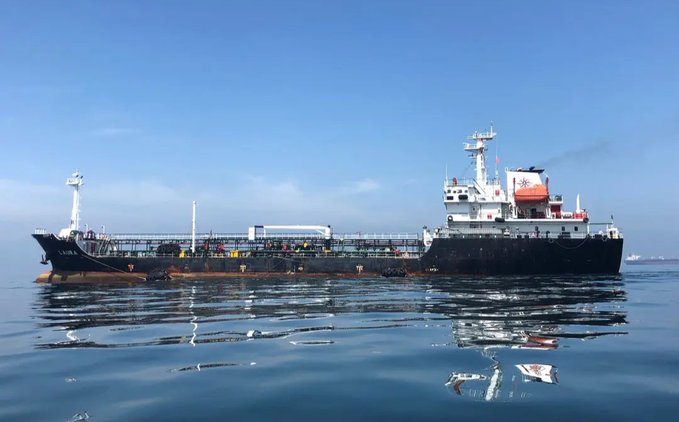
NEW DELHI : One of the three US-sanctioned, Iran-linked oil tankers seized by the Indian Coast Guard earlier this month off Mumbai had spent days inside Pakistan’s maritime boundary with its tracking systems switched off, according to an FIR accessed by India Today TV.

The vessel, MT Asphalt Star, was detected operating suspiciously in Pakistan’s Exclusive Economic Zone (EEZ) between January 20 and January 28. Investigators said that on January 28 the tanker went completely “dark” for about 11 hours, disabling its Automatic Identification System (AIS), Very High Frequency (VHF) radio and onboard sensors, while concealing its identity.

The Coast Guard described the behaviour as “highly suspicious” and consistent with illicit maritime activity. The FIR, registered at Mumbai’s Yellow Gate police station, which has jurisdiction over India’s EEZ off the city’s coast, relates to the February 4–5 interdiction of three tankers in the Arabian Sea: MT Asphalt Star, MT Al Jafzia, and MT Stellar Ruby.

Officials said the vessels were operating in proximity and conducting illegal ship-to-ship fuel transfers without notifying Indian authorities. Investigators alleged that:

About 30 metric tonnes of heavy fuel oil were unlawfully transferred to MT Al Jafzia in India’s EEZ using forged documents, while 5,473 metric tonnes of bitumen (VG-40) were transferred to MT Stellar Ruby. All three ships used AIS spoofing and false identity data to evade detection.

Authorities also found that MT Stellar Ruby had earlier entered Karwar port using forged Protection & Indemnity (P&I) insurance certificates, while MT Al Jafzia allegedly used fake documentation to enter Alang shipbreaking yard in Gujarat.

According to the FIR, Coast Guard surveillance on February 4 spotted a Mali-flagged tanker loitering in “hot lay-up” condition in the Arabian Sea. When contacted, the ship repeatedly changed its declared identity and destination.

A Coast Guard vessel intercepted MT Asphalt Star around 2 am on February 5 and boarded it by 6 am. The crew claimed they were sailing to Mangaluru.

Investigators later found the ship’s AIS and VHF were broadcasting false voyage data, and that it carried only a temporary registration certificate issued in Bamako, Mali on January 30. The vessel also lacked mandatory P&I insurance.

The tanker had 22 crew members aboard. Examination of the master’s phone allegedly showed communications via WhatsApp with overseas handlers and company officials.

The FIR names multiple accused including the masters and engineers of all three vessels, as well as the owner of the operating firm Star Shipping Management, alleging criminal conspiracy, smuggling and document forgery under customs, shipping, IT and petroleum laws.

Officials said the three ships acted “in collusion and conspiracy” to conduct illegal fuel trade and conceal movements.

India’s action follows the seizure of three tankers this month that Western authorities have linked to Iranian oil networks. The National Iranian Oil Company has denied any connection to the vessels.

A source told Reuters that the ships frequently changed names and ownership structures to evade coastal enforcement — a tactic commonly associated with sanctions-busting maritime trade.

RailTel-led consortium secures five-year project worth Rs 1,136 crore in Maharashtra

NEW DELHI : RailTel Corporation of India, in consortium with Ashoka Buildcon, has received a Letter of Intent (LoI) for a major technology-led modernisation project under the Government of Maharashtra. The five-year contract is worth approximately Rs 1,136.18 crore, the state-owned company informed the stock exchanges on Feb. 20.

In an exchange filing on Friday, RailTel said that the LoI was issued by the Inspector General of Registration (IGR) for the selection of a Managed Service Provider (MSP) to modernise the offices of IGR and the Controller of Stamps across the state.

The contract will be executed by March 19, 2032, RailTel Corporation informed the stock exchanges.

“As per LoI, the accepted rate per page is Rs 24.75 (Page refers to a scanned single side page of a registered document). The consideration value is not stated in the LoI,” the filing said.

Based on historical data cited in the request for proposal, the average number of pages scanned annually over the past five years stands at around 9.18 crore.On this basis, the expected financial cost for the five-year contract period is estimated at approximately Rs 1,136.18 crore. RailTel added that the actual figures may vary.

The company clarified that neither its promoters nor promoter group entities have any interest in the awarding authority, and that the order does not fall under related party transactions. The LoI was received on Feb. 20 at 3:23 p.m.

This week, RailTel Corporation of India also won a major railway signalling order valued at Rs 35.55 crore.

The state-run telecom and ICT services provider informed exchanges on Feb. 19 that it has received a Letter of Acceptance (LoA) from Dy Cste/P/Cnb for a railway signalling project in the Prayagraj division of the North Central Railway.

The contract involves the provision of MSDAC (Multiple Section Digital Axle Counter) systems along with other associated works. This includes suitable indoor alterations at EI, RRI and PI stations in the Prayagraj division. The project is classified as a domestic railway signalling assignment and is to be completed within 24 months from the date of the LoA.

According to the filing, the work is scheduled to be executed by Feb. 17, 2028. The Letter of Acceptance was received on Feb. 18 at 4 p.m.

The company reported a 4.1% year-on-year (YoY) drop in net profit to Rs 62.4 crore in Q3FY26 from Rs 65.05 crore in Q3FY25. Revenue from operations rose 19% YoY to Rs 913.45 crore in Q3FY26 from Rs 767.62 crore in the same period in the previous financial year.

India signs five-year rice supply agreement with WFP to boost global food security

NEW DELHI : The Food Corporation of India (FCI) and the World Food Programme (WFP) signed a Memorandum of Understanding (MoU) on February 18 for the supply of rice to support global humanitarian operations aimed at combating hunger, according to a PIB press release.

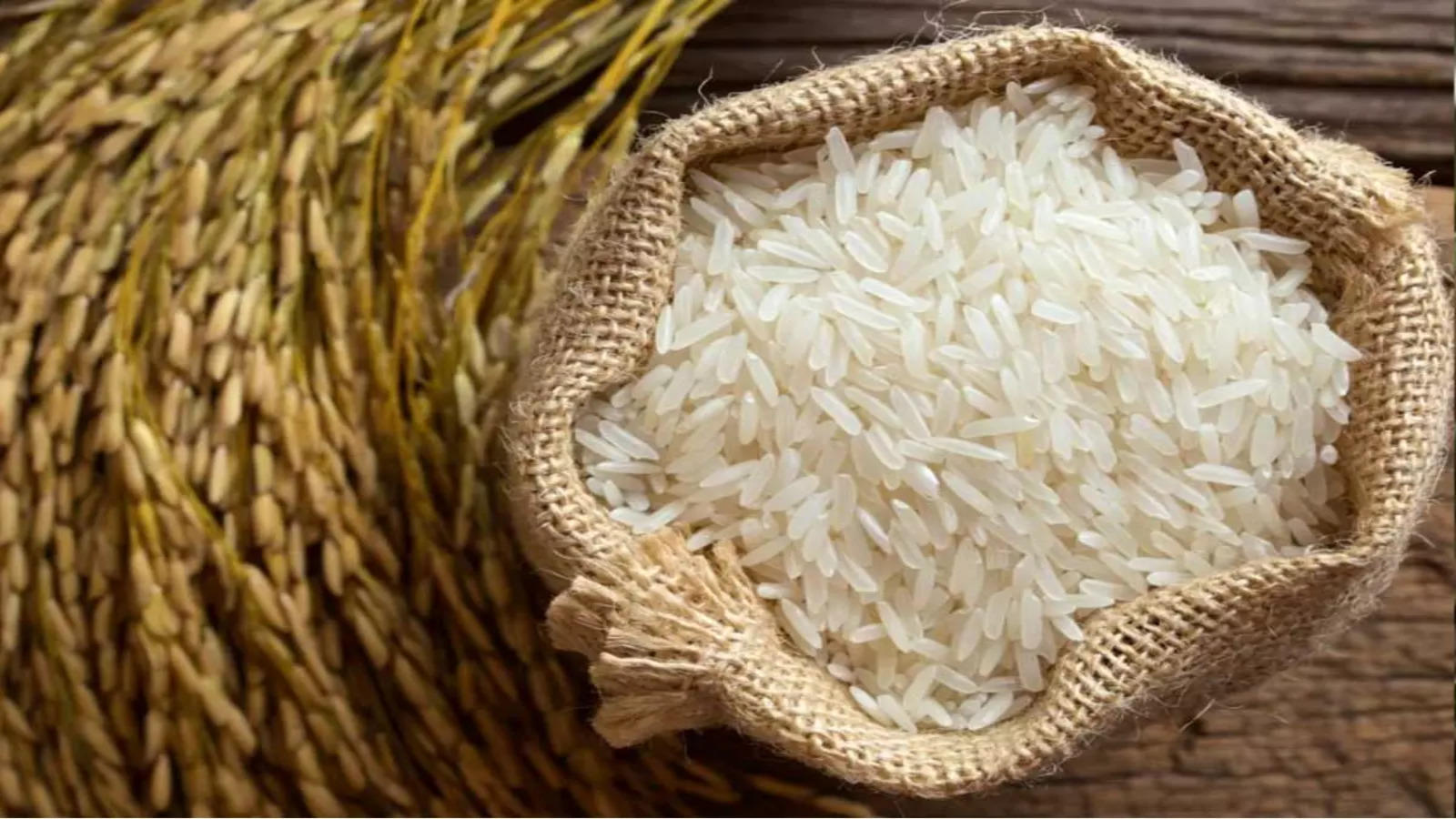
The MoU was signed by Rabindra Kumar Agarwal, CMD, FCI, on behalf of the Government of India, and Carl Skau, Deputy Executive Director of WFP, in the presence of the Secretary, Department of Food and Public Distribution. Under the agreement, FCI will supply 200,000 metric tonnes of rice (up to 25% broken) to WFP.

The MoU will remain valid for five years from the date of signing and may be extended by mutual consent. The price will be decided annually by mutual agreement, with the current rate fixed at INR 2,800 per quintal until March 31, 2026.

Sanjeev Chopra, Secretary, Department of Food and Public Distribution, said, “Through our partnership with WFP, we are exporting hope, nutrition, and dignity to those facing hunger. This agreement showcases India’s resolve to ensure no one goes hungry. India will continue to stand with the international community in combating malnutrition and food insecurity.”

Carl Skau, Deputy Executive Director, UN World Food Programme, said, “This agreement with India marks a key milestone in fighting global hunger. India’s support will help WFP reach vulnerable populations with nutritious food more effectively over the next five years. As a major agricultural nation and a proponent of global solidarity, India inspires us to turn the Zero Hunger goal into action. I thank India for this transformative partnership.”

This partnership reinforces India’s commitment to global food security, strengthens cooperation with WFP in addressing humanitarian needs worldwide, and underlines India’s role as a trusted and responsible contributor to global food systems.

Goa Maritime Conclave 2026 reinforces shared vision of maritime in Indian Ocean Region

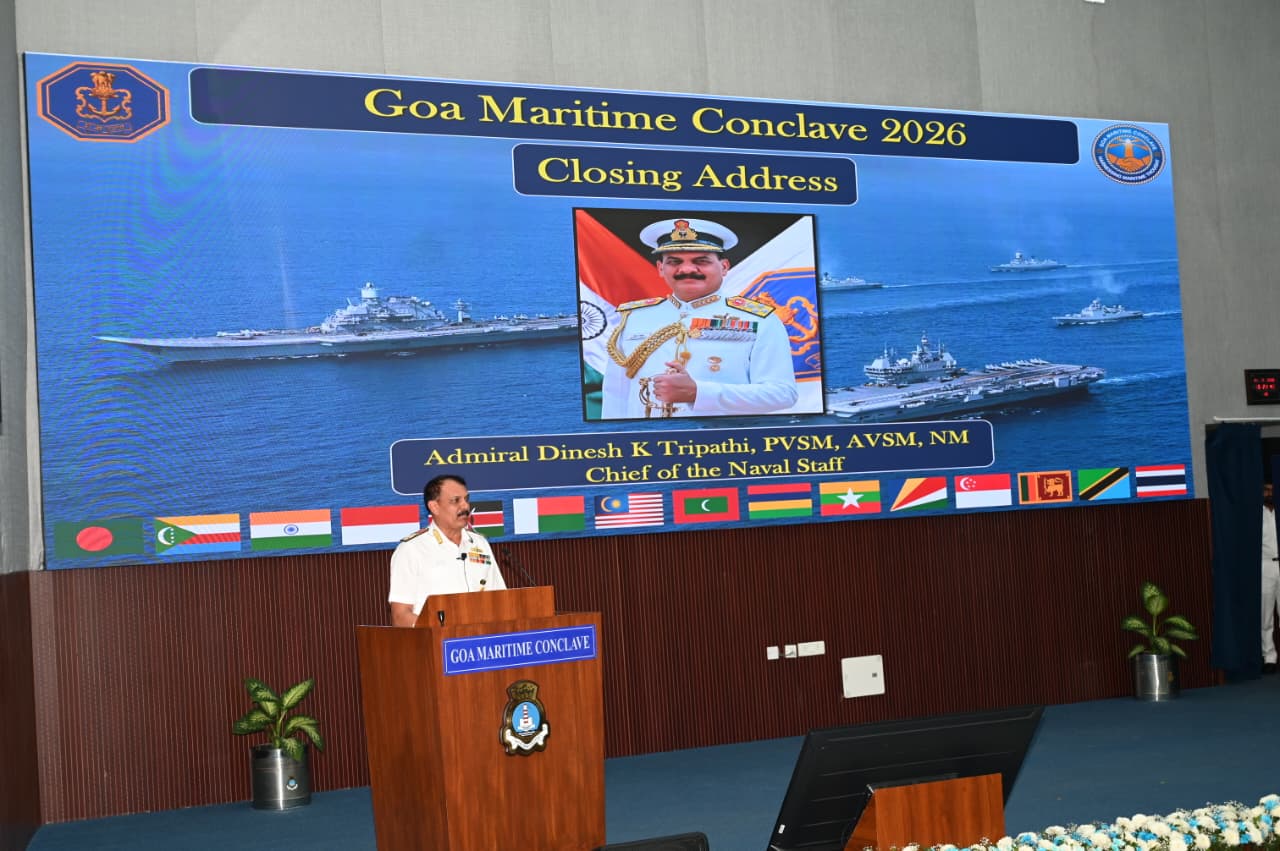
GOA : The 5th Edition of the Goa Maritime Conclave (GMC-26) was successfully conducted at Naval War College, Goa on 21 Feb 2026, bringing together Chiefs of Navies and senior maritime leaders from 15 Indian Ocean Region nations. The Conclave reaffirmed the collective commitment of regional partners to strengthen cooperative mechanisms aimed at addressing common maritime security challenges in the Indian Ocean Region (IOR).

Organised by the Indian Navy under the overarching theme of “Common Maritime Security Challenges in the IOR – Progressing Lines of Efforts (LsOE) to Mitigate Dynamic Threats”, GMC-26 underscored India’s continued role as a convenor of structured maritime dialogue and an enabler of collaborative security architecture in the region. Conducted in consonance with the Prime Minister’s vision of ‘ MAHASAGAR – Mutual and Holistic Advancement for Security and Growth Across Regions’, the conclave provided a structured platform for deliberations focused on actionable outcomes and collaborative implementation frameworks.

In his Keynote address, Admiral Arun Prakash, (Retd), former Chief of Naval Staff, highlighted that the evolving maritime security environment demands synchronised regional responses anchored in real-time information exchanges, institutionalised coordination mechanisms and sustained capacity development. He emphasised that addressing challenges such as Illegal, Unreported and Unregulated (IUU) fishing, trafficking networks and other transnational maritime crimes requires collective ownership and shared responsibility among IOR nations.

The first session moderated by Vice Admiral G Ashok Kumar, (Retd), former National Maritime Security Coordinator, focused on enhancing mechanisms for real-time exchanges of maritime information and operational coordination to counter IUU fishing, drug trafficking and other illegal maritime activities. The speakers in this session were Rear Admiral TVN Prasanna, of the Indian Navy and Colonel Amanulla Ahmed Rasheed from Maldives. Issues of trans-national significance like strengthening maritime domain awareness networks, interoperability of information-sharing systems and the need for structured institutional linkages to enable rapid and coordinated responses across jurisdictions were highlighted by the speakers.

The second session examined collaborative pathways for capacity building and capability enhancement among maritime agencies of the IOR. Rear Admiral Srinivas Maddula, and Captain (IN) Ranendra S Sawan, Senior Fellow, National Maritime Foundation, shared their insights, with Admiral Karambir Singh, (Retd), former Chief of the Naval Staff and Chairman, National Maritime Foundation, moderating the session. The ensuing deliberations highlighted the importance of pooling regional training resources, expanding professional exchange programmes and strengthening institutional frameworks to ensure long-term maritime resilience. The session reinforced the understanding that sustainable maritime stability in the IOR is contingent upon coordinated capability development and structured cooperation.

The Conclave concluded with addresses by Chiefs of Navies and Heads of Delegations, who articulated national perspectives on advancing collaborative Lines of Efforts to mitigate dynamic maritime threats.

Adm Dinesh K Tripathi, CNS conveyed sincere appreciation to all partner nations for their participation and enduring commitment to shared maritime security in the Indian Ocean Region. He underscored that in an era of adaptive maritime threats, we must move from shared awareness to coordinated action by leveraging technology, seamless information sharing and focused operations under the vision of MAHASAGAR.

The deliberations reflected strong convergence on strengthening regional maritime partnerships, institutionalising cooperation mechanisms and enhancing collective capacity.

In its fifth iteration, the Goa Maritime Conclave reaffirmed India’s commitment to fostering inclusive, consultative and action-oriented maritime cooperation in the Indian Ocean Region. GMC-26 once again resolved to uphold safe, secure and stable seas through structured collaboration, real-time information exchange and coordinated capacity development initiatives.

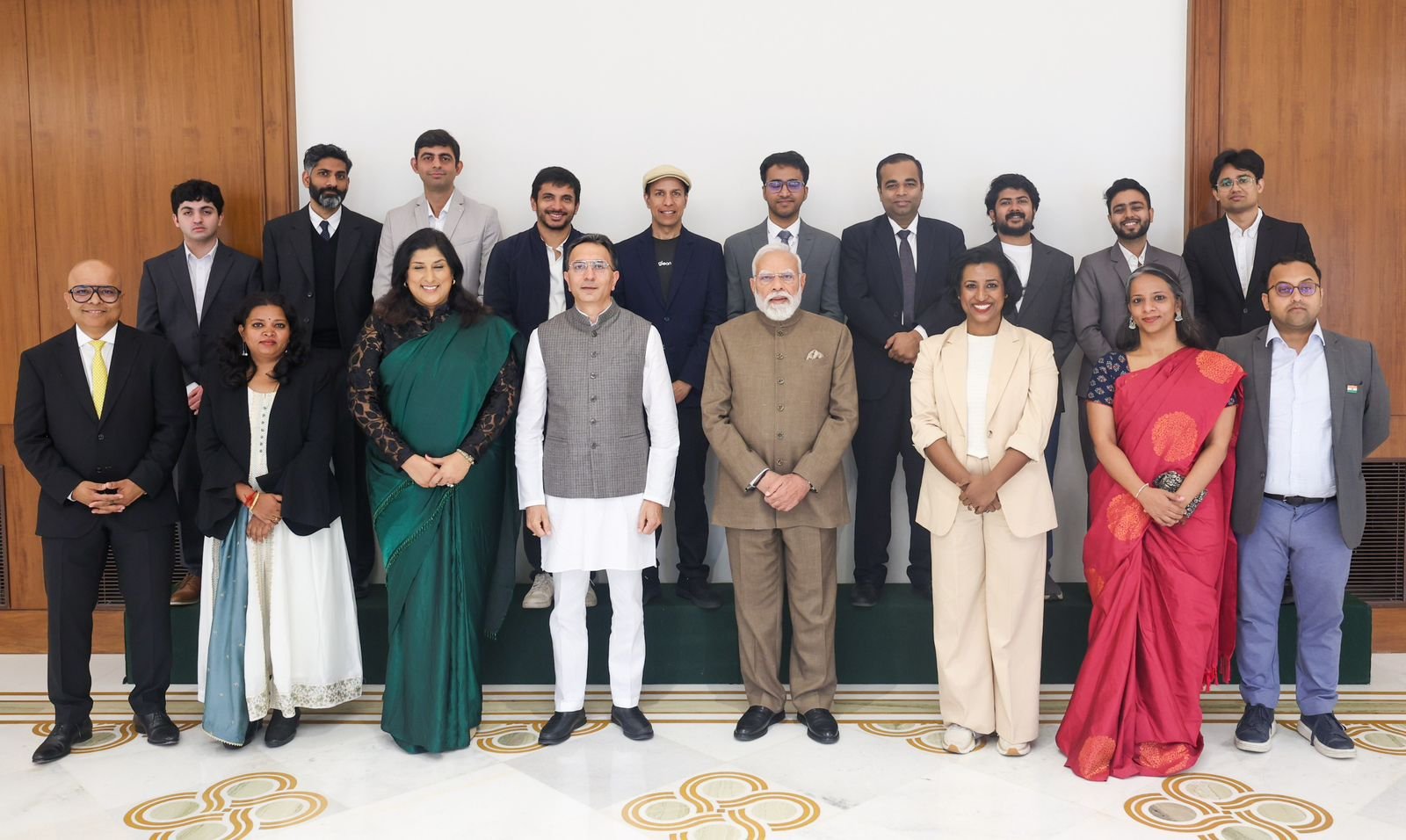
PM holds roundtable with CEOs of AI and Deeptech Startups at Seva Teerth

NEW DELHI : Prime Minister Shri Narendra Modi held a roundtable with CEOs of AI and deeptech startups at Seva Teerth earlier on Friday. The startups participating in the roundtable are tackling population-scale challenges across key sectors. In healthcare, they use AI for advanced diagnostics, gene therapy, and efficient patient record management to extend quality care to the last mile. In agriculture, they leverage geospatial and underwater intelligence to boost productivity and help manage climate risks. The group also includes ventures focused on cybersecurity, ethical AI, space, social empowerment through vernacular access to justice and education, and modernising legacy systems to strengthen enterprise productivity. Together, they reflect an ecosystem addressing local needs while building global leadership in AI-driven innovation.

The AI startups praised India’s sustained push to strengthen its artificial intelligence ecosystem. They highlighted the sector’s rapid expansion and immense untapped potential, noting that the global momentum of AI innovation and deployment is increasingly shifting toward India. They said the country now offers a supportive and dynamic environment for AI advancement, firmly establishing its presence on the global AI landscape. They also lauded the India AI Impact Summit, describing it as a reflection of the country’s growing stature in shaping the global conversations around AI.

Prime Minister congratulated innovators for taking bold risks and building impactful solutions. He discussed the potential of harnessing AI technology in various sectors like in agriculture and environmental protection, including monitoring crop productivity and fertilizer usage to safeguard soil health. Stressing the importance of promoting Indian languages and culture, he called for expanding our AI tools for higher education in mother tongue.

The Prime Minister underscored the need for strong data governance, cautioned against misinformation, and urged the development of solutions tailored to India’s needs. Referring to UPI as a model of simple and scalable digital innovation, he expressed confidence in Indian companies and encouraged trust in domestic products. He also spoke about expanding private participation in the space sector and noted strong investor interest in Indian startups.

The meeting was attended by CEOs and Founders of Abridge, Adalat AI, BrainSightAI, Credo AI, Eka Care, Glean, Innogle, Invideo, Miko, Origin, Prophaze, Rasen, Rubrik, SatSure, Supernova and Sypha AI. Principal Secretary, Shri P K Mishra, Principal Secretary-2, Shri Shaktikanta Das and Minister of State, Shri Jitin Prasada were also present during the meeting.

Piyush Goyal launches Export Promotion Mission to boost MSME Exports and strengthen global competitiveness

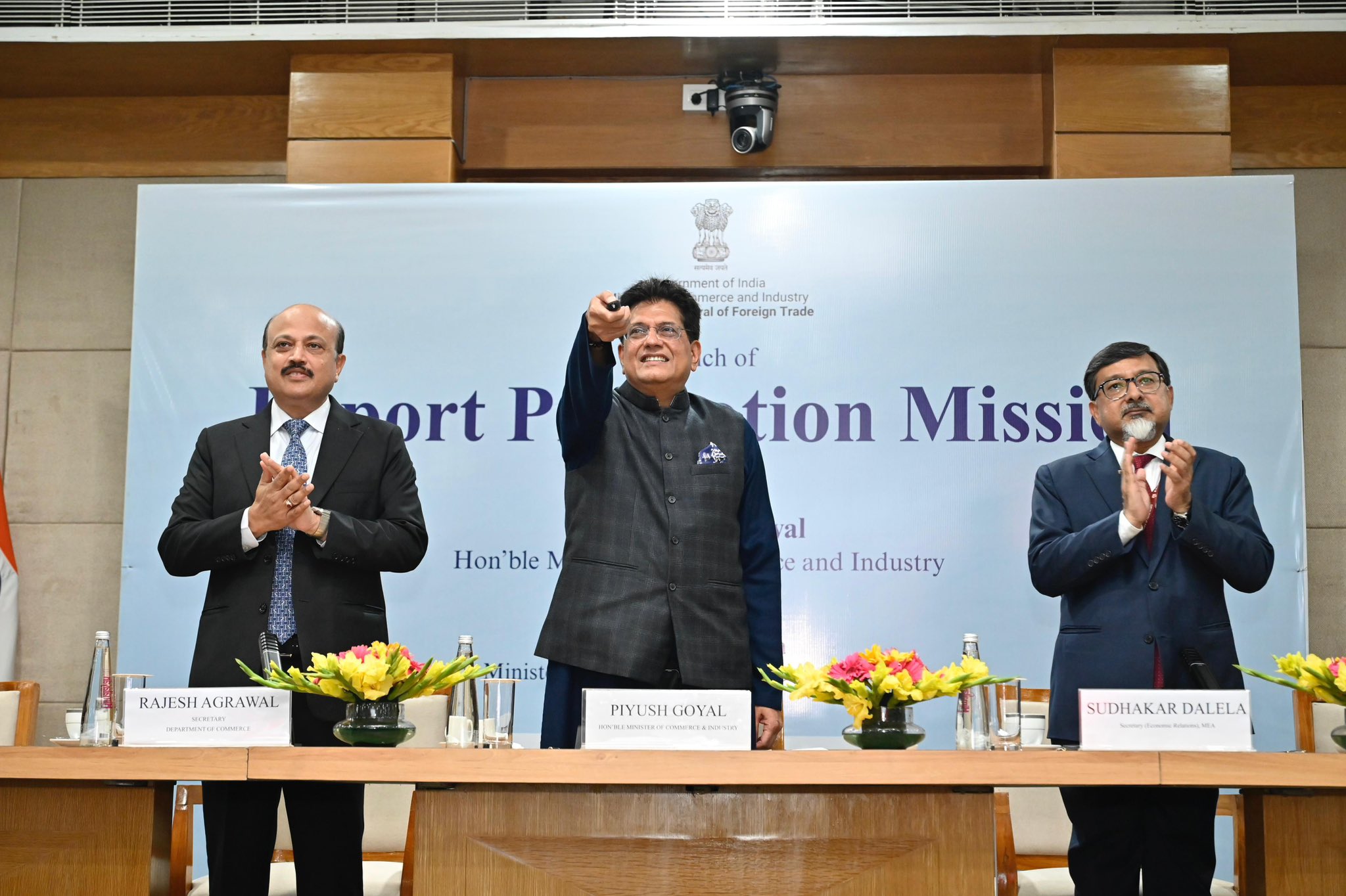
AI IMPACT 2026 Piyush Goyal launches Export Promotion Mission to boost MSME Exports and strengthen global competitiveness

NEW DELHI : The Union Minister of Commerce and Industry, Shri Piyush Goyal, on Friday launched seven additional interventions under the Export Promotion Mission (EPM), a flagship initiative of the Department of Commerce aimed at empowering Micro, Small and Medium Enterprises (MSMEs) for global markets. These interventions are designed to address key challenges faced by Indian exporters, promote broad-based and inclusive export growth, and strengthen India’s position as a globally competitive export powerhouse. Commerce Secretary, Shri Rajesh Agarwal, also graced the occasion.

Addressing the gathering on the occasion of World Day of Social Justice, Shri Goyal said that social justice requires reaching the last person at the bottom of the pyramid. He emphasised that inclusive growth, empowerment of the marginalised and providing opportunities to those left behind in India’s rapid transformation are essential to achieving true social justice.

The Minister highlighted India’s growing leadership in emerging technologies and global partnerships. Referring to the recently concluded AI Summit, he commended Prime Minister Shri Narendra Modi and the concerned Ministers for positioning India at the centre of global conversations on artificial intelligence and future technologies. He stated that advancements in artificial intelligence, machine learning, quantum computing, data centres and indigenous large language models would open significant opportunities for India’s youth and catalyse investments across sectors.

Shri Goyal underlined that India’s expanding network of Free Trade Agreements (FTAs) has significantly enhanced market access for Indian exporters. He noted that nearly 70 per cent of global GDP and two-thirds of global trade are now accessible to India through nine concluded FTAs, including the first tranche of the Bilateral Trade Agreement with the United States. These agreements provide preferential access across sectors in 38 developed and emerging economies.

The Minister stated that India today engages with developed economies with confidence, safeguarding sensitive sectors while securing gains in areas of competitive strength. Since 2022, India has accelerated trade engagements, expanded partnerships in goods, services and investments, reduced compliance burdens, decriminalised several laws and improved ease of doing business. He also referred to India’s successful hosting of the G20 Summit across multiple cities, showcasing the country’s diversity and economic potential.

Emphasising that the benefits of global trade must reach every MSME, startup and entrepreneur, Shri Goyal said the Export Promotion Mission is aimed at promoting new products, services and exporters, while enabling Indian businesses to access new markets. He noted that India has recorded double-digit growth in merchandise exports in the first half of February, reflecting strong market confidence and proactive industry participation.

He stated that the Mission seeks to simplify processes for MSMEs, strengthen access to credit, enhance quality standards, support compliance with international regulations and expand logistics and warehousing infrastructure globally. Initiatives such as overseas warehousing, including Bharat Mart in Dubai, are intended to provide Indian exporters with strategic access to markets across the GCC, Africa, Central Asia and Europe.

The Export Promotion Mission adopts a holistic ecosystem approach by combining financial enablers under ‘Niryat Protsahan’ and trade ecosystem support under ‘Niryat Disha’, delivered through a unified and digitally monitored framework.

The Mission is implemented by the Department of Commerce in coordination with the Ministry of MSME, Ministry of Finance, EXIM Bank, Credit Guarantee Fund Trust for Micro and Small Enterprises (CGTMSE), National Credit Guarantee Trustee Company Limited (NCGTC), regulated lending institutions, Indian Missions abroad, EPCs and industry stakeholders.

The newly launched interventions aim to address structural constraints faced by MSMEs, including high cost of capital, limited access to diversified trade finance instruments, compliance burdens in international markets, logistics disadvantages, and barriers to market entry.

The interventions launched under Niryat Protsahan included:

  1. Support for Alternative Trade Instruments (Export Factoring) – This intervention promotes export factoring as an affordable working capital solution for MSMEs. Interest subvention of 2.75% will be provided on the factoring cost for eligible transactions undertaken through RBI/IFSCA-recognised entities. Assistance is capped at ₹50 lakh per MSME annually and will be processed through a digital claim mechanism to ensure transparency and timely disbursal.
  2. Credit Assistance for E-Commerce Exporters- To support exporters using digital channels, structured credit facilities are being introduced with interest subvention and partial credit guarantees. The Direct E-Commerce Credit Facility will provide support up to ₹50 lakh with 90% guarantee coverage. The Overseas Inventory Credit Facility will extend support up to ₹5 crore with 75% guarantee coverage. Interest subvention of 2.75% will be available, subject to an annual ceiling of ₹15 lakh per applicant.
  3. Support for Emerging Export Opportunities- This intervention enables exporters to access new or high-risk markets through various shared-risk and credit instruments. These structured mechanisms aim to strengthen exporter confidence and liquidity flows.

Further, the following interventions were launched under Niryat Disha:

  1. Trade Regulations, Accreditation & Compliance Enablement (TRACE)- TRACE supports exporters in meeting international Testing, Inspections, Certifications and other conformity requirements. Partial reimbursement of 60% under the Positive List and 75% under the Priority Positive List will be provided for eligible testing, inspection and certification expenses, subject to an annual ceiling of ₹25 lakh per IEC.
  2. Facilitating Logistics, Overseas Warehousing & Fulfilment (FLOW)- FLOW supports exporters in accessing overseas warehousing and fulfilment infrastructure, including E-Commerce Export Hubs integrated with global distribution networks. Assistance of up to 30% of approved project cost will be provided for a maximum of three years, subject to prescribed ceilings and MSME participation norms.
  3. Logistics Interventions for Freight & Transport (LIFT)- LIFT mitigates geographical disadvantages faced by exporters in low export intensity districts. Partial reimbursement of up to 30% of eligible freight expenditure will be provided, subject to a ceiling of ₹20 lakh per IEC per financial year.
  4. Integrated Support for Trade Intelligence & Facilitation (INSIGHT)- INSIGHT strengthens exporter capacity-building, district and cluster-level facilitation under the Districts as Export Hubs initiative, and development of trade intelligence systems. Financial assistance is upto 50% of project cost, with upto 100% support for proposals from Central and State Government institutions and Indian Missions abroad, subject to notified ceilings.

Through these coordinated financial and ecosystem interventions, the Government aims to reduce cost of capital, diversify trade finance instruments, enhance compliance readiness, address logistics constraints and strengthen overseas market integration for MSMEs.

3 interventions — Market Access Support, Interest Subvention for Pre- and Post-Shipment Export Credit, and Collateral Support for Export Credit — are already under implementation. With this launch, 10 out of the 11 proposed interventions under EPM are now operational.

Representatives from State Governments, Export Promotion Councils and industry bodies including FIEO, EEPC, GJEPC, CII, FICCI, PHDCCI, ASSOCHAM and NASSCOM welcomed the initiative and expressed support for its effective implementation.