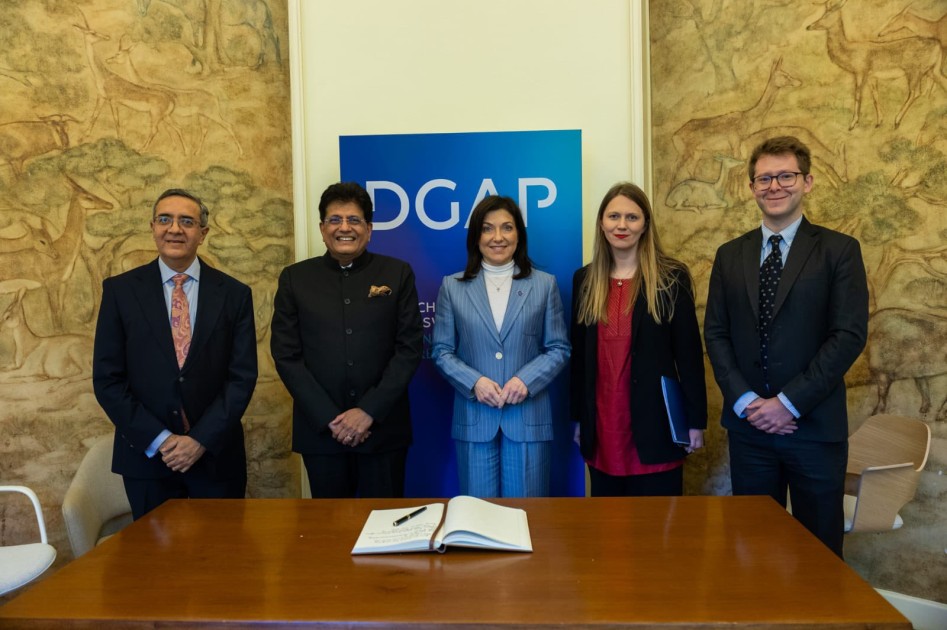
BERLIN: Union Minister of Commerce and Industry Shri Piyush Goyal held a series of high-level engagements in Berlin on October 22nd to strengthen India–Germany trade, investment and industrial cooperation. The engagements included a bilateral meeting with German Federal Minister for Economic Affairs and Energy Ms. Katherina Reiche, the inauguration of the India Centre at the German Council on Foreign Relations (DGAP), an India–Germany Business Roundtable and participation in the Berlin Global Dialogue.
During the bilateral meeting, Shri Piyush Goyal and Ms. Reiche discussed opportunities for closer industrial collaboration and the potential of the India–EU Free Trade Agreement (FTA) to expand bilateral trade and investment. The two Ministers jointly inaugurated DGAP’s India Centre in Berlin, which is intended to promote policy research and dialogue on India–Germany relations.
The Union Ministers also co-chaired an India–Germany Business Roundtable organised with DGAP and the Asia-Pacific Committee of German Business (APA), with participation from German CEOs and business leaders. In their keynote addresses, Shri Goyal addressed accelerating growth and forging a new trade era, while Ms. Reiche spoke on transforming the FTA into industrial reality. The subsequent interaction focused on translating the prospective India–EU FTA into concrete trade and investment opportunities.
At the Berlin Global Dialogue, Shri Piyush Goyal participated in the panel discussion titled “New Era, New Alliances: The Third Path?” alongside Personal Representative of the German Chancellor for Investment, Mr. Martin Blessing; Singapore’s Minister for Manpower and Minister-in-charge of Energy and Science & Technology, Dr. Tan See Leng; and Chairwoman and CEO of Marcegaglia Steel, Ms. Emma Marcegaglia and the session was moderated by Prof. Dr. Lars-Hendrik Röller. Shri Goyal highlighted the importance of trust, complementary economic strengths and resilient supply chains in international partnerships.
Shri Goyal also held individual meetings with Member of the Board of Management of Bayer AG, Mr. Stefan Oelrich, and President of its Pharmaceuticals Division; Mr. Murat Akyildiz, Managing Partner of Knauf Group; and CEO of Fresenius SE & Co. KGaA, Mr. Michael Sen, to explore opportunities for business and investment cooperation.
Shri Goyal is accompanied on his visit to Germany and the Netherlands by a delegation of around 100 Indian businesses and startups. The Berlin engagements form part of ongoing efforts to deepen the India–Germany Strategic Partnership, particularly in trade, investment, technology and industrial cooperation.
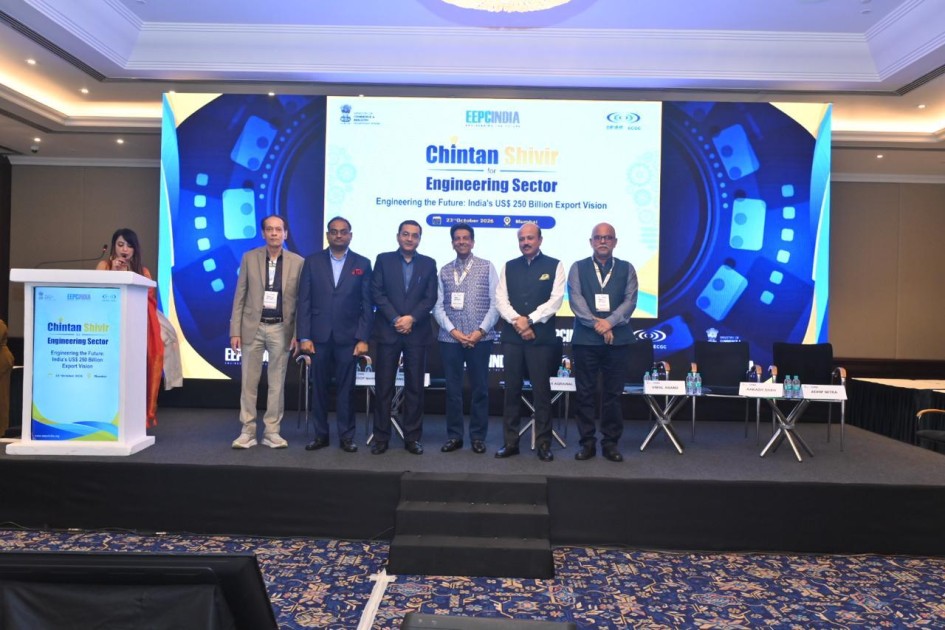
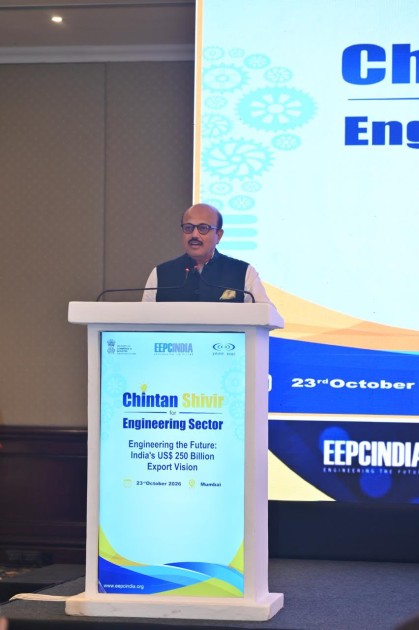
NEW DELHI: The Department of Commerce and EEPC India, the country’s apex engineering exports promotion body, held multiple brainstorming sessions as part of the Chintan Shivir for the Engineering Sector to chart a strategy for achieving total engineering goods exports of US$250 billion by 2030, deepening market access through better utilisation of free trade pacts and enhancing the global competitiveness of the sector by securing the long-term availability of key raw materials.
The sessions brought together top policymakers, industry leaders, sector experts and concerned stakeholders.
The discussions highlighted concerns about the availability of quality raw materials at competitive prices and the need for a resilient, competitive supply chain to support the long-term growth of engineering exports. It was noted that volatility in input costs, supply-chain disruptions, global overcapacity and trade-protective measures can affect the competitiveness of Indian engineering exports.
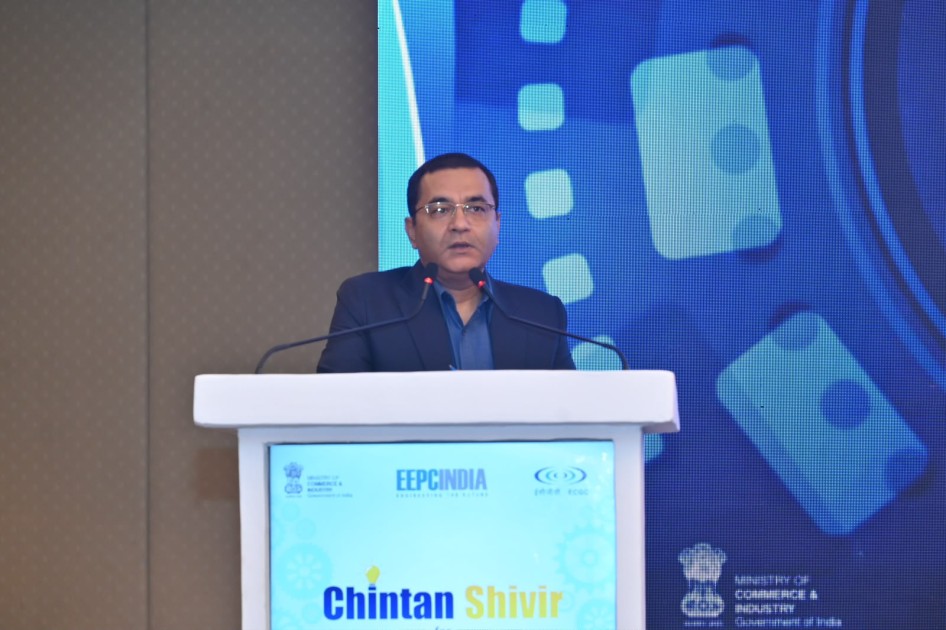
In his keynote address, Secretary, Department of Commerce, Shri Rajesh Agrawal, highlighted the resilience of India’s exports amid global uncertainties.
India’s total exports of merchandise and services grew by 14% year-on-year to US$476.20 billion during April–September 2026–27. He also highlighted the potential to increase India’s share in global merchandise exports from approximately 2% to 15–20%, stressing the need to leverage the country’s competitive advantages.
During the first six months of FY 2026–27, engineering exports crossed US$70 billion, registering nearly 20% growth over the corresponding period of the previous year.”
Addressing emerging challenges, including Quality Control Orders (QCOs), sustainability-related trade measures and climate-linked requirements affecting market access, Shri Agrawal emphasised the need for ambitious export targets to drive growth and strengthen global competitiveness. He further stressed industry-wide collaboration to address common challenges and identify practical solutions, while encouraging stakeholders to adopt relevant global best practices to strengthen India’s manufacturing ecosystem and enhance engineering export potential.
Addressing the gathering, Joint Secretary, Department of Commerce, Shri Vimal Anand, underscored the promising export performance of the engineering sector and called upon EEPC India to revisit its ambition of achieving US $300 billion in engineering exports by 2030. He observed that, with sustained efforts and continued industry–government collaboration, engineering exports could potentially reach US $300 billion by 2030.
Shri Anand also emphasised the need for EEPC India to prepare a comprehensive white paper on QCOs applicable to the engineering sector, examining the sectors and products covered, the rationale for their introduction and their impact on industry. Such a study would facilitate a more nuanced, evidence-based understanding of the implications of QCOs for the engineering sector.
Further, he called upon EEPC India to actively seek feedback from members across all its engineering panels to ensure that the challenges and concerns of different segments of the sector are comprehensively captured and adequately represented in policy deliberations.
Chairman, EEPC India, Shri Pankaj Chadha, expressed confidence that India’s engineering sector would continue to scale new heights through closer industry–government collaboration.
“We are very much on track to surpass export numbers of the previous financial year. Our medium- and long-term growth outlook remains positive. Engineering exports are expected to cross US$140 billion this current financial year,” he said.
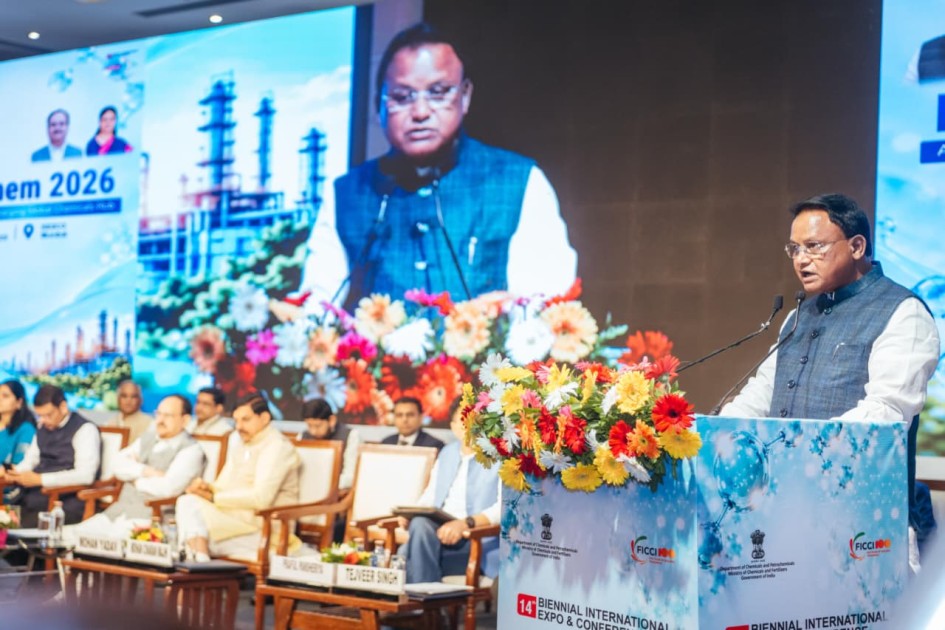
MUMBAI: Odisha has secured investment proposals worth Rs 53,893.51 crore during the two-day India Chem 2026 in Mumbai, with the projects expected to generate 20,210 employment opportunities, Chief Minister Shri Mohan Charan Majhi said Friday.
Majhi, who led the state’s delegation to the event, made the announcement after arriving at the Biju Patnaik International Airport in Bhubaneswar from Mumbai.
“During these two days in Mumbai, nine Memorandums of Understanding (MoUs) and four expressions of investment intent were signed. These initiatives have brought investment proposals worth a total of Rs 53,893.51 crore to Odisha, which are expected to create 20,210 employment opportunities,” he said.
The chief minister also announced that Odisha will host the event next year after discussions with the Centre and the Federation of Indian Chambers of Commerce and Industry (FICCI), which have agreed to the proposal.
During the Mumbai visit, Majhi held 25 one-on-one meetings with business leaders and representatives of companies, including POSCO India, JSW and Larsen & Toubro (L&T), as well as firms based in the US and the European Union.
The discussions helped the state understand investors’ requirements and familiarise them with the facilities and opportunities available in Odisha, Majhi said, adding that several companies had expressed keen interest in investing in the state.
He thanked Union Chemicals and Fertilisers Minister Shri JP Nadda for his support in facilitating discussions with companies.
The chief minister said the outreach was part of the state’s efforts to diversify its economy from a predominantly metal-based one towards the chemicals sector.
Odisha aims to build an integrated industrial ecosystem encompassing metals, downstream metal industries, chemicals, petrochemicals and plastics, he said, adding that the initiative would help the state contribute to the vision of an ‘Atmanirbhar Bharat’.
Among the major investment proposals, NLC India Ltd proposed an investment of around Rs 36,763.51 crore in the chemicals and power sectors, the largest commitment announced during the outreach.
L&T signed an MoU proposing an investment of Rs 8,100 crore. In all, the state signed nine MoUs involving proposed investments of Rs 51,443.51 crore and received four investment intents worth Rs 2,450 crore.
“Odisha is ready to be a major growth partner for L&T in eastern India. We invite L&T to expand its manufacturing footprint, explore new opportunities in chemicals and petrochemicals, and strengthen its presence in engineering and technology,” Majhi said.
MUMBAI: Mahindra Logistics Limited (MLL) reported strong financial and operational performance in Q2 FY27, with consolidated revenue rising 24% year-on-year (YoY) to ₹2,095 crore and profit after tax (PAT) increasing 3.5 times to ₹26.2 crore, reflecting improved execution, operating discipline and a sharper focus on profitable growth.
The company’s EBITDA surged 46% YoY to ₹124 crore, expanding margins by 90 basis points to 5.9%. Revenue grew 5% sequentially, while diluted earnings per share improved to ₹2.64 from a loss of ₹1.20 in Q2 FY26. Return on capital employed (ROCE) for H1 FY27 rose significantly to 12.9%, compared with 1.7% a year earlier.
Contract Logistics Leads Growth
Contract Logistics remained a key growth engine, expanding 28% YoY on higher volumes from key customers, including the Mahindra & Mahindra automotive business. Growth was supported by disciplined contract selection, operating efficiencies and cost management.
The Mobility business grew 33% YoY, driven by new B2B customer additions and margin expansion. Freight Forwarding recorded 12% sequential growth alongside improved profitability, reflecting strengthening business momentum.
Express Business Turns EBITDA-Positive
The Express business, MESPL, recorded 69% YoY and 11% sequential growth, achieving its first EBITDA-positive quarter since acquisition. Improved yields, higher volumes and a sharper focus on unit economics supported the turnaround. MESPL also achieved EBITDA positivity for H1 FY27.
Meanwhile, Last Mile Delivery generated revenue of ₹68 crore, prioritising business quality and margins. EBITDA improved to ₹1.6 crore from ₹0.4 crore in Q2 FY26.
Management Focuses on Sustainable Profitability
Commenting on the results, Mr. Hemant Sikka, Managing Director and CEO of Mahindra Logistics Ltd., said the performance reflected sharper execution, stronger operating discipline and a sustained focus on profitable growth.
He highlighted the improvement in PAT and the rise in H1 FY27 ROCE to 12.9% from 1.7% in H1 FY26, underscoring stronger capital productivity and the company’s commitment to long-term shareholder value creation.
Sikka also emphasised Contract Logistics’ continued growth, the Express business turnaround and improvements in productivity, service levels and customer outcomes across the portfolio.
Focus on the Next Phase of Growth
The Q2 FY27 results underline Mahindra Logistics’ progress in improving profitability while expanding across its integrated logistics and mobility businesses. With revenue growth complemented by margin expansion, improved capital efficiency and a key turnaround milestone in Express, the company is reinforcing its focus on operational excellence and sustainable value creation.
Mahindra Logistics serves more than 400 corporate customers across sectors including automotive, engineering, consumer goods and e-commerce, offering technology-enabled supply chain management and enterprise mobility solutions through its asset-right business model.
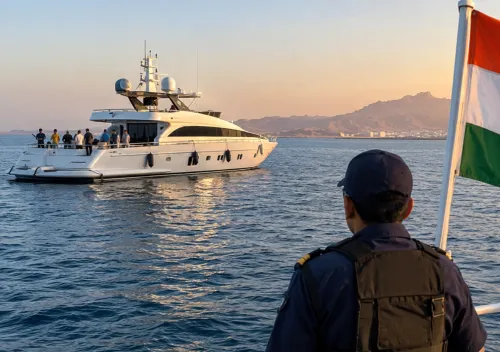
SANAA: India’s Embassy in Yemen has confirmed that all 14 nationals on board a Yacht that was target of a firing incident in Yemeni waters are safe.
“Reports suggest that all 14 Indian nationals are safe and located around Hodeidah in Yemen. We will continue to work for ensuring their well being,” the Embassy said.
Earlier the Embassy had said that it was making efforts to find more details about the incident off the coast of Yemen on October 22.
Yemen’s Houthis rebels had alleged that Saudi Arabia had targeted an Indian yacht carrying 14 Indian nationals near Zuqar Island in the southern Red Sea, following which their forces initiated a rescue operation.
Houthi military spokesperson Yahya Saree, citing preliminary information, stated that the Yemeni Armed Forces would share further details as they became available.
“The Saudi enemy is targeting an Indian yacht near Zuqar Island, carrying 14 people of Indian nationality, according to preliminary information. The Yemeni Armed Forces are rescuing them and will provide more details later. This reckless act by the Saudi enemy in targeting it threatens international navigation in the Red Sea, and the international community must stop the Saudi enemy from these reckless actions,” Saree had posted on X.
The latest development came after an attack on King Fahd International Airport in Dammam, Saudi Arabia, killed two people, including an Indian national, while two other Indian nationals sustained injuries, according to the Indian Embassy in Riyadh.
India has also strongly condemned the continued attacks on civilian and energy infrastructure in Saudi Arabia, including the strikes on King Fahd International Airport in Dammam and Saudi Aramco’s Shaybah oil field. New Delhi also expressed hope for an early restoration of peace and normalcy in the region.
The escalating hostilities in the region has also been condemned by UN Secretary General António Guterres who called for a new political horizon.
“Escalating hostilities in Yemen & continued Houthi attacks against civilian targets in Saudi Arabia – which are totally unacceptable – are inflicting immense suffering on civilians & adding to regional tensions. We need restraint. And Yemen needs a political horizon,” he said. (ANI)
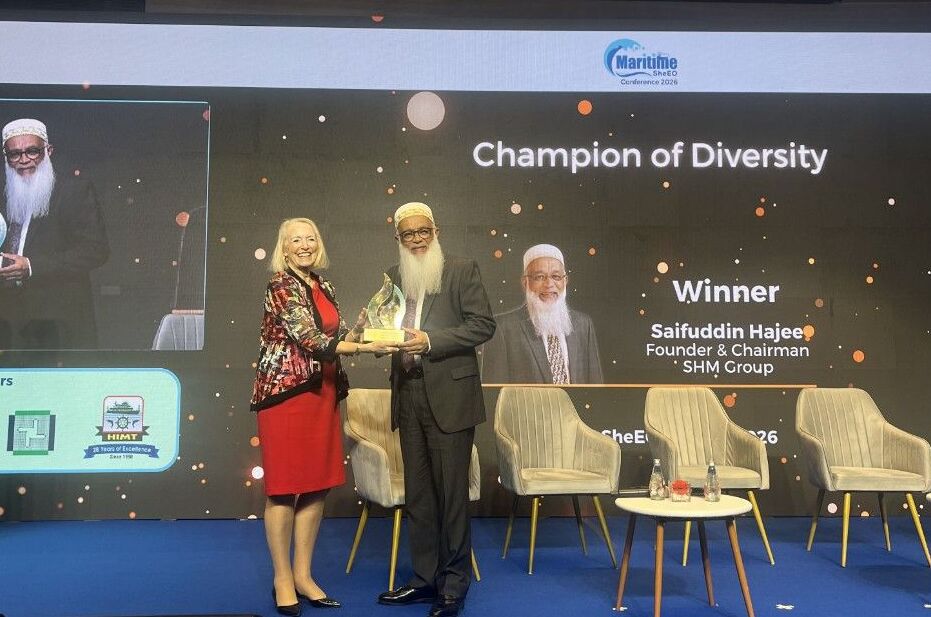
MUMBAI: SHM Shipcare Private Limited (“SHM Shipcare”), an integrated maritime company engaged in shipbuilding, ship repair, ship management and maritime safety solutions, was recognised with the Champion of Diversity Award by Maritime SheEO, an organisation that works to empower women in the maritime industry. The award was presented to Mr. Saifuddin Hajee, Managing Director and Group CEO, SHM Shipcare, at the 7th Maritime SheEO Conference 2026. The recognition acknowledges SHM Shipcare’s commitment to diversity and inclusion and Mr. Hajee’s contribution to building a more equitable maritime industry.
Innovation Showcase Highlights Rescue Innovation
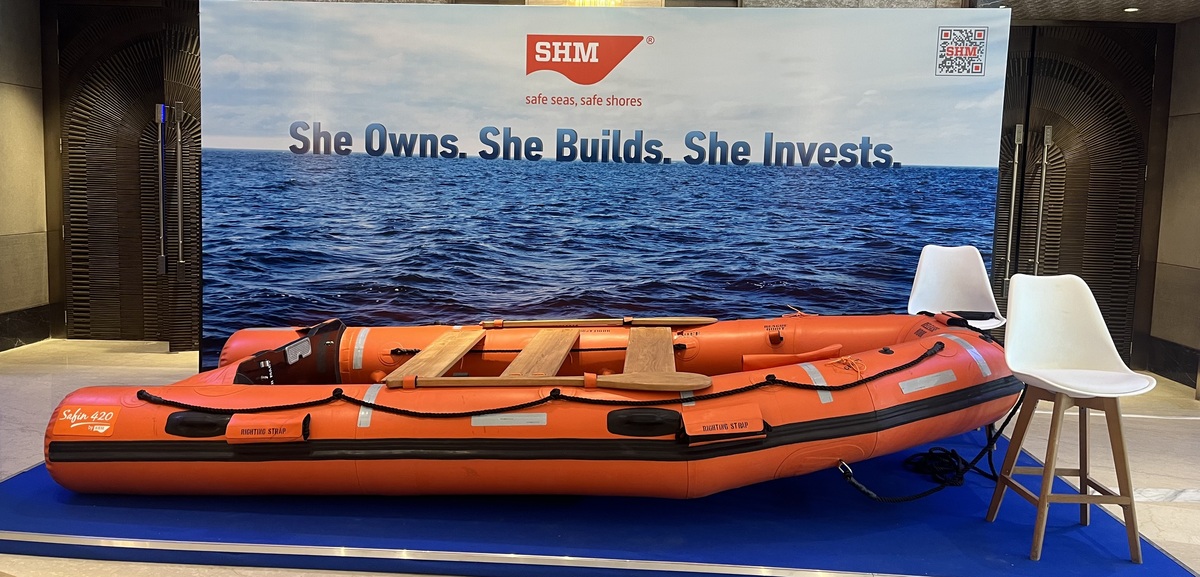
SHM Shipcare also showcased its Saffin Inflatable Rescue Boat at the conference’s Innovation Showcase. The compact, easy-to-transport vessel formed a distinctive centrepiece of the company’s on-ground presence and was displayed to give attendees a close view of modern rescue equipment used at sea.
Designed for emergency rescue operations, the Saffin boat can accommodate six persons—five seated and one on a stretcher. With a nominal length of 4.2 metres, breadth of 1.8 metres and a fully equipped weight of 778 kg, the vessel combines portability with operational readiness.
Commenting on the recognition and the showcase, Mr. Saifuddin Hajee, Managing Director and Group CEO, SHM Shipcare, said, “The maritime industry is stronger when women are part of every function, from the shore to the vessel. This recognition from Maritime SheEO reflects that belief. Safety at sea depends on capable people, and the Saffin rescue boat we have showcased here is a reminder that those who design, build and operate such equipment should come from the widest possible pool of talent.”
The Champion of Diversity Award adds to the recognitions received by Mr. Hajee, who is also the recipient of the Lifetime Achievement Award from the Directorate General of Shipping.
Maritime SheEO was founded in August 2019 by Sanjam Sahi Gupta to support and advance women across the maritime sector. Its annual conference brings together industry leaders, professionals and changemakers to discuss inclusion, leadership, and the future of maritime talent.
About SHM Shipcare:
SHM Shipcare (SHM Shipcare Pvt. Ltd.) is a company engaged in shipbuilding, ship management, maritime safety, and related services for the shipping industry. Mr. Saifuddin Hajee, an alumnus of IIT Mumbai, founded SHM Shipcare in 2001 with a singular vision to save lives through the timely delivery of world-class marine safety and survival systems. He is the recipient of the Lifetime Achievement Award from Directorate General of Shipping (DG Shipping) in recognition of his contribution to the industry. He was instrumental in the construction of 29 specialized patrol boats currently serving the Indian Navy, National Coastal Port Authorities and the Mumbai Police. SHM Shipcare supports government agencies, ports, and industry operators across India and international markets. The company operates across 25+ locations and 18 port cities, including Singapore, the UAE, Malaysia, Indonesia, Shanghai, Greece, Egypt, Oman and Sri Lanka, as well as Mumbai, Kandla, Kochi, Chennai, Visakhapatnam, Kolkata, Kakinada, Paradeep and Port Blair.
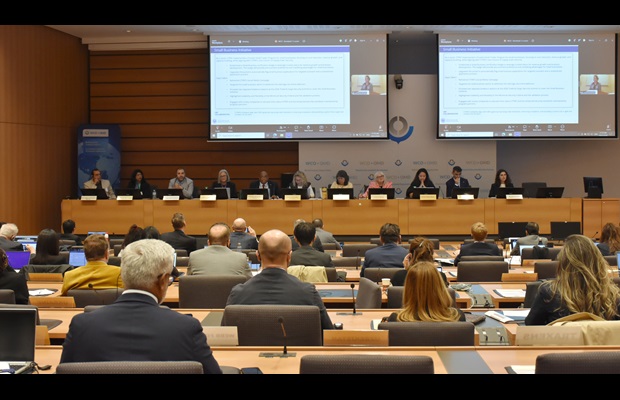
BRUSSELS: The World Customs Organization (WCO) held the 33rd Meeting of its SAFE Working Group (SWG) from 21 to 23 October 2026, marking an important milestone with the launch of the first-ever annual Micro, Small and Medium-sized Enterprises (MSME) Spotlight, while advancing several strategic initiatives aimed at strengthening global supply chain security, facilitating legitimate trade and promoting more inclusive participation in international trade.
Giving smaller businesses a voice: the first-ever WCO MSME Spotlight
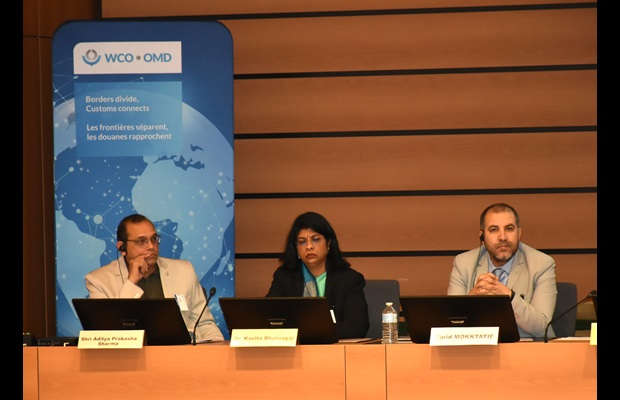
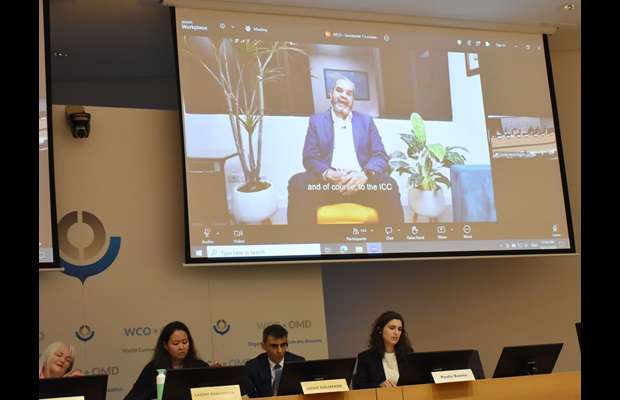
A key highlight of the meeting was the successful launch of the MSME Spotlight, a new initiative developed in continued partnership with the World Trade Organization (WTO) and the International Chamber of Commerce (ICC). The SWG brought together Customs administrations and their own SME and MSME Authorized Economic Operator (AEO) partners to share their experiences directly with the international Customs community, building on the best practices in the 2025 joint WCO-WTO-ICC “Study Report on Integration of MSMEs into AEO Programmes”.
The inaugural Spotlight featured contributions from the United States, Morocco and India, together with participating smaller businesses. Through the ICC, participants also heard from a young logistics company from Panama, established only three years ago, which had already successfully obtained AEO certification.
This initiative represents an important step towards ensuring that smaller businesses, whose perspectives have traditionally been less visible in international Customs discussions, have a dedicated platform to share not only their achievements but also the practical challenges they face in participating in AEO programmes.
The discussions reinforced the importance of making AEO programmes more accessible and responsive to the realities of smaller businesses, while preserving the security and compliance standards underpinning the SAFE Framework of Standards.
The WTO and ICC also provided updates on their respective MSME-related initiatives, contributing to a broader exchange on supporting smaller businesses in international trade.
The MSME Spotlight will become a recurring feature of the SAFE Working Group, providing a sustained platform for dialogue between Customs administrations and smaller economic operators.
Towards a centralized global repository of Advance Cargo Information requirements
Another significant outcome of the meeting was the SWG’s agreement to advance the development of a centralized WCO repository of Members’ Advance Cargo Information (ACI) requirements.
This initiative responds to a longstanding practical need expressed by international trade and transport stakeholders for a single, reliable point of reference for ACI requirements across different countries and modes of transport.
The envisaged repository would bring together information on national ACI requirements, including relevant legal frameworks, submission timelines, responsible parties and other key operational elements.
By progressively consolidating this information in one accessible location, the WCO aims to facilitate compliance, enhance transparency and support more efficient information exchange between Customs administrations and industry.
The initiative is particularly relevant to stakeholders across all modes of transport, including the aviation, maritime, road and rail sectors, and has the potential to position the WCO as a central global reference point for ACI-related information.
Expanding AEO programmes to cross-border e-commerce
The SWG also considered the first draft of the Guidelines on Expanding AEO Programmes to Cross-Border E-Commerce, an important step towards adapting the AEO concept to evolving international trade business models.
The draft Guidelines explore how different e-commerce stakeholders could be integrated into AEO programmes, taking into account their diverse roles, operational characteristics and compliance responsibilities. Particular attention was given to practical approaches for eligibility, validation, benefits and participation opportunities for smaller businesses.
The discussions provided valuable direction for the further development of the Guidelines, with a view to ensuring that AEO programmes remain relevant, inclusive and responsive to the changing global trading environment.
Measuring the real impact of AEO programmes and Mutual Recognition Arrangements
Recognizing the importance of demonstrating tangible results, the SWG further discussed ongoing work to develop methodologies and supporting materials for assessing the practical benefits of AEO programmes and Mutual Recognition Arrangements (MRAs).
The work seeks to move beyond the number of certified operators or signed arrangements and examine how these instruments deliver measurable benefits in practice, including improved predictability, reduced delays, enhanced facilitation and more effective cross-border cooperation.
Such efforts will help Customs administrations and businesses better understand the actual value of AEO programmes and MRAs, while identifying opportunities for further improvements.
Can Smart Security Devices transform Customs vigilance?
The meeting also featured an interactive roundtable entitled “Can Smart Security Devices Transform Customs Vigilance?”, bringing together perspectives from the United Kingdom, the Smart Container Alliance and the Eurasian Economic Commission.
Moving beyond traditional presentations, the roundtable adopted a practical, scenario-based approach to explore the potential applications, benefits and limitations of Smart Security Devices (SSDs) in international supply chains.
Discussions examined how information generated by such technologies, including geolocation, electronic seal integrity, tamper detection and shipment routing data, could support Customs risk management and controls.
The exchanges also considered practical challenges relating to data reliability, evidentiary value, interoperability and the appropriate use of technology in Customs decision-making. The format encouraged dialogue between different stakeholders and helped identify areas where further technical exchanges and cooperation could add value.
The 33rd SWG Meeting demonstrated the continued relevance of the SAFE Framework of Standards as a cornerstone of global supply chain security and trade facilitation.
By combining new initiatives on digital transparency and emerging technologies with practical work on AEO implementation, impact measurement and greater MSME participation, the SWG continues to translate international standards into concrete solutions for Customs administrations and businesses.
GENEVA: WTO members meeting in the Committee on Trade Facilitation on 21-22 October advanced work on the second review of the Trade Facilitation Agreement (TFA) and reaffirmed their commitment to completing the review by the end of the year. They also exchanged experiences on key implementation issues, reviewed specific trade facilitation matters raised by members, and discussed technical assistance needs.
Second review of the operation and implementation of the Trade Facilitation Agreement The Committee continued discussions on the second review of the TFA, focusing on both the draft factual report examining the operation and implementation of the Agreement and members’ proposals for future committee work and recommendations. The Chair, Mrs. Alix Rancurel (France), reported on member discussions in 2026 through a series of formal and informal meetings and outlined a timetable with deadlines and further discussions in order to finalize the review.
Nine members took the floor, some speaking on behalf of groups of members. While discussions continue on issues concerning technical assistance and capacity building and future support for TFA implementation, members broadly reaffirmed their commitment to completing the second review and to reaching agreement on a final report by the end of the year.
Experience sharing/thematic discussion The Committee held informal exchanges on experiences related to the design and implementation of risk management systems, including with the use of data analytics and artificial intelligence (AI). Nigeria made a presentation on its experiences in this area.
China made a presentation on enhancing trade facilitation by sharing cross-agency joint incentives available to authorized economic operators to enable fuller utilization of its programme. Under Article 7 of the TFA, members are to provide additional trade facilitation measures related to import, export, or transit formalities and procedures to such operators who meet specified criteria.
Nigeria outlined its experience in the implementation of its trade facilitation measures with regards to WTO advance rulings. Under Article 3 of the FTA, WTO advance rulings are written decisions issued by a customs authority before goods are imported that provide binding guidance on how the goods will be treated when they enter the country.
All presentations are available in the TFA Database.
Specific trade facilitation matters raised by members Members raised eight matters regarding certain practices of other members at the 21-22 October meeting. Four of the matters were raised for the first time. The eight matters were:
West African Economic and Monetary Union (WAEMU) – implementation of Article 10.2 of the TFA (raised by Switzerland); Indonesia’s pre-shipment inspection requirements for foreign halal products (raised by Australia); Indonesia’s customs procedures for intangible products (raised by the United States); Indonesia’s rewards system for customs officials (raised by the United States); Sri Lanka’s rewards system for customs officials (raised by the United States); Thailand’s rewards system for customs officials (raised by the United States); Italy’s e-commerce handling fee (raised by the United States); Romania’s e-commerce handling fee (raised by the United States) Dedicated session on technical assistance and capacity building support In line with Article 21.4 of the TFA, the Committee held a dedicated session on technical assistance and capacity building support for implementation of the Agreement.
Presentations were made by China on “South-South Capacity-Building Cooperation: Working Together to Advance Trade Facilitation”, by Myanmar on “Assessment of Myanmar’s Transit System and Implementing Freedom of Transit”, by Niger on risk management under TFA Article 7.4 and by the United States on “USDA’s Food for Progress Program”. A number of members took the floor to comment on the presentations.
The Committee heard from six organizations – the Global Alliance for Trade Facilitation, the International Trade Centre, the Organisation for Economic Cooperation and Development (OECD), the World Bank, United Nations Trade and Development (UNCTAD) and the World Customs Organization (WCO) – that provided updates on their activities in support of TFA technical assistance and capacity building. These organizations also responded to questions regarding their efforts to address the implementation needs of developing and least developed country (LDC) members.
The presentations are available in the TFA Database and the CTF eAgenda.
Trade Facilitation Agreement Facility (TFAF) A representative of the TFAF updated the Committee on its activities since the last meeting. Formally launched in July 2014, the TFAF was created at the request of developing and LDC members to help ensure that they receive the assistance needed to implement their Agreement commitments and ensure its full implementation.
Around a dozen members took the floor, some speaking on behalf of groups of members. Several developing country groups expressed concern over the future of TFAF, noting that the overall climate for donor funding remains uncertain and many TFA implementation gaps remain unresolved.
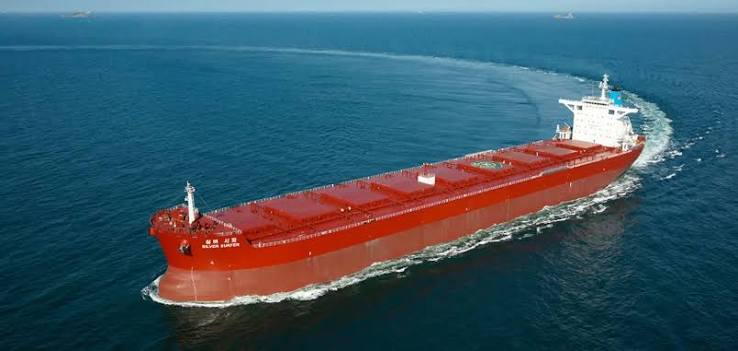
SEOUL: A little-known South Korean shipowner dominated oil transits through the Strait of Hormuz in September, data from intelligence firms suggest, with the group’s vessels moving more barrels than the next three owners combined.
Ships owned by Sinokor Group carried 105.6 million barrels of crude through the waterway connecting the Persian Gulf with global markets, an analysis of ship-tracking and other data from intelligence firms Vortexa, Equasis and Signal Group showed. That’s equivalent to almost 40% of oil making the crossing last month.
The next three players — the National Shipping Co. of Saudi Arabia, also known as Bahri, the Kuwait Oil Tanker Company, and Abu Dhabi National Oil Co.’s shipping unit — accounted for a combined 97.3 million barrels during the same period, according to Bloomberg calculations based on that data. The analysis considered ownership and not vessel operators.
None of the four companies replied to requests for comment.
Sinokor, owned by tycoon Ga-Hyun Chung, gained prominence from the early weeks of the Iran war, having amassed a huge tanker fleet in the run up to the conflict through purchases or time charters.
As Gulf crude exports recover to close to pre-war levels, Sinokor is still among the most active owners in the so-called shuttling trade, with its vessels taking short trips to pick up oil from inside the Persian Gulf, sail through Hormuz and then discharge at ship-to-ship transfer points in the Gulf of Oman.
Its tankers have assisted in the transporting of crude from Saudi Arabia and the UAE, and more recently also dabbled in Iraq and Qatar shipments, ship-tracking data show. Lloyd’s List first reported Sinokor’s dominance of September transits.
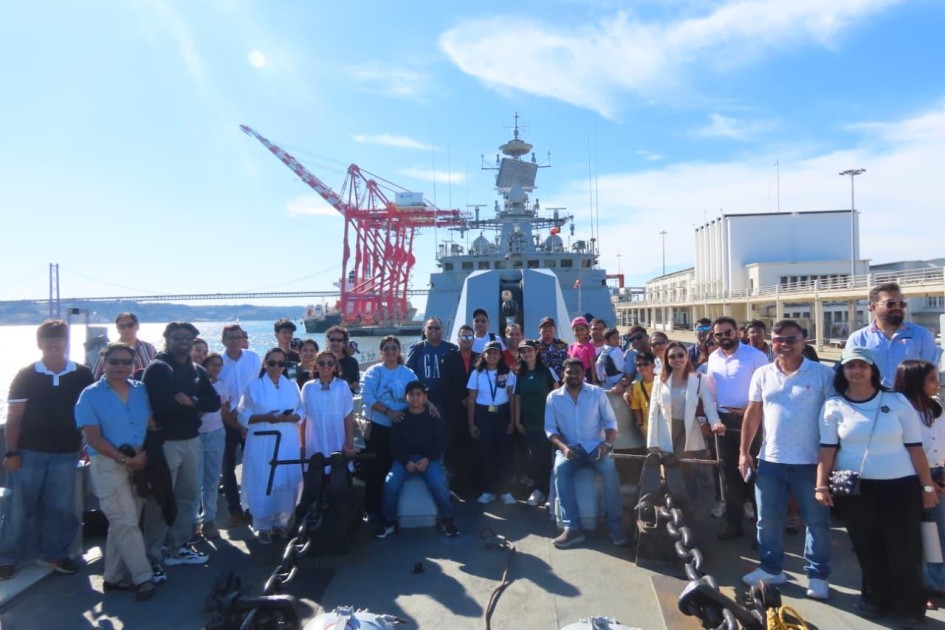
LISBON: Indian Naval Ship Trishul concluded her port call at Lisbon, Portugal, on 21 Oct 26. The visit provided an opportunity for professional interactions, knowledge-sharing and the exchange of Best Practices with the Portuguese Navy, contributing to a better understanding of shared maritime interests and strengthening operational synergy between the two Navies.
During the port call, the ship’s Commanding Officer called on the Commander of the Portuguese Navy and held productive discussions focused on enhancing operational synergy and interoperability, as well as exploring avenues for further collaboration. The interactions reflected the continued engagement between the two Navies and their shared interest in strengthening maritime cooperation.
The ship was open to visitors, including members of the Indian diaspora and Portuguese naval personnel, who had the opportunity to visit and interact with the crew. The Ambassador of India to Portugal, HE Puneet R Kundal, also visited the ship and interacted with the officers and crew.
A cultural exchange was hosted onboard, providing an opportunity to foster camaraderie and promote mutual understanding. The event was attended by the Ambassador of India to Portugal, envoys of other countries, Rear Admiral Paulo Silva Pereira, Deputy Fleet Commander and Flotilla Commander of the Portuguese Navy, officers of the Portuguese and Brazilian Navies, and members of the Indian diaspora. The gathering reflected the close people-to-people connections and friendly relations underpinning maritime cooperation between India and Portugal.
The port call formed part of INS Trishul’s overseas deployment and provided a valuable opportunity to engage with the Portuguese Navy and the Indian diaspora. The visit reinforced India’s commitment to maritime cooperation, professional engagement and camaraderie with friendly maritime forces, while contributing to the enduring maritime partnership between India and Portugal.