Home Blog Page 45

“K” Line – Notice on Revision to Consolidated Financial Forecasts for the Fiscal Year ending March 2027

TOKYO: Kawasaki Kisen Kaisha, Ltd. (hereinafter, “the Company”) announces that it has revised its  consolidated financial forecasts for the fiscal year ending March 2027 from the previously  announced forecasts on August 4, 2026. 

1. Revision of Financial Forecasts  
1) Consolidated Financial Forecasts for the cumulative 2nd quarter of fiscal year ending  March 31, 2027 (April 1, 2026 – September 30, 2026) 

307d78d7 f3ff 34f6 e384 52ece778913c "K" Line - Notice on Revision to Consolidated Financial Forecasts for the Fiscal Year ending March 2027

2) Consolidated Financial Forecasts for the fiscal year ending March 31, 2027 (April 1, 2026 – March 31, 2027)

56a0719c 524b 2d04 7672 88b75b06f167 "K" Line - Notice on Revision to Consolidated Financial Forecasts for the Fiscal Year ending March 2027

2. Reason for the Revision 

Due to stable Drybulk market trend, the Company revised its financial forecast from  the previously announced forecasts on August 4, 2026. Further to the above, the  Company’s equity method affiliate company OCEAN NETWORK EXPRESS PTE. LTD., that  operates containership business, expects cargo demand and spot freight rates to exceed  the initial forecast. The Company revised its consolidated financial forecast for cumulative  second quarter of the fiscal year ending March 31, 2027 (April 1, 2026 to September 30,  2026) as well as full fiscal year ending March 31, 2027 (April 1, 2026 to March 31, 2027)  consolidated financial forecasts with above reason and revised estimation of Operating  revenue, Operating income, Ordinary income and Profit attributable to owners of the  parent accordingly.

Lloyd’s Register and NSML launch plans for global maritime forum in Nigeria

New industry-led platform will bring together international shipping, energy, infrastructure and finance leaders, positioning Nigeria as a hub for maritime dialogue and development in Africa.

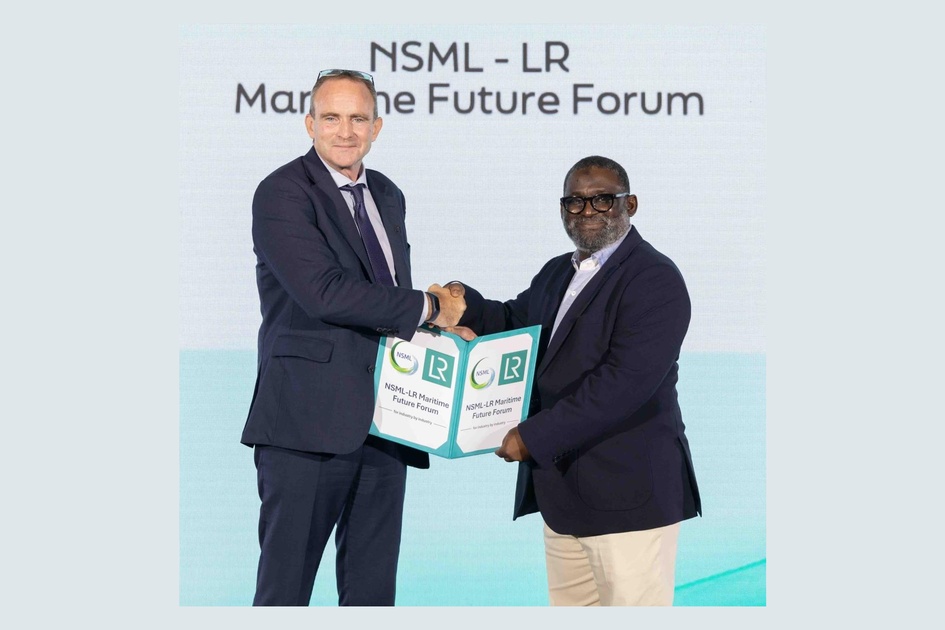
ABUJA: Lloyd’s Register (LR), and NLNG Shipping and Marine Services Limited (NSML) have announced plans to establish a new global maritime forum in Nigeria, creating a new platform for industry leaders to address the challenges and opportunities shaping the future of shipping, energy, infrastructure and investment.

Announced as part of the partners’ ongoing commitment to supporting Africa’s maritime development, the NSML-LR Maritime Future Forum will bring together organisations from across the maritime value chain, including shipowners, operators, regulators, energy companies, investors, insurers, ports and technology providers.

Discussions will focus on how shipping, energy, infrastructure, technology, people and investment can work together to unlock economic growth, strengthen supply chains and support sustainable development across Africa and beyond.

The initiative builds on the Memorandum of Understanding signed by LR and NSML at Gastech 2025 to strengthen maritime skills, training and capability development in West Africa. The proposed forum represents the next phase of that collaboration, expanding its focus to create a long-term platform for strategic dialogue, knowledge sharing and industry leadership.

The launch comes as Africa’s maritime sector enters a period of significant transformation. Growing investment in LNG, offshore energy, ports, shipping and logistics is increasing the importance of maritime infrastructure, workforce development and cross-sector collaboration. At the same time, digitalisation, decarbonisation and evolving trade patterns are reshaping the demands placed on the industry.

Against this backdrop, the forum aims to position Nigeria as a convening point for global maritime expertise and discussion. This reflects the partners’ ambition to demonstrate that Nigeria can be at the forefront of maritime innovation and leadership, both within Africa and internationally.

Ngozi Gwam, Business Director and Senior Representative for Africa, LR, said: “Africa’s maritime future will be defined by how effectively we connect people, infrastructure, technology, energy and investment. The Maritime Future Forum has been created by industry, for industry. Our ambition is to establish a platform that brings together stakeholders from across the value chain to explore practical solutions, exchange expertise and support sustainable growth across the maritime sector.”

An NSML spokesperson said: “NSML has consistently been at the forefront of shaping discourse in the Nigerian maritime industry. The NSML-LR Maritime Forum, therefore, serves as a strategic platform for maritime stakeholders to engage on pressing industry issues, share insights, and collaboratively develop solutions that advance the growth, competitiveness and sustainability of the sector.”

Seafarers face widening competency gap as digital shipping accelerates, recent research finds

Eighty two per cent of maritime professionals surveyed say current training does not adequately prepare crews for the realities of modern, digitally-enabled vessel operations. Just 18% believe training keeps pace, according to new research from OneOcean and Thetius.

LONDON: Seafarer training is falling behind rapidly evolving operational realities at sea, according to two new reports commissioned by OneOcean and conducted by maritime innovation consultancy Thetius.

The research draws on survey data and interviews with maritime professionals across shipboard and shore-based roles. Those interviewed and surveyed include masters, officers, engineers, superintendents, training personnel, crewing staff, and shore-based operators.

Findings reveal two interconnected challenges – that seafarers work in increasingly complex digital environments, and that maritime professionals do not feel well prepared to keep pace with this change.

The reports suggest that whilst the global seafaring workforce may be qualified on paper, it is under prepared in practice.

According to the first report, Competent or Compliant?, the research found that:

  • 82% of respondents say current training models do not prepare crews for modern operations
  • 52% report that qualified crew struggle in real operations ‘often’ or ‘very often’
  • 56% say ‘tick box’ compliance contributes to this gap
  • 18% believe current training adequately prepares crews for operational reality

The maritime professionals that responded say these competence ‘gaps’ are most visible during:

  • Abnormal or unexpected situations (67%)
  • High-pressure operations (56%)
  • Working between different vessels (36%)
  • When using complex digital systems, ECDIS or reporting tools (31%)

According to the second report, Decision-optimised or overloaded? the digital revolution has introduced novel risks alongside new capabilities because the technology can redistribute rather than eliminate work. Modern vessels are highly connected digital ecosystems, and while this has improved reporting, transparency and efficiency, it has also had introduced challenges.

Crews increasingly act as the link between systems that do not communicate with one another, manually reconciling conflicting data across displays. The report also found that alert fatigue is a growing risk. For example, following Global Navigation Satellite System (GNSS) interference, 75% of mariners reported a moderate to significant increase in workload, showing how quickly information overload can escalate when further systems alarm at once.

The report suggests that more data does not necessarily lead to better decisions, particularly in high-pressure situations, yet training courses do not sufficiently prepare seafarers to handle this reality.

Alex Mangan, Chief Marketing and Communications Officer, OneOcean, said: “Change in shipping will only accelerate as vessels adopt new digital systems to manage tightening international regulation and to sail more efficiently and productively.

“This has created a growing gap between the training seafarers receive and the challenges they face at sea. The problem is twofold, coming from rapid technological changes at sea, and from the ways in which training is delivered to crews. Closing this reality gap requires the industry to shift its approaches to competence, to reflect real-world operations.”

Nick Chubb, Founder of Thetius, said: “The findings reveal a clear reality gap between the demands of modern shipping and the way competence is developed. As vessels become more digitally complex, the industry must move beyond compliance-based training and equip seafarers with the skills they need to operate safely and effectively.”

OneOcean’s own product suite reflects this thinking. The Ocean Learning Platform (OLP) gives operators fleet-wide visibility into crew readiness, turning certification records and assessments into a verified picture of who’s ready, where training gaps remain and, crucially, painting a clear picture of competence levels.

OneOcean remains committed to investing in Human Capital Management and empowering continuous workforce planning, development and engagement through digital tools.

Both reports were launched via a two-part webinar series hosted by Thetius, featuring live discussion of the findings with industry panellists. The reports and the webinar recordings are available at https://www.oneocean.com/insights/oneocean-thetius-thought-leadership.

OneOcean continued the conversation this week at Seatrade Maritime Crew Connect Global’s where Capt. Sanjeev Mathur, SVP, OneOcean, moderated a peer exchange focussed on ‘The Deployment Gap: What the Officer Shortage Actually Costs to Manage’, John Butler, SVP, Technical Ship Management, OneOcean, discussed ‘The Fatigue Timebomb & Shore Leave Erosion: A Witness Stand’ and Anna Ruszczynska – Regional Director – APAC, OneOcean, debated ‘The 800,000 — Who Owns the Race to Train the Guinea Pig Generation?’.

ClassNK releases ‘Onboard Carbon Capture Systems Implementation Framework’, Handbook Supporting Consideration of Onboard Carbon Capture

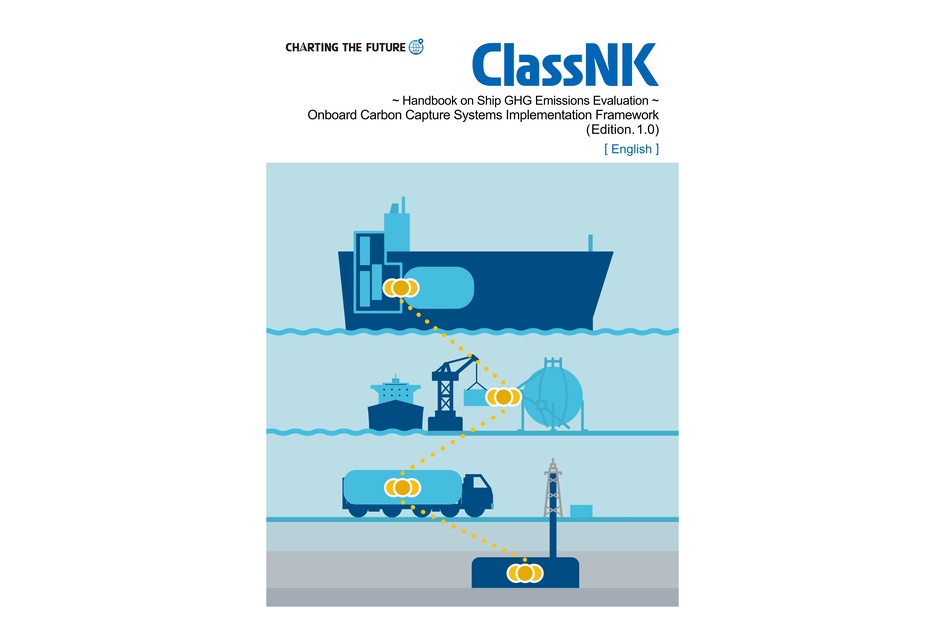
TOKYO: ClassNK has released a new handbook entitled ‘Onboard Carbon Capture Systems Implementation Framework’ as part of its Handbook on Ship GHG Emissions Evaluation series.

The handbook provides practical guidance for shipowners, operators and other stakeholders considering the introduction of onboard carbon capture systems (OCCS). It is intended to help them understand the considerations involved across an entire OCCS project and to facilitate discussions among relevant parties and consideration of OCCS implementation.

The introduction of OCCS requires consideration not only of the value chain from onboard CO₂ capture through to storage and other forms of final treatment, but also of mechanisms for quantifying and verifying emissions reductions.

These include MRV*1and CoC*2 systems for managing captured CO₂ and its associated attribute information.

The handbook brings together these considerations from technical, infrastructure, regulatory and emissions-reduction assessment perspectives, and can be used to support discussions among relevant stakeholders and the consideration of specific OCCS projects.

Background

The maritime industry is pursuing various measures to reduce GHG emissions, including operational improvements, the introduction of energy-efficiency technologies and the transition to alternative fuels.

Among these options, onboard CO₂ capture, in which CO₂ is captured from ships’ exhaust gas, processed and temporarily stored on board, has attracted attention as a means of supporting GHG emissions reduction, with demonstration projects and discussions on relevant regulatory frameworks progressing internationally.

However, translating the use of OCCS into actual emissions reductions requires more than the onboard system itself. Routes must be secured for the unloading, transportation, storage, sequestration or utilisation of captured CO₂, together with mechanisms for quantifying and verifying emissions reductions.

As these considerations span technology, infrastructure, regulation and emissions-reduction assessment, a project-wide perspective is essential.

Through the development of its “Guidelines for Onboard CO₂ Capture and Storage Systems”*3, ClassNK has worked to establish safety and technical requirements for such systems, while accumulating knowledge through demonstration projects and experience through various GHG certification services.

Drawing on this knowledge and experience, the handbook has been prepared to help stakeholders considering the introduction of OCCS gain a project-wide understanding of the relevant considerations.

ClassNK will continue to support the maritime industry’s decarbonisation efforts through the provision of relevant information.

How to access the handbook

The handbook is available on the following page of ClassNK’s website. (URL: www.classnk.or.jp).

Home > Information Services > ClassNK Transition Support Services

Please click here to access the handbook.

The handbook is also available under ‘Technical Publication’ on ClassNK MyPage. MyPage can be accessed here.

*1 Monitoring, Reporting and Verification (MRV): A framework for the continuous monitoring, reporting, and verification of emissions or emission reductions.

*2 Chain of Custody (CoC): A framework for transferring, tracking, and managing captured CO₂ and its associated attributes throughout each stage of the supply chain.

*3 Related Press Release: ClassNK releases ‘Guidelines for Onboard CO2 Capture and Storage Systems (Edition 2.0)’ – World-first requirements for onboard CO2 capture systems using membrane separation method

https://www.classnk.or.jp/hp/en/hp_pressrelease.aspx?id=14242&layout=1

Viksit Bharat is not just a promise for its people, but a guarantee of a better world: PM Modi

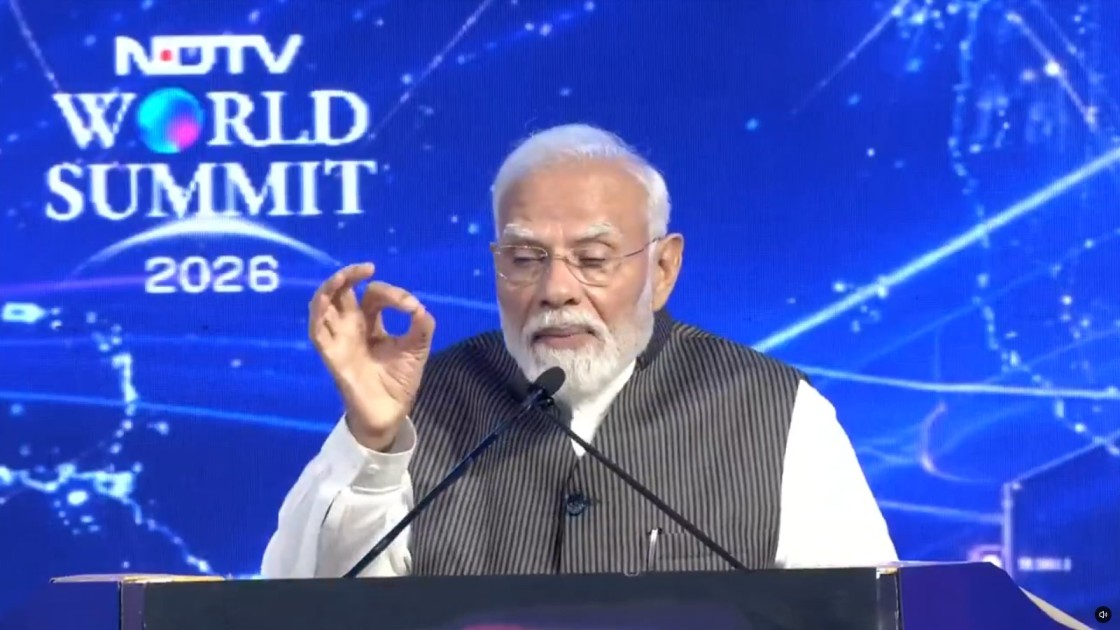
NEW DELHI: Prime Minister Shri Narendra Modi on Thursday addressed the NDTV World Summit 2026 here in New Delhi. Greeting the international delegates amidst the joyous festive season in the country, the Prime Minister welcomed the participants to the summit. He commended the gathering for deliberating on serious global matters.

Highlighting the timely relevance of the NDTV summit’s deliberations, the Prime Minister noted that discussions regarding a new world order have become ubiquitous because global shifts now directly impact the daily lives of ordinary citizens. He emphasized that these real-world repercussions elevate the necessity of such international forums.”In such a scenario, the importance of such world summits increases even more,” observed PM Modi.

Framing the central debate around ‘The World Between Orders’, the Prime Minister stated that the global community must fundamentally examine why the existing order is shifting and why legacy systems are failing to resolve contemporary crises. He added that answering these questions naturally leads to examining the nation’s specific responsibilities on the world stage.“And second, what is India’s role in this changing world?” noted Shri Modi.

Tracing the organic evolution of international relations since the Second World War, the Prime Minister recalled how the United Nations was founded on the realization that dialogue and cooperation must supersede raw power, yet Global Institutions failed to adapt as new economies, technologies, and nations outside the original decision-making table rose to prominence. Pointing out that erstwhile connectors like trade, technology, and sea routes have now morphed into arenas of weaponization, conflict, and geopolitical tension, he stressed that the modern imperative is to build an inclusive order that bridges the gap between institutional decision-making and current realities.”And right from here, the question of India’s role comes to the fore,” asserted PM Modi.

Recalling the deep global divisions, mutual suspicion, and trust deficit during the COVID-19 pandemic when champions of globalization prioritized self-interest, the Prime Minister reminded the audience of his 2020 appeal from the G20 platform to build a new world order focused on the collective well-being of humankind and centered around humanity. He also reiterated his message from the UNGA platform that same year regarding the urgent necessity of institutional evolution. “If the century changes and we do not change, then our capacity to bring change also weakens,” asserted Shri Modi.

Questioning the exact architecture of the emerging global framework, the Prime Minister emphasized the urgent need to reform multilateral institutions and accord due space to the voice of the Global South. He insisted that international cooperation must extend beyond favorable periods to remain resilient during severe crises.“For this, having an effective consensus among all stakeholders is essential,” affirmed PM Modi.

Operating on the foundational mantra of Sabka Saath, Sabka Vikas, the Prime Minister highlighted how the nation has cemented its role as a Vishwa-Bandhu. He noted that despite widespread skepticism regarding the possibility of reaching consensus during India’s hosting of the G20 and BRICS Summits, the country successfully built bridges across antagonistic divides to deliver unanimous Delhi Declarations both times.”This is the trust in India’s role as a Vishwa-Bandhu,” affirmed PM Modi.

Linking the nation’s growing strength directly to global welfare, the Prime Minister explained that because domestic policies are anchored in timeless civilizational values rather than fleeting impulses, a stronger India guarantees global stability and continuity. Recalling his recent ‘Power to Empower’ vision, he emphasized that a self-reliant, economically robust, and skilled Viksit Bharat naturally fortifies global supply chains, drives productivity, and inspires worldwide prosperity.“Meaning, India today is increasing its capability so that the capability of the world can also increase,” asserted Shri Modi.

Reiterating the nation’s relentless drive to become a top-three global economy, the Prime Minister noted that emerging as the fastest-growing major economy amidst severe international headwinds further boosts national morale. He proudly listed the country’s premier global standing across green energy, Artificial Intelligence, startups, and the digital economy.”India is number one in real-time digital payments,” noted PM Modi.

Spotlighting a series of historic technological and environmental milestones achieved for the very first time, the Prime Minister highlighted the Fast Breeder Reactor achieving criticality, the integration of digital technology into the national Census, and the inaugural run of a hydrogen train. He also pointed to the monumental leap in the nation’s clean energy transition.”For the first time, India crossed the figure of 300 gigawatts in Non-fossil Electricity Capacity,” observed Shri Modi.

Characterizing these diverse breakthroughs as the hallmark of a transforming nation, the Prime Minister stated that the country is simultaneously fortifying its traditional strengths while emerging as a formidable force in entirely new domains. He emphasized that these sweeping achievements are not isolated occurrences, but the direct outcome of a deliberate governance framework.“All this is the result of the policy of Reform, Perform, and Transform,” asserted PM Modi.

The Prime Minister highlighted the transformative power of collective national willpower. He remarked that when a determined nation marches forward, its foundational infrastructure becomes a symbol of resilience rather than vulnerability.”Rather, that very power grid elevates the progress and self-confidence of the country,” observed Shri Modi.

“Ease of Living is improving in the country and new opportunities for employment are also being created,” affirmed PM Modi.

Reflecting on the nation’s evolution from being merely the ‘World’s Back Office’ and a basic service provider, the Prime Minister stated that the country is now actively innovating, designing, and building original technologies for the globe. He pointed out that the nation ranks third globally in research publications and witnessed nearly 1.5 lakh patent filings in 2025 alone.“Regarding research and innovation, this is a glimpse of the possibilities in India,” noted Shri Modi.

Spotlighting the domestic semiconductor ecosystem, the Prime Minister observed that 20 percent of the global chip-design workforce resides in the country, with Indian engineers actively designing cutting-edge 2-to-3 nanometer chips. He added that comprehensive facilities are being provided to expand this talent pool across academic institutions.“Our students have prepared more than three hundred and twenty-five Chip Designs so far,” noted PM Modi.

Pointing out that India hosts over half of the world’s Global Capability Centres, the Prime Minister explained that these hubs have pivoted from basic support services to advanced AI, cloud computing, engineering, analytics, and product development. He declared that as the world shifts its trust from Indian manpower to Indian mind-power, the nation has transitioned from ‘Talent at Scale’ to ‘Thinking at Scale’.“We are now working with the world not just as a Back Office, but also as a Brain Office,” asserted Shri Modi.

Expanding on pharmaceutical self-reliance beyond Penicillin G, the Prime Minister stated that the government is constructing a complete domestic supply chain for Active Pharmaceutical Ingredients (APIs) through the PLI framework. He noted that this targeted policy intervention has already attracted over 5,000 crore rupees in investments across nearly 40 operational projects.”affirmed Shri Modi.

Concluding his address by focusing on the grand goal of a Viksit Bharat powered by the limitless aspirations of 140 crore citizens and the resonant spirit of ‘We Will Do It’, the Prime Minister pledged to innovate, forge new paths, turn challenges into opportunities, and link India’s success with global prosperity. He expressed full confidence that the insights generated at the summit would energize national resolutions, offering his final best wishes to all participants.”We will dream big, we will turn every challenge into an opportunity, and we will take every resolution to fulfillment,” affirmed PM Modi.

India and Poland strengthen strategic partnership, set ambitious agenda for trade, defence and technology cooperation

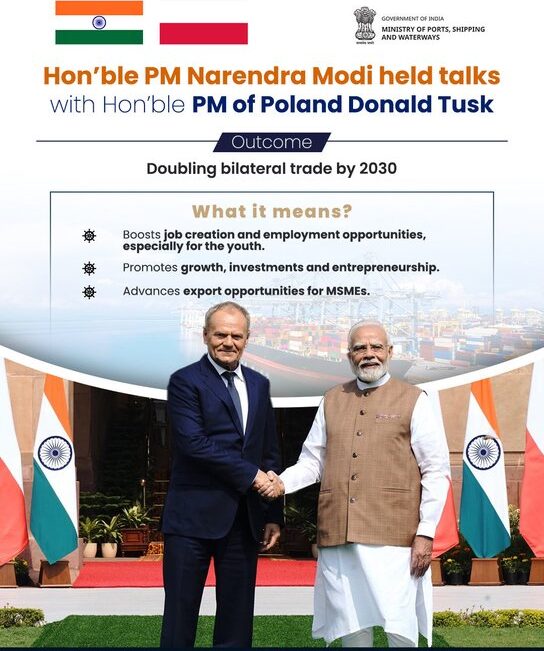
NEW DELHI: India and Poland have taken significant steps to deepen their Strategic Partnership, with Prime Minister Shri Narendra Modi and Polish Prime Minister Mr. Donald Tusk outlining a forward-looking agenda to expand bilateral cooperation across trade, investment, defence, advanced technologies and maritime connectivity.

During Prime Minister Tusk’s official visit to India from October 21–23, 2026, the two leaders held comprehensive discussions on bilateral, regional and global issues of mutual interest. The visit builds on the elevation of India–Poland relations to a Strategic Partnership in August 2024 and aims to translate the growing diplomatic engagement into concrete economic and strategic outcomes.

Four Key Outcomes to Drive Bilateral Cooperation

  1. Doubling Bilateral Trade by 2030

Both leaders agreed to set an ambitious target of doubling bilateral trade by 2030, reflecting the complementary strengths of the two economies and the growing opportunities for business collaboration. India invited Polish companies to expand their investments and operations in the country, while Poland highlighted its position as a gateway for Indian businesses seeking to access Central and Eastern European markets.

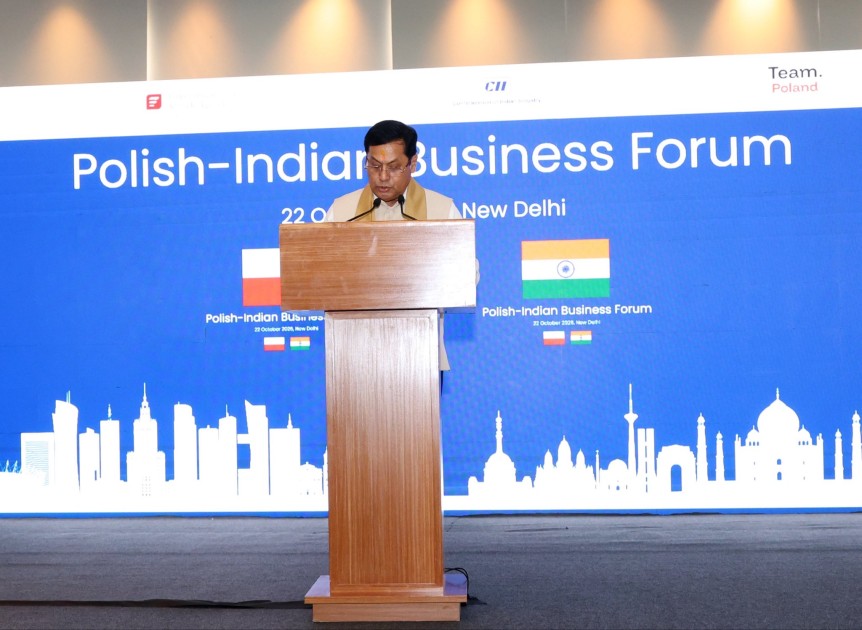
The India–Poland Business Forum, held during the visit, brought together leading business representatives to explore partnerships across industrial machinery, infrastructure, pharmaceuticals, defence, mining, critical minerals, energy and information technology.

  1. Strengthening Defence and Strategic Industrial Cooperation

India and Poland agreed to deepen defence and security cooperation, including through the proposed establishment of a Defence Industry Dialogue. The initiative is expected to encourage stronger business-to-business engagement and explore opportunities for technology partnerships, joint development and co-production in mutually agreed areas.

The leaders also emphasised cooperation in cybersecurity, defence innovation and critical and emerging technologies to strengthen industrial capabilities and strategic resilience.

  1. Expanding Cooperation in Advanced Technologies and Sustainable Development

The two countries identified fresh opportunities to collaborate in artificial intelligence, semiconductors, quantum technologies, space, critical minerals and clean energy. They also highlighted the potential for joint research, innovation-led growth and stronger partnerships between businesses, start-ups and research institutions.

Cooperation in battery recycling, rare-earth mineral recovery and other circular-economy initiatives is expected to support sustainable industrial development and strengthen supply-chain resilience.

  1. Enhancing Connectivity, Maritime Cooperation and Global Engagement

Recognising the importance of reliable and resilient global supply chains, India and Poland highlighted opportunities to strengthen cooperation in shipping, maritime security and port connectivity. The leaders also underscored the importance of improving international connectivity, including through the India–Middle East–Europe Economic Corridor (IMEC).

The discussions further covered stronger people-to-people ties, educational and cultural exchanges, counter-terrorism cooperation and reform of multilateral institutions. Poland announced its decision to join the Coalition for Disaster Resilient Infrastructure (CDRI), reinforcing the scope for collaboration in climate-resilient infrastructure.

Stronger Economic and Strategic Engagement

The visit reflects the shared commitment of India and Poland to diversify and strengthen their economic engagement amid changing global trade patterns and supply-chain realignments. Both countries are seeking to convert their expanding political relationship into long-term partnerships that generate investment, technology exchange and new commercial opportunities.

The leaders also welcomed progress in India–European Union engagement and called for early signing, ratification and implementation of the India–EU Free Trade Agreement to unlock further opportunities for trade and investment.

India and Poland reaffirmed their commitment to implementing the Strategic Partnership Action Plan for 2024–2028 through sustained high-level engagement and stronger institutional cooperation.

The renewed partnership is expected to create fresh avenues for businesses, manufacturers, technology providers and maritime stakeholders, while strengthening economic links between India and Central and Eastern Europe.

Sarbananda Sonowal invites Polish firms to ‘Build, Innovate and Grow with India’

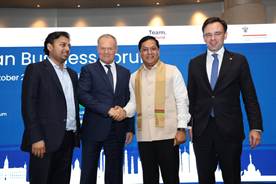
NEW DELHI: Union Minister of Ports, Shipping & Waterways (MoPSW) Shri Sarbananda Sonowal urged Polish companies to “build, innovate and invest in India” rather than only sell to it, as he pitched the country’s growth story to business leaders from both nations.

Union Minister Sarbananda Sonowal delivered the keynote address at the India-Poland Business Forum here on Thursday which was also attended by Poland’s Prime Minister Donald Tusk. Sonowal recalled that Prime Minister Shri Narendra Modi’s visit to Poland in August 2024 lifted ties to a strategic partnership.

“When Prime Minister Narendra Modi visited Poland in August 2024, he and Prime Minister Tusk elevated our relations to a Strategic Partnership. They did so with a clear conviction: the India-Poland relationship must not only be strong in diplomacy; it must also be strong in business, technology, investment and innovation,” said Sarbananda Sonowal. The aim now, he said, is for the relationship to be as strong in business, technology, investment and innovation as it is in diplomacy.

“India offers the scale of a large and growing market, the skills of a young and talented workforce, and the trust of a democracy committed to reform, enterprise and openness,” Sonowal said.

Sonowal argued that the two economies fit together. Poland, he said, has strengths in engineering, machinery, mining technologies, transport, environmental solutions and advanced manufacturing. India has the market, talent and manufacturing base to give those capabilities scale. “My message to Polish companies is: do not only sell to India. Build in India. Develop solutions in India. Find Indian partners. And, use India as a platform for growth,” Sonowal said.

Sonowal cited that India, under the dynamic leadership of Prime Minister Narendra Modi, has set an ambitious target to generate 500 GW of non-fossil fuel power capacity by 2030, to put forth a strong Climate Action step by the country. He put the investment needed at roughly 280 billion to 300 billion euros, with openings for equipment makers, storage, power grids, green hydrogen, recycling and environmental technology. Poland’s experience in mining, critical minerals and clean energy could help, Sonowal said.

On technology, Sonowal noted that Indian IT companies have made Poland a base for their European operations and employ about 10,000 people there. He said the next step should go beyond IT services, into artificial intelligence, quantum computing, 5G applications, digital infrastructure, smart manufacturing and space.

The Union Minister proposed a Startup Bridge, an Innovation Corridor and an AI and Quantum Dialogue to link businesses, researchers and innovators in both countries. Trade between the two countries has reached $6.36 billion, and Indian investment in Poland exceeds $3 billion, Sonowal said. Polish companies are also active in India in packaging, manufacturing, waste-to-energy and electric mobility. He said the ambition should be larger than doubling trade by 2030.

“We should create together. We should innovate together. We should invest together. We should build trusted supply chains together. And we should succeed together,” Sonowal said.

He urged business leaders to see the India-EU free trade agreement as more than a trade pact. “View it as a partnership multiplier,” he said. It opens a larger window into the Indian market for Polish firms, he said, and widens European opportunities for Indian ones.

Sonowal concluded by describing India’s philosophy of “Power to Empower”, stating that beyond the power to compete lies the power to collaborate. “India’s growth can create opportunities for Poland. Poland’s capabilities can add strength to India. And together, our businesses can create solutions for the world,” he said.

Rubio meets Adani, Tata Sons chiefs ahead of Reliance Jamnagar visit

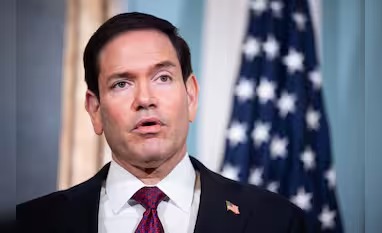
MUMBAI: US Secretary of State Marco Rubio met Adani Group Chairman Gautam Adani and Tata Sons Chairman N Chandrasekaran in Mumbai on Wednesday morning before heading to Jamnagar in Gujarat to visit Reliance Industries‘ giant oil-refining complex, the world’s largest single-site refinery, along with Vantara and giga factories being developed by the conglomerate.

Rubio, who arrived in Mumbai on Tuesday afternoon, first met Adani, followed by a meeting with Chandrasekaran, sources said.

Neither side released details of the meetings.

Adani heads one of India’s largest conglomerates, with interests spanning ports, airports, energy, logistics and infrastructure. The group has also been expanding its renewable-energy and manufacturing businesses, sectors that are central to India’s ambitions to strengthen domestic supply chains and attract global investment.

Chandrasekaran, who leads Tata Sons, the Tata Group’s holding company, oversees a sprawling business empire with interests in automobiles, steel, information technology, aviation, electronics, and advanced manufacturing. The group has been investing in semiconductors and battery technology as India seeks a larger role in global technology and manufacturing supply chains.

Rubio’s Jamnagar itinerary brings the focus to Reliance’s industrial complex, which houses the world’s largest single-site oil refinery, with a combined processing capacity of about 1.4 million barrels per day.

The site also hosts Vantara, a wildlife rescue, treatment, and rehabilitation initiative launched by Reliance Industries and Reliance Foundation under Anant Ambani’s leadership. Spread across more than 3,500 acres, the centre focuses on the care and rehabilitation of injured, threatened and rescued animals, alongside wildlife conservation efforts.

Another major component of the Jamnagar complex is Reliance’s planned new-energy manufacturing hub, the Dhirubhai Ambani Green Energy Giga Complex. Spread across more than 5,000 acres, the project is designed to house factories for solar photovoltaic modules, battery energy storage, green hydrogen electrolysers, fuel cells and power electronics.

The investments form part of Reliance Chairman Mukesh Ambani’s strategy to build a large integrated clean-energy business alongside the group’s established oil refining and petrochemicals operations. The facilities are intended to support India’s energy transition and reduce dependence on imported clean-energy equipment.

Sources said Rubio will visit all three before flying back to the US.

The visit comes as India and the United States seek to deepen commercial and strategic ties, with energy security, manufacturing and technology among the areas of potential cooperation.

Rubio’s Jamnagar visitputs energy and industrial investment at the centre of his India trip, with the Reliance complex emerging as a focal point for potential cooperation between Washington and New Delhi on global oil supplies.

The refinery’s ability to process a wide range of crude grades makes it strategically significant as the United States explores expanding markets for Venezuelan oil and India seeks to diversify its energy supplies.

Rubio has said Washington is in discussions with Reliance about refining more Venezuelan crude as production in the South American country rises.

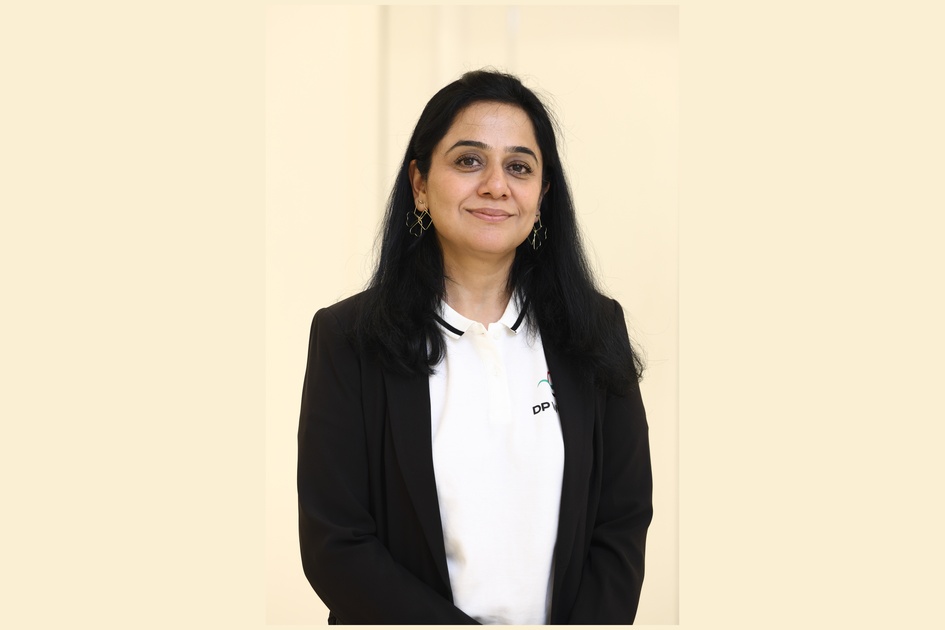
INTERVIEW: “Freight Forwarding is Evolving into End-to-End Supply Chain Orchestration”- Manisha Malhotra, DP World

As global trade patterns shift and supply chains face growing demands for greater visibility, flexibility and resilience, freight forwarding is taking on a far more strategic role than simply moving cargo from one destination to another. For integrated logistics providers, the challenge lies in connecting infrastructure, multimodal transportation, warehousing and digital capabilities to deliver seamless end-to-end solutions. In an exclusive interaction with India Shipping News, Ms. Manisha Malhotra, Vice President – Freight Forwarding, SCO , DP World, shares her perspective on the changing dynamics of freight forwarding, the importance of integrated logistics networks, and the role of technology in building more agile and resilient supply chains. She also discusses opportunities for Indian exporters and importers to expand into global markets, particularly through stronger trade corridors linking India with the Middle East and Africa, and explains how integrated logistics can help strengthen India’s competitiveness in global trade.

Q: For many years, freight forwarding was largely perceived as a transactional service focused on moving cargo from one point to another. Today, however, it has evolved into a strategic component of supply chain management. How do you see the role of freight forwarding changing in the era of integrated logistics, and what should businesses expect from a modern freight forwarding partner?

  1. A: Today, customers increasingly expect real-time shipment visibility, predictive insights, digital documentation and proactive exception management that enable faster, better-informed decisions. In this scenario, flexible freight forwarding services will need to be built around customers’ cargo needs and technology enabled.

DP World views freight forwarding as a critical link within our integrated logistics ecosystem. By combining our global network of ports, terminals, inland logistics, rail, warehousing and freight forwarding, we enable cargo infrastructure and information to move together through one connected platform. This reduces coordination with multiple stakeholders, shortens transit times and improves supply chain efficiency.

From here on, businesses should expect a freight forwarding partner to act as a strategic advisor beyond just moving cargo efficiently. This will help them optimize supply chains, respond quickly to disruptions, access new markets and build long-term resilience in an increasingly dynamic global trade environment.

Q: DP World has steadily transformed itself from a global port operator into an end-to-end logistics solutions provider. How does freight forwarding complement your broader logistics ecosystem comprising port terminals, inland container depots, rail connectivity, warehousing and multimodal transport to create a seamless customer experience?

  1. A: DP World’s integrated approach enables smoother transitions across transport modes, reduces dwell times and improves overall supply chain efficiency.

Freight forwarding helps connect customers directly to our physical infrastructure, while our digital platforms, real-time cargo visibility and integrated warehouse technologies help them manage inventory more effectively and make faster, better-informed operational decisions, across the entire logistics journey.

In India, we operate through 11 freight forwarding offices, delivering end-to-end solutions for both containerised and project cargo across ocean and air freight. Combined with strong shipping line connectivity, global container availability, extensive trade lane coverage and specialised air freight network, we help customers navigate global trade with greater confidence, reliability and flexibility. With our global network of 300 + Freight Forwarding offices we are highly equipped to support businesses to reach new markets and achieve scale.

Q: Supply chains today are expected to deliver not only speed but also predictability, visibility and resilience. From your experience, what are the biggest operational challenges customers face today, and how does DP World’s integrated logistics network help them overcome these challenges?

A: In an increasingly dynamic trade environment, businesses diversify sourcing and expand into new markets, they are looking for integrated logistics partners that can simplify complexity and provide greater flexibility. Gartner research reinforces this shift, finding that only 29% of supply chain organisations[1] have developed the capabilities needed for future readiness, including agility, resilience and integrated ecosystems.

DP World enables customers to build resilient supply chains by connecting every stage through our own assets. Our port terminals, rail services, warehousing, multimodal transport, economic zones and contract logistics provide seamless end‑to‑end cargo movement and informed operational decision‑making. In India, this integrated network is strengthened by Free Trade Warehousing Zones in Nhava Sheva, Chennai and Cochin, supported by dedicated rail and multimodal infrastructure that enhance connectivity, flexibility and resilience.

This is complemented by our global network across more than 80 countries and partner operations, giving customers greater visibility and control over cargo. The advantage of owning assets is not only improved transparency but also the ability to navigate complex challenges. In times of disruption, it allows us to support businesses with flexible choices and dependable visibility throughout the supply chain.

Q: India is witnessing unprecedented investments in logistics infrastructure through initiatives such as PM Gati Shakti, Dedicated Freight Corridors and the National Logistics Policy. How is DP World aligning its freight forwarding strategy with these national initiatives, and what opportunities do you foresee for Indian exporters and importers?

  1. A:  As per DP World’s Global Trade Observatory Annual Outlook Report 2026, more than half of businesses now prioritise supply chain diversification, while reaching new markets is their top growth objective. They are also evaluating new trade routes based on cost, connectivity and faster cargo clearance.

DP World is aligning its freight forwarding strategy by embedding Indian exporters into global corridors through initiatives such as Bharat Mart in JAFZA, this transformative marketplace will Indian businesses to 1.2 billion consumers across the Middle East.

At the same time, our own multimodal assets across India and Africa position us to strengthen the India–Africa trade corridor. With India–Africa trade already valued at nearly USD 94 billion, DP World’s integrated terminals, free trade zones and logistics parks provide exporters and importers with seamless access to high‑growth African markets. DP World freight forwarding network provides credibility to customers those who are looking at expanding in their operations in Africa region.  Considering it’s a new market, the freight forwarding solutions can help navigate customers through regulatory challenges and provide optimum visibility of their cargo.

By leveraging our infrastructure in both regions, we are enabling Indian businesses particularly MSMEs to diversify supply chains, manage cargo flows efficiently, and capture new opportunities in global trade. This alignment ensures that as India advances its logistics ambitions, DP World continues to support exporters and importers with reliable, scalable and future‑ready freight forwarding solutions.

Q: Digitalisation is rapidly reshaping global logistics. From real-time shipment visibility and predictive analytics to digital documentation and customer platforms, technology is becoming a key differentiator. Which digital capabilities do you believe will define the next generation of freight forwarding services?

  1. A:  India has made significant progress in digitizing logistics through initiatives such as ULIP, ICEGATE digital customs processes and paperless documentation. The next phase is focused on creating intelligent, connected supply chains where data moves as seamlessly as cargo.

Globally, technology is enabling shippers to anticipate disruption, optimise cargo flows and complete documentation digitally. At DP World, we are advancing this transformation through our Virtual Trade Corridor, which connects customs authorities, ports and customers on a single digital platform. This innovation reduces clearance times dramatically and allows cargo to move seamlessly across borders. Additionally, we have our own patented technology to deliver predictive analytics and integrated documentation across our global network.

Q: As global supply chains continue to diversify and businesses adopt the ‘China Plus One’ sourcing strategy, India has a unique opportunity to emerge as a preferred global manufacturing and export hub. In your view, what role will integrate logistics providers such as DP World play in strengthening India’s global competitiveness over the next decade?

  1. A: Global supply chains are diversifying, and India is emerging as a preferred hub. UNCTAD’s 2026 report highlights India gaining investment in electronics and electric vehicles, while Production Linked Incentive schemes have already catalysed trillions in exports and billions in manufacturing investment. Yet this success depends on reliable logistics, ensuring output reaches ships as seamlessly as it leaves factories.

DP World’s integrated ecosystem is designed for precisely this role. With terminals at Mundra and Nhava Sheva, a rail network linking key industrial centres, and the upcoming Tuna Tekra terminal adding 2.19 million TEUs of capacity, we provide the last mile between India’s manufacturing renaissance and global markets.

As supply chains grow more complex, freight forwarding is evolving into end‑to‑end orchestration combining multimodal transport, bonded warehousing, customs facilitation and digital visibility. With operations in over 80 countries, handling around 25% of India’s container trade and 10% of global trade, DP World is uniquely positioned to simplify supply chains, strengthen resilience and connect Indian businesses to new opportunities worldwide.


[1] Gartner Survey Shows Only 29% of Supply Chain Organizations Have Built Necessary Capabilities to Deliver on Future Performance

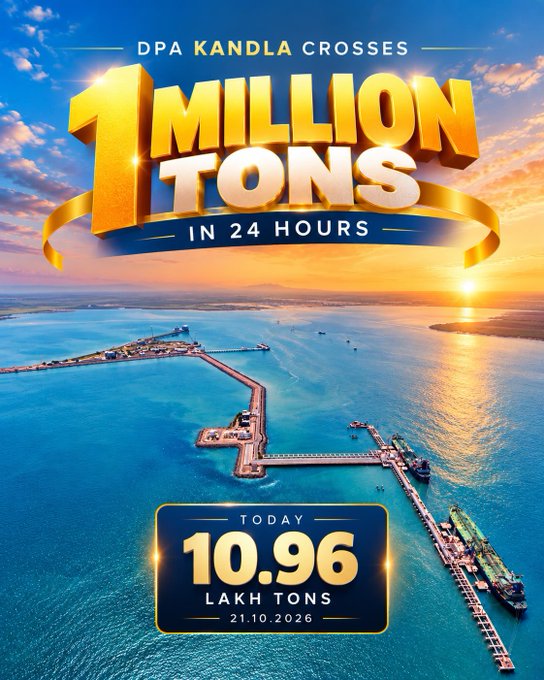
DPA Kandla achieves record-breaking performance, handles 10.96 lakh tonnes of cargo in 24 hours

GANDHIDHAM: Deendayal Port Authority (DPA), Kandla, has once again demonstrated its exceptional cargo-handling capabilities by handling an impressive 10.96 lakh tonnes of cargo in just 24 hours on October 21, 2026. This remarkable achievement marks the fourth occasion in October 2026 alone that the port has crossed the milestone of handling more than one million tonnes of cargo in a single day.

The repeated achievement underscores DPA Kandla’s growing operational strength, efficient cargo-handling systems and commitment to facilitating the smooth movement of goods through one of India’s major maritime gateways.

Consistent Performance Reflects Operational Excellence

Crossing the one-million-tonne mark four times in a single month highlights the port’s ability to sustain high-volume cargo operations while supporting the evolving requirements of domestic and international trade. The latest performance reflects coordinated efforts across port operations, cargo-handling infrastructure, terminal operators, shipping lines and other stakeholders in the maritime logistics ecosystem.

DPA Kandla plays a vital role in supporting India’s EXIM trade, serving industries across the hinterland through the efficient handling of diverse cargo. Its strategic location on the Gulf of Kutch and connectivity with major industrial and consumption centres strengthen its importance in the country’s logistics network.

Strengthening India’s Maritime and Logistics Capacity

The achievement reinforces DPA Kandla’s contribution to enhancing port productivity, improving cargo evacuation and strengthening the efficiency of India’s supply chains. Sustained improvements in cargo-handling performance are essential to meeting rising trade demand, reducing logistics bottlenecks and supporting the country’s broader economic growth.

As India advances its maritime development ambitions under the Maritime India Vision 2030 and Maritime Amrit Kaal Vision 2047, DPA Kandla’s consistent performance reflects the importance of robust port infrastructure, operational efficiency and stakeholder coordination.

With another milestone achieved, Deendayal Port Authority continues to demonstrate its commitment to delivering efficient, reliable and high-capacity port services.