Home Blog Page 461

WCO dedicates 2026 to Customs protecting society through vigilance and commitment

BRUSSELS: On 26 January each year, Customs administrations around the world celebrate International Customs Day. This gives them a chance to honour the dedication of their respective staffs, educate the public on Customs’ mission, and mobilize decision makers who can help ensure that they have the necessary tools and resources to innovate and address challenges effectively and efficiently. 

International Customs Day is also an opportunity for the WCO, as the voice of the global Customs community, to highlight a specific area in which our community can take collective action, said Mr. Ian Saunders, Secretary General. This year, we are elevating the profile of Customs as a protector of society and to demonstrate our dedication to safety and security through the WCO’s theme for 2026: “Customs protecting society through vigilance and commitment”. 

In his message on World Customs Day Mr. Ian Saunders, Secretary General, World Customs Organisation stated

Guided by this theme, I call on WCO Members to broaden the public recognition of how their steadfast service supports and safeguards the communities they serve. Indeed, even with our prominent position at the border, the indispensable contribution Customs makes to the security and welfare of societies worldwide is not commonly understood as part of the agency’s mission. We need to demonstrate that strong and well-equipped Customs authorities are indispensable to national and international security, public health, environmental protection, trade facilitation and supply chain integrity.  

We can showcase operational achievements, underlining the practices and tools enabling them, and demonstrate the value of information and intelligence sharing, regional and international cooperation, capacity building, risk management, detection equipment and data analysis as cornerstones of safeguarding our society. 

Customs’ protective mandate is not limited to enforcement against illicit firearms, financial flows, narcotics and unsafe goods. It also extends to advancement of public health and safety, environmental stewardship, disaster response, and overall security. 

As more effective protection of society demands a unified response, we also need to show how building partnerships with other administrations, governmental authorities, law enforcement and intelligence agencies, international organizations, non-governmental organizations (NGOs), and trade and logistics operators brings an important added value in securing our borders and global supply chains. 

I encourage Members to actively participate in WCO-led operations and to make full use of WCO standards, guidance and tools that are tailored to the needs of Customs administrations. The strength of our vigilance comes from using all the tools at our disposal.  

Our shared narrative must convey that Customs’ actions do more than disrupt criminal operations; they preserve the security and well-being of entire societies. Together, by highlighting the decisive role Customs plays and presenting it through compelling, relatable storytelling, we will strengthen public understanding of our mission and reinforce the value of what we do. 

Building on the collective momentum created by last year’s theme, let’s continue to tell the stories of the positive and crucial work carried out by Customs. As we undertake these efforts, we should remain mindful that the goals we are pursuing are substantial and intricate. Our ability to engage, influence, teach and inspire our audience is strongest when our narratives are based on facts and achievements for the betterment of society. When our efforts bear fruit, society sees that wherever there is a border, there’s Customs – working to deliver on its commitment to protection. 

I am very grateful for your support in making International Customs Day a memorable event, as well as in promoting and acting upon our 2026 theme throughout the year. Let’s ensure we use this year to help the world better understand the key role Customs plays in protecting our societies and lives. 

I wish you all a wonderful International Customs Day. 

FIATA: Streamlining Communication for a More Responsive 2026

GENEVA: As we step into 2026, FIATA reaffirms its commitment to efficient, structured, and responsive communication with its global membership. In line with best practices adopted by leading international organisations, including the United Nations bodies and governmental agencies, FIATA has moved to a centralised, topic‑based email system, rather than phone lines, to ensure that every inquiry is systematically tracked, properly assigned, and responded to with clarity.

Over the past five years, FIATA’s global visibility has grown significantly, resulting in a marked increase in the volume of inquiries received. While its mission continues to expand, its operational resources have not scaled at the same pace. This underscores the necessity of structured, centralised communication channels to maintain service quality and responsiveness.

To ensure your inquiries receive the fastest and most accurate support, FIATA has established dedicated functional email addresses, each aligned with a specific area of responsibility. These mailboxes are monitored daily by the relevant Headquarters team members, ensuring prompt and targeted responses.

Please kindly direct your queries to the appropriate mailbox below to serve you more efficiently and ensures your message reaches the right person without delay

Domain of Expertise and dedicated email address:

Membership: invoicing and membership certificates info@fiata.org

Professional development: Training (FIATA Diploma) and the Young Logistics Professionals Award training@fiata.org

Legal: FIATA standard documents and legal matters legal@fiata.org

Maritime: updates and support maritime@fiata.org

Digitalisation: Digital negotiable FIATA Multimodal Transport Bill of Lading (eFBL) and digital payment platform (FreightPay) digital@fiata.org

Sustainability: Sustainable supply chain development,  tools, how logisticians can contibutre to decarbonisation sustainability@fiata.org

Marketing: Partnerships, sponsorships, media and publications marketing@fiata.org

Events: FIATA World Congress, FIATA HQ Meeting and bidding procedures events@fiata.org

Regions: FIATA Regional Field Meetings and bidding procedures regions@fiata.org

Foundation: Train the Trainer (TOT) courses (developing a pool of trainers in freight forwarding through subsidised TOT training courses) foundation@fiata.org

Suggestions: feedback and new initiatives suggestions@fiata.org


Thank you for your continued trust and engagement. By choosing the right channel, you help us respond faster. Together, we build a more connected, efficient, and impactful FIATA.

Five Companies selected Under PLI White Goods Scheme; Production to Reach ₹8,337 Crore

NEW DELHI: The evaluation of 13 applications received in the fourth round under the PLI Scheme for White Goods has resulted in the provisional selection of five applicants, with a committed investment of ₹863 crore, all engaged in the manufacturing of air conditioner (AC) components. These five companies are expected to achieve a total production of ₹8,337.24 crore and generate 1,799 additional direct jobs by FY 2027–28.

Overall, a total of 85 companies selected under the PLI Scheme for White Goods (Air Conditioners and LED Lights) are expected to make investments of ₹11,198 crore, leading to cumulative production of ₹1,90,050 crore over the scheme period.

Eight applicants have been referred to the Committee of Experts (CoE) for detailed examination and recommendations. Details of the provisionally selected applicants are placed at Annexure.

This initiative is expected to significantly strengthen domestic manufacturing capabilities and drive economic growth in the sector. Under the scheme, manufacturers of Air Conditioners will produce components such as compressors, copper tubes (plain and/or grooved), control assemblies for IDUs and ODUs, heat exchangers, and BLDC motors, among others. Similarly, for LED Lights, components including LED chip packaging, LED drivers, LED engines, LED light management systems, and metallized films for capacitors, among others, will be manufactured in India.

The Union Cabinet approved the Production-Linked Incentive (PLI) Scheme for White Goods (Air Conditioners and LED Lights) on 7 April 2021, with a total outlay of ₹6,238 crore, to be implemented from FY 2021–22 to FY 2028–29. The scheme was subsequently notified by DPIIT on 16 April 2021.

The PLI Scheme for White Goods aims to create a robust domestic component ecosystem for the Air Conditioners and LED Lights industry and position India as an integral part of the global supply chains. The scheme offers incentives ranging from 6% to 4% on a reducing basis on incremental sales for a period of five years, following the base year and a one-year gestation period. Domestic Value Addition is expected to increase from the current 20–25% to 75–80%.

Table : Applicants provisionally selected in the 4th Round of PLI Scheme for White Goods

S.No.ApplicantProducts to be manufacturedCommitted Investment(Rs Cr.)
1KIRLOSKAR PNEUMATIC COMPANY LIMITED1.Compressor2. Motors3. Heat Exchangers4. Sheet Metal Components320
2INDO ASIA COPPER LIMITEDCopper Tube (Plain and/or grooved)258.97
3GODREJ & BOYCE MANUFACTURING COMPANY LTD1. Heat Exchangers2. Sheet Metal Components3. Plastic Moulding Components58.69
4KRYON TECHNOLOGY PRIVATE LIMITED1.Control Assemblies for IDU or ODU or Remotes2. Motors175
5PRANAV VIKAS (INDIA) PRIVATE LIMITED1. Motors2. Cross Flow Fan (CFF)3. Valves & Brass components4. Heat Exchangers5. Sheet Metal components50

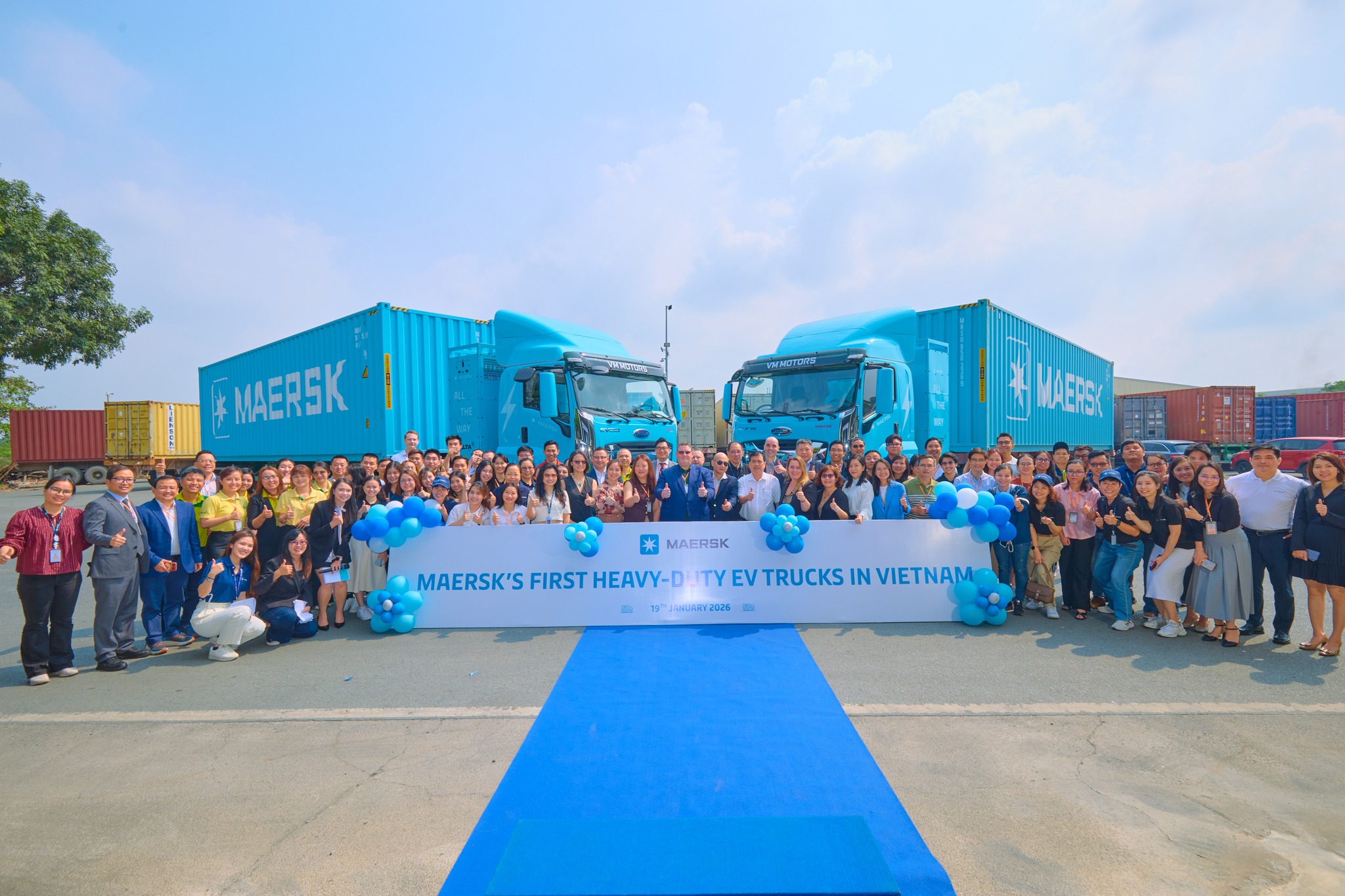
Maersk launches first heavy-duty electric trucks in Vietnam

VIETNAM : Driving change, from vision to road-ready. On January 19, Maersk launched our first heavy-duty electric trucks in Vietnam at the EV Showcase event.
This milestone represents progress in introducing vehicles that are expected to contribute to lower greenhouse gas (GHG) emissions in road transportation, supporting their aim to achieve net zero GHG emissions by 2040 in line with the Science Based Targets initiative (SBTi) definition of net zero, and aligns with Vietnam’s national ambitions for decarbonisation.

Red Sea Return: What it means for 2026 Container Shipping Contract Rates

OSLO: The return of container shipping to the Red Sea is ramping up, but what does it mean for shippers negotiating new long term contract rates in 2026?

This blog focuses on the major front haul trades from Far East to North Europe and Mediterranean, which are directly impacted operationally by diversions away from Suez Canal and around Cape of Good Hope.

Where are long term rates right now compared to pre-Red Sea Crisis in 2023? What long term rates are shippers securing at the start of 2026? How could the situation play out for the remainder of the year?

Operational update:
There are signs 2026 will be the year that container shipping returns to the region at large.

For example, last week Maersk announced full loop transits via Suez Canal would return for its MECL1 service, with MAERSK DENVER completing a successful test voyage.

With Maersk being one of the more risk averse carriers this is a significant moment, not least because it also means they are seemingly pulling ahead of Gemini partner Hapag-Lloyd in returning to the Red Sea.

With other carriers including CMA CGM already announcing eastbound and westbound schedules returning to Suez Canal on services like the INDAMEX, the direction of travel is clear.

Do not take anything for granted however, especially after CMA CGM announced it is reversing its decision to return three Asia-Europe services to eastbound passages through the Suez Canal. Read more insight on that announcement here.

Xeneta data shows there is still a long way to go before ‘normality’ returns.

The monthly average offered capacity passing through the Suez Canal in 2023 on Asia-Europe services was 4.1m TEU (representing 64% of the 6.4 million total global TEU passing through Suez per month)

In 2025, that monthly average offered capacity was just 292K TEU (representing 44% of the total global 656K TEU passing through the Suez Canal).

What long term rates are being secured right now?
The start of 2026 has brought lower long term rates for shippers on the Europe-bound fronthauls from Far East.

Average long term rates entering validity in the last three months between the Far East and Mediterranean were down 25% on 21 January compared to the end of 2025 at USD 2 308 per FEU.

A smaller drop of 10% is found on the trade into North Europe, with average long term rates standing at USD 2 010 per FEU.

This means both trades have reached their lowest level since 2023, before the Red Sea crisis pushed rates up.

Perhaps a more powerful comparison in the minds of shippers is the development of long term rates since the beginning of 2025. This paints a different, though still positive picture for shippers, with average long term rates into North Europe down 27% compared to a year ago.

XENETA Graph 1 Red Sea Return: What it means for 2026 Container Shipping Contract Rates

Put comparisons across trades into context
The difference in the magnitude of decline across the two European fronthauls is a reflection of how long term rates developed on these trades in the second half of 2025.

At the start of 2025, average long term rates from the Far East to Mediterranean were USD 180 per FEU lower than into North Europe.

However, while rates into North Europe fell in April and remained low, those into the Mediterranean rose consistently between June and October.

This resulted in a reversal of the spread between these trades. By mid-October, long term rates into the Mediterranean were USD 1 160 per FEU higher than into North Europe. New 2026 contracts have seen this spread narrow to USD 300 per FEU.

Spot-long spread
Putting long term rates into the context of the spot market is also key and, again, we see a reversal in the spread. At the end of 2025, average spot rates had fallen below long term rates. However, long term rates entering validity in Q1 2026 are coming in lower than the current spot market – particularly on the trade into Mediterranean.

On 21 January, average long term rates from the Far East to Mediterranean stood USD 2 200 per FEU lower than the average spot rate. Into North Europe, the spread is a lesser USD 770 per FEU.

XENETA Graph 2 Red Sea Return: What it means for 2026 Container Shipping Contract Rates

Long term contracts are bellwether for market expectations
Long term contracts reflect expectations for the period they cover. A significant gap between spot and long rates on these trades clearly indicate expectations on both sides of the negotiating table for a weakening market in 2026.

It is therefore no surprise long term rates entering validity in Q1 are down compared the end of last year. If falling freight rates feels almost inevitable, carriers will be even hungrier to make up for it through market share and will offer shippers discounted long term rates to secure their volumes.

Shippers will, of course, be pleased to get these discounts, but it should come with a word of warning because they aren’t entirely risk free.

Balancing striking a lower long term rate against supply chain resilience
A USD 2 200 per FEU spread between spot and long rates is a sizeable gap, but in the face of overcapacity (even without a largescale return to Red Sea) shippers should not be at risk of cargo getting rolled.

However, this spread is still a high starting point. If there is another major disruption or Black Swan event causing spot rates to spike, cargo being moved against long term contacts could be vulnerable.

Supply chain risk is never far away. If there is a largescale return of container ships to the Red Sea, there could be an interim period of disruption and port congestion as global supply chains adjust to new schedules. This transition could take a number of months.

The geo-political situation also remains fragile. Only this week, Trump threatened (then rescinded) further tariffs against EU nations as a lever in efforts to gain control over Greenland.

Unpredictability and uncertainty are toxic for supply chains and the greater the spread between spot and long term rates, the more nervous shippers will become.

The Xeneta Carrier Comparison Scorecard is an important tool in selecting the right supplier, balancing cost with operational considerations such as historical reliability on the selected port pairs.

Expectations for the rest of the year is for a softening of the market, in part due to a return to the Red Sea freeing up large amounts of capacity, but it will not be plain sailing for shippers.

How can shippers tender freight in this situation?
The expectation of a largescale return to the Red Sea, in the absence of another black swan event, means falling freight rates.

Shippers should be aware that rates still have a long way to fall before they reach the levels of 2023, before container ships began avoiding the Suez Canal. Average long term rates from Far East to Mediterranean on 21 January were up 45% compared to the end of 2023. Into North Europe, long term rates were up an even bigger 58%.

It would be foolish for shippers to leave money on the table during new long term contact negotiations, but they should be mindful of risk. This risk applies in a falling and rising market.

If freight rates continue to fall, shippers need to make sure surcharges related to Red Sea are clearly defined and removed/reduced as the situation develops. They can also insert trigger points to request renegotiation if a Red Sea return gathers pace and the market drops well below their contracted rate.

Similarly, they can consider mechanisms to protect supply chains and prevent cargo being rolled in the event of another black swan. This could include index-linked contracts, with the rate a shipper pays tracking market movements against agreed parameters (this is obviously also beneficial for shippers in a falling market).

Shippers could go one step further and turn to exchange-traded futures. This enables shippers, forwarders and carriers to hedge container freight rate volatility with daily price transparency and central clearing security.

It is about more than freight rates
This blog makes clear that striking the right price is only half the battle. No matter whether you opt for the tried and tested RFQ, index-linked contracts or exchange-traded futures – shippers must have solid operational data, including schedule reliability and transit times.

Shippers need to be able to select the right carrier or freight forwarder – and then hold them to account for delivering the agreed service levels.
Source: Xeneta


Asia-US container rates edge lower as pre-Lunar New Year demand bump fails to emerge

LONDON: Rates for shipping containers from east Asia and China to the US edged lower this week as a pre-Lunar New Year demand bump failed to emerge, or has already peaked, which suggests carriers did not move forward with planned mid-month hikes.

Supply chain advisors Drewry said rates fell even as carriers increased the number of blank sailings to counter softening demand following the end of the pre-Lunar New Year cargo rush.

Rates this week fell by 12% to the West Coast and by 11% to the East Coast and have fallen steadily since early January, as shown in the following chart from Drewry.

Drewry expects freight rates to decline further in the coming weeks.

Rates from online freight shipping marketplace and platform provider Freightos fell by single digits to both coasts after reaching January highs the previous week.

Judah Levine, head of research at Freightos, said rates on transpacific routes are still likely to stay elevated in the near term as the holiday approaches and then face downward pressure as demand eases post-Lunar New Year, with carriers already announcing blanked sailings.

Spot rates on the Shanghai Containerized Freight Index (SCFI), which tracks rates for containers leaving Shanghai, fell this week for the third week in a row.

Rates from global logistics company Freight Right on its TrueFreight Index (TFX) were largely stable.

Robert Khachatryan, founder and CEO of Freight Right Logistics, said the attempt by carriers to aggressively raise rates in early January has largely failed, as spot prices have retreated due to underwhelming volumes.

“After a short-lived test of higher pricing at the start of the month, rates are now stabilizing at levels closer to the ‘fair market’ baseline rather than the peak-season highs carriers had hoped for,” Khachatryan said.

Container ships and costs for shipping containers are relevant to the chemical industry because while most chemicals are liquids and are shipped in tankers, container ships transport polymers, such as polyethylene (PE) and polypropylene (PP), are shipped in pellets. Titanium dioxide (TiO2) is also shipped in containers.

They also transport liquid chemicals in isotanks.

LIQUID TANKER RATES EX-USG MIXED
Chemical tanker rates from the Americas were mixed this week as several trade lanes were lower or unchanged with only one route rising. Limited space remains available in January or early February for many routes in all directions.

From the USG to Rotterdam, there has been an increase in activity on this route and space for January is looking to be full, minus a few tanks. Caustic soda, monoethylene glycol (MEG), and styrene have been said to be popular commodities along this trade lane. According to one broker most regular COA (contract of affreightment) owners have advised that they are already working on February voyages, as January is all but completed. On the other hand, the CPP (clean petroleum products) market has been strong and therefore leaving the chemical sector for the time being, supporting upward pressure for larger parcels.

From the USG to Asia, there are very little gaps of vessel space showing in January. Therefore, there is a backlog of outsiders looking for opportunities, which weighed on spot rates this week, although most of the inquiries seen in the market seem to be more focused on other routes. Most owners have advised that COA nominations for February are coming in strong, particularly for specialty chemicals.

As a result, smaller parcel freight has taken a steep drop from January loadings, while larger parcel sizes seem destined for the same.

From the USG to Brazil, there are a few outsiders open for the end of January to early February, along with some regulars with some small pocket space. This trade lane is expected to face some downward pressure as the list of fully open vessels presently continues to grow, according to one market participant. However, there were a few fixtures noted for a large parcel of ethanol and several other traders inquiring.

From the USG to India overall the market remains steady as there were several spot inquiries to WC India. One trader is seeking space for a large parcel of acetic acid (10,000 tonnes), while another is looking for 25,000 tonnes of MEG for February, additionally several parcels of ethanol remain actively quoted in the market pushing rates a bit higher.

Source:ICIS

Int’l Maritime Organization chief says China’s influence in maritime sector will grow

LONDON : The International Maritime Organization (IMO) Secretary-General Arsenio Dominguez said on Friday that China is an active member of the organization and that its participation will continue to play an important role as the IMO faces an increasingly heavy agenda in the years ahead.

Dominguez made the remarks at a press briefing held at IMO headquarters in London, where he introduced the organization’s work priorities for 2026 and answered questions from the media.

In response to a question from Xinhua, he said China operates the world’s largest ports and is currently the biggest shipbuilding nation.

He noted that China’s development in technology, its transition towards greener operations, and its efforts to increase efficiency in areas such as safety, security and ship-to-port operations are all highly relevant to the work of the IMO and constitute key information for the organization’s processes.

Speaking of China’s role within the IMO, Dominguez said that China’s engagement with all member states is essential to reaching consensus on the topics discussed by the organization.

He stressed that the participation of Chinese organizations “continues to be very relevant and is increasing,” particularly as the IMO faces a very heavy agenda of topics, not only this year but also in the years to come.

According to Dominguez, the IMO’s key priorities in the new year include ensuring maritime safety and security, accelerating the decarbonization of international shipping, promoting digitalization and the development of smart shipping, and improving the welfare and rights of seafarers.

The IMO is the United Nations specialized agency responsible for the safety and security of shipping and the prevention of marine and atmospheric pollution by ships.

The organization currently has 176 members. China has been one of the 10 Category A members of the IMO Council since 1989.

IWDC 3.0 approves over ₹1,500 Crore projects to drive Green mobility, cargo movement & river tourism on India’s Inland Waterways

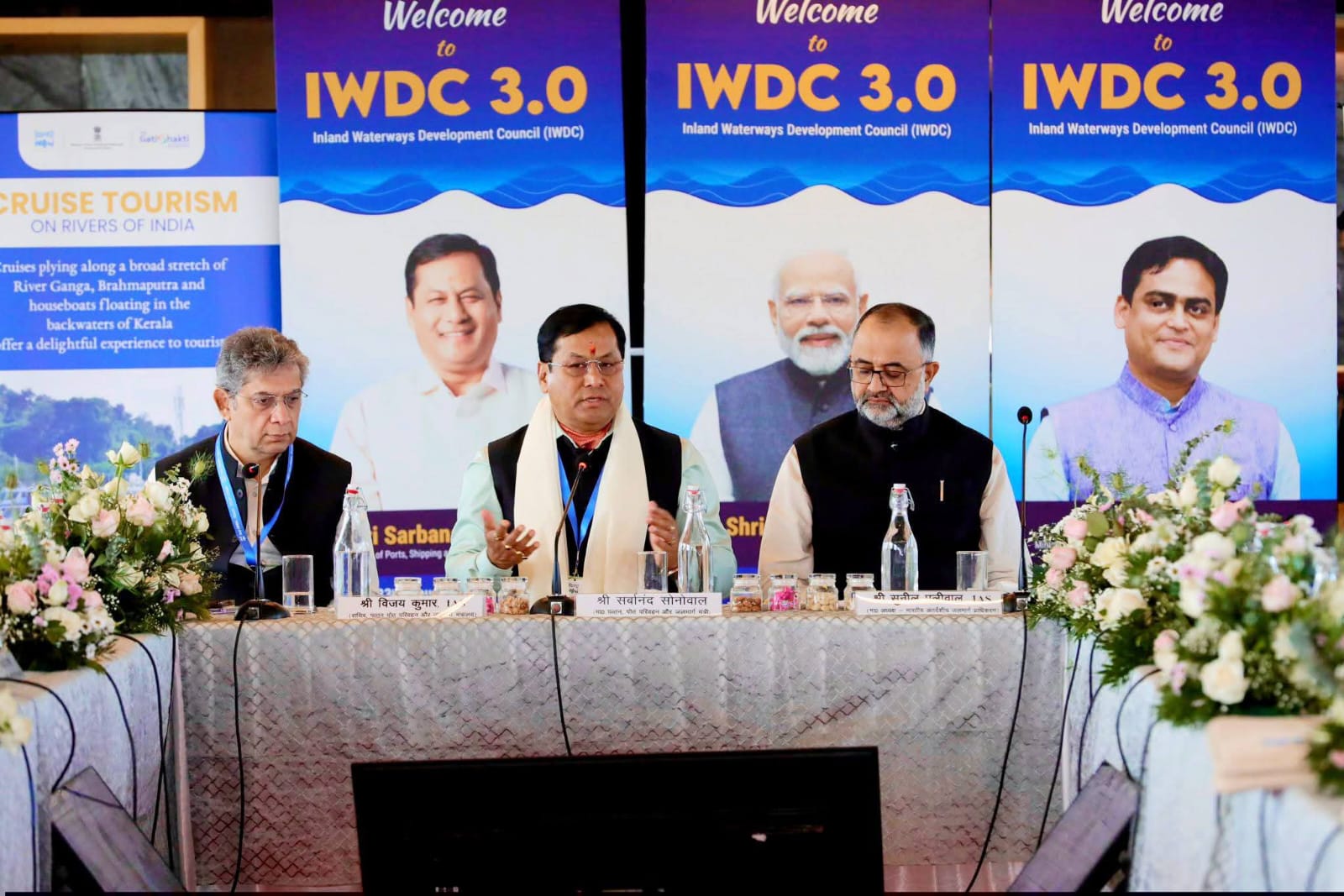
NEW DELHI : The third meeting of the Inland Waterways Development Council (IWDC 3.0) concluded with a comprehensive roadmap to expand India’s inland water transport network, approve major infrastructure investments and strengthen Centre–State coordination to unlock the full economic potential of the country’s rivers.

WhatsApp Image 2026 01 23 at 5.58.37 PM IWDC 3.0 approves over ₹1,500 Crore projects to drive Green mobility, cargo movement & river tourism on India’s Inland Waterways

Chaired by Union Minister of Ports, Shipping and Waterways Shri Sarbananda Sonowal, the day-long meeting was also attended by Mukesh Agnihotri, Deputy Chief Minister of Himachal Pradesh; Sharwan Kumar, Minister of Transport, Government of Bihar; K. G. Kenye, Minister of Power and Parliamentary Affairs, Government of Nagaland; Ojing Tasing, Minister of Rural Development, Government of Arunachal Pradesh; Daya Shankar Singh, Minister of Transport, Government of Uttar Pradesh and Barinder Kumar Goyal, Minister of Water Resources, Government of Punjab. The meeting marked a significant milestone in India’s journey towards strengthening inland water transport as a key pillar of sustainable and efficient logistics.

IWDC 3.0 identified projects worth more than ₹1,500 crore, aimed at accelerating green mobility, strengthening multimodal logistics and promoting river-led economic development. Foundation stones were laid for projects exceeding ₹150 crore, including river cruise jetties in Kerala, Gujarat, Karnataka, Odisha and Telangana, supporting the expansion of cruise tourism circuits across the country.
The council was appraised about the development of Ro-Ro and cargo terminals at Muktyala and Harishchandrapuram on the Krishna River (NW4) in Andhra Pradesh, which will strengthen cargo movement. Onshore facilities on the Jhelum River (NW49) in Jammu and Kashmir were also approved to support passenger movement and tourism infrastructure. A total of 10 hybrid electric vessels will be deployed on NW 49 in Jammu & Kashmir.

Asset procurement worth over ₹465 crore was also announced to enhance navigability, safety and year-round operations. These include survey vessels in Kerala; Ro-Pax berthing jetties in Bihar, Jharkhand and West Bengal; floating pontoons and quick-opening mechanisms in Uttar Pradesh, Bihar and West Bengal; hybrid survey vessels; amphibian and cutter suction dredgers; and tug-barge units.

The council was appraised about the major new projects worth over ₹900 crore, including development of a slipway facility at Kochi, construction of 110 jetties across Odisha (25) and the Northeast (85), and implementation of the National River Traffic and Navigation System (NRTNS) in Maharashtra, development of a ₹70-crore cruise terminal at Uzan Bazar Ghat in Guwahati and a ₹144-crore approach road connectivity project to the Bogibeel River Port in Dibrugarh on Brahmaputra (NW-2).
Addressing the council, Union Minister Sarbananda Sonowal said that inland waterways have emerged as a strategic pillar of India’s transport and logistics transformation under the leadership of Prime Minister Narendra Modi. “Our dynamic Prime Minister Narendra Modi ji has given special impetus to inland waterways, which has eased congestion on roads, reduced logistics costs and strengthened ease of doing business. Today, under the visionary leadership of Modi ji, inland waterways have become a strategic pillarof India’s multimodal logistics framework. Guided by this vision, rivers are no longer viewed merely as natural resources but as economic lifelines driving growth, sustainability and connectivity,” he said.
Kerala’s vast backwater and canal network was highlighted as a major opportunity for inland waterways. The council also noted about the initiative of IWAI for conducting feasibility study for urban water transport in 18 cities including Guwahati, Varanasi, Patna, Tezpur, Dibrugarh and beyond.

Kerala emerged as a key focus area at IWDC 3.0 with a series of major announcements aimed at strengthening inland water transport and logistics in the state. The Jal Vahak cargo promotion scheme is being explored to be expanded other National Waterways including Kerala, offering reimbursement of up to 35% of the total operating expenditure incurred on cargo movement through inland waterways. The scheme is expected to encourage private participation by enabling cargo owners to hire vessels operated by entities other than IWAI or ICSL, making it particularly attractive for major shipping companies, freight forwarders, trade bodies and operators handling bulk and containerised cargo. Valid initially for three years, the initiative will help optimise supply chain networks and enhance the commercial viability of water-based logistics. At IWDC, it was also announced the commencement of Fixed Day Scheduled Sailing Services on commercially viable stretches to demonstrate the readiness of waterways as an efficient, cost-effective and environmentally sustainable mode of cargo transport. The Kerala package also includes the development of river cruise jetties and the induction of one survey vessel, further strengthening the state’s capacity for passenger movement, tourism and safe navigation.

The meeting reiterated that inland waterways remain the most fuel-efficient, cost-effective and environment-friendly mode of transport, helping reduce carbon emissions, decongest roads and railways, and lower overall logistics costs. River cruise tourism was identified as one of the fastest-growing segments of the maritime economy, with the government developing modern cruise terminals, improved navigation systems and dedicated cruise circuits.

“Under the dynamic leadership of our Prime Minister Shri Narendra Modi ji, India’s inland waterways are emerging as a powerful multiplier of green growth, digital transformation and tourism-led development. With rapid expansion in cargo movement, passenger services and cruise tourism, our rivers are becoming engines of sustainable mobility and economic opportunity. By integrating clean energy vessels, smart navigation systems and world-class passenger infrastructure, we are unlocking the full potential of waterways to reduce logistics costs, cut emissions and create new livelihoods. The success of initiatives such as the Kochi Water Metro shows how rivers can transform urban mobility, and we are committed to replicating this model across cities including Guwahati, Varanasi, Patna, Tezpur and Dibrugarh, ensuring that India’s waterways drive inclusive growth on the path to Viksit Bharat,” Sonowal added.

Special emphasis was placed on the Northeast region, where waterways projects are expected to significantly boost connectivity, trade, tourism and livelihoods of riverine communities. The government plans to develop 85 jetties across the Northeast with an investment exceeding ₹500 crore, strengthening regional logistics integration.

“The Northeast holds a central place in India’s inland waterways vision. With its vast river network, the region has the potential to emerge as a major hub for sustainable transport, trade and tourism. The development of 85 jetties with an investment of over ₹500 crore will significantly strengthen connectivity, integrate regional logistics and create new livelihood opportunities for riverine communities. Inland waterways will not only bring the Northeast closer to national markets but also unlock its role as a gateway for growth, prosperity and regional integration,” said Sarbananda Sonowal.

“For Assam, the Council has noted ₹70-crore cruise terminal at Uzan Bazar Ghat in Guwahati and a ₹144-crore approach road connectivity project to the Bogibeel River Port in Dibrugarh. These projects will significantly strengthen the state’s inland waterway infrastructure, boost river cruise tourism and improve last-mile connectivity. Guided by Prime Minister Narendra Modi’s vision of the Northeast as the Ashta Lakshmi engine of growth, these initiatives will create new opportunities for trade, employment and sustainable development along the Brahmaputra.” (FOR ASSAM)

The meeting reviewed the sector’s rapid expansion over the past decade. Cargo movement on national waterways has increased from 18 million tonnes in 2013-14 to 145.84 million tonnes in 2024-25, while the number of operational national waterways have grown tenfold from 3 to 32. The number of luxury river cruise vessels has increased from 5 to 25, highlighting the growing confidence of industry, investors and state governments. The number of operational terminals has gone from 15 to 25, and floating jetties from 30 to 100.

The council reaffirmed the government’s forward-looking priorities, including the deployment of green and hybrid vessels, expansion of digital navigation and traffic management systems, development of modern inland terminals, strengthening of shipbuilding and ship-repair facilities, and promotion of maritime skill development. The meeting also featured detailed deliberations on building resilient urban water transport systems, improving cargo transport efficiency, promoting green and hybrid vessels for passenger movement, expanding river cruise tourism and strengthening digital and sustainable practices. Regulatory issues and concerns raised by states regarding ongoing and proposed inland water transport projects were reviewed, with an emphasis on expediting execution through coordinated efforts. IWDC 3.0 builds on the foundations laid during IWDC 1.0 in 2024 and IWDC 2.0 in 2025, with a strong focus on sustainability, technology-driven solutions and accelerated project execution.

The meeting was also attended by Vijay Kumar, Secretary, MoPSW; Sunil Paliwal, Chairperson, IWAI; Sunil Kumar Singh, Vice Chairman, IWAI among other senior officials of the central and state governments, industry representatives and experts to review progress made since IWDC 1.0 and 2.0 and chart the next phase of growth for inland waterways. The day-long meeting reviewed sectoral achievements, announced major investments and projects and laid out a forward-looking roadmap for the development of inland waterways across the country.

IWDC 3.0 concluded with a shared commitment by the Centre and states to scale up inland water transport, strengthen regional connectivity, promote cleaner transport solutions and position rivers as engines of economic growth. The meeting reaffirmed inland waterways as a preferred, future-ready mode of transport for both cargo and passengers, contributing to cleaner transport, smarter logistics and a stronger India.

India’s inland waterways continue to play a crucial role in decongesting road and rail networks by offering a fuel-efficient and environmentally friendly mode of transport. With 111 national waterways spread across 23 states and four union territories, inland waterways are increasingly supporting initiatives such as Ro-Ro vehicle movement and cruise tourism. IWAI, under the Ministry of Ports, Shipping and Waterways, remains the nodal agency responsible for the development, maintenance and regulation of national waterways.

DFCCIL hosts Strategic Review Meeting with Gati Shakti Cargo Terminal Operators

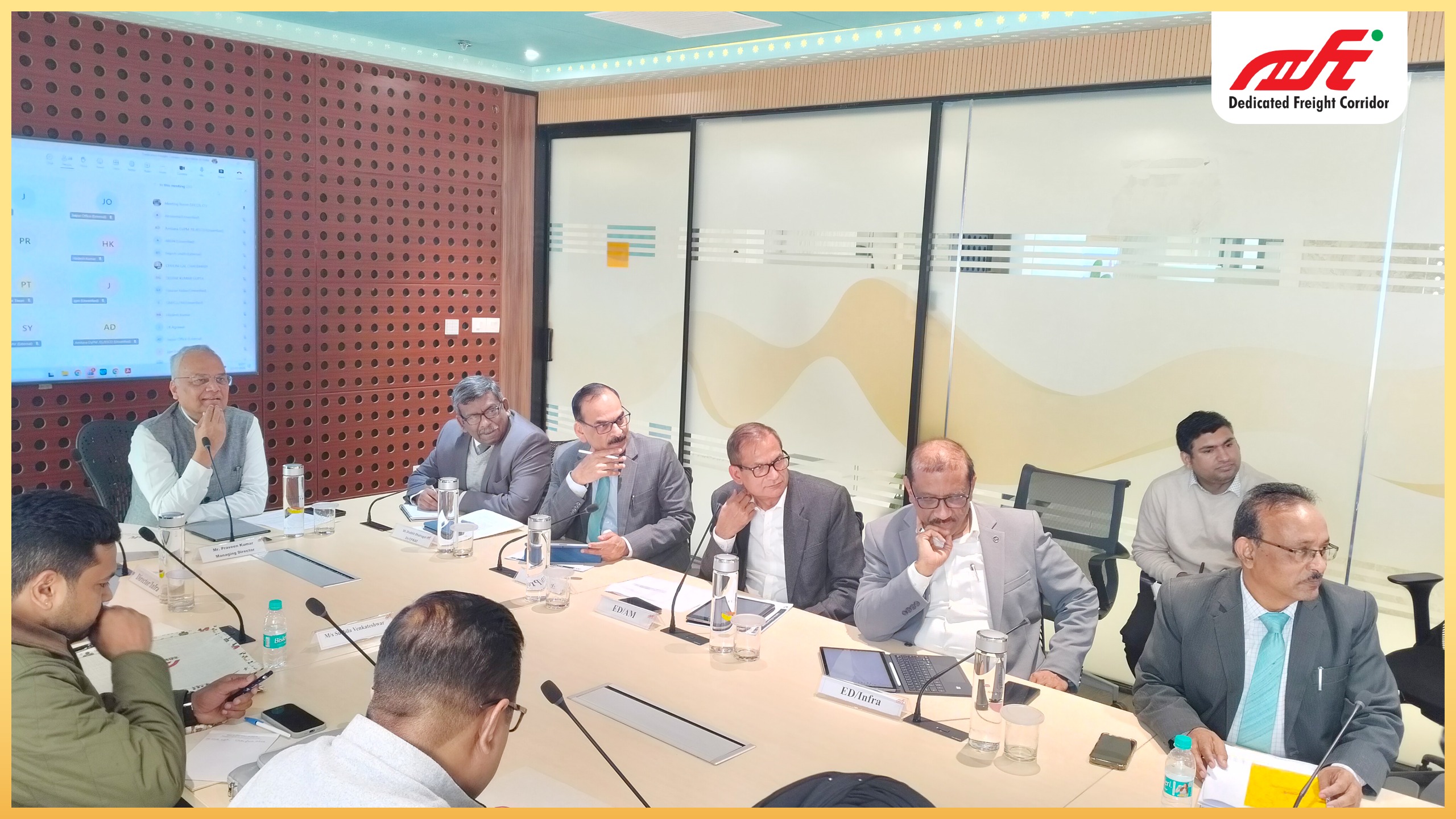
NEW DELHI : DFCCIL conducted a Business Development & Strategic Review Meeting with Gati Shakti Cargo Terminal (GCT) operators under the Chairmanship of Shri Praveen Kumar, Managing Director, DFCCIL along with Shri Shobhit Bhatnagar, Director (OP & BD); Shri Anurag Sharma, Director (Infrastructure); Shri Sandesh Srivastava, ED (Projects); Shri Manish Kumar Awasthy, ED (Infra); Shri Ajay Kumar, ED (Asset Management) , Shri. S. P. Verma (GGM/BD&BA),Shri Amit Sanger, GGM (Electrical); Shri Vikas Srivastava, GGM (S&T); Shri Nitin Bansal, GGM (OP) Sh Roshan Singh GM(BD) & CGMs of all DFCCIL’S units other senior officers of DFCCIL.

The meeting was focused on expeditious construction and commissioning of Gati shakti Multi-Modal Cargo Terminals with anticipated commissioning dates, infrastructure procurement status, expected modal shift from road to rail. and new prospectives GCTs along the corridor. As of now, 5 GCTs have already been commissioned and approvals have been granted for 16 other GCTs. The MD called upon the stakeholders to expedite the commissioning so as to contribute towards to modal shift from road to rail as envisioned in IR’s Vision 2030.

Leading logistics stakeholders —
Logistics & Terminals, SKN, Pristine, and Kanpur Logistics — shared comprehensive updates on their GCT projects at strategic locations. The engagement reaffirmed DFCCIL’s commitment to strengthening India’s freight logistics ecosystem, enhancing last-mile connectivity, and promoting sustainable, rail-based cargo movement in alignment with the nation’s multimodal logistics vision.

SDHI Wins India’s First Chemical Tanker Order; One of the Largest Commercial Shipbuilding Deals for the Nation

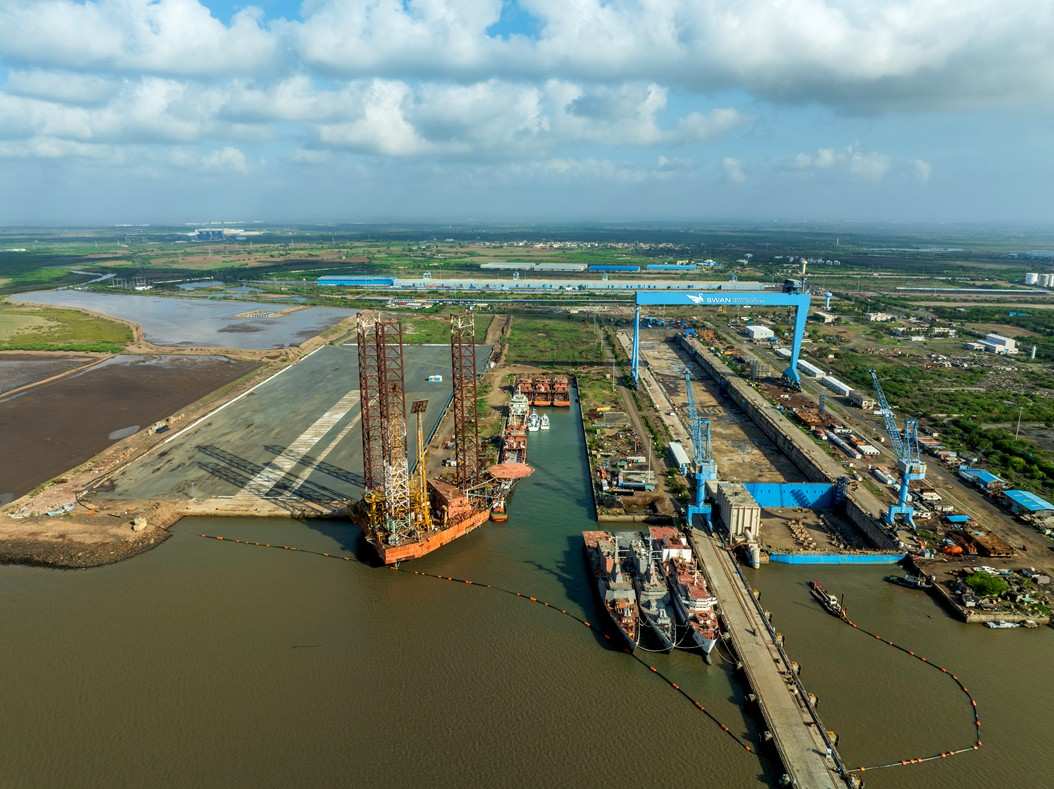
MUMBAI: Marking a major milestone in India’s commercial shipbuilding ambitions, Swan Defence and Heavy Industries Limited (SDHI) announced the signing of its first newbuild contract for six (6) IMO Type II chemical tankers, each of 18,000 DWT, to be constructed at its revitalized shipyard in Pipavav, Gujarat.

Valued at USD 227 million, the contract from leading European shipowner Rederiet Stenersen AS represents one of India’s largest single commercial shipbuilding orders and the first & the largest chemical tanker order awarded to an Indian shipyard, reaffirming SDHI’s capabilities in delivering complex, world-class commercial vessels.

The agreement also includes an option for an additional six sister vessels. The first vessel is scheduled for delivery within 33 months, with subsequent deliveries planned at regular intervals. Each tanker will have an overall length of approximately 150 metres and a beam of approx. 23 metres.

The vessels will be designed by Marinform AS and StoGda Ship Design & Engineering and classed by DNV. Built to Ice Class 1A standards, the tankers will feature advanced dual-fuel LNG ready hybrid propulsion, enabling multiple operational modes supported by high levels of automation.

Commenting on the contract, Mr. Vivek Merchant, Director, Swan Defence and Heavy Industries Limited, said, “This marks a historic milestone in the shipyard’s new journey toward becoming a state-of-the-art shipbuilding hub. The order from Rederiet Stenersen AS underscores global confidence in our ability to deliver future-ready, high-quality vessels. This agreement is not only a significant achievement for SDHI but also a strong endorsement of India’s growing commercial shipbuilding ecosystem. Progressive maritime policies, including the Shipbuilding Financial Assistance scheme, have enabled Indian private shipyards to compete successfully with leading global peers. We sincerely thank Rederiet Stenersen AS for their trust and support in SDHI as we embark on this important partnership.”

This is the first newbuild order at India’s largest shipyard following its revitalization under the new management of Swan Corp Limited, the parent company of SDHI.

John Stenersen, Director – Ship Management, Rederiet Stenersen AS, said, “This is our first newbuilding contract placed with an Indian shipyard, following a comprehensive technical and commercial evaluation. Our decision reflects strong confidence in SDHI’s infrastructure, engineering capabilities, and readiness to deliver specialized vessels that meet Stenersen’s global standards, while remaining cost competitive.”

The contract follows the signing of a Letter of Intent (LoI) between SDHI and Rederiet Stenersen AS in November 2025.

About Swan Defence and Heavy Industries Limited

Swan Defence and Heavy Industries Limited (SDHI), formerly Reliance Naval and Engineering Limited, is a leading shipbuilding and heavy fabrication company in India. Strategically located on the west coast, the shipyard operates India’s largest dry dock (662 m × 65 m) and has a fabrication capacity of 164,000 tonnes per annum, providing a significant competitive advantage in meeting India’s maritime and industrial ambitions. SDHI is committed to innovation, operational excellence, safety, and sustainability.