Home Blog Page 483

Ship Recycling Prices improving in India

NEW DELHI: The ship recycling market in India has shown some strength in these early days of the year. In its latest weekly report, Best Oasis (www.best-oasis.com), a leading cash buyer of ships, said that “the India market came up further this week, with local prices improving on a day-today basis. The rise was mainly driven by the expectation of government measures on steel imports.

Recent reports indicate India has introduced a three-year safeguard/import duty on selected steel imports, starting at around 12% and reducing thereafter, which has supported domestic steel pricing. On the vessel side, availability remained limited due to the year-end situation. In the last few days, however, there has been no major change, with levels largely holding steady”.

Best Oasisi Tab Ship Recycling Prices improving in India

Meanwhile, in Bangladesh, Best Oasis noted that “the market remained stagnant this week, with no upward movement recorded. The geopolitical backdrop continues to keep the market flat, and no meaningful improvement is expected unless there is a major change in the broader situation. Market sentiment remains cautious, with expectations that conditions may become more stable and supportive after the February elections. Similarly, Pakistan continued to look for tonnage, with the market showing a slightly improved tone compared to last week. Sentiment was supported by firmer international indications, as re-rolling and shredded prices moved slightly higher, providing some upside support locally. Overall, the change remains limited, and the market continues to depend on international direction for any stronger movement”, Best Oasis said.

Best Oasisi Tab 2 Ship Recycling Prices improving in India

Finally, “Türkiye remained quiet this week as the market moved through the New Year holiday period, resulting in limited reportable activity. Price levels and sentiment remained unchanged, continuing to mirror last week’s position”, the company’s report concluded.

Source: Hellenic Shipping News Worldwide

Bill threatening 500% tariff on India for Russia oil trade gets Trump’s Nod

WASHINGTON : US President Donald Trump has “greenlit” the bipartisan Russia Sanctions Bill, which could be used to penalise Moscow’s trading partners, including India, China and Brazil, over their purchase of Russian oil, said Republican Senator Lindsey Graham, a prominent defence hawk.

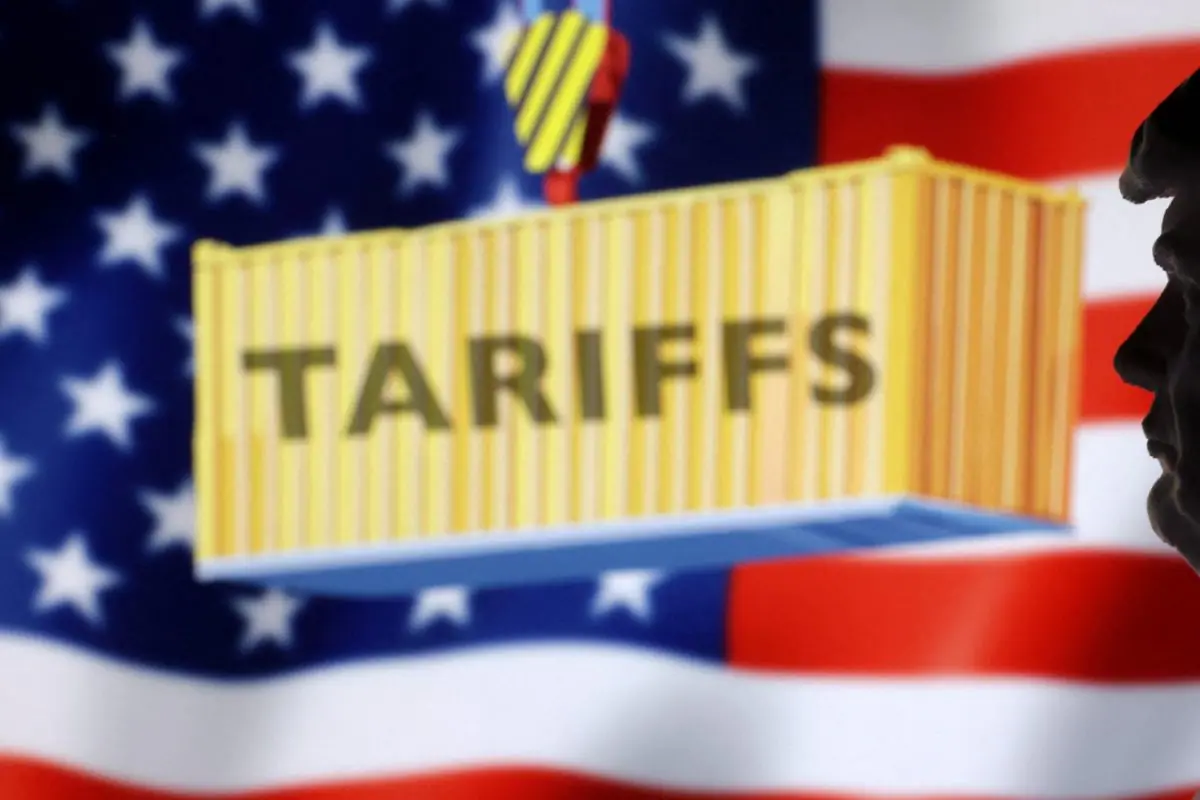
If passed, the Graham-Blumenthal sanctions bill would authorise the US President to levy up to 500 per cent tariffs on nations that knowingly purchase Russian oil or uranium and “fuel Russian President Vladimir Putin’s war machine”. The hard-hitting sanctions package is meant to economically cripple Moscow as the Trump administration continues to negotiate a deal to end the war that began with Russia’s invasion of Ukraine.

Graham said he met with Trump at the White House on Wednesday, during which the President extended his support to the bill that has been in the works for months. The development was also confirmed by a White House official while talking to the Associated Press.

“This will be well-timed, as Ukraine is making concessions for peace and Putin is all talk, continuing to kill the innocent,” Graham said in a statement.

Graham said there could be a vote as early as next week, although it’s unclear how likely that will be. The Senate is poised to take up a scaled-back government funding package next week that the House is currently considering, if the House passes it. The following week is a Senate recess timed to Martin Luther King Jr Day.

DFCCIL leadership meets to chart strategic roadmap for future growth

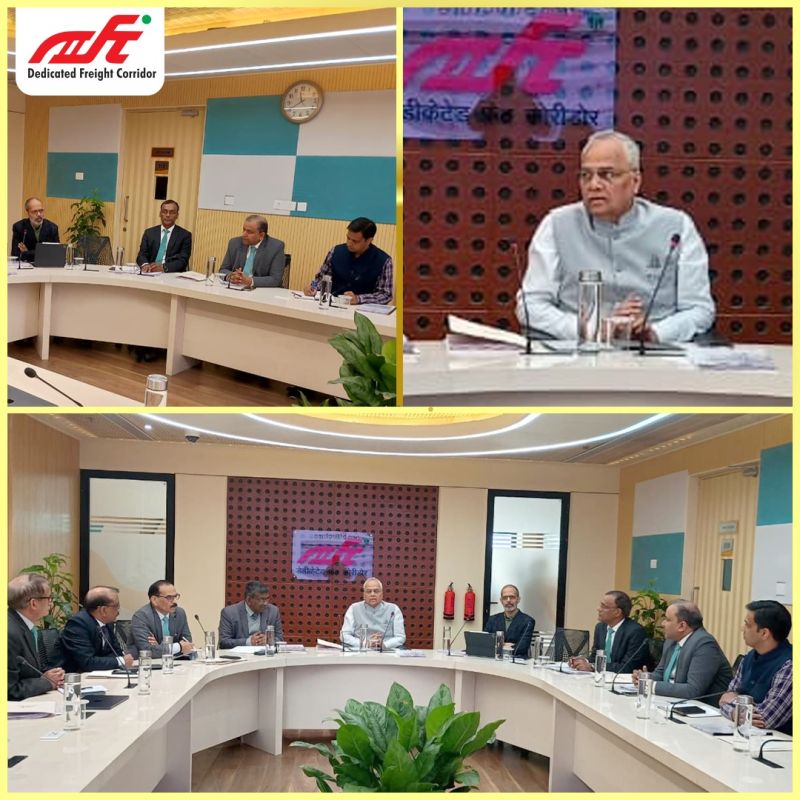
NEW DELHI : Dedicated Freight Corridor Corporation of India Limited (DFCCIL) convened a high-level leadership meeting yesterday to deliberate on the organisation’s future roadmap and strategic priorities.

The day-long interaction was held under the guidance of the Managing Director and brought together Directors and Executive Directors for focused, forward-looking discussions. The deliberations centred on addressing present-day operational challenges while defining a clear and decisive course for the next phase of DFCCIL’s growth.

During the meeting, the Managing Director provided strategic direction with a strong emphasis on innovation-led growth, operational excellence, and enhancing organisational capabilities. The leadership also discussed initiatives aimed at positioning DFCCIL as a global leader in freight rail operations, aligned with international best practices and emerging logistics trends.

The discussions reaffirmed DFCCIL’s commitment to strengthening India’s freight transportation ecosystem by improving efficiency, reliability, and capacity across dedicated freight corridors.

DFCCIL continues its journey towards redefining logistics in the country, playing a pivotal role in building robust infrastructure and laying a strong foundation for a self-reliant and progressive New India.

Global economy resilient, but trade tensions, fiscal strains cloud outlook: United Nations report

NEW YORK: Global economic output is forecast to grow by 2.7 per cent in 2026, slightly below the 2.8 per cent estimated for 2025 and well below the pre-pandemic average of 3.2 per cent, according to the World Economic Situation and Prospects 2026, released by the United Nations on Thursday.

In 2025, unexpected resilience to sharp increases in US tariffs, supported by solid consumer spending and easing inflation, helped sustain growth, according to the latest United Nations report.

However, underlying weaknesses persist.

Subdued investment and limited fiscal space are weighing on economic activity, raising the prospect that the world economy could settle into a persistently slower growth path than in the pre-pandemic era, the UN report has asserted.

The report notes that a partial easing of trade tensions helped limit disruptions to international commerce.

However, the impact of higher tariffs, coupled with elevated macroeconomic uncertainties, is expected to become more evident in 2026.

Financial conditions have eased amid monetary loosening and improved sentiment, but risks remain high given stretched valuations–especially in sectors linked to rapid advances in artificial intelligence.
Meanwhile, high debt levels and borrowing costs are constraining policy space, especially for many developing economies.

“A combination of economic, geopolitical and technological tensions is reshaping the global landscape, generating new economic uncertainty and social vulnerabilities,” said United Nations Secretary-General Antonio Guterres. “Many developing economies continue to struggle and, as a result, progress towards the Sustainable Development Goals remains distant for much of the world.”

Economic growth in the United States is projected at 2.0 per cent in 2026, compared to 1.9 per cent in 2025, supported by monetary and fiscal easing. However, a softening labour market will likely weigh on momentum.

In the European Union, economic growth is forecast at 1.3 per cent in 2026, down from 1.5 per cent in 2025, as higher US tariffs and ongoing geopolitical uncertainty dampen exports.

Output in Japan is expected to expand by 0.9 per cent in 2026, compared with 1.2 per cent in 2025, with a modest domestic recovery partly offsetting weaker external conditions.

In the Commonwealth of Independent States and Georgia, growth is projected at 2.1 per cent in 2026, mostly unchanged from 2025, even as the war in Ukraine continues to weigh on macroeconomic conditions.

In East Asia, growth is projected at 4.4 per cent in 2026, down from 4.9 per cent in 2025 as the boost from front-loaded exports fades.

China’s economy is expected to grow by 4.6 per cent, slightly lower than in 2025, supported by targeted policy measures.

In South Asia, growth is forecast at 5.6 per cent in 2026, easing from 5.9 per cent, led by India’s 6.6 per cent expansion, driven by resilient consumption and substantial public investment.

In Africa, output is projected to grow by 4.0 per cent in 2026, marginally up from 3.9 per cent in 2025. However, high debt and climate-related shocks pose significant risks.

In Western Asia, GDP is expected to grow by 4.1 per cent in 2026, up from 3.4 per cent in 2025, yet the region remains exposed to geopolitical tensions and security risks.

In Latin America and the Caribbean, output is expected to expand by 2.3 per cent in 2026, slightly down from 2.4 per cent in 2025, amid moderate growth in consumer demand and a mild recovery in investment.

Global trade proved resilient in 2025, expanding by a faster-than-expected 3.8 per cent despite elevated policy uncertainty and rising tariffs. The expansion was driven by the front-loading of shipments early in the year and robust growth in services trade. However, momentum is expected to ease, with trade growth projected to slow to 2.2 per cent in 2026.

At the same time, investment growth has remained subdued in most regions, weighed down by geopolitical tensions and tight fiscal conditions. Monetary easing and targeted fiscal measures have supported investment in some economies, while rapid advances in artificial intelligence fuelled pockets of strong capital spending in a few large markets. The report cautions, however, that the potential gains from AI, when realised, are likely to be unevenly distributed, risking a widening of existing structural inequalities.

The report also underscores that high prices remain a key global challenge even as disinflation continued. Headline inflation declined from 4.0 per cent in 2024 to an estimated 3.4 per cent in 2025 and is projected to slow further to 3.1 per cent in 2026. While overall inflation has moderated, elevated prices continue to weigh on real incomes.

“Even as inflation recedes, high and still rising prices continue to erode the purchasing power of the most vulnerable,” said Li Junhua, United Nations Under-Secretary-General for Economic and Social Affairs.
“Ensuring that lower inflation translates into real improvements for households requires safeguarding essential spending, strengthening market competition, and tackling the structural drivers of recurring price shocks.”

Source: ANI

East and South Asia stay resilient despite global uncertainty; India to grow 6.6% in 2026: UN report

NEW DELHI: Economic prospects in East and South Asian countries are expected to remain solid despite elevated policy uncertainty, rising trade barriers, and lingering debt vulnerabilities, according to the World Economic Situation and Prospects (WESP) 2026, released by the United Nations on Thursday.

Growth in East Asia is projected to moderate from 4.9 per cent in 2025 to 4.4 per cent in both 2026 and 2027.

South Asia’s GDP is expected to expand by 5.6 per cent in 2026 and 5.9 per cent in 2027, following estimated growth of 5.9 per cent in 2025, according to the United Nations report.

Global output is forecast to grow by 2.7 per cent in 2026, slightly below the 2.8 per cent estimated for 2025 and well below the pre-pandemic average of 3.2 per cent.

During 2025, unexpected resilience to sharp increases in US tariffs, supported by solid consumer spending and easing inflation, helped sustain growth.

However, underlying weaknesses persist. Subdued investment and limited fiscal space are weighing on economic activity, raising the prospect that the world economy could settle into a persistently slower growth path than in the pre-pandemic era.

“A combination of economic, geopolitical and technological tensions is reshaping the global landscape, generating new economic uncertainty and social vulnerabilities,” said United Nations Secretary-General Antonio Guterres. “Many developing economies continue to struggle and, as a result, progress towards the Sustainable Development Goals remains distant for much of the world.”

East Asia’s growth is expected to moderate in the near term.

During the first three quarters of 2025, front-loading of shipments ahead of US tariffs boosted exports, while private consumption was supported by steady labour markets and ongoing disinflation, it said.
Looking ahead, the temporary boost from front-loading will fade, but domestic demand is expected to remain resilient, underpinned by supportive monetary and fiscal measures.

Regional headline inflation is projected at 1.1 per cent in 2026, edging up from an estimated 0.5 per cent in 2025.

Country wise, China’s economy is projected to expand by 4.6 per cent in 2026 and 4.5 per cent in 2027, following estimated growth of 4.9 per cent in 2025.

A temporary easing of trade tensions with the United States, including targeted tariff reductions and a one-year trade truce, has helped stabilise business confidence.

Meanwhile, supportive monetary and fiscal policies are expected to sustain domestic demand and cushion external headwinds.

South Asia’s economic outlook remains robust, largely due to strong private consumption and public investment.

Inflation across the region declined markedly in 2025, with rates in most economies at or below central bank targets and long-term averages.

According to the UN report, average consumer price inflation is projected to edge up from an estimated 8.3 per cent in 2025 to 8.7 per cent in 2026, ranging from 3.2 per cent in Nepal and 4.1 per cent in India to 35.4 per cent in Iran.

In India, growth is projected to moderate from an estimated 7.4 per cent in 2025 to 6.6 per cent in 2026. Resilient household spending, strong public investment, and lower interest rates are expected to underpin economic activity.

While higher US tariffs may weigh on select product categories, key export segments are likely to remain largely unaffected. Moreover, strong demand from other major markets is expected to partially offset the impact.

Downside risks cloud the outlook. Risks to the outlook for East and South Asia remain tilted to the downside.

Trade policy uncertainty is a key near-term risk, even though recent US tariff increases on Asian economies were smaller than initially anticipated and some trade agreements have been reached
A slowdown in major economies, including China, the European Union, and the United States, could further weigh on regional merchandise trade, investment flows, and tourism activity.

Another important downside risk relates to fragile fiscal positions in several economies, where high public debt limits policy space. In South Asia, in particular, elevated government debt constrains the ability to provide countercyclical support and respond effectively to external shocks.

Most central banks across East and South Asia eased monetary policy in 2025 as inflation declined and the US Federal Reserve lowered interest rates.

Monetary easing is expected to continue in 2026, though the pace and extent will vary across countries, the UN report has asserted.

The report underscores that navigating an era of trade realignments, persistent price pressures, and climate-related shocks will demand deeper global coordination and decisive collective action at a time when geopolitical tensions are rising, policies are becoming more inward-looking, and impetus towards multilateral solutions is weakening.

Sustained progress will depend on rebuilding trust, strengthening predictability, and renewing the commitment to an open, rules-based multilateral trading system, the UN report noted.

Source: ANI

AVG Logistics launches Rail-Based Liquid Logistics Venture to boost Safe Chemical Transportation

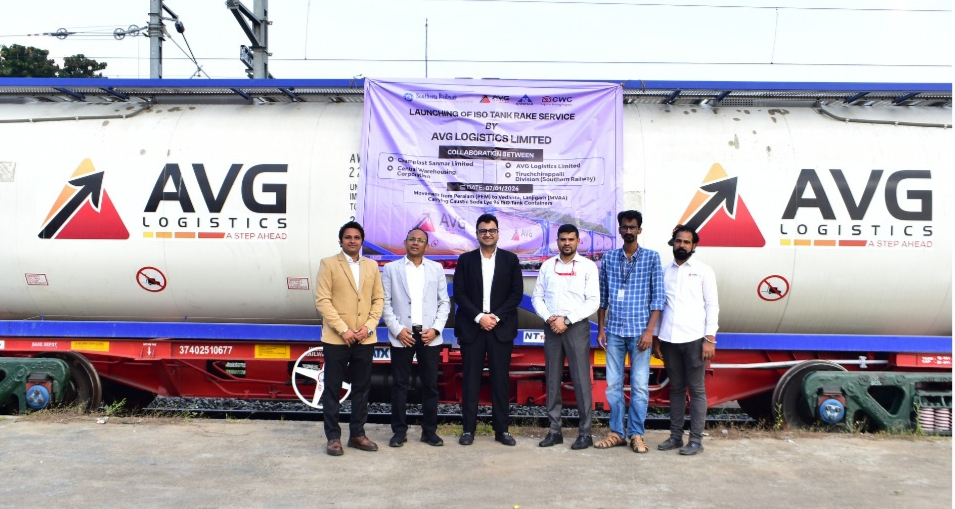
NEW DELHI: AVG Logistics Limited has announced the inauguration of a new and strategically important business vertical in line with its commitment to innovation and environmental stewardship- The launch of transportation of liquid logistics using high-grade ISO, designed strictly adhering global safety and quality standards with first customer Chemplast Sanmar Limited.

AVG Logistics Chemical Cargo Rail Transport AVG Logistics launches Rail-Based Liquid Logistics Venture to boost Safe Chemical Transportation

The newly launched liquid cargo transportation vertical is structured to transport bulk liquid chemicals efficiently and safely across key industrial corridors. Each train is designed to Carry 96 ISO tank containers having carrying capacity~3100 tons per trip generating expected annual revenue ~ Rs. 22-24 crore Annually, reflecting strong demand and the commercial viability of AVG Logistics’ entry into this high-growth segment.

This initiative reinforces AVG Logistics’ commitment to build an integrated liquid transportation ecosystem, catering to the evolving requirements of the chemical and allied industries. The train will complement the company’s ISO tankers fleet which have been recently imported, enabling seamless first-mile, long-haul rail movement, and last-mile delivery, while ensuring strict adherence to safety and regulatory standards. Company has been collaborated with Central Warehousing Corporation for long term lease of its Flatbed Train.

The entry of AVG Logistics into the Liquid Logistics segment represents a new and strategic venture for the company, aimed at addressing the growing market demand for reliable, scalable, and compliant liquid transportation solutions. By leveraging rail logistics, the company seeks to offer customers cost-efficient, environmentally sustainable, and time-bound movement of liquid cargo.

Over the years, the Company has successfully operated van parcel and freight services on multiple routes across India under long-term lease arrangements. With this launch, Company is now expanding its operations into liquid and bulk chemical transportation, where safety, precision, and asset quality are paramount.

This rail-based solution significantly reduces transit time, enhances cargo integrity, and minimizes handling risks, offering customers a reliable alternative to conventional road-based liquid transport.
The launch also aligns with AVG Logistics’ focus on sustainability and operational efficiency. Rail-led liquid transportation enables lower carbon emissions per ton-kilometer, reduced congestion, and optimized fuel consumption. By integrating rail with its ISO tank Container fleet, the company is creating a scalable and environmentally responsible logistics model for bulk liquid movement.

Looking ahead, AVG Logistics plans to progressively expand its liquid logistics train operations based on customer demand and corridor viability. The company remains committed to investing in specialized assets, and compliance frameworks to support India’s growing chemical, pharmaceutical, and industrial liquid export ecosystem, reinforcing its position as a comprehensive multimodal logistics partner. By investing in cleaner transportation modes and advanced equipment, we reaffirm our pledge to build smarter supply chains for tomorrow’s world.

DHL Express India launches exclusive festive season discounts

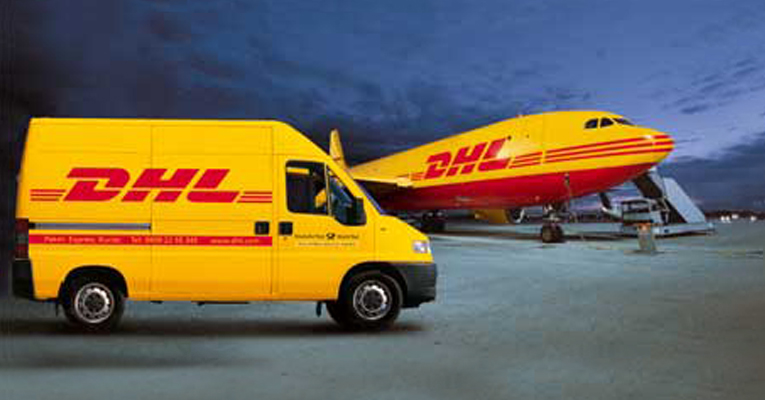
MUMBAI : DHL Express India will offer discounts of up to 50% on international shipments and up to 40% on domestic shipments

  • DHL Express India will offer a discount of up to 50% on all international shipments and up to 40% on all domestic shipments
  • The discounts are available at over 250 DHL retail outlets to customers visiting in person or sending their shipments online

This festive season, DHL Express India is making it easier than ever to share joy across borders. From now until 15 January 2026, customers can enjoy up to 50% off on international shipments weighing between 3kg and 25 kg, making it simple and affordable to send gifts to family and friends around the world.

These exclusive festive offers are available through DHL’s extensive network in India of over 250 retail service points and on the online platform, MyDHL+.

For personalized assistance, customers can visit bit.ly/dhlnewyear to obtain guidance on booking festive shipments.

Sandeep Juneja, Vice President – Marketing, DHL Express India, commented, “Every package carries a story and emotion. At DHL, we take pride in delivering it with utmost care. This festive season, our exclusive offers are designed to help people stay meaningfully connected, no matter the distance. What makes this even more special is the opportunity to celebrate responsibly through GoGreen Plus, our unique service that enables customers to leverage sustainable aviation fuel and reduce the greenhouse gas emissions of their international shipments. Guided by our promise of ‘Excellence. Simply Delivered’, we remain focused on combining reliability, speed and emissions reduced solutions to make every gift truly memorable.”

With DHL’s global network spanning 220 countries and territories, customers can rely on full shipment tracking, proactive SMS and email updates, and a smooth cross-border delivery experience.

To inquire about this offer, call our toll-free number 1800 30 345 or visit bit.ly/dhlnewyear, and let us help you make this festive season unforgettable.

About DHL Group

DHL Group is the world’s leading logistics company. The Group connects people and markets and is an enabler of global trade. It aspires to be the first choice for customers, employees, investors and green logistics worldwide. To this end, DHL Group is focusing on accelerating sustainable growth in its profitable core logistics businesses and Group growth initiatives. The Group contributes to the world through sustainable business practices, corporate citizenship, and environmental activities. By the year 2050, DHL Group aims to achieve net-zero emissions logistics.

DHL Group is home to two strong brands: DHL offers a comprehensive range of parcel, express, freight transport, and supply chain management services as well as e-commerce logistics solutions. Deutsche Post is the largest postal service provider in Europe and the market leader in the German mail market. DHL Group employs approximately 602,000 people in over 220 countries and territories worldwide. The Group generated revenues of approximately 84.2 billion Euros in 2024.

Source : PTI

NHAI sets two Guinness World Records during Bengaluru–Vijayawada Expressway construction

NEW DELHI : The National Highways Authority of India (NHAI) has set two Guinness World Records in Andhra Pradesh during the construction of the Bengaluru–Kadapa–Vijayawada Expressway.

The achievement was announced by Andhra Pradesh Chief Minister Shri N. Chandrababu Naidu on Wednesday, who described it as a proud moment for both India and the state.

“Today, NHAI, through M/s Rajpath Infracon Pvt. Ltd., achieved two Guinness World Records on the Bengaluru–Kadapa–Vijayawada Economic Corridor (NH-544G) by laying 28.95 lane-kilometres and 10,675 MT of Bituminous Concrete continuously within 24 hours,” CM Naidu posted on X.

He added, “This extraordinary achievement reflects the vision of the Government of India, the sustained thrust on world-class highway infrastructure under Nitin Gadkari Ji, and the exceptional commitment of engineers, workers, and field teams. It was executed in full compliance with stringent NHAI quality standards.”

The Chief Minister further noted, “Best wishes to the team as two more Guinness World Records are being attempted by January 11, 2026, on Packages 2 and 3 of this landmark corridor in Andhra Pradesh. India builds. Andhra Pradesh delivers.”

The Bengaluru–Kadapa–Vijayawada greenfield national highway project has recently gained momentum and is expected to significantly enhance Andhra Pradesh’s connectivity with Bengaluru. The six-lane, access-controlled expressway is designed to reduce travel time between the Andhra Pradesh capital, Amaravati, and Bengaluru from the current 11–12 hours to nearly six hours.

Traversing the Guntur, Prakasam, Kurnool, and Kadapa districts before entering Karnataka, the expressway is being developed under Bharatmala Phase-II, combining greenfield and brownfield sections. By bypassing congested towns and existing highways, the corridor aims to enable faster and uninterrupted movement for both passengers and freight.

The total length of the expressway is estimated at 518–624 km, at a projected cost of around Rs 19,200–19,320 crore. The greenfield section spans approximately 342 km from Kodikonda to Addanki/Muppavaram, while brownfield upgrades cover Bengaluru–Kodikonda (73 km on NH-44) and Addanki–Vijayawada (113 km on NH-16)

Global air cargo demand rises 5.5% YoY in November 2025 amid year-end holiday push

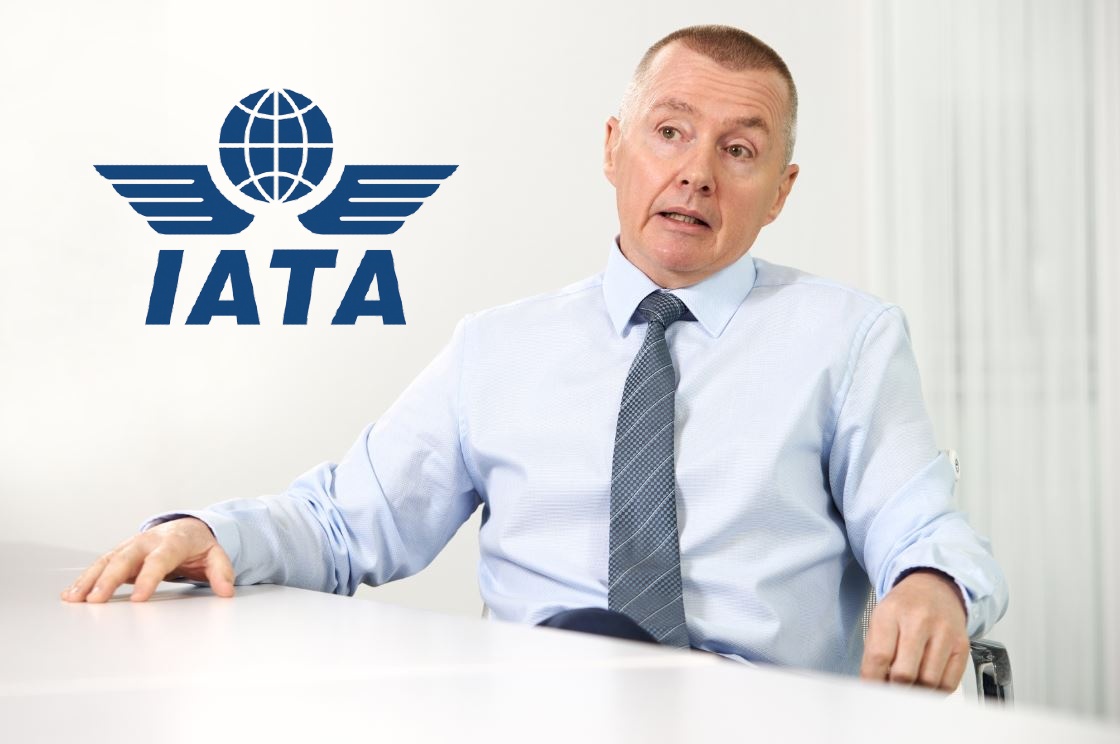
Global air cargo demand maintained strong momentum in November 2025 with a 5.5 per cent increase compared to the previous year. According to a press release from the International Air Transport Association (IATA), total demand measured in cargo tonne-kilometers rose as shippers prioritized timely delivery for the year-end holiday season.

International operations specifically saw a higher growth rate of 6.9 per cent. Global capacity, measured in available cargo tonne-kilometers (ACTK), also grew by 4.7 per cent during the same period.

“Air cargo demand grew 5.5% year-on-year in November 2025, boosted by shippers prioritizing timely delivery in the lead-up to the year-end holiday season. Strong emerging market demand and selective Middle Eastern growth more than made-up for softness in the Americas amid ongoing adjustment to the new US tariff regime. Globally, the fourth quarter for air cargo was resilient as strategic re-routing of trade shaped performance across key markets. The strong end for 2025 bodes well for the air cargo industry as it enters the new year,” said Willie Walsh, IATA’s Director General.

Several economic factors influenced the operating environment during the month. Global goods trade grew by 2 per cent year-on-year in October, while manufacturing sentiment strengthened in November as the Purchasing Managers’ Index rose to 51.17.

However, jet fuel prices increased by 5.9 per cent “despite falling crude prices, driven by refinery disruptions”. New export orders improved slightly to 49.87 but stayed below the expansion threshold, reflecting caution regarding tariff uncertainties.

Regional performance varied significantly across the globe. African airlines reported the strongest growth with a 15.6 per cent increase in demand, while Asia-Pacific carriers followed with a 10.3 per cent rise.
European and Middle Eastern carriers also saw gains of 5.8 per cent and 7.4 per cent, respectively. In contrast, North American carriers experienced a 1.6 per cent decrease in demand, and Latin American and Caribbean carriers saw a 4.8 per cent decline, representing the weakest performance among all regions.

Trade lane data showed robust activity within Asia, which grew by 15.8 per cent, marking 25 consecutive months of growth. The Europe-Asia route also maintained a long-term growth trend of 33 consecutive months with an 11.7 per cent increase. The North America-Europe corridor grew by 5 per cent
Conversely, traffic within Europe fell by 4.9 per cent, marking its fourth consecutive month of decline. Despite these regional variations, the overall global market maintained a load factor level of 49.1 per cent.

Source: ANI

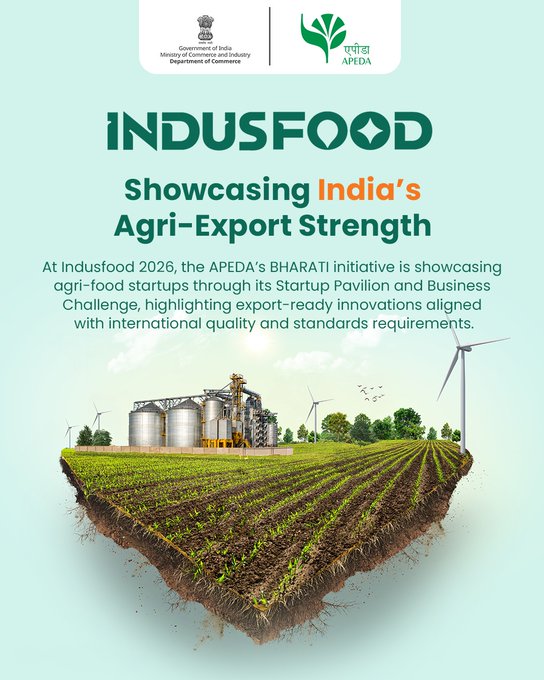
APEDA organises BHARATI Startup Challenge at Indusfood 2026, top startups to participate in Gulfood in Dubai and BIOFACH in Germany

NEW DELHI : The Agricultural and Processed Food Products Export Development Authority (APEDA), under the Ministry of Commerce & Industry, Government of India, participated in IndusFood 2026, during which it organised the BHARATI Startup Challenge to encourage innovation and entrepreneurship in the agricultural and processed food export sector. The initiative aims to support export-ready startups by providing mentorship, market access and policy facilitation. Selected startups emerging from the challenge will be provided international exposure through participation in Gulfood in Dubai, and BIOFACH in Germany, enabling them to explore global market opportunities and strengthen India’s agri-export ecosystem.
Another key highlight of APEDA’s participation was the BHARATI Startup Zone with over 100 exhibitors, which showcased innovative agri-startups working across critical areas such as value addition, agri-technology, processing, packaging, logistics, traceability and sustainable solutions for exports. The Zone reflected APEDA’s focused approach towards nurturing innovation and enabling startups to become integral contributors to India’s agri-export growth story.

The BHARATI Startup Zone demonstrated how entrepreneurship and technology-led solutions are strengthening India’s agricultural value chains, supporting MSMEs, empowering farmers and enhancing India’s presence in global markets.

The APEDA Pavilion served as a vibrant platform highlighting export-ready agri and processed food products, quality assurance systems, traceability initiatives, GI-tagged products and sustainability-driven practices. The pavilion brought together exporters, Farmer Producer Organisations (FPOs), startups and global buyers, facilitating meaningful interactions and business opportunities across the agri-export value chain.

The event was inaugurated by the Union Minister of Food Processing Industries, Shri Chirag Paswan, in the presence of senior government officials, industry leaders and stakeholders from across the agri-export ecosystem.

APEDA’s participation at IndusFood 2026 underscored the Government of India’s focus on ease of doing business, MSME empowerment, startup enablement and sustainable agricultural exports, while strengthening collaboration between policy, industry and innovation ecosystems and positioning India as a reliable and future-ready global supplier of agricultural and processed food products.