Home Blog Page 484

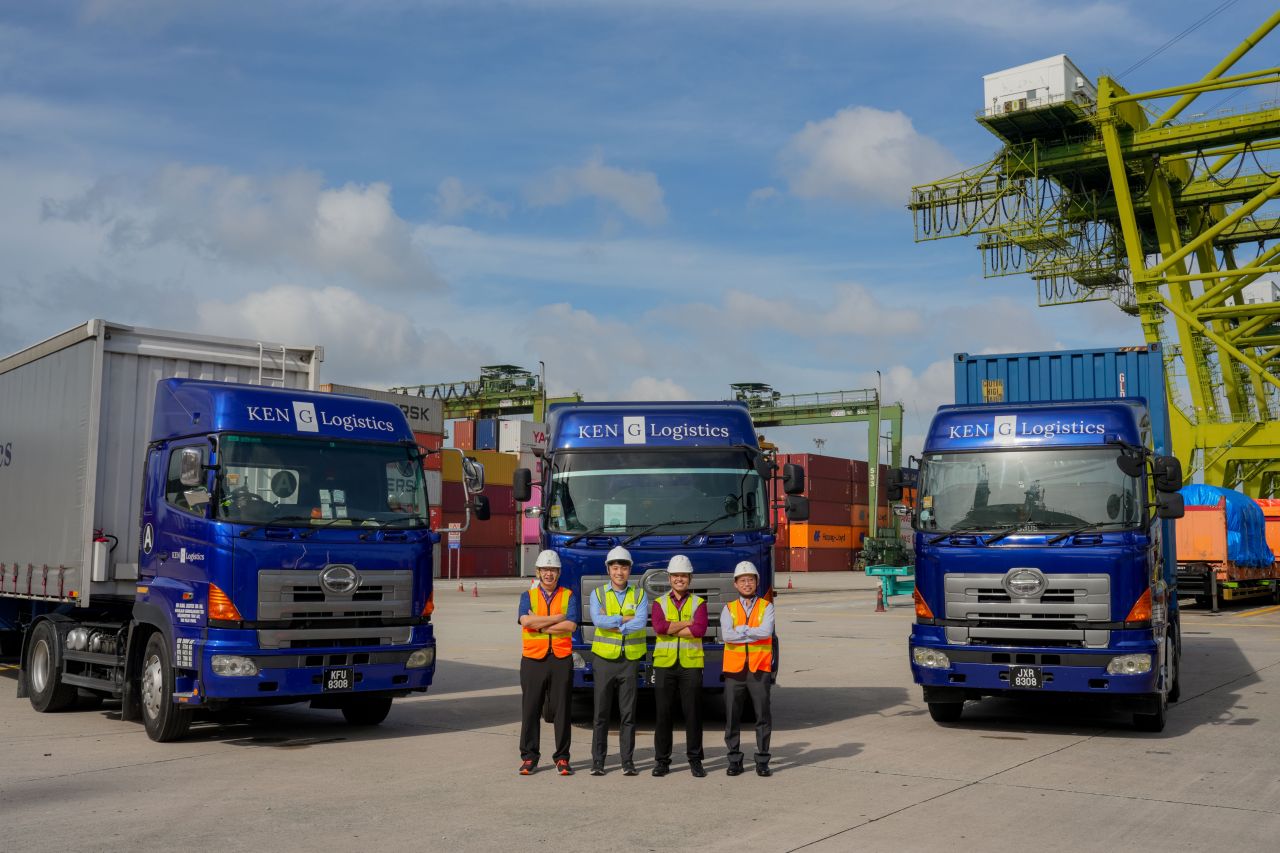
PSA Singapore partners with Ken Global Logistics to launch Cross-Border Haulage Solution between Malaysia and Singapore

SINGAPORE : PSA Singapore has announced a new strategic partnership with Ken Global Logistics to introduce a Cross-Border Haulage Solution connecting Malaysia and Singapore, aimed at enabling manufacturers and shippers to move cargo seamlessly from origin to global markets.

The new solution leverages PSA’s integrated supply chain capabilities and extensive port connectivity to deliver smoother end-to-end export flows while significantly reducing transit times across key regional destinations. By streamlining cross-border cargo movement, the initiative is expected to enhance reliability, efficiency, and visibility for customers operating in fast-paced regional and international trade corridors.

Designed to support manufacturers, exporters, and logistics providers, the Cross-Border Haulage Solution offers a seamless connection between production hubs in Malaysia and PSA Singapore’s world-class port infrastructure, facilitating faster access to global shipping networks.

More than a service launch, the collaboration reflects PSA Singapore and Ken Global Logistics’ shared commitment to building faster, smarter, and more connected supply chain solutions. The partnership underscores both companies’ focus on innovation, regional connectivity, and customer-centric logistics solutions in response to evolving trade demands.

With this initiative, PSA Singapore continues to strengthen its role as a leading global port and supply chain partner, while reinforcing Singapore’s position as a critical gateway for regional and international trade.

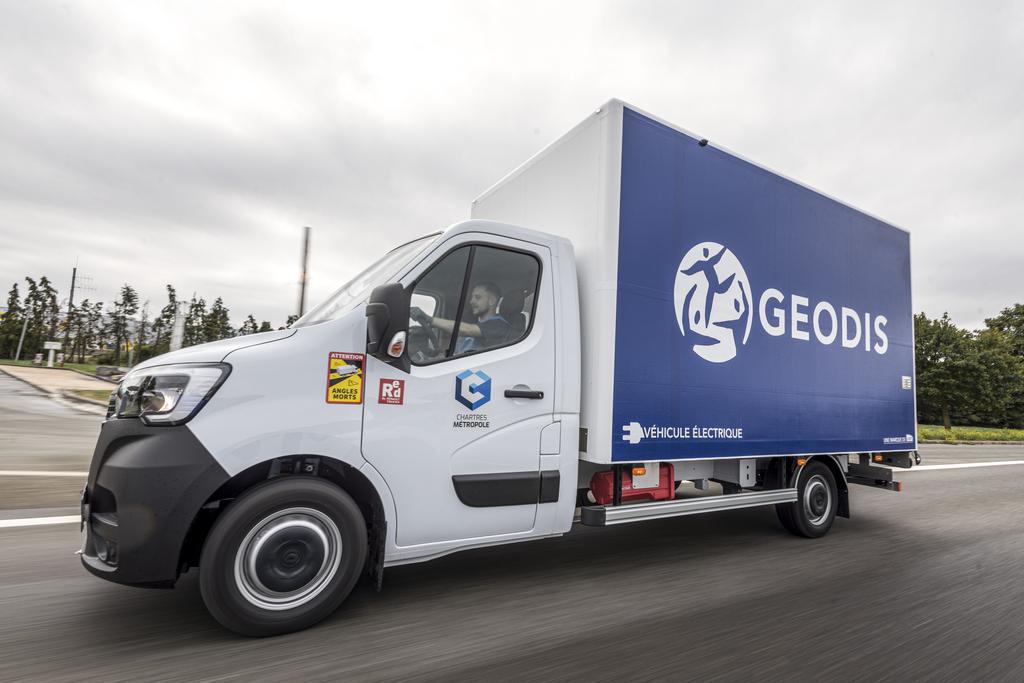
GEODIS achieves the highest level of recognition for its climate commitment with CDP ‘A’ score

LEVALLOIS-PERRET: GEODIS has reached a new major milestone by joining the CDP 2025 Climate “A List” (A- in 2024), the highest level of recognition awarded by CDP. This distinction places GEODIS among the world’s leading companies in terms of climate transparency and action. 

The ‘A’ score, awarded by CDP, recognizes GEODIS’ excellence in climate-related disclosure, governance, and the management of climate-related risks and opportunities, as well as the implementation of concrete, measurable actions to reduce greenhouse gas (GHG) emissions across its entire value chain. In 2025, only 4% of the companies assessed worldwide by CDP achieved an equivalent or higher score.

“Achieving an ‘A’ score — the highest rating awarded by CDP — represents strong recognition of the rigor and ambition of our climate strategy. It reflects the collective commitment of all GEODIS teams to sustainably transform our operations and to support our customers in their transition towards more sustainable logistics solutions. In a transport and logistics sector facing significant decarbonization challenges, we fully embrace our role as a key player in the environmental transition,” said Marie-Christine Lombard, Chief Executive Officer of GEODIS. 

This recognition further strengthens the credibility of GEODIS’ decarbonization pathway, which was validated in 2025 by the Science Based Targets initiative (SBTi). By 2030, the Group has committed to reducing its Scope 1 and 2 GHG emissions by 42%, and to cutting subcontracted transport emissions (Scope 3) by 25%, compared with the 2022 baseline year. 

As part of its commitment to Corporate Social Responsibility (CSR) in controlling and reducing the environmental impact of its transport and logistics activities, GEODIS has been responding to the CDP Climate Change questionnaire since 2014. The continual improvement in its CDP scores is evidence of the success of the Group’s climate strategy.  

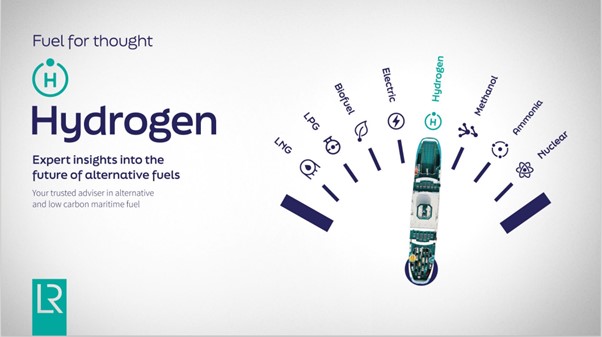
Hydrogen’s potential and its limits for  decarbonisation highlighted in LR’s latest Fuel for thought report 

LONDON: Lloyd’s Register (LR) has published the latest report in its award-winning Fuel for thought series, providing a comprehensive assessment of hydrogen’s potential role in maritime decarbonisation. 

Fuel for thought: Hydrogen examines hydrogen from production and supply through to onboard use, highlighting the fuel’s advantages alongside the safety, infrastructure and cost challenges that currently restrict its adoption.  

Green hydrogen has the potential to deliver zero tank-to-wake greenhouse gas emissions when used in fuel cells and has a vital role as the building block for e-fuels such as ammonia and methanol. But hydrogen’s low volumetric energy density, the need for cryogenic storage at –253°C and heightened safety risks means that the fuel is far from a ready-made solution for most ship types. 

The report notes that while interest is rising, particularly as regulatory measures tighten, hydrogen-capable vessels still represent less than 0.5% of the global orderbook. 

The assessment comes as shipowners face increasing pressure to cut emissions under the EU ETS, FuelEU Maritime and the IMO’s 2050 net-zero ambition. Green hydrogen stands to gain from FuelEU Maritime’s two-times multiplier for renewable fuels of non-biological origin until 2033, a mechanism that could accelerate its uptake as production scales.  

Infrastructure—and the lack of it—remain a critical challenge. Despite a few emerging bunkering projects, low-emissions hydrogen as a whole – including hydrogen produced via renewable-energy powered electrolysis (green hydrogen), biomass and fossil fuels with high levels of carbon capture and permanent storage (blue hydrogen) – accounted for less than 1% of global production in 2025, according to IEA figures 1.  

Significant investment in production, transport and bunkering infrastructure is needed before the fuel can support wider maritime demand. Shipping will also need to compete with other industries for green hydrogen, driving the need for robust certification schemes and transparent lifecycle assessments. 

Safety emerges as a key theme. Hydrogen’s wide flammability range, low ignition energy and potential for embrittlement require rigorous design standards and specialised crew training. 

LR’s own hydrogen requirements, set out in Appendix LR3 of its Rules for Ships Using Gases or Other Low-Flashpoint Fuels, provide a framework to manage those issues, supported by guidance on fuel cells, composite cylinders, liquid hydrogen systems and bunkering arrangements. 

Despite these hurdles, the analysis points to near-term opportunities. Early adoption is most viable for short-sea trades such as ferries, tugs and coastal vessels where regular bunkering cycles reduce the constraints of onboard storage.  

Fuel cell technologies show particular promise for these applications, supported by improving cost trajectories and advances in durability. Hydrogen-ready designs and hybrid fuel strategies also offer shipowners a practical route to futureproof assets. 

Padmini Mellacheruvu, LR’s Lead Technical Specialist in Cryogenic and Compressed Fuel Systems, said: “Hydrogen has an important role to play in the maritime energy transition, but the pathway to scale is complex. Progress will depend on early investment, careful planning and a clear focus on safety. 

“Our latest Fuel for Thought report brings clarity to both the potential of hydrogen and the substantial work still required to enable its safe, scalable and commercially viable use.” 

The report was written with a foreword by Dr Maximilian Kuhn, advisor and ISO TC 197 liaison to the IMO, as well as advisor to Hydrogen Europe. He said: “At Hydrogen Europe, we believe that hydrogen is more than just a fuel; it is one of the main drivers of systemic change.  

“Its versatility, scalability and compatibility with renewable energy sources put it in a unique position to address the complex challenges of maritime decarbonisation. Yet the path forward is not without obstacles: Infrastructure, regulation, safety and cost remain critical hurdles. 

“This report does not shy away from these realities. Instead, it provides a clear-eyed assessment of the current landscape while charting a course for innovation, investment and international collaboration.” 

Fuel for thought: Hydrogen is now available to download from Lloyd’s Register at: Fuel for thought: Hydrogen | LR 

Watch: Padmini Mellacheruvu gives an introduction and overview of hydrogen as a fuel for shipping including the technical challenges, safety elements and sustainability - https://www.lr.org/en/knowledge/webinars/introduction-to-hydrogen-as-a-fuel-for-shipping/  

1 Executive summary – Global Hydrogen Review 2025 – Analysis – IEA  

MYCRANE Trading to receive first stock following global inspections

DUBAI: MYCRANE Trading, the newly established crane sales, leasing and maintenance services provider based in Jebel Ali Free Zone, announced that its first stock will arrive in mid-January 2026, following recent purchase and inspection visits by the MYCRANE team in both Asia and Europe.

The incoming stock represents a significant milestone for the company, comprising 20 cranes sourced from leading Asian and European manufacturers. The inventory includes 15 tower cranes with maximum lifting capacities of 8 to 12 tonnes, one 100-tonne crawler crane, and four mobile cranes with capacities between 60 and 100 tonnes.

 “We’re excited to welcome our first inventory to our Jebel Ali yard after completing thorough inspections in multiple territories,” said Andrei Geikalo, CEO of MYCRANE Trading. “This initial stock of tower, crawler and mobile cranes — the first of many — reflects our commitment to offering customers quality equipment backed by rigorous verification processes. With the machines arriving in January, we’ll be fully operational to serve the growing demand across the Gulf region and beyond.”

The arrival of this initial inventory represents the transition of MYCRANE from a purely platform-led concept to a fully operational equipment provider, combining digital market access with immediately available, inspected assets on the ground. By holding verified stock in Dubai, the company is able to shorten procurement timelines for buyers, offer greater transaction certainty, and respond more quickly to customer needs.

Each crane undergoes comprehensive, multi-stage inspection by the MYCRANE Trading team — including prior to purchase, before shipment and during equipment handover — and will arrive with certified inspection and safety documentation, ensuring buyers receive verified, ready-to-deploy equipment.

In addition to holding inspected inventory in Dubai, MYCRANE Trading also supports on-demand sourcing for customers with specific project, rental or fleet requirements, with all externally sourced equipment subject to the same inspection, verification and risk-mitigation standards applied to MYCRANE-owned assets.

“Having physical inventory ready in Jebel Ali fundamentally changes how quickly customers can move from enquiry to execution,” Geikalo added. “Our model is designed to support a wide range of customers, including crane rental companies expanding their fleets and end users procuring equipment for direct project deployment, offering total flexibility for different buying scenarios.”

The arrival of this first stock follows MYCRANE Trading’s USD 50 million funding announcement in August 2025 and marks the operational launch of the company’s Jebel Ali facility. The company will continue to expand its inventory throughout 2026 to meet customer demand from buyers around the world.

About MYCRANE

The MYCRANE platform – accessed at www.my-crane.com – simplifies the process of crane rental procurement, allowing customers to submit details of their lifting requirements in order to receive personalised quotes from a range of registered asset owners.

Customers of the platform can simply and quickly request a crawler, mobile or tower crane without having to rely on manual processes, such as calling crane rental companies or making multiple offline requests.

The digital platform, managed by MYCRANE’s head office team in Dubai, provides access to cranes for hire with a capacity of up to 4,000 tonnes. Drawing on the management team’s experience in the industry, MYCRANE has been carefully designed to ensure ease of use, and that the quotes generated are directly comparable. Registration is free for both users and crane rental companies.

About MYCRANE Trading

MYCRANE Trading – accessed at https://trading.my-crane.com/ – is a full-service provider of crane solutions, specializing in the purchase, lease and sale of heavy construction equipment, spare parts and accessories. By maintaining the cranes in stock, and providing additional services like engineering, maintenance and after sales support, all from the same window, the company creates a value added “turnkey” proposal for customers.

Founded to address the key market challenges, such as the difficulty in finding reliable counterparties in the market and limited inventory visibility, MYCRANE Trading combines deep industry expertise with digital transparency to give customers confidence and control at every step of the equipment lifecycle.

MoPSW reviews progress of Green Hydrogen hub development at major ports

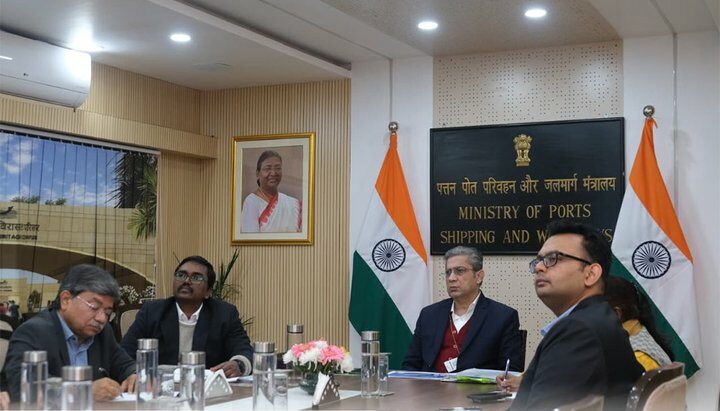
NEW DELHI : Shri Vijay Kumar, IAS, Secretary, Ministry of Ports, Shipping and Waterways (MoPSW), chaired a high-level review meeting to assess the development of Green Hydrogen hubs at major ports across the country. The meeting brought together senior officials from the Ministry, major port authorities, and key stakeholders involved in renewable energy and port-led industrial development.

The discussions focused on the current status of green hydrogen initiatives being undertaken at ports, including land identification, renewable power sourcing, water availability, and integration with existing port infrastructure. Port-wise progress on pilot projects and planned hydrogen production capacities was reviewed in detail.

Stakeholders highlighted key challenges impacting project implementation, such as regulatory clearances, high initial capital costs, availability of electrolyser technology, grid connectivity, and the need for dedicated evacuation and storage infrastructure. Issues related to offtake arrangements, safety standards, and coordination among multiple agencies were also deliberated.

Shri Vijay Kumar emphasised the strategic importance of ports as natural hubs for green hydrogen production, storage, and export, given their proximity to renewable energy resources and industrial clusters. He underscored the need for faster decision-making, inter-ministerial coordination, and policy support to enable time-bound execution of projects.

The meeting also discussed the way forward, including preparation of port-specific green hydrogen roadmaps, development of common-user infrastructure, facilitation of public-private partnerships, and alignment with the National Green Hydrogen Mission. Measures to support pilot-scale production, create demand through maritime and industrial applications, and promote exports were also explored.

The Ministry reiterated its commitment to positioning Indian ports as key enablers of the country’s clean energy transition and global green hydrogen supply chains, while contributing to maritime decarbonisation and sustainable economic growth.

Adani Mundra Port makes history by berthing India’s first fully laden VLCC

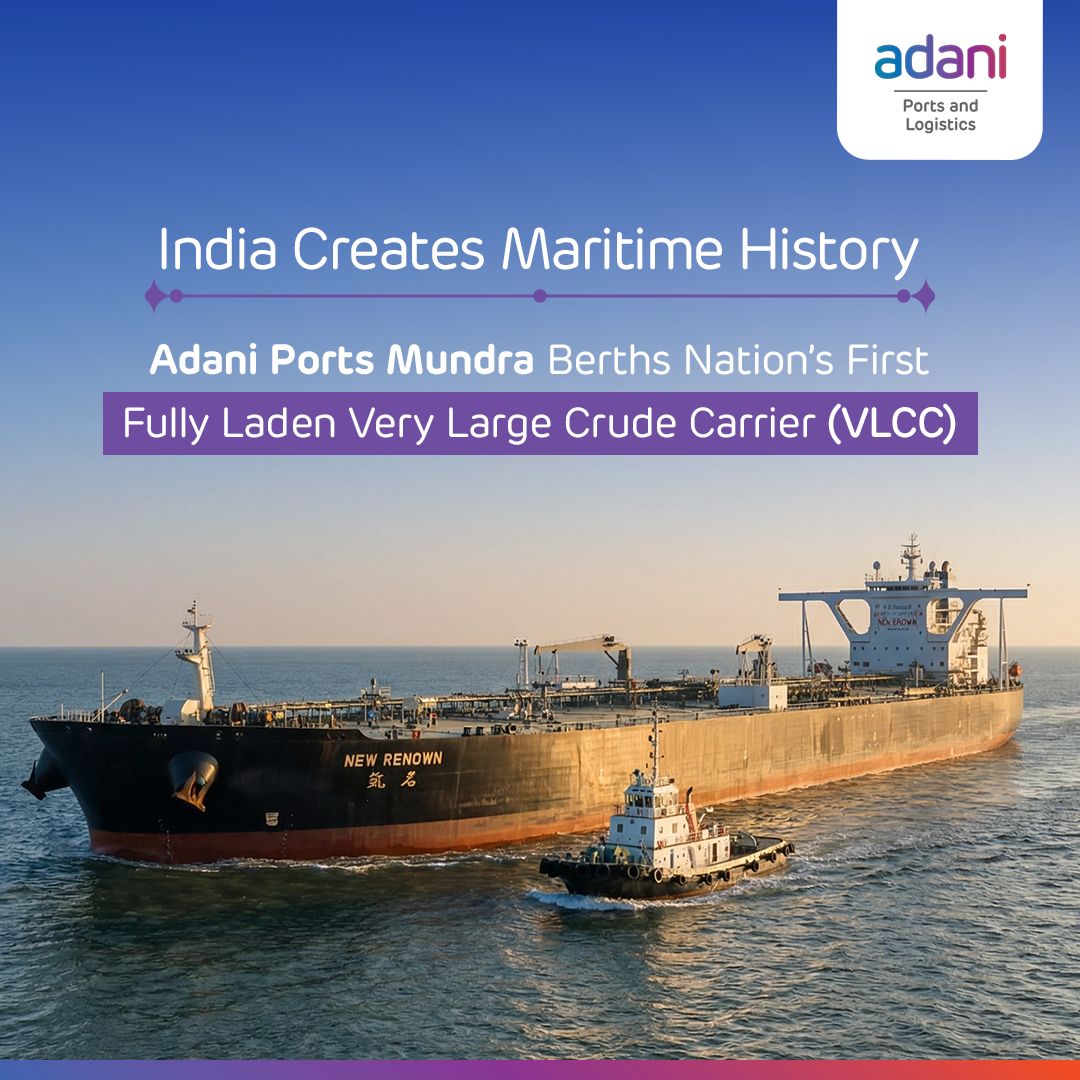
MUNDRA : In a landmark achievement for India’s maritime sector, Adani Mundra Port has successfully berthed the country’s first fully laden Very Large Crude Carrier (VLCC), marking a significant milestone in India’s port and energy infrastructure capabilities.

1767786913021 Adani Mundra Port makes history by berthing India’s first fully laden VLCC

The berthing of the ultra-large crude carrier underscores Mundra Port’s world-class marine infrastructure, advanced navigational systems, and operational excellence. Handling a fully laden VLCC—among the largest vessels in global shipping—requires deep draught capacity, robust berthing facilities, and precise marine coordination, all of which were executed seamlessly at the port.

Port officials said the successful operation highlights Mundra’s readiness to handle next-generation vessels and reinforces India’s growing stature as a global maritime and energy logistics hub. The development is expected to improve crude oil import efficiency by enabling economies of scale, reducing freight costs, and enhancing supply chain reliability for India’s energy sector.

Strategically located on the Gulf of Kutch, Mundra Port benefits from natural deep waters, state-of-the-art terminal infrastructure, and integrated connectivity with pipelines, rail, and road networks. The port’s capability to handle fully laden VLCCs positions it alongside leading international ports and strengthens India’s capacity to support rising energy demand.

Industry experts noted that this milestone not only reflects technological and operational advancement but also aligns with the government’s broader vision of enhancing port-led development and reducing logistics costs under national maritime initiatives.

With this achievement, Mundra Port has set a new benchmark for Indian ports, demonstrating that Indian maritime infrastructure can match the best in the world—transforming ambition into capability and placing India firmly on the global shipping map.

JNPA integrates indigenous HMS and iVTS to enable real-time, data-driven marine operations

Pilot “Thagaval” App digitizes vessel movement and pilotage workflows across the port

MUMBAI : Jawaharlal Nehru Port Authority (JNPA)– India’s largest container terminal, has taken a significant step towards end-to-end digitalisation of its marine operations with the rollout of a comprehensive, paper-free Harbour Management System (HMS).

Recognising the complexity of its marine operations and the importance of data security, JNPA opted against off-the-shelf solutions and partnered with the National Technology Centre for Ports, Waterways and Coasts (NTCPWC) to develop an indigenous Harbour Management System. The HMS integrates vessel scheduling, pilotage data, resource allocation, IoT-based inputs, safety monitoring and sustainability tracking into a unified workflow aligned with global standards.

In parallel, JNPA has launched its own independent iVTS, moving beyond the earlier VTS arrangement implemented by the Mumbai Port Authority with services provided by Wärtsilä. AIS-based vessel data collection through iVTS has already commenced, and once fully operational, the system will provide terminal operators and service providers with a real-time operational picture, enabling faster and better decision-making.

Expressing his views on these developments, Shri Gaurav Dayal, IAS, Chairperson, JNPA, stated, “Digitalisation of marine operations is fundamental to ensuring transparency, efficiency and safety in a landlord port environment. By adopting an indigenously developed Harbour Management System and real-time data platforms, JNPA is strengthening its service delivery to all terminal operators while aligning with global best practices. This transformation is already reflecting in improved performance outcomes and will further enhance the port’s competitiveness.

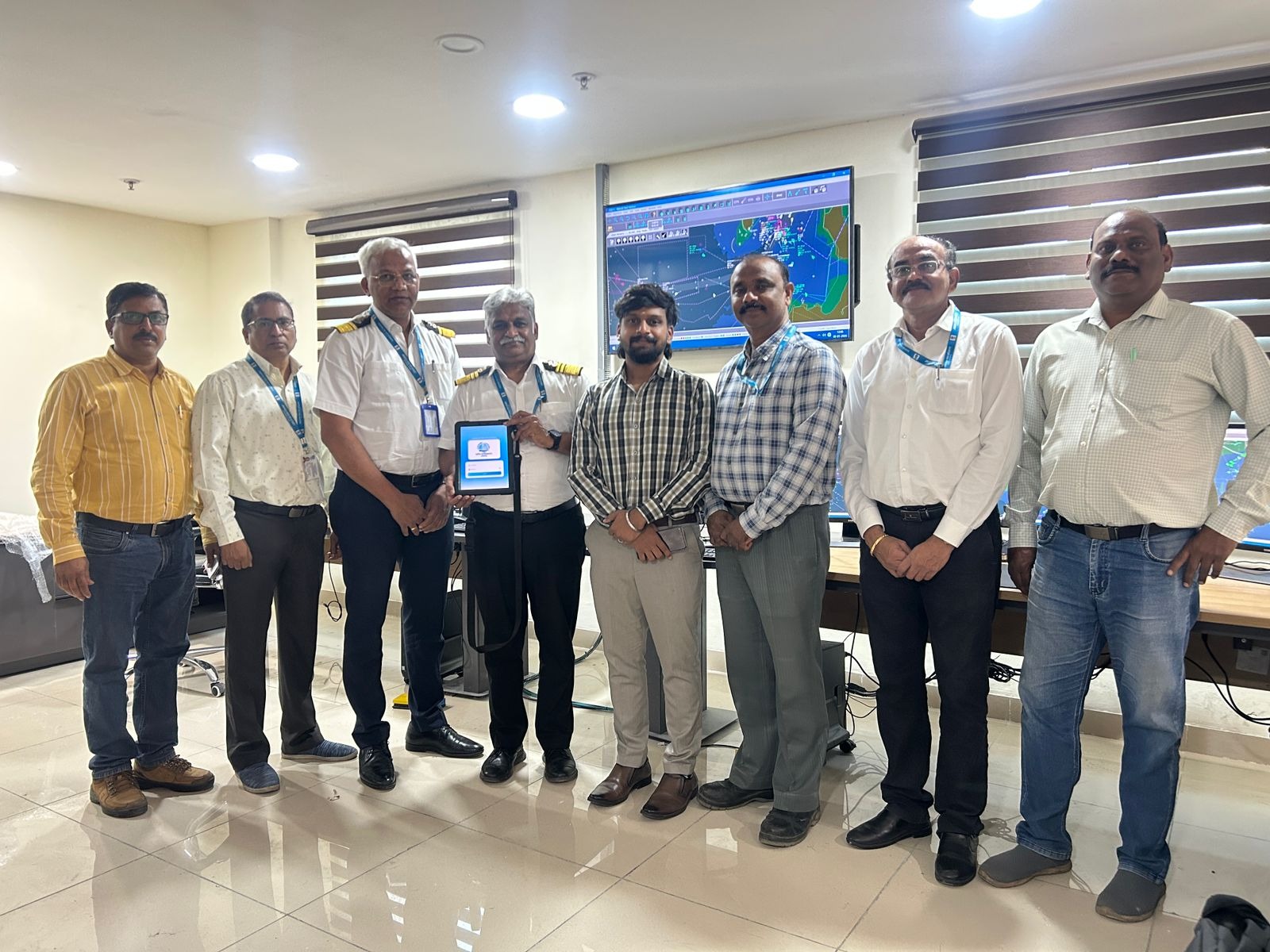
As part of Phase-I digitalisation, all ship movement data is now being captured digitally through the JNPA Pilot “Thagaval” App, which has been in use for the past six months. The app records complete pilotage data, including master’s digital signatures, enables report generation, and is integrated with the port’s billing system (FOCUS) and the National Logistics Portal (NLP). Manual data recording is being progressively phased out. Phase-II trials are currently underway, extending digital data capture to all logistics assets such as tugs, pilot launches and other crafts.

JNPA has also successfully shifted all marine operations, including VTS, to the newly established Port Facility Centre (PFC). The integrated facility houses all marine operational sections and allied authorities, including the Port Health Officer’s office, is fully operational from 1 January 2026.
Under the landlord port model, while container, liquid and multipurpose terminals are operated by private entities, JNPA continues to provide marine services to all operators. With five container terminals, two liquid terminal operators and one multipurpose berth operator functioning at the port, ensuring transparent, fair and efficient marine services have become critical. To meet this requirement, JNPA has transitioned its marine operations to a real-time, time-stamped digital platform, enabling precise performance monitoring and independent record-keeping for each terminal.

About JNPA:
The Jawaharlal Nehru Port Authority (JNPA) is one of the premier container-handling ports in India. Since its inception on May 26, 1989, JNPA has transformed from a bulk cargo terminal into the premier container port in the country.

Currently, JNPA operates five container terminals – NSFT, NSICT, NSIGT, BMCT and APMT. The Port also has a Shallow Water Berth for general cargo. A Liquid Cargo Terminal present at the JNPA Port is managed by the BPCL-IOCL consortium and the additional liquid cargo terminal developed by JNPA will be operated by M/s JSW – JNPT Liquid Terminal Pvt. Ltd. Additionally, the newly constructed coastal berth links other Indian ports and facilitates enhancing the traffic of coastal containers.

Nestled across 277 hectares of land, JNPA also operates a meticulously designed multi-product SEZ, with state-of-the-art infrastructure, to boost export-oriented industries in India.

JNPA is also developing an all-weather, deep-draft, greenfield port at Vadhvan, the 13th Major Port of India in Maharashtra. It is poised to be among the top 10 ports globally and will be a 100% green port since its inception.

Commissioning of Samudra Pratap strengthens self-reliance: PM Modi

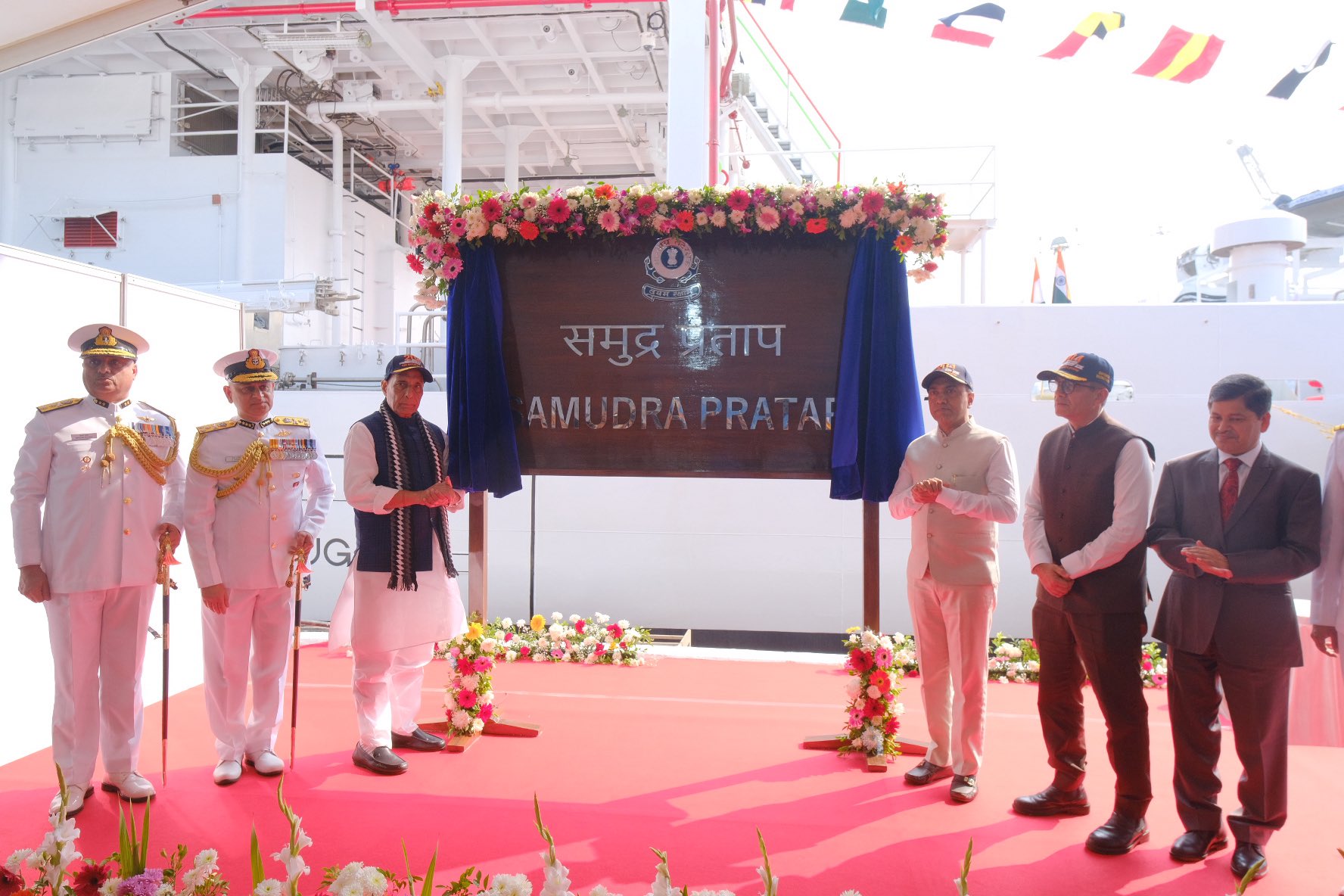
NEW DELHI : Prime Minister Shri Narendra Modi on Wednesday said the commissioning of home-built pollution control ship Samudra Pratap has strengthened the vision of self-reliance and reflected the commitment to sustainability. Defence Minister Shri Rajnath Singh commissioned the Indian Coast Guard Ship Samudra Pratap on Monday, India’s first indigenously built pollution control vessel and the largest ship in the Coast Guard’s fleet so far.

“The commissioning of Indian Coast Guard Ship (ICGS) Samudra Pratap is noteworthy for numerous reasons, including the fact that it adds strength to our vision of self-reliance, boosts our security apparatus and reflects a commitment to sustainability, among others,” the prime minister said in a post on X.

The vessel will serve as a critical platform for enforcing marine pollution control regulations, maritime law enforcement, search and rescue operations, and safeguarding India’s Exclusive Economic Zone
The vessel’s primary role is pollution response at sea, supported by state-of-the-art systems including side-sweeping arms, floating booms, high-capacity skimmers, portable barges, and a pollution control laboratory

The ship is also fitted with an external fire-fighting system and integrates advanced systems such as dynamic positioning, integrated bridge system, integrated platform management system, and automated power management system to enhance automation and mission efficiency.

Source : PTI

Export credit insurance is quietly holding back India’s MSMEs

NEW DELHI : India’s export ambition is inseparable from its micro, small and medium enterprises. MSMEs are responsible for more than 30 per cent of India’s GDP and almost 45 per cent of its export activities and are therefore vital engines of inclusive growth and job creation. Despite their significance, MSMEs are subject to structural impediments to accessing global value chains, such as restricted access to cheap trade financing, high compliance fees, changes in tariffs in major markets like the United States, and reliance on intermediaries accessing markets.

These bottlenecks are further exacerbated in high-risk markets, where political risks, poor law enforcement, and exchange rate risks heighten financing exposure. Yet as policymakers urge exporters to diversify markets and integrate into global value chains, a quieter structural constraint continues to undermine this ambition. The export credit insurance system, meant to protect MSMEs from global risk, is itself imposing economic costs that weaken their competitiveness.

Export credit insurance should reduce uncertainty, unlock working capital, and embolden firms to enter new markets. In India, this responsibility rests primarily with the Export Credit Guarantee Corporation (ECGC), supported by schemes such as the National Export Insurance Account (NEIA). On paper, the framework is comprehensive. In practice, for a large share of MSMEs, particularly micro enterprises, it is costly to access, complex to comply with, and uncertain to rely upon.

The result is a paradox. India’s export credit system is expanding in scale, premium income is rising, and coverage volumes are growing, yet a significant proportion of MSMEs either remain outside the system or use it defensively, avoiding precisely the markets and opportunities policy seeks to promote.

Payment default: The Risk That Never Goes Away
Payment default remains the most acute concern for MSMEs engaged in export trade. Buyer insolvency, delayed remittances, and non-payment by letter-of-credit banks rank consistently as the highest risks identified by exporters. Export credit insurance is intended to address this vulnerability precisely. Yet uptake among MSMEs remains limited.

Steep premiums relative to turnover, coupled with complicated paperwork, discourage small exporters from adopting insurance. Micro businesses and rural cluster units often lack trained administrative staff to manage compliance. Evidence from the ECGC–IIFT study (2023) indicates that incomplete documentation, delayed reporting, or even minor clerical errors frequently result in claim rejection, leaving MSMEs exposed almost as if they had no coverage at all.

The economic cost of non-payment extends well beyond the immediate loss of export earnings. Disrupted cash flows derail production schedules, weaken buyer relationships, and erode confidence in international transactions. Over time, these shocks reduce a firm’s capacity to reinvest in export growth, adopt digital trade tools, or venture into higher-risk markets.

For micro enterprises, the combined direct and indirect costs can threaten business survival itself. Direct costs are the expenses that are immediately visible. These include export credit insurance premiums, bank charges, documentation fees, compliance costs and the administrative effort required to maintain insurance coverage. For micro enterprises, often operating on very thin margins these costs consume a disproportionately large share of working capital. Unlike larger firms, micro exporters cannot spread these expenses across high volumes of trade.

Indirect costs are less visible but often more damaging. When a payment is delayed or defaulted, cash flow is disrupted. Production schedules are interrupted, workers may not be paid on time, raw material purchases are postponed, and future orders may be cancelled. Even if insurance coverage exists, delays in claim settlement or rejection due to minor procedural errors mean that liquidity stress continues during the most critical period.

Over time, these disruptions create a cycle of vulnerability. The enterprise loses buyer confidence, hesitates to accept new export orders, avoids unfamiliar or higher-value markets, and becomes increasingly dependent on intermediaries or domestic sales. This reduces profitability and limits reinvestment in technology, compliance capacity, or skill development.

The Visible Costs MSMEs Pay Upfront
Even before defaults occur, MSMEs confront significant upfront financial barriers. ECGC premiums, service fees and compliance charges are calibrated to destination risk and buyer profiles. While risk-based pricing is commercially rational, its impact on small exporters is disproportionate.

For micro exporters, handloom weavers, artisan collectives and small agri-processors, premiums can absorb a meaningful share of working capital. Empirical estimates reported by ECGC in collaboration with the Indian Institute of Foreign Trade (IIFT, 2023) suggest that the direct financial burden of export credit insurance, including premiums and associated charges, typically ranges between 0.5 and 2 per cent of export turnover for small exporters.

More significantly, indirect costs arising from compliance requirements, procedural delays, and missed market opportunities are estimated to account for approximately 5 to 10 per cent of potential export earnings, a burden that falls disproportionately on micro enterprises with limited bargaining power and administrative capacity.

Schemes such as NEIA, designed to support exports to high-risk destinations, often involve collateral requirements, formal banking histories and extensive documentation. These conditions are manageable for larger exporters but exclusionary for micro firms that operate with informal accounts or limited institutional credit access. Insurance, in such cases, becomes an export-preventing cost rather than an enabling instrument.

Only around 61 per cent of MSMEs currently hold ECGC policies, with adoption rates varying sharply across sectors and regions. While food and agro-based exports exhibit relatively higher penetration, sectors such as electronics, machinery, and manufacturing show significantly lower uptake. Notably, even in export-intensive states such as Maharashtra, a majority of MSMEs remain outside the ECGC coverage framework. Taken together, these findings suggest that the cost burden faced by MSMEs is not merely expense-driven but systemic, reflecting deeper issues in policy design, operational delivery, and market access rather than isolated financial constraints (ECGC–IIFT, 2023).

Compliance: Where Protection Turns Punitive
Beyond financial costs, compliance obligations impose a heavy operational burden. MSMEs must navigate GST 2.0 regulations, customs procedures, foreign trade documentation, banking norms and insurance reporting requirements, often simultaneously. These obligations require coordination with freight forwarders, banks and government agencies, a task that overwhelms small exporters without dedicated compliance teams.

For artisans, weavers and micro manufacturers, documentation complexity translates into delayed shipments, rejected claims and higher administrative costs. Procedural inflexibility in ECGC schemes, including NEIA, compounds the problem. Many MSMEs are unaware of eligibility conditions, reporting timelines or documentation standards until after claims are filed, often too late. As a result, insurance coverage exists in theory but fails in execution, particularly for the smallest exporters.

Challenges do not end once MSMEs adopt ECGC coverage. Post-adoption issues further dilute its value. Exporters report disputes over letters of credit, quality-related disagreements, blocked funds, restrictive credit limits and premium escalation as persistent problems. Currency volatility and delays in obtaining policies or enhanced credit limits exacerbate uncertainty. Transportation risks add another layer.

More than half of exporters identify sea routes as the riskiest, citing natural calamities, piracy and port disruptions. Air and road transport follow at a distance. Yet exporters consistently prioritise buyer insolvency and non-payment risks, areas where insurance outcomes must be swift and predictable to be effective.

Awareness gaps worsen matters. Most exporters learn about ECGC products through internal staff or banks, while ECGC’s own outreach, seminars, official visits and advertising have had limited traction. Evidence from the ECGC reports reveals that only around 10 per cent of policyholders have made claims in the past five years. Notably, those who have used ECGC report improvements in export volumes, market consolidation, product quality and integration into production chains. The issue, therefore, is not insurance efficacy but uneven access to its benefits.

The Opportunity Cost Of Staying Small
Perhaps the most damaging cost is invisible. Many MSMEs self-restrict their export ambitions due to perceived insurance constraints. High-growth but high-risk markets in Africa and Latin America are often avoided, not because demand is lacking, but because premiums are high, credit limits are restrictive, and claim outcomes are uncertain.

As a result, exporters remain locked into familiar markets, foregoing diversification benefits and long-term growth. This conservative behaviour contradicts India’s strategic goal of expanding its presence in emerging economies.

Dependence on intermediaries compounds this constraint. In rural and semi-urban clusters, intermediaries dominate pricing, market access and payment regimes. They absorb a significant share of export value, delay payments and impose additional administrative burdens. For smallholder farmers, weavers and artisans, this weakens the protective impact of credit insurance, as benefits accrue upstream rather than to producers.

OECD studies on SME digitalisation show that integrating e-commerce platforms with digital trade finance reduces intermediary dependence and enhances transparency. In India, platforms such as TReDS, particularly at Gift City, offer similar potential. Yet low awareness and digital literacy limit adoption among micro exporters.

Comparative experience reveals a critical gap in India’s export credit architecture: digital integration. Japan’s NEXI and South Korea’s K-SURE operate integrated IT systems linking risk assessment, policy issuance and claims settlement. Digitalisation reduces errors, accelerates processing and improves transparency, benefits especially valuable for small exporters with limited administrative capacity. In contrast, ECGC’s digital penetration remains modest, with partial reliance on platforms such as TReDS and limited end-to-end integration.

Digital and fintech-based trade finance solutions also allow MSMEs to convert receivables into working capital efficiently, reduce reliance on intermediaries and expand market access. Studies indicate that full digital integration significantly lowers transaction costs and clarifies claim assessment, advantages that disproportionately benefit micro enterprises.

What Global Peers Do Differently
Japan’s NEXI demonstrates how reinsurance can unlock high-risk markets. By sharing exposure with global insurers, NEXI prevents premiums from becoming prohibitive and enables SMEs to access destinations in Africa and Latin America on viable terms. MSME-specific schemes with simplified documentation and digital processing reduce compliance burdens.

South Korea’s K-SURE exemplifies digital efficiency. Real-time credit assessment, instant policy issuance and automated claims handling reduce rejection rates and settlement delays. Graduated compliance standards recognise that small exporters often lack formal accounting systems or banking links. Crucially, K-SURE adopts a global value chain approach, extending risk coverage across suppliers, logistics providers and financiers.

By contrast, ECGC remains focused primarily on direct exporter protection. While coverage expanded to over Rs 7.3 lakh crore in FY2023–24 and premium income rose, claims paid declined sharply. Limited integration with upstream suppliers and value-chain partners constrains systemic risk mitigation and discourages MSME participation.

Recent reforms in India’s credit ecosystem offer an opportunity to rethink export credit insurance alongside broader financial infrastructure.

Fintech lenders have expanded access to credit using alternative data such as GST filings and digital transactions. The Unified Lending Interface (ULI) further reduces documentation burdens by enabling consent-based data sharing. With only around 15 per cent of MSMEs accessing formal credit and a credit gap exceeding USD 500 billion, ULI can materially reduce transaction costs.

Legal reforms reinforce this shift. Revised MSME classification thresholds better reflect business realities, while proposed statutory mandates on MSME lending could anchor affordable credit access. However, these reforms will succeed only if aligned with risk protection mechanisms. Micro enterprises, constituting nearly 99 per cent of MSMEs, lack formal bookkeeping, collateral and digital sophistication. Any insurance or credit regime designed around mid-sized exporter assumptions will exclude the majority by design.

A Reform Agenda Grounded In Global Best Practice
International experience suggests that ECGC can reduce economic costs and expand MSME participation through a focused reform agenda:
● Deepening global reinsurance partnerships to stabilise high-risk exposure
● Adopting GVC-oriented risk assessment across supply chains
● Automating and time-binding claims processing through digital workflows
● Designing MSME-specific schemes with minimal documentation and collateral
● Integrating trade finance platforms to reduce intermediary dependence
● Launching capacity-building programmes for compliance and digital literacy
● Incentivising exporters through preferential premiums and faster settlements

The ECGC–NEXI reinsurance agreement is a vital first step. But without complementary reforms, digitalisation, procedural simplification and MSME capacity-building, its promise will remain unrealised.

India’s export challenge today is not merely about production or market access. It is institutional. When risk protection mechanisms impose costs that exceed perceived benefits, firms rationally opt out. ECGC has played, and continues to play, a vital role in India’s export ecosystem. But for MSMEs, the issue is not the absence of insurance; it is the cost of using it. Reducing both visible and hidden costs is not a technical adjustment; it is a strategic imperative.

If India wants its MSMEs to move from survival to scale, export credit insurance must evolve from a compliance-heavy safeguard into a growth-enabling instrument. The difference between the two will determine whether India’s smallest exporters merely participate in global trade or help shape it.

India becomes world’s largest rice producer : Shivraj Singh Chouhan

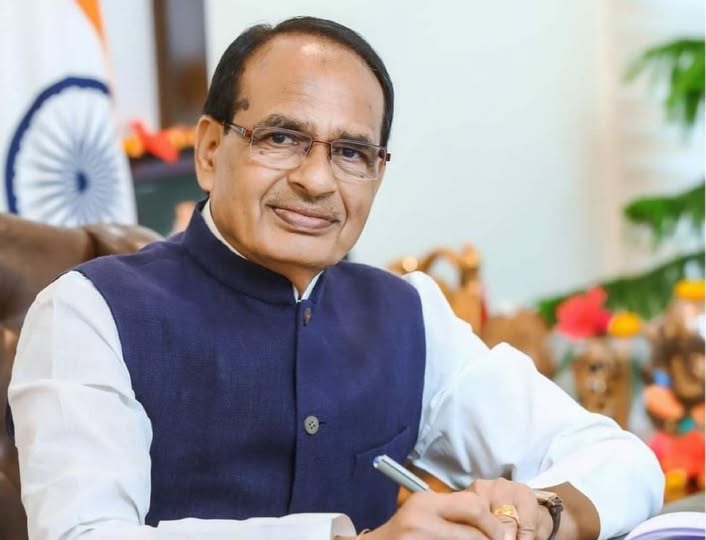
NEW DELHI : India has become the world’s largest producer of rice, surpassing China. This was stated by Union Agriculture Minister Shri Shivraj Singh Chouhan in New Delhi recently. He said India’s rice production has reached 150.18 million tonnes, compared to China’s 145.28 million tonnes. Mr Chouhan said India is now supplying rice in overseas markets.

The minister unveiled 184 improved varieties of 25 field crops developed by the Indian Council of Agricultural Research at an event held in the national capital. The 184 released varieties include 122 cereals, 6 pulses, 13 oilseeds, 11 fodder crops, 6 sugarcane, 24 cotton, and one each of jute and tobacco.

Addressing the event, Mr Chouhan said the country has achieved great success in the development of high-yielding seeds. The Agriculture Minister also directed officials to ensure that these new varieties reach farmers quickly. Elaborating on 184 advanced varieties, the minister said that farmers will benefit as they will help in achieving higher yields and better quality of produce. He emphasised the need to ensure that high-quality seeds reach every farmer’s field. The minister also asked farm scientists to focus on increasing the production of pulses and oilseeds to make India self-sufficient.

Mr Chouhan said that the country has entered a new era of agricultural revolution on the strength of the development of high-yielding and climate-resilient seeds. The Union minister said that this achievement is the result of the collective efforts of the ICAR’s All India Coordinated Projects on crops, state and central agricultural universities, and private seed companies.