Home Blog Page 506

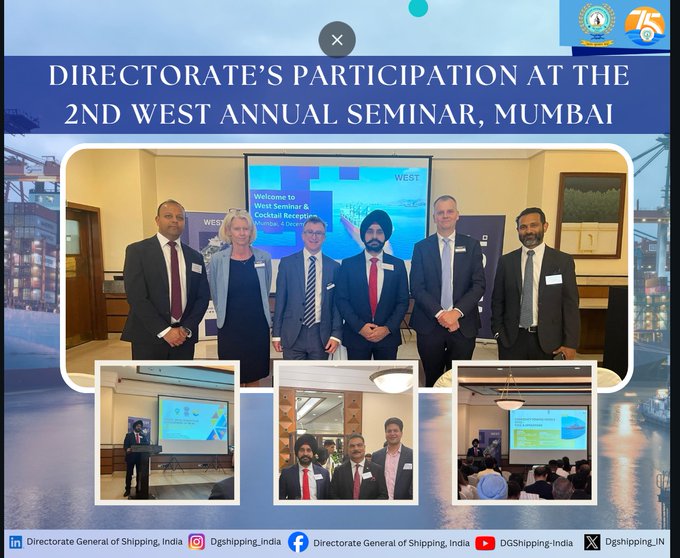
DG Shipping highlights India’s marine casualty response framework at 2nd WEST Annual Seminar, Mumbai

MUMBAI ; The Directorate General of Shipping (DG Shipping), Government of India, participated in the 2nd WEST Annual Seminar held here in Mumbai, engaging with leading global maritime stakeholders to deliberate on critical issues related to maritime safety, regulatory frameworks, and industry best practices.

Representing DG Shipping, Capt. Harinder Singh, Nautical Surveyor & Deputy Director General (Technical), delivered an insightful presentation on India’s Marine Casualty Response Framework. His address highlighted the country’s structured and proactive approach to handling marine incidents, with a strong emphasis on preparedness, inter-agency coordination, and effective incident management.

Capt. Singh outlined the regulatory mechanisms, standard operating procedures, and collaborative response systems in place to ensure timely investigation and mitigation of marine casualties. He also underscored India’s commitment to continuous improvement in maritime safety standards, aligned with international conventions and global best practices.

The seminar provided a valuable platform for knowledge exchange and dialogue between regulators, shipowners, classification societies, and maritime professionals. DG Shipping’s participation reaffirmed India’s role as a responsible maritime administration and its ongoing efforts to strengthen safety, compliance, and resilience across the maritime sector.

GRSE delivers ASW SWC Anjadip to Navy; Fifth Warship in less than a year

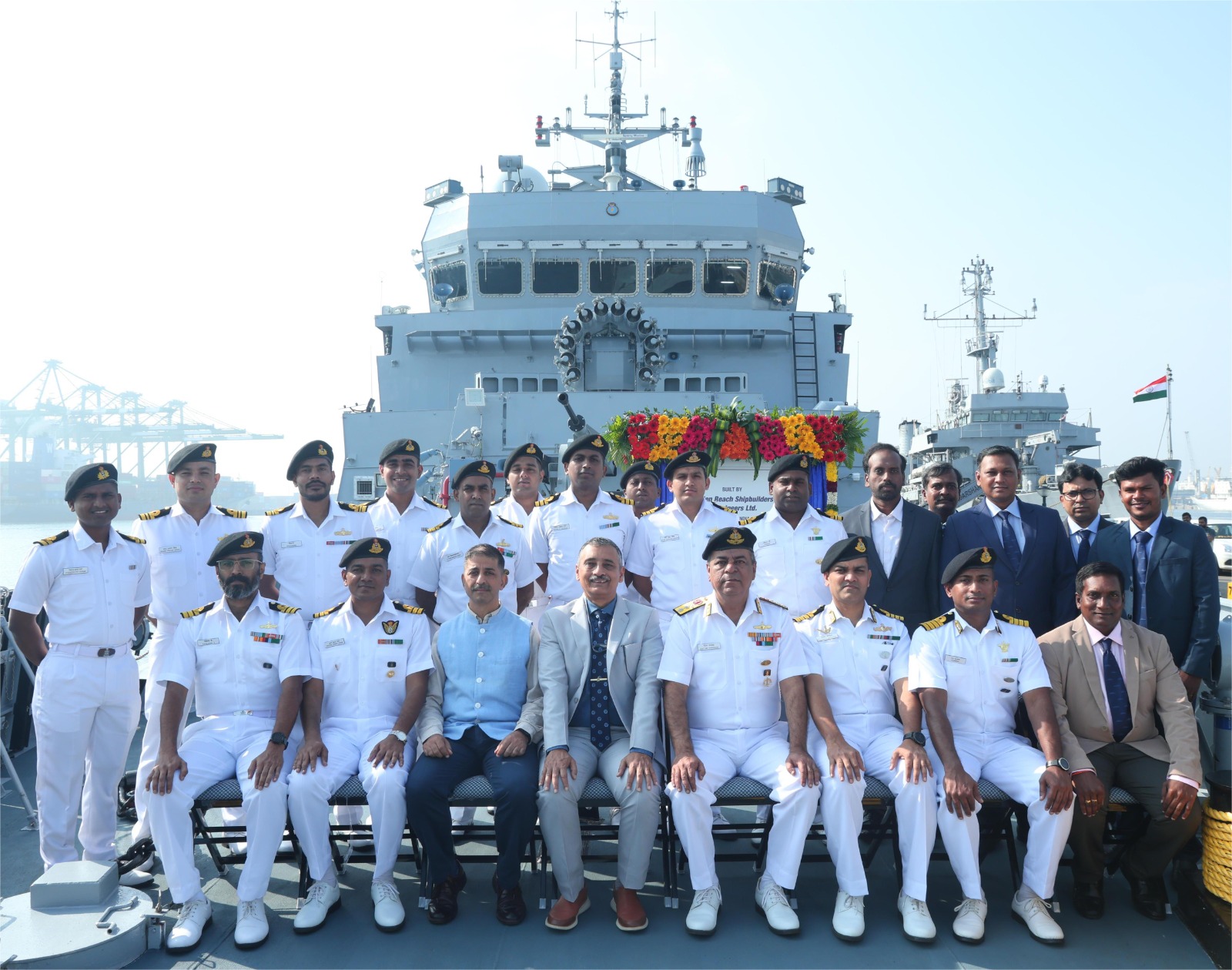
KOLKATA : In a major accomplishment, Garden Reach Shipbuilders and Engineers (GRSE) Ltd delivered its fifth warship of the year to the Navy on Monday, December 22, 2025. Anti-Submarine Warfare Shallow Water Craft (ASW SWC) Anjadip – third in a series of eight such platforms being built at the shipyard – was delivered to the Navy at the Chennai Port Trust.

Anjadip is the 115th warship built by GRSE and the 77th warship delivered to the Navy. The ASW SWC was accepted by Rear Admiral Gautam Marwaha, VSM, CSO (Tech), Eastern Naval Command.
GRSE delivered four warships in 2025 ahead of Anjadip. These include the Advanced Guided Missile Frigate Himgiri, the first two ASW SWCs of the series Arnala and Androth, and the Survey Vessel (Large) Ikshak. All four have since been commissioned into the Navy. This is a rare achievement by any shipyard in the country.
Anjadip’s delivery also comes less than four months after that of the Androth on September 13, 2025, highlighting GRSE’s capability to churn out warships.
Anjadip is also an example of how the shipyard has focussed on Atmanirbharta in defence shipbuilding. Like its two predecessors – Arnala and Androth – this warship is also fitted with an indigenous 30 mm Naval Surface Gun, manufactured by GRSE, and has nearly 88% indigenous content.
The warships of this class are capable of full-scale sub-surface surveillance of coastal waters as well as Search and Attack. They can also carry out coordinated anti-submarine operations with aircraft. These ships have Combat Management Systems on board and are armed with lightweight torpedoes as well as anti-submarine warfare rockets. The ASW SWCs are designed to accommodate 57 personnel, including seven officers.
With three water jets (fitted to marine diesel engines), Anjadip is extremely agile and maneuverable. A great advantage is that she only requires a draught of 2.7-metres, allowing her to access the coasts easily in search of sub-surface threats.
GRSE is currently building 12 more warships, including two P17A advanced stealth frigates, five ASW SWCs, a Survey Vessel (Large) and four Next Generation Offshore Patrol Vessels. Apart from this, the shipyard is building a dozen Multi-Purpose Vessels for a German client, four research vessels and 13 hybrid ferries. GRSE is also expecting the conclusion of a prestigious contract to build 05 New Generation Corvettes in this financial year.

DRDO & RRU ink MoU to foster collaboration in research, education, training and technology support for defence & internal security

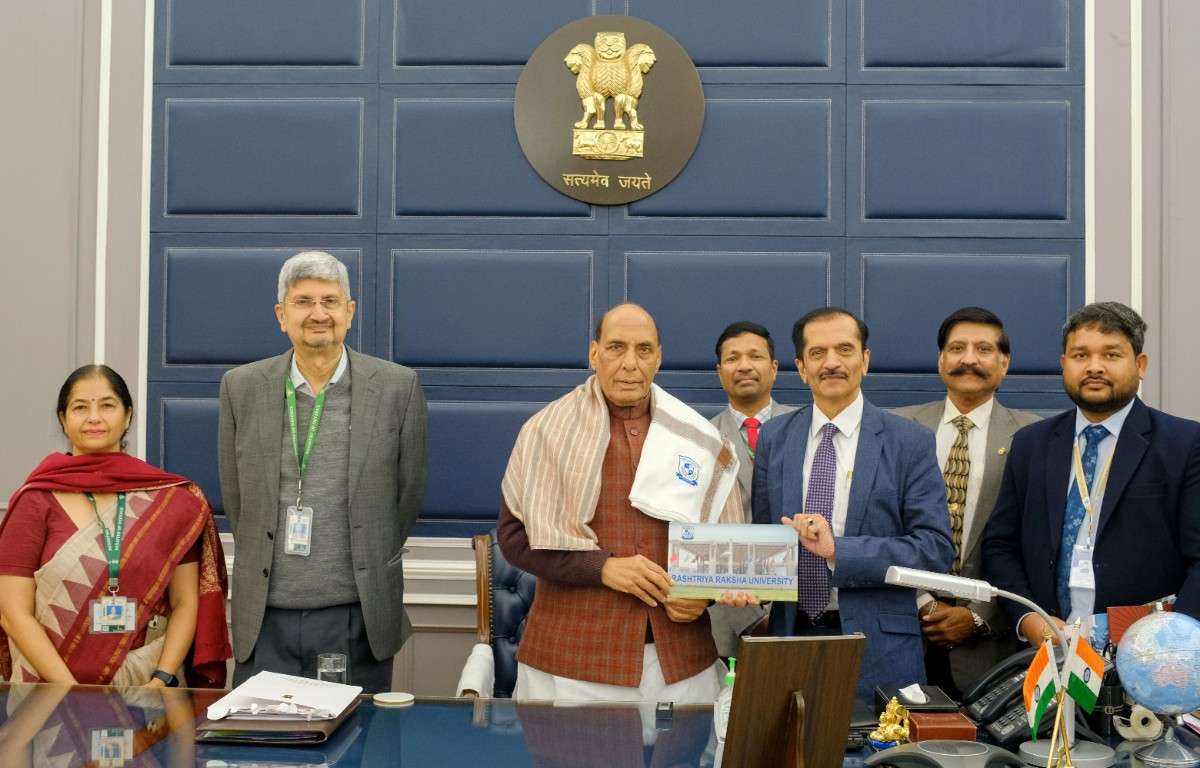
NEW DELHI : Defence Research & Development Organisation (DRDO) and Rashtriya Raksha University (RRU) have signed a Memorandum of Understanding (MoU) to foster collaboration in the areas of research, education, training and technology support for defence & internal security. The MoU was inked by Distinguished Scientist & Director General (Production Coordination & Services Interaction) Dr Chandrika Kaushik and Vice Chancellor, RRU Prof (Dr) Bimal N Patel in the presence of Raksha Mantri Shri Rajnath Singh at South Block, New Delhi on December 22, 2025. Secretary, Department of Defence R&D and Chairman, DRDO Dr Samir V Kamat was also present on the occasion.

The MoU aims to strengthen India’s self-reliance in defence and internal security technologies, in line with the national vision of Aatmanirbhar Bharat and the whole-of-nation approach during Amrit Kaal. It reflects a shared commitment to integrating technology, knowledge and operational insight to enhance national security preparedness and reinforce India’s strategic autonomy in internal security.

Rashtriya Raksha University, an institution of national importance under the Ministry of Home Affairs and the University Grants Commission (UGC)-designated Nodal Centre for Defence Studies, brings strong academic, training and policy expertise in the domain of internal security. DRDO, the nation’s premier defence R&D organisation, contributes cutting-edge indigenous technologies and system-level expertise to meet the requirements of the Armed Forces and security agencies.

Under the MoU, both organisations will collaborate on joint research projects, PhD & fellowship programmes and specialised training & capacity-building programmes for security forces. The collaboration will also include studies on emerging operational challenges, technology gap analysis, forecasting of future requirements, and life-cycle management of DRDO-developed systems inducted into the Central Armed Police Forces and other agencies under the Ministry of Home Affairs.

CMA CGM launches direct service at Port of Duqm

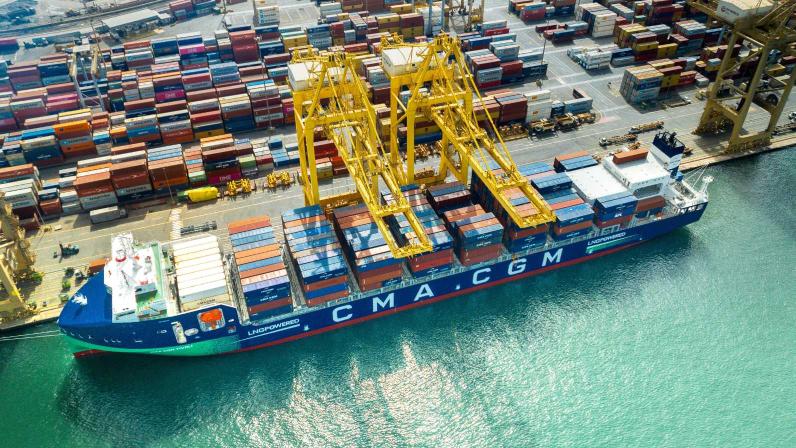
DUQM : Asyad Ports and Freezones, a subsidiary of Asyad Group, has launched regular shipping services operated by the French global carrier CMA CGM to the Asyad Container Terminal at the Port of Duqm. The inaugural voyage marked a significant milestone in advancing Duqm’s role in international maritime trade.

This direct shipping connection notably enhances Duqm’s standing as a strategic logistics gateway on Oman’s Indian Ocean coast. It broadens the global connectivity network developed by Asyad Group, thereby supporting integrated logistics solutions and strengthening the Port of Duqm’s position within major global trade corridors.

By integrating Duqm into CMA CGM’s extensive global network, the shipping company is expanding its reach across the Middle East and Africa. Concurrently, this development aligns with Oman’s ambition to establish itself as a competitive regional logistics hub serving diverse international markets.

Situated within the Duqm Special Economic Zone, the Asyad Container Terminal is emerging as a pivotal hub for trade and industry. Connecting the port to one of the world’s largest maritime networks boosts Oman’s influence in the regional logistics sector and opens new doors for local industries to efficiently and cost-effectively access global markets. This service is expected to offer significant benefits for dry and refrigerated cargo, which are vital to contemporary supply chains.

Omar bin Mahmoud al Mahrizi, CEO of Asyad Ports and Freezones, described the partnership with CMA CGM as a crucial step toward integrating the Asyad Container Terminal into global shipping routes. He emphasized that the choice of Duqm by a leading international carrier reflects strong confidence in the port’s operational excellence and service standards.

Al Mahrizi added that the new service will increase Duqm’s prominence on the global maritime map, expand opportunities for both exporters and importers, and support the development of key economic sectors. He affirmed that these enhancements will further cement the Port of Duqm’s emerging status as a major hub on the Indian Ocean.

Tyashin Govinder, General Manager of CMA CGM in Oman, characterized the service launch as a significant advancement in providing sophisticated logistics solutions, particularly benefiting the fisheries and marine resources sector. He highlighted CMA CGM’s collaboration with Ocean Fisheries and the operation of the Ocean Fresh vessel as proof of the company’s commitment to connecting emerging markets with reliable, high-quality transport services.

Sulaiman bin Shatit al Ghannami, CEO of Ocean Fish Company, underscored Duqm’s rising importance as a logistics centre for the fisheries industry. He pointed out that the port’s proximity to key fishing areas and reduced turnaround times offer a clear competitive edge, enabling faster deliveries and more frequent voyages.

The new service further reinforces the Port of Duqm’s strategic function in linking Africa, the Indian subcontinent, and the Middle East. Equipped with modern infrastructure—including gantry cranes, rubber-tyred cranes, container handling equipment, and advanced refrigerated facilities—the Asyad Container Terminal is well equipped to support growing import and export activities and serve the needs of industrial and commercial clients throughout the region. — ONA

DHL and CMA CGM accelerate decarbonization of ocean freight with joint biofuel initiative

BONN/MARSEILLE: DHL Global Forwarding and CMA CGM have taken a significant step toward decarbonizing global container transport. The two companies have agreed to jointly use 8,990 metric tons of UCOME second-generation biofuel, enabling an estimated 25,000 metric tons of CO₂e well-to-wake emission reduction for ocean freight transported under DHL’s GoGreen Plus service. This initiative empowers DHL customers to significantly reduce the carbon intensity of their international supply chains while accelerating the industry’s transition to alternative marine fuels.

“This collaboration marks another milestone in our mission towards low-carbon supply chains,” said Casper Ellerbaek, Head of Global Ocean Freight at DHL Global Forwarding. “By leveraging sustainable marine fuels, we help our customers achieve their climate goals and drive real progress toward decarbonization.”

Driving lower-carbon ocean freight solutions

Through DHL’s GoGreen Plus and CMA CGM’s ACT+ low-carbon transport offering, shippers can integrate sustainable maritime transport into their logistics operations. CMA CGM will physically bunker the biofuel across its fleet, ensuring that emission reductions correspond to DHL’s Book & Claim approach. DHL’s GoGreen Plus service enables customers to cut well-to-wake emissions by selecting sustainable marine fuel options for their transport, allowing reductions of up to 80% GHG emissions compared to conventional maritime fuel.

Shared ambition for Net Zero

While DHL aims to reach net-zero GHG emissions by 2050, Olivier Nivoix, Executive Vice President Shipping, CMA CGM Group, confirmed: “Our partnership with DHL demonstrates how collaboration can accelerate the shift to low-carbon shipping. ACT+ offers reliable and scalable solutions backed by our fleet designed for alternative fuels. CMA CGM, committed to Net Zero Carbon by 2050, has already cut the carbon intensity of its shipping activities by 57% since 2008 and is investing heavily in alternative fuels and dual-fuel vessels.”

Both companies will continue to explore opportunities to scale up lower-carbon fuel usage and develop collaborative approaches to decarbonize international supply chains.

What is ACT+?

The CMA CGM Group has been investing for many years in the decarbonization of its activities. As a pioneer in the use of biofuels and in the deployment of LNG-powered vessels, CMA CGM continuously optimizes its operations, diversifies its energy mix and supports innovation, with the objective of achieving Net Zero Carbon by 2050.

In response to growing customer expectations regarding the environmental performance of their supply chains, CMA CGM has developed ACT+, its range of low-carbon transport solutions.

ACT+ enables customers to reduce the carbon footprint of their shipments by 10%, 25%, 50% or up to 83%, on a well-to-wake basis*, through the use of low-carbon fuels such as second-generation biofuels, and to complement these reductions through carbon offsetting solutions.

What is GoGreen Plus ?

DHL’s GoGreen Plus products provide decarbonized solutions across DHL’s core offerings by leveraging sustainable fuels and low carbon technology. GoGreen Plus products are based on true value chain decarbonization. This is enabled by the ‘book & claim’ approach. Book & claim enables DHL to directly replace fossil fuels with sustainable fuels within the logistic company’s network and allocate environmental benefits to paying customers, even when their shipments are not physically transported with the assets using these fuels. GoGreen Plus allows DHL’s customers to reduce their indirect Scope 3 emissions in their value chain arising from upstream and downstream transportation and distribution. It also helps customers with voluntary reporting of greenhouse gas (GHG) emissions and progress against their decarbonization targets.

North East Region emerging as new gateway to India’s development: PM Modi in Assam

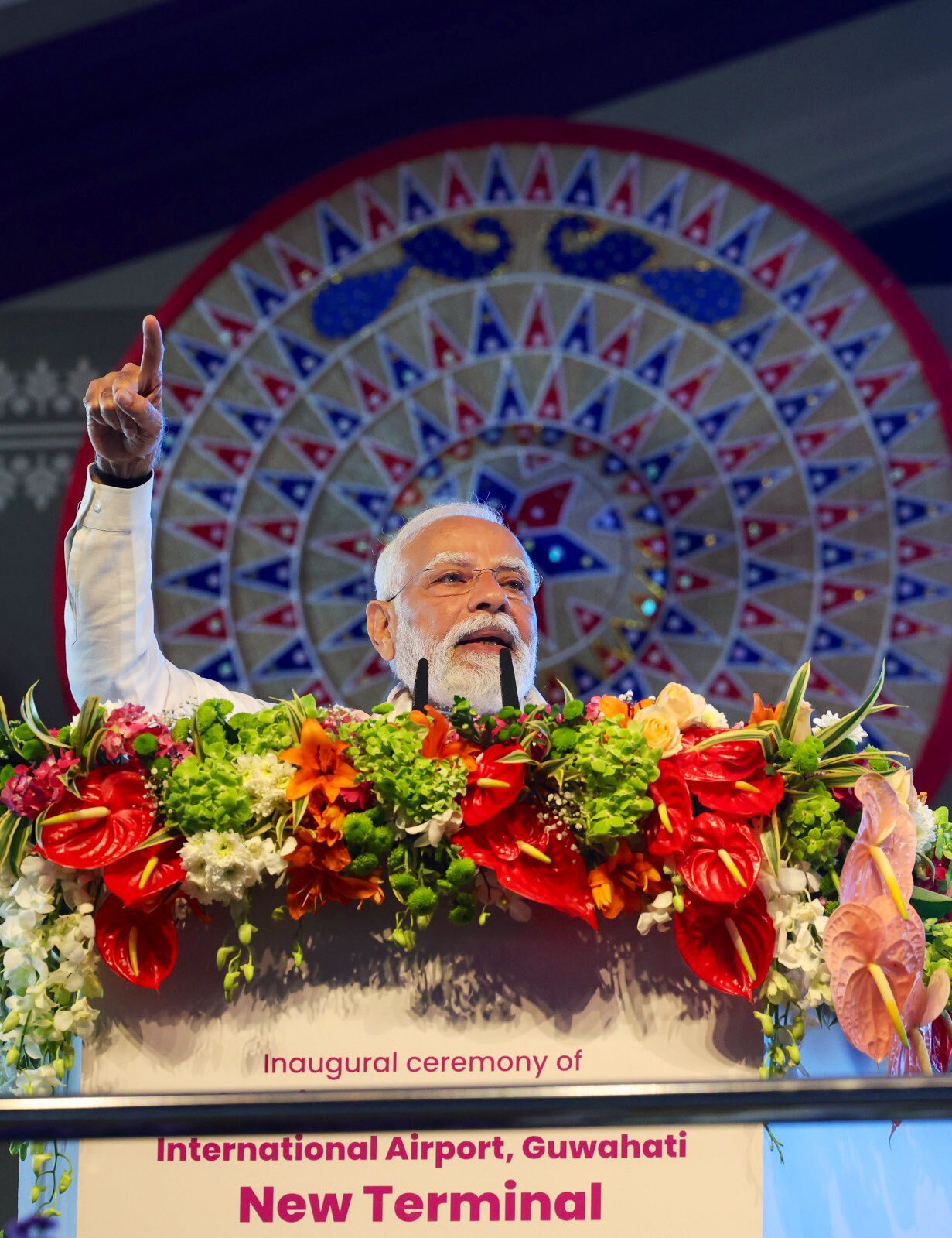
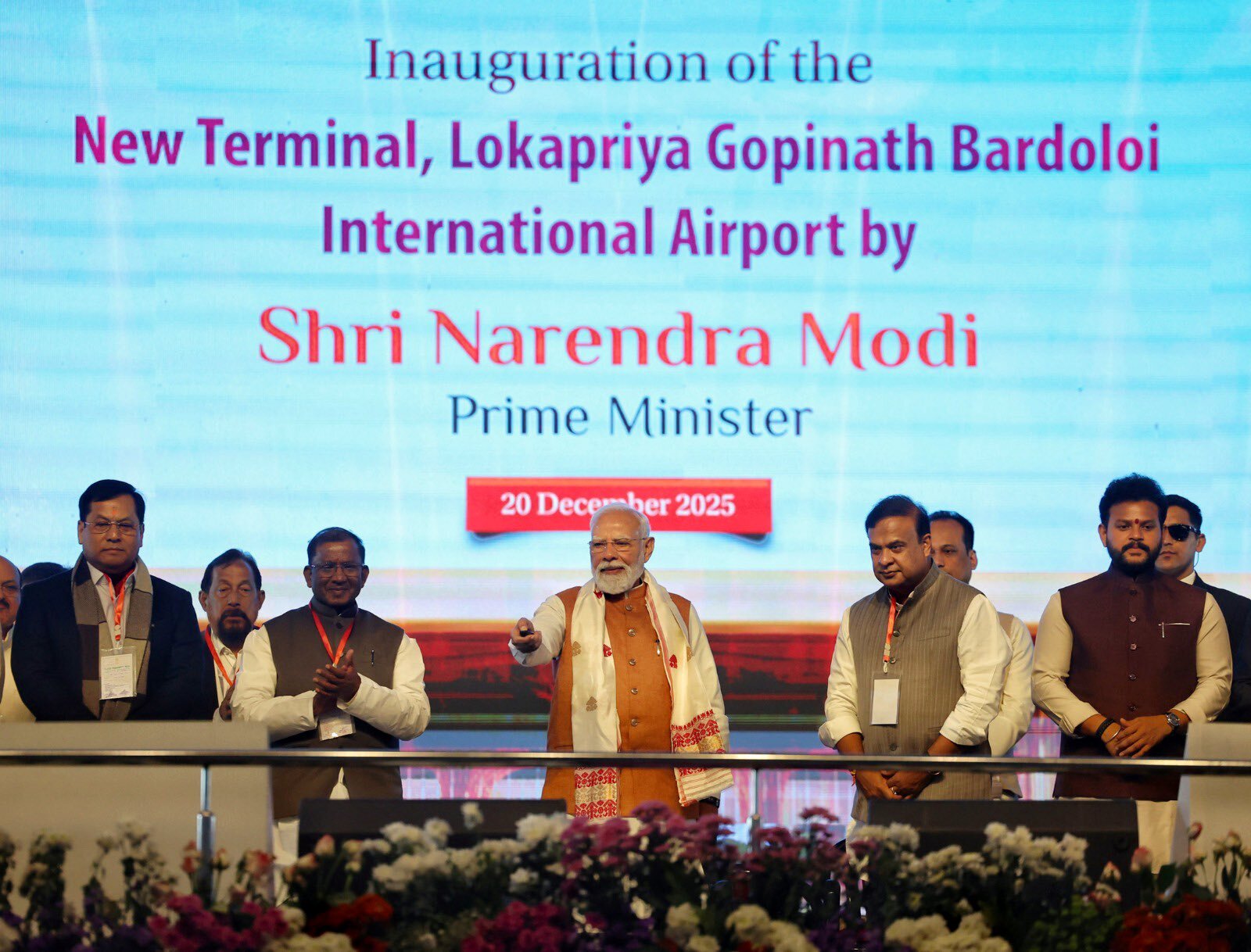
GUWAHATI: Prime Minister Shri Narendra Modi inaugurated the New Terminal Building of Lokapriya Gopinath Bardoloi International Airport in Guwahati on Saturday and said that Assam and the entire Northeast are emerging as a new gateway to India’s development.

Addressing the gathering on the occasion, PM Modi said that today marks the festival of development and progress of Assam and the North East.

He stated that the inauguration of the new terminal at the Lokapriya Gopinath Bardoloi Airport stands as proof of this commitment, and extended congratulations to the people of Assam and the nation for this new terminal building.

The Prime Minister further remarked that a short while ago he had the privilege of unveiling the statue of Gopinath Bardoloi, Assam’s first Chief Minister and a source of pride for the state. He emphasized that Gopinath Bardoloi never compromised on Assam’s identity, future, and interests, and his statue will continue to inspire future generations, instilling in them a deep sense of pride for Assam.

“Modern airport facilities and advanced connectivity infrastructure serve as gateways to new possibilities and opportunities for any state, and stand as pillars of growing confidence and trust among the people,” PM Modi noted.

He remarked that when people witness the construction of magnificent highways and airports in Assam, they themselves acknowledge that true justice for Assam has finally begun.

Underscoring the development of infrastructure carries a very significant message, the Prime Minister highlighted that it boosts industries, gives investors confidence in connectivity, and opens pathways for local products to reach global markets. He emphasized that the greatest assurance is given to the youth, for whom new opportunities are created.

“Today, Assam is seen advancing on this very flight of limitless possibilities,” stated the Prime Minister.

PM Modi remarked that today the world’s perspective towards India has changed, and India’s role has also transformed. He highlighted that India is now on the path to becoming the world’s third-largest economy. He questioned how this was achieved within just 11 years and emphasized that the development of modern infrastructure has played a major role.

The Prime Minister stated that India is preparing for 2047, focusing on infrastructure to fulfill the resolve of a developed nation. He underlined that the most important aspect of this grand development campaign is the participation of every state and every region.

He noted that the government is prioritizing the underprivileged, ensuring that every state progresses together and contributes to the mission of a developed India. He expressed happiness that Assam and the Northeast are leading this mission.

The Prime Minister highlighted that through the Act East Policy, the Northeast has been given priority, and today Assam is emerging as India’s Eastern Gateway. He remarked that Assam is playing the role of a bridge connecting India with ASEAN countries. He affirmed that this beginning will go much further, and Assam will become an engine of developed India in many sectors.

“Assam and the entire Northeast are becoming the new gateway of India’s development,” he said, highlighting that the vision of multi-modal connectivity has transformed both the condition and direction of this region.

“Today the world is looking towards India with hope, and the new sunrise of India’s future is to begin from the Northeast,” he said.

He highlighted that collective efforts are required to achieve shared goals, with Assam’s development at the forefront. He expressed confidence that these joint endeavours will take Assam to new heights and fulfil the vision of a developed India. Concluding his remarks, the Prime Minister once again extended congratulations on the inauguration of the new terminal.

“PM Narendra Modi is the torchbearer and architect of Assam and Northeast’s development:” Sarbananda Sonowal

GUWAHATI: The Union Minister of Ports, Shipping & Waterways (MoPSW), Shri Sarbananda Sonowal said that Prime Minister Shri Narendra Modi is the torchbearer and architect of Assam and the Northeast’s transformation, as the prime minister inaugurated the new terminal building of Lokpriya Gopinath Bordoloi International Airport in Guwahati.

Union Minister Sarbananda Sonowal accompanied the Prime Minister Narendra Modi during the inauguration ceremony in the presence of dignitaries. Modi also unveiled a statue of Bharat Ratna Lokpriya Gopinath Bordoloi at the airport.

Recalling the Prime Minister’s visit to Assam, Sonowal said that since 2014, the development landscape of Assam and the entire Northeast has undergone a rapid transformation under Modi’s dynamic leadership. A region that was once neglected during previous Congress governments has now emerged as one of the driving forces of India’s economic growth, he said, adding that the Northeast has risen as the nation’s “Ashtalakshmi” and a new engine of New India.

“The inauguration of the new terminal marks the beginning of a new chapter for international air connectivity in Assam. The decision to construct this terminal was taken through a memorandum of understanding signed during the first Advantage Assam summit in 2018, under the guidance of Prime Minister Narendra Modi, and the foundation stone for the project was also laid that year,” said Union Minister Sarbananda Sonowal.

Referring to Modi’s emphasis on “transformation through transport,” Sonowal said the new terminal building inaugurated today will serve as a major milestone in Assam’s journey toward prosperity and progress. For more than six decades, the state’s principal airport operated with limited capacity, he said, adding that Guwahati’s growing role as a gateway to Southeast Asia has made this expansion critical for strengthening connectivity and mobility.

Spread over 1.40 lakh square meters and nearly seven times larger than the previous terminal, the new facility will increase the airport’s annual passenger handling capacity from 3.4 million to more than 13 million. Built at a cost of nearly ₹4,000 crore, the terminal connects Guwahati with world-class aviation services, Sonowal said.

The minister also welcomed the unveiling of the statue of Bharat Ratna Lokpriya Gopinath Bordoloi at the airport in Guwahati. Bordoloi’s vision, courage and decisive leadership safeguarded Assam’s identity and existence during the most challenging phase of India’s freedom struggle, while strengthening the country’s unity and integrity.

“The great leader who secured Assam’s future now stands as a powerful symbol at India’s gateway to Southeast Asia,” Sarbananda Sonowal said, adding that Bordoloi’s exemplary service to national unity, integrity and development will continue to inspire generations in building a strong and developed India.

India signs MoU with Netherlands to collaborate on NMHC at Lothal in Gujarat

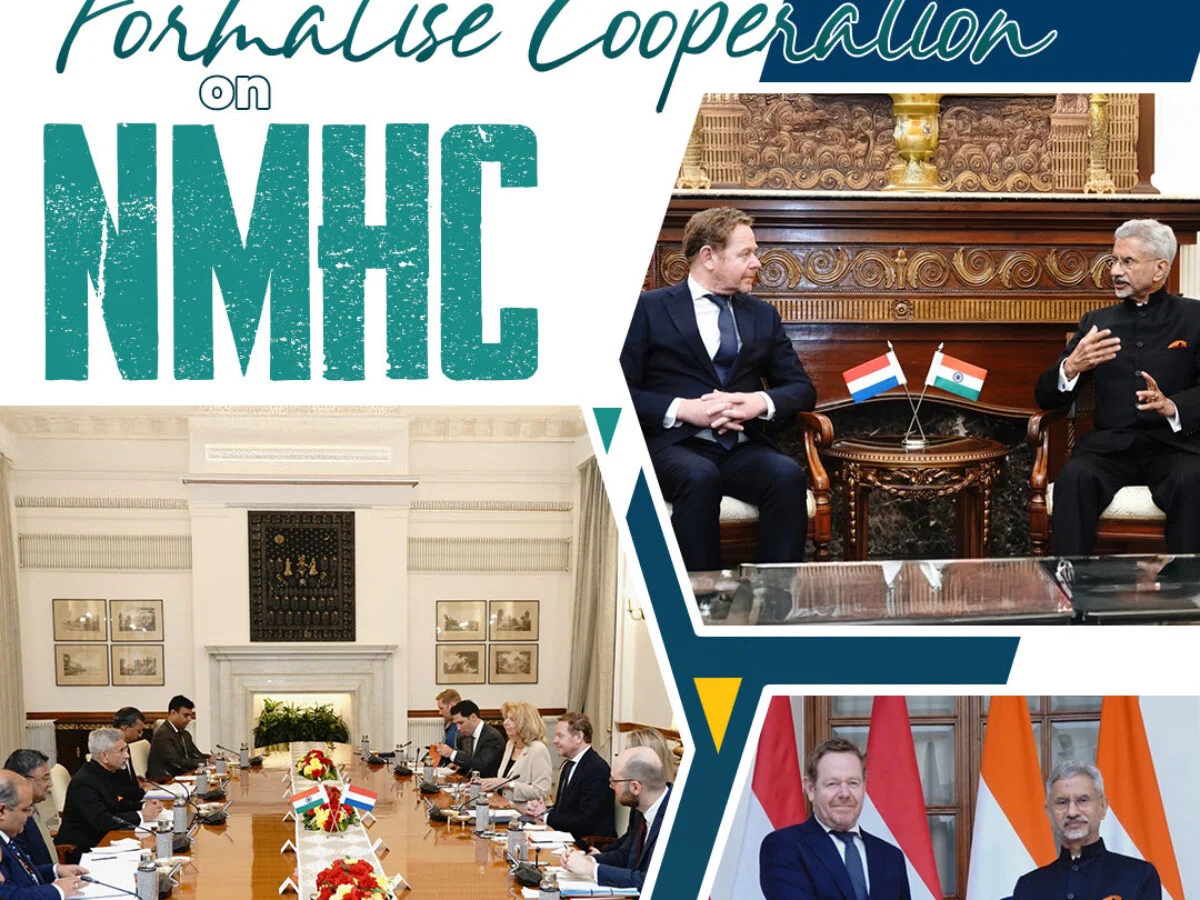
NEW DELHI : India and the Netherlands have signed a Memorandum of Understanding (MoU) to strengthen cooperation in maritime heritage, marking a significant step toward the development of the National Maritime Heritage Complex (NMHC) at Lothal, Gujarat.

The MoU was exchanged during a bilateral meeting between External Affairs Minister Dr. S. Jaishankar and Dutch Foreign Minister David van Weel. It brings together the NMHC, being developed under the Ministry of Ports, Shipping and Waterways, and the National Maritime Museum in Amsterdam.

Under the agreement, the two sides will collaborate on the exchange of knowledge, expertise and best practices in maritime museum design, curation and conservation. The partnership will also facilitate joint exhibitions, research projects and cultural exchange programs, while exploring innovative approaches to enhance visitor experience, education and public outreach.

The NMHC at Lothal is envisioned as a world-class heritage complex showcasing India’s 4,500-year-old maritime legacy. Collaboration with the Amsterdam-based museum is expected to strengthen its global profile, promote inclusive education and tourism, and ensure affordable access for students, local communities and underprivileged groups.

On this occasion, the Union Minister of Ports, Shipping & Waterways, Sarbananda Sonowal said, “The MoU between the National Maritime Heritage Complex (NMHC) at Lothal and the National Maritime Museum in Amsterdam is a landmark step in taking India’s rich 4,500-year maritime legacy to the global stage. This partnership will bring world-class expertise in conservation, curation and museum design, while strengthening cultural ties between India and the Netherlands. It also aligns with Prime Minister Narendra Modiji’s vision of combining heritage with innovation to promote inclusive education, tourism and people-to-people connections.”

The MoU reflects a shared commitment to preserving and promoting maritime heritage, while also deepening people-to-people and cultural ties between the two countries. The Ministry looks forward to close cooperation to implement the provisions of the agreement.

Recalling the long maritime histories of India and the Netherlands, the two ministers welcomed the partnership and also discussed expanding ongoing cooperation in the maritime and shipping sectors, including green shipping initiatives, port development and shipbuilding.

Ahmedabad Metro launches first ‘Make in India’ driverless metro coach, marks major boost to indigenous urban mobility

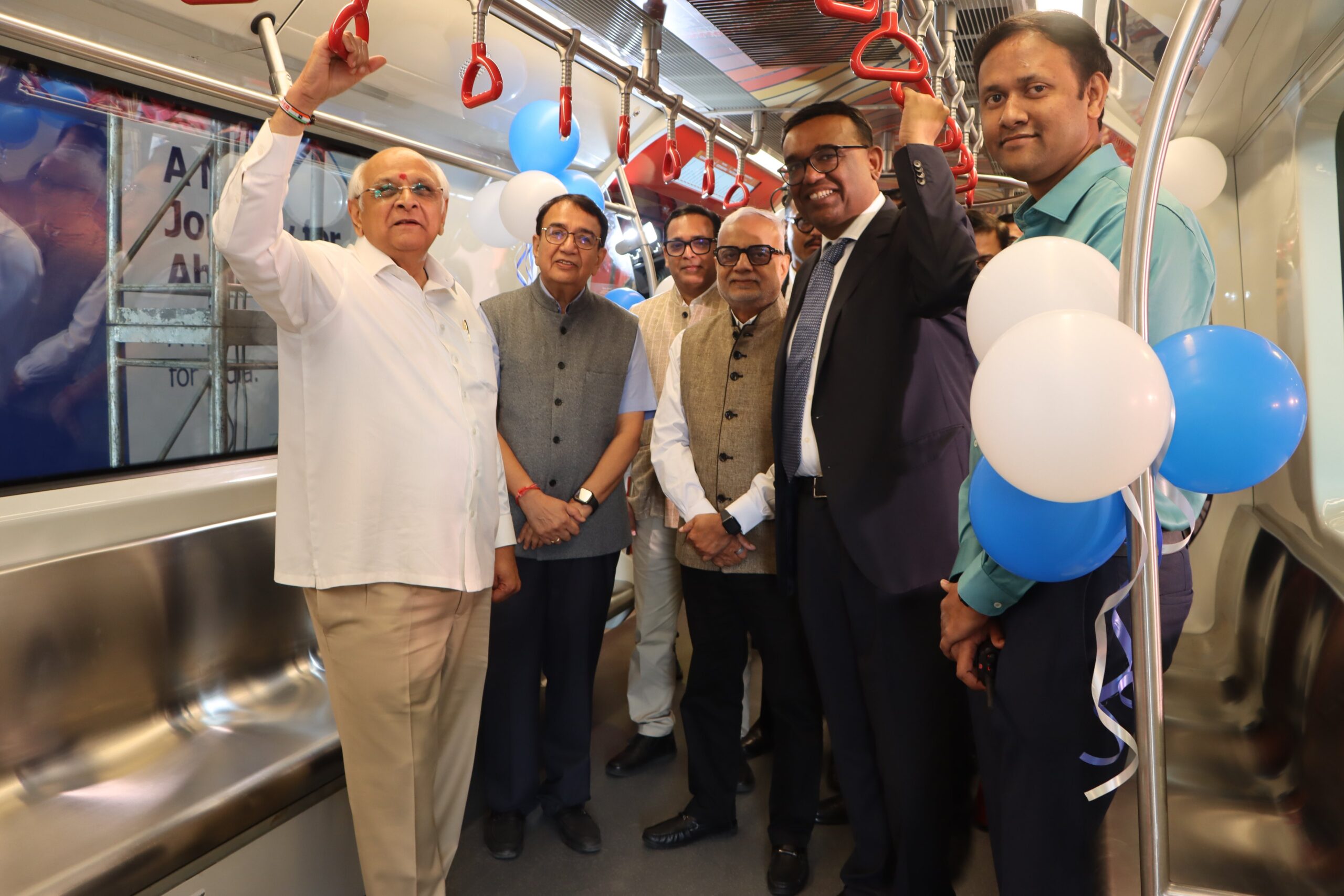
KOLKATA : India — in a significant milestone for India’s urban transport ecosystem, the first ‘Make in India’ metro coach for the Ahmedabad Metro was formally launched at Titagarh Rail Systems’ state-of-the-art manufacturing facility at Uttarpara, near Kolkata.

Designed and manufactured indigenously, the new metro coaches are equipped with world-class safety systems and fully automated, driverless technology, underscoring India’s growing capabilities in advanced rail manufacturing. These modern coaches represent a major step towards futuristic, efficient and sustainable urban mobility solutions for rapidly growing cities.

Ahmedabad Metro has emerged as a vital public transport backbone for the city, currently serving over 1.6 lakh passengers ежедневно. With an impressive annual ridership growth of 30–40%, the metro system reflects increasing public confidence, convenience and reliability.

The launch aligns with the visionary leadership of Hon’ble Prime Minister Shri Narendra Modi, under whose guidance the Make in India initiative continues to strengthen domestic manufacturing, particularly in high-technology sectors such as urban rail transport. Indigenous metro coach production not only enhances ease of living for citizens but also reduces import dependence and builds a robust local supply chain.

This development is expected to accelerate the expansion of metro networks to other cities, including Surat, further advancing India’s journey towards Aatmanirbhar Bharat while promoting cleaner, smarter and more inclusive urban mobility across the country.

Oman allowed marble block exports to India under trade pact : Goyal

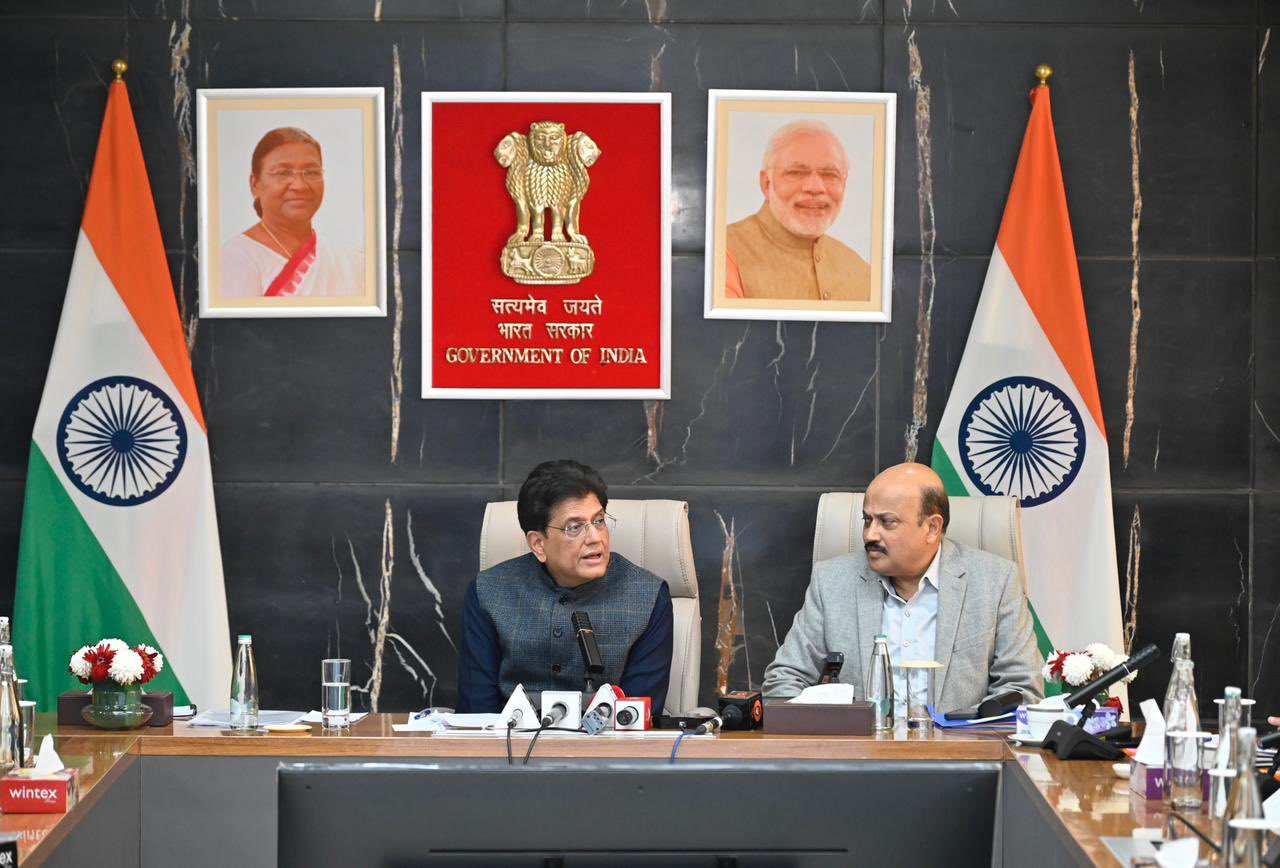
NEW DELHI : Oman has allowed India to import marble blocks from the Gulf country under the bilateral trade pact, which was signed on December 18, a move that will help India cut marble imports from Turkey, Commerce and Industry Minister Shri Piyush Goyal said on Friday.

Oman does not allow export of marble blocks. The two countries inked a Comprehensive Economic Partnership Agreement (CEPA) on December 18 in Muscat. It is expected to be implemented in the next three months. “Marble blocks are banned for export from Oman. We are the first country for which they have opened up marble blocks, which will now be available in India from Oman,” Goyal told reporters here.

He said the imports will help boost the domestic marble processing industry. “Instead of importing finished marbles, we will now be able to create jobs and will have India-made marble tiles and marble floorings… it will reduce our imports from Turkey also,” he said. The Indian marble industry is estimated at about Rs 40,000-crore, Parveen Goel, Ex-President Laghu Udyog Bharti (marble unit Delhi Pradesh), said, adding that the move will help increase value addition in India and promote industrialisation.
He added that it was their demand to include this provision in the pact.

India’s raw marble block imports stood at about 13 lakh MT (metric tonne) and it comes mainly from Turkey, Italy, and Vietnam. The country’s marble industry is concentrated in states like Rajasthan and Gujarat. He also said the agreement will facilitate mutual recognition arrangements for halal certification for export of meat.

As per policy, meat and its products are allowed to be exported as ‘halal certified’ only if they are produced, processed and packaged in a facility having a valid certificate issued by a body accredited by a board of the Quality Council of India.

Gulf countries, along with other Islamic nations, are the largest consumers of halal products.
“We are going to focus on all countries and we will engage with all 55 countries in a mission mode wherever Halal certification is largely required and we are going to insist that only formally approved halal certification should be accepted,” he said. Commerce Secretary Rajesh Agrawal said now “our certificates will be recognised in Oman”.

Source : PTI