Home Blog Page 522

PM Modi discuss with US President Donald Trump about Trade, Energy and Defence

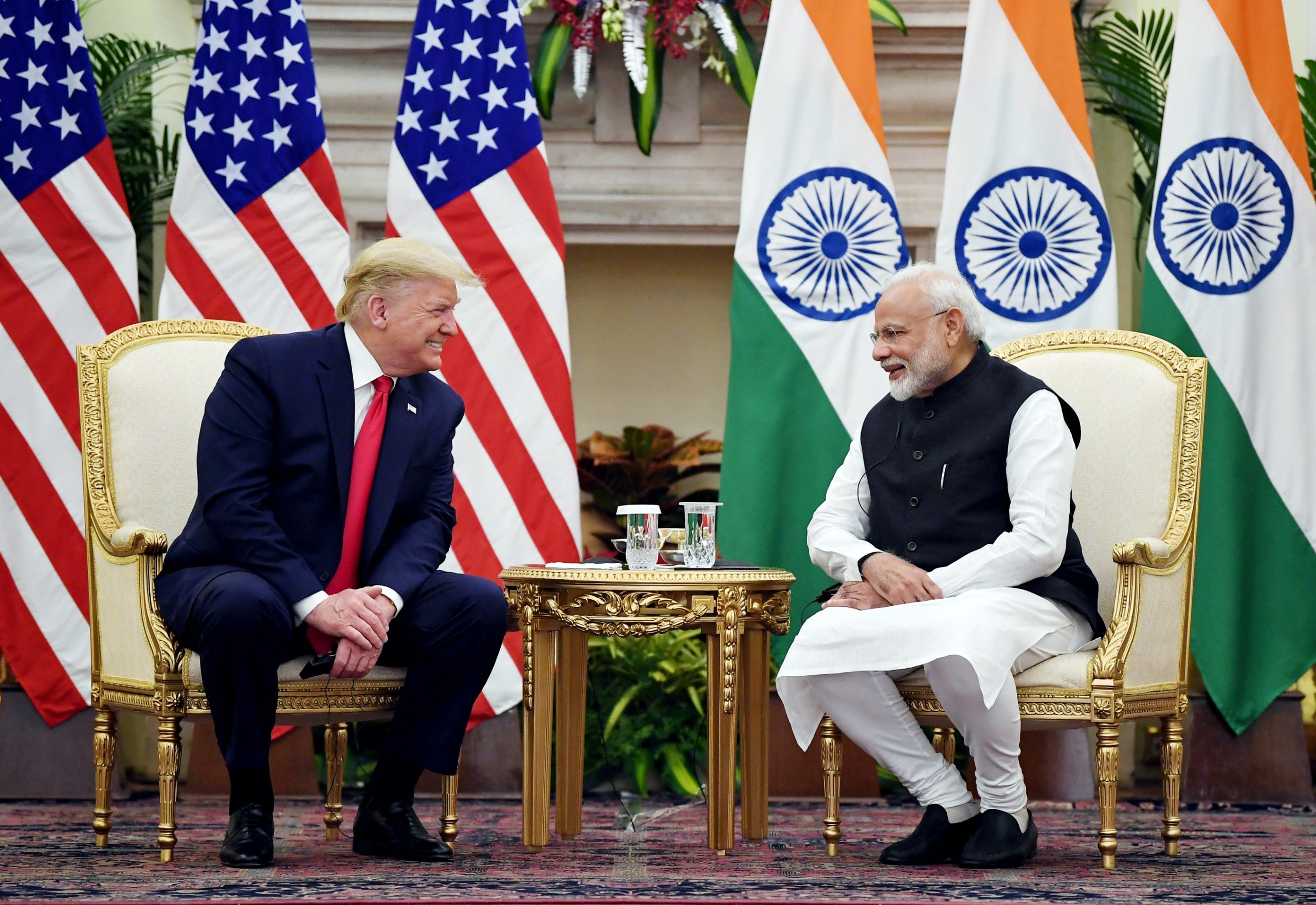
NEW DELHI : As speculation about an imminent trade deal between the two countries gathers steam, Prime Minister Shri Narendra Modi and US President Donald Trump spoke over the phone on Thursday and discussed expanding cooperation in various areas.

A statement said the two leaders reviewed progress in the India-US partnership and discussed expanding cooperation in key areas, including trade, critical technologies, energy, defence and security.

Stressing that both leaders expressed satisfaction at the “strengthening of bilateral cooperation” across sectors, the statement mentioned trade specifically and noted they “underlined the importance of sustaining momentum in shared efforts to enhance bilateral trade”.

Both PM Modi and Trump, the statement said, agreed to work closely to address challenges and advance common interests.

“The leaders also exchanged views on expanding cooperation in critical technologies, energy, defence and security, and other priority areas that are central to the implementation of the India-US COMPACT (Catalysing Opportunities for Military Partnership, Accelerated Commerce & Technology) for the 21st century),” it said.

Prime Minister Modi also posted about the call on X, terming the conversation “warm and engaging”, but did not mention trade.

“Had a very warm and engaging conversation with President Trump. We reviewed the progress in our bilateral relations and discussed regional and international developments. India and the US will continue to work together for global peace, stability and prosperity,” he wrote.

Timing

Ties between the US and India have seen a slide since a 25% penalty for New Delhi’s purchase of Russian oil – in addition to 25% tariffs – was announced in July and took effect on August 27.

India has repeatedly termed the tariffs unfair and said it is perplexed by the logic behind them because China is the biggest purchaser of Russian oil and the European Union buys the largest amount of LNG from the country.

Thursday’s call comes days after Vladimir Putin’s high-profile visit to India, which saw several deals being signed but was probably noticed more for the close personal relationship between the Russian president and PM Modi, which was on ample display, including when the two leaders carpooled from the airport to the PM’s residence.

President Trump’s handling of the relationship with India has been slammed by several leaders, who have said he has ended up pushing one of US’ most important allies even closer towards Russia.

A Democratic lawmaker also took a photo of PM Modi and Putin sharing a car to the US Congress this week and pointed to it while executing a takedown of Trump’s foreign policy.

“Trump’s policies towards India can only be described as cutting off our nose to spite our face, and this is doing real and lasting damage to the strategic trust and mutual understanding between our two countries,” Sydney Kamlager-Dove said.

The timing of the call is also significant because a US team is in Delhi for discussions on the bilateral trade agreement with India.

On Thursday, Commerce Minister Piyush Goyal said the talks are going well, but no deadline has been set for the trade deal.

“We had very good, substantive discussions. But I have said on record that a deal is only done when both sides stand to benefit. We should never negotiate with deadlines because you tend to make mistakes then,” he said.

Reacting to a remark by US Trade Representative Jamieson Greer, who said that the US has received the “best-ever” offer from India, Goyal said the Trump administration should then sign on the dotted line.
“Hydrogen-Powered Passenger Vessel sets sail on Ganga, marking a major push toward Net-Zero Waterways under Modi Government :” Sarbananda Sonowal

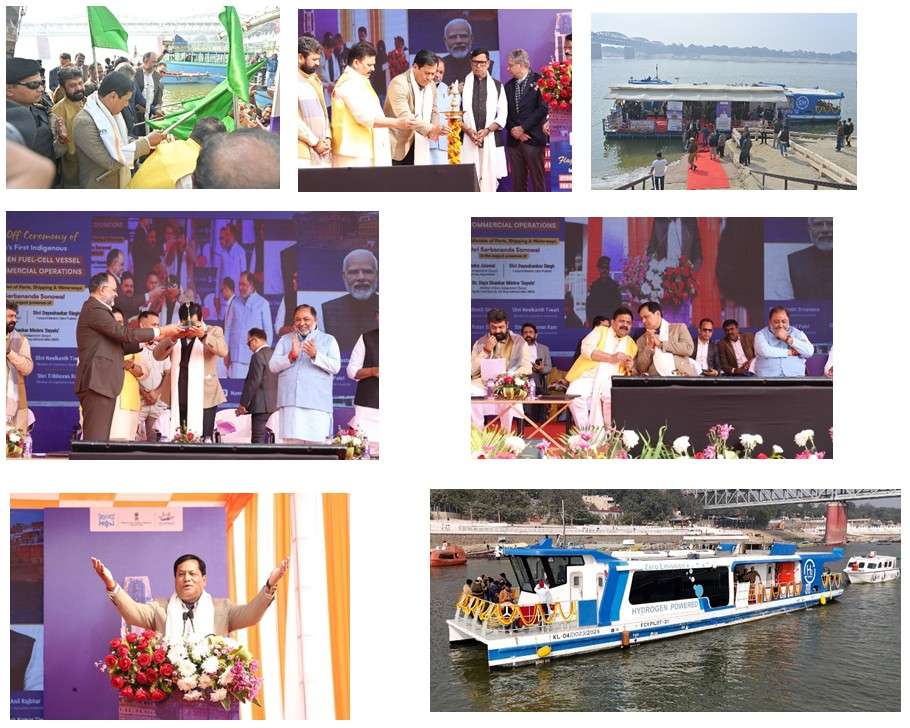
VARANASI : India marked a major step in its green maritime push as Union Minister for Ports, Shipping and Waterways (MoPSW) Shri Sarbananda Sonowal flagged off the commercial operation of the country’s first fully indigenous hydrogen fuel cell passenger vessel at Namo Ghat, Varanasi on Thursday.

The vessel is the first in India to demonstrate hydrogen fuel cell propulsion in a maritime setting and features fully indigenous technology. It operates on a Low Temperature Proton Exchange Membrane fuel cell system that converts stored hydrogen into electricity, releasing only water as a byproduct.

Speaking on the occasion, the Union Minister Sarbananda Sonowal said, “Under the dynamic and visionary leadership of Prime Minister Shri Narendra Modi ji, India is witnessing a transformative shift toward clean, sustainable and self-reliant transportation systems. The launch of our first indigenous hydrogen fuel cell vessel is a shining example of the Prime Minister’s commitment to Make in India and the transition to green mobility across all sectors. This milestone also strengthens the wider mission of rejuvenating and preserving our sacred Ganga. As we advance cleaner technologies on our waterways, we are not only promoting innovation but also ensuring that development goes hand in hand with ecological responsibility. Today’s achievement reflects the Prime Minister’s unwavering resolve to build a greener, more prosperous maritime future for our nation.”

Owned by Inland Waterways Authority of India (IWAI), the vessel was built by Cochin Shipyard Ltd (CSL). The vessel enters service following the completion of trial operations. The rollout aligns with the government’s commitment to reach net-zero emissions by 2070 and supports MoPSW’s efforts to advance clean, sustainable fuels across India’s inland waterways.

The start of commercial service for the hydrogen fuel cell vessel marks a major milestone in India’s effort to build a cleaner and more sustainable maritime ecosystem. Under the leadership of Prime Minister Narendra Modi and Union Minister Sonowal, IWAI is pushing the adoption of advanced green technologies and alternative fuels as part of Maritime India Vision 2030 and the Maritime Amrit Kaal Vision 2047.

Adding further, Sarbananda Sonowal said, “The successful deployment of this hydrogen fuel cell vessel reflects the deep commitment of our ministry to accelerate India’s transition toward clean and sustainable waterways. I congratulate Cochin Shipyard Ltd. for delivering this pioneering vessel and the Inland Waterways Authority of India for taking it into commercial service after rigorous trials. This achievement is a testament to our resolve to meet India’s net-zero targets by 2070 and to integrate cutting-edge green technologies across the inland water transport sector. Guided by Prime Minister Shri Narendra Modi ji’s transformative Maritime India Vision (MIV) 2030 and the long-term roadmap of Maritime Amrit Kaal Vision (MAKV) 2047, we are steadily shaping a modern, energy-efficient and environmentally responsible maritime ecosystem for the country.”

Designed as a 24-meter catamaran for urban transit, the boat can carry 50 passengers in an air-conditioned cabin and runs at a service speed of 6.5 knots. Its hybrid energy system combines hydrogen fuel cells, batteries and solar power, enabling up to eight hours of operation on a single hydrogen fill. The vessel is certified by the Indian Register of Shipping.

To operationalise the pilot vessel FCV Pilot-01, IWAI, Cochin Shipyard Ltd. and Inland and Coastal Shipping Ltd. have signed a tripartite agreement outlining technical support, operations and oversight. The agreement includes financial terms, safety procedures, monitoring mechanisms and provisions for periodic inspections during the pilot phase.

The hydrogen fuel cell vessel introduced in Varanasi brings several key benefits to urban water transport, including noise-free travel for commuters and pilgrims, zero smoke and zero pollution with only water as emissions, and reduced road congestion through faster mobility via waterways. It is also expected to boost local tourism and job opportunities while positioning Varanasi among the world’s first cities to adopt hydrogen-powered passenger transport. Technically, the fully air-conditioned 50-seater vessel can operate for up to eight hours on stored hydrogen, runs at a speed of 7 to 9 knots, and is powered entirely by indigenous, eco-friendly technology that ensures safe and efficient operations.

The maiden vessel run — a five-kilometer trip from Namo Ghat to Lalita Ghat — ferried an entourage of ministers, senior officials among others signalling the commercial operations of Hydrogen fuel powered passenger vessel on river Ganga (National Waterways 1).

Along with Union Minister Sarbananda Sonowal, a distinguished lineup of leaders including Minister of State (Independent Charge) Ravindra Jaiswal, Transport Minister Dayashankar Singh, and Minister of State (Independent Charge) Dr. Daya Shankar Mishra ‘Dayalu’ from Govt of Uttar Pradesh. Several MLAs — Awadhesh Singh, Neelkanth Tiwari, Dr. Sunil Patel, Saurabh Srivastava, Anil Rajbhar, Neel Ratan Singh, and Tribhuvan Ram—were present, in addition to Ashok Kumar Tiwari, Mayor of the Varanasi Municipal Corporation. Senior officials from the Ministry including Vijay Kumar, IAS, Secretary, MoPSW, Sunil Paliwal, IAS, Chairman, IWAI among others from the Ministry, IWAI and Govt of Uttar Pradesh were present.

Following the introduction of hybrid electric catamarans, the deployment of the hydrogen fuel cell vessel reinforces IWAI’s long-term plan to modernise and decarbonise the country’s inland water transport network.

Piyush Goyal and Antonio Tajani hold bilateral meeting focussed on expanding trade and enhancing supply chain resilience

MUMBAI : The India–Italy Business Forum was held in Mumbai on 11 December 2025 during the visit of the Italian Deputy Prime Minister. This visit marked a significant milestone in advancing bilateral economic cooperation between India and Italy. Organised as part of the official visit of H.E. Mr. Antonio Tajani, Deputy Prime Minister and Minister of Foreign Affairs and International Cooperation of Italy, the Forum brought together senior government leaders, industry associations, unicorn founders, and more than 150 Indian and Italian companies.

The Business Forum highlighted India and Italy’s shared commitment to strengthening industrial collaboration across priority sectors including Automotive, Waste-to-Energy & Renewables, Sport Technologies, Agri-food, and Connectivity, in alignment with both nations’ focus on technology-driven growth and sustainable industrial development.

Union Minister of Commerce and Industry Shri Piyush Goyal and Hon’ble DPM Mr. Antonio Tajani held a bilateral meeting in Mumbai. Discussions centered on expanding trade, enhancing supply chain resilience, promoting technology partnerships, and deepening collaboration in clean mobility, green energy, advanced manufacturing, and food processing.

The Forum opened with parallel Sectoral Roundtables and Pitching Sessions featuring focused dialogues on emerging technologies, innovation, and investment models. The sectors included Automotives, Waste to Energy & Renewables, Sports Technologies & Sports Textiles and Agri-food.

These sessions enabled structured industry-to-industry interactions, pitching by Italian companies, and the identification of joint ventures, co-development avenues, R&D partnerships, and value-chain integrations.

The Italy–India Business Forum Plenary Session, attended by both Ministers, where the Sector leads presented outcomes from the Automotive, Renewables, Sports Tech and Agri-food dialogues. Speakers included representatives from CDP, Invest India, SACE, ASSOCHAM, SIMEST, FICCI, CII, Confindustria and the Italian Trade Agency.

Special Remarks were delivered by H.E. Mr. Antonio Tajani, followed by Closing Remarks by Shri Piyush Goyal, reaffirming the commitment to strengthening the India–Italy Strategic Partnership with a strong business and innovation focus.

The Ministers engaged with leading Indian Unicorns to explore cooperation in digital innovation, startup ecosystems, AI, deeptech, fintech, and industrial technology solutions.

The Forum also featured a large-scale B2B matchmaking session with over 100 business interactions between Indian and Italian companies across manufacturing, renewables, food processing, sports innovation, and transportation systems.

The defining outcome of the engagement was the formal signing of the Agreed Minutes of the 22nd session of the India-Italy Joint Commission for Economic Cooperation (JCEC). This signing operationalizes the productive discussions held during the JCEC sessions and establishes a concrete roadmap for future economic collaboration between the two nations.

Today’s discussions built upon the momentum generated by the elevation of bilateral ties to a “Strategic Partnership” during the visit of Italian Prime Minister H.E. Giorgia Meloni to New Delhi in March 2023.

Hosting the meeting in Mumbai, India’s financial capital, underscored the shared commitment of both governments to enhancing direct business-to-business connections and facilitating investment flows.

The meeting between the two Ministers and the signing of the 22nd JCEC minutes reflects the concrete resolve to translate the Strategic Partnership into tangible economic outcomes that benefit the people and businesses of both nations.

Italy continues to be a pivotal economic partner for India within the European Union. Today’s meeting provided a significant impetus to trade dynamics, aiming to capitalize on the strong complementary strengths of both economies.

List of MoUs signed by the Indian and Italian companies -SIMEST and ICC have signed a strategic MoU to strengthen support for Italian companies expanding into India, promote bilateral investments, and enhance economic cooperation through structured business facilitation.

-SAIL has awarded three major steel plant projects to Italy’s Danieli Group, which will supply state-of-the-art green technology for a Blast Furnace, Slab Caster, and Hot Strip Mill with a combined capacity of over 4 million tonnes/year, representing a contract value of around €500 million.

-PRADA S.p.A., LIDCOM, and LIDKAR have signed an MoU to create a limited-edition sandal line inspired by traditional Kolhapuri chappals, blending Italian design with Indian craftsmanship.

-Kuvera S.p.A. and Neopolis Brands Pvt. Ltd. have entered into an agreement to expand Carpisa retail operations in India, with a long-term plan to open 100 stores by 2045.

-Cavagna Group has established a new joint venture, Cavagna Group Ace Brass Tech Pvt. Ltd., together with Mr. Gatayla, marking a €5 million Italian investment with Cavagna holding a 51% stake.

The Italy–India Business Forum 2025 concluded on a strong and forward-looking note, reinforcing bilateral ambitions to build resilient supply chains, promote sustainable growth, and expand cooperation across high-technology sectors.

The Forum has further elevated the India–Italy Strategic Partnership, setting the stage for deeper economic linkages, enhanced market access, and expanded collaboration in innovation-driven industries.

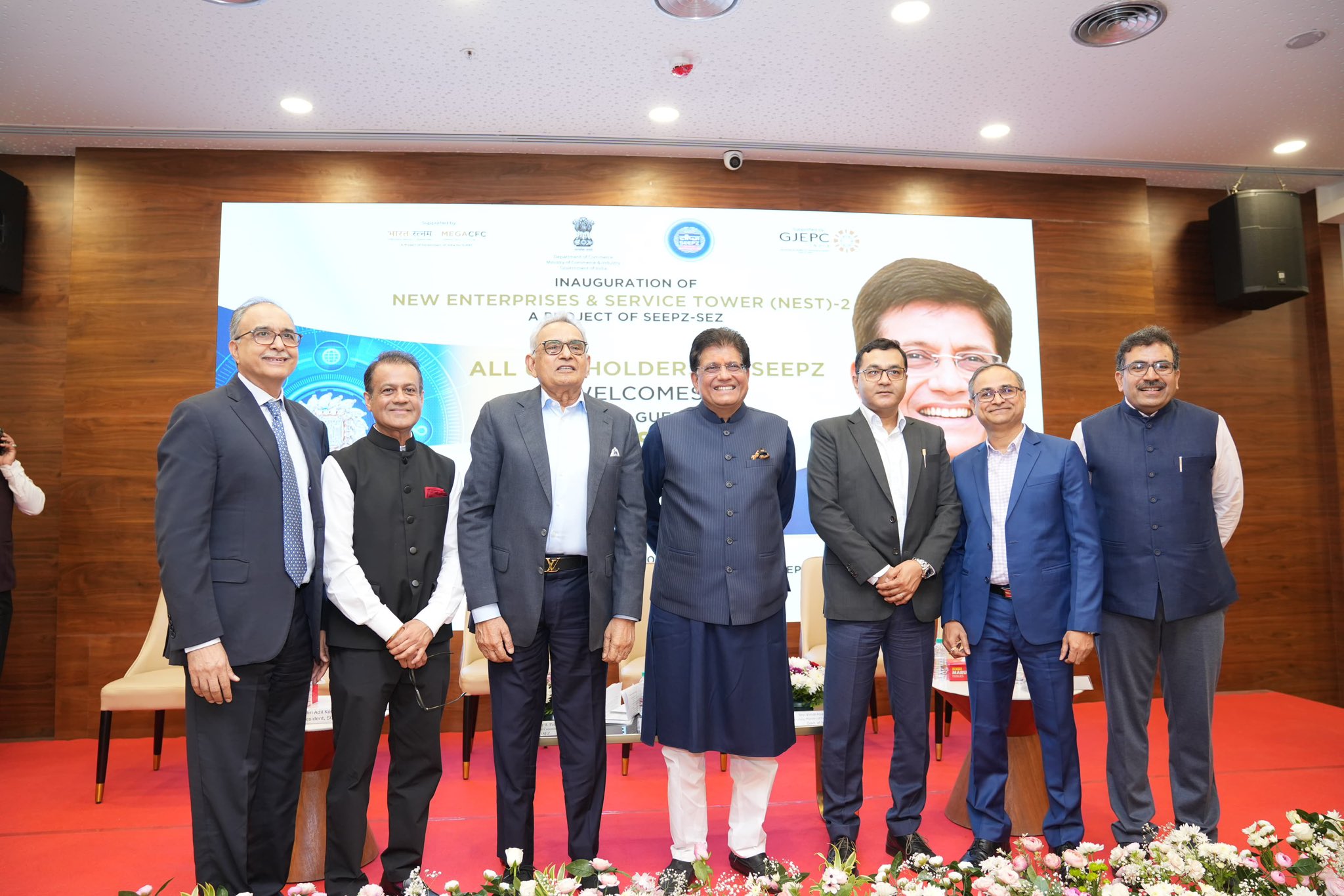
Piyush Goyal inaugurates NEST–02 (New Enterprises & Services Tower – Phase 2) at the Santacruz Electronics Export Processing Zone (SEEPZ)

MUMBAI : Union Minister of Commerce and Industry Shri Piyush Goyal inaugurated NEST–02 (New Enterprises & Services Tower – Phase 2) at the Santacruz Electronics Export Processing Zone (SEEPZ) in Mumbai on Thursday and urged industries to significantly strengthen skilling initiatives to support India’s future workforce needs.

The Minister emphasised that the pace of growth achieved under the leadership of Prime Minister Shri Narendra Modi must be matched at SEEPZ, noting that the zone must align its functioning and performance with the broader national economic momentum.

Shri Goyal encouraged SEEPZ units to expand training efforts, including initiatives for specially-abled youth, and stated that skilling is central to India’s future growth. He urged industry to take greater responsibility in supporting workforce development and contributing to the broader national skilling agenda.

The Minister said that transparency, integrity and accountability remain central to the Government’s governance approach under the leadership of Prime Minister Shri Narendra Modi. He called upon unit holders and industry representatives to work jointly with the administration to ensure that SEEPZ operates in a clean, transparent and accountable manner, underscoring that maintaining such an environment is a shared responsibility.

Shri Goyal said that auction-based allotment and transparent procedures are essential to ensure fair utilisation of space and prevent misuse. He encouraged stakeholders to collectively review unutilised plots and work with the managing committee to maximise export potential. He reiterated the need for full transparency in processes related to approvals, customs operations, maintenance contracts and other administrative matters.

The Minister reviewed ongoing and planned infrastructure upgrades at SEEPZ, including improvements to internal roads, greenery and overall zone-level aesthetics. He emphasised the importance of ensuring that SEEPZ reflects the standards of modern India and serves as a model for Special Economic Zones across the country.

Shri Goyal highlighted that the Government’s ongoing reforms—including the Jan Vishwas Bills, decriminalisation measures and simplification of compliance processes—are built on the principle of trust between Government and industry. He urged unit holders to uphold this trust by adhering to transparent and ethical practices.

Emphasising the vision of Atmanirbhar Bharat, the Minister said that industry and Government must work together to strengthen domestic capabilities, promote Swadeshi, maintain high standards and prepare for future opportunities. He encouraged industry to adopt modern systems, pursue futuristic planning and implement global-quality processes to align with India’s aspirations for Viksit Bharat 2047.

Shri Goyal concluded by calling on SEEPZ to emerge as a world-class production and export zone, reflecting the pace and ambition of India’s economic transformation. He reaffirmed the Government’s commitment to supporting industry-led growth, innovation and competitiveness.

Mexico imposes 50% tariffs on Indian goods, auto exports worth $1 billion hit

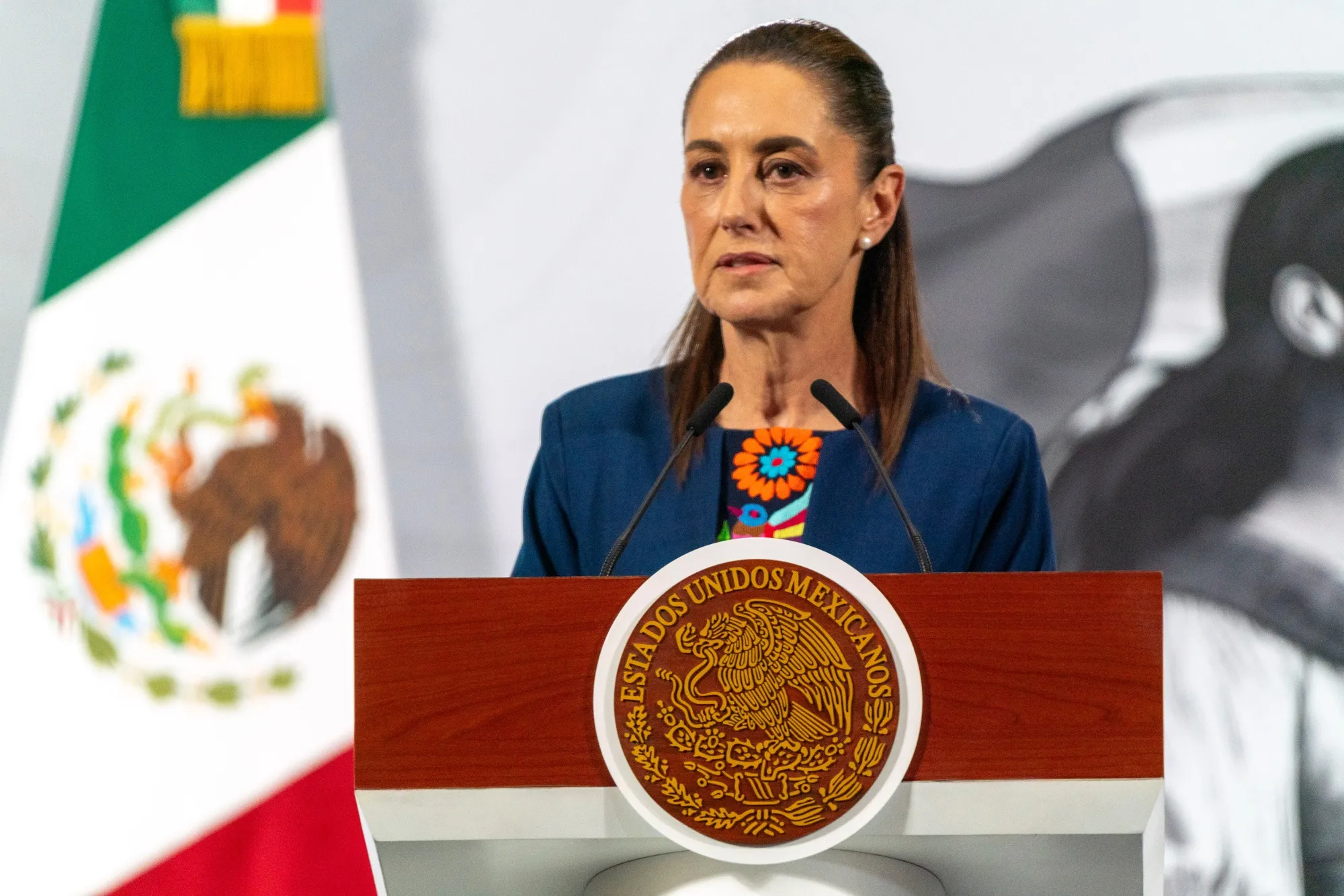
MEXICO : Mexico has announced steep new import tariffs of up to 50 per cent on goods from countries without a free-trade agreement, a move that will significantly impact Indian exports. The revised duties, effective January 1, 2026, are aimed at protecting Mexican industries and reducing dependence on imported products.

Mexico President Claudia Sheinbaum‘s government said the move is to protect local employment and manufacturing.

The new tariff structure covers more than 1,400 items, including automobiles, auto components, textiles, plastics, steel and various manufactured goods. For India, the most substantial impact will be on the automobile sector, as the import duty on cars entering Mexico will rise from around 20 per cent to 50 per cent. This change is expected to affect nearly $1 billion worth of vehicle exports from major Indian manufacturers.

Industry bodies had urged the Indian government to intervene, warning that such a move would harm exporters and disrupt established trade flows. Mexico is considered an important market for India’s automotive and industrial products, making the tariff hike a major concern for manufacturers already navigating global supply chain challenges.

Mexican authorities have defended the decision, saying the measure is intended to strengthen domestic production, support local jobs and address trade gaps.

Source : Outlook

Gujarat CM inaugurates Regional Conference on AI for good governance in Gandhinagar

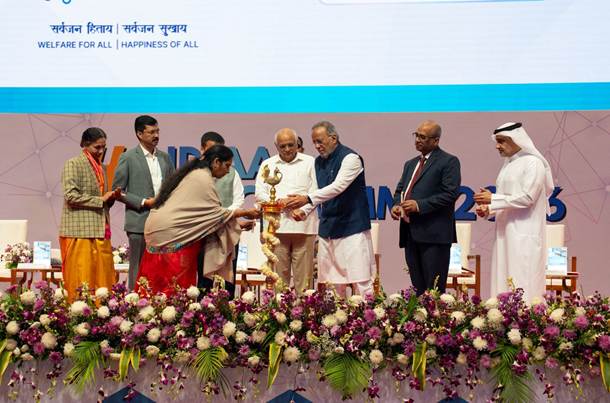
GANDHINAGAR : Chief Minister of Gujarat Shri Bhupendrabhai Rajnikant Patel inaugurated the Pre-Summit Conference on AI for Good Governance: Empowering India Digital Future, jointly hosted by the IndiaAI Mission under the Ministry of Electronics and Information Technology (MeitY), Government of India in collaboration with the Government of Gujarat and Indian Institute of Technology, Gandhinagar, at Mahatma Mandir. The conference is a key pre-event leading up to the India–AI Impact Summit 2026, scheduled to be held from 15-20 February 2026 in New Delhi.

image002WO03 Gujarat CM inaugurates Regional Conference on AI for good governance in Gandhinagar

The Gandhinagar Regional Pre-Summit focused on advancing AI for good governance and accelerating India digital transformation through scalable, secure, and citizen-centric technologies. It brings together policymakers, industry leaders, and researchers to chart actionable pathways for deploying AI across sectors such as governance, agriculture, healthcare, fintech, and public service delivery. The conference started with a curated walkthrough of the AI Experience Zone featuring live demonstrations of AI solutions for governance, health, agriculture, and industry, jointly developed by IndiaAI and DST Gujarat.

Addressing the gathering Chief Minister of Gujarat, Shri Bhupendrabhai Rajnikant Patel said, “As the Prime Minister has said, AI is a powerful tool that will redefine quality, economy, security, and society. To ensure that development reaches every district and every language, Regional AI Conferences like this one are crucial platforms. Through these conferences, leaders from the AI industry, startups, scholars, and researchers can come together to reflect on how AI can better support people and improve lives.”

Deputy Chief Minister of Gujarat, Shri Harsh Rameshbhai Sanghavi noted, “AI has become the new electricity powering every sector of Gujarat’s growth. With the vision of our Prime Minister and the leadership of Chief Minister Bhupendrabhai Patel, Gujarat stands ready to turn every dream into action. Bring your ideas, take the first step and the Government of Gujarat will walk ten steps with you.”

Minister for Science & Technology, Government of Gujarat, Shri Arjunbhai Devabhai Modhwadia added, “My generation has witnessed every major wave of transformation, and Artificial Intelligence is the most powerful shift yet. With the launch of the Gujarat AI Stack and our Cloud Adoption Guidelines, we are laying a strong, future-ready foundation for AI-driven governance, better citizen services, and data-led policymaking.”

Delivering a keynote address on AI for Good Governance: Empowering India Digital Future, Shri Abhishek Singh, Additional Secretary, MeitY, CEO IndiaAI Mission, DG NIC highlighted, that India AI Impact Summit 2026 is an opportunity for us to showcase India Al advancements to the world: how we are democratizing Al, taking it to the masses, and shaping a future where its benefits reach every citizen.

The inaugural session also featured distinguished dignitaries including Shri Manoj Kumar Das, Chief Secretary, Government of Gujarat; His Excellency Mr. Rashid Ali al Ali, Executive Director, Communications, Technologies, Authority, Government of Sharjah and Smt. Ponugumatla Bharathi, Secretary, Department of Science & Technology, Government of Gujarat.

A major highlight of the conference was the announcement of the AI Stacks, the signing of MoUs with global and regional AI partners, and the rollout of the Cloud Adoption Policy 2025, a significant step in advancing state-wide digital infrastructure and AI readiness. The day progressed with high-impact keynote sessions led by experts from IndiaAI Mission, Bhashini, Google Cloud, Microsoft, IBM Research, NVIDIA, Oracle, and AWS. Speakers discussed the transformative potential of AI across governance, agriculture, healthcare, fintech, public service delivery, and future innovations in generative AI.

The insights and recommendations from the Gandhinagar Regional Conference will directly inform the direction, frameworks, and outcomes of the India–AI Impact Summit 2026, taking place from February 15–20, 2026, in New Delhi. This pre-summit engagement reinforces India leadership in shaping an AI- powered future that prioritizes scalable & inclusive AI.

Year-end 2025 & Outlook For 2026 – Quote by Ketan Kulkarni, Managing Director & Chief Executive Officer, Allcargo Logistics

ALLCARGO NEW LOGO Year-end 2025 & Outlook For 2026 - Quote by Ketan Kulkarni, Managing Director & Chief Executive Officer, Allcargo Logistics

MUMBAI: Mr. Ketan Kulkarni, Managing Director & Chief Executive Officer, Allcargo Logistics quote on Year-end 2025 & Outlook For 2026.

“The year 2025 has been a period of significant change for the logistics sector, and for us at Allcargo Logistics, it brought emerging opportunities and steady progress. With the recent merger of our domestic supply chain business, including Express Distribution and Consultative Logistics, we continued to strengthen our strategic direction and operational focus.

Evolving trade patterns due to geopolitical shifts influenced the supply chains dynamics, and we had to adopt a nimble approach to maintain operational resilience. Our focus on strengthening our multi-channel reach and empowering teams helped us maintain service reliability even during volatile phases.

A significant part of our journey this year was the steady growth of our express and Consultative logistics business. The rise in consumption, the expansion of emerging markets, and the growing customer expectations around speed and predictability enabled us to enhance our network, improve turnaround times, and bring more transparency to operations. What encouraged us most was the strong customer confidence in our ability to deliver end-to-end, especially in segments where precision and consistency matter the most.

We made significant progress in strengthening our digital backbone, setting the stage for the next phase of transformation. Our AI-led Gate Scan & Bay Management App is streamlining hub operations with smarter vehicle and dock movement, while HubEye is offering us network-wide intelligence that strengthens our ability to plan, respond, and operate with greater agility. Together, these automation- and data-led innovations are building a scalable, resilient, and customer-focused tech ecosystem that equips us to lead with speed and innovation.

Government’s continued commitment to strengthening the logistics ecosystem through forward-looking policies and continued capital expenditure. Initiatives that enhance transparency through wider access to PM Gati Shakti, along with measures that simplify export processes and expand credit support for MSMEs, demonstrate a clear focus on improving competitiveness and enabling sustainable growth. The government’s emphasis on rural development, infrastructure expansion, and greater financial ease for businesses and citizens in terms of GST rationalisation will further stimulate demand, strengthen supply chains, and contribute to long-term economic progress.

As India progresses toward the Viksit Bharat 2047 vision – powered by multimodal infrastructure development, resilient supply chains, manufacturing growth, and digital infrastructure development, we see logistics emerging as a central enabler of national growth. This long-term aspiration strengthens our resolve to build future-ready capabilities, deepen operational efficiencies, and contribute meaningfully to India’s transformation into a globally competitive, innovation-led economy.

We are entering 2026 with a strong momentum. India’s manufacturing growth, exports and the continued push from e-commerce and new-age supply chains will shape demand. Automation, greener mobility and data-driven technology deployment will become even more central. At Allcargo Logistics, our focus will be on deepening digital capabilities, improving sustainability across operations and expanding the reach and reliability of our express and consultative logistics offerings.”

US should sign free trade agreement if happy with India’s offer : Piyush Goyal

NEW DELHI : Amid ongoing tensions over trade, Commerce and Industry Minister Shri Piyush Goyal said on Thursday that the US should sign the free trade agreement with India on the “dotted lines” if the Donald Trump administration is satisfied with New Delhi’s proposals. He was responding to comments made by US Trade Representative Jamieson Greer in Washington, who described India’s offer as the “best ever” received by the United States.

He welcomed that assessment but declined to disclose the contours of India’s offer. He also refrained from setting any timeline for the conclusion of the long-discussed free trade agreement between the two nations. “His happiness is very much welcome. And, I do believe that if they are very happy, they should be signing on the dotted lines,” Goyal said.

The minister’s comments came as India and the United States concluded two days of trade discussions in New Delhi. According to commerce ministry sources cited by PTI, both sides reviewed progress on the bilateral trade agreement and exchanged views on market access, regulatory issues and investment frameworks.

He said that five rounds of negotiations have taken place so far and emphasised that the ongoing visit of US Deputy Trade Representative Rick Switzer is not centred around negotiations. Switzer’s trip, the first since taking office three months ago, is intended to build familiarity and strengthen working relationships, Goyal added, describing his talks with the visiting official as “substantial”.

TWO-DAY TRADE TALKS WRAP UP IN DELHI
As the discussions concluded in New Delhi, the officials said the discussions were “purposeful and positive” and the momentum reflected both governments’ intent to narrow differences that have slowed the negotiations in recent years. The high-level US delegation led by Switzer met Goyal, Commerce Secretary Rajesh Agrawal and senior officials across several ministries. Indian officials said the visit helped reinforce political direction from leaders to accelerate talks.

India and the US are currently working to complete the first tranche of the trade agreement following instructions from their leaders earlier this year. Six negotiation rounds have been held so far. The initial package is expected to tackle tariff rationalisation, access for services, digital trade and a handful of long-standing irritants that have shaped India–US commercial ties.

PM MODI, TRUMP DISCUSS TRADE AND STRATEGIC TIES
As strains over tariffs continue between the two countries, Prime Minister Shri Narendra Modi and US President Donald Trump held a phone conversation on Thursday. The two leaders reviewed the status of the Comprehensive Global Strategic Partnership and discussed areas of convergence in trade and regional cooperation.

Sharing an update of the call, PM Modi wrote on X: “Had a very warm and engaging conversation with President Trump. We reviewed the progress in our bilateral relations and discussed regional and international developments.”

He added that India and the US “will continue to work together for global peace, stability and prosperity”.

The trade deal carries high stakes for both countries. Officials expect it to help lift bilateral commerce to USD 500 billion by 2030 — more than double the current USD 191 billion. The US is India’s biggest trading partner, a position it has held for four consecutive years, with two-way trade in 2024–25 touching USD 131.84 billion. Of that, India accounted for USD 86.5 billion in exports.

FTA talks with Oman and New Zealand at last leg : Piyush Goyal

NEW DELHI : Commerce and Industry Minister Shri Piyush Goyal on Wednesday (December 10, 2025) said negotiations for Free Trade Agreements (FTAs) with Oman and New Zealand are in their last phase, and both are expected to be concluded soon. He also indicated that negotiations for a trade pact with South American nation Chile will also be concluded soon.

The talks for a pact with Oman are in the last leg, Mr. Goyal said, adding that New Zealand Trade Minister Todd McClay is visiting New Delhi on Friday (December 12, 2025) for FTAs negotiations, as that are also reaching the last phase.

Meanwhile, the Commerce Ministry in a statement said after three rounds of intensive negotiations from November 2023 till March 2024, both sides reached an agreement on all CEPA (Comprehensive Economic Partnership Agreement) components, including text and market access offers.

Commerce and Industry Minister Piyush Goyal on Wednesday (December 10, 2025) said negotiations for Free Trade Agreements (FTAs) with Oman and New Zealand are in their last phase, and both are expected to be concluded soon. He also indicated that negotiations for a trade pact with South American nation Chile will also be concluded soon.

The talks for a pact with Oman are in the last leg, Mr. Goyal said, adding that New Zealand Trade Minister Todd McClay is visiting New Delhi on Friday (December 12, 2025) for FTAs negotiations, as that are also reaching the last phase.

Meanwhile, the Commerce Ministry in a statement said after three rounds of intensive negotiations from November 2023 till March 2024, both sides reached an agreement on all CEPA (Comprehensive Economic Partnership Agreement) components, including text and market access offers.

A Cabinet proposal submitted in March 2024 was deferred, prompting further renegotiations, it said. The fourth round on September 2024 and fifth round on January 13 and 14, 2025 focused on revised offers.

“Following approval of the competent authority, the Draft Cabinet Note for signing and ratification was circulated to relevant Ministries. Both sides are now in the process of securing internal approvals,” it added. On a trade agreement with Israel, Mr. Goyal said recently he held a meeting with Israeli Economy and Industry Minister Nir Barkat, and both sides have appointed their chief negotiators for the proposed pact.

Last month in Tel Aviv, the two countries inked Terms of Reference (ToR) to formally launch negotiations for the agreement. “We hope that the first phase will happen with Israel,” Mr. Goyal told reporters in Jaipur.

Mr. Goyal was here to participate in the Pravasi Rajasthani Divas. He added that in the last few days, “we have held” a series of meetings with leaders of different countries on trade-related issues.

“India has become an attractive destination for trade and global investors. Several countries are keen to have trade pacts with India,” Mr. Goyal added.

The Ministry also said India and Israel have been negotiating a FTA since 2010, completing ten rounds covering 280 tariff lines or product categories.

Although both sides agreed in October 2021 to relaunch the negotiations, progress stalled due to Israel’s reluctance to provide the meaningful services market access sought by India, particularly regarding the temporary movement of IT professionals and highly skilled workers.

“Negotiations have since been revived, and in November 2025, India and Israel signed the ToR for the proposed FTA, paving the way for the formal resumption of discussions,” it said. Further, it said the India-Maldives FTA Terms of Reference for a trade pact were signed on July 3, 2025, in Male.

The ToR sets the framework and scope for the upcoming FTA negotiations. Negotiations have been launched for the agreement.

India and Qatar, too, are finalising a ToR to launch talks for a free trade pact. A similar exercise is also underway between India and the Gulf Cooperation Council (GCC)

Indian Railways 2nd largest freight carrying rail network in world: Ashwini Vaishnav

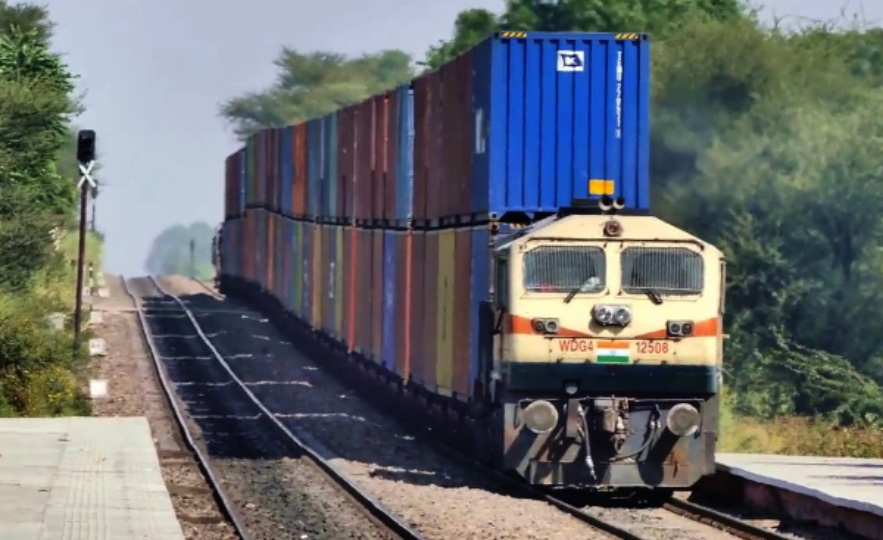
NEW DELHI : The government has informed that freight loading increased from 1,233 million tonnes (MT) in 2020-21 to 1,617 MT in 2024-25, making Indian Railways second largest freight carrying Railways in the world.

To keep the freight rate competitive, the freight rates have not been revised since 2018 despite increase in input cost over the years, according to Union Minister Shri Ashwini Vaishnaw.

“Passenger fares have been rationalised from July 1, 2025 after a gap of more than 5 years. The increase in fares is very low, ranging from half paise per km to two paise per km for premium classes,” said Vaishnaw in replies to questions in Lok Sabha.

Among key measures for affordable passenger fares are no increase in general class up to 500 km and, thereafter, half paisa increase in fare per passenger per km; half paisa increase in fare per passenger per km in Sleeper Class Ordinary and First-Class Ordinary; 01 paisa increase per passenger per km in Non-AC classes in Mail Express; and 02 paisa increase per passenger per km in reserved AC-Classes.

To maintain affordability for low and middle income families, the fares for MST (Monthly Season Ticket) and Suburban travel have not been revised, the minister informed.

Indian Railways has also taken several measures to enhance the freight loading and revenue which includes:

To increase the network capacity, rail network expansion has been taken up in a big way by construction of new lines, multi tracking of existing lines and gauge conversion of existing lines.

“Further as on 01.04.25, there are 431 (154 New Line, 33 Gauge Conversion and 244 Doubling) projects sanctioned,” the minister informed.

Indian Railways has taken up electrification of Railway lines in a mission mode. So far, about 99.1 per cent of Broad Gauge (BG) network has been electrified.

To increase freight carrying capacity, large numbers of IR wagons have been procured and locomotives have been manufactured. During 2014 to 2025, about 2 lakh wagons have been procured and more than 10,000 locomotives have been added for increasing freight loading and mobility.

Source : IANS