Home Blog Page 523

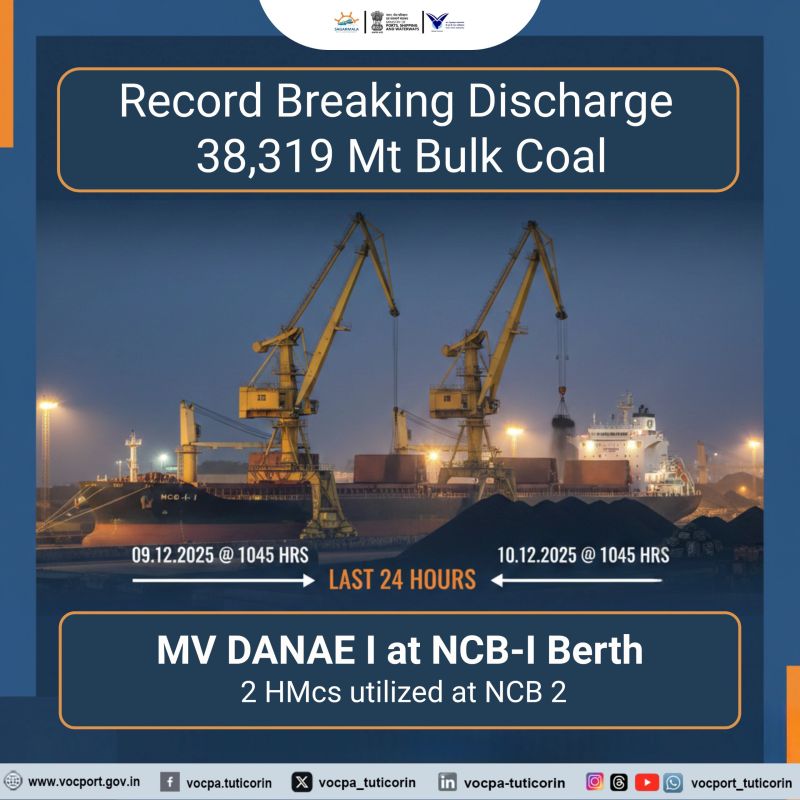
VoC Port achieves record breaking milestone of discharging 38,319 MT of bulk coal

TUTICORIN : V.O. Chidambaranar Port Authority, Tuticorin, has achieved a remarkable milestone by discharging 38,319 MT of bulk coal at NCB-II Berth from MV DANAE I within just 24 hours.

This achievement was made possible through the deployment of two Harbour Mobile Cranes (HMCs) at NCB-II, along with the efficient utilisation of the newly created additional backup space—significantly enhancing cargo handling productivity and vessel turnaround time.

Vijay Trading Company, serving as the Stevedore and playing a key role in driving this increased cargo performance, and Ocean Masters Shipping Pvt. Ltd., as the Vessel Agents, contributed effectively to the smooth and timely operations.

VOC Port continues to strengthen operational excellence and deliver seamless support to the trade community.

IFFCO scouting for JV partners to set up fertiliser plants abroad, secure supply for India

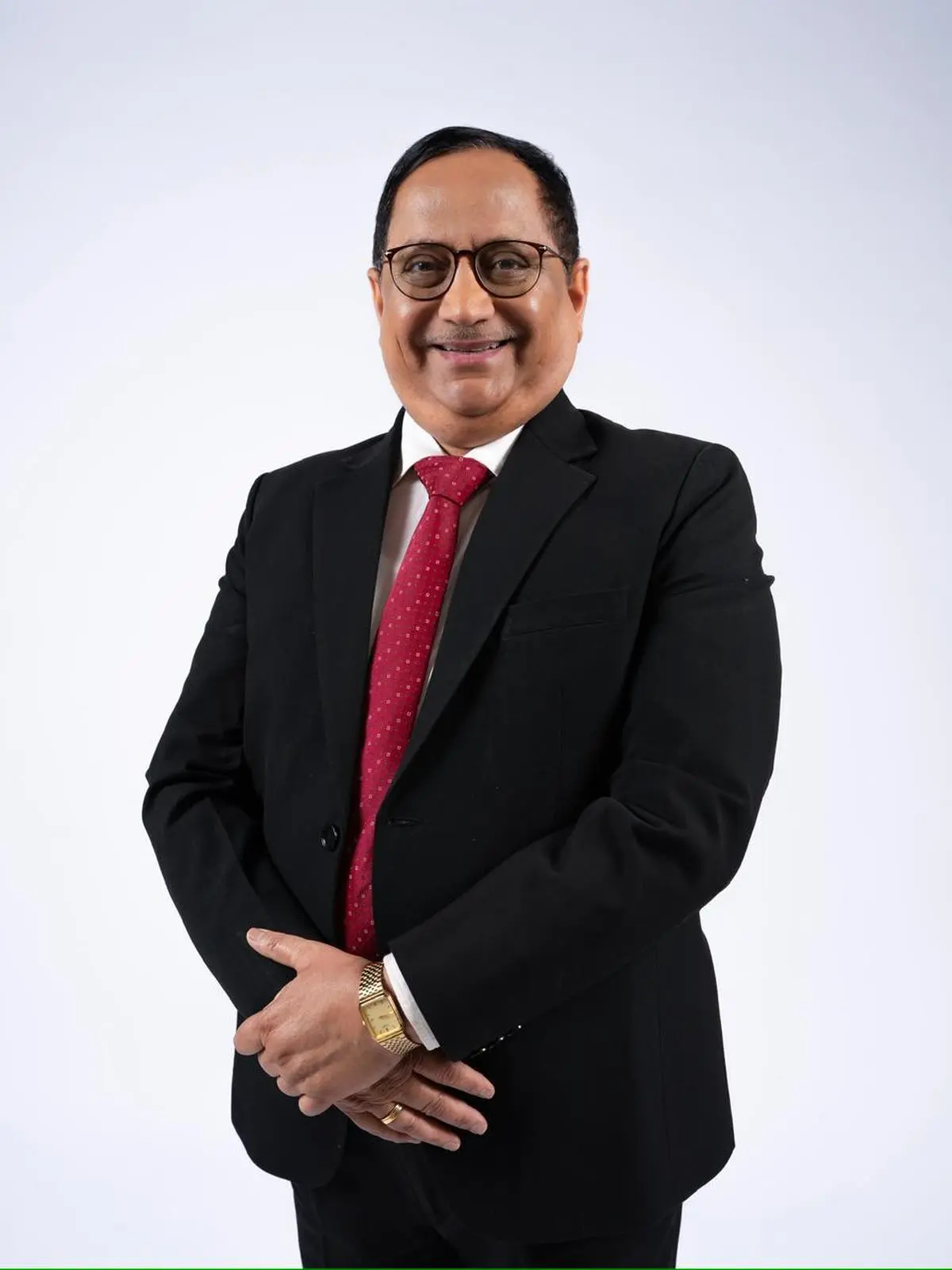
NEW DELHI : As global sourcing of critical raw materials is becoming more uncertain, India’s largest fertiliser producer, Indian Farmers Fertiliser Cooperative (Iffco), is exploring joint venture (JV) manufacturing units in Sri Lanka, Jordan, and Senegal with 100 per cent buyback option for finished products, Managing Director K J Patel said.

In his first interaction with reporters after taking charge, Patel said Sri Lanka is being considered for a diammonium phosphate (DAP) or phosphoric acid JV because of its high-quality rock phosphate reserves.

In Jordan, Iffco plans to expand phosphoric acid capacity from 500,000 tonnes to 1 million tonnes (mt) in its existing JV called Jordan India Fertiliser Company, while in Senegal where IFFCO has a small stake in a urea plant owned by Industries Chimiques du Senegal (ICS) of India’s Indo Rama group in which it could either buy majority stake or look for a new partner to set up another plant there. Senegal also on the radar for rock phosphate exploration.

“Getting good-quality raw materials is increasingly becoming a challenge, for which one either has to pay more or incur a higher financial burden. A better option is to set up manufacturing units in those parts of the world where these resources are available in abundance,” Patel told reporters on Tuesday evening.

He added that the recent memorandum of understanding between three Indian fertiliser firms and Russia’s Uralchem for a 1.8–2 mt urea plant could become a model for other overseas ventures.

India does not produce rock phosphate or phosphoric acid domestically, importing the entire requirement. DAP is the country’s second-largest fertiliser after urea, with annual demand estimated at 10–11 mt. Nearly half — roughly 4–5 mt — is imported. 

Prices of rock phosphate and phosphoric acid have risen over the past year due to geopolitical disruptions, lifting domestic production costs for DAP. Exporting countries have also begun tightening shipments, adding to India’s challenges. 

Cost and freight prices for phosphoric acid, earlier at $948–1,060 per tonne in 2024-25 (FY25), now stand at $1,153–1,258 per tonne during Kharif 2025. Rock phosphate, quoted at $205–230 per tonne in FY25, is currently at $200–230 per tonne this kharif season. 

Iffco posted a turnover of ₹41,244 crore in FY25, with profit after tax at ₹2,823 crore. In the same period, it produced 9.31 mt of nitrogenous and complex fertilisers, while sales reached 11.38 mt. The co-operative also produced 45.6 million bottles of nano fertilisers and sold 36.5 million bottles. 

Keel laying ceremony held for 3rd & 4th 40T Bollard Pull ASD Tugs at Hooghly Cochin Shipyard Ltd

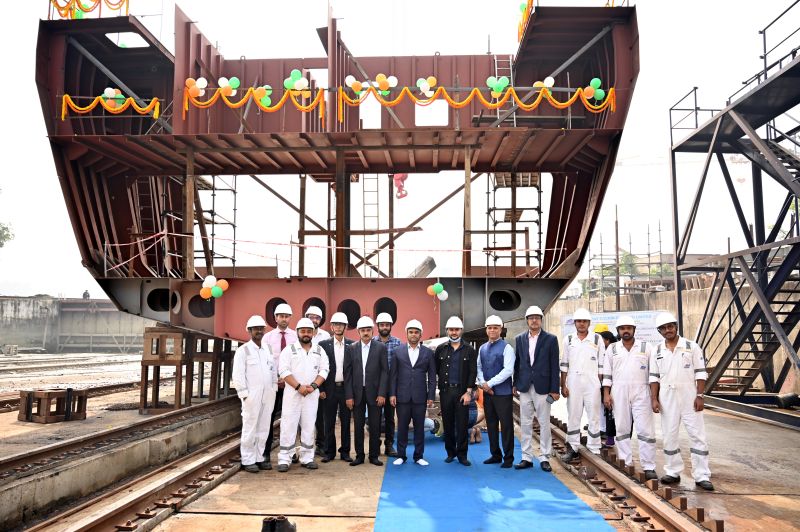
KOLKATA : Hooghly Cochin Shipyard Ltd (HooghlyCSL), a wholly owned subsidiary of Cochin Shipyard Limited, marked another significant milestone in its shipbuilding roadmap with the keel laying ceremony of the 3rd and 4th 40T (@90% MCR) Bollard Pull ASD Tugs. The ceremony was conducted at the company’s Nazirgunge Yard on 11 December 2025, in the presence of senior officials from HooghlyCSL, Cochin Shipyard Ltd, and representatives of the owner, Industrial Handling Pvt. Ltd.

The tugs are being constructed under the stringent classification standards of the Indian Register of Shipping (IRS), reflecting the highest benchmarks of safety, reliability, and operational efficiency. Designed for harbour assistance, towing operations, and manoeuvring tasks, these Azimuth Stern Drive (ASD) tugs will provide robust performance with enhanced bollard pull capability, modern navigation systems, and fuel-efficient operational profiles.

The keel laying marks the commencement of the hull blocks erection, a pivotal phase in the shipbuilding process. This development demonstrates the shipyard’s growing capability to deliver technologically advanced, high-quality vessels within committed timelines.

Speaking on the occasion, officials highlighted that the construction of these tugs reinforces the nation’s commitment to strengthening indigenous shipbuilding in alignment with the ‘Make in India’ and ‘Aatmanirbhar Bharat’ initiatives. The project also contributes to the maritime sector’s push for greater self-reliance, skilled employment generation, and industrial growth on the banks of the Hooghly River.

With the successful execution of multiple vessel projects in recent years, HooghlyCSL continues to emerge as a key player in India’s inland and coastal shipbuilding ecosystem, supporting the nation’s broader maritime infrastructure and logistics ambitions.

NITI Aayog flags urgent need to deepen corporate bond market to achieve Viksit Bharat mission

NEW DELHI: NITI Aayog, in its recent report, underscored the urgent need to deepen India’s corporate bond market, calling it a critical pillar of the country’s long-term economic vision of Viksit Bharat @ 2047.

As India aspires to scale a USD 30 trillion economy by around 2047-2050, the report stresses that traditional reliance on bank lending and equity will be insufficient to meet massive funding needs across infrastructure, MSMEs, and emerging technology sectors.

India’s corporate bond market remains underdeveloped despite steady growth, it said.

Outstanding corporate bonds have expanded from Rs 17.5 trillion in FY15 to Rs 53.6 trillion in FY25. Yet they account for only 14% of GDP, far below South Korea (79%), Malaysia (54%), and Thailand (27%), it added.

India’s issuance volumes have also remained below 1% of GDP for more than a decade, compared with 5-7.5% in the US and about 3.5% in China.

NITI Aayog noted that India accounts for just 3% of the global corporate bond market, while the U.S. and China together account for more than half.

It highlighted a significant structural imbalance between India’s equity and bond markets. As of March 2025, corporate bonds were valued at about USD 642 billion, while equity markets reached USD 4.8 trillion, nearly seven times larger, it said.

The report also highlighted several challenges in the corporate bond market.

The report highlights that institutional constraints, particularly for insurance and pension funds, are constricting market depth.

Many long-term investors face strict credit-rating mandates, typically limited to AA-rated securities, curbing allocations to infrastructure SPVs, NBFCs, and mid-sized corporate issuers, the report noted.

Despite several policy efforts, retail investors remain largely absent from the corporate bond market.
A key reason, the report notes, is the overwhelming dominance of private placements, which account for 98% of issuances and are typically inaccessible to retail buyers.

Another structural challenge highlighted is the buy-and-hold strategy followed by most institutional investors, which severely restricts secondary market activity.

High transaction costs and complex regulatory processes, including lengthy and repetitive documentation, further deter active market engagement.

Even amid this, NITI Aayog highlighted that a series of coordinated measures by the Government of India, the Reserve Bank of India (RBI), and the Securities and Exchange Board of India (SEBI) is beginning to reshape the market landscape.

SEBI has streamlined approval and disclosure processes to shorten issuance timelines and reduce compliance burdens.

The RBI has introduced measures to broaden institutional participation, enhance settlement systems, particularly Delivery-versus-Payment (DVP), and support complementary markets such as repo and derivatives, which are essential for hedging and liquidity.

The Government has rolled out strong safety nets, including the Corporate Debt Market Development Fund (CDMDF) to stabilise markets during stress and the Guarantee Scheme for Corporate Debt (GSCD) to lower risks for investors in lower-rated issuances.

Under AMRUT 2.0, municipal issuers receive grants of Rs 26 crore for first-time issuers and Rs 20 crore for repeat green bonds to encourage growth in the urban debt market.

Together, these reforms represent a coordinated effort to deepen India’s bond market and support long-term financing for its growth ambitions.

Source: ANI

World Shipping Council flies the flag for ocean shipping at UN launch of Decade of Sustainable Transport

WASHINGTON D.C.: The World Shipping Council (WSC) joined political leaders and transport industry representatives at the United Nations launch of the Decade of Sustainable Transport, highlighting the essential role of ocean shipping in cutting emissions across global supply chains.

Much of the public debate on sustainable transport focuses on what people see every day, from urban mobility to electric vehicles. Shipping happens mostly out of sight and is often described as a “hard-to-abate” sector, even though oceangoing vessels carry around 80% of global trade and are among the most climate-efficient freight modes. Speaking at the UN, WSC President & CEO Joe Kramek underlined that shipping’s energy transition is a major opportunity for nations to invest in renewable marine fuels and infrastructure. He also stressed that the “ocean leg” of supply chains must be fully included in the work of the Decade of Sustainable Transport.

“Liner shipping is investing USD 150 billion to build 1,035 dual-fuel ships by 2030, designed to run on low- and zero-GHG fuels,” Joe Kramek said. “These are firm orders already placed. We hope the Decade of Sustainable Transport can bring the public and private sectors together to unlock affordable green marine fuels and infrastructure, seizing the economic opportunities of shipping’s decarbonisation and accelerating emissions cuts across global supply chains,” Joe Kramek concluded.

WSC also noted the importance of effective global greenhouse gas regulation at the International Maritime Organization. By raising the profile of ocean shipping within the UN Decade of Sustainable Transport, WSC aims to ensure the sector is recognised and supported as a core part of the solutions for a sustainable future.
Source: World Shipping Council

Indian Navy to commission first Diving Support Craft DSC A20

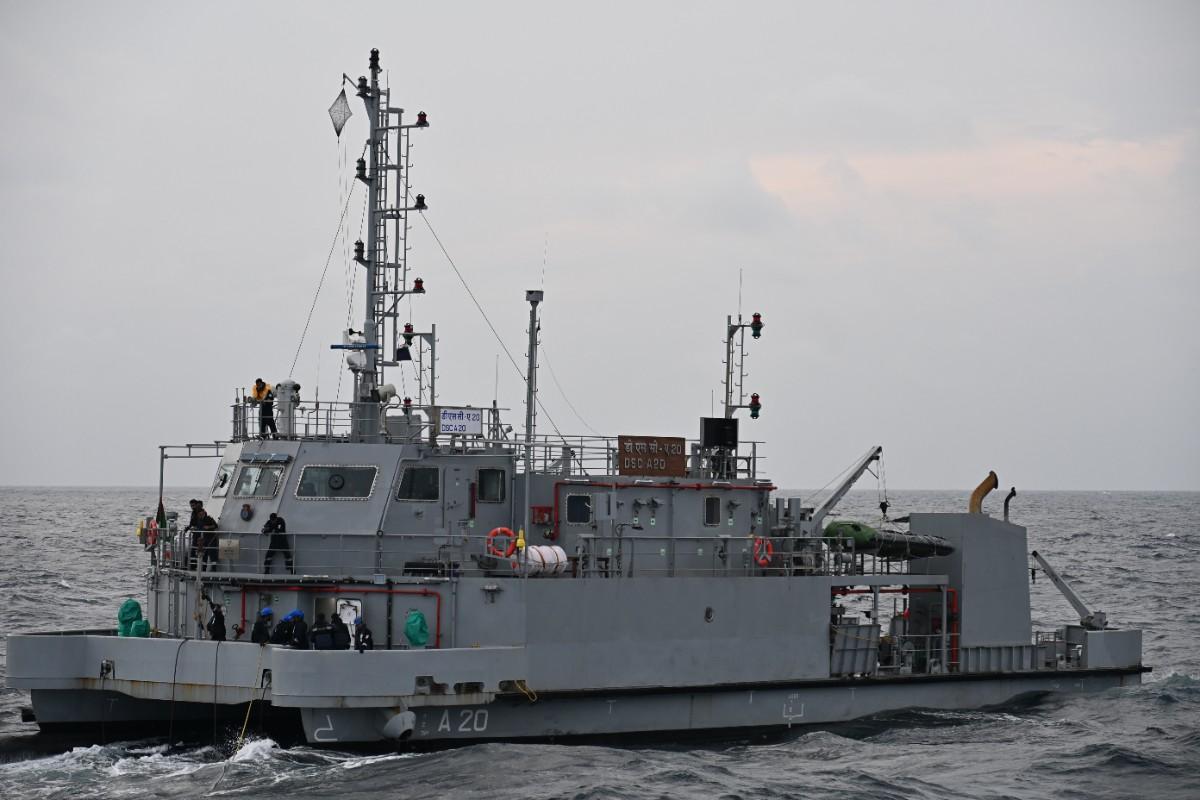
NEW DELHI : The Indian Navy will commission DSC A20, the first vessel of the indigenously designed and constructed Diving Support Craft (DSC), at Kochi on 16 Dec 2025 under the aegis of Southern Naval Command. The ship will be formally inducted into service in presence of Vice Admiral Sameer Saxena, Flag Officer Commanding-in-Chief, Southern Naval Command. The event will mark the addition of a key operational asset to the Navy’s inventory, enhancing its diving and underwater support capability.

Pic31JNH7 Indian Navy to commission first Diving Support Craft DSC A20

DSC A20 is the lead ship in a series of five Diving Support Craft being built by M/s Titagarh Rail Systems Limited (TRSL), Kolkata. Purpose-built for a wide spectrum of diving and underwater missions in coastal waters, the vessel is equipped with advanced, state-of-the-art diving systems that meet the highest standards of safety and operational efficiency.

Featuring a catamaran hull form, the ship offers superior stability, enhanced deck area, and improved seakeeping characteristics, and has a displacement of approximately 390 tons. Designed and built in accordance with the Naval Rules and Regulations of the Indian Register of Shipping (IRS), DSC A20 underwent extensive hydrodynamic analysis and model testing at the Naval Science and Technological Laboratory (NSTL), Visakhapatnam, ensuring optimal performance and reliability.

The commissioning of DSC A20 marks a milestone in India’s pursuit of Aatmanirbharta and exemplifies success of ‘Make in India’ initiative in the maritime domain. The platform represents seamless collaboration between the Indian Navy, the indigenous shipbuilding industry, and national research organisations in delivering specialised, technologically advanced vessels.

With its induction, the Indian Navy’s capability in diving support, underwater inspection, salvage assistance, and coastal operational deployment will be substantially strengthened. DSC A20 will be based at Kochi and operate under Southern Naval Command.

BEML unveils prototype of indigenous driverless Metro Trainset for Bengaluru’s expanding metro network

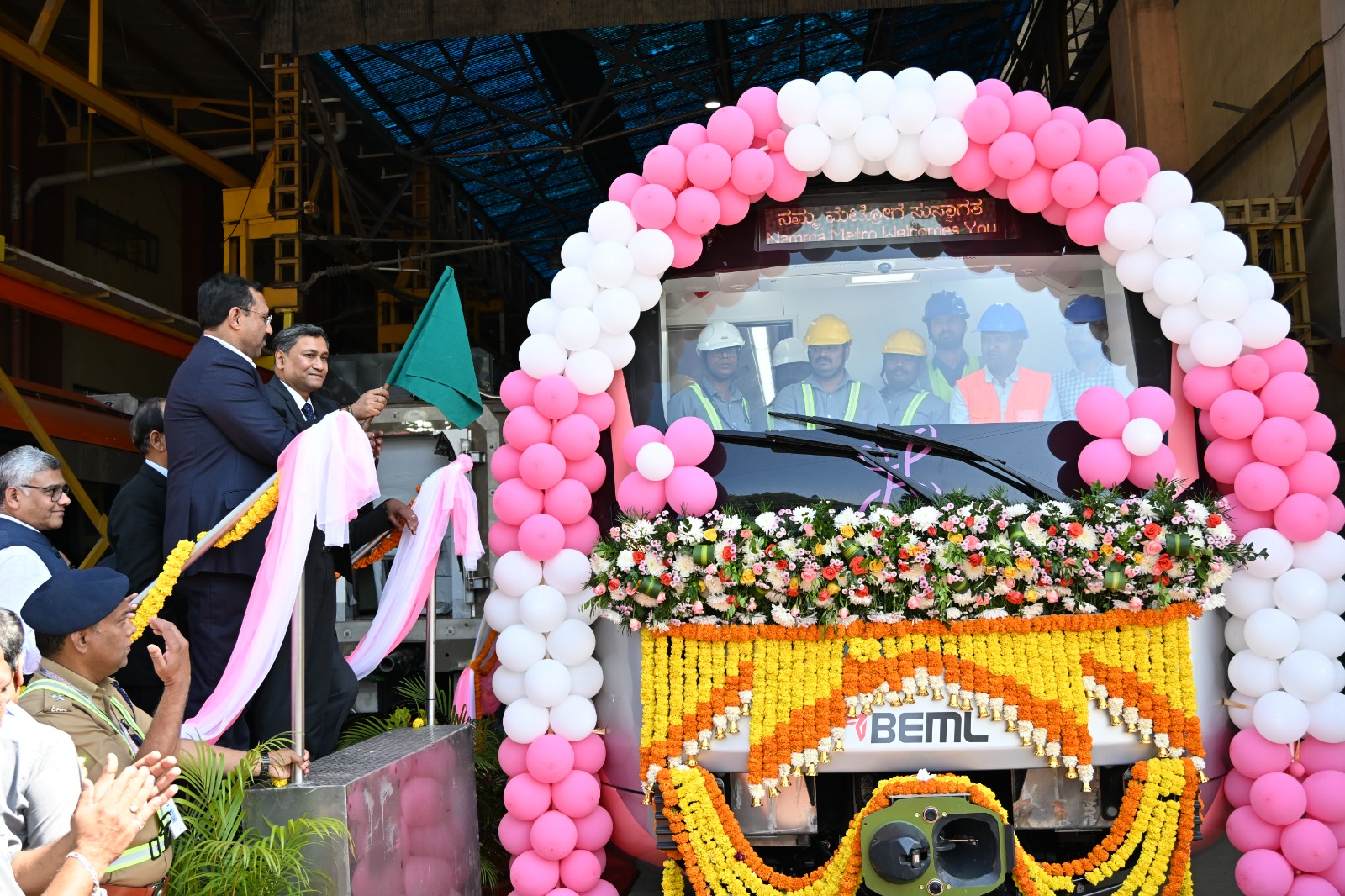
BENGALURU : In a major boost to India’s urban mobility and manufacturing prowess, BEML Limited today rolled out the prototype of its cutting-edge Driverless Metro Trainset (5RS-DM), developed for Namma Metro’s Phase-2, 2A and 2B corridors. This achievement marks another milestone in the Make in India programme, underscoring the nation’s capability to design and deliver world-class rapid transit solutions.

The rollout ceremony was spearheaded by Dr. J. Ravishankar, IAS, Managing Director, BMRCL, in the presence of Shri Shantanu Roy, Chairman & Managing Director, BEML Ltd., along with senior officials from both BEML and Bengaluru Metro Rail Corporation Limited. The dignitaries also witnessed the first test run of the prototype at the BEML Rail Complex, highlighting the readiness of the advanced trainset for the next stages of evaluation.

Under this prestigious contract, BEML will manufacture and supply 318 state-of-the-art Standard Gauge metro coaches for the Blue Line (Airport Line) and Pink Line, which form a significant part of Bengaluru’s expanding metro network. These new-generation trainsets feature advanced automation, improved energy efficiency, enhanced passenger comfort, and superior safety systems tailored to meet the needs of one of India’s fastest-growing cities.

Designed, engineered, and manufactured entirely at BEML’s Bengaluru facility, the driverless trainsets reflect high levels of localisation, reinforcing India’s self-reliance in critical rail infrastructure. The prototype will now undergo a comprehensive cycle of testing, validation, and commissioning in accordance with BMRCL’s approved schedule. These processes will evaluate the train’s performance, safety systems, communication technologies, and reliability prior to its integration into the metro network.

As part of the long-term engagement, BEML will also provide up to 15 years of full-service maintenance support, ensuring lifecycle efficiency and uninterrupted service for commuters.

The rollout represents a significant step forward in Bengaluru’s journey toward a seamless, modern, and sustainable mass rapid transit system, while reaffirming BEML’s position as a leading innovator in India’s rail and metro manufacturing sector.

PAV Haulage set for New Long-Term Home at London Gateway Logistics Park

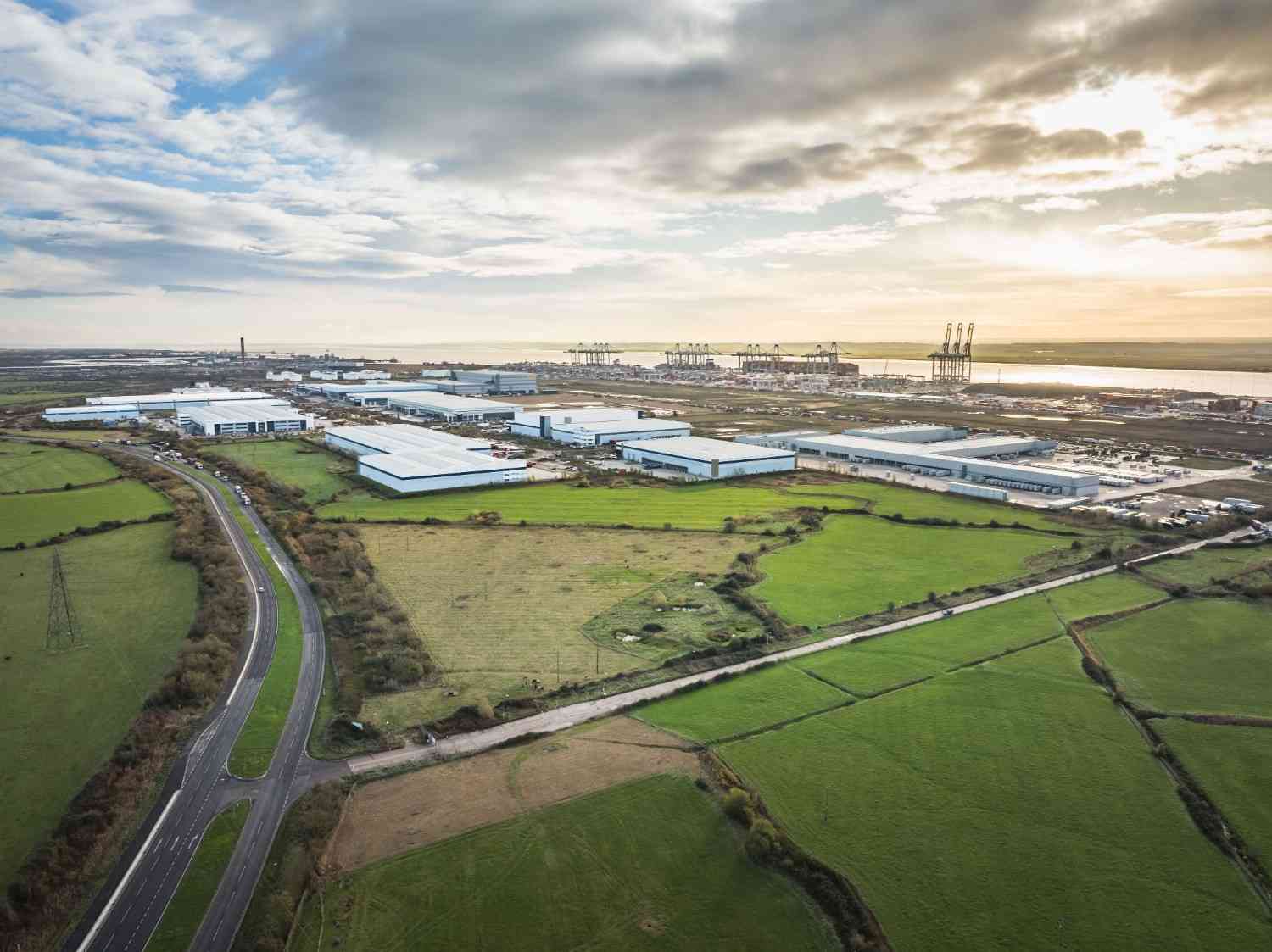
LONDON: DP World is set to welcome transport and logistics provider PAV Haulage to a state-of-the-art facility at its London Gateway Logistics Park.

In Q1 2026, PAV Haulage will move into the 94,000 sq. ft. facility – LG94 – on a 20-year lease, which includes plans for a new expansion onto an adjacent development plot. When the expansion is complete, the facility will be able to accommodate extensive HGV parking, helping to support PAV Haulage’s commercial expansion as they take up tenancy of their flagship unit in London Gateway.

Built to meet DP World’s extensive sustainability standards, LG94 has been awarded an EPC Rating ‘A’ and BREEAM ‘Excellent’ certificate, as well as being fitted out with rooftop Solar PVs to provide renewable energy to PAV Haulage throughout their tenancy.

Alan Holland, Chief Executive Officer, DP World London Gateway Logistics Park, said: “Welcoming PAV Haulage to the Logistics Park reflects the ongoing confidence that new customers are placing in London Gateway. Thanks to our strategic location on the doorstep of the capital, tri-modal connectivity and expedited planning framework under the LDO, we are well positioned to support PAV Haulage’s next chapter.

“With over half the Logistics Park now developed and occupied, we are excited to continue building a logistics ecosystem at London Gateway that drives growth for our customers, creates new jobs, and future-proofs supply chains across the UK.”

Dean Mills, Chief Executive Officer, PAV Haulage, said:“With this warehouse, we’re at the heart of smart logistics – and we’re only just getting started. London Gateway is the perfect base for the scale and ambition we’re bringing to the industry.”

The 9.25m sq. ft. Logistics Park has undergone significant expansion in recent years, with half of its site now developed. Supporting thousands of jobs on site, the park is backed by a 10-year LDO, which fast-tracks new building applications to ensure the continued expansion of the logistics hub.

Lloyd’s Register, EXMAR and the Belgian Federal Public Service for Mobility and Transport join forces to help develop new guidelines for ammonia cargo as fuel

The Interim Guidelines represent a significant step towards the safe and practical use of ammonia as a zero-carbon marine fuel. 

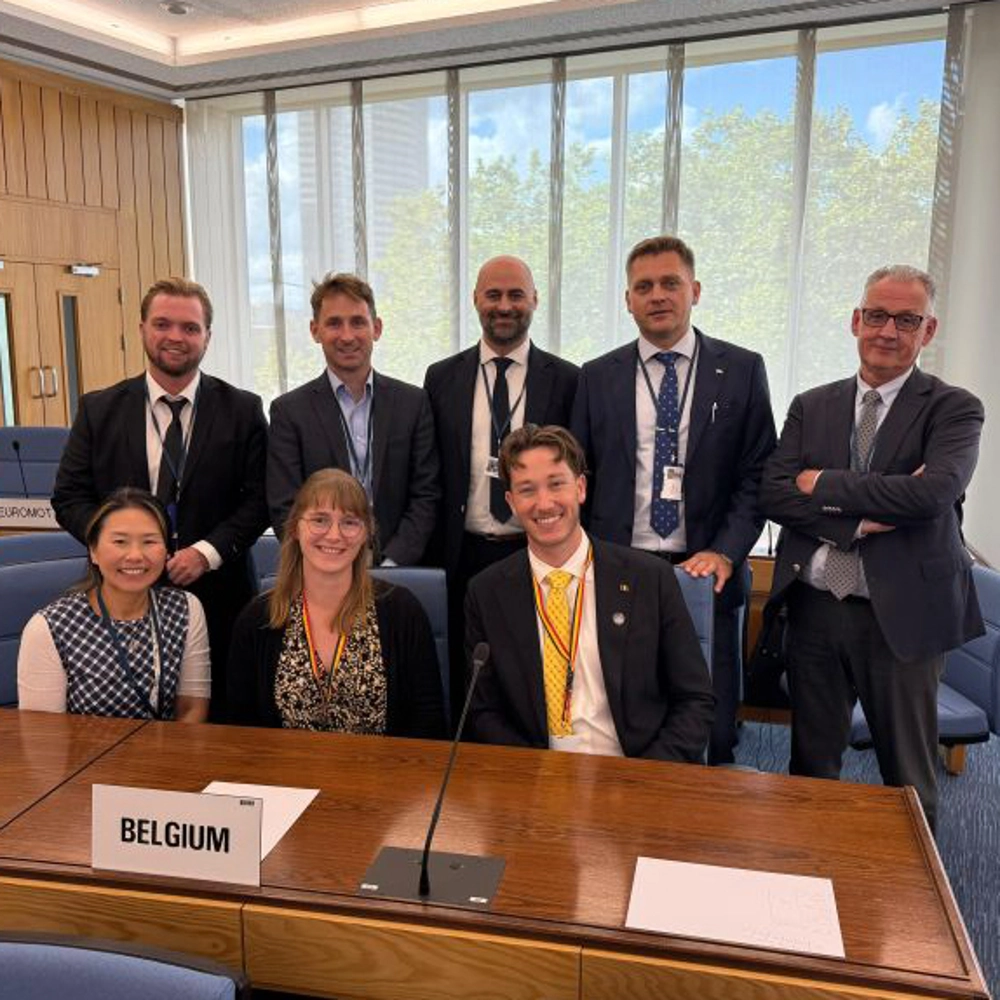
LONDON: Lloyd’s Register (LR), EXMAR and the Belgian Federal Public Service (FPS) for Mobility and Transport have helped to develop interim guidelines to enable the safe use of ammonia cargo as fuel on gas carriers

The Belgium FPS Mobility and Transport, with support from LR and EXMAR, led work to secure an amendment to the Code for the Construction and Equipment of Ships Carrying Liquefied Gases in Bulk(IGC Code) more than two years ago, removing restrictions previously preventing the consumption of ammonia cargo as fuel.The three stakeholders provided the initial draft of the Interim Guidelines to the IMO Correspondence Group considering the guidelines. Subsequent development involved cooperation with Member States in a Correspondence Group to ensure consensus.

The Guidelines were finalised during the IMO’s Sub-Committee on the Carriage of Cargoes and Containers (CCC 11) and are expected to be formally approved at MSC 111 in May 2026.

Ammonia has long been recognised for its potential as a zero-carbon fuel, but until recently ammonia cargo could not be used as fuel on gas carriers certified in accordance with the IGC Code.  The new framework balances safety and flexibility, allowing shipowners and operators to move forward with ammonia-fuelled vessel designs under a recognised regulatory pathway.

Claudene Sharp-Patel, Global Technical Director, LR, said: “This collaboration shows what’s possible when industry leaders, regulators and technical experts come together to enable change. LR has been involved in ammonia-as-fuel projects from their earliest stages through to realisation. The deep knowledge and expertise we’ve developed directly benefit our clients as they look to decarbonise their fleets. Being part of this pioneering work reinforces LR’s position as a trusted advisor and innovation leader in the maritime energy transition.”

Kristof Coppé, Director Fleet Operations and Technical Business Development, EXMAR, said: “EXMAR’s journey toward ammonia as a marine fuel began in 2021, when our company received Approval in Principle from Lloyd’s Register for an ammonia-fuelled mid-size gas carrier. Using our own cargo as fuel has long been a strategic priority for EXMAR. A commitment previously demonstrated through our pioneering adoption of LPG as a propulsion fuel. Ammonia now marks the next step forward, offering the added benefit of reducing direct CO₂ emissions by up to 90 percent.

“Our close collaboration with Lloyd’s Register and FPS Mobility in Belgium has been instrumental throughout this process. Their support, particularly on the regulatory front, has been a cornerstone in advancing this project toward success.”

Nathalie Deleuze, Maritime Expert – Alternative Fuels at FPS Mobility and Transport of Belgium, said: “Decarbonisation is a key priority for Belgium. At the FPS Mobility and Transport, we’re committed to facilitating the shift toward alternative fuels. To make this happen, we combined our expertise in IMO processes with the technical know-how of pioneering Belgian shipowners and Lloyd’s Register. Together, we’re charting the course toward a cleaner future.”

LR’s Fuel for Thought: Ammonia gathers into one place the most relevant information on the use of ammonia in shipping, serving as a convenient reference for shipowners considering alternative fuel options for their fleets, and for maritime professionals seeking a deeper understanding of the zero-carbon transition. The report combines expertise from LR and other shipping knowledge leaders on topics including the current state of ammonia as a clean fuel, including its safety considerations, drivers for adoption, production and supply chain, and technology readiness.

Fuel for Thought is LR’s industry-leading series of reports and webinars on alternative fuel sources for ships. Through expert analysis and critical insights, each edition provides a comprehensive and informative overview of the latest technology advances, policy developments and emerging trends and opportunities in this rapidly evolving field. 

South Korea’s first state-owned all-electric ferry powered by ABB

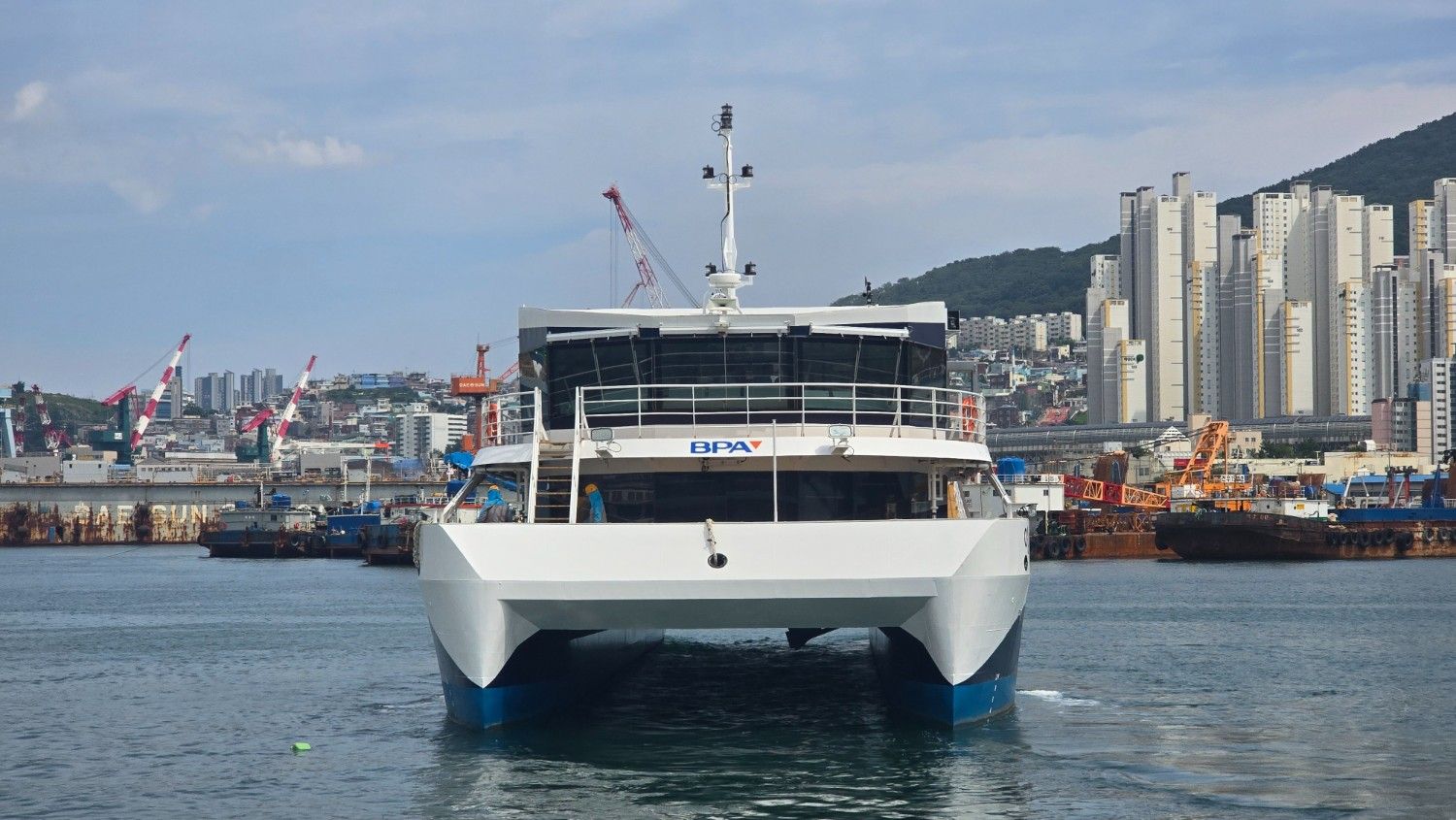
BUSAN: Demonstrating a significant advance in South Korea’s strategy for maritime decarbonization, Busan Port Authority (BPA) has officially launched the first state-owned all-electric ferry, with the end-to-end electric power and propulsion system supplied by ABB.

Built by Busan’s Kangnam Corporation, the new passenger ferry is the first realization by South Korean authorities of their plan to replace 140 state-owned assets with ships running on cleaner energy sources by 20301, in line with environmental legislation. Sustainable ferries will play a significant role in South Korea’s goal to achieve net-zero emissions by 2050, as set out in the country’s Green New Deal announced in 2020.

“This vessel demonstrates Busan Port Authority’s commitment to cleaner, smarter port operations,” said Woong-Ki Lee, Port Manager, Busan Port Authority. “By introducing an all-electric ferry to serve our North–South Port connection, we are reducing local emissions and noise while providing a replicable model for future harbor craft. ABB’s integrated electric propulsion and energy storage system has given us the efficiency, safety, and reliability we need to deliver a better experience for passengers and a healthier environment for our city.”

ABB’s Onboard DC Grid™ power distribution system ensures optimal delivery of battery output to the vessel’s subsystems, with ABB’s PEMS™ power and energy management system controlling overall power distribution, increasing fault tolerance, and providing a high degree of reliability.

During operations, the ferry is remotely monitored and supported by experts from ABB’s global network of ABB Ability™ Collaborative Operations Centers. Remote support and connectivity, together with advanced data analytics enabled by the ABB Ability™ Remote Diagnostics System, further enhance the vessel’s operational safety and optimize performance while helping to promptly detect and correct faults on board.

Equipped with two 1,068-kilowatt-hour battery packs for emissions-free operations, the vessel will take approximately one hour and 30 minutes to fully charge the battery using 500 kW of power, which enables about two hours of operation.

While the vessel is berthed, it is connected to the shore charging station via a stable optical communication link, allowing automatic control of charging and discharging from aboard.

“The launch of this new passenger ferry is testament to both Busan Port Authority’s and South Korea’s decarbonization ambitions and provides a blueprint in pursuit of increasing energy-efficiency and reducing emissions,” said Riccardo Repetto, Global Segment Manager, Short Distance Shipping, ABB’s Marine & Ports division. “The project also demonstrates the power of ABB’s Onboard DC Grid™ as an enabling platform for cleaner maritime operations. We are proud to have played an integral role in delivering South Korea’s first state-owned all-electric ferry.”

1https://www.mof.go.kr/page/en/selectPage.do?menuSeq=1588&pageSeq=1017&listUpdtDt=2025-11-03++10%3A00