Home Blog Page 536

DNV report: Methanol as marine fuel at high readiness level, but adoption hurdles remain

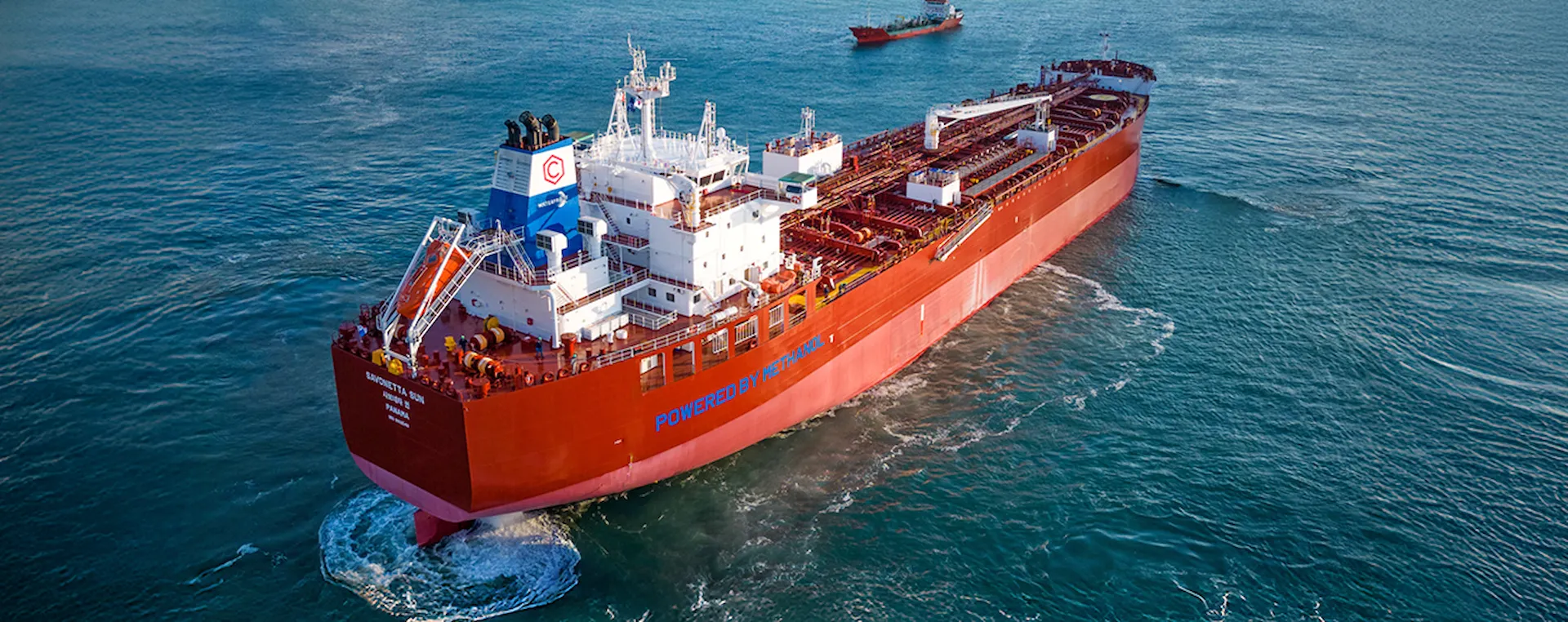
SINGAPORE: As the industry explores multiple decarbonization pathways, methanol is gaining attention as a practical and scalable alternative fuel for deep-sea shipping. This is supported by over 450 methanol-capable vessels in operation and on order and technical solutions now available for all major ship types.

DNV’s latest white paper, “Methanol fuel in shipping,” highlights that methanol-fuelled engines and technical systems have reached high readiness levels, and that existing global production sites, storage facilities, and a growing bunker fleet are providing a strong platform for wider adoption. In addition, industry stakeholders are already investing in the fuel, with China accounting for 43 percent of planned global low-GHG methanol production capacity. But, as with all alternative fuels, methanol’s future role will depend on a combination of regulatory, economic, and operational factors.

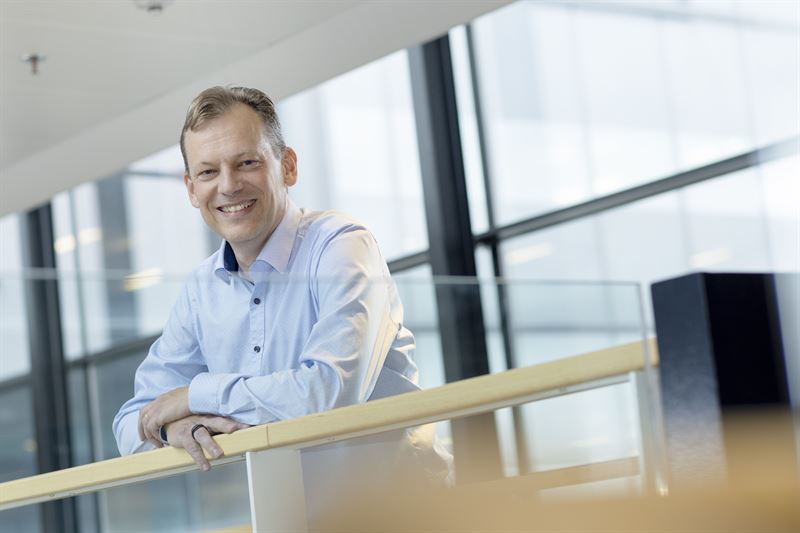
Knut Ørbeck-Nilssen, CEO Maritime at DNV said: “As the maritime industry explores pathways to a lower-carbon future, it is important to consider a range of practical and scalable solutions. There is no one-size-fits-all answer, and different shipping segments and geographies will require different approaches. Methanol is one option that draws on established technologies and infrastructure, and it is encouraging to see the industry’s growing interest in a variety of alternative fuels.”

Methanol can offer environmental benefits. It is sulfur-free, produces negligible soot, and emits significantly less NOx than fuel oil. The report highlights that certain bio- and e-methanol pathways can deliver very low or even negative lifecycle emissions, and that methanol’s compatibility with existing port infrastructure and the availability of interim bunkering solutions may also reduce complexity and cost for shipowners.

However, the report notes that cost and availability remain significant barriers, as is the case for many alternative fuels. Bio-methanol prices in 2025 average around USD 2,500 per tonne MGOe, roughly three times the cost of marine gas oil, while global production stands at just 2.2 million tonnes, far below the potential demand of up to 60 million tonnes by 2040. The report models four demand scenarios, showing that regulatory frameworks such as the IMO’s Net Zero Framework and FuelEU Maritime could be decisive in scaling up adoption.

Marius Leisner, Senior Principal Consultant in DNV added: “From a technical perspective, methanol-fuelled engines have demonstrated high reliability, with industry data indicating that modern dual-fuel engine designs have accumulated more than 600,000 operating hours on methanol. Retrofit feasibility is well established, and the use of conventional bunkering systems, unlike cryogenic fuels, means ports can adapt quickly and cost-effectively.

Methanol also provides fuel flexibility: dual-fuel engines can operate on methanol, biodiesel, or conventional fuels, and, with minor modifications, on ethanol. DNV’s Fuel Selector service and Alternative Fuels Insight (AFI) platform offer shipowners data-driven guidance on compliance costs and transition strategies.

Download “Methanol fuel in shipping” here

LR joins DCSA+ to accelerate digitalisation in container shipping

LONDON: Lloyd’s Register (LR) has joined the Digital Container Shipping Association’s DCSA+ partnership programme.

By joining DCSA+, LR becomes part of a global community of carriers, shippers, terminals, forwarders and technology providers working together to align the industry behind open digital standards.

The DCSA+ programme provides a structured platform for collaboration, enabling partners to connect with peers and contribute directly to the development of practical, scalable digital solutions for the container shipping ecosystem.

As an official partner, LR will initially engage in the development of the Operational Vessel Schedules (OVS) standard, an initiative focused on improving visibility and coordination across the vessel schedule value chain.

Nick Gross, Global Container Ship Segment Director, LR, said: “Joining the DCSA positions us at the forefront of digital transformation within the containership segment. Our focus is on developing digital solutions to provide greater operational efficiency, which are dependable and scalable. Partnering with DCSA members enables us to combine our technical expertise with real-world insight, helping to shape common standards and practical solutions to make data more accessible, reliable and useful for all stakeholders in the containership value chain.”

Mariana Bock-Losada, Chief Growth Officer at DCSA, said: “Lloyd’s Register adds valuable technical and operational depth to the DCSA+ community. Their involvement reinforces our joint ambition to accelerate the adoption of digital standards across container shipping and to build a more connected, efficient, and sustainable industry.”  

Jeremy Daoust, Head of Market Management & Insights, OneOcean added: “OneOcean has a long history of connecting ships, fleets and people to deliver clarity and foresight through a digital ecosystem.  Our solutions cover navigation, compliance, ESG and decision support for more than 30,000 vessels, serving over 1 million seafarers. As such, we look forward to working closely with the DCSA, to share our expertise, and help maritime leaders run safer, smarter, more sustainable operations across the value chain.”

DCSA+ extends DCSA’s work beyond carriers to the wider ecosystem, enabling technology providers and other partners to play an active role in building the standards that power global trade.

Montfort Maritime buys two Japanese tankers from Maersk

GENEVA: Geneva-based commodity trading and asset investment firm Montfort has revealed a significant investment in second-hand MR tankers.

Montfort Maritime, the shipping arm of Montfort, has arranged to acquire two Japanese-built medium range (MR) product tankers from Maersk.

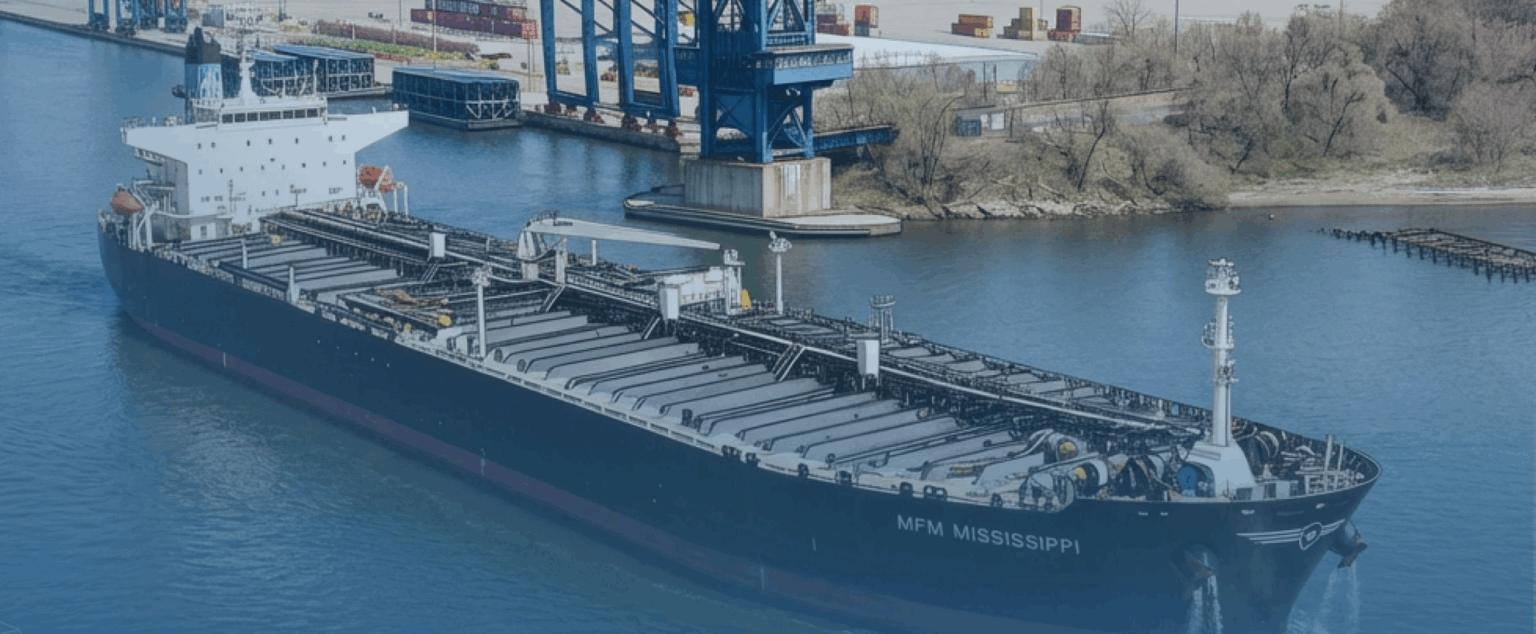
The company has confirmed the acquisition of the 48.020-dwt Maersk Maru (2011-built) and 47.990-dwt Maersk Mississippi (2010-built), both Singapore-flagged vessels from Maersk.

In accordance with Equasis data, the registered owner of the ships is Maersk Tankers Singapore Pte.

Montfort said these Japanese MRs present an opportunity, as “near-term earnings potential” and “long-term asset value,” are well-aligned.

According to Montfort, both vessels recently completed extensive drydocking and special survey work and are currently positioned in a commercially attractive age segment.

Meanwhile, Montfort said that it structured a deal – earlier this year – with Union Maritime for two modern HMD MRs, Tweed (2019) and Witham (2020), reflecting a consistent approach to securing assets from “selective sellers.”

Seahorse Freight Association announces 2025 Journalist Awards Winners

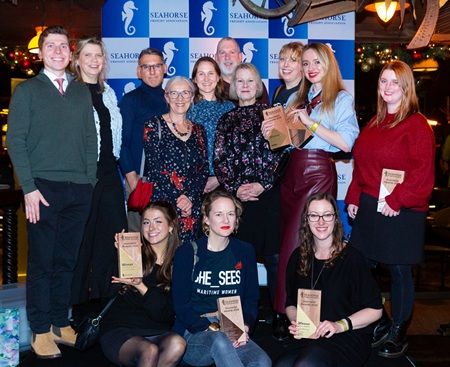
LONDON: The Seahorse Freight Association (SFA) held its annual Journalist Awards in London on Tuesday, bringing together stakeholders from across the transport, freight, and logistics sectors. With a record-breaking 360 entries from 60 journalists worldwide assessed by an independent panel of judges, winners across the 13 categories were celebrated by their peers for outstanding reporting. Each winner received a commemorative plaque and a cash prize in recognition of their achievement.

Pressiana Naydenova, Chair of the SFA, said, “On behalf of the Seahorse Committee, I’d like to congratulate everyone who applied this year, not just the winners. It takes courage to put your name forward, and the quality of journalism across supply chain, air cargo, freight, maritime, and logistics has never been higher. Amid global challenges and with the media industry under pressure — we are proud that our awards recognise the innovation and rigour journalists bring to the table. I am proud of our team and all we have achieved this year, including attracting record entries and sharing the voices of the people who tell the stories that move the world.”

Anastasiya Simsek was awarded Seahorse Journalist of the Year for her compelling, incisive journalism across the air cargo, freight and logistics sectors at Air Cargo Week. Her work has covered urgent industry-shaping developments to deeper analyses of supply-chain resilience, sustainability and digital transformation, helping bring complex industry dynamics into sharp focus for both specialist and general audiences.

Richard Stevenson, PR & Communications Lead at cargo.one and member of the SFA Board, said, “Amid a backdrop of complex supply chain environments, challenging geopolitics, rapidly progressing AI, evolving safety standards, and demand for greater transparency and predictability, insightful journalism is more vital than ever. Strong reporting is invaluable to us all – empowering stakeholders to better tackle developments, risks and opportunities, supporting better decision-making and fairness at every level.”

This year’s Seahorse Lifetime Achievement Award was presented to Kenya’s Nancy Karigithu, Advisor for the Blue Economy at the Executive Office of the President of Kenya and Maritime and Blue Economy Special Envoy. She was recognised for her tireless championing of seafarers, her distinguished career representing Kenya at the International Maritime Organization, as well as her role in developing technical co-operation programmes across Africa.

Lloyd’s Register Foundation’s She Sees Exhibition led by portrait photographer Emile Sandy was awarded the Seahorse Personality Award for its work in uncovering previously hidden histories of trailblazing women in the maritime industry. Overseen by Louise Sanger, Head of Research, Interpretation & Engagement at Lloyd’s Register Foundation, the exhibition is working to shift the tide on diversity in a sector that continues to face significant gender inequity. It remains on display in Boathouse 4 at Portsmouth Historic Dockyard.

SFA and WISTA (Women’s International Shipping & Trading Association) UK Board Member, Sue Terpilowski said, “It’s encouraging to see such strong representation of women across this year’s winners and runner-ups. Compared with the broader sectors we work with, journalism is clearly leading by example, with many outstanding female journalists driving high-quality reporting. This balance shows what our industries can achieve when talented people across the board are given the space to excel. The SFA welcomes this positive example and the way it allows all team members to shine.”

The 2025 Awards were sponsored by AAL Shipping, American Bureau of shipping (ABS), DNV, Global Marine Travel (GMT), PSA, TT Club, and U-Freight, with additional support from British International Freight Association (BIFA), the Rail Freight Group (RFG), International Association of Ports and Harbours (IAPH), Lead Coverage, Park Lane Publishing Ltd, and Woodland Group. As in previous years, the awards supported Transaid through a charity raffle.

The complete list of winners and runners-up can be found below.

The complete list of winners and runners-up is as follows:

Seahorse Lifetime Achievement Award

Ambassador Nancy Karigithu

Seahorse Personality of the Year Award

Lloyd’s Register Foundation’s SHE SEES Exhibition

Journalist of the Year (sponsored by DNV)

Winner: Anastasiya Simsek, Air Cargo Week

Runner up: Greg Miller, Lloyd’s List

Rising Star of the Year (sponsored by TT Club)

Winner: Silvia Andreoletti, Trade Finance Global

Runner up: Anastasiya Simsek, Air Cargo Week

Feature Journalist of the Year (sponsored by Global Marine Travel)

Winner: Ariane Morrissey, Ship.Energy/ Bunkerspot

Runner up: Lacey Jones, Container Management

Air Cargo Journalist of the Year (Sponsored by U-Freight)

Winner: Sasha Ranevska, Carbon Herald

Runner up: Edward Hardy, Air Cargo Week

Maritime Journalist of the Year (sponsored by American Bureau of Shipping)

Winner: Michelle Wiese Bockmann, Lloyd’s List

Runner up: Greg Knowler, Journal of Commerce

News Journalist of the Year (sponsored by PSA)

Winner: Greg Miller, Lloyd’s List

Runner up: Holly Birkett, TradeWinds

Multimedia Journalist of the Year

Winner: Christopher Aversano, The Last Dinosaur Podcast

Runner up: Charlotte Goldstone, The Loadstar

Overland Journalist of the Year (sponsored by Rail Freight Group)

Winner: Greg Knowler, Journal of Commerce

Runner up: Alex Whiteman, The Loadstar

Technology Journalist of the Year

Winner: Charlotte Goldstone, The Loadstar

Runner up: Tim Wallace, Motor Transport

ESG Journalist of the Year

Winner: Greg Knowler, Journal of Commerce

Runner up: Charlotte Goldstone, The Loadstar

Supply Chain Journalist of the Year

Winner: Mike King, Freight Buyer’s Club

Runner up: Silvia Andreoletti, Trade Finance Global

Wärtsilä identifies four key trends set to shape the future of shipping in 2026

HELSINKI: As the maritime industry prepares to enter 2026, technology group Wärtsilä has identified four important trends that will affect global shipping in 2026. From the rise of digitalisation and big data to the growing importance of flexible decarbonisation strategies, these trends are set to redefine competitiveness, efficiency, and sustainability for vessel owners and operators worldwide:

  1. Lifecycle optimisation: With rapid technological advances and evolving regulations, vessel owners are shifting from short-term fixes to holistic, long-term strategies. Lifecycle optimisation considers environmental impact, operational efficiency, and economic viability from vessel design through to end-of-life, supporting smarter investment decisions and asset value preservation. Collaboration and transparency between owners, operators, and OEMs are key to maximising benefits and navigating future uncertainties.
  2. Flexible decarbonisation strategies: Decarbonisation approaches must be tailored to each vessel’s operational profile, available fuels, and business priorities. A flexible strategy – encompassing planning, integration, and continuous monitoring – ensures vessels remain competitive and compliant as technology and regulations evolve. Investments in fuel-flexible engines, hybrid propulsion, and methane slip mitigation are among the solutions enabling owners to future-proof their fleets.
  3. Digitalisation, big data, and analytics: The increasing complexity of vessels – featuring hybrid setups, advanced power management, and alternative fuel systems – demands robust digital integration. Harnessing onboard data through advanced analytics enables real-time operational recommendations, driving significant reductions in fuel consumption, emissions, and operational costs. While some industry leaders are already leveraging these capabilities, widespread adoption is still hindered by challenges such as data governance and integration, but the path forward is clear.
  4. Less predictable regulations: Despite the recent delay in the IMO’s Net-Zero Framework, the regulatory landscape continues to evolve, with regional initiatives like the EU Emission Trading System and FuelEU Maritime impacting a significant portion of global shipping. As businesses prepare for stricter emissions requirements, robust compliance and reporting protocols are becoming essential.

Looking ahead

“As we look ahead to 2026, collaboration will play a vital part in driving the sustainable transformation of shipping and shaping a cleaner and smarter future for the maritime industry. Wärtsilä’s leadership in fuel flexibility, integration and cross-industry partnerships reflects the growing need for OEMs, operators, ports, fuel providers and regulators to work together. We stand shoulder-to-shoulder with our customers, bringing innovative solutions, expert guidance and a clear focus on enhancing efficiency and creating long-term value,” comments Roger Holm, President, Wärtsilä Marine.

Holm continues: “Legislation is critical to accelerating investment in alternative fuels, but it is no silver bullet. Decarbonisation is a team effort. The maritime ecosystem is full of remarkable ingenuity and world-class technical excellence that we can use to drive decarbonisation and digitalisation hand in hand. We already have the tools in the toolbox to build a cleaner, smarter future for global shipping.” 

President Droupadi Murmu says India need to further expand footwear business to boost exports

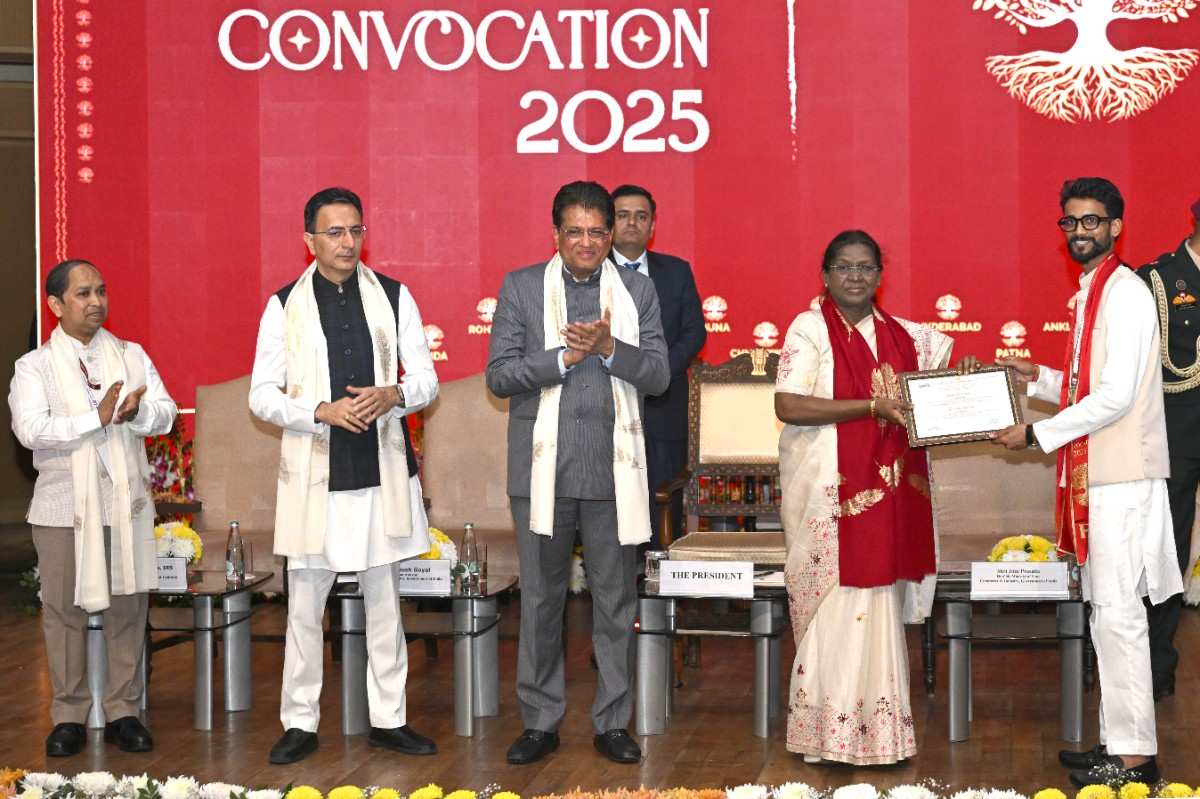
NEW DELHI : The President of India, Smt Droupadi Murmu, graced the convocation ceremony of the Footwear Design and Development Institute in New Delhi on December 1, 2025.

Speaking on the occasion, the President said that today, India is becoming increasingly self-reliant and capable of further expanding its economic role on the global economic stage. She was happy to note that the Department for Promotion of Industry and Internal Trade, Ministry of Commerce and Industry, has given the status of ‘Champion Sector’ to the footwear sector under the Atmanirbhar Bharat Abhiyan. She said that the Government is providing an ecosystem and incentives to encourage investment in the footwear sector.

The President noted that India ranks second in the world in terms of footwear production and consumption. During the fiscal year 2024-25, India’s footwear exports were just over 2500 million US dollars, while our footwear imports were approximately 680 million dollars. So, India’s footwear exports are almost four times that of imports. She stated that India is a leading exporter of footwear in the world. However, to further increase our exports, the footwear business needs to be expanded. And this expansion will increase opportunities for the students to become entrepreneurs and create employment or find employment in enterprises.

The President was happy to note the signing of an MoU between FDDI and the University of Northampton. She said that this marks another dimension of the deepening of our cooperation under the Free Trade Agreement between India and the United Kingdom. She underlined that this MoU places special emphasis on sustainable materials and circular economy practices. She said that such efforts reflect both countries’ commitment to environmental conservation.

The President said that the field of footwear design has many important dimensions. She advised graduating students to proceed in their field with the broad vision that they will make multifaceted contributions to society and the country through their work. She urged them to work towards improving the health and functionality of the people through their footwear design; to create employment for people through their work; to enable those who have been relatively left behind in the development journey to participate in economic development through their work; to strengthen our economy by contributing to India’s exports; to become India’s brand ambassadors in the global market through their quality products; and to make a significant contribution to achieving the national goal of ‘Self-reliant India’.

SMFCL presents ₹15.88 Crore Final Dividend to Union Minister Sarbananda Sonowal for FY 2024-25

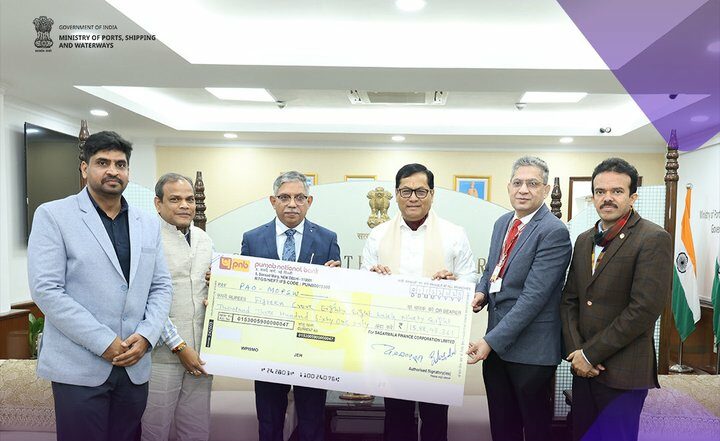
NEW DELHI: Sagarmala Finance Corporation Ltd. (SMFCL) has handed over a cheque of approximately ₹15.88 crore to the Government of India as the Final Dividend for the financial year 2024-25. The dividend cheque was presented to the Union Minister of Ports, Shipping & Waterways, Shri Sarbananda Sonowal, in New Delhi.

The cheque was handed over by Shri LVS Sudhakar Babu, Managing Director of SMFCL, in the presence of Shri Vijay Kumar, Secretary, Ministry of Ports, Shipping & Waterways (MoPSW), and Shri R. Lakshmanan, Joint Secretary, MoPSW.

Speaking on the occasion, the Union Minister highlighted that dividends from profitable public sector undertakings remain a critical driver of India’s economic momentum. “Efficient and financially disciplined PSUs contribute significantly to the nation’s development objectives and strengthen our maritime economy,” he stated.

The contribution underscores the strong financial performance of SMFCL and its commitment to supporting large-scale port-led development under the Sagarmala Programme. As the maritime sector continues to expand with investments in logistics efficiency and coastal infrastructure, SMFCL’s steady returns reaffirm the sector’s role in promoting sustainable growth.

The Ministry reiterated that this dividend payout marks another step toward boosting investor confidence, fostering maritime progress, and reinforcing the government’s emphasis on strategic economic initiatives.

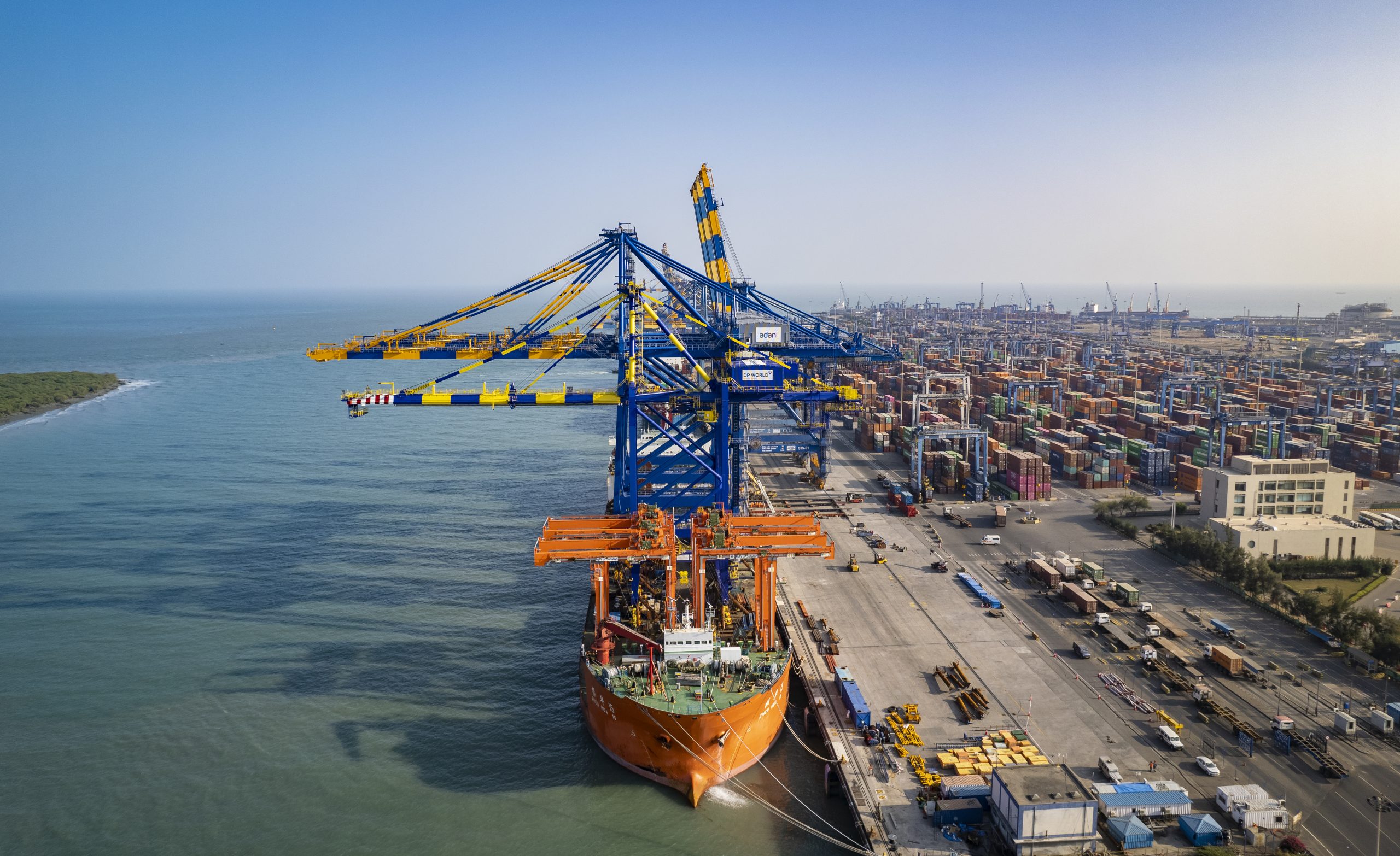
Adani Ports reports 14% surge in November cargo volume to 41 MMT

AHMEDBAD : Adani Ports & Special Economic Zone (APSEZ) announced that during the month of November 2025, APSEZ handled port cargo volume of 41 MMT (+14% YoY), led by containers (+20% YoY) and dry cargo (+10% YoY).
YTD Nov’25, APSEZ handled 325.4 MMT of port cargo (+11% YoY), led by containers (+21% YoY) and dry cargo (5% YoY).

Logistics rail volume during Nov’25 stood at 51,042 TEUs (-5% YoY) and GPWIS volume was at 1.7 MMT (-4% YoY).

Logistics rail volume during YTD Nov’25 stood at 469,835 TEUs (+13% YoY) and GPWIS volume stood at 14.3 MMT

GPPL sets new record of handling 25,529 RORO units in November 2025

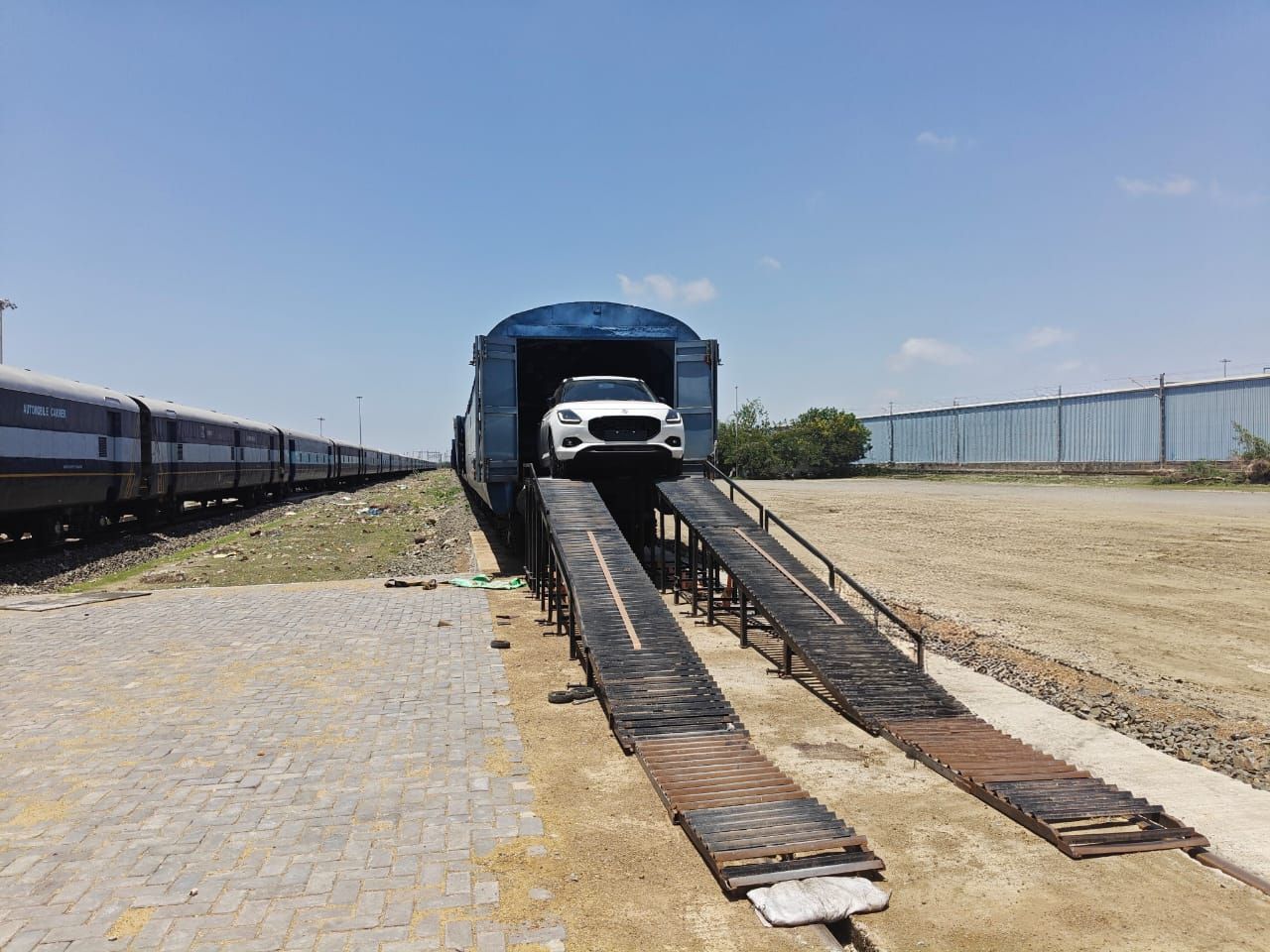
PIPAVAV : Gujarat Pipavav Port Ltd. (APMT Pipavav) achieved a significant milestone in November 2025 by handling 25,529 RORO units, surpassing its previous record of 21,686 units set just two months earlier. The achievement marks an impressive 18% growth and reinforces the port’s position as a key gateway for India’s automotive exports.

In addition to the record-breaking volumes, GPPL successfully handled 48 NMG car rakes during the month and executed the largest single shipment of the year, loading 5,024 vehicles onto the vessel MV Centaurus Leader. This highlights the port’s growing capability in managing large-scale automotive logistics with precision and speed.

GPPL extended its appreciation to major partners Maruti Suzuki India Limited and Honda Cars India Ltd, whose robust export movements contributed significantly to the milestone. The port also commended its workforce for consistently raising performance standards.

These accomplishments underscore GPPL’s continued focus on:

Operational efficiency and faster cargo turnaround

Adherence to world-class quality standards

Excellence in rail and RORO logistics to support automotive exports

With these achievements, Pipavav Port continues to strengthen its role as a leading hub for India’s automobile export ecosystem.

“PM Narendra Modi strengthening ‘Ek Bharat, Shresth Bharat’ on Swargadeo Chaolung Sukapha’s Path of Harmony:” Sarbananda Sonowal

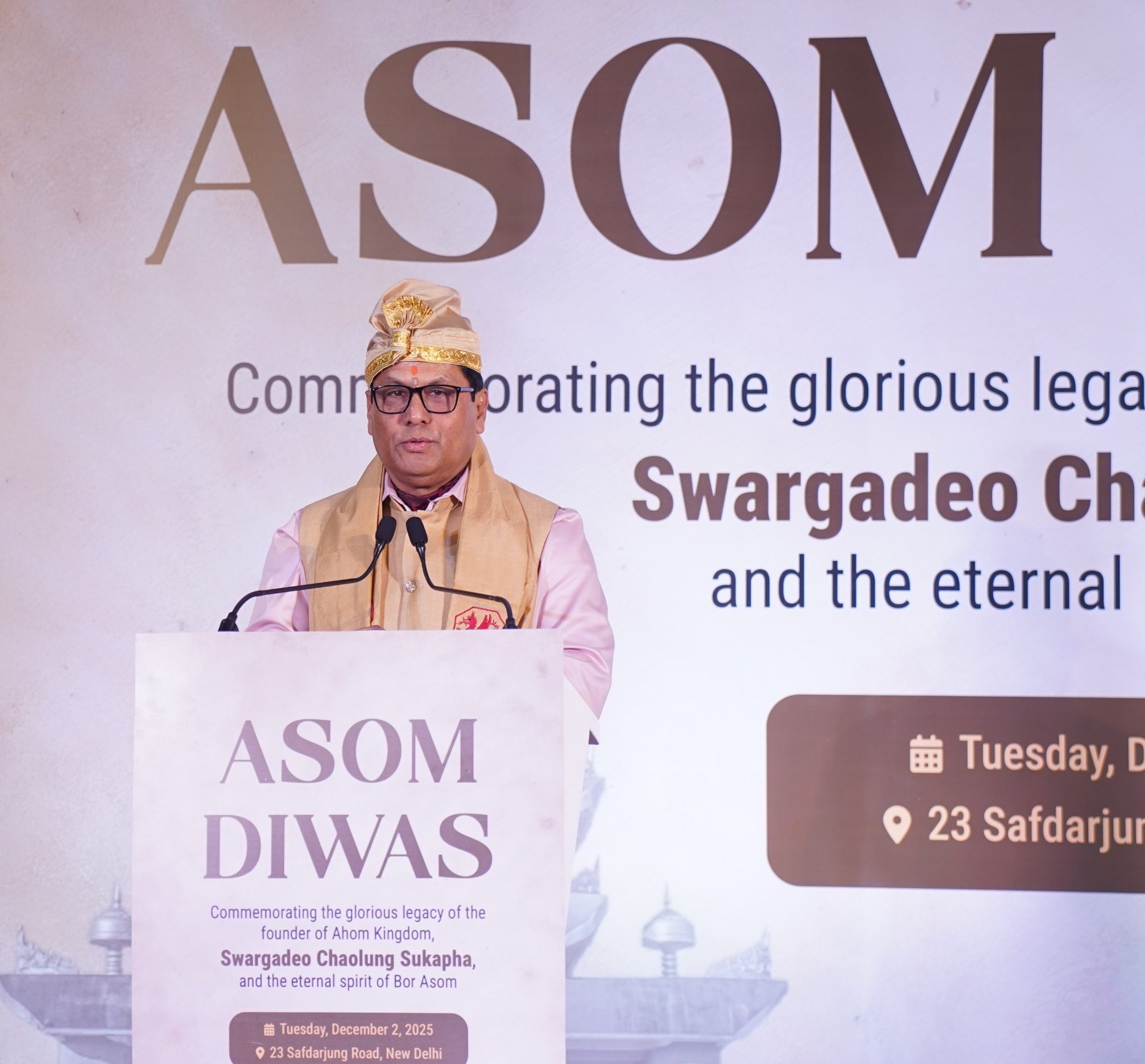
NEW DELHI : Union Minister of Ports, Shipping & Waterways (MoPSW), Shri Sarbananda Sonowal led a vibrant celebration of Assam Day at his official residence here, paying rich tributes to Chaolung Sukapha, the founder of the Ahom kingdom and the architect of Greater Assam. Sonowal offered floral tribute before Sukapha’s portrait and reflected on his extraordinary legacy.

Speaking on the occasion, Sonowal said, “It is a moment of great pride to participate in this special celebration dedicated to Chaolung Sukapha, the revered forefather of the greater Assamese community. The steps he initiated in the early 13th century to unite the indigenous people of Assam laid the foundation for a society rooted in peace and harmony. The entire Assamese nation will remain forever indebted to him.”

Sonowal added that Assam Day in the national capital carries a special significance: “The objective is to showcase Assam’s rich cultural identity, heritage, and glorious history before the people of India.”

Sonowal emphasised that Sukapha’s leadership was based on compassion, justice, and unity. “Chaolung Sukapha crossed the Patkai hills to establish the foundation of Greater Assam. He realized that without winning the hearts of people through integration, goodwill, trust, and empathy, holistic development and prosperity are impossible. Though diverse in language, culture, and tradition across regions, he built unity through the power of harmony and ensured equal opportunity and rights for all,” Sonowal said.

Highlighting Sukapha’s relevance in modern nation-building, Sarbananda Sonowal said, “History teaches us that when leadership is strong, truthful, and trustworthy, rapid progress of a country becomes inevitable. It was on the path laid by Sukapha that Hon’ble Prime Minister Narendra Modi has built a governance model inspired by the philosophy of ‘Sabka Saath, Sabka Vikas.’ Through good governance and inclusive development, the Prime Minister has strengthened the foundation of ‘Ek Bharat, Shreshtha Bharat.’”

Sarbananda Sonowal recalled that during his tenure as Chief Minister of Assam, the state officially celebrated Assam Day for the first time on December 2, 2016, at Charaideo in memory of Sukapha. “With the support of the Hon’ble Prime Minister, Charaideo Maidam—associated with the great Ahom kings—has received UNESCO World Heritage recognition, bringing pride and joy to the people of Assam,” Sonowal said.

The Union Minister said that the global recognition would continue to remind future generations of the power of unity. “Just as Sukapha built a united, developed, and self-reliant Assam by respecting every community and culture, we too must move forward together with the same spirit.”

The ceremony also featured remarks from Jiten Hazarika, Vice Chancellor of Dibrugarh University; Prof. Rajib Sandikoi of Gauhati University; and Dr. Omji Upadhyay, Member Secretary, ICHR Delhi, who highlighted the significance of Assam Day and Sukapha’s role in nation-building.

At the conclusion of the program, Sonowal interacted with students from Assam and the Northeast studying in Delhi.

The event was attended by Union Ministers of State Pabitra Margherita and Shri Shantanu Thakur, MPs Dilip Saikia, RameswarTeli, Ranjit Dutta, Birendra Prasad Baishya, Jayanta Basumatary, Kripanath Mallah, Bijuli Kalita Medhi, Bhubaneswar Kalita, Parimal Suklabaidya, Pradan Baruah, and Amar SinghTichu, along with former Chief Secretary of Assam Jishnu Baruah, and several distinguished guests.