Home Blog Page 553

Sunil Paliwal appointed as Chairman of IWAI

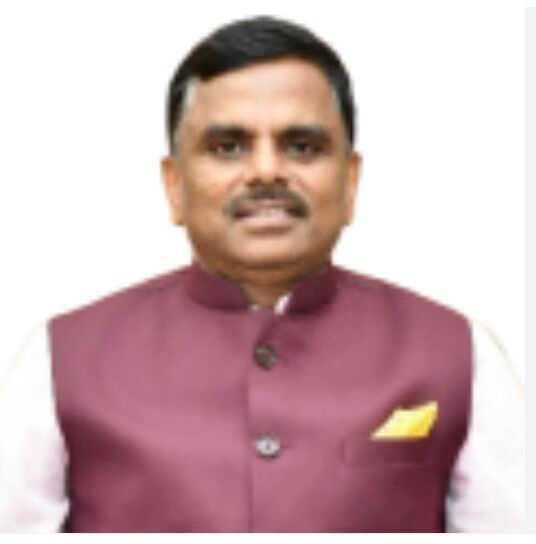
CHENNAI : Sunil Paliwal, Chairperson, Chennai Port Trust has been appointed as the Chairman of the Inland Waterways Authority of India, Ministry of Ports, Shipping and Waterways in the rank and pay of secretary to the Government of India.

Sunil Paliwal, a seasoned civil servant with nearly 30 years of administrative leadership, has been appointed Chairman of the Inland Waterways Authority of India (IWAI). Currently serving as Chairperson of the Chennai Port Trust, Paliwal steps into his new role as the country intensifies its push to strengthen inland water transport as a cleaner and more economical logistics alternative.

To enable his appointment, the government has temporarily elevated the IWAI Chairman’s post to the Secretary level — a move that highlights the growing strategic weight of inland waterways in India’s logistics transformation. With major national initiatives such as PM Gati Shakti and the National Logistics Policy driving multimodal integration, IWAI is positioned at the heart of several high-impact connectivity projects.

Paliwal brings deep expertise in port management, infrastructure expansion and maritime governance. At Chennai Port, he led key reforms in operations, drove cargo diversification, integrated advanced digital systems and improved last-mile connectivity. His leadership contributed significantly to modernising the port’s ecosystem and enhancing its overall competitiveness.

In his new role, Paliwal will oversee crucial national waterways programmes, including the scale-up of capacity on the Ganga (NW-1), Brahmaputra (NW-2), and other important stretches being developed to support freight movement, passenger transport and river-based tourism. He is also expected to prioritise modern terminal development, roll-on/roll-off services, night navigation infrastructure and partnerships with the private sector to accelerate the growth of inland water transport.

His appointment comes at a defining moment for the sector. Inland waterways have recorded rising cargo movement and growing industry engagement in recent years. With Paliwal at the helm, IWAI is set to build on this momentum, advancing India’s ambitions of leveraging its extensive river network for economic progress and environmentally responsible logistics.

Ravish Kumar Singh appointed Deputy Chairman of JNPA

NHAVA SHEVA : The Ministry of Ports, Shipping and Waterways has appointed Ravish Kumar Singh as the Deputy Chairman of Jawaharlal Nehru Port Authority (JNPA) for a five-year term. Singh, a 2009 batch Indian Railway Traffic Service (IRTS) officer, is slated to take charge on or after December 6, according to an official order issued on Tuesday.

His appointment strengthens the leadership of India’s busiest state-owned container gateway and second-largest port, located at Nhava Sheva near Mumbai. This follows the government’s decision in October to name Gaurav Dayal, an IAS officer of the Uttar Pradesh cadre, as JNPA Chairman. Dayal assumed office on October 24, filling a leadership vacuum that persisted after former Chairman Sanjay Sethi completed his five-year tenure in January 2024. In the interim, Deputy Chairman Unmesh Wagh was holding additional charge as Chairman.

The leadership transition comes at a crucial time as JNPA spearheads the development of the Vadhvan mega greenfield port in Maharashtra. The project is being implemented through Vadhvan Port Project Ltd, a joint venture between JNPA (74%) and the Maharashtra Maritime Board (26%). With an estimated investment of ₹76,220 crore, Vadhvan is set to become India’s largest public port, boasting a capacity of 298 million tonnes (mt) annually, including 23.2 million TEUs of container cargo.

As part of the development, the project authority has floated a tender to build a 10.14 km-long breakwater, the longest ever for an Indian port project, costing approximately ₹5,300 crore. This offshore structure will be crucial for protecting the upcoming port’s harbour against wave impact, ensuring safe and efficient maritime operations.

Major relief for Indian Seafarers as Centre scraps decades-old SLP requirements

NEW DELHI: In a major relief for Indian Seafarers, the Union Home Ministry on Thursday abolished long-standing requirements of sign-on, sign-off and Shore Leave Passes (SLP) for Indian-flagged vessels operating exclusively in domestic waters.

In a communication to the Joint Secretary (Ports), the Ministry said the procedures had been creating operational hurdles for crew members aboard coastal vessels, dredgers, barges and research ships working within port limits. The letter, signed by Deputy Officer (Immigration) Balbir Singh, noted that seafarers were required to appear in person at immigration offices to issue and renew SLPs every 10 days, disrupting their duties on board.

Ports to maintain records
To streamline operations, the MHA has asked the Ministry of Ports, Shipping and Waterways to instruct all Port Authorities to maintain updated records of crew and supernumeraries on Indian-flag coastal vessels. The Bureau of Immigration will continue to carry out periodic surprise inspections and obtain crew lists from such vessels. Going forward, local Port Authorities will regulate shore access for crew members.

Sonowal welcomes reform
Union Ports, Shipping and Waterways Minister Sarbananda Sonowal welcomed the move, calling it a significant step in supporting maritime workers. “Modi government stands strong with India’s seafarers. Under the decisive leadership of Amit Shah, the Home Ministry has abolished decades-old requirements of sign-on, sign-off and SLP for all Indian vessels exclusively operating in Indian waters,” Sonowal said in a post on X.

Commerce Secretary engages with industry stakeholders to address key SEZ Policy and operational challenges 

NEW DELHI : An industry interface organised by Export Promotion Council for EOUs & SEZs (EPCES) brought together over 150 stakeholders for an interaction with Commerce Secretary Shri Rajesh Agrawal, IAS in Chennai, on Friday. Representatives from Special Economic Zone (SEZ) units and developers highlighted issues related to Special Economic Zone(SEZ)– Domestic Tariff Area (DTA) transactions, duty foregone, ICEGATE connectivity constraints, import monitoring systems, and reverse job work challenges faced by MSMEs. IT/ITES stakeholders raised concerns over rules on vacant built-up area classification, timelines for renewal of Letters of Approval (LoA), and procurement attestation requirements that differ from GST norms.

Participants also drew attention to the lack of parity for SEZ units under concessional import duty and duty drawback schemes available to DTA units, operational inefficiencies introduced by the new Procurement Certificate process, countervailing duties imposed by the US, and the need to review QCO applicability for SEZ-to-DTA sales, particularly in cases such as KASEZ.

Responding to the issues, the Commerce Secretary thanked EPCES for enabling direct industry engagement and assured that the Ministry would examine each challenge in detail with a view to strengthening ease of doing business. He noted that shifts in global value chains, increased demand for DTA market access, and the evolving impact of FTAs necessitate SEZ policies that align with current economic realities.

He emphasised the importance of long-term vision and data-driven policy making, urging industry to prepare structured analyses to support reform considerations. He assured stakeholders that connectivity concerns with BSNL and issues related to import monitoring systems would be reviewed, reiterating the Government’s commitment to enhancing the SEZ ecosystem to make it more dynamic, responsive and globally competitive.

He concluded by reaffirming that the Ministry will examine all issues raised and work toward pragmatic solutions to build a more flexible, efficient and globally aligned SEZ framework.

Vibrant Gujarat Regional Conference to showcase Kutch, Saurashtra as emerging hubs of industrial, cultural growth

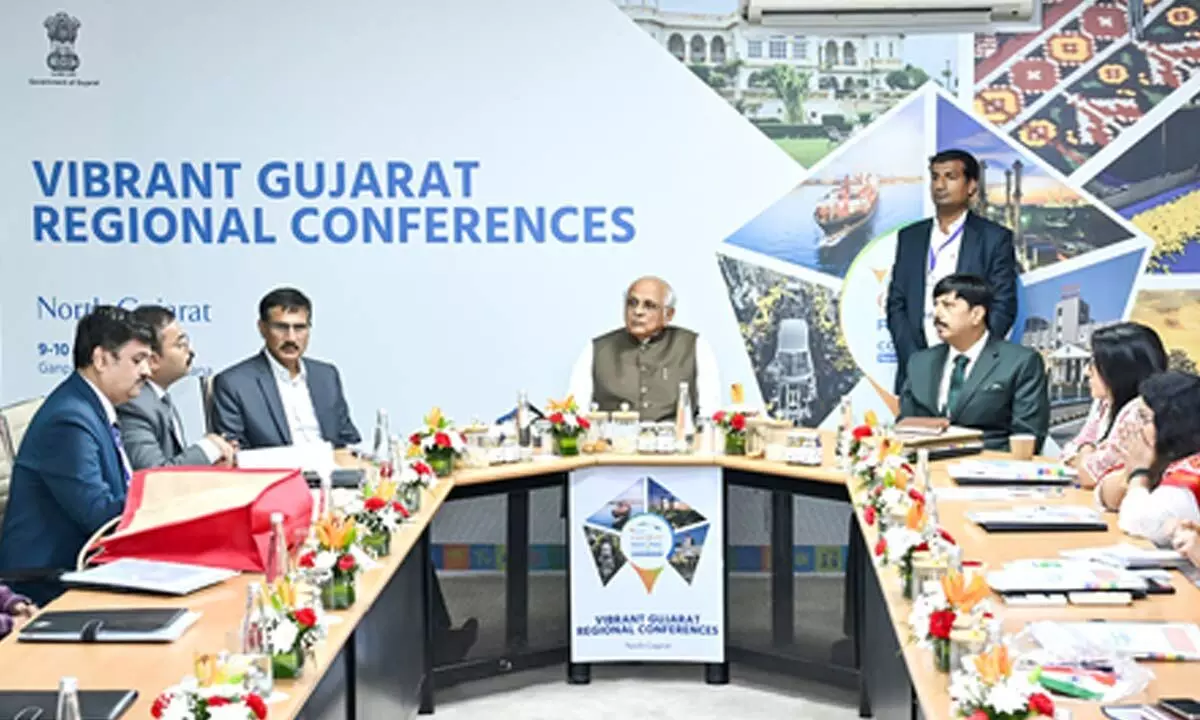
GANDHINAGAR : The 2nd Vibrant Gujarat Regional Conference will showcase the vast industrial, economic, and cultural opportunities emerging across the Kutch and Saurashtra region. Through this conference, opportunities and investments in these regions are growing rapidly, driving Gujarat’s progress toward inclusive, robust, and sustainable development.

The conference will focus on key growth sectors, including ceramics, engineering, ports and logistics, fisheries, petrochemicals, agro and food processing, minerals, green energy ecosystem, skill development, startups, MSMEs, tourism, and culture. Through strategic partnerships, policy support, and investor engagement, the event aims to accelerate industrial development while ensuring inclusive growth and sustainability across the western belt of Gujarat.

Kutch, India’s largest district, continues to serve as a strategic industrial and trade hub with well-developed infrastructure, robust port connectivity, and expanding investment corridors. With two of India’s most significant ports, like Kandla and Mundra, located in this region, Kutch has emerged as a crucial gateway for international trade. While animal husbandry forms the second-largest source of livelihood, the district’s industrial zones, along with its diverse tourism destinations, further strengthen its economic landscape. These factors collectively make Kutch an attractive region for investments in petrochemicals, 32 GW of renewable energy, logistics, and agro-processing sectors.

Morbi, recognised as the “Ceramic Capital of India”, is a symbol of Gujarat’s industrial dynamism. With over 900 ceramic manufacturing units producing tiles, sanitaryware, and other vitrified products, the district contributes significantly to both domestic and export markets.

Jamnagar stands as the “Brass City of India”, home to over 15,000 large and small-scale brass component manufacturing units. The district’s industrial strength is complemented by its thriving horticultural base, producing high-value crops such as mangoes, guavas, and pomegranates, driving Agro-based industrial opportunities. Jamnagar also hosts Asia’s largest petroleum refinery, owned by Reliance Industries Limited, reinforcing its global industrial stature.

Rajkot, Gujarat’s third-largest district, is widely known as the machine tools and manufacturing hub of India. It supplies machinery across the nation and supports MSME growth through innovation and entrepreneurship. Rajkot’s vibrant cultural fabric, featuring Bandhani textiles, Ajrakh prints, and folk music traditions, further strengthens its tourism and handicraft sectors.

Porbandar and Devbhumi Dwarka represent the coastal economic strength of Porbandar, the birthplace of Mahatma Gandhi, which is a well-known centre for fisheries, mineral processing, and handicraft industries. India’s largest caustic soda plant is also located in Porbandar. In Devbhumi Dwarka, the sacred land associated with Lord Krishna, Tata Chemicals operates a plant at Mithapur, which is one of the country’s leading producers of soda ash. The Okha port supports national and international trade, facilitating the export of fish products, minerals, and salt. In Porbandar, Saurashtra Chemicals is a hub for industrial activities.

Bhavnagar, a leader in onion production, is home to the world’s largest ship-breaking yard at Alang, reinforcing its position in the global maritime industries. Botad has rapidly evolved into an emerging industrial and cultural hub, while Surendranagar continues to lead in cotton, fennel, and salt production, enriched by its traditional Bandhani and Tangaliya weaving crafts.

Junagadh and Gir Somnath embody the balance of ecology, economy, and culture. With thriving agro-processing industries, rich tourism potential through Gir National Park and Girnar Hills, and growing horticultural production, these districts offer opportunities across agriculture, food processing, and eco-tourism sectors.

Source : ANI

DP World signs Rising Star Abhishek Sharma as Brand Ambassador

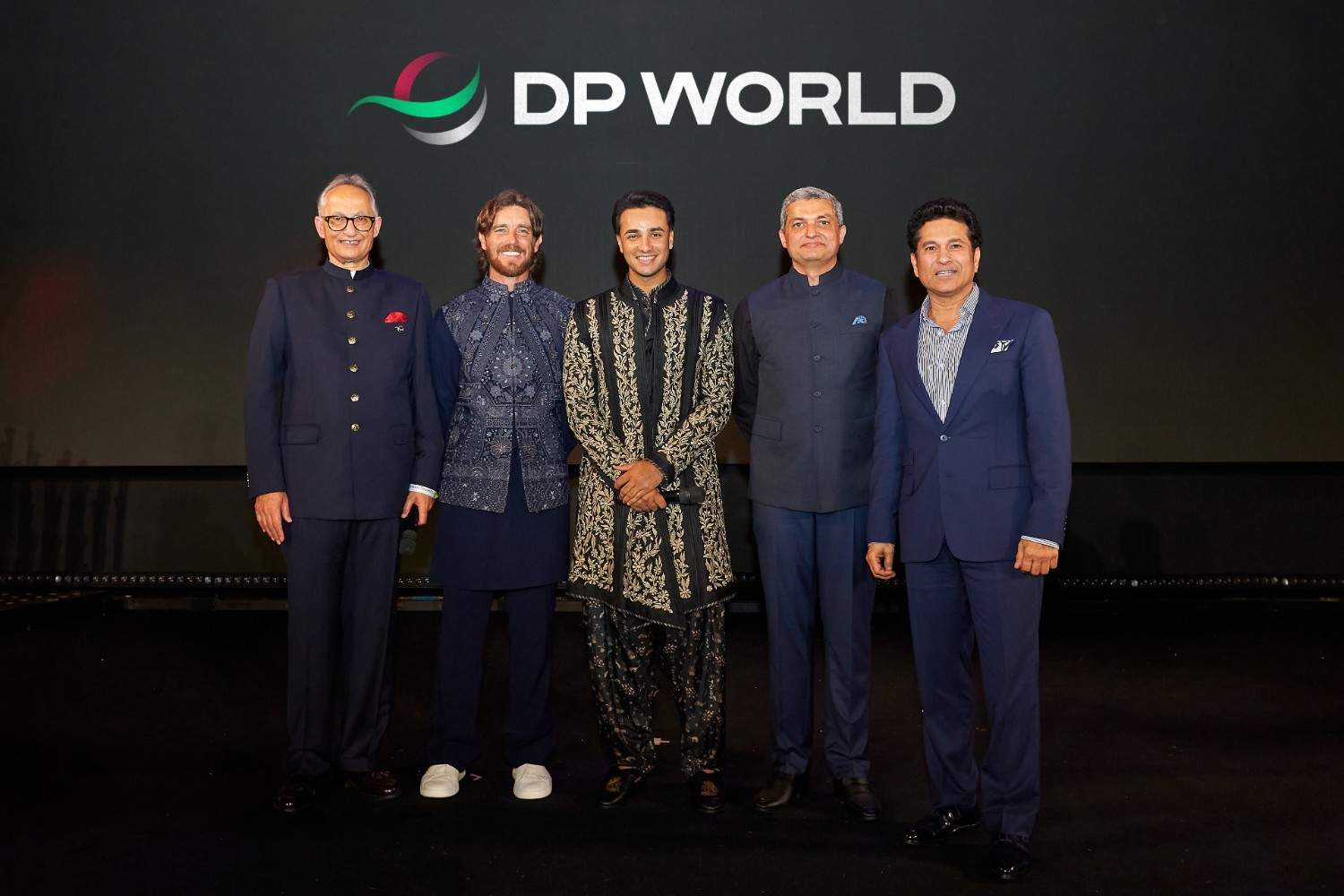
DUBAI: DP World, a leading provider of global smart logistics solutions, has signed Indian batting sensation Abhishek Sharma as a new brand ambassador. He joins cricketing icon Sachin Tendulkar and global golf star Tommy Fleetwood as the third ambassador in DP World’s evolving sports portfolio.

The announcement follows a hugely exciting year for Sharma.  At the 2025 DP World Asia Cup, he broke the record for the most runs scored in a single T20I edition of the tournament, with 314 runs in seven innings, on his way to being named Player of the Tournament. These performances, along with consistent run-scoring in bilateral cricket, have propelled Abhishek to No.1 in the ICC Men’s T20I Batter Rankings, achieving the highest rating ever recorded.

Through this long-term partnership, Sharma will represent DP World across a range of brand and stakeholder initiatives, including media appearances and digital storytelling that highlight shared values of performance and innovation.

Rizwan Soomar, Chief Executive Officer and Managing Director, Middle East, North Africa & India Subcontinent, DP World, said: “We are delighted to welcome Abhishek Sharma to the DP World family as our new brand ambassador — a stellar addition to our circle of sporting champions. At DP World, our brand purpose is to “Change What’s Possible” — a philosophy that Abhishek truly embodies. On the field, he represents talent, fearlessness, and joy in equal measure — redefining what it means to go beyond boundaries. As we look ahead to a season of exciting ICC tournaments, we look forward to cheering him on and wish him continued success on this remarkable journey.”

Abhishek Sharma commented: “I am thrilled to sign as a DP World brand ambassador. Cricket has given me everything, shaping who I am both on and off the pitch, so I know first-hand the impact that it can have. DP World is a company that is clearly committed to helping grow the sport, making it more accessible for more players, in more places across the globe. I look forward to being part of this journey, working together to grow the game for everyone.”

Abhishek’s first engagement on behalf of DP World was at the Diwali with the Stars evening, during the inaugural DP World India Championship last month. The announcement is supported by a dedicated video asset featuring Abhishek Sharma receiving a personalised shirt, with the help of Sachin Tendulkar and Tommy Fleetwood.

This latest signing, further strengthens DP World’s presence in global cricket, adding to partnerships with the International Cricket Council, the DP World Asia Cup, Delhi Capitals Men’s and Women’s Teams, DP World ILT20 and SA20, among others.

Since October 2023, DP World has set out on a mission to make cricket more accessible through the Beyond Boundaries Initiative and a kits-for-runs scheme that sees DP World promise ten cricket kits for every 100 runs scored in ICC tournaments.

To date, the initiative has seen twelve repurposed shipping containers delivered to grassroots cricket clubs around the world and 3,000 accompanying cricket kits: with more to follow.

Asiania Logistika officially launches in India: Aims to Redefine India-Russia-China Trade Logistics

MUMBAI: Asiania Logistika, an international multimodal logistics provider with more than two decades of freight experience, announced its official entry in the Indian market. Founded by Tatyana Kulyabina and currently being led by Director Sergei Poliakov globally, Asiania Logistika aims to bring its expertise in cross-border logistics to support Indian manufacturers, importers, and exporters. Their entry into the Indian market is well-timed because of the rapidly growing trade flows between the three countries in the recent years.

In India, Managing Director Ajay Choudhary, will lead the company’s local operations. He is an international logistics professional with a long experience in the global freight, customs compliance, and cross-border trade sectors. The initial goal of Asiania Logistika is to solve some of the biggest challenges faced by the corridor, like unpredictable freight costs, complex customs procedures, volatile transit duration, delayed documentation, and limited visibility across long routes. The company’s biggest asset is its fully-equipped teams and operational presence in the three countries, integrating seamless door-to-door logistics through sea freight (FCL/LCL), air freight, inland transport, multimodal transport, and last-mile delivery.

Strengthening a High-Growth Trade Sector

Over the years, India and Russia have seen significant trade growth, particularly in pharmaceutical, engineering goods, machinery, textiles, chemicals, agro commodities, and metals. Russia’s exports to India, including coal, fertilisers, minerals, industrial machinery, and wood products, have been expanding at a strong rate.

At the same time, China continues to be one of India’s biggest trade partners across automotive components, electronics, consumer goods, and industrial machinery. The company is planning to leverage the multimodal routes through International North-South Transport Corridor (INSTC) as well to optimize its transit time and cost.

Speaking about the launch, Founder Tatyana Kulyabina said that “Asiania Logistika is entering India at an important time when India-Russia-China corridor needs transparent, reliable, and professionally managed logistics partner.”

“We have built this company on a vision of connecting businesses across borders through trust, efficiency and operational excellence,” he added.

What Comes Next for India?

One of the biggest tasks that Asiania Logistika is going to undertake in the next 12 to 18 months is to scale its presence among major Indian trade hubs, onboard exporters from priority industries, and strengthen its air and sea freight capacity. At this time, the company already boasts of partnerships across major logistics gateways including Mundra, Nhava Sheva, Chennai, and Kandla ports. It also has a strong presence at Delhi, Ahmedabad, and Mumbai airprots.

“Our goal is to build a future-ready logistics ecosystem in India, with strong compliance, clear documentation processes and complete price transparency. With our own teams in Russia and China, we offer total shipment control from the factory gate to the destination” said Director Sergei Poliakov.

Ensuring Transparent Pricing and Shipment Control

One of the things that sets Asiania Logistika apart is its all-inclusive and transparent pricing model. This helps the clients in understanding every milestone of the delivery and the upfront cost. The company also has experienced customs teams across all the three countries which helps in simplifying cross-border regulatory processes. To bring higher efficiency, Asiania Logistika is also prioritising digital adoption, including real-time tracking, milestone visibility, digital documentation and transparent cost breakdowns.

Mr. Ajay Choudhary, Director – India, spoke about the advantage of having a strong customs team and shared that “many Indian companies struggle with compliance and transit complexities in Russia and China. This is where Asiania Logistika’s on-ground teams, multilingual support, and direct partnerships with shipping lines and ports allows us to provide a smooth, reliable, and predicable logistics experience to our clients.”

He added that their goal is to ensure that Indian exporters and importers enjoy the same reliability as they plan to expand into these markets with no worry about facing logistical bottlenecks. “Our launch in India is not just about expansion, but it is a commitment to rewriting how cross-border trade happens between India, Russia, and China,” he added.

Adding a New Chapter in India’s Export Growth Story

By targeting key sectors where demand for Indian products is rising, Asiania Logistika aims to become a key player and an enabler in India’s export growth story. The company continues to be industry-agnostic and aims to support all businesses, irrespective of their size. As India emerges as a global manufacturing hub, Asiania Logistika wants to be an active trusted partner in enabling cost-efficient, faster, and compliant trade across the India-Russia-China trade route.

About Asiania Logistika:

Asiania Logistika is a global freight forwarding and multimodal logistics company that specializes in the India–Russia–China trade corridor. It was founded by Tatyana Kulyabina and is being led by Director Sergei Poliakov. The company has more than 20 years of global logistics experience in delivering seamless air, sea, multimodal, customs clearance, documentation and door-to-door logistics solutions. With operational teams in India, Russia and China, Asiania Logistika brings together global presence and regional expertise to offer transparent pricing, clear visibility and reliable end-to-end shipment control. The company’s core vision is to become the most trusted logistics partner between India, Russia, and China ensuring faster, simpler and more affordable global trade.

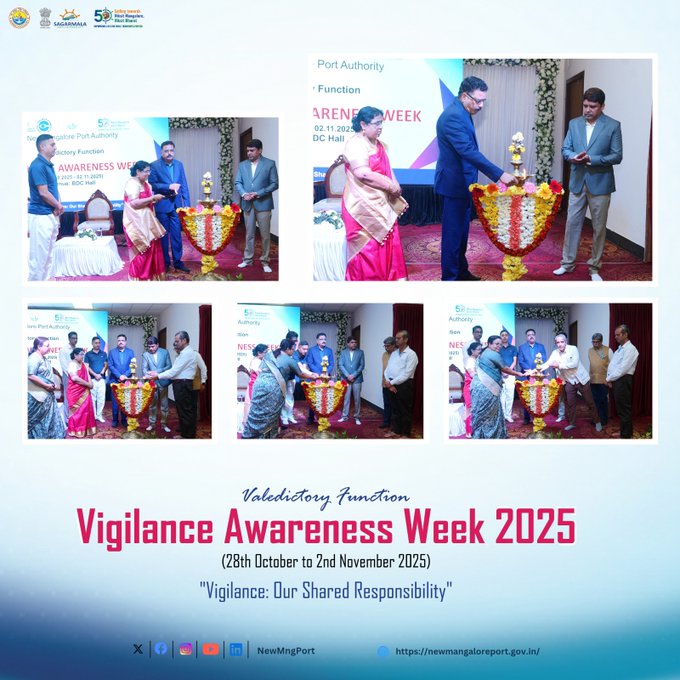
NMPA observes valedictory of Vigilance Awareness Week 2025

MANGALURU : New Mangalore Port Authority hosted the valedictory ceremony for Vigilance Awareness Week 2025 on 20th November 2025 at 03:00 PM at the BDC Auditorium, NMPA Panambur. Dr. A. V. Ramana, Chairman, NMPA presided over the function. Smt. S. Shanthi, Deputy Chairperson, NMPA was guest of honor joined by Shri Padmanabhachar K., IOFS, Chief Vigilance Officer of NMPA.

As a prelude to Vigilance Awareness Week 2025, Dr. A.V. Ramana, Chairperson, NMPA, had launched a three-month campaign in the Port on preventive vigilance measures from August 18th 2025 to November 17th 2025 and a presentation by Shri Padmanabhachar K., IOFS, Chief Vigilance Officer, NMPA, on the focus areas for the campaign. During this campaign period, NMPA conducted a series of training programs aimed at capacity building for its employees. These workshops covered key topics like RTI Act 2005, Ethics and Governance, Conduct Rules, and Cyber Hygiene & Security during the campaign period.
Adding to these preparations, a thought-provoking talk on “Building a Culture of Ethics & Integrity” was delivered by Shri Sanjay Krishna Navhale, IOFS, Chief Vigilance Officer, Goa Shipyard Limited, on 08th November 2025, who emphasized the importance of transparency, ethics, and integrity in day-to-day activities and processes. Further, a talk on “Disciplinary Proceedings: An Overview” was delivered by Shri VIJAYDAT KAGITA, IOFS, General Manager / HR & Finance, Ordinance Factory, Medak, for the benefit of the employees on 23rd October 2025.

Observance of VAW 2025 commenced at New Mangalore Port Authority with the integrity pledge-taking ceremony on 27.10.2025. Shri Padmanabhachar K., IOFS, Chief Vigilance Officer, administered the integrity pledge to officers, employees, and staff. The pledge-taking ceremony was followed by a signature campaign in the auditorium, allowing all present to visibly commit to integrity in their roles.

The Vigilance Department of NMPA organized a range of events to actively engage its workforce and community members in vigilance awareness programs during the campaign period. This included essay writing and slogan writing competitions for Government high school and junior college students in the nearby areas. Port employees and outsourced staff also competed in essay and speech competitions, providing a platform to share ideas on how vigilance and ethical practices contribute to a stronger organization and nation.

Under the public outreach programme, Chairperson, NMPA, flagged off a walkathon from A.O. Building to Panambur Beach on 3rd November 2025, where all employees came together with high enthusiasm to spread the message of the fight against corruption. Apart from this, a stunning sand sculpture was arranged at Panambur Beach depicting the Vigilance Awareness Week theme, “Vigilance: Our Shared Responsibility”, serving as an eye-catching highlight on integrity for all visitors. In addition, NMPA organised a stakeholders & vendors meet for grievance redressal also. During the valedictory of Vigilance Awareness Week on 20th November 2025, Chairman, NMPA unveiled the Accounts Manual of the Finance Department and the Works Manual of the Civil Engineering Department under the preventive vigilance initiative.

Shri Padmanabhachar K., Chief Vigilance Officer, NMPA, in his welcome address, emphasized that Vigilance Awareness Week reinforces the shared responsibility of promoting integrity and transparency in public governance. He appreciated the enthusiastic participation of 190 plus students and employees in various competitions and highlighted key preventive vigilance measures adopted by NMPA, including Face Recognition System, biometric and RFID-based access systems, Under Vehicle Scanning System, online vigilance complaint portal, and revised manuals. He stressed that combating corruption requires collective effort and encouraged employees and stakeholders to report irregularities and uphold the Integrity Pledge in letter and spirit.

Smt. S. Shanthi, Deputy Chairperson, NMPA, highlighted the importance of working with integrity so that vigilance issues do not arise in the first place. She appreciated the Chairperson for proactively reviewing SOPs and manuals during Vigilance Awareness Week to strengthen preventive vigilance across the Port. Emphasizing that many errors occur unknowingly, she stressed the need for preventive measures to avoid such lapses, while intentional wrongdoing must always be discouraged. She expressed happiness at the strong participation of schoolchildren, noting that values of honesty and ethics learned at a young age shape one’s character throughout life. She concluded by wishing the Vigilance Department continued success and hoped that all departments strive to avoid errors and uphold high ethical standards.

Dr. A. V. Ramana, Chairman, NMPA, in his address, expressed pride that New Mangalore Port Authority stands among the least-corrupt ports in the country, with strong systems, clear procedures, and well-defined SOPs that ensure transparency. He emphasized that effective administration lies in following robust processes and eliminating opportunities for corruption through technology, automation, digitisation, and system-driven governance. Highlighting different forms of corruption—political, executive, social, collusive, and individual—he stressed that ethical conduct must begin at the top and extend across all levels of society. He urged employees to uphold integrity, avoid shortcuts, and remain responsible even when unobserved. Chairman, NMPA noted that corruption acts as a “leakage” that prevents public resources from reaching the most deserving, underscoring the need for vigilance and ethical behaviour. He reaffirmed that the workforce of the port is honest and committed, and called on all employees to continue working with dedication to contribute to India’s larger vision for growth and prosperity. He concluded by reiterating his commitment to maintaining NMPA as a model of ethical and transparent governance.

This was followed by prize distribution ceremony recognizing the participation and achievements of school children from neighboring schools and Port employees in various competitions held during Vigilance Awareness Week. Following the prize distribution, the audience was entertained by semi-classical dance by students of Gnana Nritya Academy, Panambur complemented by a Yakshagana performance by Port employees and staff, adding a colorful and engaging finale to the function.
Secretary, NMPA expressed his sincere gratitude to the present dignitaries, Officers, employees, staff, school children and stake holders.

NMPA concluded Vigilance Awareness Week with a meaningful valedictory function reaffirming its unwavering commitment to uphold a culture of integrity, recognizing that ethical governance is essential for true prosperity. By embracing transparency and vigilance, NMPA not only strengthens its foundation but also contributes meaningfully to the nation’s progress.

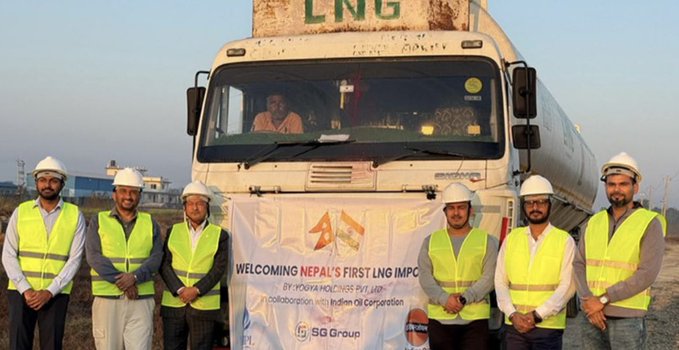
Indian Oil commences first-ever export of LNG to Nepal : Hardeep Puri

NEW DELHI : Refiner Indian Oil has commenced India’s first-ever export of liquified natural gas (LNG) to Nepal, Union Minister for Petroleum and Natural Gas Shri Hardeep Singh Puri informed on recently. This is the initial consignment of a five-year deal between Indian Oil and Nepal’s Yogya Holding to deliver 1,000 metric tons of LNG during the agreed period. The agreement was signed during the India Energy Week in February this year.

“India’s unprecedented journey towards achieving energy security spreads happiness in our neighbourhood. In a milestone operation that reflects India’s unwavering commitment to advancing regional energy security, sustainability, and cross-border collaboration, our energy Maharatna
Indian Oil has commenced India’s first-ever export of Liquefied Natural Gas (LNG) to Nepal, marking a significant step in driving cleaner energy and deepening regional partnerships”, Shri Puri tweeted.

The inaugural consignment from Indian Oil’s Dhamra LNG Terminal activates the landmark agreement signed with Yogya Holdings Pvt. Ltd. (YHPL) during India Energy Week 2025.

Indian Oil, has established cryogenic storage and regasification facilities at Simara, Nepal, laying the foundation for the nation’s industrial LNG ecosystem and promoting cleaner fuel adoption.
Transported via cryogenic road tankers through the Raxaul border from IndianOil’s Dhamra LNG Terminal, the LNG reached YHPL’s facility on November 19, 2025.

Withdrawal of QCOs eases costs for MSMEs, but opens floodgates to cheap Chinese imports: GTRI

NEW DELHI: India’s decision to withdraw Quality Control Orders (QCOs) on more than 25 industrial raw materials is likely to ease compliance burdens and reduce costs for MSMEs, but the move risks unleashing a wave of low-priced imports from China, said Global Trade Research Initiative (GTRI) in a latest report on Friday.

The report further warned that while the rollback corrects years of regulatory overreach, the abrupt nature of the withdrawal leaves domestic manufacturers exposed at a time when anti-dumping duties have also lapsed, creating what GTRI calls a “protection vacuum.”

GTRI in its report suggested that India needs a phased QCO reset backed by real-time import monitoring and swift trade-remedy action to prevent predatory pricing and safeguard upstream capacity while keeping input costs competitive for user industry, small firms, exporters.

Coming into effect from November 13, the government removed mandatory BIS certification for critical inputs in the textiles, plastics and metals sectors, including polypropylene, polyethylene, PVC, ABS, polycarbonate, Terephthalic Acid, Mono Ethylene Glycol, polyester and viscose fibres, aluminium, zinc, tin, lead and nickel.

This marked the first major rollback of a QCO system that ballooned from 14 items in 2017 to nearly 800 by 2025. Initially intended for consumer-facing products and safety-critical goods, QCOs expanded into basic industrial inputs where no inherent safety risk existed, GTRI said.

The move, GTRI highlighted, resulted in removing port delays, higher working-capital requirements, and raw-material prices that were 15-20% above global levels, hurting downstream industries ranging from textiles to packaging and engineering plastics.

However, the abrupt withdrawal has created a protection gap. Domestic producers of polymers, man-made fibres and non-ferrous metals had relied on QCOs, and earlier, anti-dumping duties, to offset India’s well-known cost disadvantages in power, logistics and finance. Both protections have now vanished, the report mentioned.

GTRI also suggested some guardrails that are required to prevent the import flood. It said, to mitigate these risks, India must immediately put in place a targeted import-management strategy.

DGTR should adopt real-time monitoring of import prices and volumes, so that early signs of dumping from China trigger swift trade-remedy action.

For sectors like polymers, aluminium and specialty fibres where India is still building scale, the government should offer time-bound transition support, such as competitive power rates, logistics facilitation and technology upgrading, to ensure domestic producers are not displaced before they become globally competitive, GTRI said.

Source: ANI