Home Blog Page 556

Hapag-Lloyd delegation visits Sri Lanka Ports Authority

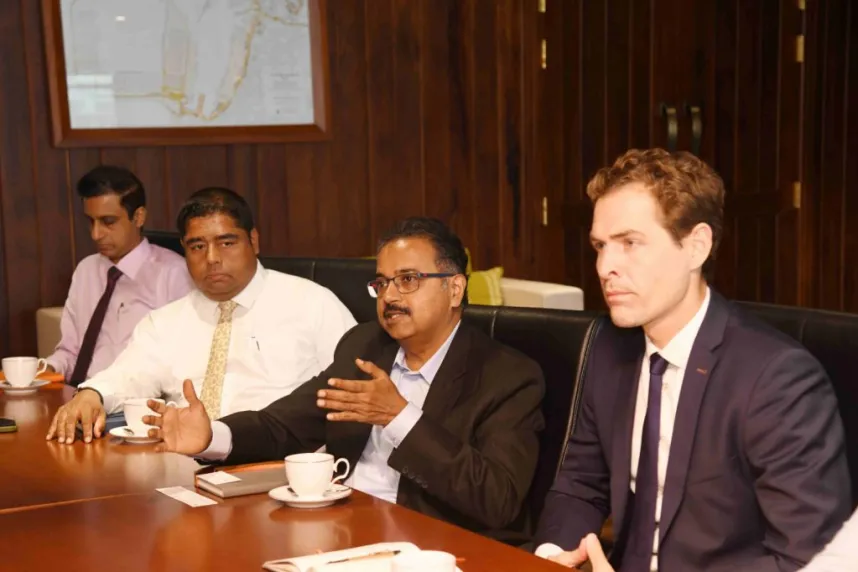
COLOMBO : A senior delegation from Hapag-Lloyd recently visited the Sri Lanka Ports Authority (SLPA) to strengthen ties and explore opportunities for further cooperation. The delegation included Mr Christiaan Goeman Borgesius, Senior Director – RME Operations; Mr Jubil Thankachan, Director of Marine Operations – RME Operations; and Mr Lloyd De Villers, Director of Procurement. They were accompanied by officers from Hapag-Lloyd’s local agent and met with senior management of the SLPA.

Representing the SLPA were Chairman Admiral Sirimewan Ranasinghe (Rtd), Vice Chairman Eng. Herath M. P. Jayawardhana, Managing Director Eng. Ganaka Hemachandra, Director of Marketing & Business Development Mr U. Kumara, and Director (acting) Operations Mr. Pradeep Perera. The meeting focused on ongoing developments at the ports and discussed ways to improve operations and expand capacity.

The Hapag-Lloyd delegation commended the SLPA for its ongoing efforts to develop the ports and emphasised the value of a long-term, reliable partnership. Both sides also explored opportunities for further improvements to ensure smooth and efficient port operations.

CMA CGM and AD Ports Group agree on Khalifa Port terminal expansion

ABU DHABI : Abu Dhabi’s ports, logistics, and trade group AD Ports Group signed a deal with France-based container major CMA CGM Group to expand their joint container terminal at Khalifa Port, less than a year after it opened.

The new expansion plan is valued at AED 420m ($115m), with the joint venture partners sharing the costs proportionate to their shareholding.

Since its opening in December 2024, CMA Terminals Khalifa Port, owned 70% by CMA CGM and 30% by AD Ports Group, has recorded strong demand and operational performance, according to AD Ports Group’s release.

Scheduled for completion in early 2028, the expansion will increase the terminal’s capacity by 50%, from 1.8 million to 2.7 million TEUs, enhancing Khalifa Port’s overall container handling capacity by 9% to 10.5 million TEUs annually.

CMA Terminals Khalifa Port is one of three container terminals operated by major international shipping lines at Khalifa Port. The facility opened on the port’s North Quay in December 2024, with two berths totaling 800 metres and a depth of 18.5 metres, equipped to accommodate the world’s largest container ships.

The expansion will extend the quay wall length at the terminal by 50%, from 800 meters to 1,200 meters, and expand the yard area by more than 40%, from 464,000 m² to 667,000 m².

The project will also include upgraded utilities and systems, such as advanced reefer racks to support refrigerated container storage.

Hong Kong Maritime Week: Setting sail for a greener future

HONG KONG: Global leaders from the shipping world have converged for Hong Kong Maritime Week (HKMW) 2025, the ninth edition of the week-long series of events (November 16-22) held under the overarching theme of “Navigating to a Greener Future”.

With over 50 events organised by more than 70 international, Chinese Mainland and local organisers, HKMW 2025 has drawn a record of over 18,000 participants from around the globe. It provides a high-level platform for policymakers, senior representatives of international organisations as well as industrial luminaries and practitioners to share their perspectives and exchange views on various topics of interest to the global maritime industry.

Speaking at the opening ceremony (November 17), John Lee, Chief Executive of the Hong Kong Special Administrative Region (HKSAR), urged stronger international collaboration to overcome challenges and forge a more sustainable future for maritime industries.

“In a world being reshaped by geopolitical discord, technological disruption and climate change, these themes are more than aspirational. They sound an alarm, a wake-up call to collective action,” Mr Lee said. “Hong Kong’s role as a stable, reliable and dynamic maritime hub has never been more vital. The principle of ‘one country, two systems’ is the cornerstone of our success, providing us with an unshakeable foundation.”

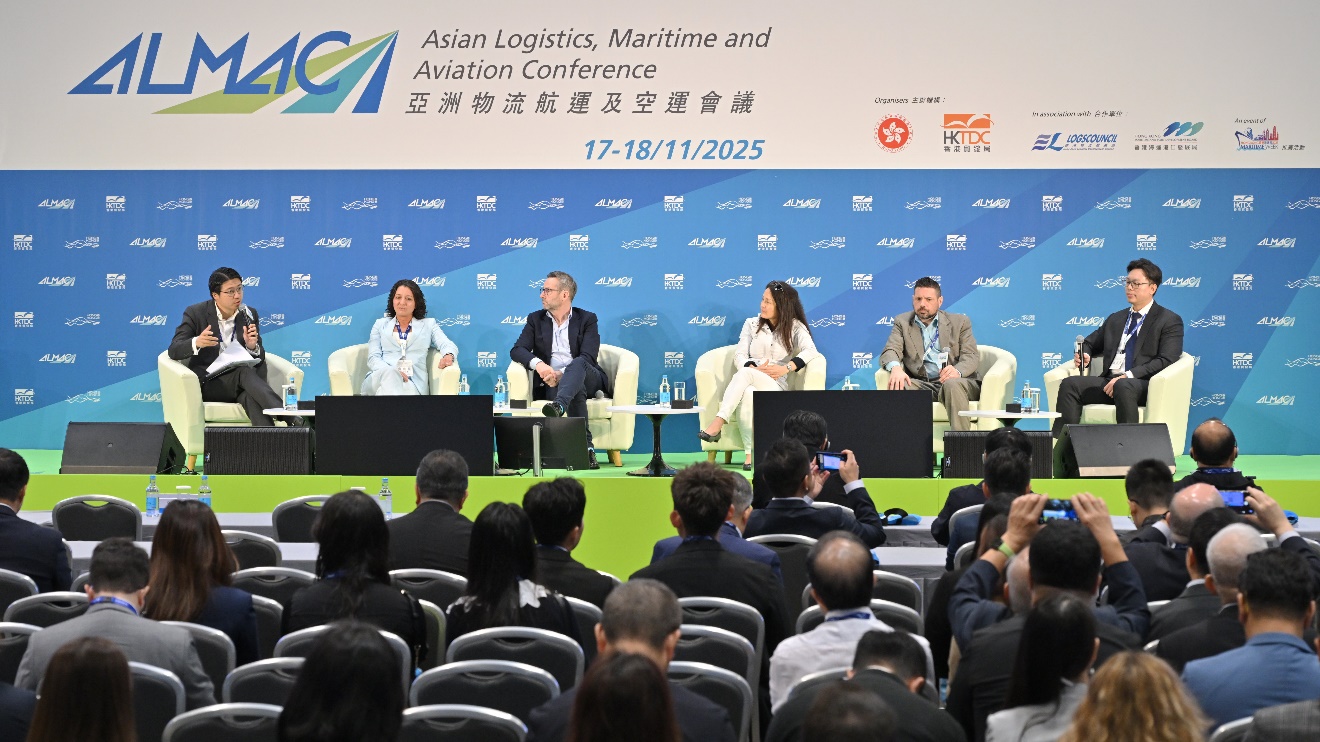
Mr Lee also attended the opening of the two-day Asian Logistics, Maritime and Aviation Conference (ALMAC) (November 17-18), an anchor event of HKMW that welcomed some 2,300 high-profile logistics leaders and professionals from more than 40 countries and regions . During the event, he unveiled the first batch of ports under the newly established Partner Port network.

“I am particularly pleased to announce that Hong Kong has established Partner Port relationships with Guangxi port and Dalian port in the Chinese Mainland, and Port San Antonio in Chile,” Mr Lee said. “These ports are of strategic importance, and true to our character and policy priorities. As an international maritime centre, we connect the Chinese Mainland with the world and seek partners who support an open, international trade order.”

Echoing the theme of the HKMW 2025, the HKSAR Government’s Secretary for Transport and Logistics, Ms. Mable Chan, said green transformation is a major global trend in the maritime industry. To help meet the International Maritime Organization (IMO)’s target of achieving net-zero carbon emissions from international shipping by 2050, the government was bringing together all parties, including fuel suppliers and other IMO members to achieve this goal as a joint force.

In a media interview, Ms Chan outlined recent government initiatives to promote green shipping. These include announcing the Code of Practice on LNG Bunkering and Code of Practice on Methanol Bunkering, and launching the Green Maritime Fuel Bunkering Incentive Scheme to provide incentives to pioneer companies conducting green maritime fuel bunkering businesses in Hong Kong for relevant bunkering operations.

“The government facilitated the conduct of the first liquefied natural gas (LNG) ship-to-ship bunkering demonstration by the industry in February 2025. Since then, 13 commercial LNG bunkering operations have been successfully conducted, regularising the provision of commercial LNG bunkering services in Hong Kong,” Ms Chan said. “These demonstrate Hong Kong’s great potential in developing green maritime fuel bunkering.”

Paul Chan, Financial Secretary of the HKSAR Government, highlighted opportunities arising from decarbonisation. Speaking at the Hong Kong Global Maritime Trade Summit (November 17) themed “Building Resilience, Driving Growth and Investment”, Mr Chan said that maritime decarbonisation represents a “multi-trillion-dollar investment opportunity” through 2050.

“The transition to zero-emission marine fuels could create up to 4 million jobs globally across the energy supply chain,” he said. “Here in Hong Kong, we are embracing this. For example, we have published an Action Plan on Green Maritime Fuel Bunkering, positioning ourselves as a regional hub for sustainable fuel supply. Our goal is to provide bunkering services for green fuels to ocean-going vessels more than 60 times per year by 2030, involving over 200,000 tonnes of green maritime fuels.”

Hong Kong ranks fourth, globally, in the International Shipping Centre Development Index for six consecutive years and is home to more than 1,200 port and maritime-related companies, a thriving cluster of global leaders in ship management, finance, insurance and law.

To enhance the city’s leading position in high value-added maritime services, Mr Lee said Hong Kong would make good use of its “one country, two systems” advantages, including being China’s only bilingual common law jurisdiction as well as offering a simple and low tax regime, free port status and the unfettered flow of capital, information and talent.

Ms Chan said, “We will strengthen collaboration with international marine insurance organisations to upscale the training of marine insurance talents, whilst expanding the scope of the Maritime and Aviation Training Fund to cover more green energy courses, thereby reinforcing Hong Kong maritime strengths.”

By harnessing the power of AI, blockchain, cloud computing and other cutting-edge technologies, Hong Kong is developing a Port Community System, to be launched in January 2026. It will enable real-time cargo tracking and facilitate data exchange across transport modes, boosting trade and capital flows digitally, opening up new opportunities, from trade financing to more efficient customs declaration.

Single faulty wire led cargo ship to crash into Baltimore bridge

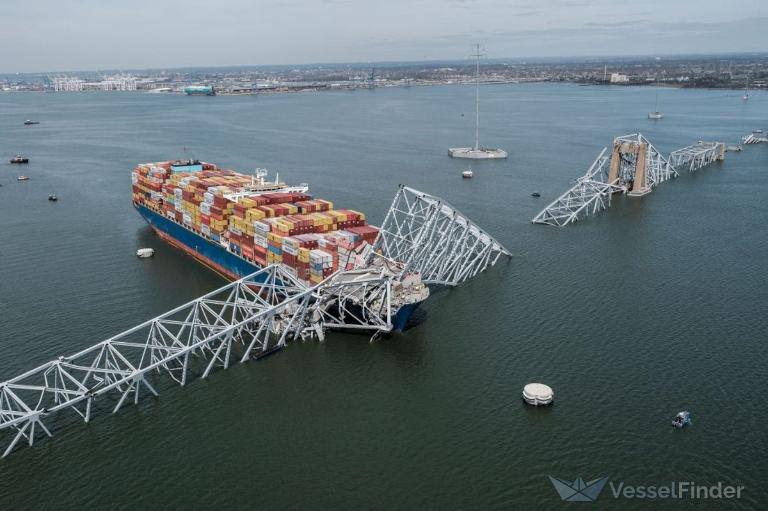
BALTIMORE : A single loose wire on the M.V.Dali, a 300-metre (984ft) container ship, was responsible for the deadly collapse of the Francis Scott Key Bridge in Baltimore last year, according to a months-long investigation by the United States National Transportation Safety Board (NTSB).

Due to problems with the wiring, the Dali experienced two blackouts on March 26, 2024, before losing control of propulsion and steering, leading the container ship to crash into the bridge and kill six highway workers, the NTSB said in a statement on Tuesday.

The bridge collapse created a global media sensation last year when a livestream video of the accident went viral. It was captured by a camera set up to monitor traffic through the Port of Baltimore but instead filmed the swift collapse of a major section of the bridge.

NTSB Chairwoman Jennifer Homendy said finding the culprit behind the accident took months of diligent work from the agency’s investigators.

“Our investigators routinely accomplish the impossible, and this investigation is no different,” she said. “The Dali at almost 1,000ft is as long as the Eiffel Tower is high with miles of wiring and thousands of electrical connections. Finding this single wire was like hunting for a loose rivet on the Eiffel Tower.”

The investigation also found that the crew of the Dali tried and failed to steer the ship away from the bridge but was unable to do so due to electrical problems, the NTSB said.

The agency praised the ship’s pilots for swiftly notifying local authorities of the problems, which led the Maryland Transportation Authority to stop traffic from crossing the nearly 4km-long (2.5-mile-long) bridge.

Seven workers were already on the bridge at the time, the NTSB said, and six were killed in the accident.

The shipping channel fully reopened in June, but the Maryland Transportation Board said this week that the bridge will not reopen until 2030 and will cost $4.3bn to $5.2bn to repair, according to CBS News.

GeM and UN Women sign MoU to Boost Participation of Women Entrepreneurs in Public Procurement

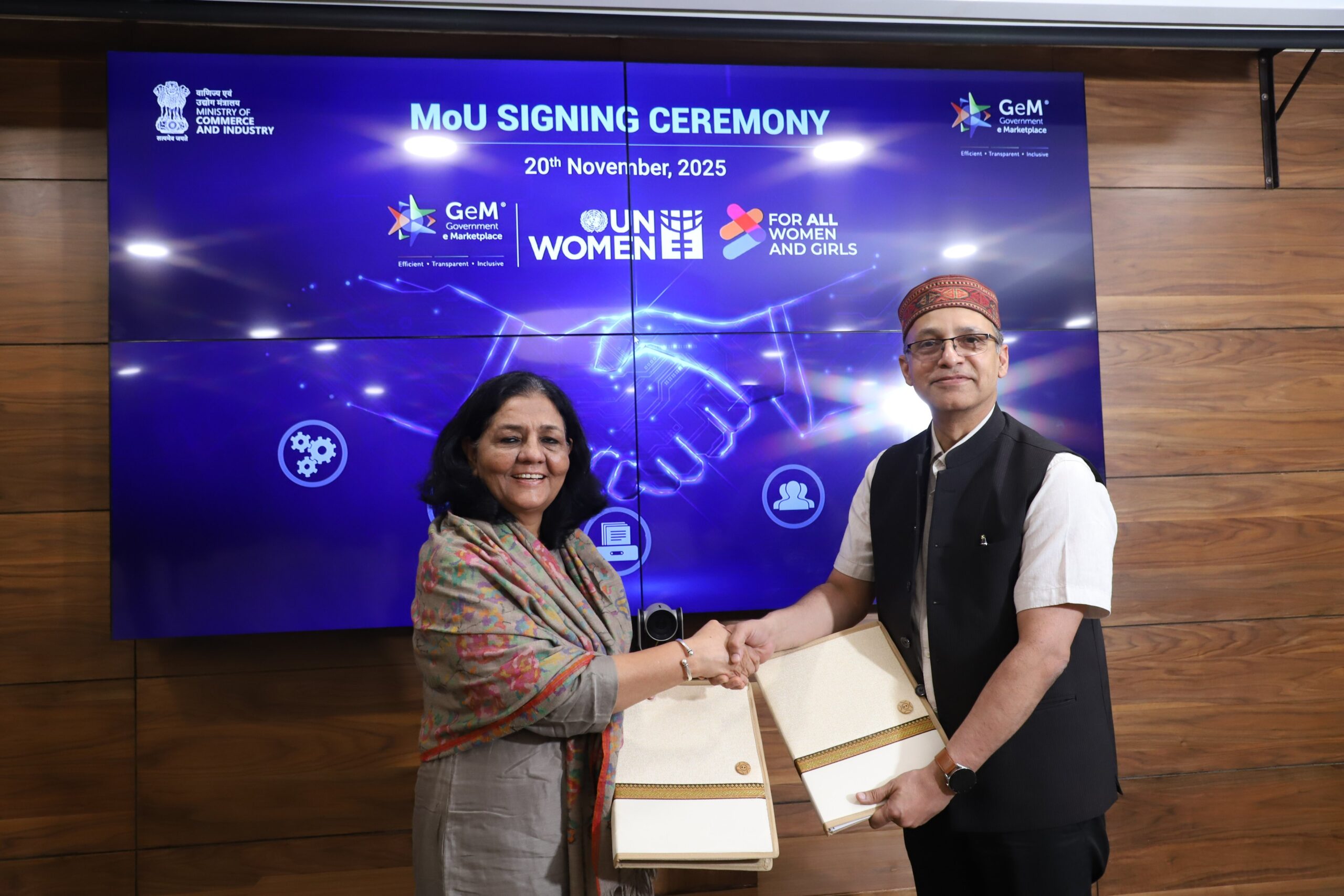
NEW DELHI: Government e-Marketplace (GeM), Ministry of Commerce and Industry, Government of India, and the United Nations Entity for Gender Equality and the Empowerment of Women (UN Women) have signed a Memorandum of Understanding (MoU) to enhance the empowerment and integration of women entrepreneurs from the informal sector into the country’s public procurement ecosystem.

The MoU focuses on promoting gender-responsive procurement by encouraging increased sourcing from women-led businesses, thereby expanding market access for women entrepreneurs under GeM’s Womaniya initiative.

The MoU was signed by Country Representative, UN Women India, Smt. Kanta Singh, and Additional CEO, GeM, Shri Ajit B. Chavan. CEO, GeM, Shri Mihir Kumar presided over the ceremony. In his presidential remarks, he said that the partnership reinforces GeM’s commitment to empowering women entrepreneurs by expanding their access to public procurement and creating forward market linkages through GeM.

GeM, the national public procurement portal for Central and State Government Ministries, Departments, PSUs and autonomous bodies, continues to promote transparent, efficient and inclusive procurement. Through GeM, women entrepreneurs and Self-Help Groups (SHGs) can directly supply their products to government buyers. To support seamless onboarding and procurement, GeM has created generic product categories covering handicrafts, handloom items, jute and coir goods, bamboo products, organic foods, spices, accessories, home décor and office furnishings.

Under the collaboration, UN Women will design training materials, recommend global best practices, share success stories and assist in developing validation criteria for women-led businesses. UN Women will also promote the Womaniya – #VocalForLocal Outlet Store, support onboarding of UN programme participants, encourage MSME Udyam Registration, mobilise women trainers and connect women entrepreneurs with advisers and relevant institutions.

GeM will conduct training programmes, sensitise government buyers and highlight the achievements of women entrepreneurs. GeM will also organise onboarding workshops, develop vernacular training materials and build partnerships for entrepreneurship and decent work opportunities. Additionally, GeM will engage women trainers and align women entrepreneurs with Government Labs and R&D institutes to support product development, improvement and market readiness.

Together, GeM and UN Women will work toward promoting gender-responsive procurement, strengthening hyper-local market linkages and contributing to the achievement of Sustainable Development Goal 5 – Gender Equality and Empowerment of All Women and Girls.

The MoU was signed in the presence of officials including United Nations Resident Coordinator’s Office (UNRCO), India, Smt. Radhika Kaul Batra, senior officers from both organisations, and representatives of trade associations such as Laghu Udyog Bharti, PHDCCI, and SEWA Bharat. The signing ceremony was held at the GeM office, Jeevan Bharti Building, New Delhi.

102nd National Planning Group Meeting Reviews Key Infrastructure Projects under PM GatiShakti

NEW DELHI: The 102nd meeting of the Network Planning Group (NPG), was convened on Thursday to evaluate infrastructure projects of Road, Transport & Highways. The meeting focused on enhancing multimodal connectivity and logistics efficiency in alignment with the PM GatiShakti National Master Plan (PMGS NMP).

The NPG evaluated 03 projects in which 01 Road/Highway projects of MoRTH & 02 Rail projects for their conformity to the PM GatiShakti principles of integrated multimodal infrastructure, last-mile connectivity to economic and social nodes and ‘Whole of Government’ approach. These initiatives are expected to boost logistics efficiency, reduce travel times, and deliver significant socio-economic benefits to the catchment areas of the project. The evaluation and anticipated impacts of these projects are detailed below:

A brief description of the projects are given below:

Ministry of Railways (MoR)

3rd and 4th line between PUNARAKH to KIUL station (Bihar): The Ministry of Railways has proposed the construction of a Third and Fourth Railway Line between Punarakh and Kiul stations in the state of Bihar, spanning approximately 49.57 kilometers. The proposed section traverses the Patna and Lakhisarai districts, strengthening the rail infrastructure in one of the state’s key industrial and agricultural corridors.

This corridor holds significant strategic and economic importance, as it will enhance rail capacity and logistical efficiency for major industrial establishments including Ultratech Cement Plant, ACC Cement (Warsaliganj), NTPC Barauni, NTPC Super Thermal Power Plant (Barh), Carriage Repair Workshop (Harnaut), and SJVN Power Plant (Chausa). It will also benefit numerous small and medium-scale industries engaged in automobile, marble, stone, food processing, petroleum, and textile production across Fatuha, Patna–Patliputra, Mokama, Barhiya, and Lakhisarai.

The project is expected to catalyze economic and social development by providing faster, safer, and seamless rail connectivity within Bihar and to other parts of the country. Enhanced accessibility will particularly benefit regional hubs such as Patna, Fatuha, Bakhtiyarpur, and Mokama, supporting both passenger and freight movement.

Additionally, the proposed railway line will improve connectivity to several important tourist destinations including Bapu Tower, Mahavir Mandir, Gandhi Sangrahalaya, Khuda Baksh Library, Kumhrar Park, Takhat Sri Harimandir Ji Patna Sahib, Gol Ghar, and Bihar Museum, thereby fostering tourism and cultural exchange.

New BG Line from Silghat (Silghat Town) – Dekargaon (Tezpur) (Assam): The Ministry of Railways has proposed the construction of a new railway line between Silghat and Dekargaon, covering a total distance of approximately 27.50 kilometres linking station opposite on the bank of the Brahmaputra river in the State of Assam. The proposed alignment is strategically positioned near National Highways NH-15 and NH-715, enabling strong synergy between rail and road transport systems.

The development of this new line aims to enhance regional connectivity and promote multimodal transportation by creating a complementary ecosystem between existing highway and railway networks. This integration will ensure seamless movement of passengers and freight, improving overall transportation efficiency within the region.

Designed as a capacity augmentation project, the proposed line will strengthen existing rail infrastructure between Dekargaon and New Silghat stations, accommodating the growing volumes of both freight and passenger traffic.

In the long term, the project is expected to catalyze economic growth and regional development, fostering industrial activity, trade, and tourism in Assam and neighbouring areas, while supporting the Government’s broader vision of enhanced connectivity across the northeastern region.

Ministry of Road, Transport & Highways (MoRTH)

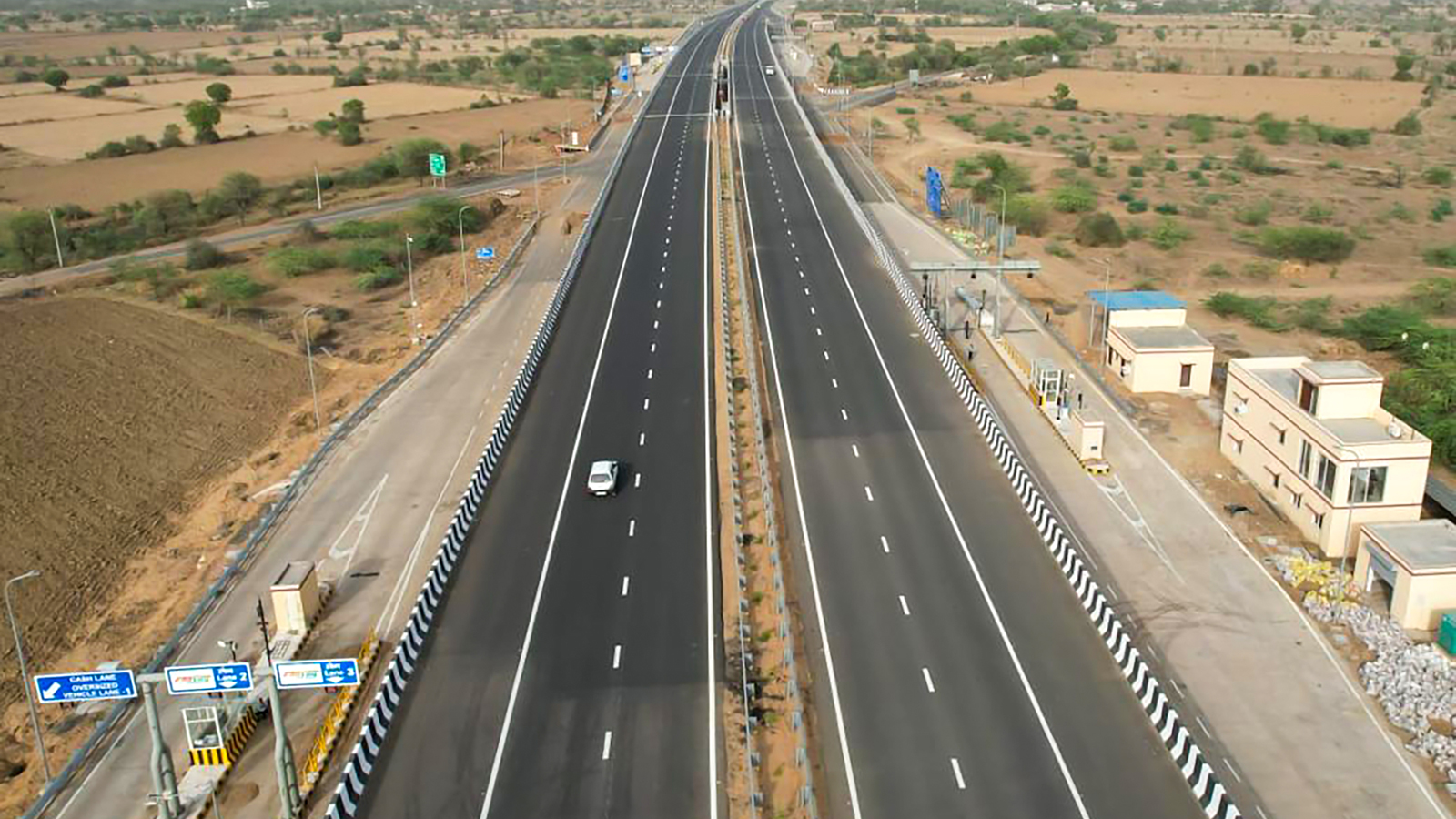
Construction of 4 lane elevated corridor including approaches from Old Pune Naka to Boramani Naka on NH-65 (Maharashtra): The Ministry of Road Transport and Highways (MoRTH) has proposed the construction of a four-lane elevated corridor from Old Pune Naka to Boramani Naka on National Highway (NH)-65 in Solapur, Maharashtra, spanning approximately 9.66 kilometers.

The project, a part of the Bharatmala Pariyojana (Phase-I), includes approach ramps and service roads designed to enhance traffic flow and overall connectivity in the region. Once completed, the corridor will provide a dedicated, congestion-free route, easing city traffic, reducing travel time, and enhancing road safety, while also contributing to lower vehicular emissions. The proposed elevated corridor will play a pivotal role in strengthening regional connectivity, boosting economic activity, and supporting religious and cultural tourism in Solapur. This initiative reflects the Ministry’s continued commitment to improving urban mobility and promoting sustainable infrastructure development, in line with national highway modernization and capacity enhancement goals under the Bharatmala Pariyojana. The meeting was chaired by Joint Secretary, Logistics, Department for Promotion of Industry, and Internal Trade (DPIIT).

Iran releases Marshall Islands-flagged tanker ‘Talara’ and crew

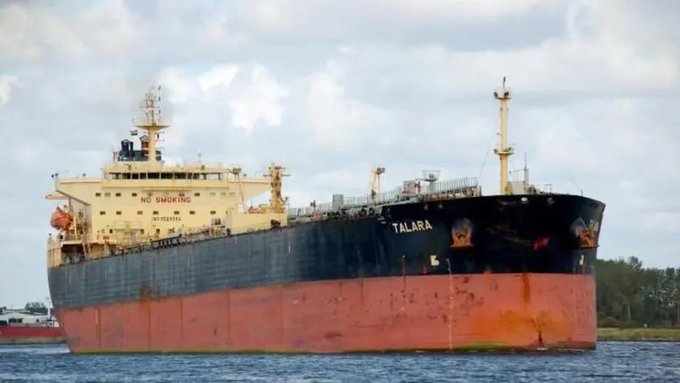
TEHRAN : Iran on Wednesday released a Marshall Islands-flagged tanker ‘Talara‘ with all its 21 crew members aboard days after Tehran seized the ship without explanation, the vessel’s managers said.

Tehran had no immediate comment on the release of the Talara, which marked the first ship seizure by Iran in months. Cyprus-based Columbia Shipmanagement said the crew “are safe and in good spirits.”

“We have informed their families, and the vessel is now free to resume normal operations,” the firm said. It added that “no allegations were made against the vessel, her crew and the vessel’s managers and owners.”

Ship-tracking data analyzed by The Associated Press showed the Talara traveling away from Iran.

On Friday, Iran’s military seized the vessel as it traveled through the Strait of Hormuz, the narrow mouth of the Persian Gulf through which 20% of all oil traded passes. The ship had been traveling from Ajman, United Arab Emirates, onward to Singapore.

World’s first vessel retrofit fund using a pay-as-you-save repayment mechanism closes at USD 35M

SINGAPORE: The Global Centre for Maritime Decarbonisation (GCMD), AIM Horizon Investments and their partners today announced the successful closing of the Fund for Energy Efficiency Technologies (FEET), securing total commitments of up to USD 35M, exceeding its initial target.

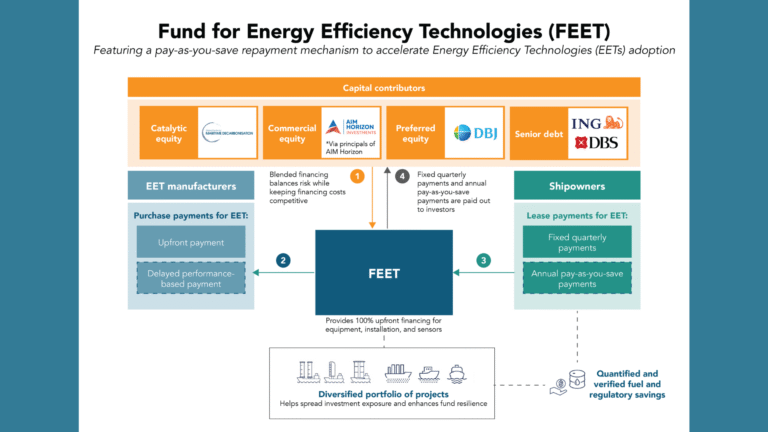
As the world’s first fund for vessel retrofits leveraging a pay-as-you-save repayment mechanism, FEET directly addresses the long-standing financial barriers hindering the sector’s uptake of vessel retrofits. This fund has drawn strong interest from across the maritime value chain, including equipment manufacturers, shipowners, and investors.

GCMD provides catalytic equity and is FEET’s appointed decarbonisation advisor. FEET is managed by AIM Horizon Investments. Formerly known as FPG AIM Capital, AIM Horizon Investments is a Singapore-based fund manager specialising in maritime and aviation funds for institutional and accredited investors. Shareholders of AIM Horizon Investments hold the fund’s commercial equity position, while the Development Bank of Japan Inc. (DBJ) holds the preferred equity position. DBS Bank and ING (which acted as Coordinating Bank) have in principle agreed to provide senior debt financing.

Scaling EET adoption to reduce emissions

Improving energy efficiency remains one of the most effective strategies to reduce emissions and fuel costs. Energy Efficiency Technologies (EETs), such as wind-assisted propulsion systems (WAPS)[1] and air lubrication systems (ALS)[2], can deliver immediate fuel savings, assisting shipowners to stay competitive amid tightening regional carbon regulations. However, even with a retrofit market valued at over USD 20B, uncertainties around EET performance and access to financing continue to limit uptake.

A primary difficulty restricting adoption is the inherently variable fuel savings from EET retrofits, which depend on operational and environmental factors, such as routing and weather conditions. The lack of standardised methodologies to accurately measure fuel savings further challenges uptake.

This uncertainty has made the return on investment period difficult to predict and has exacerbated the split-incentive issue, where shipowners are expected to invest in retrofits whereas charterers realise savings.

Verified savings at the core of pay-as-you-save

A pay-as-you-save repayment mechanism addresses payback uncertainty with EETs by directly linking repayment to quantified and verified fuel and regulatory savings. Deploying this mechanism requires robust data collection and analysis to isolate the retrofit’s contribution to overall fuel savings.

To this end, GCMD has undertaken EET performance pilots, equipping vessels with additional sensors to acquire high-precision, high-resolution data and applying rigorous data analytics to quantify fuel savings with statistical confidence. As more data is collected across diverse operating and environmental conditions, these datasets can be used to model and predict savings under varying scenarios.

Unsecured financing solution to accelerate EET uptake

Commercial vessels are typically financed through loans which have a first priority mortgage over the vessel. As the cost of EETs is small relative to the vessel’s value, it is not practical for shipowners or the existing secured financiers to provide vessel security to prospective retrofit financiers. Consequently, unsecured financing solutions are needed to accelerate the uptake of EETs.

FEET decouples retrofit financing from vessel mortgages by offering unsecured leases. Under this structure, FEET provides up to 100% financing for the equipment and associated installation and sensorisation costs, and leases the hardware to shipowners. In return, shipowners make repayments linked directly to verified fuel and regulatory savings. At the end of the lease, ownership of the EET is transferred to the shipowner for a nominal fee.

Blended financing and project diversification to manage risks
A blend of catalytic capital, commercial and preferred equities, as well as senior debt, allows FEET to balance financial risk while keeping financing costs competitive. By investing in a diverse portfolio of projects across technologies, manufacturers, vessel owners and types, FEET spreads investment exposure across its portfolio and enhances fund resilience.

Several projects have already been identified and have progressed to the final investment decision stage, reflecting strong industry interest and confidence. The fund remains open to shipowners and ship operators seeking support for adopting EETs.

Poised for scale
FEET is designed to scale beyond this initial closing, recognising the vast market size and shipping sector’s pressing decarbonisation needs. GCMD and AIM Horizon Investments are targeting to scale the fund to USD 500M by 2030, capable of supporting around 200 ships.

Scaling FEET will create a virtuous cycle: as the fund grows in size and its projects diversify, financing costs will decrease, and richer performance data on EET will be generated. This, in turn, will spur further innovation and deliver greater benefits for shipping companies, investors and EET manufacturers.

Professor Lynn Loo, CEO, GCMD, said, “Bringing FEET to life has taken persistence and a willingness from everyone involved to step into the unknown. There was no playbook; our teams were learning as we went. This is exactly the kind of collaborative, problem-solving mindset needed to move the needle on maritime decarbonisation. My hope is that FEET will accelerate the uptake of shipboard energy efficiency solutions and help unlock the scale of action needed to turn the industry’s decarbonisation ambition into tangible progress.”

Michiel Muller, Partner AIM Horizon & FPG AIM, said, “We are proud to work in this partnership and bring an innovative financial product for maritime decarbonisation. It has taken a huge collective effort to create a solution that immediately reduces carbon emissions and has competitive economics that will enable it to really scale. In GCMD we have found a like-minded partner whose professional and scientific approach impressed us since the start, and it was an opportunity to further expand our long-standing relationships with DBJ, ING and DBS Bank.”

Corporate Finance Department, Division 4, DBJ, said,“We believe that the adoption of EETs is an effective solution for maritime decarbonisation. FEET provides a platform to support this, and DBJ has decided to invest in the fund. We are proud to be involved in such an international and ambitious initiative, and we sincerely hope that FEET’s efforts will expand and contribute to the decarbonisation of the maritime industry.”

Stephen Fewster, Global Head of Shipping, ING, said, “At ING we aim to put sustainability at the heart of what we do. We are therefore delighted and honoured to have collaborated with GCMD and our partners to drive the adoption of energy efficiency retrofits which are key for shipping’s decarbonisation. We look forward to further cooperation with GCMD and scaling this innovative solution to accelerate the industry’s transition to Net Zero.”

Max Lim, Managing Director and Group Head, Shipping, Aviation, Logistics & Transportation, DBS, said, “Shipping is the lifeblood of global trade – moving about 80% of all goods across the world. At the same time, the sector accounts for about  3% of global greenhouse gas emissions. Decarbonising this industry represents both a major challenge and a compelling opportunity. The FEET initiative not only supports the adoption of technologies for energy efficiency, but also seeks to help shipowners manage financial and climate risks. DBS is proud to be a partner in this pioneering effort that endeavours to make the transition to cleaner shipping both commercially viable and scalable.”

About the Global Centre for Maritime Decarbonisation
The Global Centre for Maritime Decarbonisation (GCMD) was established as a non-profit organisation on 1 August 2021 with a mission to support the decarbonisation of the maritime industry by shaping standards, deploying solutions, financing projects, and fostering collaboration across sectors.

Founded by six industry partners namely BHP, BW Group, Eastern Pacific Shipping, Foundation Det Norske Veritas, Ocean Network Express and Seatrium, GCMD also receives funding from the Maritime and Port Authority of Singapore (MPA) for qualifying research and development programmes and projects. Since its founding, bp, Hanwha Ocean, Hapag-Lloyd, NYK Line and PSA International have joined as Strategic partners. To-date, over 130 centre- and project-level partners have joined GCMD, contributing funds, expertise and in-kind support to accelerate the deployment of scalable low-carbon technologies and lowering adoption barriers.

Since its establishment, GCMD has launched four key initiatives to close technical and operational gaps in: deploying ammonia as a marine fuel, developing an assurance framework for drop-in green fuels, unlocking the carbon value chain through onboard carbon capture and articulating the value chain of captured carbon dioxide as well as closing the data-financing gap to widen the adoption of energy efficiency technologies.

GCMD is strategically located in Singapore, the world’s largest bunkering hub and busiest transshipment port. For more information, go to www.gcformd.org.

About AIM Horizon Investments

AIM Horizon Investments (formerly known as FPG AIM Capital) is a Singapore-based, licensed asset manager focused on private investments in the maritime and aviation sectors. The firm is led by an experienced team with over 80 years of collective expertise in fund management and transportation finance.

AIM Horizon Investments is affiliated with FPG AIM, which since 2012 has directly sourced and structured more than US$23 billion of shipping, container, and aircraft transactions. The group’s industry-leading team of 26 specialists operates from key transportation hubs across Asia, EMEA, and the Americas, and has received multiple awards for innovative financing solutions.

About Development Bank of Japan Inc.
DBJ is a wholly government-owned financial institution in Japan, and its corporate mission is “Applying financial expertise to design the future.” Its ship finance team has extensive experience in the maritime industry, serving both Japanese and international clients.

One of the team’s recent areas of focus is supporting maritime decarbonisation through financial solutions.

About ING
ING is a global financial institution with a strong European base, offering banking services through its operating company ING Bank. The purpose of ING Bank is: empowering people to stay a step ahead in life and in business. ING Bank’s more than 60,000 employees offer retail and wholesale banking services to customers in over 100 countries.

ING Group shares are listed on the exchanges of Amsterdam (INGA NA, INGA.AS), Brussels and on the New York Stock Exchange (ADRs: ING US, ING.N).

ING aims to put sustainability at the heart of what we do. Our policies and actions are assessed by independent research and ratings providers, which give updates on them annually. ING’s ESG rating by MSCI was reconfirmed by MSCI as ‘AA’ in August 2024 for the fifth year. As of December 2023, in Sustainalytics’ view, ING’s management of ESG material risk is ‘Strong’. Our current ESG Risk Rating, is 17.2 (Low Risk). ING Group shares are also included in major sustainability and ESG index products of leading providers. Here are some examples: Euronext, STOXX, Morningstar and FTSE Russell. Society is transitioning to a low-carbon economy. So are our clients, and so is ING. We finance a lot of sustainable activities, but we still finance more that’s not. See how we’re progressing on ing.com/climate.

About DBS

DBS is a leading financial services group in Asia with a presence in 19 markets. Headquartered and listed in Singapore, DBS is in the three key Asian axes of growth: Greater China, Southeast Asia and South Asia. The bank’s “AA-” and “Aa1” credit ratings are among the highest in the world.

Recognised for its global leadership, DBS has been named “World’s Best Bank” by Global Finance, “World’s Best Bank” by Euromoney and “Global Bank of the Year” by The Banker. The bank is at the forefront of leveraging digital technology to shape the future of banking, having been named “World’s Best Digital Bank” by Euromoney and the world’s “Most Innovative in Digital Banking” by The Banker. In addition, DBS has been accorded the “Safest Bank in Asia” award by Global Finance for 17 consecutive years from 2009 to 2025.

DBS provides a full range of services in consumer, SME and corporate banking. As a bank born and bred in Asia, DBS understands the intricacies of doing business in the region’s most dynamic markets.

DBS is committed to building lasting relationships with customers, as it banks the Asian way. Through the DBS Foundation, the bank creates impact beyond banking by uplifting lives and livelihoods of those in need. It provides essential needs to the underprivileged, and fosters inclusion by equipping the underserved with financial and digital literacy skills. It also nurtures innovative social enterprises that create positive impact.

With its extensive network of operations in Asia and emphasis on engaging and empowering its staff, DBS presents exciting career opportunities. For more information, please visit www.dbs.com

Rondal’s Aero Wing Sail concept receives Lloyd’s Register AiP

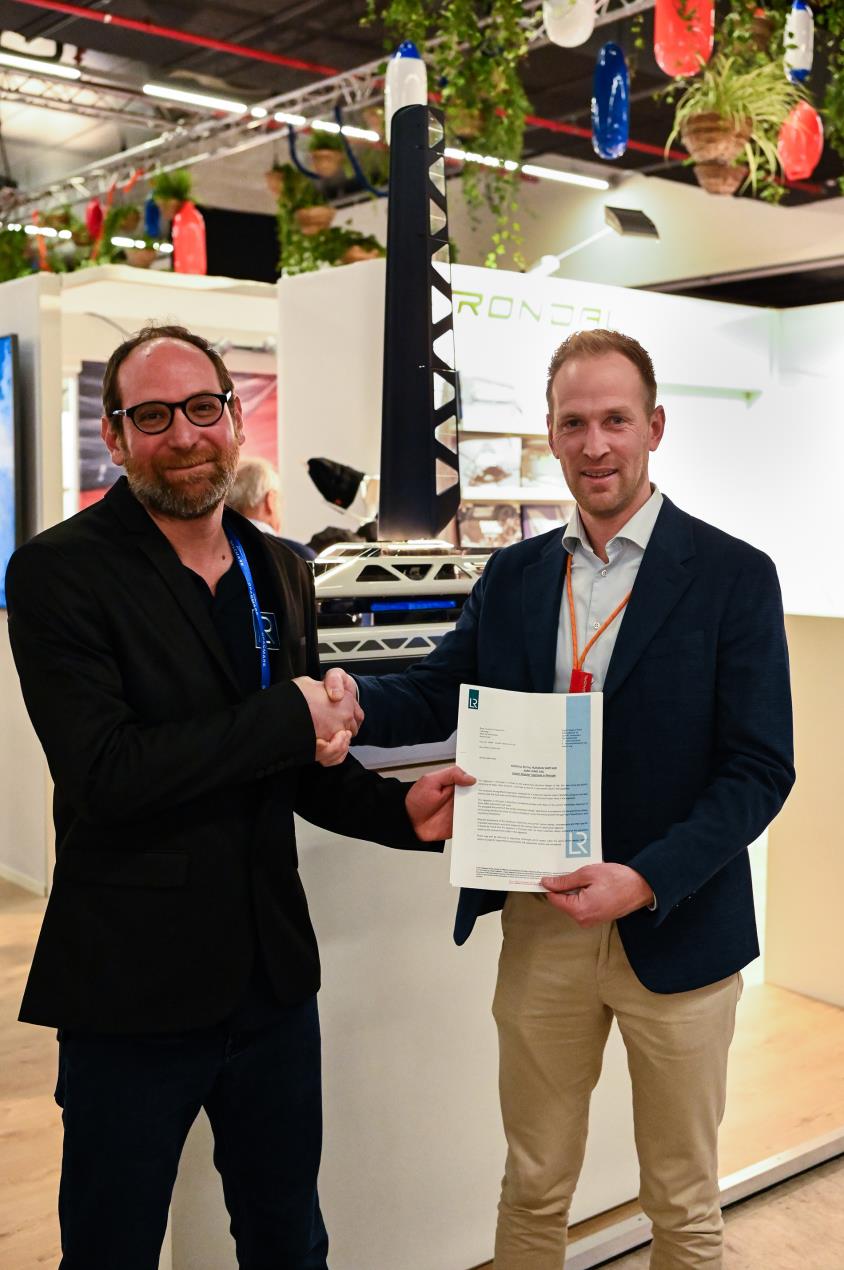
LONDON: Lloyd’s Register (LR) has granted Approval in Principle (AiP) to Rondal for its Aero Wing Sail, following completion of concept-level assessment activities in line with LR’s Guidance Notes on Wind Assisted Propulsion Systems (2025). The AiP was awarded in a ceremony at Metstrade 2025 in Amsterdam. 

The Aero Wing Sail is a rigid wing-sail concept designed for application on large yachts and multihull platforms to provide wind-assisted propulsion capability and ease of integration within vessel layouts. 

The AiP confirms that the Aero Wing Sail concept has been reviewed against relevant safety, structural, mechanical, and aerodynamic considerations. The evaluation included Computational Fluid Dynamics (CFD) analysis, structural design review and mechanical system evaluation to identify operational and integration-related risks. LR also provided recommendations for further refinement of the concept. 

Tom Wolodarsky, Senior Surveyor and Lead Specialist WASP, LR, said: “This Approval in Principle reflects Lloyd’s Register’s commitment to enabling innovative technologies that support decarbonisation and operational efficiency. Wind-assisted propulsion is a vital step toward reducing emissions, and we are proud to collaborate with Rondal in bringing this solution closer to market readiness.” 

Hermen de Jong, Innovation Manager, Rondal, commented: “This Approval in Principle is an important achievement for Rondal. It demonstrates the maturity of the Aero Wing Sail and that we are ready for application in new yacht projects.”  

The AiP forms part of LR’s wider commitment to supporting the safe and scalable adoption of wind-assisted propulsion technologies. Further insights into technology deployment and retrofit considerations are examined in the report: Applying wind-assisted propulsion to ships, part of LR’s Retrofit Research Programme. 

Trade Winds shift : US Tariffs spur India-Brazil ties

The imposition of high import tariffs by US President Donald Trump has united the economies of the rest of the world, all clamouring to cement trade pacts at an unparalleled pace. The list of recent trade agreements signed, and new negotiations initiated, is long and varied.

The European Union (EU) concluded its nine-year-long negotiation on a trade agreement with Indonesia and also updated its trade agreement with Mexico after two decades. This year, the European Free Trade Area (EFTA), a grouping that consists of Iceland, Liechtenstein, Norway, and Switzerland, signed free trade agreements (FTAs) with Mercosur—a South American regional bloc where Brazil is a founder member—and also with India, Thailand, and Malaysia. Mercosur also plans to sign trade deals with Canada, the United Kingdom (UK), Vietnam, the United Arab Emirates (UAE), Indonesia, and Japan, as well as expand its current trade agreement with India. The UAE is on a signing spree, finalising FTAs with Kenya, New Zealand, Malaysia, Serbia, and Ukraine, all in 2025. The UAE is also a founding member of a 14-country grouping titled the Future of Investment and Trade Partnership; in their joint declaration, the members emphasise the need for “principles of open and fair trade and adherence to the rules-based trading system.”

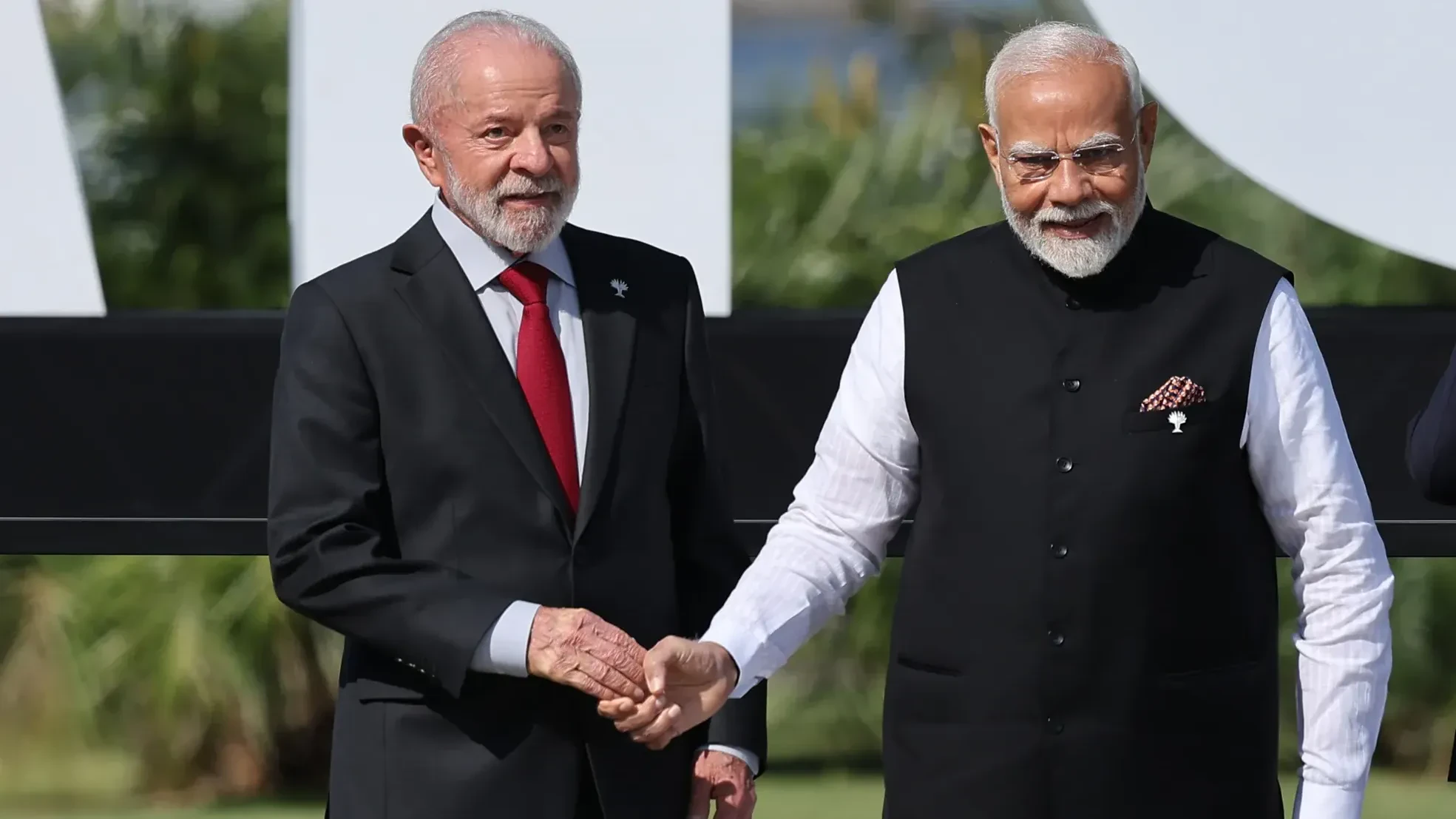
It is in this larger, global context that we must view the recent visit of the latest invitee to India’s trade negotiation table – Brazil’s Vice President Geraldo Alckmin, who also happens to be the country’s Minister of Development, Industry, Trade and Services. Alckmin’s visit to Delhi between 15-17 October comes barely two months after Brazilian President Luiz Inácio Lula da Silva and Indian Prime Minister Narendra Modi’s hour-long call on 7 August, where they discussed Washington’s “imposition of unilateral tariffs.” Washington has pushed both India and Brazil to the corner, hitting them with harsh 50 percent tariffs and making a large chunk of their exports simply unviable for the US market. In response, Brasilia and New Delhi have shown a united front to soften the economic blow. In reference to the India-Mercosur trade agreement, a statement from India’s commerce ministry noted that India and Brazil “should endeavour to conclude the negotiations within one year from the launch of negotiations.”

The head of Apex Brasil, Brazil’s trade and investment promotion agency, recently exclaimed that “perhaps the biggest increase in trade flows we’ll see, regardless of the tariff hike, but also because of it, will be with India.” Alckmin was accompanied by a rather large and diversified delegation, including Defence Minister José Monteiro, and the country’s largest companies from the oil, defence, mining, agriculture, food, and aviation sectors. His visit follows a string of bilateral engagements, including the sixth India-Brazil Strategic Dialogue on 3 October, led by India’s National Security Advisor Ajit Doval and the Chief Advisor to the Brazilian president, Ambassador Celso Amorim; the India-Brazil Trade Monitoring Mechanism chaired on 7 October by both countries’ top trade officials; and the upcoming Brazil-India Defence dialogue, scheduled for 24 November in Santos, Brazil.

This India-Brazil camaraderie is not owed entirely to Trump’s tariffs; it is also a corollary of each country’s foreign policy playbook. For Brazil, such rapprochement is part of a policy of ‘autonomia pela diversificação’ (autonomy through diversification). New Delhi frames it in multiple terms, beginning with ‘non-alignment,’ to its more recent avatar as ‘strategic autonomy’ or ‘multi-alignment.’ The principle remains the same: an independent foreign and trade policy that rests on multiple foundations. Both India and Brazil are branching out and pursuing as many options as possible to offset the impact of high US tariffs. But there is a limit to India-Brazil economic engagement, since both countries compete in global markets for products like sugar, coffee, and cotton.

Alckmin’s visit to India saw some immediate results. He announced that Indians can now receive e-visas to visit Brazil, and he also inaugurated the India office of Embraer, Brazil’s aviation giant, along with Brazil’s defence minister and India’s aviation minister. Embraer will now co-produce, along with India’s Mahindra group, the C-390 Millennium military transport plane for the procurement of the Indian Air Force. Additionally, India and Brazil are also expanding cooperation in the field of energy, particularly petroleum. As the US levies tougher sanctions on Russia’s oil companies, India is looking to countries like Brazil to make up the balance, especially given the high production volumes in Brazil’s pre-salt fields of Buzios and Tupi in Santos. Indian oil companies may also participate in Brazil’s upcoming auction of six exploration blocks in Campos and Santos in 2026; and Petrobras, Brazil’s national oil company, has also firmed up sales contracts with India’s Hindustan Petroleum, Bharat Petroleum, and Indian Oil Corporation.

The high tariffs imposed by Trump have become a watershed moment. Trump’s ‘Liberation Day’ tariffs may mark the end of Washington’s role at the helm of trade liberalisation, spurring the rest of the world on a path of free trade. One of the biggest winners is China, the world’s largest trader since 2013. Despite double-digit decreases in exports to the US, China’s exports in 2025 have increased, rising 8.3 percent in September 2025. Countries like India and Brazil still have some way to go to cushion the impact of US tariffs, but they have proven their intent. Lula’s upcoming visit to Delhi in early 2026 may yield more substantive outcomes.

Source : ORF