Home Blog Page 82

NMPA Undertakes Multiple Initiatives under Swachhta Pakhwada 2026

MANGALURU: New Mangalore Port Authority (NMPA) is undertaking a series of activities as part of the ongoing Swachhta Pakhwada 2026, promoting cleanliness, environmental responsibility and community participation across the Port.

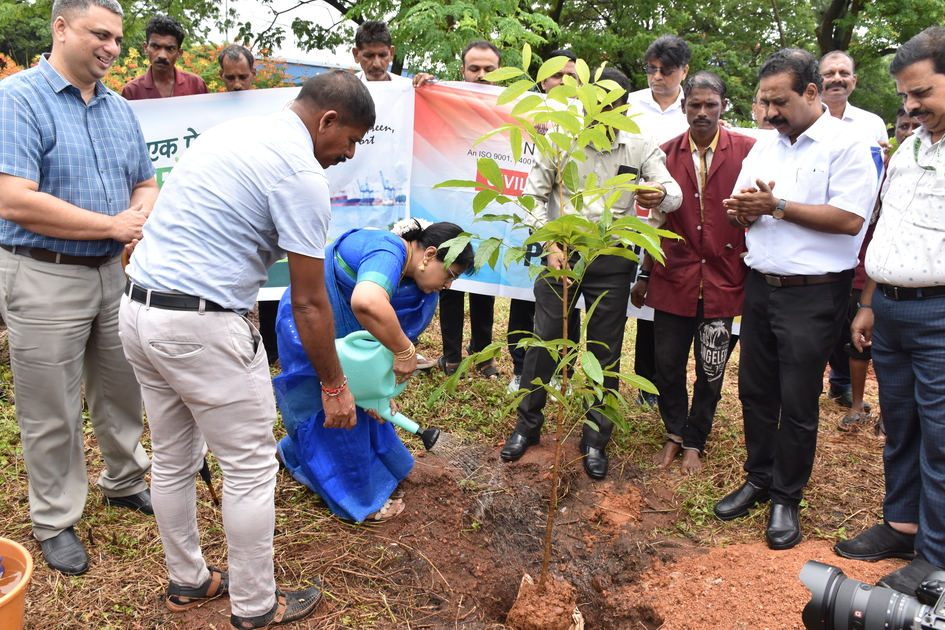
As part of the campaign, a mass plantation drive was organized by the Civil Engineering Department, led by Smt. S. Shanthi, Deputy Chairperson, NMPA, along with Port employees. The initiative reinforced NMPA’s commitment towards maintaining a clean and green port environment.

DSC 0394 1 NMPA Undertakes Multiple Initiatives under Swachhta Pakhwada 2026

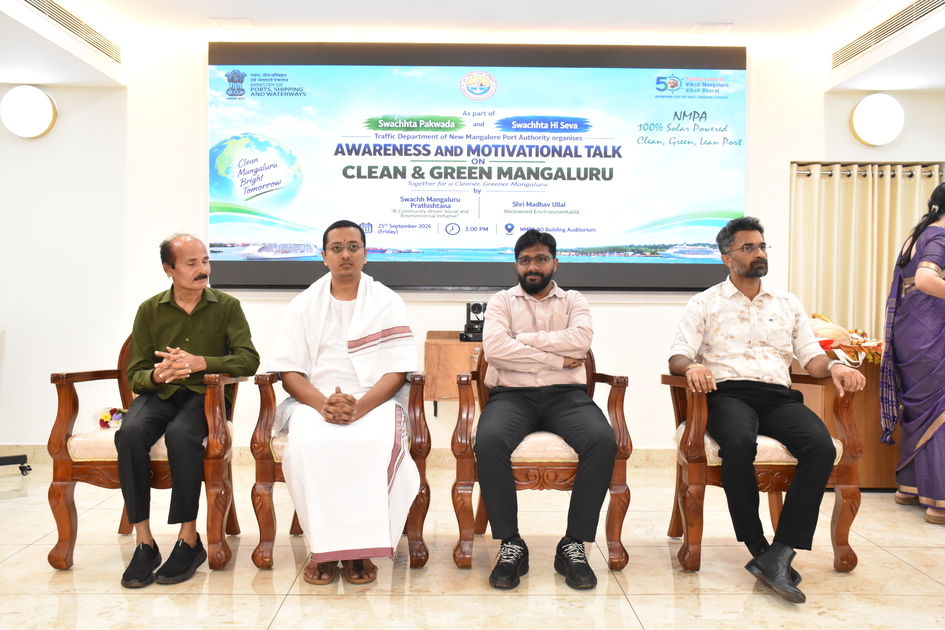
An awareness and motivational workshop on “Clean & Green Mangaluru” was also conducted, featuring Shri Madhav Ullal, renowned environmentalist and Ranjan Bellarpady of Swachh Mangaluru Prathishtana, who shared insights on cleanliness, environmental conservation and collective responsibility.

DSC 0586 1 NMPA Undertakes Multiple Initiatives under Swachhta Pakhwada 2026

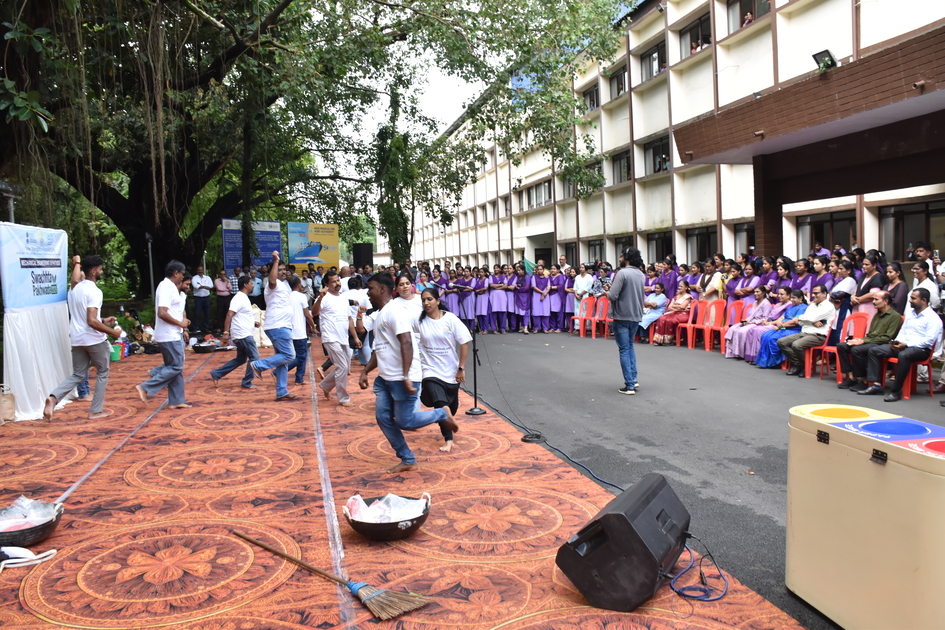
Adding a creative dimension to the campaign, employees of the Mechanical Engineering Department presented a Nukkad Naatak on Swachhta at the Port premises. Through an engaging street play, employees conveyed messages on cleanliness, responsible waste management and the importance of adopting sustainable practices in everyday life.

Through these initiatives, NMPA continues to encourage active participation, environmental consciousness and a culture of cleanliness among its employees and stakeholders, contributing towards the vision of a Clean Port, Green Port and Healthy Port.

Piyush Goyal highlights UP’s growing global trade and investment opportunities

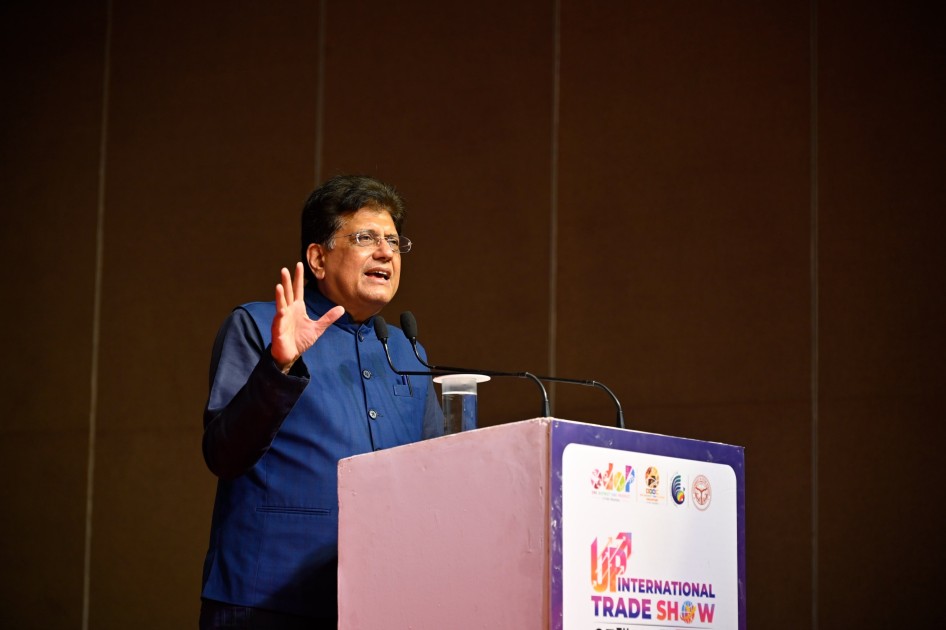
GREATER NOIDA : Union Minister of Commerce and Industry Shri Piyush Goyal highlighted that as global markets open up to India through Free Trade Agreements (FTAs), Uttar Pradesh’s entrepreneurs will have greater opportunities to access international markets. Addressing the UP International Trade Show in Greater Noida, Uttar Pradesh, Shri Goyal said that expanding exports, investments and global market access would contribute to the state’s goal of becoming a $1 trillion economy.

Shri Goyal said new investments are expected to flow into India from across the globe and noted that Uttar Pradesh has emerged as a preferred investment destination, supported by favourable industrial policies and proactive industrial schemes. He said major corporations and global investors are arriving across sectors, creating new employment opportunities.

The Minister highlighted the role of modern technology, international enterprises and the evolving craftsmanship and technical skills of Uttar Pradesh’s youth in driving the state’s development. He said international events of this scale provide opportunities for direct access to global markets, enabling Uttar Pradesh’s diverse products, cuisines and services to reach international markets.

Shri Goyal highlighted the international participation at the UP International Trade Show, including six partner countries, hundreds of delegates and exhibitors, and buyer-seller meetings. He noted the participation of international stakeholders and the opportunities created for businesses through the event.

The Minister highlighted the development of expressways, modern airports and industrial parks in Uttar Pradesh and noted the state’s growing presence across sectors including defence, semiconductors, electronics and other modern high-technology domains. He also referred to the expansion of a large robotics manufacturing facility in Greater Noida as an example of modern industrial growth and technological development.

Shri Goyal said the next frontier for Uttar Pradesh’s development lies in expanding exports in global markets, attracting international investments, strengthening tourism and building global recognition for brands from the state. He said Uttar Pradesh is strengthening its foundation for greater global trade and progressing towards its development objectives.

The Minister noted that Uttar Pradesh currently has an annual export volume of around ₹2 lakh crore and has set a target to increase this to ₹5 lakh crore by 2030.

Shri Goyal said the expanding global market access through FTAs, investments, tourism and international recognition of Uttar Pradesh’s products and brands would create new opportunities for the state’s entrepreneurs. He called for active participation and cooperation from the state’s trade and industrial community in taking forward this development journey.

The Minister also highlighted the importance of coordination between the central and state Governments, along with the participation of citizens, youth and stakeholders from the trade and industrial sector, in supporting Uttar Pradesh’s continued economic and export growth.

India, GCC review cooperation, welcome launch of FTA negotiations at New York meeting

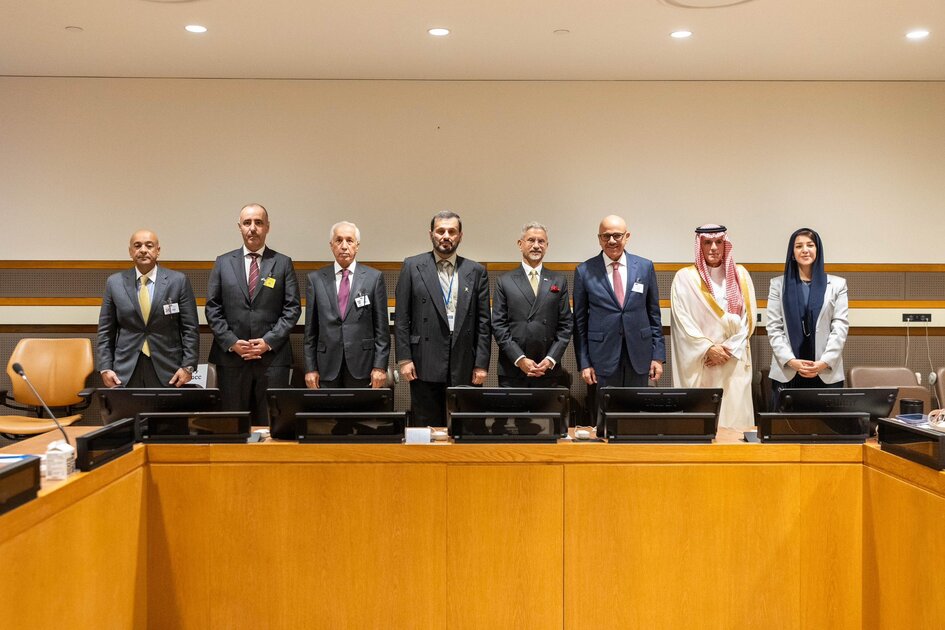
NEW YORK: India and the Gulf Cooperation Council (GCC) on Friday (local time) reviewed the implementation of their Joint Action Plan and discussed regional and international issues, including the situation in West Asia and challenges to commercial shipping in international waterways, during the India-GCC Troika Ministerial Meeting in New York, as per the Ministry of External Affairs (MEA).

External Affairs Minister S Jaishankar led the Indian delegation at the meeting held on the margins of the 81st session of the United Nations General Assembly on September 25, the MEA said in a press release.

The GCC was represented at the Troika level by Bahrain Foreign Minister Abdullatif bin Rashid Al Zayani, GCC Secretary General Jasem Mohamed Albudaiwi and Saudi Minister of State for Foreign Affairs Adel Al-Jubeir. Ministers and senior officials from the UAE, Qatar, Oman and Kuwait also participated in the meeting.

The leaders reaffirmed their joint commitment to building on the achievements of the first India-GCC Joint Ministerial Meeting for Strategic Dialogue held in Riyadh on September 9, 2024.

The MEA said India and GCC countries share “historically close and friendly ties,” underpinned by vibrant trade linkages and strong people-to-people ties. It added that the relationship has deepened in areas including trade, investment, energy, health, technology and cultural exchanges.

Total trade between India and the GCC stood at USD 178.66 billion in FY 2025-26, according to the ministry.

The leaders reviewed the implementation of the India-GCC Joint Action Plan (JAP) 2024-2028, which envisages joint activities in political dialogue, security, trade and investment, agriculture and food security, transportation, energy, health, culture and education.

They “underlined that the diversity of sectors in the JAP represented the depth and breadth of engagements between India and GCC countries,” and appreciated the steady progress in advancing cooperation across these sectors, the MEA said.

The leaders also welcomed the launch of India-GCC Free Trade Agreement negotiations after the Terms of Reference were finalised in February 2026.

They noted that the FTA is expected to “unlock the full potential of trade between India and the GCC upon signing” and would be a “force multiplier for global good,” while facilitating the expansion and diversification of exports and strengthening economic integration between the two sides.

Jaishankar thanked GCC countries for the energy and fertiliser supplied despite disruption of trade routes during the recent conflict in West Asia.

He also emphasised further strengthening the India-GCC energy partnership, including through expanded cooperation in renewables, biofuels and green technologies.

On people-to-people ties, the leaders emphasised the importance of joint activities in arts, heritage, yoga, music, cinema and literature. Jaishankar appreciated GCC countries for ensuring the welfare of the Indian diaspora and their safety and well-being during the recent West Asia conflict.

The two sides also exchanged views on regional and international issues of mutual concern, including the situation in West Asia, challenges to commercial shipping in international waterways, reform of multilateral institutions, sustainability and terrorism.

Jaishankar highlighted the importance of regional peace and security, and efforts to use “dialogue and diplomacy to resolve conflicts,” the MEA said.

Both sides agreed to hold the second edition of the India-GCC Joint Ministerial Meeting for Strategic Dialogue at an early date.

Earlier, regarding the meeting, Jaishankar said he was “Glad to co-chair the India-Gulf Cooperation Council Troika Ministerial Meeting in New York on the margins of #UNGA81.”

He said the meeting “Reviewed the progress of the India-GCC Joint Action Plan 2024–28 and discussed ways to further advance our partnership.”

Jaishankar also said, “Welcomed the launch of India-GCC FTA negotiations. Look forward to strengthening ties in the areas of trade, investment, energy, food security, health, new technologies, culture and people-to-people exchanges. Thanked GCC leadership for the support extended to the Indian community. Reiterated our strong commitment to freedom of navigation and safety of seafarers & commercial shipping.

Source: ANI

Navratna DPSU GRSE highlights a transformational year of growth & achievement at 110th AGM

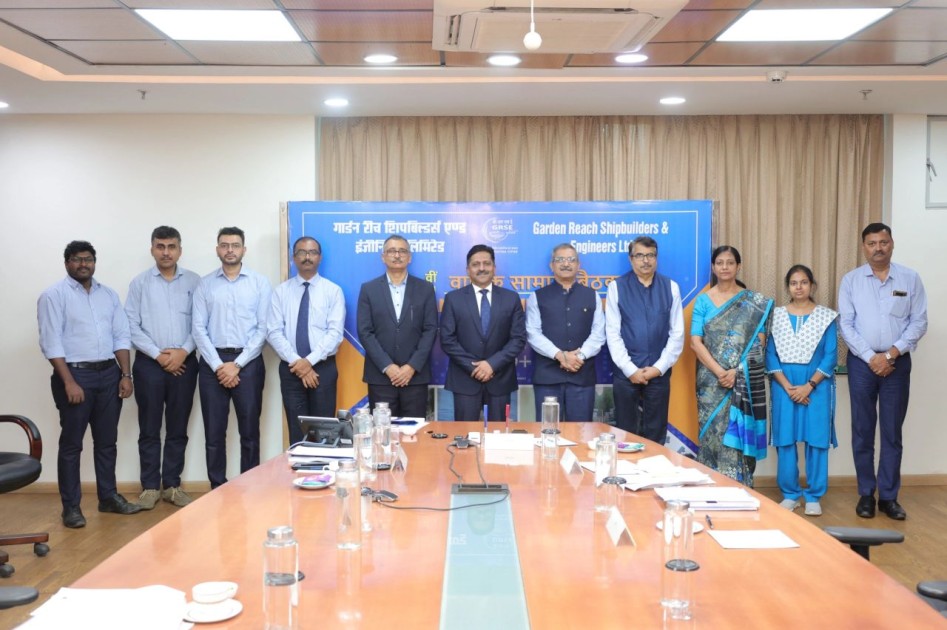
KOLKATA: The 110th Annual General Meeting (AGM) of Garden Reach Shipbuilders and Engineers (GRSE) Ltd was held on Friday, 25 Sep 2026. The meeting was attended by Cmde PR Hari, IN (Retd), Chairman and Managing Director, GRSE, Cdr Shantanu Bose, IN(Retd.), Director (Shipbuilding), Capt (IN) P Sunilkumar, (Retd.), Director (Corporate Planning & Personnel), Shri Niranjan Bhalerao, Director (Finance), along with the Government Nominee Director, Dr. Vijay Namdeorao Zade, Independent Director, Shri Kamleshbhai Mirani, Company Secretary, Shri Sandeep Mahapatra and shareholders of the company.

During the meeting it was highlighted how FY26 has been the most successful year in the Company’s history in terms of key performance parameters.

The figures speak for themselves:

  • Revenue from Operations increased by 37.95% from Rs 5,075.69 crore in FY25 to Rs 7,002.16 crore in FY26.
  • Total Income grew from Rs 5,410.53 crore in FY25 to Rs 7,276.54 crore in FY26. This increase of Rs 1,866.01 crore over the previous year was a growth of 34.49%.
  • The EBITDA stands at Rs 1,069.69 crore in FY26, as against Rs 756.10 crore in FY25, with an increase of 41.47%.
  • The Profit After Tax (PAT) increased by 41.81% from Rs 527.40 crore in FY25 to Rs 747.93 crore in FY26.
  • Earnings per share (EPS) went up from Rs 46.04 in FY25 to Rs 65.29 in FY26.

The shareholders of the Company at the 110th Annual General Meeting held on 25 Sep 26 approved a Total Dividend of 196% of Paid-Up Share Capital against 138.5% in FY25 including a Final Dividend of 67% of Paid-Up Share Capital of the Company against 49% in FY25.

This amounts to a Final Dividend of Rs 6.70 per equity share of face value of Rs 10 each for the financial year 2025-26. This is in addition to the First Interim Dividend of Rs 5.75 per equity share of face value of Rs 10 each, which was paid in 2025-26 and Second Interim Dividend of Rs. 7.15 per equity share of face value of Rs. 10 each, which was paid in 2025-26. Hence, the total dividend declared for the financial year 2025-26 is Rs 19.60 per equity share of face value of Rs 10 each.

“I am happy to report yet another year of excellent performance. The financial results speak for themselves. This has been the best performance in our 66-year history as a DPSU, made possible by our sustained efforts to achieve new milestones. As on March 31, 2026, we had an order book of Rs 15,324 crores. With our robust order book, new initiatives and progress in the commercial shipbuilding segment, I am confident of an even better performance in the current financial year,” said Cmde PR Hari, IN (Retd), Chairman and Managing Director, GRSE.

The Rise of Platform-based Logistics: What it means for India’s Transport Ecosystem

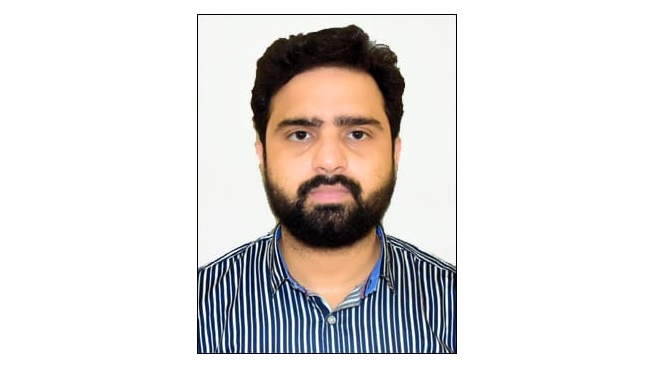
By Vaibhav Singh, Program Manager, NLDSL

Introduction

Logistics has always depended on networks. What is changing is how those networks are being organized. As supply chains become more multimodal and digitally connected, platforms are moving beyond standalone software tools to create common environments for shippers, transporters, freight forwarders, warehouse operators and other participants. India’s National Logistics Policy explicitly envisions a technologically enabled, integrated, cost-efficient and trusted logistics ecosystem, making platform-based coordination increasingly relevant.

From isolated tools to an integrated marketplace

The logistics e-Marketplace (LeMP), powered by Unified Logistics Interface Platform (ULIP), reflects this transition. Within the LeMP framework, the platform brings together planning, discovery and bidding, certification, regulatory services, and banking and financial services. Instead of solving only one logistics task, the model seeks to organize several functions around a common digital journey and provide a unified gateway for different participants and services.

For logistics service users, LeMP can turn procurement into a more structured process. Users may create requirements across road freight, air freight, export or ocean freight and warehousing; providers can respond through competitive bidding; and users can compare quotations and rates before selecting a service provider. This gives the platform a market-discovery role while creating a digital route for providers of different sizes to participate.

Beyond discovery

LeMP’s platform journey is designed to continue after provider selection, connecting discovery with: Together, these capabilities allow the marketplace to support a larger portion of the logistics lifecycle rather than ending the digital interaction once a provider has been discovered and selected. This integrated journey is what differentiates a broader logistics platform from a simple listing or freight-matching service.

  • Shipment creation
  • Digital document generation and exchange
  • Multimodal track and trace and milestone updates
  • Electronic proof of delivery
  • HSN-related classification and regulatory-validation capabilities

ULIP as the platform foundation

ULIP is the digital gateway underneath this broader ecosystem. By September 2026, ULIP connected 49 systems across 13 Central ministries and departments through 142 APIs. The National Logistics Policy (NLP) launched ULIP specifically to bring digital transportation services into a more unified environment and enable data-driven logistics solutions.

What it means for the ecosystem?

Platform-based logistics will not replace roads, railways, ports, warehouses or commercial relationships. Its role is to make those physical networks and services easier to discover and coordinate. By connecting multimodal transportation, warehousing, compliance, documentation, finance, insurance and visibility, LeMP provides an example of a shift from digitizing individual logistics tasks towards digitally connecting the wider journey, and potentially making sophisticated logistics capabilities accessible to a broader range of businesses.

Why connectivity matters?

 The platform approach can also make participation more inclusive. A common digital environment reduces the need for every participant to create separate connections for each interaction and can give smaller or regional providers another route to market visibility. At the same time, users can access different logistics functions without treating every requirement as an unrelated digital journey. This is consistent with the National Logistics Policy’s focus on integration, standardization, digitization and coordination across stakeholders. As more logistics services become digitally discoverable, the value of a platform will increasingly depend on how effectively it connects participants and workflows not simply on how many individual features it offers. This connected model can become increasingly important as supply chains span more modes, geographies and specialized services. For businesses, that can mean fewer disconnected digital touchpoints and a more coherent route from identifying a logistics requirement to executing and monitoring it.

Author:

Mr. Vaibhav Singh, Program Manager, NLDSL

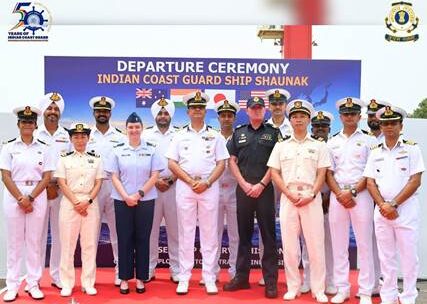
ICG Ship Shaunak sails from Chennai to Australia strengthening maritime cooperation through QUAD‑at‑Sea Ship Observer Mission

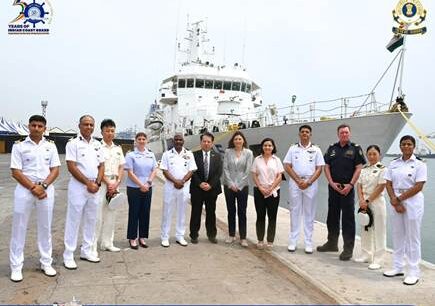
CHENNAI : Indian Coast Guard (ICG) Ship Shaunak sailed from Chennai on September 25, 2026 for Perth, Australia, as part of the QUAD‑at‑Sea Ship Observer Mission. This marks an important step in advancing maritime cooperation and interoperability among QUAD nations – India, Australia, Japan, and the United States.

icg shaunak ceremony edited ICG Ship Shaunak sails from Chennai to Australia strengthening maritime cooperation through QUAD‑at‑Sea Ship Observer Mission

Six Sea Riders – two officers each from India and Japan, and one officer each from Australia and the United States – embarked onboard Shaunak to participate in shipboard activities and professional exchanges designed to enhance interoperability, strengthen coordination, and build mutual trust.

This marks an important step in advancing maritime cooperation and interoperability among QUAD nations – India, Australia, Japan, and the United States.

Six Sea Riders – two officers each from India and Japan, and one officer each from Australia and the United States – embarked onboard Shaunak to participate in shipboard activities and professional exchanges designed to enhance interoperability, strengthen coordination, and build mutual trust.

This mission underscores India’s maritime vision of MAHASAGAR (Mutual and Holistic Advancement for Security and Growth Across Regions), and ICG’s dedication to collective engagement, professional linkages, and a secure maritime environment across the Indo‑Pacific.

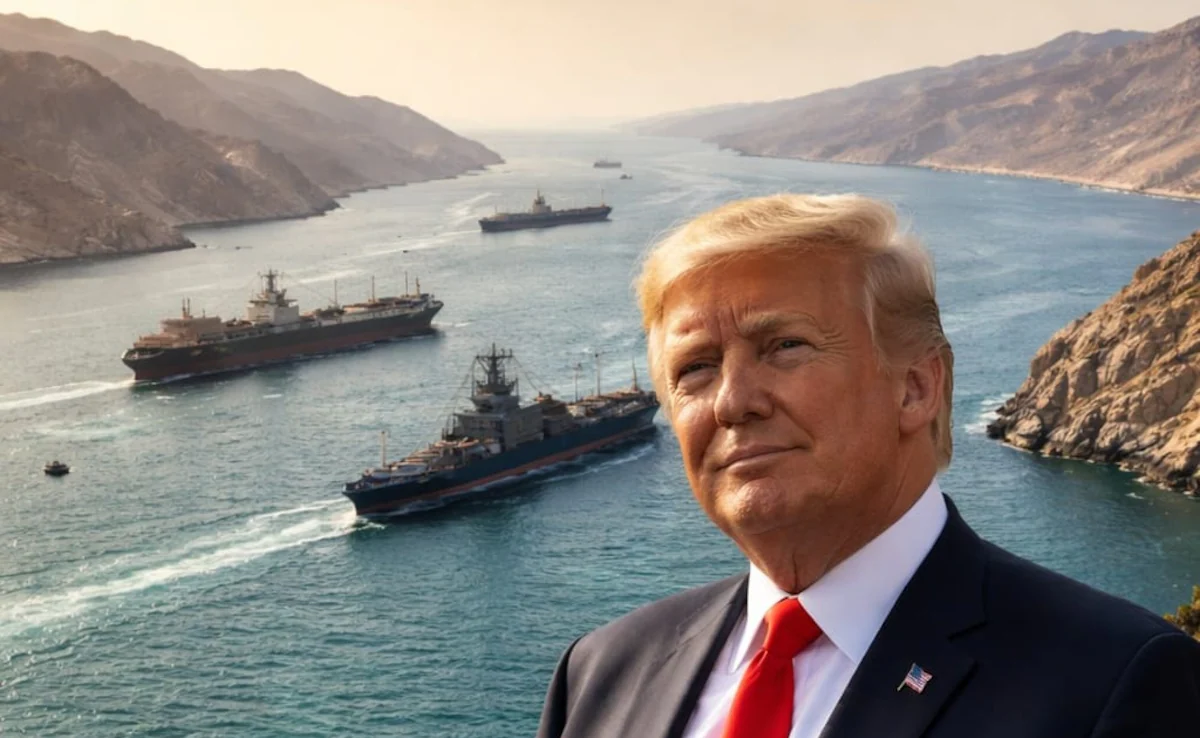
War with Iran will be won “very soon”, pre-midterm strikes “possible”: US President Donald Trump

WASHINGTON D.C.: United States President Donald Trump expressed confidence that the conflict with Iran will be won “very soon,” while acknowledging that fresh military strikes ahead of the US midterm elections are “possible.”

Speaking to Fox News on the sidelines of the PGA Tour Presidents Cup on Sunday (local time), Trump said that an end to the confrontation would cause global oil prices to fall sharply, reiterating that denying Tehran a nuclear weapon is the primary American objective.

“I think what’s going to happen is we’re going to win this war very soon, and as soon as we win it, the oil will go down, way down to what it was before the war,” Trump told Fox News.

When asked specifically whether military strikes could resume before the upcoming midterm elections, Trump declined to take the option off the table.

“I don’t want to say that. I don’t want to say that. I mean, it’s possible, but I just don’t want to say that,” Trump said.

Emphasising the core focus of US policy, he added, “And the key is, Iran will not have a nuclear weapon,” noting that nuclear deterrence was “key to the whole thing.”

When asked about ‘Operation Economic Outcast’ and whether the US is succeeding through military pressure or economic sanctions, Trump asserted that the US is making progress on both fronts.

“I think both. I think we’ll win it both ways. We’ve already won it really from a military standpoint,” Trump said, adding, “But that doesn’t mean we’ve stopped that.”

Speaking on the impact of economic pressure, Trump claimed that Iran’s economy has been completely dismantled.

“We’re certainly winning it very big. If you look at their economy, it’s gone. They have no economy,” Trump said.

Describing the collapse of Iran’s currency and soaring domestic costs, he stated, “The value of their money is, as they say, valueless. We have inflation. They have inflation now of close to 300%. I heard 318% as of this morning. 300, meaning their money is shot, their economy is shot, their military is shot. They’re in trouble.”

Meanwhile, Iranian Foreign Minister Seyyed Abbas Araghchi, in an interview with NBC News’ “Meet the Press” earlier on Sunday, said his country is ready for a “doomsday war” with the US after President Donald Trump publicly rejected Tehran’s proposal to reopen the Strait of Hormuz.

In the interview with NBC News, Araghchi said, “We are fully prepared for the war to be resumed. We stand firm in the face of any new aggression, even if it comes to a doomsday war. We don’t care about U.S. midterm elections. We care about our national interests. At the same time, we stand ready for diplomacy. It is up to President Trump to choose.”

Reacting to Trump’s public rejection, Araghchi pointed out that the rejection had not been formally communicated to Tehran through designated diplomatic channels.

He reiterated that Iran remains willing to reopen the maritime corridor as part of a negotiated settlement to end the hostilities. “We want our monies, our assets, which are illegally frozen, to be released. We want to be able to sell our oil,” Araghchi said, noting that these terms mirrored a Memorandum of Understanding (MoU) signed in June for a temporary ceasefire, which collapsed shortly thereafter following reciprocal strikes.

“If you ask us, there is no reason why we should go back to diplomacy,” Araghchi remarked. “But I am still trying diplomacy because I think we shouldn’t miss any chance for peace.”

Source:ANI

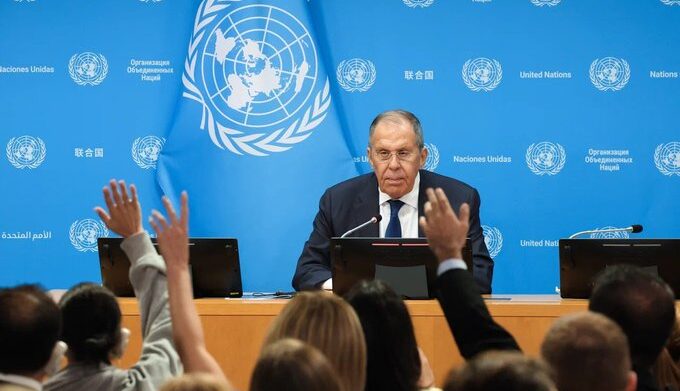
Russia offers to help stabilise Strait of Hormuz; Foreign Minister accuses Europe of blocking Ukraine talks

NEW YORK: Russia is ready to help stabilise the Strait of Hormuz and the wider Gulf region, Foreign Minister Sergei Lavrov said at the United Nations General Assembly on Saturday, as the US-Iran conflict continues to put the strategically important waterway at the centre of regional tensions.

Lavrov called for greater trust between Iran and the Gulf and Arab states, saying a stable regional security framework was needed. “We need trust in the relationships between the Gulf states, the Arab states, and Iran. We need stable regional architecture,” Lavrov told leaders at the UN General Assembly.

“Russia, together with other responsible states, stands ready to constructively contribute to stabilizing this strategically important region.”

Lavrov accuses Europe of blocking Ukraine peace talks

Lavrov also accused European countries of trying to derail efforts to negotiate an end to the war between Russia and Ukraine.

“Europe is doing everything it can to thwart peace talks in which the (Donald) Trump administration is interested,” he said, referring to the US government.

Lavrov did not provide details of the European actions he was referring to. Russia says Ukraine war aims will be achieved

Lavrov also said Russia would achieve its objectives in Ukraine regardless of the circumstances. “The aims of the special military operation will be achieved, the threat to Russian security will be eliminated and peaceful life will come back. This will happen no matter the circumstances,” he said, using Moscow’s term for its war in Ukraine.

“Clearly desperate”: US military refutes Iran’s claim of seizing underwater drone in Strait of Hormuz

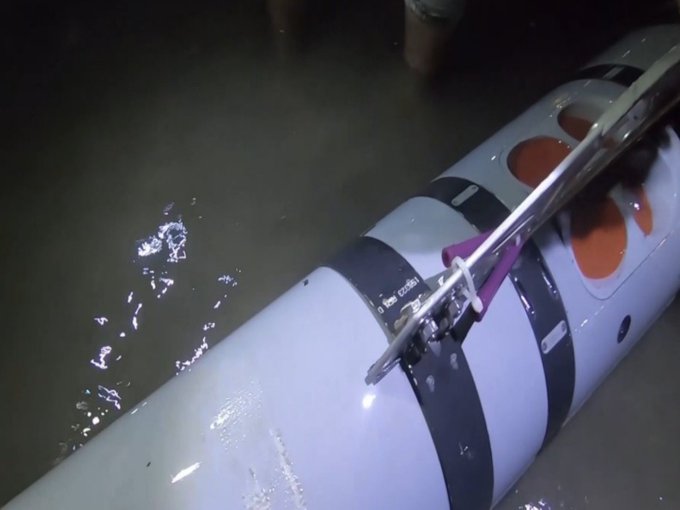
WASHINGTON D.C.: The United States military has firmly denied claims made by Iran’s Islamic Revolutionary Guard Corps (IRGC) that it captured an advanced American unmanned underwater surveillance vehicle in the Strait of Hormuz, calling the assertion “clearly desperate”, Al Jazeera reported.

Speaking to Al Jazeera, US Central Command (CENTCOM) spokesman Captain Tim Hawkins on Sunday (local time) refuted the Iranian statements, asserting that all American unmanned systems operating in the region remain fully accounted for.

Captain Hawkins said the United States maintains “positive control of all of our operational drone assets” and described the IRGC’s claims as “clearly desperate”.

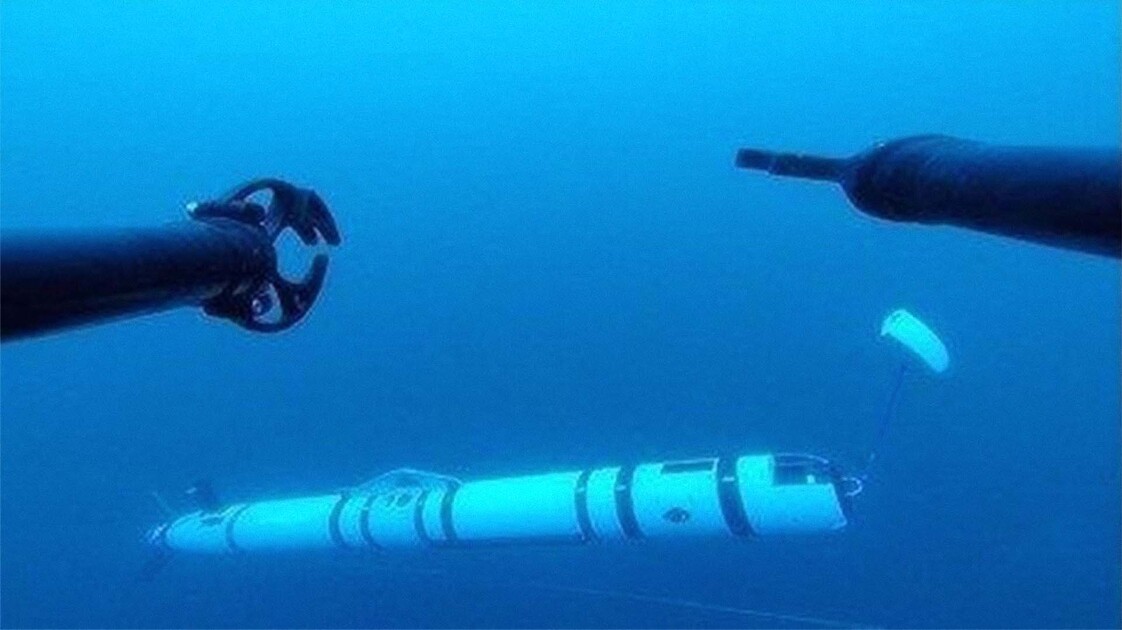
The development comes after the IRGC Navy claimed that it had seized an unmanned autonomous vehicle (AUV) – REMUS 600 – that was later confirmed to be a “Mk 18 Mod 2 Kingfish” belonging to the United States military in the Strait of Hormuz.

According to an official statement carried by state broadcaster IRIB on Sunday, the operation targeted what Iranian military authorities characterised as the “second subsurface [submarine] of the American terrorist army” operating in the strategic waterway.

The IRGC stated that the capture was executed through a “coordinated and complex operation” leveraging Iranian military intelligence oversight and electronic warfare capabilities.

“With the help of God Almighty, the IRGC Navy soldiers, through a coordinated and complex operation with intelligence and electronic warfare, were able to trap an advanced UAV of the American terrorist army that was operating in the Strait of Hormuz for the purpose of espionage,” the statement read.

The intercepted platform was earlier identified by the IRGC Navy as a Remus 600, an intelligent, autonomous unmanned underwater vehicle, which Iranian officials alleged was conducting espionage missions inside the strait.

“This submersible is a type of intelligent and advanced submersible called the Remus 600, which was captured by the IRGC Navy and is now in the hands of the force’s specialists to retrieve its information,” it added.

IRIB cited the IRGC statement as confirming that the captured submersible has been handed over to specialist military technicians to analyse the system and recover stored data.

The IRGC Navy further reiterated its firm stance on maritime transit through the choke point, declaring the Strait of Hormuz closed and warning that it continues to take “strong and relentless” action against unauthorised traffic in the region, IRIB reported.

“The IRGC Navy firmly declares that the Strait of Hormuz is closed and we are taking strong and relentless action against dangerous movements and unauthorised traffic through the Strait of Hormuz,” the statement added.

IRGC repeats US drone seizure claim in Strait of Hormuz; labels earlier ‘REMUS 600’ as ‘Mk 18 Kingfish’

TEHRAN: Iran’s Islamic Revolutionary Guard Corps (IRGC) on Sunday (local time) repeated its claim of capturing a United States underwater drone in the Strait of Hormuz, this time identifying the “second catch” as a “Mk 18 Mod 2 Kingfish” that was earlier reported as a REMUS 600.

In a post on social media platform X, the spokesperson for the IRGC, Second Brigadier General Hossein Mohebbi, confirmed that the naval force had seized the American “Mk 18 Mod 2 Kingfish” autonomous underwater vehicle (AUV).

“The Strait of Hormuz is not only open, but a hunting ground for the IRGC Navy targeting American submarines; the second catch has been reeled in, this time the Mk 18 Mod 2 Kingfish; an advanced, autonomous AUV equipped with sonar and precision navigation, worth several million dollars. It’s not just a hunt; it’s a trophy of technology and intelligence,” the IRGC wrote.

The IRGC Navy earlier claimed that it had seized this system, describing it as a REMUS 600 belonging to the United States military in the Strait of Hormuz. According to an official statement carried by state broadcaster IRIB on Sunday, the operation targeted what Iranian military authorities characterised as the “second subsurface [submarine] of the American terrorist army” operating in the strategic waterway.

The IRGC stated that the capture was executed through a “coordinated and complex operation” leveraging Iranian military intelligence oversight and electronic warfare capabilities. “With the help of God Almighty, the IRGC Navy soldiers, through a coordinated and complex operation with intelligence and electronic warfare, were able to trap an advanced UAV of the American terrorist army that was operating in the Strait of Hormuz for the purpose of espionage,” the statement read.

The intercepted platform was earlier identified by the IRGC Navy as a Remus 600, an intelligent, autonomous unmanned underwater vehicle, which Iranian officials alleged was conducting espionage missions inside the strait. “This submersible is a type of intelligent and advanced submersible called the Remus 600, which was captured by the IRGC Navy and is now in the hands of the force’s specialists to retrieve its information,” it added.

IRIB cited the IRGC statement as confirming that the captured submersible has been handed over to specialist military technicians to analyse the system and recover stored data. The IRGC Navy further reiterated its firm stance on maritime transit through the choke point, declaring the Strait of Hormuz closed and warning that it continues to take “strong and relentless” action against unauthorised traffic in the region, IRIB reported.

“The IRGC Navy firmly declares that the Strait of Hormuz is closed and we are taking strong and relentless action against dangerous movements and unauthorised traffic through the Strait of Hormuz,” the statement added.

Source: ANI