Home Blog Page 866

JNPA starts FY25 on a high note with 21.28% growth in container traffic in April 2025

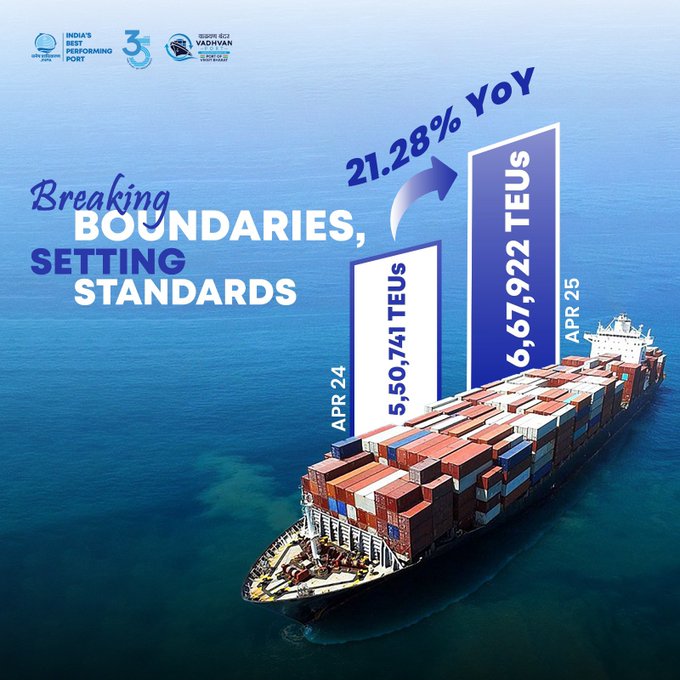
MUMBAI : Jawaharlal Nehru Port Authority – India’s Best Performing Port, handled 667,922 TEUs of containers in April 2025, which is higher by 21.28% compared to traffic in April 2024.

Highlights of Apr-2025:

  1. JNPA handled 667,922 TEUs of containers & 8.44 Million Tonnes of total cargo in Apr-2025, which is higher by 21.28 % & 17.81 % respectively as compared to traffic in Apr-2024.
  2. BMCT has recorded the highest monthly throughput of 2,29,848 TEUs ever handled by any terminal at JNPA.
  3. In April 2025, JNPA handled 589 container rakes, marking a 21.19% increase compared to 486 rakes in April 2024. Correspondingly, container volumes moved by rail reached 93,758 TEUs, registering a year-on-year growth of 24.24%.
    The robust growth in April sets a strong tone for FY25, driven by JNPA’s enhanced port infrastructure, proactive cargo facilitation, and rising demand from key trade routes. As volumes scale up, JNPA continues to reinforce its position as the gateway of choice for containerised trade on the western coast.
    About JNPA:
    The Jawaharlal Nehru Port Authority (JNPA) is one of the premier container-handling ports in India. Since its inception on May 26, 1989, JNPA has transformed from a bulk cargo terminal into the premier container port in the country.
    Currently, JNPA operates five container terminals – NSFT, NSICT, NSIGT, BMCT and APMT. The Port also has a Shallow Water Berth for general cargo. A Liquid Cargo Terminal present at the JNPA Port is managed by the BPCL-IOCL consortium and the additional liquid cargo terminal developed by JNPA will be operated by M/s JSW – JNPT Liquid Terminal Pvt. Ltd. . Additionally, the newly constructed coastal berth links other Indian ports and facilitates enhancing the traffic of coastal containers.
    Nestled across 277 hectares of land, JNPA also operates a meticulously designed multi-product SEZ, with state-of-the-art infrastructure, to boost export-oriented industries in India.

JNPA is also developing an all-weather, deep-draft, greenfield port at Vadhvan, the 13th Major Port of India in Maharashtra. It is poised to be among the top 10 ports globally and will be a 100% green port since its inception.

Finance Minister Sitharaman meets ADB President, Italian counterpart; highlights India’s DPI success, government initiatives

MILAN : Finance and Corporate Affairs Minister Nirmala Sitharaman on Monday met ADB President Masato Kanda and Italian Finance Minister Giancarlo Giorgetti on Monday and talked about the initiatives India is taking to foster economic growth.

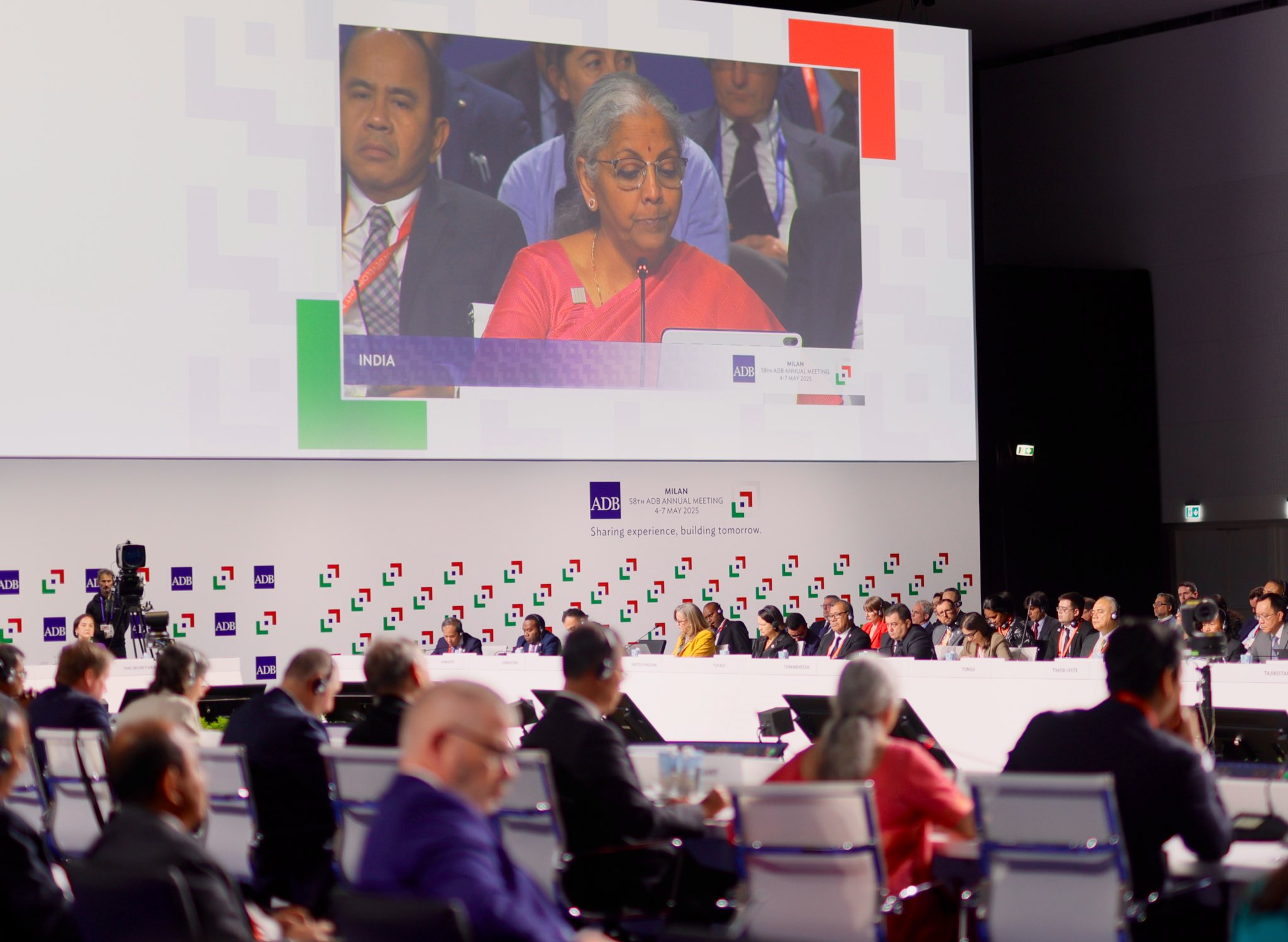
In her meeting with Masato Kanda during the 58th ADB Annual Meeting in Milan, Sitharaman reiterated that India focuses on private sector-led economic growth and has been consistently creating a conducive policy ecosystem through bold initiatives.

Sitharaman is leading the Indian delegation of officials from the Finance Ministry to attend the 58th Annual Meeting of the Board of Governors of the Asian Development Bank (ADB), that is taking place in Milan, Italy, from May 4 to 7, 2025.

In her meeting with Masato Kanda, Sitharaman emphasised that India offers opportunities for ADB to pilot new, innovative financing products and models.

“The Union Finance Minister reiterated that India focuses on private sector-led economic growth and has been consistently creating a conducive policy and regulatory ecosystem through bold initiatives such as the Insolvency and Bankruptcy Code #IBC, Corporate Tax Rate Reduction & GST implementation, Production-Linked Incentives #PLI, National Infrastructure Pipeline #NIP, #GatiShakti National Master Plan, and #StartupIndia, among others, for greater Ease of Doing Business #EoDB,” Finance Ministry said in a post on X.

“FM Smt. @nsitharaman emphasised that India offers opportunities for ADB to pilot new, innovative financing products and models. Mr. Kanda expressed ADB’s full support to India’s development priorities, guided by Prime Minister @narendramodi’s vision of Viksit Bharat 2047. @CGIMilan,” it added.

Sitharaman met Italian Minister of Economy and Finance Giancarlo Giorgetti on the sidelines of ADB Annual meeting.

Both the leaders explored ways to strengthen India-Italy economic ties, and enhance cooperation in global and multilateral platforms on issues of mutual interest.

“The meeting highlighted implementation of the Joint Strategic Action Plan 2025-2029 announced by Prime Minister Shri @narendramodi and Italian PM Ms. @GiorgiaMeloni in November 2024, which will add depth and momentum to our cooperation in priority domains,” Finance Ministry said in a post on X.
“With bilateral trade between the two counties reaching $14.56B in FY2023-24, FM Smt. @nsitharaman emphasised on the huge potential in #RenewableEnergy, digital technologies, agri-food processing, and high-end manufacturing and invited Italian companies to ‘Make in India’ through Government of India’s PLI schemes,“ it added.

The Union Finance Minister shared India’s success with Digital Public Infrastructure platforms like Aadhaar, UPI, and DigiLocker, proposing collaboration on innovative fintech solutions.

“As G20 GPFI co-chairs, India and Italy are working together to advance financial inclusion globally. Both Finance Ministers discussed the importance of reforming Multilateral Development Banks #MDBs to make them more responsive to developing countries’ needs, adequately capitalised, and better aligned with #SDGs,” the Finance Ministry said in its post.

“FM Smt. @nsitharaman underlined co-financing models and collaboration in green hydrogen, carbon capture, energy efficiency, and circular economy and stated that both nations can leverage their strengths to co-develop solutions for global markets, advancing our climate commitments,” it added.

Finance Ministry officials said that there was no discussion on issues related to Pakistan with ADB President and the Italian Finance Minister.

Tensions have risen between India and Pakistan following Pahalgam terror attack. The government has said that preparators will face severe punishment.

Amit Shah sets ₹2 trn export target for NCEL, reviews national coop bodies

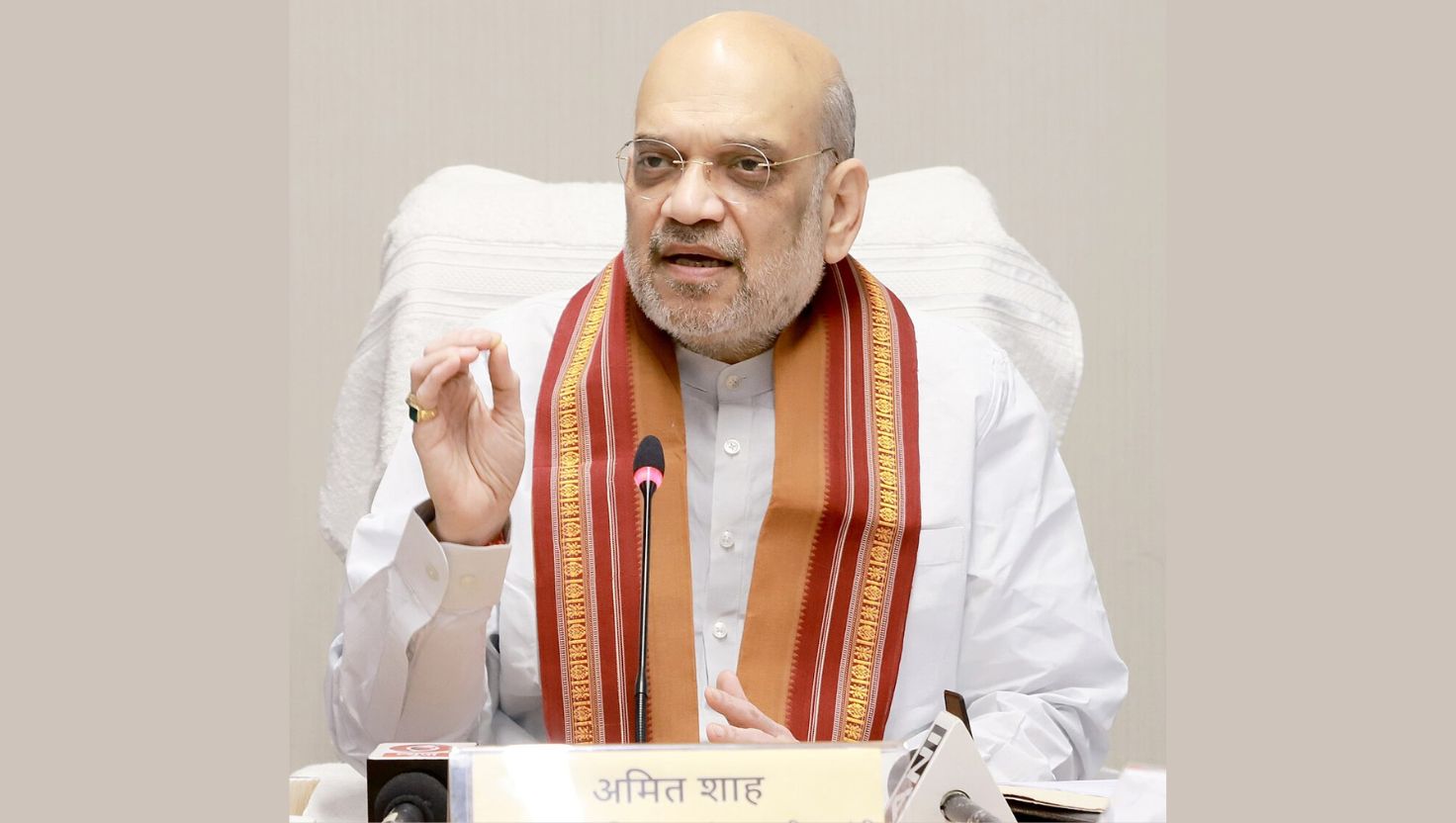
NEW DELHI : Union Home and Cooperation Minister Shri Amit Shah on Saturday directed the National Cooperative Exports Ltd (NCEL) to work towards an ambitious export target of Rs 2 lakh crore and identify three specific products not currently being exported from India.

Chairing a high-level review meeting in the national capital to evaluate the progress of three national cooperative institutions created in 2023, Shah instructed NCEL to explore new export opportunities for sugar from cooperative mills, aromatic rice from Tripura, organic cotton, and coarse grains.

The Union Minister also suggested partnerships with large companies for export of fresh vegetables to Gulf countries and special potato varieties, while recommending NCEL establish offices in Africa and Myanmar specifically for pulses import.

“The minister has suggested establishing NCEL offices in Africa and Myanmar specifically for pulses imports and developing a dedicated website for cooperative members,” according to an official statement.

Shah directed to route all exports of cooperative institutions through NCEL so that about Rs 20,000-30,000 crore turnover and net profit after taxes and operating costs can go back to the cooperatives.

NCEL, formed under the Multi-State Cooperative Societies Act, reported a turnover of Rs 4,283 crore with a net profit of Rs 122 crore in 2024-25. NCEL has expanded its exports to 28 countries and signed strategic agreements with 61 importers from Senegal, Indonesia and Nepal.

For the National Cooperative Organics Limited (NCOL), which markets products under the “Bharat Organics” brand through retailers including Amul and BigBasket, Shah set a target of exceeding Rs 300 crore in turnover for the 2025-26 financial year.

Shah said that soon its products will be available in Reliance stores across India. He also directed NCOL to form groups of certified organic farmers at the state level and integrate them at a higher level.

The minister emphasized that the Indian Seed Cooperative Society Limited (BBSSL), known as Seeds of India, “plays an important role in strengthening the ecosystem” and stressed the need to develop sugarcane varieties with high sugar content and low water requirements.

According to the statement, the Seed Research Centre established in Kalol, Gujarat will focus on developing high-yielding, low-maturity crop varieties with reduced water requirements, particularly for tur, urad, and maize.

Shah also highlighted the importance of setting up tissue culture facilities to ensure the availability of plants with high genetic potential for the top 10 banana-producing states.

Shah has urged BBSSL to develop seeds of Lachka fodder crops for sale through NDDB and Amul network. He emphaisised on promoting seed production for processing varieties like potato especially for French fries under the Seed Production Programme for Processing Varieties.

To ensure timely availability of breeder seeds, the Union Minister directed the Ministry of Cooperation to coordinate with the Ministry of Agriculture to ensure timely supply of required breeder seeds.

The meeting was attended by Cooperation Secretary, the Managing Directors of the three cooperative institutions – Anupam Kaushik (NCEL), Vipul Mittal (NCOL) and Chetan Joshi (BBSSL).

Source PTI

Gujarat’s coastline is no more 1,600 km; it’s revised to 2,340.62 km now

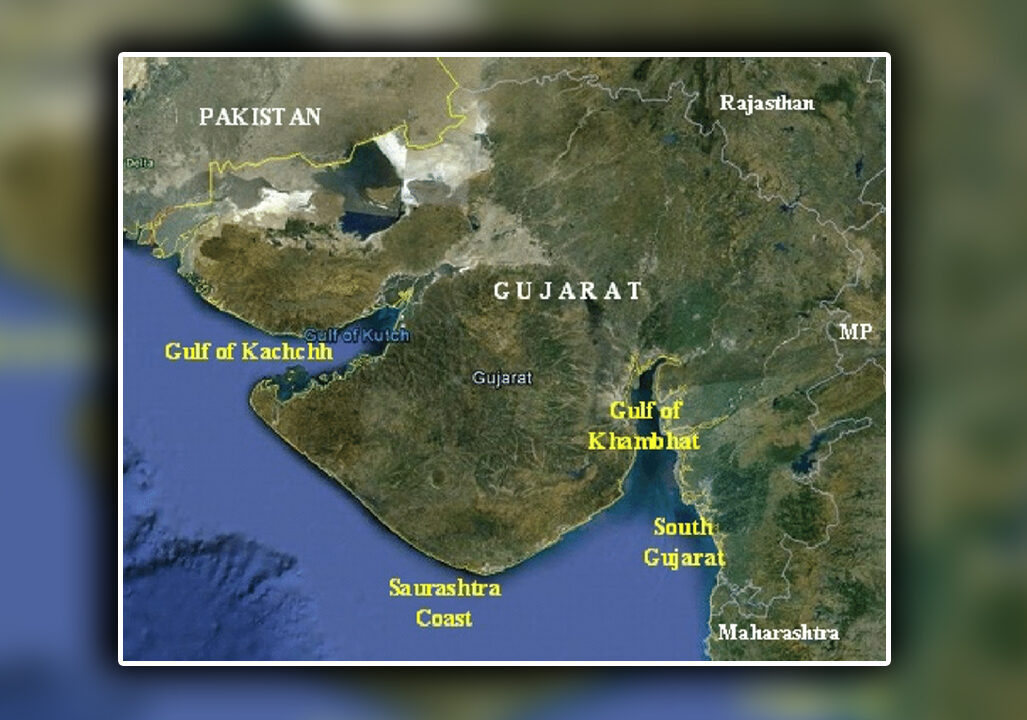
GANDHINAGAR : In a significant development, India’s coastline has officially been revised to 11,098.81 km, marking an increase of 3,537.21 km, or nearly 50%, from the previous measurement of 7,561.60 km. With this revision, the coastline of Gujarat, which is the longest in the nation, is no longer 1,600 km; it is now over 2,300 km.

The revised calculation follows a new methodology, as announced by the Transport Research Wing of the Ministry of Ports, Shipping, and Waterways in a circular dated April 29.

As per an official circular – for decades, the Ministry of Home Affairs reported the coastline length at 7,561 km, a figure that had been used since the 1970s. However, discrepancies existed as different government departments had used varying figures. A review of the issue, initiated in 2019, revealed that the Coastal Protection and Development Advisory Committee (CPDAC) had been deliberating on the subject since 2010.

Later, in a meeting in August 2019, CPDAC accepted the new length of India’s coastline, computed by the National Hydrographic Organisation (NHO), Dehradun, as 11,084.50 km, along with the methodology for its computation.

As a result, Gujarat’s coastline, initially estimated at 1,600 km, has now been officially revised to 2,340.62 km, making it the longest coastline in India.

The state-wise/UT-wise ‘Length of Coastline of India’ is as follows:

SI No. State/Union Territory Coastline length (in km)
1 Gujarat – 2,340.62
2 Maharashtra – 877.97
3 Goa – 193.95
4 Karnataka – 343.30
5 Kerala – 600.15
6 Tamil Nadu – 1,068.69
7 Andhra Pradesh – 1,053.07
8 Odisha – 574.71
9 West Bengal – 721.02
10 Daman & Diu – 54.38
11 Pondicherry – 42.65
12 Lakshadweep Islands – 144.80
13 Andaman & Nicobar Islands – 3,083.50

Total Length of Coastline of Indiav-11,098.81

The revision of the coastline length is primarily attributed to differences in the scale and calculation methods. The earlier figure, calculated in the 1970s, was based on records at a scale of 1:4,500,000, whereas the newly verified data was calculated at a much finer scale of 1:250,000. The change in scale has led to the increased coastline measurement, as the circular clarified that variations can occur when measured from maps of different scales.

A note by Ministry of Ports, Shipping and Waterways Transport Research Wing stated – ‘The main reason for the deviation in the existing coastline length of 7516.6 kms as per MHA records and the re-verified coastline length of 11098.81 kms is due to theprobable variation in scale and calculation methods. The length of coastline calculated in 1970s might have been computed from the then available records at the scale of 1:4,500,000 or smaller whereas the re-verified data has been computed at the scale of 1:250,000. It is understood that the length of coastline is liable to vary when it is measured from maps of different scales. The larger the scale of map greater may be the outcome of the length. This is because larger scale data capture more intricate details like bays, inlets, and minor irregularities that are smoothed out at smaller scale data. Further, conventional/ manual methods might have been used for the computation of the 1970 data whereas modern GIS software have been used for the computation of the re-verified data. The no. of offshore islands/islets of India are finalised as 1298 Offshore islands/islets (1059 islands and 239 islets) in the reconciliation exercise of the offshore islands of India. Secondly,the length of offshore islands has been added in the total length of there-verified coastline which might have been left out in the 1970s coastline length due to scale constraint and conventional/ manual measuring methods. Further, peripheral coastline(High-Water Line) of individual offshore islands has been used for the calculation of coastline length.’

Salient Terms of Reference (ToR) for measuring Re-verified Length of Coastline of India (11,098.81 kms) are as mentioned below:

a. The length of coastline has been measured at the High-Water Line with base data of 2011 on Electronic Navigation Charts (ENCs) prepared by the National Hydrographic Office (NHO).

b. The datum and projection for the coastline length is WGS-84 and respective UTM Zones.

c. The scale has been generalised to 1:250,000 or lesser using ENCs of NHO

d. Mouth of the rivers, creeks, estuaries, backwaters, etc. have been closed at suitable places by NHO and only segment of length closing of river mouth has been considered.

e. The length of coastline of islands which get connected to mainland during low tide conditions has also been added in the length of coastline.

f. The ‘Length of Coastline of India’ will be reviewed in a cycle of 10 years with newer data sets.

Source : DeshGujarat

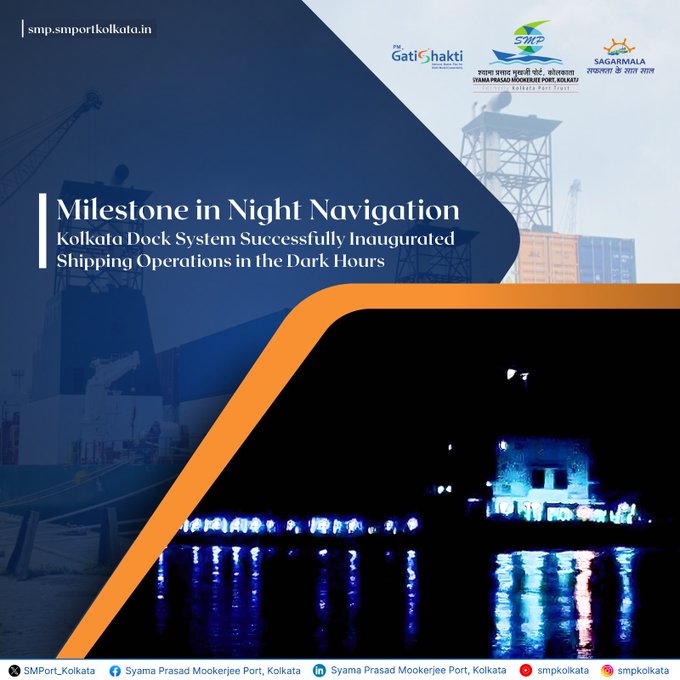
SMP Kolkata launches night navigation for round-the-clock vessel movement in cooperation with NTCPWC & Port of Antwerp

KOLKATA : Syama Prasad Mookerjee Port, Kolkata (SMPK), one of India’s oldest major riverine ports, launched night navigation capabilities on Saturday (May 3, 2025) first time in history, in the upper reaches of West Bengal’s Hooghly River, covering the stretch from Budge Budge to the Bay of Bengal.

This development is expected to significantly boost port efficiency and trade volume by allowing more vessels to enter and leave the port daily. Early Saturday morning, SMPK authorities operationalised the system with the successful maiden nighttime transit of the container vessel MV Sinar Penida. The ship (117 meters length overall, 6.0 meters draft) successfully carried 8,000 tonnes of cargo towards the Bay of Bengal in the darkness of the night.

SMPK Chairperson Rathendra Raman termed the launch “historic”, stating the system will “significantly improve operational efficiency and turnaround time, paving the way for enhanced trade throughput.”

Explaining the practical benefits, SMPK Chief Public Relations Officer Sanjay Mukherjee told, “High tides in the Hooghly River facilitate vessel movement. Historically, without night operations, we could only utilise the daytime high tide. Now, we can leverage the nighttime high tide as well, enabling us to handle more vessels and cargo daily.”

Mr. Mukherjee added that the initiative followed a comprehensive study and roadmap developed by the National Technology Centre for Ports, Waterways and Coasts (NTCPWC) at the Indian Institute of Technology (IIT) Madras, in collaboration with the Port of Antwerp, Belgium.

SMPK’s new nighttime system relies on upgraded navigation infrastructure, including track lights, transit lights, and illuminated channel buoys, complemented by electronic aids such as electronic charts.

Furthermore, a navigational simulator, jointly installed by IIT Madras and Applied Research International, will support pilot training and real-time scenario analysis.

SMPK Deputy Chairperson Samrat Rahi noted that round-the-clock navigation allows the port to handle a higher number of vessels and helps decongest the river channel.

“This strategic enhancement is poised to make SMPK a more attractive and competitive hub for global shipping lines,” Mr. Rahi added.

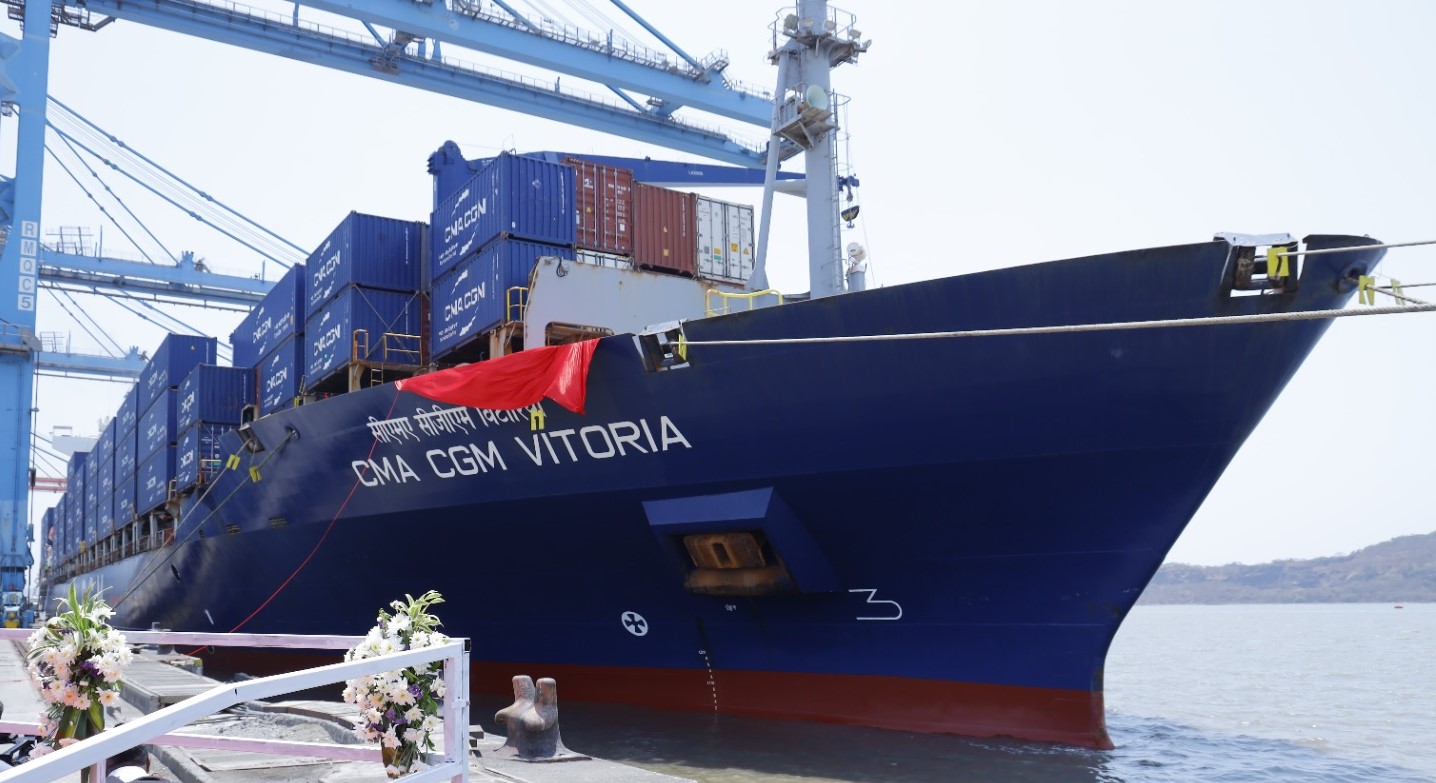
CMA CGM Vessel classed with Indian Register of Shipping

MUMBAI : Indian Register of Shipping (IRS) is proud to announce that CMA CGM Vitoria, a vessel operated by CMA CGM, one of the world’s leading container shipping lines, has been successfully classed with IRS.

This milestone marks a significant achievement in IRS’s growing engagement with major global shipping companies and reinforces its standing as a trusted and recognised classification society on the international stage. CMA CGM’s decision to work with IRS reflects the strong technical expertise, high standards of service, and commitment to excellence that IRS consistently delivers.

Commenting on the development, Mr. P K Mishra, Managing Director of IRS, said, “We are delighted to have the trust of CMA CGM, a global leader in container shipping. This collaboration is a testament to IRS’s growing global footprint and our unwavering focus on providing world-class services to the shipping industry.”

As IRS continues to expand its reach among top-tier international operators, this collaboration further underscores its capability to support the evolving needs of the global maritime sector.

JSW Infrastructure reports 57% jump in Q4 PAT

MUMBAI : JSW Infrastructure Limited, part of the JSW Group and India’s second-largest private commercial port operator, reported strong financial results for the fourth quarter and full financial year ended March 31, 2025.
Q4 FY25 Performance:

Cargo volumes touched 31.2 million tonnes, rising 5% year-on-year.

Total revenue stood at Rs 13.72 billion, up 14%.

EBITDA increased 7% to Rs 7.3 billion with a robust margin of 53.2%.

Profit After Tax (PAT) surged 57% YoY to Rs 5.16 billion.

Growth was driven by increased performance at coal terminals in Mangalore, Ennore, and Paradip, with interim operations at Tuticorin and JNPA Liquid Terminals also contributing. Third-party cargo share rose to 50% from 47% last year.

FY25 Performance Highlights:

Annual cargo volumes reached 117 million tonnes, a 9% rise.

Third-party cargo share increased to 49%, up from 40%.

Total revenue rose 20% YoY to Rs 48.29 billion.

EBITDA reached Rs 26.15 billion, a 17% YoY increase.

PAT grew 31% to Rs 15.21 billion.

The company’s board has recommended a dividend of Rs 0.80 per share.

Net Debt to Operating EBITDA stood at a healthy 0.65x.

Key Developments in FY25:

JSW Infra received a Letter of Intent for Murbe Port, a greenfield development in Maharashtra.

Entered the logistics sector by acquiring a 70.37% stake in Navkar Corporation Limited.

Interim operations commenced at JNPA Liquid and Tuticorin Terminals post concession agreements.

Completed acquisition of a slurry pipeline business with a long-term contract with JSW Steel.

Jaigarh Port was awarded the “Sword of Honour” by the British Safety Council for safety excellence.

Growth Strategy Ahead: JSW Infra aims to ramp up its cargo handling capacity to 400 MTPA by FY2030 from the current 177 MTPA. A Rs 300 billion capex plan is in place for this expansion. Additionally, Rs 90 billion has been earmarked to scale up the logistics segment, targeting Rs 80 billion in topline and a 25% EBITDA margin.

Backed by a strong balance sheet and growing footprint across ports and logistics, JSW Infrastructure is poised to become a fully integrated player in India’s infrastructure ecosystem.

Essar Group firm Black Box earmarks Rs 100 cr to ramp up India presence

MUMBAI : Essar Group firm Black Box, a global digital infrastructure integrator, has earmarked about Rs 100 crore to fuel its India expansion, as it looks to more than double its India business in the next few years.

A huge chunk of this investment — which represents about a quarter of Black Box’s recent Rs 410 crore fundraise — will be used to strengthen the firm’s Center of Excellence in Bengaluru, where the company plans to double its workforce to about 1,000 employees over the next year. The company currently employs around 3,000 people worldwide.

“India’s digital infrastructure is undergoing a fundamental rebuild. The next four to five years are hyper-active for us because we want to ensure we’re deeply embedded in this transformation, said Sanjeev Verma, Whole-Time Director at Black Box.

With India’s data center capacity currently at just 800900 megawatts — roughly equivalent to a single hyperscaler in the US — Black Box sees a compelling long-term opportunity, the company said in a statement.

“Despite having four times the US population, India’s digital infrastructure is still in early stages of maturity. In the next three to four years, this will dramatically change,” Verma said.

Black Box, listed on the Indian stock exchanges, has operations spread across 35 countries, but its major business comes from the US. The company counts India as one of its most strategic markets globally.

The company plans to leverage the expertise gained from working with hyperscale customers worldwide to serve Indian clients, aiming to become a dominant player in the Indian digital infrastructure space as the country accelerates its AI and cloud adoption.

Black Box’s India expansion strategy targets key sectors like public infrastructure, including transportation, logistics, airports, and public sector enterprises, which are increasingly adopting artificial intelligence to optimise operations and improve service delivery.

The company has recently secured a five-year cybersecurity contract worth around Rs 100 crore with one of India’s largest municipal corporations, covering digital security for 20,000 public sector employees.

“As AI adoption grows across these sectors, it automatically drives demand for advanced, secure, and scalable digital infrastructure. This shift is paving a clear and expanding growth market for companies like Black Box that are positioned to deliver end-to-end digital solutions,” Verma said.

Source : PTI

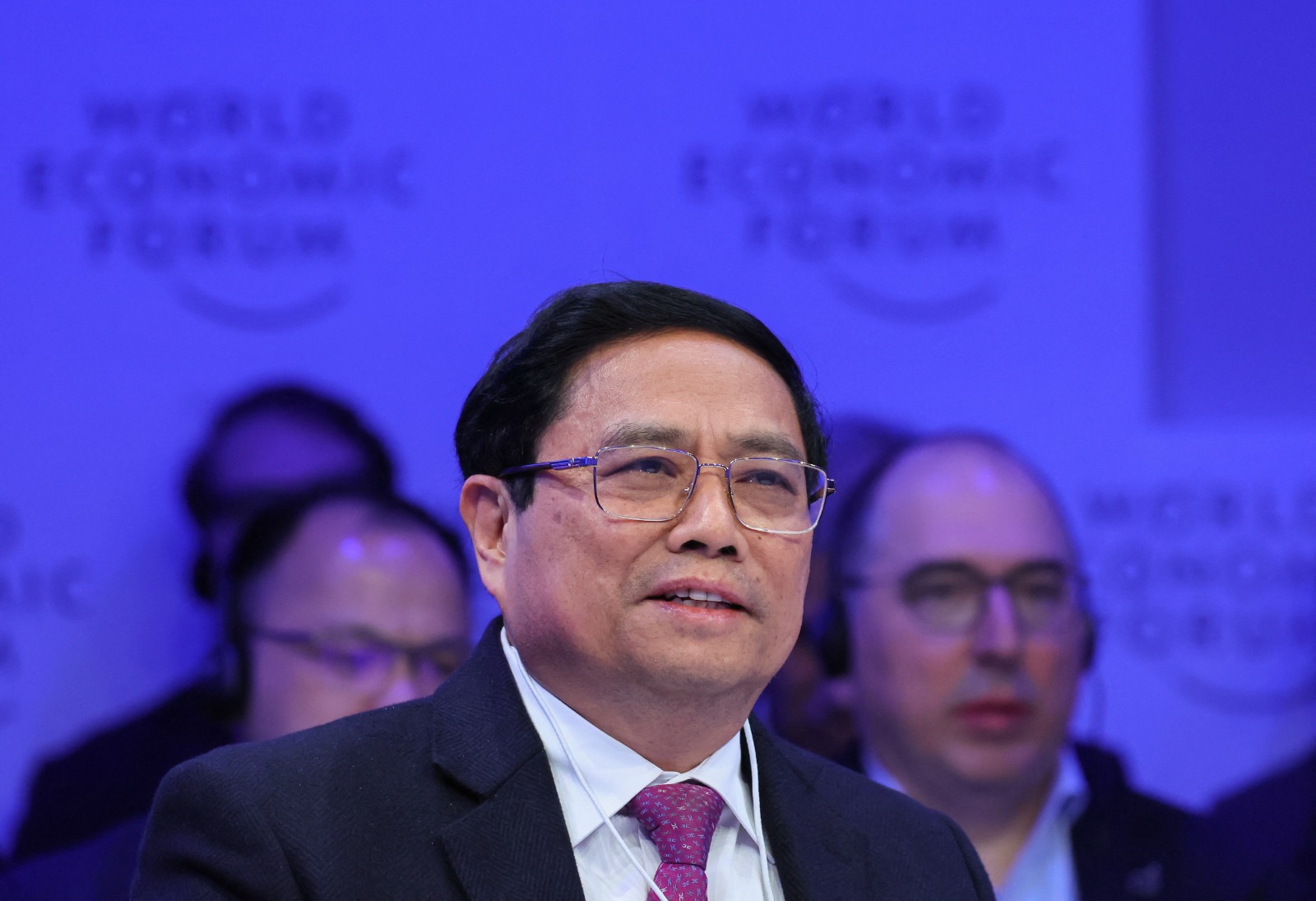
Vietnam PM : Still aiming for growth target despite U.S. tariffs

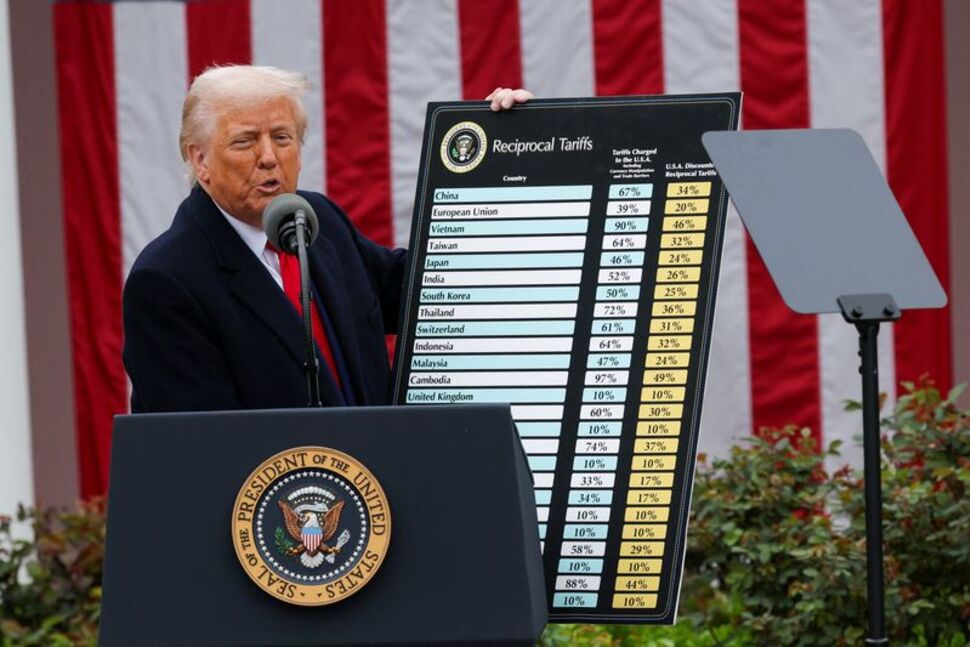
HANOI : Vietnam faces more challenges than opportunities because of U.S. tariffs but will still aim to meet its target of at least 8% growth this year, the Prime Minister Pham Minh Chinh said on Monday, ahead of the start of trade talks with Washington later this week. The Southeast Asian economy, which is heavily reliant on exports for growth, is facing a 46% tariff if a reduction cannot be negotiated before a U.S. moratorium expires in July. US President Donald Trump’s “reciprocal” tariffs are negatively affecting the global economy. Pham Minh Chinh added Vietnam has made good progress in talks with the Trump administration over the tariffs, he full impact of which has been postponed globally until July.

The tariffs, including a 46% levy on Vietnamese goods, are threatening global supply chains, Chinh told the parliament, adding that the country’s export-reliant economy is facing a “challenging and complicated situation.”

Chinh said Vietnam has made good progress in talks with the Trump administration over the tariffs, the full impact of which has been postponed globally until July.“We have stayed calm and courageous and taken several appropriate measures,” Chinh said. “Vietnam is among the first countries the US has agreed to hold tariff negotiations with.”

“We are facing more challenges than opportunities this year,” he said, adding the trade war also offered opportunities for the country to restructure its economy. Chinh said Vietnam will seek to boost its exports to 17 markets that it has signed free trade agreements with.

Vietnam will also seek to boost consumption and ramp up public investment to upgrade its infrastructure this year, including starting work on a multi-billion dollar railway line linking its Haiphong port with China.
In recent years, Vietnam has faced power shortages that hit factories and families in northern provinces during heatwaves. “We won’t let power shortages happen this year, in any circumstances,” Chinh said.

Source : Reuters

President Trump suggests some trade deals may come soon

WASHINGTON : President Donald Trump suggested that his administration could strike trade deals with some countries as soon as this week, offering the prospect of relief for trading partners seeking to avoid higher US import duties.

“It could very well be,” Trump told reporters on Sunday when asked whether any trade agreements were coming this week. He didn’t specify any countries.

“We’re negotiating with many countries, but at the end of this, I’ll set my own deals — because I set the deal, they don’t set the deal,” Trump said aboard Air Force One. “You keep asking the same question: ‘When will you agree?’ It’s up to me, it’s not up to them.”

Trump also signaled that his aides are having conversations with counterparts from China. Financial markets have steadied in the past two weeks amid signs that talks with Asian nations are progressing and trade tensions between China and the US could ratchet down from current levels.

China has been the focus of Trump’s tariff campaign, leading Beijing to retaliate against US levies, which now run as high as 145% on Chinese goods. China has been hinting at a possible thaw in recent days, while Trump told NBC News in comments broadcast Sunday that he’s willing to lower US tariffs at some point.

In response to a question on Air Force One, Trump said he has no current plans to speak with Chinese President Xi Jinping.

Beijing confirmed last week for the first time that its authorities are in communication with American officials over trade deals. Discussions have already been underway with Trump’s aides and multiple other countries, but top officials continue to signal that they ultimately they may still intend to impose duties on trading partners.

“At a certain point, I’ll be just setting a certain tariff number,” Trump said Sunday. “At some point in the next two weeks or three weeks, I’m going to be setting the deal.”

“I’m going to say that such and such a country has had a tremendous trade surplus — surplus their way — with us and they’ve taken advantage of us in various ways, and we fully understand what they were doing,” he said.

Trump’s sweeping tariff policies have whipsawed global markets, sparking fears of an economic downturn and weighing on the US dollar. Last week, data from the Bureau of Economic Analysis showed US gross domestic product contracted for the first time in three years.

In an interview with Fox News last week, Vice President JD Vance said a trade deal with India will be among the first. Negotiations were also underway with Japan, South Korea and “folks in Europe,” Vance said.

Asian economies facing some of the highest US “reciprocal” tariffs have been leading the way over western counterparts in trade negotiations with the Trump administration. Japan’s chief trade negotiator Ryosei Akazawa has expressed hopes of reaching a trade agreement with the US in June, following the latest round of the negotiations in Washington last week.

Still, questions remain over how substantial any near-term deal announcements will be, given that past experience suggests comprehensive trade agreements take many months if not years to complete.