Home Blog Page 121

Gateway Distriparks deploys Blue Energy Motors’ Electric Heavy-Duty Trucks for Commercial Freight Operations

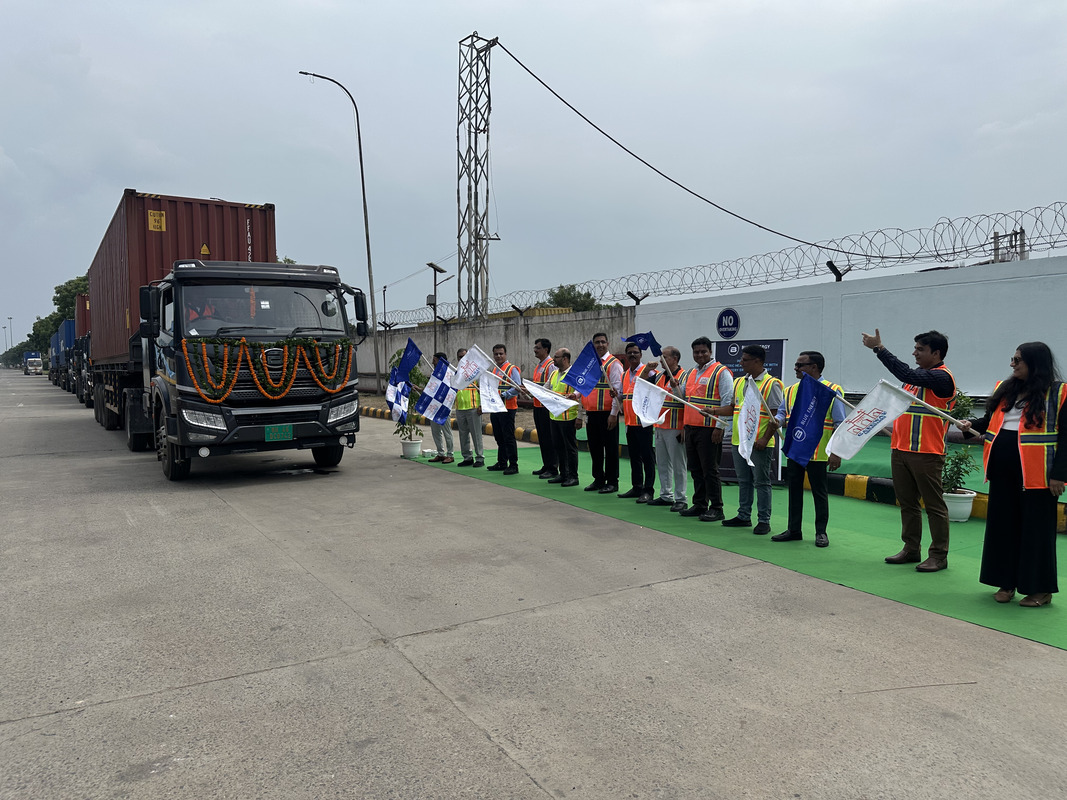
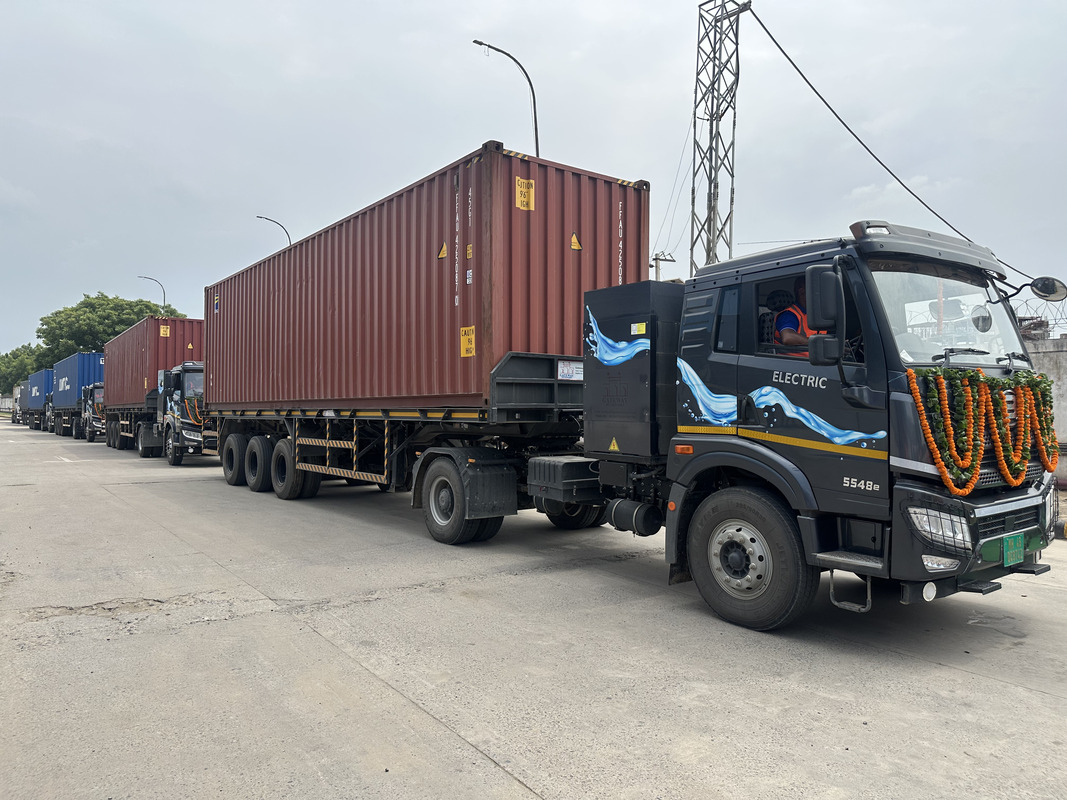
GURUGRAM: Ahead of World EV Day, Gateway Distriparks Limited (GDL), one of India’s leading multimodal logistics service providers, has deployed Blue Energy Motors’ electric heavy-duty trucks as part of its commitment to advancing sustainable mobility across its logistics operations. The vehicles were flagged off at Gateway Distriparks’ ICD Garhi Harsaru, Gurugram facility and will support commercial freight movement within the company’s transportation network.

The deployment represents a significant milestone in the evolution of India’s logistics sector, where the focus is increasingly shifting towards solutions that balance operational efficiency with environmental responsibility. By integrating electric heavy-duty trucks into active freight operations, Gateway Distriparks is reinforcing its commitment to reducing the environmental impact of freight movement while supporting the broader transition towards cleaner transportation.
Img 01 Gateway Distriparks Deploys Blue Energy Motors Electric Heavy Duty Trucks for Commercial Freight Operations 1 Gateway Distriparks deploys Blue Energy Motors’ Electric Heavy-Duty Trucks for Commercial Freight Operations

Purpose-built for commercial freight applications, Blue Energy Motors’ EV trucks are engineered to deliver the performance, reliability and uptime required for demanding logistics operations. Equipped with advanced battery technology, intelligent vehicle management systems and a robust service support ecosystem, the trucks are designed to meet the evolving needs of modern freight transportation while enabling cleaner and more efficient movement of goods.

Mr. Samvid Gupta, Joint Managing Director, Gateway Distriparks Limited, said, “Sustainability is an increasingly important priority across supply chains, and we are committed to adopting solutions that support our environmental goals while maintaining the reliability and efficiency our customers expect. The deployment of electric trailers marks an important step in this journey. With the support of Blue Energy Motors and its charging ecosystem, Gateway Distriparks has deployed electric trailers for first and last mile connectivity, demonstrating the growing viability of electric trailers in container logistics. This initiative reflects our commitment to building a more sustainable logistics ecosystem while continuing to deliver operational excellence”.

Commenting on the deployment, Mr. Anand Mimani, CEO – EV & New Energy, Blue Energy Motors, said, “We are pleased to partner with Gateway Distriparks in deploying our electric trucks for commercial logistics operations. The transition to electric mobility in heavy-duty transportation will be driven by solutions that can demonstrate performance, reliability and operational viability in real-world applications. Deployments such as this allow us to work closely with fleet operators, understand their requirements and support the practical adoption of electric trucks across freight operations.”

The deployment builds on the growing momentum of electric freight transportation in India. Blue Energy Motors’ electric heavy-duty trucks have travelled on the Mumbai–Delhi NCR corridor, demonstrating the viability of zero-tailpipe-emission freight movement on one of the country’s busiest logistics routes. As electric trucks increasingly move goods across key freight corridors, they help accelerate the electrification of commercial road transport while reducing the environmental impact of logistics operations.

The deployment comes at a time when India’s logistics sector is accelerating its transition towards lower-emission transportation solutions, driven by evolving sustainability goals, regulatory support and the growing need for operational efficiencies. As fleet operators seek scalable pathways to decarbonise freight movement, electric heavy-duty trucks are emerging as a key enabler of cleaner and smarter logistics operations.

With 1,400+ green heavy-duty trucks operating across key freight routes in India, Blue Energy Motors has crossed 122 million green kilometres on Indian roads and helped reduce more than 33,000 tonnes of CO₂ emissions, equivalent to the carbon absorption of nearly 1.3 million trees. As India’s No. 1 Green Truck Brand, Blue Energy Motors continues to advance sustainable freight mobility through its expanding portfolio of LNG and electric heavy-duty trucks.

About Blue Energy Motors:

Blue Energy Motors is a leading manufacturer of sustainable heavy-duty Electric and LNG trucks in India, driving a green revolution in the trucking industry. By offering clean, low-emission alternatives, the company delivers immediate and economically viable solutions to decarbonize freight transport. Its innovative business model integrates next-generation truck technology with energy as a service and comprehensive maintenance support. Together with its strategic partners and suppliers, Blue Energy Motors is building a robust ecosystem to make clean commercial transport profitable and scalable and transform India’s heavy-duty trucking landscape.

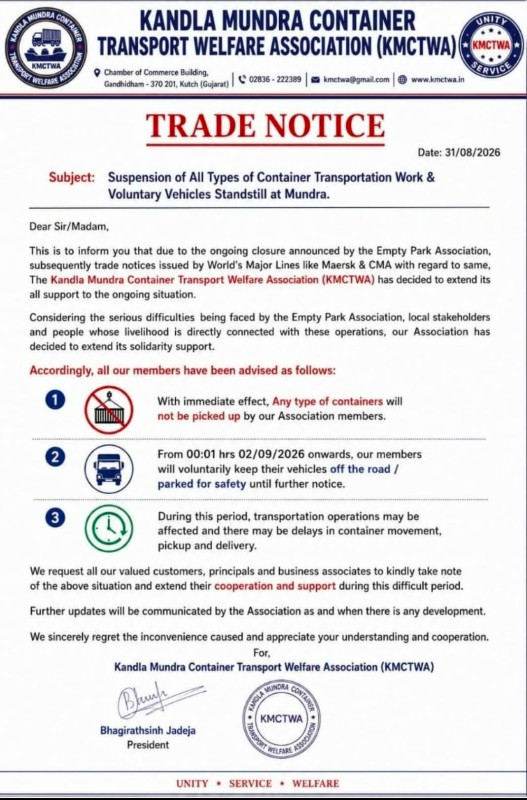
Mundra Container Yard strike disrupts EXIM supply chain as around 5,000 containers a day face delays

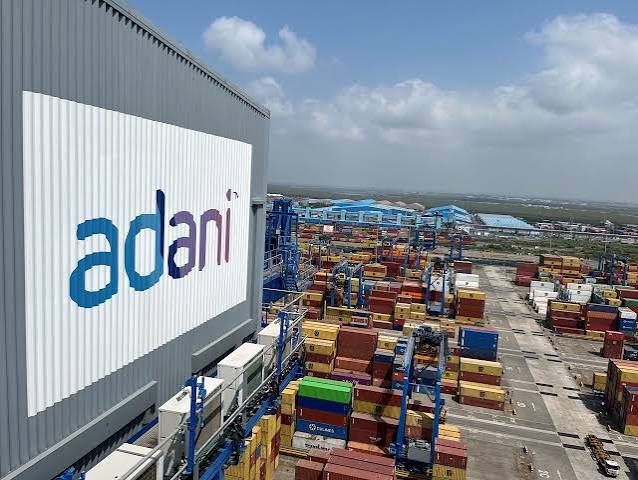
MUNDRA: Container movement at Mundra Port has come under significant pressure following a strike by empty-container yard operators, with industry estimates suggesting that around 5,000 containers a day are being held up amid disruptions to the return, storage and repositioning of empty boxes.

trade notice mundra strike Mundra Container Yard strike disrupts EXIM supply chain as around 5,000 containers a day face delays

The disruption follows a decision by Adani Ports and Special Economic Zone (APSEZ) to freeze empty-yard codes for facilities located outside the Mundra Port and SEZ limits from September 1, 2026. Under the revised arrangement, shipping lines are required to nominate empty containers to designated yards operating within the Mundra Port SEZ.

The decision has triggered strong opposition from external empty-container yard operators, who suspended services in protest, leading to a wider disruption across the container logistics chain.

Exporters Face Shortage of Empty Containers

One of the most immediate impacts has been on exporters dependent on empty containers for factory stuffing. With affected yards suspending operations, the availability and release of empty containers for export cargo has been disrupted.

At the same time, importers and transporters are facing difficulties in returning empty containers after cargo de-stuffing, creating congestion and delays across the logistics network.

The situation has raised concerns over missed vessel cut-offs, shipment rollovers and potential additional costs for exporters and importers if the disruption continues.

Several major shipping lines have issued customer advisories regarding the operational challenges. MSC and Ocean Network Express (ONE) have advised customers to review their export plans and make alternative arrangements where possible to minimise potential delays. Other carriers have also highlighted restrictions affecting empty-container releases and returns at impacted facilities.

Transporters Join the Disruption

The situation has further intensified with container transporters extending support to the striking empty-yard operators. Reports indicate that a large number of transporters serving the Mundra logistics ecosystem have halted or restricted container movements, adding further pressure to the already disrupted supply chain.

This has widened the impact beyond empty-container yards, affecting the movement of containers between factories, container freight stations, depots and port terminals.

However, some logistics activities continue to remain operational. Cargo stuffing and gate-in operations through Container Freight Stations (CFSs) have continued, providing exporters with an alternative route for moving cargo through Mundra, although factory stuffing operations remain among the most affected segments.

Different Views Over the New Empty Container System

APSEZ has maintained that the new arrangement is aimed at creating a more integrated empty-container management system within the Mundra ecosystem.

According to the company’s stated objectives, the move is expected to help reduce road congestion, improve truck turnaround times, shorten container movements, enhance safety and security controls and reduce emissions associated with longer road movements.

However, external depot operators and sections of the logistics community have raised concerns about the sudden impact of the transition on existing container handling arrangements.

Industry stakeholders argue that shipping lines require operational flexibility in deciding where their empty containers are stored, inspected, repaired and positioned for future export movements.

The dispute has therefore developed into a broader issue involving port operations, empty-container depots, shipping lines, transporters, customs brokers and exporters.

Trade Bodies Seek Urgent Resolution

The disruption has prompted calls from industry bodies for an early resolution to prevent further impact on India’s export-import trade.

Customs brokers and freight forwarders have expressed concerns over additional logistics costs, stranded vehicles, delays in container returns and the risk of exporters missing planned vessel sailings.

Stakeholders have also sought measures to ensure that importers and exporters are not burdened with detention charges or other additional costs arising from circumstances beyond their control.

With Mundra serving as one of India’s most important gateways for containerised trade, a prolonged disruption could affect supply chains serving manufacturing and export centres across Gujarat and northern and western India.

Focus Turns to Restoration of Normal Container Flows

The key challenge now is restoring the seamless circulation of empty containers between importers, depots, factories, CFS facilities and port terminals.

The empty container is a critical link in the export supply chain. Any disruption in its availability can quickly affect factory stuffing schedules, inland transport planning and vessel connections.

As discussions continue among port authorities, depot operators, shipping lines and trade stakeholders, the industry will be closely watching for a resolution that can restore normal container flows while addressing concerns surrounding the new empty-container management system.

For now, exporters and importers moving cargo through Mundra are being advised to closely monitor carrier advisories, review shipment schedules and coordinate with shipping lines and logistics partners to reduce the risk of operational delays.

Mundra empty-container disruption raises questions about the implementation of the new depot policy

MUMBAI: The disruption around empty-container movements at Mundra has now spread from empty-container depot operators to transporters and shipping lines, with implications for exporters and importers using the port.

The issue follows APSEZ’s decision to freeze empty-yard codes outside the port limits from September 1. Shipping lines are now required to nominate empty containers to designated facilities within the Mundra Port/SEZ area. APSEZ has said the change is intended to address misuse of empty-depot codes, improve security, reduce road congestion and improve vehicle turnaround.

The reasons for reviewing the existing arrangement are understandable. The immediate concern is whether the change has been introduced with enough capacity and preparation to keep container movements running.

Supal Shah 3 Mundra empty-container disruption raises questions about the implementation of the new depot policy

“There are valid reasons to review how empty containers are handled at Mundra. The problem is the way the change has been introduced. When an established process is used every day by exporters, shipping lines, transporters and depots, the replacement arrangements need to be ready before the existing ones are withdrawn.” shared Mr. Supal Shah, CEO, Sarjak Container Lines. 

Empty containers are a basic part of the export process. A shipping line releases the equipment, a transporter collects it and takes it to the exporter’s factory, the container is stuffed and then moved to the terminal before the vessel cut-off. Import containers follow a similar cycle when the empty equipment has to be returned.

A disruption at the empty-container stage can therefore delay a shipment even when the terminal itself is operating.

That is what makes the current situation significant. The Mundra Customs Brokers’ Association has estimated that around 5,000 containers a day are being held up. The Kandla Mundra Container Transport Welfare Association has said around 1,500 container transporters have stopped movements. CMA CGM and Hapag-Lloyd have issued customer advisories on restrictions affecting empty-container releases and returns at Mundra. CMA CGM has also said CFS stuffing and gate-in operations remain available. These figures and reports come from the respective industry associations and shipping lines.

“An exporter does not care where an empty container is stored. The exporter needs the box at the factory when it is required, and the laden container needs to reach the terminal before the vessel is cut-off. If that does not happen, the shipment is affected.” shared Shah.

The disruption also raises a practical question about the capacity of the new arrangements.

The designated facilities within the Mundra Port/SEZ area will need to handle containers that were previously spread across several independent depots. That involves more than storage. Empty containers may need to be received, inspected, repaired, washed and released. Trucks also need to be available to move the equipment, and shipping lines need their systems and instructions to work with the new locations.

There is not enough public information at present to establish whether the new facilities have sufficient capacity for all of these activities at the volumes previously handled across the external depots. That is an important question for the industry as the new arrangement takes effect.

The independent depots around Mundra have also invested over many years in land, handling equipment, repair facilities, workshops and people. Shipping lines, transporters and other businesses have built their operations around these facilities.

“If a larger share of empty containers is going to be handled through fewer locations, those locations need to be able to deal with the additional volume on a normal day and during periods of disruption. Capacity needs to be established before the change is fully implemented.”

The timing of the change is another concern.

The depot operators suspended operations from August 28, ahead of the September 1 implementation. That left the industry dealing with a dispute and a change in operating arrangements at the same time.

For companies that have trucks, equipment, employees and customer commitments tied to the existing system, a short notice period makes it difficult to reorganise operations. Shipping lines and exporters also need time to change instructions and make alternative arrangements.

“A change of this scale needs a workable transition period. Companies need time to adjust their truck deployment, depot arrangements and customer instructions. If the old process stops before the new one is ready to handle the same work, the disruption will be felt by the cargo owner.”

The cost of that disruption is another concern.

Industry bodies have raised the possibility of missed vessel cut-offs, shipment rollovers, detention and additional transportation and handling costs. FFFAI has sought intervention from the Directorate General of Shipping on the issue, citing these operational and financial consequences.

The cost question should be part of any assessment of the new arrangement.

“The industry should measure the change by the total cost of moving the container. If fewer empty movements inside the port are achieved but customers then face more waiting, additional trucking, repositioning or handling, those costs have to be included when the overall benefit is assessed.”

APSEZ has referred to Jebel Ali in Dubai when discussing the new approach at Mundra. International examples can be useful, but the operating conditions in each market matter.

Dubai itself has continued to develop inland empty-container capacity. DP World recently announced a 100,000 sq m inland depot at Al Awir, outside Jebel Ali, which will provide empty-container storage and release services, including inspection and inventory management.

The example is relevant because it shows that port operations and inland empty-container facilities can work together. The important question is how those facilities are connected and how easily shipping lines and cargo owners can access equipment when they need it.

“The Dubai example is useful, but the lesson is broader than simply moving empty containers into a port. The industry needs enough capacity and enough choice in the locations from which equipment can be released and returned to keep cargo moving when operating conditions change.”

Mundra is one of India’s largest container gateways. APSEZ reported that the port handled about 8.5 million TEUs in FY2025-26. At this scale, changes to empty-container operations can affect a large number of exporters, importers, transporters and shipping lines.

The immediate priority should be to restore normal empty-container movements. An interim arrangement could allow exporters and importers to continue moving cargo while the longer-term arrangements are worked through.

“The immediate priority should be to get containers moving again. Exporters should not have to absorb additional costs or miss vessel cut-offs while the industry works through a change in depot arrangements.”

The longer-term discussion should focus on how Mundra can improve empty-container management while maintaining sufficient capacity and flexibility for customers.

For India, the issue is particularly relevant as export volumes grow and manufacturers become more dependent on reliable shipping connections.

“Indian exporters need predictable access to equipment. They need to know where an empty container can be collected, when it will be available and how it will reach the factory. Those basic questions need clear answers whenever a major change is made to port operations.”

IRS marks strong opening at SMM Hamburg 2026

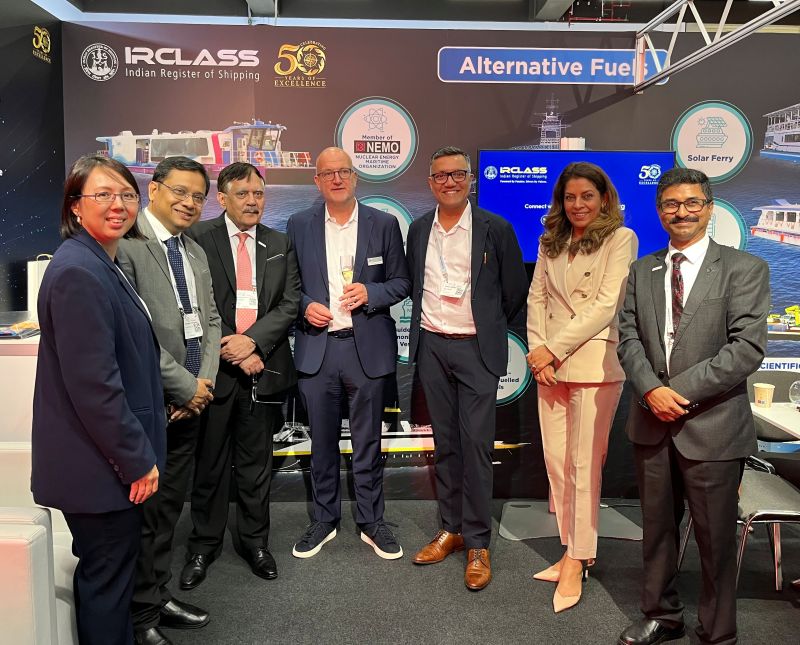
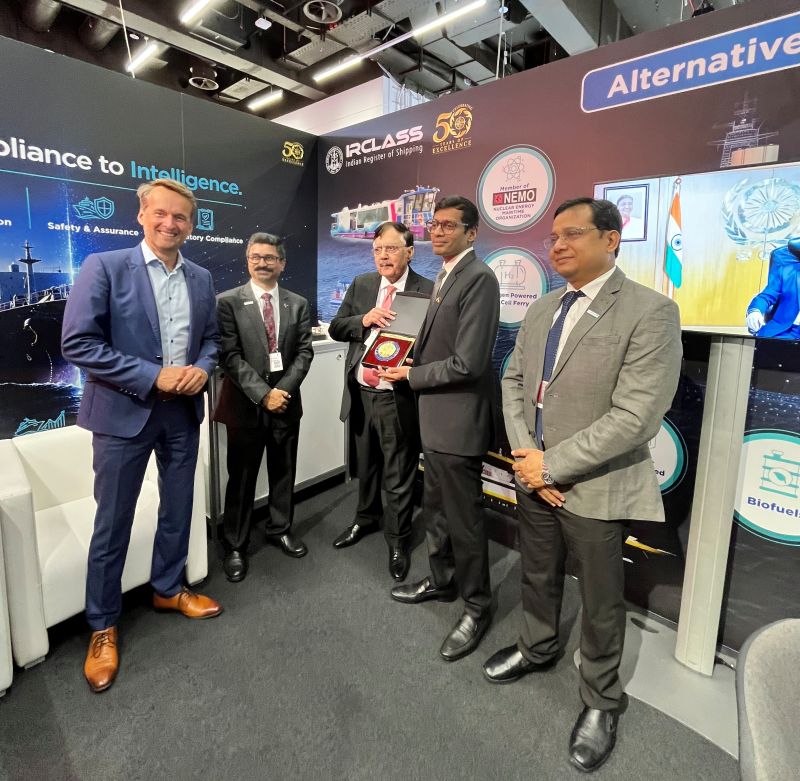
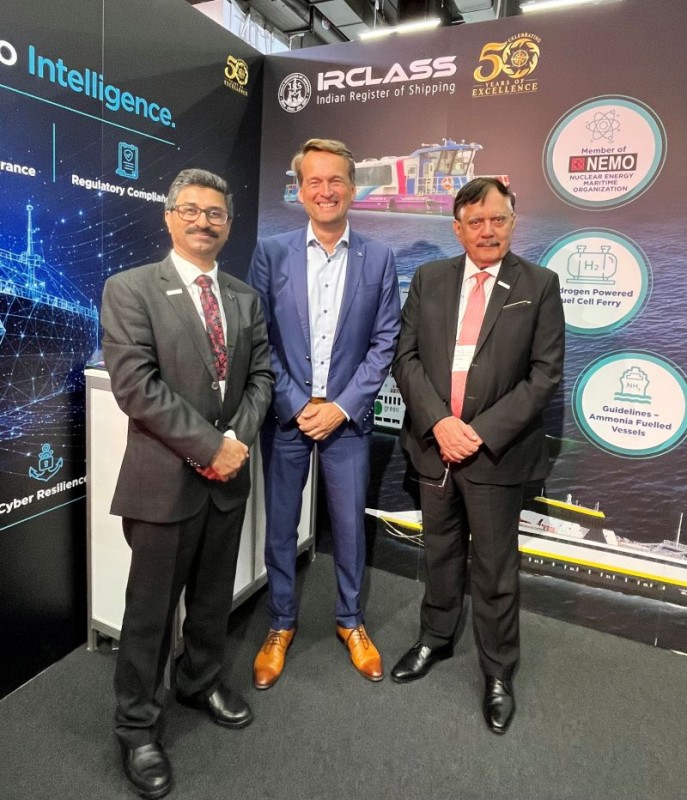
HAMBURG: The Indian Register of Shipping (IRS) marked an impressive start to its participation at SMM Hamburg 2026, with its exhibition booth officially inaugurated on the opening day by Shri Raakesh Natraj, Consul General of India in Hamburg.

The inauguration marked the beginning of IRS’s engagement at one of the world’s leading international maritime exhibitions, bringing together global stakeholders from across the shipping, shipbuilding, marine technology and maritime services sectors.

The inaugural समारोह was attended by several distinguished maritime leaders, city officials and exhibition representatives, reflecting the growing importance of international collaboration in shaping the future of the global maritime industry.

Among the prominent guests welcomed at the IRS booth were Dr. Rolf Strittmatter, CEO of Hamburg Invest; Claus Ulrich Selbach, VP Maritime & Technology Exhibitions at Hamburg Messe und Congress; Lee Lee Ong, Project Director at Hamburg Invest; and representatives from the Informa Markets India team, including Managing Director Yogesh Mudras and Pallavi Mehra.

The distinguished guests interacted with the IRS leadership and team and exchanged views on the evolving global maritime landscape, technological transformation, sustainable shipping and the growing importance of international partnerships in strengthening the industry.

A Platform for Global Maritime Collaboration

IRS’s participation at SMM Hamburg 2026 provides an important platform to engage with shipowners, shipyards, equipment manufacturers, technology providers, maritime authorities and other industry stakeholders from around the world.

As the maritime industry navigates a period of rapid transformation, discussions at the exhibition are expected to focus on key themes including decarbonisation, digitalisation, alternative fuels, smart shipping, maritime safety and next-generation vessel technologies.

For classification societies, these developments are creating new opportunities and responsibilities as the industry works towards safer, cleaner and more technologically advanced shipping.

IRS continues to strengthen its engagement with the global maritime ecosystem while supporting innovation and the adoption of emerging technologies across shipping and shipbuilding.

Strengthening India’s Global Maritime Presence

The inauguration of the IRS booth by the Consul General of India also highlights India’s expanding engagement with the international maritime community.

With India pursuing ambitious plans to strengthen its position across shipbuilding, shipping, ports, maritime services and the wider blue economy, participation in global platforms such as SMM Hamburg provides valuable opportunities for dialogue, collaboration and knowledge exchange.

IRS’s presence at the exhibition reflects its commitment to contributing to this global conversation and building stronger partnerships with stakeholders across international markets.

Focus on Innovation and the Future of Shipping

During the inaugural interactions, discussions centred on the future of global maritime collaboration and the important role of classification, innovation and technology in supporting the industry’s transition.

The shipping sector is undergoing significant change as companies adapt to evolving environmental regulations, new propulsion technologies and increasingly digital operations. Collaboration between classification societies, industry participants, governments, technology providers and research institutions will remain critical in ensuring that innovation is introduced safely and effectively.

IRS’s participation at SMM Hamburg 2026 reinforces its focus on supporting the maritime industry’s transition through technical expertise, collaboration and innovation.

A Promising Start to SMM Hamburg 2026

The strong opening at SMM Hamburg 2026 sets the stage for a week of discussions, industry engagement and collaboration for the IRS team.

The organisation expressed its gratitude to all distinguished guests and industry leaders who visited the booth and participated in discussions during the inaugural function.

With the global maritime community gathered in Hamburg, IRS looks forward to engaging with partners and stakeholders, exchanging ideas and exploring new opportunities that will help shape the future of safer, smarter and more sustainable shipping.

Indian Register of Shipping at SMM Hamburg 2026 — Connecting India with the Global Maritime Community.

GRSE pays interim dividend of 147.77 Cr, hands over cheque to GoI

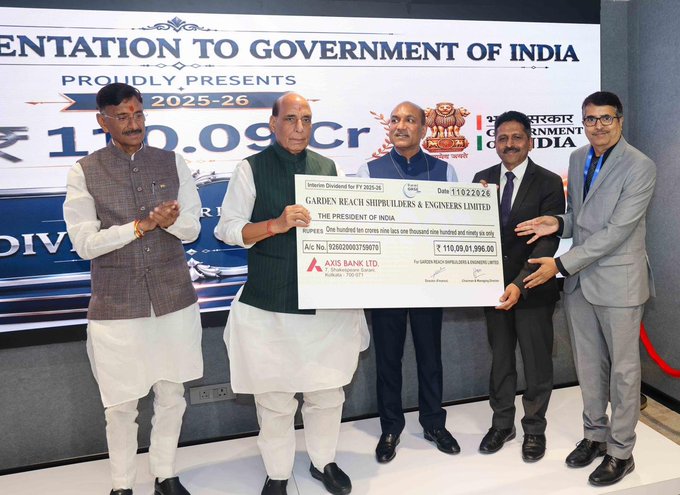
KOLKATA : Garden Reach Shipbuilders and Engineers (GRSE) Ltd., a Navratna Defence Public Sector Undertaking under the Ministry of Defence, has paid an interim dividend of Rs. 147.77 Crores for FY 2025-26 to its shareholders. The Interim Dividend Cheque amounting to Rs. 110.09 Crore as the Government’s share was handed over to Hon’ble Raksha Mantri Shri Rajnath Singh, by Cmde PR Hari, IN (Retd), Chairman & Managing Director of GRSE Ltd. Kolkata, on 01 Sep 26 in New Delhi, in the presence of Shri Sanjay Seth, Hon’ble Raksha Rajya Mantri, Shri Sanjeev Kumar, Secretary (Defence Production) and Shri Niranjan Bhalerao, Director (Finance), GRSE.

GRSE has declared a total interim dividend of Rs. 12.90 per equity share of Rs. 10 each for FY 25-26 against Rs. 8.95 in FY 24-25. GRSE has been consistent in paying dividend to the Shareholders and has done so every year for the last 32 years. The company has an order book position of Rs.15,324 Crores as on 31 Mar 26.

NSHIPOL gets in-principle nod for ₹24,700 Cr Odisha shipbuilding cluster

BHUBANESWAR: Odisha’s centuries-old maritime legacy is set to get a new industrial dimension, with the state’s first major shipbuilding cluster proposed along the Mahanadi riverbank in Kendrapada receiving the Centre’s nod.

The National Shipbuilding and Heavy Industries Park Odisha Ltd (NSHIPOL) has got in-principle approval under the Shipbuilding Development Scheme (SbDS) of the Ministry of Ports, Shipping and Waterways for the proposed ₹24,700 crore project, officials said on Monday.

The approval marks the first major step to turn Odisha’s long association with seafaring and maritime trade into a modern shipbuilding and heavy industries ecosystem.

NSHIPOL had submitted its application on July 30.

The proposed cluster, to come up along the northern bank of the Mahanadi, opposite the Iffco plant in Paradip, is expected to create an integrated ecosystem for shipbuilding, ship repair, and associated heavy industries.

The project will be developed through a special purpose vehicle (SPV) involving the Odisha Maritime Board (OMB) and Paradip Port Authority (PPA).

Officials said the competent authority granted in-principle approval after examining the proposal. The approval followed the recommendations/directions of the sixth meeting, on August 10, of the Inter-Ministerial Group for Shipbuilding (IMGB) of the National Shipbuilding Mission.

The project includes plans for one or more large shipyards having a combined building capacity of around 1.2 million gross tonnes (GT) a year. The original plan envisaged a dedicated waterfront of 2-2.5 km and an area of 2,000-2,500 acres.

The cluster is strategically positioned close to Paradip Port and Odisha’s mineral and industrial hinterland, giving it access to steel, coal and other raw materials as well as an established maritime logistics network.

The proposed ecosystem is likely to include ancillary industries such as engine manufacturing, steel fabrication, and marine equipment suppliers, besides common facilities, training centres, and research & development infrastructure.

“NSHIPOL will now prepare a project report covering the shipyard’s infrastructure requirements, proposed vessel specifications, capital expenditure, dredging and breakwater requirements and the financial model,” an official said.

It will also have to secure statutory approval, including environmental clearance and Coastal Regulation Zone (CRZ) permission, before moving to final approval under the scheme.

The company will subsequently submit its proposal along with the detailed project report, requisite statutory clearances, and investment commitments within the prescribed timeline for final approval.

Shri P L Haranadh, Chairperson of the Paradip Port Authority, termed the in-principle approval an important milestone in Odisha’s maritime development journey.

“The proposed shipbuilding and heavy industries park has the potential to strengthen shipbuilding capabilities, attract investment, create employment opportunities, and promote the development of ancillary industries in the region,” he said.

The Centre’s shipbuilding scheme envisages state-level clusters with shared infrastructure to improve competitiveness, attract private investment, and create jobs.

The state’s Economic Survey had identified the national mega shipbuilding cluster in Kendrapara, while the NITI Aayog’s economic plan for the Bhubaneswar-Cuttack-Puri-Paradip region proposed developing the Mahanadi riverine location into a leading shipbuilding and ship-repair hub for large and short-sea vessels.

The NITI Aayog plan suggested that the proposed hub could eventually support a design and innovation centre for green-vessel technology, a skill-development academy, and green shipbuilding practices, apart from ancillary manufacturing units for engines, navigation systems, and other marine equipment.

If implemented as envisaged, the Kendrapara cluster could mark a shift in Odisha’s maritime economy — from being primarily a bulk cargo-handling and mineral-export hub centred around Paradip to developing capabilities across ship construction, ship repair, marine engineering and ancillary manufacturing.

Trump says he doesn’t think war with Tehran will last “much longer” days after US strikes on Iran

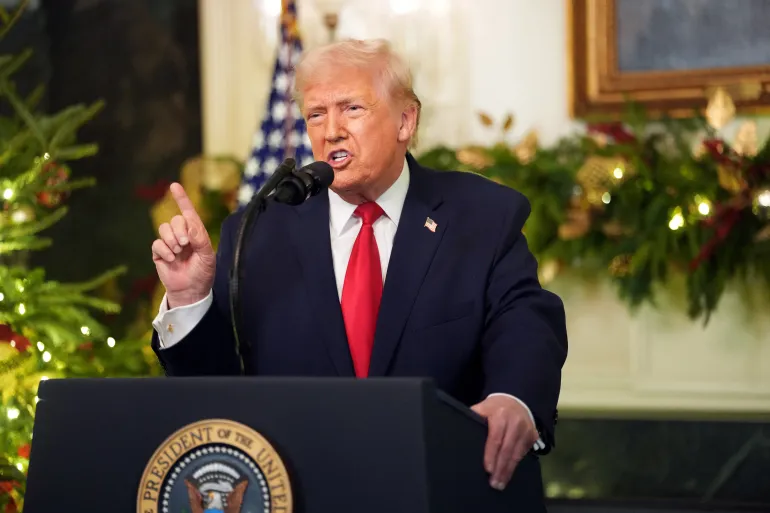
WASHINGTON DC: US President Donald Trump on Wednesday (local time) asserted that he does not expect the ongoing war with Iran, which started on February 28, to continue for “very much longer”, days after renewed US strikes on Iranian targets and amid a fresh escalation between the two sides.

Speaking to reporters at the Oval Office, Trump said that the US had launched a “very heavy attack” on Iran the previous night, targeting newly established military equipment along the Strait of Hormuz, including radar and missile-related systems.

“We hit them hard last night, very hard. They gave a little love tap, but we hit them very hard last night,” Trump said.

He said that the US had “very strong control” over the Strait of Hormuz and claimed that American forces had removed mines from the strategic waterway while continuing to bring out boats carrying millions of barrels of oil.

Trump said Iranian forces had been attempting to rebuild radar and missile systems as well as capabilities to lay mines in the Strait.

“We’re taking out a lot of ships; they can’t see them because they have no radar because we blew it up,” Trump said, adding that the US was prepared to launch further attacks “anytime we want.”

When asked about how long the renewed campaign would continue, Trump said, “Soon as it’s over, which I don’t think will be very much longer—I don’t know how much more they can take but, whatever it is, it doesn’t matter.”

The remarks came as the United States Central Command (CENTCOM) on Tuesday said that American forces completed a wave of strikes against Iranian military targets.

According to CENTCOM, the strikes targeted Iran’s Islamic Revolutionary Guard Corps (IRGC) facilities, including air defence sites, radar systems, maritime assets and facilities, mine-laying capabilities and communications sites.

CENTCOM said the strikes followed recent “attempted attacks” by the IRGC against commercial shipping in the Strait of Hormuz and against American service members.

Iran, meanwhile, strongly condemned the latest US strikes and accused Washington of violating its sovereignty and targeting non-military infrastructure and civilian sites in several Iranian provinces.

Iran’s Ministry of Foreign Affairs said Iranian armed forces had responded with “crushing defensive strikes” against US military bases that it described as the origin, support and staging points for the American attacks.

Tehran also alleged that US strikes hit a wedding celebration in Kohastak in Sirik County, Hormozgan Province.

The Iranian Foreign Ministry said more than 70 people were killed or injured in the attack, “most of whom were women and children.”

The ministry described the attacks as war crimes and a violation of international law, while asserting Iran’s right to self-defence.
The latest escalation has been accompanied by Iranian attacks on US positions across the Middle East.

IRGC said its forces targeted US bases in Jordan, the United Arab Emirates, Kuwait, Bahrain and Iraq’s autonomous Kurdistan region.

Trump also addressed the situation inside Iran after asking on Truth Social when the Iranian people would “rise up and fight” against the regime.

Asked whether the US would send the CIA to arm Iranian protesters, Trump declined to provide details.

“I wouldn’t want to say that to you. I’d love to tell you that, but it would be inappropriate to say,” Trump said.

He claimed that the Iranian regime was becoming “weaker and weaker by the day” and alleged that tens of thousands of protesters had been killed in the Islamic Republic.

The renewed confrontation comes amid heightened tensions around the Strait of Hormuz, with Iran maintaining pressure around the strategically important waterway while the United States pursues measures targeting Iranian ports.

Trump’s latest remarks indicate that, despite the intensification of US strikes and Iranian retaliation, he expects the current conflict with Tehran to come to an end in the near future.

‘Rename it to Trump Strait?’: Donald Trump pitches new name for Hormuz

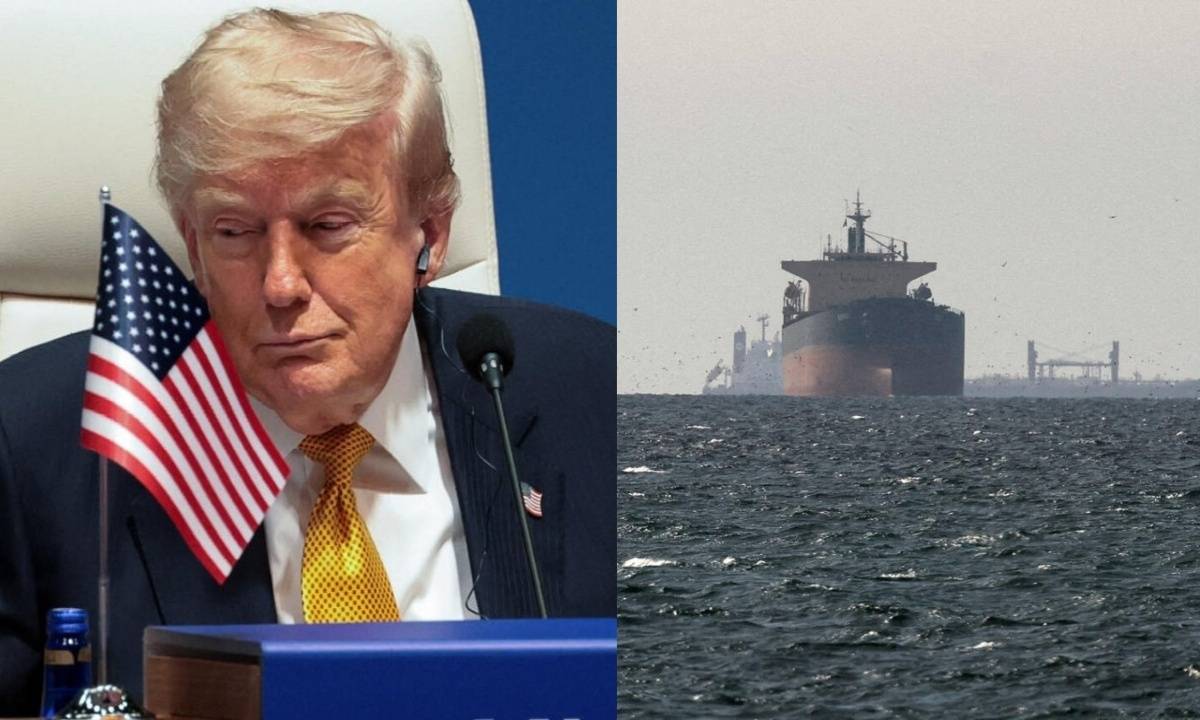
WASHINGTON D.C.: US President Donald Trump raised the prospect of renaming the Strait of Hormuz to the “Trump Strait”, questioning the designation of the critical waterway in a social media release.

In a statement published on his social media platform, Trump remarked, “Now that we have it under U.S.A. control, should we change the name Hormuz Strait to TRUMP STRAIT???”

Asserting that the suggested title would be deemed “hotter” than previously, the post concluded with the signature “President DONALD J. TRUMP”, alongside expressions of gratitude towards readers for their attention to his proposal.

These statements surface amid escalated friction concerning the Strait of Hormuz, an essential international petroleum transit corridor that stays positioned at the core of hostilities involving Washington and Tehran.

This renewed combat has once again spread towards American military installations across the area while pulling Washington’s Gulf partners further into the half-year war.

Trump had previously cautioned of “much harder and higher” strikes should Iran retaliate against US raids, which Tehran’s state media reported claimed 11 lives in the southern and southwestern regions of the country.

The newest phase of hostilities kicked off when Washington struck Iranian positions on Sunday, marking the initial confirmed attacks in multiple weeks, prompting Tehran’s units to target American service members in Jordan and the United Arab Emirates, alongside unclaimed projectile strikes hitting two oil tankers.

Additional US strikes unfolded on Tuesday, as Iranian state television documented blasts in the nation’s southern sector near the Hormuz Strait and upon a Gulf island, alongside reports that American forces targeted an airfield in the southern province of Kerman.

Following six months of warfare, both adversaries remain at a standstill, with Tehran maintaining the closure of the Strait of Hormuz while the United States continues executing a counter-blockade targeting Iranian harbours.

The wider conflict in the Middle East commenced near the end of February via US-Israeli offensives against Iran that resulted in the death of its supreme leader, Ayatollah Ali Khamenei.

A delicate truce between Washington and Tehran subsequently fell apart following assaults directed at commercial vessels within the Hormuz Strait, a passage through which one-fifth of global oil shipments transited prior to the outbreak of war.

Trump’s latest suggestion follows prior campaigns concerning geographic titles.

Amid trade disagreements and discussions regarding Canada joining as the 51st US state, Trump previously designated Lake Ontario as “Lake America” via a social media post earlier in the year, though this label failed to supplant the globally accepted name.

That recommendation arose during tariff tensions between Washington and Ottawa regarding economic disadvantages.

Conversely, a separate renaming initiative achieved formal adoption within the United States federal administration.

Following his return to the presidency in January 2025, Trump mandated that federal authorities refer to the Gulf of Mexico as the “Gulf of America”, which subsequently featured across official US cartography and administrative records.

This measure encountered pushback from Mexico, with then-President Claudia Sheinbaum stating that while Washington could apply the term to its segment of the continental shelf, the broader international sea would retain the designation of the Gulf of Mexico.

Saudi Arabia accuses Iran of attack on oil tanker Sidr in Strait of Hormuz resulting in seafarers’ deaths

RIYADH: Saudi Arabia on Wednesday claimed that Iran targeted an oil tanker, the Sidr, as it transited through the Strait of Hormuz, resulting in fatalities among the vessel’s crew.

In an official statement, Saudi Arabia’s Ministry of Foreign Affairs expressed stern condemnation of the action.

In the statement, Riyadh extended its condemnation to broader regional military action, citing Iranian attacks directed at Jordan, Bahrain, and Kuwait.

“The Ministry of Foreign Affairs expresses the Kingdom of Saudi Arabia’s condemnation of the Islamic Republic of Iran’s targeting of the Saudi tanker (Sidr) while it was transiting the Strait of Hormuz, and resulted in fatalities among the tanker’s crew,” the Ministry stated.

Saudi Arabia reaffirmed its full solidarity with these neighbouring nations and expressed unwavering support for any measures they take to safeguard their sovereignty and national security against external threats.

Highlighting the risks posed to global stability, the ministry underscored the urgent need to protect maritime trade routes and ensure the security of global energy supplies. The Kingdom emphasised adherence to the principles of international law, the UN Charter, state sovereignty, and good-neighbourly relations.

“The Kingdom stresses the need to halt escalation and respect the security and safety of international navigation, the security of global energy supplies, the principles of good neighborliness, the sovereignty of states, the Charter of the United Nations, and international law and norms,” the statement read.

Concluding its address, the ministry urged all involved parties to exercise maximum restraint, immediately halt further military escalation, and return to peaceful diplomatic negotiations to resolve ongoing conflicts.

The incident promptly triggered a unified diplomatic response across Gulf nations, with Qatar and Kuwait condemning the escalation and demanding an immediate safeguard of vital international shipping corridors.

The State of Qatar called for an immediate and unconditional reopening of the critical shipping lane.

In an official statement released by the Ministry of Foreign Affairs, Doha denounced the targeting of the Saudi tanker SIDR, which resulted in fatalities among the vessel’s crew. Qatar characterised the attack as “a blatant violation of the rules of international law and freedom of maritime navigation, as well as a flagrant breach of United Nations Security Council Resolution 2817.”

Reaffirming its stance on international shipping channels, the foreign ministry expressed Qatar’s “categorical rejection of using the Strait of Hormuz as a means of exerting pressure” and urged all parties to ensure the waterway remains open.

Closing with a pledge of regional alignment, Qatar called for an end to “Iran’s unjustified attacks on the property of sisterly countries,” while expressing full solidarity with Riyadh and confirming its support for any measures taken by the Kingdom of Saudi Arabia to protect its assets.

Subsequently, Kuwait warned that the escalating maritime assault directly threatens global energy supplies and freedom of navigation.
In an official statement, the Ministry of Foreign Affairs of Kuwait denounced the targeting of the vessel and the resulting loss of life among its crew.

Reiterating the urgent need to preserve stability in the critical international waterway, the foreign ministry urged an immediate end to military escalations across the region.

“The Ministry emphasizes the necessity of an immediate halt to all escalatory actions, and adherence to the rules of international law that guarantee freedom of navigation, reaffirming the State of Kuwait’s rejection of any aggression against the security of maritime navigation and its safety,” the statement asserted.

Closing with a strong declaration of regional alliance, Kuwait affirmed its unyielding support for Saudi Arabia following the incident. “The Ministry renews the State of Kuwait’s full solidarity with the sisterly Arab Kingdom of Saudi Arabia, its standing by its side, and its support for all measures it takes to safeguard its sovereignty, protect its security, and defend its interests.”

This comes after a fresh wave of Iranian attacks against US positions across the Middle East, marking the heaviest exchange between the two nations in weeks.

According to Iran’s Revolutionary Guards, forces targeted US bases located in Jordan, the United Arab Emirates, Kuwait, Bahrain, and Iraq’s autonomous Kurdistan region. These strikes came in the wake of US military operations against Iranian targets that Tehran stated killed 18 people.

Source: ANI

Iran’s Hormuz regulatory body blacklists 11 more vessels transiting through Strait over ‘non-compliance’

TEHRAN: Iran’s Persian Gulf Strait Authority (PGSA) on Wednesday (local time) blacklisted a further 11 vessels transiting through the Strait of Hormuz over what it described as ‘non-compliance’ with Iranian protocols, taking the total number of vessels barred from the strategically important waterway to 56.

In a post on X, the PGSA said its Non-Compliant Vessels (NCV) list had been updated, while acknowledging information submitted by members of the public that contributed to the latest entries.

“The NCV list has been updated on the website. Certain entries on this list have been established through information voluntarily submitted by the public, and the PGSA wishes to formally acknowledge and thank those who have contributed to this effort,” the authority said.

The PGSA, a regulatory body established by Iran to manage and monitor maritime operations through the strategic waterway, has warned that any vessel cooperating with a blacklisted ship could also be added to the list.

PGSA on its website stated vessels found violating Iranian protocols for the Strait of Hormuz could face restrictions on future passages, including fines, detention or confiscation.

The authority has also advised cargo owners shipping to and from the Persian Gulf to review the NCV list before chartering vessels to avoid potential issues.

“Any vessel cooperating with listed vessels (via STS, transhipment, etc.) will be added to the list,” the PGSA said.

The authority has stated that vessels seeking removal from the blacklist must submit a formal application with supporting justifications.

The latest action comes a week after Tehran blacklisted 45 tankers that it claimed had violated its rules for navigating the Strait of Hormuz.

On May 18, Iran’s Supreme National Security Council formally launched the PGSA as a dedicated mechanism for governing maritime traffic through the Strait of Hormuz.

The council reported a statement announcing that the official X account of the Persian Gulf Strait Authority had become operational.

“In the Name of God. The official X account of the Persian Gulf Strait Authority (#PGSA) is now live. Follow us for real-time updates on the Hormuz Strait operations and latest developments,” the authority said in the statement.

The establishment of the PGSA marked the formal introduction of a dedicated Iranian body to oversee maritime traffic and operations linked to the Strait of Hormuz, a strategically important waterway for global oil and energy shipments.