Home Blog Page 459

ONGC, MOL & Samsung HI sign contract for 2 Indian VLECs to boost energy security

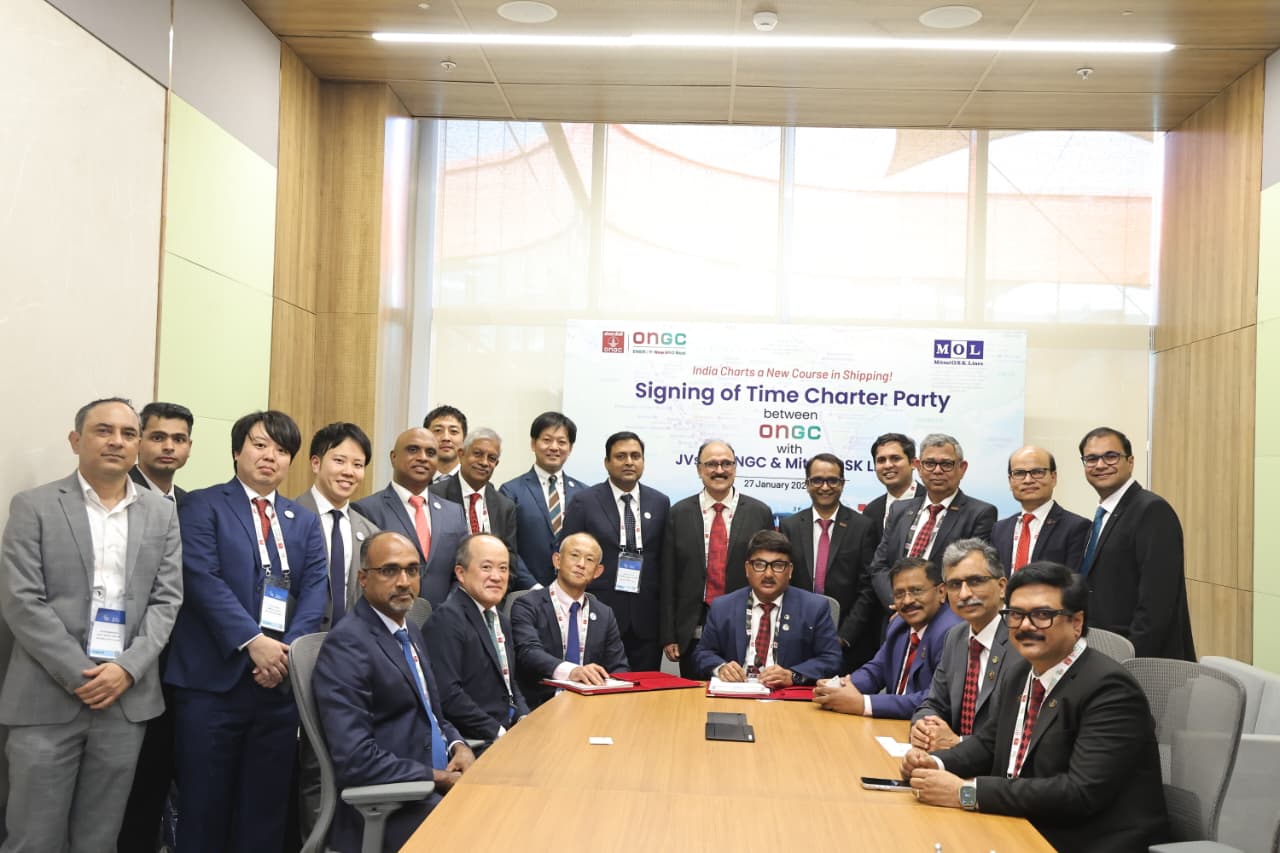
GANDHINAGAR : In a significant move to secure India’s energy supply chain, a consortium led by Oil and Natural Gas Corporation Limited (ONGC) has signed shipbuilding contracts for two Very Large Ethane Carriers (VLECs). The contracts were finalized with Samsung Heavy Industries (SHI) of South Korea on January 27, 2026, marking a key step in India’s strategic push for energy self-reliance.

Key Details of the Deal:
Partnership: The VLECs will be owned and operated by two joint venture companies formed by ONGC and Japanese shipping major Mitsui O.S.K. Lines (MOL) in GIFT City, Gujarat.

Builder: Samsung Heavy Industries, a global leader in gas carrier construction, will build the vessels.

Specifications: Each vessel will be an Indian-flag carrier with a massive cargo capacity of one lakh cubic meters.

Purpose: The VLECs will create a dedicated shipping corridor to transport approximately 600,000 tonnes per annum (KTPA) of ethane from the USA to India. The ethane will serve as critical feedstock for ONGC Petro additions Limited (OPaL), an ONGC subsidiary.

Timeline: The vessels are scheduled for delivery in FY 2028-29.

Strategic Significance for India:
This initiative, undertaken with guidance from the Ministry of Petroleum & Natural Gas and DIPAM, is a cornerstone project for India’s energy security. It directly supports multiple national objectives:

Strengthening Energy Logistics: Creates dedicated, Indian-controlled shipping capacity for a critical petrochemical feedstock, reducing reliance on volatile spot markets and foreign fleets.

Enhancing Supply Chain Resilience: Secures a long-term, stable supply of ethane, ensuring operational continuity for downstream petrochemical value chains crucial for manufacturing.

Building Niche Maritime Expertise: Enters India into the high-value, specialized segment of VLEC ownership and operation, building institutional knowledge and strategic capacity.

Advancing Self-Reliance: Aligns perfectly with the PM’s Maritime Amrit Kaal Vision-2047 and the Atmanirbhar Bharat mission, fostering an ecosystem founded on long-term economic and energy resilience.

The fast-tracked conclusion of this trilateral partnership between India, Japan, and South Korea underscores a shared commitment to securing global energy supply chains through industrial cooperation.
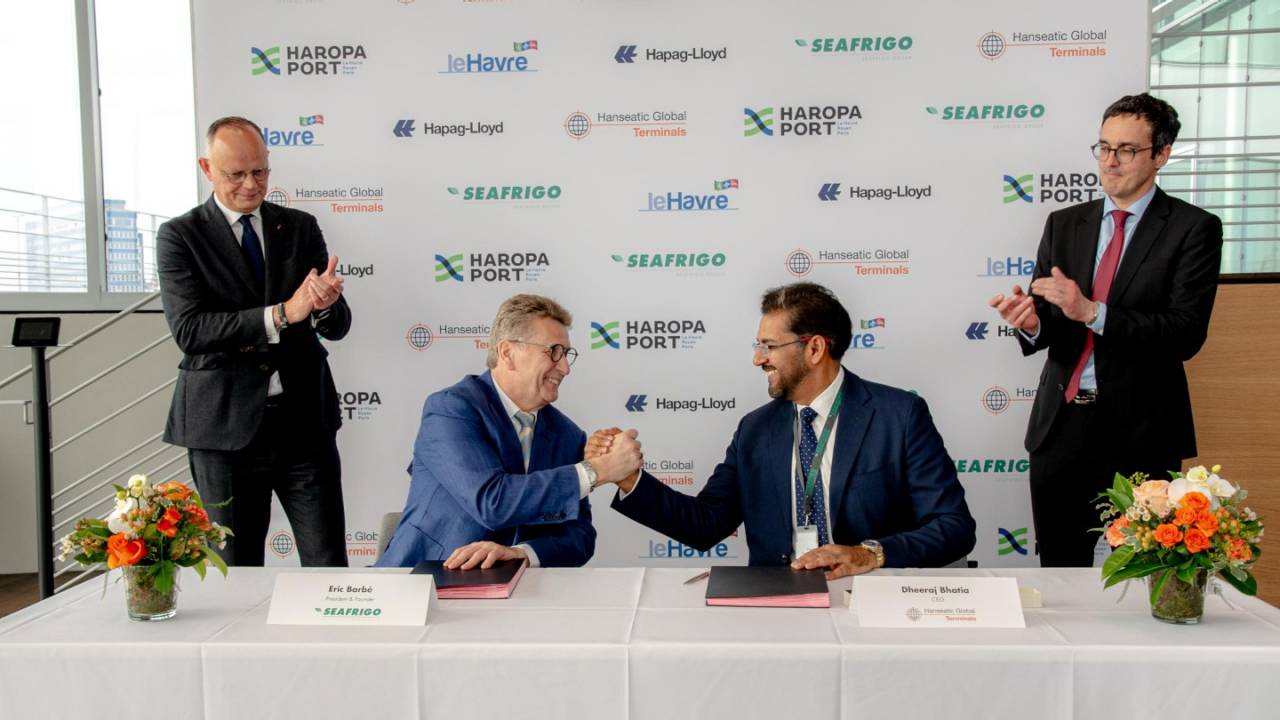
Hanseatic Global Terminals Le Havre launched

LE HAVRE: In March 2025, Hanseatic Global Terminals acquired a 60% majority stake in the CNMP LH terminal Le Havre, with the remaining 40% held by Seafrigo. Since then, Hanseatic Global Terminals has invested significantly in the site, including the purchase of 14 Kalmar hybrid straddle carriers with delivery expected in early 2026. Additionally, Benoit Klein was appointed Managing Director of Hanseatic Global Terminals Le Havre. The new name and brand identity represent the latest step in the terminal’s growth journey.

The rebranding introduced visual changes across facilities, workwear, offices, and digital platforms such as websites and social media. The entity is now officially registered as Hanseatic Global Terminals Le Havre. Alongside these updates, Hanseatic Global Terminals is standardizing and strengthening processes to ensure consistent, high-quality service for customers and partners worldwide.

Le Havre Hanseatic Global Terminals Le Havre launched

Le Havre ranks among Europe’s 10 largest ports and is France’s leading gateway for sea transport, handling around 3 million TEU annually. It offers excellent hinterland connections to Paris, and container throughput is expected to grow – particularly in the attractive reefer container segment.

“This milestone marks a significant step in our Strategy 2030 to grow our Terminal Portfolio and reflects our commitment to building a unified, world-class terminal network that delivers consistent, high-quality service globally. The rebranding of Hanseatic Global Terminals Le Havre represents our dedication to reliability, sustainability, and innovation for our customers and partners,” shared Dheeraj Bhatia, CEO Hanseatic Global Terminals.

“This change of identity marks a major turning point: thanks to our strengthened partnership with HGT, we are combining our expertise in temperature-controlled food logistics with a global vision of port terminals for the benefit of our customers, our employees and the development of the port of Le Havre,” mentioned Eric Barbé, President of Seafrigo Group.

“Since joining Hanseatic Global Terminals, our focus has been on investing in people, technology, and infrastructure to strengthen our capabilities. The brand transition marks an exciting chapter for Le Havre, and we remain committed to providing the same trusted service while unlocking new opportunities for growth and excellence,” said Benoit Klein, Managing Director Hanseatic Global Terminals Le Havre.

Established in 2023, Hanseatic Global Terminals is an independent entity operating under the Hapag-Lloyd group of companies, focused on Terminals and Infrastructure. Hanseatic Global Terminals has a robust vision to become a global terminal operator, expanding to approximately 30 terminals by 2030.

PIL announces new intermodal corridor in Chile, successfully completes first inland-to-Asia shipment

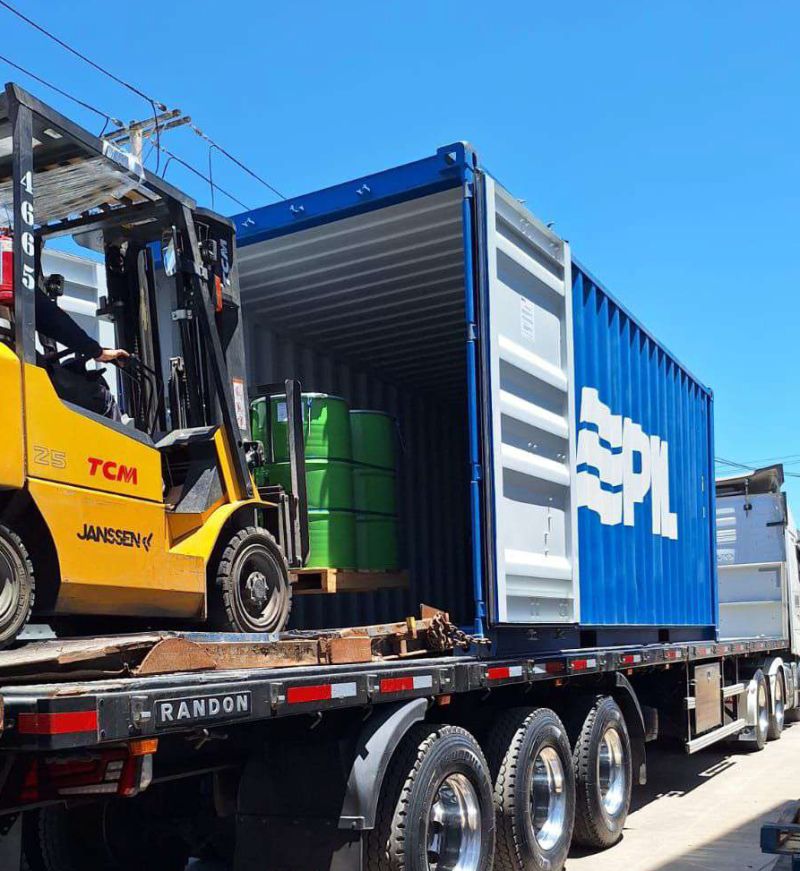
CHILE : Pacific International Lines (PIL) has reached a significant milestone with the successful launch of a new intermodal corridor in Chile, marking the company’s first inland intermodal shipment in the country through PIL Intermodal Services.

On 7 January, a consignment of 76 barrels of fruit juice was loaded into a 20-foot container at Santiago, Chile’s capital. Leveraging PIL’s integrated inland logistics capabilities, the container was transported by road to the port of San Antonio, one of Chile’s key maritime gateways. From there, the shipment commenced its ocean leg on 9 January, sailing on PIL’s West Coast Central and South America Service 6 (WS6).

The cargo is currently en route to its final destination, Adelaide, Australia, highlighting PIL’s ability to seamlessly connect inland production centres in South America with global consumption markets across the Asia-Pacific region.

This successful movement underscores PIL’s commitment to delivering end-to-end logistics solutions, combining inland transportation with reliable ocean services under a single, integrated offering. The newly launched intermodal corridor enhances supply chain efficiency for exporters by reducing complexity, improving transit visibility, and providing a single point of coordination from origin to destination.

Commenting on the achievement, PIL reaffirmed its customer-centric philosophy of “Putting Customers First”, emphasising its focus on pushing boundaries through innovative transport solutions that add tangible value to customers’ supply chains.

The Chile intermodal corridor represents a strategic step forward in PIL’s broader efforts to strengthen its presence in Latin America, expand inland connectivity, and support time-sensitive and value-added cargo such as food and beverage products. By offering a one-stop transport solution, PIL continues to go the extra mile in supporting customers’ growth in an increasingly interconnected global trade environment.

A Strategic Partnership between Oman LNG and Asyad Drydock to build Oman’s first locally manufactured tugboat

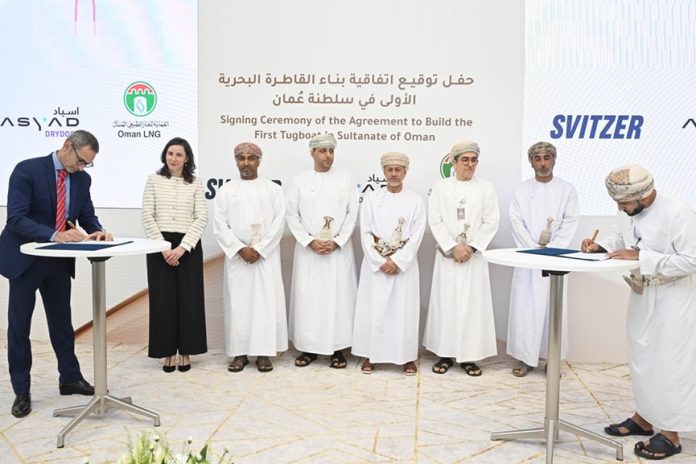
MUSCAT : A strategic agreement to build Oman’s first locally manufactured tugboat for Oman LNG was signed today between Asyad Drydock, a subsidiary of Asyad Group, and Svitzer. The project is a key milestone for Oman’s maritime industry, strengthening national industrial and maritime capabilities by localizing high-value marine assets.

The signing ceremony was held under the patronage of His Excellency Abdulsalam bin Mohammed Al Murshidi, President of Oman Investment Authority (OIA). The ceremony was attended by Hamed bin Mohammed Al Numani, CEO of Oman LNG; Ahmed bin Ali Al Balushi, CEO of Asyad Drydock and Infrastructure Services at Asyad Group; and Karim Cordahi, Executive Director for the Middle East and North Africa at Svitzer.

This project builds on the long-standing partnership between Oman LNG and Asyad Group, based on shared roles across Oman’s energy, logistics and maritime ecosystem. It takes this partnership beyond operational, marine and logistics services into a more advanced phase of industrial collaboration. The project also reflects Oman LNG’s focus on In-Country Value and the technical capabilities of Asyad Drydock.

On this occasion, His Excellency Abdulsalam Al Murshidi, President of the OIA, commented: “This project signifies a pivotal new phase of integration within our national investment ecosystem. It underscores our strategic imperative to localize the construction and execution of strategic assets in Oman. The selection of Asyad Drydock for this critical marine asset is a testament to the advanced state of the national industrial capabilities. Furthermore, it demonstrates the profound confidence our national companies place in local platforms to deliver high-value assets that meet the most exacting international standards. This initiative is in direct alignment with OIA’s mandate to channel investments into sustainable industrial ecosystems that enhance in-country value and foster the long-term, robust growth of our national economy.”

This project underscores the increasing confidence placed in Asyad Drydock’s profound technical expertise, state-of-the-art infrastructure, and highly qualified national talents. It serves as a powerful demonstration of the company’s capability to execute complex ship repair, shipbuilding, and major marine engineering projects in Oman, consistently adhering to the highest international standards.

Ahmed Al Balushi, CEO of Asyad Drydock and Infrastructure Services at Asyad Group, stated: “Asyad Drydock serves as a national industrial platform for localizing the construction of high-value marine assets in Oman. We are guided by a sustainable approach aimed at maximizing local content. Th project is planned to achieve 50% local content. In 2025, our total local expenditure reached approximately OMR 46 million, of which OMR 7.777 million was directed to local SMEs. This underscores our unwavering commitment to empowering national businesses and strengthening local industrial capabilities.”

This initiative also reflects Oman LNG’s approach to turning In-Country Value commitments into measurable results. It does so by embedding ICV into contracts and operating models to maximize local economic impact and create jobs. Omanization among service and business partners has exceeded 85%. In addition, 79% of total supply chain spending has been directed to locally registered companies.

In turn, Hamed Al Numani, CEO of Oman LNG, said: “From the start, Oman LNG was clear that building the tugboat locally, supported by Asyad Group’s investment, should go beyond delivering an operational asset. It should strengthen our country’s maritime legacy and connect it to our business. That is why Asyad has always been our strongest partner. By making local construction a core contractual requirement, we ensured the project contributes directly to national capability building and knowledge transfer. It also supports future growth linked to the marine and shipbuilding industries. This is fully aligned with our firm commitment to In-Country Value.”

Lloyd’s Register enhances CAP thickness analysis to improve confidence in tanker structural assessments

LONDON: Lloyd’s Register (LR) has introduced significant enhancements to its Condition Assessment Programme (CAP) Thickness Measurement Analysis process, designed to improve consistency, transparency and predictability in the assessment of tankers built to Common Structural Rules (CSR).

The updated methodology addresses concerns regarding variability in CAP outcomes for CSR vessels. By aligning thickness measurement analysis directly with the vessel’s original CSR design requirements, LR has moved away from percentage-based acceptance criteria and adopted fixed, clearly defined thickness values. This ensures that structural condition is assessed against the same engineering benchmarks used at the design stage, creating a more coherent and technically robust evaluation.

The change delivers benefits for shipowners and operators by reducing uncertainty during survey preparation and CAP execution. Fixed thickness criteria enable clearer expectations ahead of survey, support more effective long-term maintenance strategies and improve the ability to manage asset integrity and expenditure over the life of the vessel.

For charterers and other market stakeholders, the enhanced process provides greater confidence in the consistency and comparability of CAP ratings for CSR tankers. More transparent data and predictable assessment outcomes offer a stronger basis for evaluating vessel condition and associated risk, supporting more informed chartering decisions.

Nigel Phillips, Ship Inspection and Assessment Services, Global Manager, at Lloyd’s Register, said: “These enhancements reflect what our customers and the wider market have been telling us. Aligning CAP thickness assessment directly with CSR design intent removes ambiguity and delivers clearer, more predictable outcomes. It strengthens trust in CAP ratings and supports better decision-making across the tanker sector.”

The enhanced CSR CAP Thickness Measurement Analysis process is now available to customers at: Ship Inspection & Assessment Services | LR

BIO-UV Group and MicroWISE partnership to meet growing demand for Port-Side Ballast Water Treatment

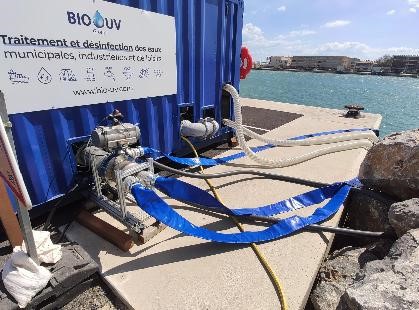
LUNEL: BIO-UV Group has announced a strategic partnership with water-monitoring specialist MicroWISE to develop new ballast-water treatment and verification solutions designed to address rising enforcement pressures and the anticipated growth of port-side reception facilities.

The collaboration combines BIO-UV Group’s long-established BIO-SEA ballast-water treatment technology with MicroWISE real-time organism analysis, creating an integrated approach to treatment and compliance validation.

The partnership comes at a critical moment for the maritime industry. Although ballast-water management systems have now been installed across most of the global fleet, port-state control inspections continue to reveal inconsistent performance and persistent non-compliance with the D-2 discharge standard.

Many systems struggle to meet biological limits during operational testing, and authorities lack rapid tools to confirm whether discharged water is compliant. As a result, ports are exploring dedicated treatment and reception capabilities to handle non-compliant ballast water safely and efficiently as a way of reducing congestion delays, and detentions.

MicroWISE biological monitoring technology enables accurate, in-line detection and quantification of viable organisms, allowing compliance to be assessed before water is discharged. By integrating real-time organism monitoring, BIO-UV Group can deliver a BWTS compliance solution that allows ports to process ballast water while avoiding any operational disruption.

“One of the biggest challenges for ports is obtaining reliable biological data in real time,” said MicroWISE CEO Pia Haecky. “By providing independently verifiable organism counts at the point of treatment, we give ports and regulators the confidence to make fast, transparent decisions about ballast-water discharge. Our technology provides precise, real-time biological data, but the value of that data increases when paired with a treatment system that can consistently achieve the required biological limits. Working with BIO-UV Group allows us to build a compliance pathway that is both scientifically robust and operationally practical for ports.”

Maxime Dedeurwaerder, Business Unit Director for BIO-UV Group’s maritime division, said the partnership reflects a strategic response to tightening regulatory expectations.

“As enforcement of the D-2 standard becomes more stringent, ports and operators increasingly recognise the need for reliable biological monitoring alongside effective treatment. Our partnership with MicroWISE enables BIO-UV Group to deliver a solution that provides both. By combining our proven BIO-SEA treatment technology with real-time organism analysis, we are creating a new benchmark for compliance verification.”

The companies will also continue joint R&D on sediment removal, flocculation processes and a potential single-pass treatment configuration to improve efficiency and reduce the footprint of port-side systems. The collaboration also supports BIO-UV Group’s plans to expand into the wider environmental-infrastructure market as ports consider onshore treatment as part of long-term investment strategies.

Dedeurwaerder said the ability to verify biological compliance in real time will become increasingly important as regulators tighten inspection regimes. “Many ships are fitted with ballast-water systems that do not consistently perform under real operating conditions. As a result, the burden of compliance is shifting toward ports, which will need practical, scalable solutions to handle non-compliant discharges. The combination of BIO-SEA UV treatment and MicroWISE monitoring provides the level of confidence and traceability port authorities are looking for.”

BIO-UV Group notes growing international interest in port-side treatment solutions, and the two companies will continue validation work throughout 2026. Both partners expect integrated treatment and verification technologies to play an increasingly central role in how the industry manages compliance over the next decade as environmental regulation expands and inspection regimes intensify. BIO-UV Group and MicroWISE said the partnership represents a significant step towards enabling ports and operators to achieve reliable, transparent and enforceable ballast-water compliance at a time of rising regulatory scrutiny.

India–EU concludes FTA negotiations: Commerce Secretary

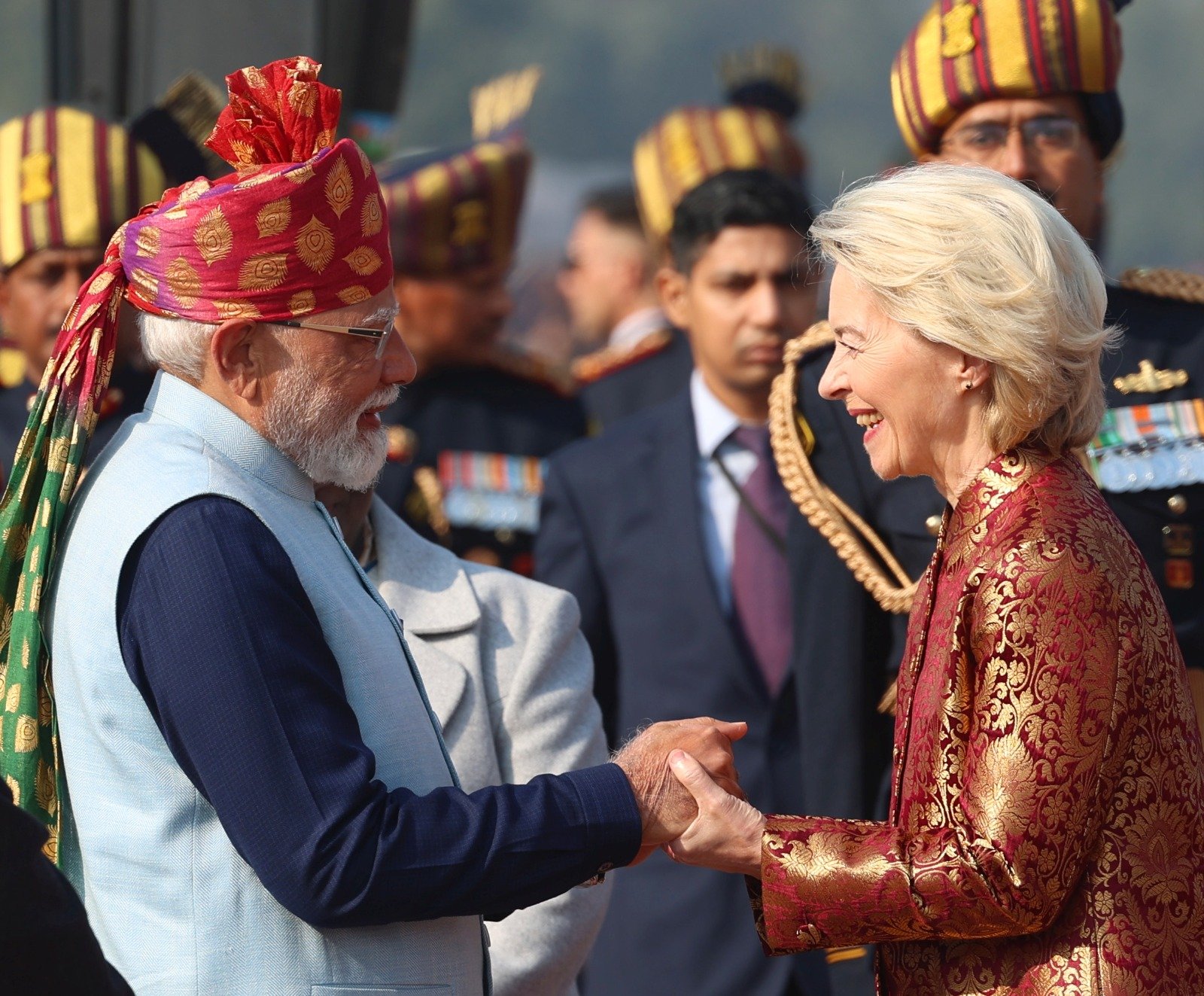
NEW DELHI : India and the European Union have successfully concluded negotiations for the proposed free trade agreement, Commerce Secretary Rajesh Agrawal said on Monday.

Calling the deal balanced and forward-looking from India’s perspective, Agrawal said the agreement would strengthen economic integration between India and the EU and help boost trade and investment flows in both economies.

“Negotiations have been successfully concluded. The deal has been finalised,” he said.

Agrawal added that legal scrubbing of the FTA text is currently underway, with efforts focused on completing procedural formalities and signing the pact at the earliest.

The agreement is expected to be signed later this year and could come into force early next year, he said. Talks on the India-EU free trade agreement began in 2007 but repeatedly broke down over market access, labour standards, intellectual property and regulatory rules. The negotiations were revived in 2022 and accelerated sharply over the past year amid global trade disruptions and rising protectionism.

Officials say the difference this time is political will. Both New Delhi and Brussels see strategic value in locking in a stable, long-term economic partnership as supply chains are reconfigured and dependence on China is reassessed.

The most eye-catching element of the proposed deal is India’s offer to sharply cut import duties on European cars, according to officials and Reuters.

Fully built cars currently attract tariffs ranging from 70% to 110%. Under the plan being discussed, peak duties on a limited number of EU-made cars priced above 15,000 euros could fall to 40% immediately, with a gradual reduction towards 10% over time.

Source : Moneycontrol

Vizhinjam International Seaport’s 2nd phase work launched; Adani Ports to invest Rs 16k crore

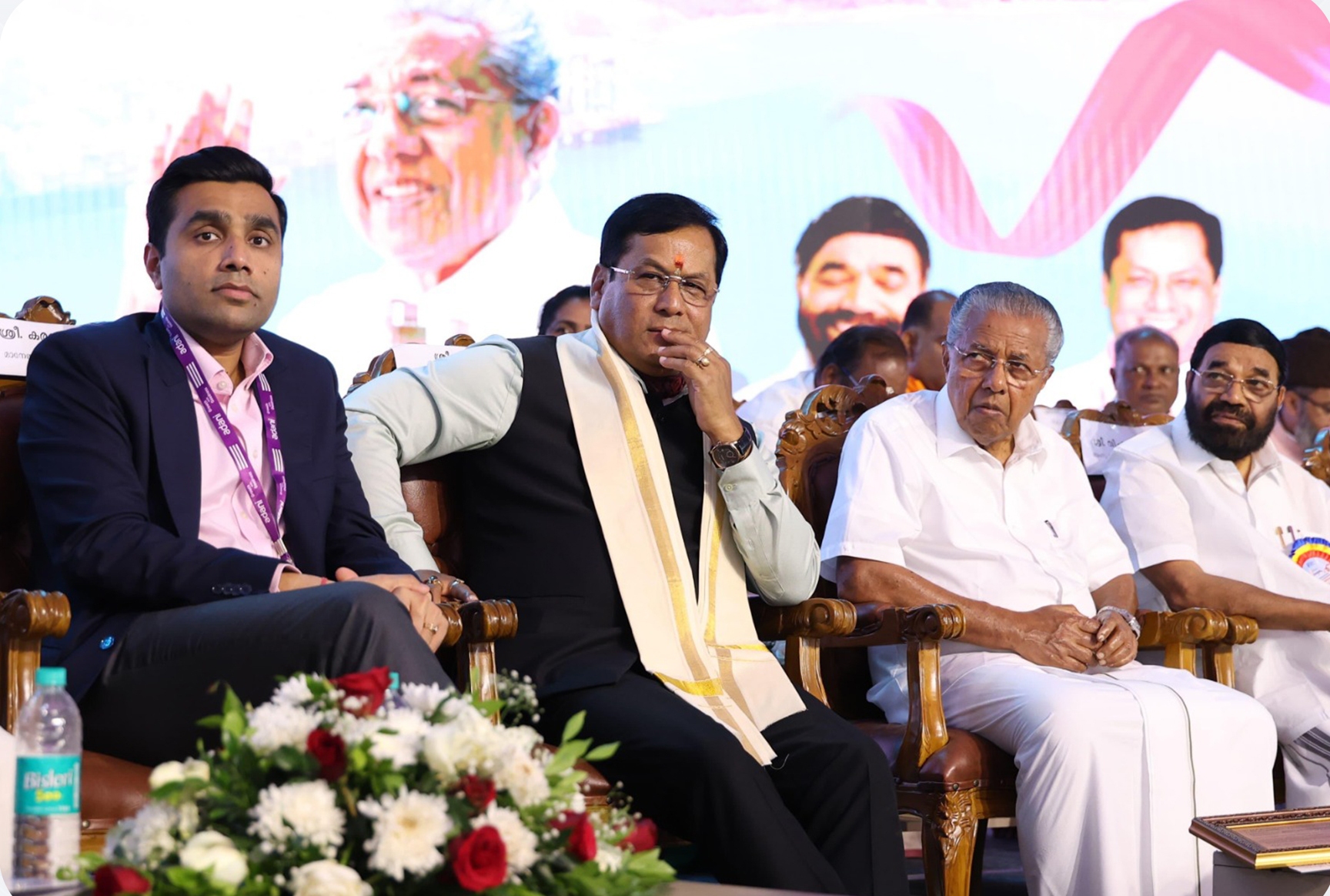
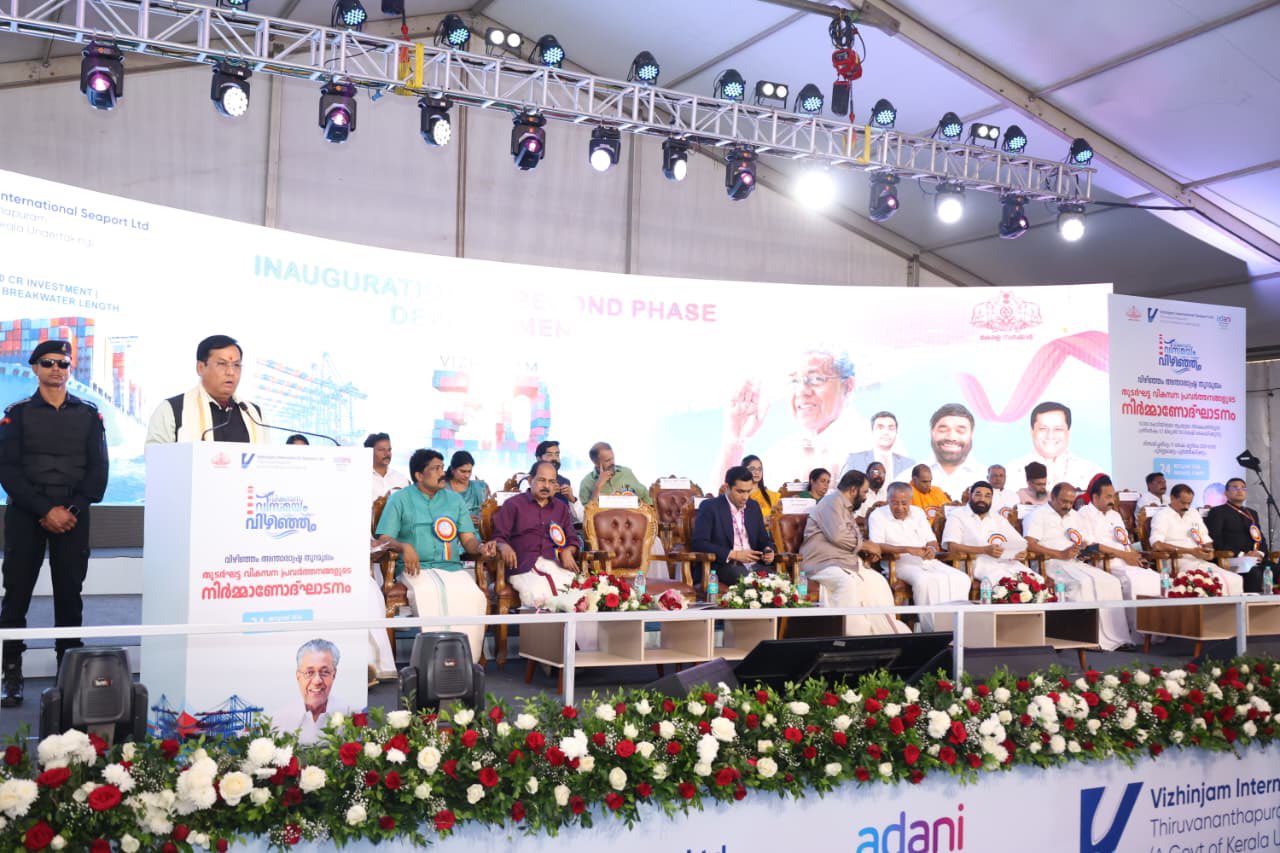
THIRUVANANTHPURAM: Giving a major fillip to the state’s infrastructure development, work on the second phase of the Vizhinjam International Seaport project began on Saturday. The target is to complete the project well ahead of its earlier schedule of 2045. In a major boost for the project, Adani Ports and Special Economic Zone Limited (APSEZ) has announced an investment of Rs 16,000 crore in the second phase.

Inaugurating the work, Chief Minister Shri Pinarayi Vijayan termed the ambitious project ‘a dream of decades’.

The construction of the second phase will be a new chapter in the history of the state’s infrastructure development, Shri Pinarayi said, while adding that Vizhinjam would be a befitting reply to those who allege that no development takes place in Kerala.

“It is often said that Kerala is a land where no development would take place properly, or plans are unfit for the state. We replied to them by making this project a reality,” the CM said at the Vizhinjam Port here on Saturday. Stating that the port has become the state’s financial backbone after the completion of its first phase, Pinarayi said gone are the days when Kerala had to depend on external agencies for goods transport.

‘Kerala occupies a special place in country’s maritime transformation’

“Even though the port construction began during the tenure of UDF, the responsibility of implementing the same was given to LDF. We overcame many odds, including calamities and a pandemic, to achieve this status,” the CM said.

He also said the port opened new job opportunities for youngsters and regional development activities found footing due to the port. Mentioning that the state invested a sum of over Rs 5,500 crore in the first phase, Shri Pinarayi said this is the highest amount any state has invested in the sector.

“With the completion of the port by 2028, 17 years before the initially agreed-upon timeframe, our aim of Vizhinjam becoming a national transshipment terminal will be transformed into that of an international transshipment hub,” the CM noted, adding that the port will be able to provide services to even African and Middle Eastern countries.

Delivering the keynote address, Union Minister for Ports, Shipping and Waterways Shri Sarbananda Sonowal said Kerala occupies a special place in the country’s maritime transformation. “Kerala’s strategic location on major shipping routes, its scale, human resources, and strong institutional capacity make it a maritime and logistic hub on the western coast,” he said.

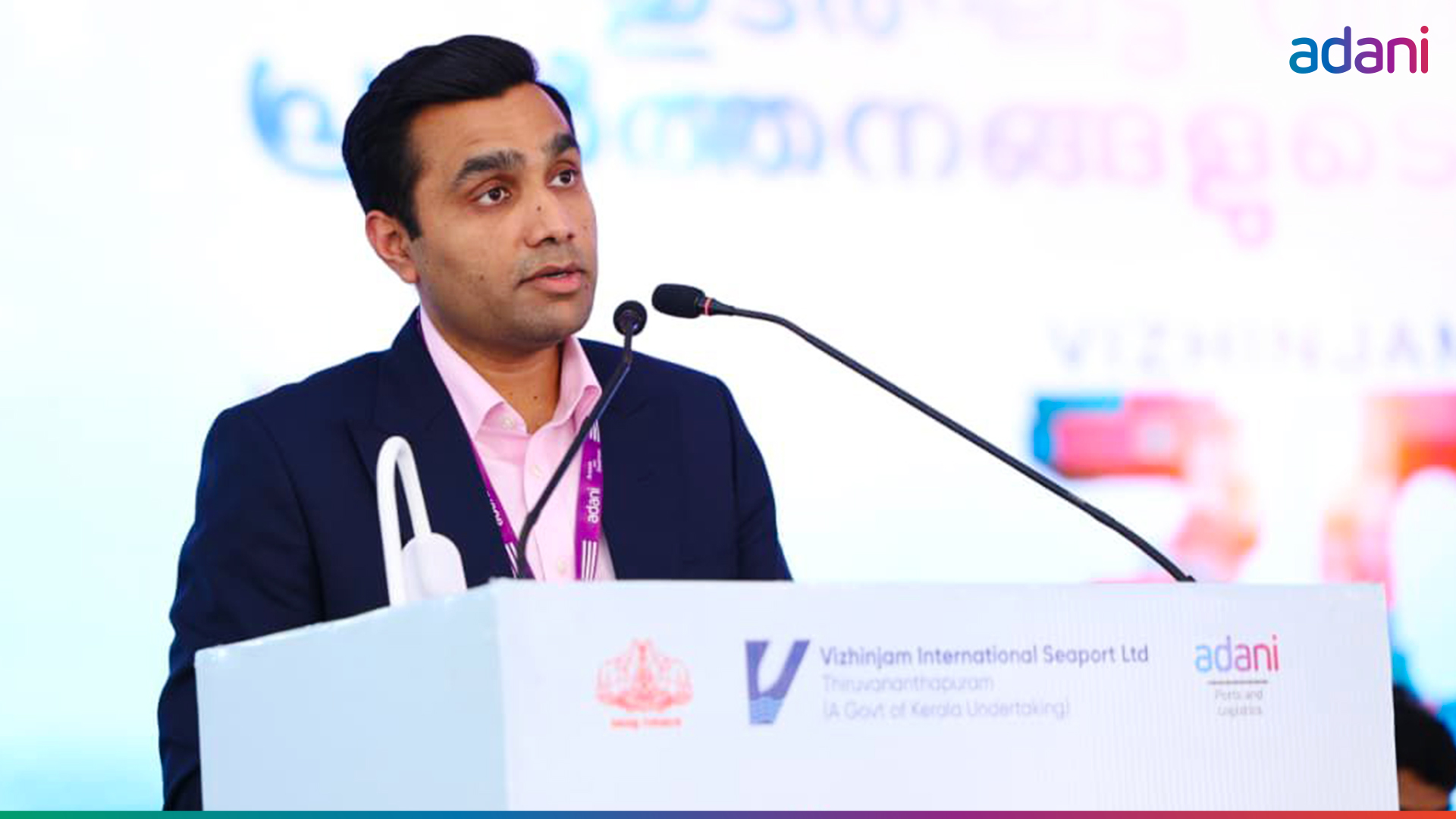
Adani Ports and SEZ Managing Director Mr. Karan Adani said Vizhinjam Port became the fastest port in the country to handle one million TEU containers. With the completion of the new phase, Vizhinjam will see the expansion of the breakwater to 3.88 km from 2.96 km, and the expansion of the existing 800m container berth to 2,000m. The port will also be able to handle five motherships simultaneously.

The function, which was presided over by Ports Minister Shri V N Vasavan, was also attended by Ministers V Sivankutty, K N Balagopal and G R Anil, Leader of Opposition V D Satheesan and Thiruvananthapuram Mayor V V Rajesh, among others.

Sarbananda Sonowal inaugurates Capacity Augmentation Works of Vizhinjam International Seaport in Kerala

THIRUVANANTHPURAM: The Hon’ble Union Minister for Ports, Shipping and Waterways, Shri Sarbananda Sonowal, on Saturday inaugurated the capacity augmentation works of Vizhinjam International Seaport at Thiruvananthapuram, Kerala. The event was held in the presence of Shri Pinarayi Vijayan, Hon’ble Chief Minister of Kerala, senior State and Central Government officials, and representatives of the concessionaire.

The inauguration marked the commencement of construction works for Phases II, III and IV of the Vizhinjam International Seaport, which are being implemented under a fast-tracked and integrated development programme. The expansion aims to substantially augment India’s container transshipment capacity and strengthen the country’s maritime infrastructure ecosystem.

Vizhinjam International Seaport commenced commercial operations of Phase I on 3 December 2024 with a designed capacity of 1 million TEUs. Within a short period of operation, the port has demonstrated strong performance, handling over 1.43 million TEUs and operating at more than 130 per cent capacity utilisation. The port has established direct connectivity with major global shipping routes across Europe, the Americas, Africa and the Far East, reinforcing its role as a key national transshipment terminal.

Addressing the gathering, Shri Sarbananda Sonowal said, “The rapid operationalisation and expansion of Vizhinjam International Seaport reflects India’s focused approach towards building world-class port infrastructure. He stated that the capacity augmentation will play a critical role in reducing India’s dependence on foreign transshipment hubs, improving logistics efficiency, and supporting the growth of India’s external trade.”

Under the capacity augmentation programme, the existing container berth will be extended to create a continuous 2-kilometre-long container berth, the longest in India. The breakwater will be extended to 3.88 kilometres, and additional container yards will be developed through sea reclamation. The port’s cargo handling capacity will be strengthened through the addition of ship-to-shore and yard cranes, enabling the handling of next-generation container vessels of up to 28,000 TEUs. On completion, the port will be capable of handling up to five mother vessels simultaneously, with an operational throughput capacity of up to 5.7 million TEUs per annum.

The capacity augmentation works are being undertaken pursuant to a Supplementary Concession Agreement signed in November 2024 between the Government of Kerala and Adani Vizhinjam Port Private Limited, advancing the project timeline by nearly 17 years, with completion targeted by December 2028. The total investment envisaged for the Vizhinjam International Seaport project is approximately ₹16,000 crore, including about ₹7,398 crore for the expansion phases.

The Union Minister further noted that the development of Vizhinjam International Seaport is aligned with the national objectives under Maritime Vision 2030 and the Amrit Kaal Vision 2047, and will contribute to the creation of a resilient, efficient and globally competitive maritime sector.

Speaking on the occasion, the Hon’ble CM of Kerala, Shri Pinarayi Vijayan said, “Vizhinjam is  currently serving mainly Indian Container Ports as a  Transhipment port. With the completion of Phase 2 development, Vizhinjam will become the transhipment hub of the whole world including continents of Asia, Europe, America and Africa.”

With the commencement of the capacity augmentation works, Vizhinjam International Seaport is set to progress towards becoming a regional transshipment hub, strengthening India’s position in global maritime trade and supporting long-term economic growth.

“Expanding national capability…”: Karan Adani on inauguration of Phase II expansion of Vizhinjam Port, lauds bipartisan support

THIRUVANANTHPURAM: Kerala Chief Minister Shri Pinarayi Vijayan on Saturday inaugurated the second phase expansion of Vizhinjam Port in Kerala, with Mr. Karan Adani, Managing Director (MD) of Adani Ports & Special Economic Zone Ltd (APSEZ), stating that not only is it an expansion of the port but also of national capability.

“Today, as we lay the foundation for phase two, we are not merely expanding a port, we are expanding a national capability. With an additional investment of Rs 16,000 crores under phase two and a cumulative commitment of Rs 30,000 crores, Vizhinjam will scale from a capacity of 1 million TU to 5.7 million TUs by 2029. This is the largest investment committed by any business house in the state of Kerala,” he said.

Union Minister of Ports, Shipping and Waterways Shri Sarbananda Sonowal was also present on the ocassion.

Mr. Karan Adani said Vizhinjam Port is the result of sustained political will across administrations and across party lines.

He appreciated the Kerala Chief Minister’s consistent support for Vizhinjam port, which helped in transforming a long-standing aspiration into a nationally and globally significant maritime asset.

Mr. Karan Adani also lauded “bipartisan cooperation” from the political spectrum and said the project is a strong example of cooperative federalism in action.

“I must admit that we would not have been able to complete this project if not for the continuous support of the Chief Minister. He has been our biggest asset that an investor can ask for when implementing such a large green field project…I would also like to acknowledge the continuous support extended by the leader of the opposition, V. D. Satheesan and MP Shashi Tharoor for this project…This project is also a strong example of cooperative federalism in action,” he said.

“(It) sends a powerful signal to investors, to industry, and to the world that when it comes to Kerala’s longterm interests, political differences give way to shared purpose,” he added.

In just 15 months of commercial operations, the port became the fastest Indian port to handle one million TEUs, firmly placing Kerala on the global shipping map, he said.

“In a remarkably short period, Vizhinjam has demonstrated what is possible when vision, execution, and partnership come together,” Mr. Karan Adani said.

“Vizhinjam will emerge as the largest transshipment port in the Indian subcontinent and a globally competitive maritime hub. Apart from being the largest transshipment port, Vizhinjam will also be the most technologically advanced port in India. It will be the lighthouse of how future Indian ports should operate,” he added.

According to the APSEZ website, Vizhinjam port is the only transshipment hub in the Indian subcontinent, closest to the international shipping routes, and is centrally located on the Indian coastline. It has a Natural draft of 20-24 m and minimal littoral drift. Vizhinjam Port offers large-scale automation for quick turnaround of vessels with state-of-the-art infrastructure to handle Megamax containerships.