Home Blog Page 87

New LNG carrier for Petronas LNG Ltd. “Puteri Kelantan” delivered

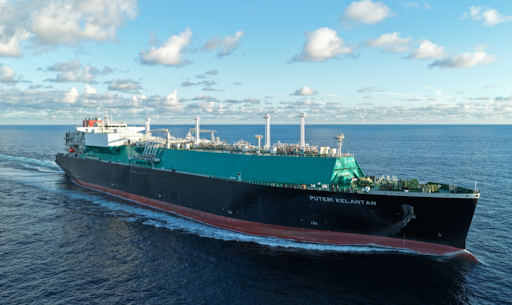
TOKYO: Kawasaki Kisen Kaisha, Ltd. (“K” LINE) is pleased to announce that Puteri Kelantan, a liquefied natural gas (LNG) carrier newly built for Petronas LNG Ltd. (PLL) was delivered on September 24, 2026 at Hudong-Zhonghua Shipbuilding (Group) Co., Ltd in China (Shipyard). The vessel is owned by a joint venture company led by “K” LINE.

LNG Carrier Puteri Kelantan New LNG carrier for Petronas LNG Ltd. “Puteri Kelantan” delivered

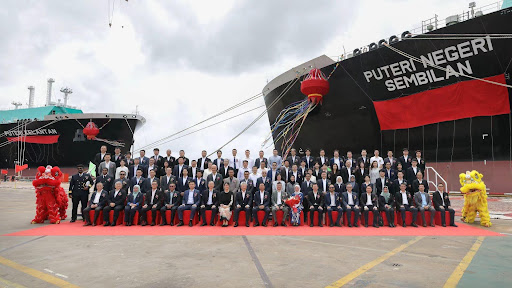
The vessel is of the same type as the two other vessels delivered for PLL in May and June 2026.*1 A naming ceremony was held on September 2, 2026 to name the vessel Puteri Kelantan. The ceremony was attended by representatives from PLL, the Shipyard, Bank of Communications Financial Leasing Co., Ltd., the financier of the vessel, China Merchants Energy Shipping Co., Ltd. and China Merchants Financial Leasing Co., Ltd., which participates in the joint vessel project, and “K” LINE.

Sister vessel, Puteri Negeri Sembilan, was named at the same time and is scheduled to be delivered in November 2026. “Puteri” means princess in Malay, and “Kelantan” and “Negeri Sembilan” are states in Peninsular Malaysia.

The delivery of these two new vessels is set to strengthen PLL’s fleet and support the reliable delivery of LNG to PLL’s customers.

In its Medium-Term Management Plan published in May 2022,*2 “K” LINE has positioned the LNG business as a top priority area regarding its future investments. “K” LINE will continue to expand long-term contracts and accommodate the growing demand for energy by responding to the diverse needs of its customers.

ShipbuilderHudong-Zhonghua Shipbuilding (Group) Co., Ltd.
Delivery DatePuteri Kelantan: September 24, 2026
Overall Length Approx. 299 m
BeamApprox. 46.4 m
Tank CapacityApprox. 174,000 m3
Main EngineX-DF (dual fuel low-speed diesel engine)
Service Speed19.5 knots

Dijvler enters sea-going vessel market with new winch programme and multiple orders

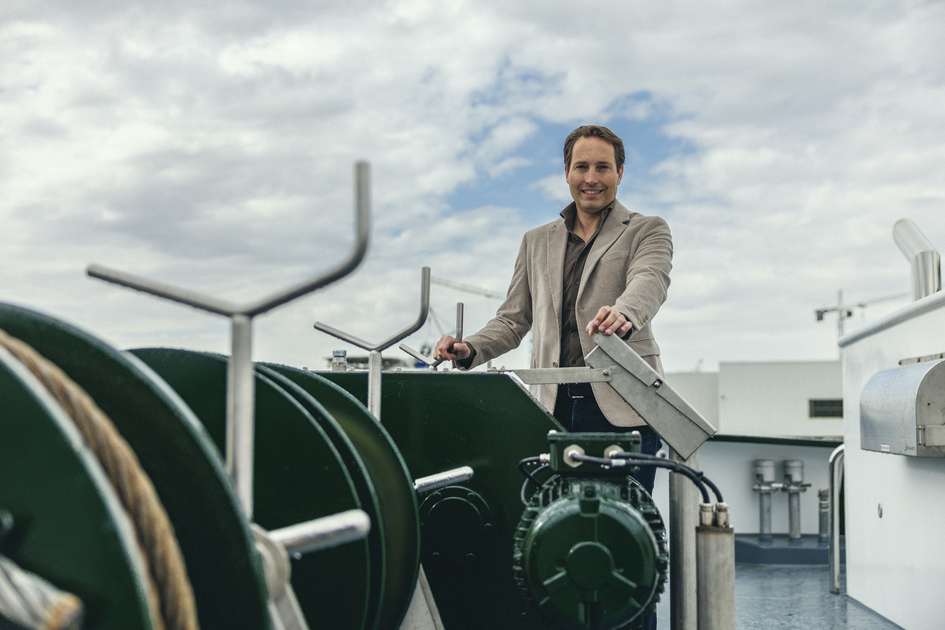
Hardinxveld-Giessendam, (Netherlands): Dijvler, a Dutch specialist in anchor and mooring winches with nearly 50 years of experience in inland waterway vessels, is expanding into the sea-going vessel segment. The company has acquired the rights, designs, drawings, and certifications of C-Nautical and has developed a new, standardised programme of anchor- and mooring winches for cargo vessels and offshore support vessels. The first orders are expected to be delivered in 2027.

Market gap following supplier exits

Several European suppliers, including C-Nautical, exited the market, in part due to sustained price pressure that drove margins below sustainable levels. The result was a market without viable Dutch or broader European alternatives for high-quality anchor- and mooring winches for sea-going vessels.

Dijvler identified this gap as a logical extension of its existing business. The company has supplied more than 2000 winches to the inland waterway sector since its founding in 1977 and has built a track record on the back of proprietary designs, in-house assembly, while aiming for long-term service relationships.

Standardised programme, ready for production

Over the past two years, Dijvler has reviewed and standardised the C-Nautical design portfolio. The company found the original designs to be of solid engineering quality and updated and integrated them into a coherent new product line. Note that key type approvals have been obtained for the full range of winches. Taken together, this enables the company to move quickly from enquiry to detailed engineering package to production.

The winches are produced at a partner production facility in China, a facility with which Dijvler’s Managing Director Laurens van Gelder has worked for many years. Van Gelder previously served as Managing Director of Damen Anchor & Chain Factory Production in China allows Dijvler to remain price-competitive with Asian suppliers while retaining full control over design, quality assurance, and aftersales support from the Netherlands. In the meantime the production facility in Hardinxveld-Giessendam in the Netherlands offers the opportunity for Made in Europe production.

An added benefit for shipyards building in China is the ability to source from a locally producing supplier while owners and operators retain access to European service support. Payment in local currency simplifies procurement for Chinese yards.

First projects confirmed

Dijvler has re-established contact with a number of former C-Nautical customers and is in discussions with several shipyards, with the first Dijvler winch deliveries anticipated in the near future. In the meantime, several orders have been received from Damen Cargo Vessels and Briese Schiffahrt for deliveries over the next years.

Dijvler’s winches carry type approval from Bureau Veritas and Lloyd’s Register, including Marine Design Appraisal, and are certified to current ATEX directives.

Dijvler’s Owner & Director Laurens van Gelder is proud to see the result of those years of development and investments: “The exits we saw in this market were ultimately the result of a race to the bottom on price. That is not a model that serves customers well. An anchor winch has to perform reliably for decades. That demands a supplier with the financial health and commitment to still be there when service is needed. We have been building winches for nearly fifty years. That continuity is what we are bringing to the sea-going market. Last, a message to former C-Nautical customers: we invite you to contact us if you have any questions about legacy installations, spare parts, service needs, or upgrades.”

Long-term commitment over short-term pricing

Dijvler’s approach to the sea-going market reflects the same philosophy that has underpinned its inland waterway and short sea business, i.e. the company aims for transparency, realistic pricing, and a service network that remains available throughout the operational life of the equipment.

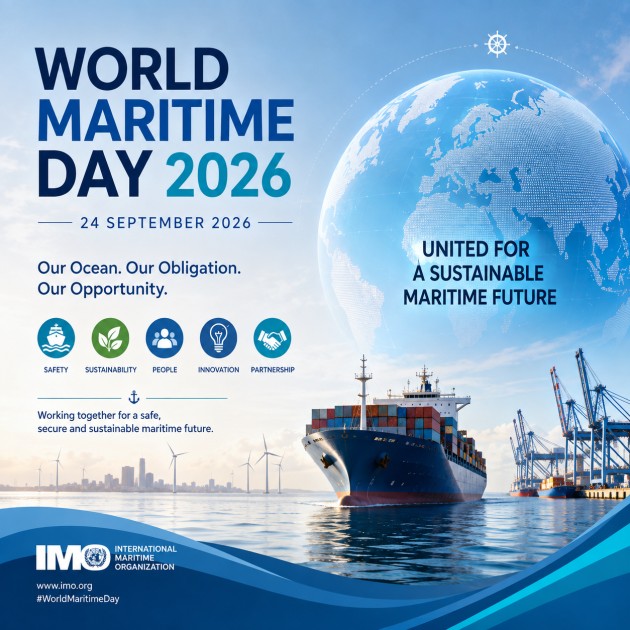
IMO Celebrates World Maritime Day 2026 on theme ‘From Policy to Practice: Powering Maritime Excellence’

LONDON: Global regulations will deliver safer, more resilient shipping when they are implemented worldwide.

The international maritime community marks World Maritime Day on 24 September as shipping faces the direct impacts of wider geopolitical tensions and conflict.  

Merchant ships have been attacked in multiple conflict zones – from the Strait of Hormuz to the Black Sea and Sea of Azov – resulting in the deaths of dozens of innocent seafarers, and the disruption of global trade and critical supply chains.  

Against this backdrop, the International Maritime Organization (IMO) is highlighting the importance of upholding and implementing the international regulatory framework that keeps shipping safe, secure and efficient, while protecting the people who work at sea. 

Secretary-General’s message

In his official message to mark the day, IMO Secretary-General Arsenio Dominguez said:  

“This year’s World Maritime Day theme, ‘From Policy to Practice: Powering Maritime Excellence’, recognizes the reality that regulations will deliver safer, more resilient, and cleaner shipping when they are implemented worldwide.   

“Implementation must make a difference where it matters most – for the people working at sea. Seafarers come first. Always.” 

The World Maritime Day theme spans 2026 and 2027, allowing Member States and partners to focus on turning global policy decisions into practical outcomes. 

This includes translating IMO regulations into national legislation, strengthening enforcement, and enhancing training. 

Closing the implementation gap 

A central part of IMO’s work is supporting Member States in implementing IMO regulations effectively.  

This year, IMO completed the first audit cycle under the IMO Member State Audit Scheme (IMSAS). Since the scheme became mandatory in 2026, 168 Member States (94% of the membership) have been audited on how effectively they meet their obligations under key IMO instruments. 

The findings revealed that many countries still struggle to translate IMO rules into national law, with shortage of technical expertise and infrastructure, and weak oversight of ships being key challenges.  

Based on this information, IMO will target technical assistance where it is needed most – including in Least Developed Countries and Small Island Developing States.  

Implementation, capacity and technical cooperation 

Effective implementation of international regulations ultimately hinges on capacity at national and local levels. IMO supports countries through: 

  • Technical assistance to draft or update national legislation, establish administrative frameworks, and strengthen enforcement. 
  • Training programmes for administrations, ports and seafarers, supported by regional centres and partnerships. 
  • Peer learning and knowledge exchange, through IMO projects, programmes and global networks. 

The World Maritime Day theme focuses on practical implementation across key areas of IMO’s work, including:  

  • Safety and new technologies 
  • Preparing shipping for decarbonization 
  • Tackling fraudulent ship registration and maritime fraud 
  • Facilitation, digitalization and resilience 
  • Cyber security and maritime security 
  • Marine environment protection beyond carbon 

Join the campaign 

On 24 September, the IMO Headquarters in London will be illuminated in blue, symbolizing the global commitment to turning policy into practice. 

Secretary-General Dominguez has invited all Member States, intergovernmental and non-governmental organizations to also join the initiative by lighting up prominent buildings in blue.  

Everyone is encouraged to share photos or stories on social media, showing how maritime policy is being put into practice, using the hashtags #WorldMaritimeDay and #MaritimePolicytoPractice.  

United Nations Secretary-General’s message on World Maritime Day 2026

“With at least 80 per cent of international trade moving by sea, maritime shipping keeps our world afloat. For nearly eight decades, countries have worked together to develop conventions and codes that make global seafaring more efficient, fair, sustainable and safe.
 
But this critical framework is under strain. Conflicts and geopolitical tensions are infringing on navigational rights and freedoms that must be restored. The lives of seafarers are being threatened, and the global supply of fuel, fertilizers and food has been disrupted. These shocks to the global economy have devastating consequences, especially for developing countries.
 
That is why the theme of World Maritime Day for 2026 and 2027 is “From Policy to Practice: Powering Maritime Excellence”. It speaks to the vital importance of adhering to international law and ensuring it is fully implemented.
 
Seafarers, port workers, ship operators and inspectors all have a role to play in turning global maritime commitments into reality. From worker safety to the energy transition, these laws and policies protect crews and help preserve our oceans.

 
With collective action by governments, labour groups and the private sector, we can go even further. Together, let us ensure maritime excellence – and safer, more resilient seas for all.”

At UN, Trump issues ‘annhilation’ warning to Iran; says deal expected after US midterm elections

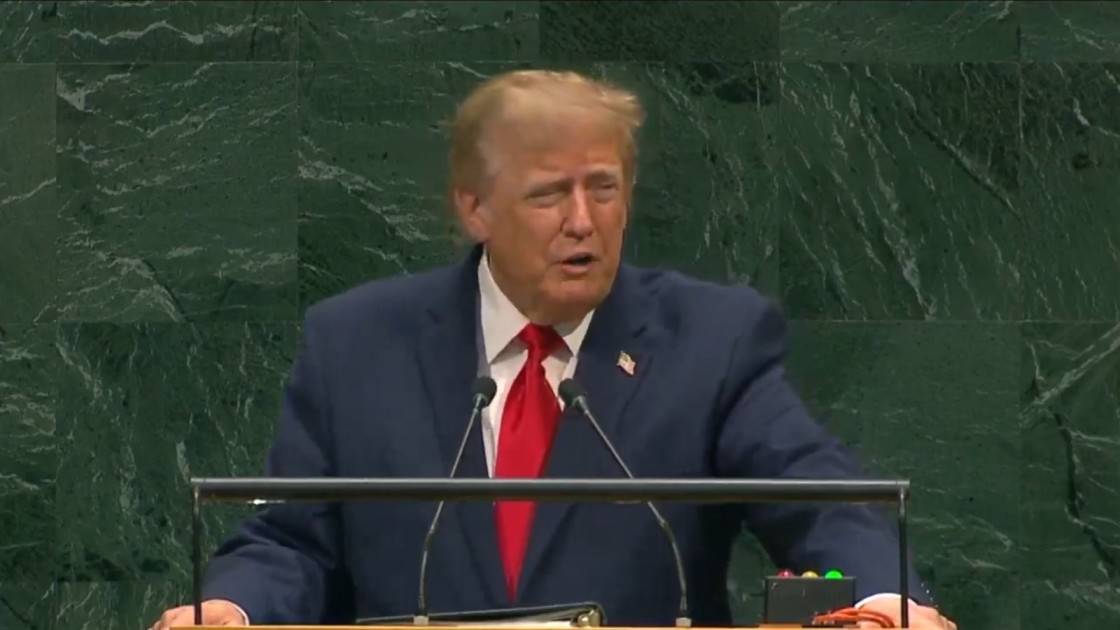
NEW YORK: US President Donald Trump on Tuesday addressed various global issues in his address to the United Nations General Assembly at its 81st session addressing , saying he could “annihilate” Iran if a peace deal is not reached while also noting that he believes a deal will be made after the mid-term election, “because it doesn’t make sense for them not to”. He also spoke about efforts by the United States Navy to escort oil out of the Strait of Hormuz said more oil is flowing than at any point since the start of the war.

“I want to thank the UN Security Council for voting overwhelmingly to pass a resolution condemning Iran’s despicable terrorist attacks on commercial shipping. The United States Navy has recently escorted more than 1 billion barrels of oil out of the Strait of Hormuz, and more oil is flowing than at any point since the start of the war. We’re taking 22, 25, 30, 32 and 37 ships out, respectively, every single day, every single night,” he said. Trump said Iran is waiting to see how he does in the midterm election. The war between US and Israel on one side and Iran on the other began in February this year.

“But I have a big decision to make. Will a deal be made with Iran that lets them rebuild and create a far greater country than it ever was before? Maybe one of the greatest in the Middle East or even the world. Or do I annihilate the Islamic Republic, and do it quickly, never giving them a chance to kill and destroy people and countries again? But I believe we’ll make a deal right after the election, because it doesn’t make sense for them not to,” he said.

“They’re waiting to see how I do in the midterm election. What they don’t realize is that I’m not running…I gave absolutely no credence and will not give credence to the election when it comes to Iran. It doesn’t even enter my mind. The only thing that does is that Iran will never have a nuclear weapon,” he added.

Setting a hardline tone from the opening moments, President Trump contrasted his own foreign policy achievements against what he characterised as a history of international hesitation. “While others have talked, I have acted. While others have spoken of peace, I have made it. While others have ignored threats, I have confronted them. While others have talked of courage, America has shown it. While others have promised strength, I have used it to make America the most powerful country in the world,” he said.

Turning his attention to the West Asia conflict, Trump levelled sharp accusations against Iran. He reaffirmed his commitment not to let the Islamic Republic have a nuclear infrastructure, commending US-Israel’s joint military offensive against Tehran, Operation Epic Fury.

“There is no better example of a danger that was allowed to gather strength at the world’s peril than the number one sponsor of terror, the Islamic Republic of Iran. From the first day I entered the political arena, I have been unwavering — I will never allow Iran to have a nuclear weapon,” he said.

Framing Tehran as a major threat to global security, he accused the Islamic Republic of “funding” the “Hamas terrorists” to carry out the October 7th attack in Israel ahead of its 3rd anniversary. “In America, we just marked the 25th anniversary of the worst terror attack in history, September 11th, which killed 3,000 people a few miles from here. In two weeks, we will mark the third anniversary of the October 7th attack in Israel, where terrorists funded by Iran tortured, mutilated, and killed 1,200 innocent civilians, including dozens of Americans. Iran’s Supreme Leader celebrated that massacre and called it a ‘service to humanity.’ The same regime slaughtered over 72,000 of its own citizens this year,” he said.

“Just imagine if such a vile regime were ever empowered to carry out large-scale terror attacks from behind a nuclear shield. This was the reality we had to confront—a reality that far too many preferred to ignore. This was the reality we had to confront — a reality that far too many preferred to ignore. After giving Iran every chance for a deal, I took action to ensure that neither the United States, nor any nation in this hall, would ever have to face such a nightmare,” he added.

He commended diplomatic efforts that targeted Iranian naval actions in strategic shipping lanes, pointing to wide support at the United Nations. Dismissing claims that ongoing military operations and foreign security aid have depleted the nation’s arsenal, Trump forcefully rejected reports suggesting the armed forces are facing critical supply shortages.

“The cowards and traitors would love to say the United States is low on munitions — but that’s not true. We have more munitions than we could ever possibly think of using and are building them up at levels we have never done before,” he said.

Pointing to a rapid expansion of domestic defence manufacturing, Trump highlighted major infrastructure investments designed to dramatically scale up weapons production. “In addition, in the very near future, massive munitions plants will be opening; there are 18 of them right now that are in rapid construction,” he added.

The 81st session of the UN General Assembly has the theme “Restoring Trust, Managing Transformation: A United Nations That Delivers for All.” The high-level general debate is scheduled from September 22 to 26 and on September 28 in New York, featuring global leaders addressing critical international challenges alongside high-level meetings focused on climate action, development, sea-level rise, and pandemic preparedness.

Source: ANI

“Will never bow our head or bend the knee…”: Iran President slams Trump’s remarks at UNGA

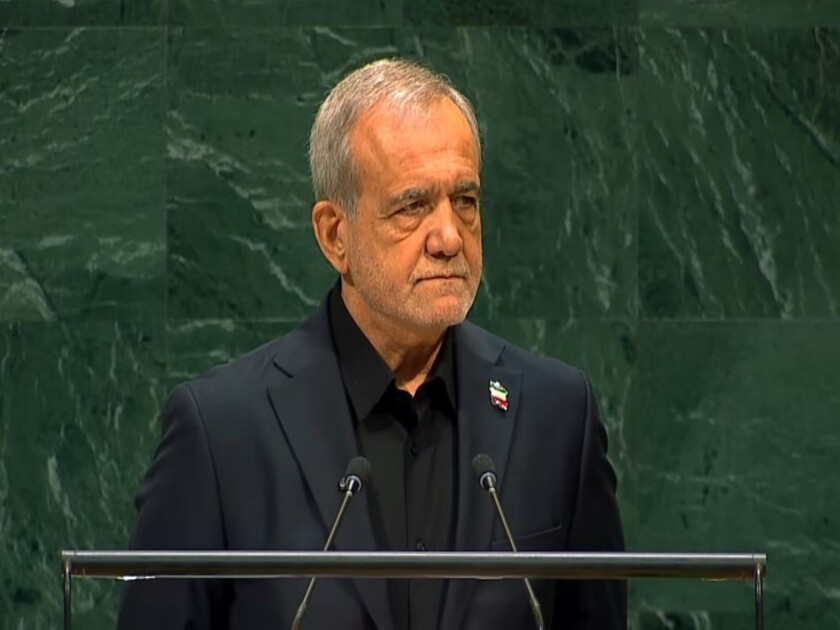
NEW YORK: Iranian President Masoud Pezeshkian on Wednesday said that American sanctions and coercive pressure will only strengthen Iranian resolve.

Addressing the 81st Session of the United Nations General Assembly, Pezeshkian rejected Washington’s rhetoric and labelling of Tehran, and maintained that while Iran remains open to diplomacy, it will never yield to external coercion or threats.

Pezeshkian criticised Trump’s remarks against the Islamic Republic as contradictory to the core principles of international law and global governance.

“He must know that the resistance of the Iranian people will only increase in the face of sanctions, increased pressure, increased bullying,” Pezeshkian said regarding Trump. “We will never bow our head, or bend the knee.”

While signaling a willingness to engage in diplomacy, Pezeshkian stressed that negotiations must occur on equal footing without coercion.

He noted that Iran is open to dialogue and negotiations, but affirmed that it will not accept “the language of force.”

“We must not allow the 21st century to go back to an era of hegemony,” Pezeshkian told the General Assembly. “We invite the world to cooperate. We seek to think about a worthy future. If we want an order based on law, it must be based on peace. The President of the US’ words show he goes against the spirit of the UN.”

Turning to Iran’s nuclear programme, Pezeshkian said it is for peaceful purposes.

“Israel has nukes, but the inspectors are requested to come to Iran. Israel has murdered savagely over 70,000 innocents in Gaza, but Iran, while behind the table of negotiation, was bombed,” Pezeshkian stated. “Nuclear weapons are in Israel, but the inspectors are in Iran. They kill, we are sanctioned, we are punished,” he said.

“Iran cannot accept that nuclear technology is only for a handful. will not bow our head and give up the right that is inherently ours. We say it clearly: No nuclear weapons and no limitations to peaceful nuclear technology,” he added.

Detailing Tehran’s developmental goals, Pezeshkian stated, “We seek energy for progress. For years, there have been — they have labeled centrifuges, international sanctions, other labels when it comes to our nuclear technology. But for our country, peaceful nuclear technology is part of our inherent progress,” citing applications in domestic agriculture, industrial advancement, and electricity generation.

“And we wish to cooperate and collaborate for security,” he said, before underscoring that Tehran will build its domestic strength to guarantee its survival….Iran must be powerful, so as to avoid being threatened, to avoid its future being threatened. Our defensive systems have been built so that no one can think that bombing of Iranian cities will go unanswered. That is why we have the military power we do for defence,” he added.

Pezeshkian also talked about the Gaza situation.

“Palestine remains an open wound on the conscience of the international community, and Gaza remains a symbol of the failure of international mechanisms to prevent civilian suffering,” Pezeshkian said.

He pointed out that decades of UN resolutions have failed to halt aggression, declaring that as long as occupation persists, “resistance will continue. If it is weakened in one form, it will re-emerge in others, perhaps stronger still.”

Reflecting on the civilian toll, Pezeshkian maintained that bombardment would never eliminate the desire for Palestinian self-determination.

“Gaza, despite relentless killing and widespread devastation, has strengthened the people’s faith in resistance, and resistance cannot be destroyed by bombs and siege; this is human nature…If a human being is driven from his or her land, they will resist. If their homes are subjected to bombings and aggression and attacks, they will resist; what other choice do they have? Succumb to bullying? To be driven from their homes, from their lands, and remain silent in the face of these threats and dangers? And when they defend themselves, they’re labelled as terrorists,” he remarked.

His remarks come a day after US special envoy Steve Witkoff and Jared Kushner, part of the US team, met with mediators involved in talks on a deal with Iran.

Trump referred to the meeting during his bilateral engagement with Ukrainian President Volodymyr Zelenskyy, Trump said that the meeting had lasted for three hours and described it as a “very good meeting.”

“The meeting went very well. It ended an hour ago. It was a meeting that lasted for three hours…It was a very good meeting…I can’t imagine why they wouldn’t want to do it… In one case, it’s obliteration and the other alternative is potential greatness. It could be a great country,” he further said.

Source: ANI

India, Russia explore deeper cooperation in Fisheries, Port Infrastructure and Maritime Development

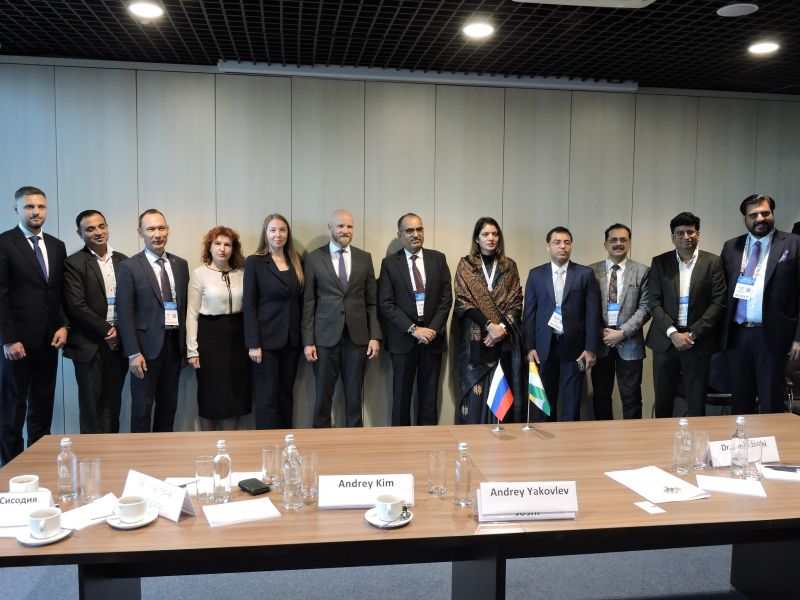
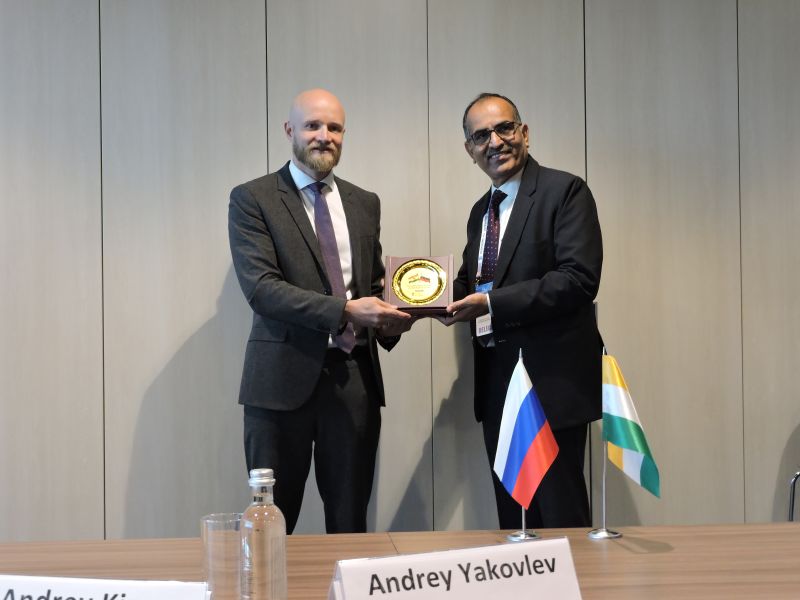
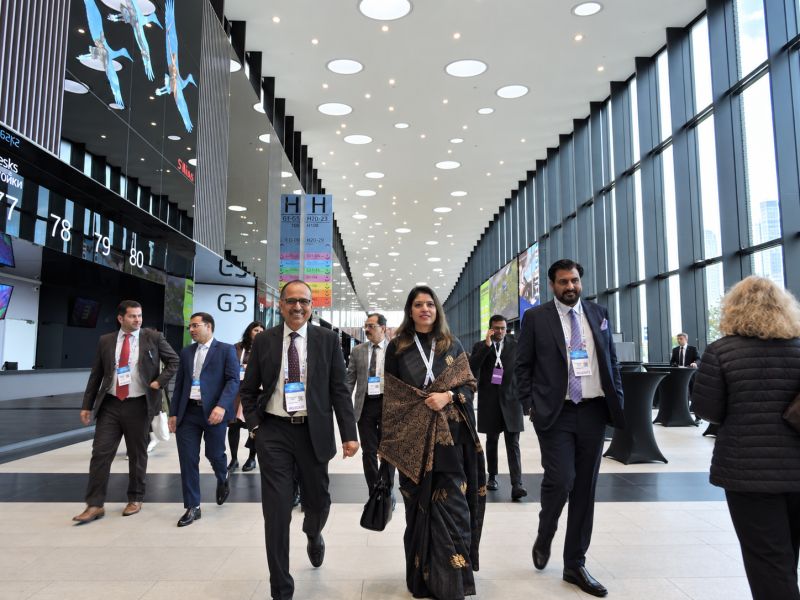
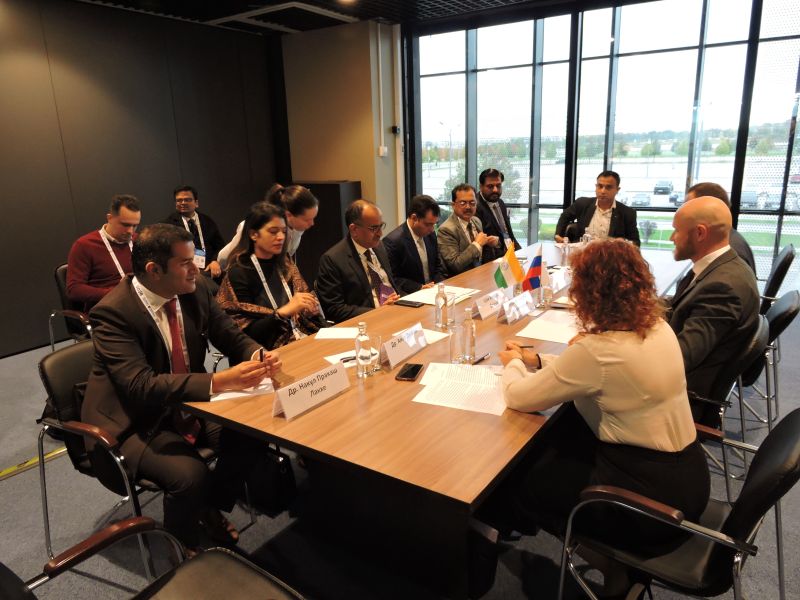
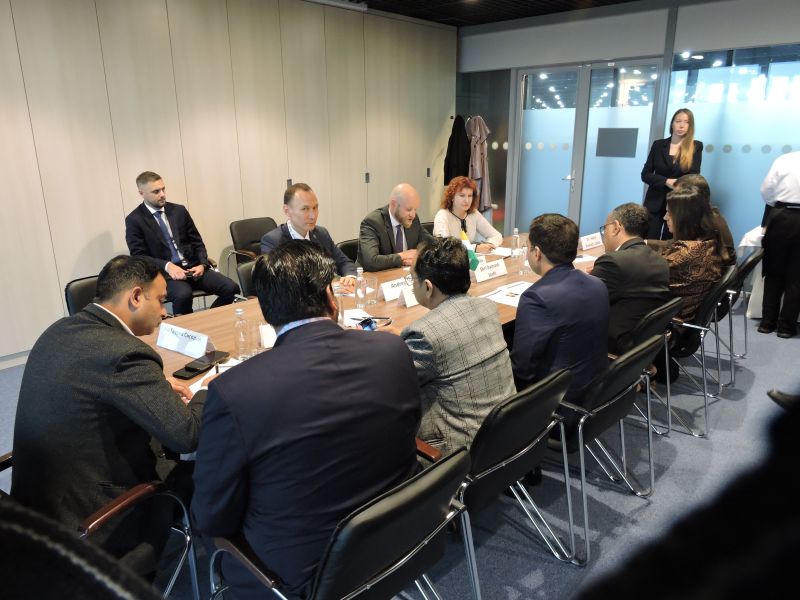
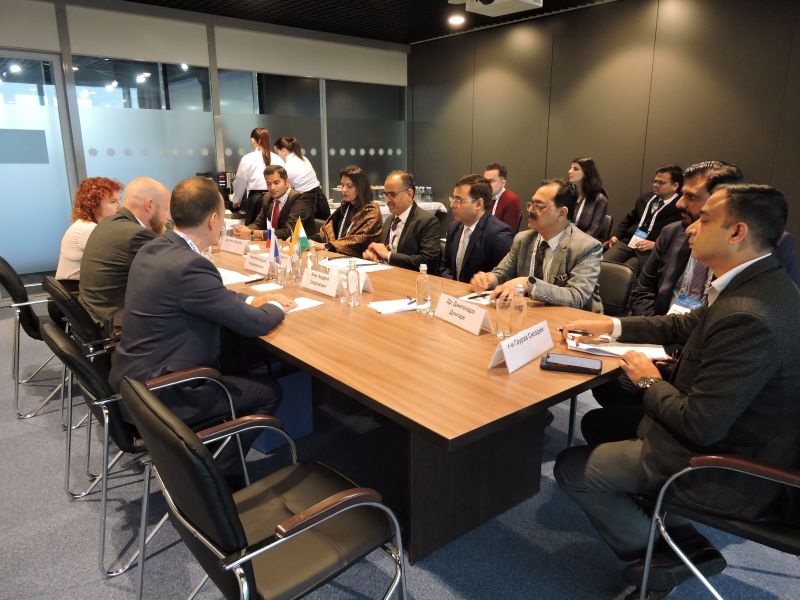
ST. PETERSBURG: India and Russia have explored opportunities to strengthen bilateral cooperation across fisheries, fleet and port infrastructure, maritime development, technology exchange and international partnerships during a high-level meeting held at the EXPOFORUM Convention & Exhibition Centre in St. Petersburg.

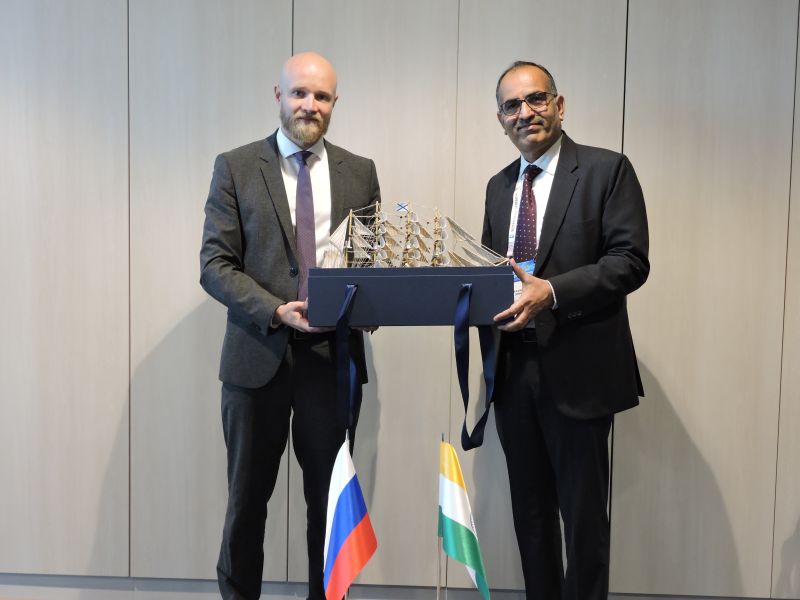
The bilateral engagement brought together Mr. Andrey Yakovlev, Deputy Head of the Federal Agency for Fisheries, and members of his delegation with an Indian delegation led by Shri Avinash Joshi, IAS, Secretary, Ministry of Food Processing Industries (MoFPI).

Senior representatives from the Ministry of Food Processing Industries, Invest India and Knowledge Chamber of Commerce and Industry (KCCI) participated in the discussions, according to a post shared by KCCI.

Focus on Fisheries and Maritime Infrastructure

The meeting provided an institutional platform for discussions on strengthening cooperation in the fisheries sector, with particular attention to areas that could support the development of modern maritime and fisheries infrastructure.

The discussions covered potential collaboration in fisheries, fishing fleet development, port infrastructure, maritime development and technology exchange, along with opportunities for international partnerships and industry-to-industry engagement.

With both countries possessing substantial maritime and fisheries interests, greater cooperation in technology, infrastructure and knowledge sharing could provide avenues for businesses and institutions to explore new areas of engagement.

Strengthening India-Russia Institutional Linkages

The meeting also highlighted the importance of strengthening institutional mechanisms between India and Russia to facilitate greater cooperation between government agencies, industry stakeholders and other organisations.

The discussions sought to identify avenues for technical cooperation and industry-to-industry partnerships, potentially creating a broader platform for businesses and institutions from both countries to engage in maritime and fisheries-related projects.

KCCI Facilitates Bilateral Engagement

The Knowledge Chamber of Commerce and Industry (KCCI) coordinated and facilitated the bilateral engagement, supporting efforts to build stronger institutional and business connections between India and Russia.

The organisation’s participation reflects the growing role of industry and trade facilitation bodies in connecting Indian businesses and institutions with international counterparts and creating platforms for sector-specific cooperation.

The St. Petersburg meeting therefore represents an important step in continuing dialogue between Indian and Russian stakeholders in areas spanning fisheries, maritime infrastructure, ports, fleet development and technology, while opening possibilities for further technical and commercial engagement.

Potential Areas of Future Cooperation

The areas discussed during the meeting could provide a foundation for further dialogue around:

  • Fisheries sector cooperation and technology
  • Fishing fleet development and modernisation
  • Port and maritime infrastructure
  • Technology and knowledge exchange
  • Technical cooperation between institutions
  • Industry-to-industry partnerships
  • International investment and business collaboration

As India and Russia continue to explore opportunities for expanding economic and institutional engagement, sector-focused dialogues such as the St. Petersburg meeting can provide a platform for translating bilateral relationships into practical cooperation, technology partnerships and new business opportunities across the maritime and fisheries ecosystem.

Kandla–Thoothukudi Coastal Green Shipping Corridor set to get weekly container service

GANDHIDHAM: India’s first proposed Coastal Green Shipping Corridor between Kandla in Gujarat and V.O. Chidambaranar (VOC) Port in Thoothukudi, Tamil Nadu, is set to receive a dedicated weekly container service, marking a significant step towards strengthening coastal cargo movement and promoting greener maritime transportation.

The Indian Port Rail & Ropeway Corporation Ltd. (IPRCL) has invited shipping companies to operate the proposed service between Deendayal Port Authority (Kandla) and VOC Port Authority, Thoothukudi.

The Kandla–Thoothukudi route was identified by the Ministry of Ports, Shipping and Waterways (MoPSW) in 2025 as India’s first Coastal Green Shipping Corridor, to be developed in partnership with the Shipping Corporation of India (SCI), Deendayal Port Authority and VOC Port Authority. The initiative envisages facilitating cleaner coastal maritime transport while supporting the development of green-fuel infrastructure along the corridor.

Dedicated Two-Way Container Service

Discussions between VOC Port and SCI in June 2025 had identified potential cargo flows in both directions. These included raw cotton and chemicals from Gujarat, along with solar panels, tyres and machinery spares from Tamil Nadu.

Under the latest IPRCL tender, the selected operator will be responsible for arranging and operating dedicated vessels between Kandla and Thoothukudi and providing the return service to Kandla.

The proposed operation will require two container vessels, each with a minimum capacity of 1,000 TEUs, to maintain a weekly sailing frequency. The estimated round-trip voyage between the two ports is approximately 14 days.

Six-Month Initial Operation

The service is proposed to commence initially for a period of six months, with the possibility of extension up to two years, depending on cargo availability, operational requirements and satisfactory performance.

IPRCL has estimated the project cost at approximately ₹150 crore.

The selected shipping company will undertake the complete operational management of the service, including vessel and crew arrangements, scheduling and voyage management, bunker procurement, port agency coordination, and payment of port dues and marine service charges.

The operator will also coordinate cargo and terminal activities, including loading and unloading operations, commercial management of vessel slots and monitoring of cargo movement.

In addition, the selected company will work closely with customers and other stakeholders to generate cargo bookings and facilitate efficient movement of containers along the corridor.

Advancing Green Coastal Shipping

The proposed weekly service is expected to strengthen the maritime link between India’s western and southern coasts while creating a structured coastal route for two-way containerised cargo movement.

The initiative also forms part of the broader effort to develop green shipping corridors in India, combining regular coastal connectivity with the gradual adoption of cleaner fuels and supporting infrastructure.

India’s Ports volume rise 7% in August as freight rates surge 132%: Jefferies

NEW DELHI: India’s port volumes rose 7 per cent year-on-year in August 2026, even as global container freight rates surged 132 per cent from February levels, according to a Jefferies report.

The brokerage attributed the sharp rise in freight rates to Middle East tensions, early peak-season shipments and front-loading ahead of China’s Golden Week.

Government-owned major ports led the increase, with volumes rising 10 per cent YoY in August. Non-major ports also recorded 11 per cent growth during the month.

The strong performance at ports contrasted with Indian Railways, where container volumes declined 3 per cent YoY in August. Port container volumes, by comparison, increased 10 per cent.

Jefferies said transshipment activity may have supported container traffic at Indian ports, helping the sector maintain growth despite geopolitical disruptions.

Among key cargo categories, iron ore volumes jumped 30 per cent YoY in August, while container volumes rose 10 per cent and coal throughput increased 6 per cent.

Among private port operators, Adani Ports reported a 19 per cent YoY increase in August volumes, with its domestic operations estimated to have grown 10 per cent.

Performance across non-major ports was mixed.

Odisha ports recorded a 39 per cent rise in volumes, while Gujarat posted 3 per cent growth. Maharashtra ports recovered with an 8 per cent increase after declining in the previous period.

India’s export-import trade increased 18 per cent YoY in August, supporting port activity. Containerisable trade, excluding petroleum, oil, lubricants, gems and jewellery, rose 21 per cent, with exports increasing 23 per cent and imports 20 per cent.

Exports to the US rose 22 per cent YoY, while shipments to the UAE and Saudi Arabia declined by 17-26 per cent, according to the report. Road freight activity also remained firm in early September. Freight tariffs increased 2 per cent month-on-month, supported by higher fuel costs and preparations for seasonal demand.

Meanwhile, registrations of medium and heavy commercial vehicles rose 40 per cent YoY in September so far, pointing to continued momentum in road logistics.

The data suggests that while geopolitical tensions have disrupted some transport channels, India’s broader logistics activity has remained resilient, with ports and road freight continuing to see strong volumes.

Paradip Port Authority records 14.82% YoY growth in rail cargo efficiency

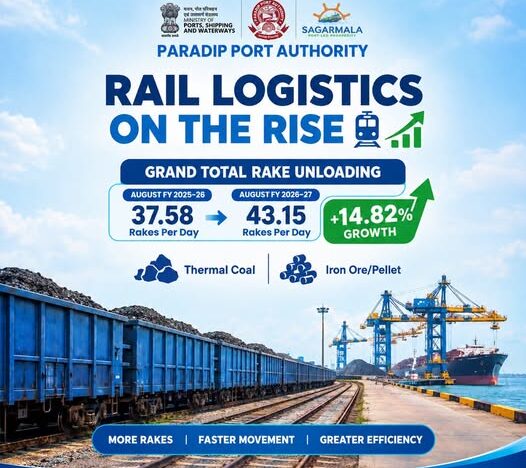
PARADIP: Paradip Port Authority (PPA) has recorded a significant improvement in the efficiency of rail-based bulk cargo handling, with the average number of rakes unloaded per day increasing by 14.82% year-on-year during the period up to August.

For thermal coal and iron ore/pellet cargo, Paradip Port handled an average 43.15 rakes per day up to August in FY 2026–27, compared with 37.58 rakes per day during the corresponding period of FY 2025–26.

The performance represents a 14.82% year-on-year increase in daily rake handling, pointing to faster unloading and improved rail-linked cargo evacuation at the port.

The higher throughput underscores Paradip Port Authority’s continuing focus on streamlining rake operations, reducing cargo-handling time and improving the efficiency of bulk cargo movement through its rail network.

The improvement was recorded across thermal coal and iron ore/pellet cargo, with average rake unloading rising from 37.58 rakes per day in FY 2025–26 to 43.15 rakes per day in FY 2026–27.

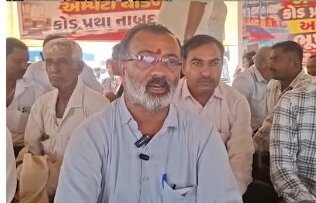
Mundra Empty Container Yard dispute intensifies as Nine begin Hunger Strike

MUNDRA: The long-running dispute over the handling of empty containers at Mundra has entered a fresh phase, with nine persons beginning a hunger strike demanding reconsideration of the decision to freeze codes of empty container yards operating outside the Mundra Port and Special Economic Zone (SEZ) premises.

The latest development has brought renewed attention to the concerns of independent empty-container yard operators and allied stakeholders, even as the port ecosystem continues to adjust to a new framework for handling empty containers.

The dispute primarily revolves around the decision to move towards a more centralised arrangement for empty-container handling at Mundra. Under the new system, shipping lines are expected to utilise designated facilities within the Mundra SEZ for handling empty containers, while codes associated with yards located outside the designated area have been frozen.

The affected operators have been seeking withdrawal or reconsideration of the code-freezing decision, arguing that the change has consequences beyond the empty-container yards themselves. They contend that transport operators, container owners, repair and maintenance businesses, workers and several other small and medium-sized service providers form part of the wider ecosystem that has developed around Mundra’s container trade.

Dispute Over New Empty-Container Framework

The issue has its roots in a decision by Adani Ports and Special Economic Zone Ltd (APSEZ) to introduce a dedicated and more integrated mechanism for empty-container operations at Mundra.

The port operator has maintained that a structured empty-container facility can help streamline operations, reduce unnecessary movement of empty boxes, improve traffic management and strengthen operational controls.

The move, however, has created apprehension among operators of existing facilities outside the port and SEZ boundaries. Their principal demand is that the transition should take into account the investments already made by existing operators and the economic interests of the wider logistics community dependent on these facilities.

The current hunger strike is therefore being seen as an escalation of a dispute that has continued despite earlier discussions between stakeholders.

Earlier Operational Disruption

The issue had already affected container logistics at Mundra earlier this month when empty-container yard operators suspended operations in protest.

The disruption subsequently led to discussions among stakeholders and the operations were resumed. However, the resumption of activity did not result in a complete resolution of the underlying differences concerning the future role of external empty-container yards.

The latest protest indicates that the operators continue to seek a mutually acceptable solution.

SoP Becomes Key Point of Discussion

Another important aspect of the dispute is the proposed framework for empanelment and operation of empty-container yards.

The stakeholders have been discussing a Standard Operating Procedure covering issues such as yard infrastructure, capacity, location, operational standards and container maintenance and repair services.

While a structured framework could bring greater standardisation to the sector, operators have raised concerns about the investment and infrastructure requirements that may accompany the proposed system.

Smaller operators, in particular, are seeking a framework that recognises different operational capacities and allows existing businesses to participate without imposing requirements that could make their operations commercially difficult.

Why the Issue Matters to India’s EXIM Trade

The developments at Mundra are significant because empty containers form an essential part of the export-import logistics chain.

An imbalance between import and export container flows makes efficient repositioning, storage, inspection and repair of empty containers critical for shipping lines and cargo stakeholders. Any prolonged disruption in this segment can potentially have a cascading effect on transport planning, equipment availability and cargo movement.

Mundra is also one of India’s major container gateways, making the smooth functioning of its supporting logistics ecosystem important for exporters, importers, freight forwarders, shipping lines, customs brokers, transporters and container service providers.

Need for Stakeholder Dialogue

The latest development underlines the need for continued dialogue between the port operator, empty-container yard operators, shipping lines, transporters and other affected stakeholders.

The central challenge is to find a framework that can simultaneously address operational efficiency, safety, traffic management and regulatory requirements, while also providing a workable transition path for businesses that have been part of Mundra’s logistics ecosystem for years.

With nine persons now undertaking a hunger strike, the issue has acquired renewed urgency. The trade community will be watching closely for further discussions and any decision that could bring the two sides closer to a sustainable solution.