Home Blog Page 88

World Maritime Day 2026: Why India’s Seafarer boom needs more than Medical Fitness Certificates

By Suhasini Deshmukh, Director, MedRabbits Healthcare and Clinic

The seafaring community in India is steadily gaining importance globally. Thus, it is critical to focus on the health of seafarers as part of maritime preparedness. The Directorate General of Shipping (DGS) established a Maritime Health Unit that mandates the seafarers to undergo medical evaluation. The medical evaluation has to be carried out by a DGS approved Medical Practitioner, who will issue a Medical Certificate of Fitness. The framework includes the assessment of the various physical fitness parameters including musculoskeletal, cardiopulmonary, neurological as well as ocular.

However, a medical fitness certificate should be considered as the beginning of a larger process regarding the health of seafarers. An individual may be fit at the time of examination but may at the same time exhibit potentials for health problems that could later need medical intervention. The importance of continued assessment, early detection of potential problems and medical advice becomes even greater when a seafarer starts working at sea and may not be able to react to health issues properly because of the nature of life at sea.

Medical fitness is just the beginning

Although the fitness certificate is crucial for making sure that the seafarer is safe before boarding the vessel, it should not stop the doctor from having a more thorough conversation about health on the maritime worker’s health. A detailed examination can help assess the individual’s health baseline and the failure factors that need to be monitored. The goal should be to provide not only an answer to the question concerning whether an individual is fit for sailing today but also to understand whether there exist some risk factors that may become active during the voyage.

Identifying health risks before deployment

The meaning of a thorough assessment before their sea journey lies in spotting possible issues prior to them turning into health or operational issues on board. Measuring blood pressure, blood sugar, blood lipid concentrations, liver and kidney function, sight, hearing and other medical parameters helps to acquire a better picture of a patient’s health state. When results are taken together, the presence of danger can be identified. For instance, elevated blood pressure together with abnormal results of blood lipid concentrations or glucose toleration can point to potential metabolic disorders, granting the possibility for more in-depth investigations and procedures. 

Addressing lifestyle risks early

Seafarers’ working conditions may affect their health over time. Irregular working hours may interfere with sleep, whereas the long duration of work may inhibit the ability to physically exercise; diets followed at sea may greatly contribute to nutritional conditions. Moreover, spending prolonged time away from family and friends may mean having to cope with stress caused by being away. Thus, it is important to reveal wellness-related concerns before they lead to serious problems. For instance, having excess weight, highest blood pressure level, poor metabolic measurements, or insufficient sleep means that the seafarer needs help or assistance for leading a healthier lifestyle, although they may seem healthy otherwise.

Building safer seafaring operations

The health of seafarers is directly linked to the safety of the operations. A serious medical incident on board can impair the working ability of a person and create an additional burden for the other members of crew. If evacuation or specialized medical assistance is not immediately available, conditions that could have been effectively treated on shore become much more complicated at sea. Enhanced pre-deployment healthcare can help in identifying the health conditions that need treatment before a voyage as well as in educating the seafarers about the solutions to their already present health problems and recognizing the signs of danger.

Strengthening maritime healthcare infrastructure

With the increase in India’s maritime workforce, the healthcare system must be prepared to meet the needs of seafarers. The medical centres that are licensed by DG Shipping contribute to this system through their examinations that follow the required standards. With the capacity for diagnostics and expert clinical knowledge, these medical centres could go beyond just evaluation regarding fitness but offer medical advice, preventive measures and prompt referral whenever it is necessary.

The development of India’s maritime industry relies on the unskilled workforce capable of dealing with the demanding jet and maritime jobs. Although being certified fit for working at sea is important, improving seafarers’ health is a much more complex thing that requires more pillars and preventive measures than mere certification at the time of their hiring. World Maritime Day 2026 is a chance to highlight the significance of differentiating the “fit-for-sailing” certification and the health certificate that covers the whole range of maritime-related aspects.

Author:

Suhasini Deshmukh, Director, MedRabbits Healthcare and Clinic
Indian Seafarer – Wiper Suraj Yadav killed, 19 rescued after torpedoes strike ship off Oman Coast

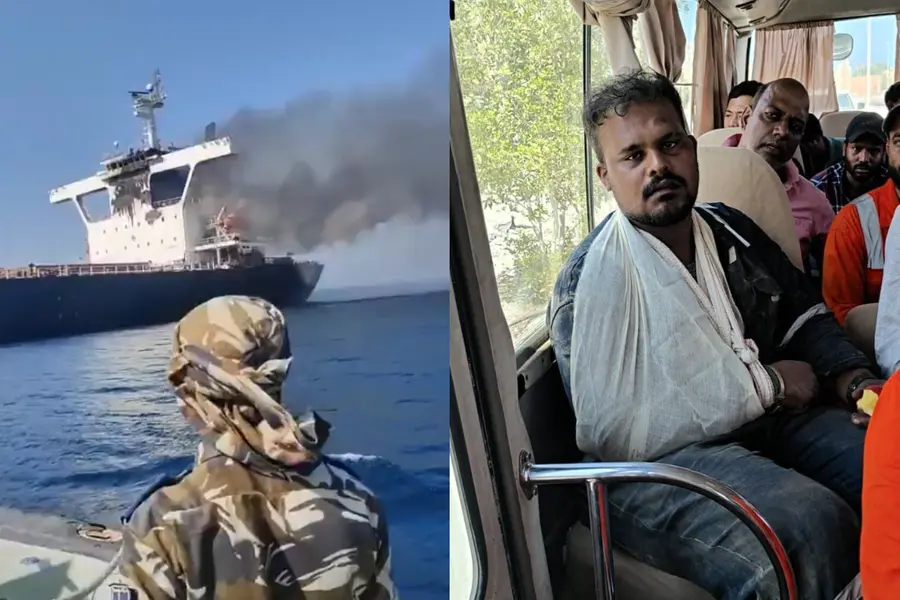
OMAN/NEW DELHI: An Indian seafarer was killed after the vessel MV Cape Dao came under attack while sailing towards India. The victim has been identified as Wiper Suraj Yadav, from Deoria in Uttar Pradesh.

The Ministry of External Affairs (MEA) on Wednesday condemned an attack on the commercial vessel MV Cape Dao off the east coast of Oman, confirming that one Indian seafarer lost his life while 19 others on board have been rescued.

“We condemn the attack on the commercial vessel MV Cape Dao earlier today off the east coast of Oman,” the MEA said in a statement, adding that of the 20 Indian seafarers on board, 19 have been rescued while one Indian national “tragically lost his life.” The ministry offered its condolences to the victim’s family.

India’s Embassy in Oman is closely monitoring the situation and coordinating with Omani authorities to facilitate the early repatriation of the rescued seafarers, the MEA said, thanking Omani authorities for their support.

The MEA said the continuing attacks on commercial shipping were “deeply worrisome” and renewed its call for dialogue and diplomacy to de-escalate tensions. The ministry said the targeting of commercial vessels, seafarers and civilian infrastructure “must end,” and called for the restoration of free and unimpeded navigation through the region’s international waterways at the earliest.

Forward Seamen’s Union of India (FSUI) said the ship was struck by two torpedoes, one hitting the port side C-deck, where the crew’s living quarters are located, and the other striking the port side hull near the engine room. The vessel had 28 crew members on board, of whom 20 were Indian nationals. This figure differs from the 19 Indian nationals mentioned by the Indian Embassy in Oman.

In a statement, FSUI said assurances of safety for seafarers in the region meant nothing in light of the attack. “Innocent civilian seafarers are being slaughtered in and around Hormuz,” the union said.

The organisation has demanded immediate accountability over the incident, along with safe passage for seafarers travelling through the region and justice for Yadav and “every Indian seafarer still at risk,” it said.

DGMA, IIT Bombay and IIFCL projects sign agreement to support shipyard modernisation under Shipbuilding Development Scheme

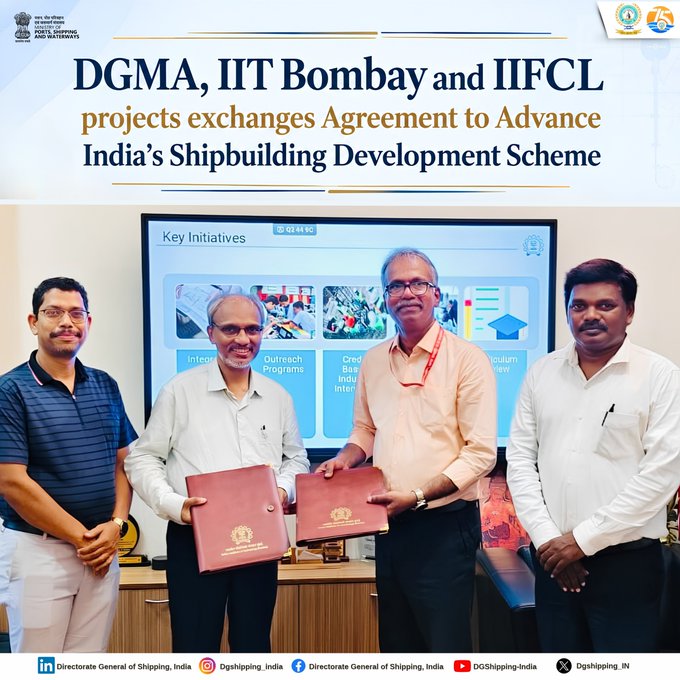
MUMBAI: A significant step towards strengthening India’s domestic shipbuilding capabilities was marked at IIT Bombay with the signing of a Tripartite Project Agreement between the Directorate General of Maritime Administration (DGMA), IIT Bombay and IIFCL Projects Ltd. under the Shipbuilding Development Scheme (SbDS).

The agreement, signed on September 17, 2026, establishes a dedicated Project Management Unit (PMU) to support the appraisal, monitoring, compliance management and implementation of shipyard modernisation projects under the Brownfield Capacity Expansion component of the SbDS.

The agreement was formally exchanged in the presence of senior officials and representatives from the three institutions. DGMA was represented by Shri Pradeep Sudhakar, Chief Ship Surveyor, and Shri Ravi Kumar Moka, Ship Surveyor-cum-Deputy Director General (Technical). IIT Bombay was represented by Prof. Tom V. Mathew, Head, Department of Civil Engineering, and Prof. Manasa Ranjan Behera, Professor, Ocean Engineering. Shri Mehul Krishnakant Patwari, Chief Executive Officer, IIFCL Projects Ltd., represented the organisation at the signing.

The newly established PMU is expected to play a key role in ensuring effective implementation of shipyard modernisation projects by facilitating systematic project appraisal, monitoring progress, ensuring compliance and supporting coordination among stakeholders.

The initiative is aimed at enabling the modernisation of existing shipyard infrastructure and facilitating the expansion of shipbuilding capacity in India. By improving infrastructure and strengthening project implementation mechanisms, the collaboration seeks to create a more efficient and competitive environment for the country’s shipbuilding industry.

The agreement also supports the broader objectives of the Maritime India Vision 2030 and Maritime Amrit Kaal Vision 2047, which envisage a stronger, more self-reliant and globally competitive Indian maritime sector.

The collaboration between DGMA, IIT Bombay and IIFCL Projects Ltd. represents an important institutional step towards developing a more capable and future-ready shipbuilding ecosystem, while creating the foundations for enhanced domestic capacity and technological advancement in the years ahead.

GSV to host 4th Bharat CPSEs’ Consultative Conclave in collaboration with CBC & DPE

VADODARA: Gati Shakti Vishwavidyalaya (GSV), as the Strategic Knowledge Partner, will host the 4th Edition of the Bharat CPSEs’ Consultative Conclave from 24 to 26 September 2026, in collaboration with the Capacity Building Commission (CBC) and the Department of Public Enterprises (DPE).

The three-day conclave will bring together 30+ officers from 15 Central Public Sector Enterprises (CPSEs), along with subject matter experts, industry leaders, academia and government representatives. The deliberations will focus on Project and Asset Management under Mission Karmayogi, with emphasis on strengthening institutional capabilities and adopting modern approaches to infrastructure management.

Key areas of discussion will include PM Gati Shakti, Unified Logistics Interface Platform (ULIP), multimodal connectivity, technology-driven asset management, CapEx governance and global best practices. The programme will also feature a Technology Showcase on BIM, Generative and Agentic AI, and AI-based project risk monitoring, highlighting emerging technologies for improving project planning, execution and asset management.

Focus on Integrated Infrastructure and Capacity Building

The conclave is designed to facilitate knowledge exchange and promote practical approaches to project and asset management across CPSEs. Discussions will examine how integrated planning, digital technologies and data-driven decision-making can contribute to more efficient infrastructure development and asset utilisation.

The programme will culminate on 26 September with an experiential field visit to the GSV Airbus Centre of Excellence and the Sardar Sarovar Dam and Statue of Unity ecosystem. Participants will get an opportunity to observe large-scale infrastructure and multimodal connectivity in operation, along with interactions with officials associated with the Sardar Sarovar Dam and Statue of Unity projects.

Expected Outcomes

The recommendations emerging from the conclave are expected to feed into the Bharat CPSE Compendium of best practices, along with address-specific recommendations for strengthening CPSE-level action, ministry-level decision-making and national policy advocacy.

The initiative is expected to support India’s continuing efforts towards infrastructure capacity building, improved project and asset management, and the broader vision of Viksit Bharat 2047.

CSL and Synergy Marine Group sign MoU to explore shipbuilding and offshore opportunities in India

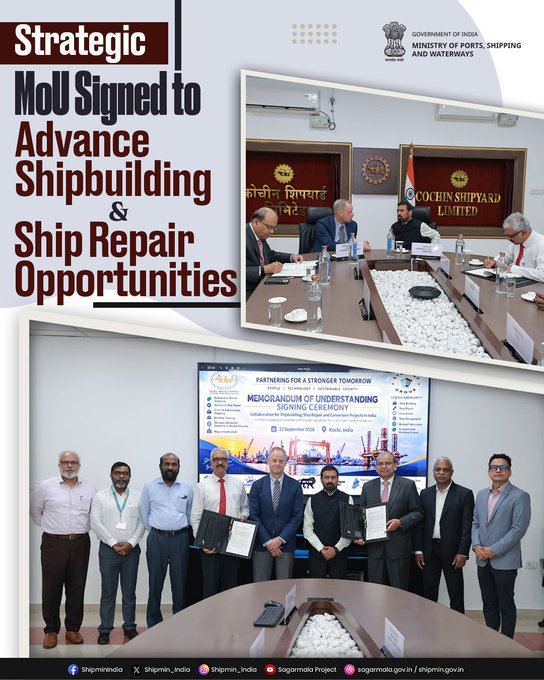
KOCHI : Cochin Shipyard Limited (CSL) and Synergy Marine Group have signed a Memorandum of Understanding (MoU) to jointly explore business opportunities across shipbuilding, ship repair, vessel conversion, module fabrication and oil & gas projects in India.

The partnership brings together CSL’s established capabilities in shipbuilding and marine engineering with Synergy Marine Group’s global maritime expertise and industry experience. The collaboration is aimed at identifying new opportunities and developing projects that can strengthen India’s shipbuilding, ship repair and offshore capabilities.

Under the MoU, the two organisations will explore potential areas of cooperation across a range of maritime and offshore activities, including construction and repair of vessels, vessel conversion, fabrication of offshore modules and projects related to the oil and gas sector.

The collaboration is also expected to encourage the exchange of technical expertise, promote innovation and support the development of specialised maritime capabilities in India. By combining their respective strengths, CSL and Synergy Marine Group intend to explore solutions aligned with the evolving requirements of the global maritime and offshore industries.

The MoU reflects the shared commitment of both organisations to contribute to the growth of India’s maritime ecosystem and create opportunities across the shipbuilding, ship repair and offshore sectors.

The collaboration comes at a time when India is placing greater emphasis on strengthening domestic shipbuilding and maritime capabilities, expanding industrial capacity and enhancing its role in the global maritime value chain.

Second indigenous Hovercraft delivered to ICG, strengthening India’s maritime capabilities

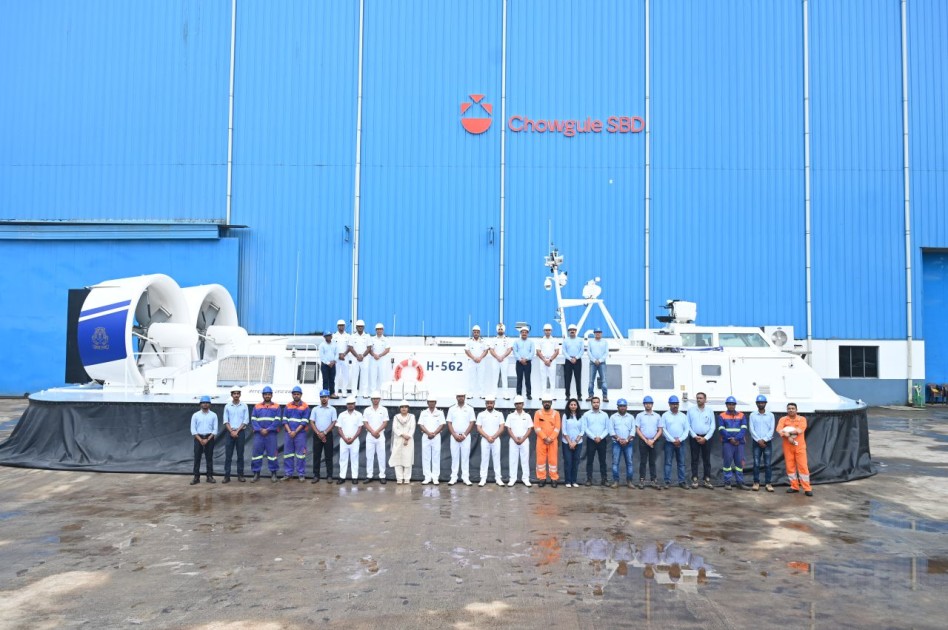
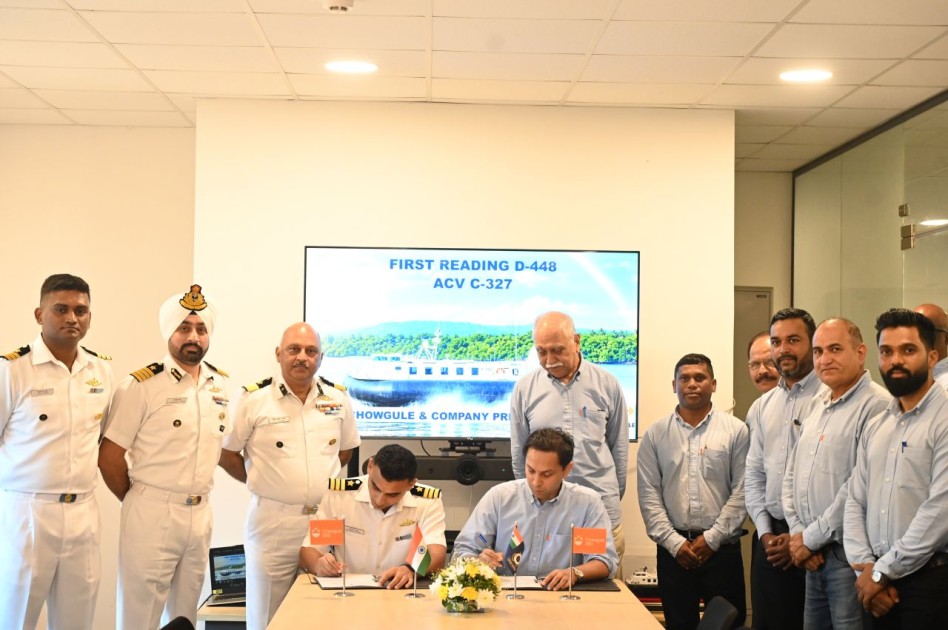
GOA: India’s indigenous maritime manufacturing capabilities have received a significant boost with the delivery of the second of six Air Cushion Vehicles (ACVs), ICG H-562, to the Indian Coast Guard which is constructed by Chowgule and Company Shipbuilding Division. The delivery comes just three months after the handover of the first hovercraft, ICG H-561.

Both hovercraft have been delivered within the contractual timelines and successfully exceeded the contracted maximum speed of 45 knots during trials, demonstrating their performance and operational capabilities.

1790179830228 Second indigenous Hovercraft delivered to ICG, strengthening India’s maritime capabilities

The project marks an important milestone in India’s maritime and defence manufacturing journey. The contract for six 8,000TD Air Cushion Vehicles, awarded by the Ministry of Defence under the Buy (Indian) category, represents the first-ever order for hovercraft to be built in India for the Indian Coast Guard.

Manufactured at a dedicated hovercraft production facility in Goa, the vessels have been designed to operate effectively in shallow, marshy and inter-tidal waters. The ACVs will support a range of critical missions, including coastal surveillance and patrol, interception and search-and-rescue operations along India’s coastline.

The project also highlights the growing role of indigenous industrial capabilities in India’s maritime sector. Developed and manufactured in Goa, the hovercraft have contributed to the creation of a local supply chain, with major components being produced by Goan industries and supported by local MSMEs and skilled manpower.

The initiative aligns with the Government’s broader objectives of Make in India and Atmanirbhar Bharat, while strengthening domestic expertise in specialised maritime platforms and technologies.

With four more hovercraft currently at advanced stages of construction, the project is set to further enhance India’s capability to design and manufacture specialised vessels for challenging coastal and maritime environments.

The successful delivery of ICG H-562 underscores the importance of indigenous innovation, engineering expertise and collaboration in strengthening India’s maritime security infrastructure and building a more self-reliant maritime manufacturing ecosystem.

NMPA organises flash mob to spread the message of Swachhata

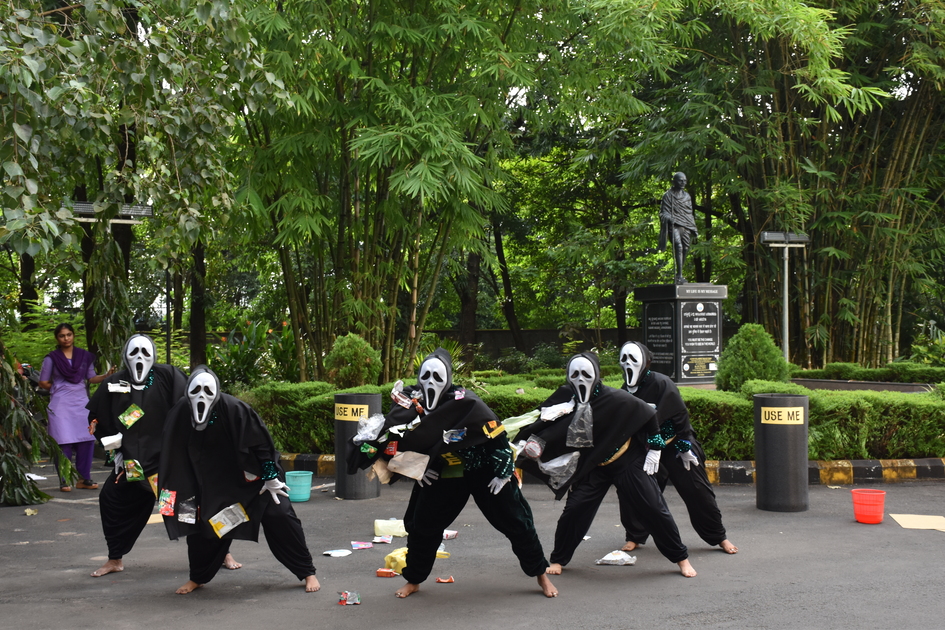
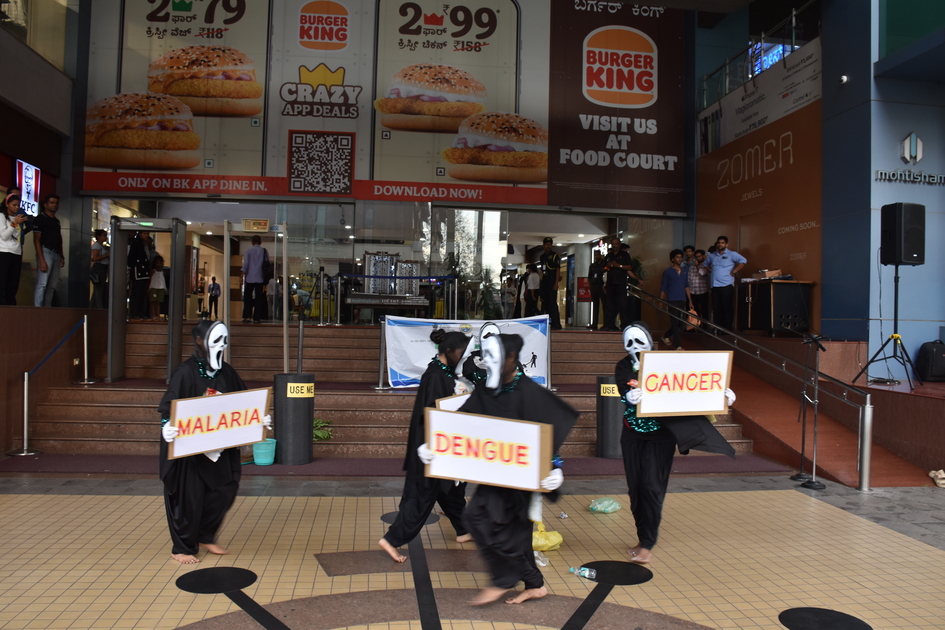
MANGALURU: As part of the ongoing Swachhata Pakhwada 2026, New Mangalore Port Authority (NMPA) organised a vibrant flash mob at the Port premises and at City Centre Mall, Mangaluru, to spread awareness on cleanliness, responsible waste management and the importance of keeping public spaces clean.

The flash mob, presented by NMPA personnel, used music, movement and Yakshagana performance to engage employees, stakeholders and the general public, carrying the message of Swachhata as a collective responsibility beyond the Port premises.

As part of the fortnight-long campaign, NMPA has been conducting a series of activities including cleanliness drives, plogging, beach clean-up, awareness campaigns on single-use plastic, visits to the vermicompost unit for school children, art-from-waste workshops, “Wealth Out of Waste” activities, Swachhata Rath rally and workshops on upcycling of scrap material.

The campaign has witnessed active participation from NMPA officers, employees and staff, CISF personnel, students and other stakeholders. These initiatives underline NMPA’s continued commitment towards promoting cleaner surroundings, sustainable waste management and greater environmental awareness.

Through the ongoing Swachhata Pakhwada, NMPA is reinforcing the message that cleanliness is not merely a campaign, but a shared responsibility and a way of life.

BuildSpace launches Integrated Industrial and Logistics Development Platform with 3 million+ sq ft Pipeline and more than 165 Acres under mandate

NAVI MUMBAI: BuildSpace Development Management Pvt. Ltd., an integrated industrial and logistics infrastructure development platform, has announced its formal launch with an identified development pipeline of approximately 3 million+ sq ft across four projects and more than 165 acres of land under development mandate.

Based on management estimates, the identified development pipeline represents an estimated project value of approximately INR 6,000 million, while the land under mandate has an indicative value of approximately INR 5,000 million. Together, these represent an estimated value of approximately INR 11,000 million (the figures should not be interpreted as contracted revenue, company valuation, or land owned directly by BuildSpace).

The company’s initial focus includes Sahakar Logistics Park in Bhiwandi, a 42-acre Grade-A industrial and logistics development with approximately 1.3 million sq ft of chargeable development potential. The project is under construction and is being marketed for leasing, including built-to-suit requirements from logistics, distribution, and manufacturing occupiers.

Growth Markets

BuildSpace is targeting established and emerging industrial corridors across Maharashtra, with a focus on Chhatrapati Sambhajinagar,  Ranjangaon, Nashik and Nagpur. It is also evaluating opportunities in select growth markets such as Dholera and Guwahati.

Manufacturing investment, infrastructure development, and improving connectivity are expected to support demand for industrial and logistics facilities in these locations.

“India’s manufacturing and supply-chain networks increasingly require facilities designed around business operations rather than standard real estate products. BuildSpace combines development management, engineering, and execution capabilities under one platform. Our objective is to work with occupiers, landowners and capital partners from early-stage planning through delivery and long-term asset performance,” said Rohan Latad, Managing Director and Chief Executive Officer of BuildSpace.

Three Connected Business Verticals

BuildSpace operates through three verticals serving different participants in the industrial and logistics real estate value chain. 

BuildINFRA provides customised industrial and logistics infrastructure for manufacturers, third-party logistics operators and other occupiers. Its services include site assessment, master planning, architectural and engineering design, project management, construction coordination, operational readiness and handover. Solutions may include built-to-suit facilities, ready-to-operate spaces and project delivery assignments on occupier-owned land.

BuildVALUE works with landowners and asset holders to unlock the development potential of strategically located land. Depending on the agreed structure, landowners may retain ownership while BuildSpace manages planning, development, tenant acquisition, leasing and asset management.

BuildWEALTH works with institutional investors and strategic capital partners on project-specific development partnerships in Grade-A industrial and logistics assets. Such partnerships are structured subject to applicable legal and regulatory requirements.

Leadership Experience

BuildSpace is led by three directors, Rohan Latad, MD & CEO; Nitin Mumbaikar, MD & CTO; and Pankaj Kakde, MD & CFO, with more than 50 years of combined experience across development management, master planning, design engineering, project execution, finance and corporate governance.

The leadership team’s prior professional experience spans special economic zones, large-scale warehousing developments, container freight stations, cold-storage facilities, port-linked infrastructure, multimodal cargo facilities and agricultural supply-chain assets. 

About BuildSpace

Founded in 2025 and headquartered in Navi Mumbai, BuildSpace Development Management Pvt. Ltd. is an integrated industrial and logistics infrastructure development platform. The company was established to address fragmentation in the industrial and logistics sector by connecting land, development, and capital through its three verticals, BuildINFRA, BuildVALUE and BuildWEALTH.

Its current platform includes approximately 1.3 million sq ft under construction, 3 million+  sq ft in development, and more than 165 acres under mandate. BuildSpace focuses on Grade-A industrial, logistics, and manufacturing infrastructure designed around operational performance, compliance, sustainability, and long-term asset value.

Maersk launches successfully 72,000sqm warehouse in the heart of Germany

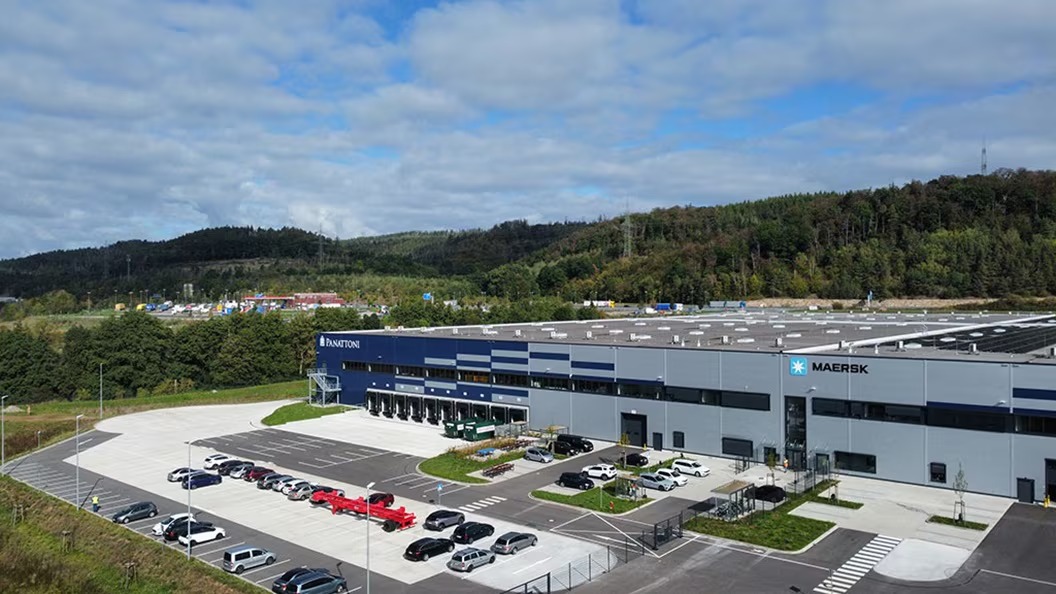
HERLESHAUSEN : Maersk has successfully launched operations in a newly developed logistics center in Germany. While the almost 12-metre-high racks on the more than 62,000 sqm storage space in Herleshausen (state Hessen) have been filling up quickly with products of all kinds since August, outbound operations have started only now with the onward distribution of the goods to German and other delivery centers of an online retailer.

The space leased by Maersk on a long-term basis in the “Panattoni Park Bad Hersfeld Ost” offers a total of 71,800 square meters of state-of-the-art logistics space, of which 62,800 square meters are for warehouse use, 2,900 square meters for offices and 6,100 square meters for mezzanine. The warehouse is located directly on the A4 motorway and thus on one of the most important east-west tangents and right in the centre of Germany.

Once fully ramped up, the warehouse will offer between 300 and 400 permanent jobs. During the peak season in online retail between October and December, there will be a total of up to 1,000 employees to keep the seamless flow of goods running. Today, 150 employees are working at the new Maersk site in Herleshausen with more hiring ongoing every day.

The warehouse is equipped with solar panels, a rainwater collection system and charging infrastructure for electric vehicles. Dedicated well-being areas help employees to relax during breaks. The warehouse is aiming for a DGNB Gold certification.

About Maersk
A.P. Moller – Maersk (Maersk) is an integrated logistics company connecting and simplifying its customers’ supply chains. As a global leader in logistics services, the company has 100,000+ customers, operates in almost 130 countries, and employs 100,000+ people. Maersk delivers innovative, reliable ocean network solutions, offers truly integrated logistics products and operates advanced container terminals, both gateways and hubs, with 60+ locations globally.

Dachser acquires Drummond with a fleet of around 100 trucks and 80 trailers in Scotland

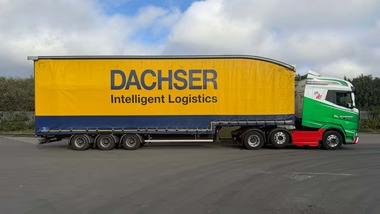
KEMPTEN: DACHSER is acquiring its Scottish partner, Drummond Distribution. The companies have agreed not to disclose the purchase price.

In 2025, Drummond generated revenue of approximately GBP20 million with around 175 employees. The company operates five locations across Scotland’s densely populated Central Belt area between Glasgow and Edinburgh. Established in 1927, the family-owned company has been a trusted DACHSER partner since 2008, connecting Scottish customers to DACHSER’s European Logistics network. The acquisition includes approximately 46,500 square meters of warehouse space, along with a fleet of around 100 trucks and 80 trailers.

As DACHSER currently has no locations within this region, the acquisition will enhance network coverage without creating overlapping structures. Business continuity will be maintained under the existing management team, led by Damon Burns. As the current owners gradually transition out of the business, the management team will report to Mark Rollinson, Managing Director of DACHSER UK & Ireland.

Strengthening the Network
“We have a long-standing and trusting partnership with DACHSER,” says Damon Burns of Drummond Distribution. “We share the same values. The backing of a family-owned company that has been growing for many years provides our customers and employees with a high degree of security and stability and opens new growth potential for the future.”

“The acquisition of Drummond strengthens our network in the United Kingdom and sets the course for further growth,” explains Alexander Tonn, COO Road Logistics at DACHSER. “Scotland’s export-oriented industry will benefit from seamless and rapid connections to all European economic regions. We’re also very pleased that Drummond’s employees are now becoming an integral part of our DACHSER family.”